Ultimate Creamy Chicken Florentine with Garlic Parmesan Sauce
Ultimate Creamy Chicken Florentine with Garlic Parmesan Sauce, an easy home-cooked recipe from Cooking with Emy.
 Save
Jump to:
- Creamy Chicken Florentine: A Rich and Comforting Delight
- Quick Recipe Highlights
- Recipe Overview
- Why You'll Love This Recipe
- Historical Background and Cultural Significance
- Ingredient Deep Dive
- Common Mistakes to Avoid
- Essential Techniques
- Pro Tips for Perfect Creamy Chicken Florentine
- Variations and Adaptations
- Serving and Presentation Guide
- Wine and Beverage Pairing
- Storage and Shelf Life
- Make Ahead Strategies
- Scaling Instructions
- Nutritional Deep Dive
- Dietary Adaptations
- Troubleshooting Guide
- Recipe Success Stories
- Additional Resources
- Join the Conversation
- The Recipe
Creamy Chicken Florentine: A Rich and Comforting Delight
Difficulty
Moderate
Prep Time
15 mins
Cook Time
30 mins
Total Time
45 mins
Servings
4
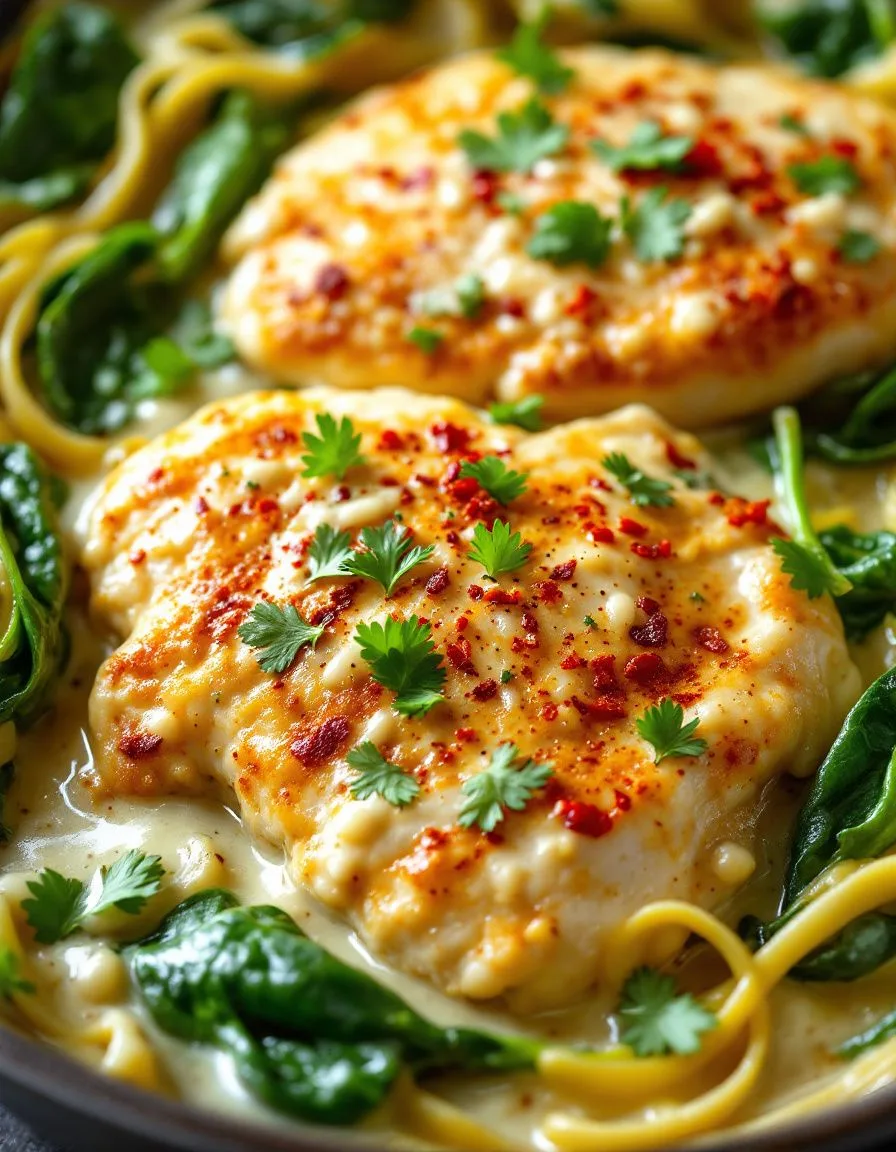
The Creamy Chicken Florentine is an indulgent dish that combines juicy chicken breasts with a delectable creamy sauce enriched by fresh spinach and garlic. This recipe captures the essence of comfort food, making it a perfect choice for family dinners or special occasions. The velvety sauce, infused with parmesan and cream, clings to the tender chicken, offering a satisfying richness that is both comforting and savory. What sets this dish apart is its balance of flavors and textures. The earthiness of the spinach complements the savory notes of the chicken, while a hint of nutmeg adds depth to the creamy sauce. Every bite delivers not just a taste but an experience that brings warmth and joy to your dining table, making it an ideal meal for cozy nights in or entertaining guests.
Quick Recipe Highlights
- Flavor Profile: Creamy with hints of garlic and nutmeg, balanced by fresh spinach.
- Texture: A delightful medley of tender chicken and a rich, smooth sauce that coats perfectly.
- Aroma: Inviting scents of sautéed garlic and fresh herbs make this dish irresistibly aromatic.
- Visual Appeal: Vibrant green spinach contrasted with golden-brown chicken creates a beautiful presentation.
- Skill Level Needed: A moderate skill level is required, but it’s approachable for home cooks.
- Special Equipment: A skillet or frying pan, and a cooking thermometer are recommended for best results.
Recipe Overview
- Difficulty Level: This recipe is categorized as moderate due to the multiple cooking steps and the need for timing precision.
- Category: Creamy Chicken Florentine can be served as a main course for lunch or dinner.
- Cuisine: This dish draws influences from Italian cuisine, highlighting the use of fresh greens and creamy sauces.
- Cost: The total cost is approximately $15, making it a budget-friendly meal for families.
- Season: Enjoy this recipe year-round, although its comforting nature makes it especially popular in the fall and winter.
- Occasion: Perfect for family dinners, elegant gatherings, or when you want to impress guests with a delicious homemade meal.
Why You'll Love This Recipe
The taste and texture of Creamy Chicken Florentine are truly delightful. The combination of tender chicken coated in a silky sauce creates a luxurious mouthfeel, while the nutty flavors from the parmesan enhance the overall experience. This dish captures a wholesome essence that feels both wholesome and indulgent, making it a family favorite. Convenience is another significant benefit of this recipe. With simple preparation steps and a total cooking time of just 45 minutes, you can whip up this delicious dish without spending hours in the kitchen. It’s a perfect solution for busy weeknights or unexpected guests, easily transforming everyday ingredients into something extraordinary. Nutritionally, Creamy Chicken Florentine offers a balance of protein from the chicken and vitamins from the spinach, making it a well-rounded dish. The addition of garlic not only enhances flavor but also provides several health benefits, such as supporting immune health and improving heart health. Socially, this recipe shines when serving family and friends. The bold flavors and creamy texture prompt compliments around the table, creating an enjoyable dining experience. It becomes more than just a meal; it fosters connections and memories that linger long after the last bite. Lastly, its cost-effectiveness adds to its appeal. Many of the ingredients are pantry staples, making it feasible for families on a budget. Whether you’re hosting a gathering or preparing a comforting dinner, this recipe will not only satisfy the palate but also provide great value.
Historical Background and Cultural Significance
Creamy Chicken Florentine is rooted in an Italian-inspired culinary tradition. The term “Florentine” refers to dishes that incorporate spinach, which is a nod to the city of Florence, Italy. The evolution of this dish reflects a broader trend in Italian cuisine, emphasizing fresh, local produce and rich flavors. The cultural importance of this recipe lies in its ability to bring people together. In Italy, food is often the centerpiece of gatherings, symbolizing love, tradition, and community. Creamy Chicken Florentine encapsulates these values, making it a dish that resonates with both history and modernity. As the recipe has evolved, various adaptations have emerged to cater to different tastes and dietary preferences. From using different proteins to incorporating alternative cream bases, the adaptability of Creamy Chicken Florentine showcases its popularity across culinary landscapes. Regional variations, such as adding sun-dried tomatoes or different herbs, can be found across Italy and the United States, where the dish is embraced for its comforting essence. This adaptability is a testament to its widespread appeal and cultural significance, establishing it as a beloved dish in many households.
Ingredient Deep Dive
For this recipe, the key ingredients include chicken breasts, fresh spinach, cream, and Parmesan cheese. Chicken is a universally loved protein and a fantastic source of lean protein, offering essential amino acids that support muscle growth and repair. When selecting chicken, look for fresh, boneless breasts with no discoloration and a firm texture for the best results. Proper storage is critical; keep it refrigerated and use it within a few days to ensure freshness. Fresh spinach is rich in vitamins A, C, and K, along with iron and calcium. Consider choosing organic spinach when possible for the best flavor and nutritional content. When selecting spinach, look for vibrant greens without any wilting or yellowing. Store it unwashed in a sealed container in the crisper drawer of your fridge and wash it just before use. Cream adds richness to the dish, providing that creamy texture that we all crave. Heavy cream is preferred for its thickness; ensure you select a high-quality product for the best flavor. When cooking with cream, always keep it on low to avoid curdling. If you need a lighter alternative, consider using half-and-half or a combination of milk with a little flour to achieve a similar consistency. Lastly, Parmesan cheese brings depth and umami to the dish. Opt for freshly grated cheese to elevate the flavor; pre-shredded varieties often contain anti-caking agents that can affect taste. Proper storage of Parmesan involves keeping it wrapped in wax paper in the fridge to preserve its freshness.
Common Mistakes to Avoid
- Overcooking the chicken: This is one of the most common mistakes and can lead to dry chicken. Always use a meat thermometer to ensure chicken is cooked to an internal temperature of 165°F.
- Skimping on seasoning: Flavors can become muted if not properly seasoned. Taste and adjust the seasoning throughout cooking to develop the best flavor.
- Using low-quality ingredients: Since this dish highlights few ingredients, the quality of each is crucial. Using fresh, high-quality ingredients will significantly enhance the taste.
- Cooking the spinach too long: Overcooked spinach can lose flavor and texture. Add it just before the dish is finished to maintain its vibrant color and nutrients.
- Not letting the cream simmer properly: If you add cream too quickly, it can curdle. Gradually incorporate the cream and let it warm slowly for a smooth sauce.
- Skipping the nutmeg: This subtle spice beautifully enhances the overall flavor profile. Don’t omit it, as it brings a unique depth to the dish.
- Failing to taste as you cook: Always sample the sauce and adjust flavors as needed, especially with salt and acidity, to achieve the perfect balance.
- Not incorporating enough sauce: It's vital to have enough sauce to coat the chicken sufficiently. Adjust cream and broth quantities if necessary for optimal richness.
- Ignoring presentation: Aesthetic appeal enhances the dining experience. Take time to plate the dish attractively for a restaurant-like quality.
- Skipping the garnish: Fresh herbs or grated cheese sprinkled on top can enhance flavor and presentation significantly. Always finish with a visual flourish.
Essential Techniques
Sautéing the chicken is key for achieving a beautifully golden-brown exterior and full flavor. It’s important to use medium-high heat and avoid overcrowding the pan, allowing each piece to brown evenly. Common pitfalls include not letting the chicken rest after cooking, which can result in dry meat. Look for visual cues, such as a golden crust, to know when it’s done. Making the creamy sauce requires a gentle simmer to blend flavors without curdling. Adding the cream too soon can lead to an unpleasant texture. Master this by incorporating cream after deglazing the pan, allowing the residual flavors from the chicken and garlic to meld together, creating a harmonious sauce.
Pro Tips for Perfect Creamy Chicken Florentine
To achieve the best results with your Creamy Chicken Florentine, follow these pro tips. First, brine the chicken in a salty solution for 30 minutes prior to cooking; this enhances moisture retention and adds flavor. Second, use a heavy-bottomed pan for even heat distribution, ensuring that your chicken cooks uniformly. Third, sauté garlic on low heat to avoid burning, which can impart a bitter flavor. Fourth, incorporate fresh herbs like basil or parsley as a garnish to brighten the dish and add aromatic quality. Fifth, if you desire a richer flavor, substitute some of the cream with a splash of white wine, adding complex notes to the sauce. Sixth, consider using a mix of greens, such as kale or swiss chard, alongside spinach for added texture and nutrition. Seventh, if the sauce thickens too much, loosen it with a splash of chicken broth or reserved pasta water to achieve your desired consistency. Lastly, allow the dish to rest for a few moments before serving; this helps the flavors meld and the sauce to thicken up gently.
Variations and Adaptations
One popular variation of Creamy Chicken Florentine incorporates sun-dried tomatoes for a robust flavor addition. The sweetness of the tomatoes pairs wonderfully with the creamy sauce, enhancing the overall dish. Additionally, consider adding white beans for extra protein and to create a heartier meal. For those looking for a seasonal adaptation, consider using asparagus or mushrooms when they are in peak season. These vegetables not only add flavor but also visual variety. Diet modifications such as gluten-free pasta can seamlessly integrate with this dish, catering to different dietary needs while keeping the flavor intact. Flavor variations can be explored by swapping out the ingredients; try using goat cheese instead of Parmesan for a tangy twist or add a dash of lemon juice for brightness. Texture modifications, such as using panko breadcrumbs for a crispy topping, can create a delightful contrast to the creaminess of the dish. Lastly, experiment with different herbs and spices to customize the flavor profile to your preference.
Serving and Presentation Guide
To present your Creamy Chicken Florentine beautifully, consider plating it on a large platter, garnishing with freshly chopped parsley or basil for a pop of color. Serve it alongside a colorful salad or over a bed of pasta to enhance visual appeal. When garnishing, a sprinkle of grated Parmesan or a drizzle of balsamic reduction can create a restaurant-quality dish. Consider using shallow bowls or elegant plates to emphasize the dish’s creamy sauce, allowing it to pool beautifully around the chicken. Temperature is crucial; serve the dish warm to ensure the creamy sauce retains its luscious texture. For portion control, consider serving the chicken sliced, enabling guests to enjoy the flavors without overwhelming their plates.
Wine and Beverage Pairing
For wine pairing, a crisp white wine like Sauvignon Blanc complements the Creamy Chicken Florentine nicely. Its acidity balances the richness of the dish, enhancing the overall experience. For a more decadent option, a lightly oaked Chardonnay works beautifully, offering a buttery finish. Non-alcoholic alternatives include a refreshing sparkling water with a splash of lemon, which can cleanse the palate. If coffee or tea is preferred, an herbal tea like chamomile or a light roast coffee with bright acidity can elevate the meal without overpowering it. Always consider serving temperature; chilled wines should be poured into appropriate glasses in advance. Additionally, consider preparing beverage recommendations that can enhance the dining experience, making it an integral part of the meal.
Storage and Shelf Life
To store your Creamy Chicken Florentine, allow it to cool to room temperature before placing it in an airtight container. Refrigerate for up to three days. It's best enjoyed fresh but will hold up fairly well in the fridge if stored correctly. For longer storage, you can freeze the dish; however, the cream may separate upon thawing. To mitigate this, consider undercooking slightly, allowing it to finish cooking when reheated. Store in a freezer-safe container and consume within three months for the best flavor. Signs of spoilage include an off-smell, discoloration, or a change in texture. To reheat, slowly warm it on the stovetop over low heat, stirring frequently to maintain a smooth consistency. Adding a splash of broth or cream during reheating can rejuvenate the sauce and restore its original creaminess.
Make Ahead Strategies
You can prep several elements of Creamy Chicken Florentine in advance. The chicken can be marinated up to a day ahead, which enhances flavor and ensures tenderness. Additionally, you can wash and chop the spinach, storing it in the fridge until needed. When making the sauce, consider cooking it halfway. This allows you to quickly finish the dish when ready to serve. Keep the cream separate until the last moment to maintain a fresh texture. Store all ingredients properly to preserve freshness until you are ready to serve. For the freshest experience, add any garnish elements, like herbs, just before serving to retain their vibrant color and flavor. If you need to reheat components, ensure they are warmed gently to avoid overcooking.
Scaling Instructions
Scaling the Creamy Chicken Florentine recipe is straightforward. When doubling or tripling the recipe, use a larger skillet and ensure you have sufficient rational planning to allow for even cooking. Be mindful that cooking times may vary depending on how much you're preparing; always check the chicken's internal temperature. Store considerations require ample space for an increase in recipe size. Be conscious of the tools and pans used as larger portions may necessitate equipment adjustments. Also, the leftover sauce can be frozen for future meals, providing versatility in meal planning.
Nutritional Deep Dive
Creamy Chicken Florentine offers a balanced macro breakdown, with a good amount of protein primarily from chicken, healthy fats from cream, and carbohydrates from any accompanying pasta or grains. Each serving contains essential nutrients critical for the body’s functions and energy needs. Micronutrient analysis highlights significant levels of vitamins A and K from spinach, which contribute to eye health and bone strength. The dish is rich in calcium, promoting strong bones, while garlic offers antioxidant benefits that support overall health. In terms of dietary considerations, this recipe can be adjusted for specific needs, such as lowering calories by using low-fat cream alternatives or serving it with vegetables instead of pasta for a low-carb option. Portion analysis is key; a standard serving size can easily fit into a balanced diet, especially when paired with whole grains or salads. Weight management is supported by the protein content, as it helps in satiety, allowing you to feel fuller for longer while enjoying a rich and flavorful meal.
Dietary Adaptations
Creamy Chicken Florentine can be adapted to meet a variety of dietary needs. For a gluten-free version, simply serve it without pasta or use gluten-free pasta instead. For those requiring a dairy-free option, nut-based creams or coconut milk can be used, providing a similar texture without the lactose. You could also substitute the chicken with chickpeas or tofu for a more plant-based meal, making it vegan-friendly. Those on a low-carb diet can skip the pasta altogether, serving the dish with a side of roasted vegetables or a salad instead. Each adaptation maintains the core of the recipe while providing options for different dietary restrictions, ensuring everyone can enjoy this delicious dish.
Troubleshooting Guide
If the texture of your sauce is too chunky or separated, it often indicates that the cream was added too quickly or cooked at too high a heat. To fix this, whisk in a bit of warm chicken broth gradually to help emulsify the sauce. Flavor balance can sometimes be off, particularly if you've under-seasoned. Always taste and adjust with salt, pepper, and perhaps a squeeze of lemon juice to brighten the flavors. If the sauce seems flat, try adding a touch of wine to enhance depth. Temperature problems may occur if the chicken is cooked unevenly. Always keep an eye on the internal temperature, aiming for 165°F, and use a meat thermometer for accuracy. If the chicken appears overcooked, adjust your cooking time and technique in future attempts. Ingredient substitutions may lead to unexpected results; be careful when swapping items, as not all replacements yield the same flavor profile. If you must substitute, seek alternatives that mimic the original texture and taste closely. Timing concerns can cause your dish to be rushed or undercooked. Always read through the recipe before starting, allowing ample time for preparation and cooking without the stress of a ticking clock.
Recipe Success Stories
Community feedback on Creamy Chicken Florentine has been overwhelmingly positive, with many noting how the dish has become a staple in their weekly meal plans. Readers have shared variations, such as adding sun-dried tomatoes or using different greens, encouraging culinary creativity. Photography tips shared in the community highlight the importance of presentation; capturing the dish in natural light enhances the vibrant colors and textures. Many cooks recommend finishing with a sprinkle of fresh herbs and a side of crusty bread for that extra touch. Adaptation stories frequently mention how this recipe has been modified for dietary needs, allowing families to enjoy the same delicious flavors while being mindful of individual preferences. The versatility of the dish makes it a crowd-pleaser across diverse households. Finally, the inclusion of this recipe in gatherings and events emphasizes its social value; friends and family gatherings are often marked by requests for this dish, reinforcing its status as a nourishing delight at shared meals.
Additional Resources
If you enjoyed Creamy Chicken Florentine, consider exploring related recipes such as Chicken Alfredo or Spinach and Ricotta Stuffed Shells. Technique guides on sautéing chicken and making homemade creamy sauces are also valuable for perfecting your culinary skills. Ingredient information on choosing the best chicken cuts and understanding different types of cream can enhance your cooking repertoire. Don’t forget about equipment recommendations—having the right tools, such as a high-quality skillet and a good set of knives, can significantly improve your cooking experience. Additionally, seasonal variations of this dish can help you utilize fresh produce throughout the year, giving you new ways to enjoy this beloved recipe.
Join the Conversation
We would love to hear your thoughts on Creamy Chicken Florentine! Share your photographic triumphs, variations, and any personal twists you’ve added to the dish on social media. Engage with our community by sharing ideas, feedback, or experiences cooking this recipe. Your reviews and interactions not only inspire others but provide connections in the cooking community that enrich our collective culinary journey. Keep the conversation going, and let’s explore new flavors together, making every meal a chance to celebrate good food and great company.
The Recipe
Creamy Chicken Florentine
Serves: 4
Prep Time: 15 mins
Cook Time: 30 mins
Total Time: 45 mins
Kitchen Equipment Needed
- Skillet or frying pan
- Meat thermometer
- Wooden spoon or spatula
- Cutting board and knife
- Mixing bowl
Ingredients
- 4 boneless, skinless chicken breasts
- 2 cups fresh spinach, washed and chopped
- 1 cup heavy cream
- ½ cup grated Parmesan cheese
- 3 cloves garlic, minced
- 1 tsp nutmeg
- Salt and pepper to taste
- 2 tbsp olive oil
- Fresh herbs for garnish (optional)
Directions
- Heat olive oil in a skillet over medium-high heat. Season chicken breasts with salt and pepper, then cook until golden brown, about 6-7 minutes on each side. Remove and let rest.
- In the same skillet, add minced garlic and sauté for 1-2 minutes until fragrant.
- Pour in the heavy cream, stirring well, and bring to a simmer.
- Add Parmesan cheese, stirring until melted and the sauce thickens, about 3-4 minutes.
- Incorporate chopped spinach and nutmeg, cooking until spinach is wilted, about 2-3 minutes.
- Slice the chicken and return it to the skillet, coating with the sauce. Allow to simmer for an additional 2 minutes.
- Serve hot, garnished with fresh herbs and additional Parmesan if desired.
Recipe Notes
- For a lighter version, use half-and-half instead of heavy cream.
- Feel free to substitute chicken with shrimp or pork for a delicious twist.
- Any leftovers can be stored in an airtight container and reheated gently.
Frequently asked questions
Can I use frozen spinach instead of fresh?
Yes, frozen spinach can be used; however, make sure to thaw and drain it thoroughly before adding it to the dish to avoid excess water. Q: What can I substitute for cream? A: You can use half-and-half or a mixture of milk with a little cornstarch as a lower calorie option. For a dairy-free alternative, consider cashew cream or coconut cream. Q: How do I know when the chicken is cooked through? A: Use a meat thermometer to ensure the chicken has reached an internal temperature of 165°F. Alternatively, the juices should run clear, not pink. Q: Can this dish be made ahead of time? A: Absolutely! You can prepare the chicken and sauce separately and then combine them before serving. This can enhance the flavors even further. Q: Is this dish good for leftovers? A: Yes, Creamy Chicken Florentine can be stored in the refrigerator for up to three days. However, the cream may change texture when reheated. Q: What dishes pair well with Creamy Chicken Florentine?


Comments