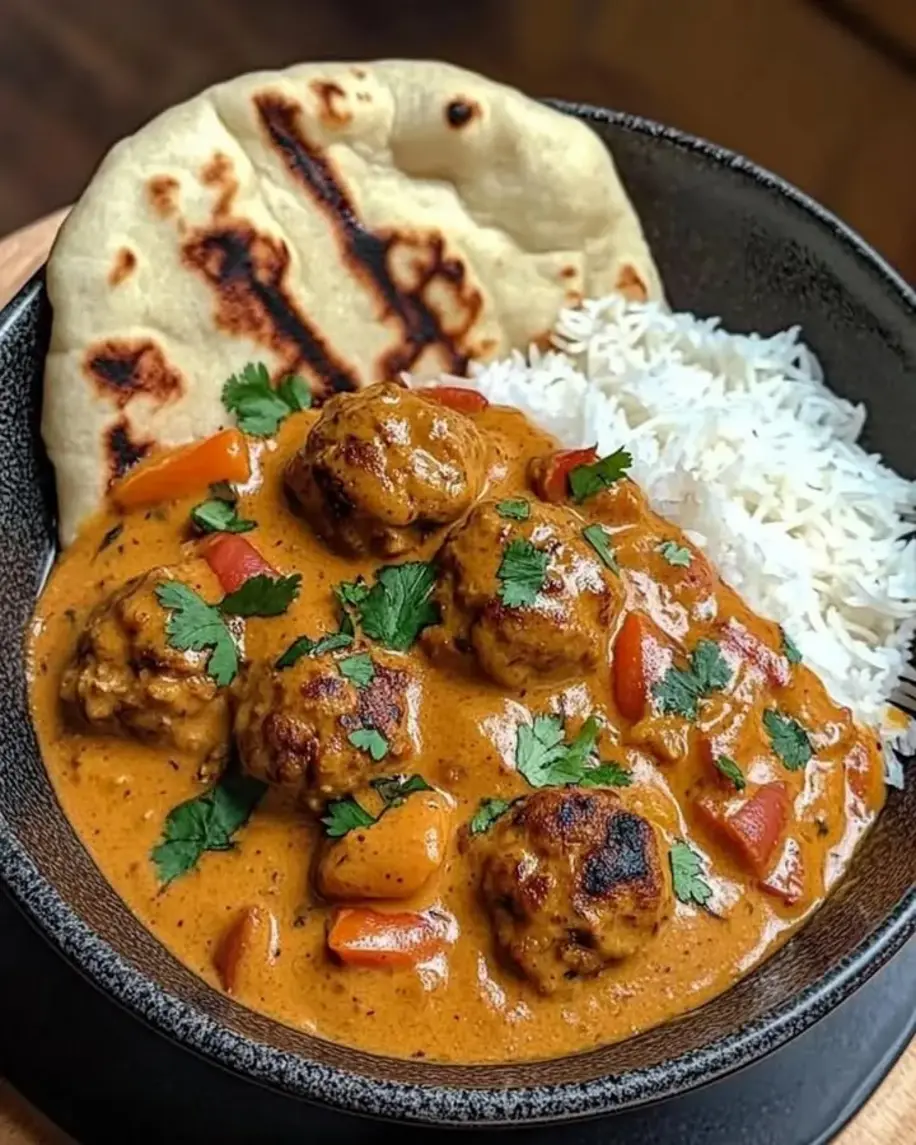
“`html
Table of Contents
- The Ultimate Slow-Braised Lamb Tagine in Lemon-Herb Tomato Sauce with Roasted Apricots
- Why This Slow-Braised Lamb Tagine in Lemon-Herb Tomato Sauce with Roasted Apricots Recipe is a Game-Changer
- Ingredient Spotlight: Quality Makes the Difference
- Step-by-Step Instructions
- Serving & Presentation
- Make-Ahead & Storage Solutions
- Frequently Asked Questions (FAQ)
- What’s the best way to tenderize lamb for a tagine?
- Can I make lamb tagine ahead of time and reheat it?
- What herbs pair well with lamb in a braise?
- What side dishes are best served with lamb tagine?
- How long should I braise the lamb?
- Can I adjust the spices in my lamb tagine recipe?
- Can I make this recipe vegan/gluten-free?
The Ultimate Slow-Braised Lamb Tagine in Lemon-Herb Tomato Sauce with Roasted Apricots
Embark on a culinary adventure that will transport your taste buds straight to the vibrant souks of Morocco with this exquisite Slow-Braised Lamb Tagine in Lemon-Herb Tomato Sauce with Roasted Apricots. If you’ve ever dreamed of a dish that combines fall-off-the-bone tender lamb with a symphony of bright, aromatic flavors, your search ends here. This isn’t just another lamb tagine recipe; it’s a meticulously crafted masterpiece designed to be incredibly flavorful and surprisingly approachable for home cooks. The slow braising process, coupled with a zesty lemon-herb tomato sauce and the surprising sweetness of roasted apricots, creates a dish that’s both comforting and sophisticated, making it perfect for a special family dinner or impressing guests.
Imagine the intoxicating aroma filling your kitchen as succulent lamb shoulder, slow-cooked to perfection, melts in your mouth. Each bite is a harmonious blend of savory, tangy, and sweet notes. The rich, savory lamb is bathed in a luscious tomato sauce infused with the brightness of fresh lemon, the warmth of cumin and cinnamon, and the aromatic punch of freshly chopped herbs like parsley, cilantro, and mint. But the magic doesn’t stop there. Adorning this savory paradise are jewels of roasted apricots, their natural sweetness intensified and caramelized by honey and a touch of olive oil, providing a delightful sweet-and-sour counterpoint to the deeply flavored lamb. It’s a textural and flavor journey you won’t soon forget.
At Cooking With Emy, we believe in demystifying complex flavors and making gourmet accessible. This apricot lamb recipe has been perfected through rigorous testing to ensure that even novice cooks can achieve restaurant-quality results. We’ve unlocked the “Chef’s Secret” to achieving unparalleled tenderness and depth of flavor, ensuring your lemon herb lamb is the star of the show. Get ready to discover why this tomato lamb stew will become your go-to recipe for a truly memorable meal, complete with detailed instructions, expert tips, and answers to all your burning questions.
Why This Slow-Braised Lamb Tagine in Lemon-Herb Tomato Sauce with Roasted Apricots Recipe is a Game-Changer
The Chef’s Secret: The Power of Slow Braising and Aromatic Infusion
The true magic behind this exceptional slow braised lamb lies in a two-fold secret: gentle, slow braising and the strategic layering of aromatics. We’re not just cooking the lamb; we’re coaxing out its deepest flavors and transforming tough shoulder cuts into incredibly tender morsels. The key is low and slow heat in a covered environment, allowing the collagen in the lamb to break down into gelatin, which imparts a luxurious richness and unparalleled tenderness. Simultaneously, we build flavor from the ground up. Starting with a sautéed base of onions and garlic, then blooming the spices (cumin, cinnamon, ginger) before adding the liquids ensures their aromas are fully released. This careful process, combined with the bright lemon and fresh herbs introduced towards the end of cooking, creates a complex, perfectly balanced sauce that complements, rather than overpowers, the lamb. This isn’t just a stew; it’s an experience in savory depth.
Unbeatable Texture: The Science of Melt-in-Your-Mouth Lamb
Achieving that coveted melt-in-your-mouth texture in lamb tagine is all about understanding the science of braising. Lamb shoulder, while a tougher cut, is rich in connective tissue (collagen). When you cook it slowly at a low temperature (around 300-325°F or 150-160°C) for an extended period, this collagen undergoes a process called gelatinization. It breaks down into tender, unctuous gelatin, which lubricates the muscle fibers. This gelatin is what gives the braising liquid its characteristic body and mouthfeel, and it’s the sole reason the lamb becomes so incredibly tender and succulent, virtually dissolving on your fork. Unlike quick cooking methods that can leave lamb tough and chewy, slow braising ensures every fibrous strand is tenderized to perfection, creating a truly decadent texture.
Foolproof for a Reason: Tested for Your Kitchen Success
This recipe has been tested extensively in our kitchen to guarantee consistent, delicious results every time you make it. We’ve fine-tuned cooking times, spice ratios, and liquid amounts to ensure the lamb is perfectly tender, the sauce is beautifully balanced, and the finished tagine is a triumph. Whether you’re a seasoned chef or just starting your culinary journey, this recipe is designed for success. We’ve included clear instructions and helpful pro tips to guide you through each step, minimizing the chance of error and maximizing your enjoyment. You can trust this recipe to deliver a truly exceptional lamb tagine experience.
Ingredient Spotlight: Quality Makes the Difference
Lamb Shoulder: The Heart of the Tagine
For this slow braised lamb, lamb shoulder is unequivocally the best cut. It’s a tougher muscle, rich in connective tissue and fat, which is precisely what we want for slow braising. These elements break down over hours of cooking, transforming into succulent, fall-apart tender meat and creating a deeply flavorful, gelatinous sauce. When selecting lamb shoulder, look for good marbling (intramuscular fat) – this is your insurance policy against dry lamb. If lamb shoulder isn’t available, a boneless lamb leg roast (cut into chunks) can be substituted, though it may require slightly less cooking time as it’s a leaner cut. Avoid very lean cuts like loin or rack for tagines, as they will become dry and tough.
Diced Tomatoes: The Foundation of the Sauce
Canned diced tomatoes are the backbone of our tangy, savory sauce. Opt for good quality, preferably San Marzano style, diced tomatoes. Their natural sweetness and lower acidity create a more balanced flavor profile. Using whole peeled tomatoes and crushing them yourself is also an excellent option for a more rustic texture. Don’t drain the liquid from the can – it’s packed with flavor and contributes to the braising liquid. Fresh tomatoes can be used, but they will require longer cooking to break down properly and may result in a thinner sauce, so canned is generally preferred for its consistency and ease.
Fresh Lemon: Brightness and Zest
The lemon is crucial for cutting through the richness of the lamb and adding a vibrant, zesty brightness to the sauce. Use both the zest and the juice for maximum flavor. The zest contains aromatic oils that provide a potent lemon fragrance without excessive acidity, while the juice adds that essential tang. Always zest before juicing. For the best flavor, use fresh lemons; bottled lemon juice can sometimes have a metallic or less vibrant taste. If you find the sauce too tart after cooking, you can always balance it with a small pinch of sugar.
Fresh Herbs (Parsley, Cilantro, Mint): Aromatic Harmony
A generous amount of fresh herbs is key to the authentic flavor of this lemon herb lamb. The classic Moroccan combination of parsley, cilantro, and mint offers a refreshing counterpoint to the savory lamb and warm spices. Parsley adds a clean, slightly peppery note, cilantro contributes a bright, citrusy herbaceousness, and mint provides a cooling, refreshing finish. Use fresh herbs for the best aroma and flavor; dried herbs won’t replicate the vibrant taste. Chop them finely just before adding them to the pot to preserve their freshness. If cilantro is not to your taste, you can increase the amount of parsley and mint, or try adding a little fresh dill.
Dried Apricots: Sweet, Tart Jewels
Dried apricots are a signature ingredient that elevates this tagine from delicious to exceptional. They provide pockets of concentrated sweetness and a lovely chewy texture that contrasts beautifully with the tender lamb. Look for unsulfured apricots, which have a more natural color and flavor. Roasting them intensifies their sweetness and caramelizes their natural sugars, creating delightful little flavor bombs. If dried apricots are unavailable, dried figs or even prunes can be used as a substitute, though they will impart a slightly different flavor profile.
Step-by-Step Instructions
Step 1: Sautéing Aromatics and Browning the Lamb
Heat the 2 tablespoons of olive oil in a large, heavy-bottomed pot or Dutch oven over medium heat. Add the finely chopped large onion and minced garlic. Sauté, stirring occasionally, until the onions are softened and translucent, about 5-7 minutes. This gentle sautéing releases their sweetness and forms the flavor base. Next, add the 2 lbs of lamb shoulder chunks to the pot, ensuring not to overcrowd it (you may need to do this in batches). Brown the lamb on all sides until it has a nice, golden-brown crust, about 5 minutes. Browning the lamb is essential for developing deep, savory flavors through the Maillard reaction and adds a wonderful visual appeal.
Pro Tip: Don’t skip browning the lamb in batches if necessary. Overcrowding the pot will steam the meat instead of browning it, resulting in less flavor and a paler color.
Step 2: Building the Lemon-Herb Tomato Sauce
Once the lamb is beautifully browned, stir in the 1 can (14 oz) of diced tomatoes (undrained), the zest and juice of 1 fresh lemon, the 1 tablespoon of chopped fresh herbs (parsley, cilantro, mint), 1 teaspoon of ground cumin, 1 teaspoon of ground cinnamon, and 1/2 teaspoon of ground ginger. Season generously with salt and pepper to taste. Stir everything together to combine, scraping up any browned bits from the bottom of the pot – that’s pure flavor! Bring the mixture to a gentle simmer.
Common Mistake to Avoid: Adding the liquids too soon. Ensure you’ve had a good sauté on your aromatics and browned your lamb before adding your tomato mixture. Give the spices a minute to bloom in the heat before adding the liquid.
Step 3: Slow Braising for Ultimate Tenderness
Cover the pot tightly with a lid. Reduce the heat to low and let the tagine braise gently for 2 hours. Alternatively, you can transfer the covered pot to a preheated oven at 300°F (150°C) for the same duration. The goal is a very low, slow, and steady simmer. After 2 hours, check the lamb. It should be fork-tender, easily shredding with a touch of pressure. If it’s not quite tender enough, continue braising for another 30 minutes to an hour, checking periodically until it reaches your desired succulence. The low, moist heat allows the tough connective tissues in the lamb shoulder to break down into luscious gelatin.
Pro Tip: For the most tender lamb, ensure your lid fits snugly to trap moisture, or use foil under the lid for an extra tight seal.
Step 4: Roasting the Apricots
While the lamb is braising during its final hour, prepare the roasted apricots. Preheat your oven to 400°F (200°C). In a small bowl, toss the 1 cup of dried apricots with 2 tablespoons of honey and 1 tablespoon of olive oil. Spread the coated apricots in a single layer on a small baking sheet lined with parchment paper. Roast for 15 minutes, or until they are slightly softened, plumped, and beginning to caramelize around the edges. Keep an eye on them as they can burn quickly due to the honey. These roasted apricots will provide a delightful burst of sweetness and a slightly chewy texture.
Common Mistake to Avoid: Over-roasting; roasted apricots can quickly go from perfectly caramelized to burnt. Check them after 12 minutes.
Step 5: Serving Your Masterpiece
Once the lamb is perfectly tender and the sauce has thickened slightly (if it’s too thin, you can simmer it uncovered for a few more minutes), it’s time to serve! Ladle the rich, fragrant lamb tagine into shallow bowls. Generously top each serving with the warm, glistening roasted apricots. The visual contrast of the dark, savory stew against the bright, jeweled apricots is stunning. Adjust seasoning one last time if needed.
Pro Tip: Garnish with a few extra fresh herb leaves for a pop of color and freshness.
Serving & Presentation
To truly elevate your dining experience, consider how you present this magnificent lamb tagine. Serve it in traditional tagine dishes for an authentic touch, or use shallow, wide bowls that showcase the beautiful colors of the dish. A scattering of toasted slivered almonds or chopped pistachios over the top adds a delightful crunch and visual appeal. For an extra flourish, a drizzle of good quality olive oil or a dollop of cooling Greek yogurt or a lemon-infused aioli can offer a refreshing contrast.
This hearty and flavorful apricot lamb recipe pairs wonderfully with a variety of sides. Fluffy couscous is a classic and perfect for soaking up every drop of that glorious sauce. Alternatively, serve it with crusty bread, fluffy basmati rice, or roasted root vegetables like carrots and parsnips. A simple green salad with a light vinaigrette can offer a refreshing counterpoint to the richness of the tagine.
Make-Ahead & Storage Solutions
The beauty of slow-cooked dishes like this lamb tagine is that they often taste even better the next day, making them ideal for make-ahead meals. You can prepare the entire tagine up to 3 days in advance. Allowing it to cool completely before refrigerating ensures optimal flavor development as the spices and ingredients meld together. When you’re ready to serve, simply reheat it gently on the stovetop over low heat, or reheat individual portions in the microwave. Add the roasted apricots just before serving to maintain their texture and sweetness.
To store leftovers, let the tagine cool completely, then transfer it to an airtight container. It will keep in the refrigerator for up to 3-4 days. For longer storage, this lamb tagine freezes beautifully. Portion it into freezer-safe containers or bags, removing as much air as possible. Properly frozen, it can last for up to 3 months. Thaw overnight in the refrigerator before reheating.
The very best way to reheat this dish is on the stovetop. Place the tagine in a pot over low heat, stirring occasionally, until it’s heated through. This method gently warms the lamb and sauce without drying it out, preserving its tender texture and rich flavor. If the sauce seems a little thick after reheating, you can stir in a tablespoon or two of water or broth to loosen it up. If you’re reheating from frozen, thaw completely first before using the stovetop method.
Frequently Asked Questions (FAQ)
What’s the best way to tenderize lamb for a tagine?
The absolute best way to tenderize tougher cuts of lamb like shoulder for a tagine is through slow braising. This method involves cooking the lamb at a low temperature (around 300-325°F or 150-160°C) in a moist environment for an extended period (2-3 hours). During slow braising, the tough connective tissues (collagen) in the lamb break down into tender, succulent gelatin, transforming a potentially tough cut into melt-in-your-mouth tenderness and creating a rich, savory sauce.
Can I make lamb tagine ahead of time and reheat it?
Yes, absolutely! In fact, lamb tagine often tastes even better when made a day or two ahead. The flavors have more time to meld and deepen. Prepare the tagine completely, let it cool, and then refrigerate it in an airtight container for up to 3-4 days. Reheat gently on the stovetop over low heat or in the oven. Add the roasted apricots just before serving to keep them from becoming mushy.
What herbs pair well with lamb in a braise?
Traditional and highly complementary herbs for lamb in a braise include rosemary, thyme, oregano, parsley, mint, and cilantro. For a Moroccan-inspired tagine like this one, a blend of fresh parsley, cilantro, and mint offers a bright, aromatic balance that cuts through the richness of the lamb and complements the warm spices. Rosemary and thyme are also excellent choices, providing a more earthy, robust flavor profile.
What side dishes are best served with lamb tagine?
Classic accompaniments for lamb tagine include fluffy couscous, which is perfect for soaking up the flavorful sauce. Crusty bread is also a great option for dipping. Other excellent sides include steamed basmati rice, roasted root vegetables (like carrots, parsnips, and sweet potatoes), or a simple green salad with a light, tangy vinaigrette to provide a refreshing contrast to the rich stew.
How long should I braise the lamb?
You should braise the lamb for approximately 2 to 2.5 hours, or until it is fork-tender. The exact time can vary depending on the size and thickness of your lamb chunks and your cooking method. The key is to check for tenderness. If the lamb isn’t easily shredding with a fork after 2 hours, continue braising it at a low temperature until it is tender, checking every 30 minutes.
Can I adjust the spices in my lamb tagine recipe?
Absolutely! This recipe provides a balanced flavor profile, but feel free to adjust the spice levels to your personal preference. If you enjoy a warmer, spicier dish, you can increase the cinnamon or ginger, or add a pinch of cayenne pepper or smoked paprika for a touch of heat and smokiness. Always taste and adjust seasoning throughout the cooking process.
Can I make this recipe vegan/gluten-free?
This recipe, as written, is not vegan. To make it vegan, you would need to substitute the lamb with a hearty vegan protein like large chunks of firm tofu, seitan, or thick-sliced portobello mushrooms, and adjust the braising time accordingly (vegan alternatives typically don’t require as long a braise). Ensure your broth is vegetable-based. The recipe is naturally gluten-free, assuming your diced tomatoes and any other added ingredients (like spices) do not contain gluten. Always double-check labels for hidden gluten sources.
Tried This Recipe? Leave a Comment!
Did you make this recipe? I’d love to hear how it turned out! Please leave a comment and a rating below. Your feedback helps other home cooks and supports cookingwithemy!
For more delicious inspiration, follow me on Pinterest!
“`
.
Print
Slow-Braised Lamb Tagine in Lemon-Herb Tomato Sauce with Roasted Apricots
- Total Time: 2 hours 35 minutes
- Yield: 4 1x
Description
A flavorful Moroccan-inspired dish featuring tender lamb braised in a tangy lemon-herb tomato sauce, topped with roasted apricots for a sweet contrast.
Ingredients
- 2 lbs lamb shoulder, cut into chunks
- 1 large onion, finely chopped
- 3 garlic cloves, minced
- 2 tablespoons olive oil
- 1 can (14 oz) diced tomatoes
- 1 lemon, zested and juiced
- 1 tablespoon fresh herbs (parsley, cilantro, and mint), chopped
- 1 teaspoon ground cumin
- 1 teaspoon ground cinnamon
- 1/2 teaspoon ground ginger
- Salt and pepper to taste
- 1 cup dried apricots
- For roasting: 2 tablespoons honey and 1 tablespoon olive oil
Instructions
- Heat olive oil in a large pot over medium heat. Add onion and garlic, sauté until softened.
- Add lamb chunks and brown on all sides, about 5 minutes.
- Stir in diced tomatoes, lemon zest, juice, herbs, cumin, cinnamon, ginger, salt, and pepper. Bring to a simmer.
- Cover and braise on low heat for 2 hours, or until lamb is tender.
- Meanwhile, toss apricots with honey and olive oil, then roast in a preheated oven at 400°F for 15 minutes.
- Serve the lamb tagine topped with roasted apricots.
Notes
For best results, use fresh herbs and allow the flavors to meld overnight. Adjust spices to taste.
- Prep Time: 20 minutes
- Cook Time: 2 hours 15 minutes
- Method: Main Course
- Cuisine: Moroccan
Nutrition
- Calories: 450
- Sugar: 15g
- Fat: 22g
- Carbohydrates: 25g
- Protein: 35g