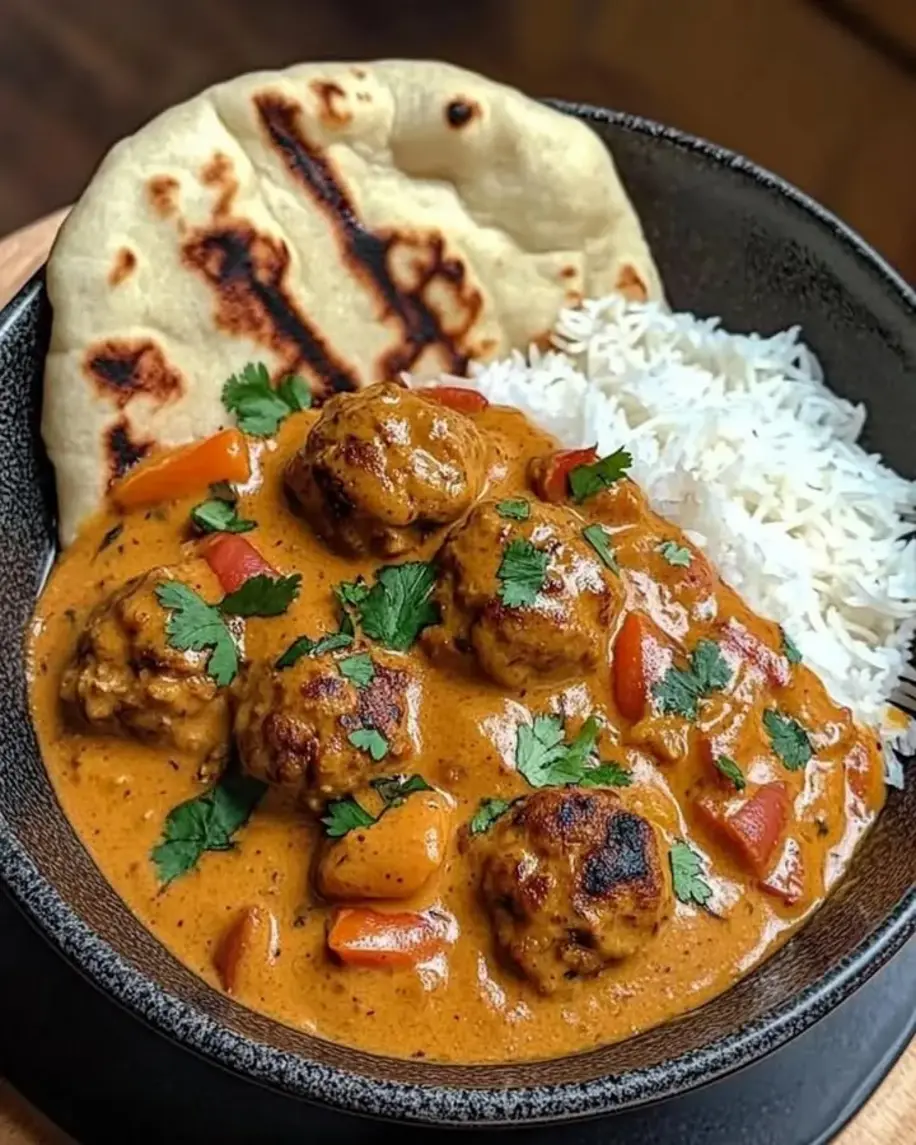
“`html
Slow-Braised Lamb Shanks with Figs Balsamic Glaze: The Ultimate Flavor Bomb
Embark on a culinary journey that promises succulent, fall-off-the-bone perfection with this unparalleled recipe for slow-braised lamb shanks infused with sweet, sticky figs and a rich balsamic glaze. This is more than just a meal; it’s an experience designed to transform humble lamb shanks into an unforgettable centerpiece. Forget tough, dry meat – our approach guarantees melt-in-your-mouth tenderness, elevated by the complex sweet-and-tangy notes of figs and the deep, mellow acidity of balsamic vinegar. Whether you’re a seasoned home cook or looking to impress at your next dinner party, this lamb shanks recipe is crafted to be your go-to guide for achieving restaurant-quality results every single time. Get ready to fall in love with braised lamb all over again.
Imagine the intoxicating aroma filling your kitchen as the lamb shanks slowly simmer, their rich, savory essence mingling with the jammy sweetness of rehydrated figs and the sharp, sophisticated tang of balsamic vinegar. Each bite is a symphony of textures and flavors: the unbelievably tender lamb yielding effortlessly to your fork, complemented by the chewy sweetness of the figs and the syrupy, concentrated glaze that coats everything in a glossy sheen. This dish is a testament to the magic that happens when simple, quality ingredients are allowed to meld and deepen over time, creating a truly decadent and comforting main course that will have your guests begging for the recipe.
At cookingwithemy.com, we believe that exceptional cooking should be accessible to everyone. That’s why we’ve meticulously tested and refined this slow-braised lamb shanks recipe to ensure foolproof success. We’re sharing our “Chef’s Secret”—the precise technique that unlocks that incredible depth of flavor and creates the perfect texture. You’ll learn how to achieve that signature tenderness and build layers of flavor that are simply breathtaking. Prepare to discover your new favorite way to cook lamb shanks, a recipe that is destined to become a cherished classic in your culinary repertoire.
Why This Slow-Braised Lamb Shanks with Figs Balsamic Glaze Recipe is a Game-Changer
The Chef’s Secret: The Magic of the Fig & Balsamic Glaze Infusion
The true magic of this lamb shank glaze lies in the intentional layering of flavors and sugars. We aren’t just adding figs and balsamic; we’re allowing them to reduce and caramelize into a deeply concentrated glaze that permeates the lamb shanks as they braise. The dried figs, when rehydrated in the simmering liquid, release their natural sugars, which interact beautifully with the acetic acid in the balsamic vinegar. This creates a complex, sweet-tart syrup that clings to the meat, tenderizing it further and providing an unparalleled depth of flavor that you won’t find in simpler lamb shanks recipe variations. It’s this thoughtful interaction of ingredients that elevates the dish from good to absolutely sublime, creating the signature sticky, luscious glaze.
Unbeatable Texture: The Alchemy of Slow Braising
The prolonged, low-and-slow cooking process is the key to achieving that signature, melt-in-your-mouth texture in slow-braised lamb shanks. When lamb shanks are subjected to gentle heat for an extended period (2.5 to 3 hours), the tough connective tissues within the meat, primarily collagen, begin to break down. This collagen liquefies into gelatin, which not only tenderizes the meat but also contributes to a silken, luxurious mouthfeel and adds richness to the braising liquid. This process ensures that the lamb shanks become incredibly tender without becoming stringy or dry, making them a truly comforting and satisfying dish.
Foolproof for a Reason: Tested for Your Kitchen Success
This recipe has been rigorously tested to ensure that every home cook can achieve spectacular results. We understand the nuances of braised lamb and have fine-tuned every step, from browning the shanks to achieving the perfect glaze consistency. The temperatures, cooking times, and ingredient ratios are all optimized for maximum flavor and tenderness. You can trust that following these instructions will lead you to a consistently delicious outcome, making this lamb shanks recipe a reliable winner for any occasion.
Ingredient Spotlight: Quality Makes the Difference
Lamb Shanks
The star of our show, lamb shanks are a robust and flavorful cut, perfect for slow cooking. Their natural marbling and abundance of connective tissue are exactly what we want for braising, as they break down beautifully to create tender, succulent meat. For the best results, opt for well-trimmed shanks about 1 to 1.5 pounds each, ensuring they are fresh and have a good amount of meat on the bone. If you can’t find lamb shanks, beef shanks are a suitable substitute in this recipe, though the flavor profile will be slightly different.
Dried Figs
Dried figs lend their unique, deep sweetness and a wonderfully chewy texture to this dish. They act as a natural sweetener and flavor enhancer, complementing the richness of the lamb and the tang of the balsamic. Look for good quality dried figs, such as Calimyrna or Mission, that are plump and fragrant. If your dried figs are very hard, you can briefly soak them in warm water for about 15 minutes before halving them, which will help them soften and release their sugars more readily during the braising process.
Balsamic Vinegar
A good quality balsamic vinegar is crucial for achieving that signature tangy-sweet glaze. It provides a complex acidity that cuts through the richness of the lamb and balances the sweetness of the figs. While any balsamic vinegar will work, using a more aged, higher-quality balsamic will result in a richer, less sharp flavor and a thicker consistency. If you find your balsamic to be too strong, you can always add a touch more sweetness with a pinch of sugar or a drizzle of honey towards the end of cooking.
Beef Broth
The beef broth forms the flavorful base of our braising liquid, adding depth and richness to the dish. It helps to keep the lamb shanks moist as they cook and contributes to the development of the luscious sauce. Opt for a good quality, low-sodium beef broth so you have more control over the saltiness of the final dish. If you don’t have beef broth on hand, a rich chicken broth or even a dry red wine (about 1.5 cups, reduced slightly before adding other liquids) can be used as a substitute, though beef broth will yield the most traditional and robust flavor.
Step-by-Step Instructions
Step 1: Preparing & Browning the Lamb Shanks
Preheat your oven to 325°F (165°C). This lower temperature is essential for slow, gentle cooking, ensuring maximum tenderness. While the oven heats, generously season the lamb shanks on all sides with your salt and black pepper. Heat 2 tablespoons of olive oil in a large, heavy, oven-safe pot or Dutch oven over medium-high heat. Once the oil is shimmering, carefully add the seasoned lamb shanks and brown them deeply on all sides, about 5 minutes per side. This browning step, known as the Maillard reaction, is crucial for developing rich flavor and color in the final dish.
Pro Tip: Don’t overcrowd the pot when browning the lamb. Brown them in batches if necessary to ensure each shank gets a beautiful, even sear. This is the foundation of great flavor!
Step 2: Sautéing Aromatics & Building the Glaze Base
Once the lamb shanks are beautifully browned, remove them from the pot and set aside on a plate. Do not wipe out the pot; those brown bits in the bottom are packed with flavor! Reduce the heat to medium and add the chopped onion and minced garlic to the pot. Sauté, stirring occasionally, until the onion is softened and translucent, about 3 minutes, scraping up any browned bits from the bottom of the pot. This process infuses the oil with delicious aromatic flavors.
Common Mistake to Avoid: Burning the garlic. Garlic can quickly go from fragrant to bitter. Keep the heat at medium and stir constantly, adding it after the onion has softened slightly.
Step 3: Deglazing and Simmering the Figs and Balsamic
Add the halved dried figs, 1/2 cup of balsamic vinegar, and 2 cups of beef broth to the pot with the onions and garlic. Stir everything together, bringing the mixture to a gentle simmer. Allow it to simmer for about 5 minutes, letting the balsamic vinegar reduce slightly and the figs begin to soften, releasing their sweetness into the liquid. This step begins the process of creating our signature sweet and tangy figs balsamic glaze.
Step 4: Braising the Lamb Shanks to Perfection
Carefully return the browned lamb shanks to the pot, nestling them in the liquid. Ensure the shanks are mostly submerged; if not, add a little more beef broth or water. The liquid should come about two-thirds of the way up the sides of the shanks. Cover the pot tightly with a lid or heavy-duty aluminum foil to create a good seal. Transfer the pot to your preheated oven, set at 325°F (165°C).
Step 5: The Long, Slow Cook for Fork-Tender Bliss
Braise the lamb shanks in the oven for 2.5 to 3 hours. The exact time will depend on the size of your shanks and your oven. You’ll know they’re ready when the meat is incredibly tender and practically falling off the bone. You can check for tenderness by gently trying to pull the meat with a fork; it should yield with very little resistance. The sauce will have thickened into a rich, glossy glaze by this point.
Pro Tip: For the most tender braised lamb, resist the urge to check on the shanks too often, as this releases heat and can prolong cooking time.
Step 6: Resting and Garnishing
Once the lamb shanks are perfectly tender, carefully remove the pot from the oven. Let the shanks rest in the pot for about 10 minutes before serving. This short resting period allows the juices to redistribute within the meat, ensuring maximum moisture and tenderness. Just before serving, garnish generously with fresh herbs for a burst of color and freshness.
Serving & Presentation
The presentation of your slow-braised lamb shanks with figs balsamic glaze can be as elegant or as rustic as you like. For an impressive restaurant-style plate, serve each lamb shank atop a generous swirl of creamy mashed potatoes, buttery polenta, or a bed of fluffy couscous. Spoon the rich, sticky figs balsamic glaze over the lamb shanks, ensuring a good portion of the luscious sauce coats the meat and pools around the base of the shank. Garnish with a sprinkle of vibrant fresh herbs like chopped parsley, chives, or fresh thyme for a pop of color and a hint of freshness that beautifully contrasts the deep, rich flavors of the dish. Alongside, consider serving some steamed green beans, roasted asparagus, or a simple arugula salad with a lemon vinaigrette to balance the richness.
Make-Ahead & Storage Solutions
Make-Ahead Strategy for Effortless Entertaining
This slow-braised lamb shanks recipe is a revelation for make-ahead meal prep. You can prepare the entire dish up to 2 days in advance! After braising and resting, allow the lamb shanks and sauce to cool completely in the pot, then refrigerate. The flavors often deepen and meld beautifully overnight. When you’re ready to serve, gently reheat the shanks and sauce over low heat on the stovetop, or in a covered oven-safe dish at 300°F (150°C) until heated through. You may need to add a splash of beef broth or water if the sauce has thickened too much.
Storing Leftovers for Future Enjoyment
Leftover braised lamb shanks and sauce can be stored in an airtight container in the refrigerator for up to 3-4 days. Ensure the lamb and sauce are completely cooled before sealing the container to prevent condensation and preserve freshness. For longer storage, you can freeze cooled leftovers in freezer-safe containers or heavy-duty freezer bags for up to 2-3 months.
The Best Way to Reheat for Optimal Flavor and Texture
The best method for reheating is gentle and slow to preserve the tender texture of the lamb. On the stovetop, place the lamb shanks and sauce in a pot over low heat. Add a small amount of beef broth or water to loosen the sauce and cover, stirring occasionally until heated through. In the oven, place the lamb shanks and sauce in an oven-safe dish, cover tightly with foil, and reheat at 325°F (165°C) for about 20-30 minutes, or until warm. Avoid high heat, which can toughen the meat.
Frequently Asked Questions (FAQ)
How long do lamb shanks take to braise?
Lamb shanks typically take between 2.5 to 3 hours to braise at 325°F (165°C) until they are exceptionally tender and can be easily pulled from the bone. The exact time can vary depending on the size of the shanks and your oven.
What can I serve with braised lamb shanks?
Braised lamb shanks are incredibly versatile! Classic pairings include creamy mashed potatoes, buttery polenta, risotto, or a hearty grain like couscous or farro. Steamed or roasted vegetables such as green beans, asparagus, carrots, or Brussels sprouts also make excellent accompaniments. A simple green salad provides a refreshing counterpoint.
Can I make lamb shanks ahead of time?
Absolutely! Braised lamb shanks are excellent made ahead. In fact, the flavors often improve overnight. Prepare the dish completely, let it cool, and refrigerate. Reheat gently on the stovetop or in the oven until warmed through. This makes them perfect for dinner parties or busy weeknights.
What is the best cut of lamb for braising?
Lamb shanks are the quintessential cut for braising due to their rich flavor and abundance of connective tissues, which break down into gelatin during slow cooking, resulting in tender, succulent meat. Other good cuts for braising include lamb shoulders, lamb neck, and lamb ribs.
Can I use a different type of dried fruit?
Yes, while figs provide a unique sweetness that pairs wonderfully, you can experiment with other dried fruits like prunes (for a deeper, richer sweetness) or dried apricots (for a brighter tang). Adjust the amount slightly as fruit sweetness can vary.
Do I need a Dutch oven for this recipe?
A Dutch oven or any heavy, oven-safe pot with a tight-fitting lid is highly recommended. Its ability to retain and distribute heat evenly is crucial for effective slow braising. If you don’t have one, a deep oven-safe skillet with a lid, or a sturdy baking dish covered tightly with foil, can be used, though a Dutch oven offers the best results.
Can I make this recipe vegan/gluten-free?
This recipe is inherently meat-based, so a vegan version would require a complete overhaul using plant-based proteins and vegetable broth. For a gluten-free adaptation, simply ensure you are using gluten-free beef broth. This recipe does not typically contain gluten in its stated ingredients.
Tried This Recipe? Leave a Comment!
Did you make this recipe? I’d love to hear how it turned out! Please leave a comment and a rating below. Your feedback helps other home cooks and supports cookingwithemy!
For more delicious inspiration, follow me on Pinterest!
“`
.
Print
Slow-Braised Lamb Shanks with Figs and Balsamic Glaze
- Total Time: 3 hours 20 minutes
- Yield: 4 1x
Description
Tender lamb shanks slow-braised with sweet figs and a tangy balsamic glaze for a rich, flavorful dish.
Ingredients
- 4 lamb shanks
- 1 cup dried figs, halved
- 1/2 cup balsamic vinegar
- 2 tablespoons olive oil
- 1 onion, chopped
- 4 garlic cloves, minced
- 2 cups beef broth
- 1 teaspoon salt
- 1/2 teaspoon black pepper
- Fresh herbs for garnish
Instructions
- Preheat oven to 325°F (165°C).
- Season lamb shanks with salt and pepper.
- Heat olive oil in a large oven-safe pot over medium heat. Brown the lamb shanks on all sides, about 5 minutes per side.
- Remove lamb and set aside. In the same pot, add onion and garlic; sauté until softened, about 3 minutes.
- Add figs, balsamic vinegar, and beef broth. Bring to a simmer.
- Return lamb shanks to the pot. Cover and transfer to the oven.
- Braise for 2.5 to 3 hours, or until meat is tender.
- Remove from oven and let rest for 10 minutes before serving.
- Garnish with fresh herbs.
Notes
For a deeper flavor, marinate the lamb shanks overnight. Serve with mashed potatoes or polenta.
- Prep Time: 20 minutes
- Cook Time: 3 hours
- Method: Main Course
- Cuisine: Mediterranean
Nutrition
- Calories: 450
- Sugar: 15g
- Fat: 20g
- Carbohydrates: 25g
- Protein: 35g