“`html
Table of Contents
- Craving Fried Rice Without the Wait?
- Key Components for Flavorful Fried Rice
- Speedy Satisfaction: Your Fried Rice Timeline
- Crafting Your Perfect Fried Rice: Step-by-Step
- Fueling Your Body: Nutritional Breakdown
- Healthier Swaps for Guilt-Free Indulgence
- Serving Your Masterpiece
- Avoiding Common Fried Rice Pitfalls
- Leftovers? We’ve Got You Covered
- Your Fried Rice Questions Answered
Better Than Takeout Fried Rice
Craving Fried Rice Without the Wait?
Did you know that the average person spends over $500 a year on takeout meals, with fried rice being a frequent favorite? But what if you could recreate that irresistible, savory, and slightly smoky flavor of your favorite takeout fried rice in your own kitchen, in a fraction of the time and at a fraction of the cost? This recipe is your answer. Forget soggy, bland rice and hello to perfectly tender grains infused with deliciousness. We’re talking about a dish that’s not just a meal, but an experience – customizable, quick, and utterly satisfying. Get ready to elevate your weeknight dinners and impress your taste buds with a homemade fried rice that truly is better than takeout!
Key Components for Flavorful Fried Rice
The magic of exceptional fried rice lies in the quality and preparation of its ingredients. Each element plays a crucial role in building layers of flavor and texture. Here’s what you’ll need to bring this dish to life:
- Day-Old Cooked Rice (3 cups): This is non-negotiable for the best texture. Freshly cooked rice is too moist and will result in a mushy outcome. Leftover, refrigerated rice grains are drier and separate beautifully when stir-fried. (Substitution: Brown rice or even quinoa can work, but adjust cooking times and expect a different texture.)
- Eggs (2 large): The golden ribbons woven throughout the rice, adding richness and protein. Whisked with a pinch of salt, they cook quickly and add a delightful chew.
- Oil (2 tbsp neutral, like vegetable or canola): The unsung hero of stir-frying, providing heat transference and a subtle mouthfeel. (Substitution: Peanut oil or avocado oil are excellent alternatives, offering slightly different flavor profiles and higher smoke points.)
- Garlic (2-3 cloves, minced): The aromatic backbone of so many savory dishes, its pungent fragrance awakens the palate.
- Ginger (1 tsp, grated or minced): Adds a warm, zesty counterpoint to the richness.
- Soy Sauce (2-3 tbsp, low sodium recommended): The salty, umami-rich foundation of the sauce. Adjust to your taste. (Substitution: Tamari for gluten-free, or a blend of soy sauce and a touch of fish sauce for deeper umami.)
- Sesame Oil (1 tsp, toasted): A little goes a long way to impart that classic nutty, toasty aroma that screams “fried rice.” Drizzle in at the end.
- Optional Protein (1 cup cooked, e.g., chicken, shrimp, tofu, pork): To make it a complete meal. Ensure it’s pre-cooked and cut into bite-sized pieces.
- Mixed Vegetables (1 cup, e.g., peas, carrots, corn, bell peppers, onions): For color, crunch, and a dose of nutrients. Frozen peas and carrots are convenient and work wonderfully. If using fresh, dice them finely for quick cooking.
- White Pepper (1/4 tsp, optional but recommended): Adds a subtle heat and complexity that’s different from black pepper.
- Scallions (2, thinly sliced for garnish): For a fresh, sharp finish and vibrant green contrast.
Speedy Satisfaction: Your Fried Rice Timeline
Compared to the average takeout time ranging from 30 minutes to over an hour (including travel), this homemade version is remarkably efficient. The key is having everything prepped and ready to go before you even turn on the stove!
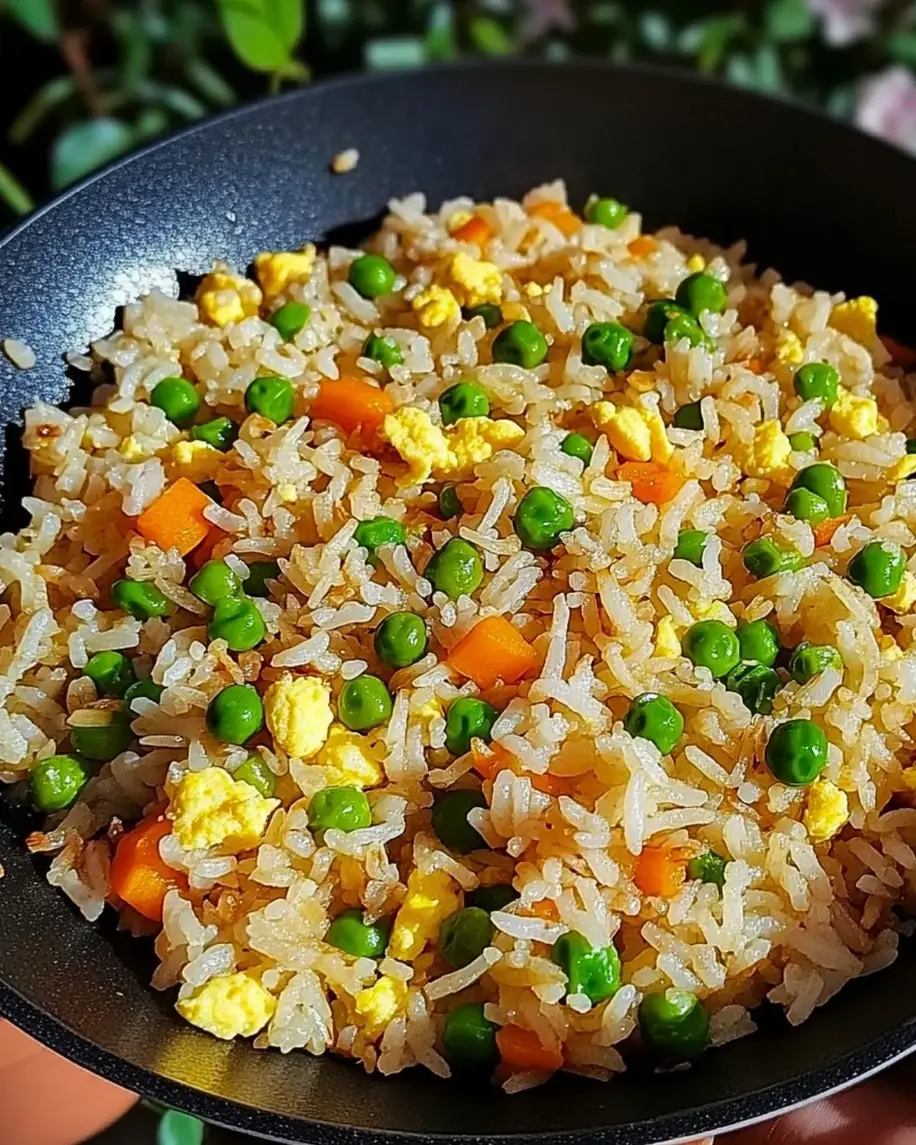
Crafting Your Perfect Fried Rice: Step-by-Step
Step 1: The Foundation – Rice and Veggies
First things first, make sure your day-old rice is broken up and free of clumps. Use your hands or a fork to gently separate the grains. If you’re using fresh vegetables, chop them into small, uniform pieces so they cook evenly and quickly. Mince your garlic and ginger, and have any cooked protein ready. Whisk your eggs in a small bowl with a pinch of salt and pepper, set aside. Having all your components *mise en place* (prepped and ready) is crucial for stir-frying!
Step 2: Aromatics and the Egg Dance
Heat 1 tablespoon of your neutral oil in a large skillet or wok over medium-high heat. Once shimmering, pour in the whisked eggs. Let them cook undisturbed for about 30 seconds until the edges start to set, then gently scramble them until just cooked through. Remove the scrambled eggs from the pan and set them aside with your other prepped ingredients. Add the remaining 1 tablespoon of oil to the hot pan. Toss in your minced garlic and ginger and stir-fry for about 30 seconds until fragrant – be careful not to burn them!
Step 3: Protein Power-Up
If you’re adding a cooked protein (like diced chicken, shrimp, or tofu), add it to the pan now. Stir-fry for a minute or two to heat it through and lightly brown it. If you’re using frozen vegetables like peas and carrots, add them in now too. If using fresh vegetables, add any harder ones (like diced onions or bell peppers) and stir-fry for 2-3 minutes until they start to soften. Frozen vegetables will thaw and cook quickly in the wok.
Step 4: The Grand Unification
Now it’s time for the rice! Add the day-old cooked rice to the wok. Stir and toss it well, breaking up any remaining clumps, ensuring it gets coated with the oil and infuses with the aromatics. Cook for about 3-5 minutes, stirring frequently, until the rice is heated through and starting to lightly crisp. This is where the magic happens – each grain should be separate and slightly toasted.
Step 5: Seasoning and Finishing Touches
Pour the soy sauce evenly over the rice. Add the white pepper, if using. Stir everything together vigorously, ensuring the soy sauce is distributed throughout the rice. Cook for another 1-2 minutes, allowing the sauce to caramelize slightly. Finally, return the scrambled eggs to the pan. Toss one last time to combine. Turn off the heat.
Drizzle the toasted sesame oil over the top and give it a final gentle stir. Garnish generously with fresh, thinly sliced scallions.
Fueling Your Body: Nutritional Breakdown
- Calories: Approximately 400-600 per serving (will vary based on added protein and oil usage).
- Protein: Good source, especially with added chicken, shrimp, or tofu.
- Carbohydrates: Primarily from rice. White rice provides quick energy, while brown rice offers more fiber.
- Fat: From cooking oil and egg. Controlled by the amount of oil used.
- Fiber: Increases significantly with the addition of vegetables, especially if using brown rice.
Please note: Nutritional information is an estimate and can vary significantly based on ingredient choices and portion sizes.
Healthier Swaps for Guilt-Free Indulgence
Looking to make your fried rice even more aligned with your health goals without sacrificing flavor? Try these smart substitutions:
- Rice: Swap white rice for brown rice, quinoa, or cauliflower rice for added fiber, nutrients, and lower carbs.
- Oil: Use a non-stick spray or significantly reduce the amount of oil. A good quality non-stick wok or skillet helps immensely.
- Soy Sauce: Opt for low-sodium soy sauce or coconut aminos to reduce sodium intake.
- Vegetables: Load up on a wider variety of colorful vegetables like broccoli florets, snap peas, bok choy, and mushrooms for extra vitamins and minerals.
- Protein: Choose lean proteins like chicken breast, turkey, shrimp, or extra-firm tofu.
Serving Your Masterpiece
This fried rice is a fantastic standalone meal, packed with protein and carbohydrates. For a more complete and balanced dinner, consider serving it alongside:
- Steamed or stir-fried greens: Such as baby bok choy, gai lan, or spinach.
- A light, refreshing salad: With a ginger-sesame dressing.
- Spring rolls or dumplings: For an authentic takeout flavor experience.
- A sprinkle of toasted sesame seeds for added crunch and visual appeal.
Avoiding Common Fried Rice Pitfalls
To ensure your fried rice is a triumph, steer clear of these common errors:
- Using Freshly Cooked Rice: This is the number one culprit for mushy fried rice. Always use cold, day-old rice.
- Overcrowding the Pan: Cook in batches if necessary. Overcrowding steams rather than fries, leading to soggy results.
- Not Enough Heat: A hot wok or skillet is essential for achieving that characteristic “wok hei” (breath of the wok) flavor.
- Burning Aromatics: Garlic and ginger cook very quickly. Stir-fry them for just 30 seconds until fragrant, then add other ingredients to prevent burning.
- Adding Sauce Too Early: Add liquid sauces towards the end to prevent the rice from becoming soggy.
Leftovers? We’ve Got You Covered
Properly stored, leftover fried rice is a delicious bonus.
Cooling: Allow the fried rice to cool slightly at room temperature for no more than 2 hours before storing.
Storing: Transfer the cooled fried rice into an airtight container. It will keep in the refrigerator for 3-4 days.
Reheating: For the best results, reheat in a skillet over medium heat with a splash of water or oil to prevent drying out. You can also microwave it, stirring halfway through. For a crisper texture, spread it on a baking sheet and reheat in a moderate oven (around 350°F/175°C) for 10-15 minutes.
Your Fried Rice Questions Answered
***Can I use fresh rice?***
While you *can* use fresh rice, it’s highly discouraged for authentic fried rice. Fresh rice is moist and sticky, leading to a mushy, clumpy dish. For best results, always use cold, day-old cooked rice.
***What kind of vegetables are best?***
Almost any finely chopped vegetable works well! Classic choices include peas, carrots, corn, and diced onions. Other great options are broccoli florets, bell peppers, mushrooms, snap peas, and bean sprouts. Frozen mixed vegetables are a convenient and excellent choice.
***How do I get that smoky flavor?***
The smoky flavor, often called “wok hei,” comes from cooking at very high heat in a wok. While it’s hard to replicate perfectly on a home stove, using a very hot pan, not overcrowding it, and achieving a slight caramelization on the rice will help mimic that delicious char.
***Can I make it vegetarian or vegan?***
Absolutely! Omit any meat or egg. For vegan, ensure your soy sauce or tamari is vegan-friendly. Tofu (firm or extra-firm, pressed and cubed) or tempeh make excellent protein additions.
Ready to ditch the delivery menu for good? This fried rice recipe is your ticket to a cheaper, faster, and more delicious meal. Give it a try and let us know how it turns out in the comments below!
Better Than Takeout Fried Rice
Description
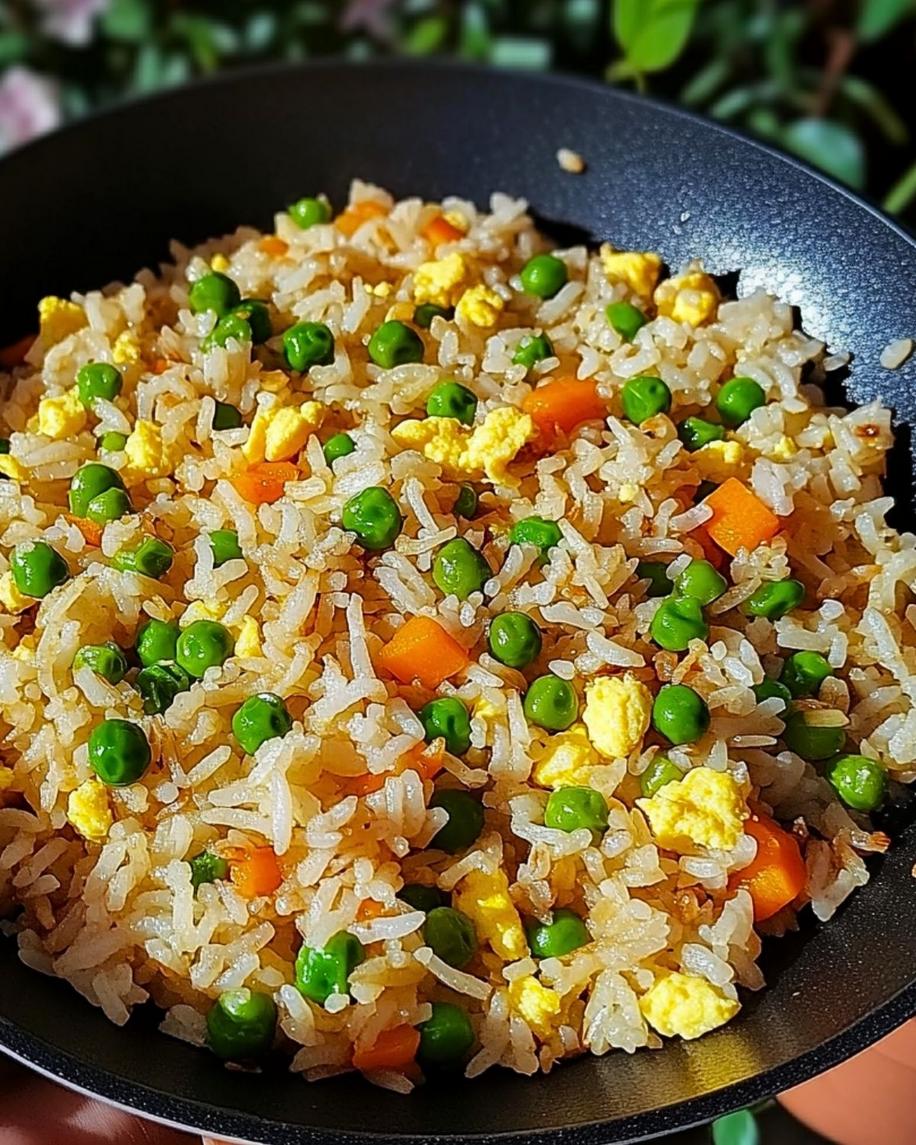
This Better Than Takeout Fried Rice is a quick and flavorful dish that’s perfect for any occasion. Made with fluffy rice, colorful vegetables, scrambled eggs, and a savory blend of soy sauce and sesame oil, it’s a simple yet satisfying recipe. Whether enjoyed as a main course or a side dish, this fried rice will become a household favorite!
Ingredients
- 3 cupscooked, day-old rice (Jasmine or long-grain preferred)
- 1 cupdiced carrots and peas (fresh or frozen)
- 2large eggs, whisked
- 2 tablespoonssoy sauce (adjust to taste)
- 1 tablespoonsesame oil
- 2garlic cloves, minced
- 2 tablespoonscooking oil (vegetable or canola)
- 2green onions, chopped (for garnish)
- Salt and pepper, to taste
Instructions
- Prepare all ingredients before starting to cook. Chop vegetables, whisk the eggs, and ensure the rice is clump-free.
- Heat 1 tablespoon of oil in a large skillet or wok over medium-high heat. Add the whisked eggs and scramble until just set. Remove and set aside.
- In the same skillet, add another tablespoon of oil and sauté the minced garlic for 30 seconds until fragrant.
- Add the diced carrots and peas. Stir-fry for 2-3 minutes until slightly softened.
- Add the cooked rice to the skillet, breaking up clumps with a spatula. Stir-fry for 2-3 minutes to heat through.
- Drizzle soy sauce and sesame oil over the rice, stirring to coat evenly. Season with salt and pepper to taste.
- Return the scrambled eggs to the skillet and mix gently with the rice. Sprinkle with chopped green onions.
- Serve warm and enjoy your delicious homemade fried rice!
Notes
Use day-old rice for the best texture. Fresh rice can be used, but let it cool and dry out slightly before frying.
Customize by adding cooked chicken, shrimp, tofu, or other favorite proteins.
For an extra crunch, toss in chopped cashews or sesame seeds.
Store leftovers in the refrigerator for up to 3 days or freeze for up to 1 month.
“`