“`html
Table of Contents
Butter Cake Recipe
The Timeless Appeal of a Perfectly Baked Butter Cake
Did you know that over 50% of home bakers consider butter cake one of their top three favorite cake varieties, particularly for special occasions? This isn’t surprising, given its universally loved qualities: a rich, buttery flavor, an incredibly soft and moist crumb, and a delicate sweetness that pairs beautifully with almost any topping. The butter cake is more than just a dessert; it’s a celebration of simplicity and pure, unadulterated flavor. It stands as a testament to the magic that can be created with a handful of basic pantry staples. Whether you’re celebrating a birthday, looking for the perfect afternoon tea companion, or simply craving a comforting dessert, this butter cake recipe delivers every single time. Its popularity isn’t just anecdotal; it’s deeply rooted in its ability to evoke nostalgia and provide consistent, delicious results, making it a reliable star of any table.
Ingredients: The Heart of Your Butter Cake
The beauty of this butter cake lies in its straightforward ingredient list, which utilizes most items you likely already have in your pantry. The quality of your ingredients will truly shine through, so opt for the best you can. This recipe yields a standard 8 or 9-inch round cake or an 8×8 inch square cake.
- 1 cup (2 sticks or 227g) unsalted butter, softened: The star of the show! Ensure it’s truly softened to room temperature – it should yield slightly to firm pressure but not be greasy or melted. This is crucial for achieving a light and airy texture. Substitution: You can use salted butter, but reduce the added salt in the recipe by ¼ teaspoon.
- 1 ½ cups (300g) granulated sugar: Provides sweetness and contributes to the cake’s tender crumb and golden-brown crust.
- 3 large eggs, at room temperature: Eggs bind the ingredients and add richness, moisture, and structure. Room temperature eggs incorporate more easily into the batter, preventing a greasy or curdled texture. Substitution: For each egg, you can use ¼ cup of unsweetened applesauce, though this may result in a slightly denser cake.
- 1 teaspoon vanilla extract: Enhances all the other flavors and adds that classic, comforting aroma. Use pure vanilla extract for the best taste. Substitution: Vanilla bean paste can be used for a more intense vanilla flavor and visual speckles.
- 2 ½ cups (315g) all-purpose flour: The foundation of our cake structure. Spoon and level your flour to avoid packing too much, which can make the cake dense. Substitution: A good quality 1:1 gluten-free baking blend can be used, though results may vary slightly in texture.
- 2 ½ teaspoons baking powder: Our leavening agent, responsible for the cake’s rise and fluffy texture. Always ensure your baking powder is fresh.
- ½ teaspoon salt: Balances the sweetness and enhances the overall flavor profile.
- 1 cup (240ml) milk, at room temperature: Adds moisture and helps create a tender crumb. Whole milk will yield the richest result. Substitution: Buttermilk or evaporated milk can be used for added richness and a slightly tangier flavor. Ensure they are also at room temperature.
Timing is Everything
20 minutes
30-35 minutes
50-55 minutes (plus cooling)
Typically, a classic butter cake recipe like this falls within a similar preparation and baking window. While some elaborate cakes can take hours, this straightforward recipe is achievable on a weeknight or for a spontaneous baking session. The 20 minutes of prep are efficient, focused on gathering ingredients and mixing, while the 30-35 minutes of baking ensure a perfectly cooked interior and a golden exterior. Remember to factor in cooling time, which is essential before frosting or slicing.
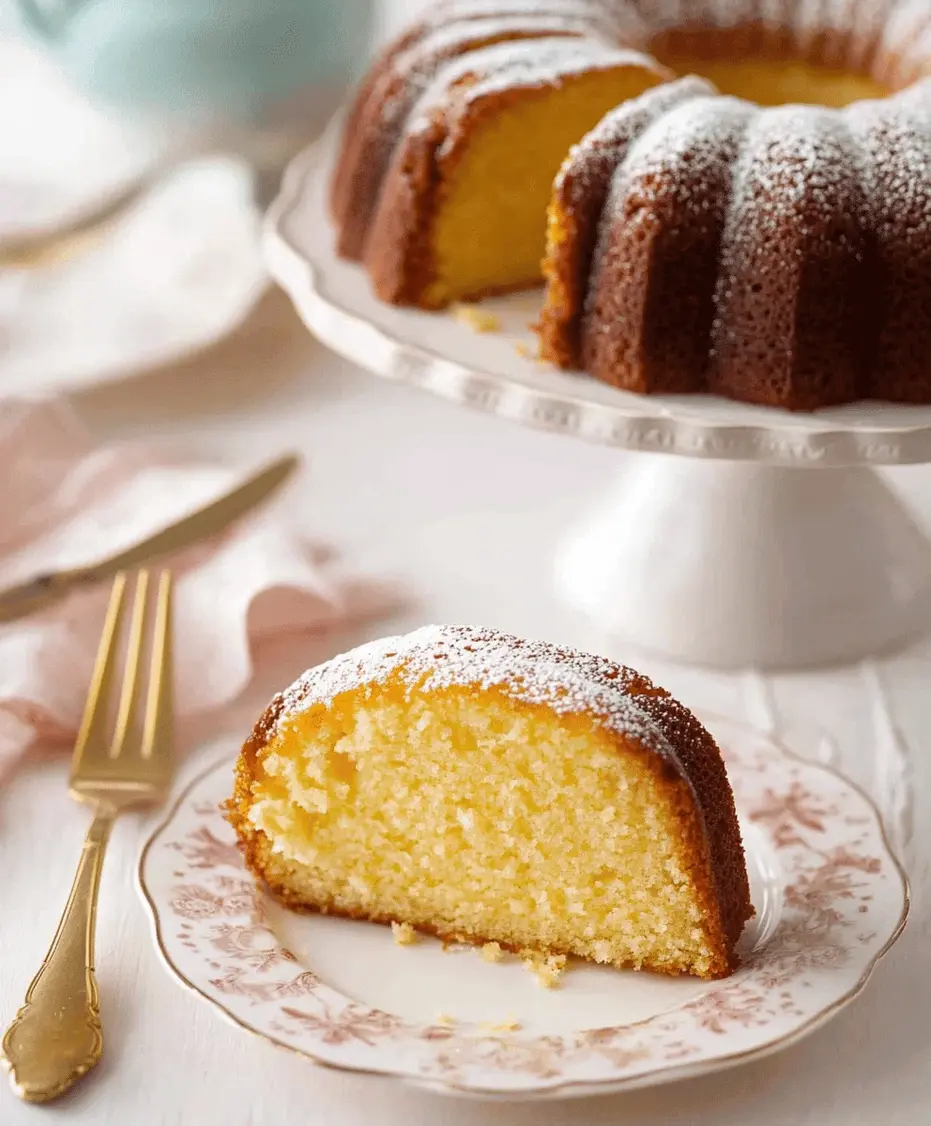
Crafting Your Golden Butter Cake: Step-by-Step
Step 1: Preheat Oven and Prepare Pan
First things first, let’s get your oven ready for baking. Preheat it to 350°F (175°C). While the oven heats up, prepare your baking pan. Grease it thoroughly with butter or non-stick cooking spray, and then lightly flour it. Tap out any excess flour. For an extra layer of protection and easier unmolding, you can also line the bottom of the pan with a circle of parchment paper. This ensures your beautiful cake doesn’t stick.
Step 2: Cream Butter and Sugar
In a large mixing bowl, combine the softened unsalted butter and granulated sugar. Using an electric mixer (stand mixer with paddle attachment or a hand mixer), beat these together on medium-high speed for about 3-5 minutes. You’re looking for a pale yellow, fluffy mixture. This creaming process is crucial as it incorporates air into the batter, which contributes significantly to the cake’s light texture.
Step 3: Add Eggs and Vanilla
Add the room temperature eggs one at a time, beating well after each addition until fully incorporated. Don’t rush this step; each egg needs to be fully blended before adding the next. Once the eggs are in, stir in the vanilla extract. The mixture might look a little curdled at this stage, but don’t worry; it will smooth out in the next steps.
Step 4: Combine Dry Ingredients
In a separate medium bowl, whisk together the all-purpose flour, baking powder, and salt. Whisking ensures that the baking powder and salt are evenly distributed throughout the flour, which is key for a consistent rise and balanced flavor.
Step 5: Alternate Adding Dry and Wet Ingredients
Now, it’s time to bring everything together. With the mixer on low speed, begin by adding about one-third of the dry ingredients to the butter mixture. Mix until just combined. Then, add half of the room temperature milk and mix again until just combined. Repeat this process, adding another third of the dry ingredients, then the remaining milk, and finishing with the last third of the dry ingredients. Be careful not to overmix; mix only until the streaks of flour disappear. Overmixing can develop the gluten in the flour, resulting in a tough cake.
Step 6: Bake the Cake
Pour the batter into your prepared baking pan and spread it evenly with a spatula. Place the pan in the preheated oven. Bake for 30-35 minutes, or until a wooden skewer or toothpick inserted into the center of the cake comes out clean. The top of the cake should be golden brown and spring back lightly when gently pressed.
Step 7: Cool and Serve
Once baked, remove the cake from the oven and let it cool in the pan on a wire rack for about 10-15 minutes. This allows the cake to firm up slightly before you attempt to remove it. After this initial cooling period, carefully invert the cake onto the wire rack to cool completely. Once it’s fully cooled, you can dust it with powdered sugar, frost it, or serve it as is. Enjoy the simple, exquisite taste!
Nutritional Information (Approximate per serving, assuming 12 servings)
- Calories: 300-350 kcal
- Fat: 15-20g
- Carbohydrates: 35-45g
- Protein: 3-5g
- Sugar: 20-30g
Note: Nutritional values are estimates and can vary based on specific ingredients and serving sizes.
Healthier Alternatives & Flavor-Preserving Swaps
While the classic butter cake is divine, we can make some tweaks for a slightly lighter version without sacrificing too much flavor:
- Reduced Fat Butter: Use a good quality reduced-fat butter or a butter substitute, though this may affect the richness and texture slightly.
- Whole Wheat Pastry Flour: Substitute some of the all-purpose flour with whole wheat pastry flour. This adds fiber and a slightly nutty flavor. Start with a 1:1 substitution and see how you like it.
- Greek Yogurt or Applesauce: Replacing half of the butter with plain Greek yogurt or unsweetened applesauce can reduce fat and calories while adding moisture. The texture might become denser.
- Reduced Sugar: Lowering the granulated sugar by ¼ to ½ cup can significantly reduce sweetness and calories. The cake might not brown as deeply, and the texture could be slightly less tender.
- Unsweetened Milk Alternatives: Opt for unsweetened almond milk or soy milk if you’re avoiding dairy.
Serving Suggestions: Elevate Your Cake Experience
The beauty of a butter cake is its versatility. It’s delicious on its own, but here are a few ideas to make it even more special:
- A Dusting of Powdered Sugar: Simple, elegant, and lets the cake’s flavor shine.
- Fresh Berries: Serve slices with a handful of fresh strawberries, raspberries, or blueberries.
- Whipped Cream or Crème Fraîche: A dollop of lightly sweetened whipped cream or a spoonful of tangy crème fraîche is a classic pairing.
- Simple Glaze: A light drizzle of lemon or vanilla glaze adds a touch of sweetness and visual appeal.
- A Scoop of Ice Cream: For an indulgent dessert, serve a warm slice with a scoop of your favorite ice cream.
Common Mistakes to Avoid
- Using Cold Butter or Eggs: This is a cardinal sin for butter cakes. Softened butter and room temperature eggs are essential for proper emulsification and texture.
- Overmixing the Batter: Once you add the flour, mix only until just combined. Overmixing develops gluten, leading to a tough, dense cake.
- Opening the Oven Door Too Soon: Resist the urge to check your cake too early. The sudden change in temperature can cause it to collapse. Wait until at least ¾ of the way through the baking time.
- Not Properly Measuring Flour: Spooning flour into your measuring cup and leveling it off is key. Scooping directly from the bag compacts the flour, leading to too much flour and a dry cake.
Storing Your Butter Cake
Proper storage will keep your butter cake delightful for days:
- At Room Temperature: Once completely cooled, store the cake in an airtight container or wrap it tightly in plastic wrap. It will stay fresh for up to 3-4 days. If frosted, consider refrigerating it, especially if the frosting is cream-cheese based.
- Refrigeration: For longer storage, or if the cake is frosted with a perishable frosting, store it in the refrigerator for up to a week. Let it come to room temperature for about 30 minutes before serving for the best flavor and texture.
- Freezing: Butter cake freezes beautifully. Wrap it well in plastic wrap, then in aluminum foil, or place it in a freezer-safe container. It can be frozen for up to 3 months. Thaw overnight in the refrigerator.
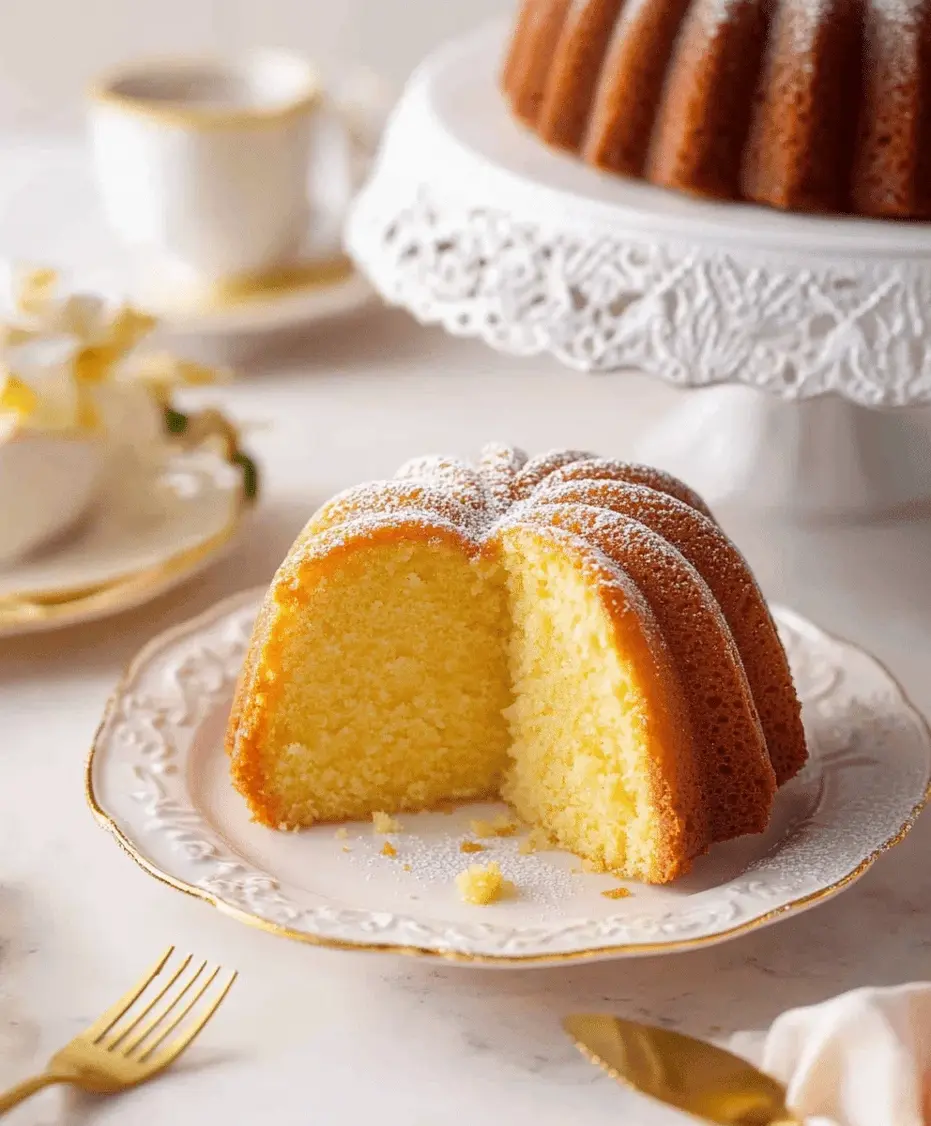
Frequently Asked Questions (FAQs)
What does “room temperature” mean for butter and eggs?
Room temperature typically means around 65-70°F (18-21°C). Butter should be pliable and yield to gentle pressure without feeling greasy. Eggs should not be cold from the refrigerator; letting them sit out for 30-60 minutes usually does the trick.
Why is my butter cake dense?
A dense cake is often caused by overmixing the batter after adding flour, using too much flour, or not creaming the butter and sugar enough to incorporate air.
Can I make cupcakes from this recipe?
Absolutely! Line muffin tins with cupcake liners and fill them about two-thirds full. Bake at 350°F (175°C) for 18-22 minutes, or until a toothpick comes out clean.
How can I ensure my cake is moist?
Using room temperature ingredients, not overmixing, and not overbaking are the key elements to a moist butter cake. Using whole milk or buttermilk also contributes to moisture.
A Classic for Every Occasion
This butter cake recipe is a testament to the fact that sometimes, the simplest things are the most delicious. Its rich, buttery flavor, incredibly tender crumb, and comforting aroma make it a beloved classic for a reason. Whether you’re a seasoned baker or just starting, this recipe is designed to be foolproof, yielding a beautiful and delicious cake every time. Gather your pantry staples, follow these steps, and prepare to be delighted. It’s the perfect foundation for celebrations and the perfect treat for everyday moments.
Tried this recipe? We’d love to hear about it! Share your thoughts in the comments below or tag us on social media. Your feedback helps us and inspires other home bakers!
Butter Cake Recipe
Description
This buttery, soft, and moist butter cake is a timeless classic. Made with simple pantry staples, it’s perfect for birthdays, tea time, or dessert.
Ingredients
- 2 ½ cupsall-purpose flour
- 2 ½ tspbaking powder
- ½ tspsalt
- 1 cupunsalted butter, softened
- 2 cupsgranulated sugar
- 4large eggs
- 1 tspvanilla extract
- 1 cupwhole milk
Instructions
Notes
Ensure butter is at room temperature for a smooth batter.
Do not overmix to keep the cake light and fluffy.
Pairs well with frosting, whipped cream, or fresh fruit.
Nutrition
- Calories: 320
- Sugar: 28g
“`