“`html
Table of Contents
Summer Fruit Platter Recipe
Are you wondering how to create a show-stopping, healthy, and incredibly refreshing centerpiece for your next summer gathering? This Summer Fruit Platter recipe is your answer! With the average person consuming an extra 100-400 calories from snacks during warmer months, a vibrant fruit platter provides a delicious and nutrient-dense alternative. It’s not just a dish; it’s a celebration of nature’s candy, bursting with color, flavor, and essential vitamins. Perfect for brunches, picnics, barbecues, or simply a light afternoon treat, this platter is as easy to assemble as it is beautiful to behold. Let’s dive into creating a masterpiece that will have your guests raving and feeling good!
Ingredients for a Stunning Summer Fruit Platter
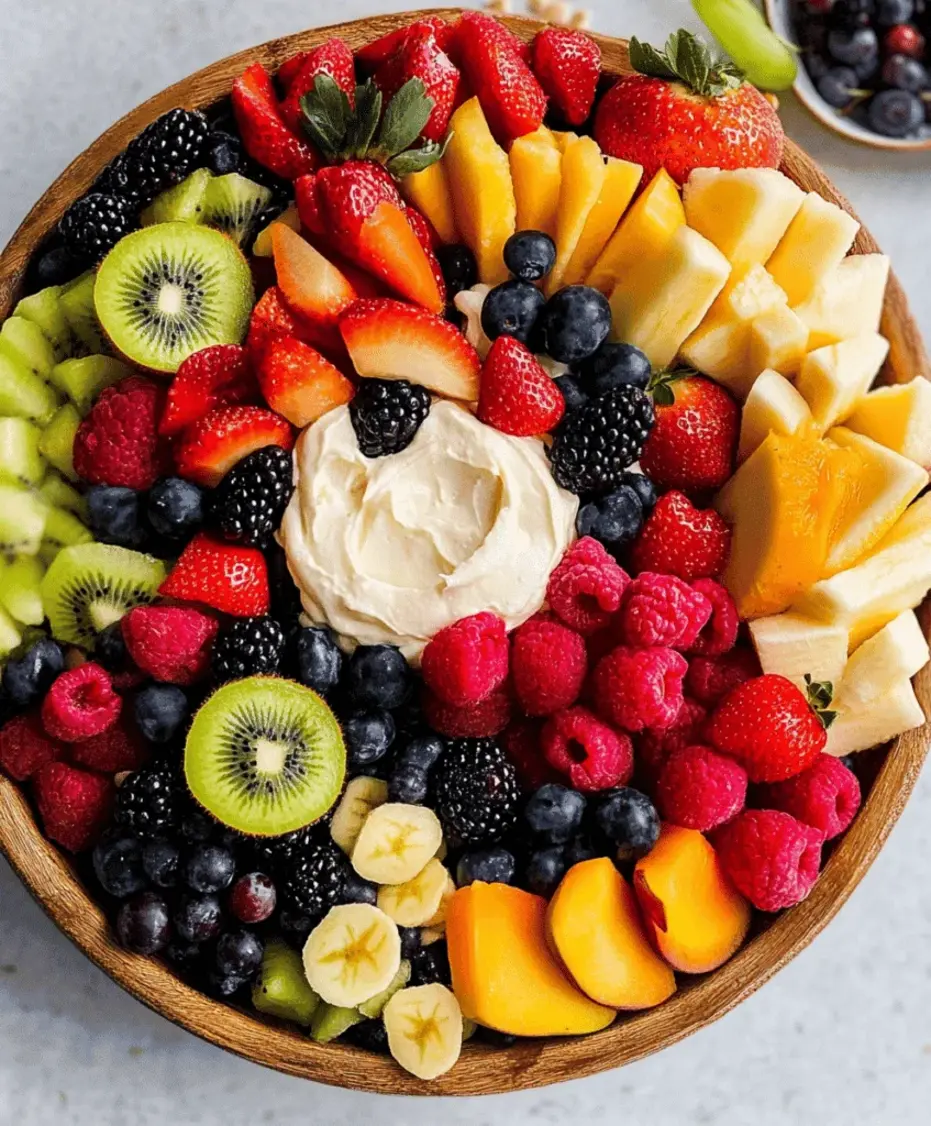
The beauty of a fruit platter lies in its versatility. The key is to select a variety of colorful, ripe, and in-season fruits. Aim for a mix of textures and flavors – sweet, tart, juicy, and creamy. Here’s a guide to what you might include:
-
Berries: Think vibrant red strawberries (sweet and slightly tart), plump blueberries (mildly sweet with a hint of earthiness), and juicy raspberries (delicately sweet and tangy).
- Substitution: Blackberries for a deeper, murkier sweetness.
-
Melons: Cubes or balls of watermelon (refreshingly sweet and hydrating), cantaloupe (musky sweet), and honeydew (mildly sweet and subtly floral).
- Substitution: Galia melon for a more intense sweetness.
-
Stone Fruits: Sliced peaches (sweet, fuzzy, and fragrant), nectarines (similar to peaches but smooth-skinned), and plums (ranging from sweet to tart).
- Substitution: Cherries for small bursts of deep, sweet-tart flavor.
-
Tropical Fruits: Sliced mango (sweet, creamy, and tropical aroma), pineapple chunks (tangy and sweet with a distinct tropical zest), and kiwi slices (bright green, sweet-tart, with tiny, edible seeds).
- Substitution: Star fruit for a beautiful visual and a mild, refreshing taste.
-
Citrus: Orange segments or grapefruit segments (bright, juicy, and slightly bitter to balance sweetness).
- Substitution: Tangerine segments for easier peeling and a sweeter profile.
-
Grapes: Clusters of green or red seedless grapes (sweet and crisp).
- Substitution: Black grapes for a richer color contrast.
- Optional Enhancements: Fresh mint leaves for garnish (aromatic and cooling), a honey-lime drizzle (sweet and zesty), or a sprinkle of toasted coconut flakes (crunchy and tropical).
Timing: Quick Assembly for Instant Gratification
15-20 minutes
0 minutes
15-20 minutes
This recipe is significantly faster than many cooked dishes, requiring minimal to no cooking, making it ideal for busy hosts.
Step-by-Step Instructions
Step 1: Prep the Fruits
Wash all your fruits thoroughly under cool running water. For berries, gently pat them dry with a paper towel. Hull and slice strawberries if they are large. Cut melons, pineapple, and mango into bite-sized cubes or use a melon baller for perfectly spherical shapes. Peel and slice kiwi. Segment citrus fruits, removing any seeds and pith. Halve or pit stone fruits and slice them. Leave grapes on small clusters for easy handling.
Step 2: Arrange Creatively
Select a large, attractive platter or board. Start by arranging larger fruits like melon slices or pineapple chunks to create a base. Then, fill in the gaps with smaller fruits like berries and grapes. Think about color placement – group similar colors or create a rainbow effect. Alternating colors and textures will make your platter visually stunning. Don’t be afraid to overlap slightly to create a lush, abundant look.
Step 3: Add Optional Enhancements
If you’re using them, tuck fresh mint leaves here and there amongst the fruit for a pop of green and a refreshing aroma. If you’ve opted for a drizzle, prepare a simple honey-lime dressing by whisking together 2 tablespoons of honey with 1 tablespoon of fresh lime juice. You can lightly drizzle this over the platter just before serving, or serve it on the side in a small bowl. Sprinkle toasted coconut flakes over sections of the platter for added texture and flavor.
Step 4: Chill and Serve
Once assembled, cover the platter loosely with plastic wrap or a large dome and refrigerate for at least 15-30 minutes before serving. This allows the flavors to meld slightly and ensures the fruit is cool and refreshing. Remove from the refrigerator a few minutes before guests arrive for optimal enjoyment.
Nutritional Information (Approximate Per Serving, Varies by Fruit Selection)
A fresh fruit platter is naturally low in calories and packed with vitamins, minerals, and fiber. While exact nutritional values depend heavily on the specific fruits chosen and their quantities, a typical serving (about 1 cup of mixed fruit) often provides:
- Calories: 60-100 kcal
- Carbohydrates: 15-25g (primarily natural sugars and fiber)
- Fiber: 2-5g
- Vitamins: Excellent source of Vitamin C, Vitamin A, and various B vitamins.
- Minerals: Good source of potassium, manganese, and antioxidants.
- Fat & Protein: Negligible.
Healthier Alternatives & Flavor Swaps
This platter is already a healthy choice, but here are ways to keep it that way or add subtle flavor enhancements:
- For a Sugar-Free Option: Rely solely on naturally sweet fruits like berries, melon, and kiwi. Omit any honey drizzle.
- For a Creamy Element: Instead of rich dips, offer a small bowl of Greek yogurt (plain or with a touch of vanilla extract) or a light coconut yogurt for a dairy-free alternative.
- Herbaceous Infusion: Incorporate other fresh herbs like basil or mint for a sophisticated, fresh flavor that complements many fruits.
- Spicy Kick: For the adventurous, a very light dusting of chili powder or Tajín on certain fruits like mango or pineapple can add an unexpected and delightful zing.
Serving Suggestions
This Summer Fruit Platter is incredibly versatile. Serve it chilled as:
- A refreshing appetizer before a main meal.
- A light and healthy dessert.
- A brunch centerpiece alongside pastries and coffee.
- A colorful addition to a picnic or barbecue spread.
- A healthy snack option for kids and adults alike.
Common Mistakes to Avoid
- Using Unripe Fruit: This leads to bland, hard-to-eat fruit. Always choose ripe, fragrant options.
- Overcrowding: While abundance is good, ensure there’s enough space to easily pick up individual pieces of fruit.
- Cutting Fruit Too Far in Advance: Some fruits, like apples or bananas (if you choose to include them), tend to brown quickly. Prepare these fruits just before serving or toss them with a little lemon juice.
- Not Considering Texture: A mix of soft, crisp, and juicy fruits makes the platter more interesting.
- Forgetting a Dazzling Presentation: A beautiful platter enhances the eating experience. Use your creativity!
Storing Tips
Leftover fruit platters are best enjoyed fresh. However, if you have a small amount leftover:
- Loosely cover any remaining fruit with plastic wrap and store in the refrigerator.
- Berries and cut melon tend to hold up reasonably well for 1-2 days.
- Fruits that have been sliced or exposed to air may become softer or slightly discolored.
- For best results, it’s ideal to assemble only what you anticipate serving.
Conclusion
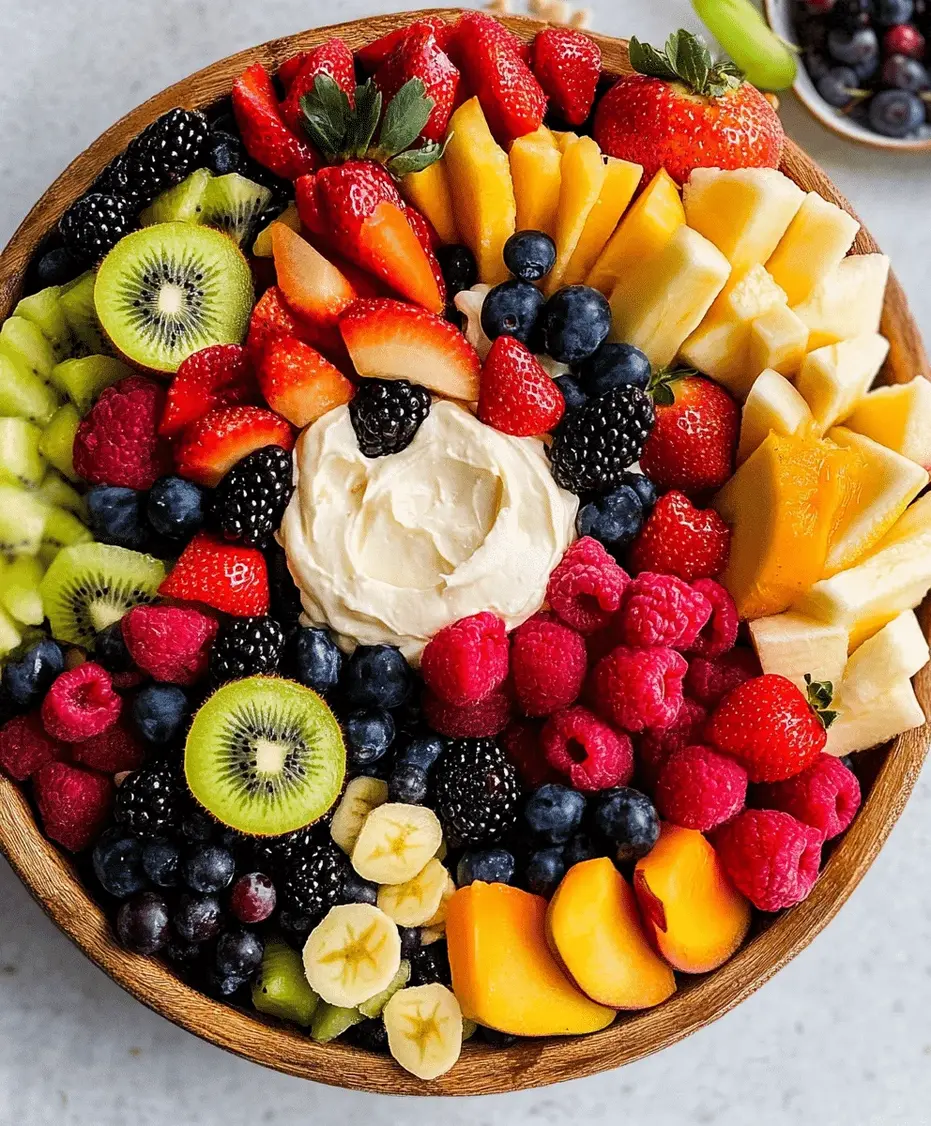
Creating this Summer Fruit Platter recipe is a simple yet incredibly rewarding way to bring freshness, color, and vibrant flavor to your table. It’s a healthy, customizable, and visually appealing dish that’s perfect for any occasion. Whether you’re a seasoned entertainer or a beginner cook, this fruit platter is sure to be a hit. So, gather your favorite seasonal fruits, get creative with your arrangement, and enjoy the sweet taste of summer!
Ready to craft your own beautiful fruit platter? Share your creations with us below or tell us your favorite fruit combinations!
Frequently Asked Questions
What are the best fruits to use for a summer fruit platter?
The best fruits are those that are ripe, in season, and offer a variety of colors and textures. Think berries, melons, stone fruits, tropical fruits, and grapes. Aim for a mix of sweet and slightly tart options.
How do I prevent fruit from browning?
For fruits that brown easily like apples or pears (though less common on summer platters), toss them with a little lemon juice or lime juice immediately after cutting. This helps to slow down oxidation. For platters prepared slightly ahead, consider adding these fruits last or just before serving.
Can I make the fruit platter ahead of time?
You can prepare some elements ahead. Wash and cut firmer fruits (melon, pineapple) a few hours in advance and store them in airtight containers in the refrigerator. Berries and delicate fruits are best washed and added just before assembly to maintain their texture and appearance.
What can I serve with a fruit platter?
Consider serving with a light yogurt dip (Greek or coconut), a small bowl of honey or maple syrup for drizzling (use sparingly for a healthier option), or perhaps some fresh whipped cream for a decadent touch.
How much fruit should I prepare per person?
A good rule of thumb is about 1 cup of prepared fruit per person. This ensures everyone gets a generous serving without too much waste.
Summer Fruit Platter Recipe
Description
This Summer Fruit Platter is a delightful and colorful mix of seasonal fruits, making it the perfect refreshing treat for warm days.
Ingredients
- 1 cupstrawberries, hulled and halved
- 1 cupblueberries
- 1 cupraspberries
- 1 cupgreen grapes, halved
- 1 cupred grapes, halved
- 1 cuppineapple chunks
- 1 cupwatermelon cubes
- 1 cupmango slices
- 1 cupkiwi slices
- 1 cuporange segments
- Fresh mint leaves for garnish
- Optional: Honey or yogurt for dipping
Instructions
Notes
Use any seasonal fruits available for variety.
To prevent browning, toss apples or bananas with lemon juice.
Serve chilled for the best taste.
Nutrition
- Calories: 150
- Sugar: 25g
“`