“`html
Table of Contents
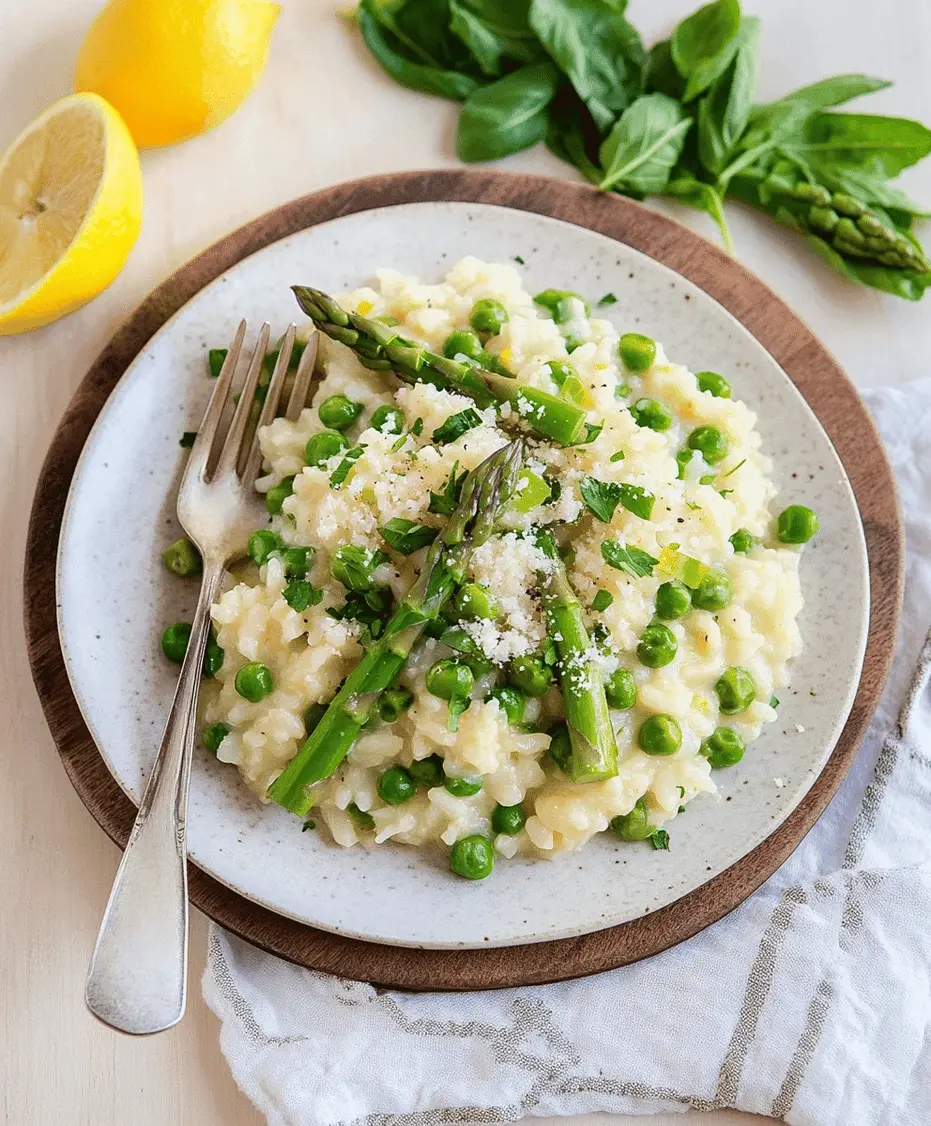
Asparagus Risotto Recipe
Craving a Taste of Spring? Elevate Your Dinner with This Creamy Asparagus Risotto!
Did you know that asparagus is at its peak flavor during the spring months? This vibrant green vegetable isn’t just a seasonal delight; it’s packed with vitamins and minerals, offering a healthy and delicious addition to your table. If you’re looking for a dish that embodies the freshness of spring while delivering the comforting creaminess of a classic Italian risotto, you’ve come to the right place. This Asparagus Risotto recipe is a culinary masterpiece that perfectly captures the essence of the season. It’s a dish that’s both elegant enough for a special occasion and remarkably simple to create for a weeknight indulgence. Imagine tender, perfectly cooked Arborio rice infused with the subtle sweetness of fresh asparagus, enriched with savory Parmesan cheese, and finished with a touch of luxury. Whether you’re a seasoned cook or just starting your culinary journey, this recipe is designed to guide you to risotto perfection. It’s a fantastic vegetarian main course or an exquisite side dish that is sure to impress. Get ready to transform simple ingredients into a truly memorable meal!
Ingredients for Creamy Asparagus Risotto
The magic of a great risotto lies in the quality of its ingredients and the care taken in its preparation. For this vibrant Asparagus Risotto, we’re focusing on fresh, flavorful components that come together harmoniously.
- 1 lb fresh asparagus, trimmed and cut into 1-inch pieces (about 3 cups). Look for firm stalks with tight, compact tips; they will offer a delightful crunch and vibrant green color.
- Substitution: Frozen asparagus can be used, but thaw it completely and pat it dry before adding. The texture might be slightly softer.
- 6 cups low-sodium vegetable broth, warmed. A good quality broth is the backbone of risotto, infusing each grain of rice with savory depth.
- Substitution: Chicken broth can be used for a richer, non-vegetarian version.
- 2 tablespoons olive oil, plus more for drizzling. A good extra virgin olive oil will add a fruity note.
- 1 tablespoon unsalted butter, plus more for finishing. This adds a luxurious richness and helps create that signature creamy texture.
- Substitution: Use a plant-based butter alternative for a vegan option.
- 1 medium yellow onion, finely chopped (about 1 cup). The sweet, mild flavor of yellow onion is perfect for building the base.
- Substitution: Shallots offer a more delicate sweetness, or a finely chopped leek (white and light green parts only) can be used for a slightly different aromatic profile.
- 2 cloves garlic, minced. The pungent aroma of garlic adds a classic savory note.
- 1 ½ cups Arborio rice. This short-grain Italian rice is crucial for risotto due to its high starch content, which releases during cooking to create that signature creaminess.
- Substitution: Carnaroli or Vialone Nano rice are excellent alternatives, though Arborio is the most widely available. Do not use long-grain rice, as it won’t achieve the right texture.
- ½ cup dry white wine, such as Pinot Grigio or Sauvignon Blanc. The wine adds acidity and complexity, deglazing the pan and adding a subtle depth of flavor.
- Substitution: If you prefer not to use alcohol, you can substitute with an equal amount of extra broth and a tablespoon of lemon juice for acidity.
- ½ cup grated Parmesan cheese, plus more for garnish. The salty, nutty cheese is essential for that final creamy, cheesy finish.
- Substitution: Pecorino Romano offers a sharper, saltier flavor. For a vegetarian option, ensure your Parmesan is made with microbial rennet.
- Salt and freshly ground black pepper, to taste. Seasoning generously is key to bringing out all the flavors.
- Optional: Fresh lemon zest or a squeeze of lemon juice for brightness. A final touch of citrus can cut through the richness beautifully.
Timing Your Asparagus Risotto Preparation
Risotto requires a bit of patience and attention, but the timing is key to achieving that perfect creamy texture. Unlike many quick weeknight meals, risotto is a dish that rewards consistent stirring and gradual addition of liquid. This recipe is designed to be enjoyed as soon as it’s ready, so plan accordingly!
Compared to an average risotto recipe, this timeframe is quite standard. Many risotto recipes can take anywhere from 30 to 60 minutes total, depending on the ingredients and method. Your time investment will be well worth the delightful result!
Step-by-Step Asparagus Risotto Instructions
Follow these steps to create a truly magnificent Asparagus Risotto:
1. Prepare Your Asparagus
Begin by prepping your asparagus. Wash it thoroughly. Snap off the woody ends (they will naturally break at the point where the tough part meets the tender part) or trim them with a knife. Cut the tender stalks into bite-sized pieces, about 1 inch long. Reserve a few of the tips for garnish if you like. You can also quickly blanch the asparagus pieces in boiling water for about 1-2 minutes until they turn bright green and slightly tender, then immediately plunge them into ice water to stop the cooking and preserve their color. Drain them well. This step ensures your asparagus is perfectly cooked while the risotto is being made, preventing it from becoming mushy.
2. Sauté the Aromatics
In a large, heavy-bottomed pot or Dutch oven, heat the olive oil and 1 tablespoon of butter over medium heat. Add the finely chopped onion and cook, stirring frequently, until it becomes translucent and soft, about 5-7 minutes. Avoid browning the onion, as this can create a bitter flavor. Add the minced garlic and cook for another minute until fragrant, being careful not to burn it.
3. Toast the Rice
Add the Arborio rice to the pot with the softened onions and garlic. Stir constantly for about 2 minutes. You want to toast the grains of rice until their edges become slightly translucent and they emit a faint nutty aroma. This toasting process helps the rice absorb liquid more evenly, prevents it from becoming mushy, and contributes to the final texture of the risotto.
4. Begin the Risotto Process
Pour in the white wine. Stir continuously until the wine has evaporated and been completely absorbed by the rice. This deglazes the pan and adds a layer of complexity. Now, begin adding the warm vegetable broth, one ladleful (about ½ cup) at a time. Stir the rice constantly after each addition, making sure the liquid is almost fully absorbed before adding the next ladleful. This gentle stirring is what encourages the rice to release its starches, creating the signature creamy texture of risotto.
5. Incorporate the Asparagus
Continue adding broth and stirring for about 15 minutes. At this point, when the rice is beginning to soften but still has a slight bite (al dente), stir in the prepared asparagus pieces (including the tips if you reserved them). Continue adding broth as before, stirring occasionally, until the rice is cooked through but still firm to the bite, and the risotto has a creamy, flowing consistency—not too thick, not too loose. This usually takes another 5-10 minutes.
6. Finish with Richness
Once the rice is perfectly cooked and the asparagus is tender-crisp, remove the pot from the heat. Stir in the grated Parmesan cheese and the remaining tablespoon of butter. Stir vigorously for about 30 seconds to emulsify the cheese and butter into the risotto, creating an even creamier texture. Season generously with salt and freshly ground black pepper to taste. Taste and adjust seasoning as needed. If using, stir in a bit of lemon zest or a squeeze of lemon juice for brightness.
7. Serve Your Asparagus Risotto
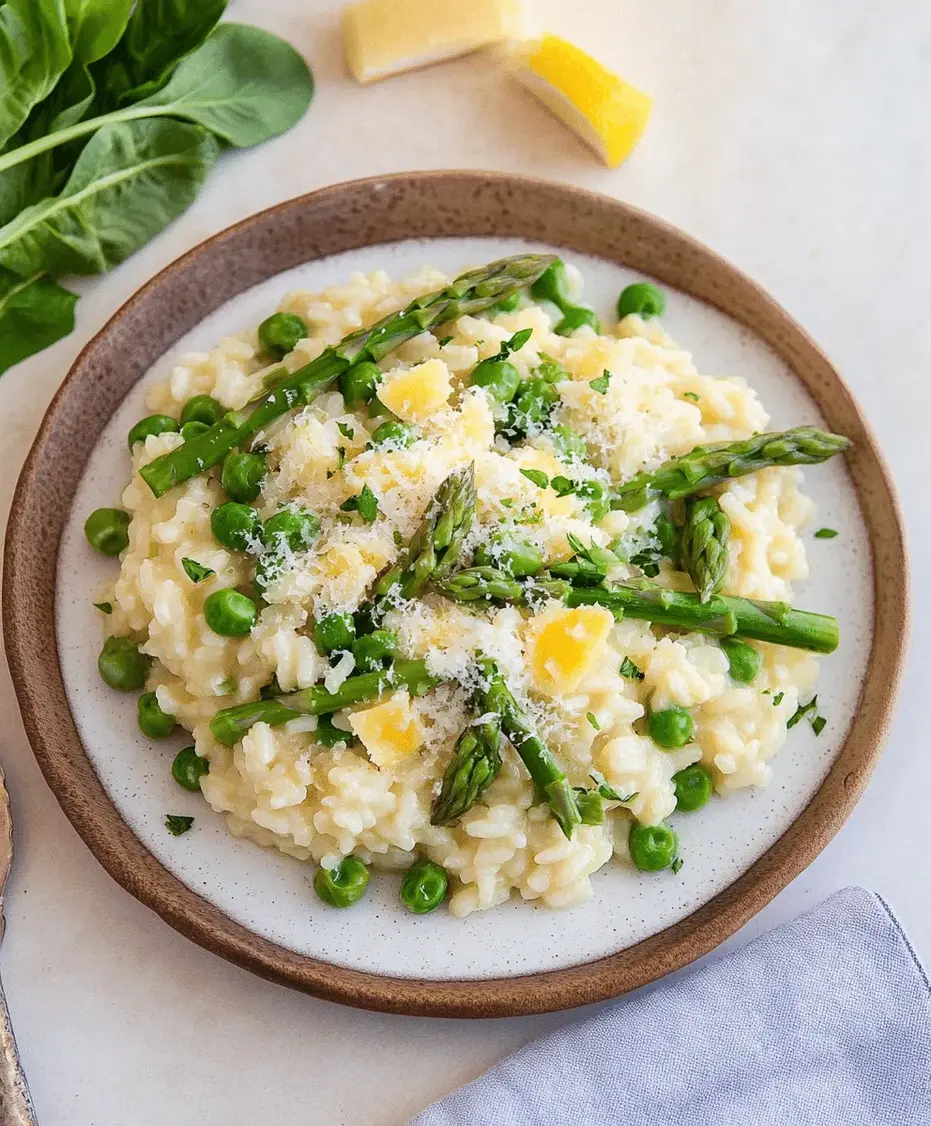
Serve the risotto immediately in warm bowls. Garnish with extra grated Parmesan cheese, a drizzle of olive oil, or a sprinkle of fresh herbs like parsley or chives. Risotto is best enjoyed right away, as its texture can change as it cools.
Nutritional Information (Per Serving)
While exact nutritional values can vary based on specific ingredients and portion sizes, here is an approximate breakdown for one serving of Asparagus Risotto:
- Calories: Approx. 350-450 kcal
- Protein: Approx. 10-15g
- Fat: Approx. 10-15g (Saturated Fat: 4-6g)
- Carbohydrates: Approx. 50-60g
- Fiber: Approx. 3-5g
- Sodium: Varies based on broth and cheese used. Aim for low-sodium broth.
Note: This is a general estimate. For precise information, you would need to calculate based on the exact quantities of ingredients used.
Healthier Alternatives for Asparagus Risotto
You can lighten up this delicious risotto without sacrificing too much flavor:
- Use less butter and oil: Reduce the amount of butter and olive oil used for sautéing and finishing. You can use a good non-stick pan and rely more on broth for cooking.
- Lower-fat cheese: Opt for a reduced-fat Parmesan or a lighter cheese. While it won’t taste exactly the same, it can reduce fat content.
- Add more vegetables: Bulk up the risotto with more non-starchy vegetables like peas, spinach, or finely chopped mushrooms. This adds volume and nutrients while allowing you to use slightly less rice.
- Brown rice or other grains: For a healthier whole-grain option, you could experiment with brown Arborio rice or even other grains like farro or barley, though the cooking times and starch release will differ significantly, and you won’t achieve the classic creamy texture of Arborio risotto.
- Broth: Always use low-sodium broth to control your sodium intake.
Serving Suggestions
Asparagus Risotto is wonderfully versatile:
- As a Main Course: Serve warm bowls topped with a sprinkle of extra Parmesan, fresh parsley, and perhaps a dollop of ricotta or a few toasted pine nuts for added texture. A light salad with a vinaigrette makes a perfect accompaniment.
- As a Side Dish: This risotto is a brilliant accompaniment to grilled or roasted meats like chicken, lamb, or fish. Its creamy texture and fresh flavor complement a variety of main proteins.
- With Seafood: Pair it with pan-seared scallops, shrimp, or a delicate white fish for an elegant surf-and-turf experience.
Common Mistakes to Avoid in Risotto
Avoid these pitfalls for risotto perfection:
- Using cold broth: Always warm your broth. Adding cold broth shocks the rice and slows down the cooking process.
- Not stirring enough (or too much): Constant stirring is key to releasing starch. However, don’t stir so vigorously that you break the grains. Gentle, consistent stirring is best.
- Rinsing the rice: Arborio rice needs its starch. Do not rinse it.
- Overcrowding the pan: Use a wide, heavy-bottomed pot that allows the rice to cook evenly and absorb liquid properly.
- Not tasting and adjusting seasoning: Risotto needs adequate salt and pepper to bring out its flavors. Taste frequently towards the end.
- Serving too late: Risotto is best served immediately after it’s made. It can become gummy and lose its appealing texture if left to sit.
Storing Tips
While best enjoyed fresh, leftovers can be stored:
- Storage: Let the risotto cool completely. Store in an airtight container in the refrigerator for up to 2-3 days. It will thicken considerably as it cools.
- Reheating: Reheat gently in a saucepan over low heat, adding a splash of broth or water to loosen it up and restore its creamy consistency. You may need to stir vigorously to re-emulsify. Alternatively, you can microwave it, adding liquid and stirring periodically.
- Fried Risotto Balls (Arancini): Cooled risotto is excellent for making arancini (fried rice balls), stuffed with cheese or meat and then fried until golden.
FAQs
***What kind of rice is best for risotto?***
Arborio rice is the most common and widely available choice for risotto due to its high starch content, which creates a creamy texture. Carnaroli and Vialone Nano are also excellent alternatives often preferred by chefs for their superior texture and ability to hold their shape.
***Can I make risotto without wine?***
Yes, absolutely! If you prefer not to use alcohol, you can omit the wine. To compensate for the lost acidity and depth of flavor, increase the amount of broth by ½ cup and add a tablespoon of lemon juice or a splash of white wine vinegar towards the end of cooking.
***Why is my risotto not creamy?***
The creaminess in risotto comes from the starch released by the rice grains during the cooking process. Ensure you are using the correct type of rice (Arborio, Carnaroli, Vialone Nano), toasting the rice properly before adding liquid, and stirring consistently as you add the broth. Also, using warm broth is crucial.
***Can I add other vegetables to this risotto?***
Yes! This recipe is very adaptable. You can add other spring vegetables like peas, fava beans, or finely chopped leeks. For a heartier texture, mushrooms or zucchini are also great additions. Add them at the appropriate time during the cooking process so they are perfectly tender.
***How do I keep the asparagus from getting mushy?***
To prevent mushy asparagus, it’s best to add it towards the end of the cooking process when the rice is nearly al dente. You can also blanch the asparagus pieces briefly before adding them to the risotto. This helps them retain their vibrant color and a bit of bite.
Give this Asparagus Risotto a try and let us know what you think! What are your favorite spring recipes? Share your thoughts and experiences in the comments below and inspire other home cooks!
Enjoy Your Springtime Culinary Creation!
This Asparagus Risotto recipe is more than just a meal; it’s a celebration of spring. The harmonious blend of creamy Arborio rice, tender asparagus, and savory Parmesan creates a dish that is both comforting and sophisticated. With its vibrant color and fresh, delicate flavor, it’s sure to become a favorite in your seasonal cooking repertoire. Don’t be intimidated by risotto; with a little patience and a lot of love, you can achieve restaurant-quality results right in your own kitchen. So, gather your fresh ingredients, put on some music, and get ready to create something truly delicious. Happy cooking!

Asparagus Risotto Recipe
Description
This Asparagus Risotto recipe is a creamy, comforting dish that’s perfect for spring. Made with fresh asparagus, Arborio rice, and Parmesan, it combines the richness of Italian risotto with the freshness of seasonal vegetables. It’s ideal for a vegetarian meal or an elegant dinner side.
Ingredients
- 1lb fresh asparagus, trimmed and cut into1-inch pieces
- 1 cupArborio rice
- 1small onion, finely chopped
- 2garlic cloves, minced
- 4 cupsvegetable broth, warmed
- ½ cupdry white wine (optional)
- ½ cupgrated Parmesan cheese
- 2 tbspolive oil
- 2 tbspbutter
- Salt and pepper to taste
Instructions
Notes
For extra flavor, roast the asparagus tips separately and add as garnish.
Can substitute peas or spinach for asparagus for variety.
Omit wine if preferred or replace with extra broth.
Nutrition
- Calories: 340
- Sugar: 3g
“`