“`html
Table of Contents
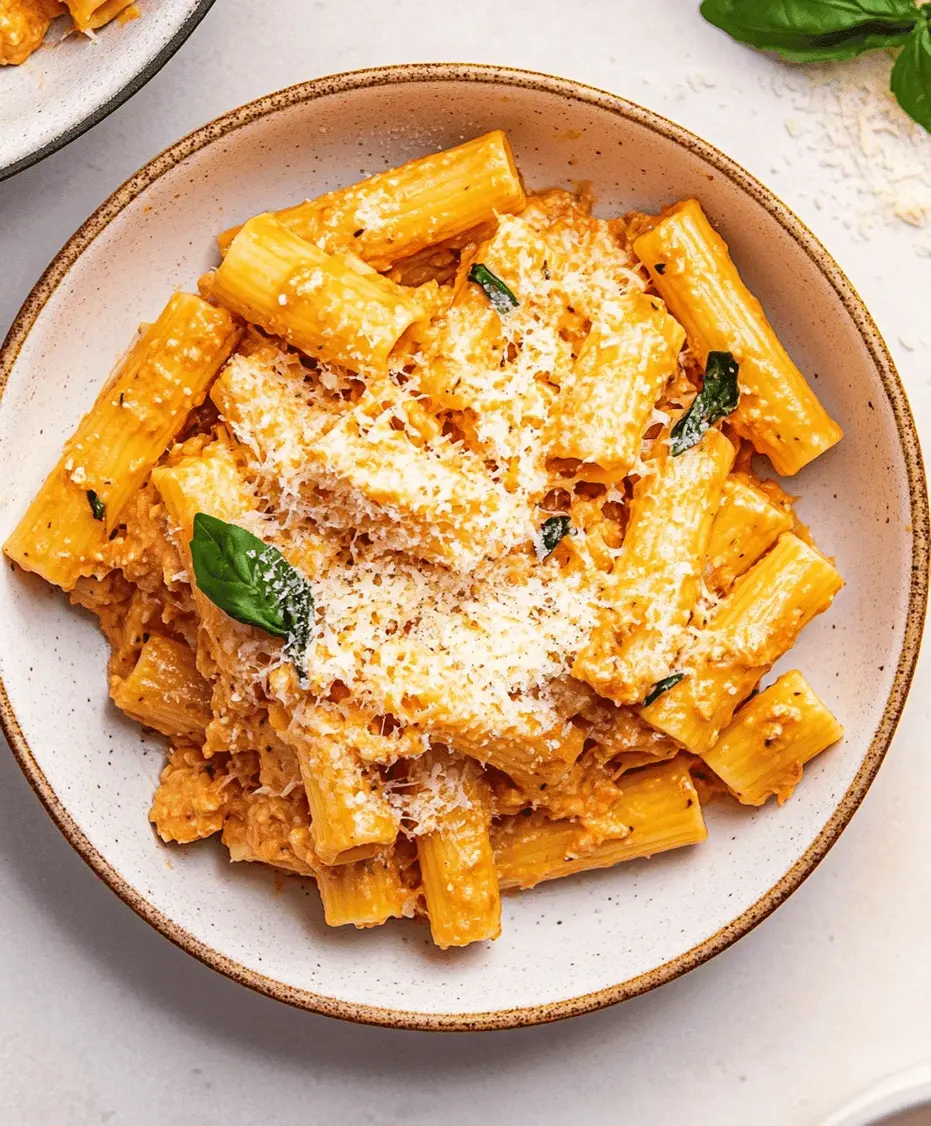
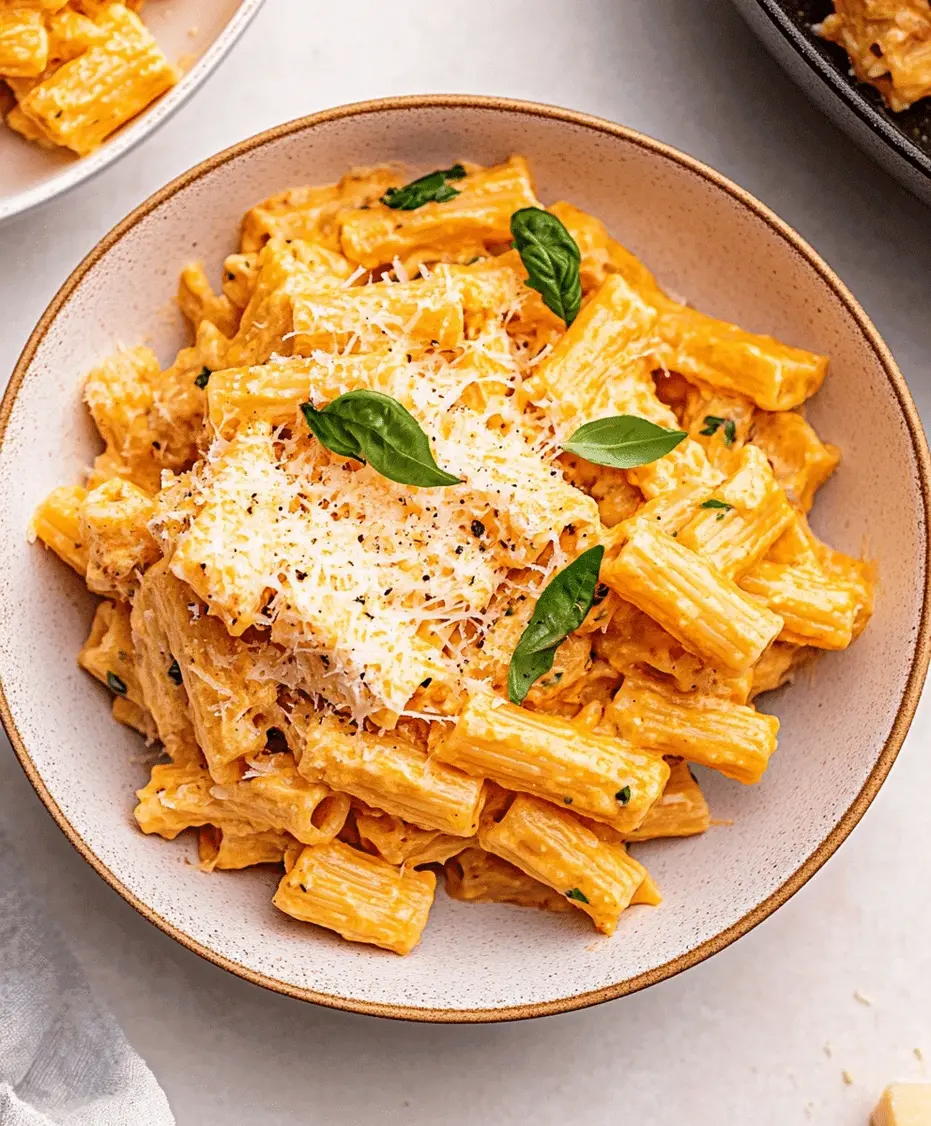
Cottage Cheese Pasta Recipe
Unlock a Creamy, Dreamy Dinner: The Ultimate Cottage Cheese Pasta
Are you on the hunt for a weeknight dinner that’s both incredibly satisfying and surprisingly healthy? If you’re looking for a way to boost your protein intake without sacrificing flavor or comfort, you’re in the right place! Traditional pasta dishes can sometimes leave you feeling heavy, but a Cottage Cheese Pasta recipe offers a lighter, protein-rich alternative that’s truly a game-changer. Imagine a dish where the pasta is perfectly al dente, coated in a lusciously creamy sauce made from humble cottage cheese, infused with fresh herbs and your favorite seasonings. It’s not just a meal; it’s a delightful culinary experience that proves healthy eating can be absolutely delicious. Get ready to fall in love with this easy, wholesome, and utterly irresistible take on comfort food!
Creamy Dream Ingredients for Your Cottage Cheese Pasta
The beauty of this Cottage Cheese Pasta lies in its simplicity and the vibrant flavors it achieves with just a few core ingredients. We aim for a balanced texture and taste that makes every bite a delight.
- Pasta: 1 pound (454g) of your favorite pasta shape – think penne, rotini, fusilli, or spaghetti. Choose a shape that holds sauce well for maximum creaminess. (Substitution: Whole wheat pasta for added fiber, or gluten-free pasta for dietary needs.)
- Cottage Cheese: 2 cups (450g) full-fat or low-fat cottage cheese. It’s the star, providing an incredibly smooth and protein-packed base. (Substitution: Greek yogurt can add tang and creaminess, but cottage cheese offers a milder flavor and superior texture for this specific recipe.)
- Garlic: 2-3 cloves, minced. Fresh garlic is key for that pungent aroma and savory depth. (Substitution: 1 teaspoon of garlic powder if fresh is unavailable, but fresh is highly recommended.)
- Parmesan Cheese: 1/2 cup (50g) grated Parmesan cheese. Adds a salty, nutty, and umami-rich finishing touch. (Substitution: Pecorino Romano for a sharper bite, or nutritional yeast for a dairy-free cheesy flavor.)
- Lemon Juice: 1 tablespoon fresh lemon juice. Brightens up the creamy sauce and cuts through the richness. (Substitution: White wine vinegar or a splash of apple cider vinegar for a similar acidic lift.)
- Olive Oil: 1 tablespoon extra virgin olive oil. For sautéing the garlic and adding a fruity note. (Substitution: Avocado oil or any neutral cooking oil.)
- Seasonings: Salt and freshly ground black pepper to taste. We also love a pinch of red pepper flakes for a subtle kick. (Substitution: Use your favorite herb blends like Italian seasoning or even a dash of smoked paprika.)
- Optional Add-ins: Fresh basil or parsley for garnish, cherry tomatoes, sautéed spinach, grilled chicken, or shrimp.
Effortless Execution: Cottage Cheese Pasta Timing
Prep Time:
10 minutes
10 minutes
Cook Time:
15-20 minutes
15-20 minutes
Total Time:
25-30 minutes
25-30 minutes
Compared to average pasta dishes
(often 30-40 minutes), this is quicker!
(often 30-40 minutes), this is quicker!
Crafting Your Creamy Cottage Cheese Pasta: Simple Steps
Step 1: Cook the Pasta
First things first, let’s get that pasta cooking. Bring a large pot of generously salted water to a rolling boil. Add your chosen pasta and cook according to the package directions until it’s perfectly al dente – that means it should have a slight bite to it, not be mushy. Before you drain the pasta, make sure to reserve about 1 cup of the starchy pasta water. This liquid gold is crucial for achieving that silky smooth sauce consistency. Once drained, give the pasta a rinse with cool water if you’re not using it immediately, to prevent it from sticking together.
Step 2: Prepare the Sauce Base
While the pasta is doing its thing, let’s get the creamy sauce base ready. In a large skillet or pot (big enough to hold your pasta later), heat the olive oil over medium heat. Add the minced garlic and sauté for about 30-60 seconds until it’s fragrant. Be careful not to burn the garlic, as it can turn bitter. If you’re using red pepper flakes, add them now and let them toast for a few seconds to release their subtle heat.
Step 3: Combine and Heat
Now for the magic! Reduce the heat to low. Add the cottage cheese to the skillet with the fragrant garlic. Stir it gently until it starts to soften and become more fluid, especially as it warms up from the residual heat of the pan. You can use the back of your spoon to help break it up. Next, stir in the grated Parmesan cheese and the fresh lemon juice. Keep stirring until the cheese is melted and the mixture is smooth and creamy. This is where the cottage cheese transforms into a decadent sauce.
Step 4: Season and Adjust
Taste your sauce. It’s time to season! Add salt and freshly ground black pepper to your liking. Remember that Parmesan cheese is already quite salty, so start with a little and adjust as needed. If the sauce seems a bit too thick, gradually add in some of that reserved pasta water, a tablespoon at a time, stirring constantly, until you reach your desired creamy consistency. The starch in the pasta water will help emulsify the sauce and make it cling beautifully to the pasta.
Step 5: Serve
Finally, add your drained, al dente pasta directly into the skillet with the creamy cottage cheese sauce. Toss everything together gently until every strand and piece of pasta is beautifully coated. Serve immediately. Garnish with fresh herbs like basil or parsley, a crack of black pepper, and an extra sprinkle of Parmesan cheese if you fancy. For a complete meal, consider stirring in some cooked chicken, shrimp, or a generous handful of fresh spinach.
Nourishing Numbers: Nutritional Insights
This Cottage Cheese Pasta is a protein powerhouse, making it a fantastic choice for a filling and satisfying meal. While exact nutritional values can vary based on specific ingredients and portion sizes, you can generally expect:
- High Protein: Cottage cheese and Parmesan cheese contribute significant protein, aiding in satiety and muscle repair.
- Balanced Carbs: Pasta provides essential carbohydrates for energy.
- Lower Fat (Optional): Using low-fat cottage cheese can reduce the fat content.
- Vitamins & Minerals: Depending on additions like vegetables and herbs, you can boost the vitamin and mineral profile.
*(Note: This is a general estimate. For precise nutritional information, it’s recommended to calculate using the specific brands and quantities of ingredients you use.)*
Smart Swaps for a Healthier Cottage Cheese Pasta
While this recipe is already quite healthy due to the protein from cottage cheese, you can make even more nutritious choices without sacrificing flavor:
- Swap Pasta Type: Opt for whole wheat pasta for increased fiber, or explore lentil or chickpea pasta for an even higher protein and fiber boost.
- Load Up on Veggies: Stir in a generous amount of steamed broccoli, sautéed spinach, zucchini noodles, or roasted bell peppers. They add volume, nutrients, and texture.
- Lean Protein: Pair your pasta with grilled chicken breast, lean turkey, or fish for added protein without excess fat.
- Reduced Fat Options: While full-fat cottage cheese offers the creamiest texture, low-fat or fat-free versions can still work well, though you might need a touch more seasoning or lemon juice to enhance flavor.
- Flavor Boosters: Rely on fresh herbs, garlic, lemon zest, and a pinch of chili flakes instead of excessive salt or heavy creams.
Serving Up Your Creamy Creation
This Cottage Cheese Pasta is remarkably versatile. Serve it as a stand-alone dish for a quick and satisfying meal. To make it a complete dinner, consider serving it alongside:
- A crisp green salad with a light vinaigrette.
- Steamed or roasted vegetables like asparagus, broccoli, or green beans.
- Garlic bread or crusty whole-wheat bread for dipping.
- Add some lean protein such as grilled chicken strips, shrimp, or baked salmon for a more substantial meal.
Avoiding Pitfalls: Common Cottage Cheese Pasta Mistakes
Even with simple recipes, a few common missteps can affect the outcome. Here’s how to avoid them:
- Overcooking the Pasta: Mushy pasta will not hold up well in the sauce. Aim for al dente!
- Burning the Garlic: Sauté garlic over medium-low heat and watch it closely; burnt garlic makes the entire dish bitter.
- Skipping Pasta Water: This starchy liquid is key to achieving a smooth, emulsified sauce that coats the pasta perfectly. Don’t forget to reserve it!
- Adding Cottage Cheese to High Heat: This can cause the cottage cheese to curdle. Add it to the pan on low heat or off the heat after sautéing aromatics.
- Undersalting: Pasta dishes need adequate salt to bring out their full flavors. Taste and adjust seasoning before serving.
Keeping it Fresh: Storing Your Leftover Pasta
Leftovers are a great bonus! Let the pasta cool down completely before storing. Transfer it to an airtight container and refrigerate for up to 3-4 days. When reheating, you might find the sauce has thickened. Add a splash of milk, cream, or a little water to loosen it up and stir gently over low heat or in the microwave. It might not have the exact same fresh texture, but it will still be delicious!
Frequently Asked Questions
***Can I use a different type of cheese instead of cottage cheese?***
While cottage cheese is what makes this recipe uniquely creamy and protein-rich, you could experiment with ricotta cheese for a similar creamy texture, though it might have a slightly different flavor profile. However, for this specific recipe, cottage cheese is the star ingredient for its characteristic creaminess and protein content.
While cottage cheese is what makes this recipe uniquely creamy and protein-rich, you could experiment with ricotta cheese for a similar creamy texture, though it might have a slightly different flavor profile. However, for this specific recipe, cottage cheese is the star ingredient for its characteristic creaminess and protein content.
***Will the cottage cheese taste cheesy or tangy?***
Full-fat cottage cheese tends to have a very mild, slightly tangy, and milky flavor that blends beautifully into the sauce. When combined with Parmesan and lemon juice, the tanginess is balanced out, and the overall flavor is savory and creamy, not overtly “cheesy” in a sharp way. You likely won’t detect a strong cottage cheese taste, but rather a luxurious creaminess.
Full-fat cottage cheese tends to have a very mild, slightly tangy, and milky flavor that blends beautifully into the sauce. When combined with Parmesan and lemon juice, the tanginess is balanced out, and the overall flavor is savory and creamy, not overtly “cheesy” in a sharp way. You likely won’t detect a strong cottage cheese taste, but rather a luxurious creaminess.
***Can I make this vegan or dairy-free?***
This recipe relies heavily on dairy for its creamy base. To make it vegan, you’d need to experiment with a base of blended soaked cashews or a high-quality vegan cream cheese alternative, and use nutritional yeast for a cheesy flavor. It would be a different recipe but could achieve a similar creamy pasta dish.
This recipe relies heavily on dairy for its creamy base. To make it vegan, you’d need to experiment with a base of blended soaked cashews or a high-quality vegan cream cheese alternative, and use nutritional yeast for a cheesy flavor. It would be a different recipe but could achieve a similar creamy pasta dish.
***How can I make the sauce richer or more decadent?***
For an even richer sauce, you can whisk in a tablespoon or two of heavy cream or half-and-half along with the cottage cheese and Parmesan. A knob of butter can also add a lovely sheen and richness.
For an even richer sauce, you can whisk in a tablespoon or two of heavy cream or half-and-half along with the cottage cheese and Parmesan. A knob of butter can also add a lovely sheen and richness.
***Can I add vegetables directly to the sauce?***
Absolutely! Finely minced vegetables like onions, bell peppers, or mushrooms can be sautéed with the garlic before adding the cottage cheese. For softer vegetables like spinach or peas, stir them in during the last few minutes of cooking the pasta or into the finished sauce to wilt.
Absolutely! Finely minced vegetables like onions, bell peppers, or mushrooms can be sautéed with the garlic before adding the cottage cheese. For softer vegetables like spinach or peas, stir them in during the last few minutes of cooking the pasta or into the finished sauce to wilt.
Your New Go-To Creamy Pasta!
There you have it – a simple, high-protein, and incredibly delicious Cottage Cheese Pasta recipe that redefines weeknight comfort food. It’s proof that you don’t need heavy cream or loads of butter to achieve a rich, satisfying pasta dish. Whip this up tonight and prepare for a bowl full of creamy goodness that nourishes your body and delights your taste buds! Give it a try and let us know what you think!
Cottage Cheese Pasta Recipe
Description
Whip up a delicious and healthyCottage Cheese Pastawith this easy recipe! Packed with creamy cottage cheese, al dente pasta, and fresh seasonings, this dish is perfect for a quick weeknight dinner or a wholesome lunch. High in protein and flavor, it’s an irresistible comfort meal everyone will love!
Ingredients
Scale
- 8 ozpasta (penne, spaghetti, or your choice)
- 1 cupcottage cheese
- 2 tablespoonsolive oil
- 2cloves garlic, minced
- ¼ cupgrated Parmesan cheese
- ¼ teaspoonred pepper flakes (optional)
- ½ teaspoonsalt
- ¼ teaspoonblack pepper
- ¼ cupchopped fresh parsley (optional)
- ½lemon, juiced
Instructions
Notes
Use small curd cottage cheese for a smoother sauce.
Add sautéed spinach or roasted vegetables for extra nutrition.
Works with gluten-free or whole-wheat pasta too!
Nutrition
- Calories: 420
- Sugar: 3g
“`