“`html
Table of Contents
Apricot Pie Recipe
Introduction
Did you know that apricots, the star of this apricot pie, are one of the richest sources of beta-carotene, an antioxidant that converts to vitamin A? This isn’t just a dessert; it’s a celebration of a nutrient-dense fruit transformed into a classic comfort food. There’s something undeniably special about a homemade pie—the golden, flaky crust giving way to a sweet-tart filling that bursts with the unique flavor of sun-ripened apricots. This recipe is designed to demystify the pie-making process, guiding you to create a stunning dessert that’s perfect for summer gatherings, holiday feasts, or simply treating yourself. Forget the store-bought versions; your journey to the ultimate homemade pie recipe starts right here.
Ingredients List
Gather these simple, high-quality ingredients for a pie that sings with flavor. Using fresh, in-season apricots is ideal, but we’ll cover substitutions for year-round baking.
- For the Flaky Pie Crust (Double Crust):
- 2 ½ cups (315g) All-Purpose Flour: The foundation for a tender, structured crust. For a nuttier flavor, substitute ½ cup with whole wheat pastry flour.
- 1 cup (226g) Unsalted Butter, very cold and cubed: The key to flakiness. The cold butter creates steam pockets as it bakes. For a dairy-free version, use an equal amount of high-quality vegan butter or frozen coconut oil.
- 1 tsp Salt: Enhances all the flavors.
- 1 tbsp Granulated Sugar: Just a touch for a hint of sweetness and browning.
- 6-8 tbsp Ice Water: Add just until the dough comes together. Too much water makes the crust tough.
- For the Apricot Filling:
- 2 lbs (about 900g) Fresh Apricots, pitted and sliced: Look for fruit that yields slightly to gentle pressure and has a vibrant orange-gold hue with a rosy blush. Their aroma should be fragrant and sweet. Substitution: 5-6 cups of frozen, thawed, and drained apricots, or 3 (15-oz) cans of apricot halves in juice, thoroughly drained.
- ¾ cup (150g) Granulated Sugar: Adjust based on the natural sweetness of your apricots. Taste one first!
- ¼ cup (30g) Cornstarch or Tapioca Flour: The essential thickener. Tapioca flour creates a clearer, glossier filling, while cornstarch is more accessible.
- 1 tbsp Fresh Lemon Juice: Brightens the flavor and balances the sweetness.
- 1 tsp Pure Vanilla Extract: Adds a warm, aromatic depth.
- ½ tsp Ground Cinnamon (optional): A warm spice that complements the apricots beautifully.
- 1 Egg + 1 tbsp Milk or Cream (for egg wash): For that professional, glossy golden-brown finish.
- 1-2 tbsp Coarse Sugar (like Turbinado): For a sparkling, crunchy top crust.
Timing
(Includes chilling dough)
(Plus cooling)
Compared to the average fruit pie recipe, this apricot pie is remarkably efficient. Many recipes require overnight chilling or extensive fruit macerating, but our method streamlines the process without sacrificing quality. The active prep time is focused and manageable, while the oven does most of the work, filling your kitchen with an irresistible aroma. The key time-saver is working with very cold ingredients to minimize the chilling period for the dough.
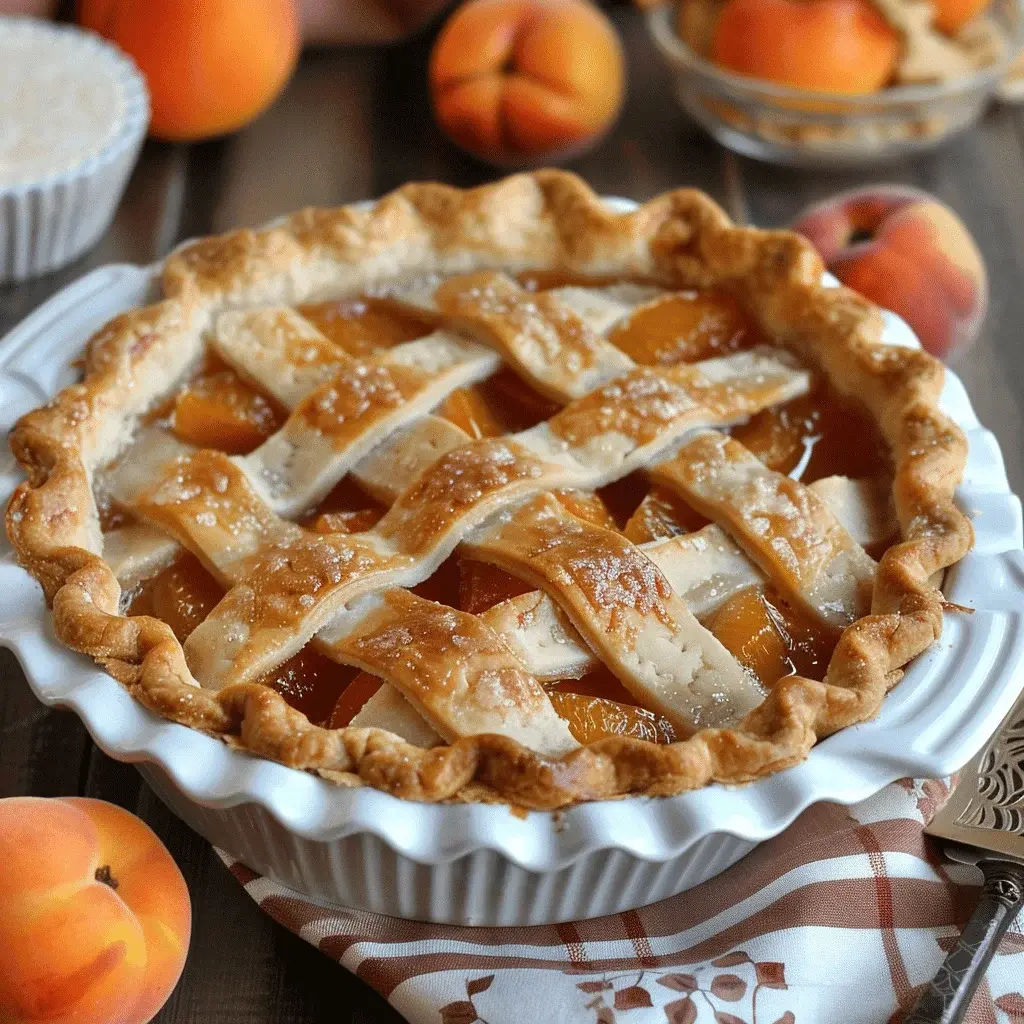
Fresh, ripe apricots are the heart of this delicious homemade pie.
Step-by-Step Instructions
Step 1: Prepare the Pie Crust
In a large food processor, pulse the flour, salt, and sugar a few times to combine. Scatter the cold, cubed butter over the flour. Pulse in short bursts (about 10-12 times) until the mixture resembles coarse meal with pea-sized butter pieces remaining—this is your ticket to a flaky pie crust. With the processor running on low, slowly drizzle in the ice water, one tablespoon at a time, just until the dough begins to clump together. Turn the dough out onto a clean surface, divide it into two discs (one slightly larger for the bottom crust), wrap tightly in plastic wrap, and refrigerate for at least 30 minutes. This rest period relaxes the gluten and re-chills the butter, ensuring a tender result.
Step 2: Make the Apricot Filling
While the dough chills, prepare your apricots. Wash, halve, pit, and slice them into ½-inch thick wedges. In a large mixing bowl, gently toss the apricot slices with granulated sugar, cornstarch (or tapioca flour), lemon juice, vanilla extract, and cinnamon (if using). Let this mixture sit for 15-20 minutes. You’ll notice a lovely syrup beginning to form at the bottom of the bowl—this is the thickener activating with the fruit’s natural juices, promising a perfect sliceable filling.
Step 3: Assemble the Pie
On a lightly floured surface, roll out the larger disc of dough into a 12-inch circle. Carefully transfer it to your 9-inch pie dish, gently pressing it into the bottom and sides without stretching. Trim the overhang to about ½ inch. Spoon the apricot filling and all its syrupy juices into the crust, mounding it slightly in the center. Roll out the second disc of dough. You can create a full top crust with slits for steam, or get creative with a lattice weave. Place the top crust over the filling, trim and crimp the edges decoratively to seal. Brush the top with the egg wash (egg beaten with milk) and sprinkle generously with coarse sugar.
Step 4: Bake to Perfection
Preheat your oven to 400°F (200°C). Place the pie on a baking sheet lined with parchment paper or foil to catch any potential bubble-overs. Bake for 20 minutes at this initial high heat to set the crust. Then, reduce the oven temperature to 375°F (190°C) and continue baking for another 35-45 minutes. The pie is done when the crust is a deep, golden brown, and the filling is visibly bubbling through the vents or lattice. If the edges brown too quickly, use a pie shield or strips of foil to protect them.
Step 5: Cool and Serve
This is the hardest part: patience. Allow your masterpiece to cool completely on a wire rack for at least 3-4 hours. This cooling period is non-negotiable for the filling to set properly. Cutting into a warm pie will result in a delicious but soupy mess. Trust the process—the wait makes that first perfect slice all the more rewarding.
Nutritional Information
(Per serving, based on 8 slices. Values are approximate.)
- Calories: ~420 kcal
- Total Fat: 18g
- Saturated Fat: 11g
- Carbohydrates: 62g
- Fiber: 3g
- Sugars: 35g
- Protein: 5g
This apricot dessert provides a good source of Vitamin A (from the apricots) and offers more fiber than many other fruit pies, thanks to the skin of the apricots.
Healthier Alternatives
You can lighten up this pie without sacrificing its soul-satisfying flavor. For the crust, try using half whole wheat pastry flour and half all-purpose flour, and replace half the butter with cold, unrefined coconut oil. For the filling, reduce the granulated sugar to ½ cup and add 2 tablespoons of maple syrup or honey for complexity. You can also swap the cornstarch for arrowroot powder. Increasing the spices, like adding a pinch of nutmeg or cardamom, can enhance perceived sweetness without extra sugar.
Serving Suggestions
A slice of warm (not hot) apricot pie is sublime on its own, but a few accompaniments elevate it to a restaurant-quality dessert. A scoop of vanilla bean ice cream is a classic pairing, where the cold creaminess melts into the warm, tangy filling. For a lighter touch, a dollop of freshly whipped cream or a drizzle of crème fraîche adds a lovely tang. For a truly decadent brunch option, serve it alongside a cup of strong coffee or a glass of dessert wine like a late-harvest Riesling.
Common Mistakes
- Using Warm Butter or Overworking the Dough: This melts the butter prematurely, leading to a tough, dense crust, not a flaky pie crust.
- Skimping on the Thickener: Apricots release a lot of juice. Insufficient cornstarch or tapioca will result in a runny filling.
- Cutting the Pie While Warm: As emphasized, this prevents the pectin and thickeners from setting, causing the filling to spill out.
- Not Venting the Top Crust: Steam needs to escape, or it will create a soggy top crust and potentially cause the filling to bubble over.
Storing Tips
Once completely cooled, cover the pie loosely with foil or plastic wrap and store at room temperature for up to 2 days. For longer storage, refrigerate for up to 4 days. The crust may soften slightly in the fridge. You can also freeze the baked and cooled pie (whole or in slices) for up to 3 months. Wrap it tightly in plastic wrap and then foil. Thaw overnight in the refrigerator and re-warm in a 300°F (150°C) oven for 15-20 minutes to revive the crust’s texture.
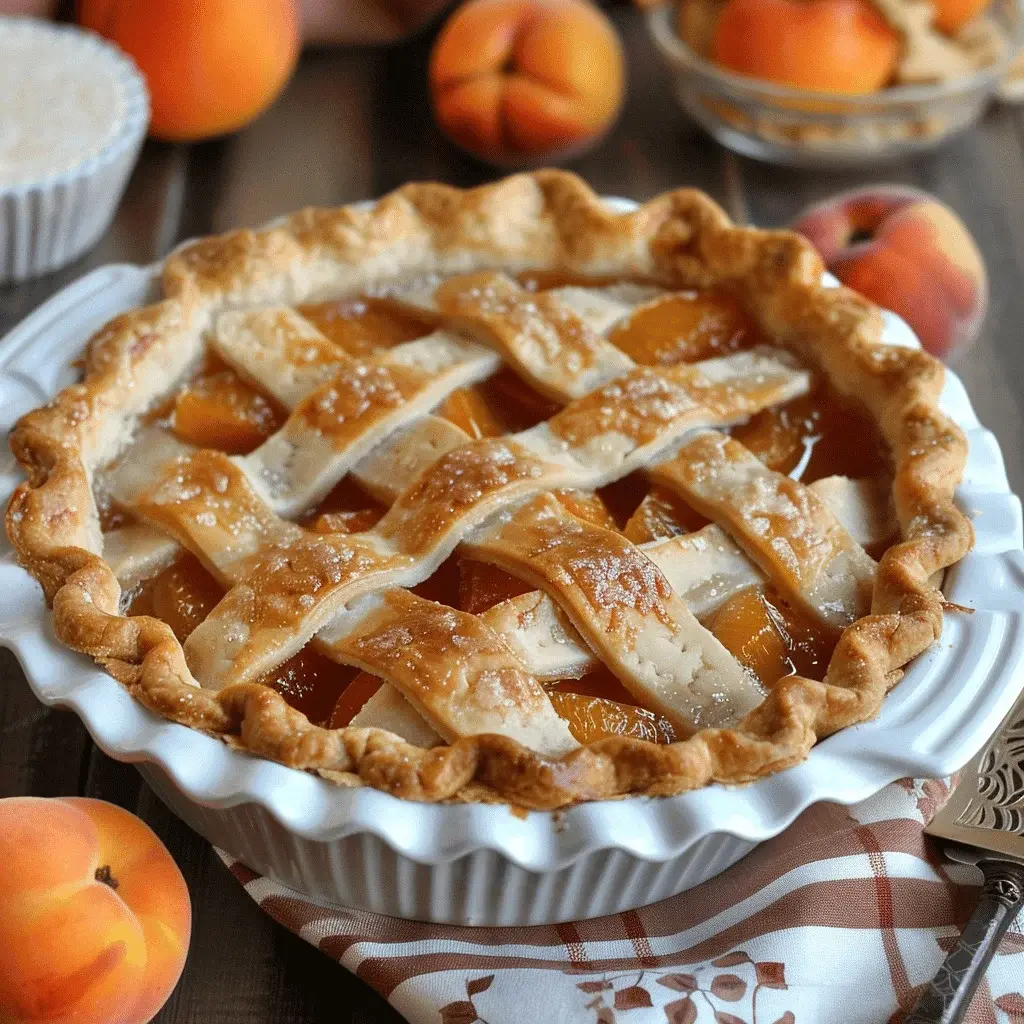
The finished apricot pie, with a perfect golden lattice crust, ready to be enjoyed.
Conclusion
Baking this apricot pie is more than following a homemade pie recipe; it’s an act of creating joy, from the scent of baking fruit to the pride of presenting a gorgeous, golden-brown dessert. With its perfect balance of sweet and tangy filling encased in a buttery, flaky crust, this pie is sure to become a cherished recipe in