Table of Contents
The 20-Minute Secret: How to Make Restaurant-Style Chicken Fried Rice at Home
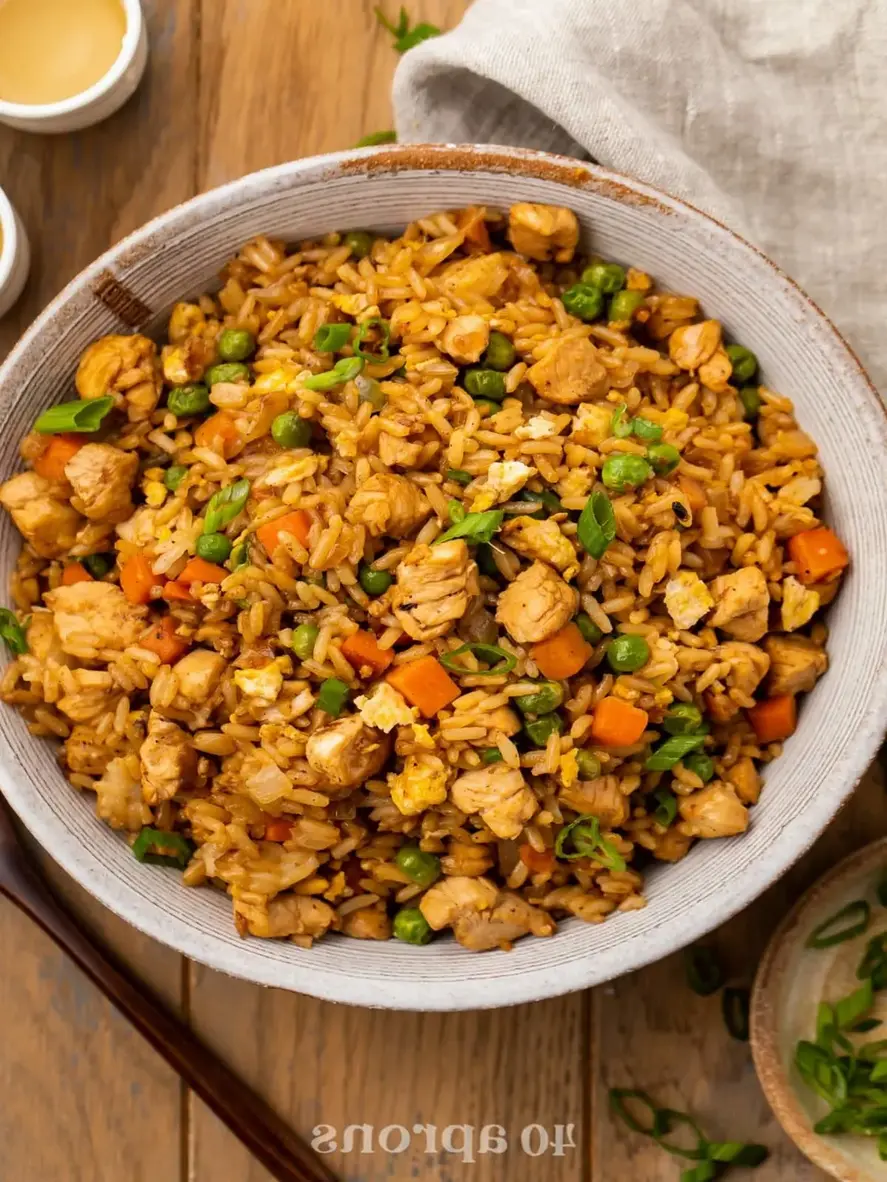
This restaurant-style chicken fried rice recipe captures the exact magic of your favorite hibachi grill. We’ve decoded the techniques used by hibachi chefs to bring you a foolproof method for incredibly flavorful, fluffy, and savory fried rice loaded with tender chicken, crisp veggies, and scrambled eggs. Ready in about 20 minutes, it’s the ultimate fast, family-friendly meal that will make you forget about takeout forever.
Why This Chicken Fried Rice Recipe Beats Takeout Every Time
We all know the craving. That specific, irresistible flavor of chicken fried rice from a Japanese steakhouse or hibachi restaurant—savory, buttery, with perfectly seared chicken and fluffy, individual grains of rice. For years, it seemed like a flavor you could only get by going out. But what if you could recreate that exact experience in your own kitchen, in less time than it takes for delivery to arrive? That’s the promise of this restaurant-style chicken fried rice.
This isn’t just another fried rice recipe. This is a methodical breakdown of the techniques used on the hibachi grill, adapted for a standard home skillet or wok. The key lies in the sequence of cooking, the specific combination of fats (butter AND oils), and a pro trick for seasoning the chicken. The result is a vibrant, satisfying dish that works brilliantly as a hearty main course or a stellar side dish next to some teriyaki salmon or grilled shrimp.
Beyond the incredible flavor, this recipe gives you complete control. You control the sodium, the quality of ingredients, and the freshness. No more soggy, greasy, or bland takeout containers. Just pure, hot, sizzling hibachi-style fried rice, loaded with protein and vegetables, ready to wow your family in about 20 minutes flat.
The Secret to Authentic Hibachi Flavor at Home
So, what makes this chicken fried rice taste like it came straight from a restaurant teppanyaki grill? It’s a combination of three critical factors that most home recipes overlook.
1. The Rice Foundation: Authentic fried rice uses day-old, cold rice. Why? Freshly cooked rice is moist and steamy, causing it to clump and become mushy when stir-fried. Cold rice has dried out slightly, so each grain remains separate, fries beautifully, and soaks up sauces without getting gummy. It’s the single most important step for texture.
2. The Flavor Layering Technique: Hibachi chefs don’t just throw everything in at once. They cook in stages. Here, we sear the chicken first with a hit of soy sauce, butter, and lemon juice, creating a flavorful fond (those browned bits) in the pan. The chicken is removed, and the vegetables are cooked in the remaining flavor. This prevents steaming and ensures each component tastes distinct and perfectly cooked.
3. The Fat Combination: The magic of restaurant fried rice often comes from a blend of oils and butter. We use sesame oil for its nutty aroma, a neutral oil (like avocado) for its high smoke point, and real butter for its rich, unmistakably “restaurant” flavor. The butter is added in stages to coat the rice, creating that luxurious, glossy finish.
💡 The Kitchen Team’s Pro Tip: For the most authentic texture, spread your cooked rice on a baking sheet and let it cool in the refrigerator, uncovered, for at least an hour. This dries it out perfectly. In a pinch, you can use freshly cooked rice, but spread it thin and pop it in the freezer for 15-20 minutes to mimic the effect.
Gathering Your Ingredients for Success
Using the right ingredients, in the right proportions, is what sets this recipe apart. Here’s everything you’ll need, along with why each component matters.
| Ingredient | Quantity | Notes & Purpose |
|---|---|---|
| Sesame Oil | 1 ½ teaspoons | For authentic nutty aroma. Do not substitute; it’s key. |
| Neutral Oil (Avocado/Canola) | 4 teaspoons (divided) | High smoke point for searing. 1 Tbsp + 1 tsp. |
| Chicken Breasts | ¾ pound | Cut into very small pieces (half of bite-sized) for quick cooking. |
| Low-Sodium Soy Sauce | 5 tablespoons (divided) | Low-sodium lets you control saltiness. Divided use. |
| Unsalted Butter | 4 tablespoons (divided) | Adds rich, restaurant-style flavor and gloss. |
| Fresh Lemon Juice | 2 teaspoons | A bright, secret hibachi ingredient that tenderizes chicken. |
| White Onion, diced | ½ cup | Provides aromatic sweetness. |
| Frozen Mixed Vegetables (peas, carrots) | 1 cup | Convenient, crisp, and colorful. No need to thaw. |
| Large Eggs | 2 | Scrambled in for classic texture and protein. |
| Cooked White Rice (cold) | 4 cups | Must be cold. Day-old jasmine or long-grain is ideal. |
| Salt & Black Pepper | To taste | Season in layers. |
| Sesame Seeds (optional) | For garnish | Adds visual appeal and a slight crunch. |
💡 The Kitchen Team’s Pro Tip: Cutting the chicken into very small pieces is non-negotiable. It allows for lightning-fast cooking, which keeps it tender and ensures it gets nicely coated in the soy-butter sauce. Larger pieces will steam and become tough.
Step-by-Step Instructions for Perfect Fried Rice
Follow these steps in order for the best results. Have all your ingredients measured and within arm’s reach (this is called “mise en place”) before you turn on the heat, as the cooking process moves quickly.
Step 1: Sear the Chicken
In a large skillet or wok over medium-high heat, warm 1 ½ teaspoons of sesame oil and 1 tablespoon (3 teaspoons) of your neutral oil. Once the oils are hot and shimmering, add the chicken pieces in a single layer. Let them cook, undisturbed, for 1 full minute. This creates a beautiful sear. Add 2 tablespoons of soy sauce, 1 tablespoon of butter, the lemon juice, and a pinch of salt and pepper. Continue cooking, stirring only once or twice, until the chicken is cooked through (about 1-3 more minutes). The soy sauce and butter will create a gorgeous glaze. Transfer the chicken and all pan juices to a bowl and set aside.
Step 2: Sauté the Aromatics & Vegetables
Wipe out the skillet quickly with a paper towel. Return it to medium-high heat and add the remaining 1 teaspoon of neutral oil. Add the diced onion and cook for 1 minute until it begins to soften. Add the frozen mixed vegetables (straight from the freezer is fine) and cook for 2-3 minutes, stirring occasionally, until they are heated through and crisp-tender.
Step 3: Scramble the Eggs
Push the vegetable mixture to one side of the skillet. If the pan seems dry, add a tiny bit more oil to the empty side. Crack the two eggs into the empty space. Let them set for 15-20 seconds, then quickly scramble them with your spatula until just set. Immediately mix the scrambled eggs in with the vegetables.
Step 4: Fry the Rice
Add the remaining 3 tablespoons of butter to the skillet. Once melted, add all 4 cups of cold, cooked rice. Use your spatula to break up any clumps and toss the rice thoroughly, coating every grain in the melted butter. Let the rice cook without stirring for 30-45 seconds to get a slight crisp on the bottom—this is a pro move for texture.
Step 5: Combine & Season
Pour the remaining 3 tablespoons of soy sauce over the rice and toss to combine evenly. Return the cooked chicken and any accumulated juices back to the skillet. Stir everything together and cook for 1-2 final minutes, until the chicken is reheated and everything is piping hot. Taste and adjust seasoning with a bit more pepper or salt if needed.
Step 6: Serve Immediately
Transfer your restaurant-style chicken fried rice to a serving platter or bowls. Garnish with a sprinkle of sesame seeds if desired. Serve hot for the best flavor and texture.
How to Serve Your Hibachi-Style Masterpiece
This fried rice is incredibly versatile. As a main course, it’s a complete, balanced meal with protein, veggies, and carbs. For a true hibachi restaurant experience at home, pair it with simple sides:
- Yum Yum Sauce: The iconic pinkish-orange sauce is a must for dipping. It’s easy to make with mayonnaise, ketchup, rice vinegar, and paprika.
- Ginger Salad: A light, tangy salad with ginger dressing cuts through the richness of the fried rice.
- Grilled or Steamed Vegetables: Add some zucchini, mushrooms, or broccoli for extra greens.
- Protein Boost: Serve alongside hibachi shrimp or seared scallops for a surf-and-turf feast.
As a side dish, it’s phenomenal with teriyaki-glazed proteins, like chicken thighs or salmon, or even next to some simple grilled steak.
Storage & Reheating Instructions
Leftover fried rice is a gift! Store it properly to enjoy it again.
Storage: Allow the fried rice to cool completely. Transfer it to an airtight container and refrigerate for up to 4 days. For longer storage, you can freeze it for up to 2 months, though the texture of the vegetables may soften slightly upon thawing.
Reheating (The Right Way): The microwave can make fried rice soggy. For best results, reheat it in a skillet or wok over medium heat. Add a tiny splash of water or broth (1-2 teaspoons) to the pan to create steam and prevent drying out. Stir frequently until hot throughout. This method helps revive the texture.
💡 The Kitchen Team’s Pro Tip: Never leave cooked rice at room temperature for more than 2 hours. Always refrigerate leftovers promptly to ensure food safety.
Creative Variations to Try
Once you’ve mastered the basic recipe, the wok is your oyster! Here are some delicious twists:
- Pork or Beef Fried Rice: Substitute thinly sliced pork loin or flank steak for the chicken. Marinate briefly in soy sauce and a touch of cornstarch for tenderness.
- Shrimp Fried Rice: Use medium shrimp, peeled and deveined. Add them in Step 3 after the vegetables, cooking just until pink and opaque (1-2 minutes), then remove and add back with the chicken.
- Vegetable Fried Rice: Omit the chicken and add more veggies like diced bell peppers, broccoli florets, and water chestnuts. Add an extra egg for protein.
- Pineapple Fried Rice: Add ½ cup of diced fresh pineapple with the vegetables for a sweet and savory tropical version.
- Spicy Fried Rice: Add 1-2 teaspoons of sriracha or chili-garlic sauce to the soy sauce, or garnish with sliced fresh chili peppers.
Frequently Asked Questions (FAQ)
1. Can I use freshly cooked rice instead of day-old rice?
We strongly advise against it for best results. Fresh rice is too moist and will lead to mushy, clumpy fried rice. If you’re in a bind, spread freshly cooked rice on a baking sheet and place it in the freezer for 15-20 minutes to dry it out quickly.
2. What type of rice is best for fried rice?
Long-grain varieties like jasmine or basmati are ideal because they stay separate and fluffy. Medium-grain rice can work, but avoid short-grain or sushi rice, as they are too sticky.
3. Can I use chicken thighs instead of breasts?
Absolutely! Boneless, skinless chicken thighs will be even more flavorful and juicy. Just be sure to trim excess fat and cut them into the same small pieces.
4. My fried rice is turning out soggy. What am I doing wrong?
Sogginess usually comes from 1) Using warm, moist rice, 2) Overcrowding the pan (which steams instead of fries), or 3) Adding too much liquid sauce. Ensure your rice is cold, cook in a large enough skillet, and measure the soy sauce accurately.
5. Is there a gluten-free alternative to soy sauce?
Yes! You can use tamari or a certified gluten-free soy sauce or coconut aminos for a slightly sweeter, gluten-free option. The flavor profile will be slightly different but still delicious.
6. Can I make this recipe vegetarian or vegan?
For a vegetarian version, omit the chicken and use extra veggies and perhaps some cubed tofu. For vegan, also replace the butter with a plant-based alternative (like vegan butter or more oil) and ensure your soy sauce is vegan-friendly.
7. Why do you use both oil and butter?
Butter provides unmatched flavor but burns at high heat. Oil has a higher smoke point, allowing us to sear the chicken properly. Using both gives you the best of both worlds: perfect sear and rich taste.
8. Can I double this recipe?
Yes, but cook it in batches if your skillet isn’t very large. Overcrowding the pan will steam the ingredients. It’s better to cook the chicken in two batches, then combine everything at the end.
9. What can I use instead of frozen mixed vegetables?
Fresh vegetables work great! Dice carrots, bell peppers, and onions uniformly and sauté them until crisp-tender. For peas, you can use frozen or fresh. The key is uniform size for even cooking.
10. How do I get more of that “wok hei” or smoky flavor at home?
That signature smoky breath of the wok is hard to replicate without a professional burner, but you can get close. Use the highest heat your stove can produce, let your pan get very hot before adding ingredients, and don’t stir too often—let the food sit and sear.
Loved this Restaurant-Style Chicken Fried Rice recipe? Share it with your friends and family who love great food! Pin the image below to your Pinterest board to save it for later.
📌 Save This Recipe for Later!
Pin this image to your Dinner Ideas or Asian Recipes board on Pinterest so you always have it handy.
Follow us on Pinterest @cookingwithemy for more delicious, family-friendly recipes!
[Image: A sizzling skillet of golden chicken fried rice with peas, carrots, and green onions, garnished with sesame seeds.]
Tag us @cookingwithemy when you make it! We love seeing your creations.
Easy Chicken Fried Rice (Restaurant-Style)
Description
This is the best chicken fried rice recipe because it’s loaded with tender, savory chicken, fluffy rice, scrambled eggs, and crisp vegetables, all tossed together with butter, soy sauce, and sesame oil for that authentic hibachi flavor you crave!
Ingredients
Scale
- 1 ½ teaspoons sesame oil
- 4 teaspoons neutral oil (like avocado or canola; 1 tablespoon + 1 teaspoon, divided)
- ¾ pound chicken breasts (cut into very small pieces, roughly half of “bite-sized”)
- 5 tablespoons low-sodium soy sauce (divided)
- 4 tablespoons butter (divided)
- 2 teaspoons fresh lemon juice
- salt (to taste)
- pepper (to taste)
- ½ cup diced white onion
- 1 cup frozen mixed vegetables (peas, carrots)
- 2 large eggs
- 4 cups cooked rice (cool to touch, see Notes)
- sesame seeds (optional, for garnish)
Instructions
- In large skillet or wok over medium-high heat, warm 1 ½ teaspoons sesame oil and 1 tablespoon (3 teaspoons) neutral oil. Once oils are hot, add chicken pieces. Let chicken cook for 1 minute without stirring.
- Add 2 tablespoons soy sauce, 1 tablespoon butter, 2 teaspoons fresh lemon juice, salt, and pepper to skillet. Cook until chicken is no longer pink, approximately 1 to 3 minutes. Stir no more than once or twice so that chicken will brown nicely.
- Transfer cooked chicken to medium bowl and set aside. Wipe out skillet (or wok) to use again.
- Heat 1 teaspoon neutral oil in skillet over medium-high heat. Add diced onion and frozen vegetables. Sauté until onions are almost translucent, approximately 3 minutes.
- Move vegetables to one side of skillet. Crack eggs into skillet and scramble with spatula until cooked through.
- Add 4 cups cooked rice and 3 tablespoons butter to skillet. Stir frequently and cook 5 minutes, then stir in 3 tablespoons soy sauce and cook 1 additional minute.
- Stir in chicken, salt, and pepper. Cook until everything is well combined and warmed through, then portion into bowls, garnish with sesame seeds if desired, and serve warm.