Table of Contents
Chinese Orange Chicken Crunchy Orange Twist – A NYC Kitchen Classic
Growing up in the aromatic markets of Marrakesh, I learned early that flavor is born from the proper blend of sweet, salty, and umami. A few years back in Paris I refined that concept by mastering sauce reduction techniques, only to carry those lessons across the Atlantic to the bustling farmers’ markets of Brooklyn where citrus blooms all year long. Today, I’m thrilled to share my version of the classic Chinese Orange Chicken, but with a crunchy twist that keeps the batter light and the sauce glossy. Every bite is a festival of textures, the crunch mirroring the bright zest that lifts the entire dish—my signature touch.
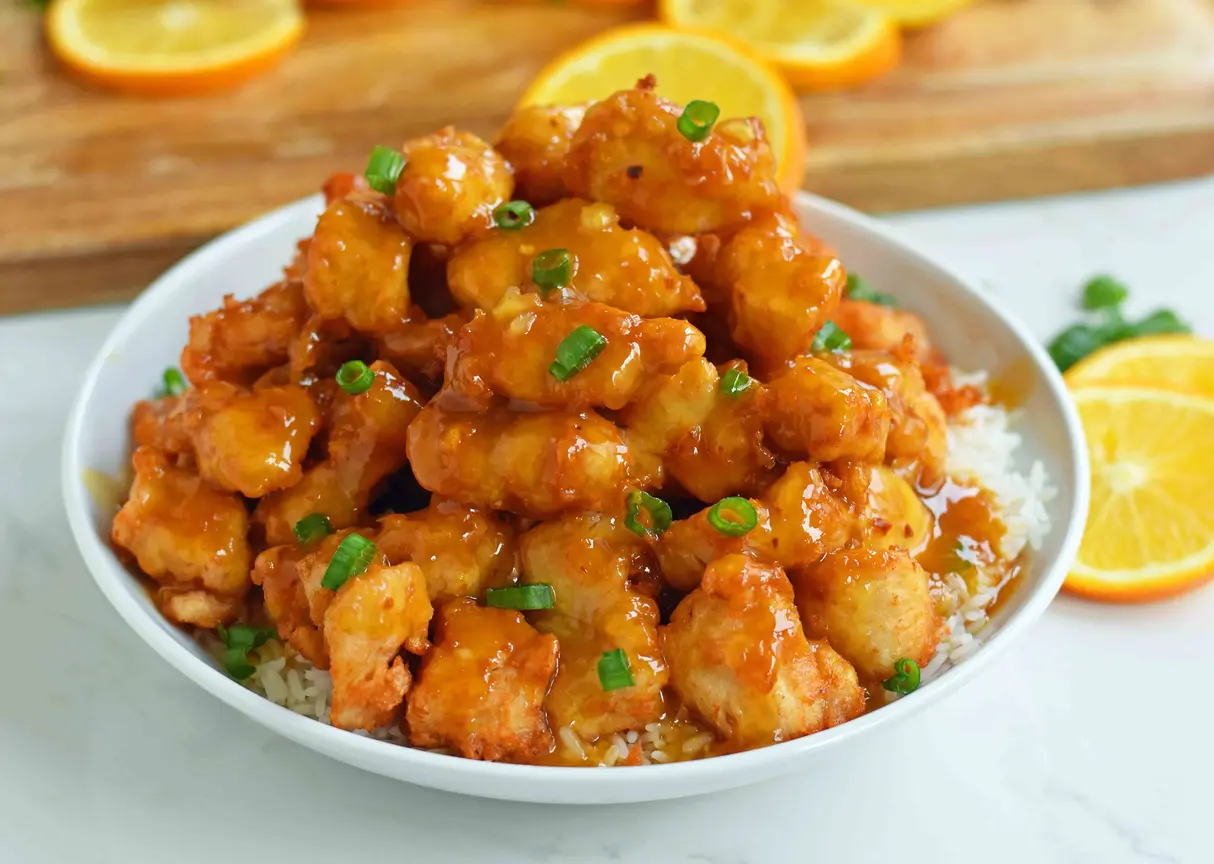
The first thing you’ll notice is the citrus splash that comes from freshly squeezed orange juice and a generous pinch of orange zest. When the sauce simmers, a caramelized glaze develops, coating the chicken in a glossy, slightly syrupy sheen. Beneath the sweet surface, a subtle heat from red chili flakes gives warmth, while a hint of garlic powder ensures depth. The chicken’s exterior, doubled in flour and cornstarch, yields a delicate, almost translucent crust that’s crisp without being greasy. Together they create a sensory harmony of sweet, savory, and tangy flavors, accentuated by the natural brightness of citrus and a whisper of toasted sesame.
I’ve spent countless evenings experimenting in my NYC kitchen, always keeping an eye on consistency and flavor balance. One pro tip I’ve learned is to let the orange sauce thicken just enough so it clings to the chicken without becoming syrupy—this gives you the ideal “sticky” finish. A common mistake that often sneaks in is frying the chicken too hot; it may crisp quickly but then lose its juicy interior. To avoid this, monitor the oil temperature closely with a thermometer and maintain it at 350°F. Finally, reserve a little sauce to drizzle over rice or quinoa for a complete meal that’s both satisfying and vibrant.
Why This Chinese Orange Chicken Recipe Is the Best
First, the flavor palette is a culmination of my Moroccan roots—think sweet, spiced, and aromatic—mixed with the precise sauce craft honed in Paris. The bright orange notes come from real juice and zest, offering a fresh, tangy bite while the sweetened glaze showcases caramelization brilliance I learned while pastry‑making.
Second, the batter employs a unique double‑coating technique that yields a crispy, airy shell. When the cornstarch and flour meet, the result is a delicate crunch that yields after the first bite, revealing succulent chicken beneath—perfect for diners who crave texture.
Lastly, the method’s simplicity ensures it works for beginners without sacrificing elegance. Each step is a step toward flavorful mastery, so even when time is scarce, you’ll end up with a dish that feels luxurious in every bite.
Chinese Orange Chicken Ingredients
I usually scout my favorite farmers’ market in Brooklyn for the freshest oranges, and the same day I pick out the crispest bell peppers that will pair perfectly with the sweet sauce. This mix of kitchen memories and the vibrant produce of NYC makes the dish feel homey yet distinctly international.
Ingredients List
- 4 Boneless Skinless Chicken Breasts (cut into bite‑size pieces)
- 3 Eggs (whisked)
- 1/3 cup Cornstarch
- 1/3 cup Flour
- Salt
- Oil (for frying)
- 1 cup Orange Juice (freshly squeezed)
- 1/2 cup Sugar
- 2 Tablespoons Rice Vinegar (or White Vinegar)
- 2 Tablespoons Soy Sauce (use tamari for a gluten‑free dish)
- 1/4 teaspoon Ginger
- 1/4 teaspoon Garlic Powder (or 2 garlic cloves, finely diced)
- 1/2 teaspoon Red Chili Flakes
- Orange Zest (from 1 orange)
- 1 Tablespoon Cornstarch (for sauce thickening)
- Green Onions, sliced for garnish
- Orange Zest, extra for garnish
Ingredient Spotlight
Orange Juice – The base of the sauce; choose a thick, sweet variety for depth. In most U.S. grocery stores, a 1‑cup bottle works, but if you can find fresh oranges, squeeze the juice yourself. Substitution: Lemon juice will deliver acidity but will lighten the sweetness.
Soy Sauce – Provides umami and saltiness. When selecting tuna‑free tamari, look for a darker hue, which indicates a richer flavor. Substitution: Coconut aminos keeps the sauce gluten‑free while giving a subtle nutty undertone.
Cornstarch – Essential for crisp batter and sauce thickening. Use grade‑A cornstarch; it’s finer and provides a silky finish. Substitution: Arrowroot powder works well, especially if you’re avoiding wheat‑based thickeners.
| Original Ingredient | Best Substitution | Flavor / Texture Impact |
|---|---|---|
| Soy Sauce | Coconut Aminos | Less salty, nutty undertone, still umami. |
| Cornstarch (Batter) | Arrowroot Powder | Gluten‑free, yields same crispness. |
| Fresh Orange Juice | Orange Juice concentrate | More intense citrus flavor, less water content. |
How to Make Chinese Orange Chicken — Step-by-Step
Ready to bring this bright, crispy masterpiece to life? Let’s dive into the steps that make this dish shine.
Step 1: Create Orange Sauce
In a medium pot, combine 1 cup orange juice, 1/2 cup sugar, 2 Tbsp rice vinegar, 2 Tbsp soy sauce, 1/4 tsp ginger, 1/4 tsp garlic powder, and 1/2 tsp red chili flakes. Heat gently for 3 minutes until the sugar dissolves.
💡 emy’s Pro Tip: Stir every 30 seconds to prevent the sugar from crystallizing on the bottom.
Step 2: Thicken Sauce
Whisk 1 Tbsp cornstarch with 2 Tbsp water to create a smooth slurry. Slowly pour into the warm orange mixture while whisking. Continue simmering for 5 minutes until the sauce thickens.
⚠️ Common Mistake to Avoid: Adding the slurry too fast can cause clumps.
Step 3: Finish with Zest
Remove from heat and stir in orange zest. Let the sauce cool a bit to maintain its glossy sheen.
💡 emy’s Pro Tip: Toss in additional zest just before serving to preserve its bright aroma.
Step 4: Prep Dry Coating
Combine 1/3 cup flour, 1/3 cup cornstarch, and a generous pinch of salt in a shallow dish. Stir until evenly mixed.
⚠️ Common Mistake to Avoid: Skipping the salt can leave the chicken tasting flat.
Step 5: Beat Eggs
Whisk 3 eggs in a separate shallow dish until frothy.
💡 emy’s Pro Tip: Use beaten eggs to create a velvety coating.
Step 6: Dip Chicken
Coat each chicken bite first in the beaten eggs, then dredge in the flour‑cornstarch mixture. Shake off excess and set aside on a paper‑towel‑lined plate.
⚠️ Common Mistake to Avoid: Leaving the batter too thick; it will crack when fried.
Step 7: Heat Oil
Fill a heavy‑bottomed pot with 2–3 inches of oil. Heat over medium‑high until it reaches 350°F (use a thermometer for precision).
💡 emy’s Pro Tip: A drop of sauce will sizzle loudly, indicating readiness.
Step 8: Fry Chicken
Working in small batches, fry chicken for 2–3 minutes, turning often until golden brown and cooked through. Drain on paper towels, repeating for remaining pieces.
⚠️ Common Mistake to Avoid: Overcrowding the pan; it lowers oil temperature and yields soggy coating.
Step 9: Toss with Sauce
Return chicken to the pot (or a large skillet), pour the thickened orange sauce, and toss until evenly coated. Reserve a splash of sauce for serving over rice or noodles.
💡 emy’s Pro Tip: Toss gently to keep the crispy texture intact.
| Step | Action | Duration | Key Visual Cue |
|---|---|---|---|
| 1 | Combine sauce ingredients | 3 min | Sugar fully dissolved |
| 2 | Add slurry & simmer | 5 min | Glossy glaze forms |
| 3 | Add zest | 1 min | Bright citrus aroma |
| 4 | Prepare coating | 2 min | Even flour‑cornstarch mix |
| 5 | Beat eggs | 1 min | Foamy consistency |
| 6 | Coat chicken | 2 min | Thin, even batter |
| 7 | Heat oil | 5 min | Oil reaches 350 °F |
| 8 | Fry chicken | 2–3 min per side | Golden brown crust |
| 9 | Toss with sauce | 1 min | Even coating, glossy glaze |
Serving & Presentation
Plate the crispy orange chicken atop a bed of fluffy jasmine rice, drizzling the reserved sauce to add a glossy sheen. Sprinkle finely sliced green onions and an extra pinch of orange zest to give a fresh burst of color and aroma.
For a twist of Moroccan inspiration, add a handful of toasted almond slivers — they provide a nutty crunch that pairs beautifully with the sweet glaze. Pairing this dish with a crisp white wine, like a lightly oaked Chardonnay, gives a perfect balance; if you love sparkling, a dry Champagne can add a celebratory note.
| Pairing Type | Suggestions | Why It Works |
|---|---|---|
| Side Dish | Steamed Broccoli | Vegetable crunch balances sauce sweetness. |
| Sauce / Dip | Plain Greek Yogurt with cumin | Cool creaminess cuts through citrus. |
| Beverage | Dry Riesling or sparkling wine | Acidic profile brightens flavors. |
| Garnish | Sesame seeds and lime wedge | Adds texture and an extra citrus pop. |
Make-Ahead, Storage & Reheating
When my week gets hectic, I often prepare this orange chicken in bulk and keep it in the fridge for quick lunches. The sauce’s firmness improves over time, giving it that thick, silky glaze we all love.
| Method | Container | Duration | Reheating Tip |
|---|---|---|---|
| Refrigerator | Sealed glass jar | 3 days | Heat in skillet 2 min each side. |
| Freezer | Vacuum seal bag | 2 months | Thaw overnight, re‑simmer on low. |
| Make-Ahead | Air‑tight container | 4 hrs | Store sauce separately, toss before serving. |
When reheating, I always keep the sauce warm or add a splash of water to avoid it thickening too much. A quick 30‑second microwave or sauté will revive the crispness. If you’re in a hurry, steam it in a pot with a light pan underneath to keep the chicken from drying out.
I’ve also found that adding a few fresh orange segments while reheating brings back the juicy aroma right back to your kitchen—it’s a simple step that makes all the difference.
Variations & Easy Swaps
| Variation | Key Change | Best For | Difficulty Impact |
|---|---|---|---|
| Pomegranate Molasses Variation | Replace sugar with pomegranate molasses. | Smoky, tangy dinner. | Minor |
| Gluten‑Free Variation | Use almond flour & tapioca starch. | Allergy friendly. | Moderate |
| Sesame‑Spring Variation | Add toasted sesame seeds & snow peas. | Spring‑time bright. | Minor |
Pomegranate Molasses Variation
Swap half the sugar with pomegranate molasses for a deep, slightly tart sweetness that pairs beautifully with the citrus notes. The result is a sauce that carries a subtle smoky depth, reminiscent of Moroccan tagine flavors I’ve enjoyed in Marrakech.
Gluten‑Free Variation — Dairy‑Free
Replace flour and cornstarch with a blend of almond flour and tapioca starch to keep the coating crisp. Use coconut aminos instead of soy sauce for a buttery‑sweet umami flavor. The texture stays crunchy while the sauce remains silky and inviting.
Sesame‑Spring Variation
Introduce toasted sesame seeds and crisp snow peas to create a bright, fresh plate that feels like a bustling NYC farmer’s market in late spring. The subtle nutty flavor of sesame complements the orange glaze for a harmonious finish.
How long does Chinese Orange Chicken keep in the refrigerator?
It can stay fresh for up to three days when stored in an airtight container in the refrigerator. The sauce will slightly thicken as it cools, but this actually helps the coating cling to the chicken. Always ensure the temperature stays below 40°F and reheat the chicken gently to preserve the crispness, using a quick pan‑simmer or 30‑second microwave burst.
Can I use honey instead of sugar in the orange sauce?
Absolutely—honey adds a floral sweetness that pairs well with orange. Replace the 1/2 cup sugar with an equal amount of honey and reduce the liquid slightly (about 1 tablespoon less) to maintain the proper consistency. The sauce will thicken faster, so keep an eye on it and stir often. For a lighter version, use a 50/50 mixture of honey and honey‑derived syrup. Remember to simmer until the honey caramelizes slightly, which deepens its flavor.
What oil yields the best crunch for frying?
High smoke‑point oils like peanut, canola, or grapeseed work best for achieving a crisp coating. Peanut oil imparts a subtle nutty aroma that complements the sauce, while canola provides a neutral base that lets the flavors shine. Avoid oils with strong flavors or low smoke points, such as olive oil, as they can burn and affect the taste. Use a thermometer to keep the oil at 350°F; too high and your chicken will burn, too low and it will absorb excess oil.
How can I make this dish vegetarian?
Swap out the chicken for tofu or tempeh, seasoned just like the chicken. Press the tofu to remove moisture, dice it, and dip it in egg—use a plant‑based milk substitute or an egg replacer if vegan. Coat with the flour‑cornstarch mixture and fry until golden. The sauce will cling just as well, and the orange zest will give a bright finish. Optionally, add sliced bell peppers for more texture.
Should I fry the chicken whole or in pieces?
Cutting the chicken into bite‑size pieces reduces the cooking time and ensures even frying, preventing a soggy center. Larger, chunkier pieces can become over‑cooked externally while remaining under‑done inside. The small pieces also allow the sauce to coat every surface, giving that signature bite‑sized flavor explosion that pairs with the crisp exterior.
Can I deep‑fry the chicken instead of pan‑frying?
Deep‑frying works wonderfully if you have an oil burner or a deep pot. The larger volume of oil maintains a steady 350°F, producing a more uniform crunch. Just lower the pieces slowly to avoid splattering and allow them to cool on paper towels. Be sure to keep the oil at a consistent temperature, as deep‑frying tends to have more heat loss when you add the chicken.
What’s the difference between tomato ketchup and the sauce used in this recipe?
While ketchup is primarily made from tomatoes, this orange sauce relies on fresh citrus, vinegar, and soy sauce, creating a bright, tangy profile distinct from tomato ketchup’s sweetness and acidity. The addition of orange zest and a small amount of sugar gives it a glossy sheen and sweet‑spicy balance that you won’t find in typical ketchup. It’s a great example of how the same base—sugar, acid, and oil—can transform into a completely different flavor.
Why does the sauce thicken after the chicken is removed from heat?
The cornstarch slurry thickens under heat, but once removed from the heat source the starch continues to hydrate and set. This “set” process occurs slowly, giving the sauce a more stable, elastic consistency that coats the chicken without becoming runny. If you finish the sauce gently on the stove, it may still be thin, so letting it cool for a minute helps achieve the silky texture that’s perfect for this dish.
Where can I buy fresh oranges that make the best sauce?
Look for oranges from local farmers’ markets in the early hours—such oranges are firm, brightly colored, and naturally sweet. In New York City, the Union Square Greenmarket or Brooklyn Flea Market offer fresh, unadulterated fruit. Buy organically or from a small orchard vendor, so the juice is free from added sugars that can alter the balance of the glaze. Once you have the juice, zest the orange as you would; the zest adds bright essential oils that make the sauce sing.
Is it better to keep the sauce warm while tossing the chicken?
Yes, a warm sauce helps the coating adhere immediately, preventing it from drying out before the chicken fully cooks. If you’re making a large batch, rewarm the sauce on low heat for a few extra minutes as you transfer pieces in; it should still be glossy. Cooling the sauce too fast can result in a thicker glaze that is harder to spread evenly over the crispy pieces.
Share Your Version!
I’d love to hear how you personalize this dish—maybe you swapped the sauce base, or added a surprise ingredient from your favorite neighborhood market. Share your tweaks in the comments below and let me know how it turned out.
Take a photo of your vibrant plated dish and tag me on Instagram or Pinterest at @cookingwithemi. I’m always amazed by your creativity and ready to celebrate your culinary adventures.
From my NYC kitchen to yours — I hope this recipe brings as much warmth to your table as it does to mine. — emy 🧡
Love This Recipe? Save It to Pinterest!
If you enjoyed this Chinese Orange Chicken recipe, don’t let it get lost in your browser tabs! 😄 Pin it now so you can find it again anytime — and explore hundreds more tried‑and‑tested recipes waiting for you on my Pinterest boards.
👉 Follow emy on Pinterest @chefrecipes2
📌 Pin this recipe · 🔁 Re-pin your favorites · 💬 Tag me when you make it — I love seeing your creations!
Got a question, idea, or a photoshoot? Let’s chat in the comments—your input fuels my next culinary adventure! ⭐️
Chinese Orange Chicken
Description
Chinese Orange Chicken that is way better than take-out!
Ingredients
- 4 Boneless Skinless Chicken Breasts (cut into bite-size pieces)
- 3 Eggs (whisked)
- 1/3 cup Cornstarch
- 1/3 cup Flour
- Salt
- Oil (for frying)
- 1 cup Orange Juice
- 1/2 cup Sugar
- 2 Tablespoons Rice Vinegar (or White Vinegar)
- 2 Tablespoons Soy Sauce (use tamari for a gluten-free dish)
- 1/4 teaspoon Ginger
- 1/4 teaspoon Garlic Powder (or 2 garlic cloves, finely diced)
- 1/2 teaspoon Red Chili Flakes
- Orange Zest (from 1 orange)
- 1 Tablespoon Cornstarch
- Green Onions
- Orange Zest
Instructions
- To make orange sauce:
- In a medium pot, add orange juice, sugar, vinegar, soy sauce, ginger, garlic, and red chili flakes. Heat for 3 minutes.
- In a small bowl, whisk 1 Tablespoon of cornstarch with 2 Tablespoons of water to form a paste. Add to orange sauce and whisk together. Continue to cook for 5 minutes, until the mixture begins to thicken. Once the sauce is thickened, remove from heat and add orange zest.
- To make chicken:
- Place flour and cornstarch in a shallow dish or pie plate. Add a generous pinch of salt. Stir.
- Whisk eggs in shallow dish.
- Dip chicken pieces in egg mixture and then flour mixture. Place on plate.
- Heat 2 -3 inches of oil in a heavy-bottomed pot over medium-high heat. Using a thermometer, watch for it to reach 350 degrees.
- Working in batches, cook several chicken pieces at a time. Cook for 2 – 3 minutes, turning often until golden brown. Place chicken on a paper-towel-lined plate. Repeat.
- Toss chicken with orange sauce. You may reserve some of the sauce to place on rice. Serve it with a sprinkling of green onion and orange zest, if so desired.