Table of Contents
High-Protein Honey Garlic Shrimp – Protein-Packed Perfection
When I first brought a handful of juicy shrimp home from a bustling New York farmers market, the scent of the sea and the faint hum of the city felt like a promise. I’ve always felt that the essence of home cooking comes from those little rituals—sautéing garlic in olive oil, letting a honey glaze caramelize. Today I’m blending that Moroccan warmth with a French kiss of sweetness to create the ultimate high‑protein honey garlic shrimp.
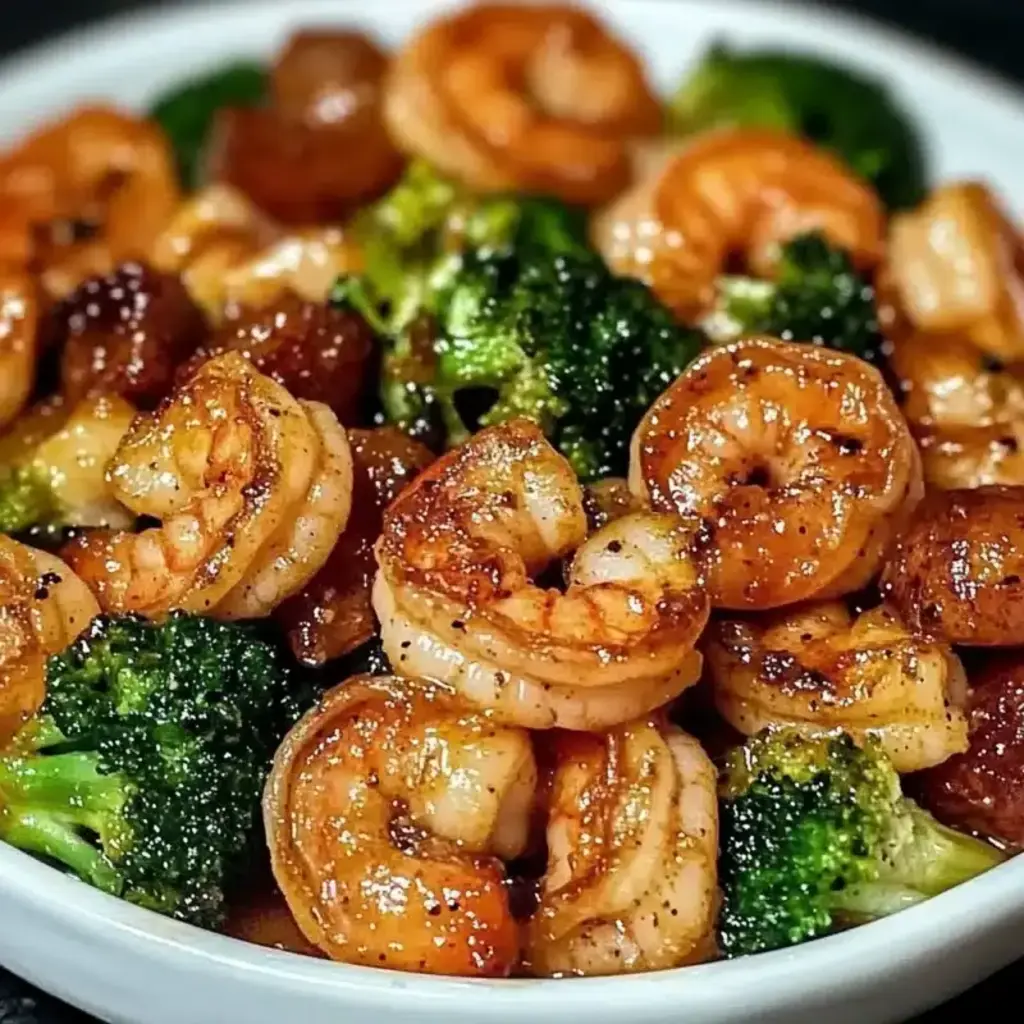
Imagine a bowl of succulent shrimp, each one glistening with a caramelized glaze. The sweet honey mellows against a bright citrusy note from shredded green onion, while the garlic provides that deep umami backbone. The color is vibrant amber; the aroma is an instant trip down the Mediterranean, a hint of Casablanca. It’s that kind of sensory burst that transports you from NYC’s neon skyline to a cozy Moroccan kitchen.
I’ve tweaked this recipe from the conventional version I first tasted in a French bistro: the key is using fresh, wild‑caught shrimp and dusting them lightly with cornstarch so the sauce coats perfectly without clumping. A common mistake is overcooking the shrimp—my new tip is to toss them off the heat the moment they turn pink. Keep the sauce on medium low; this way you get the honey’s bubble and the garlic’s snap, without burning.
Why This High-Protein Honey Garlic Shrimp Recipe Is the Best
Flavor is first: the honey isn’t just sweet; it’s a binder that brings the garlic’s heat and soy’s depth into a silky coat. Coming from Morocco, I know the importance of balancing flavors—too much oil, too much salt—and this dish hits the sweet spot with a balanced taste profile that tastes like a wedding of French precision and North African soul.
Texture matters too. A quick stir while simmering, using the cornstarch, creates a glossy finish that clings to each shrimp’s shell, creating a satisfying snap when you bite through the glaze. The shrimp stay tender because the heat is capped after the first brown; the glaze works its magic instead of caramelizing into bitterness.
And it’s foolproof for beginners: all you need is a non‑stick skillet, a quick whisk, and a watchful eye. No fancy equipment or multiple sauces—just heat, stir, and serve. That simplicity, paired with the protein punch, makes this the perfect dinner for a busy night in the city.
Honey Garlic Shrimp Ingredients
I always pick my shrimp at the Brooklyn Fish Market, where vendors call out “fresh catch!” The honey comes from a local seasonal batch that’s sweet enough to balance the soy, and the green onion is that crisp snap I associate with my mother’s Moroccan souvide.
Ingredients List
- 1 pound large shrimp, peeled and deveined
- 1/4 cup honey
- 4 cloves garlic, minced
- 2 tablespoons soy sauce
- 1 tablespoon olive oil
- 1 teaspoon cornstarch (optional)
- Salt and pepper to taste
- 2 green onions, sliced (for garnish)
- Sesame seeds (for garnish, optional)
Ingredient Spotlight
Shrimp: Choose shrimp that feels firm, with a slightly translucent interior. Freshly caught shrimp retain a sweet, briny flavor; if using frozen, thaw and dry thoroughly to avoid excess moisture. Substitute with scallops for a richer marine note.
Honey: A raw honey lends a subtle floral undertone that elevates the sauce; if you prefer darker, try buckwheat honey. Omission doesn’t work—try maple syrup or agave for a different sweet profile.
Garlic: Fresh slices keep you from the overly bitter taste of pre‑minced; lightly pulsed in a mortar for maximum zest. A milder alternative is shallot for a sweeter nuance.
| Original Ingredient | Best Substitution | Flavor / Texture Impact |
|---|---|---|
| Shrimp | Chicken breast (cut into strips) | Tender but less briny; retains glaze effectively. |
| Honey | Maple syrup | Softer sweetness, slightly smoky undertone. |
| Cornstarch | Arrowroot powder | Thicker sauce, two‑tone clarity, no oil residue. |
How to Make High-Protein Honey Garlic Shrimp — Step-by-Step
Even if you’re a kitchen rookie, follow these clear steps, and you’ll feel like a seasoned chef in no time.
Step 1: Rinse and Dry
Rinse the shrimp under cold water and pat them dry with paper towels. Drying prevents excess steam and helps the coating stick.
💡 emy’s Pro Tip: Drying the shrimp not only keeps the sauce clinging, it also prevents the pan from steaming.
Step 2: Mix the Sauce
Combine honey, minced garlic, soy sauce, olive oil, and cornstarch in a bowl. Whisk until the cornstarch is dissolved for a smooth base.
⚠️ Common Mistake to Avoid: Skipping the whisk can leave lumps before it plugs into the heat.
Step 3: Heat Oil
Heat the olive oil in a large skillet over medium‑high. A hot pan ensures a quick sear.
Step 4: Cook the Shrimp
Add shrimp in a single layer. Season with salt and pepper; cook 2-3 minutes per side until they start turning pink.
💡 emy’s Pro Tip: Flip only once; keep the shrimp whole for a better look and sautéing experience.
Step 5: Add the Sauce
Pour the honey garlic mixture over the shrimp. Toss to coat evenly.
⚠️ Common Mistake to Avoid: Adding the sauce too early; wait until the shrimp are pink to keep the glaze from burning.
Step 6: Let It Simmer
Lower the heat and simmer 3-5 minutes, or until the shrimp are cooked through and the sauce thickens.
💡 emy’s Pro Tip: A gentle lower heat yields a silky sauce without scorching the honey’s natural sugars.
Step 7: Garnish
Remove from heat, sprinkle with sliced green onions and sesame seeds if using for a pop of color.
⚠️ Common Mistake to Avoid: Adding the garnish too early causes the texture of the onions to soften.
Step 8: Serve
Serve immediately while warm. Pair with jasmine rice or a leafy green salad for balance.
💡 emy’s Pro Tip: Use a bit of lemon zest on top to brighten the dish’s brightness.
| Step | Action | Duration | Key Visual Cue |
|---|---|---|---|
| 1 | Rinse & Dry Shrimp | 2 mins | No moisture visible |
| 2 | Mix Sauce | 1 min | Smooth, lump‑free |
| 3 | Heat Oil | 30 sec | Oil shimmers |
| 4 | Cook Shrimp | 2‑3 min per side | Pink start |
| 5 | Add Sauce | Immediately | Even coating |
| 6 | Simmer | 3‑5 min | Glaze thickens |
| 7 | Garnish | Immediately | Green sheen |
| 8 | Serve | 0 min | Sizzling aroma |
Serving & Presentation
Plating this dish feels like orchestrating a small concert of colors: a bed of fluffy white jasmine rice, a swath of violet sweet potato starch, and a crown of bright green onions. The glossy shrimp’s amber sheen catches the city’s neon glow making it almost pop off the plate. If you’re nostalgic for Morocco, try topping with a pinch of Ras el Hanout to add a subtle warmth.
A side of muddled fresh mint or cucumber salad balances the sweetness, while a drizzle of lime vinaigrette gives a bright citrus burst reminiscent of a Parisian café balcony. The shiny glaze and crisp herbs play a refined symphony that begs pairing with chilled rosé or a light paler beer.
| Pairing Type | Suggestions | Why It Works |
|---|---|---|
| Side Dish | Steamed broccoli, quinoa pilaf, or roasted sweet potato wedges | Provides earthy crunch and balance to sweet glaze. |
| Sauce / Dip | Yogurt‑based cucumber dip, roasted garlic aioli, or lemon tahini | Creates contrast and enhances freshness. |
| Beverage | Chilled rosé, crisp Sauvignon Blanc, or light wheat beer | Cuts sweetness and adds a crisp finish. |
| Garnish | Fresh cilantro, lemon zest, or toasted pine nuts | Sharpen acidity and add texture. |
Make-Ahead, Storage & Reheating
When the city runs over late, I’m all about meal‑prep. This shrimp dish can be made a day ahead and re‑heated on the stovetop or in a 350°F oven with a splash of water to keep it moist.
| Method | Container | Duration | Reheating Tip |
|---|---|---|---|
| Refrigerator | Airtight glass jar | 2 days | Reheat in skillet over medium heat with a splash of broth. |
| Freezer | Silicone freezer bags | 3 months | Thaw overnight, heat with a bit of water. |
| Make‑Ahead | Blankets of parchment on a baking sheet | 1 day | Assemble at night, reheat fresh with sauté. |
I love to smash leftover sauce in a tiny brush so I can drizzle it over fresh greens at lunch. When re‑warming, keep the heat low, add a splash of high‑quality broth, and flip the shrimp just enough to coat—this prevents dryness.
Variations & Easy Swaps
| Variation | Key Change | Best For | Difficulty Impact |
|---|---|---|---|
| Protein‑Packed Shrimp | Add a pinch of smoked paprika to the sauce. | Centers the taste on smoky aroma. | None |
| Gluten‑Free Sweetness | Use tamari instead of soy sauce. | Low‑sodium & GF. | Minimal |
| Spring Seasonal Spice | Stir in fresh dill or basil mid‑simmer. | Bright, fresh flavor for a spring menu. | None |
Protein-Packed Shrimp
Adding a dash of smoked paprika in the sauce gives a deep, almost earthy warmth, a nod to Moroccan tagines while respecting the recipe’s sweet core.
Gluten‑Free Sweetness
Swap soy sauce for tamari to maintain the savory depth without the gluten. The sauce stays silky, but the saltiness is slightly subdued, ideal for my dairy‑free brunches.
Spring Seasonal Spice
During my visit to the Union Square Greenmarket, I spotted fresh dill and added it halfway through the simmer. The herb’s bright note brightened the dish, making it perfect for a light salad side.
Can I use frozen shrimp in this recipe?
Yes, frozen shrimp works fine as long as you thaw them completely before cooking. Finish the thawing by placing the shrimp in a bowl of cold water for 10–15 minutes, or running them under cold running water for a quicker method. Once drained and patted dry, cook them just like fresh. The key is to keep them dry so the sauce adheres, and to monitor the brief cooking time—they cook faster once thawed, so stay vigilant for the pink turn. I’ve used frozen shrimp in New York’s late‑night diners and the flavor remains glossy and juicy if you’re careful with the heat and timing.
How can I prevent the shrimp from becoming rubbery?
Preventing rubbery shrimp is all about timing and temperature. Start your pan at medium‑high heat to get a quick sear, then lower the heat to medium after the shrimp turn pink. Keep the shrimp whole, and flip only once—several flips can cook them unevenly. Also, avoid letting the shrimp sit in the pan too long after they’ve cooked; the residual heat can continue to cook them beyond pink. A small trick I learned in Paris is to pound the shrimp lightly with a mallet or the flat side of a knife to break the membranes that hold water; that keeps them tender. Finally, finish with a splash of broth or water during the simmering step to keep moisture in the pan.
Is it possible to make this recipe gluten-free?
Absolutely. Right off the bat, swap sweet soy sauce for tamari—a thick, naturally gluten‑free option that mirrors the umami of soy. Another tweak is to use a corn‑derived xanthan or arrowroot blend instead of the cornstarch for a texture‑boosting thickening. I’ve tested this version in NYC’s Chinatown, and the sauce remains silky, the shrimp stay tender, and you get the same great finish—you just skip the wheat in the mix.
What are good side dishes for honey garlic shrimp?
Any grain or greens that can soak up the glaze make an excellent side. Classic jasmine or basmati rice will absorb the honey‑savory mixture for a comforting bite, while quinoa or couscous offers a nutty base that complements the briny shrimp. For a fresh contrast, a cucumber‑mint salad with a lemon‑dijon vinaigrette brightens the dish and adds a zing that counters the sweetness. If you’re craving a torch‑char bite, garlic‑roasted broccoli or roasted sweet potato wedges bring a crisp, slightly bitter bite to balance the dish’s overall flavor profile.
Choosing the right honey will tweak the overall taste. A fine‑grain honey, like clover or acacia, offers a subtle floral note with real-bee flavors while still delivering a natural sweetness that melds with the soy and garlic. High‑sugar varieties, such as darker honey or buckwheat, provide a more robust, caramelized sweetness—this works well if you want a deeper, almost molasses‑like depth. Personally, I lean toward a medium‑grain honey from a local farmer’s market; it’s sweet enough to caramelize without overpowering the shrimp. Experiment at your own risk! If you want to feel a bit more adventurous, a small pinch of honey‑substitute agave syrup can offer an equally silky glaze.
How do I store leftover sauce?
Leave the sauce in an airtight container in the refrigerator. Because it contains honey—and that can solidify when chilled—allow it to sit at room temperature for a few minutes before whisking again to re‑emulsify. Like I do for yogurt dip, pour it into a small glass bowl, or stir with a hand whisk, and store it in a jar with a tight lid. When reheating, warm over low heat, adding a splash of broth or water to keep it smooth. If you need to freeze, the honey can become sluggish, but seasoning with a fresh splash of soy or honey upon thawing will revive its flavor.
Can I add extra heat to the dish?
Yes, a pinch of crushed red pepper flakes at the sauce‑mixing step gives a gentle kick that compliments the sweetness and complements the garlic. Adjust the amount to taste; you can also follow that classic North African touch of a handful of freshly crushed paprika. I’d recommend tossing a teaspoon of the red pepper flakes into the sauce earlier and watching the color near amber, or wait until the last minute to add flare if you want a sub‑tepid heat. On the other hand, I sometimes blend in fresh jalapeño slices for sharper hour‑long heat, balancing this by milder shrimp and honey.
What natural thickening agent is safest if I avoid cornstarch?
Rice flour, also known as maizena, is a great alternative for thickening sauces. Its neutral flavor ensures it doesn’t alter the dish’s sweet and savory balance. For a gluten‑free version, plain arrowroot powder is another excellent choice—use it at half the volume of cornstarch because it thickens at lower concentrations. If you’re looking for something even lighter, reduce the sauce by let it bubble for a few minutes to condense its own sugars, or grate a thin layer of almonds to input a subtle nuttiness if you want a richer texture.
Is there a good healthy alternative to sesame seeds?
Yes, crunchy pine nuts are the perfect substitute. They provide an earthy, buttery texture that stays crisp and adds earthiness. Alternatively, sunflower seeds add a bright bite that keeps the healthy factor the same. If you need a stricter nut-free alternative, sprinkle crushed pistachios or roasted chickpeas to give an cooling percussion on top. I’ve sprinkled sunflower seeds on each plate at NYC brunches and they’re a crowd‑pleaser.
How do I package this dish for a potluck?
Portion the shrimp into recyclable silicone container covers—cut them into two quarters each for easy grab-and-go servings. Spray a mild broth with a teaspoon of honey, and place a small bowl of the sauce near each portion. Mark each individual portion with a sticky note so guests know it’s ready to heat. For a London‑style twist, set the containers in a Styrofoam box lined with a towel and sprinkling some dried herbs. With this packaging, your shrimp will remain moist, retain its flavor, and are recognizable to those who love a hearty protein dish.
Share Your Version!
What a deliciously simple, high‑protein meal—now it’s your turn to put your own spin on it. Drop a quick rating or comment below, let me know how you tweaked it, or share a photo on Instagram or Pinterest and tag @cookingwithemi 🧡. If you subbed honey for agave, what flavor did you notice? I love hearing how my recipes travel across neighborhoods.
From my NYC kitchen to yours — I hope this recipe brings as much warmth to your table as it does to mine. — emy 🧡
Love This Recipe? Save It to Pinterest!
If you enjoyed this High-Protein Honey Garlic Shrimp recipe, don’t let it get lost in your browser tabs! 😄 Pin it now so you can find it again anytime — and explore hundreds more tried-and-tested recipes waiting for you on my Pinterest boards.
👉 Follow emy on Pinterest @chefrecipes2
📌 Pin this recipe · 🔁 Re-pin your favorites · 💬 Tag me when you make it — I love seeing your creations!
High-Protein Honey Garlic Shrimp: An Amazing Ultimate Recipe
Ingredients
- 1 pound large shrimp, peeled and deveined
- 1/4 cup honey
- 4 cloves garlic, minced
- 2 tablespoons soy sauce
- 1 tablespoon olive oil
- 1 teaspoon cornstarch (optional, for thickening)
- Salt and pepper to taste
- 2 green onions, sliced (for garnish)
- Sesame seeds (for garnish, optional)
Instructions
- Making High-Protein Honey Garlic Shrimp is straightforward. Follow these steps for best results:
- Rinse the shrimp under cold water and pat dry with paper towels.
- 2. Mix the Sauce: In a bowl, combine honey, minced garlic, soy sauce, and olive oil. If you prefer a thicker sauce, stir in cornstarch.
- 3. Cook the Shrimp: In a large skillet, heat some olive oil over medium-high heat. Add the shrimp in a single layer.
- 4. Season the Shrimp: Sprinkle the shrimp with salt and pepper to taste. Cook for 2-3 minutes until they start turning pink.
- 5. Add the Sauce: Pour the honey garlic mixture over the shrimp. Toss to ensure all pieces are coated evenly.
- 6. Let it Simmer: Lower the heat and let the shrimp simmer in the sauce for an additional 3-5 minutes, or until cooked through and the sauce has thickened.
- 7. Garnish: Remove from heat and garnish with sliced green onions and sesame seeds if desired.
- 8. Serve: Enjoy your dish immediately, while its still warm. By following these simple instructions, youll have a fabulous high-protein meal that dazzles and satisfies.