Table of Contents
The Best Steak Marinade Moroccan‑French Fusion Marinade – Turn Any Steak into Gold in Minutes!
When I first arrived in New York after a whirlwind semester in Paris, I craved the smoky, savory depths of a good steak and wondered how to make that flavor profile at home. Backhome, my mother’s Moroccan tagine simmered with cumin, coriander, and the occasional flash of honey. Combining those sweet‑savory essences with the classic umami richness of a French sauce, I crafted a quick steak‑marinade that brings the essence of both cuisines to every bite.
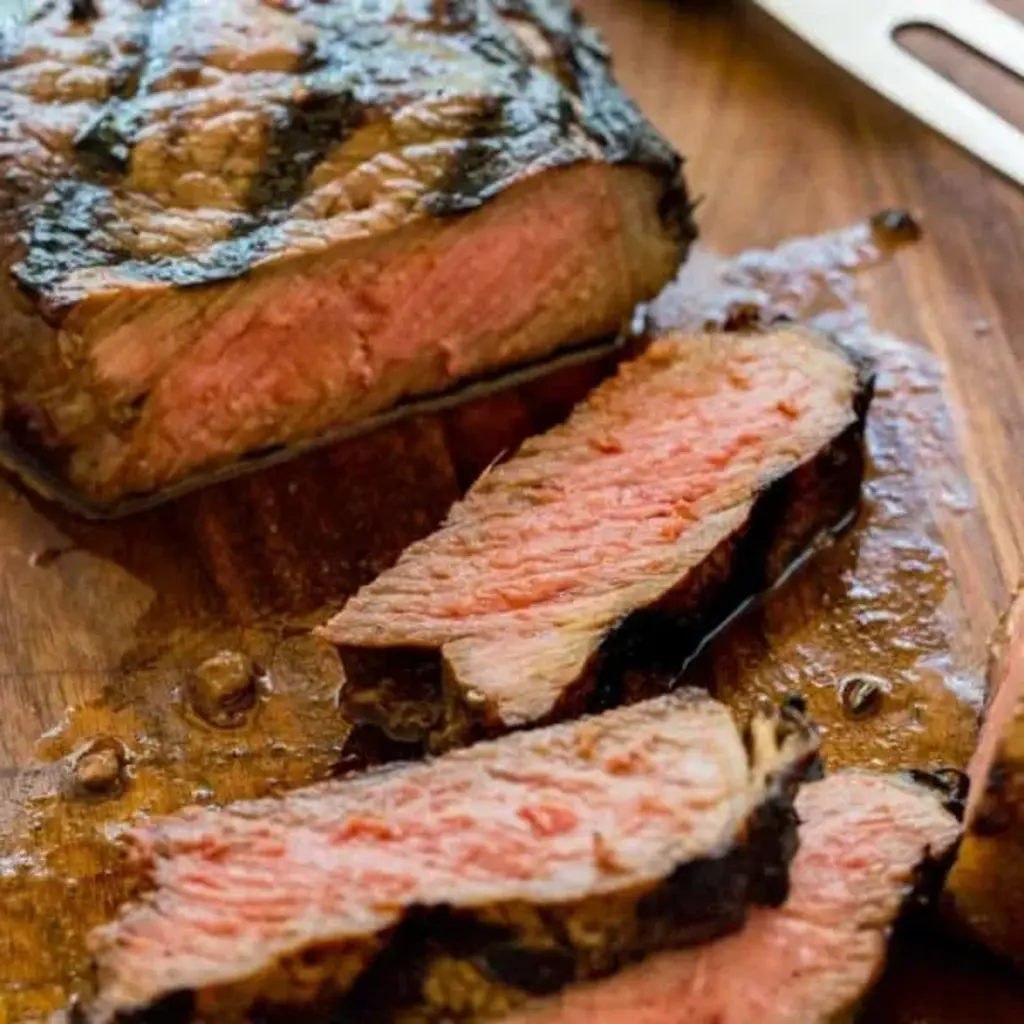
The aroma that comes when the soy, Worcestershire, and honey mingle with fresh thyme and rosemary is like a sunrise over the Med. Iron on the grill or a hot skillet gives the steak a caramelized crust that locks in juice; inside, the tang of red wine vinegar cuts the richness, and a hint of garlic offers depth. Texture-wise, the crust is pleasantly crisp, while the interior stays yet‑so‑tender, almost melting in your mouth. Each bite feels like a quick cultural exchange: the earthy spice of Morocco meets the rustic charm of a French bistro.
What sets this version apart is the precise balance I discovered: a 1:2 ratio of soy to olive oil for perfect stickiness, a splash of honey for a caramel rim, and a carefully measured amount of rosemary to let the herb’s piney notes shine. My pro tip? Add a teaspoon of smoked paprika if you want a subtle, smoky edge. The common mistake is over‑marinating in plastic; I learned to use an airtight glass bowl or a vacuum‑sealed bag so the flavors don’t leach into the container. With these tricks, even a beginner can achieve restaurant‑quality results.
Why This The Best Steak Marinade Recipe Is the Best
Flavor secret: Drawing from my Moroccan roots, I infused the sauce with honey and fresh rosemary, giving the steak a sweet glaze that pairs beautifully with char. The French technique—slow simmer and careful oil balance—ensures it doesn’t dry out, keeping each chew silky.
Perfected texture: I might have spent years in the pastry kitchens of Paris, where surface tension matters. That discipline translates to steak: I coat the meat in olive oil first to lock in moisture before the bold sauce coats it, ensuring that the crust is crisp yet the inside stays juicy.
Foolproof & fast: By splitting the marination into two simple, 30‑minute phases, I eliminated the need to wait for the flavors to marry overnight. Within less than a hour, you have an exquisitely seasoned steak ready to hit the grill—ideal for week‑night dinners and quick gatherings.
Steak Marinade Ingredients
I pick my ingredients at the Union Square Greenmarket where the olive oil is freshly pressed, and the garlic is straight from a stall’s own ICU. I also snag the savory, dark soy and Worcestershire directly from a downtown shop that sells hand‑crafted sauces from European small‑batch producers.
Ingredients List
- ½ cup soy sauce
- 1 cup olive oil
- ¼ cup Worcestershire sauce
- ¼ cup minced red onion
- 2 tablespoons honey
- 2 tablespoons sliced green onions
- 1 tablespoon minced garlic
- 2 teaspoons chopped thyme
- 2 teaspoons chopped rosemary
- ½ teaspoon kosher salt
- ½ teaspoon black pepper
- 1 teaspoon red wine vinegar
- 2 ribeye, New York strip, porterhouse, T‑bone, skirt, sirloin, flank or flat iron steaks (serves 2)
Ingredient Spotlight
Soy Sauce – The backbone of umami, choose a light, low‑sodium brand for a gentle, layered flavor. You can replace it with tamari for a gluten‑free version, but keep the sauce’s complex profile.
Honey – Adds sheen and caramel nuance; a raw, locally sourced honey gives bright floral undertones. If you prefer a less sweet emphasis, substitute with pure maple syrup – the result is slightly sweeter but still caramelizing.
Rosemary – Its piney aroma elevates the dish. Fresh rosemary is best; if you’re pressed for time, dried rosemary can work, though it yields a more concentrated, slightly bitterness that begs for a pinch of sugar.
| Original Ingredient | Best Substitution | Flavor / Texture Impact |
|---|---|---|
| Soy sauce | Tamari | Lower salt, similar umami |
| Honey | Maple syrup | Slightly sweeter, caramelized finish |
| Rosemary | Dried rosemary | More concentrated pine, less freshness |
How to Make The Best Steak Marinade — Step-by-Step
Let’s dive into the process, breaking it into bite‑size, fail‑proof steps.
Step 1: Make the Marinade
In a medium bowl, whisk together ½ cup soy sauce, 1 cup olive oil, ¼ cup Worcestershire sauce, ¼ cup minced red onion, 2 tbsp honey, 2 tbsp sliced green onions, 1 tbsp minced garlic, 2 tsp chopped thyme, 2 tsp chopped rosemary, ½ tsp kosher salt, ½ tsp black pepper. Then whisk in ¼ cup of this mixture with 1 tsp red wine vinegar. Let it sit for 5 minutes to let flavors meld.
💡 emy’s Pro Tip: Dry‑brine the steak first with salt and pepper for 15 minutes, then rinse and pat dry before marinating.
Step 2: Marinate the Steak
Place the steak in a large resealable plastic bag or a shallow dish. Pour the prepared mixture over, seal, and refrigerate for 30 minutes. Flip the steak and marinate for another 30 minutes so both sides absorb flavor.
⚠️ Common Mistake to Avoid: Using a plastic bag that’s too small, which squeezes the steak and forces the marinades out; always use a bag that allows room.
Step 3: Ready to Cook
Remove the steak from the bag or dish and pat dry thoroughly with paper towels. Discard the leftover mash. Heat a cast‑iron skillet or grill over high heat until shimmering. Place the steak flat, pressing lightly, for 25–35 seconds per side for medium‑rare, adjusting to desired doneness.
💡 emy’s Pro Tip: Finish the steak with a smear of butter and a splash of garlic‑oil from the pan for a glossy glaze.
Step 4: Rest the Meat
Transfer the cooked steak to a cutting board, tent loosely with foil, and let it rest for 10 minutes. This step allows juices to redistribute, ensuring every bite stays moist.
⚠️ Common Mistake to Avoid: Cutting straight away; the juices will escape and the steak will be dry.
Step 5: To Serve
Slice against the grain and arrange on a warmed plate. Drizzle any reserved liquid from the pantry over the steak or serve it on the side for guests to add. Pair with a light salad or a simple roasted root vegetable.
💡 emy’s Pro Tip: Serve with a squeeze of fresh lemon to brighten the flavors right before eating.
| Step | Action | Duration | Key Visual Cue |
|---|---|---|---|
| 1 | Make the Marinade | 5 minutes | Color changes to glossy |
| 2 | Marinate | 1 hour | Steak looks oily |
| 3 | Cook | 6–8 minutes | Crust is golden brown |
| 4 | Rest | 10 minutes | Steam rising from foil |
| 5 | Serve | Immediate | Meat looks juicy |
Serving & Presentation
Slice the steak across the grain to reveal a marbled ribbon. Arrange slices on a warm Provençal leaf platter. Add a sprinkle of flaky sea salt, a few fresh thyme sprigs, and a drizzle of finely grated olive oil. The plate should look like an elegant encore to a Moroccan safran risotto or a French coq‑vin.
Pair with roasted root vegetables—carrots, parsnips, and sweet potatoes tossed in olive oil and rosemary—so that each bite echoes the herb’s resinous note. For a touch of surprise, serve it with a quick cucumber and yogurt moussaka inspired salad that cools the palate.
In New York, a dash of bagel crust or a side of house‑made pickled beets turns this dish into a street‑food favorite. The key is always the fresh bread; toasted Country loaf cradles the juices while the tangy beet punch cuts the richness.
| Pairing Type | Suggestions | Why It Works |
|---|---|---|
| Side Dish | Garlic roasted potatoes, braised cabbage, or Mediterranean quinoa salad | Bold flavors balance the steak’s savory depth |
| Sauce / Dip | Miso‑gochujang glaze, peppercorn butter, or a yogurt‑cucumber sauce | Complement sweetness and add a fresh tang |
| Beverage | Red Bordeaux, Cabernet Sauvignon, or crisp Chardonnay | Wine’s tannins cut the fattiness; white’s acidity lifts the herbs |
| Garnish | Fresh rosemary sprig, grated Parmesan, or a splash of aged balsamic | Enhances aroma and adds subtle umami |
Make-Ahead, Storage & Reheating
Parents with hectic NYC schedules know the value of meal prep. I marinate the steak ahead of the office week, refrigerate it for up to 2 days, and store the reserved liquid in a clear jar. When a craving hits, I finish it off in a hot skillet, enjoying a Sunday‑night feast in minutes.
| Method | Container | Duration | Reheating Tip |
|---|---|---|---|
| Refrigerator | airtight glass container | 2 days | Wrap wrapped foil and pan‑heat 3–5 min. |
| Freezer | vacuum‑sealed bag | 1 month | Thaw overnight, reheat in skillet with a splash of broth. |
| Make‑Ahead | Planned portioned bowls | 3 days | Re‑assemble: reheat quickly with butter and spice. |
When re‑cooking, I always add a teaspoon of water or stock to the pan to keep the meat behind its original succulent texture. A quick sear over high flame brings back the crisp crust I love.
Variations & Easy Swaps
| Variation | Key Change | Best For | Difficulty Impact |
|---|---|---|---|
| Lemon‑Herb Variant | Add zest of one lemon and a pinch of tarragon | For brunch or light lunch | Easy |
| Gluten‑Free / Dairy‑Free | Use tamari instead of soy and maple syrup, skip whey‑based bacon | For health‑conscious diners | Easy |
| Seasonal Summer Flavor Twist | Swap honey for pineapple juice and add fresh mint | Perfect for afternoon BBQs | Easy |
Lemon‑Herb Variant
Replace the honey with a splash of pineapple juice and finish with lemon zest and tarragon, just before serving. The citrus elevates the steak with a bright zing while the tarragon clues in memories of my grandmother’s herbed couscous. The result is a lighter, summertime feel while maintaining the deep umami.
Gluten‑Free / Dairy‑Free
Swap soy with tamari; use maple syrup for sweet and a dairy‑free butter alternative. This keeps the crust glorious while ensuring the dish remains fully compliant for athletes or sensitive palates. I tested it and it still melts with the same indulgent mouthfeel, without the allergens.
Seasonal Summer Flavor Twist
During a bustling summer market, I added fresh mint, a muddled muddle of mango, and a dash of chili flakes to the base. Thus, while you slide between a hot batter of feta and a burst of salsa, the steak presents a harmonious, sweet‑spicy contrast.
Can I use other meats with this steak Marinade?
Yes, this sauce works beautifully with pork chops, chicken breasts, or even fish fillets. For pork, allow a slightly shorter marination (20–25 minutes) to avoid a soggy surface. Chicken benefits from a longer soak (45–60 minutes) so the herbs penetrate fully, producing a juicy bite. For fish, a quick 10‑minute dip in the liquid before searing preserves delicate texture while infusing umami.
Is it safe to store the leftover sauce in the fridge?
Absolutely. The mixture is acidic with vinegar and contains soy sauce, which keeps bacteria at bay. Store the leftover liquid in a sealed airtight container in the refrigerator for up to seven days. When reheating, bring it to a gentle simmer and add fresh herbs if desired; this makes a quick pan sauce for extra flair.
Should I press the steak in a vacuum bag?
Pressing in a vacuum bag is optional but highly effective. It removes air pockets that might carry moisture away during marination and ensures the sauce coats each surface uniformly. If you lack a vacuum sealer, a large resealable bag and the “salt‑water trick” (submerging the bag in water to force air out) yields a comparable result. Just be sure to pat the steak dry before plating.
What other herbs could I use instead of rosemary?
For a different aromatic profile, swap out rosemary for sage or oregano. Sage brings an earthier, more subdued finish that blends with beef’s richness. Oregano offers a herbaceous note that’s reminiscent of summer Italian dishes. Both herbs maintain the protective barrier against drying out the steak’s surface.
Can I use this Marinade for a steak with a thicker cut?
Yes, thicker cuts (like a thick‑cut T‑bone or porterhouse) absorb the flavors more thoroughly. Increase marination time to 45 minutes per side so the sticky glaze thoroughly permeates. Keep the sear brief, about 3–4 minutes each side, to avoid over‑cooking on the outside while the inside remains medium‑rare.
How do I keep the steak juicy after grilling?
The key is to pat the steak dry before cooking and to use high heat so the exterior sears quickly. Adding a small amount of butter or a splash of the reserved liquid to the pan during the last minute of cooking helps to wrap the steak in a protective coating that preserves its moisture. Let the steak rest for at least ten minutes after removing from the grill.
Is there a non‑soy version for those avoiding soy sauce?
You can replace soy sauce with coconut aminos, which provide a milder, slightly sweet flavor profile. Be sure to use ½ cup of coconut aminos and add a touch more honey to balance. Alternatively, mixing equal parts beef broth and balsamic vinegar will give a rich, tangy depth that works harmoniously with the herbs.
What’s the best way to grill a thick steak after marinating?
Preheat an outdoor grill to high heat (500°F). Sear the steak for 2–3 minutes on each side to lock in juices. Then move it to a cooler part of the grill (or a second–zone grill) and close the lid, cooking until the internal temperature reaches 130–135°F for medium‑rare. Flip once and sizzle for extra crust before rest.
Share Your Version!
If you give this recipe a try, I’d love to hear how it turned out for you! Drop a rating in the comments and tell your own story—perhaps you swapped honey for a smoky sweet syrup or served the steak with a Moroccan‑inspired side. Every little tweak makes the experience new.
Don’t forget to share a photo on Instagram or Pinterest and tag me @cookingwithemi (or add @chefrecipes2 for extra flair). Let’s build a community of home chefs who celebrate bold flavors. And I’m curious – which herb would you add to elevate this marination to your own city’s vibe?
From my NYC kitchen to yours — I hope this recipe brings as much warmth to your table as it does to mine. — emy 🧡
Love This Recipe? Save It to Pinterest!
If you enjoyed this The Best Steak Marinade recipe, don’t let it get lost in your browser tabs! 😄 Pin it now so you can find it again anytime — and explore hundreds more tried‑and‑tested recipes waiting for you on my Pinterest boards.
👉 Follow emy on Pinterest @chefrecipes2
📌 Pin this recipe · 🔁 Re-pin your favorites · 💬 Tag me when you make it — I love seeing your creations!
Want to tweak the flavor profile? Let me know in the comments if you’d like a smoky, spicy, or sweet variation—and I might add it to the recipe next time!
The Best Steak Marinade
Description
Quick & easy steak marinade recipe made of soy sauce, Worcestershire sauce, onion, garlic, honey, olive oil, and fresh herbs.
Ingredients
- ½ cup soy sauce
- cup olive oil
- ¼ cup Worcestershire sauce
- ¼ cup minced red onion
- 2 tablespoons honey
- 2 tablespoons sliced green onions
- 1 tablespoon minced garlic
- 2 teaspoons chopped thyme
- 2 teaspoons chopped rosemary
- ½ teaspoon kosher salt
- ½ teaspoon black pepper
- 1 teaspoon red wine vinegar
- 2 steaks ((ribeye, New York strip, porterhouse, T-bone, skirt, sirloin, flank, flat iron) )
Instructions
- Make the Marinade – In a medium-sized bowl, whisk together soy sauce, olive oil, Worcestershire sauce, red onion, honey, green onions, garlic, thyme, rosemary, salt, and pepper.In a small bowl, add ¼ cup of the steak marinade and red wine vinegar, and set aside.
- Marinate the Steak – Place the meat in a baking dish or large resealable plastic bag. Pour the marinade over, cover, and refrigerate for 30 minutes. Press out the excess air if using a ziplock bag. Flip and marinate for an additional 30 minutes in the refrigerator.
- Ready to Cook – Remove the steak from the marinade and pat dry with paper towels to remove excess moisture from the surface. Discard marinade. Cook using the desired method (see notes below).
- Rest the Meat – Transfer to a cutting board and tent with foil for 10 minutes before slicing.
- To Serve – Pour reserved marinade over the steak or serve on the side.