Table of Contents
3 Ingredient Sugar Free Peanut Butter Cookies Zero Sugar Sweetness – A Quick Sweet Treat
I’m standing in my tiny Manhattan kitchen, the scent of fresh roasted peanuts mingling with the scent of early‑morning espresso. I reached into the cupboard to reach for a jar of sugar‑free caramel sweetener and felt a flash of nostalgia from my mother’s Moroccan kitchen. Today, I’m sharing a simple yet satisfying treat that’s sugar‑free, super quick, and full of that creamy peanut butter bliss you can’t resist.
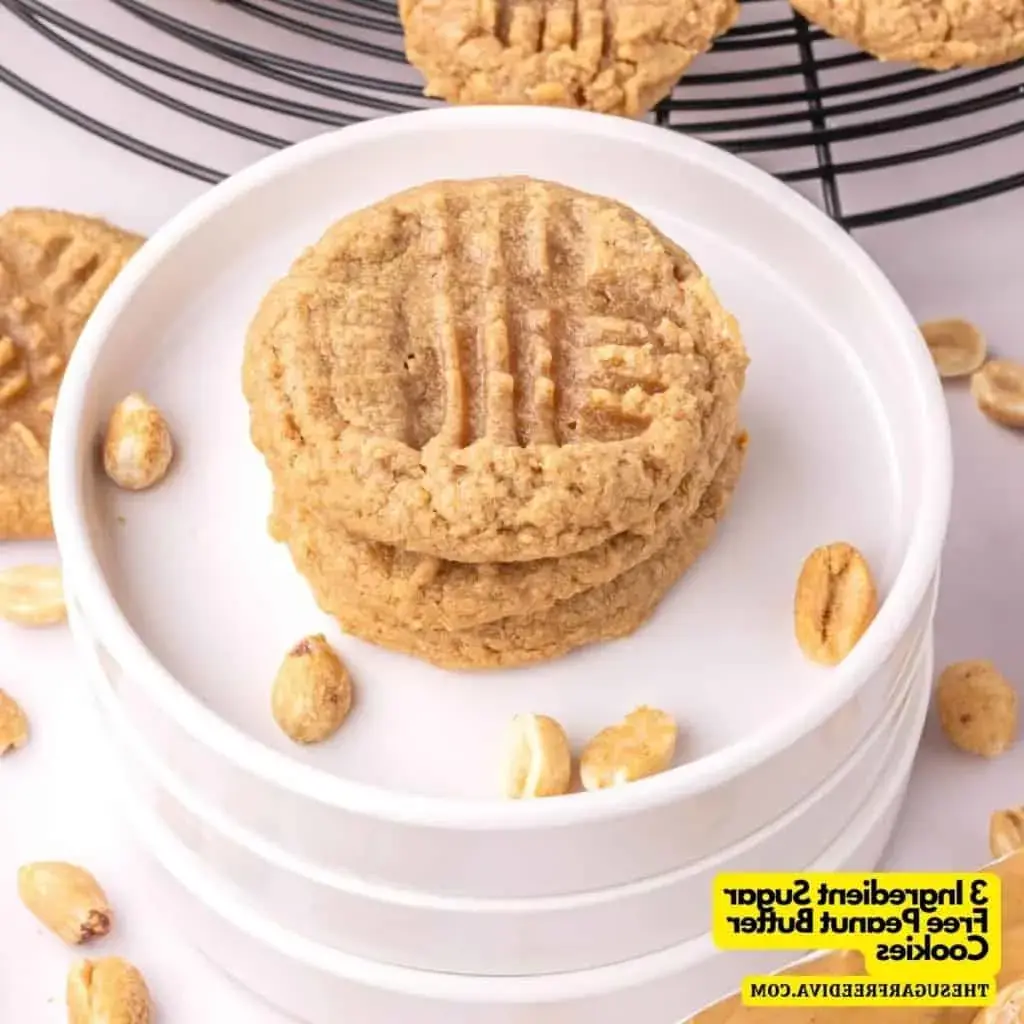
Imagine a cookie that’s golden‑brown on the edges, chewy inside, and carries a subtle nutty aroma that instantly transports you to a bustling North African spice market. The absence of added sugar gives the peanut butter a chance to shine, so you get a slightly buttery sweetness paired with a faint hint of vanilla that I learned in my Paris pastry class. Each bite feels like a small celebration – soft center, crisp crackles – a harmonious mouthfeel that satisfies sweet cravings without the sugar crash.
I’ve tweaked this recipe during countless prep‑days, adding a squeeze of lemon juice here and a pinch of sea salt there to keep it balanced. Pro tip: a quick press of the dough with the palm of your hand before the fork indenting gives the cookies an even thickness. Common mistake: forgetting to pre‑bake on a parchment-lined sheet will let the edges stick and ruin that perfect crisp. Keep these nuggets handy and you’ll always have a quick, guilt‑free snack ready.
Why This 3 Ingredient Sugar Free Peanut Butter Cookies Recipe Is the Best
The secret sauce is the combination of sweetener and peanut butter. I use a single, mild sugar alternative that sweetens without the syrupy aftertaste, allowing the peanut butter’s natural flavor to dominate. This blend is inspired by my Moroccan breakfasts of honey‑edged bread, but toned down to a sugar‑free version for the modern palate.
Texture matters. I stir until the mix is light, airy, and slightly glossy – a technique I learned from French macaroons. That lightness means the cookies rise only enough to create a desirable chew, then set into a satisfying bite that keeps you craving more.
The entire process can be finished in twenty minutes when you’re pressed for time. No prep, no batch, no mess: simply mix, scoop, press, bake, and enjoy. Perfect for a weekday snack or a quick dessert when your NYC dinner plans call for something sweet but healthy.
Sugar Free Peanut Butter Cookies Ingredients
I pick the peanut butter at my favorite Whole Foods, where the natural, creamy varieties are always in stock. For the sweetener, I grab a 2‑cup bottle of monk fruit, a mild alternative that keeps the flavor crisp. A single organic egg is the binder that ties everything together, creating a dough that holds its shape.
Ingredients List
- 1 cup natural creamy peanut butter
- 1 cup monk fruit sweetener (or any low‑calorie sugar alternative)
- 1 large organic egg
Ingredient Spotlight
Peanut Butter: The star. A smooth, rich peanut butter with 90% peanut solids gives depth. Look for a brand that’s unsweetened and contains only peanuts and a touch of oil. Substitution: smooth almond butter for a nutty variation – it keeps the texture but adds a new flavor layer.
Monk Fruit Sweetener: A zero‑calorie, berry‑sweet alternative. It delivers sweetness without the sticky mess of dates or stevia’s aftertaste. Substitution: erythritol granules for a dry, crystalline feel that also works if you prefer a slightly granular mouthfeel.
Egg: The binder that gives rise and structure. If you’re vegan, replace the egg with ¼ cup unsweetened applesauce – the moisture keeps the cookies tender and the binding firm.
| Original Ingredient | Best Substitution | Flavor / Texture Impact |
|---|---|---|
| Peanut Butter | Almond Butter | Nutty, slightly lighter |
| Monk Fruit Sweetener | Erythritol Granules | Dryer, slightly granular taste |
| Egg | Unsweetened Applesauce | Moist, binds loosely, vegan |
How to Make 3 Ingredient Sugar Free Peanut Butter Cookies — Step-by-Step
Let’s get started – this recipe is so straightforward that your morning coffee can even wait.
Step 1: Cream Together
In a large bowl, combine 1 cup of peanut butter with 1 cup monk fruit sweetener. Whisk until the mixture turns silky and slightly lighter in color. The goal is a light, fluffy dough that feels like whipped cream.
💡 emy’s Pro Tip: Use a hand mixer on low speed; it’s easier than whisking by hand and ensures you get a light texture.
Step 2: Add the Egg
Crack a large organic egg directly into the bowl. Beat until fully incorporated, ensuring no lumps remain. The egg binds the mixture and gives the cookies structure.
⚠️ Common Mistake to Avoid: Leaving the egg unbeat for too long can make the dough too stiff, leading to hard cookies.
Step 3: Scoop and Shape
Using a cookie scoop or ¼ cup measure, form dough into balls and place them on a parchment‑lined baking sheet about two inches apart. Let the dough rest for 5 minutes so the mixture relaxes before shaping.
💡 emy’s Pro Tip: If the dough feels sticky, dust it lightly with a touch of almond flour for easier handling.
Step 4: Press and Indent
Press each ball with the palm of your hand until it’s about half its initial thickness. Take a fork and create a criss‑cross pattern on top, pressing into the dough. This design helps the cookies bake evenly.
⚠️ Common Mistake to Avoid: Skipping the press step makes cookies runny across the surface.
Step 5: Bake
Preheat your oven to 350°F. Bake the cookies for 7–10 minutes, or until the edges are a warm golden brown and the centers are just set. Keep an eye on them – they can go from golden to dark quickly.
💡 emy’s Pro Tip: Rotate the sheet mid‑bake for even color if your oven has hot spots.
Step 6: Cool & Transfer
Allow the cookies to rest on the sheet for 3 minutes, then slide them onto a wire rack to finish cooling. This prevents them from sitting in their own steam, which would make them soggy.
⚠️ Common Mistake to Avoid: Removing them from the sheet too quickly, causing them to break apart.
| Step | Action | Duration | Key Visual Cue |
|---|---|---|---|
| 1 | Whisk peanut butter + sweetener | 5 min | Light, glossy dough |
| 2 | Add egg & beat | 2 min | Uniform blend |
| 3 | Scoop & rest | 5 min | Dough relaxed |
| 4 | Press & indent | 1 min | Even thickness |
| 5 | Bake | 7–10 min | Golden edges |
| 6 | Cool & transfer | 3 min | Rests on sheet |
Serving & Presentation
These cookies shine on a simple white plate with a dusting of sea salt and a drizzle of dark chocolate‑melted glaze, which I learned to stir over a double boiler in my Paris pastry class. Pair them with a glass of cold oat milk – the nutty undertones complement the milk’s subtle sweetness.
For a Moroccan twist, sprinkle a pinch of ras el hanout over the final loaf. The smoky, aromatic mix gives each bite a little adventure. Or serve them warm straight from the oven with a splash of espresso, echoing my favorite morning ritual in New York’s cafes.
| Pairing Type | Suggestions | Why It Works |
|---|---|---|
| Side Dish | Fresh arugula salad with lemon vinaigrette | Bright acidity cuts through the richness |
| Sauce / Dip | Greek yogurt with honey (optional) | Adds creamy sweetness and contrast |
| Beverage | Cold oat milk or almond milk latte | Plant‑based milk complements nutty flavor |
| Garnish | Thin sea salt flakes, toasted almond slivers | Texture and depth of flavor |
Make-Ahead, Storage & Reheating
I love making these on Sunday afternoons, ready to grab for the busy work week. They keep their integrity for up to a week in the fridge; simply store them in an airtight container. When I need something quick, I reheat the cookies in a 200°F oven for 3 minutes, which restores their natural chew.
| Method | Container | Duration | Reheating Tip |
|---|---|---|---|
| Refrigerator | Sealed plastic bag | 7 days | Let sit room temp 10 min |
| Freezer | Foil-lined tray, then bag | 3 months | Toast 1 min 350°F |
| Make-Ahead | Room‑temperature tin | 5 days in advance | Assemble last minute |
When storing in the freezer, always keep the cookies flat to avoid flattening. In my experience, thawing them at room temperature for 10 minutes before reheating yields the best texture – a quick burst of warm, buttery crumb with each bite.
Variations & Easy Swaps
| Variation | Key Change | Best For | Difficulty Impact |
|---|---|---|---|
| Almond Butter Edition | Replace peanut butter with almond butter | Nutty enthusiasts | Easy |
| Gluten‑Free Version | Use gluten‑free almond flour swirled in | Gluten‑sensitive | Medium |
| Seasonal Lemon Zest Twist | Add lemon zest & extra pinch of cinnamon | Easter brunch | Easy |
Almond Butter Edition
Swap the peanut butter for creamy almond butter for an extra nutty, slightly sweeter flavor profile reminiscent of my family’s almond pastries. The dough stays almost identical, but the aroma shifts to a milder, floral note.
Gluten‑Free Version
Incorporate ¼ cup gluten‑free almond flour to the dough for a texture that’s still chewy, yet free from wheat. The flour absorbs a touch of excess moisture, keeping the cookies from spreading too much while introducing a hint of almond crunch.
Seasonal Lemon Zest Twist
Squeeze fresh lemon zest into the dough to add brightness. This variation is a pop of citrus that pairs wonderfully with the almond flour in the gluten‑free version and brings a refreshing twist perfect for spring and summer tastings.
Can I use almond butter instead of peanut butter?
Yes, almond butter works wonderfully as a 1:1 replacement for peanut butter. The fat and protein content are similar, so the cookies will keep their chewy texture while offering a milder, slightly sweeter flavor. If you want a more pronounced nut flavor, try using a toasted almond butter or blend with a touch of cocoa.
Which sugar alternative is best for this recipe?
Monk fruit sweetener is my top choice because it’s sweet, low‑calorie, and has no aftertaste. Erythritol or stevia are also good, but they can slightly alter the moisture and texture. If you prefer an all‑natural option, pure date syrup or honey (though not sugar‑free) can be used, but they will add extra calories and viscosity.
Do these cookies contain gluten?
By default, the basic recipe contains no gluten, relying on peanut butter, a sugar alternative, and an egg. However, a small amount of cross contamination can occur if your sweetener or peanut butter has added fillers. If you need a proven gluten‑free version, use raw, unsweetened almond flour in place of the sweetener or add an extra 2 tbsp of almond flour to absorb moisture.
Can I store these cookies in the refrigerator?
Yes, they hold up well in the refrigerator for up to a week when stored in an airtight container or zip‑lock bag. The dough stays firm, so the cookies retain texture. Just let them sit at room temperature for ten minutes before serving so they soften slightly and become more enjoyable.
What if I want thicker cookies?
To create thicker cookies, simply press each dough ball to a fuller thickness before baking, leaving about ¾ to 1 inch deep. Increase bake time slightly, around 12 minutes, and keep an eye on the edges. Because the dough is already high in fat, the cookies won’t spread excessively and will maintain a chewy interior.
Is it safe to freeze these cookies?
Absolutely. Once baked, cool cookies on a sheet before placing them flat on a baking tray. Freeze for up to 3 months. When you’re ready to enjoy, thaw them for about 10 minutes, then warm in a 350°F oven for 2–3 minutes for that freshly baked aroma.
Can I use an egg substitute for vegan version?
Yes, a good vegan substitute is ¼ cup unsweetened applesauce per egg. It supplies moisture and binds the dough. Keep in mind that it may make the cookies slightly softer, but the flavor remains classic. Another alternative is 1 tablespoon of flaxseed meal mixed with 3 tablespoons of water, which sets into a gel.
Why do my cookies spread too thin?
Thin cookies often result from under‑baked dough or too much resting after adding the sweetener. Try reducing the resting time, or add a tablespoon of almond flour to absorb excess moisture. Pressing the dough slightly before baking can also prevent it from expanding too much.
Share Your Version!
I’d love to hear how you personalize these cookies—whether you add a splash of espresso or a dusting of cinnamon. Drop a star rating or a quick comment below, and don’t forget to pin your photos to my Pinterest boards. Tag your creations with @cookingwithemi so I can see the love in every bite!
If you’re inspired by its minimalism or the sweet bite, ask me how to tweak the recipe for a vegan or gluten‑free audience. Let’s keep the conversation buzzing like a New York street market.
From my NYC kitchen to yours — I hope this recipe brings as much warmth to your table as it does to mine. — emy 🧡
Love This Recipe? Save It to Pinterest!
If you enjoyed this 3 Ingredient Sugar Free Peanut Butter Cookies recipe, don’t let it get lost in your browser tabs! 😄 Pin it now so you can find it again anytime — and explore hundreds more tried‑and‑tested recipes waiting for you on my Pinterest boards.
👉 Follow emy on Pinterest @exorecipe
📌 Pin this recipe · 🔁 Re-pin your favorites · 💬 Tag me when you make it — I love seeing your creations!
Got a favorite sugar‑free treat? Share yours on Instagram with #emysrecipes and tag me. Let’s keep the sweetness going!
3 Ingredient Sugar Free Peanut Butter Cookies
Description
This 3 ingredient recipe for a delicious peanut butter cookie is easy to make and can be made without adding sugar to it.
Ingredients
- 1 cup Peanut Butter
- 1 cup Sugar Alternative (-See post for details)
- 1 Egg
Instructions
- Preheat your oven to 350 degrees and prep your cookie sheet for nonstick.
- In a large mixing bowl, cream together the peanut butter and sugar until light and fluffy. Once the ingredients are creamed together you can mix in the egg until combined.
- Use a cookie scoop scoop out the dough into balls and place each of the balls on to your prepared baking sheet about two inches apart.
- Next, using the palm of your hand or an object of choice, gently press each of the balls to half of their thickness. Then take a fork and make the crisscross design on top, pressing in the cookies in further.
- Bake the cookies for seven to ten minutes or until the edges are golden brown.
- Allow the cookies to sit on the cookie sheet for a few minutes before transferring them to a cookie rack to further set.