Table of Contents
Crab Cakes Recipe – Classic Maryland-Style (Minimal Filler, Maximum Flavor)
I still remember the first time I tasted a real Maryland crab cake — it was at a tiny seafood shack on the Chesapeake Bay during a summer road trip with my husband. The crab meat was sweet, the crust was golden, and there was barely any filler. That moment stuck with me. Back in my NYC kitchen, I knew I had to recreate that perfect balance using everything I’ve learned: my Moroccan roots (where we treat seafood with reverence), my classic French training (where precision matters), and my New Yorker’s love for bold, honest flavors. This crab cakes recipe is all about letting the crab shine — I use only enough binder to hold it together, and I add a little cayenne for warmth and lemon for brightness. It’s the best crab cakes recipe I’ve ever developed, and I’m so excited to share it with you.
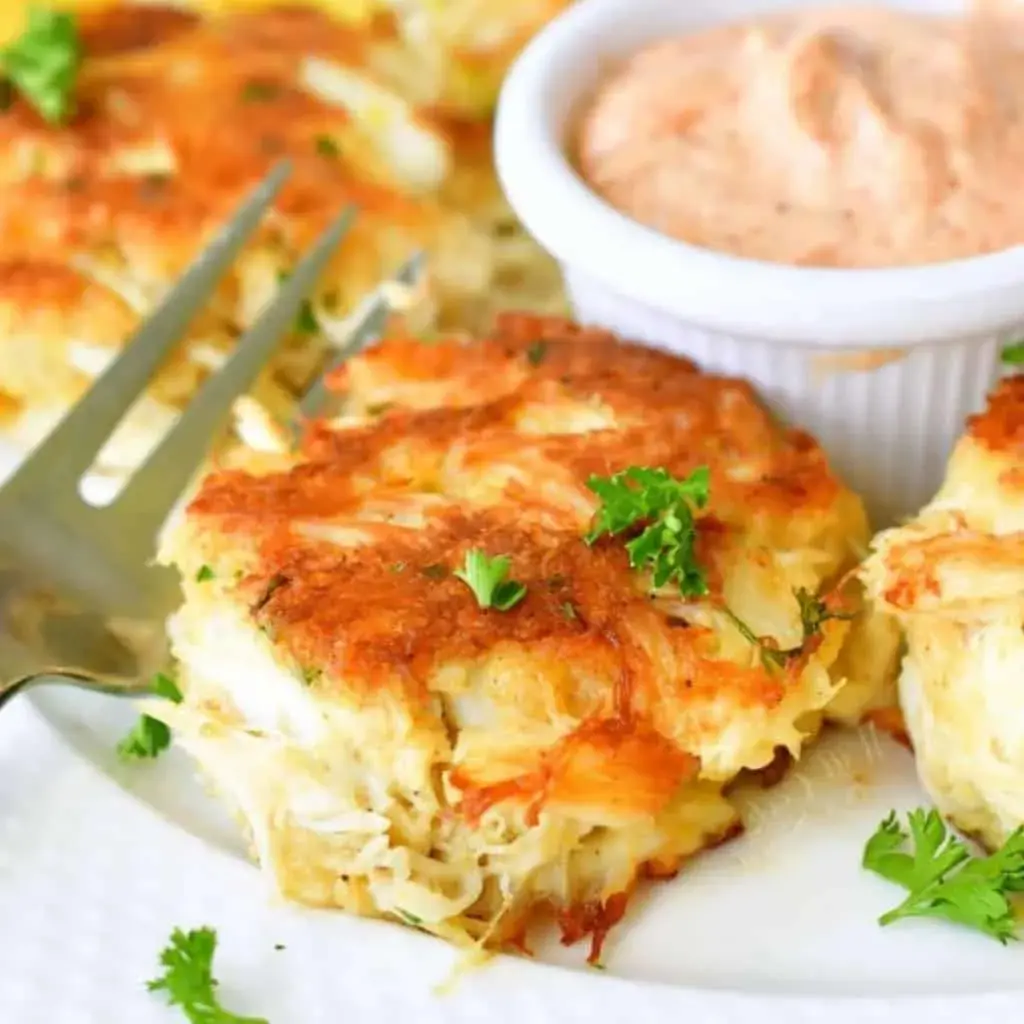
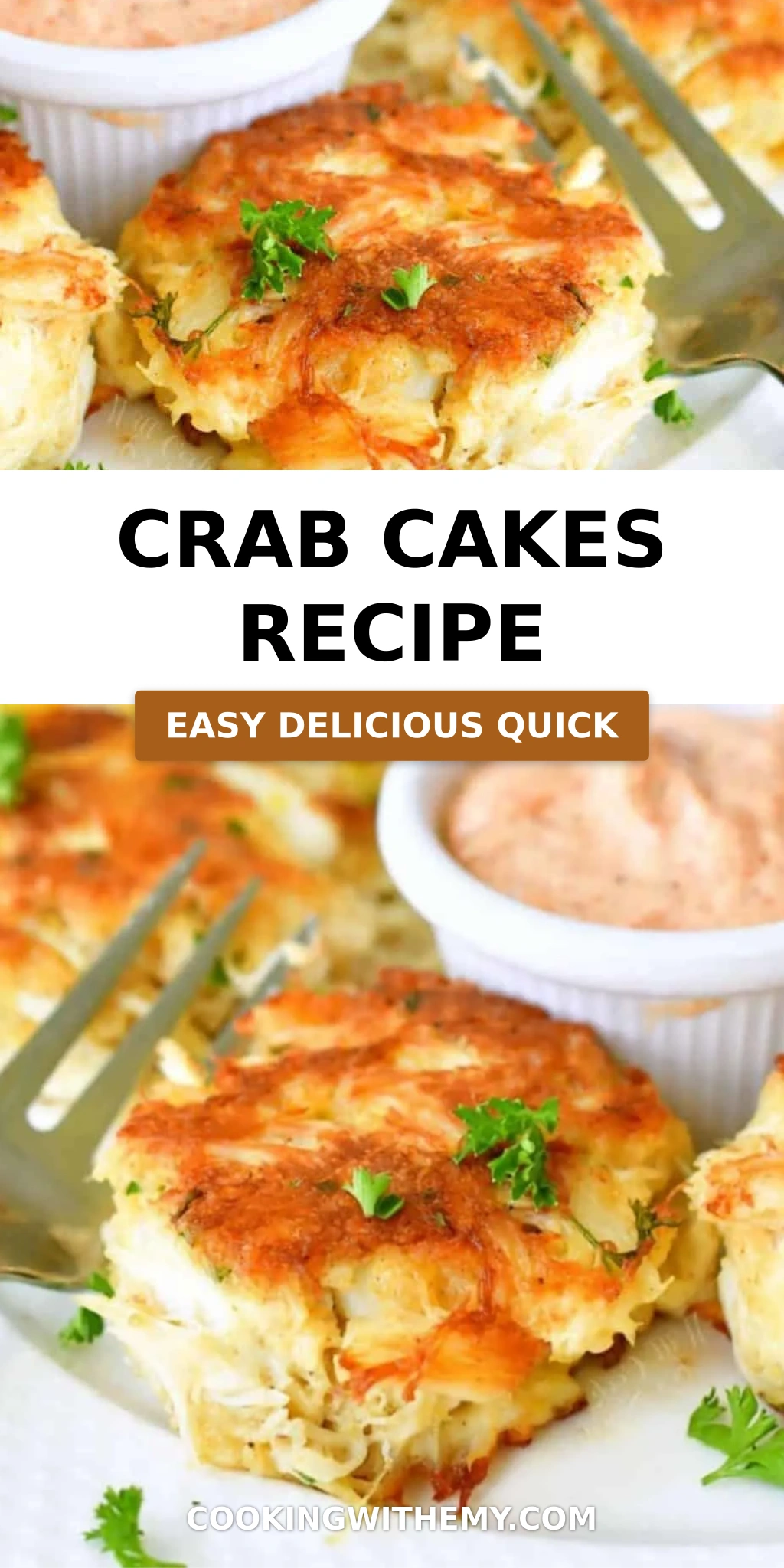
Imagine biting into a crab cake that’s crisp on the outside, tender and moist inside, with big lumps of sweet jumbo lump crab meat bursting through every bite. The aroma of lemon zest and parsley hits your nose first, followed by a subtle kick of cayenne that lingers just long enough. The remoulade — creamy, tangy, with a whisper of horseradish — cuts through the richness and ties everything together. These are not dry, bready pucks. They’re carefully crafted patties that taste like the ocean, with a texture that’s both delicate and satisfying. In my Paris training, I learned that the simplest dishes are the hardest to perfect. This crab cake is proof: quality ingredients and a light hand make all the difference.
What sets my version apart? I pick over every lump of meat to remove shell fragments (a step too many skip), I chill the formed patties for at least 30 minutes to firm up the binder, and I use a hot pan with minimal movement to get that perfect crust. I’ll also show you how to make the homemade remoulade that’s way better than anything store-bought. One common mistake I see? Overworking the mixture, which breaks up the beautiful lumps. Don’t worry — I’ll walk you through every detail so you can make easy crab cakes that rival any restaurant. Whether you call them homemade crab cakes or Maryland crab cakes, these are destined to become your go-to.
Why This Crab Cakes Recipe Is the Best
The Flavor Secret – I draw on my Moroccan upbringing where we balance sweet, sour, and heat with care. Here, lemon zest and juice provide the acid, cayenne gives a gentle warmth, and fresh parsley adds a green note. The remoulade, inspired by French sauce gribiche but adapted for American pantries, brings tangy depth with sweet pickle juice and horseradish. It’s a layered flavor profile that makes these best crab cakes truly memorable.
Perfected Texture – My French training taught me about emulsifications and binders. Instead of loading up on breadcrumbs, I use a light mixture of egg, mayonnaise, and Dijon mustard — just enough to hold the crab without masking it. I handle the meat as little as possible, leaving half the lumps intact and breaking the rest gently. The result? A tender interior with a crisp, golden crust that comes from pan-frying in canola oil at the right temperature.
Foolproof & Fast – From start to finish (including chilling), you’re looking at about 25 minutes of actual hands-on time. I’ve tested this easy crab cakes recipe with busy friends who’ve never made seafood before, and they nailed it their first try. The key steps — checking for shells, chilling the patties, and not overcrowding the pan — are simple but non-negotiable. I’ll also give you baking and air-fryer options so you can adapt to your kitchen.
Crab Cakes Recipe Ingredients
Walking through the seafood aisle at my local Whole Foods or the Fulton Fish Market, I always look for the freshest lump crab meat. Back in Morocco, my mother would buy whole crabs from the market and pick the meat herself — a labor of love. Here, I opt for pasteurized jumbo lump crab meat in a can or tub; it’s reliable and widely available. Let’s gather everything you need.
Ingredients List
- 1 lb lump crab meat (jumbo or regular lump)
- 1/2 cup Panko bread crumbs (use gluten-free if needed)
- 1 large egg
- 3 tbsp mayonnaise
- 2 tsp Worcestershire sauce
- 1 tsp Dijon mustard
- 1 tbsp fresh minced parsley
- 1/2 lemon, zest only
- 1 small lemon, juice only
- 1 tsp salt
- 1/2 tsp black pepper
- 1/4 tsp cayenne pepper
- 2-3 tbsp canola oil (for cooking)
- For the Remoulade:
- 1/2 cup mayonnaise
- 1 tbsp spicy mustard
- 2 tsp lemon juice
- 1 tsp pickle juice (preferably from sweet pickles)
- 1 tsp horseradish
- 1 garlic clove, minced
- 2 tsp paprika
- 1 tsp Cajun seasoning
Ingredient Spotlight
Lump Crab Meat – This is the heart of the dish. Jumbo lump gives you those big, beautiful chunks. I recommend buying pasteurized crab meat (usually in the refrigerated section) from a trusted brand like Phillips or Chicken of the Sea. Avoid claw meat for this recipe — it’s much darker and stronger in flavor. If you can only get backfin or special crab, that’s still fine, just expect smaller pieces. As a substitute, you can use canned crab meat (see FAQ), but it will be less sweet and more shredded.
Panko Bread Crumbs – These are lighter and flakier than regular breadcrumbs, giving your crab cakes a delicate crunch without weighing them down. I use them because they don’t absorb as much moisture, keeping the interior tender. For a gluten-free option, use gluten-free Panko (like Ian’s brand) or crushed pork rinds for a keto-friendly version.
Mayonnaise & Egg – These are your binding agents. The egg provides structure; the mayonnaise adds richness and moisture. I’ve seen recipes that use only egg, but the mayo helps keep the crab cakes from drying out. Use full-fat, good-quality mayo like Hellmann’s. If you don’t have mayonnaise, you can substitute 2 tbsp of heavy cream or Greek yogurt – but the texture will be less tender.
| Original Ingredient | Best Substitution | Flavor / Texture Impact |
|---|---|---|
| Lump crab meat | Canned crab meat (drained) | Less sweet, finer texture; still works in a pinch |
| Panko breadcrumbs | Gluten-free breadcrumbs or crushed pork rinds | GF version works well; pork rinds add extra crispiness |
| Mayonnaise | Greek yogurt (plain) + 1 tsp oil | Less rich, tangier; may result in slightly drier cakes |
| Dijon mustard | Yellow mustard + pinch of vinegar | Slightly more tangy; still acceptable |
| Cayenne pepper | Paprika + pinch of crushed red pepper | Milder heat, different color; fine for sensitive palates |
How to Make Crab Cakes — Step-by-Step
Making these crab cakes is a joy — simple enough for a weeknight dinner, elegant enough for guests. Follow these steps, and you’ll have restaurant-quality results in under half an hour of actual work.
Step 1: Check the Crab Meat
Spread the crab meat out on a large plate and carefully feel through every lump. Your goal is to remove any stray pieces of shell or cartilage. Don’t break the lumps apart — just gently separate them as needed. This takes about 5 minutes but ensures a clean, pleasant bite every time.
💡 emy’s Pro Tip: I do this over a second plate so any shell fragments fall away. If you find a lot of shell, you may have bought lower-grade meat; investing in a good brand is worth it.
Step 2: Mix the Binder
In a medium bowl, whisk together the egg, mayonnaise, Worcestershire sauce, Dijon mustard, lemon zest, lemon juice, parsley, salt, black pepper, and cayenne pepper until smooth. The mixture should look like a thin, creamy dressing. Add the Panko breadcrumbs and stir until they are evenly moistened.
⚠️ Common Mistake to Avoid: Don’t add the breadcrumbs first — they’ll clump. Mix the wet ingredients together, then fold in the Panko.
Step 3: Combine Gently
Pour the binder mixture over the checked crab meat. Using a rubber spatula, fold everything together very gently, turning the mixture over only a few times. You want about half the lumps to stay whole and half to break up slightly. This creates a texture that’s both chunky and cohesive. Don’t overmix — that’s what leads to dense, pasty crab cakes.
💡 emy’s Pro Tip: If you have time, let the mixture rest in the fridge for 10 minutes before shaping. This helps the Panko absorb moisture and makes shaping easier.
Step 4: Shape and Chill
Use an ice cream scoop (about 1/3 cup) to portion the mixture onto a parchment-lined baking sheet. Gently shape each portion into a patty about 3/4 inch thick. Don’t press them tight — just enough to hold shape. You should get about 8 patties (serving 4 as a main, 6-8 as appetizers). Cover the sheet with plastic wrap and refrigerate for at least 30 minutes, up to overnight. This firms up the binder and prevents the cakes from falling apart during cooking.
⚠️ Common Mistake to Avoid: Skipping the chill time is the #1 reason crab cakes fall apart. Even 30 minutes makes a huge difference. If you’re in a hurry, pop them in the freezer for 15 minutes.
Step 5: Pan-Fry to Perfection
Heat a large nonstick or cast-iron skillet over medium to medium-high heat. Add 2-3 tbsp of canola oil — enough to generously coat the bottom. When the oil shimmers and a breadcrumb sizzles on contact, carefully place the chilled crab cakes in the pan, leaving at least an inch of space between them. Do not move them! Cook without touching for 4 to 5 minutes, until the bottom is deep golden brown and crispy. Gently flip each cake with a thin spatula and cook another 4-5 minutes on the second side. Transfer to a paper towel-lined plate.
💡 emy’s Pro Tip: For extra crispy crust, use a mix of canola oil and a pat of butter in the last minute of cooking. The butter helps with browning and adds flavor. Just watch out — butter can burn quickly, so keep the heat moderate.
Step 6: Serve with Remoulade
While the crab cakes cook, make the remoulade: whisk together mayonnaise, spicy mustard, lemon juice, pickle juice, horseradish, minced garlic, paprika, and Cajun seasoning in a small bowl. Taste and adjust — more lemon for brightness, more horseradish for kick. Serve the crab cakes warm with a generous dollop of remoulade on the side. A lemon wedge and fresh parsley make a beautiful garnish.
⚠️ Common Mistake to Avoid: Serving the crab cakes straight from the pan onto a cold plate. Warm the serving platter or place a wire rack over a baking sheet in a 200°F oven to keep them crisp while you finish the batch.
| Step | Action | Duration | Key Visual Cue |
|---|---|---|---|
| 1 | Check crab meat for shells | 5 min | No shells remain; lumps intact |
| 2 | Whisk wet binder + Panko | 3 min | Smooth, creamy mixture |
| 3 | Fold crab into binder | 2 min | Lumps still visible; mixture holds together |
| 4 | Shape patties & chill | 5 min + 30 min chill | Firm, no cracking |
| 5 | Pan-fry | 8-10 min total | Deep golden brown crust on both sides |
| 6 | Make remoulade & serve | 5 min | Sauce is thick and creamy |
Serving & Presentation
When I serve these crab cakes at home in NYC, I like to plate them on a bed of mixed greens tossed with lemon vinaigrette — it cuts the richness and adds freshness. For a more decadent meal, I pair them with creamy coleslaw or roasted asparagus. The remoulade is a must, but you can also offer tartar sauce or cocktail sauce for variety.
For a Moroccan-inspired twist, I sometimes serve the crab cakes with a harissa-yogurt sauce instead of remoulade, and a side of roasted carrots with cumin. That’s the NYC in me — blending flavors from my heritage with local ingredients. Garnish with fresh dill or chives and a lemon wedge. If you’re entertaining, make smaller cakes (about 2 tablespoons each) and serve as appetizers on a platter with toothpicks.
| Pairing Type | Suggestions | Why It Works |
|---|---|---|
| Side Dish | Mixed green salad, coleslaw, roasted asparagus | Adds freshness and crunch; balances richness |
| Sauce / Dip | Remoulade, tartar sauce, cocktail sauce | Enhances crab flavor; acidic tang cuts through oil |
| Beverage | Chardonnay, Sauvignon Blanc, light beer | White wines complement seafood; beer lifts richness |
| Garnish | Lemon wedges, fresh parsley, chives, microgreens | Adds color and a burst of freshness |
Make-Ahead, Storage & Reheating
Living in New York, I often prep these on a Sunday to have quick dinners during the week. You can shape the patties up to 24 hours ahead and keep them covered in the fridge. Cooked crab cakes store beautifully, too. Here’s how to handle leftovers and reheating without losing that crispy texture.
| Method | Container | Duration | Reheating Tip |
|---|---|---|---|
| Refrigerator | Airtight container, layers of parchment | Up to 3 days | Oven at 375°F for 8-10 minutes or air fryer at 375°F for 4-5 minutes |
| Freezer | Freezer-safe bag, sealed tightly | Up to 2 months | Reheat from frozen: 375°F oven 15-18 min, or air fryer at 375°F for 10-12 min |
| Make-Ahead | Covered baking sheet in fridge | Up to 24 hours in advance | Cook directly from fridge; add 1-2 minutes to cook time |
I don’t recommend microwaving crab cakes — it makes them soggy. The best way to recapture that crispy crust is in the oven or air fryer. If you’re reheating from frozen, skip thawing; the direct heat will keep the interior moist while the exterior becomes crunchy. And always serve leftover remoulade within a week — it’s fantastic on sandwiches or as a dip for fries.
Variations & Easy Swaps
One of the things I love about this recipe is how adaptable it is. Whether you want a baked version, a gluten-free option, or a flavor twist inspired by my Moroccan roots, you can easily make it your own.
| Variation | Key Change | Best For | Difficulty Impact |
|---|---|---|---|
| Baked Crab Cakes | Oven at 425°F for 15-20 min | Healthier option, no splatter | Easy |
| Gluten-Free Crab Cakes | Gluten-free Panko or almond flour | Gluten sensitivity | Easy |
| Spicy Moroccan Crab Cakes | Add harissa paste + cumin to binder | Bold flavor lovers | Medium |
Baked Crab Cakes
For a hands-off method, preheat your oven to 425°F. Place the chilled crab cakes on a parchment-lined baking sheet, leaving about an inch of space between each. Bake for 15-20 minutes, until golden brown and firm to the touch. The crust won’t be as deeply caramelized as pan-frying, but you can brush the tops with melted butter before baking for extra color. This is my go-to when I’m making a large batch for a party.
Gluten-Free Crab Cakes
To make these without gluten, simply swap the Panko for certified gluten-free breadcrumbs. I’ve also used almond flour successfully — it adds a nutty flavor but the texture is slightly more crumbly. Reduce the flour to 1/3 cup and add an extra tablespoon of mayonnaise to help binding. Always check your Worcestershire sauce for gluten; Lea & Perrins is gluten-free in the US.
Spicy Moroccan Crab Cakes
Inspired by my mother’s kitchen, I sometimes add 1-2 teaspoons of harissa paste and 1/2 teaspoon of ground cumin to the binder. The harissa brings a smoky, spicy depth that pairs beautifully with crab. I also swap the remoulade for a quick yogurt-harissa sauce: 1/2 cup Greek yogurt, 1 tablespoon harissa, juice of half a lemon, and salt. This variation is a favorite in my NYC apartment when I want a taste of home.
What is the best binder to use for crab cakes so they don’t fall apart?
The best binder for crab cakes is a combination of egg and mayonnaise. The egg provides the protein structure that holds everything together, while the mayonnaise adds fat and moisture to keep the cakes tender. I also add a small amount of Panko breadcrumbs (about 1/2 cup per pound of crab) to absorb excess moisture and give a light texture. A key tip is to chill the shaped patties for at least 30 minutes before cooking — this firms up the binder and prevents crumbling. If you need an egg-free option, you can use 2 tablespoons of ground flaxseed mixed with 3 tablespoons of water as a substitute, but the texture will be slightly denser.
Can I use canned crab meat instead of fresh for crab cakes?
Yes, you can use canned crab meat, but the results will differ slightly. Canned crab is already cooked and often pasteurized, so it’s convenient and safe to use. However, it tends to be more finely shredded and less sweet than fresh pasteurized lump crab meat. If using canned, drain it well and gently pick through for any shell fragments — you’ll often find more bits in canned products. To compensate for the drier texture, you can add an extra tablespoon of mayonnaise to the binder. I recommend brands like Chicken of the Sea or Bumble Bee, and avoid “claw” meat as it has a stronger, less delicate flavor. For the best results, stick with lump or backfin crab meat, whether fresh or canned.
How long should you chill crab cakes before cooking them?
You should chill crab cakes for at least 30 minutes, but up to overnight is even better. The chilling step is crucial because it allows the binder (egg, mayonnaise, Panko) to set and firm up, which prevents the cakes from falling apart during cooking. If you’re in a rush, you can place them in the freezer for 15 minutes — just make sure they don’t freeze solid. I often prep the crab cakes the night before, cover them tightly with plastic wrap on a parchment-lined tray, and refrigerate until I’m ready to cook. This makes them even easier to handle and results in a more uniform cook.
What is the best way to reheat crab cakes to keep them crispy?
The best way to reheat crab cakes and keep them crispy is in an oven or air fryer. Avoid the microwave at all costs — it will steam the cakes and make them soggy. For the oven, preheat to 375°F, place the crab cakes on a wire rack over a baking sheet (to allow air circulation), and bake for 8-10 minutes if refrigerated, or 15-18 minutes if frozen. In an air fryer, set to 375°F and reheat for 4-5 minutes for refrigerated or 10-12 minutes for frozen — flipping halfway through. The hot air will re-crisp the exterior while the interior stays moist. A thin spritz of cooking spray before reheating helps restore browning.
Can I freeze crab cakes before cooking?
Yes, you can freeze uncooked crab cakes. After shaping the patties, place them on a parchment-lined baking sheet and freeze until solid (about 1-2 hours). Then transfer the frozen patties to a freezer-safe bag or container, separating layers with parchment paper. They will keep for up to 2 months. When ready to cook, you can pan-fry from frozen — just add 2-3 minutes per side. Alternatively, bake them at 425°F for 20-25 minutes. I always freeze a batch when lump crab meat is on sale. Just note that the texture may be slightly less delicate than fresh, but it’s still fantastic.
What’s the difference between lump crab meat and claw meat?
Lump crab meat comes from the body of the crab and consists of large, white, tender pieces that have a sweet, delicate flavor. It’s ideal for crab cakes because it provides those beautiful chunky bites. Claw meat comes from the claws and is darker, with a stronger, more pronounced crab taste. It also has a slightly firmer, stringier texture. While you can use claw meat in crab cakes, the flavor will be bolder and the texture less luxurious. For a classic Maryland-style crab cake, jumbo lump or regular lump is preferred. Many brands sell a mix of lump and backfin (smaller white pieces) that balances cost and quality.
How do I keep crab cakes from falling apart when flipping?
To keep crab cakes from falling apart when flipping, follow these three rules: First, make sure the patties are well-chilled (at least 30 minutes in the fridge). Second, use a nonstick or well-seasoned cast-iron skillet with enough hot oil to prevent sticking. Third, don’t move the cakes once they go into the pan — let them cook for 4-5 minutes until a deep golden crust forms. That crust is what holds the cake together when you flip. Use a thin, wide spatula and get completely under the cake before lifting. If you’re nervous, try the oven-baked method instead; baking eliminates flipping entirely.
Can I make crab cakes without breadcrumbs?
Yes, you can make crab cakes without breadcrumbs, but you’ll need a binding substitute. Crushed pork rinds are an excellent low-carb option — they crisp up beautifully and don’t alter the flavor. For a grain-free version, use almond flour or finely crushed pecans. Another option is to use crushed saltine crackers or crushed potato chips for a different texture. Without any binder, the cakes may be too delicate to hold together. I recommend at least 1/4 cup of a dry ingredient per pound of crab meat. The egg and mayonnaise will still provide some structure, but the breadcrumbs help absorb moisture and create a lighter cake.
What can I use instead of remoulade sauce?
Classic tartar sauce is the most common substitute for remoulade. You can buy it or make it by combining mayonnaise, chopped pickles, lemon juice, and a dash of Worcestershire sauce. Cocktail sauce (ketchup plus horseradish and lemon) is another popular choice at American seafood restaurants. For a lighter option, try a simple lemon-herb yogurt sauce: mix Greek yogurt, lemon juice, fresh dill, salt, and pepper. If you want something spicy, whisk together mayonnaise and sriracha. Each sauce brings its own personality — the tangy remoulade in this recipe is my favorite because it complements the sweet crab without overpowering it.
How many crab cakes does this recipe make?
This recipe makes about 8 medium-sized crab cakes when using a 1/3-cup scoop. This translates to 4 servings as a main dish (2 cakes per person) or 6-8 servings as an appetizer (1-2 cakes each). If you prefer smaller appetizer-sized crab cakes, use a 2-tablespoon scoop and adjust the cooking time to 3-4 minutes per side. For larger, more substantial cakes (like you’d get in a restaurant), form 6 patties using 1/2 cup of mixture each and cook for 5-6 minutes per side. Feel free to scale the recipe — it doubles and halves easily.
Share Your Version!
I’d love to hear how these crab cakes turn out in your kitchen! Please leave a star rating and a comment below — tell me if you tried the remoulade or any of the variations. Did you bake them or pan-fry? Did you add your own twist? Every comment helps other readers decide and inspires me to keep creating.
If you post a photo on Instagram or Pinterest, tag me @cookingwithemy so I can see your beautiful creation. I personally respond to questions here in the comments, so ask away — especially about the binder or chilling time. From my NYC kitchen to yours — I hope this recipe brings as much warmth to your table as it does to mine. — emy 🧡
Love This Recipe? Save It to Pinterest!
If you enjoyed this Crab Cakes Recipe, don’t let it get lost in your browser tabs! 😄 Pin it now so you can find it again anytime — and explore hundreds more tried-and-tested recipes waiting for you on my Pinterest boards.
👉 Follow emy on Pinterest @cookingwithemy
📌 Pin this recipe · 🔁 Re-pin your favorites · 💬 Tag me when you make it — I love seeing your creations!
Crab Cakes Recipe
Description
My crab cake recipe is all about the fresh crab meat, minimal filler, and a whole lot of flavor! My recipe is inspired by classic Maryland-style crab cakes and features juicy jumbo lump crab meat, a touch of lemon, and cayenne pepper. The crabcakes are pan-fried in just 10 minutes (25 minutes total with prep) with a simple baked option and a homemade remoulade included.
Ingredients
- 1 lb lump crab meat
- 1/2 cup Panko bread crumbs (use gluten free if needed)
- 1 egg
- 3 tbsp mayonnaise
- 2 tsp Worcestershire sauce
- 1 tsp Dijon mustard
- 1 tbsp fresh minced parsley
- 1/2 lemon zest
- 1 small lemon – juice only
- 1 tsp salt
- 1/2 tsp black pepper
- 1/4 tsp cayenne pepper
- 2–3 tbsp canola oil (for cooking)
- 1/2 cup mayonnaise
- 1 tbsp spicy mustard
- 2 tsp lemon juice
- 1 tsp pickle juice (preferably from sweet pickles)
- 1 tsp horseradish
- 1 garlic clove
- 2 tsp paprika
- 1 tsp Cajun seasoning
Instructions
- Check every lump of meat by carefully feeling around for any leftover shell fragments. You dont need to break it apart, just check around the lumps.
- Mix all ingredients for crab cakes except for the crab meat in a bowl and whisk well.
- Add crab meat and mix it well. Break up some of the lumps and leave others in chunks.
- Use an ice cream scoop to spoon out equal amounts of crab mixture. Shape the patties but dont press them tight, just enough to form the shape of a patty.
- Place them all on a parchment paper covered baking sheet and cover with plastic wrap or aluminum foil. Refrigerate for 30 minutes to a couple of hours, to help firm up the binding so the crab cakes don't fall apart. (You can even refrigerate overnight)
- Preheat the pan first over medium to medium-high heat and add the oil.
- Let oil heat up until hot and add crab cakes. Do not move them after you place them in the pan until ready to flip. Cook crab cakes for 4-5 minutes per side.
- Mix all the ingredients for Remoulade sauce and serve it on the side of crab cakes. Alternatively, you can also serve them with tartar sauce or cocktail sauce.
- Preheat the oven to 425 and line a large baking sheet with parchment paper.
- Place crab cakes on the prepared baking sheet, giving them a little space in between each one. Bake the crab cakes for 15-20 minutes, depending on thickness, until golden brown.
- I highly recommend lining the air fryer basket with specialized parchment paper liners (they are perforated). Or grease it before adding the crab cakes.
- Place crab cakes into the basket in one single layer, with a little space between each one. Cook at 375 for 10-12 minutes, flipping half way through.
Nutrition
- Calories: 480 kcal
- Sugar: 2 g
- Fat: 38 g
- Carbohydrates: 9 g
- Protein: 24 g
Tried This Recipe? Leave a Comment!
Did you make this recipe? I’d love to hear how it turned out! Please leave a comment and a rating below. Your feedback helps other home cooks and supports cheerychop.com!
For more delicious inspiration, follow me on Pinterest!