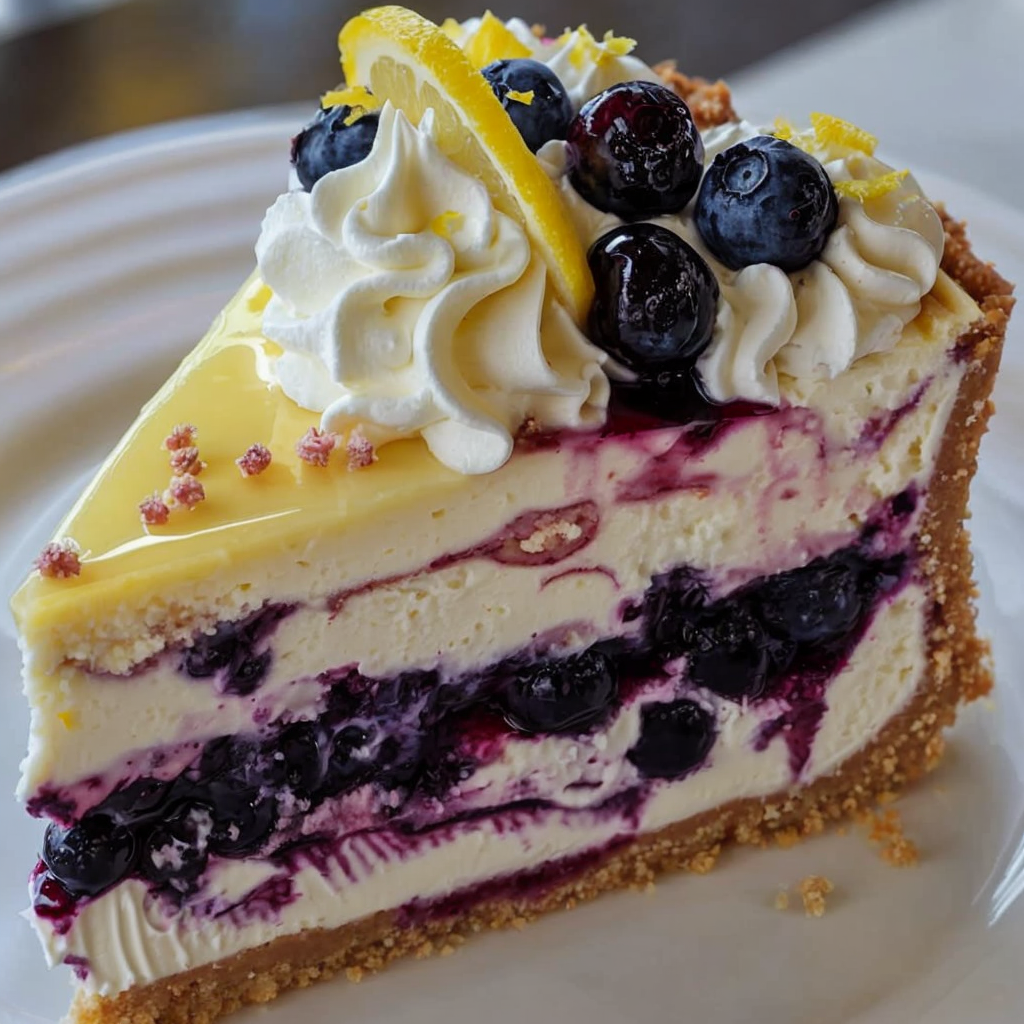
Blueberry Lemon Cheesecake: A Delightful Dessert for Every Occasion
Blueberry Lemon Cheesecake is a delightful dessert that brings together the sweet and tart flavors of blueberries and the refreshing zing of lemon. Each bite offers a creamy cheesecake layer balanced by a buttery graham cracker crust, while the blueberry topping adds a vibrant splash of color and flavor. This cheesecake not only pleases the palate but also serves as an eye-catching centerpiece for any dessert table. Whether you’re hosting a summer barbecue or celebrating a special occasion, this cheesecake will impress your guests with its luscious texture and bright taste.
The combination of blueberries and lemon is a match made in heaven. The fresh blueberries burst with flavor, complementing the silky smooth cheesecake that melts in your mouth. The pleasant aroma of baked lemon and the sweetness of the berries waft through the kitchen, enticing everyone around. This recipe is incredibly versatile too, allowing you to enjoy it throughout the year, thanks to the availability of blueberries and lemons in various seasons.
Quick Recipe Highlights
- Flavor Profile: Sweet, tart, and creamy with fruity undertones that blend seamlessly.
- Texture: Creamy cheesecake layered over a crispy crust, topped with juicy blueberries.
- Aroma: Fresh lemon and sweet blueberries create a delightful scent that fills your kitchen.
- Visual Appeal: Stunning blue and yellow contrast that makes a beautiful presentation.
- Skill Level Needed: Medium – requires basic baking techniques and patience.
- Special Equipment: 9-inch springform pan, mixer, and baking sheet.
Recipe Overview
- Difficulty Level: This recipe requires a medium skill level due to the multiple steps involved but is manageable with practice.
- Category: Dessert – a perfect ending to any meal or festive occasion.
- Cuisine: American – a classic dessert with a fresh twist that highlights local ingredients.
- Cost: Moderate, as ingredients like cream cheese and blueberries can vary in price based on seasonality.
- Season: Best enjoyed in the warmer months, when fresh blueberries are at their peak.
- Occasion: Ideal for birthdays, family gatherings, holiday celebrations, or potluck events.
Why You’ll Love This Recipe
One bite of this Blueberry Lemon Cheesecake will show you exactly why it stands out among desserts. The balance of flavors is carefully curated, where the creamy richness of the cheesecake contrasts beautifully with the tartness of the lemon. It creates a delightful experience that is both indulgent and refreshing, making it suitable for any occasion.
This cheesecake is also incredibly convenient to prepare. It can be made ahead of time, allowing the flavors to meld and the texture to set perfectly in the refrigerator. The simple ingredients mean you won’t have to search far and wide to gather supplies, which is a great relief for busy bakers.
Nutritionally, blueberries are packed with antioxidants, offering health benefits that contribute positively to your diet. Coupled with the protein from cream cheese, this dessert can feel a tad less guilty, allowing you to enjoy without compromise.
Hosting a gathering? This Blueberry Lemon Cheesecake doubles as a social centerpiece, drawing in guests with its vibrant colors and inviting aroma. It’s a dessert that sparks conversation and compliments, making it an excellent choice for celebrations.
Financially, this cheesecake is cost-effective when you consider its yield and the satisfaction it provides. Ingredients can also be sourced at local markets, making it a deliciously accessible treat for everyone to enjoy.
Historical Background and Cultural Significance
The origin of cheesecake dates back to ancient Greece, where it was served to athletes at the first Olympic Games. Over centuries, recipes evolved around the world, refining to the creamy cheesecakes we enjoy today. With the introduction of cream cheese in the 19th century, the American version gained popularity, leading to regional variations and adaptations.
The combination of blueberries and cheesecake also has roots in America, particularly in the Northeast where blueberry harvesting is a cherished tradition. These prized berries are often featured in pies, jams, and, of course, dessert dishes, symbolizing spring and summer flavors.
As culinary trends continue to evolve, cheesecake remains a beloved dessert staple seen in various forms across the globe. With increasing dietary preferences, recipes adapt to include healthier ingredients while still delivering a beloved treat that bridges generations.
Regional and seasonal variations exist, blending local ingredients and flavors that enrich the classic cheesecake. From blueberry to pumpkin spice, these adaptations keep the dessert celebrated and relevant in today’s culinary scene.
Ingredient Deep Dive
- Blueberries: Known for their robust flavor and deep color, blueberries are rich in antioxidants, vitamins, and minerals. When selecting, look for plump, firm berries. Store them in the refrigerator and wash just before use to maintain freshness. They can easily be substituted with other berries, such as raspberries or blackberries, for different flavor profiles.
- Lemon: The bright and zesty citrus adds a refreshing flavor that enhances the richness of the cheesecake. Choose firm lemons with a bright yellow color for the best juice and zest. Lemons can be stored at room temperature or in the refrigerator. If you’re out of lemons, lime juice or orange zest can serve as excellent alternatives.
- Cream Cheese: The base for any cheesecake, cream cheese provides the rich, creamy texture. When selecting, opt for full-fat varieties for the best flavor. Store it in the refrigerator, and always allow it to soften for easy mixing before use. You can substitute with mascarpone for a lighter cheesecake but expect a slightly different flavor.
- Graham Crackers: The crunchy, sweet crust is essential for providing texture. Choose high-quality brands without artificial flavors. Store in a cool, dry place to maintain crunchiness. For gluten-free options, substitute with ground almonds or gluten-free crackers for the crust.
- Sugar: Essential for sweetness, sugar balances out tart flavors. Granulated sugar is common, but alternatives like coconut sugar can offer different flavor undertones. Store in an airtight container to prevent clumping.
Common Mistakes to Avoid
- Using cold cream cheese can lead to lumps in your cheesecake. Always let it come to room temperature before mixing.
- Overbeating the batter can incorporate too much air, causing cracks during baking. Mix just until smooth.
- Not pre-baking the crust can result in a soggy bottom. Ensure the crust is baked and cooled before adding the filling.
- Baking at an incorrect temperature can lead to uneven cooking. Use an oven thermometer to check accuracy.
- Skipping the water bath can contribute to cracks; it helps regulate the temperature and humidity, resulting in a smooth surface.
- Cutting into the cheesecake while it’s warm can lead to a messy slice. Allow it to chill fully in the refrigerator before slicing.
- Not letting the cheesecake set overnight can impact the texture and flavor. Patience pays off for the best results.
- Overloading the cheese and lemon mixture can lead to structural issues. Follow measurements carefully for balance.
- Ignoring the cooling steps can cause serious texture problems; always cool in the oven with the door ajar if cracks form.
- Not using fresh blueberries or lemons can change the taste profile significantly. Choose high-quality ingredients for a better end result.
Essential Techniques
- Mixing Cream Cheese: It’s crucial to achieve a smooth texture. Use a mixer on low to medium speed, mixing until fully creamed. Stop frequently to scrape down the sides. Visual cues include a creamy, lump-free consistency.
- Building the Crust: Properly crushed graham crackers mixed with melted butter create the right texture. Ensure the mixture is damp but not overly wet to maintain structure while baking. Press firmly into the pan for stability.
- Baking with a Water Bath: This technique prevents cracks and promotes even baking. Wrap the springform pan in foil to avoid water seepage, and place in a larger dish filled with hot water. Aim for consistent temperature management.
- Cooling Gradually: A gradual cooling process prevents shrinkage and cracking. Allow it to cool in the oven with the door ajar before refrigerating. This also helps set the texture properly.
- Garnishing: Visual appeal can be enhanced by garnishing the cheesecake with fresh fruits, whipped cream, or zest. The key is to keep it simple yet elegant.
- Serving Cold: Always serve your cheesecake cold to maximize flavor and texture. Letting it sit at room temperature for a few minutes before serving can enhance the flavor profile.
Pro Tips for Perfect Blueberry Lemon Cheesecake
- Use high-quality ingredients; they make a significant difference in flavor and texture.
- Experiment with adding a touch of vanilla extract for additional depth in flavor.
- For a different crust, try using crushed nuts mixed with the crumbs for added texture.
- Let the cheesecake cool gradually to room temperature to ward off cracks.
- Use a sharp knife dipped in warm water to slice clean pieces, maintaining visual appeal.
- Top with a homemade blueberry sauce instead of whole berries for an elegant drizzle.
- Consider adding a touch of almond extract in the batter for a unique flavor twist.
- Allow the cheesecake to set overnight for optimal flavor and texture development.
Variations and Adaptations
- Regional Variations: In the Midwest, you can find versions of cheesecake that incorporate local fruits, such as cherries and apples, which complement the basic flavor profile beautifully.
- Seasonal Adaptations: During the fall, swap blueberries for pumpkin puree and adjust the spices to create a seasonal twist on the classic cheesecake.
- Dietary Modifications: For gluten-free options, replace graham crumbs with gluten-free alternatives, ensuring all ingredients match your dietary needs.
- Flavor Variations: Instead of blueberries, feel free to experiment with strawberries, raspberries, or even chocolate for different flavor experiences.
- Texture Modifications: For a lighter cheesecake, you can swap some cream cheese with Greek yogurt to lighten it up without sacrificing creaminess.
- Presentation Alternatives: Serve individual cheesecake cups or tartlets for a fun, portable dessert presentation at parties.
Serving and Presentation Guide
- Plating Techniques: For an elegant feel, slice the cheesecake into wedges and place them on dessert plates, garnished with fresh berries or a dollop of whipped cream.
- Garnishing Ideas: Create color contrasts by garnishing with fresh mint leaves beside the blueberry topping.
- Traditional Accompaniments: Pair the cheesecake with a scoop of vanilla ice cream or a dollop of lemon curd to enhance flavors.
- Modern Serving Suggestions: Consider serving in dessert jars layered with fresh blueberries and graham cracker crumbles for a modern twist.
- Temperature Considerations: Serve your cheesecake chilled, but allow it to come slightly closer to room temperature before serving for flavor enhancement.
- Portion Control Tips: Remember to slice the cheesecake into equal portions for balanced servings and to minimize waste during gatherings.
Wine and Beverage Pairing
- Wine Pairings: A crisp Sauvignon Blanc complements the tartness of lemon while enhancing the flavors of blueberries perfectly.
- Non-Alcoholic Alternatives: A refreshing sparkling water or homemade lemonade can provide a thirst-quenching counterpart to the rich cheesecake.
- Coffee/Tea Pairings: Offer a light herbal tea or a smooth cup of coffee that complements the sweetness of the cheesecake without overwhelming it.
- Temperature Considerations: Serve wine chilled to balance the rich flavors of the cheesecake and elevate the tasting experience.
- Serving Suggestions: Present wine in elegant glasses alongside the cheesecake for a united and upscale dessert experience.
Storage and Shelf Life
- Storage Methods: Store any leftovers in an airtight container to maintain freshness, preferably in the refrigerator.
- Temperature Requirements: Always keep cheesecake cold; it should not be left out at room temperature for more than two hours.
- Container Recommendations: Use a sturdy cake carrier or a sealed cake dome to prevent moisture loss.
- Signs of Spoilage: Look for an off odor, discoloration, or any signs of mold as indicators that the cheesecake should be discarded.
- Reheating Instructions: For best taste, enjoy cold. However, if desired warm, microwave in short intervals to maintain texture.
- Freezing Guidelines: Cheesecake can be frozen if wrapped well. Thaw overnight in the refrigerator for best results before serving.
Make Ahead Strategies
- Prep Timeline: For optimal flavor, prepare the cheesecake a day in advance to allow flavors to meld as it cools.
- Storage Between Steps: If preparing crusts and fillings separately, cover and refrigerate them until it’s time to assemble and bake.
- Quality Impact Assessment: Making ahead bolsters flavors; avoid last-minute assembly for the best outcome.
- Assembly Tips: Assemble the crust and filling in the springform pan the day before baking for a more manageable prep time.
- Reheating Guidelines: If served warm, microwave in short intervals to avoid uneven heating and maintain creaminess.
- Fresh Element Additions: Consider adding fresh fruit toppings right before serving to maintain freshness and appearance.
Scaling Instructions
- Halving the Recipe: If making a smaller batch, reduce all ingredients by half but remember to adjust baking time accordingly.
- Doubling or Tripling: If serving a crowd, double the ingredients and use a larger pan; expect longer baking times.
- Equipment Adjustments: Ensure you have enough mixing bowls and utensils on hand when scaling up the recipe.
- Timing Modifications: As the quantity increases, monitor baking time closely to ensure it sets properly without burning.
- Storage Considerations: Store leftovers in proportionate containers for easy access and to maintain freshness.
Nutritional Deep Dive
- Macro Breakdown: Typical servings provide a balance of carbohydrates from the crust, fats from cream cheese, and protein; each slice is approximately 350-400 calories.
- Micronutrient Analysis: Blueberries contribute vitamins C and K, while lemons add vitamin C, supporting immune health.
- Health Benefits: Antioxidants in blueberries promote heart health while lemon aids digestion; both contribute to overall wellness.
- Dietary Considerations: Create balance by enjoying this dessert occasionally as part of a varied diet; moderation is key.
- Portion Analysis: Consider portion sizes when indulging; smaller servings can satisfy sweet cravings without excessive calorie intake.
- Weight Management Tips: Pair this dessert with exercise and mindful eating to enjoy it as part of a healthy lifestyle.
Dietary Adaptations
- Gluten-Free: Substitute graham crackers with gluten-free options like almond meal or gluten-free cookies.
- Dairy-Free: Use vegan cream cheese and alternative crusts made from oats or nuts.
- Vegan: Swap eggs for flax eggs and cream cheese for blended silken tofu or cashew cream.
- Low-Carb: Replace sugar with a low-carb sweetener and use nut crust instead of graham crackers.
- Keto: Focus on low-carb, high-fat ingredients while ensuring the cheesecake stays firm in texture.
- Paleo: Use natural sweeteners like honey or maple syrup mixed with almond flour crusts for a wholesome approach.
- Low-FODMAP: Adjust fruit choices to adhere to dietary guidelines, ensuring all ingredients align with low-FODMAP standards.
- Other Specific Diets: Get creative with substitutions to accommodate varied dietary needs while preserving taste and texture.
Troubleshooting Guide
- Texture Issues: If the cheesecake is too grainy, ensure all ingredients are well incorporated and at room temperature before mixing.
- Flavor Balance: For overly sweet cheesecake, add a touch more lemon juice to offset sweetness; taste and adjust as needed.
- Temperature Problems: If the cheesecake is under-baked, it may not set properly; continue baking in 5-minute intervals until the center is slightly jiggly.
- Equipment Challenges: Ensure you use the right pan size; a smaller pan may lead to overflowing, while a larger one can cause uneven cooking.
- Ingredient Substitutions: If you’ve made substitutions, be prepared for variations in texture; it’s vital to follow appropriate adjustments for different ingredients.
- Timing Concerns: Monitor baking closely towards the end of the cooking time to prevent overcooking and spoilage of texture.
Recipe Success Stories
- Community Feedback: Read through testimonials from fellow bakers who have successfully crafted this cheesecake, sharing tips and adaptations.
- Variation Successes: Many have experimented with fruit varieties, yielding unique flavors; consider their suggestions for personal tweaks.
- Adaptation Stories: Home cooks recount their experiences adapting to special dietary needs while maintaining the essence of this dessert.
- Reader Suggestions: Implement community ideas and suggestions for improvising this recipe based on available ingredients.
- Photography Tips: Capture its beauty by taking shots at different angles, showcasing the vibrant contrast between the blueberries and lemon.
Frequently Asked Questions
Can I use frozen blueberries for this recipe?
Yes, you can use frozen blueberries, but it is advisable to thaw and drain them beforehand to prevent excess moisture.
How long does the cheesecake last in the refrigerator?
Properly stored, the cheesecake can last in the refrigerator for up to 5 days, but it’s best consumed within 3 days for optimal freshness.
Can I substitute cream cheese with Greek yogurt?
Yes, you can substitute part of the cream cheese with Greek yogurt for a tangy flavor and lighter texture, but it may alter the richness slightly.
Is it necessary to use a water bath?
While not strictly necessary, using a water bath helps prevent cracks and promotes even baking, producing a smoother texture.
What can I do if the cheesecake cracks on top?
Don’t worry! If it cracks, simply cover it with the blueberry topping, which will disguise the imperfection beautifully.
Can this cheesecake be made gluten-free?
Absolutely! Substitute the graham cracker crust with gluten-free cookies or almond flour for a delicious gluten-free version.
How do I know when my cheesecake is done baking?
The cheesecake should be set around the edges with a slight jiggle in the center when done. It will continue to set as it cools.
Can I make mini cheesecakes instead?
Yes! Use a muffin tin lined with cupcake liners and adjust the baking time to 20-25 minutes for mini cheesecakes.
How do I prevent my crust from getting soggy?
Pre-baking the crust is essential to create a solid base and prevent sogginess once the filling is added.
What type of springform pan is best to use?
Use a high-quality, non-stick springform pan to ensure easy release and prevent sticking.
Additional Resources
Explore related recipes that offer stunning variations of classic desserts. Check out guides for perfecting your baking techniques and ingredient selections, alongside equipment recommendations that elevate your culinary creations. Experience the joy of making seasonal variations that delight throughout the year, ensuring your dessert repertoire is versatile and exciting.
Join the Conversation
Engage with your fellow cooking enthusiasts by sharing your experience on social media. Post your Blueberry Lemon Cheesecake photos, share culinary tips, and leave feedback or variations you’ve tried. Connect with the community by exchanging recipe ideas and inspiring others to embark on their culinary adventure with this delightful dessert.
The Recipe
Blueberry Lemon Cheesecake
Serves: 8
Prep Time: 30 mins
Cook Time: 60 mins
Total Time: 90 mins
Kitchen Equipment Needed
- 9-inch springform pan
- Mixing bowls
- Electric mixer
- Baking sheet
- Rubber spatula
Ingredients
- 1 1/2 cups graham cracker crumbs
- 1/2 cup unsalted butter, melted
- 4 (8-ounce) packages cream cheese, softened
- 1 cup granulated sugar
- 4 large eggs
- 1/4 cup fresh lemon juice
- 2 cups fresh blueberries
- 1 tablespoon lemon zest
Directions
- Preheat your oven to 350°F (175°C).
- In a bowl, mix graham cracker crumbs and melted butter; press into the bottom of the springform pan to form the crust.
- Bake the crust for 10 minutes, then let it cool.
- In a large mixing bowl, beat cream cheese and sugar until smooth and creamy.
- Add in the eggs, lemon juice, and lemon zest, beating until combined.
- Pour the cheesecake batter over the cooled crust, smoothing the top.
- Bake for one hour in the preheated oven, using a water bath if desired.
- Once done, turn off the oven and let the cheesecake cool with the door ajar for an hour.
- Chill in the refrigerator for at least four hours, preferably overnight.
- Top with fresh blueberries before serving.
Recipe Notes
- Use room temperature ingredients for a smooth batter.
- Consider cooling the cheesecake slowly for best texture; avoid drastic changes in temperature.
- Feel free to use low-fat cream cheese for a lighter version, but maintainwatch for taste differences.