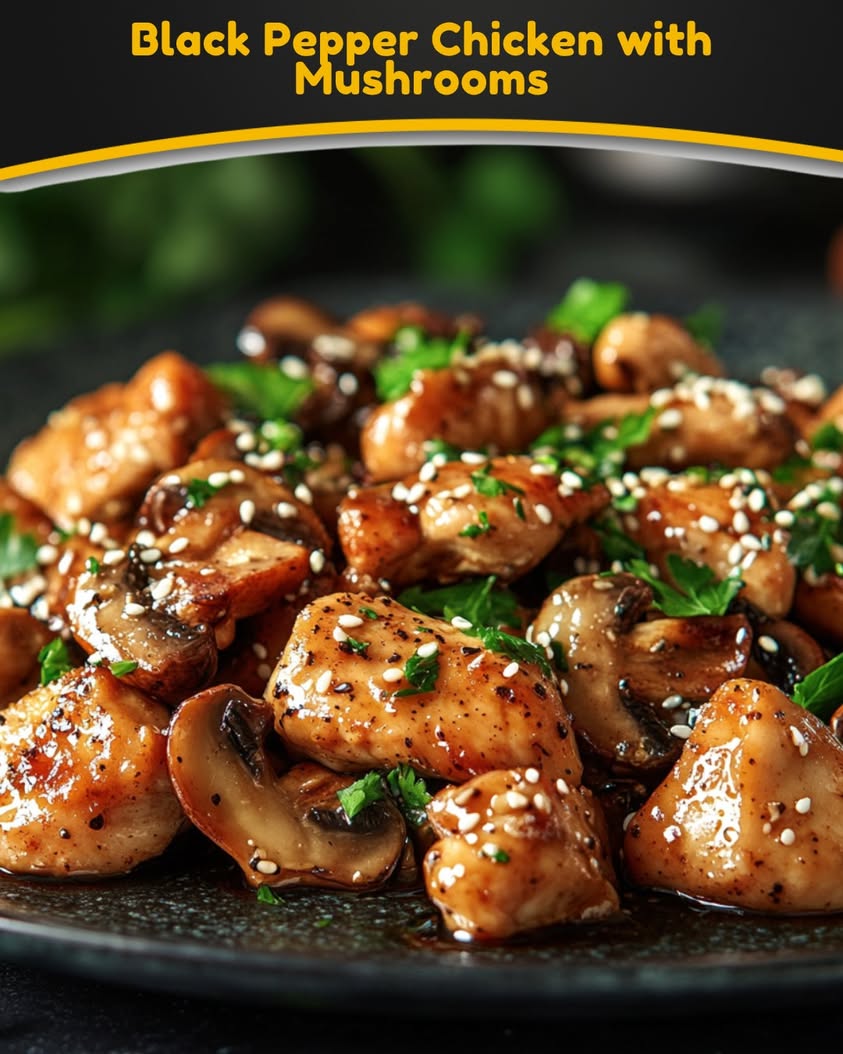
Black Pepper Chicken: A Flavorful Asian Delight
Black Pepper Chicken is a stunning dish that will tantalize your taste buds with its bold flavors and rich aromas. This Asian-inspired recipe expertly combines tender chicken stir-fried with fresh vegetables and a robust black pepper sauce, creating an enticing meal that delights the senses. The heat from black pepper enhances the dish beautifully, making it unforgettable. It’s perfect for weeknight dinners or special occasions when you want to impress your guests with an authentic and delicious meal.
What sets this Black Pepper Chicken apart is not just its flavor but also its appeal to those who enjoy a meal that is both hearty and light. The balance of crisp vegetables complements the tender chicken, while the sauce clings to each ingredient, ensuring every bite is packed with flavor. When served over steamed rice, it makes for a complete and satisfying meal that is sure to please everyone at the table.
Quick Recipe Highlights
- Flavor Profile: Bursting with savory notes, this Black Pepper Chicken offers a balanced blend of heat and umami that leaves you craving more.
- Texture: The crispiness of stir-fried vegetables adds a delightful crunch to the tender and juicy chicken pieces.
- Aroma: The fragrant aroma of black pepper wafts through the air, enticing anyone nearby to join in on the culinary delight.
- Visual Appeal: Bright colors from fresh bell peppers and vibrant greens make the dish visually stunning, perfect for serving guests.
- Skill Level Needed: A moderate skill level is required, making it accessible for home cooks starting to explore Asian cuisine.
- Special Equipment: A non-stick skillet or wok is recommended to achieve the best texture and flavor while reducing sticking.
Recipe Overview
- Difficulty Level: This Black Pepper Chicken recipe strikes a balance, being easy enough for novice cooks but still introducing some fundamental techniques in stir-frying.
- Category: It’s versatile enough to serve as a main dish or as part of a larger Asian-inspired meal.
- Cuisine: Influenced by Chinese culinary traditions, this dish reflects the balance of flavors and emphasis on fresh ingredients found in Asian cuisine.
- Cost: The ingredient costs are relatively low, especially if you have staples like soy sauce and spices on hand.
- Season: Ideal for any season thanks to its use of fresh vegetables, this dish is especially refreshing in warmer months.
- Occasion: Perfect for family dinners, special gatherings, or meal prep for busy weeks, Black Pepper Chicken fits seamlessly into various occasions.
Why You’ll Love This Recipe
Taste and texture appeal is at the forefront of Black Pepper Chicken’s charm. The robust flavors from the black pepper are complemented by a harmonious blend of soy sauce, garlic, and ginger, creating a mouthwatering sauce that infuses every bite. The tender chicken offers a juicy texture while the crisp vegetables add a delightful crunch, making it a texturally satisfying dish that’s hard to resist.
The convenience of preparing Black Pepper Chicken cannot be understated. With a total prep and cook time of just 35 minutes, this dish is perfect for busy weeknights when time is of the essence. Quick ingredient prep combined with a speedy stir-fry means that a satisfying meal can be on the table in no time, allowing you to enjoy quality family time or decompress after a long workday.
Nutritionally, Black Pepper Chicken can be a health-conscious choice when prepared with lean chicken and plenty of fresh vegetables. It’s an excellent source of protein and vitamins, particularly if you include a variety of colorful vegetables. Making small modifications, such as opting for low-sodium soy sauce, can further enhance its health appeal.
Not only is it a culinary delight, but Black Pepper Chicken also serves as a fantastic social dish. Its communal nature invites people to gather around the table, celebrating good food and company. Whether hosting friends for dinner or preparing a meal for family, this dish often garners plenty of compliments and satisfaction from those who partake.
In addition to its flavor and nutritional benefits, this recipe is also cost-effective. Most of the ingredients are pantry staples or easily accessible, making it feasible to whip up without breaking the bank. This affordability, combined with its delicious outcome, solidifies Black Pepper Chicken as a go-to recipe for many home cooks.
Historical Background and Cultural Significance
The origin of Black Pepper Chicken likely lies within the rich tapestry of Chinese culinary history, where black pepper and various spices have been utilized for centuries. In traditional Chinese cooking, the use of bold flavors plays a crucial role in achieving harmony within dishes. Black pepper, often overshadowed by its more famous counterpart, white pepper, is celebrated in this recipe for its robust taste and aroma.
Culturally, Black Pepper Chicken represents more than just a delicious meal; it emphasizes the significance of fresh ingredients and balance of flavor, which are key principles in Chinese gastronomy. The dish showcases how simple ingredients transform into a harmonious blend that celebrates the culinary arts, connecting families through shared meals and traditions.
As the recipe evolved, variations appeared across different regions, showcasing local preferences and available ingredients. For instance, some regions may incorporate additional spices or different protein options, such as tofu or beef, to cater to local tastes while still maintaining the essence of the original dish.
Throughout its journey, Black Pepper Chicken has also made its mark on global cuisine. As it spread across the world, it drew in diverse influences, resulting in unique adaptations while still retaining its core identity. Today, it is embraced in restaurants and homes alike as a beloved staple that inspires innovation in traditional cooking.
Ingredient Deep Dive
Chicken is the star ingredient of Black Pepper Chicken, valued not only for its flavor but also for its versatility. Historically, chicken has been a significant source of protein in many cultures worldwide, providing energy and nourishment. Its nutritional benefits include a wealth of protein, B vitamins, and essential minerals, making it a staple in countless diets. When selecting chicken, look for fresh, free-range options for the best flavor and texture. For storage, keep it in a sealed container in the refrigerator, and ensure it’s cooked or frozen within a few days to prevent spoilage. If you’re looking for alternatives, turkey or tofu can work as excellent substitutes in this recipe.
Black pepper is another key player, often referred to as the “king of spices.” Its cultural significance dates back centuries, where it was highly valued in trade. Known for its medicinal properties, black pepper aids in digestion and is rich in antioxidants. When choosing black pepper, opt for whole peppercorns that can be freshly ground for maximum flavor. Store it in a sealed jar away from light to maintain its potency. For those who prefer milder flavors, white pepper can be used, although it will alter the dish’s overall taste.
Soy sauce, an essential ingredient in many Asian dishes, contributes umami flavor and saltiness to Black Pepper Chicken. Originating from ancient Chinese fermentation processes, soy sauce is rich in flavor and adds depth to various dishes. When selecting soy sauce, look for high-quality brands that use traditional fermentation methods for better taste. It’s best stored in a cool, dark place, and for a gluten-free option, tamari can be a suitable substitute.
Bell peppers not only bring color but also sweetness and texture to this dish. Their history can be traced back to Central and South America, where they were cultivated for thousands of years. Nutritionally, bell peppers are high in vitamins A and C, making them a healthy addition to any meal. When selecting bell peppers, choose those that are firm and vibrant in color. Store them in the refrigerator’s crisper drawer. For alternatives, other colorful vegetables like snap peas or broccoli can be used to complement the dish.
Ginger and garlic are often considered staples in Asian cooking, known for their potent flavors and health benefits. They have deep-rooted historical significance, being used for thousands of years for flavoring and medicinal purposes. Nutritionally, ginger aids digestion, and garlic has antibacterial properties. When selecting ginger, look for firm root pieces with a fresh scent, while garlic should be dry and plump. Store both in a cool, dark place. If you don’t have them on hand, dried ginger and garlic powder can serve in a pinch, but fresh is always best.
Common Mistakes to Avoid
- Overcooking the chicken: To keep the chicken tender and juicy, avoid cooking it for too long. It should be in the pan just until cooked through.
- Not prepping ingredients in advance: Stir-frying is quick; having all ingredients prepped and ready beforehand ensures a smoother cooking process.
- Using too much soy sauce: Excessive soy sauce can make the dish too salty. Start with less and adjust according to your taste.
- Forget to marinate: Letting the chicken marinate allows flavors to penetrate and enhance the dish; skipping this step can lead to bland results.
- Cooking on high heat the entire time: While high heat is crucial for stir-frying, turning the heat down too much can lead to steaming rather than searing.
- Skipping the vegetables: Adding vegetables not only enhances flavor and nutrition but also adds beautiful colors and textures to the dish.
- Not using a non-stick pan: A non-stick skillet or wok ensures the chicken and vegetables don’t stick, leading to a better cooking experience.
- Ignoring the garlic and ginger: These aromatics are key flavors in Asian cuisine; be sure to add them at the right stage for optimal flavor release.
- Failing to taste and adjust: Always taste the dish as it cooks and adjust seasonings as necessary for a well-balanced outcome.
- Letting leftovers sit out too long: Bacteria can grow quickly, so ensure leftovers are refrigerated promptly to maintain food safety.
Essential Techniques
When stir-frying, using high heat allows for quick cooking while maintaining the crispness of the ingredients. It’s essential to keep the food moving in the pan to achieve even cooking. To master this technique, ensure you preheat the skillet or wok before adding the oil and ingredients. Common pitfalls to avoid include letting the food sit too long, which can lead to uneven cooking or burning.
Marinating the chicken is another vital technique that enhances flavor and tenderness. An effective marinade should contain acid, such as soy sauce or vinegar, which helps tenderize the meat. To master marinating, ensure the chicken pieces are fully coated and marinate for at least 30 minutes or up to overnight for maximum flavor infusion. Verifying that the marinade isn’t too salty is key; taste and adjust as necessary.
Pro Tips for Perfect Black Pepper Chicken
To achieve the best flavor, always use freshly cracked black pepper. This enhances the heat and gives a more robust flavor than pre-ground pepper. Increase or decrease the amount of black pepper based on personal preference for heat levels.
Make sure to cut the chicken into uniform pieces for even cooking. A consistent size helps everything cook at the same rate and ensures perfect bite-sized pieces that are easy to eat.
For added depth, consider adding a splash of rice wine or sherry to the stir fry. This contributes to the dish’s complexity and provides a hint of sweetness that balances the heat.
Incorporate a variety of colorful vegetables to not only enhance the visual appeal but also to increase the nutritional profile of the dish. Experiment with seasonal vegetables to keep the dish fresh and exciting all year round.
Serve Black Pepper Chicken with freshly steamed rice or noodles to soak up the delicious sauce. A side of pickled vegetables can add a refreshing contrast to the meal.
For a little extra flair, garnishing with chopped green onions or sesame seeds can add a final touch of elegance, elevating your dish’s presentation.
If you’re looking for a kick, consider adding a small amount of chili paste or fresh chili peppers to the sauce. This can take your Black Pepper Chicken from mild to fiery, depending on your taste preferences.
Lastly, don’t be afraid to experiment with proteins and vegetables! Black Pepper Chicken is incredibly versatile and can easily adapt with your favorite meats or meat substitutes.
Variations and Adaptations
There are numerous regional variations of Black Pepper Chicken, each showcasing local flavor preferences. For instance, in Sichuan cuisine, you might find a version that includes Sichuan peppercorns to introduce a numbing and spicy kick, creating an entirely different experience.
Seasonal adaptations can also elevate this dish; during colder months, incorporating root vegetables such as carrots or parsnips can add warmth and heartiness. Summer versions might utilize fresh zucchini or asparagus, giving a lighter feel and featuring fresh produce at its peak.
For dietary modifications, making this recipe vegan is easy with just a few substitutions. Use tofu or tempeh in place of chicken and opt for a plant-based soy sauce. This version retains the same bold flavors while catering to a wider audience.
Flavor variations can include experimenting with citrus, such as adding a splash of lemon juice or zest to introduce a bright note that complements the black pepper beautifully. This can be especially refreshing on a hot day.
For texture modifications, consider adding nuts like cashews or peanuts for an added crunch that contrasts nicely with the tender chicken and vegetables. This also provides a bit of richness and depth to each bite.
Presentation alternatives could include serving the dish in lettuce cups instead of a plate, making it a fun and interactive meal. This not only adds a visual appeal but also a fresh crunch to each bite.
Serving and Presentation Guide
Plating techniques can enhance the visual appeal of Black Pepper Chicken significantly. Serve the dish atop a mound of fluffy white rice or noodles, allowing the sauce to cascade beautifully over the surface.
For garnishing ideas, sprinkle finely chopped green onions and sesame seeds on top just before serving. This not only adds color but also texture and flavor to the final presentation.
Traditional accompaniments like stir-fried bok choy or a light cucumber salad can balance the meal neatly. The refreshing nature of these sides complements the heat of the chicken perfectly.
Modern serving suggestions may include using elevated plating with a drizzle of extra sauce around the edges of the plate, creating a restaurant-style presentation. Remember to consider temperature when serving; Black Pepper Chicken is best enjoyed hot and fresh off the stove.
Portion control tips should include serving equal portions of chicken and vegetables alongside your choice of starch. This ensures a well-rounded meal that feels satisfying without overindulging.
Wine and Beverage Pairing
Wine pairings for Black Pepper Chicken can include crisp white wines such as Sauvignon Blanc or Pinot Grigio. The acidity of these wines complements the heat and enhances the dish’s flavor profile, making for a perfect match.
For a non-alcoholic alternative, consider pairing it with sparkling water infused with citrus fruits. The bright flavors would contribute a refreshing balance against the dish’s richness.
If you enjoy coffee or tea, a light green tea works remarkably well, aiding digestion and providing a nice contrast to the bold flavors of the chicken.
Temperature considerations are essential as serving chilled or warm beverages can enhance the overall dining experience.
Serving suggestions should also consider using ice-cold drinks to contrast the heat of the dish, offering a pleasant balance while enjoying your meal.
Storage and Shelf Life
Proper storage methods for leftovers involve placing Black Pepper Chicken in an airtight container and refrigerating it promptly to maintain freshness. The dish can last for up to 3-4 days in the refrigerator if stored correctly.
Temperature requirements are crucial; ensure the dish cools to room temperature before sealing it in the fridge to prevent condensation and sogginess.
Container recommendations suggest using glass containers with tight-fitting lids, as they keep flavors intact and do not absorb smells or stains.
Signs of spoilage can include a change in color or an off odor, which indicates it’s time to discard the leftovers to avoid foodborne illness.
For reheating instructions, microwave in short intervals, stirring occasionally to heat evenly, or reheat in a skillet over low heat until warmed through.
If you wish to freeze the dish, allow it to cool completely before placing it in a freezer-safe container. It can be stored for up to 2-3 months, ideal for meal prep or when crunched for time.
Make Ahead Strategies
To ready Black Pepper Chicken in advance, you could marinate the chicken overnight. This not only infuses rich flavor but saves time during the cooking process.
For storage between steps, you can precut and prep vegetables in advance, keeping them in airtight bags in the fridge, ready to toss into the skillet when you’re ready to cook.
Assessing quality impact is vital; while the chicken can be marinated overnight, some vegetables may lose freshness, which is why preparing them closer to cooking time is advised.
Assembly tips involve having everything ready to go in one go, ensuring a seamless cooking experience that doesn’t risk overcooking the chicken or veggies.
Reheating guidelines suggest warming rely on medium heat and adding a splash of water to bring back moisture if the stir-fry looks dry after warming.
You can also add fresh elements like herbs or sliced spring onions during the last moments of reheating to brighten up the flavors.
Scaling Instructions
When considering halving the recipe, ensure to adjust the amount of sauce accordingly for proper balance. This avoids having overly strong or weak flavors in a smaller batch.
Doubling or tripling Black Pepper Chicken is easy; just ensure your pan is large enough to accommodate all ingredients without overcrowding, which can lead to steaming rather than stir-frying.
Equipment adjustments may involve using a larger skillet or preparing in batches, allowing for even cooking and maintaining that perfect stir-fried texture.
Timing modifications should be minor, as larger quantities might not need significantly longer cook times; just ensure everything is cooked through.
For storage considerations of larger batches, make sure to use multiple containers to ensure you have ample room for the dish to cool properly before freezing.
Nutritional Deep Dive
A macro breakdown of this Black Pepper Chicken shows a good balance of protein from the chicken, healthy carbohydrates from the vegetables, and beneficial fats when oil is used. This balance contributes to a wholesome meal that can be enjoyed guilt-free.
Micronutrient analysis reveals that this dish is packed with vitamins, especially vitamin C and antioxidants from the peppers and other vegetables. Their inclusion not only enhances flavor but also elevates the nutritional profile significantly.
Health benefits of Black Pepper Chicken are notable. Lean protein from chicken promotes muscle strength, while the variety of vegetables provides fiber, aiding in digestion and overall health.
For dietary considerations, this dish can be made to fit various diets. Opting for alternatives like low-sodium soy sauce can cater to those watching their intake of salt, making it adaptable for various health goals.
Portion analysis helps track caloric intake; generally, a serving of Black Pepper Chicken falls around 300-400 calories, making it manageable within many dietary frameworks. Weight management tips include enjoying it with a side of fresh salad to increase fiber content while feeling satisfied.
Dietary Adaptations
For a gluten-free version of Black Pepper Chicken, use gluten-free soy sauce or tamari, ensuring that any additional sauces also fit this dietary need. This substitution retains the dish’s characteristic savory flavor.
A dairy-free adaptation means this dish is already aligned with those restrictions. Just ensure any sides or sauces chosen also avoid dairy components to maintain full compatibility.
Vegans can enjoy this recipe by substituting chicken with firm tofu or seitan, making sure to maintain the marinating step for optimal flavor absorption.
Low-carb adaptations can be achieved by substituting rice or noodles with cauliflower rice, giving a similar texture while significantly reducing carbs.
For those on keto or paleo diets, tweak the ingredients by omitting any sugar from marinades, focusing solely on meats and vegetables for a heartier meal without the extras.
Low-FODMAP diets may necessitate avoiding certain vegetables, focusing instead on low-FODMAP options like carrots and zucchini, ensuring the dish remains delicious yet compliant.
Other specific diets may require attention to ingredient labels. Always check for hidden sugars or additives in sauces that may not align with personal dietary needs.
Troubleshooting Guide
Texture issues, such as rubbery chicken, often stem from overcooking. To avoid this, check the chicken’s doneness early to maintain tenderness and juiciness.
Flavor balance problems can occur if you add too much soy sauce or black pepper. Always taste as you go, and consider adding sugar or citrus to counteract excessive saltiness.
Temperature problems arise if the skillet isn’t adequately heated before adding ingredients. Always preheat to ensure a proper sear that locks in flavors.
Equipment challenges may include using the wrong type of pan. If you have a non-stick skillet, avoid using metal utensils to prevent scratches; choose silicone or wooden tools instead.
Ingredient substitution challenges can surface when you don’t have soy sauce. In those cases, consider alternatives like coconut aminos or homemade sauces with the right flavor profile.
Timing concerns can arise if ingredients are added out of order during cooking. Always follow the steps, placing ingredients in at the correct moments for proper cooking times.
Recipe Success Stories
Community feedback consistently highlights how easy and flavorful Black Pepper Chicken is, often becoming a go-to recipe for families and a favorite among friends. Many have shared their tweaks for additional flavors or alternate vegetables.
Variation successes have been abundant, with readers often experimenting with different proteins, such as shrimp or beef, to delightful results while maintaining the essence of the original dish.
Adaptation stories frequently spotlight how this recipe has been a lifesaver during busy weeknights, showcasing its versatility and quick preparation as a family-friendly option.
Photography tips include using natural light and simple plateware to capture the vibrant colors of the dish. The use of garnishes adds to the appeal, making for eye-catching images.
Reader suggestions have brought new flavor ideas, such as adding citrus or experimenting with spice levels for those who enjoy more heat in their meals, proving the adaptability of this recipe.
Frequently Asked Questions
Can I use chicken thighs instead of chicken breasts?
Absolutely! Chicken thighs tend to be juicier and can add more flavor to the dish. Just adjust the cooking time as they might take slightly longer to cook through.
What vegetables can I add to Black Pepper Chicken?
Besides bell peppers, feel free to add vegetables like broccoli, snap peas, or bok choy. They not only enhance the color but also provide additional nutrients.
Is Black Pepper Chicken spicy?
The spice level is generally mild, but it can be adjusted by increasing or decreasing the amount of black pepper or adding chili paste, based on your preference.
Can I make this recipe ahead of time?
Yes! The chicken can be marinated the night before, and you can pre-chop vegetables for a quick assembly just before cooking.
What should I serve with Black Pepper Chicken?
This dish pairs well with steamed rice, fried rice, or noodles. Adding a side of pickled vegetables can also enhance the meal experience.
How long can I store leftovers?
Leftovers can be stored in an airtight container and kept in the refrigerator for up to four days. They can also be frozen for 2-3 months for later enjoyment.
Can I make this dish vegan?
Yes! Substitute chicken with tofu or another plant-based protein, and ensure to use vegan-friendly sauces for a delicious vegan version.
What can I substitute for soy sauce?
If you need a substitute, coconut aminos or a homemade blend of water, vinegar, and some spices can mimic soy sauce’s flavor profile.
Is it possible to add more spices?
Certainly! Feel free to experiment with spices such as paprika, cumin, or even sriracha for additional flavor depth and complexity.
Why is my chicken tough?
Tough chicken is often a sign of overcooking. Monitor the doneness closely and remove the chicken from heat as soon as it turns white and no longer pink inside.
Additional Resources
If you loved this recipe, explore related dishes like Sweet and Sour Chicken or Kung Pao Chicken for more Asian-inspired culinary delights. Each recipe incorporates similar techniques, making them easy transitions to try cooking.
Technique guides for stir-frying can further enhance your skills in the kitchen, allowing you to master this method and create a variety of dishes that rely on quick, high-heat cooking.
For ingredient information, consider looking into the benefits and uses of common Asian ingredients that can widen your culinary repertoire. Learning about ingredients will inspire confidence in trying new recipes.
Equipment recommendations, such as high-quality non-stick pans or woks, can improve your results significantly. Investing in solid cookware will elevate your cooking experience and outcomes.
Seasonal variations can allow you to adapt this recipe to the freshest vegetables available, encouraging you to shop with the seasons in mind for better flavor and sustainability.
Join the Conversation
We invite you to share your Black Pepper Chicken successes on social media, using our hashtag or tagging us in your culinary creations. Your photography tips and recipe reviews add tremendous value to our community.
Engage with us by sharing your suggestions for variations or adaptations you’ve tried, as we love to see how you make each recipe your own. Join our vibrant community in discussing culinary tips and celebrating home cooking!
The Recipe
Black Pepper Chicken
Serves: 4
Prep Time: 15 mins
Cook Time: 20 mins
Total Time: 35 mins
Kitchen Equipment Needed
- Wok or non-stick skillet
- Sharp knife
- Cutting board
- Measuring spoons and cups
- Spatula or wooden spoon
Ingredients
- 1 lb chicken breast, sliced into thin strips
- 2 bell peppers, sliced (any color)
- 1 small onion, sliced
- 3 cloves garlic, minced
- 1-inch piece ginger, minced
- 2 tablespoons soy sauce
- 1 tablespoon oyster sauce (optional)
- 2 tablespoons black pepper (adjust to taste)
- 1 tablespoon vegetable oil
- Salt to taste
- Spring onions, for garnish
Directions
- Start by marinating the chicken strips with soy sauce, minced garlic, ginger, and black pepper. Let it sit for at least 15 minutes.
- Heat the oil in a wok or non-stick skillet over high heat. Add the marinated chicken and stir-fry until browned and cooked through, about 5-7 minutes.
- Add the sliced onion and bell peppers to the pan. Continue to stir-fry for another 3-5 minutes until vegetables are tender-crisp.
- If using, add oyster sauce and mix well to coat. Adjust seasoning with a pinch of salt if necessary.
- Remove from heat and garnish with chopped spring onions before serving.
Recipe Notes
- Feel free to substitute chicken with your preferred protein or use tofu for a vegetarian version.
- Extra vegetables can be added like broccoli or snap peas for more nutrition.
- To reduce spice levels, start with less black pepper and adjust according to taste.