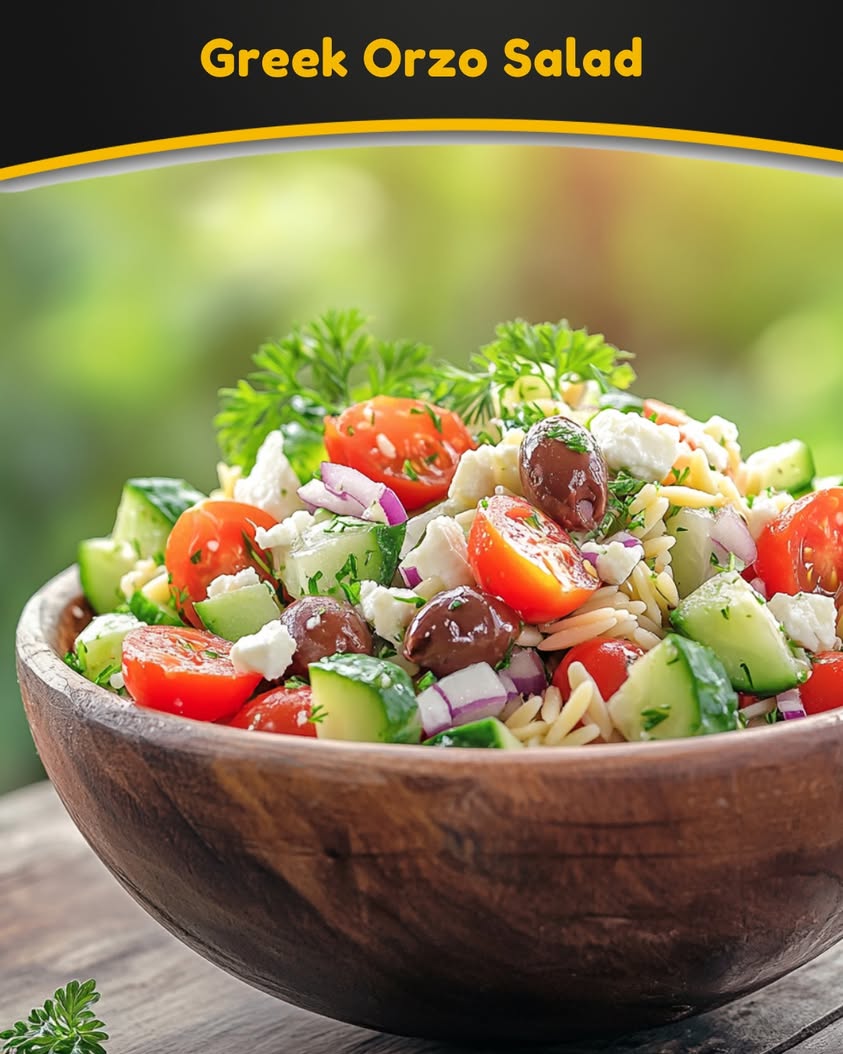
Greek Orzo Salad: A Refreshing Mediterranean Delight
Welcome to a taste of the Mediterranean with this easy yet flavorful Greek Orzo Salad! This vibrant dish combines tender orzo pasta with a medley of fresh vegetables, all brought together by a zesty lemon vinaigrette. The refreshing flavors of cucumber, bell pepper, and feta cheese come alive in every bite, making it an ideal light meal or side dish for any occasion. It’s perfect for summer picnics, barbecues, or simply a healthy weeknight dinner. Dive in for a salad that’s not only delicious but colorful and nutritious too!
Layered with an array of textures, the Greek Orzo Salad features the softness of cooked orzo contrasting beautifully with the crispness of fresh veggies. The salty, crumbly feta adds a creamy richness while olives provide a touch of briny flavor. The bright, tangy dressing ties everything together, ensuring that each mouthful bursts with flavor. Each serving is an invitation to experience the bright sunshine of Greece, offering a delicious way to enjoy wholesome ingredients.
Quick Recipe Highlights
- Flavor Profile: This Greek Orzo Salad features a delightful balance of savory, tangy, and fresh flavors.
- Texture: The mix of soft orzo, crunchy vegetables, and creamy feta creates a varied mouthfeel.
- Aroma: The salad exudes a Mediterranean aroma with hints of fresh herbs and citrus.
- Visual Appeal: The colorful presentation makes it a feast for the eyes before it even hits the palate.
- Skill Level Needed: This is perfect for beginners, requiring just basic chopping and mixing skills.
- Special Equipment: All you need is a pot for boiling orzo and a bowl for mixing the ingredients.
Recipe Overview
- Difficulty Level: This Greek Orzo Salad is an easy recipe, making it perfect for cooks of any level. With simple preparation steps and minimal cooking required, even novice chefs can master it.
- Category: This salad falls under side dishes and is also versatile enough to be served as a light main dish, making it suitable for various meals throughout the day.
- Cuisine: Rooted in Greek culinary traditions, this recipe celebrates Mediterranean flavors while showcasing fresh vegetables and pasta, common staples in Greek cooking.
- Cost: Budget-friendly, the primary ingredients are inexpensive and readily available, ensuring you can create this delightful dish without breaking the bank.
- Season: Although ideal for spring and summer, this salad can be enjoyed year-round, especially when fresh vegetables are accessible.
- Occasion: Perfect for cookouts, family gatherings, or lunch at home, this Greek Orzo Salad makes a fantastic and healthy addition to any meal.
Why You’ll Love This Recipe
The taste and texture of this Greek Orzo Salad are truly captivating. The combination of chewy orzo and crisp vegetables offers a satisfying mouthfeel that will keep you reaching for more. The burst of fresh flavor from the parsley and basil complements the feta cheese wonderfully, creating an incredible depth in taste. Its lightness makes it an ideal choice for a refreshing meal on a warm day.
Convenience is another reason to adore this recipe. With a mere 15 minutes of prep and 10 minutes of cooking, you can prepare this beautiful salad in under half an hour. It’s perfect for busy weeknights or when you want to entertain guests without spending hours in the kitchen. Simply mix the ingredients together, and you have a healthy meal ready in no time.
Nutritionally, this salad packs a punch. Filled with vitamins and minerals from the fresh vegetables, healthy fats from the olive oil and feta, and carbohydrates from orzo, it provides a balanced meal. It’s a great option for those looking to maintain a healthy diet without sacrificing flavor, making it perfect for health-conscious diners.
Socializing with food is invaluable, and this Greek Orzo Salad encourages sharing and connection. Perfect for potlucks, BBQs, and gatherings, it caters to meat-eaters and vegetarians alike. Its vibrant appearance also makes it a conversation starter at any dinner table.
Cost-effectiveness is yet another highlight of this dish. Using ingredients that are generally affordable and easy to find, this Greek Orzo Salad fits seamlessly into any food budget. It’s an accessible recipe, allowing anyone to enjoy a taste of the Mediterranean without spending a fortune.
Historical Background and Cultural Significance
Greek cuisine has a deep-rooted history, with many recipes passed down through generations. The orzo pasta used in this salad dates back to ancient times, showcasing the longevity of these ingredients in Mediterranean diets. The use of fresh vegetables and herbs is a hallmark of Greek cooking, representing the country’s rich agricultural traditions influenced by its warm climate.
Culturally, food serves as a bond among families and friends in Greece. Sharing meals, especially colorful salads, is a ritual that reflects hospitality and emphasizes community. The Greek Orzo Salad encapsulates this essence, offering a simple yet wholesome dish that can be enjoyed by anyone.
As recipes evolve, so do their iterations. This Greek Orzo Salad may have variations across regions, with certain areas opting for local vegetables or different dressings. Each region adds its unique twist, highlighting the adaptability of Greek cuisine to its surroundings and available ingredients.
Regional variations can showcase the ingredients specific to certain parts of Greece. For instance, in coastal areas, seafood may be included, while mountainous regions might emphasize hearty vegetables unique to their locality. These nuances enhance the salad’s depth, enriching the culinary tradition.
Ingredient Deep Dive
Orzo pasta is an essential component of this Greek Orzo Salad. This small, rice-shaped pasta provides a hearty base that absorbs flavors beautifully. Loaded with carbohydrates, orzo serves as an excellent energy source, making it ideal for a satisfying meal. When selecting orzo, look for whole wheat or gluten-free options for additional health benefits, and store it in an airtight container to ensure freshness.
Feta cheese, a staple in Greek dishes, adds a savory and tangy flavor profile that enhances the overall taste of the salad. It is rich in calcium and supports bone health, making it a nutritious addition. To select the best feta, look for crumbly, moist cheese rather than overly dry options, and store it submerged in brine to maintain its texture.
Fresh vegetables such as cucumbers, bell peppers, and cherry tomatoes are vital for this salad. Each brings its unique flavor and adds color to the presentation. These veggies are loaded with vitamins, antioxidants, and hydration, making them essential for a healthy diet. Always choose firm, ripe produce and store in the fridge for maximum freshness.
Olive oil plays a crucial role in the zesty dressing for the salad. Rich in monounsaturated fats and antioxidants, it promotes heart health and lowers bad cholesterol levels. For a more robust flavor, opt for extra virgin olive oil. Store it in a cool, dark place to preserve its quality.
Lastly, fresh herbs like parsley and oregano elevate the flavor of the Greek Orzo Salad. Both herbs are low in calories but packed with vitamins and minerals. When selecting, look for vibrant, fragrant herbs, and store them in water at room temperature for short-term freshness or in the fridge in a sealed bag for longer storage.
Common Mistakes to Avoid
- Overcooking the orzo can lead to a mushy texture; aim for al dente as it will keep its shape when mixed with other ingredients.
- Not seasoning the water when cooking the orzo can result in bland pasta; add salt to enhance the flavor.
- Using stale ingredients will negatively affect the dish; ensure that vegetables are fresh and feta is at its peak quality.
- Skipping the chilling step can miss out on flavor infusion; allowing the salad to sit for a bit enhances taste absorption.
- Not tasting the dressing before adding it to the salad can lead to unbalanced flavors; adjust seasonings as needed for your palate.
- Overloading the salad with too many ingredients may muddle flavors; stick to a balanced variety.
- Forgetting to mix ingredients gently can lead to breaking up the orzo and feta; a light hand is key to maintaining texture.
- Utilizing cheap olive oil can compromise the salad taste; go for good quality olive oil to enhance overall flavor.
Essential Techniques
Cooking pasta properly is crucial. Always use a large pot of boiling salted water, and stir occasionally to prevent sticking. To master the timing, consult the package instructions, and taste for doneness just before draining. The ideal texture should be firm yet tender.
Making the dressing is key to achieving the perfect balance of flavors. Combine olive oil, lemon juice, salt, and pepper in a jar, then shake vigorously. For consistency, taste and adjust ratios to suit your preference, ensuring the dressing complements but does not overpower the salad.
Mixing the salad requires a gentle touch to avoid damaging delicate ingredients. Start with the orzo, and gradually fold in vegetables and herbs. The goal is to uniformly distribute ingredients while keeping textures intact for optimal presentation.
Chilling the salad allows flavors to meld together, enhancing taste. Cover the salad with plastic wrap and refrigerate for at least 30 minutes before serving. This step is essential for maximizing flavor and offering a refreshing dish.
Garnishing elevates the visual appeal of any dish, and this salad is no exception. Consider adding extra crumbled feta, a sprig of parsley, or a sprinkle of paprika on top to enhance presentation and entice your guests further.
Pro Tips for Perfect Greek Orzo Salad
1. Experiment with adding grilled chicken or shrimp to make this salad heartier; proteins will boost the nutritional value.
2. Incorporate seasonal ingredients like roasted zucchini or bell peppers for added flavor and versatility throughout the year.
3. For a spicier kick, feel free to add crushed red pepper flakes to your dressing or toss in some diced jalapeños.
4. Substitute quinoa for orzo for a gluten-free option while maintaining a similar texture.
5. Always let your salad sit at room temperature for a few minutes after refrigeration; flavors will shine through when not ice-cold.
6. Prepare extra dressing to drizzle over leftovers for a refresh the next day.
7. Toast pine nuts or walnuts and sprinkle them on top for an additional crunch.
8. Balance the salad with your favorite nuts, seeds, or legumes to enhance its flavor and nutritional profile.
Variations and Adaptations
Regional variations can be a fun way to explore Mediterranean flavors. For instance, incorporating capers or sun-dried tomatoes can add depth and extra layers of flavor that reflect local culinary influences.
Seasonal adaptations might include using asparagus or peas in the spring for a fresh twist. In autumn, consider adding roasted butternut squash for sweetness while keeping the core salad concept.
For those with dietary restrictions, this Greek Orzo Salad can easily transform into a vegan option by omitting feta and switching to a vinaigrette based on tahini or avocado.
Flavor variations can include experimenting with different dressings—try balsamic vinaigrette or a creamy yogurt dressing to alter the taste profile and keep your meals exciting.
If you’re looking for texture modifications, consider adding ingredients like roasted chickpeas for crunch or cubed avocado for creaminess while maintaining healthy fats.
For presentation alternatives, serve the salad within halved bell peppers or in individual mason jars to offer a portable and visually appealing option for gatherings or meal prep.
Serving and Presentation Guide
Plating techniques can enhance the appeal of your Greek Orzo Salad. Consider creating a bed of lettuce or arugula on a large platter and mounding the salad in the center for an impressive presentation. For individual servings, use clear bowls to showcase the vibrant colors.
Garnishing ideas are plentiful; add a sprinkle of extra feta cheese or a drizzle of balsamic reduction for a touch of elegance. Fresh herbs like basil or parsley can also brighten up the dish.
Traditional accompaniments, such as crusty bread or grilled meats, pair perfectly with the salad, creating a complete Mediterranean feast. For modern serving suggestions, consider surrounding the salad with an assortment of olives or dips, making it a focal point on a meze platter.
Temperature considerations are essential; Greek Orzo Salad is best served slightly chilled but not icy cold, allowing the flavors to shine. It can be stored in the fridge and served right after chilling.
Portion control tips include standard serving sizes for salads, which typically range from 1-2 cups, depending on the occasion and whether it is served as a main or side dish.
Wine and Beverage Pairing
For a delightful dining experience, consider pairing your Greek Orzo Salad with a crisp Sauvignon Blanc or a light-bodied Greek white wine like Assyrtiko, which complements the salad’s vibrant flavors beautifully without overpowering them.
If wine isn’t your preference, non-alcoholic alternatives include sparkling water with a slice of lemon or a refreshing herbal iced tea, both of which enhance the meal’s Mediterranean essence.
For those who enjoy coffee or tea, opting for a light green tea can provide a clean and refreshing palate cleanser, while a mild, floral herbaceous tea can enhance the overall dining experience.
Temperature considerations for serving beverages are important; ensure that white wines are chilled appropriately, and consider warming herbal teas slightly before serving for an enjoyable experience.
Serving suggestions for drinks can include highlighting regional specialties; try offering a Greek ouzo or raki alongside the meal as an exceptional tasting experience.
Storage and Shelf Life
When it comes to storage methods, the Greek Orzo Salad should be kept in an airtight container in the refrigerator. This will preserve its freshness for up to 3 days, making it a great ingredient for meal prep.
Temperature requirements dictate that the salad should always be refrigerated promptly if not consumed. This helps to keep the ingredients crisp and maintain overall flavor integrity.
For the container recommendations, glass jars or BPA-free plastic containers are excellent choices for storing salads, as they won’t absorb odors or stain over time.
Signs of spoilage can include wilted vegetables or an off smell; always check freshness before consuming leftovers. If the salad has developed any unusual textures or aromas, it’s best to discard it.
Reheating instructions are usually not necessary for this dish, as it’s best enjoyed cold. However, if desired, you can microwave the orzo portion alone on a low setting, adding fresh ingredients afterward to revive its initial taste.
Freezing guidelines recommend against freezing the salad as its texture can suffer, particularly from the feta and fresh vegetables. However, the orzo can be cooked in bulk and frozen separately for future salads.
Make Ahead Strategies
To optimize the prep timeline, cook the orzo one day in advance and refrigerate it, allowing you to assemble the salad quickly on the day it’s needed.
Storage between steps is essential—keep each vegetable component stored separately in airtight containers to maintain freshness until assembly.
Quality impact assessment should consider that while the orzo retains its texture well, fresh veggies will lose crispness if pre-cut too early, so cut them just a few hours before serving.
Assembly tips include mixing the salad shortly before serving; this will prevent sogginess and enhance flavors through less time being together.
Reheating guidelines aren’t often necessary for this dish, but should reheating of the orzo be desired, always do so gently and try keeping the rest of the salad components cool for the best flavor retention.
Lastly, fresh element additions can come into play; consider tossing in a handful of nuts or a squeeze of lemon right before serving to invigorate your Greek Orzo Salad’s presentation and taste.
Scaling Instructions
Halving the recipe is simple; just divide each ingredient by two, keeping an eye on ratios for seasonings to maintain the flavor profile.
Doubling or tripling the recipe is just as straightforward; ensure you have larger pots for cooking the orzo and adequate storage space for leftovers.
Equipment adjustments may be necessary depending on batch size. Larger bowls or pots may be needed to accommodate new amounts while ensuring even cooking and mixing.
Timing modifications should consider that larger batches might slightly affect cooking time for the orzo; keep tasting for doneness.
Storage considerations become more critical as portions increase, so ensure all ingredients are prepped for even storage, labeling containers with dates for freshness assurance.
Nutritional Deep Dive
When analyzing the macro breakdown, this Greek Orzo Salad offers a balance of carbohydrates from the orzo, healthy fats from olive oil and feta, and essential proteins from the cheese.
Micronutrient analysis reveals that the fresh vegetables contribute a wealth of vitamins A and C, bolstering immune health. The feta also provides calcium, vital for strong bones.
Exploring the health benefits further, this salad is rich in antioxidants due to the assortment of colorful vegetables and is heart-healthy because of the olive oil.
Dietary considerations include its overall lightness, making it suitable for various eating plans, such as those focusing on healthy fats and whole grains.
Portion analysis is crucial; maintaining controlled serving sizes enables health-conscious decisions while allowing you to indulge in a flavorful salad without overdoing it.
Weight management tips suggest incorporating this salad as part of a balanced diet, allowing its freshness and nutritional profile to aid in satisfying hunger while keeping calories in check.
Dietary Adaptations
For those following a gluten-free diet, opt for quinoa or another grain instead of orzo, maintaining a similar texture while accommodating dietary needs.
Dairy-free options can include using a block of firm tofu or a sprinkle of nutritional yeast instead of feta, providing creaminess without the lactose.
For vegan diets, ensure to select vegetable stocks and dressings without animal-based ingredients. This can open the salad to a wider audience while keeping it just as delicious.
Low-carb followers may replace orzo with spiralized zucchini for a noodle alternative that is nutritious and low in carbohydrates, blending seamlessly with fresh vegetables.
Keto enthusiasts can use a smaller portion of feta, increase olive oil, and add avocados, creating a satisfying and rich meal in line with keto guidelines.
Paleo dieters can stick to the salad’s fresh vegetables while using grass-fed feta or omitting dairy altogether, allowing the dish to fit their lifestyle.
Low-FODMAP adaptations involve steering clear of certain legumes or mild onion while remaining within the salad’s fresh, wholesome composition.
Troubleshooting Guide
Texture issues may arise if the orzo is overcooked, resulting in mushiness. Always taste prior to draining to achieve al dente perfection.
Flavor balance can be disrupted if the dressing is overly acidic or oily; add small amounts of components gradually to develop the right taste.
Temperature problems can lead to a salad that’s too cold and uninviting. Allow it to sit at room temperature before serving to allow flavors to mellow.
Equipment challenges might surface with improper pots for pasta; always select a larger pot to prevent clumping together while boiling.
Ingredient substitutions might yield unexpected results; be cautious when swapping components and adjust flavor profiles accordingly to keep the dish cohesive.
Timing concerns can lead to wilted vegetables if the salad is prepped too soon. Aim to cut veggies just before serving for the best textures and freshness.
Recipe Success Stories
The community feedback surrounding this Greek Orzo Salad often highlights its ease of preparation and delightful flavor combinations. Many find that this salad has quickly become a staple in their weekly menus.
Variation successes come from individuals adding their unique twists, such as roasted vegetables or different herbs, illustrating the flexibility and creativity the recipe allows.
Adaptation stories showcase how everyone from families to meal preppers has made this salad their own, tailoring it to specific tastes and dietary preferences that cater to their needs.
Photography tips frequently suggest capturing multiple angles, emphasizing the freshness of colors in the salad, and ensuring that plating enhances the visual appeal, enticing viewers to try the recipe.
Reader suggestions continually encourage others to not shy away from experimenting, highlighting the salad’s ability to adapt to individual preferences while remaining a true Mediterranean delight.
Frequently Asked Questions
Can I use whole wheat orzo instead of regular orzo?
Yes! Whole wheat orzo is a fantastic alternative, providing added fiber and nutrients. This swap will not significantly alter the flavor of the salad.
How long can I store leftovers of this salad?
The Greek Orzo Salad can be refrigerated for up to 3 days. Just be mindful of the freshness of your vegetables to maintain quality.
Can I make the salad ahead of time?
Absolutely! It’s encouraged to prepare it a few hours in advance to let the flavors meld together. Just keep it chilled until serving.
Is this salad suitable for meal prep?
Yes! This salad is great for meal prep. Just separate the dressing until serving to keep the salad fresh and crisp.
What dressing is best for Greek Orzo Salad?
A lemon olive oil vinaigrette pairs wonderfully, balancing the flavors of the salad perfectly. Feel free to adjust the acidity to your taste!
Can I add protein to this salad?
Yes! Adding grilled chicken, shrimp, or chickpeas can turn this salad into a full meal and boost its nutritional value.
Is it possible to make this salad vegan?
Definitely! You can omit the feta cheese or use a dairy-free alternative, ensuring every ingredient aligns with your dietary preferences.
How do I keep the salad from becoming soggy?
To prevent sogginess, store the dressing separately until you’re ready to serve, and consider adding salt to veggies just before use.
What other vegetables can I add to this salad?
You can customize the salad by adding roasted red peppers, artichokes, or even avocados for added creaminess.
Can I freeze Greek Orzo Salad?
It’s not recommended to freeze the salad as the vegetables and feta can change texture. However, cooked orzo can be frozen separately for future salads.
Additional Resources
For those excited to explore beyond the Greek Orzo Salad, consider checking out related recipes such as Mediterranean Quinoa Salad or Greek Pasta Salad to diversify your menu.
Technique guides for making homemade dressings or perfecting pasta cooking provide valuable skills that enhance your culinary repertoire, making meals even more enjoyable.
Ingredient information on fresh produce, grains, and herbs can help deepen your culinary knowledge and empower you to make informed choices in your cooking.
Equipment recommendations for salad prep might include essential kitchen tools like sharp knives for chopping, sturdy cutting boards, and mixing bowls that are key for effective meal preparation.
Seasonal variations can inspire you to adapt your Greek Orzo Salad throughout the year, using whatever fresh vegetables are available to keep the dish vibrant and interesting.
Join the Conversation
We’d love to see how you’re enjoying this Greek Orzo Salad! Share your photos on social media, and don’t hesitate to tag us so we can feature your creations.
Photography tips are a fantastic way to inspire creativity; take a moment to explore lighting and angles that highlight the natural beauty of your meals.
Recipe reviews are always appreciated! Share your thoughts on what you loved, what variations you tried, and how the Greek Orzo Salad fit into your dining experience.
Community engagement fosters a wonderful atmosphere of sharing; consider discussing your experiences or tips in the comments below or on our social platforms.
Lastly, recipe variations are encouraged—we want to hear your favorite adaptations so others can enjoy diverse takes on this Mediterranean classic!
The Recipe
Greek Orzo Salad
Serves: 4
Prep Time: 15 mins
Cook Time: 10 mins
Total Time: 25 mins
Kitchen Equipment Needed
- Large pot for boiling orzo
- Cutting board
- Sharp knife
- Mixing bowl
- Airtight container for storage
Ingredients
- 1 cup orzo pasta
- 1 cup cherry tomatoes, halved
- 1 cucumber, diced
- 1 bell pepper, diced
- ½ cup feta cheese, crumbled
- ¼ cup black olives, sliced
- ¼ cup fresh parsley, chopped
- 2 tablespoons olive oil
- 1 tablespoon lemon juice
- Salt and pepper to taste
Directions
- Cook orzo pasta according to package instructions until al dente. Drain and rinse under cold water.
- In a large mixing bowl, combine the cooked orzo, cherry tomatoes, cucumber, bell pepper, feta cheese, olives, and parsley.
- In a separate small bowl, whisk together olive oil, lemon juice, salt, and pepper until well combined. Adjust seasoning to taste.
- Pour dressing over the salad and toss gently to combine all ingredients while avoiding breaking the feta.
- Allow the salad to chill for at least 30 minutes before serving, as this allows flavors to meld.
- Serve in bowls or on a platter, garnished with extra feta or herbs if desired.
Recipe Notes
- Feel free to add any seasonal vegetables you have on hand for variety.
- This salad can be made a day in advance; just add fresh herbs right before serving.
- For extra protein, consider adding grilled chicken or chickpeas.