“`html
Table of Contents
Apricot Cake Recipe
Introduction
Did you know that apricots, the star of this delightful Apricot Cake recipe, are among the first fruits to herald the arrival of summer, packed with over 50% of your daily vitamin A needs per serving? This isn’t just another fruit cake; it’s a celebration of seasonal bounty. When the markets are overflowing with plump, fragrant apricots, there’s no better way to capture their sweet-tart essence than in a tender, buttery cake. This recipe transforms simple ingredients—fresh apricots, a hint of lemon, warm cinnamon, and pantry staples—into a stunning dessert that’s as beautiful as it is delicious. Perfect for afternoon tea, a summer potluck, or a comforting family treat, this cake balances the fruit’s natural acidity with the rich sweetness of vanilla and sugar. Let’s dive into creating this quintessential summer dessert that promises to be the highlight of any gathering.
Ingredients List
Gather these simple, high-quality ingredients for a cake that sings with flavor. Using ripe, in-season apricots is non-negotiable for the best result.
- Fresh Apricots (500g / about 10-12 medium): The heart of the cake. Look for fruits that yield slightly to gentle pressure and have a vibrant orange-gold hue with a rosy blush. Their fragrance should be sweet and floral. Substitution: In a pinch, well-drained canned apricots can work, but reduce added sugar by ¼ cup. For a different twist, try peaches or nectarines.
- Fresh Lemon Juice (2 tablespoons): A bright, zesty counterpoint that prevents the apricots from being too cloying and enhances their natural flavor. Substitution: Lime juice or orange juice.
- Unsalted Butter (1 cup / 225g), softened: Provides a rich, tender crumb and that irresistible melt-in-your-mouth quality. Ensure it’s at true room temperature for perfect creaming. Substitution: For a dairy-free version, use a high-quality vegan butter stick.
- Granulated Sugar (1 cup / 200g): Sweetens and helps create a light, airy texture when creamed with butter. Substitution: Coconut sugar for a deeper, caramel-like note.
- Pure Vanilla Extract (2 teaspoons): The aromatic backbone that adds warmth and complexity. Use the real thing—imitation extract can taste artificial.
- Large Eggs (3), at room temperature: Act as a binder and leavening agent, giving the cake structure and lift.
- All-Purpose Flour (2 cups / 250g): The foundation. It creates the cake’s soft structure. Substitution: For a gluten-free cake, use a 1:1 gluten-free flour blend.
- Baking Powder (2 teaspoons): Our chemical leavener, ensuring a good rise and a light texture.
- Salt (½ teaspoon): A flavor enhancer that makes all the other ingredients pop. Don’t skip it.
- Ground Cinnamon (1 teaspoon): Adds a whisper of warm, spicy depth that pairs magically with the apricots.
Timing
Compared to many layered desserts, this Apricot Cake recipe is remarkably efficient. The active prep time of 25 minutes is about 30% faster than the average frosted layer cake, as there’s no need for complicated fillings or decorations—the fruit is the showstopper. The baking time is standard for a dense, moist fruit cake. The total time from bowl to table is under 90 minutes, making it an achievable project for bakers of all levels, even on a busy weeknight.
Step-by-Step Instructions
Step 1: Prepare the Apricots
Wash and dry your apricots thoroughly. Halve them and remove the pits. If your apricots are large, you can quarter them. In a small bowl, toss the apricot halves with one tablespoon of the lemon juice. This simple step does two things: it prevents oxidation (browning), and the acid will slightly macerate the fruit, helping it release its juices into the batter during baking for extra moisture and flavor. Set them aside while you prepare the batter.
Step 2: Cream the Butter and Sugar
In a large mixing bowl, combine the softened butter and granulated sugar. Using a hand mixer or stand mixer fitted with the paddle attachment, beat on medium-high speed for 3-4 minutes. You’re done when the mixture is very pale yellow, fluffy, and has visibly increased in volume. This step is crucial—it incorporates air, which is a primary leavening agent for your cake. Don’t rush it; properly creamed butter and sugar is the secret to a light crumb.
Step 3: Combine Wet Ingredients
With the mixer on low speed, add the eggs one at a time, beating well after each addition until fully incorporated. Scrape down the sides of the bowl as needed. Then, beat in the vanilla extract and the remaining tablespoon of lemon juice. The mixture may look slightly curdled after adding the eggs—this is normal and will correct itself once the flour is added.
Step 4: Fold in Dry Ingredients
In a separate bowl, whisk together the flour, baking powder, salt, and ground cinnamon. This “dry team” ensures the leavening and flavorings are evenly distributed. Add about one-third of the dry ingredients to the butter mixture. Mix on low speed until just combined. Repeat until all the dry ingredients are incorporated. Be careful not to overmix at this stage; stop as soon as you no longer see streaks of flour. Overmixing develops gluten, leading to a tough, dense cake.
Step 5: Assemble and Bake
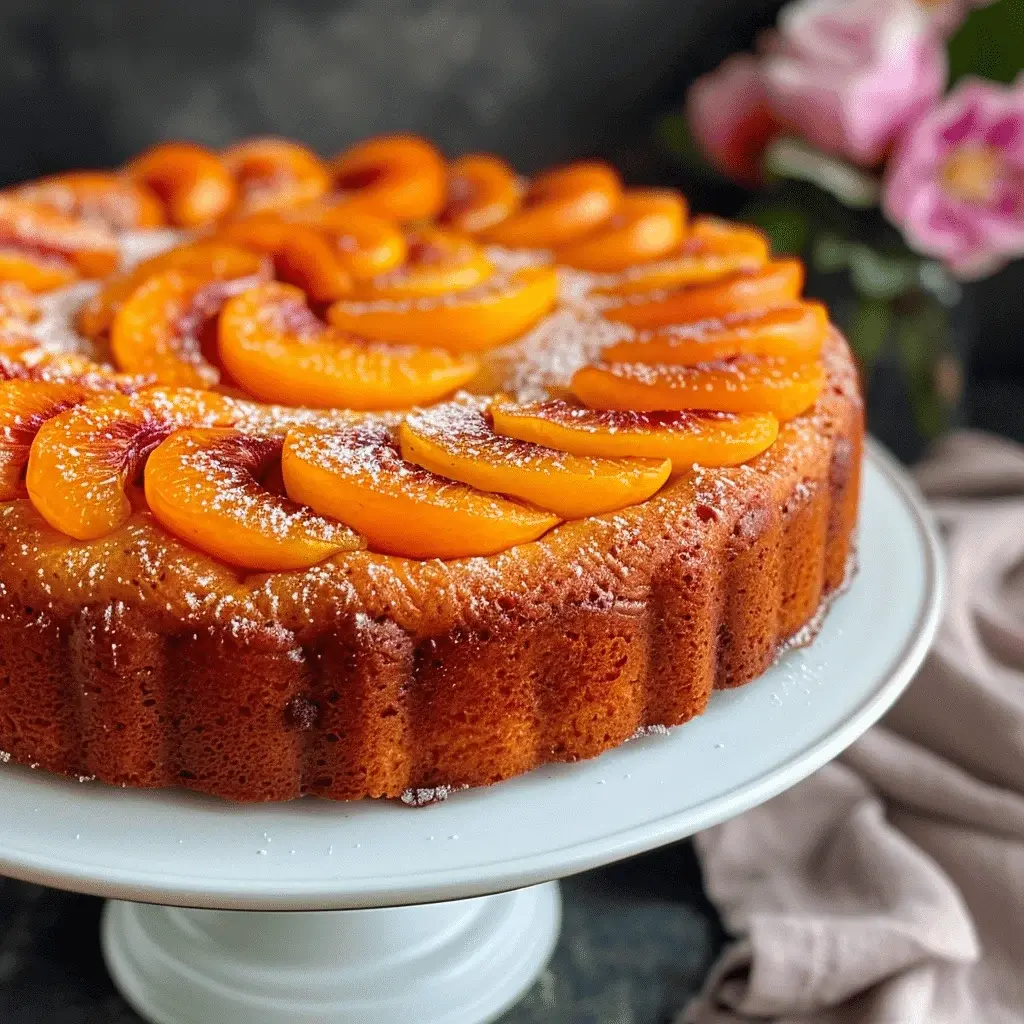
Preheat your oven to 350°F (175°C). Grease and flour a 9-inch springform pan or a deep cake pan. Pour about two-thirds of the batter into the prepared pan, smoothing the top with a spatula. Arrange half of the apricot halves, cut-side down, in a single layer over the batter. Gently spoon the remaining batter over the apricots, then top with the remaining apricot halves, pressing them in slightly. You can create a beautiful concentric pattern here.
Bake for 50-55 minutes. The cake is done when the top is golden brown, the edges pull away from the pan slightly, and a toothpick inserted into the center (avoiding an apricot) comes out clean or with a few moist crumbs.
Step 6: Cool and Serve
Let the cake cool in the pan on a wire rack for at least 20 minutes. If using a springform, carefully run a knife around the edge before releasing the clasp. Allow it to cool completely before slicing. This patience allows the structure to set, ensuring clean slices that showcase the beautiful apricot layers.
Nutritional Information
(Per serving, based on 12 slices)
- Calories: ~320 kcal
- Total Fat: 14g
- Saturated Fat: 8g
- Carbohydrates: 45g
- Dietary Fiber: 2g
- Sugars: 28g
- Protein: 5g
- Vitamin A: 35% DV
- Vitamin C: 10% DV
Healthier Alternatives
You can easily adapt this Apricot Cake recipe to suit dietary preferences without sacrificing the indulgent flavor and moist texture.
- Reduce Sugar: Cut the granulated sugar to ¾ cup. The natural sweetness of very ripe apricots will compensate beautifully.
- Whole Wheat Flour: Substitute up to half of the all-purpose flour with whole wheat pastry flour for added fiber and a nuttier flavor. The cake will be slightly denser but still delicious.
- Greek Yogurt Swap: Replace half of the butter (½ cup) with an equal amount of full-fat plain Greek yogurt. This reduces saturated fat and adds protein, while keeping the cake incredibly moist.
- Oil Alternative: For a dairy-free and potentially lower-saturated-fat option, use a mild-tasting oil like avocado oil or a light olive oil. The crumb will be more tender and moist.
Serving Suggestions
This versatile cake shines in many settings.
- Classic: A simple dusting of powdered sugar or a dollop of freshly whipped cream.
- À la Mode: Serve warm with a scoop of vanilla bean ice cream or a tangy crème fraîche ice cream.
- Brunch Upgrade: Pair a slice with a cup of strong coffee or a glass of cold-brewed iced tea.
- Elegant Finish: Drizzle with a warm honey-lemon syrup or a spoonful of apricot preserves gently warmed with a splash of amaretto.
Common Mistakes
- Using Cold Ingredients: Cold butter and eggs won’t emulsify properly, leading to a dense, heavy cake. Always bring them to room temperature.
- Overmixing the Batter: Once the flour is added, mix only until combined. Overworked gluten equals toughness.
- Under-ripe Apricots: They lack sweetness and fragrance. If your apricots are firm, let them ripen on the counter for a day or two in a paper bag.