“`html
Table of Contents
- Authentic German Meatballs Recipe – Easy & Delicious
- Why You’ll Love This Recipe
- Ingredients for Easy German Meatballs
- Timing is Everything
- How to Make Authentic German Meatballs Step-by-Step
- Nutritional Information
- Healthier Alternatives
- Serving Suggestions
- Common Mistakes to Avoid
- Storing Your Delicious Meatballs
- Frequently Asked Questions (FAQs)
Authentic German Meatballs Recipe – Easy & Delicious
Are you looking for a simple yet incredibly flavorful meatball recipe that transports you straight to Germany? With an estimated 1.8 million searches for “German meatballs” annually, it’s clear that this hearty dish is a beloved classic that deserves a spot on your dinner table. This authentic German meatballs recipe is designed to be easy to follow, delivering tender, juicy, and deliciously seasoned meatballs that are perfect for a comforting family meal or to impress your guests. Forget dry, bland meatballs; these are packed with traditional German flavors!
Why You’ll Love This Recipe
Authentic Flavors
This recipe stays true to traditional German cooking, using simple ingredients that create a depth of flavor. The combination of ground meats, onions, breadcrumbs, and classic seasonings results in a taste that is both comforting and distinctively German. It’s a recipe passed down through generations for a reason!
Simple Steps
We’ve broken down the process into straightforward steps, making it accessible even for novice cooks. From mixing the ingredients to simmering them in a rich sauce, each stage is explained clearly. You don’t need to be a Michelin-star chef to master these meatballs!
Versatile Dish
Serve these German meatballs with your favorite sides like mashed potatoes, sauerkraut, or a simple green salad. They are equally delicious as a hearty main course or even as an appetizer. The rich sauce they cook in is perfect for sopping up with crusty bread.
Ingredients for Easy German Meatballs
The beauty of this authentic German meatballs recipe lies in its use of readily available ingredients. For the best flavor and texture, we recommend using a combination of ground beef and pork, but feel free to adjust based on your preference.
- For the Meatballs:
- 1 lb ground beef (80/20 blend recommended for juiciness)
- 1 lb ground pork (adds richness and moisture)
Substitution: You can use all beef or all pork, but the blend provides optimal flavor. - 1 cup fresh breadcrumbs (from slightly stale white bread)
Substitution: Panko breadcrumbs can be used, but fresh offers a softer texture. - 1/2 cup finely chopped yellow onion (about 1 small onion)
Sensory Description: This adds a subtle sweetness and aromatic depth. - 2 large eggs, lightly beaten (binds everything together)
- 1/4 cup milk (helps moisten the mixture)
Substitution: Water can be used, but milk adds a touch more richness. - 2 cloves garlic, minced
Sensory Description: Pungent and aromatic, it complements the meats beautifully. - 1 teaspoon salt
- 1/2 teaspoon black pepper
- 1/4 teaspoon ground nutmeg (a classic German spice!)
Sensory Description: Warm, slightly sweet, and nutty notes. - 2 tablespoons unsalted butter or vegetable oil (for searing)
- For the Sauce:
- 2 tablespoons unsalted butter
- 1 large yellow onion, thinly sliced
Sensory Description: Caramelizes to a sweet, savory base for the sauce. - 2 tablespoons all-purpose flour (for thickening)
Substitution: Cornstarch slurry (2 tbsp cornstarch + 4 tbsp cold water) can be used as a gluten-free alternative. - 2 cups beef broth (low sodium preferred)
Sensory Description: Rich and savory, forms the backbone of the sauce flavor. - 1/2 cup sour cream or heavy cream (for creaminess)
Sensory Description: Adds a luxurious, velvety texture and subtle tang. - 1 tablespoon Dijon mustard (for a little zing)
Sensory Description: Pungent and slightly spicy, balances the richness. - Salt and pepper to taste
- Fresh parsley, chopped (for garnish)
Sensory Description: Bright, herbaceous, and adds a fresh finish.
Timing is Everything
Compared to many complex German dishes, this authentic German meatballs recipe is remarkably quick. The average meatball recipe often takes around an hour or more from start to finish, and this recipe fits right into that timeframe, offering a rewarding culinary experience without a lengthy commitment.
How to Make Authentic German Meatballs Step-by-Step
Step 1: Prepare the Meat Mixture
In a large mixing bowl, combine the ground beef and ground pork. Add the fresh breadcrumbs, finely chopped onion, lightly beaten eggs, milk, minced garlic, salt, pepper, and nutmeg. Gently mix everything together with your hands until just combined. Be careful not to overmix, as this can result in tough meatballs. We want tender, succulent results!
Step 2: Form the Meatballs
Lightly dampen your hands with water to prevent sticking. Roll the meat mixture into uniform balls, about 1.5 to 2 inches in diameter. Aim for about 16-20 meatballs. Placing them on a baking sheet as you form them can help keep your workspace organized.
Step 3: Cook the Meatballs
In a large, oven-safe skillet or Dutch oven, melt the butter or heat the vegetable oil over medium-high heat. Carefully add the meatballs in batches, ensuring not to overcrowd the pan. Sear them for about 2-3 minutes on each side until browned. This step is crucial for developing a beautiful crust and locking in moisture. Remove the seared meatballs from the skillet and set aside.
Step 4: Prepare the Sauce
In the same skillet (don’t wipe it clean – those browned bits are flavor!), add the 2 tablespoons of butter over medium heat. Add the thinly sliced onion and sauté until softened and lightly caramelized, about 5-7 minutes. Sprinkle the flour over the onions and cook for 1 minute, stirring constantly, to create a roux. Gradually whisk in the beef broth until smooth, then bring to a simmer, stirring until thickened.
Step 5: Combine and Simmer
Reduce the heat to low. Stir in the sour cream (or heavy cream) and Dijon mustard. Season with salt and pepper to taste. Gently return the seared meatballs to the skillet. Cover and let them simmer gently in the sauce for 15-20 minutes, or until cooked through. The meatballs should be heated through and the sauce should be rich and creamy. Avoid boiling vigorously, as this can cause the sauce to separate.
Nutritional Information
While individual variations may occur, a typical serving (approximately 3-4 meatballs with sauce) of these authentic German meatballs contains:
- Calories: 350-450 kcal
- Protein: 25-30g
- Fat: 20-25g
- Carbohydrates: 10-15g
This is an estimate and can vary based on the type of meat used and exact portion sizes.
Healthier Alternatives
Looking to lighten up this classic? Here are a few swaps that maintain flavor:
- Leaner Meats: Use 90% lean ground beef and reduce the pork or use leaner pork cuts.
- Whole Wheat Breadcrumbs: Opt for whole wheat breadcrumbs for added fiber.
- Reduced Fat Sour Cream: Use reduced-fat sour cream or Greek yogurt for a protein boost and less fat.
- Skip the Sear: While searing adds flavor and texture, you can bake the meatballs initially to reduce added fat, then add them to the sauce to finish cooking.
Serving Suggestions
These authentic German meatballs are incredibly versatile! Here are some of our favorite ways to serve them:
- Classic German: Serve with creamy mashed potatoes (Kartoffelpüree) and a generous side of tangy sauerkraut.
- Hearty Meal: Pair with spaetzle (German egg noodles) or egg noodles and a side of steamed green beans or roasted Brussels sprouts.
- Bread Lover’s Dream: Serve with crusty bread to soak up every last drop of the delicious sauce.
- Appetizer: Serve in a smaller portion with toothpicks for an impressive party snack.
Common Mistakes to Avoid
To ensure your authentic German meatballs are a success, steer clear of these common pitfalls:
- Overmixing the Meat: This is the number one culprit for tough meatballs. Mix just until combined.
- Dry Ingredients: Ensure your breadcrumbs aren’t too dry, and that you’ve included the egg and milk for moisture and binding.
- Overcrowding the Pan: Searing in batches ensures a beautiful brown crust, not steaming the meatballs.
- Boiling the Sauce: If you boil the sauce after adding sour cream, it can curdle. Keep it at a gentle simmer.
Storing Your Delicious Meatballs
Leftovers are a good thing! Properly stored, these meatballs will last:
- In the Refrigerator: Store cooled meatballs and sauce in an airtight container for up to 3-4 days.
- In the Freezer: Freeze leftover meatballs (with or without sauce) in freezer-safe containers or bags for up to 2-3 months. Thaw in the refrigerator overnight before reheating.
Reheat gently on the stovetop or in the microwave until heated through. They are just as delicious the second time around!
Frequently Asked Questions (FAQs)
***What is the best type of meat for German meatballs?***
Traditionally, a mix of ground beef and ground pork is used. The beef provides a robust flavor, while the pork adds moisture and richness. Using an 80/20 blend for beef and regular ground pork is ideal for tenderness.
***Can I make this recipe with just ground beef or just ground pork?***
Yes, you absolutely can! If you use only ground beef, consider adding a tablespoon or two of extra liquid (like milk or water) to ensure moisture. If using only ground pork, you might find it very rich and might want to balance it with a bit more seasoning or a touch of acidity in the sauce.
***How do I prevent my meatballs from falling apart?***
The keys to preventing meatballs from falling apart are proper binding and not overmixing. Ensure you use eggs and breadcrumbs as directed, and mix the meat mixture gently until just combined. Avoid overworking the meat, which can break down its protein structure.
***Can I make the meatballs ahead of time?***
Yes! You can form the raw meatballs and store them in the refrigerator for up to 24 hours before cooking. You can also cook them entirely, cool them, and store them in the refrigerator or freezer, then reheat them in the sauce.
***What is ‘Königsberger Klopse’ and how does it differ?***
Königsberger Klopse is a specific type of German meatball originating from Königsberg (now Kaliningrad). They are typically made with finely ground veal or mixed meats, and are characterized by their distinctive sauce made with capers and sometimes anchovies. This recipe is a more general, rustic German meatball, often served in a creamy sauce.
Conclusion
Whipping up authentic German meatballs has never been easier or more delicious! This recipe combines traditional flavors with a straightforward process, ensuring you can enjoy a truly satisfying, homemade German meal in your own kitchen. Don’t hesitate to try this hearty, comforting dish – it’s a testament to the simple yet profound joys of German cuisine. Gather your ingredients and get ready to create a new family favorite!
Found this recipe helpful? We’d love to hear from you! Share your thoughts or any variations you tried in the comments below!

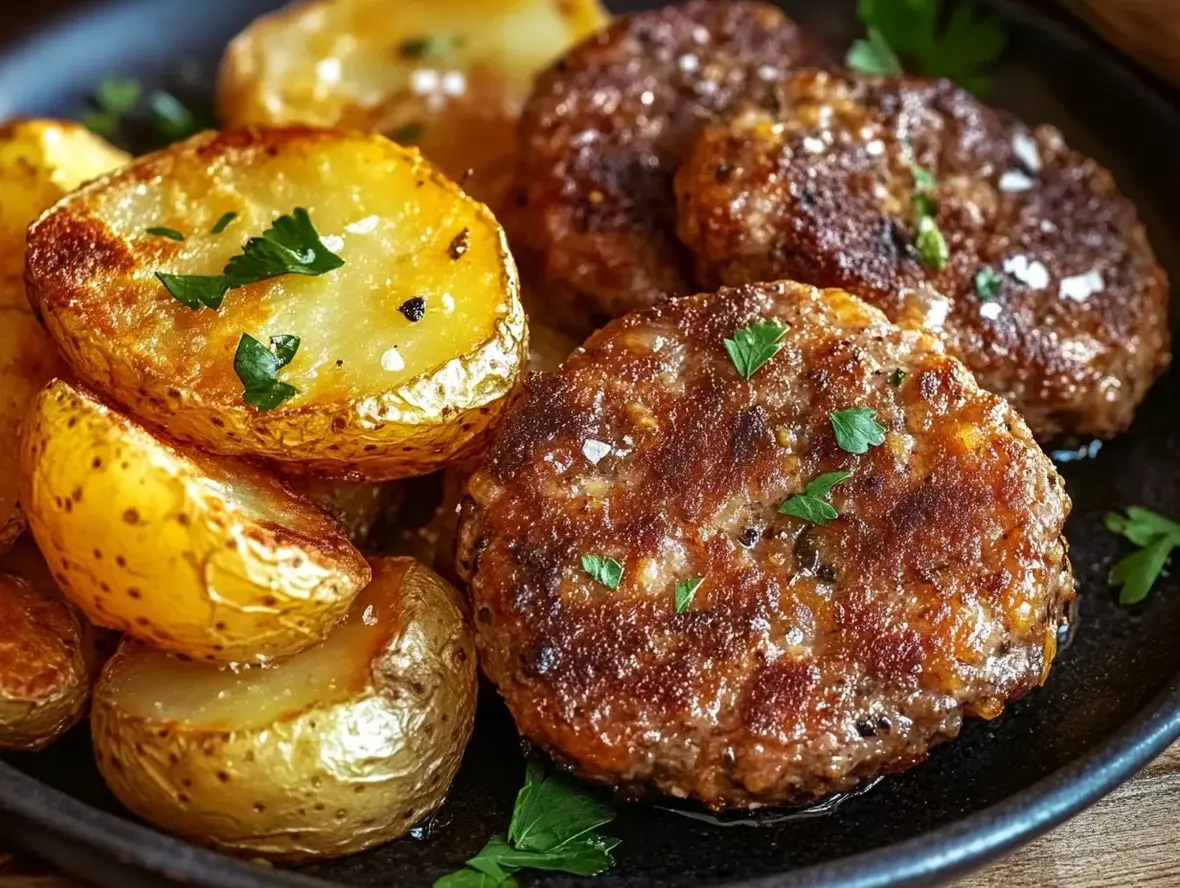
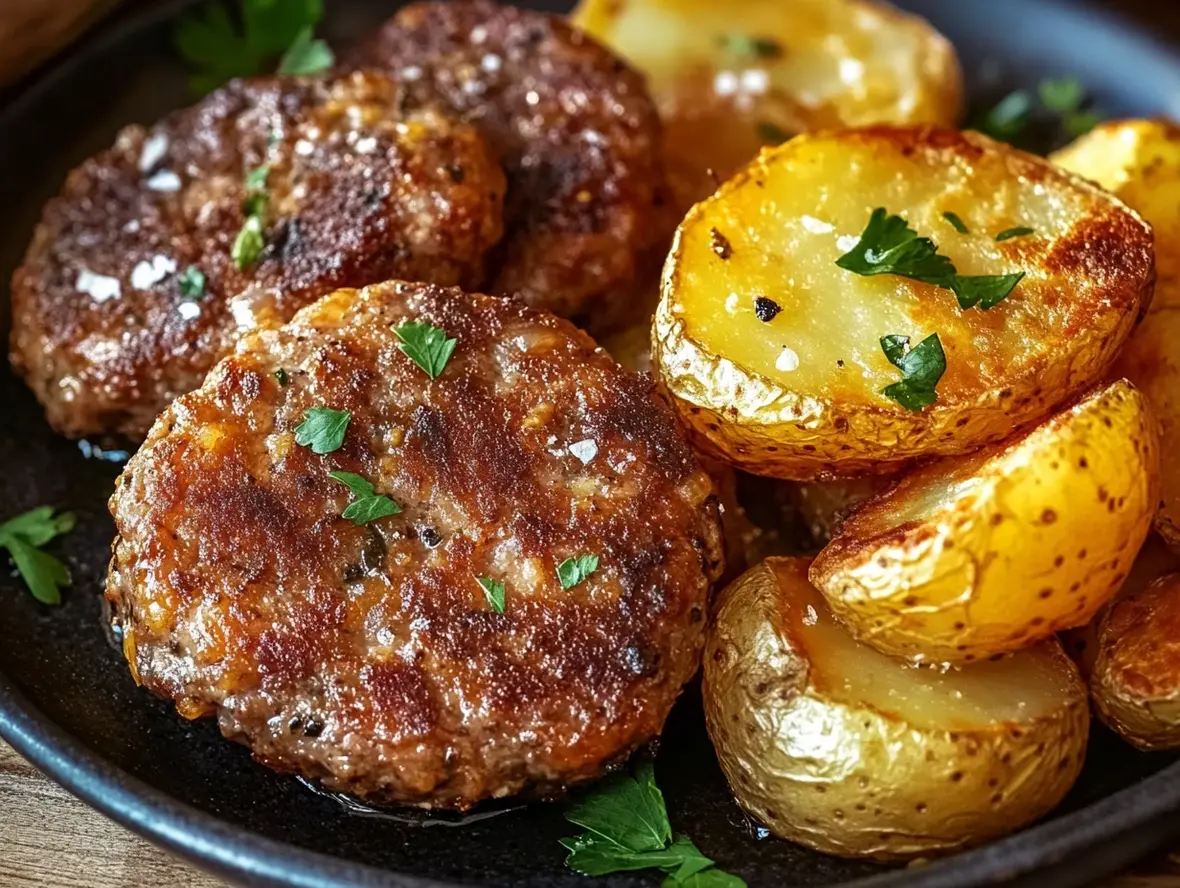
Authentic German Frikadellen
Description
Frikadellen, Germany’s beloved meat patties, are juicy, flavorful, and easy to make. Whether served with potato salad, mashed potatoes, or a hearty bread, they’re a satisfying comfort food with rich tradition.
Ingredients
- 1lb (450 g) ground beef (or a mix of ground beef and pork)1small onion, finely chopped1clove garlic, minced1large egg1slice stale white bread (or1/2 cupbreadcrumbs)1/4 cupmilk1 tspmustard (Dijon or yellow)1 tspsalt1/2 tspblack pepper1/2 tsppaprika1/2 tspground marjoram (optional)1 tbspparsley, chopped2 tbspoil or butter (for frying)
- 1small onion, finely chopped1clove garlic, minced1large egg1slice stale white bread (or1/2 cupbreadcrumbs)1/4 cupmilk1 tspmustard (Dijon or yellow)1 tspsalt1/2 tspblack pepper1/2 tsppaprika1/2 tspground marjoram (optional)1 tbspparsley, chopped2 tbspoil or butter (for frying)
- 1clove garlic, minced1large egg1slice stale white bread (or1/2 cupbreadcrumbs)1/4 cupmilk1 tspmustard (Dijon or yellow)1 tspsalt1/2 tspblack pepper1/2 tsppaprika1/2 tspground marjoram (optional)1 tbspparsley, chopped2 tbspoil or butter (for frying)
- 1large egg1slice stale white bread (or1/2 cupbreadcrumbs)1/4 cupmilk1 tspmustard (Dijon or yellow)1 tspsalt1/2 tspblack pepper1/2 tsppaprika1/2 tspground marjoram (optional)1 tbspparsley, chopped2 tbspoil or butter (for frying)
- 1slice stale white bread (or1/2 cupbreadcrumbs)1/4 cupmilk1 tspmustard (Dijon or yellow)1 tspsalt1/2 tspblack pepper1/2 tsppaprika1/2 tspground marjoram (optional)1 tbspparsley, chopped2 tbspoil or butter (for frying)
- 1/4 cupmilk1 tspmustard (Dijon or yellow)1 tspsalt1/2 tspblack pepper1/2 tsppaprika1/2 tspground marjoram (optional)1 tbspparsley, chopped2 tbspoil or butter (for frying)
- 1 tspmustard (Dijon or yellow)1 tspsalt1/2 tspblack pepper1/2 tsppaprika1/2 tspground marjoram (optional)1 tbspparsley, chopped2 tbspoil or butter (for frying)
- 1 tspsalt1/2 tspblack pepper1/2 tsppaprika1/2 tspground marjoram (optional)1 tbspparsley, chopped2 tbspoil or butter (for frying)
- 1/2 tspblack pepper1/2 tsppaprika1/2 tspground marjoram (optional)1 tbspparsley, chopped2 tbspoil or butter (for frying)
- 1/2 tsppaprika1/2 tspground marjoram (optional)1 tbspparsley, chopped2 tbspoil or butter (for frying)
- 1/2 tspground marjoram (optional)1 tbspparsley, chopped2 tbspoil or butter (for frying)
- 1 tbspparsley, chopped2 tbspoil or butter (for frying)
- 2 tbspoil or butter (for frying)
Instructions
- 1️⃣Prepare the Bread Mixture:
- Soak the slice of stale bread in milk for about 5 minutes, then squeeze out the excess milk and crumble the bread into small pieces. Set aside.2️⃣Combine the Ingredients:In a large mixing bowl, add the ground meat, soaked bread, onion, garlic, egg, mustard, salt, pepper, paprika, marjoram (if using), and parsley.Mix until just combined. Avoid overmixing to ensure the patties remain tender.3️⃣Shape the Frikadellen:Divide the meat mixture into 4-6 equal portions.Shape each portion into a flat, oval-shaped patty about 1/2-inch thick.4️⃣Cook the Frikadellen:Heat oil or butter in a large skillet over medium heat.Place the patties in the skillet and fry for 4-5 minutes per side, or until golden brown and fully cooked (internal temperature should reach 160°F/71°C).5️⃣Serve:Serve the Frikadellen warm with sides such as potato salad, mashed potatoes, sauerkraut, or crusty bread.
- 2️⃣Combine the Ingredients:In a large mixing bowl, add the ground meat, soaked bread, onion, garlic, egg, mustard, salt, pepper, paprika, marjoram (if using), and parsley.Mix until just combined. Avoid overmixing to ensure the patties remain tender.3️⃣Shape the Frikadellen:Divide the meat mixture into 4-6 equal portions.Shape each portion into a flat, oval-shaped patty about 1/2-inch thick.4️⃣Cook the Frikadellen:Heat oil or butter in a large skillet over medium heat.Place the patties in the skillet and fry for 4-5 minutes per side, or until golden brown and fully cooked (internal temperature should reach 160°F/71°C).5️⃣Serve:Serve the Frikadellen warm with sides such as potato salad, mashed potatoes, sauerkraut, or crusty bread.
- In a large mixing bowl, add the ground meat, soaked bread, onion, garlic, egg, mustard, salt, pepper, paprika, marjoram (if using), and parsley.
- Mix until just combined. Avoid overmixing to ensure the patties remain tender.3️⃣Shape the Frikadellen:Divide the meat mixture into 4-6 equal portions.Shape each portion into a flat, oval-shaped patty about 1/2-inch thick.4️⃣Cook the Frikadellen:Heat oil or butter in a large skillet over medium heat.Place the patties in the skillet and fry for 4-5 minutes per side, or until golden brown and fully cooked (internal temperature should reach 160°F/71°C).5️⃣Serve:Serve the Frikadellen warm with sides such as potato salad, mashed potatoes, sauerkraut, or crusty bread.
- 3️⃣Shape the Frikadellen:Divide the meat mixture into 4-6 equal portions.Shape each portion into a flat, oval-shaped patty about 1/2-inch thick.4️⃣Cook the Frikadellen:Heat oil or butter in a large skillet over medium heat.Place the patties in the skillet and fry for 4-5 minutes per side, or until golden brown and fully cooked (internal temperature should reach 160°F/71°C).5️⃣Serve:Serve the Frikadellen warm with sides such as potato salad, mashed potatoes, sauerkraut, or crusty bread.
- Divide the meat mixture into 4-6 equal portions.
- Shape each portion into a flat, oval-shaped patty about 1/2-inch thick.4️⃣Cook the Frikadellen:Heat oil or butter in a large skillet over medium heat.Place the patties in the skillet and fry for 4-5 minutes per side, or until golden brown and fully cooked (internal temperature should reach 160°F/71°C).5️⃣Serve:Serve the Frikadellen warm with sides such as potato salad, mashed potatoes, sauerkraut, or crusty bread.
- 4️⃣Cook the Frikadellen:Heat oil or butter in a large skillet over medium heat.Place the patties in the skillet and fry for 4-5 minutes per side, or until golden brown and fully cooked (internal temperature should reach 160°F/71°C).5️⃣Serve:Serve the Frikadellen warm with sides such as potato salad, mashed potatoes, sauerkraut, or crusty bread.
- Heat oil or butter in a large skillet over medium heat.
- Place the patties in the skillet and fry for 4-5 minutes per side, or until golden brown and fully cooked (internal temperature should reach 160°F/71°C).5️⃣Serve:Serve the Frikadellen warm with sides such as potato salad, mashed potatoes, sauerkraut, or crusty bread.
- 5️⃣Serve:Serve the Frikadellen warm with sides such as potato salad, mashed potatoes, sauerkraut, or crusty bread.
- Serve the Frikadellen warm with sides such as potato salad, mashed potatoes, sauerkraut, or crusty bread.
Notes
Bread Substitute:If using breadcrumbs, skip the milk step and add them directly to the meat mixture.Flavor Boost:For an authentic touch, add a pinch of nutmeg to the mixture.Make-Ahead:Shape the patties ahead of time and store them in the fridge for up to 24 hours before cooking.
Flavor Boost:For an authentic touch, add a pinch of nutmeg to the mixture.Make-Ahead:Shape the patties ahead of time and store them in the fridge for up to 24 hours before cooking.
Make-Ahead:Shape the patties ahead of time and store them in the fridge for up to 24 hours before cooking.
“`