Apricot Strawberry Smoothies Recipe

“`html

Apricot Strawberry Smoothies Recipe

Introduction

Did you know that a study published in the American Journal of Clinical Nutrition found that individuals who consume smoothies regularly have a 42% higher intake of essential vitamins and antioxidants? If you’re looking for a delicious way to boost your daily nutrition, this vibrant Apricot Strawberry Smoothie is your answer. More than just a pretty drink, this recipe is a masterful blend of hydrating coconut water, sweet strawberries, tangy apricots, and tropical pineapple. It’s a symphony of flavors designed to refresh, energize, and nourish your body from the inside out. Perfect for a quick breakfast, a post-workout refresher, or a sunny afternoon pick-me-up, this smoothie is a testament to how healthy can also be incredibly delicious. Let’s dive into creating this liquid sunshine!

Ingredients List

Gather these fresh, flavorful ingredients for two generous servings. Each component brings its unique texture and nutritional profile to create the perfect balance.

  • 1 cup Coconut Water: The ultimate hydrating base, packed with electrolytes like potassium. It has a subtly sweet, nutty flavor that lets the fruits shine. Substitution: Use almond milk or oat milk for a creamier texture.
  • 1 cup Fresh Strawberries, hulled: These ruby-red gems provide natural sweetness, a gorgeous color, and a powerful dose of vitamin C. Look for berries that are fragrant and bright red all over. Substitution: Frozen strawberries work perfectly and create a thicker, frostier smoothie.
  • 2 Fresh Apricots, pitted and chopped: They offer a distinct tangy-sweet flavor and a velvety texture. Their beautiful orange hue adds to the smoothie’s vibrant color. Substitution: 1/2 cup of dried apricots (soaked in warm water for 10 minutes) or 3/4 cup of canned apricots in juice (drained).
  • 1 cup Fresh Pineapple Chunks: The tropical star that adds a bright, acidic punch and digestive enzymes (bromelain). Its juicy sweetness ties all the flavors together. Substitution: Frozen pineapple chunks or 3/4 cup of pineapple juice (reduce coconut water by 1/4 cup).
  • 1/2 Banana (optional, for extra creaminess): Adds a luscious, thick texture and natural sweetness without overpowering the other fruits. Substitution: 1/4 of an avocado for healthy fats and creaminess.
  • 1 tablespoon Chia Seeds or Flax Seeds (optional): For a boost of omega-3s, fiber, and a delightful slight crunch. They also help thicken the smoothie.
  • Ice Cubes (as needed): Start with 4-5 cubes if using all fresh fruit for a chilled, refreshing result.

Timing

Prep Time
10 minutes
Cook Time
0 minutes
Total Time
10 minutes

At just 10 minutes total, this recipe is significantly faster than the average breakfast smoothie or cooked meal, which often takes 15-20 minutes of active prep and cooking. The efficiency lies in the minimal prep—simple washing, hulling, and chopping—and the instantaneous blending process. You can have a restaurant-quality, nutrient-dense drink ready faster than it takes to brew a pot of coffee, making it an unbeatable option for busy mornings.
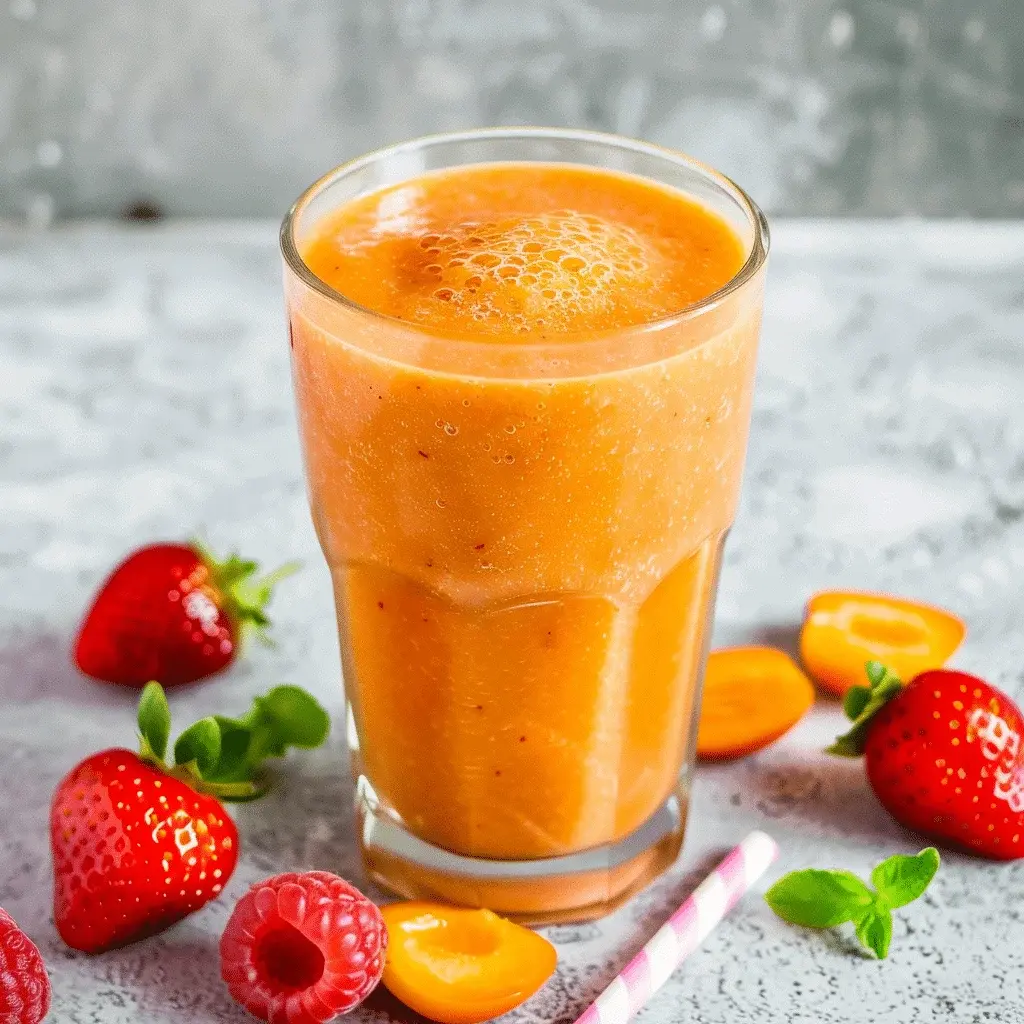
Fresh apricots, strawberries, and pineapple chunks arranged beautifully next to a blender, ready to make a smoothie.

Step-by-Step Instructions

Step 1: Prepare Your Fruits

Begin by giving all your fruits a gentle rinse under cool water. Hull the strawberries by removing the green leafy tops. For the apricots, slice them in half, twist to separate, and remove the pit. Chop the apricots and pineapple into rough, blender-friendly chunks. I like to keep the banana peeled and ready on the side. This simple prep is your moment of mindfulness—appreciating the colors and aromas of the fresh ingredients sets the tone for the delicious drink to come.

Step 2: Blend to Perfection

To your high-speed blender, first add the liquid base: the coconut water. This helps the blades move freely from the start. Next, add the softer fruits—the strawberries, apricots, and banana (if using). Top with the pineapple chunks and any optional add-ins like chia seeds. Secure the lid tightly. Start blending on low speed for 10 seconds to break down the larger pieces, then ramp up to high speed for 45-60 seconds. You’re looking for a completely smooth, homogenous, and pourable consistency with no visible fruit chunks.

Step 3: Taste and Adjust

This is the chef’s secret step! Once blended, pause and give your creation a taste. Is it tart enough? Sweet enough? Thick enough? Personalize it:

  • Too thick? Add more coconut water, one tablespoon at a time.
  • Not sweet enough? Add half a pitted Medjool date or a teaspoon of raw honey.
  • Want more tang? A squeeze of fresh lime juice can work wonders.

Blend again for another 10-15 seconds after any adjustments.

Step 4: Serve Immediately

Pour the vibrant, coral-colored smoothie into two tall glasses. For a touch of elegance, you can garnish the rim with a thin slice of strawberry or a small wedge of apricot. The goal is to enjoy it immediately to get the maximum nutritional benefits, the best texture, and the most vibrant flavor. The vitamins, especially vitamin C, are at their peak right after blending.

Nutritional Information

(Approximate values per serving, without optional banana or seeds)

  • Calories: ~150 kcal
  • Total Fat: 0.5g
  • Saturated Fat: 0g
  • Carbohydrates: 38g (Primarily natural fruit sugars)
  • Fiber: 5g (Excellent for digestion!)
  • Sugars: 28g
  • Protein: 2g
  • Vitamin C: Over 100% of the RDI
  • Potassium: ~500mg (Thanks to coconut water and apricots)

Healthier Alternatives

You can easily tailor this smoothie to fit specific dietary goals without sacrificing the fantastic flavor profile:

  • Lower Sugar: Reduce the pineapple to 1/2 cup and add 1 cup of spinach or kale. The greens are virtually undetectable flavor-wise but add minerals and cut the sugar content.
  • Higher Protein: Add a scoop of unflavored or vanilla plant-based protein powder, or 1/2 cup of silken tofu. Both blend seamlessly and create a more filling meal-replacement smoothie.
  • Boost Healthy Fats: Swap the optional banana for 1/4 avocado or add a tablespoon of almond butter. This increases satiety and helps with the absorption of fat-soluble vitamins.
  • Detox Boost: Add a 1-inch knob of fresh ginger (peeled) or a handful of fresh mint leaves for an extra cleansing, refreshing zing.

Serving Suggestions

  • Breakfast Bowl: Pour a thicker version into a bowl and top with granola, shredded coconut, sliced almonds, and a few extra strawberry slices for a “smoothie bowl” experience.
  • Post-Workout Fuel: Enjoy within 30 minutes of exercise. The natural sugars help replenish glycogen stores, and the electrolytes in coconut water aid rehydration.
  • Kids’ Favorite: Serve in a colorful cup with a fun reusable straw. You can even freeze it into popsicle molds for a healthy frozen treat.
  • Elegant Brunch: Serve in champagne flutes with a sprig of mint for a non-alcoholic, stunning brunch beverage.

Common Mistakes

  • Over-blending: Blending for more than 90 seconds can incorporate too much air, create a foamy texture, and potentially oxidize some nutrients. Blend just until smooth.
  • Wrong Blending Order: Putting hard frozen fruit in first without enough liquid can strain your blender’s motor. Always add liquid first, then soft items, then frozen/hard items on top.
  • Using Overripe or Underripe Fruit: Overripe bananas can dominate the flavor, while underripe apricots or pineapple can make the smoothie unpleasantly tart. Aim for fruit at its peak ripeness.
  • Skipping the Taste Test: Not adjusting for personal preference is a missed opportunity. Smoothies are meant to be customized!

Storing Tips

  • Short-Term (24 hours): Store any leftovers in a sealed jar or bottle in the refrigerator. It may separate slightly; just give it a vigorous shake or a quick re-blend before drinking.
  • Freezing for Later: Pour smoothie into ice cube trays. Once frozen, transfer the cubes to a freezer bag. To use, blend 6-8 cubes with a splash of fresh coconut water or milk for an instant smoothie.
  • Prep Ahead: You can pre-portion all the chopped fruits (except banana) into freezer bags and freeze them. In the morning, just dump the bag’s contents into the blender with your liquid.
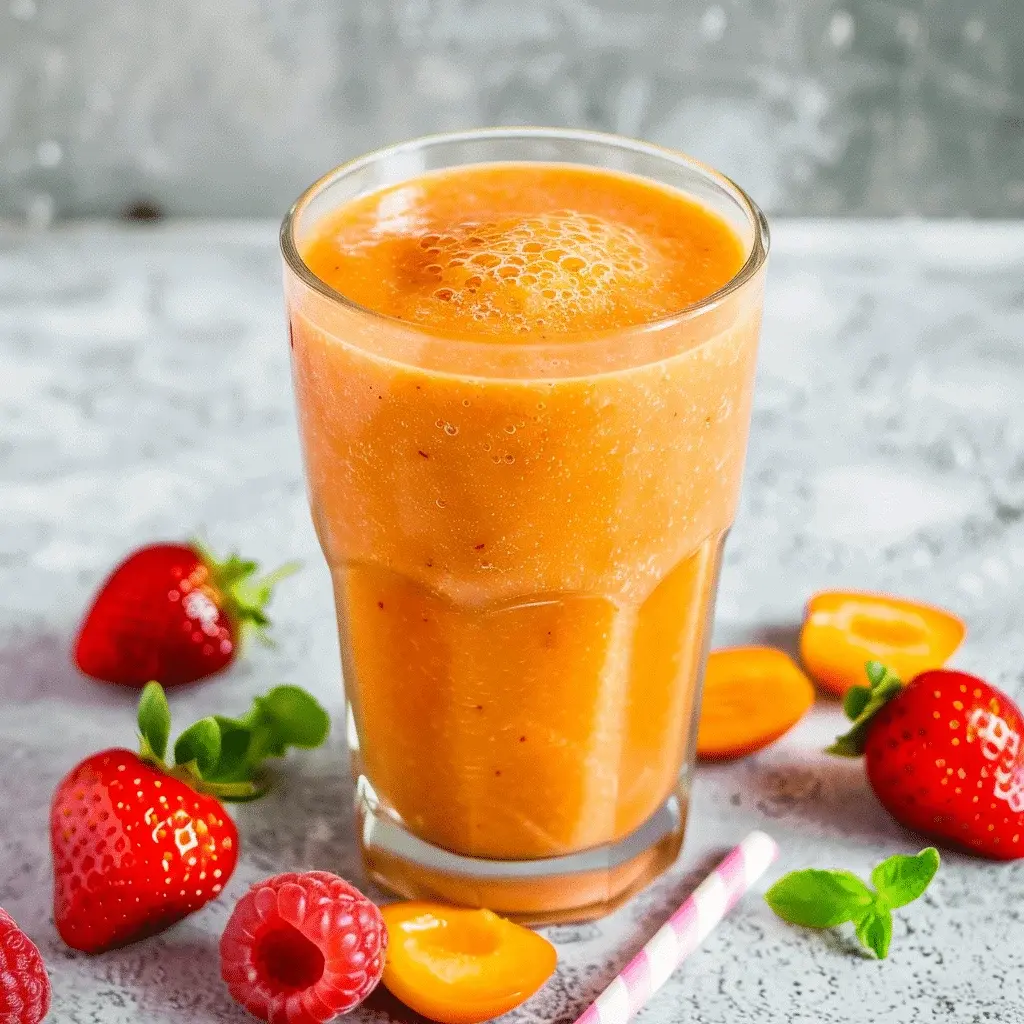
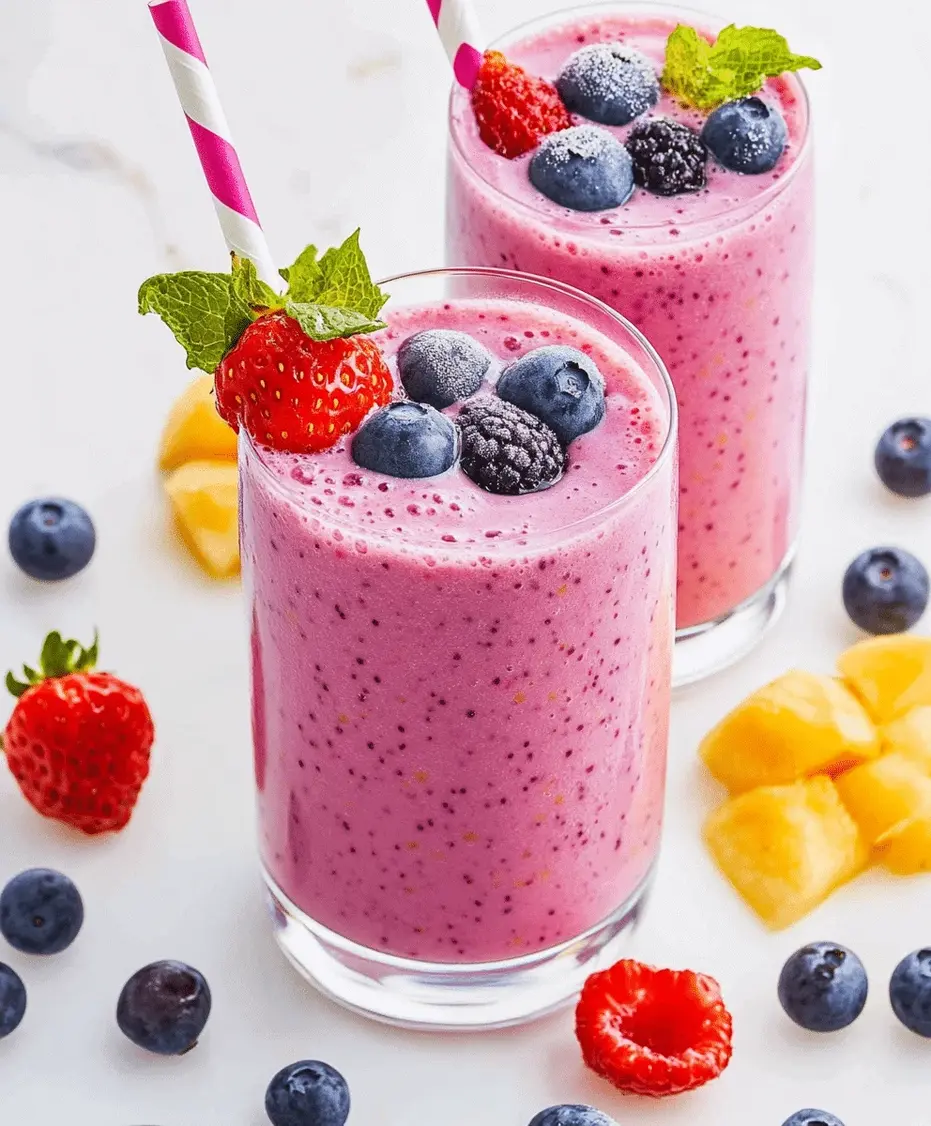
Two tall glasses filled with a beautiful pink-orange apricot strawberry smoothie, garnished with a strawberry on the rim, sitting on a sunny kitchen counter.

Conclusion

This Apricot Strawberry Smoothie is more than a recipe—it’s a vibrant, liquid expression of health and flavor. It proves that nourishing your body can be an absolute delight for your taste buds. With its perfect balance of sweetness, tang, and hydration, it’s a versatile drink that fits into any part of your day. I encourage you to make this recipe your own. Experiment with the substitutions, play with the toppings, and find your perfect blend. Don’t forget to share your beautiful creations with us on social media using #SpiceMingleSmoothies! Now, grab your blender and let’s make some sunshine.

FAQs

***Can I make this smoothie dairy-free and vegan?***
Air Fryer French Toast Sticks Recipe

“`html

Air Fryer French Toast Sticks Recipe

Introduction

Did you know that over 40% of American households now own an air fryer, yet many still default to traditional, time-consuming cooking methods for breakfast? If you’re part of this statistic and crave a quick and delicious breakfast that doesn’t sacrifice flavor or texture, you’ve landed in the right place. This Air Fryer French Toast Sticks recipe is the game-changer you need. Forget the soggy, uneven results from a skillet or the hassle of deep frying. Your air fryer is about to deliver crispy, golden perfection with minimal effort and maximum reward. Using simple, pantry-friendly ingredients, we transform humble Texas toast into a breakfast or brunch treat that rivals any diner’s best offering. The secret lies in the air fryer’s powerful convection heat, which creates that irresistible crispy exterior while keeping the interior wonderfully soft and custardy. Ready to revolutionize your morning routine? Let’s dive in.

Ingredients List

Gather these simple ingredients for the ultimate crispy-on-the-outside, tender-on-the-inside French toast sticks. Each plays a crucial role in creating the perfect bite.

  • 4 slices of Texas Toast or thick-cut white bread: The foundation. Texas toast’s thickness (about 1-inch) is ideal for soaking up the custard without falling apart. Substitution: Brioche, challah, or any sturdy, day-old bread. Avoid thinly sliced sandwich bread, as it can become too soggy.
  • 2 large eggs: The binder. They create the rich, golden coating that crisps up beautifully. Substitution: For an egg-free version, use a flax egg (1 tbsp ground flaxseed mixed with 2.5 tbsp water per egg).
  • 1/4 cup whole milk or heavy cream: For richness and tenderness. The fat content in cream makes the custard luxuriously smooth. Substitution: Any milk (almond, oat, soy) works, but the richness level will vary.
  • 1 tablespoon pure maple syrup (plus more for serving): Adds a subtle, caramel-like sweetness to the batter itself. Substitution: Honey or agave nectar.
  • 1 teaspoon pure vanilla extract: The aromatic backbone that provides that classic, warm French toast flavor.
  • 1 teaspoon ground cinnamon: The essential spice. It offers a warm, fragrant note that permeates every bite.
  • 1/4 teaspoon ground nutmeg (optional): A hint of nutty, warm complexity that elevates the cinnamon.
  • Pinch of salt: Balances the sweetness and enhances all other flavors.
  • Cooking spray or oil mister: Crucial for preventing sticking and promoting an even, crispy finish.
  • For coating (optional): 1/4 cup granulated sugar mixed with 1/2 tsp cinnamon. This creates a delightful crunchy, sweet crust.

Timing

Prep Time 8 minutes
Cook Time 6-8 minutes
Total Time ~15 minutes

Compared to the average stovetop French toast recipe, which can take 20-25 minutes with constant monitoring and batch cooking, this air fryer method slashes your active kitchen time by nearly 50%. The air fryer’s rapid cooking and even heat distribution mean your sticks are ready in a fraction of the time, with no standing over a hot pan. From fridge to plate in about 15 minutes, it’s the ultimate solution for busy mornings or spontaneous brunch cravings.

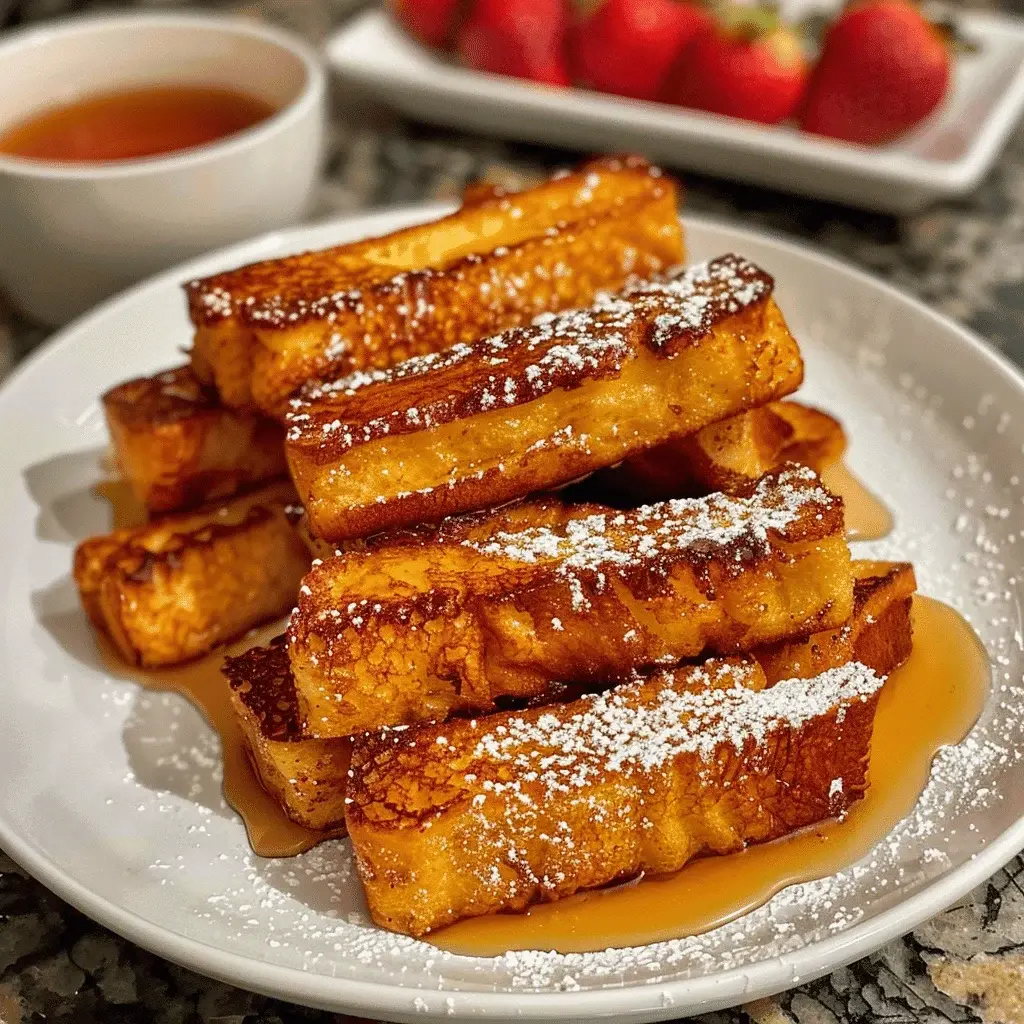
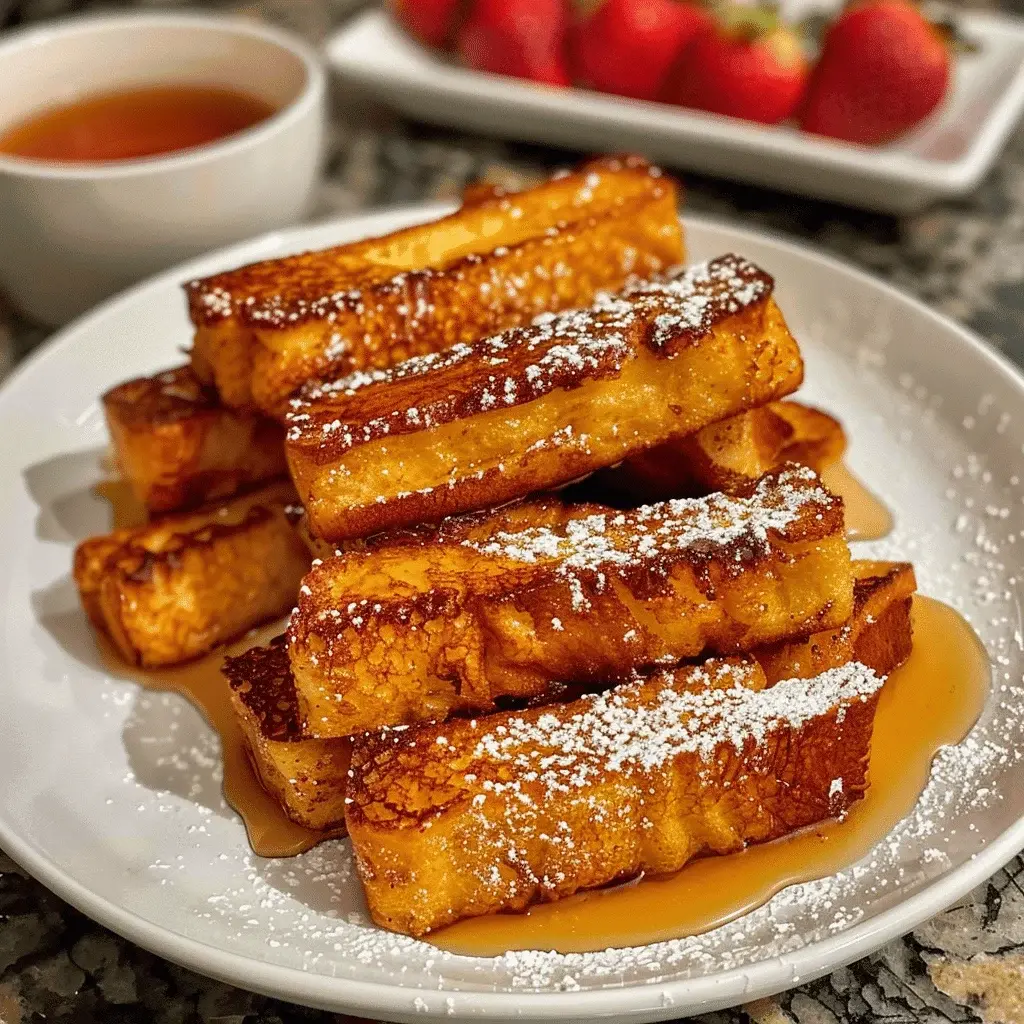
Golden brown Air Fryer French Toast Sticks arranged on a plate, ready to be dipped in syrup

Step-by-Step Instructions

Step 1: Prepare the Egg Wash

In a shallow, wide bowl (a pie dish works perfectly), vigorously whisk the two large eggs until they are completely smooth and uniform in color. You want no strands of egg white remaining. To this, add the milk (or cream), the 1 tablespoon of maple syrup, vanilla extract, cinnamon, nutmeg (if using), and pinch of salt. Whisk again until the mixture is fully emulsified and fragrant. This custard base is the soul of your French toast sticks—take a moment to appreciate its creamy, speckled appearance.

Step 2: Cut and Dip the Bread

Lay your slices of Texas toast on a cutting board. Using a sharp knife, cut each slice into three even sticks. This size is ideal for dipping and ensures even cooking. Now, working one stick at a time, submerge it into the egg wash mixture. Let it soak for about 10-15 seconds per side. You want it fully saturated but not falling apart—it should feel heavy with custard. If you’re using the optional cinnamon-sugar coating, roll the dipped stick in the mixture now, pressing gently to adhere. Place the coated sticks on a plate or tray.

Step 3: Air Fry to Perfection

Preheat your air fryer to 370°F (187°C) for 3 minutes. This ensures immediate crisping. Lightly spray the air fryer basket with cooking oil. Arrange the French toast sticks in a single layer, ensuring they are not touching. This allows for proper air circulation, which is key to crispiness. Lightly spray the tops of the sticks with oil. Air fry for 6-8 minutes. At the 4-minute mark, pause the air fryer and carefully flip each stick using tongs. They should be starting to turn golden. Continue cooking until they are uniformly golden brown and crispy on the edges. Cooking time may vary slightly by air fryer model, so keep an eye on them after the 6-minute mark.

Step 4: Serve and Enjoy

Immediately transfer the hot, crispy French toast sticks to a serving plate. The smell of cinnamon and toasted bread will be irresistible. Serve them right away while they are at their peak texture—crispy on the outside, soft and warm inside. Provide small bowls or ramekins of warm maple syrup for dipping, and get ready for the ultimate indulgence.

Nutritional Information

(Per serving, based on 2 sticks, recipe makes 6 servings)

  • Calories: ~180 kcal
  • Total Fat: 6g
  • Saturated Fat: 2g
  • Cholesterol: 75mg
  • Sodium: 180mg
  • Total Carbohydrates: 25g
  • Dietary Fiber: 1g
  • Sugars: 8g (includes added syrup)
  • Protein: 6g

Note: Values are estimates and can vary based on specific ingredients and brands used, particularly bread and milk.

Healthier Alternatives

You can easily adapt this recipe for a lighter version without sacrificing the core experience of crispy, satisfying French toast sticks.

  • Bread Swap: Use 100% whole wheat or whole grain Texas toast. It adds fiber and nutrients, and its hearty texture holds up beautifully.
  • Dairy Swap: Replace whole milk with unsweetened almond milk or oat milk. The custard will be slightly less rich but still delicious.
  • Sugar/Syrup Swap: Omit the maple syrup from the batter and use a sugar-free syrup for serving. In the optional coating, use a granulated monk fruit or erythritol blend mixed with cinnamon.
  • Protein Boost: Add a scoop of vanilla or unflavored protein powder to the egg wash mixture. You may need to add a tablespoon more milk to maintain the right consistency.
  • Oil-Free: Use a silicone air fryer liner instead of spraying with oil. The sticks will be slightly less crispy but still golden.

Serving Suggestions

While classic maple syrup is a winner, don’t stop there! Elevate your Air Fryer French Toast Sticks with these creative pairings:

  • The Classic: A small pitcher of warm, pure maple syrup for dipping.
  • Fruit Fiesta: Serve with a side of fresh berries (strawberries, blueberries, raspberries) and a dollop of whipped cream or Greek yogurt.
  • Nutty Delight: Drizzle with almond or pecan butter thinned with a little maple syrup.
  • Decadent Dip: Create a cream cheese glaze by mixing 2 oz softened cream cheese with 2 tbsp milk and 1 tbsp powdered sugar until smooth.
  • Savory-Sweet Twist: Sprinkle with a tiny bit of flaky sea salt after cooking to amplify the sweet flavors.
  • For Kids: Serve with a side of apple sauce or a yogurt dip for a fun, interactive breakfast.

Common Mistakes

  • Over-soaking the Bread: This leads to soggy, dense sticks that may fall apart. 10-15 seconds per side is sufficient for thick bread.
  • Skipping the Preheating: Placing sticks in a cold air fryer results in steaming rather than crisping. Always preheat.
  • Crowding the Basket: Overlapping sticks prevents hot air from circulating, leading to uneven cooking and soggy spots. Cook in batches if necessary.
  • Not Flipping: For even browning and crispness on all sides, the mid-cook flip is non-negotiable.
  • Using Icy-Cold Ingredients: Using eggs and milk straight from the fridge can make the custard too cold, affecting cooking time. Let them sit out for 10 minutes before mixing.

Storing Tips

  • To Store: Let leftover sticks cool completely. Store in an airtight container in the refrigerator for up to 2 days.
  • To Reheat: The air fryer is your best friend for revival! Reheat at 350°F for 2-3 minutes until hot and re-crisped. The microwave will make them soft and chewy.
  • To Freeze: After cooking and cooling, place sticks in a single layer on a baking sheet to flash freeze for 1 hour. Then transfer to a freezer-safe bag or container for up to 2 months. Reheat directly from frozen in the air fryer at 370°F for 4-5 minutes.
  • Make-Ahead: You can prepare the egg wash mixture and cut the bread the night before. Store separately in the fridge, then dip and cook in the morning for an even faster breakfast.
Close-up of crispy Air Fryer French Toast Sticks being dipped into a bowl of maple syrup

Mini English Muffin Breakfast Pizzas Recipe

“`html

Mini English Muffin Breakfast Pizzas Recipe

Introduction

Did you know that over 60% of people skip breakfast due to a perceived lack of time, according to a recent national health survey? If you’re part of that statistic, these Mini English Muffin Breakfast Pizzas are about to revolutionize your mornings. Forget the boring cereal or the rushed granola bar. This recipe delivers a complete, savory, and utterly delicious breakfast experience in under 20 minutes. Imagine the perfect harmony of crispy, toasted English muffins serving as a golden base, topped with fluffy scrambled eggs, smoky bacon, and a blanket of melted, gooey cheese that stretches with every bite. It’s a handheld breakfast dream that’s perfect for busy weekdays, lazy weekend brunches, or even a fun, protein-packed snack. Let’s dive into how you can create these crowd-pleasing mini pizzas that will make you actually look forward to your morning meal.

Ingredients List

Gather these simple ingredients to create your breakfast masterpiece. Each plays a crucial role in building flavor and texture.

  • 4 Whole Wheat English Muffins: The foundation. Their nooks and crannies are perfect for catching toppings. Substitution: Use plain, sourdough, or gluten-free English muffins. For a crispier base, try bagel thins.
  • 4 large Eggs: For richness and protein. You’ll love their fluffy, golden texture. Substitution: For a vegan version, use crumbled firm tofu seasoned with turmeric and black salt (kala namak) for an “eggy” flavor.
  • 6 strips of Thick-Cut Bacon: Provides a salty, smoky, and irresistibly crispy element. Substitution: Turkey bacon, diced ham, cooked sausage crumbles, or for a vegetarian twist, sautéed mushrooms or sliced avocado.
  • 1 cup Shredded Cheddar Cheese: The melty glue that holds everything together with its sharp, tangy notes. Substitution: Monterey Jack, pepper Jack for a kick, mozzarella for maximum stretch, or a dairy-free cheese blend.
  • 2 tbsp Milk or Cream: Whisked into the eggs for extra creaminess and fluff. Substitution: Any non-dairy milk or a tablespoon of sour cream.
  • 1 tbsp Butter or Olive Oil: For cooking the eggs to buttery perfection.
  • Salt & Freshly Cracked Black Pepper: Essential for seasoning. Don’t skip the fresh pepper!
  • Optional Garnishes: A sprinkle of chopped fresh chives or parsley adds a pop of color and freshness. A dash of hot sauce or a drizzle of sriracha mayo on the side is highly recommended.

Timing

Prep Time10 minutes
Cook Time12 minutes
Total Time22 minutes

At just 22 minutes total, this recipe is a true breakfast lifesaver. Compared to the average hot breakfast, which can take 30-45 minutes (think pancakes, frittatas, or full cooked breakfasts), these mini pizzas are nearly twice as fast. The efficiency comes from simultaneous cooking—toasting the muffins while you cook the bacon and eggs. This streamlined process means you can have a restaurant-quality, hot, and satisfying breakfast on the table in less time than it takes to wait in a drive-thru line.

Close-up of Mini English Muffin Breakfast Pizzas fresh from the oven, showing melted cheese, bacon, and eggs

Golden, cheesy, and ready in minutes—the perfect solution to your breakfast rush.

Step-by-Step Instructions

Step 1: Prepare the Base

First, preheat your oven to 375°F (190°C). This is the ideal temperature for toasting the muffins and melting the cheese without burning. While it heats, split your English muffins in half and place them cut-side up on a baking sheet. I like to give them a very light toast in the oven for about 5 minutes at this stage. This creates a sturdier, crispier base that won’t get soggy under the weight of the toppings. You’ll know they’re ready when the edges just start to turn a light golden brown.

Step 2: Cook the Toppings

While the muffins are toasting, let’s multitask. In a large skillet over medium heat, cook your bacon until it’s crispy and browned. Transfer it to a paper towel-lined plate to drain, then chop or crumble it into bite-sized pieces. Don’t wipe out the skillet completely—that leftover bacon fat is flavor gold! In a medium bowl, whisk together the eggs, milk, a pinch of salt, and a generous grind of black pepper until well combined and slightly frothy. Pour the egg mixture into the same skillet (add a touch of butter if needed) and cook over medium-low heat. Use a spatula to gently push the eggs from the edges toward the center as they set, creating soft, fluffy curds. Remove from heat just before they’re fully set, as they’ll continue to cook in the oven.

Step 3: Assemble and Bake

Now for the fun part—assembly! Take your pre-toasted English muffin halves. Divide the fluffy scrambled eggs evenly among them, piling it gently. Next, sprinkle the crumbled bacon over the eggs. Finally, shower each mini pizza with a generous handful of shredded cheddar cheese, making sure to cover the edges for that perfect cheesy pull. Place the baking sheet back into the preheated oven and bake for 5-7 minutes, or until the cheese is fully melted, bubbly, and just starting to brown in spots.

Step 4: Serve and Enjoy

Carefully remove the baking sheet from the oven. Let the mini pizzas cool for just a minute—the cheese will be molten hot! This is the perfect time to add your optional garnishes. A sprinkle of fresh chives not only looks beautiful but adds a mild oniony freshness that cuts through the richness. Serve immediately while they’re hot, crispy, and utterly irresistible.

Nutritional Information

(Per serving, based on 2 muffin halves/pizzas)

  • Calories: ~420 kcal
  • Protein: 22g (Excellent source to keep you full!)
  • Carbohydrates: 28g
  • Dietary Fiber: 4g (Thanks to whole wheat muffins)
  • Sugars: 2g
  • Fat: 24g
  • Saturated Fat: 10g
  • Cholesterol: 235mg
  • Sodium: 720mg (Primarily from bacon and cheese. Use lower-sodium varieties if concerned.)

Healthier Alternatives

You can easily tailor this recipe to fit various dietary needs without sacrificing the core delicious experience.

  • Lower-Calorie: Use turkey bacon, egg whites (or 1 whole egg + 2 whites), and reduced-fat cheese. Swap the whole wheat English muffin for a “light” variety.
  • Higher-Protein/Lower-Carb: Replace the English muffin with a low-carb tortilla or a large portobello mushroom cap as the base. Add an extra egg white to the scramble.
  • Vegetarian/Vegan: Omit the bacon and use sautéed spinach, diced tomatoes, and sliced black olives. For the “eggs,” use seasoned, scrambled firm tofu. Top with a vegan cheese alternative that melts well.
  • Dairy-Free: Use your favorite plant-based milk in the eggs and a high-quality dairy-free cheese shred. Violife or Chao brand cheeses melt particularly well for this application.

Serving Suggestions

While fantastic on their own, these mini pizzas can be part of a larger spread.

  • Brunch Spread: Pair with a fresh fruit salad, a simple green salad with a light vinaigrette, and a pitcher of mimosas or fresh orange juice.
  • For Kids: Serve with small cups of marinara or pizza sauce for dipping. Let them customize their own with toppings like mini pepperoni or bell pepper strips before baking.
  • On-the-Go: Let them cool completely, then wrap individually in parchment paper and foil. They reheat beautifully in an air fryer or toaster oven for a quick portable breakfast.

Common Mistakes

  • Soggy Base: Skipping the pre-toast of the English muffin. This crucial step creates a moisture barrier.
  • Rubbery Eggs: Overcooking the scrambled eggs on the stove. Remember, they continue to cook in the oven. Remove them from the heat while still slightly wet.
  • Bland Flavor: Underseasoning. Season your eggs well with salt and pepper. Don’t forget the finishing touch of fresh herbs or hot sauce.
  • Uneven Melting: Using cheese that’s too coarsely shredded or cold. Use pre-shredded or shred your own finely for quick, even melting.

Storing Tips

  • Refrigeration: Cooled mini pizzas can be stored in an airtight container in the refrigerator for up to 3 days.
  • Freezing: These freeze exceptionally well! Place baked and cooled pizzas on a baking sheet to flash freeze for 1 hour, then transfer to a freezer bag or container for up to 2 months.
  • Reheating: For best results, reheat from refrigerated in a toaster oven or air fryer at 350°F for 5-8 minutes until hot and crispy. Microwave (30-45 seconds) will work in a pinch but will soften the base. Reheat frozen pizzas directly in the oven at 375°F for 10-12 minutes.
A platter of Mini English Muffin Breakfast Pizzas arranged for serving, with fresh herbs sprinkled on top

A beautiful, shareable platter perfect for feeding a crowd at brunch.

Conclusion

These Mini English Muffin Breakfast Pizzas are more than just a recipe; they’re a solution. They solve the morning time crunch, satisfy savory cravings, and deliver a balanced, protein-packed start to your day. With endless customization options, they can please every palate at your table. I encourage you to give this recipe a try this weekend—it’s so simple that it might just become your new breakfast staple. Once you’ve experienced the joy of a hot, cheesy, handheld breakfast in under 22 minutes, there’s no going back.

Avocado Breakfast Sandwich Recipe

“`html

Avocado Breakfast Sandwich Recipe

Introduction

Did you know that a staggering 78% of people who skip breakfast report lower energy levels and productivity throughout the day? If you’re looking for a solution that’s both lightning-fast and deeply satisfying, you’ve found it. This Avocado Breakfast Sandwich is more than just a meal; it’s a powerhouse of protein, healthy fats, and creamy, melty goodness designed to fuel your morning. Forget the sad, dry toast or the sugar-laden cereal. We’re building a masterpiece here, layer by delicious layer, with perfectly ripe avocado, fluffy eggs, and a dynamic duo of Swiss and Cheddar cheese. This isn’t just another easy breakfast recipe; it’s a 10-minute ticket to a focused, energized, and happy start to your day. Let’s transform your morning routine.

Ingredients List

Gather these simple, high-quality ingredients for the ultimate sandwich experience. Each plays a crucial role in texture and flavor.

  • 2 large eggs: The protein-packed foundation. For a richer, orange-yolked flavor, seek out pasture-raised eggs.
  • 1 ripe medium avocado: The star of the show. It should yield gently to pressure for that perfect, buttery-smooth mash.
  • 2 slices of hearty bread: Sourdough, whole wheat, or a seeded multigrain. This is your structural canvas—choose something with substance.
  • 1 slice Swiss cheese: Adds a mild, nutty sweetness that beautifully complements the avocado.
  • 1 slice sharp Cheddar cheese: Brings a bold, tangy punch that cuts through the richness.
  • 1 tablespoon butter or olive oil: For cooking the eggs to golden perfection.
  • Salt and freshly ground black pepper: Essential for seasoning every layer.
  • Optional boosters: A pinch of red pepper flakes, a squeeze of lime juice in the avocado, or a smear of Dijon mustard.

Quick Substitutions: No Swiss? Try Gruyère or Monterey Jack. Dairy-free? Use a high-quality vegan cheese slice or skip it and add a thin slice of tomato for acidity. Gluten-free? Your favorite GF bread works perfectly.

Timing

Prep Time5 minutes
Cook Time7 minutes
Total Time12 minutes

At just 12 minutes total, this Avocado Breakfast Sandwich is a true weeknight warrior. Compared to the average hot breakfast recipe that can take 20-30 minutes, this recipe gives you back precious morning time without sacrificing an ounce of flavor or satisfaction. The multi-tasking-friendly steps mean you can have a restaurant-quality sandwich ready before your coffee finishes brewing.

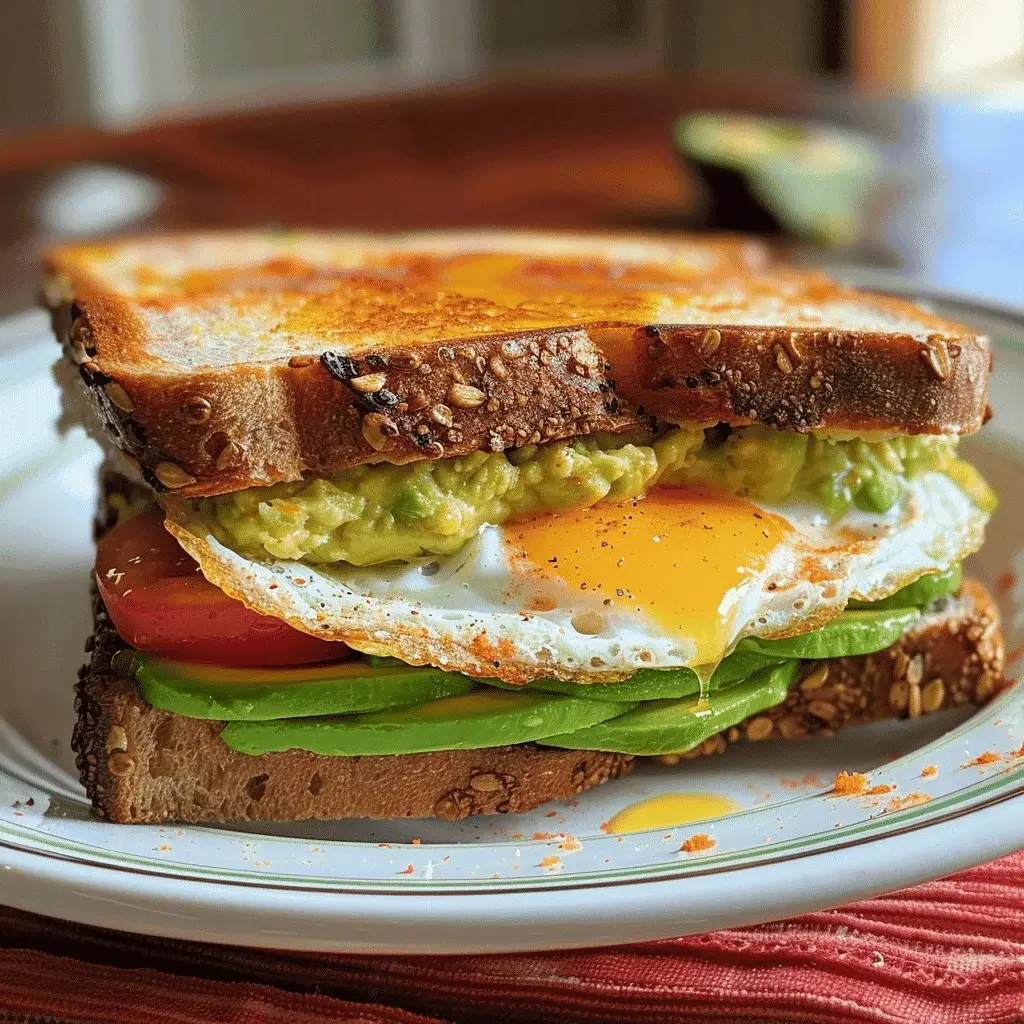
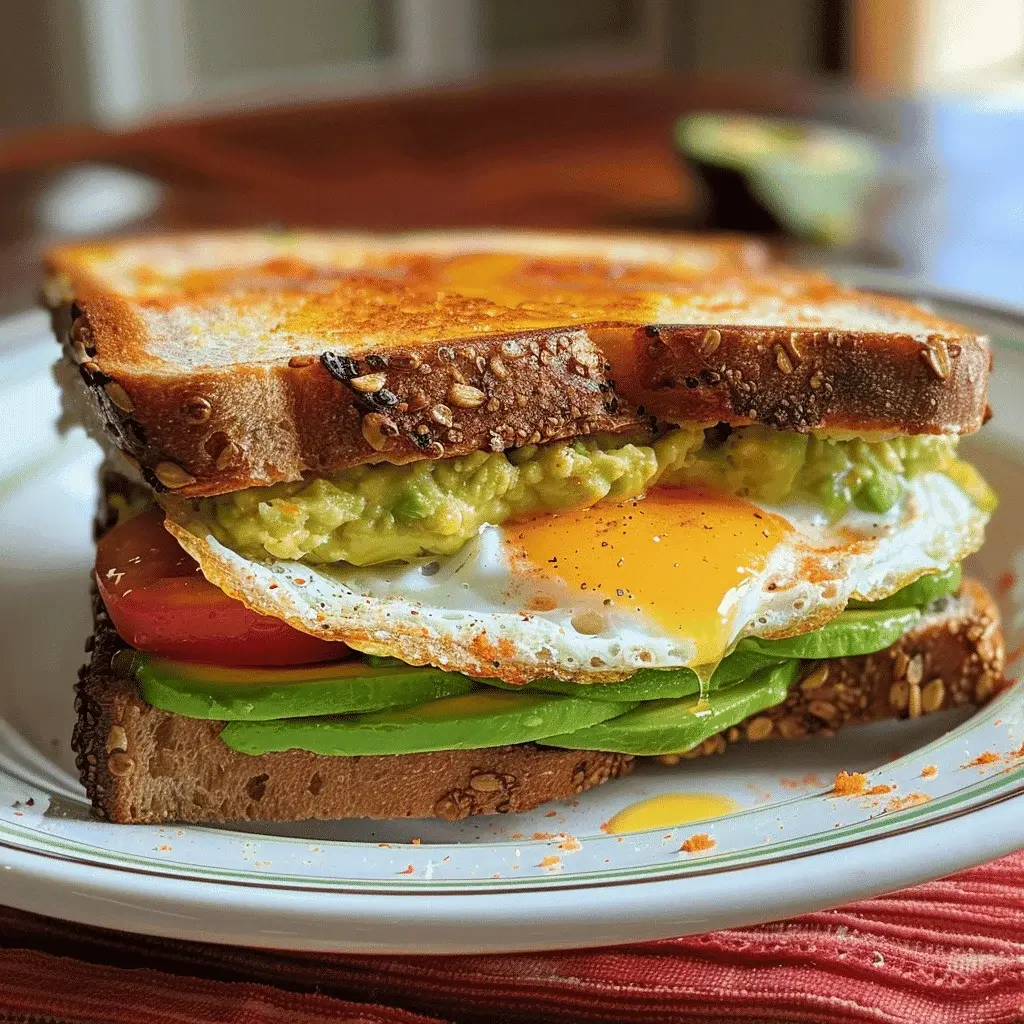
Close-up of a delicious avocado breakfast sandwich with melted cheese and egg on toasted bread
The ultimate creamy, cheesy, and satisfying breakfast creation.

Step-by-Step Instructions

Step 1: Prepare the Avocado

While your pan heats, halve and pit your avocado. Scoop the flesh into a small bowl. Here’s my pro tip: use a fork to mash it until it’s mostly smooth but with a few delightful chunks for texture. Season generously with salt, pepper, and a tiny squeeze of lime juice if you have it—this keeps it vibrant green and adds a bright note. Set this creamy green goodness aside.

Step 2: Cook the Eggs

Heat a non-stick skillet over medium heat and add your butter or oil. Once it shimmers, crack in the two eggs. I like to keep the yolks runny for a luxurious sauce effect, but cook them to your preference. For a perfect over-easy egg, cook until the whites are fully set, then gently flip for just 20-30 seconds. Season the eggs with a pinch of salt and pepper right in the pan.

Step 3: Toast and Assemble

While the eggs cook, toast your bread to a golden brown—this is crucial for structural integrity and flavor contrast. Now, let’s build from the bottom up: On one slice, layer the Swiss cheese (it melts better from the heat of the bread). Top with the cooked eggs. Immediately place the slice of Cheddar cheese on the hot eggs so it starts to melt. On the other slice, spread your seasoned avocado mash thickly. Carefully bring the two halves together, avocado side down onto the cheese and eggs. Press gently, slice diagonally (it tastes better that way, trust me), and serve immediately.

Nutritional Information

(Approximate values per full sandwich)

  • Calories: ~550 kcal
  • Protein: 25g (Excellent for muscle repair and satiety)
  • Healthy Fats: 35g (Primarily monounsaturated from avocado)
  • Carbohydrates: 35g
  • Fiber: 8g (Over 25% of your daily needs)
  • Key Vitamins: Rich in Vitamin K, Folate, Vitamin C, and Calcium.

Healthier Alternatives

You can easily tailor this Avocado Breakfast Sandwich to fit various dietary goals without losing its soul-satisfying essence.

  • Lower Calorie: Use just one egg and one slice of cheese. Swap butter for a quick spritz of cooking spray.
  • Higher Protein: Add a slice of lean turkey or Canadian bacon. Use egg whites for one of the whole eggs.
  • Keto/Low-Carb: Serve the egg, cheese, and avocado mash over a bed of spinach or between two portobello mushroom “buns.”
  • Flavor-Preserving Swap: For less saturated fat, use a strong, flavorful cheese like extra-sharp Cheddar so you can use less but still get the cheesy payoff.

Serving Suggestions

This sandwich is a complete meal, but it loves company! Pair it with:

  • A simple side of mixed berries for a sweet, antioxidant-rich contrast.
  • A small handful of crispy roasted potatoes or sweet potato hash browns.
  • A light, citrusy salad with a vinaigrette to cut through the richness.
  • Your favorite hot sauce or a drizzle of sriracha mayo for a spicy kick.

Common Mistakes

  • Using Under-ripe Avocado: This leads to a chunky, bland mash. Wait for that gentle give near the stem.
  • Skipping the Toast: Soft bread becomes soggy instantly. A good toast creates a moisture barrier.
  • Overcomplicating the Eggs: Scrambling is fine, but a simple fried or over-easy egg creates a better layered texture and saucy yolk.
  • Assembling Too Early: Build the sandwich just before eating to maintain ideal texture temperature.

Storing Tips

This sandwich is best enjoyed immediately. However, you can prep components:

  • Avocado Mash: Store in an airtight container with plastic wrap pressed directly on the surface to limit browning. Use within 24 hours.
  • Cooked Eggs: Store fried eggs in the fridge for up to 2 days. Reheat gently in a microwave or skillet.
  • Assembled Sandwich (Not Recommended): If you must, wrap tightly and refrigerate for up to 6 hours. The bread will soften significantly.
Avocado breakfast sandwich plated with fresh herbs and a side of cherry tomatoes
A beautifully plated breakfast, ready to energize your day.

Conclusion

In just over 10 minutes, you can move from a rushed, unsatisfying morning to one centered around a truly delicious and nourishing ritual. This Avocado Breakfast Sandwich, with its creamy avocado, perfectly cooked eggs, and melty cheese duo, proves that fast food can—and should—be fantastic, real food. It’s a versatile template you can make your own, week after week. Now, I’d love to hear from you! Did you add your own twist with a special spice or a different cheese? Snap a photo of your creation and share it with our community using #SpiceMingleBreakfast. Let’s inspire each other to make every morning delicious.

FAQs

***Can I make this avocado breakfast sandwich ahead of time?***

I don’t recommend assembling it fully ahead of time, as the bread will become soggy. The best make-ahead strategy is to prep the components: cook the eggs and store them separately, have your cheese sliced, and even mash the avocado (with lime juice and pressed plastic wrap) the night before. Assemble in the morning in under 3 minutes.

***What’s the best bread for this easy breakfast recipe?***

You need a bread with structure. A thick-sliced sourdough, a hearty whole-grain, or a rustic ciabatta roll are all excellent choices. They hold up to the moist ingredients without falling apart and provide a wonderful textural contrast when toasted.

***Can I use scrambled eggs instead?***

Absolutely! Scrambled eggs work perfectly. For the best result, cook them slowly over low heat until just set and still slightly creamy. The key is to avoid making them too dry, as the avocado and cheese will provide plenty of richness.

***How do I keep the avocado from browning if I have leftover mash?***

Orange Mango Smoothie Recipe

“`html

Orange Mango Smoothie Recipe

Introduction: A Tropical Vitamin C Boost

Did you know that just one cup of mango provides nearly 70% of your daily Vitamin C needs? When you combine that with the citrus power of oranges, you create a refreshing Orange Mango Smoothie that’s not just a treat for your taste buds but a formidable ally for your immune system. This isn’t just another smoothie recipe; it’s a vibrant, sun-kissed escape in a glass. Perfect for busy mornings, a post-workout recharge, or a wholesome afternoon snack, this blend marries the lush, honeyed sweetness of ripe mango with the bright, tangy zing of fresh orange. The addition of creamy yogurt transforms it into a satisfying, protein-rich meal that will keep you energized for hours. Let’s dive into how you can whip up this tropical masterpiece in minutes and make it a staple in your healthy living routine.

Ingredients List

Gathering high-quality, ripe ingredients is the secret to a perfect smoothie. Here’s what you’ll need for two generous servings:

  • 1 large ripe mango (about 1.5 cups cubed) – Look for mangoes that yield slightly to gentle pressure and have a fragrant, sweet aroma at the stem. This is the heart of the smoothie, providing a creamy texture and intense tropical flavor. Substitution: 1.5 cups of frozen mango chunks works perfectly and creates a thicker, frostier texture.
  • Juice of 2 large oranges (about ¾ cup fresh orange juice) – For the brightest, freshest flavor, squeeze your own. Navel or Valencia oranges are ideal. Substitution: High-quality, not-from-concentrate store-bought juice in a pinch, but fresh is best.
  • ½ cup plain Greek yogurt – Adds a luxurious creaminess, tangy balance, and a protein punch. Substitution: For a dairy-free version, use coconut yogurt or silken tofu. For a lighter option, try skyr.
  • ½ cup milk (dairy, almond, oat, or coconut) – This helps achieve the perfect drinkable consistency. Creamy oat milk complements the tropical notes beautifully.
  • 1 tablespoon honey or maple syrup (optional) – Only needed if your fruits aren’t perfectly ripe and sweet. Always taste before adding!
  • Handful of ice cubes (about ½ cup) – Essential for that refreshing, chilled finish. Omit if using frozen fruit.
  • Optional Boosters: A teaspoon of chia seeds for fiber, a handful of spinach (you won’t taste it!), or a scoop of vanilla protein powder.

Timing and Efficiency

Prep Time 5 minutes
Cook Time 0 minutes
Total Time 5 minutes

At just 5 minutes total, this Orange Mango Smoothie is a speed demon compared to the average breakfast recipe. While cooking oatmeal or eggs can take 10-15 minutes, this recipe delivers a nutritionally complete meal in the time it takes to toast bread. The efficiency lies in the minimal prep—no cooking, just blending. This makes it an unbeatable option for hectic mornings when every minute counts.

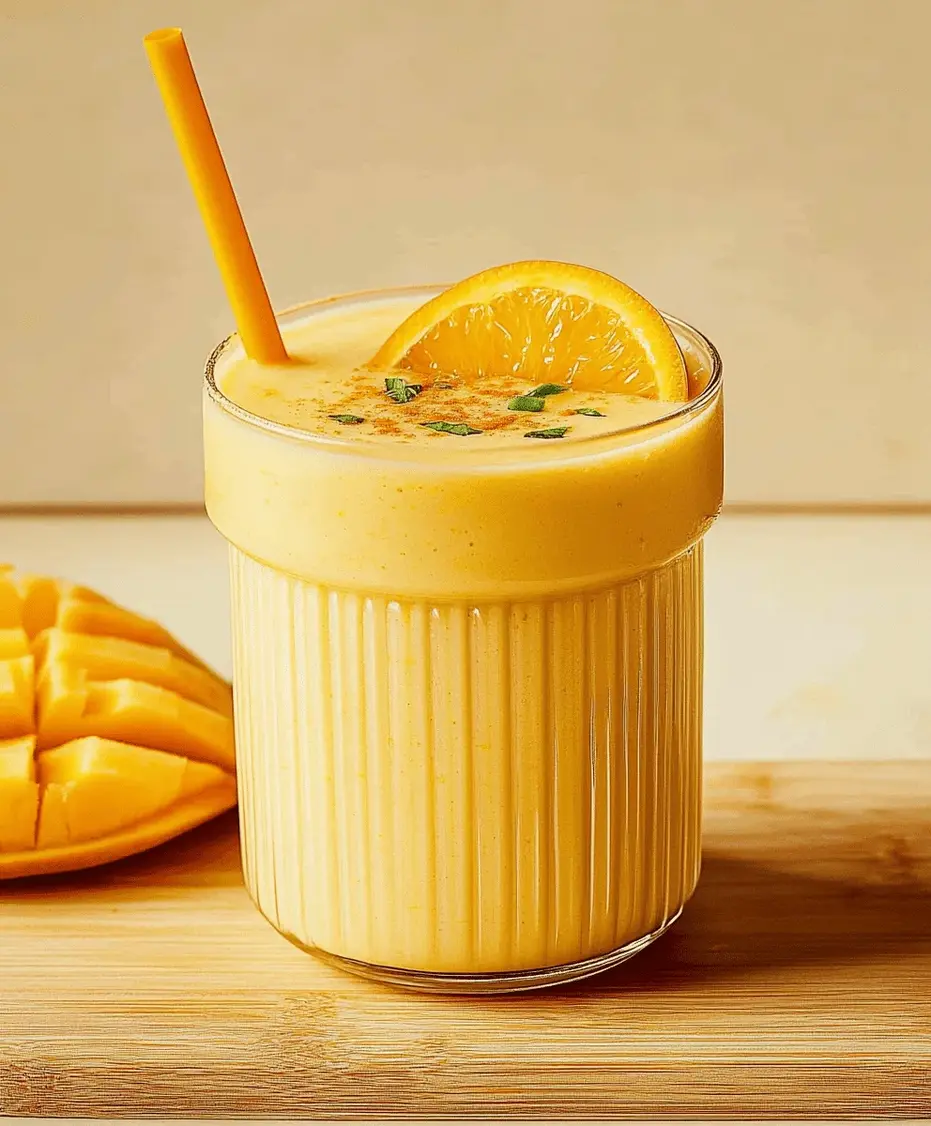
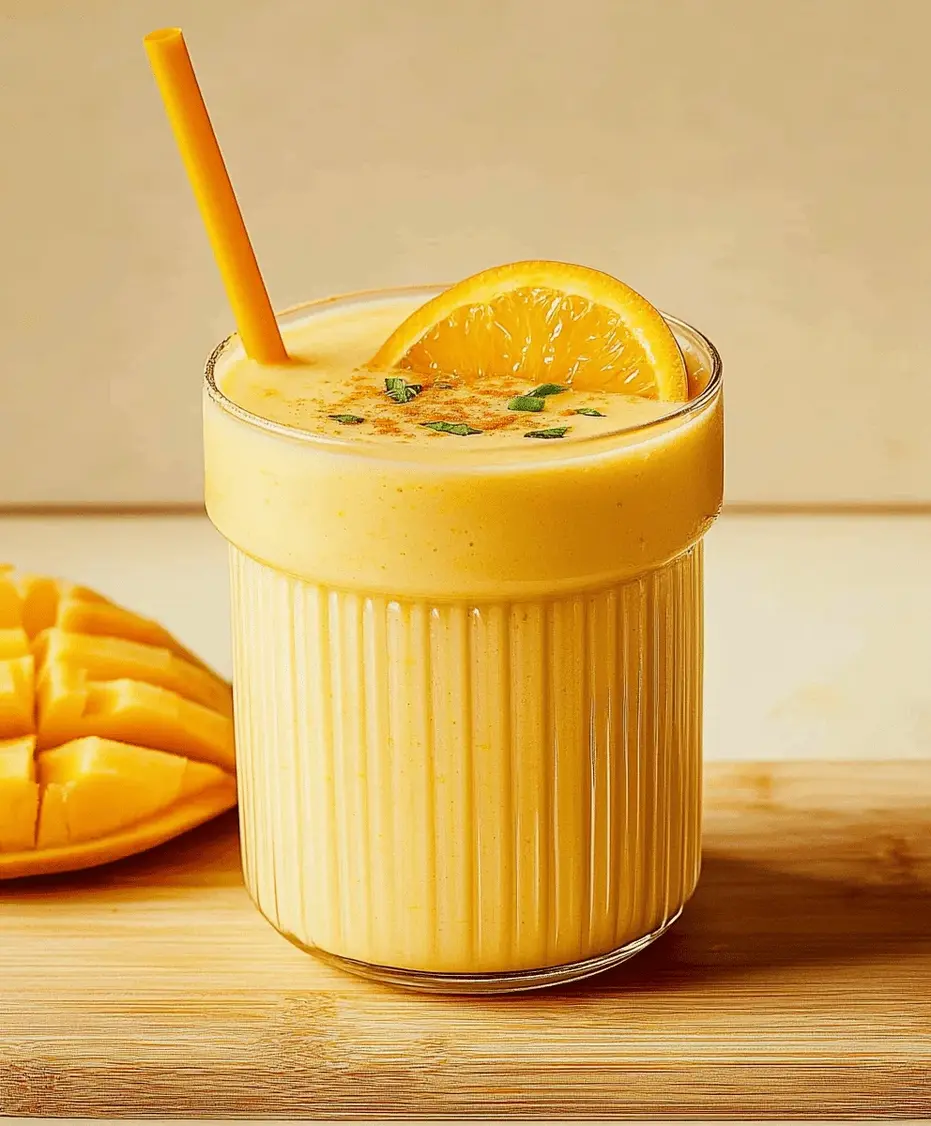
Close-up of a vibrant orange mango smoothie in a tall glass, garnished with a slice of orange and a mint sprig, showing its creamy, smooth texture.
A glass of sunshine: The creamy, vibrant texture of the perfect Orange Mango Smoothie.

Step-by-Step Instructions

Step 1: Prepare Your Fruits

If using a fresh mango, carefully slice the cheeks off the pit, score the flesh into a grid, and scoop out the cubes with a spoon. This method is mess-free and efficient. For the oranges, roll them firmly on the countertop under your palm to maximize juice yield before cutting and squeezing. Having your ingredients prepped and ready by the blender is the key to a seamless, quick process.

Step 2: Combine the Liquid Base

To your blender, first add the ¾ cup of fresh orange juice and ½ cup of milk. Adding the liquids first helps the blades move freely and prevents the thicker ingredients from getting stuck at the bottom, which is a common blending mistake. This creates a vortex that pulls everything down for a perfectly smooth consistency.

Step 3: Blend to Perfection

Next, add the mango cubes, Greek yogurt, and ice. If you’re including any optional boosters like chia seeds or spinach, add them now. Secure the lid tightly. Start blending on a low speed for 10 seconds to break down the larger pieces, then ramp up to high speed for 30-45 seconds. You’re looking for a completely homogenous, velvety texture with no visible fruit chunks.

Step 4: Taste and Adjust

This is the most important chef’s step! Pour a small spoonful and taste. Is it tangy enough? Add a squeeze more orange juice. Not sweet enough? Blend in half a tablespoon of honey. Too thick? Add a splash more milk. Too thin? Add a few more mango cubes or ice. Personalize it until it’s perfect for you.

Step 5: Serve Immediately

Pour your glorious creation into two tall glasses. For a touch of elegance, garnish with a thin orange wheel on the rim or a fresh mint leaf. Smoothies are best enjoyed immediately to savor the fresh flavors and optimal texture before any separation occurs.

Nutritional Information

(Approximate values per serving, without optional sweeteners or boosters)

  • Calories: 210
  • Protein: 9g (Excellent from Greek yogurt)
  • Carbohydrates: 38g (Natural sugars from fruit)
  • Dietary Fiber: 3g
  • Sugars: 33g
  • Fat: 3g
  • Vitamin C: Over 100% of Daily Value
  • Vitamin A: 25% of Daily Value

Healthier Alternatives and Flavor Swaps

You can easily tailor this smoothie to various dietary needs without sacrificing the iconic tropical flavor:

  • Lower Sugar: Use full-fat Greek yogurt (which has less sugar than low-fat versions) and reduce the mango by ¼ cup, adding ¼ cup of cauliflower rice instead. It adds creaminess with virtually no taste.
  • Vegan/Dairy-Free: Swap Greek yogurt for coconut yogurt and use almond or oat milk. The coconut adds a fantastic complementary tropical note.
  • Higher Protein: Add a scoop of unflavored or vanilla plant-based protein powder, or use an extra ¼ cup of Greek yogurt.
  • Flavor Twist – Caribbean Dream: Add ¼ teaspoon of ground ginger and a pinch of turmeric with the mango for an anti-inflammatory, zesty kick.

Serving Suggestions

While delicious on its own, this smoothie can be the centerpiece of a fuller meal:

  • Breakfast Bowl: Pour it into a bowl and top with granola, shredded coconut, fresh mango chunks, and a drizzle of almond butter for a “smoothie bowl” experience.
  • Post-Workout Pairing: Serve alongside a hard-boiled egg or a slice of whole-grain toast with avocado for balanced recovery macros.
  • Kid-Friendly Fun: Serve in a colorful cup with a fun reusable straw. You can even freeze it into popsicle molds for a healthy frozen treat.

Common Mistakes to Avoid

  • Using Underripe Fruit: This is the #1 cause of a bland smoothie. Your mango should be fragrant and soft. If your fruit isn’t sweet, you’ll be tempted to add too much sweetener.
  • Overloading the Blender: Adding ingredients in the wrong order (solids first) can stall your blender. Always follow the liquid-first rule.
  • Over-blending: Once smooth, stop! Excessive blending can incorporate too much air, making the smoothie foamy, and can sometimes heat it up slightly, affecting flavor.
  • Skipping the Taste Test: Not adjusting seasoning is a cook’s mistake, even for drinks. Always taste and tweak.

Storing and Meal Prep Tips

Smoothies are best fresh, but with a trick, you can prep ahead:

  • For Same-Day: You can store it in a sealed jar or bottle in the fridge for up to 4 hours. Give it a vigorous shake before drinking as some separation is natural.
  • Freezer Packs (Best Method): Portion all solid ingredients (chopped mango, optional boosters) into individual freezer bags. In the morning, dump one bag into the blender, add the fresh liquids (juice, milk, yogurt), and blend. This preserves texture and flavor perfectly.
  • Freezing the Whole Smoothie: Freeze in an airtight container, leaving an inch of space for expansion. Thaw in the fridge overnight and shake or re-blend briefly in the morning.
Meal prep concept showing freezer bags with pre-portioned mango and orange slices ready for smoothies, next to a blender and glass.
Smart meal prep: Pre-portioned freezer bags make your morning smoothie ritual effortless.

Conclusion: Your New Go-To Smoothie

Fruit And Yogurt Smoothie Recipe

“`html

Fruit And Yogurt Smoothie Recipe

Introduction: The Perfect Start to Your Day

Did you know that starting your day with a fruit and yogurt smoothie can increase your daily fruit and probiotic intake by over 40%? In our fast-paced world, finding a breakfast that is both nutritious and lightning-fast to prepare can feel like a challenge. Yet, the solution is beautifully simple, sitting right in your blender. This isn’t just another smoothie recipe; it’s a customizable powerhouse designed to fuel your body, satisfy your taste buds, and fit seamlessly into your morning routine. Whether you’re rushing out the door or need a revitalizing post-workout snack, this creamy, dreamy blend of fresh fruits and tangy yogurt delivers a symphony of flavors and a substantial dose of vitamins, minerals, and gut-friendly probiotics. Let’s dive into how you can create this refreshing staple in just minutes.

Ingredients List

The beauty of this fruit and yogurt smoothie lies in its simplicity and flexibility. Here’s what you’ll need for the classic version, along with sensory notes and easy swaps.

  • 1 cup Plain Greek Yogurt (or regular yogurt): Provides a luxuriously thick, creamy base and a tangy punch. Greek yogurt offers more protein and a denser texture. For a dairy-free version, use coconut or almond milk yogurt.
  • 1 cup Mixed Fresh or Frozen Fruit: The star of the show! A classic blend is ½ cup strawberries (for sweet, slightly tart notes) and ½ cup banana (for natural sweetness and creamy body). Frozen fruit eliminates the need for ice and creates a frosty, milkshake-like consistency.
  • ½ cup Liquid: Unsweetened almond milk, oat milk, or orange juice. Almond milk keeps it light, while orange juice amplifies the fruit’s sweetness and adds a vitamin C boost. The liquid is crucial for achieving a pourable, sippable texture.
  • 1-2 tsp Sweetener (Optional): Honey, maple syrup, or 1 pitted date. Taste your smoothie first! Ripe bananas often provide enough sweetness on their own. Honey adds floral notes, while a date contributes a deep, caramel-like sweetness and fiber.
  • Handful of Spinach or Kale (Optional): For a green boost! You won’t taste it, but you’ll get a vibrant color and a hit of iron and folate. Start with a small handful.
  • 1 tbsp Chia Seeds or Flaxseed (Optional): For added omega-3s, fiber, and a subtle nutty texture. They also help thicken the smoothie.

Timing & Efficiency

Prep Time 5 minutes
Cook Time 0 minutes
Total Time 5 minutes

At a total time of just 5 minutes, this recipe is over 60% faster than the average cooked breakfast (like eggs or oatmeal, which typically take 10-15 minutes). The “cook time” is literally the time it takes your blender to do its magic. This efficiency makes it an unbeatable option for busy mornings, allowing you to prioritize nutrition without sacrificing precious time. You can even pre-portion your fruit into freezer bags for a true “grab-and-blend” experience.

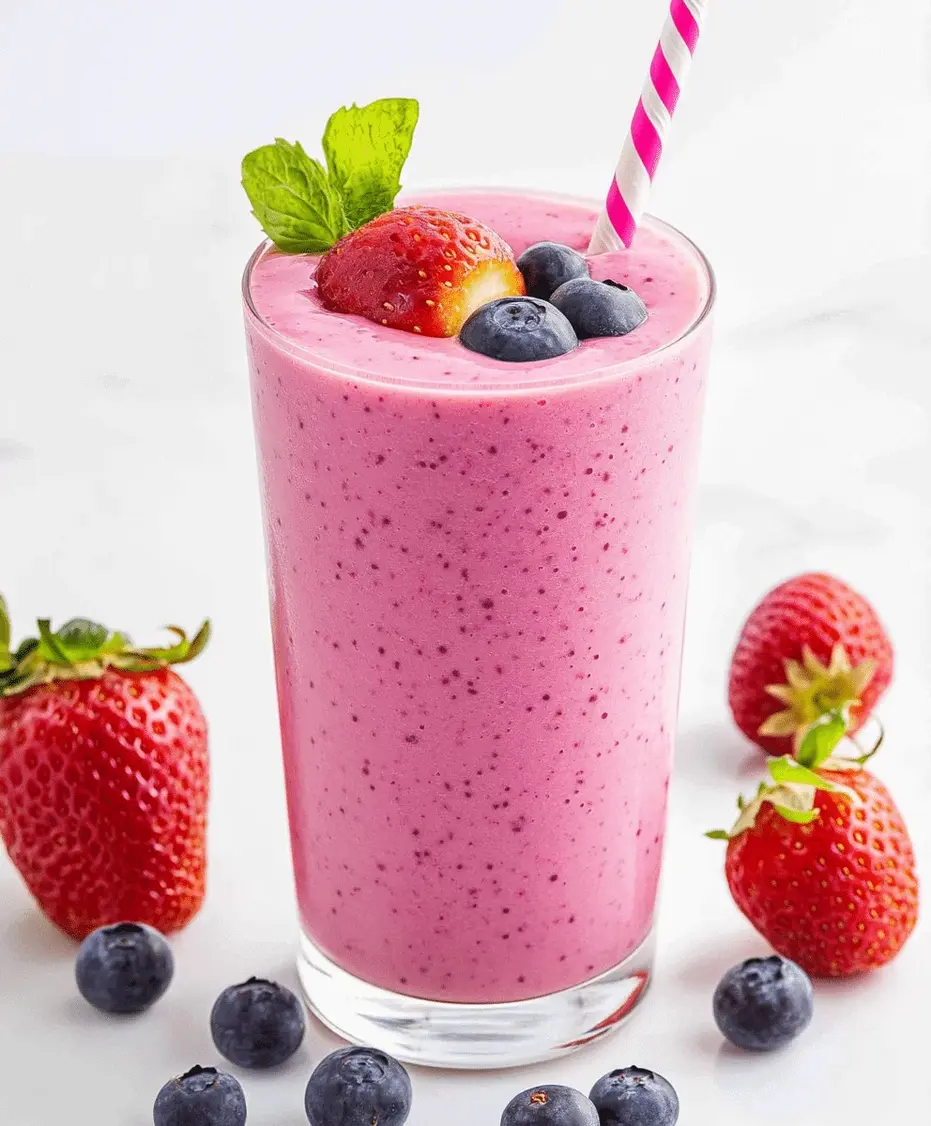
Vibrant fruit and yogurt smoothie in a tall glass with fresh strawberries and banana slices on the side

Step-by-Step Instructions

Step 1: Prepare Your Ingredients

If using fresh fruit, give your strawberries a quick rinse and remove the stems. Peel your banana and break it into 2-3 chunks. This isn’t just busywork—smaller pieces help your blender work more efficiently, preventing it from stalling and ensuring a perfectly smooth texture from the first pulse.

Step 2: Layer in Your Blender

Add your liquid to the blender jar first. This creates a vortex that pulls the heavier ingredients down toward the blades, making the blending process smoother and faster. Next, add the yogurt, followed by the fresh or frozen fruit and any optional add-ins like spinach or seeds.

Step 3: Blend to Perfection

Secure the lid tightly! Start blending on low speed for 10-15 seconds to break up the larger pieces, then gradually increase to high speed. Blend for 45-60 seconds, or until the mixture is completely smooth, with no visible chunks of fruit or leafy bits. If the smoothie seems too thick, add an extra tablespoon of liquid and blend again.

Step 4: Taste and Adjust

This is the most important chef’s step. Pour a small amount into a spoon and taste. Is it sweet enough? If not, add your chosen sweetener a teaspoon at a time, blending for 5 seconds after each addition. Is the texture to your liking? Adjust with more liquid for thinner or more frozen fruit for thicker. This smoothie is yours to customize.

Step 5: Serve Immediately

Pour your beautifully blended fruit and yogurt smoothie into a tall glass. For a touch of elegance, you can garnish the rim with a slice of strawberry or a sprinkle of coconut flakes. Enjoy it right away for the best flavor and nutrient retention!

Nutritional Information

(Approximate values per serving, based on the classic recipe with Greek yogurt, mixed berries, banana, and unsweetened almond milk):

  • Calories: 280-320
  • Protein: 18-22g (Excellent source, thanks to Greek yogurt)
  • Carbohydrates: 45-50g (Primarily natural sugars and fiber from fruit)
  • Dietary Fiber: 6-8g (Supports digestion and satiety)
  • Fat: 4-6g (Mostly healthy, unsaturated fats)
  • Key Vitamins & Minerals: High in Vitamin C, Potassium, Calcium, and Probiotics.

Healthier Alternatives

Want to tweak this smoothie for specific dietary goals without losing the delicious taste? Here are some expert swaps:

  • For Lower Sugar: Use plain, unsweetened yogurt and rely solely on the natural sweetness of very ripe banana and berries. Omit added sweeteners and consider adding a dash of cinnamon or vanilla extract for flavor depth without sugar.
  • For Higher Protein: Stick with Greek yogurt and add a scoop of unflavored or vanilla protein powder. You can also incorporate ¼ cup of cottage cheese—it blends up surprisingly creamy and adds a major protein boost.
  • For a Vegan Version: Swap dairy yogurt for a plant-based alternative like coconut or soy yogurt. Use maple syrup or agave instead of honey. Ensure your protein powder is plant-based if adding.
  • For Added Healthy Fats & Fiber: The optional chia or flax seeds are perfect here. A quarter of an avocado also blends in seamlessly, creating an incredibly creamy texture and adding heart-healthy monounsaturated fats.

Serving Suggestions

While fantastic on its own, this smoothie can be the centerpiece of a more substantial meal or a creative treat.

  • Breakfast Bowl: Pour your smoothie into a bowl and top with granola, sliced fresh fruit, a drizzle of nut butter, and a sprinkle of seeds for a “smoothie bowl” you can eat with a spoon.
  • Post-Workout Fuel: Pair it with a handful of almonds or a rice cake with peanut butter for a balanced mix of protein, carbs, and fats to aid recovery.
  • Kid-Friendly Fun: Serve in a colorful cup with a fun reusable straw. Let them choose their own fruit combo to get them excited about healthy eating.
  • Dessert Smoothie: Add a tablespoon of unsweetened cocoa powder and use a frozen banana for a healthy chocolate-banana yogurt smoothie that feels like a treat.

Common Mistakes to Avoid

  • Using Only Frozen Fruit with a Weak Blender: This can burn out your motor. If your blender isn’t high-powered, use partially thawed fruit or a mix of fresh and frozen.
  • Skipping the Liquid: Adding yogurt and frozen fruit directly will result in a blender jam. Always add liquid first to facilitate blending.
  • Over-sweetening: Always taste before adding sweetener. The fruit, especially ripe bananas and mangoes, is often sweet enough on its own.
  • Blending Too Long: Over-blending can incorporate too much air, making the smoothie foamy, and can sometimes cause separation. Blend just until smooth.

Storing Tips

Smoothies are best enjoyed fresh, but if you must store it:

  • Refrigerator: Store in a sealed jar or bottle for up to 24 hours. It may separate; just give it a vigorous shake or quick re-blend before drinking.
  • Freezer: Pour into an ice cube tray or a freezer-safe jar (leave an inch of space for expansion). Frozen smoothie cubes can be stored for up to 3 months. Thaw overnight in the fridge or re-blend from frozen with a splash of liquid.
Close-up of a refreshing fruit and yogurt smoothie being poured from a blender into a glass, showing its creamy texture

Conclusion: Your New Go-To Smoothie

This Fruit and Yogurt Smoothie is more than a recipe—it’s a template for endless healthy, delicious creations. In just five minutes, you can fuel your body with protein, vitamins, and probiotics, all while enjoying a drink that tastes like a treat. Its simplicity is its superpower, making healthy choices effortless even on the most chaotic mornings. I encourage you to make it your own: experiment with different fruit combinations, play with textures, and find your perfect blend.

Frequently Asked Questions (FAQs)

***Can I make this smoothie without a blender?***

A blender is essential for achieving the signature smooth, creamy texture. An immersion blender can work in a pinch if you use very soft, fresh fruit, but a standard countertop blender is highly recommended.

***What’s the best yogurt for a smoothie?***

Plain Greek yogurt is the top choice for thickness and protein. For a lighter option, use regular plain yogurt. Avoid pre-sweetened or flavored yogurts, as they contain a lot of added sugar.

***My smoothie is too thin/thick. How can I fix it?***

Too thin: Add more frozen fruit, a handful of ice, or a tablespoon of chia seeds (they’ll thicken as they sit). Too thick: Add more liquid, one tablespoon at a time, blending between each addition.

***Can I use water instead of milk or juice?***

Yes, but the flavor and

Pink Coconut Iced Latte Recipe

“`html

Pink Coconut Iced Latte Recipe

Beat the Heat with a Tropical Pink Coconut Iced Latte!

Are you looking for a refreshing, visually stunning, and energizing drink to combat the sweltering heat? If you’re anything like us, the thought of a creamy, cold, and beautifully colored beverage is incredibly enticing. Did you know that drinks incorporating vibrant fruits like dragon fruit not only look appealing but can also offer a nutritional boost? This Pink Coconut Iced Latte is your answer! It’s a tropical paradise in a glass, blending the subtle sweetness of coconut milk with the exotic flavors of pink dragon fruit and the jolt of espresso. Forget those sugary, artificial-colored coffee shop concoctions; this homemade version is a healthier, more delightful way to enjoy your caffeine fix. Perfect for a mid-afternoon pick-me-up, a brunch accompaniment, or simply a treat for yourself, this latte is as delicious as it is photogenic. Get ready to impress your taste buds and your social media followers!

Ingredients for Your Tropical Escape

Crafting this beautiful Pink Coconut Iced Latte is a breeze with just a few key ingredients. We’ve focused on creating a balanced flavor profile that’s both tropical and invigorating.

  • Pink Dragon Fruit (Pitaya): About 1/2 cup, cubed and frozen. This is our star ingredient, providing that gorgeous pink hue and a subtly sweet, refreshing flavor. For a less intense flavor, you can use less dragon fruit. If you can’t find pink dragon fruit, red pitaya works too, though the color may be slightly deeper.
  • Full-Fat Coconut Milk: 1 cup. This is crucial for achieving that rich, creamy texture. It adds a wonderful tropical essence that pairs perfectly with the dragon fruit. *Substitution:* If you prefer a lighter version, you can use light coconut milk or even a combination of almond milk and a splash of coconut cream for richness.
  • Espresso: 1-2 shots (about 2-4 ounces), brewed strong. This provides the essential coffee kick. *Substitution:* Cold brew concentrate or strongly brewed coffee can be used if espresso isn’t available. Adjust the amount to your caffeine preference.
  • Sweetener: 1-2 tablespoons of your preferred sweetener (e.g., agave nectar, maple syrup, simple syrup, or granulated sugar). Adjust to your sweetness level. You can also omit this entirely if you prefer. *Flavor Note:* Agave nectar offers a neutral sweetness, while maple syrup adds a subtle depth.
  • Ice Cubes: About 1 cup, or more depending on your desired frostiness.
  • Optional Garnish: A sprig of mint, a slice of dragon fruit, or a sprinkle of shredded coconut.

Timing Your Tropical Creation

Prep Time: 5 Minutes
Cook Time: 0 Minutes (if espresso is pre-brewed)
Total Time: 5 Minutes

This Pink Coconut Iced Latte is designed for speed and simplicity. Compared to many coffee recipes that require chilling or brewing time, this drink comes together in under 5 minutes, assuming your espresso is ready. This makes it an ideal choice for busy mornings or quick afternoon treats.

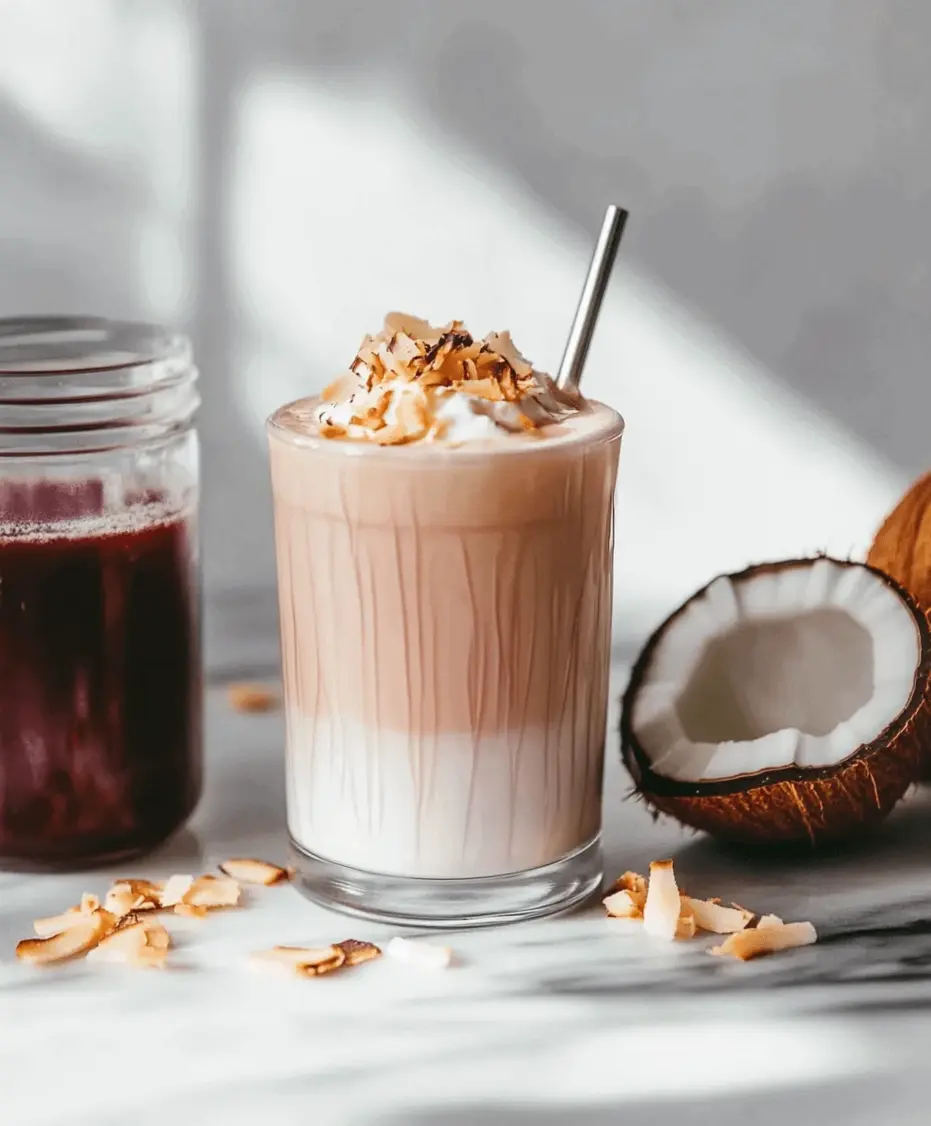
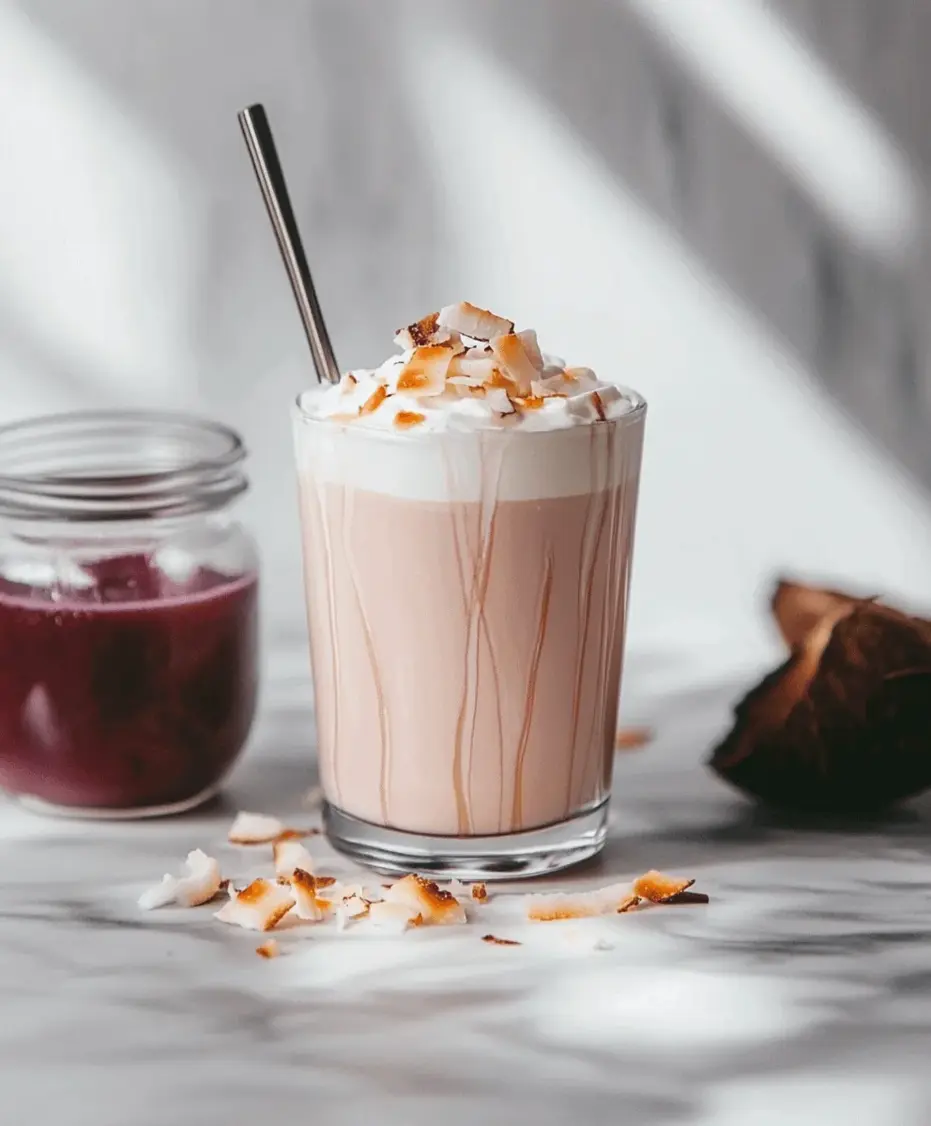
A vibrant pink coconut iced latte in a glass, garnished with a strawberry slice.

Step-by-Step Guide to Your Pink Paradise

Follow these simple steps to create your delicious and beautiful Pink Coconut Iced Latte. We’ve made it easy for even the busiest barista!

Step 1: Prepare the Dragon Fruit

If you’re using fresh dragon fruit, peel it and cut it into cubes. For the creamiest texture and best chill, it’s ideal to use *frozen* dragon fruit. If you only have fresh, you can freeze the cubes for at least 2-3 hours beforehand, or blend them with a small handful of ice to help chill the mixture.

Step 2: Brew the Espresso

Brew 1-2 shots of strong espresso. Let it cool slightly if you’re concerned about melting the ice too quickly, though for an iced drink, a warm espresso works just fine.

Step 3: Blend the Pink Base

In your blender, combine the frozen (or fresh) pink dragon fruit cubes, coconut milk, and your chosen sweetener. Blend until completely smooth and creamy. You want a vibrant, homogenous mixture. If it’s too thick, you can add a tablespoon of water or more coconut milk to reach your desired consistency.

Step 4: Assemble the Latte

Fill a tall glass with ice cubes. Pour the blended pink dragon fruit mixture over the ice, filling the glass about two-thirds of the way. The ice will keep it perfectly chilled.

Step 5: Sweeten and Serve

Gently pour the brewed espresso over the pink mixture. It will create a beautiful layered effect! If you want to make sure the sweetness is just right, give it a gentle stir now. You can add more sweetener if needed. Garnish with a fresh mint sprig, a slice of dragon fruit, or a sprinkle of shredded coconut for an extra touch of tropical flair.

Nutritional Snapshot

While exact nutritional values can vary based on the specific brands of ingredients used and the amount of sweetener, here’s a general estimate for one serving of this Pink Coconut Iced Latte (using 1 cup full-fat coconut milk, 1/2 cup dragon fruit, and 1 tbsp agave):

  • Calories: Approximately 250-350 kcal
  • Fat: 15-25g (primarily from coconut milk)
  • Carbohydrates: 20-30g (including natural sugars from fruit and sweetener)
  • Protein: 2-4g
  • Fiber: 3-5g (from dragon fruit)

Note: These are estimations. For precise tracking, calculate based on your specific ingredients.

Healthier Swaps for a Guilt-Free Indulgence

Looking to lighten things up without sacrificing flavor? Here are some fantastic substitutions:

  • Coconut Milk: Opt for light coconut milk or a blend of unsweetened almond milk and a tablespoon of full-fat coconut milk for a lighter, lower-fat base.
  • Sweetener: Use a sugar-free syrup (like monk fruit or stevia-based) or simply rely on the natural sweetness of the dragon fruit and coconut milk. You can also use a date instead of a liquid sweetener, blended into the base.
  • Espresso: Decaffeinated espresso or coffee can be used if you’re sensitive to caffeine or consuming this later in the day.
  • Frozen Fruit: While dragon fruit is ideal, you can experiment with other frozen berries like raspberries or strawberries for a different pink hue and flavor profile, though this will alter the unique dragon fruit taste.

Serving Suggestions: Elevate Your Experience

This Pink Coconut Iced Latte is a showstopper on its own, but here are some ideas to make it even more special:

  • Layering: For an extra visual treat, pour the espresso very slowly over the back of a spoon after adding the pink base to enhance the layered look.
  • Garnishes: Get creative! A sprinkle of chia seeds, a dusting of cocoa powder, a dollop of whipped coconut cream, or edible flowers can add flair.
  • Dessert Pairing: Serve alongside a light, fruity dessert or a slice of pound cake for a delightful treat.
  • Brunch Star: This is a perfect vibrant addition to any brunch spread, alongside pastries, fruit salads, and other breakfast favorites.

Avoiding Common Pitfalls

Even simple recipes can have a few snags. Here’s what to watch out for:

  • Not Using Frozen Fruit: Using only fresh dragon fruit can result in a thinner, less creamy, and less icy drink. Always aim for frozen for the best texture.
  • Wrong Coconut Milk: Canned, full-fat coconut milk provides the best creaminess. Carton “coconut beverages” are often too watery.
  • Over-sweetening: Dragon fruit is naturally sweet. Taste your mixture before adding too much sweetener.
  • Weak Coffee: Use a strong brew or espresso for a distinct coffee flavor that cuts through the sweetness and creaminess.

Storing Your Tropical Creation

This latte is best enjoyed immediately after preparation for optimal texture and flavor. However, if you have leftovers or wish to prep ahead:

  • Prep Ahead: You can blend the dragon fruit and coconut milk mixture and store it in an airtight container in the refrigerator for up to 24 hours. The espresso should be brewed fresh.
  • Reassembly: When ready to serve, pour the chilled pink mixture over fresh ice, add freshly brewed espresso, and stir.
  • Do Not Pre-Mix with Espresso: The espresso will dilute and the layers will be lost if mixed too early.
Close-up of a pink coconut iced latte with espresso poured over the top, creating a subtle gradient in a clear glass.

Frequently Asked Questions

***Where can I buy pink dragon fruit?***

Pink dragon fruit (also known as pitaya) is commonly found in well-stocked grocery stores, especially those with a focus on international or organic produce. Asian markets are also excellent places to find it. You can also find frozen dragon fruit chunks in many frozen produce sections, which are incredibly convenient for this recipe.

***Can I make this latte dairy-free?***

Absolutely! This recipe is naturally dairy-free as it uses coconut milk. Ensure all your ingredients, especially any optional additions like syrups, are also dairy-free.

***My dragon fruit isn’t very pink. What can I do?***

The intensity of the pink color can vary. If your dragon fruit is more pale, you can boost the color naturally by adding a small piece of raw beetroot to the blender, or a few frozen raspberries or strawberries. Be mindful that these additions will slightly alter the flavor profile.

***Can I use a different type of milk than coconut milk?***

Yes, you can. While coconut milk offers a unique tropical creaminess, unsweetened almond milk, oat milk, or even soy milk will work. Note that the texture and flavor will be slightly different. Using a higher fat content milk alternative will yield the creamiest results.

***I don’t have an espresso machine. What are my options?***

No problem! You can use strong brewed coffee, French press coffee, or even instant espresso powder dissolved in hot water. The key is to brew it very strong so that the coffee flavor comes through in the iced latte.

Sip Your Way to Tropical Bliss

There you have it – a stunning and delicious Pink Coconut Iced Latte that’s incredibly easy to make at home. It’s the perfect blend of creamy, sweet, tropical, and caffeinated. Whether you’re seeking an Instagram-worthy refreshment or a simple way to brighten your day, this recipe delivers. Give it a try and let us know how you customize yours! Don’t forget to share your beautiful creations with us!

Print

clock clock iconcutlery cutlery iconflag flag iconfolder folder iconinstagram instagram iconpinterest pinterest iconfacebook facebook iconprint print iconsquares squares iconheart heart iconheart solid heart solid icon

Pink Coconut Iced Latte Recipe


  • Author: Chef Emy

Description

Indulge in this tropical-inspired Pink Coconut Iced Latte—blending creamy coconut milk, pink dragon fruit, and espresso for a beautiful and energizing drink. Perfect for hot days and Instagram-worthy refreshment!


Ingredients

Scale
  • ½ cupcoconut milk (unsweetened or sweetened to taste)
  • ¼ cuppink dragon fruit purée (fresh or frozen, thawed)
  • 12teaspoons honey or maple syrup (optional)
  • 1shot espresso or ¼ cup strong brewed coffee (cooled)
  • Ice cubes
  • Optional toppings: coconut flakes, mint leaves

Instructions

    Notes

    For a caffeine-free version, skip espresso and use more coconut milk or herbal tea.
    Use canned coconut milk for a creamier texture.
    Adjust sweetness based on your preference or the ripeness of the dragon fruit.

    Nutrition

    • Calories: 120
    • Sugar: 8g

    “`

    Orange Julius Recipe

    “`html

    Orange Julius Recipe

    Craving That Classic Orange Julius Taste? Make It at Home!

    Did you know that the average person spends over $300 annually on mall-bought beverages? If you’re a fan of those sweet, creamy, and utterly refreshing drinks from your mall-going days, you’ve likely got a soft spot for the iconic Orange Julius. What if I told you that you can recreate that signature frosty, citrusy perfection right in your own kitchen, without a trip to the mall? This easy copycat Orange Julius recipe uses simple, fresh ingredients to capture that nostalgic flavor that’s a perfect balance of sweet and tangy. It’s an ideal treat for a warm afternoon, a delightful breakfast addition, or a guilt-free indulgence that’s surprisingly simple to whip up. Get ready to ditch the mall and master this beloved beverage!

    Ingredients for Your Homemade Orange Julius

    The beauty of this Orange Julius recipe lies in its simplicity. You likely have most of these ingredients in your pantry and fridge already! The key is using fresh, quality ingredients for the best flavor and texture.

    • Fresh Orange Juice: 2 cups (preferably 100% pure-squeezed, not from concentrate for the brightest, most authentic flavor. Opt for a pulp-free variety if you prefer a smoother drink.)
    • Milk: 1 cup (Whole milk will give you the creamiest, richest texture, but 2% or even a non-dairy alternative like almond or oat milk can work. For dairy-free, ensure your alternative is unsweetened.)
    • Vanilla Extract: 1 teaspoon (A good quality vanilla extract is crucial for that subtle, sweet undertone that balances the orange.)
    • Sweetener: 1/4 cup (Granulated sugar is traditional. You can adjust this to your preference. For a different flavor profile, try honey or maple syrup, but be aware they can slightly alter the color and taste.)
    • Ice Cubes: 1 cup (These are essential for achieving that signature frosty, slushy texture.)

    Optional, but Recommended for Authenticity:

    • Egg White: 1 large (This is the secret ingredient that gives the traditional Orange Julius its unique frothy texture. Use pasteurized egg whites if you have concerns about raw eggs.) Substitution: If you prefer to avoid raw egg whites, you can omit this or try a tablespoon of aquafaba (the liquid from a can of chickpeas) for a similar frothing effect, though the texture will be slightly different.

    Timing Your Citrusy Creation

    Prep time: 5 minutes

    Cook time: 0 minutes

    Total time: 5 minutes

    Compared to many homemade beverages that can take 15-30 minutes from start to finish, this Orange Julius recipe is a true speed demon. In just 5 minutes, you’ll have a delightful, refreshing drink ready to be savored. This makes it an excellent choice for busy mornings or spontaneous cravings!

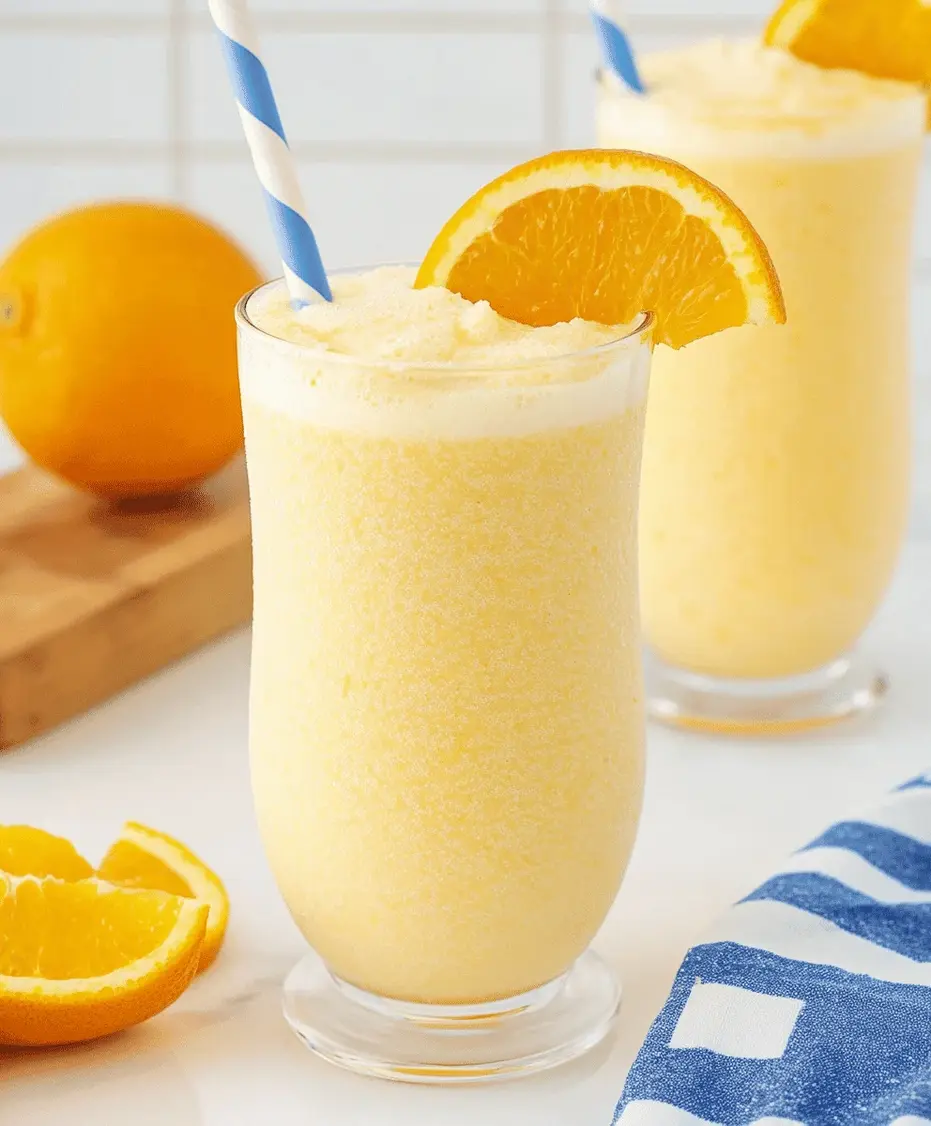
    A tall glass filled with an Orange Julius drink, garnished with an orange slice and a straw.

    Step-by-Step Instructions

    Step 1: Blend the Base

    Gather your ingredients. In your blender, pour in the fresh orange juice. If you’re using the optional egg white for that authentic froth, add it now. Place the lid securely on your blender.

    Step 2: Add Sweetness and Creaminess

    Next, pour in your milk. Add your chosen sweetener – start with the recommended 1/4 cup, but remember you can always add more later if you prefer it sweeter. Secure the lid again.

    Step 3: A Touch of Vanilla

    Add the vanilla extract. This little addition is key to balancing the tartness of the orange and adding that signature subtle depth of flavor. Make sure your lid is on tight!

    Step 4: Achieve Perfect Consistency

    Now, it’s time for the magic! Add the ice cubes to the blender. Secure the lid one final time. Blend on high speed until the mixture is smooth, creamy, and frothy. This usually takes about 30-60 seconds, depending on your blender’s power. You want a consistency that’s slushy but still drinkable.

    Step 5: Serve and Enjoy

    Pour your freshly made Orange Julius into chilled glasses. For an extra special touch, garnish with a fresh orange slice or a maraschino cherry. Serve immediately and enjoy that nostalgic taste!

    Nutritional Information (Approximate per serving)

    While variations exist based on specific ingredients used (especially milk type and sweetener amount), a typical serving of this homemade Orange Julius is:

    • Calories: Approximately 200-250 kcal
    • Protein: 4-6g
    • Fat: 2-5g
    • Carbohydrates: 35-45g (largely from sugar and orange juice)
    • Vitamin C: High (from orange juice)

    Note: If using sweetened non-dairy milk or significant amounts of added sugar, calories and carbohydrate counts may increase. The addition of an egg white contributes a small amount of protein.

    Healthier Alternatives & Swaps

    Looking to make your Orange Julius even more health-conscious without sacrificing flavor? Try these swaps:

    • Whole Fruit Power: Instead of just juice, add one peeled, segmented orange to the blender with the juice. This boosts fiber and adds a fresher zest.
    • Reduced Sugar: Use a sugar substitute like stevia or erythritol, or simply reduce the amount of sugar to 1-2 tablespoons. Taste and adjust!
    • Dairy-Free & Creamier: Opt for unsweetened full-fat coconut milk or a creamy oat milk for added richness.
    • Boost with Protein: Add a scoop of vanilla or unflavored protein powder for a more filling and post-workout-friendly option.
    • No Egg White? As mentioned, you can omit it. For a vegan frothy texture, a small amount of xanthan gum (1/4 tsp) can sometimes achieve a similar result, but use sparingly.

    Serving Suggestions

    Your homemade Orange Julius is best served immediately for that perfect frosty, frothy texture. It’s wonderful on its own, but here are a few ideas:

    • Breakfast Buddy: Pair it with pancakes, waffles, or a simple bowl of oatmeal for a bright start to your day.
    • Snack Attack: A refreshing cool-down on a hot afternoon or a treat after school.
    • Dessert Delight: Serve a smaller portion as a light, fruity dessert.
    • Garnish Glamour: Top with a dollop of whipped cream, a cherry, or a thin slice of orange on the rim of the glass for an extra festive look.

    Common Mistakes to Avoid

    To ensure your Orange Julius turns out perfectly every time:

    • Using Concentrated Juice: Reconstituted orange juice often has a less vibrant flavor and can contain additives. Freshly squeezed or high-quality pure juice makes a difference.
    • Not Enough Ice: Insufficient ice will result in a thin, milkshake-like consistency rather than the desired frosty, slushy texture.
    • Over-Blending (Sometimes): While you want it smooth, over-blending can sometimes melt the ice too much, leading to a watery drink. Blend until just combined and frosty.
    • Skipping the Vanilla: This often-overlooked ingredient is key to balancing the flavors and achieving that classic taste.

    Storing Your Orange Julius

    Like most frosty beverages, homemade Orange Julius is best enjoyed immediately after preparation. The ice will melt, and the texture will change significantly if stored for too long. If you must store it, pour any leftovers into an airtight container and keep it in the freezer. When ready to serve, you may need to let it thaw slightly and give it a good stir or even a quick re-blend to bring back some of its original texture. However, for the optimal experience, freshly made is always the way to go!

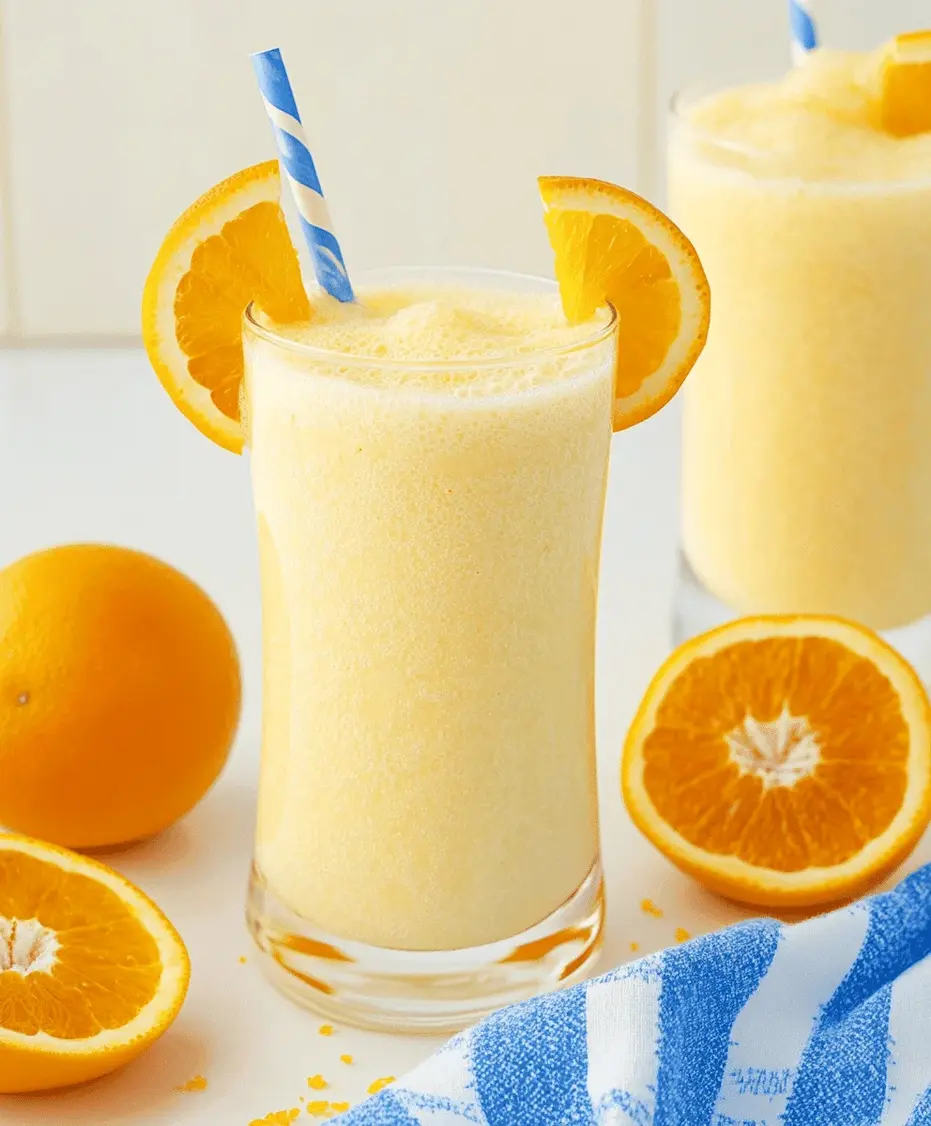
    Two glasses of Orange Julius, one with an orange slice garnish, on a kitchen counter.

    Frequently Asked Questions

    What makes an Orange Julius frothy?

    The classic froth comes from a small amount of raw egg white. It emulsifies the liquids and creates a unique airy texture. Many modern recipes omit this for safety or dietary reasons, but it’s the traditional ingredient.

    Can I make this sugar-free?

    Absolutely! You can omit the sugar entirely or use your favorite sugar substitute like stevia or erythritol. Adjust the sweetness to your liking after blending.

    What is the best kind of orange juice to use?

    For the most authentic and vibrant flavor, use 100% pure-squeezed orange juice. Avoid reconstituted or concentrate juices if possible, as they can have a less fresh taste. Pulp-free is generally preferred for a smoother texture.

    Can I use frozen oranges instead of fresh juice?

    Using frozen orange sections (peeled and ideally seedless) can be a great alternative, especially if you want a thicker, icier consistency. You might need to slightly reduce the added ice cubes if you use a lot of frozen fruit.

    Is this recipe vegan?

    The base recipe is not vegan due to the milk and optional egg white. To make it vegan, use a plant-based milk (like almond or oat milk) and omit the egg white. As mentioned, aquafaba can be a vegan alternative for froth, but it’s optional.

    Enjoy Your Taste of Nostalgia!

    There you have it – your very own Orange Julius, made with love and fresh ingredients right in your kitchen! This easy recipe brings back those beloved mall treats with a simple, delicious, and satisfying result. Whether you’re looking for a quick breakfast, a refreshing snack, or just a taste of happy memories, this copycat recipe is sure to become a favorite. Don’t hesitate to experiment with the sweetness and milk variations to find your perfect blend. Happy blending!

    Print
    clock clock iconcutlery cutlery iconflag flag iconfolder folder iconinstagram instagram iconpinterest pinterest iconfacebook facebook iconprint print iconsquares squares iconheart heart iconheart solid heart solid icon

    Orange Julius Recipe


    • Author: Chef Emy

    Description

    Make your ownOrange Juliusat home with fresh orange juice, milk, and vanilla for a sweet, creamy treat. This easy copycat recipe captures the nostalgic flavor of the famous mall favorite. Great for breakfast or a cool snack!


    Ingredients

    Scale
    • 1 cuporange juice (fresh or store-bought)
    • 1 cupmilk (whole or any preferred)
    • ¼ cupgranulated sugar
    • 1 tspvanilla extract
    • 1 cupice cubes
    • Optional: 1 egg white or 2 tablespoon powdered egg whites (for extra frothiness)

    Instructions

      Notes

      Use frozen orange juice concentrate for a more classic taste.
      Egg whites add creaminess, but can be skipped if preferred.
      For a dairy-free version, use almond or oat milk.

      Nutrition

      • Calories: 180
      • Sugar: 28g

      “`

      Cinnamon Roll French Toast Roll-up Recipe

      “`html

      Cinnamon Roll French Toast Roll-up Recipe

      The Ultimate Breakfast Mashup: Cinnamon Roll French Toast Roll-ups!

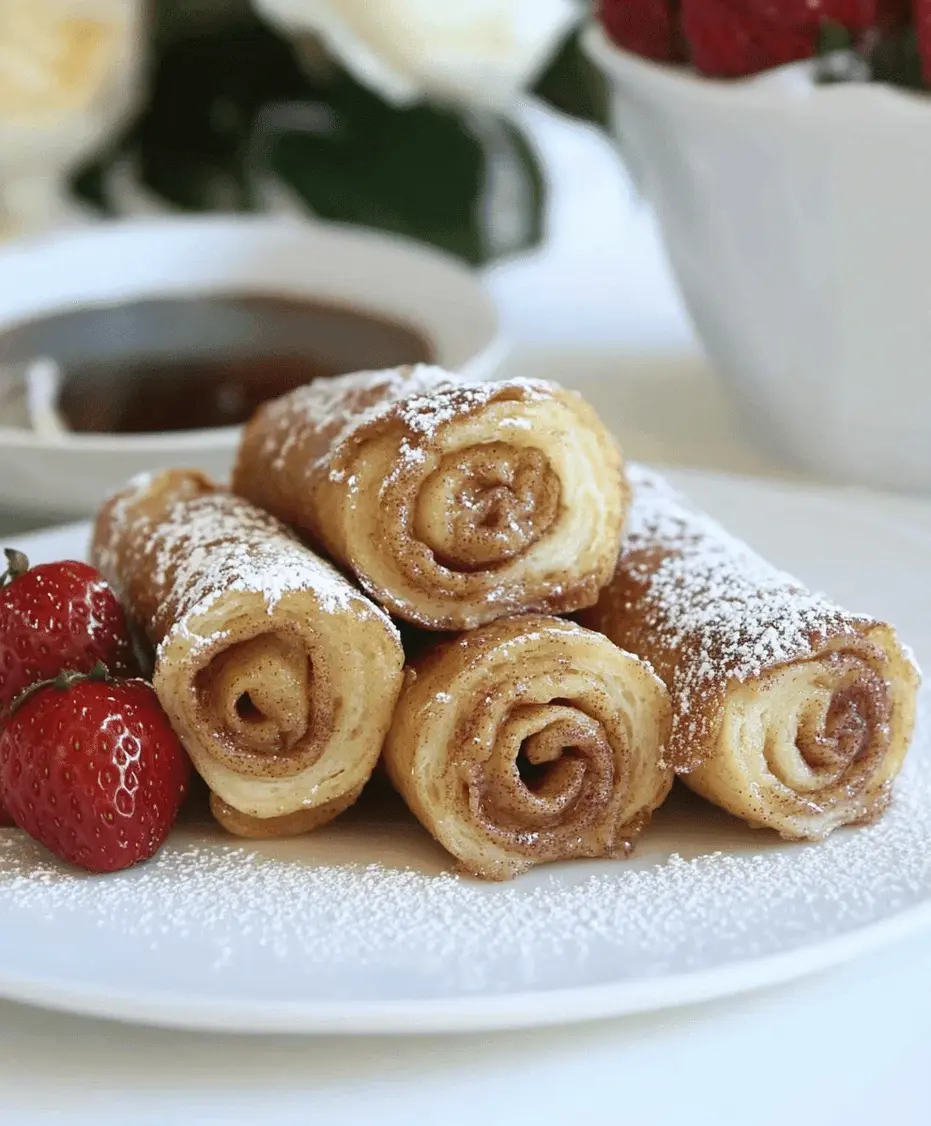
      Are you tired of the same old breakfast routine? Do you crave a morning meal that’s both comforting and exciting, a true celebration of flavors? If you’re anything like me, the allure of a warm, gooey cinnamon roll paired with the crispy, golden goodness of French toast is simply irresistible. But what if you could have the best of both worlds in one delightful package? Enter the Cinnamon Roll French Toast Roll-up Recipe – a culinary creation that promises to revolutionize your breakfast or brunch experience. Imagine the sweet, spicy swirl of cinnamon sugar nestled within tender bread, all bathed in a creamy egg mixture and cooked to a perfect, melt-in-your-mouth texture. This isn’t just breakfast; it’s an event! Get ready to ditch the ordinary and embrace the extraordinary with this decadent, yet surprisingly simple, recipe.

      Gather Your Sweet Symphony: Ingredients for Cinnamon Roll French Toast Roll-ups

      To craft these exquisite roll-ups, we’ll be bringing together the best of both worlds. Think of it as a sweet collaboration between your favorite cinnamon rolls and your beloved French toast.

      Cinnamon Roll Stars

      • 8 slices of Stale Bread: Day-old bread is key here! It soaks up the egg mixture beautifully without becoming mushy. Sourdough or brioche work wonderfully for their slightly tangy or rich flavors.
      • 1/4 cup Granulated Sugar: The base for our sweet cinnamon filling.
      • 1 tablespoon Ground Cinnamon: The soul of the cinnamon roll, providing that warm, spicy aroma and taste.
      • 2 tablespoons Unsalted Butter, melted: This helps the cinnamon sugar mixture adhere to the bread and adds a touch of richness.

      French Toast Foundation

      • 2 large Eggs: The binder for our custard, creating that classic French toast texture.
      • 1/2 cup Milk: Whole milk or half-and-half will give you the richest, creamiest custard. Almond or oat milk can be used as dairy-free alternatives.
      • 1 teaspoon Vanilla Extract: Enhances the sweetness and adds a comforting aroma.
      • 1/4 teaspoon Ground Nutmeg (optional): A whisper of nutmeg complements the cinnamon beautifully.
      • Pinch of Salt: Balances the sweetness and brings out all the flavors.

      The Luscious Drizzle

      • Maple Syrup or Icing: For serving! Pure maple syrup offers a classic pairing, while a simple powdered sugar glaze adds extra decadence.
      • Extra Cinnamon Sugar (optional): For dusting on top.

      Timing is Everything: Prep, Cook, and Enjoy

      Prep time
      15 minutes
      Cook time
      10 minutes
      Total time
      25 minutes

      Comparing this to a traditional French toast recipe, which often involves a similar prep time but might take slightly longer to cook per batch, these Cinnamon Roll French Toast Roll-ups are impressively quick. The rolling technique speeds up the cooking process, making it ideal for busy mornings. Most cinnamon roll recipes take a minimum of 2 hours (including rising and baking time), so this offers a delightful shortcut to those beloved flavors!

      Finished Cinnamon Roll French Toast Roll-ups with syrup

      Crafting Your Masterpiece: Step-by-Step Instructions

      Let’s get started on creating these little bites of breakfast heaven. The process is fun, engaging, and the results are utterly rewarding!

      Step 1: Embrace the Sweet Embrace

      In a shallow dish (like a pie plate or a wide bowl), combine the granulated sugar and ground cinnamon. Whisk them together until they’re well blended. This is our glorious, aromatic cinnamon-sugar mixture that will give our roll-ups that quintessential cinnamon roll flair.

      Step 2: Lay the Foundation

      Take each slice of bread and, using a rolling pin or a clean wine bottle, flatten it out. You want it to be significantly thinner, almost like a thin pancake. This makes it easier to roll and ensures even cooking. Once flattened, brush one side of each bread slice with the melted butter. Then, generously sprinkle the cinnamon-sugar mixture over the buttered side, pressing it down gently so it adheres. Don’t be shy – the more cinnamon sugar, the better!

      Step 3: Roll in the Goodness

      Starting from one of the shorter ends of the flattened, buttered, and sugared bread, carefully and tightly roll up the bread. Think of it like rolling a miniature Swiss roll or a log. You want it to be compact so it holds its shape during cooking.

      Step 4: The Golden Dip

      In another shallow dish, whisk together the eggs, milk, vanilla extract, nutmeg (if using), and salt until smooth and well combined. This is your French toast custard. Gently dip each rolled-up bread slice into this egg mixture, turning to coat all sides. Let them soak for about 15-30 seconds per side. You don’t want them to get too soggy, just hydrated enough for that beautiful French toast crust.

      Step 5: Sear to Golden Perfection

      Heat a lightly buttered griddle or non-stick skillet over medium heat. Carefully place the dipped roll-ups onto the hot surface, seam-side down initially to help them seal. Cook for about 2-3 minutes per side, or until they are beautifully golden brown and the cinnamon-sugar filling is melted and slightly caramelized. Rotate them so all sides get a nice, crisp sear.

      Step 6: Serve and Savor the Bliss

      Once cooked to perfection, remove the roll-ups from the skillet. Arrange them on a plate and serve immediately. Drizzle generously with warm maple syrup or your favorite icing. A dusting of extra cinnamon sugar or a dollop of whipped cream can elevate this already decadent treat even further!

      Nutritional Highlights

      • Calories: Approximately 200-250 per serving (varies based on bread type, milkfat, and amount of sugar/butter used).
      • Carbohydrates: Primarily from the bread and sugar, forming the basis of this energy-boosting breakfast.
      • Protein: Provided by the eggs and milk, essential for satiety and muscle repair.
      • Fat: From butter and milk, contributing to richness and flavor.

      (Note: These are approximate values and can vary significantly based on specific ingredients and portion sizes.)

      A Healthier Twist on Sweetness

      Want to enjoy this delightful treat with a slightly lighter touch? Here are a few swaps:

      • Whole Wheat Bread: Opt for whole wheat or multigrain bread for added fiber.
      • Reduced Sugar: Use a natural sweetener like maple syrup or a touch of stevia in the cinnamon sugar mixture, and be mindful of how much you use.
      • Skim Milk or Plant-Based Milk: Use skim milk or unsweetened almond/oat milk in the egg mixture to reduce fat content.
      • Lighter Toppings: Instead of rich icing, opt for fresh berries, a sprinkle of cinnamon, or a small drizzle of pure maple syrup.

      Elevate Your Experience: Serving Suggestions

      • Classic Pairing: Serve warm with a generous pour of pure maple syrup and a dusting of powdered sugar or cinnamon sugar.
      • Fruity Delight: Top with fresh berries like strawberries, blueberries, or raspberries for a burst of freshness and color.
      • Creamy Indulgence: Add a dollop of whipped cream or a side of Greek yogurt for a protein boost and creamy contrast.
      • Coffee Companion: These roll-ups are the perfect accompaniment to a steaming cup of coffee or a rich latte.

      Navigating the Sweet Path: Common Mistakes to Avoid

      • Using Fresh Bread: This is the most crucial mistake! Fresh bread will fall apart when soaked and rolled. Always use day-old bread.
      • Over-Soaking: Letting the roll-ups soak in the egg mixture for too long will make them soggy and difficult to handle. A quick dip is all that’s needed.
      • Crowding the Pan: Cook the roll-ups in batches. Overcrowding will steam them instead of searing, resulting in a less crispy exterior.
      • Heat Too High: Cooking over excessive heat will burn the outside before the inside is warmed through and the cinnamon sugar is caramelized. Medium heat is ideal.

      Savoring the Sweetness: Storing Your Roll-ups

      While best enjoyed fresh and warm, leftovers can be stored. Let them cool completely, then store them in an airtight container in the refrigerator for up to 2-3 days. Reheat them gently in a skillet, toaster oven, or microwave for a few seconds until warmed through. The crispiness may not be fully restored, but they’ll still be delicious!

      Close-up of a Cinnamon Roll French Toast Roll-up showing the swirl

      Frequently Asked Questions

      ***What kind of bread is best for this recipe?***

      Day-old or slightly stale bread works best. Thicker sliced bread like challah, brioche, or even a good quality white bread are excellent choices. They hold their shape well after flattening and soaking.

      ***Can I make the cinnamon sugar filling ahead of time?***

      Yes, absolutely! You can mix your cinnamon and sugar together and store it in an airtight container at room temperature. This saves you a few minutes when you’re ready to assemble.

      ***My roll-ups are falling apart. What did I do wrong?***

      This usually happens if the bread is too fresh and soft. Ensure you are using stale bread and that you are rolling it tightly. Also, be gentle when dipping and cooking.

      ***Can I use this with actual cinnamon roll dough?***

      While this recipe is designed for bread, you *could* adapt it for unbaked cinnamon roll dough. You might need to adjust cooking times and ensure the dough is fully cooked through. This would be more of a “French toast-ified” cinnamon roll rather than a bread-based roll-up.

      ***How do I get them extra crispy?***

      Ensure your pan is hot enough (medium heat), and don’t overcrowd the pan. Cook each side until desired crispiness is achieved. A little extra butter in the pan can also help with browning and crisping.

      Conclusion

      There you have it – the Cinnamon Roll French Toast Roll-up Recipe! This delightful fusion offers a wonderfully creative and delicious way to enjoy the flavors you love. It’s perfect for a special weekend brunch, a fun family breakfast, or even a delightful dessert. So gather your ingredients, embrace the fun of rolling, and prepare to wow your taste buds. Give this recipe a try and let us know what you think in the comments below! Happy cooking!

      Print
      clock clock iconcutlery cutlery iconflag flag iconfolder folder iconinstagram instagram iconpinterest pinterest iconfacebook facebook iconprint print iconsquares squares iconheart heart iconheart solid heart solid icon

      Cinnamon Roll French Toast Roll-up Recipe


      • Author: Chef Emy

      Description

      This Cinnamon Roll French Toast Roll-up Recipe is a delightful fusion of classic cinnamon rolls and crispy French toast. Perfect for breakfast or brunch, these roll-ups are filled with cinnamon sugar, dipped in egg mixture, and cooked to golden perfection. Serve with syrup or icing for a decadent treat.


      Ingredients

      Scale
      • 8slices white bread
      • 2 tbspunsalted butter, softened
      • ¼ cupbrown sugar
      • 1 tspground cinnamon
      • 2large eggs
      • ¼ cupmilk
      • ½ tspvanilla extract
      • 1 tbspbutter (for cooking)
      • Powdered sugar or maple syrup (optional, for serving)

      Instructions

        Notes

        You can prep the cinnamon mixture in advance and refrigerate.
        Great to freeze before cooking for a quick breakfast option.
        Try using whole wheat or brioche bread for variety.

        Nutrition

        • Calories: 220
        • Sugar: 10g

        “`

        Cheesy Hashbrown Breakfast Casserole With Ham Recipe

        “`html

        Cheesy Hashbrown Breakfast Casserole With Ham Recipe

        Breakfast Bliss: Your Go-To Cheesy Hashbrown and Ham Casserole

        Are you searching for a breakfast dish that’s both incredibly comforting and remarkably easy to whip up, especially when feeding a crowd? Look no further than this Cheesy Hashbrown Breakfast Casserole with Ham! In a world where quick mornings often demand quick breakfasts, it can be challenging to find options that satisfy, delight, and still feel like a special occasion. This hearty casserole answers that call, blending the satisfying crunch of hashbrowns with savory ham and a rich, cheesy egg mixture. It’s the perfect answer to those weekend brunch dilemmas or busy weekday mornings when you need a make-ahead marvel.

        Delectable Ingredients for Your Casserole

        The magic of this casserole lies in its simple, yet flavorful, combination of pantry staples. Gather these goodies and get ready to create a breakfast masterpiece:

        • 1 (30 ounce) package frozen hash brown potatoes, thawed: These are the backbone of our casserole, offering a delightful crispy texture when baked. Make sure they are fully thawed to ensure even cooking. Substitution: You can use fresh, shredded potatoes if you have them, but ensure you squeeze out as much moisture as possible.
        • 1 pound cooked ham, diced: Opt for a good quality, fully cooked ham for the best flavor. Diced ham adds savory pockets throughout the casserole. Substitution: Diced fully cooked bacon or sausage would also be delicious. For a vegetarian option, consider sautéed mushrooms and bell peppers.
        • 1 cup shredded cheddar cheese: Sharp cheddar provides a tangy kick, but feel free to use your favorite. The melty, gooey cheese is essential for that comforting factor. Substitution: Monterey Jack, Colby Jack, or a blend of your favorite melting cheeses work wonderfully.
        • 1 cup shredded Monterey Jack cheese: This cheese brings a mild, creamy flavor that pairs beautifully with the cheddar and ham, enhancing the overall creaminess. Substitution: Any good melting cheese will work here, just adjust to your flavor preference.
        • 8 large eggs: The binding agent that holds everything together, creating a fluffy, custardy texture. Substitution: For a slightly lighter casserole, you could use a mix of whole eggs and egg whites.
        • 1/2 cup milk: Adds richness and helps create a smoother egg mixture. Whole milk will yield the creamiest result. Substitution: Half-and-half or even a dairy-free milk alternative like unsweetened almond milk can be used.
        • 1/2 teaspoon salt: Enhances all the flavors. Substitution: Kosher salt or sea salt are good choices. Adjust based on the saltiness of your ham.
        • 1/4 teaspoon black pepper: Freshly ground pepper offers the best aroma and taste.
        • Optional: 1/4 cup chopped fresh chives or green onions: For a burst of fresh, oniony flavor and a pop of color.

        Perfect Timing for Your Casserole Creation

        This casserole is designed for ease, with minimal active time required. Here’s a breakdown:

        Prep time: 15 minutes
        Cook time: 45-55 minutes
        Total time: Up to 1 hour 10 minutes

        Compared to many breakfast casseroles that can take longer to assemble or require pre-cooking multiple components, this recipe is a breeze. The 15-minute prep time is perfect for busy mornings, and knowing it can be prepared ahead adds to its convenience.

        Cheesy hashbrown breakfast casserole with ham in a baking dish.

        Step-by-Step Instructions to Culinary Perfection

        Follow these simple steps to create your delicious Cheesy Hashbrown Breakfast Casserole with Ham:

        Step 1: Prep Your Dish

        Preheat your oven to 375°F (190°C). Generously grease a 9×13 inch baking dish with butter or non-stick cooking spray. This step is crucial to prevent sticking and ensure easy removal of your beautifully baked casserole.

        Step 2: Layer the Hashbrowns

        Spread the thawed hash brown potatoes evenly across the bottom of the prepared baking dish. Try to create a relatively flat, even layer. This forms the perfect base for all the deliciousness to come.

        Step 3: Add the Ham and Cheese

        Sprinkle the diced ham evenly over the hash brown layer. Next, generously scatter both the shredded cheddar and Monterey Jack cheeses over the ham. Don’t be shy with the cheese – it’s what makes this casserole truly irresistible!

        Step 4: Whisk the Eggs

        In a medium bowl, whisk together the 8 large eggs, 1/2 cup milk, 1/2 teaspoon salt, and 1/4 teaspoon black pepper until well combined and slightly frothy. If you’re using optional chives or green onions, stir them into the egg mixture now for an extra layer of flavor and color.

        Step 5: Pour and Bake

        Carefully pour the egg mixture evenly over the hash brown, ham, and cheese layers in the baking dish. Ensure the egg mixture seeps down into the crevices as much as possible. Place the dish in the preheated oven and bake for 45-55 minutes, or until the casserole is set, golden brown on top, and a knife inserted into the center comes out clean.

        Step 6: Rest and Serve

        Once baked to perfection, remove the casserole from the oven and let it rest for about 5-10 minutes before slicing and serving. This allows the casserole to firm up slightly, making it much easier to cut into neat portions.

        Nutritional Snapshot

        While exact nutritional values can vary based on ingredients and portion sizes, a typical serving of this Cheesy Hashbrown Breakfast Casserole with Ham provides approximately:

        • Calories: 350-450 kcal
        • Protein: 20-25g
        • Fat: 20-30g
        • Carbohydrates: 15-20g

        (Note: These are estimates. For precise information, calculate using your specific ingredients.)

        Healthier Alternatives & Flavorful Swaps

        Looking to lighten up this delicious casserole without sacrificing taste? Here are some smart substitutions:

        • Leaner Ham: Opt for low-sodium, lean-cut ham or turkey ham.
        • Reduced-Fat Cheese: Use reduced-fat cheddar and Monterey Jack cheeses. While they may melt slightly differently, they still provide great flavor.
        • More Veggies: Incorporate finely chopped and sautéed vegetables like spinach, bell peppers, onions, or mushrooms into the egg mixture or as a layer. This adds fiber and nutrients.
        • Egg Whites: Replace half of the whole eggs with egg whites for a lower-fat, lower-cholesterol option.
        • Whole Wheat Breadcrumbs (if used): If you ever incorporate breadcrumbs for topping, opt for whole wheat.

        Serving Suggestions to Elevate Your Meal

        This versatile casserole is a star on its own, but here are some ideas to make your meal even more complete:

        • Serve with fresh fruit salad for a refreshing contrast.
        • A side of salsa or hot sauce adds a zesty kick.
        • Offer a dollop of sour cream or Greek yogurt for extra creaminess.
        • Pair with a green salad for a balanced brunch or light dinner.
        • Top with avocado slices for healthy fats and creaminess.

        Common Mistakes to Avoid

        To ensure your casserole turns out perfectly every time, steer clear of these common pitfalls:

        • Not Thawing Hashbrowns Properly: Using frozen hashbrowns can lead to a watery casserole. Ensure they are fully thawed and excess moisture is squeezed out if using fresh.
        • Over-Baking: This can result in a dry, rubbery casserole. Keep an eye on it in the last 10-15 minutes of cooking.
        • Not Greasing the Dish: A well-greased dish is essential for easy serving and clean-up.
        • Uneven Layering: Spreading ingredients evenly helps ensure consistent cooking and flavor distribution.

        Storing Tips for Lasting Deliciousness

        Leftovers are a breakfast dream! Here’s how to store your casserole:

        • Refrigeration: Once cooled, cover the baking dish tightly with plastic wrap or foil, or transfer portions to an airtight container. It will stay fresh in the refrigerator for 3-4 days.
        • Freezing: You can freeze the entire baked casserole or individual portions. Wrap them well in plastic wrap and then in aluminum foil or place in freezer-safe containers. It can be stored in the freezer for up to 2-3 months. Thaw overnight in the refrigerator before reheating.
        • Reheating: Reheat individual portions in the microwave until heated through. For larger portions or to crisp up the hashbrowns, reheat in a 350°F (175°C) oven until warmed through, approximately 15-20 minutes. Cover with foil if it starts to brown too quickly.
        Close-up of a slice of cheesy hashbrown breakfast casserole with ham.

        Frequently Asked Questions

        ***Can I use different types of meat?***

        Absolutely! Cooked sausage, crumbled bacon, or even diced leftover chicken or turkey can be used in place of ham. Just ensure the meat is pre-cooked.

        ***Can I prepare this casserole the night before?***

        Yes! You can assemble the entire casserole (up to pouring the egg mixture) the night before. Cover it tightly and refrigerate. When ready to bake, allow it to sit at room temperature for about 30 minutes or add a few extra minutes to the baking time. For best results, pour the egg mixture over the other ingredients just before baking if possible, or ensure it’s well chilled if combined the night before.

        ***What if I don’t have milk?***

        You can substitute milk with half-and-half for a richer casserole, or even heavy cream for an extra decadent dish. For a dairy-free option, unsweetened plant-based milk like almond or soy milk works well.

        ***How do I know if the casserole is fully cooked?***

        The casserole is done when the center is set and no longer jiggly, and a knife inserted into the center comes out clean. The edges should be bubbling slightly, and the top should be golden brown.

        ***Can I add vegetables to this casserole?***

        Certainly! Finely chopped and sautéed vegetables like onions, bell peppers, spinach, mushrooms, or broccoli can be added. Sauté them first to remove excess moisture and cook them slightly before adding them to the casserole layers or mixing them into the egg batter.

        Print

        clock clock iconcutlery cutlery iconflag flag iconfolder folder iconinstagram instagram iconpinterest pinterest iconfacebook facebook iconprint print iconsquares squares iconheart heart iconheart solid heart solid icon

        Cheesy Hashbrown Breakfast Casserole With Ham Recipe


        • Author: Chef Emy

        Description

        This cheesy hashbrown breakfast casserole with ham is a comforting and delicious dish made with crispy hashbrowns, eggs, ham, and plenty of cheese. Perfect for breakfast or brunch, this easy-to-make casserole is great for feeding a crowd and can be prepared ahead of time!


        Ingredients

        Scale
        • 1(30 oz) bag frozen hashbrowns, thawed
        • 2 cupscooked ham, diced
        • 2 cupsshredded cheddar cheese
        • 8large eggs
        • 1 cupmilk
        • ½ teaspoonsalt
        • ½ teaspoonblack pepper
        • ½ teaspoongarlic powder
        • ½ teaspoononion powder

        Instructions

          Notes

          Use pre-cooked ham or swap with cooked bacon or sausage.
          Can be made ahead—assemble and refrigerate overnight before baking.
          Add veggies like bell peppers or spinach for extra flavor.

          Nutrition

          • Calories: 320
          • Sugar: 2g

          “`