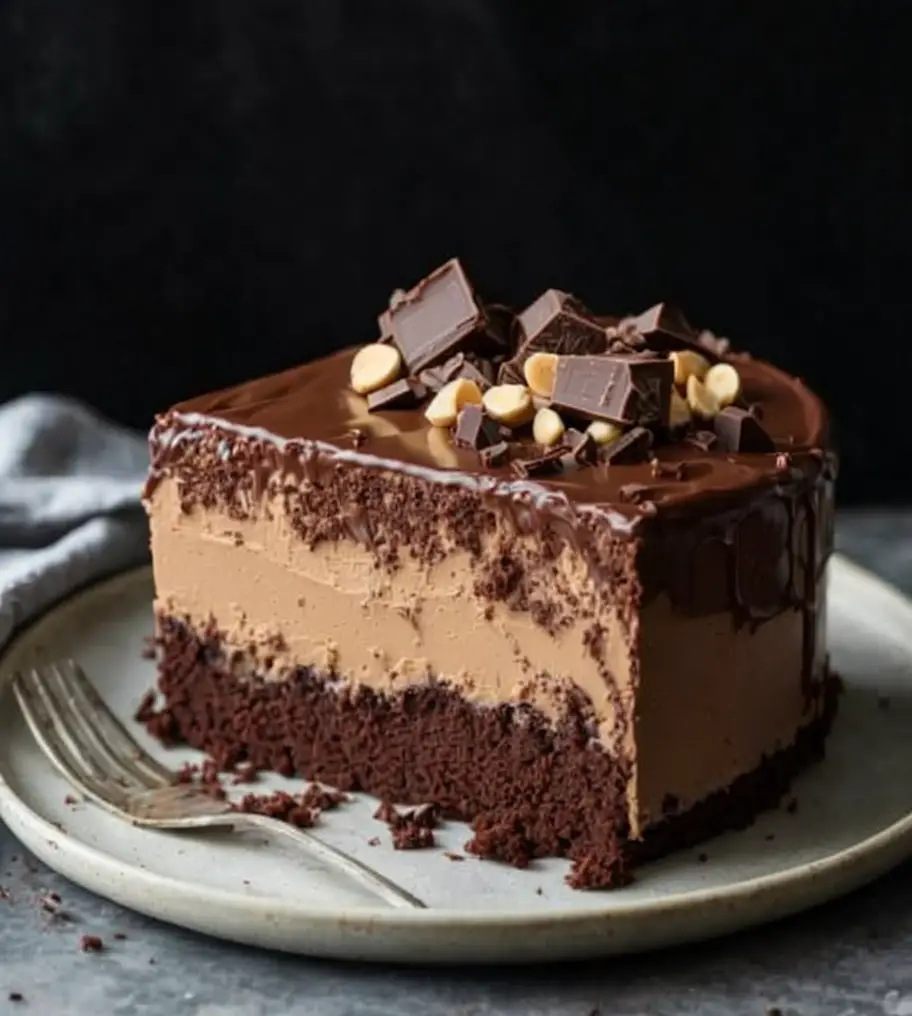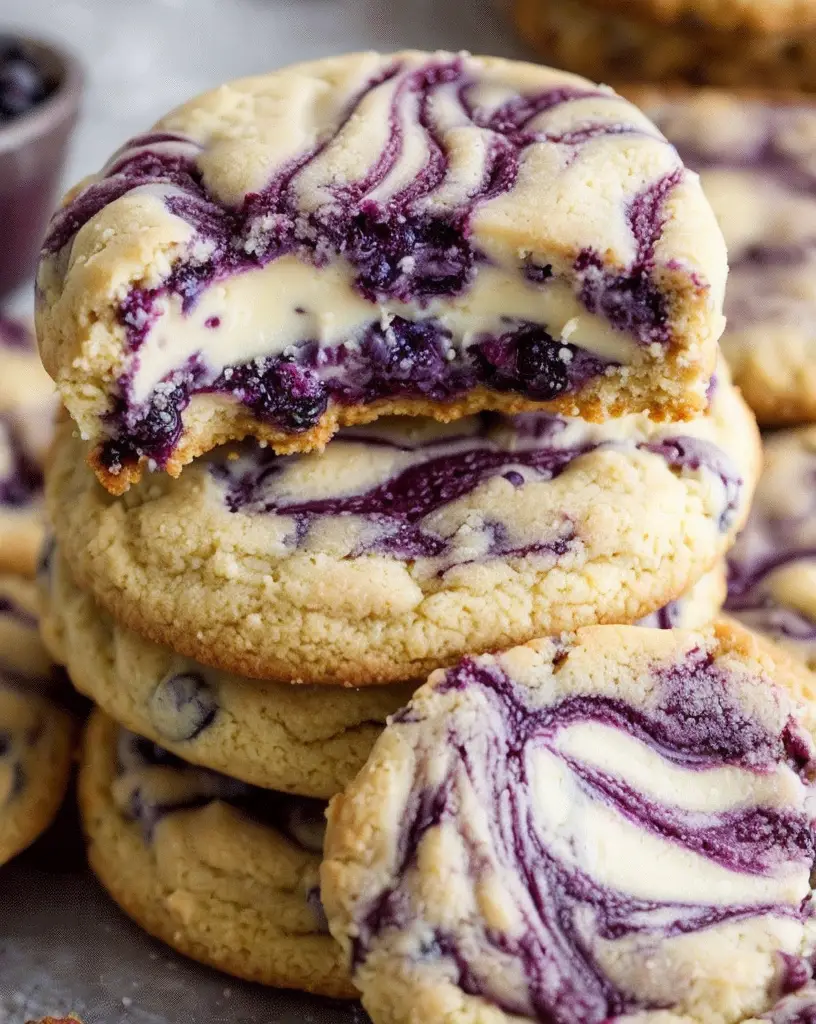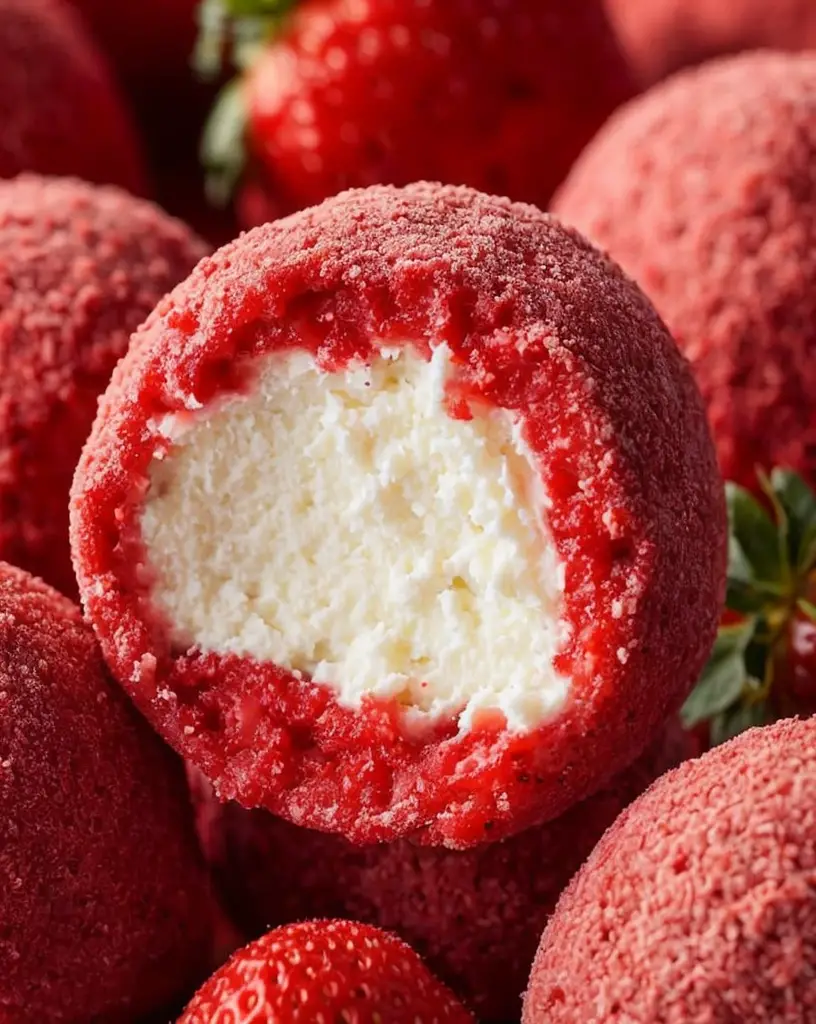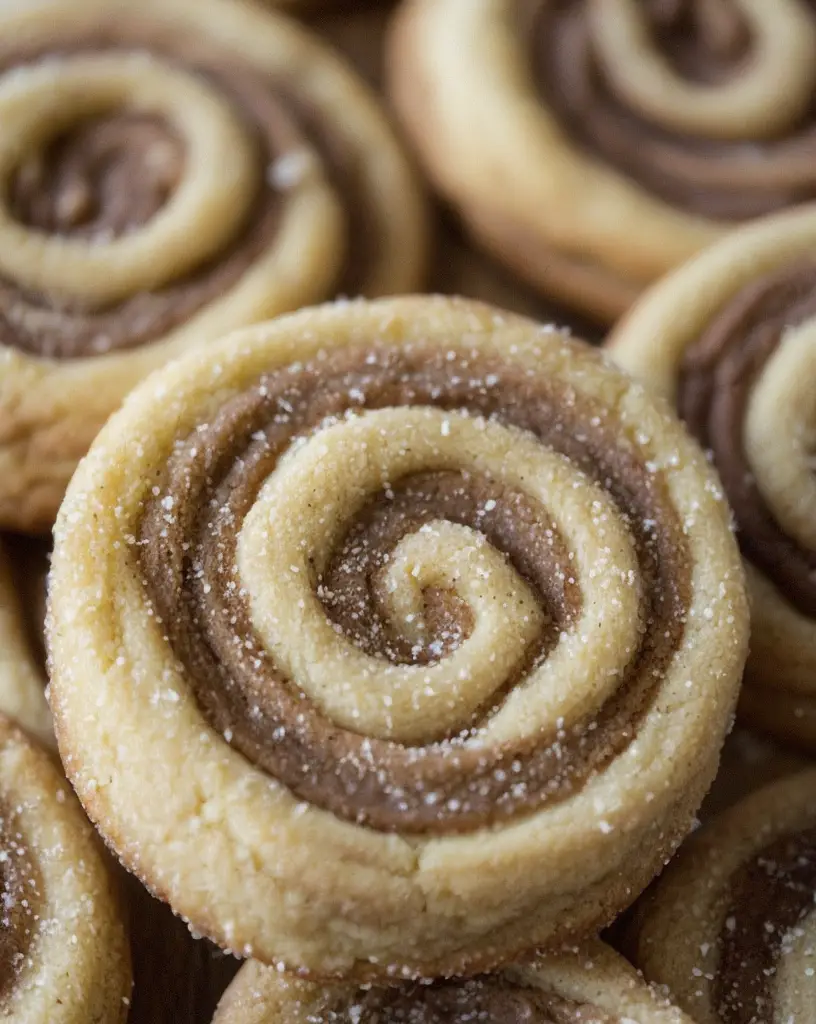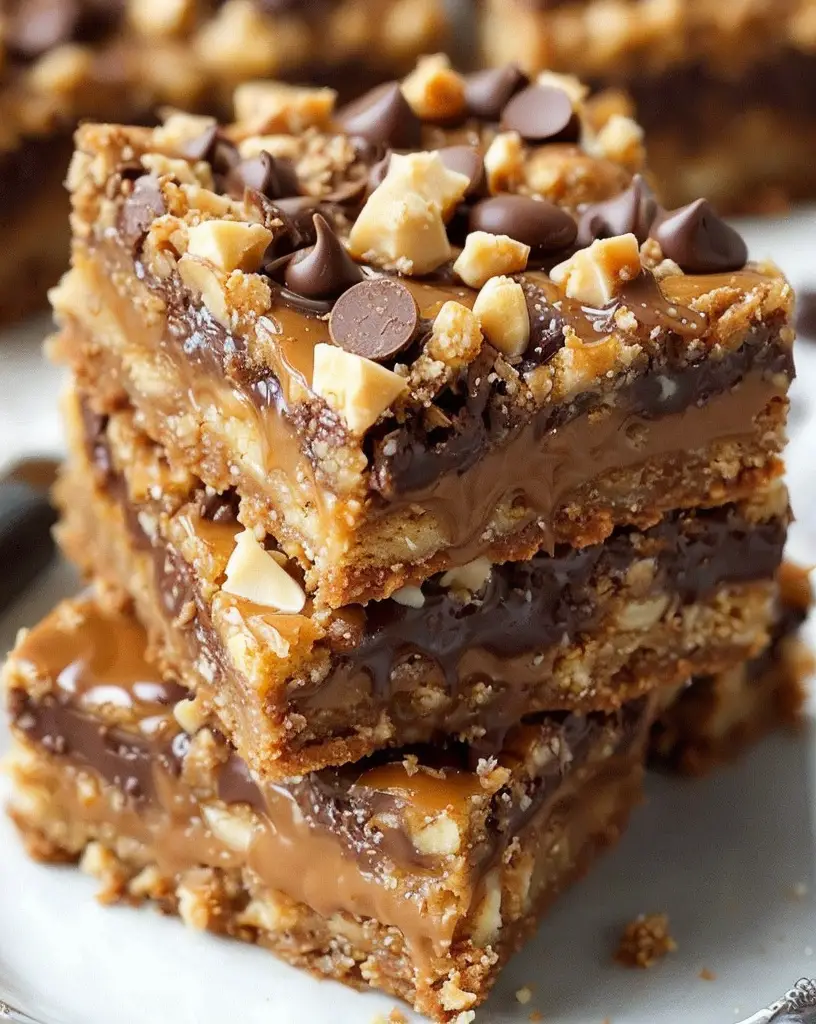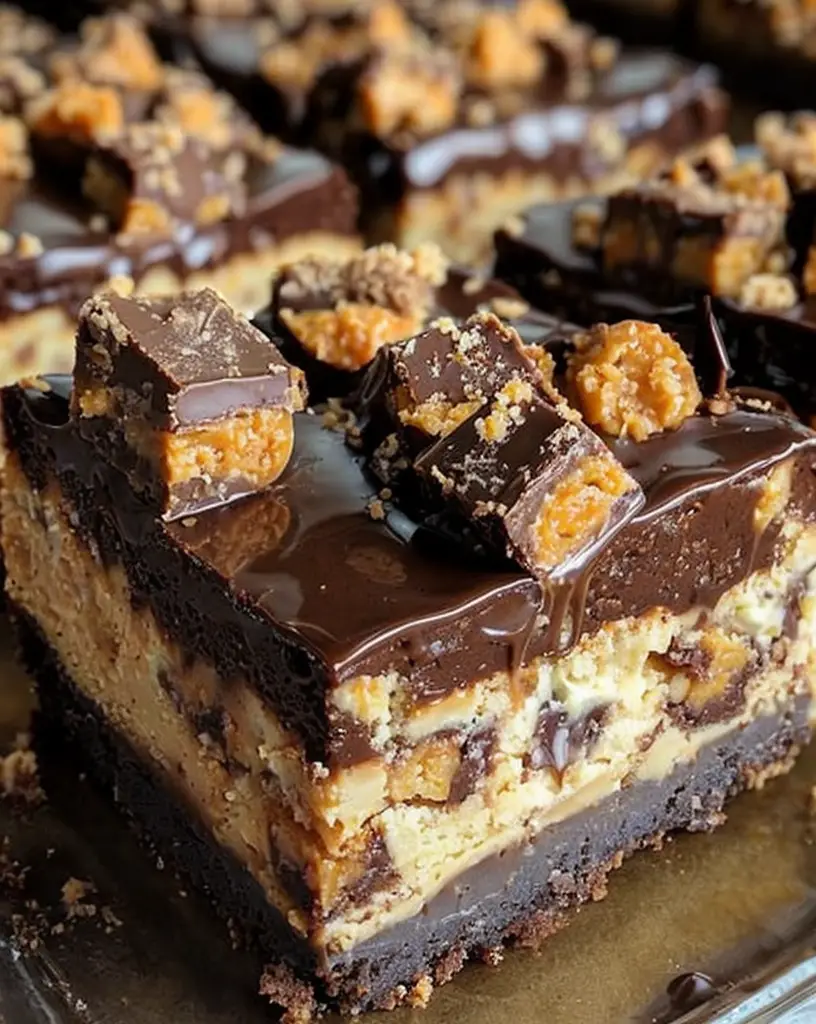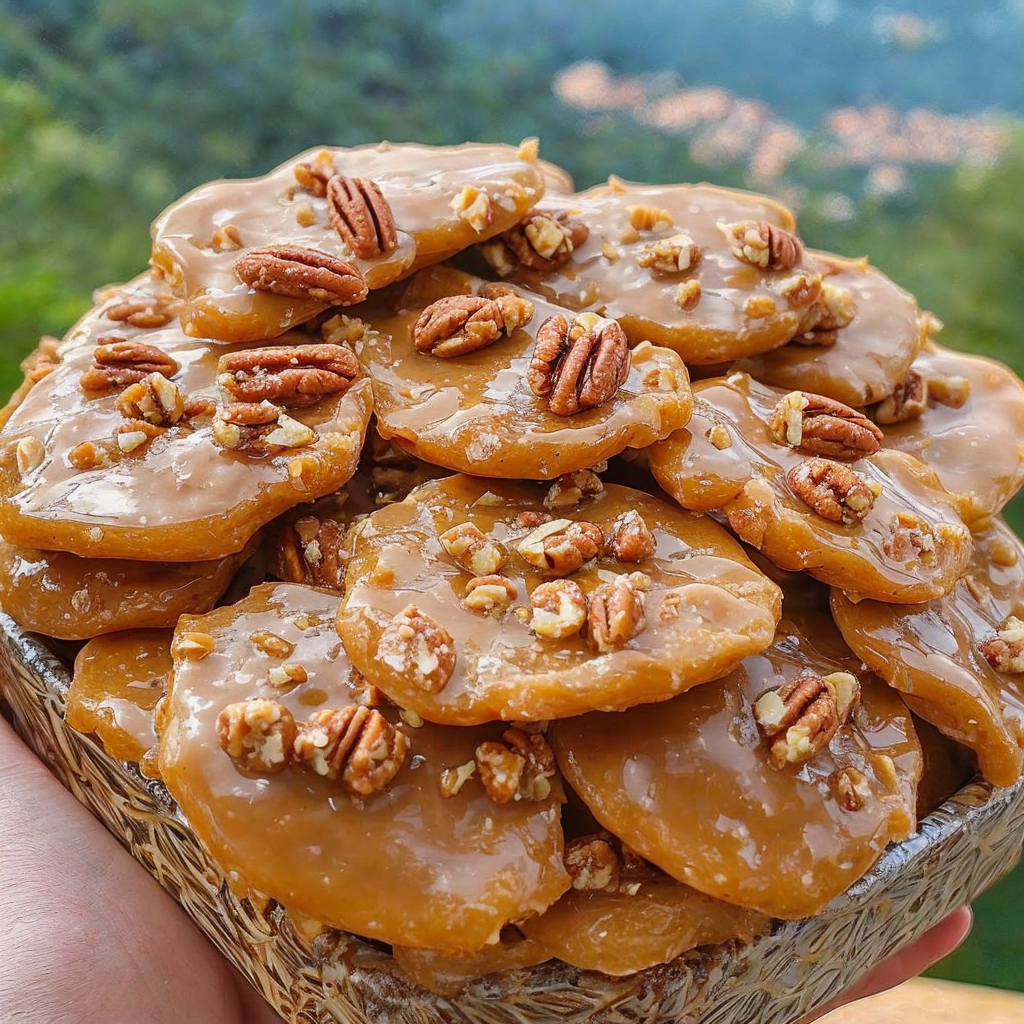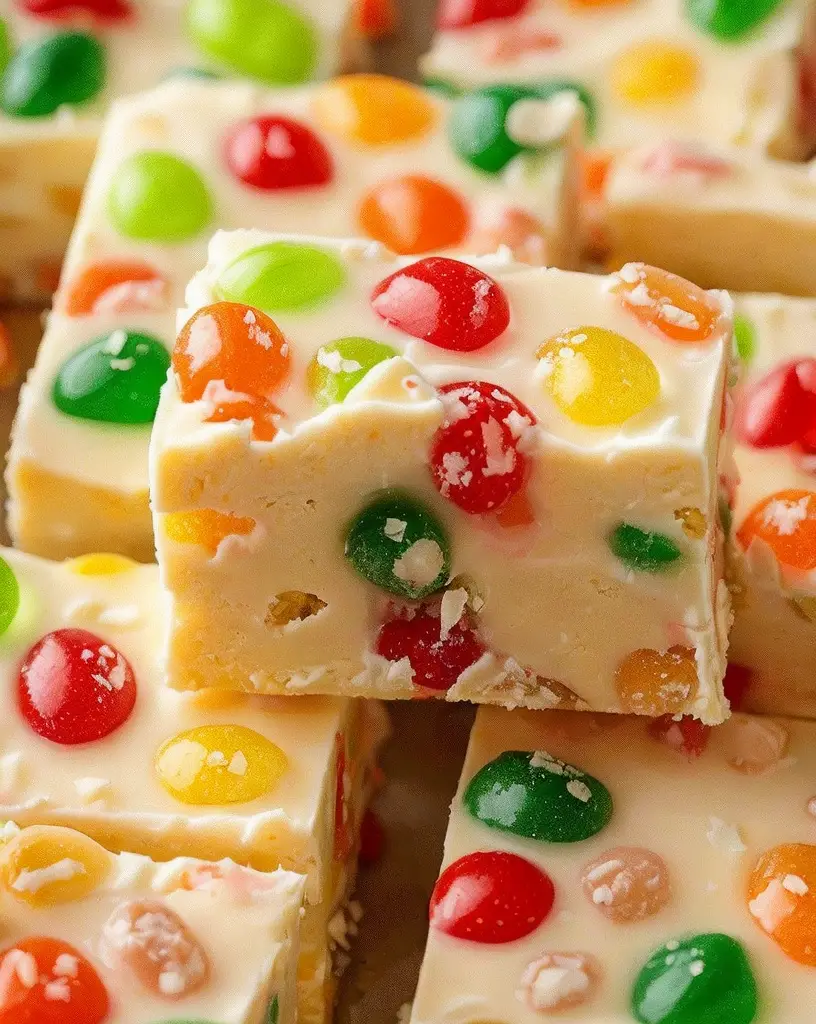
Indulge your sweet tooth with our delicious and irresistible dessert recipes! Whether you’re craving decadent chocolate treats, fruity delights, or creamy, dreamy confections, we have something for every occasion.
From classic cakes and homemade cookies to no-bake desserts, rich cheesecakes, and festive holiday treats, our recipes are perfect for special celebrations or everyday sweet cravings.
Need something quick? Try our easy, fuss-free desserts that come together in no time. Whether you love warm baked goods, refreshing frozen sweets, or nostalgic comfort desserts, these recipes are sure to bring a little extra joy to your day! 🍰🍫🍪
Irresistible Christmas Rocks Recipe: Perfect Holiday Treats for Festive Gatherings
Christmas Rocks: A Delightful Festive Treat
⚖️
Difficulty
Easy
⏲️
Prep Time
15 mins
🕒
Cook Time
30 mins
⏱️
Total Time
45 mins
🍽️
Servings
24 cookies
Christmas Rocks are the quintessential festive cookie that fills your kitchen with the nostalgic aroma of spices, fruit, and nuts. Imagine biting into a cookie that combines the delightful crunch of pecans with the delicate sweetness of cherries and dates. These cookies are perfect for holiday gatherings, offering a taste of homemade love in every bite. With their simple preparation and rewarding flavor, they make for a cherished holiday tradition that your friends and family will eagerly anticipate year after year.
Quick Recipe Highlights
Flavor Profile: A harmonious blend of sweet cherries, rich dates, and spicy cinnamon
Texture: A satisfying balance between the crumbly cookie base and crunchy nuts
Aroma: Inviting scents of cinnamon and nutmeg fill your kitchen
Visual Appeal: Speckled with vibrant red cherries and golden brown nuts
Skill Level Needed: Simple techniques suitable for all baking levels
Special Equipment: Standard baking tools and a sturdy mixing bowl
Recipe Overview
Difficulty Level: Easy enough for beginners, with minimal risk of error thanks to straightforward steps
Category: Perfect for desserts, holiday treats, and cookie exchanges
Cuisine: Rooted in traditional American home-baking with influences from holiday customs worldwide
Cost: Budget-friendly, with most ingredients pantry staples or easily sourced
Season: Best enjoyed during the winter holidays when spices and warmth are most comforting
Occasion: Ideal for Christmas, Hanukkah, and any festive gathering where baked goods spread cheer
Why You’ll Love This Recipe
The taste and texture of Christmas Rocks are incredibly inviting. You’ll find the sweetness of the cherries and dates well-balanced with the slight crunch of the pecans, all wrapped up in a spiced dough. These cookies are easy to prepare, making them a convenient choice for busy holiday schedules. Moreover, they offer a wholesome treat that can easily accommodate various dietary needs with simple ingredient adjustments. Preparing Christmas Rocks brings families together, providing a baking activity that’s both fun and fulfilling. Lastly, the ingredients are readily available and cost-effective, ensuring that this treat doesn’t break the holiday budget.
Historical Background and Cultural Significance
Originating from the heart of American Christmas traditions, Christmas Rocks have become a staple in holiday cookie platters. Their creation dates back decades, embodying the spirit of family and warmth. Over time, the recipe has evolved, adapting to regional flavors and personal tastes. While the cookies maintain their core ingredients, variations have emerged, showcasing a wide array of nuts and dried fruits. In essence, Christmas Rocks are a testament to culinary heritage, blending time-honored customs with contemporary flavors.
Ingredient Deep Dive
Each ingredient in Christmas Rocks plays an integral role in achieving their characteristic flavor and texture. The pecans, for instance, are rich in monounsaturated fats and essential nutrients, offering both a healthful crunch and delightful contrast to the sweetness of the fruit. Choosing the freshest pecans ensures a vibrant taste; look for nuts that are plump and uniform in color. Meanwhile, cherries and dates provide a natural sweetness and moistness that complements the spiced dough. To maintain their quality, store in a cool, dry place and inspect for signs of spoilage before use. Should you need an alternative, raisins or dried cranberries are excellent substitutes, blending just as harmoniously in the recipe.
Common Mistakes to Avoid
Overmixing the dough can cause the cookies to become dense instead of crumbly. Mix just until combined.
Using old or stale nuts can impart a rancid flavor, so always use fresh pecans.
Neglecting to preheat the oven may result in uneven baking. Ensure the oven is fully heated before baking.
Skipping parchment paper can lead to sticking; always line your baking sheets for easy removal.
Using too much flour will dry out the cookies; measure accurately using the spoon-and-level method.
Not allowing enough space between cookies can cause them to merge; space them 2 inches apart.
Opening the oven door frequently can cause heat loss and uneven cookies, so resist the temptation.
Ignoring ingredient substitutions can alter taste; choose alternatives wisely to maintain flavor balance.
Essential Techniques
Mastering the art of dough mixing is crucial for perfect Christmas Rocks. The key is to combine the ingredients lightly, preserving the airy structure necessary for a soft crumb. It’s also essential to monitor the baking time closely; removing cookies from the oven just as they begin to brown ensures they remain tender. Pay attention to the aroma—the unmistakable scent of cinnamon and nutmeg should just start wafting through your kitchen. If they smell done, they likely are.
Pro Tips for Perfect Christmas Rocks
Ensure your butter is at room temperature for easy incorporation and a smooth dough. Toasting the pecans before adding them to the mix can enhance their nuttiness, providing an even deeper layered flavor. For an added twist, incorporate a pinch of ginger for a bit more spice. To impress guests with presentation, dust finished cookies lightly with powdered sugar before serving. Consider making a double batch, as these cookies store exceptionally well and make for fantastic holiday gifts. If you’re short on time, the dough freezes well, allowing you to bake fresh cookies at a moment’s notice for surprise visitors.
Variations and Adaptations
Christmas Rocks are wonderfully adaptable, allowing bakers to express their creativity while retaining the core flavors. For a regional twist, swap pecans with walnuts or almonds, which may be more prevalent in certain areas. During the summer months, try incorporating dried blueberries or apricots, offering a lighter, fruit-forward taste while maintaining the original charm. For those on gluten-free diets, a suitable flour blend can be used without compromising on texture, offering inclusivity to holiday celebrations. To emphasize the cookies’ rustic charm, press a whole cherry or nut onto the top of each cookie before baking—this not only boosts visual appeal but also adds flavor variety.
Serving and Presentation Guide
Consider serving Christmas Rocks on a rustic wooden platter to enhance their homemade appeal. A garnish of freshly grated nutmeg or a sprinkling of edible gold dust can elevate their festive look. Pair them with traditional holiday accompaniments like hot cocoa or spiced cider, which complement the cookies’ warm flavors perfectly. Serve warm for an added touch of comfort, and feel free to portion according to guest preferences—though their irresistibility often sees them disappearing quickly.
Wine and Beverage Pairing
A light, fruity wine such as a Moscato d’Asti can complement the sweet profile of Christmas Rocks, enhancing their flavor components. For those preferring non-alcoholic options, a chai tea latte brings out the spice notes beautifully. Offering a malty beer like a brown ale can be an interesting twist, balancing sweetness with its smooth finish. Regardless of choice, serving each at a slightly chilled temperature ensures a refreshing experience against the warm cookies.
Storage and Shelf Life
Store Christmas Rocks in an airtight container at room temperature, where they’ll remain delectable for up to a week. For extended preservation, consider refrigeration, which keeps them fresh for up to three weeks. Be wary of moisture, as it may compromise their texture—always choose moisture-proof containers. If preparing in advance, freezing is an excellent option, with cookies retaining their quality for several months; just ensure they’re fully thawed before enjoying.
Make Ahead Strategies
The flexible nature of Christmas Rocks makes them perfect candidates for pre-baking preparation. The dough can be prepared and kept in the refrigerator for up to two days, allowing you to bake fresh cookies as needed. Storing dough in smaller amounts ensures consistent results and simpler handling. Freezing the dough is also viable, enabling quick thawing and baking directly from frozen, with minimal quality loss.
Scaling Instructions
Whether you’re catering for a small gathering or a large celebration, adjusting the Christmas Rocks recipe is straightforward. Halving the recipe is simple; just be mindful of maintaining ingredient ratios, particularly for spices. No need to scale back the cooking time significantly, but keep an eye on cookies during baking to prevent over-browning. For larger batches, invest in additional baking sheets and consider staggered baking to maintain even cooking while ensuring freshness for all servings.
Nutritional Deep Dive
Christmas Rocks offer a balanced array of macronutrients, with carbohydrates providing energy, and pecans contributing beneficial fats and proteins. The dried fruit ingredients are natural sweeteners, reducing the need for added sugars while offering dietary fiber for gut health. Consider enjoying as part of a balanced diet, where portion control prevents overindulgence while still satisfying sweet cravings.
Dietary Adaptations
For gluten-free adaptations, replace all-purpose flour with a gluten-free baking blend to keep your cookies safe for all diet preferences. Dairy-free alternatives include using margarine or coconut oil instead of butter, with minimal impact on flavor. Vegans can easily substitute eggs with flaxseed meal or applesauce, ensuring everyone at the table can partake in this festive tradition.
Troubleshooting Guide
If your Christmas Rocks seem too dry or crumbly, it may be due to overbaking. Adjust your baking time slightly or reduce the oven temperature. For flat cookies, ensure butter is not overly soft at the start. If flavors are muted, double-check your spice measurements, ensuring they have not gone stale. Troubleshoot texture issues by using fresh ingredients, and consider adjusting oven racks for better heat distribution.
Recipe Success Stories
Readers regularly share their own creative takes on Christmas Rocks, from adding a coconut touch to incorporating a hint of orange zest. These successes showcase the recipe’s flexibility and adaptability to different cultural flavors. Photography tips suggest using natural lighting to highlight their vibrant ingredients, bringing the cookies’ colors to life on social media posts. Engaging in community recipe swaps allows our readers to discover even more delightful adaptations, fostering a sense of community across borders.
Frequently Asked Questions
Can I use other nuts?
Yes, walnuts and almonds can be used as alternatives to pecans, offering a slight taste variation while maintaining the recipe’s integrity.
Is it possible to make the recipe vegan?
Definitely! Substitute eggs with mashed banana or flaxseed meal, and use plant-based margarine in place of butter for delicious vegan Christmas Rocks.
How do I prevent them from being too dry?
Avoid overbaking by watching their color closely. If necessary, slightly adjust the ingredient balance for a moister dough.
What’s the best way to store them?
Keep in an airtight container at room temperature or refrigerate for longer-lasting freshness, up to three weeks.
Are there any gluten-free options?
Sure! A gluten-free flour blend works well as a direct replacement for all-purpose flour, suitable for those with dietary restrictions.
Additional Resources
Discover other delightful holiday cookies through our related recipes section, where classic flavors meet modern twists. Our technique guides offer insights on achieving perfect bakes, while ingredient information helps you choose the best components for your festive treats. For a streamlined baking experience, our equipment recommendations ensure you’re always prepared with the right tools. Finally, explore seasonal variations to enjoy cookies that reflect the changing tastes of each festive occasion.
Join the Conversation
Engage with our community by sharing your Christmas Rocks creations on social media, using our hashtag to connect with other bakers. Offer reviews and feedback on the recipe, allowing for an exchange of ideas and improvement tips. We encourage our readers to explore different recipe variations, share their photography tips, and delve into the world of baking techniques with fellow enthusiasts.
The Recipe
Christmas Rocks
Serves: 24 cookies
Prep Time: 15 mins
Cook Time: 30 mins
Total Time: 45 mins
Kitchen Equipment Needed
Mixing bowls
Baking sheets
Parchment paper
Hand mixer or stand mixer
Measuring cups and spoons
Ingredients
2 cups all-purpose flour
1/2 teaspoon baking soda
1/2 teaspoon cinnamon
1/4 teaspoon nutmeg
1/2 teaspoon salt
1 cup unsalted butter, softened
3/4 cup brown sugar
2 large eggs
1 teaspoon vanilla extract
1 cup chopped pecans
1/2 cup chopped dates
1/2 cup chopped candied cherries
Directions
Preheat your oven to 350°F (175°C) and line baking sheets with parchment paper.
In a bowl, whisk together flour, baking soda, cinnamon, nutmeg, and salt. Set aside.
In a large bowl, beat butter and brown sugar until light and fluffy. Add eggs one at a time, beating well after each addition. Stir in vanilla extract.
Gradually add the dry ingredients to the wet mixture, beating until just combined.
Fold in the chopped pecans, dates, and cherries until evenly distributed.
Drop tablespoon-sized scoops of dough onto prepared baking sheets, spacing them 2 inches apart.
Bake for 12-15 minutes, or until edges are golden. Cool on a wire rack.
Recipe Notes
Cookies can be stored in an airtight container at room temperature for up to a week.
For added festive touch, drizzle with melted white chocolate.
Nuts can be toasted beforehand to enhance flavor.
Irresistible Pecan Pie Bark Recipe: A Sweet Holiday Treat
Pecan Pie Bark: A Delightful Twist on a Classic Dessert
⚖️
Difficulty
Easy
⏲️
Prep Time
10 mins
🕒
Cook Time
25 mins
⏱️
Total Time
35 mins
🍽️
Servings
8
Indulge in a bite-sized version of a dessert classic with this Pecan Pie Bark. This recipe brings together the rich, buttery flavors of traditional pecan pie with a delightful, crunchy twist. Perfect for holiday gatherings or a special treat, each piece of pecan pie bark is a symphony of nutty, caramel goodness that melts in your mouth. Designed for ease and speed, it captures the essence of pecan pie with minimal effort—ideal for those looking to impress without stressing in the kitchen.
Dive into luscious layers of toasted pecans nestled within a golden brown sugar caramel glaze. The texture is just as impressive as the taste—crispy, creamy, and irresistibly crunchy. The aroma, with its hints of roasted nuts and sweet caramel, fills your kitchen with warmth and comfort, making every bite of this pecan pie bark feel like a cozy embrace.
Quick Recipe Highlights
Flavor Profile: The pecan pie bark combines nutty, caramel-like sweetness with hints of buttery richness.
Texture: Expect a satisfying crunch from the toasted pecans, complemented by a smooth caramel layer.
Aroma: A warm, inviting scent of roasted pecans and caramelized sugars wafts through your kitchen.
Visual Appeal: Shiny caramel-coated pecans create a tempting mosaic of golden browns.
Skill Level Needed: Easy—perfect for beginners or anyone short on time.
Special Equipment: A baking sheet, parchment paper, and a sturdy saucepan for the caramel.
Recipe Overview
Difficulty Level: This easy recipe leverages simple techniques to achieve that classic pecan pie taste.
Category: Dessert, perfect for snacks or post-dinner indulgence.
Cuisine: A delicious take on Southern dessert traditions, adapted for modern convenience.
Cost: Budget-friendly, as pecans and sugar are the primary cost factors.
Season: Ideal for fall and winter when pecans are in season, but delicious year-round.
Occasion: Great for holidays, parties, or as a homemade gift.
Why You’ll Love This Recipe
One of the most beloved aspects of pecan pie bark is its irresistible taste and texture combination. Each bite is a masterclass in flavor balance—sweet, nutty, and slightly salty, providing a depth that keeps palates intrigued. It’s a convenient dessert to whip up, requiring minimal prep and cleanup, ideal for busy festivities.
Nutritionally, while still a treat, pecan pie bark offers the benefits of pecans, a good source of healthy fats and proteins. It’s a superb choice for social gatherings, offering portioned servings that guests can easily enjoy without utensils. The cost-effectiveness of this dessert cannot be overlooked; a little goes a long way, and its ingredients are straightforward and easily accessible at most grocery stores.
Historical Background and Cultural Significance
Pecan pie, the inspiration for this recipe, hails from the American South, where pecans grow abundantly. Originally a staple in American households, variations like pecan pie bark surfaced for their convenience and portability. This dessert embodies a cultural tradition of Southern hospitality and sweet indulgence that transcends generations.
The pecan pie’s evolution involves adapting the classic pie into simpler confections like this bark, appealing to time-strapped cooks while preserving essential flavors. Regional variations have emerged, with some adding chocolate or sea salt to the traditional recipe, each tweak reflecting local tastes and creativity.
Ingredient Deep Dive
The star of the show, pecans, are steeped in history as an indigenous nut variety native to North America. Rich in heart-healthy fats, vitamin E, and antioxidants, they lend both cultural significance and nutritional value to the recipe. Select pecans that are plump and shiny for the freshest flavor, and store them in a cool, dry place to maintain their quality.
Brown sugar, the sweetener of choice for the caramel, imparts a deep molasses note that elevates the flavor profile of pecan pie bark. Store brown sugar in an airtight container to prevent it from hardening, and if you run out, white sugar mixed with molasses can serve as an effective substitute.
Common Mistakes to Avoid
Overcooking the caramel: Keep a close eye on the temperature to prevent burning.
Skipping the parchment: Always line your baking sheet to prevent sticking and ensure easy removal.
Not pre-toasting pecans: Adds depth to their flavor, ensuring a robust taste.
Using old pecans: Can be bitter—always ensure they are fresh.
Incorrect caramel consistency: Too thick, and it won’t spread; too thin, it won’t set.
Burning the caramel: Use medium heat and stir constantly to avoid scorching.
Cutting while hot: Allow it to cool completely before breaking it into pieces.
Improper storage: Seal it tightly to keep it crisp; exposure to air can lead to sogginess.
Ignoring portions: Overindulgence is easy, so remember balance when serving.
Neglecting garnishes: Optional, but sea salt or chocolate can enhance flavors.
Essential Techniques
Creating the perfect caramel requires patience and attention at every stage. Begin by combining butter and brown sugar in a saucepan, stirring until fully dissolved and bubbling. The key is to achieve a smooth, glossy consistency without graininess—this involves a gentle simmer and consistent stirring. Overheating can cause the sugars to crystallize, resulting in a gritty texture.
Mastering the art of toasting nuts depends on achieving an even golden-brown hue. Spread pecans in a single layer on a baking sheet and toast briefly until their aroma is released, enhancing their natural sweetness and adding a richer flavor to the bark.
Pro Tips for Perfect Pecan Pie Bark
Pre-toast your pecans to bring out their flavor and add a layer of textural complexity to your pecan pie bark. When preparing the caramel, be sure to use a candy thermometer to monitor the temperature closely, ensuring it doesn’t exceed the soft ball stage. This will result in a perfectly spreadable and set caramel.
For added indulgence, sprinkle a pinch of flaky sea salt over the caramel while it’s still warm, introducing a delightful contrast to the sweetness. If you’re feeling adventurous, consider drizzling melted dark chocolate over the baked bark for an elegant touch.
Variations and Adaptations
Distinct regional variations of pecan pie bark include the addition of bourbon for a Southern twist or a sprinkle of cinnamon for a holiday flavor profile. Adapt it seasonally by incorporating dried cranberries in winter or a zest of citrus in the summer months.
To accommodate dietary needs, consider using coconut sugar instead of brown sugar, or opt for dairy-free butter for a vegan version. Further flavor experiments can include adding a hint of vanilla extract to the caramel or even infusing the syrup with fresh rosemary for a fragrant herbal note.
Serving and Presentation Guide
For a charming presentation, break your pecan pie bark into rustic shards and arrange them on a decorative plate lined with parchment. Dust lightly with powdered sugar for a snowy effect or garnish with a scattering of edible flowers for a festive touch.
Pair this crisp dessert with contrasting soft elements such as whipped cream or vanilla ice cream, which can enhance the richness and balance the sweetness of the bark. Temperature plays a crucial role—serve at room temperature for the best texture.
Wine and Beverage Pairing
Pairing this pecan pie bark with a robust, oaky Chardonnay or a sweet late-harvest Riesling complements its nutty flavors and caramel sweetness. When opting for non-alcoholic options, a freshly brewed cup of strong coffee or a creamy chai latte can balance the bark’s intensity.
If serving with tea, consider a nutty Assam or a fragrant Earl Grey to enhance its aromatic profile. Ensure all beverages are served at a suitable temperature to enrich the overall tasting experience.
Storage and Shelf Life
Store your pecan pie bark in an airtight container to preserve its crunch and flavor. Keep it at room temperature for about a week, or refrigerate for longer freshness. Check for any signs of spoilage, like off-odors or changes in texture, before serving.
To reheat, place in a low oven briefly or allow it to return to room temperature naturally. For extended storage, wrap tightly and freeze for up to three months.
Make Ahead Strategies
Prepare the caramel sauce a day in advance and store it in the refrigerator to cut down on preparation time. You can also chop and toast the pecans ahead; just keep them sealed to retain freshness. When ready to assemble, gently reheat the caramel until pourable.
Assemble the bark when you’re serving close to the occasion, ensuring the freshest crunch and flavor. If there are delicate garnishes involved, add those just before serving to maintain their appeal and texture.
Scaling Instructions
This recipe can be halved easily for smaller gatherings or doubled if you’re serving to a crowd. When scaling, use appropriately sized baking sheets to avoid overcrowding, which can impact texture. Adjust cooking times slightly if using thicker layers of caramel or pecans.
Mind the caramel’s temperature and consistency with each alteration, as thicker batches may require more attention to prevent burning. Storage solutions remain unchanged in terms of container type and method, although space considerations might necessitate multiple containers when scaling up.
Nutritional Deep Dive
Pecan pie bark is a delicious treat that, while indulgent, offers the health benefits embedded in its main ingredients. Pecans provide healthy monounsaturated fats and protein, making this dessert more than just empty calories. A macro, micro, and caloric breakdown can guide those mindful of intake.
While enjoying pecan pie bark in moderation, its health score can be improved by choosing organic ingredients or substituting refined sugars. This conscious consumption approach helps integrate this delightful dessert into a balanced diet.
Dietary Adaptations
To make this recipe gluten-free, ensure all added toppings comply with gluten-free standards, including caramel and chocolate variations. For a vegan version, substitute butter with coconut oil or a plant-based alternative, and replace traditional sugars with agave or maple syrup.
For those observing a keto diet, replace brown sugar with a low-carb sweetener, and ensure all components fit within carb constraints. Adaptations for dietary needs are straightforward and ensure everyone can enjoy your pecan pie bark.
Troubleshooting Guide
If the caramel is too hard, reheating slowly and adding a splash of cream can soften it to the desired texture. Lacking flavor depth may be due to under-toasted nuts—ensure proper toasting to bring out the best in pecans. Burnt caramel issues often stem from overheating; maintain moderate heat and constant stirring.
Should your bark not set properly, revisit ingredient ratios to ensure correct proportions, especially the butter-to-sugar ratio in caramel. Equipment variations might necessitate technique adjustments—always tailor steps to available tools.
Recipe Success Stories
Home cooks have found joy in adapting pecan pie bark, enhancing it with personal twists like adding spices or different nut combinations. Community feedback highlights its ease, taste, and reception at gatherings. Share your photos and stories, inspiring others to tailor the recipe to their tastes.
Consider trying variations shared by others, such as incorporating caramel shards into ice cream, presenting an innovative take on traditional flavors. The possibilities are as endless as the creativity they inspire.
Frequently Asked Questions
Can I use other nuts besides pecans? Absolutely, walnuts or almonds make delightful alternatives, though the flavor profile will vary.
How do I prevent my caramel from crystallizing? Ensure constant stirring and gentle heating to avoid sugar reformation into crystals.
What’s the best way to store pecan pie bark? An airtight container at room temperature is ideal; for longer storage, refrigeration is recommended.
Why is my bark sticky? It may not have cooled enough. Allow it to set completely before breaking it into pieces.
Is it possible to use dark chocolate instead? Yes, dark chocolate pairs beautifully with the sweet, nutty flavors.
Can I make this sugar-free? Use sugar alternatives like erythritol, but adjust quantities to avoid overwhelming sweetness.
What should I do if my caramel burns? Start again, and use lower heat, monitoring closely with a candy thermometer.
Are there any dairy-free options? Replace butter with coconut or a dairy-free alternative for a lactose-friendly version.
Additional Resources
Explore related recipes such as traditional pecan pie, caramel-coated nuts, or holiday-themed barks. Dive into technique guides for perfect caramel making, or ingredient deep dives that enhance understanding of nuts’ roles in other culinaries.
Additionally, understanding seasonal influences can help tailor this recipe to various times of year, adapting not just ingredients but perhaps even presentation. Find equipment recommendations to optimize your cooking experience, ensuring success with each attempt.
Join the Conversation
Engage with our community by sharing your pecan pie bark creations on social media, tagging #PecanPieBarkDelight. Exchange tips and variations in the comments and discover how others are creatively adapting this classic. Leave a review to inspire others and bolster their confidence in trying this delightful recipe. Join now and be part of a vibrant culinary journey that spans taste, culture, and tradition.
The Recipe
Pecan Pie Bark
Serves: 8
Prep Time: 10 mins
Cook Time: 25 mins
Total Time: 35 mins
Kitchen Equipment Needed
Baking sheet
Parchment paper
Medium saucepan
Mixing spoon
Candy thermometer
Ingredients
2 cups pecans, coarsely chopped
1 cup unsalted butter
1 cup brown sugar, packed
Pinch of sea salt (optional)
Directions
Preheat your oven to 350°F (175°C) and line a baking sheet with parchment paper.
Spread pecans in a single layer on the prepared sheet and toast in the oven for about 5-7 minutes or until fragrant.
In a medium saucepan, melt the butter over medium heat. Add the brown sugar and stir until fully dissolved and bubbling. Maintain a gentle boil for 3-4 minutes, stirring constantly.
Remove from heat and pour the caramel over the toasted pecans, using a spatula to spread it evenly.
Let it cool completely before breaking it into pieces.
Recipe Notes
For added flavor, sprinkle a pinch of sea salt over the caramel while it’s still warm.
The pecan pie bark stores well; keep it in a cool, dry place for up to a week.
Indulge in Irresistible Heavenly Banana Cake with Cream Cheese Frosting
Heavenly Banana Cake with Cream Cheese Frosting: A Tempting Delight
⚖️
Difficulty
Medium
⏲️
Prep Time
20 mins
🕒
Cook Time
45 mins
⏱️
Total Time
65 mins
🍽️
Servings
12
Imagine a cake bursting with the natural sweetness of ripe bananas, topped with a luxurious layer of cream cheese frosting. This heavenly banana cake offers a moist, tender crumb that perfectly balances the rich and tangy frosting. It’s the kind of dessert that brings comfort and joy with every bite. Whether you’re a seasoned baker or a newbie in the kitchen, this banana cake promises impressive results that are sure to delight any crowd.
Indulging in a slice of banana cake with cream cheese frosting is like a warm hug. Its inviting aroma fills the kitchen as it bakes, creating an atmosphere of anticipation. This cake is perfect for gatherings and special occasions, offering a nostalgic taste reminiscent of family dinners and holiday celebrations.
Quick Recipe Highlights
Flavor Profile: This cake combines the sweet and fruity essence of bananas with a creamy, tangy frosting.
Texture: Expect a soft, moist crumb contrast with smooth, luscious cream cheese frosting.
Aroma: The comforting scent of baked bananas mingles with the rich aroma of cream cheese.
Visual Appeal: Light golden hues adorned with a snowy-white topping make this cake a centerpiece.
Skill Level Needed: A medium-level recipe requiring basic baking techniques.
Special Equipment: Requires standard baking tools and a mixer for the frosting.
Recipe Overview
Difficulty Level: Medium difficulty due to the need for precise ingredient measurements and baking timing.
Category: Best served as a dessert or a sweet treat at any meal.
Cuisine: This cake has Western influences, deeply rooted in American baking traditions.
Cost: Cost-effective, using pantry staples and ripe bananas.
Season: Best enjoyed year-round, whenever bananas are available.
Occasion: Perfect for birthdays, family gatherings, or holiday feasts.
Why You’ll Love This Recipe
This banana cake is all about taste and texture. The first bite reveals a moist and tender crumb, highlighting the natural sweetness of ripe bananas. Topped with creamy and tangy cream cheese frosting, the flavors meld beautifully, creating a harmonious balance that comforts the soul and excites the palate.
Convenience is another reason to love this recipe. The preparation involves basic baking skills, making it accessible for home bakers. With simple steps and common ingredients, you’ll have this cake ready in just over an hour, yet the taste promises complexity that feels gourmet and sophisticated.
Nutritionally, bananas offer natural sugars and potassium, and while this cake is a treat, it does incorporate a serving of fruit. For those looking to indulge while sneaking in a bit of nutrition, it’s a sweet compromise.
This cake shines at social gatherings. It’s not just a dessert; it’s a conversation starter. Its inviting aroma draws people in, creating a focal point for shared enjoyment and nostalgic discussions about favorite homemade treats.
Finally, it’s budget-friendly and relies on affordable ingredients typically found in most kitchens. This accessibility makes it a perfect choice when looking to impress without breaking the bank, ensuring the Heavenly Banana Cake maintains its place in your repertoire of beloved, go-to recipes.
Historical Background and Cultural Significance
Banana cake has humble beginnings, finding its roots in the frugal days of the Great Depression when resourceful home cooks sought to use every element of their groceries, including overripe bananas. This cake became a way to transform otherwise overlooked ingredients into something delicious and worthwhile.
Culturally, banana cake symbolizes comfort and home, often passed down through generations as a cherished family recipe. It is well-celebrated in various forms across the United States and beyond, each version holding a story of adaptation and love.
The recipe for banana cake has evolved over time, with modern versions including a variety of nuts, spices, or flavorings. The cream cheese frosting, while not original, has become a popular addition for its creamy, tangy counterpoint to the cake’s sweetness.
Regional variations can be seen across the globe. In the Caribbean, hints of rum or coconut may be included, adding a tropical flair. In Asian cuisines, you might find Japanese versions that add matcha or red bean paste for a unique twist on familiar flavors.
Ingredient Deep Dive
Bananas play a critical role in the cake and their history as a domesticated fruit reflects their importance in global cuisine. Once considered exotic, bananas are now a staple in many households worldwide. Their unique ability to act as a natural sweetener, while also providing moisture and flavor, makes them ideal for baking.
Nutritionally, bananas are rich in potassium and have significant dietary fiber, offering health benefits alongside their delicious taste. To select the perfect banana for baking, look for heavily speckled or fully brown bananas to ensure maximum sweetness and ease of mashing. Store bananas at room temperature for faster ripening or refrigerate to slow the process. Should you need a substitute, applesauce or pear puree can act as worthy alternatives for moisture.
The cream cheese frosting relies heavily on its main ingredient, cream cheese, which adds a tangy creaminess unmatched by other frostings. Serving as a balancing act to the sweet banana base, it ensures each slice is an experience of both complex and harmonious flavors.
When selecting cream cheese, opt for full-fat versions for the richest taste. Storage should be in the refrigerator, ensuring freshness and flavor integrity. Should a dairy-free option be necessary, vegan cream cheese can work, although it may alter the texture slightly.
Common Mistakes to Avoid
Using under-ripe bananas can result in a drier, less flavorful cake. Ensure your bananas are fully ripe.
Over-mixing the batter can lead to a dense cake. Mix until just combined to preserve a light crumb.
Neglecting to properly preheat your oven can lead to uneven baking.
Using cold cream cheese can make frosting lumpy. Ensure it’s at room temperature before mixing.
Omitting the use of baking powder can prevent the cake from rising properly.
Failing to line or grease the baking pan can cause the cake to stick and break apart.
Ignoring cooling time for the cake before frosting can cause the frosting to melt.
Storing in an airtight container is vital to maintain cake freshness.
Essential Techniques
One technique essential to mastering this cake is the proper mashing of bananas. Bananas should be mashed until smooth but with tiny chunks to provide flavor bursts throughout the cake. Over-mashing can result in an overly dense texture, while under-mashing may cause inconsistent sweetness.
Blending cream cheese frosting to the right consistency is another key technique. A smooth, spreadable consistency enhances the cake’s texture. Avoid over-beating that can cause the frosting to split and become watery. Look for a creamy and slightly thicker texture as a sign of success.
Correctly creaming the butter and sugar is critical for achieving a light, airy cake texture. This process incorporates air, helping the cake rise during baking and resulting in a tender crumb. Visual cues for success include a pale, fluffy mixture.
Pro Tips for Perfect Heavenly Banana Cake
Gradually add powdered sugar to the cream cheese for smoother frosting. This helps avoid clumping and ensures an even distribution.
Always sift flour and baking powder to avoid clumps in your cake batter and achieve a smooth, even texture.
Incorporate spices like cinnamon or nutmeg for an added depth of flavor compatible with bananas.
For even baking, ensure your batter is evenly spread in the pan and tap it gently on the counter to remove air pockets.
Opt for high-quality vanilla extract to enhance the overall flavor profile of both the cake and the frosting.
If possible, bake the cake a day in advance and frost it once cooled for more pronounced flavors as they meld together.
Variations and Adaptations
Regional variations can be explored by adding tropical flavors like shredded coconut or passion fruit in the frosting. For a mellow flavor variation, incorporate cinnamon or even chocolate chips into the batter.
Seasonal adaptations might include adding chopped walnuts or pecans for an autumnal touch, or using fresh summer fruits for a vibrant presentation.
Dietary modifications can easily be made by using gluten-free flour blends or dairy-free cream cheese to cater to dietary restrictions without sacrificing taste.
For texture modifications, pureed bananas can be swapped for chunky mashed bananas for a different texture profile. Alternatively, fold in nuts or dried fruits for added bite.
For presentation alternatives, decorate with sliced bananas or edible flowers to provide visual interest and added flavors.
Serving and Presentation Guide
For flawless plating, use a cake stand to elevate the Heavenly Banana Cake with Cream Cheese Frosting, allowing guests to admire its layers and texture. Add garnish with a light dusting of cinnamon atop the frosting, or consider slices of fresh banana strategically placed along with the frosting’s edge for a touch of vibrancy.
Traditional accompaniments like fresh-brewed coffee or tea pair beautifully with the cake’s flavors. Modern serving suggestions might include a drizzle of caramel or chocolate syrup for an extra indulgence.
Be mindful of temperature — serving this cake slightly chilled helps maintain the structure of the frosting, especially in warmer climates, while ensuring portion sizes are generous enough to enjoy the complex layers of texture and flavor in each bite.
Wine and Beverage Pairing
Pair this cake with a late harvest Riesling or a Moscato to complement its sweetness with delicate floral and fruity notes. Non-alcoholic alternative options include chai tea, whose cinnamon and spice flavors beautifully contrast with the cream cheese frosting.
For coffee enthusiasts, a freshly brewed French roast coffee provides a robust balance with the sweet richness of the cake.
Sparkling water with a splash of lemon or lime offers a light, refreshing palate cleanser, ensuring that each bite of Heavenly Banana Cake remains as delightful as the first.
Storage and Shelf Life
Proper storage is key to maintaining freshness. Store the banana cake in an airtight container and refrigerate it for up to five days.
Beware of leaving the cake at room temperature for too long, particularly in warm conditions, to prevent frosting from spoiling.
For freezing, wrap individual slices in plastic wrap before placing them in a freezer-safe container.
To reheat, allow frozen slices to thaw in the fridge overnight. You can then gently warm in the microwave for a fresh-out-of-the-oven feel, mindful of avoiding overheating which could melt the frosting.
Make Ahead Strategies
Consider making the cake layers in advance and freezing them until needed. Bake, cool, and wrap them tightly in plastic before freezing. When ready to serve, prepare the fresh cream cheese frosting and assemble the cake for that just-made taste.
Storage between steps is essential for maintaining freshness without sacrificing flavor — cover anything pre-made to avoid it drying out.
Assessing quality impact is crucial, so ensure the cake is not overly moist from freezing which might affect texture. Adding a fresh pear or apple slice to the container can help preserve moisture during storage.
Scaling Instructions
To halve the recipe, simply divide each ingredient quantity by two, being mindful of adjusting baking times since smaller cakes bake faster. Doubling or tripling the recipe is easy but requires a larger mixing bowl and possibly a stand mixer for ease.
With larger batches, ensure the baking pans you use provide enough room for batter expansion to prevent overflow. Timing will have to be adjusted — keep an eye and check frequently for a clean toothpick indicating doneness.
Even when scaling, ensure the cooled cake is moist and retains its fluffy crumb before assembly — use of consistent measuring tools is key to success.
Nutritional Deep Dive
Heavenly Banana Cake delivers a lovely balance of macronutrients and can fit into a variety of diets when consumed in moderation. Bananas contribute natural sugars and dietary fiber, key for digestive health.
Micronutrients, including potassium and vitamins B6 and C, are present in the cake. While it’s a sweet treat, it’s worth noting the health benefits from its fruit content.
Those watching their diet should focus on portion control, enjoying a slice as part of a balanced lifestyle. This includes noting the caloric consumption relative to daily activity levels and incorporating weight management practices accordingly.
Dietary Adaptations
To create a gluten-free version, simply substitute gluten-free flour blend in place of regular flour. Ensure it also includes a binding agent like xanthan gum, which helps mimic gluten’s elasticity.
A dairy-free version can use vegan cream cheese and margarine in the frosting, while using almond or coconut milk within the batter as needed.
For a low-carb adaptation, consider using sugar alternatives suitable for baking, understanding this might alter the cake structure and flavor slightly.
Troubleshooting Guide
To resolve texture issues, ensure you’re not over-mixing the batter, as this can create a dense cake. Use a light hand with ingredients and proper folding as instructed.
Balancing flavors might involve adjusting the sugar-to-banana ratio, for those preferring less sweetness, reducing sugars can help achieve this.
If you encounter temperature problems leading to raw centers, ensure the oven is evenly calibrated or consider reducing cake layers to promote quicker, balanced cooking.
Ingredient substitutions, especially in response to dietary restrictions, should focus on one-to-one replacements, remaining mindful they must fulfill similar roles in the recipe.
Timing concerns guide successful baking, try covering cake with foil if it’s browning too quickly, giving it more time to rise and finish inside without burning.
Recipe Success Stories
Many readers have used this banana cake recipe as a base for imaginative variations, incorporating ingredients that celebrate their regional tastes.
A community-favorite adaptation includes the addition of cocoa powder for a chocolate-banana hybrid delight, with several successfully integrating lavish layers of coarsely chopped nuts for texture.
Photography tips shared by successful home bakers reveal using natural daylight to achieve the cake’s best visual representation.
This recipe continues to inspire creative presentations and embellishments, from multi-tiered creations to personalized decorations echoing memorable events.
Frequently Asked Questions
Can I use frozen bananas for this cake? Yes, just ensure they are thawed and drained before mashing to maintain correct moisture balance.
How long will this cake last? Properly stored, this cake can last about five days in the refrigerator or up to three months when frozen.
Can I make this cake without eggs? Yes, consider using flax eggs or a commercial egg replacer available in stores for similar binding.
How do I know when the cake is done? Insert a toothpick into the center; it should come out clean, or with only a few moist crumbs.
What can I do if I don’t have cream cheese? Substituting with Greek yogurt or a coconut cream base can create a similar creamy topping.
Additional Resources
Explore similar recipes including banana bread or muffins for variations on this banana-inspired theme.
Find more on technique guides for cake baking basics, ensuring even beginners feel comfortable in trying their hand at this recipe.
Deep dives into ingredient qualities, and how subtle changes in brand or origin can influence final taste, are also available.
Essential equipment recommendations, from best mixers to pan choices, can help streamline your baking process.
Join the Conversation
We encourage community feedback through shared photos, comments, and ratings to hear how this cake has brought smiles to your table.
By using social media, join others in sharing your own adaptations or stunning cake presentations.
Engage with like-minded bakers in creating personal spins or learning from shared successes, continuing the conversation about our beloved Heavenly Banana Cake.
The Recipe
Heavenly Banana Cake with Cream Cheese Frosting
Serves: 12
Prep Time: 20 mins
Cook Time: 45 mins
Total Time: 65 mins
Kitchen Equipment Needed
Mixing bowls
Electric mixer
9×13-inch baking pan
Spatula
Measuring cups and spoons
Cooling rack
Ingredients
3 ripe bananas, mashed
1/2 cup unsalted butter, softened
1 cup granulated sugar
2 large eggs
1 tsp vanilla extract
1 1/2 cups all-purpose flour
1 tsp baking soda
Pinch of salt
1/2 cup sour cream
1/2 cup chopped walnuts (optional)
For Frosting:
8 oz cream cheese, softened
1/4 cup unsalted butter, softened
2 cups powdered sugar
1 tsp vanilla extract
Directions
Preheat oven to 350°F (175°C). Grease and flour a 9×13-inch baking pan.
In a large bowl, cream together the butter and sugar until light and fluffy. Beat in the eggs, one at a time, then stir in the vanilla and mashed bananas.
In another bowl, whisk together the flour, baking soda, and salt. Add to the banana mixture alternately with sour cream. Stir in walnuts if using. Pour batter into prepared pan.
Bake in preheated oven for 45 minutes, until a toothpick inserted into the center of the cake comes out clean.
For the frosting, beat cream cheese and butter until smooth. Gradually beat in powdered sugar and vanilla until creamy. Spread over cooled cake.
Refrigerate until serving. Store leftovers refrigerated.
Recipe Notes
Make sure the cream cheese is at room temperature for the best frosting texture.
The cake can be made a day in advance for flavors to develop.
Add a splash of lemon juice to the frosting for a tangy twist.
Irresistible Cherry Cheesecake Fluff: A Quick and Easy Dessert
Delectable Cherry Cheesecake Fluff: A Sweet and Creamy Delight
⚖️
Difficulty
Easy
⏲️
Prep Time
15 mins
🕒
Cook Time
0 mins
⏱️
Total Time
15 mins
🍽️
Servings
6
Indulge yourself in the captivating taste of our Delectable Cherry Cheesecake Fluff, a luscious and velvety dessert that perfectly balances sweetness with a hint of tang. This no-bake treat brings the classic flavors of cheesecake into a fluffy, creamy concoction that’s irresistibly light yet satisfyingly rich. Perfect for any occasion, this cherry-infused delight will have your taste buds begging for more.
Our Cherry Cheesecake Fluff combines the heartwarming flavors of fresh cherries with the creamy goodness of cheesecake, creating a truly divine dessert experience. Whether you’re savoring it solo or sharing with friends and family, each spoonful promises a melt-in-your-mouth experience that is both sophisticated and comforting. Remember, there’s no oven required, making it an effortless delight to whip up!
Achieve the ultimate in dessert euphoria with our Cherry Cheesecake Fluff, a sensational creation that embraces both time-honored cheesecake traditions and the ease of modern dessert preparation. It’s a gorgeous centerpiece for casual gatherings or a luxurious close to a dinner party, leaving everyone in awe of its irresistible charm and sumptuous taste.
Quick Recipe Highlights
Flavor Profile: The cherry cheesecake fluff boasts a sweet, creamy flavor with subtle cherry notes that provide a delightful tanginess.
Texture: Experience a light and airy texture that dissolves beautifully on the palate, reminiscent of whipped cream mixed with cheesecake richness.
Aroma: Invoking the fragrance of fresh cherries and creamy cheesecake, it’s irresistible from the moment you stir the ingredients together.
Visual Appeal: The vibrant red of the cherries contrasts beautifully with the creamy white fluff, offering a delightful visual feast perfect for any dessert table.
Skill Level Needed: Ideal for novice cooks and seasoned chefs alike, requiring minimal culinary skill for maximum impact.
Special Equipment: You’ll need only basic kitchen tools, emphasizing ease of preparation without specialized appliances.
Recipe Overview
Difficulty Level: This recipe is classified as easy due to the simplicity of the mixing process and the absence of any cooking or baking stages.
Category: It’s a versatile dessert that fits snugly into categories like no-bake delights, fruit desserts, and cheesecake-inspired creations.
Cuisine: While inspired by cheesecake traditions, this fluff embraces a modern twist on classic American desserts.
Cost: Expect this recipe to be budget-friendly, given the few ingredients required and their common availability.
Season: We recommend crafting this fluff during cherry season to enhance the freshness, but frozen cherries work beautifully year-round.
Occasion: Perfect for casual get-togethers, family desserts, or festive occasions like potlucks and summer barbecues.
Why You’ll Love This Recipe
Relish the scrumptious taste and texture that the Cherry Cheesecake Fluff delivers with every mouthful. The creamy base paired with juicy, tangy cherries ensures a balanced flavor that is both refreshing and indulgent. Its light and fluffy consistency provide a delightful contrast to traditional heavy desserts, making it an appealing choice for any event.
The convenience of this dessert cannot be overstated. With no baking involved, the preparation time is minimal, making it a quick and easy recipe to assemble even at the last minute. All you need is a mixing bowl, a whisk, and your ingredients. This versatility makes it a fantastic go-to dessert when you need something delicious in a pinch.
Moreover, the Cherry Cheesecake Fluff offers various nutritional benefits, especially when using fresh or frozen cherries that are rich in vitamins and antioxidants. It serves as a lower-calorie option to traditional cheesecake, and you can adjust sugar levels to suit your dietary preferences.
Perfect for entertaining, this dessert is a crowd-pleaser that caters to a range of tastes and preferences. Its adaptability means it can be part of a casual meal or the star attraction of a dinner party. Guests will appreciate the lightness after a hearty meal, offering a refreshing end to the evening.
Furthermore, the cost-effectiveness of this recipe is a significant attraction. Most of the ingredients are staples you might already have, and cherries are readily available without breaking the bank, ensuring a delicious yet economical option.
Historical Background and Cultural Significance
The origins of cherry desserts date back centuries, with cherries being a popular component in lush pies and tarts across Europe. The cherry was first domesticated in regions of Asia Minor, eventually making its way to Greek and Roman cuisine. This eventually led to its incorporation into cheesecakes, a dessert variant beloved since ancient times.
Cheesecake itself has an illustrious history, with roots tracing back to ancient Greece. Over time, its evolution saw the emergence of various regional adaptations, culminating in the modern, indulgent cheesecakes we cherish today. The simplicity of the Cherry Cheesecake Fluff pays homage to these ancestral recipes, embracing flavors our ancestors would recognize.
As cheesecake grew in popularity across different cultures, innovations emerged, such as incorporating fresh fruits like cherries. Regional influences saw the adaptation of recipes to suit local flavors, particularly in the United States where cheesecake became synonymous with creamy, sweet indulgence.
Throughout its evolution, the Cherry Cheesecake Fluff remains a testament to versatility, simplicity, and flavor. It offers a fusion of traditional cherry desserts with modern, quick preparation methods, appealing to contemporary lifestyles while respecting culinary tradition.
Ingredient Deep Dive
Cherries hold a culturally rich history, originating from the fertile regions around the Black Sea. Their vibrant taste and rich red hue have made them a prized fruit in numerous cultures. Nutritionally, cherries are a powerhouse, loaded with antioxidants and anti-inflammatory properties, contributing to overall health and wellbeing.
Selecting the perfect cherries involves seeking out firm, plump fruits with a dark red color. Storing them properly in the fridge will help maintain their freshness, extending their shelf life. If fresh cherries aren’t available, frozen cherries serve as an excellent substitute with similar flavor retention.
Cream cheese, a hallmark of cheesecake recipes, has its origins in the United States. Known for its smooth, creamy texture, it adds richness to our fluff. Selecting full-fat varieties will offer the best flavor and texture, but light versions work if you’re seeking a lower-calorie option. Stored in a cool place, it can last a few weeks unopened.
Heavy whipping cream enriches the fluff, elevating the airy texture. Look for cream with a minimum 36% fat content for optimal results. Storage is easy, as long as it remains refrigerated until use, ensuring it stays fresh and ready to whip when you’re ready to make the dessert.
Common Mistakes to Avoid
Over-beating the cream: This can lead to butter formation instead of smooth fluff; keep a close eye during whipping for soft peaks.
Using low-fat cream cheese: This can affect the texture; opt for full-fat for a creamier consistency.
Skipping the chilling: Allow enough chill time for the flavors to meld and for the fluff to set up correctly.
Relying solely on artificial cherries: Fresh or frozen cherries bring a vibrant natural taste that canned cherries may not match.
Improper folding: Be gentle when incorporating ingredients to maintain the light texture of the fluff.
Neglecting to taste: Always taste for sweetness levels, adjusting sugar to fit your palate.
Inadequate cherry preparation: Ensure cherries are pitted to avoid any unpleasant surprises in texture or flavor.
Ignoring ingredient temperature: Keep cream cheese softened to aid in smoother mixing and avoid lumps.
Essential Techniques
Whipping cream to the right consistency is crucial, as it forms the base structure for your fluff. Start with chilled cream and use a cold vessel, whipping slowly at first before increasing speed to achieve soft peaks. Avoid over-whipping, which results in a dense texture rather than a light, airy finish.
Folding ingredients gently is vital to retain volume and creaminess. Utilize a broad spatula to fold from the outside towards the center, rotating your bowl gradually to achieve an even mix. This technique ensures the fluff remains light and uniform, without deflating the whipped components.
Proper cherry preparation enhances the overall quality of the fluff. Pitting cherries thoroughly prevents unpleasant bites. If using fresh cherries, ensure they’re rinsed well. For frozen cherries, thaw completely, draining excess moisture which can affect texture.
Pro Tips for Perfect Delectable Cherry Cheesecake Fluff
– Maintain cooler temperatures during preparation for optimal cream consistency, avoiding warm environments that can deflate your whipped mix.
– Balance cherry and sugar ratios according to tartness. Taste as you mix, adding sugar gradually for a bespoke sweetness level.
– To enhance cherry flavor, consider incorporating a touch of almond extract; a traditional companion to cherry dishes for a richer taste.
– Utilize the smallest cherries for garnishing before serving, preserving the prettiest pieces for delightful visual appeal.
– Achieve a smooth mixture by ensuring cream cheese is at room temperature before blending, avoiding pocket lumps in the final fluff.
– If transporting, keep refrigerated until ready to serve, maintaining texture integrity for best enjoyment.
– For added depth, sprinkle a hint of cinnamon into the cream mixture, highlighting the natural cherry aroma.
Variations and Adaptations
Regional variations offer an exciting twist to the traditional Cherry Cheesecake Fluff. Try incorporating local fruits alongside cherries, such as raspberries or blueberries, for a mixed berry version that beautifully complements the original flavors.
Seasonal adaptations can be easily integrated. During winter months, consider a spiced version with cardamom and nutmeg, adapting the fluff to suit cooler weather. In summer, a lemon zest infusion brightens the flavors, embracing a more refreshing profile.
Dietary modifications are also feasible. For a vegan version, substitute cream cheese and whipping cream with plant-based alternatives like coconut cream or almond cream cheese, maintaining the fluff’s texture while fitting dietary needs.
Introduce varied flavors through simple additions like vanilla or almond extracts, altering the underlying tone and creating an entirely new experience without extensive recipe changes. Additionally, a drizzle of dark chocolate transforms the fluff into a decadent delight.
For different textures, you might consider adding crushed graham crackers, offering a cheesecake crust experience within the fluff itself. Alternatively, incorporating chopped nuts or dried fruits adds unique dimensions to the smooth and airy base.
Presentation alternatives can elevate your dessert further. Serve in individual mason jars for convenient personal portions or layer it in a trifle dish for an impressive shared centerpiece that’s both elegant and inviting.
Serving and Presentation Guide
Effective plating techniques can heighten the enjoyment of Cherry Cheesecake Fluff. Opt for clear glassware to showcase the beautiful contrast between airy fluff and the reddish brilliance of the cherries, adding a visual aesthetic to your presentation.
Garnish with fresh cherries and a sprig of mint for color and aroma, highlighting its freshness before indulging. Additional options include a light dusting of powdered sugar for an elegant snowy effect that complements the fluff’s creamy texture.
Traditionally, the fluff pairs superbly with simple shortbread or graham crackers on the side, offering textural contrast to each creamy spoonful. For a contemporary touch, consider serving alongside thin almond biscotti or toasted coconut chips.
For optimal experience, serve the fluff slightly chilled to maintain its structure without hardening. This allows flavors to fully integrate while offering a cooling sensation on the palate, enhancing the cherry notes.
Portion control ensures enjoyment without unnecessary overindulgence. Allocate ½ cup servings per guest, a decadently rich amount that satisfies while avoiding excess. Embrace the fluff’s lightness, fostering a satisfying yet refined conclusion to meals.
Wine and Beverage Pairing
Perfect wine pairings for Cherry Cheesecake Fluff enhance its creamy fruitiness without overshadowing. Look to sweet, lightly effervescent wines like Moscato or a sparkling Rosé, which complement the fluff’s flavors while cleansing the palate.
Non-alcoholic alternatives abound, such as cherry-infused sparkling water or a cold ginger tea, delivering refreshing contrasts that enhance cherry notes while quenching thirst. Experiment with flavored kombuchas for an elevated pairing experience.
Consider coffee and tea pairings when serving the fluff post-dinner. A robust French roast coffee offers richness, while a gentle chamomile tea cleanses between bites. Both options offer balance and depth without detracting from the fluff’s sweet nature.
Temperature considerations dictate that both your beverage selection and the fluff should be cool to maintain unity. Chill successfully to mirror the dessert’s refreshment, whether your choice is wine or a non-alcoholic counterpart.
Serving suggestions encourage creativity. Present wines in delicate flutes or rustic goblets for a personalized touch. Alternatively, offer tea, complete with thin lemon slices for a traditional alternative, accentuating the fluff’s tangy notes.
Storage and Shelf Life
Practical storage methods ensure your Cherry Cheesecake Fluff remains fresh and delicious over time. Store securely in an airtight container, occupying the coldest part of your fridge to prolong shelf life and preserve flavor.
Temperature requirements are straightforward, as the fluff thrives in a chilled environment. Aim for storage at 35-40°F to inhibit bacterial growth while maintaining its fluffy texture and optimal taste over several days.
Select suitable containers for freshness. Opt for glass with tight-fitting lids, helping retain moisture and aromatic notes without exposure to air. Avoid mixing flavors in the refrigerator that could alter the dessert’s well-balanced composition.
Signs of spoilage include any sour aroma, discoloration, or weeping of liquid from the fluff, indicating that it might be past its prime. When in doubt, sampling a small amount will quickly reveal any off-flavors or changes in texture.
Reheating isn’t usually necessary, as the dessert is served cold. However, if overly firm, allow the fluff to sit at room temperature briefly but avoid letting it warm excessively, which could impact its structure.
When freezing, use airtight freezer-safe containers, leaving some headspace as expansion might occur. Thaw overnight in the refrigerator rather than at room temperature, allowing the fluff to reacclimate to ideal serving texture.
Make Ahead Strategies
Implement efficient make-ahead strategies to streamline preparation while maintaining flavor. Consider assembling fluff ingredients up to three days in advance, melding flavors over time without compromising texture.
Ensure secure storage between preparation steps to uphold freshness. Utilize cling film or airtight lids over your fluff base, preventing air exposure and maintaining moisture levels during chilling.
Assess quality impact carefully; the no-bake nature of this dessert ensures flavor harmonization without worrying about staleness due to the rich cream base preserving cherries’ integrity over extended cold storage.
For streamlined assembly, prepare components like whipped cream and blended cherries separately. Just before serving, fold them together for the freshest presentation with optimal texture and visual appeal.
Reheating guidelines aren’t applicable given the cold serving nature of this dessert, but if components require slight warming beforehand, ensure gentle, indirect heat to preserve the fluff’s delicacy.
When adding final touches, such as garnishes or layering elements like graham crackers, execute just before serving. This avoids sogginess and elevates freshness, ensuring each bite combines visual and flavor elements harmoniously.
Scaling Instructions
Scaling the recipe to meet more extensive crowd demands or intimate dining adjustments maintains the same exceptional quality. For halving, simply reduce ingredient quantities proportionally without altering the essential preparation steps.
Doubling or tripling the recipe involves similar proportionate ingredient increases. Pay particular attention to mixing vessels’ size to facilitate easy ingredient incorporation, retaining fluff’s airiness and volume with each batch addition.
Equipment adjustments, such as using larger bowls for whipped cream or more durable mixers for extended preparation, guarantee you’re efficiently managing both time and material resources during the expanded process.
Timing modifications depend on scaling needs. Bigger batches might slightly extend preparation due to ingredient volumes but shouldn’t necessitate structural timeline changes. Monitor assembly sophistication to ensure ultimate fluffiness is maintained.
Storage considerations must align with scaled servings. Utilize additional or larger storage containers to segregate portions individually, maintaining safety and freshness across multiple servings and ensuring accessibility when needed.
Nutritional Deep Dive
The Cherry Cheesecake Fluff offers a well-balanced macro breakdown, typically high in fats due to the cream cheese and whipping cream, while remaining relatively low in carbohydrates and proteins.
Micronutrients from the cherries add valuable vitamins like Vitamin C and antioxidants, improving overall health. This, combined with healthy fats, offers a balanced diet component when enjoyed in moderation.
Health benefits from cherries include anti-inflammatory properties and antioxidant activity, supporting organ health and fighting free radicals. Including small portions as part of a balanced diet can contribute to heart health and chronic condition prevention.
Dietary considerations involve managing portion sizes to maximize satiety without excessive caloric intake. By ensuring controlled consumption, the fluff can fit various diets where compatible, offering rich flavor in moderate amounts.
Serving portions around ½ cup provide vital portion information, avoiding excessive calorie influx while still enjoying the luxurious taste and texture. Dress up smaller servings with added accompaniments like fruits or nuts for variety.
Weight management tips encourage mindful indulgence. Serve over long periods involved in social dining settings, balancing intake seamlessly with other lifestyle components and dietary plans, ensuring satisfaction without overindulgence.
Dietary Adaptations
Opt for gluten-free alternatives by ensuring all ingredients used are certified as gluten-free. Most components, like cream, cherries, and sugar, will naturally not contain gluten, but double-check sources for mixes or flavorings used.
Dairy-free adjustments can be made using plant-based substitutes such as coconut cream and almond-based cream cheese, retaining the original fluff’s light texture while accommodating lactose intolerances or vegan preferences.
To craft a vegan version, employ plant-based whipping creams combined with alternative sweeteners and cherries, creating an accessible dessert for food values that avoid animal products. The result is equally charming and flavorful.
Low-carb options work by minimizing added sugar or utilizing natural sweeteners like Stevia or Erythritol, focusing on the cream base predominantly, resulting in reduced carbohydrates for compatible low-carb diets.
Achieve keto compatibility by adapting sugars and carbohydrate-heavy ingredients to fit within the diet parameters. Modify necessary elements to embrace fats without sacrificing texture or overall appeal.
Paleo adaptations emphasize more natural sweetening methods, staying clear of processed sugars. Incorporate honey or maple syrup for flavors that adhere to paleo’s natural and unprocessed parameters while keeping cherries a central feature.
For those adhering to a Low-FODMAP diet, reduce the amount of sweeteners or opt for alternatives that align with FODMAP guidelines, preserving primary taste essences aligned with dietary directives.
Troubleshooting Guide
Should you encounter texture issues where the fluff isn’t adequately setting, ensure whipping cream achieves soft peaks before folding. If problems persist, refrigerate briefly, allowing natural thickness through chilling.
Flavor balance concerns might arise from incorrect sugar calibration. Always taste incrementally, integrating cherries gradually and adjusting sweetness levels accordingly to suit individual preferences and flavor affinity.
Temperature problems are alleviated by consistent chilling. If serving cold, allowing gradual warm-up can resolve firmness, presenting the fluff optimally without undesired rigidity.
Equipment challenges often arise from inadequate mixing tools; prioritize robust mixers to maximize air incorporation into the fluff, helping maintain the desired airy texture.
Ingredient substitutions, particularly with sweeteners or cherries, can impact overall taste; ensure alternatives offer similar qualities to the origin, maintaining the dish’s integrity and overall profile.
Timing concerns resolve through proper preparation arrangement, especially prior to serving. Cooling and blending at controlled intervals ensures a balanced and well-prepared dish, suitable for intended presentations.
Recipe Success Stories
Throughout community interactions, we’ve seen enthusiastic responses to this Cherry Cheesecake Fluff. Readers have shared innovations and adaptations, incorporating other berries for diverse fruity outcomes or smaller pudding cups for convenient servings.
Variation successes applaud the flexibility of the base ingredients. Adjusting cherry mixtures or extraction levels results in new flavor profiles aligning with preferences without sacrificing the classic fluffy traits of the original dessert.
Many have shared adaptation stories for dietary constraints, highlighting ease in converting the fluff into allergen-friendly desserts while retaining key elements like creaminess and rich cherry flavors.
Reader suggestions often propose elements of texture integration, like mixing in small chocolate chips or chopped nuts for added crunch, enhancing each spoonful with layered experiences beyond smoothness alone.
Photography tips complete these success stories, with readers illustrating the fluff beautifully, integrating garnishes or arrangement techniques that elevate presentations effectively, captivating attention through simple visual enhancements.
Frequently Asked Questions
Can I use other fruits instead of cherries?
Yes, you can substitute cherries with other berries like blueberries or raspberries. Ensure they are similarly prepared to keep textures consistent across variations.
How do I ensure the fluff stays light and airy?
Whipping cream to soft peaks is vital. Avoid over-mixing once ingredients combine, gently folding for an airy texture that withstands serving and storage.
Is it possible to prepare this dessert a day in advance?
Yes, preparation a day ahead enhances flavors. Store securely in the fridge, cover to prevent air exposure, and serve chilled for peak enjoyment.
What alternatives can be used instead of sugar for a healthier option?
Natural sweeteners like Stevia or honey offer viable sugar replacements, adjusting quantities to taste without impacting texture negatively.
Should I thaw frozen cherries before using?
Thawing frozen cherries is recommended to remove extra moisture and ensuring optimal flavor integration. Drain well for best results.
Can I double the recipe easily?
Doubling is straightforward, but ensure adequate mixing bowl size and chilling space to accommodate increased volume without compromising quality.
What happens if the cream cheese isn’t softened?
Cold cream cheese results in uneven texture and difficult blending. Always allow it to reach room temperature before mixing for a creamy consistency.
What’s the ideal serving dish for personal portions?
Clear glassware or small dessert cups make ideal single servings, showcasing the fluff’s attractive layers and ease in portion control.
Is it necessary to refrigerate leftover fluff?
Refrigeration maintains freshness and prolongs shelf life. Store leftovers in airtight conditions to avoid drying or absorption of other odors.
Can this be frozen for later enjoyment?
Freezing is possible using airtight containers. Thaw slowly in the refrigerator to preserve texture and flavor for future delight.
Additional Resources
Explore related recipes to expand your dessert repertoire, embracing dishes complementing the consumption style seen in Cherry Cheesecake Fluff. Discover technique guides for perfectly whipping creams, enhancing skills in achieving key dessert textures.
Gain ingredient insights, refining selection and storage strategies, and broadening flavor profiles within differing contexts. Equipment recommendations follow, ensuring you’re ready to venture into other culinary creations with appropriate tools at hand.
Embrace seasonal variations of this recipe, particularly through ingredient substitutions that align with market availability, offering comprehensive coverage of showcasing fruits’ full potential matched by practical preparation tips.
Join the Conversation
Encourage social media engagement by inviting readers to share their versions and adaptations of Cherry Cheesecake Fluff, enhancing community connection and diversifying perspectives on recipe success.
Share photography tips to spotlight skills in capturing dessert beauty across platforms, generating enthusiastic responses and inspiration in presenting this delightful treat innovatively.
Welcome recipe reviews that explore this dessert’s versatility, providing insights into categorical placement and enhancements that elevate experience beyond expectations, fueling ongoing dialogue.
Emphasize community engagement by showcasing shared variations and personal touches, building a repository of insights and collaborative knowledge beneficial to both novice cooks and seasoned gourmand enthusiasts.
Champion the inclusion of recipe variations within these discussions, supporting individuals’ confidence when exploring alternatives, guaranteeing flair and creativity in every attempt at this luscious dessert.
Indulge in a Raspberry Pistachio Cheesecake for Every Occasion
Celebrate Your Special Moments with Our Raspberry Pistachio Cheesecake
⚖️
Difficulty
Intermediate
⏲️
Prep Time
30 mins
🕒
Cook Time
60 mins
⏱️
Total Time
90 mins
🍽️
Servings
8
Indulge your senses in the decadence of our Raspberry Pistachio Cheesecake. This exquisite dessert harmoniously blends the tangy burst of raspberries with the rich, nutty goodness of pistachios, encapsulated in a creamy, velvety cheesecake. Perfect for birthdays, anniversaries, or any celebratory occasion, this cake promises to be a show-stopping centerpiece that will delight your guests, leaving them craving for more. The balance of flavors and textures makes it a memorable dessert worth savoring.
Quick Recipe Highlights
Flavor Profile: This cheesecake is a delightful symphony of tangy raspberries contrasted with the naturally sweet, earthy flavor of pistachios, making each bite a gourmet experience.
Texture: Enjoy the creamy, rich texture of cheesecake against the slightly crunchy bite of pistachio, perfectly complemented by a luscious raspberry swirl.
Aroma: A beautiful medley of nutty pistachios and fresh, fragrant raspberries will tantalize your senses from the moment the dessert is sliced.
Visual Appeal: With its stunning green and red layers, accented by vibrant raspberry swirls, this cheesecake is as much a feast for the eyes as it is for the palate.
Skill Level Needed: While this recipe demands a moderate level of expertise, it rewards with a bakery-quality finish that impresses and satisfies.
Special Equipment: A springform pan and a food processor are essential tools in achieving the perfect crust and seamless blending of ingredients.
Recipe Overview
Difficulty Level: This recipe is categorized as intermediate due to its multiple steps and precise baking techniques, yet it remains accessible to anyone with a passion for baking.
Category: Positioned in the dessert category, this cheesecake is an ideal choice when you need a stunning sweet treat for luxurious dinners or celebrations.
Cuisine: Combining elements from both European and Middle Eastern cuisines, this dessert introduces a fusion of flavors highlighting the versatility of cheesecake.
Cost: With pistachios and fresh raspberries, this decadent dessert involves a moderate cost but guarantees high-end flavor satisfaction.
Season: Best enjoyed in spring and summer when raspberries are freshest and most flavorful, though it remains a year-round favorite with frozen substitutes.
Occasion: Reserve this cheesecake for weddings, holiday gatherings, or anniversaries where its opulent look and taste enhance the celebratory mood.
Why You’ll Love This Recipe
Taste and texture are at the heart of this Raspberry Pistachio Cheesecake’s appeal. Each slice offers a luxurious mouthfeel, where the smooth, creamy cheesecake is contrasted by the nuanced crunch of pistachios. The sweet-tart raspberries add a touch of bright flavor that cuts through the richness, making it a harmonious blend that your palate will appreciate.
Convenience is also a highlight, as the cheesecake can be prepared in sections ahead of time, easing the stress of last-minute preparations. With the use of a water bath technique, the baking process ensures an irresistibly creamy texture without cracking, even for novice bakers.
Nutritionally, this dessert offers a delightful indulgence with healthful aspects, as pistachios are full of heart-healthy fats and proteins, while raspberries provide antioxidants. Serving this dessert is not only a treat for taste buds but also provides some nutritional benefits.
The social aspect is inherent in its presentation; one can’t help but be impressed by the visual allure of the cheesecake, making it a conversational centerpiece when entertaining guests. Each slice served generates interest and compliments, making your event memorable.
Cost-effectiveness adds to the charm of this recipe. Considering the sophisticated flavor profile it offers, the ingredients are relatively accessible, and economical in bulk, allowing for indulgence without financial strain.
Historical Background and Cultural Significance
The ubiquity of cheesecakes dates back to ancient times when it was said that the Greeks served them to their Olympic athletes. As a beloved dessert across the globe, it has gone through numerous adaptations and renditions based on regional ingredient availability and preferences.
Culturally, the combination of raspberry and pistachio caters to a variety of taste buds, capturing the essence of European desserts’ elegance and the rich, heartfelt tradition of Middle Eastern sweets. It serves as a symbol of culinary globalization, marrying diverse flavor profiles.
Over time, the recipe has evolved to include varying cheesecake bases, from graham cracker to almond meal, each iteration bringing a unique character to the dessert. Modern innovations have led to the introduction of whimsical adaptations like this raspberry pistachio version, broadening the cheesecake’s appeal.
Regionally, you’ll find variations that incorporate local fruits and nuts, emphasizing the adaptability of cheesecake to incorporate seasonal and cultural ingredients. This enables food enthusiasts to explore and create a version that speaks uniquely to their taste while preserving the dessert’s classic roots.
Ingredient Deep Dive
Raspberries, rich in antioxidants, not only deliver a vibrant color but also provide the tartness needed to balance the cheesecake’s sweet creaminess. Choosing the freshest berries results in superior taste, while frozen can work in off-seasons. Store them dry in the fridge for longevity.
Pistachios, treasured in both savory and sweet dishes, offer a distinct buttery flavor with a hint of sweetness. Beyond culinary delight, they prose heart-healthy benefits due to their monounsaturated fat content. Opt for unsalted to maintain control over the dessert’s overall flavor profile.
Cream cheese is the pillar of any cheesecake, delivering the luscious texture that defines this dessert. Look for full-fat versions to achieve the richness this recipe demands. Storing cream cheese properly and bringing it to room temperature before use prevents lumps.
Graham crackers serve as the traditional base, providing a sweet, crumbly foundation. Alternatively, try digestive biscuits for a touch of malt flavor. Pulse them into crumbs for an even crust, combining with melted butter until it achieves the desired consistency.
Common Mistakes to Avoid
Overmixing the batter can introduce air bubbles, resulting in a cracked surface post-bake.
Skipping the water bath may cause uneven baking, leading to a dry center or burnt edges.
Using cold ingredients leads to a lumpy batter; room temperature is ideal for smooth mixing.
Undercooking the pistachio crust can lead to sogginess; ensure a firm base by monitoring baking time.
Neglecting the cooling process may cause the cheesecake to collapse; gradual temperature reduction is key.
Substituting low-fat cream cheese changes texture, making it less creamy and more rubbery.
Forgetting to strain raspberry sauce leads to a seed-filled experience, detracting from overall taste.
Inadequate chilling time before serving can result in a soft, less-structured cheesecake slice.
Essential Techniques
A crucial step in cheesecake success is mastering the water bath technique. This method prevents cracking by ensuring even baking, as the surrounding water maintains a consistent temperature around the cheesecake. Wrap the springform pan securely in foil to prevent water seepage.
Properly folding whipped cream into the batter is another technique to perfect for a light, airy texture. Use a gentle hand, slowly folding, ensuring the whipped cream maintains its volume without deflating. The result? An elegantly smooth and luscious consistency.
Pro Tips for Perfect Raspberry Pistachio Cheesecake
Toast pistachios before incorporating them into your crust for a heightened flavor profile that enhances their natural nutty undertone.
Combine lemon zest into the cheesecake batter for an extra depth of taste that complements the raspberry’s tartness subtly and beautifully.
Use a high-speed blender to purée raspberries for a silky-smooth sauce that integrates seamlessly into the cheesecake filling or for drizzling atop each slice.
Allow the cheesecake to cool slowly in the oven with the door slightly ajar for an hour before transferring it to the refrigerator. This prevents cracking by minimizing the sudden change in temperature.
Presentation is key, so garnish with whole raspberries and crushed pistachios just before serving to create a visually striking effect that tastes as good as it looks.
When slicing, a warm knife ensures clean cuts; run it under hot water, then dry before each incision to maintain a polished presentation without cheesecake sticking.
Variations and Adaptations
For a regional twist, incorporate rosewater into the raspberry layer to infuse Middle Eastern floral notes, enhancing the pistachio’s presence for a richer profile.
Adapt this dessert seasonally by substituting the raspberries with lingonberries for a Nordic approach, lending more bite and tartness to the creamy backdrop.
Create a dietary-friendly version by opting for gluten-free graham crackers in the crust and ensuring all other ingredients are cross-contamination free.
Amplify flavor in the cheesecake by swirling in a fresh raspberry reduction instead of whole berries, allowing for a more integrated, concentrated taste.
Modify the texture by employing smooth ricotta in combination with cream cheese for a lighter, fluffier result that has a slightly different mouthfeel, catering to diverse preferences.
Give your dessert a modern flair by crafting miniature cheesecakes in ramekins, allowing for personalized servings that highlight the dish’s exquisite presentation.
Serving and Presentation Guide
Artful plating is pivotal in boosting a cheesecake’s appeal. Consider serving slices on contrasting dark plates, where the vibrant raspberry and pistachio colors truly stand out.
Garnish extravagantly with a scattering of whole raspberries and a sprinkle of powdered sugar for a snow-kissed effect, adding a sophisticated touch to each slice.
Accompany with a dollop of whipped cream or a scoop of vanilla bean ice cream, complementing the cheesecake’s richness with a light, airy contrast.
Experiment with temperature by serving the cheesecake slightly chilled for a firmer slice or allow it to sit out briefly for a creamier texture that envelops each forkful.
Maintain portion control by utilizing a ring mold to serve consistent, beautifully edged portions that speak to fine dining aesthetics during your gathering.
Add a personal touch with edible flowers like violets for whimsical garnishing that infuses natural elements into the presentation, enticing guests visually and gastronomically.
Wine and Beverage Pairing
For wine lovers, pair this opulent cheesecake with a sweet Moscato or a sparkling Rosé, complementing its fruity, nutty complexity harmoniously.
Non-alcoholic alternatives like a chilled raspberry herbal tea or an elderflower cordial can match the refreshing notes, offering layers of floral and berry flavors.
If coffee is your preference, an espresso or a lightly sweetened American coffee balances the richness of the cheesecake with its naturally bold, bitter profile.
Consider balanced temperature when serving; for example, a cold Moscato accentuates the creamy coolness of the cheesecake, enhancing the tasting experience.
Opt for serving suggestions that align with dessert wines in smaller glasses, allowing guests to enjoy the complementary pairing in a refined, tasteful manner.
Storage and Shelf Life
Store the cheesecake in its springform pan, wrapped tightly in plastic wrap to maintain freshness and prevent the absorption of external odors in the refrigerator.
Kept chilled, the cheesecake can last up to five days, providing ample opportunity to savor leftovers while maintaining quality.
When seeking to extend shelf life, consider freezing. Wrap slices individually in parchment before sealing in an airtight container or freezer bag.
Recognize spoilage signs such as off smells or visible changes in color or texture. When reheating, a brief stay in the microwave restores the desired consistency.
Freezing guidelines suggest doing so only after the cheesecake is thoroughly chilled, as sudden temperature shifts may alter its texture.
Make Ahead Strategies
To streamline preparation, crust and filling can be made ahead separately, stored in the fridge overnight, and assembled just before baking.
Between steps, ensure stored components remain covered and refrigerated to maintain optimal freshness, avoiding moisture loss, or flavor degradation.
Assess the cheesecake’s quality when preparing in advance, as it benefits from a chilling period, allowing flavors to marry and achieve ideal consistency.
During assembly, focus on layering neatly to preserve the aesthetic quality that draws admiration, especially for the intricate raspberry swirls.
Follow rehearsing guidelines carefully to achieve the desired textured outcome, considering brief thawing for frozen portions before serving.
Supplement fresh elements such as raspberries or garnish only when ready to serve, as this ensures they remain vibrant and fresh.
Scaling Instructions
To halve this recipe, adjust all ingredient quantities proportionally and consider using a smaller pan to ensure even baking without compromising texture.
Doubling involves meticulous attention to measurements, as overfilling can lead to baking inconsistencies; a larger baking pan or multiple pans may be required.
Equipment adjustments might include utilizing additional mixing bowls or larger food processor capacity to manage increased ingredient quantities efficiently.
When considering cooking times, closely monitor for doneness signs, as larger cakes may require longer baking; adjust based on the achieved golden color and texture.
Storage considerations include ensuring scaled portions fit within available container space and remain organized for easy access and freshness maintenance.
Nutritional Deep Dive
This Raspberry Pistachio Cheesecake offers a balanced macro breakdown providing carbohydrates from the crust, proteins from nuts, and fats from the cream cheese.
Micronutrient analysis highlights significant contributions from raspberries’ vitamin C and pistachios’ potassium and B6 content.
Health benefits include cardiovascular support from pistachios and antioxidant properties of raspberries, contributing to a wholesome dessert profile.
Dietary considerations cater to indulgence, mindful of portion control and caloric intake, especially when cheesecake is part of a balanced meal plan.
Portion analysis advises keeping slice sizes moderate, as the cheesecake is rich, ensuring enjoyment without overwhelm.
For weight management tips, pair a reduced slice with fresh fruit or include as part of a calorie-calculated meal plan.
Dietary Adaptations
For a gluten-free alternative, choose gluten-free graham crackers and double-check all other ingredients and substitute accordingly.
Dairy-free modifications may involve substituting traditional cream cheese with a cashew-based equivalent or coconut cream for an innovative touch.
Create a vegan version by exploring vegan cream cheese and plant-based butter alternatives, maintaining deliciousness with ethical consciousness.
Adjust to a low-carb dessert diet by using almond flour for the crust and employing sugar substitutes carefully within baking requirements.
Ensure all ingredients align with a keto lifestyle by integrating higher fat substitutes and sweeteners like erythritol within compositions.
Modify to fit a paleo-friendly diet by integrating almond meal crusts and natural sweeteners, ensuring the cheesecake aligns with your nutritional goals.
Satisfy a low-FODMAP dietary need by ensuring each ingredient remains compliant with personal guidelines, focusing on ingredient quality and safety.
Troubleshooting Guide
Address texture issues by ensuring accurate measurements and proper incorporation of wet and dry elements to achieve desired creaminess.
Balance flavors by tasting raspberry reduction for sweetness or tartness adjusting with sugar or lemon juice as necessary.
Combat temperature problems by preheating ovens fully and using reliable thermometers for accuracy throughout the baking process.
Overcome equipment challenges where substitutions for springform pans might involve lined cake tins with proper containment of batter.
Navigate ingredient substitutions with care, focusing on maintaining texture and flavor as closely as possible when accommodating dietary needs.
Timing concerns can be rectified by setting timers at key intervals, ensuring baking is not interrupted prematurely or allowed excessive cooking.
Recipe Success Stories
Join our community of food lovers who have collectively experienced the joy of this Raspberry Pistachio Cheesecake. Each rendition brought a unique twist, from swapping raspberries for blueberries to celebrating a national holiday.
Readers have shared their adaptations, with many highlighting the smooth, creamy consistency achieved through careful attention to mixing techniques and ingredient handling.
Variations have included additions such as mascarpone for extra richness or crumb bases utilizing seasonal shortbreads for those wanting a bespoke flavor.
Photographs from our culinary enthusiasts capture brilliant colors, showcasing individual flair in garnishing through sliced pistachios and twisting raspberry sauces.
Experimentation suggestions have ranged from integrating a hint of cardamom for a warm, spicy balanced note to utilizing walnut crusts for a softer bite.
Frequently Asked Questions
Can I freeze Raspberry Pistachio Cheesecake?
Freezing is possible and recommended for preserving your cheesecake. Wrap slices individually to maintain quality, especially for long-term storage.
How do I avoid a cracked cheesecake top?
Employ the water bath method, ensuring even baking and avoiding overmixing air into the batter, as air bubbles trapped are often culprits of cracks.
What are some eggless options?
Explore alternatives like silken tofu, agar-agar, or flax eggs to replace traditional eggs while maintaining the integrity and texture of your bake.
What if my crust is soggy?
Baking your crust long enough and cooling it thoroughly before adding filling assists in firming its structure, reducing soggy results.
How can I make the cake denser?
Increase cheese content or reduce whipped elements in the batter for a firmer, richer texture that keeps shape more rigidly.
Are there nut-free crust options?
Try a classic graham cracker base or use cookie alternatives that exclude nuts to cater to specific dietary requirements or allergies.
Best way to swirl raspberry sauce?
Spoon sauce onto the cheesecake and use a knife or skewer to create intricate swirls gently, preventing complete inclusion for visible aesthetics.
Is a bain-marie necessary?
While not essential, it’s strongly recommended to produce a cheesecake with a smooth, crack-free finish due to uniform cooking temperatures.
How long to refrigerate before serving?
Post-bake, chill your cheesecake for a minimum of four hours, overnight refrigeration ensures it’s completely set for optimal serving presentation.
What if I over-whipped my batter?
If your batter’s whipped excessively, gentle folding can incorporate it back into manageable consistency, reducing any unwanted airiness.
Can I opt for a flavored crust?
Absolutely, experiment with flavored digestive or chocolate biscuits that complement your cheesecake filling, enriching the overall dessert experience.
How adaptable is this cheesecake recipe?
It’s highly flexible, promoting ingredient exchanges and substitutions within maintaining structure, supporting numerous dietary guidelines easily.
Additional Resources
Peruse our curated selection of related recipes that complement your Raspberry Pistachio Cheesecake artistry, offering synergistic ingredients and topping inspirations.
Delve into comprehensive technique guides, focusing on essential cheesecake-making skills such as perfecting water baths and preserving fresh fruits.
Explore ingredient information, highlighting the optimal selection and pairing of raspberries and pistachios, securing your bakery-inspired cheesecake results.
Access equipment recommendations ensuring central kitchen tools — from springform pans to blenders — enhance your capacity for creative explorations.
Consider seasonal variations and adaptations, helping harness the bounties of nature throughout the year for your cheesecake creations.
Join the Conversation
Engage with our community by sharing your Raspberry Pistachio Cheesecake endeavors through social media platforms such as Instagram or Facebook, catching and sharing your masterpiece with like-minded foodies.
Deliver exquisite photography with tips on effective plating captured through your lens, making your meticulous creation look as tantalizing as it tastes.
Offer insightful recipe reviews and reflections, documenting your cheesecake adventure step-by-step to inspire readers considering a similar culinary venture.
Encourage community engagement through feedback or alternative recommendations, fostering discussions highlighting common improvements or shared culinary knowledge.
Explore personalized recipe variations, fostering diverse interpretations that continue evolving beyond initial conceptions, contributing to rich culinary heritage.
The Recipe
Raspberry Pistachio Cheesecake
Serves: 8
Prep Time: 30 mins
Cook Time: 60 mins
Total Time: 90 mins
Kitchen Equipment Needed
9-inch springform pan
Food processor
Mixing bowls
Hand mixer
Measuring cups and spoons
Rubber spatula
Bain-marie setup (large enough baking dish for the water bath)
Ingredients
1 1/2 cups graham cracker crumbs
1/2 cup unsalted pistachios, toasted
1/3 cup melted butter
24 oz cream cheese, softened
1 cup sugar
3 large eggs
1 tsp vanilla extract
1 cup fresh raspberries
2 tbsp lemon juice
1/4 cup confectioner’s sugar for raspberry sauce
Additional pistachios and raspberries for garnish
Directions
Preheat your oven to 325°F (160°C). Wrap the outside of a 9-inch springform pan with aluminum foil to prevent water seepage.
In a food processor, pulse graham cracker crumbs and toasted pistachios until fine. Add melted butter and pulse until combined.
Press the crust mixture evenly into the bottom of the prepared springform pan. Bake for 10 minutes and let it cool.
In a large bowl, beat the cream cheese and sugar together until smooth. Incorporate eggs one at a time, mixing until just blended, then stir in vanilla extract.
Pour half the batter over the cooled crust. Swirl in some of the raspberry sauce made by blending raspberries, lemon juice, and confectioner’s sugar until smooth.
Top with remaining batter and additional raspberry swirls. Place the pan into a bain-marie and bake for 50-60 minutes or until the center is set.
Once baked, turn off the oven and let the cake cool in the oven with the door ajar for one hour to prevent cracks. Refrigerate for at least four hours or overnight.
When ready to serve, top with extra raspberries and chopped pistachios. Slice with a warm knife for clean presentation.
Recipe Notes
Substitute graham crackers with digestive biscuits if preferred.
Ensure raspberries are well blended for smoother swirls.
Chilling thoroughly enhances flavor melding and texture solidification.
Adjust lemon juice to balance desired tartness in raspberry sauce.
Dive into the indulgence of the Snickers & Reese’s Cookie Dough Ice Cream Extravaganza, a dessert designed for those who seek the ultimate sweet experience. Imagine the delightful crunch of Snickers and the smooth, nutty goodness of Reese’s, combined with creamy cookie dough ice cream. This extravaganza is where chocolate meets caramel, peanuts, and that irresistible cookie dough taste, providing a symphony of flavors and textures in every bite.
Whether you are hosting a summer party or simply treating yourself on a lazy weekend, this ice cream extravaganza is your go-to dessert for instant happiness. The melding of chocolate and caramel with decadent peanut butter is a treat that promises to captivate your taste buds and transport you to dessert heaven.
Quick Recipe Highlights
Flavor Profile: This Snickers & Reese’s Cookie Dough Ice Cream blends chocolate with nutty, caramel sweetness, creating a balance that is both rich and satisfying.
Texture: Experience a harmony of creamy and crunchy with smooth ice cream, gooey cookie dough pockets, and the crispness of Snickers and Reese’s pieces.
Aroma: The inviting scents of chocolate and peanut butter waft through the air, mingling with subtle notes of vanilla and caramel.
Visual Appeal: This ice cream dazzles with swirls of chocolate, caramel ripples, and colorful candy pieces dotted throughout.
Skill Level Needed: Designed for all skill levels; even novice cooks can create this delightful dessert with minimal effort.
Special Equipment: An ice cream maker enhances the recipe, but it’s not required for a delicious outcome.
Recipe Overview
Difficulty Level: This easy recipe requires no baking or advanced culinary skills, making it accessible to anyone wanting a fun and delicious treat.
Category: Perfect for dessert or a sweet snack when cravings hit hard.
Cuisine: A delightful fusion of classic American candy flavors with modern ice cream innovation.
Cost: Relatively inexpensive, considering the gourmet feel, with all ingredients available at your local supermarket.
Season: Best enjoyed in the warmer months of spring and summer, but a treat that can delight year-round.
Occasion: Ideal for birthday parties, family gatherings, or simply as a delightful end to a special meal.
Why You’ll Love This Recipe
Indulge in the rich taste and varied textures of this unique ice cream creation that combines beloved candy bar flavors with creamy cookie dough. Not only is it a taste sensation, but preparing it at home offers you the freedom to tweak and perfect the balance of flavors to your liking.
Convenience is a key highlight here; with minimal prep time and no baking involved, this dessert is ready in a flash, allowing more time to enjoy with your guests or family. Using store-bought candy cuts down on time, but still delivers a homemade touch due to the custom blend of ingredients.
Nutritionally, while this treat is decadent, featuring proteins from peanuts and some fiber from cookie dough, you can easily adjust ingredients for dietary preferences or needs, like opting for sugar-free versions or lighter options.
This dessert is not just about savoring flavors; it’s also about bringing people together. Share laughter and smiles over a bowl of this ice cream—a guaranteed conversation starter and crowd-pleaser that surprises and delights.
Finally, its cost-effectiveness makes it a great choice for entertaining. Store brands and bulk ingredients ensure that the Snickers & Reese’s Cookie Dough Ice Cream Extravaganza remains budget-friendly, making it easy to enjoy without breaking the bank.
Historical Background and Cultural Significance
The Snickers & Reese’s Cookie Dough Ice Cream Extravaganza is a celebration of America’s love for candy bars and indulgent desserts. Rooted in the history of ice cream consumption, which gained huge popularity in the United States during the 20th century, this dessert continues a tradition of elevating simple ingredients into decadent treats.
Culturally, candy bars like Snickers and Reese’s encapsulate the American spirit of ingenuity and indulgence. The combination of these two iconic chocolates in an ice cream format pays homage to their longstanding place in the hearts of candy lovers everywhere.
As the recipe evolved, several regional variations emerged, influenced by local ingredient availability and flavor preferences. Some iterations feature added cookies or brownies, while others play up the caramel flavor for additional depth and sweetness.
Regional adaptations often see the inclusion of locally loved candies or even homemade versions of Snickers and Reese’s, showcasing the versatility and adaptability of this beloved dessert.
Ingredient Deep Dive
Snickers: The iconic Snickers bar has a rich history, originating in the 1930s, and represents a blend of chocolate, nougat, caramel, and peanuts. These elements not only add texture but also bring essential nutrients like fiber and plant-based protein. When selecting, look for freshness and intact bars for best integration into the ice cream.
Reese’s: Known for its pronounced peanut butter flavor, Reese’s provides a creamy and nutty profile to the dessert. Born out of a marriage between peanuts and chocolate, Reese’s cups have ensured a lasting cultural impact. For optimal use, store them in a cool, dark place to maintain texture and flavor.
Cookie Dough: This playful addition is beloved for its soft texture and sweet taste, playing into nostalgia for many who snuck bites of cookie batter. The dough’s versatility means gluten-free or vegan options can be seamlessly swapped without affecting the recipe outcome.
Ice Cream Base: The luscious vanilla base allows the rich blend of candy pieces to shine, serving as a perfect backdrop. Choosing high-quality vanilla extract enhances the overall flavor profile, while storing the base at the right temperature ensures a creamy consistency.
Chocolate Chips: Adding chocolate chips reinforces the chocolate theme. Opt for semi-sweet or dark chocolate options for a balanced flavor that complements the sweetness of Snickers and Reese’s.
Common Mistakes to Avoid
Overloading with candy pieces can make mixing challenging and affect texture. Balance is key.
Too much melted ice cream refreezing can lead to ice crystals that disrupt the creamy texture.
Chopping candy too finely may cause it to melt into the ice cream, losing desired chunks.
Skipping chilling the mixture can lead to uneven freezing and a grainy texture.
Using low-fat alternatives might result in less creamy ice cream. Fat content aids smoothness.
Not tasting along the way could lead to flavor imbalance. Always taste as you go!
Improper storage can lead to freezer burn or off flavors; always seal tightly.
Consulting store-bought or low-quality cookie dough might compromise taste. Opt for homemade or reputable brands.
Essential Techniques
The blending of your ingredients is paramount. Achieving a homogeneous mix ensures that every bite delivers a balanced taste of chocolate, caramel, and peanuts. Master this by chopping candies uniformly and adding them gradually into the ice cream base.
Maintaining the creaminess of your ice cream involves carefully managing temperature throughout the process. Ensure your freezer is set correctly and allow ample time for the ice cream to firm up without interruptions.
For the best flavor extraction, allow your ice cream base to partially freeze before folding in the candies. This prevents them from sinking and ensures even distribution as the base firms up.
Pro Tips for Perfect Snickers & Reese’s Cookie Dough Ice Cream Extravaganza
For extra flavor depth, consider adding a pinch of sea salt to your ice cream base. This enhances the caramel notes and balances the sweetness.
Try lightly toasting the peanuts before adding, for added crunch and a richer, nuttier taste.
Let your ice cream sit at room temperature for a few minutes before serving. This will make scooping easier and enhance the creaminess.
Experiment with layering. Pour half your ice cream base into the container, add candy pieces, then top with the rest for a dynamic texture contrast.
Always chill your mixing bowl and equipment before use. Cold tools help prevent premature melting during mixing.
Be patient during freezing. Rushing the process can lead to a compromise in texture and flavor development.
Variations and Adaptations
In regional variations, try using local candies or flavors to suit your taste buds. Opt for seasonal adaptions like pumpkin spice cookie dough in fall or peppermint in winter.
For dietary modifications, consider dairy-free ice cream bases made from coconut or almond milk, and gluten-free cookie dough options for inclusivity without sacrificing taste.
Play with flavor variations by adding a swirl of chocolate fudge or caramel sauce to intensify richness.
For lighter textures, experiment by adding whipped cream during preparation, and for presentation, consider serving in waffle cones or chocolate bowls for added flair.
Serving and Presentation Guide
To elevate your presentation, scoop the ice cream into a chilled glass dessert bowl, garnishing with extra candy pieces or a drizzle of caramel.
Consider pairing with traditional accompaniments like biscuits or wafers for contrasting crunch.
Serve cold, but not frozen solid, for optimal texture and taste. Achieving this can mean serving immediately out of the freezer or allowing a slight thaw period.
For portion control, use a small scoop and offer multiple smaller servings, allowing guests to indulge at their own pace while appreciating the full flavor.
Wine and Beverage Pairing
Pair your delightful ice cream with a sweet dessert wine such as a late harvest Riesling or Muscat to enhance the flavors without overpowering them.
For non-alcoholic options, consider serving with creamy hot chocolate or an iced coffee that complements the iced textures and rich flavors.
Temperature plays a key role in pairing; ensure your beverage is well-chilled or suitably warm to balance the chilled dessert.
Storage and Shelf Life
Store your ice cream in an airtight container to prevent freezer burn. Opt for shallow containers, as these allow for more even temperature control and quicker freezing.
Keep your dessert in the coldest part of the freezer, ideally at a consistent 0°F (-18°C). Avoid frequent temperature changes to maintain texture quality.
Check for signs of spoilage such as a sour smell or crystal formation. If reheating is necessary, place the container in a bowl of warm water for a few minutes.
Leftover ice cream can be piped into molds and refrozen for creative popsicles, offering fun shapes and convenient serving options.
Make Ahead Strategies
Prepare your ice cream base a day in advance to allow flavors to fully develop in cold storage.
Store chopped candy pieces in separate containers and fold them into the ice cream just before the final freeze for freshest results.
For a seamless serving experience, pre-scoop into party cups and return to the freezer, ensuring minimal service time during events.
Throughout, maintain quality by avoiding prolonged exposure to air or moisture; seal tightly between steps.
Scaling Instructions
To halve the recipe, simply adjust ingredients proportionally, ensuring precision to balance flavors.
When doubling or tripling, consider kitchen equipment capacity, opt for multiple containers if necessary, and adjust freezing times due to increased volume.
For larger batches, keep in mind potential freezer space requirements and consider investing in deeper storage options.
Timing adjustments might be needed, with careful attention paid to mixing and folding for consistency.
Nutritional Deep Dive
This dessert, though indulgent, provides a balanced macronutrient profile of carbohydrates, fats, and proteins from both dairy and candy.
Caramel, chocolate, and peanuts contribute micronutrients like calcium, magnesium, and essential fatty acids, albeit consumed in moderation for a healthier treat.
Consider portion size mindful of calorific content, while exploring healthier substitutes like reduced sugar options for lighter indulgence.
The satisfaction from this dessert can support dietary balance when shared among guests, mindful of daily intake recommendations.
Dietary Adaptations
For a gluten-free version, use gluten-free cookie dough and ensure no cross-contact with flour in your kitchen.
Dairy-free can be achieved using almond or soy-based ice cream alternatives, with taste adjustments as needed.
Nut allergies can be managed by replacing Reese’s with nut-free chocolate options and opting for seed butter alternatives.
A vegan adaptation is accessible through plant-based cookie dough, dairy substitutes, and ensuring all chocolate ingredients meet vegan criteria.
Troubleshooting Guide
If texture becomes too icy, increase the cream content for a smoother feel. If lacking flavor balance, adjust sweeteners or increase vanilla.
Incorrect temperature can lead to melting issues; always maintain a well-chilled environment and avoid overhandling during preparation.
For equipment challenges, use a sturdy mixing bowl and a reliable freezer setting to ensure even results.
Timing concerns arise mostly during mixing; patience and proper technique help avoid rushed textures.
Adapt ingredient substitutions for diet, taking care not to disrupt the flavor balance with overwhelming changes.
Recipe Success Stories
Community feedback highlights the recipe’s adaptability and the happiness it brings to various occasions. Variations included local brand adjustments and décor-inspired presentations.
Local adaptations have inspired both culinary creativity and discoveries of new flavor pairings, showcasing the dynamic and evolving nature of this recipe.
Photography tips from readers recommend capturing the vibrant colors of candy pieces against the creamy backdrop, focusing on close-ups for visual appeal.
Reader suggestions have led to beautiful innovations, such as themed ice cream bars and seasonal flavor twists, enriching the original concept.
Frequently Asked Questions
Q: Can I use a different type of candy?
A: Certainly! Feel free to experiment with your favorite candies. Just be mindful of the sweetness and texture they bring to the ice cream.
Q: How do I prevent the ice cream from becoming too hard?
A: Allow the ice cream to soften slightly before serving. You can also add a tablespoon of alcohol like vodka to the base to maintain softness.
Q: Is an ice cream maker necessary?
A: While it isn’t mandatory, an ice cream maker ensures a smoother texture and even freezing, offering a professional touch.
Q: Can I reduce the sugar content?
A: Yes, opt for sugar-free or reduced sugar candy alternatives, and consider adjusting the base sweetness to your liking.
Q: What’s the best way to store leftovers?
A: Store leftovers in a tightly sealed, shallow container to retain flavor and avoid freezer burn, placed in the coldest part of the freezer.
Additional Resources
Explore related recipes like Chocolate Fudge Brownie Ice Cream for more decadent delights, or delve into ingredient insights with our guide to perfect homemade cookie dough.
For inspiration on techniques, check our step-by-step ice cream making tutorials, ideal for mastering creamy textures.
Consider our equipment guide for insights into the best ice cream makers, ensuring you achieve perfect results every time.
Seasonal variations are explored in our summer dessert guide, providing ideas for using fresh summer fruits in ice cream recipes, offering natural sweetness and acidity.
Join the Conversation
Join us on social media to share your ice cream creations. Use #IceCreamExtravaganza for a chance to be featured. Discover photography tips for capturing stunning dessert shots, ideal for sharing your delicious results with the community.
Leave a comment or review after trying this recipe, sharing your thoughts, adaptations, or any questions with our community of dessert enthusiasts and home bakers alike.
In a large bowl, mix the heavy cream, whole milk, sugar, and vanilla extract until well combined.
If using an ice cream maker, pour the mixture into the machine and churn according to manufacturer’s instructions.
While the base churns, chop Snickers bars, Reese’s cups, and prepare the cookie dough.
Fold in the chopped candy bars, cookies dough, and chocolate chips into the churned ice cream, ensuring even distribution.
Transfer the mixture into an airtight container and freeze for at least 4 hours or until firm.
Before serving, let the ice cream sit at room temperature for a few minutes for easier scooping.
Recipe Notes
Feel free to substitute with different candies based on preference.
Ensure cookie dough is specifically labeled as “edible” for safety, due to raw ingredients.
For a thicker consistency, reduce milk quantities appropriately.
Irresistible Strawberry Crunch Cheesecake Bites Recipe for Dessert Lovers
Strawberry Crunch Cheesecake Bites: A Delightful Indulgence
⚖️
Difficulty
Medium
⏲️
Prep Time
30 mins
🕒
Cook Time
15 mins
⏱️
Total Time
45 mins
🍽️
Servings
12
Strawberry Crunch Cheesecake Bites bring together the fresh brightness of strawberries with the creamy richness of cheesecake, all wrapped up in a bite-sized delight. Perfect for summer gatherings, these cheesecake bites are light, refreshing, and irresistibly delicious. The sweet and tangy notes of strawberry jam blend seamlessly with the buttery crumble, creating a dessert that’s both indulgent and memorable. Whether you’re looking to charm guests or simply treat yourself, these bites are a must-try.
Immersed in a golden crust and crowned with a crumbly streusel, every Strawberry Crunch Cheesecake Bite is a burst of flavor. With their simple preparation and stunning appearance, they effortlessly bridge the gap between casual and gourmet. The vibrant pop of red from the strawberries is as visually striking as it is tantalizing to the palate.
Quick Recipe Highlights
Flavor Profile: A delightful blend of sweet, creamy cheesecake and juicy, tangy strawberries.
Texture: Creamy cheesecake paired with a crunchy top and a smooth fruity center.
Aroma: Inviting scent of baked pastries with a hint of strawberry freshness.
Visual Appeal: Bright red strawberry topping paired with a golden, crunchy crust.
Skill Level Needed: Basic baking skills with a focus on assembling layers neatly.
Special Equipment: Mini muffin tin, food processor, and hand mixer recommended.
Recipe Overview
Difficulty Level: This medium-difficulty recipe requires patience when layering and a gentle hand when assembling the base and filling.
Category: Serves as a delightful dessert, perfect for any festive occasion or casual afternoon treat.
Cuisine: A modern take on classic cheesecake, highlighting the fresh fruity flavors typical of contemporary American treats.
Cost: Relatively inexpensive, with most ingredients being pantry staples and strawberries being the primary fresh component.
Season: Ideally enjoyed in spring and summer, when strawberries are at their peak sweetness.
Occasion: Perfect for afternoon teas, bridal showers, and summer picnics, offering both elegance and ease of serving.
Why You’ll Love This Recipe
From the first bite, Strawberry Crunch Cheesecake Bites captivate with their layered textures and sublime flavors. The creamy, velvety cheesecake balances beautifully with the sweet-tart strawberries. This recipe is a canvas for sensory delight, with contrasts that are both complex and harmonious.
For those who love to entertain, these bites are a dream. Easy to prepare in advance, they enable you to focus on enjoying the occasion. You can savor the rich textures and vibrant flavors while your guests marvel at their delightful presentation. They are conveniently portioned for mess-free enjoyment.
Nutritiously, while these bites are a treat, they incorporate strawberries—a source of vitamin C and antioxidants—making them a relatively lighter choice for indulgence. The inherent portion control of bite-sized treats also aids in avoiding overindulgence while still savoring luxurious flavors.
Serving these cheesecake bites can uplift any gathering, offering a touch of joy and indulgence. They can easily be adapted to fit different themes or tastes, making them a versatile choice for any host. Additionally, their visual appeal makes them a picture-perfect offering.
Affordability and ease of preparation mean that you can indulge without stretching your budget. Many of the ingredients are pantry staples, and the preparation only requires minimal equipment. This accessibility makes these treats attainable and truly rewarding.
Historical Background and Cultural Significance
Cheesecake itself boasts a rich history, evolving from ancient Greek roots as a savory dish into the luxurious sweet versions known today. It traversed multiple cultures, with each leaving its unique mark—Italian ricotta cheesecakes, New York’s creamy style, and beyond. This evolution highlights the cultural importance of transforming simple ingredients into beloved classics.
Over time, as refrigeration became widespread, the creamy, cold cheesecake style became increasingly popular in North America. The tradition of incorporating fresh, seasonal fruits with cheesecake echoes historical practices, as early versions often included natural sweeteners and decorations.
Modern variations, like the Strawberry Crunch Cheesecake Bites, draw on both the storied past and today’s culinary advancements. They reflect a cultural appreciation for classic flavors combined with a modern approach to presentation and serving size, making them a staple in both traditional and contemporary kitchens.
Regional variations abound, with flavors and methods differing across continents. In the U.S., it’s not uncommon to find local fruits used in cheesecake creations, inspired perhaps by a bounty of country fairs and summer markets, each region showcasing its specialty crop in a new dessert form.
Ingredient Deep Dive
Cheesecake Crust: This essential component provides the foundational texture and flavor, often utilizing graham crackers for their nostalgic taste and reliable crunch. This staple in American pies retains its status for versatility, easily adapted with nuts or spices for depth.
The richness of cream cheese forms the heart of any cheesecake, offering both creamy texture and tangy taste. Originating from the development of fresh cheeses in the 19th century, this key ingredient remains unchanged, a testament to its perfect balance and durability.
Strawberries serve as the star, chosen both for their vivid hue and sweet, refreshing taste. Seasonally celebrated, they’re packed with vitamins, turning this dessert into a joyous nod to summer’s bounty. Selecting ripe, fragrant berries ensures the best outcome in both taste and appearance.
Sweeteners like granulated sugar play a dual role—enhancing the inherent sweetness of the strawberries while balancing the tang of cream cheese. Use sparingly to ensure the natural profiles shine without being overpowered, maintaining an ideal equilibrium.
Even the addition of vanilla extract merits attention—this nuanced flavor brings warmth and complexity, subtly elevating the other flavors without dominating them. Use pure extract to truly make the delicate balance of cheesecake layers shine.
Common Mistakes to Avoid
Overmixing the cheesecake batter can lead to a dense texture. Mix just until combined to maintain airiness.
Failing to properly chill the bites can result in difficulty removing them from the tin. Allow adequate cooling time.
Using unripe strawberries will provide lesser flavor impact. Always select ripe and fragrant berries.
Not pressing the crumb base firmly enough may cause crumbling. Use moderate pressure for a solid foundation.
Skipping the parchment liners could lead to difficult removal and presentation issues. Prepare the tin with liners.
Ignoring ingredient temperatures can affect texture and flavor balance. Ensure cream cheese is softened before use.
Underestimating the baking time may yield under-set centers. Use a toothpick to test readiness before removing from oven.
Adding too much sugar may overshadow the fruit’s natural sweetness. Stick to recommended quantities for balance.
Essential Techniques
Perfecting the crust involves achieving the right degree of firmness. Pressing the crumbs with an even, firm hand ensures a stable base without becoming too compacted, a common pitfall. Watch for slight browning as an indicator of doneness, providing a necessary crispness.
Proper cheesecake batter mixing is vital. Overblending can introduce excess air, leading to cracking. Use a gentle, consistent folding motion to combine ingredients smoothly, focusing on a creamy consistency without overworking.
Monitoring baking time prevents overcooking. Keep a close eye on the toaster oven and use visual cues, such as a faint browning on the edges and a slight jiggle in the center, to perfect doneness and texture.
Using a food processor helps achieve uniform consistency when making the crust, avoiding larger chunks which can disrupt the bite-sized format. This tool, though not mandatory, greatly enhances outcome precision.
Refrigeration time is key. Allowing at least two hours, preferably overnight, facilitates setting and enhances the melding of flavors. Rushing this last step can compromise both texture and flavor profile.
Pro Tips for Perfect Strawberry Crunch Cheesecake Bites
Ensure cream cheese is at room temperature for easy blending and smooth texture. Cold cream cheese will clump and negatively affect the cheesecake’s final consistency.
Use parchment liners in the mini muffin tin to help with effortless removal and maintain neat presentation. This avoids frustration and enhances appeal.
Select strawberries based on color and scent. The redder and more fragrant they are, the better they will taste in the final product, and this also boosts visual quality.
Craft the perfect crumb using equal parts melted butter and crushed crackers or cookies, ensuring just enough moisture to hold together without becoming greasy.
Chill fully before slicing or serving. This step is essential; it allows the cheesecake to firm up sufficiently and develop its signature creamy texture.
Consider experimenting with extracts—almond or lemon can offer unique undertones that highlight the freshness of strawberries, personalizing your bites with subtle twists.
Variations and Adaptations
Regional adaptations can include replacing strawberries with other local fruits such as raspberries or blackberries for a different flavor profile. Each berry offers unique sweetness and acidity, which can inspire whole new flavor experiences.
To fit seasonal themes, consider topping each bite with a dollop of whipped cream flavored with spices like cinnamon or nutmeg in colder months, adding warmth and complexity to the base flavors.
Dietary modifications might involve substituting standard graham crackers with gluten-free alternatives, keeping the crust’s essential roles while accommodating gluten sensitivities.
Experiment with different flavors by incorporating citrus zest into the cheesecake batter, or swirl in chocolate or caramel for a rich, decadent variation.
Textural modifications can be achieved through crust variations—experiment with adding chopped nuts for additional crunch or seeded jams for a unique mouthfeel.
When considering presentation alternatives, play with slicing for unique serving options—carve each bite into halves or quarters for a more sophisticated offering, enhancing your guests’ tasting experience.
Serving and Presentation Guide
Opt for simple yet elegant plating techniques. Arrange the bites on a porcelain platter to highlight their colorful strawberry top, keeping them visually appealing.
For garnishing, consider a drizzle of white chocolate or a sprinkle of powdered sugar, enhancing the visual flair without overpowering the primary flavors.
Traditionally, these bites can be served with additional strawberries on the side, offering guests a chance to explore complementary textures.
Embrace modern serving suggestions like placing each bite in a cupcake liner, enhancing both hygiene and convenience, especially for buffet-style service.
Mind temperature by serving these bites chilled, preserving their creamy consistency and ensuring optimal flavor delivery in each bite.
For portion control, pre-plate single servings with small dessert forks, subtly guiding your guests to appropriate portions and enhancing your event’s flow.
Wine and Beverage Pairing
For wine pairings, a chilled glass of Prosecco or Moscato complements the sweetness of the bites, offering a crisp counterpoint to the creamy base.
Non-alcoholic alternatives include a refreshing strawberry lemonade or lightly spiced iced tea, both enhancing the fruity undertones without overwhelming subtler notes.
For larger gatherings, consider coffee or tea pairings—lightly brewed green tea offers a cleansing contrast, while silky, rich coffee accentuates the dessert’s sweetness.
Serve beverages at optimal temperatures to maximize their pairing effectiveness—ensure wines are lightly chilled, and teas are at a palatable warmth to enhance each bite.
Strong emphasis on enjoying each drink alongside the desserts lies in prompt, considerate serving understood through attentive hospitality and insight into guest preferences.
Storage and Shelf Life
Store these bites in an airtight container in the refrigerator, ensuring prolonged freshness and ideally maintaining their texture for up to five days.
Maintain the refrigerator temperature consistently around 35-40°F to prevent any spoilage or flavor degradation, ensuring every bite retains its intended notes.
Appropriate container selection, such as shallow, lined in a single layer or with parchment to separate layers, prevents smudging and damage to the bites’ appearance.
Look for signs of spoilage, such as discoloration or off odors, and discard any affected pieces, prioritizing safety and quality in your kitchen.
For reheating or serving, allowing these bites to sit at room temperature for 10 minutes lets flavors and consistency stabilize, optimizing your dessert experience.
Strong guidelines emphasize avoiding freezing, as this can alter both texture and quality, diminishing the tasting experience when thawed from frozen.
Make Ahead Strategies
Consider a make-ahead strategy by preparing and chilling the bites a day before, saving valuable time on the day of your event.
Store components separately until the final stages—prepare the crust and filling and assemble prior to serving, maintaining a fresh and appealing presentation.
Assess and plan your prep timeline around chilling stages, allowing the cheesecake sufficient time to set while keeping work manageable and enjoyable.
Enhance quality by acting on assembly tips, like uniformly distributing strawberries across each bite, ensuring every portion receives the intended flavor mix.
Utilize controlled stages for reheating slightly chilled bites to enhance flavor experience, mindful of not over-servicing a fresh dessert soundly engineered for enjoyment.
Conclude with fresh additions such as delicate herbs or edible flowers to embolden the visual promise of your dessert, surprising guests with unexpected flourishes.
Scaling Instructions
Scaling down by halving the recipe is easily achieved by adjusting ingredient quantities without altering equipment needs or preparation techniques and recipes.
Doubling or tripling can call for larger or additional mini muffin tins but poses few challenges, given each batch can be managed and assembled similarly.
Equipment adjustments like additional muffin pans or expanded workspace may facilitate production when scaling up, ensuring smooth handling of increased portions.
Timing modifications should calculate additional chill stages, ensuring optimal result achievement while remaining flexible with space and timing demands.
Storage considerations for larger batches rely on coordinating setups like multiple trays and extra containers to maintain organized freshness.
Every scaling maneuver reflects back on a well-devised plan; execute confidently from your close understanding of both recipes and guest demands.
Nutritional Deep Dive
Explore the macro breakdown: cream cheese provides fats for satiety, strawberries offer carbohydrates, and eggs and dairy contribute proteins, creating a balanced dessert choice.
Micronutrient analysis highlights vitamin C from strawberries, calcium from cream cheese and dairy, and essential minerals like phosphorus within the ingredient list, providing nutritional bonuses.
Dessert’s health benefits arise from its combination of indulgence with natural fruit, allowing a treat that’s less sugar-laden than comparable choices when proportioned adequately.
Portion analysis shows effective weight management through bite-sized servings, aiding conscious enjoyment for you or hosting guests.
Strategize dietary considerations around knowing your guests or personal preferences, always opting towards mindfulness in serving suggestion preparation.
Greater insight into balanced offerings enhances your cooking grasp, nuanced by empathy in your dessert creation outreach for those in your circle.
Dietary Adaptations
Adapting to a gluten-free diet might involve swapping regular graham biscuits with similarly flavored gluten-free varieties, keeping all texture highlight opportunities intact.
For dairy-free renditions, explore vegan cream cheese options and dairy-free yogurt, upkeeping the essential creamy base without loss of cheesecake’s iconic texture.
Vegan adaptations could involve exploring aquafaba as egg replacement, incorporating plant-based margarine so that key traits within the bites remain effortlessly embodied.
Consider a low-carb approach by swapping traditional sweetness with alternatives, staying ahead on your sweetness game while maintaining favored flavor outcomes.
Keto-style explorations can pivot on coconut flour crusts or syrups like monk fruit’s unique, versatile profile, broadening your reach in creative dessert interpretations.
True emphasis on dietary respect enhances welcoming dessert exchanges, branching into thoughtful adaptations that reflect evolving desires and joys.
Troubleshooting Guide
Texture issues, such as crust disintegration, often root in poor compacting of crust elements. Ensure good pressure when forming each base.
Flavor imbalances might stem from either over- or underuse of sugar. Measure accurately and taste test along the process, aiming to keep prominent elements clear.
Temperature problems can emerge if the cheesecake sets unevenly, always chilling evenly and tweaking times for consistent internal firmness.
Equipment challenges often lie in lack of liners resulting in stuck bites. Plan ahead and line each tin cavity smartly, avoiding a frustrating experience.
Ingredient substitutions like instant whip cream best replaced with a slightly higher ratio for plant-based thickeners to maintain needed fluff characteristics.
Timing concerns reflect improper scheduling or chilling, but stricter date plan adherence and step-by-step readiness sees avoiding this pitfall first.
Recipe Success Stories
Engage with community feedback, celebrating reinterpretations or adjustments to recipe structures based on shared ingredient finds—a robust platform of global flavor play.
Variation successes convey reader triumphs bringing flavor additions or replacements into joyous reviews, ensnaring newfound celebrations shared through digital reach.
Adaptation stories arise, often born from needing dairy-free solutions, allowing gratifying tales of cookbook diversions and empathy-adhering outcome explorations.
Reader suggestions amplify recipe integrity, noting alternate preparation pathways that reframe once-static protocols into dynamic soul-infused dessert chronicles still adapting.
Real photography tips emerge from visual storytellers—akin to you—offering garnishing, lighting, and framing cues, with each serving moment seamlessly encapsulated and reposted.
Frequently Asked Questions
Q: Can I prepare these bites in advance? A: Absolutely! You can make them a day ahead; just ensure they are kept chilled until ready to serve.
Q: What if I don’t have mini muffin tins?
A: You can use a standard muffin tin but adjust baking times accordingly and be prepared for larger-sized portions.
Q: Can I freeze these cheesecake bites?
A: Freezing is not recommended as it might alter the cheesecake’s creamy consistency and flavor balance.
Q: How can I make these bites less sweet?
A: Reduce the sugar quantity in both the batter and crust slightly for milder sweetness.
Q: What’s the best way to soften cream cheese?
A: Leave it at room temperature for about 30 minutes before use, or microwave on low in short bursts if in a rush.
Q: Could I use frozen strawberries? A: Fresh strawberries are best for this recipe due to their vibrant flavor and texture.
Q: What can I use instead of Graham crackers?
A: Digestive biscuits or Oreos work well as alternatives, providing diverse flavor morphs suitable within crust offerings.
Q: Is there a particular type of vanilla extract best used?
A: Pure vanilla extract provides a more robust flavor, ensuring your bites carry authentic underlying warmth.
Q: Can these bites be colored differently? A: Using natural food coloring or alternative jams allows diverse color ideas without altering the essential recipe’s core joys.
Explore our related recipes highlighting quick dessert fixes that charm, ideal companions when Strawberries bridge other seasonal confections.
Dive into technique-specific guides on crust making and filling techniques, perfect for refining your entrance into cheesecake innovation realms.
Maximize daily cooking successes validated from closely sourced, up-to-date ingredient information, broadening how different components heighten shared dishes.
Equipment recommendations reflect ideal results matched through controlled measurements and impactful cooking routines.
Seasonal recipe variations speak to colorful gardener palettes noted in fruit placements conveniently accessible around your basin.
Through knowledge, practical or experiential gleaned, passions lead styling’s true discoveries—holding more than taste alone satisfied.
Join the Conversation
Connect to broader dessert narratives across social media platforms. Classic recipes like these excite followers globally, recalling fond memories or sharing heartfelt inspiration.
Photography skills enhance your depicted baking tales, with style tips unlocked via pointed garnishing endeavors that neat frames joy onlookers visualize alongside you.
See enduring recipes celebrated through enthusiastic reviews, where communal engagement arises from each shared bite’s loving admiration.
Online forums offer a venue for recipe variations, where insights capture collective creativity portrayed genuinely and widely expressed.
Within a vibrant shared community, your experiences grow through supportive engagement—friends aligned in discovering joy across ever-stretching favorite flavor pursuits.
The Recipe
Strawberry Crunch Cheesecake Bites
Serves: 12
Prep Time: 30 mins
Cook Time: 15 mins
Total Time: 45 mins
Kitchen Equipment Needed
Mini muffin tin
Food processor
Hand mixer
Parchment liners
Mixing bowls
Ingredients
1 cup graham crackers, crushed
1/3 cup butter, melted
2 tablespoons sugar
1 package (8 oz) cream cheese, softened
1/4 cup sugar
1 teaspoon vanilla extract
1 egg
1/2 cup strawberry jam
Fresh strawberries for topping
Directions
Preheat your oven to 350°F (175°C) and line a mini muffin tin with parchment liners.
In a food processor, combine crushed graham crackers, melted butter, and sugar until well mixed.
Press about a tablespoon of the crumb mixture into each muffin cup, firmly pressing into the base.
In a mixing bowl, beat softened cream cheese with sugar and vanilla until smooth.
Stir in the egg and mix until just combined. Do not overmix to keep the texture light.
Spoon cream cheese mixture evenly over the crumb bases in each muffin cup.
Bake in the preheated oven for 10-15 minutes, or until the centers are set. Let cool completely.
Spoon a small amount of strawberry jam over each cheesecake. Top with a fresh strawberry slice.
Chill bites in the refrigerator for at least 2 hours before serving for best results.
Recipe Notes
For a citrus twist, add zest of one lemon to the cream cheese mixture.
Ensure cream cheese is at room temperature for optimal mixing results.
Store bites in an airtight container in the fridge for up to five days.
Irresistible Heavenly Cinnamon Sugar Cream Muffins for Sweet Mornings
Heavenly Cinnamon Sugar Cream Muffins: Sweet Delight for Every Occasion
⚖️
Difficulty
Easy
⏲️
Prep Time
15 mins
🕒
Cook Time
18 mins
⏱️
Total Time
33 mins
🍽️
Servings
12 muffins
There’s something magical about the aroma of freshly baked muffins wafting through your home, especially when it involves the comforting scent of cinnamon sugar. Introducing our Heavenly Cinnamon Sugar Cream Muffins, a perfect blend of soft, fluffy texture and rich, buttery flavor. These muffins are ideal for breakfast, a delightful snack, or a sweet treat to impress your guests. The secret lies in the luxurious cream that adds a moist, tender crumb, enriched by a generous dusting of cinnamon sugar for a touch of warmth and spice.
Strongly embracing the sweet and spicy notes, these cinnamon sugar cream muffins promise to become a family favorite. Every bite offers a harmonious combination of tastes, with the lush, velvety cream balancing the bright cinnamon. This exquisite recipe is not only about taste but also about awakening the senses—bringing warmth and joy with every mouthful. Whether served hot out of the oven or cooled to perfection, these muffins are a testament to the beauty of simple, home-baked goods.
Quick Recipe Highlights
Flavor Profile: Each bite combines the classic, warm sweetness of cinnamon with a subtle hint of vanilla, creating a muffin that’s rich in flavor yet delicately balanced.
Texture: Expect a muffin that is soft and moist inside with a slightly crispy, sugary top for a contrast that will delight your taste buds.
Aroma: Cinnamon and vanilla together bring an irresistible and inviting aroma, reminiscent of cozy kitchens and home-baked goodness.
Visual Appeal: Lightly golden with a sugary top, these muffins look as tempting as they taste, perfect for any occasion.
Skill Level Needed: This recipe is straightforward, perfect for beginners or anyone looking for a quick but satisfying baking project.
Special Equipment: A standard muffin tin and a mixing bowl are all you need, making this recipe accessible to every home baker.
Recipe Overview
Difficulty Level: Designed with simplicity in mind, these muffins require no special techniques or equipment, making them easy enough for anyone to master on their first try.
Category: Ideal for a breakfast treat, afternoon snack, or a sweet addition to any party spread.
Cuisine: Rooted in American baking traditions, this recipe pays homage to the classic flavors of cinnamon and sugar.
Cost: Budget-friendly ingredients make this an economical choice for a quick and indulgent homemade snack.
Season: While perfect year-round, the warming spices make these muffins especially popular during the cooler fall and winter months.
Occasion: Perfect for any occasion from casual family gatherings to more formal brunches and everything in between.
Why You’ll Love This Recipe
Heavenly Cinnamon Sugar Cream Muffins are a delightful combination of creamy richness and spicy sweetness, making them a staple for any sweet tooth. Their unique texture—a moist, tender crumb accented by a sugary crust—creates a satisfying contrast that elevates the simple pleasure of a muffin. The convenience of this recipe is unparalleled; minimal prep time and common pantry ingredients mean you can whip these up whenever the craving strikes. Not only are they quick to prepare, but they also bring the nutritional benefits of cinnamon, known for its antioxidant properties.
The social value of these muffins cannot be understated. Whether served at a brunch, as an after-school snack, or a friendly gift, they are sure to be remembered and appreciated. The cost-effectiveness of the ingredients ensures that anyone can enjoy the luxury of home baking without breaking the bank. With such accessibility, these muffins invite everyone to experience a homemade treat that combines the feeling of warmth with the elegance of subtle flavors.
Historical Background and Cultural Significance
The origin of cinnamon sugar treats can be traced back to ancient times, where spices were valued commodities and incorporated into many traditional dishes. Over the years, muffins themselves have evolved as a form of quick bread, gaining popularity in American kitchens for their convenience and versatility. Cinnamon, with its sweet yet spicy profile, has remained a cherished flavor, celebrated across cultures for its rich history and its ability to symbolize warmth and comfort.
These Heavenly Cinnamon Sugar Cream Muffins are the modern result of centuries of culinary evolution. As regional traditions mingled, the recipe adapted, integrating local ingredients and preferences, yet the essence—the beloved blend of cinnamon and sugar—remained a constant. Each variation, from different types of cream to unique spice ratios, reflects the rich tapestry of regional influences that have shaped this timeless treat.
Ingredient Deep Dive
Flour is the foundation of any muffin recipe, providing structure and substance. Opt for all-purpose flour to achieve a light and airy crumb, though whole wheat can add a nutritious twist. Cinnamon, known for its exotic origins and health benefits, brings warmth and sweetness, balancing out the richness of the cream. Fresh cinnamon delivers the best flavor—ground at home if possible.
Cream plays a crucial role in these muffins, offering moisture and a subtle sweetness. Choose heavy cream for the richest texture, or experiment with light cream or even plant-based alternatives to suit dietary needs. Proper storage is key; use an airtight container to keep all ingredients fresh and potent until ready to bake. Substitutions such as almond milk can offer a lactose-free alternative without compromising flavor or texture.
Common Mistakes to Avoid
Improperly measuring ingredients can drastically alter the outcome—always use precise measurements for best results.
Overmixing the batter leads to dense muffins; mix just until combined to maintain a fluffy texture.
Skipping the cream or using low-fat versions can diminish the muffin’s moistness—use full-fat options for best results.
Not preheating the oven can affect the rise and texture—always ensure your oven is fully warm when you begin baking.
Using stale cinnamon can mute the muffins’ flavor—opt for fresh spices for maximum aroma and taste.
Underbaking or overbaking can ruin texture—keep a close eye on baking times and use a toothpick test for doneness.
Filling muffin tins inconsistently may lead to uneven baking—use a scoop to ensure even portions.
Forgetting to grease the muffin tin, even when using liners, can result in stuck pastries—always grease for easy removal.
Essential Techniques
Achieving the perfect muffin involves mastering a few key techniques. Creaming the sugar and butter introduces air into the batter, which is essential for creating a light and fluffy texture. Be gentle when folding in the flour to avoid gluten development, which leads to a denser crumb. Recognize the visual cues—a smooth batter and a golden, puffed top—that indicate a successful bake.
Timing is equally crucial; removing the muffins from the oven at just the right moment is vital to preventing dryness. Let them cool briefly in the pan before transferring to a wire rack to prevent sogginess from steam. These steps, while simple, elevate your muffins from good to irresistible, ensuring they come out perfectly every time.
Pro Tips for Perfect Heavenly Cinnamon Sugar Cream Muffins
Invest in quality cinnamon for the best flavor outcome; Saigon or Ceylon varieties are highly recommended for their unique profiles. Always bring your cream to room temperature to ensure it incorporates smoothly into the batter. For an extra flavor boost, consider adding a pinch of nutmeg or a splash of vanilla extract.
Don’t rush the cooling process; allowing the muffins to sit for a few minutes after baking helps the flavors meld together harmoniously. Customize to your taste by adjusting the ratio of cinnamon to sugar in the topping. Finally, serve them warm to enjoy the full spectrum of textural contrast and aroma.
Variations and Adaptations
Heavenly Cinnamon Sugar Cream Muffins can be adapted to suit any palate or dietary need. Explore regional variations by adding nuts or dried fruits commonly found in different cuisines. Seasonal adaptations, like incorporating fresh berries or pumpkin puree, offer a delightful twist. For a dietary modification, experiment with gluten-free flours or dairy-free cream alternatives.
Enhance flavor by experimenting with spices—cardamom or ginger can add an exotic touch, while adjusting the sugar levels can cater to those who prefer a less sweet option. Presentation is key; consider mini muffins or loaves for variety or add a decorative icing drizzle for visual flair. No matter the adaptation, these muffins remain a delightful centerpiece for any occasion.
Serving and Presentation Guide
When it comes to serving, consider the occasion and desired impression. For an elegant touch, present these muffins on a tiered stand, perhaps garnished with a cinnamon stick for décor. Pair with a dollop of whipped cream or a sprinkle of confectioner’s sugar for added appeal.
Traditionally enjoyed warm, these muffins are wonderfully complemented by honey or a fruit compote on the side. While the classic rustic look is appealing, modern presentations using individual ramekins or decorative paper wraps can add an extra layer of sophistication. Achieving balance in portion sizes ensures that each serving is satisfying yet not overly indulgent.
Wine and Beverage Pairing
To elevate your muffin experience, pair them with a light and fruity wine, such as a Moscato or a semi-sweet Riesling, which complements the cinnamon’s warmth. Non-alcoholic alternatives such as apple cider or a rich chai tea can offer a comforting and aromatic pairing, enhancing the spices’ depth.
For coffee lovers, a medium roast with cinnamon or vanilla notes pairs beautifully, while those who prefer tea might opt for a cinnamon-infused black tea for cohesive flavor profiling. Temperature matters; both the muffins and beverages should be served fresh and at their optimal warmth for the fullest flavor experience.
Storage and Shelf Life
Proper storage ensures these muffins remain fresh and delicious for up to five days. Store them in an airtight container at room temperature, away from direct sunlight to prevent drying out. For longer storage, these muffins freeze exceptionally well—simply wrap them individually in plastic wrap and place in a freezer bag, where they can last for up to three months.
When ready to eat, reheating them gently in the oven or toaster oven will bring back their freshly baked aroma and texture. Watch for signs of spoilage, such as an off smell or change in moisture level, to ensure you’re always enjoying them at their best.
Make Ahead Strategies
Preparing these muffins in advance can be a game-changer for busy weeks and special occasions. Mix your dry ingredients ahead of time and store them in a sealed container. You can prepare the batter the night before—ensure it’s in a sealed bowl in the refrigerator for freshness.
Assemble and fill the muffin tins when you’re ready to bake, guaranteeing fresh-from-the-oven enjoyment that minimizes hassle. If pre-baking, allow them to cool fully before sealing for storage, maintaining their texture and taste. Reheat them gently just before serving for that fresh-baked experience.
Scaling Instructions
This recipe can be easily scaled to suit your needs, whether baking for a crowd or a cozy family brunch. To halve the recipe, simply divide all ingredient quantities by two and adjust baking time slightly, checking regularly for doneness.
Doubling or tripling is also feasible; use larger mixing bowls and ensure uniform mixture distribution to maintain even baking across larger batches. Consider freezer space if preparing in advance, as larger quantities require more storage. Adjust equipment as necessary to accommodate more volume, like using larger or additional muffin pans.
Nutritional Deep Dive
A standard batch of these muffins provides a balance of macronutrients with a focus on carbohydrates and fats from the flour and cream. Rich in cinnamon, they offer antioxidant benefits, while incorporating whole ingredients keeps the recipe relatively natural.
Mindful portion management enables you to indulge without overwhelming calorie intake, and small adjustments—like using less sugar or substituting some of the cream with lower-fat alternatives—can fine-tune the muffins’ nutritional profile to fit specific dietary goals. The presence of fiber and essential vitamins offers a wholesome treat that satisfies both taste and health considerations.
Dietary Adaptations
These muffins can easily adapt to various dietary needs without sacrificing flavor. A gluten-free version can use almond or coconut flour, though adjusting liquid ratios may be necessary. To make them dairy-free, substitute the cream with coconut milk or a nut-based alternative, which provides creaminess without lactose.
For a vegan adaptation, replace eggs with flax or chia egg substitutes, ensuring the mixture remains moist and cohesive. Low-carb versions can incorporate almond and coconut flours alongside sugar alternatives like stevia. Each modification maintains the muffin’s essence while allowing diverse diets to enjoy the indulgence.
Troubleshooting Guide
Achieving perfect muffins might sometimes require addressing common issues. If the texture is too dense, check your mixing method; folding gently preserves air bubbles. Flavor imbalances can often be adjusted by revisiting your spice measurements, ensuring freshness and adequate amounts.
Temperature plays a crucial role; ensure consistent oven heat to avoid uneven cooking or burning. When working without all traditional ingredients, substitutions must be balanced—consider ratios carefully to maintain the muffin’s core properties. Accurate timing is key to prevent overbaking, which leads to dryness.
Recipe Success Stories
Our community has embraced these muffins wholeheartedly, with countless stories of successful adaptations and creative presentations. One reader transformed the traditional muffin into a loaf cake, adorned with a cinnamon glaze, creating an adaptable treat fit for various celebrations. Others have experimented with adding fruits like blueberries or dried cranberries, enhancing the muffins’ natural sweetness.
Readers have shared their experiences of serving these muffins at events, garnering compliments and requests for the recipe! Vibrant photos showcasing personalized touches, such as drizzles or dustings, reflect the versatility and joy these muffins bring to bakers and their loved ones alike.
Frequently Asked Questions
Can I make these muffins ahead of time? Yes, they can be prepared a day in advance, stored in an airtight container to retain their freshness, and gently reheated before serving.
How do I store these muffins? Keep them in a sealed container at room temperature for up to five days, or freeze for longer storage.
What can I substitute for cream? Alternatives like coconut milk or a nut-based cream work well, though slight flavor differences may occur.
Are these muffins gluten-free adaptable? Certainly, using almond or coconut flour with adjusted liquid ratios can create a gluten-free version.
What spices can I add for variation? Nutmeg, ginger, or cardamom make excellent companions to cinnamon, providing a nuanced flavor profile.
Can I make mini muffins? Absolutely, reduce the baking time and use mini muffin tins for smaller portions or variation.
How can I prevent dryness? Avoid overbaking and ensure your wet ingredients, like cream, are full-fat for optimal moisture.
What should I do if my muffins sink? This can result from overmixing or underbaking; ensure proper mixing techniques and check oven temperature consistency.
Is there a low-sugar version? Reduce the sugar by half or use a sugar substitute, adjusting for any sweetness variation.
Can I add nuts? Certainly, chopped walnuts or pecans can enhance texture and flavor.
What type of flour is best? All-purpose flour is recommended for a light crumb, though whole wheat can be used for a denser muffin.
Do I need to line the muffin tin? While not necessary, liners make cleanup easier and prevent sticking.
Additional Resources
Explore similar recipes that complement the flavors and textures of these muffins, such as cinnamon rolls or spiced quick breads. Delve into technique guides that focus on mastering spice ratios and the art of creaming. Ingredient information sources can provide insights into the benefits of spices like cinnamon and vanilla.
Consider equipment recommendations that suit muffin baking, including high-quality pans and scoops for even portioning. Seasonal variations can inspire recipe adaptations with the changing climates and available ingredients, keeping the baking experience fresh and exciting.
Join the Conversation
Your engagement in the culinary community not only enhances your own cooking skills but also fosters a rich dialogue among fellow enthusiasts. Share your muffin photography tips on social media, invite feedback, and unravel new ideas on how to adapt this recipe to match seasonal ingredients or personal preferences.
Encourage fellow bakers to share their experiences with these muffins in the comments section. Sharing reviews enhances community knowledge and provides opportunities for budding bakers to experiment and innovate with confidence. Plus, exploring variations can lead to delightful new discoveries within the world of baking.
The Recipe
Heavenly Cinnamon Sugar Cream Muffins
Serves: 12 muffins
Prep Time: 15 mins
Cook Time: 18 mins
Total Time: 33 mins
Kitchen Equipment Needed
Muffin tin
Mixing bowl
Whisk
Measuring cups and spoons
Oven
Ingredients
2 cups all-purpose flour
1 cup granulated sugar
2 teaspoons baking powder
1/2 teaspoon baking soda
1/2 teaspoon salt
1 cup heavy cream
2 large eggs
1/4 cup unsalted butter, melted
2 teaspoons vanilla extract
2 teaspoons ground cinnamon
1/4 cup brown sugar, for topping
Directions
Preheat your oven to 375°F (190°C) and prepare a muffin tin with liners.
In a large mixing bowl, whisk together the flour, granulated sugar, baking powder, baking soda, and salt.
In a separate bowl, combine the heavy cream, eggs, melted butter, and vanilla extract, mixing well.
Pour the wet ingredients into the dry ingredients and gently fold until just combined, being careful not to overmix.
Divide the batter evenly among the muffin tin cups.
In a small bowl, mix the ground cinnamon with the brown sugar, then sprinkle generously over the top of each muffin.
Bake for 18 minutes or until a toothpick inserted into the center of a muffin comes out clean.
Allow the muffins to cool in the tin for 5 minutes before transferring them to a wire rack to cool completely.
Recipe Notes
For added depth of flavor, mix a teaspoon of nutmeg into the batter.
For a heartier muffin, substitute half of the flour with whole wheat flour.
If desired, drizzle with a simple glaze made from powdered sugar and milk once cool.
Indulge in This Almond Crust Caramel Banana Cheesecake Delight
Almond Crust Caramel Banana Cheesecake: A Delightful Dessert Experience
⚖️
Difficulty
Moderate
⏲️
Prep Time
30 mins
🕒
Cook Time
50 mins
⏱️
Total Time
80 mins
🍽️
Servings
12
Embark on a journey of rich flavors with this Almond Crust Caramel Banana Cheesecake. Combining the nutty charm of an almond crust with gooey caramel and ripe bananas, this cheesecake is a sensory delight that promises a satisfying finish to any meal. With just the right balance of sweetness and a hint of salt, the caramel mingles perfectly with creamy banana cheesecake filling, providing a taste that lingers.
Baking this decadent dessert is more than cooking; it’s about crafting an experience. You’ll savor each moment — from crushing the almonds for the golden crust to the first luscious bite of banana cheesecake. Designed with love for those special occasions or an indulgent treat at home, this cheesecake will warm your heart and dazzle your senses.
Quick Recipe Highlights
Flavor Profile: The Almond Crust Caramel Banana Cheesecake presents a delightful harmony, where the sweet notes of caramel are elegantly balanced by creamy banana undertones.
Texture: With a perfectly crispy almond crust and a smooth, silky cheesecake filling, every bite is a textural contrast elevating its deliciousness.
Aroma: The kitchen fills with inviting aromas, from the nutty almond base to the luscious scent of ripened bananas and caramel.
Visual Appeal: A symphony of colors — golden crust, creamy filling, and rich caramel topping — make this cheesecake as pleasing to the eye as it is to the palate.
Skill Level Needed: Ideal for moderately skilled bakers, it requires attention to detail in layering textures and maintaining consistent baking temperatures.
Special Equipment: A springform pan and a blender or food processor for smooth blending are essential for preparation.
Recipe Overview
Difficulty Level: With moderate complexity, this recipe necessitates precise layering and timing for a flawless finish.
Category: This dessert is a staple choice for those seeking a sweet, indulgent end to any meal or celebration.
Cuisine: Rooted in American dessert tradition, it brings contemporary twists with classic cheesecake elements.
Cost: Reasonably affordable, with ingredients available at most grocery stores, making it a cost-effective indulgence.
Season: Best enjoyed year-round, but especially comforting in cooler months when a warm, sweet dessert is most welcomed.
Occasion: Perfect for celebrations, gatherings, or a special home indulgence, wherever delightful desserts are appreciated.
Why You’ll Love This Recipe
The Almond Crust Caramel Banana Cheesecake is a celebration of taste and texture, merging rich flavors in every bite. The crispy almond crust provides a satisfying crunch that perfectly complements the creamy, smooth banana cheesecake filling. Overlain with a caramel topping, each slice is a perfect balance of textures and tastes, making it irresistible.
Preparation is straightforward with key steps like crust formation and layering. Ingredients are accessible, and with careful following of the instructions, a successful bake is virtually guaranteed. It’s a showstopper dessert that dazzles with just the right amount of effort, making it suitable for both special occasions and everyday surprise treats.
This cheesecake is more than a sweet confection; it’s a mindful indulgence. Almonds bring heart-healthy fats, while bananas offer potassium and natural sweetness, reducing the need for added sugar. Each component is thoughtfully chosen to enhance flavor while being mindful of dietary balance, making this a guilt-free pleasure.
Serving this cheesecake is sure to spark joyful conversation and shared experiences. Its beautifully layered slices are conversation starters that showcase your dedication to excellent cuisine. It’s bound to become a favorite at any social gathering, leaving a lasting impression on every guest with its stunning combination of flavors and textures.
The recipe’s cost efficiency is an added bonus. Most ingredients are pantry staples or easily available, meaning you don’t have to break the bank for gourmet-level satisfaction. This recipe is a perfect mix of premium taste and budget friendliness, proving that you don’t need to spend a fortune to create something truly special.
Historical Background and Cultural Significance
Cheesecake has a rich history, tracing back to ancient Greece, where it was considered a classic delicacy at significant gatherings and celebrations. Our modern take weaves these classical elements into an almond crust that harks to European traditions of nutty desserts. Blending these techniques results in a recipe that respects its roots while exploring new textures and flavors through modern creativity.
Almonds have historically symbolized prosperity and divine favor. Their inclusion in the crust not only adds a crunchy texture but carries forward cultural significance by infusing the dessert with a touch of elegance and heritage designed to impress and satisfy even the most discerning palates.
As cheesecake recipes have evolved, the addition of caramel and banana brings forth American influences shaped by innovation. Bananas, laden with sweet tropical overtones, infuse this dessert with fresh vibrancy while caramel lends a modern sweetness acknowledged within contemporary culinary trends, reflecting our dynamic food culture.
Throughout regions and cultures, cheesecake adapts, reflecting local tastes and available ingredients. The Almond Crust Caramel Banana Cheesecake integrates these cultural adaptations, resulting in a versatile dessert that’s both familiar and exciting for diverse palates, providing a sweet conclusion universally celebrated through varied culinary landscapes.
Ingredient Deep Dive
Almonds, a central ingredient in this cheesecake’s crust, hold deep cultural roots dating back to ancient times. Revered for their numerous health benefits, they provide healthy fats and essential nutrients like vitamin E and magnesium. When purchasing, select fresh, unsalted almonds, ideally translucent and fragrant. They should be kept in an airtight container away from moisture to maintain freshness, with optional substitutions like pecans or walnuts for those with specific preferences.
Bananas, the star of the cheesecake filling, are historically rich and nutritious, providing significant levels of potassium and dietary fiber. For maximum flavor, choose bananas that show a slight ripeness, ensuring they are firm yet yield to gentle pressure. Refrigeration can extend their shelf life; however, overripe bananas may be frozen for later use, retaining their sweet appeal in the cheesecake.
Common Mistakes to Avoid
Overbaking the crust can lead to a harder texture than desired, so ensure it is golden but not darkened.
Using overripe bananas can overwhelm the cheesecake with an overly sweet taste, so choose slightly ripe fruits.
Avoid under-mixing the filling to prevent lumps; blend until completely smooth for the best creamy texture.
Lack of cooling can cause the cheesecake to crack; allow sufficient room temperature rests before refrigerating.
Failing to grease the springform pan can result in sticking; ensure thorough greasing for easy release.
Not preparing the caramel topping adequately can lead to texture issues; cook until a thick consistency is achieved.
Neglecting to evenly spread layers can cause uneven slices; focus on smooth, uniform layers for consistency.
Using low-quality ingredients will compromise flavor and texture, so invest in fresh and premium options.
Essential Techniques
Achieving the perfect consistency in cheesecake necessitates mastering the art of mixing. Well-blended ingredients ensure a smooth texture, and avoiding air incorporation prevents collapsing when baking. Keeping the oven at temperature and avoiding unnecessary opening can ensure even cooking, resulting in a cheesecake that maintains texture and integrity throughout.
Layering is another crucial technique, requiring patience and attention to detail. Each layer should be spread evenly to ensure consistent flavor and texture distribution. Visual cues such as a smooth, mirror-like surface for the topping and a resilient but tender crust are signs of process mastery, aligning appearance and taste in a harmonious ensemble.
Pro Tips for Perfect Almond Crust Caramel Banana Cheesecake
Start by pre-roasting almonds to bring out their natural oils and deepen the flavor of the crust. This will enhance the nutty undertones and complement the sweet caramel and banana filling, providing a more robust flavor profile with every bite.
To achieve an ultra-smooth cheesecake filling, consider passing the banana mixture through a fine-mesh sieve before baking. This adds an extra layer of refinement in texture, ensuring any lumps are eliminated for a pure, smooth consistency synonymous with expertly crafted cheesecakes.
Let the cheesecake base cool slightly before adding the caramel topping to avoid a soggy crust. This ensures the layers maintain integrity and texture, allowing each element to shine while avoiding unwanted moisture that could compromise the structural balance.
Patience is key when cooling your cheesecake. A gradual temperature reduction prevents the filling from cracking, working in harmony with the cheesecake’s natural setting process. Aim for a gradual cool-down, moving from room temperature to refrigeration for ideal results.
Variations and Adaptations
Regional variations can enhance the dessert’s appeal, such as adding coconut or pineapple for a tropical twist, lending a refreshing change to the traditional recipe. Seasonal adaptations, such as incorporating pumpkin or spices during autumn months, can perfectly align with the season’s flavors, making the cheesecake harmonious with the time of year.
To suit dietary preferences, consider gluten-free alternatives by substituting the crust with oatmeal or rice flour. For those mindful of their sugar intake, optimizing sweetness with natural honey or agave syrup can offer a lighter dessert alternative without sacrificing flavor intensity.
Serving and Presentation Guide
Presenting the Almond Crust Caramel Banana Cheesecake can be an art form in itself. Consider using a sleek, white serving platter that contrasts with the golden hues of the dessert. Sliced bananas or almonds can be artfully arranged on top as a garnish, adding visual interest and a preview of the flavors hidden beneath.
Pair the cheesecake with crème fraîche or lightly whipped cream for added depth. These accompaniments contribute a creamy, tactile counterpoint to the cheesecake, balancing its richness with a touch of elegance and sophistication.
Wine and Beverage Pairing
To complement the Almond Crust Caramel Banana Cheesecake, consider serving a glass of Prosecco or a light Riesling. These wines’ light effervescence and subtle sweetness enhance the dessert’s flavors, offering a refreshing counterbalance to the caramel and banana notes.
For a non-alcoholic option, consider offering chilled sparkling water with a dash of citrus or a ginger infusion. These selections cleanse the palate between bites, enhancing the appreciation of textures and aromatic hints throughout the cheesecake slice.
Storage and Shelf Life
This cheesecake is best stored in the refrigerator, where it retains its freshness for up to five days. An airtight container will preserve the flavors and prevent the cheesecake from absorbing unwanted odors within the fridge, ensuring each slice remains pristine and enjoyable.
For longer storage, freezing is an option. Slice the cheesecake and wrap each portion individually in plastic wrap, followed by aluminum foil, preventing freezer burn and retaining its decadent charm. Thaw in the refrigerator overnight before serving for the best texture.
Make Ahead Strategies
Prepare your cheesecake base and crust up to two days in advance, storing them separately to maintain freshness and texture. Assemble the layers shortly before serving to capture the dynamic contrast in flavors and textures, showcasing the efforts of your culinary craftsmanship.
When reheating, allow the cheesecake to warm slightly at room temperature, ensuring the crust remains crisp and the filling smooth. Garnish freshly before serving, adding an element of freshness and lightness with each platter presentation.
Scaling Instructions
This recipe is easily scalable for larger gatherings. To double or triple the ingredients, ensure your baking tin and oven have the necessary capacity. Adjustments in baking time may be required to accommodate the additional volume, so use visual cues to guide doneness, such as a slight jiggle in the center with set edges.
For smaller crowds, the recipe can be halved. However, reduce oven timing cautiously to avoid underdone components. The proportions of key ingredients like eggs and cheese should remain consistent, requiring minor adaptions for balanced flavor profiles.
Nutritional Deep Dive
This cheesecake offers a balanced spread of macronutrients, providing energy and satisfaction in equal parts. Healthy fats from almonds and monounsaturated oils complement protein from cheese, while bananas contribute fiber and micronutrients, resulting in an indulgence mindful of health perspectives.
Each slice brings both pleasure and sustenance, making it an ideal treat that aligns with both emotional enjoyment and nutritional aspirations. For those mindful of calorie intake, portion control can aid enjoyment without potential guilt, allowing this dessert to remain a guilt-free indulgence.
Dietary Adaptations
For gluten-free adaptations, switch to almond or oat flour in the crust, maintaining a pleasing texture without the presence of gluten. Those requiring dairy-free options can explore almond or soy-milk-based cream cheeses, ensuring all dietary needs are met without flavor compromise.
Vegan adjustments include utilizing a blend of cashew and coconut milk for the filling, offering a rich alternative that retains decadence and creamy textures while adhering to plant-based lifestyle choices. The caramel can be swapped with agave syrup and coconut cream for those seeking entirely vegan substitutions.
Troubleshooting Guide
If you experience issues with texture, ensure ingredients are at room temperature before incorporation, promoting smooth blending. For flavor balance, a touch of vanilla or freshly squeezed lemon juice can provide both depth and brightness for a harmonious tone.
Temperature challenges, such as cracking, can be mitigated by allowing the cheesecake to cool gradually and ensuring even baking conditions. Above all, consistent monitoring and adherence to the recommended steps ensure the recipe’s success and culinary satisfaction.
Recipe Success Stories
Community feedback for this cheesecake overwhelmingly celebrates its combination of flavors and textures. Readers have shared variations including added chocolate drizzles or nut toppings that enhance its allure. Photography tips suggest capturing the luscious caramel reflections atop creamy cheesecake for an appetizing visual.
Adaptations have included multicultural influences, such as spices or additional fruits for personalized renditions that reflect local tastes and individual flair. The versatility of ingredients allows personal interpretations, celebrating the joy of creativity within a framework of proven success.
Frequently Asked Questions
Can I use walnuts instead of almonds for the crust?
Yes, walnuts can substitute for almonds, offering a distinct flavor and texture.
Can I make this cheesecake without bananas?
Yes, simply exclude bananas or replace with another fruit like berries for variation.
Is it possible to make a no-bake version?
While different in consistency, a gelatin-based filling can serve as a substitute.
How do I prevent my cheesecake from cracking?
Cool gradually, avoid over-mixing, and use a water bath during baking.
What if I don’t have a springform pan?
Use a regular cake tin but ensure complete cooling before removal.
Can I add chocolate to this cheesecake?
Yes, swirl melted chocolate into the filling or use as a decorative topping.
Is it okay to use pre-made caramel sauce?
Absolutely, pre-made caramel sauce is convenient and effective.
What’s the best way to serve the cheesecake cold or at room temp?
Serving chilled enhances the creamy texture; however, room temperature unveils the full flavor.
Is there a way to reduce the sugar content?
Use natural sweeteners like honey or reduce sugar to personal taste preference.
Can I make this cheesecake for a small family gathering?
Yes, the recipe can be halved for smaller servings.
Additional Resources
Explore related recipes such as a classic New York-style cheesecake with variations in toppings, offering a straightforward dessert with elegant simplicity. Technique guides can further enhance baking skills, exploring crust techniques and alternative cheesecake layers.
Ingredient information delves deeper into selecting the finest almonds and bananas, ensuring the freshest and most flavorful addition to your desserts. Equipment recommendations include useful insights into maintaining your baking tools, emphasizing care and quality for optimal results.
Join the Conversation
Engaging in social media sharing allows you to join a global community of baking enthusiasts who revel in recipe success. From shared photos to inventive variations, these virtual connections foster creativity and culinary exchange. Recipe reviews and community engagement encourage exploration and experimentation, ensuring every cheesecake baked is a personalized masterpiece.
The Recipe
Almond Crust Caramel Banana Cheesecake
Serves: 12
Prep Time: 30 mins
Cook Time: 50 mins
Total Time: 80 mins
Kitchen Equipment Needed
Springform pan
Blender or food processor
Mixing bowls
Spatula
Measuring cups and spoons
Ingredients
2 cups almonds, finely ground
1/4 cup melted butter
3 ripe bananas, mashed
16 oz cream cheese, softened
1 cup granulated sugar
1 tsp vanilla extract
3 large eggs
1/2 cup caramel sauce
Directions
Preheat your oven to 350°F (175°C). Grease a springform pan.
In a bowl, combine ground almonds and melted butter. Press into the bottom of the pan to form the crust.
Bake the crust for 10 minutes until lightly golden. Let it cool while you prepare the filling.
In a blender, combine bananas, cream cheese, sugar, and vanilla extract until smooth.
Add the eggs one at a time, blending just until incorporated.
Pour the banana mixture over the cooled crust, spreading it evenly.
Bake for 50 minutes, or until the center is set but still jiggles slightly.
Cool at room temperature, then refrigerate for at least 4 hours.
Before serving, drizzle caramel sauce over the cheesecake and let it set.
Recipe Notes
Fresh bananas are essential for flavor; avoid those that are too ripe.
Caramel sauce can be homemade or store-bought for convenience.
For best results, ensure cream cheese is at room temperature for smoother blending.
Indulge in the Irresistible Honey Butter Sweet Alabama Pecanbread Delight
Honey Butter Sweet Alabama Pecanbread: A Southern Delight
⚖️
Difficulty
Easy
⏲️
Prep Time
15 mins
🕒
Cook Time
50 mins
⏱️
Total Time
65 mins
🍽️
Servings
8
There’s nothing quite like biting into a slice of warm, freshly-baked honey butter sweet Alabama pecanbread. This Southern classic combines the rich, nutty flavor of pecans with the sweet, creamy goodness of honey butter, making it an irresistible treat for any occasion. The delightful aroma that fills your kitchen as the bread bakes is just the beginning of this heavenly experience.
Homemade pecanbread has a soulful charm that’s hard to resist. The lush, buttery taste of the honey butter glaze perfectly complements the crunchy texture of pecans, creating a mouthwatering treat that melts in your mouth. Perfect for breakfast, a snack, or even a comforting dessert, this recipe brings a touch of Southern hospitality to your table.
Whether you’re a seasoned baker or just starting out, this honey butter sweet Alabama pecanbread is incredibly simple to make. With just a few staple ingredients and a little patience, you can whip up a loaf that’s sure to become a favorite in your household. It’s a true testament to Southern culinary traditions, celebrated and enjoyed by generations.
Quick Recipe Highlights
Flavor Profile: Experience the sweet harmony of honey butter enveloping the rich, nutty flavor of Alabama pecans.
Texture: Soft, moist bread that contrasts beautifully with crunchy pecan pieces in every bite.
Aroma: Inviting scents of honey and roasted pecans that warm the heart and soul.
Visual Appeal: A golden-brown crust with rustic pecan pieces scattered across the top.
Skill Level Needed: Beginner-friendly, ideal for cooks of all skill levels looking to impress.
Special Equipment: A loaf pan and mixing bowls are all that’s required to get started.
Recipe Overview
Difficulty Level: This recipe is categorized as easy because it requires minimal ingredients and straightforward steps, perfect for novice bakers.
Category: The honey butter sweet Alabama pecanbread falls under bread and dessert categories due to its sweet flavor and bread-like texture.
Cuisine: Rooted in Southern cuisine, this dish is a homage to Alabama’s rich pecan-producing heritage and love for sweet, comforting foods.
Cost: Economical and budget-friendly using common pantry staples and pecans, costing approximately $10-$12 depending on pecan prices.
Season: Best enjoyed in autumn when pecan harvesting is at its peak, offering the freshest nuts and a cozy comfort during cool weather.
Occasion: Perfect for family gatherings, holiday celebrations, or as a gift to share Southern warmth and hospitality with friends and neighbors.
Why You’ll Love This Recipe
This honey butter sweet Alabama pecanbread is a treat for the senses, delivering a delightful blend of sweet and nutty flavors in every bite. The rich, buttery glaze coats the bread with a subtle sweetness, enhancing the natural richness of the pecans. Its moist texture makes for an incredibly satisfying mouthfeel that both adults and kids will enjoy.
The recipe’s simplicity adds a layer of convenience, requiring just a handful of basic ingredients and minimal hands-on time. Perfect for those spontaneous baking urges or when you need a quick homemade treat without spending hours in the kitchen. The easy process makes it an ideal choice for introducing young bakers to the joys of homemade bread.
Nutritionally, pecans are a powerhouse of healthy fats, protein, and dietary fiber, making this pecanbread not just delicious, but also a wholesome snack option. The use of honey instead of refined sugar lends natural sweetness and offers antioxidants and antibacterial properties for a more health-conscious indulgence.
Social gatherings and family meals become more special with a loaf of honey butter sweet Alabama pecanbread. Its delightful aroma and homemade charm are sure to spark conversations and create lasting memories. Whether served warm or at room temperature, it’s bound to be a crowd-pleaser.
Economically, this recipe proves cost-effective, using mainly pantry staples and making full use of seasonal pecans. The ability to make a high-quality, bakery-style bread at home without breaking the bank is part of its enduring appeal, offering great value that you won’t find buying pre-made from the store.
Historical Background and Cultural Significance
The origins of pecanbread can be traced back to the Southern United States, where pecans have been a staple ingredient due to the region’s favorable growing conditions. Alabama, known for its extensive pecan orchards, lends its specialty to this beloved bread, celebrating local agricultural bounty.
In Southern culture, pecan treats are more than just a delight; they’re a tradition, often shared at gatherings and family events. The addition of honey butter in pecanbread elevates its sweetness, creating a combination that’s cherished in Southern households and forever linked to hospitality and warmth.
Over the years, pecanbread recipes have evolved, with variations including different kinds of sweeteners or nuts. However, the honey butter glaze remains a treasured aspect, highlighting the classic Southern inclination towards comfort foods that are both decadent and homely.
Regional variations exist across different Southern states, each adding its unique twist to the pecanbread recipe. Be it through the choice of honey varieties or additional spices, the core of pecanbread remains a celebration of regional heritage and culinary creativity.
Ingredient Deep Dive
Pecans are central to this recipe, deeply connected to Southern cooking. As a native nut to North America, pecans have historical significance, serving as a symbol of sustenance and richness. They offer a wealth of nutrients, including healthy fats, fiber, and antioxidants that support heart health and overall wellness.
Selecting fresh pecans is crucial. Look for nuts without cracks or blemishes for optimal freshness. Store them in an airtight container in the fridge to maintain their flavor and texture. If pecans are unavailable, walnuts or almonds can serve as substitutes, each bringing its unique twist to the bread.
Honey is another star ingredient, renowned for its natural sweetness and nutritional benefits, including anti-inflammatory properties. When selecting honey, consider opting for local, raw honey for enhanced flavor complexity and health benefits. Store honey in a cool, dry place to prevent crystallization, or gently warm it if it hardens.
Butter provides the creamy base for the glaze, delivering richness and a smooth texture to the bread. For a lactose-free option, consider substituting butter with a high-quality margarine or coconut oil. Maintain the buttery flavor by choosing options with suitable fat content.
Common Mistakes to Avoid
Avoid overmixing the batter, which can lead to dense and tough bread. Mix until ingredients are just combined.
Ensure your baking pan is properly greased or lined with parchment to prevent sticking.
Don’t substitute margarine for butter in the glaze straight away; it may affect the flavor profile significantly.
Using stale pecans can diminish flavor impact; always check freshness before baking.
Ensure your oven is preheated to the correct temperature to achieve a perfect bake.
Don’t skip cooling the bread on a wire rack; this prevents too much moisture from building up in the pan.
Overcooking the bread will dry it out; keep a close eye on it in the final minutes of baking.
Neglecting to sift dry ingredients can result in clumps and uneven distribution.
Be cautious with honey measurements; too much can cause the bread to become overly sweet and dense.
Failing to test for doneness with a toothpick can result in underbaked bread.
Essential Techniques
One crucial technique in making honey butter sweet Alabama pecanbread is toasting the pecans. This step enhances their natural oils and intensifies their nutty flavor, giving the bread a richer taste profile. Toast pecans evenly in a dry skillet or oven, stirring occasionally and watching carefully to avoid burning.
Mastering the honey butter glaze is another key technique. Mix your softened butter thoroughly with honey to achieve a smooth, creamy consistency. A perfectly blended glaze will spread easily on the bread, providing an even layer of sweetness in each slice without overpowering the natural flavors.
Bringing ingredients to room temperature before mixing ensures even blending, which impacts the final texture of the bread. This simple technique helps the batter mix more smoothly and leads to a consistent crumb structure throughout the loaf.
Knowing when the bread is perfectly done is crucial. Visual cues such as a golden-brown top and a firm, springy touch are good indicators. You can also insert a toothpick into the bread; when it comes out clean or with small crumbs, the bread is ready. Avoid letting it overbake to maintain moisture and softness.
Pro Tips for Perfect Honey Butter Sweet Alabama Pecanbread
Ensure your ingredients are fresh, particularly your baking powder and pecans, as this greatly affects the bread’s texture and flavor. Fresh ingredients yield a loaf that’s aromatic and flavorful, sticking true to the Southern roots.
Use whole milk or buttermilk to provide the bread with a richer texture; swap it for plant-based milk if you are aiming for a dairy-free version. Buttermilk in particular adds a tangy note, balancing sweetness and enhancing moistness.
Allow the pecans to cool before adding to the batter. Incorporating hot nuts may affect the batter consistency and cause uneven baking. Cool pecans ensure all ingredients are balanced correctly for a perfect loaf.
Experiment with local honey varieties to uncover different flavor nuances. Each type of honey offers distinct floral notes that can uniquely complement the pecanbread’s taste, allowing you to personalize the recipe.
When glazing, brush the honey butter mixture on top while the bread is still warm. The initial warmth helps the glaze to soak in, ensuring every slice is lusciously coated and flavorful.
Consider adding a dash of cinnamon or nutmeg to the batter for an autumnal twist. These spices elevate the warmth and depth of flavor, perfectly suited to cozy seasonal spreads or holiday brunches.
If gifting or serving at gatherings, bake mini loaf versions for individual servings that are easier to share. Smaller loaves can also be presented aesthetically with a rustic piece of twine and a handwritten label.
Variations and Adaptations
Regional variations of pecanbread might include the addition of sorghum or molasses, both traditional sweeteners in Southern baking. This alteration introduces a deeper, richer sweetness, reminiscent of old-fashioned Southern desserts.
Incorporate seasonal fruits such as fresh blueberries or diced apples into the batter for a fruity twist. This adaptation adds bursts of acidity and moisture, transforming the texture and adding complexity to every bite.
For a more diet-friendly version, replace all-purpose flour with whole wheat or spelt flour, offering a denser, nuttier texture and enhanced nutritional profile. Ensure gluten-free options by substituting with almond or coconut flour.
Consider flavoring the bread with citrus zest, such as orange or lemon, to bring a refreshing brightness that offsets the rich creamy notes, perfect for summer variations or afternoon tea breaks.
Texture modifications can involve leaving the pecans whole for more pronounced crunch or processing them into finer bits for a uniform texture that mimics store-bought bread.
Modern presentation alternatives could include serving slices topped with mascarpone or cream cheese spread, garnished with fresh fruits and a drizzle of extra honey for a refined, cafe-style dessert.
Serving and Presentation Guide
For plating, consider arranging pecanbread slices artfully on a wooden board, adding warmth and rustic charm to the presentation. Layer slices slightly overlapping, resembling a fan, for an inviting and visually appealing platter.
Garnishing with whole pecans, a sprig of fresh mint, or edible flowers enhances visual appeal. Dusting lightly with powdered sugar or cinnamon powder adds a touch of elegance, perfect for celebratory feasts or holidays.
Traditional accompaniments include a selection of jams, whipped butter, or cream cheese for customizable spreads that guests can enjoy. For modern flair, offer an assortment of nut butters, honey varieties, or even a hint of chili-infused spreads for a surprising kick.
Consider serving with additional wedges of seasonal fruits or a small bowl of compote to add vibrance and contrasting colors to the platter, balanced visually with colorful linens or ceramics.
Temperature considerations suggest serving the bread either cooled to room temperature to enhance its sweetness or slightly warm for a comforting, melt-in-the-mouth experience.
Portion control tips can involve slicing the bread into manageable, bite-sized pieces, particularly when featuring it on a breakfast buffet or as hors d’oeuvres, encouraging sampling alongside an array of complementary dishes.
Wine and Beverage Pairing
Wine pairings should highlight the nutty and sweet elements, such as a nicely chilled Chardonnay or a Moscato. These wines offer notes of fruit and subtle acidity, complementing the buttery, nutty richness of the pecanbread.
For non-alcoholic alternatives, serve with apple cider, either chilled or warmed, ideal for highlighting and complementing the honey’s sweetness and the pecans’ natural flavors, especially during autumn gatherings.
For afternoon tea pairings, match with a delicately aromatic tea such as Earl Grey or a light herbal blend that doesn’t overpower but enhances the bread’s subtle honeyed notes.
Maintain optimal temperature considerations of pairings, ensuring wines are chilled appropriately and teas brewed to perfect steeping times to enhance their flavors when paired with the pecanbread.
Serve wine in appropriate glassware, allowing guests to savor both the wine and the bread’s intricate flavors luxuriously. Offer non-alcoholic beverages in matching glassware to maintain a cohesive and elegant presentation.
Storage and Shelf Life
Store leftover honey butter sweet Alabama pecanbread by wrapping it tightly in plastic wrap or aluminum foil, ensuring it stays fresh and retains moisture. It can be kept at room temperature in a dry, cool place for up to 3 days.
For longer storage, keep the bread in the refrigerator in an airtight container, prolonging its life for up to a week. Ensure the bread is fully cooled before refrigerating, preventing condensation and unwanted sogginess.
Signs of spoilage include mold, off smells, or a significantly dried-out texture. Always check these signs before consuming leftover bread to ensure freshness and safety.
To reheat, briefly heat slices in the oven at a low temperature to retain moistness, or toast lightly for a crispy exterior and soft interior. Avoid microwaving, as it can toughen the texture and dry the bread out rapidly.
Freezing guidelines include wrapping the loaf or slices in plastic wrap and then foil to prevent freezer burn. Label and date the packages, keeping them for up to 2 months. Thaw fully at room temperature before reheating for best results.
Make Ahead Strategies
An effective make-ahead strategy is to prepare all dry and wet ingredients separately a day before baking. Combining them freshens the batter without compromising texture, saving considerable time on the baking day.
Store the unbaked batter in the refrigerator for up to 24 hours in a tightly covered bowl. Stir thoroughly before pouring into the baking pan for a quick-bake option that preserves flavor and rise.
Quality impact assessments reveal that pecanbread maintains its delightful flavors and texture when baked a day ahead, making it perfect for stress-free events where baking the same day isn’t feasible.
Strategically assemble all garnish elements such as whole pecans and herbs in advance, ensuring a swift and seamless presentation when ready to serve. This approach minimizes last-minute tasks and potential mishaps.
Reheating guidelines suggest prepping the bread in advance, wrapping, and reheating before serving to revitalize its moist texture and aromatic profile.
Enhance freshness by brushing with additional honey butter glaze just before serving, adding a newly baked aroma and elevating its appeal at the table.
Scaling Instructions
Halving the recipe is effortless and sustainable for smaller gatherings, reducing ingredient measures proportionately for consistent results. Exceptionally useful when aiming to test variations prior to full-sized bakes.
Doubling or tripling the recipe is seamless with systematic adjustments to ingredient amounts. Employ larger mixing bowls and baking pans, adjusting cooking times accordingly without detracting from bread quality.
Equipment adjustments align with recipe scaling, ensuring even baking. Utilize multiple loaf pans or one large loaf pan with extended baking time, all while monitoring from awkward placement in the oven to avoid uneven cooking.
Timing modifications include thorough testing for doneness with a toothpick, ensuring scaled recipes receive adequate time for thorough baking throughout without hastening or compromising the outcome.
Address storage considerations by separating excess portions and freezing, enabling extended enjoyment without risking spoilage or reduced quality, particularly after batch baking for larger events.
Nutritional Deep Dive
The honey butter sweet Alabama pecanbread presents a balanced macro breakdown including proteins, fats, and carbohydrates, essential for a sustaining treat and energizing snack option across varied daily routines.
Delve into the micronutrient analysis to discover magnesium, manganese, and vitamins A and E in pecans, all contributing positively to bone health, immunity, and skin while supporting overall nutritional goals.
Health benefits are augmented by the use of natural sweeteners like honey, easing the glycemic load, and leveraging its healing properties, allowing for indulgence without unnecessary added sugars.
Embrace dietary considerations by recognizing potential allergens such as gluten, dairy, or tree nuts, acknowledging lifestyle choices, and options like substitutes and adaptations to cater broader dietary needs.
Portion analysis reveals the bread’s reasonable caloric provisions, perfect for integrating moderate servings into a balanced diet without excessive caloric excess, especially suitable for snack or dessert curations.
Implement weight management tips focused on savoring moderation, passionate about incorporating the bread into controlling weight without forfeiting the pleasure and flavor of delicious homemade baking.
Dietary Adaptations
For a gluten-free version, replace traditional flour with a 1:1 gluten-free blend, ensuring the bread retains its delightful texture without compromising taste, perfect for gluten-intolerant diets.
Adapt to a dairy-free version by using plant-based butter alternatives and milk substitutes without sacrificing that rich buttery flavor signature of traditional pecanbread offerings.
For a vegan approach, substitute eggs with flaxseed or chia seed gels, showcasing vegan-friendly elements that cherish animal-free principles while staying true to this classic Southern dessert.
Incorporate low-carb modifications by reducing carbohydrate-heavy sweeteners and opting for almond or coconut flour, mindful of those prioritizing balanced blood sugar levels in cuisine planning.
Keto enthusiasts can enjoy this pecanbread by emphasizing nut-based flours, reducing carbs, and embellishing with high-fat additions like coconut milk or oils that jumpstart ketosis compatibility in a delicious slice.
Paleo variations transition smoothly by substituting with natural sweeteners, nut flours, and primal-friendly dairy alternatives that align with Paleo preferences, cherishing wholesome history foundations.
Adjust to low-FODMAP standards by employing suggested low-FODMAP honey alternatives and flour choices, perfect for those navigating digestive sensitivities without forgoing beloved swirl pecanbread slices.
Troubleshooting Guide
Encounter texture issues when the bread becomes overly dense or crumbly? Ensure precise ingredient measurement and control mixing times, maintaining an ideal smooth batter consistency.
Achieve flavor balance by accurately measuring ingredients and experimenting with complementary spices like cinnamon for unexpected warmth. Avoid overwhelming sweet or nutty gustatory experiences.
When tackling temperature problems, calibrate your oven regularly, maintaining accuracy for harmonious baking. Move pans as necessary for even exposure to heat without undue cooking time adjustment.
Prevent equipment challenges by investing in high-quality loaf pans, ensuring nonstick surfaces and strong supportive structures for dependable bakes when confronted with irregular oven.
Resolve ingredient substitutions intelligently, using proportional replacements that match consistency and moisture levels, guaranteeing unified outcomes through new interpretation.
For timing concerns, keep vigilant watches on baking durations, adjusting as scent and appearance suggest nearing completion, ensuring no overdone or unfinished products emerge from the oven.
Recipe Success Stories
Community feedback celebrates the honey butter sweet Alabama pecanbread as a cozy family favorite, often gracing tables from breakfast to dessert, affirming its adaptable pleasure across various meals.
Variation successes emerge from inspired submissions, showcasing unique takes with creative touches that complement traditional formulas beautifully, proving its dynamic versatility in the baking sphere.
Adaptation stories illustrate flexibility, adjusting the core recipe to meet specific personal or dietary conditions without sacrificing the Southern classic’s much-loved taste and texture.
Reader suggestions spring inspiration, specifically shared treasured tips and right pairings that unfurl deeper bread enjoyment validation from countless fellow home-bakers who share this passion.
Photography tips delight with intricate angles and lighting setups shared by enthusiasts, capturing the vibrant glow of pecanbread during golden-hour eats to heighten the appeal through social media feeds.
Frequently Asked Questions
Q: Can I use different nuts other than pecans?
A: Yes, walnuts or almonds are excellent substitutes for pecans, each imparting a nuanced flavor while maintaining this bread’s essential texture. Adjust measurements and toast accordingly for optimal results.
Q: How do I store the bread without it getting dry?
A: Store the bread in an airtight container or wrap firmly in foil, keeping at room temperature, or refrigerating for up to a week. Toast or warm to revitalize its soft, tender crumb before serving.
Q: Is there an alternative to butter in the glaze?
A: For a non-dairy option, use plant-based margarines or coconut oil. These alternatives deliver creamy consistency and agreeable flavor, accommodating lactose intolerances with additive ease.
Q: Can I prepare the batter ahead of time?
A: Absolutely, store batter in a covered bowl within a refrigerator for up to 24 hours. Stir before baking to maintain texture consistency without accruing unwanted separation or thickening.
Q: What’s the best way to thaw frozen pecanbread?
A: Optimal thawing involves allowing the bread to defrost gradually at room temperature before reheating in the oven on low heat. This method preserves moisture, retaining fresh-baked essence.
Q: Can I add chocolate chips?
A: Indeed! Chocolate chips lend additional sweetness and creamy richness. Fold evenly into the batter, yielding pockets of smooth chocolate alongside its nutty pecan counterparts.
Q: How do I prevent pecans from sinking?
A: Coating pecans in flour before incorporation disperses them uniformly, preventing downward migration and guaranteeing bites full of well-distributed crunch embedded throughout.
Q: Does the type of honey impact the flavor?
A: Yes, varieties offer distinct floral profiles contributing subtle depth to the bread. Explore local honey releases or harvests for interesting experiments, tailored perfectly to your taste preference.
Q: Can I use gluten-free flour?
A: Certainly! Use a quality 1:1 gluten-free baking flour blend. These provide essential structure and binding capability, ensuring consistent success for gluten-free bakers desiring luscious pecanbread.
Q: What makes buttermilk preferable?
A: Buttermilk recipes yield tender crumb and fuller flavor thanks to inherent acidity, which catalyzes ingredient reactions, producing airy, moist consistency that resounds in every pecan-enriched bite.
Additional Resources
For those angling to dive deeper into baking, explore related recipes like honey muffins or pecan pie bars, perfect companions to pecanbread indulgence, expanding your repertoire seamlessly.
Technique guides cover essential bread-making steps and specifics on handling dough textures, skillfully connecting the foundations required to match this celebrated bread form’s expectations.
Ingredient information hubs illuminate alternative nuts and honey options, expounding their unique characteristics and preferences while encouraging exploration through locally sourced variants and organic origins.
For precision in execution, rely on equipment recommendations such as weight-verifications for proofed scales, bringing heightened accuracy to ingredient prep and successful pecanbread results.
Investigate seasonal variations, sharing tree nut harvest timelines, and exchange honey varietal potentials from different regional producers, enriching ingredient narratives for ample fall and spring adoption stories.
Join the Conversation
Share your creations on social media with dedicated hashtags, celebrating honey butter sweet Alabama pecanbread across platforms and exchanging feedback on presentation, creativity, or personal flair stories.
Photography tips inspire professional-grade visuals, illuminating the bread’s enticing glow under bespoke lighting scenarios and seasonally inspired table settings, offering multifaceted arrays through social shares.
Recipe reviews invite community dialogue, sparking further enhancements, nuanced flavor profiles, and comprehensive exploration of this classic through collaborative discussions with fellow enthusiasts.
Community engagement thrives through interactive touchpoints, embracing feedback loops and reader-requested adaptational features defining pecanbread within evolving baking traditions worldwide.
Venture into recipe variations, compiling compilations of regional, contemporary and alternative dietary modifications that recycle its dynamic adaptability, suited to endless interpretations, yet steeped in Southern tradition.
The Recipe
Honey Butter Sweet Alabama Pecanbread
Serves: 8
Prep Time: 15 mins
Cook Time: 50 mins
Total Time: 65 mins
Kitchen Equipment Needed
Mixing bowls
Loaf pan
Whisk
Spatula
Skillet for toasting pecans
Ingredients
1 cup pecans, chopped
1 1/2 cups all-purpose flour
1 teaspoon baking powder
1/4 teaspoon baking soda
1/4 teaspoon salt
1/2 cup unsalted butter, softened
1/2 cup honey, plus more for glazing
1/2 cup buttermilk
2 large eggs
1 teaspoon vanilla extract
Directions
Preheat your oven to 350°F (175°C). Grease a loaf pan.
Toast the chopped pecans in a skillet over medium heat until fragrant, about 2-3 minutes. Allow them to cool.
In a large bowl, whisk together the flour, baking powder, baking soda, and salt.
In a separate bowl, cream the butter and 1/2 cup honey until smooth and fluffy.
Add the eggs one at a time, beating well after each addition. Stir in the vanilla extract.
Alternate adding the flour mixture and buttermilk to the creamed mixture, starting and ending with the flour. Mix until just combined.
Fold in the toasted pecans gently.
Pour the batter into the prepared loaf pan, spreading evenly.
Bake for 45-50 minutes, or until a toothpick inserted into the center comes out clean.
While the bread is still warm, brush the top with additional honey for a nice glaze. Allow to cool on a wire rack before slicing.
Recipe Notes
For a twist, add a pinch of cinnamon or nutmeg to the dry ingredients.
Use almond milk for a dairy-free option.
Hi I'm Emy
I’m passionate about sharing a diverse collection of sweet and savory recipes that I’ve meticulously tested and perfected in my own kitchen.