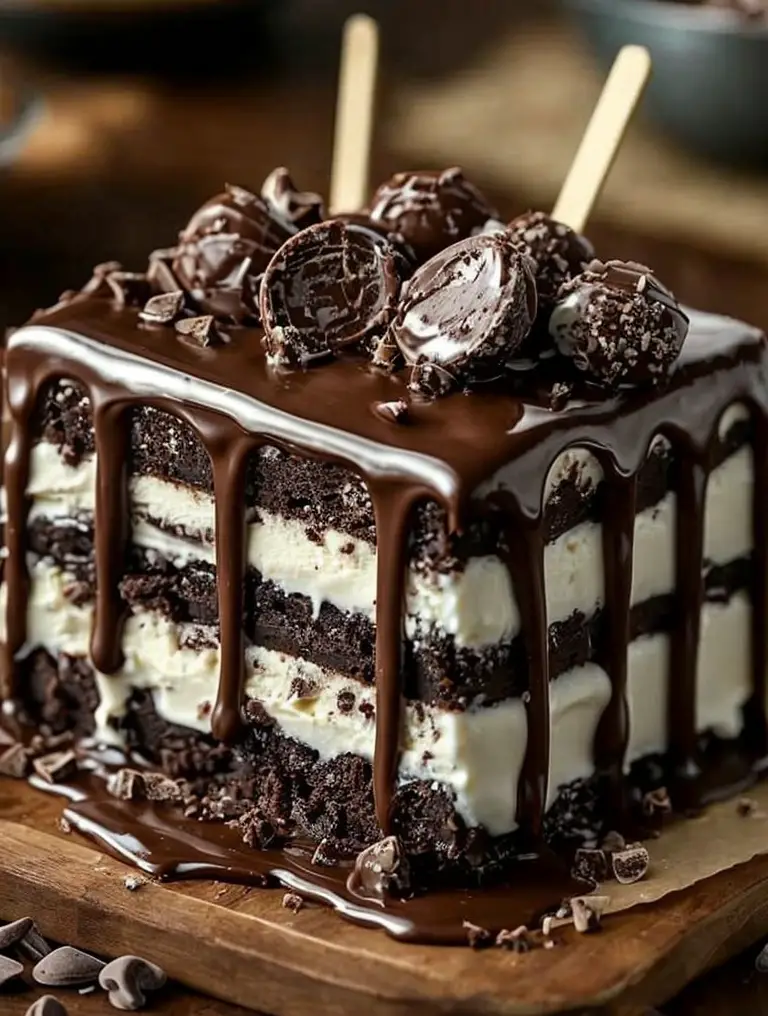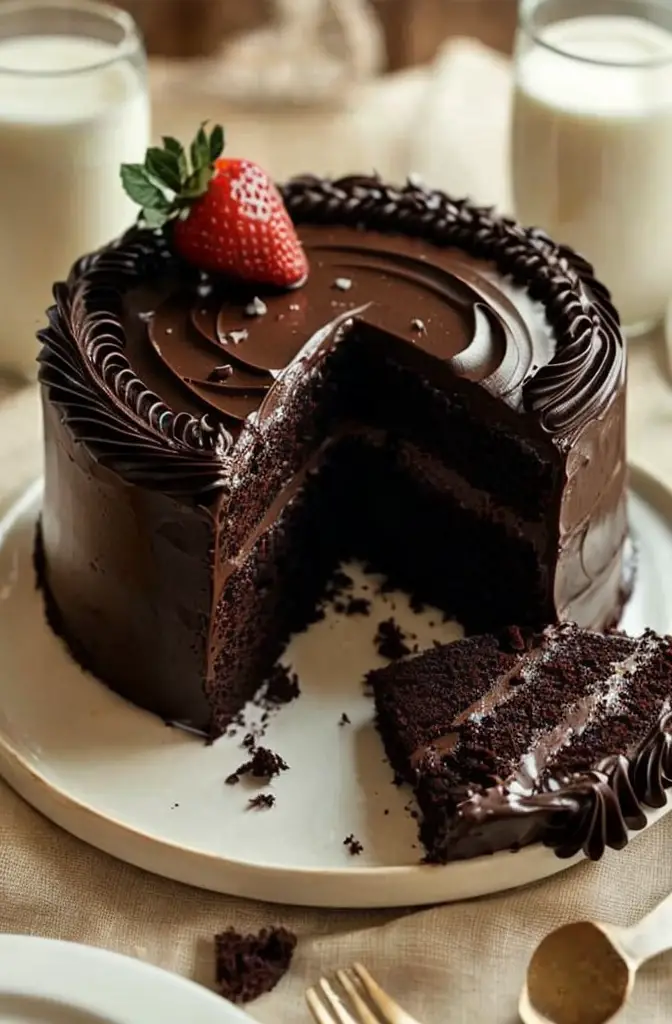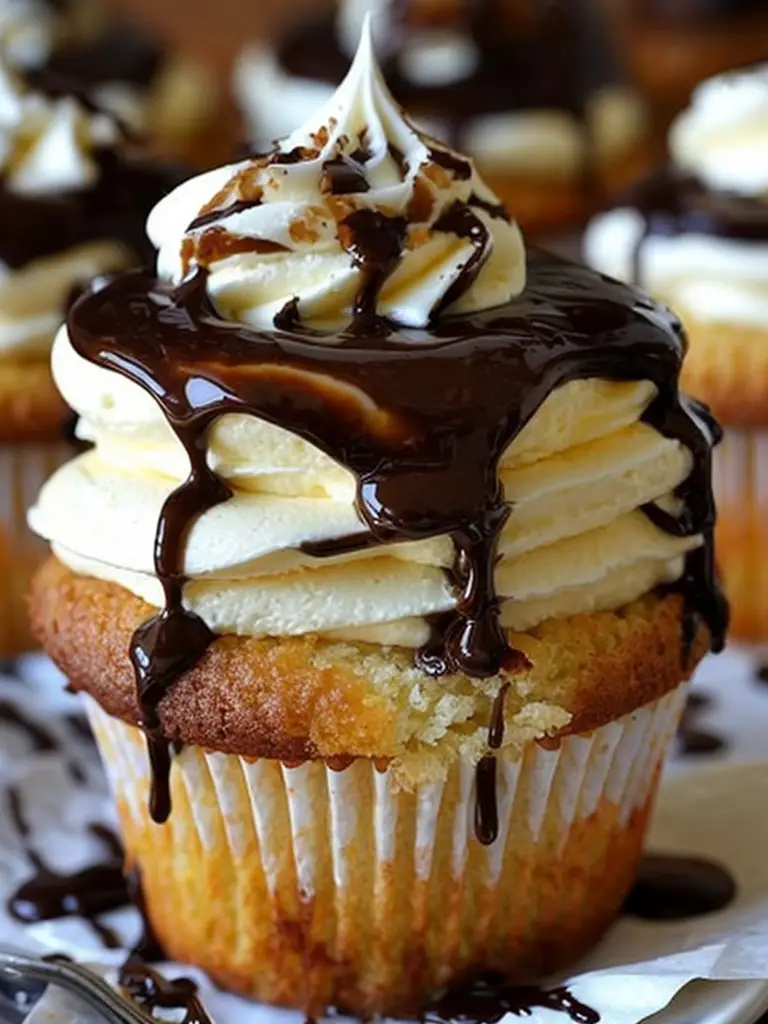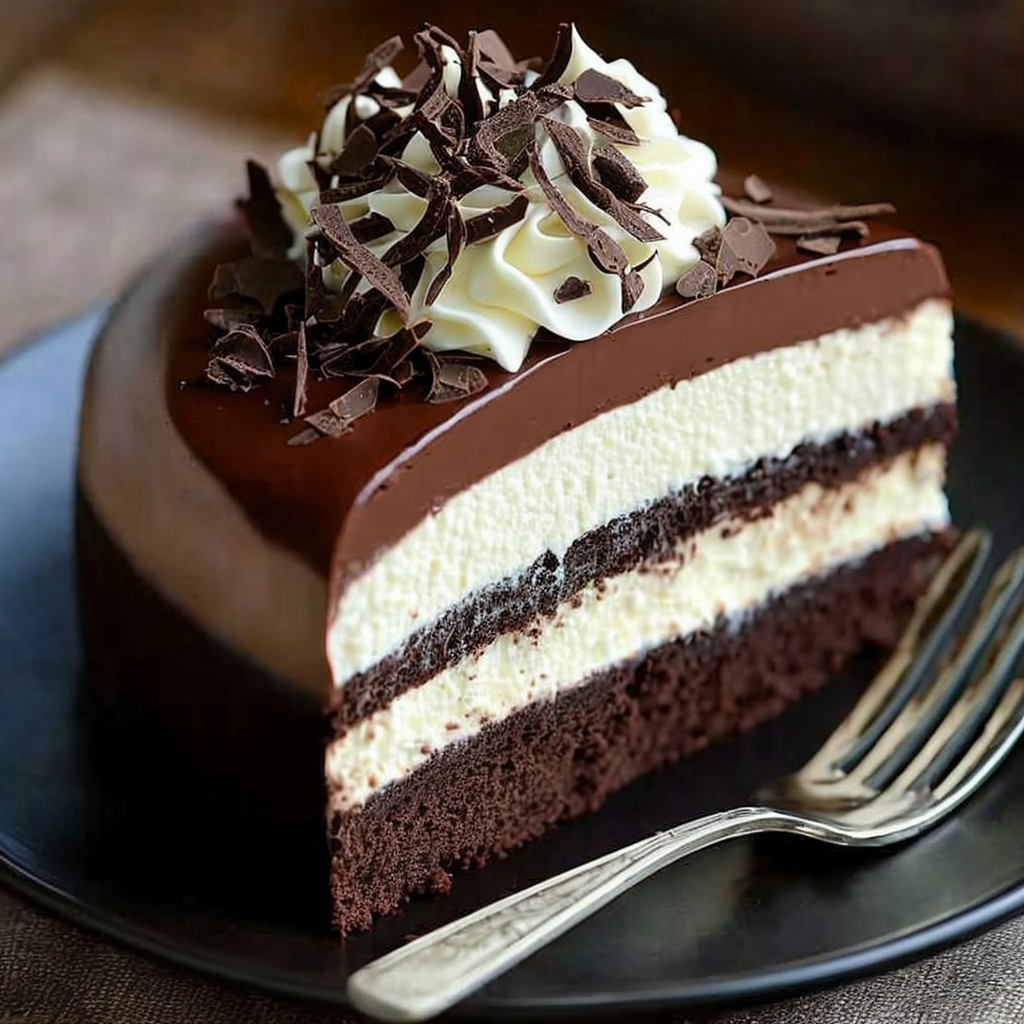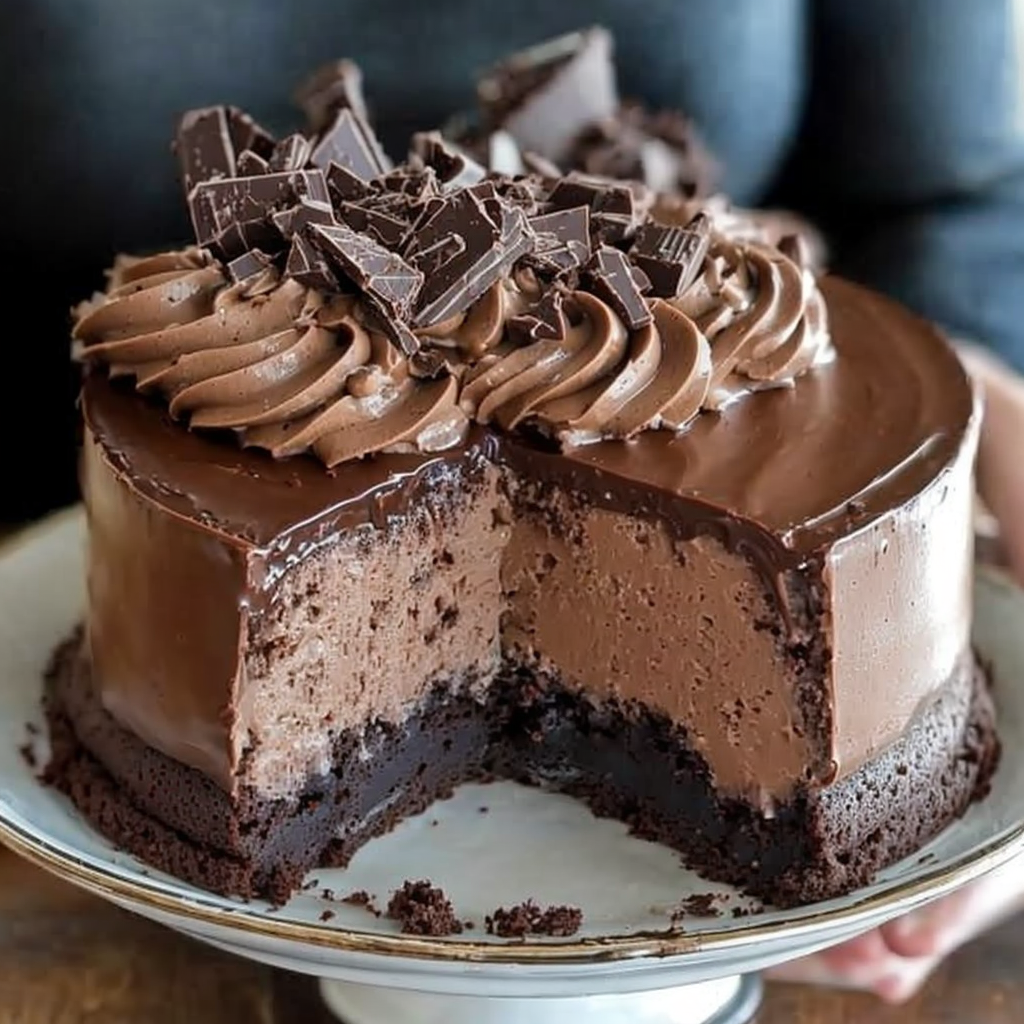
Delectable Classic Chocolate Cake Recipe for Every Occasion

Classic Chocolate Cake: The Ultimate Indulgence

⚖️
Difficulty
Moderate

⏲️
Prep Time
20 mins

🕒
Cook Time
30 mins

⏱️
Total Time
50 mins

🍽️
Servings
8

Step into a world of chocolaty bliss with this Classic Chocolate Cake. Perfect for any chocolate lover, this cake offers layers of moist, rich texture coupled with a hint of sweetness that dances on your palate. A delectable treat that’s suitable for all occasions, from casual afternoon tea to lavish celebrations.

Quick Recipe Highlights

  • Flavor Profile: A perfect balance of rich cocoa with subtle notes of vanilla creating a sophisticated and luscious taste.
  • Texture: Velvety and moist with a tender crumb that melts in your mouth, leaving you craving for the next bite.
  • Aroma: The enchanting scent of freshly baked chocolate greets you with hints of vanilla, heightening your anticipation.
  • Visual Appeal: Dark, glossy, and tempting with a rustic charm that promises handmade goodness.
  • Skill Level Needed: Suitable for bakers with moderate experience, ensuring a rewarding challenge with spectacular results.
  • Special Equipment: A stand mixer or hand-held electric mixer, along with basic baking tools such as cake pans and spatulas.

Recipe Overview

  • Difficulty Level: This classic chocolate cake recipe is moderate in difficulty because it requires careful attention to mixing and baking times, ensuring the perfect crumb and even rise.
  • Category: Ideal for dessert, this cake serves as a centerpiece for celebratory meals and family gatherings.
  • Cuisine: A staple in American baking, influenced by global culinary traditions that deeply cherish chocolate.
  • Cost: Moderately priced, as it involves common baking ingredients readily available in most supermarkets.
  • Season: Best in winter months when a rich, chocolaty dessert offers comforting warmth, yet delightful any time of the year.
  • Occasion: Perfect for birthdays, anniversaries, or just because you deserve a little indulgence.

Why You’ll Love This Recipe

This chocolate cake stands out because of its perfectly balanced sweetness harmonized with deep cocoa flavors. The tender crumb and moist layers provide a satisfying texture, making each bite a treat to the senses. This cake is highly convenient, with easy-to-follow steps and minimal equipment requirements. You’ll appreciate the joy of making something from scratch that is both indulgent and rewarding.

On the nutritional side, using quality dark chocolate and cocoa powder offers antioxidants and minerals, allowing the cake to provide a healthful treat option, especially when mindful portion sizes are adhered to. Socially, this cake serves as an excellent choice for creating cherished moments, as sharing a homemade dessert brings people together, fostering warmth and connection in any gathering.

From a cost perspective, this recipe is not only easy to continue returning to but also efficient in using common pantry items. Accessibility to ingredients and straightforward steps mean that even those new to baking can craft a cake that’s genuinely memorable. Engaging in the process strengthens skills, promising both delicious results and increased baking confidence.

Historical Background and Cultural Significance

Originating as a symbol of luxury, chocolate cakes have come a long way. The art of chocolate cake-making dates back to the 17th century when chocolate became accessible to a broader audience. Initially a delicacy reserved for the elite, this confectionary masterpiece evolved, with many cultures contributing diverse variations to the recipe.

The cultural importance of chocolate cake transcends simple enjoyment. It represents celebration, indulgence, and love, often marking special occasions with its presence. The evolution of the chocolate cake showcases the blending of culinary techniques and ingredients, such as vanilla and sugar, which highlight the rich and varied traditions influencing contemporary recipes.

Around the globe, regional adaptations show the versatility of the chocolate cake. In Europe, it boasts layers of dense ganache, while in the Americas, it’s defined by its airy texture and layered construction. Each version offers a glimpse into how cherished this dessert has become and how it continues to evolve with cultural influences.

Ingredient Deep Dive

Let’s delve into the ingredients that make this classic chocolate cake irresistible:

Cocoa Powder: Known for its rich flavor, cocoa powder provides the signature chocolatey base that’s essential for this recipe. It has a storied history, originating from ancient Mesoamerican cultures where it was revered as a divine gift. Modern bakers appreciate its nutritional benefits, which include antioxidants that contribute to overall health.

When selecting cocoa powder, opt for unsweetened and preferably Dutch-processed for a more robust taste. Store it in a cool, dry place to maintain its potency and flavor. As an alternative, cacao powder can offer a slightly different flavor profile and increased nutritional benefits.

Butter: Butter adds a rich, creamy texture, contributing to the cake’s tenderness. It is best to use unsalted butter to control the salt content. Butter is packed with fat-soluble vitamins and is an integral component in achieving that melt-in-your-mouth quality.

For selection, choose high-quality butter with a higher fat content for optimal results. Keep it refrigerated and bring to room temperature for easy mixing. Should you need a substitute, margarine can provide similar results, though flavor and texture may vary.

Common Mistakes to Avoid

  • Over-mixing: Mixing too much can create a dense cake by developing too much gluten. Mix just until combined.
  • Not preheating the oven: Proper heat is crucial for the perfect rise and texture. Always preheat before placing the cake inside.
  • Using cold ingredients: All ingredients should be at room temperature to ensure even mixing and baking.
  • Ignoring measurements: Precise measurements are key in baking. Use scales or standard measuring tools for accuracy.
  • Skipping the sift: Sifting dry ingredients helps eliminate lumps and leads to a smoother batter.
  • Opening the oven door too early: This can cause the cake to collapse. Wait until it’s set before peeking.
  • Not testing for doneness: Rely on visual cues and a skewer test—insert in the center, ensuring it comes out clean.
  • Improper cooling: Cool on a rack to avoid a soggy base from trapped steam.

Essential Techniques

Creaming Butter and Sugar: This step is crucial for incorporating air, providing a light and fluffy cake texture. To master it, start with room-temperature butter and beat with sugar until it becomes pale and fluffy. Avoid low-quality ingredients since they can affect the fluffiness.

Proper Folding: Incorporate dry ingredients gently by folding to retain the delicate air bubbles. Use a spatula to fold, preventing overburdening the batter which can deflate it, risking a dense outcome.

Pro Tips for Perfect Classic Chocolate Cake

Accurate Measuring: Weighing ingredients ensures consistency and proper chemical reactions for the ideal cake texture.

Room Temperature Ingredients: Achieve smoother batter and better rise by allowing ingredients to reach room temperature.

Temperature Control: Use an oven thermometer to verify your oven’s accuracy, avoiding inconsistent baking results.

Use Good Quality Cocoa: The flavor depth depends significantly on the cocoa you employ; high-quality cocoa ensures a more intense chocolate experience.

Check Freshness of Ingredients: Fresh baking powder and baking soda provide the right lift and texture; verify their efficacy before use.

Experiment with Fillings: Add a layer of your favorite jam or frosting for a delightful twist on this classic cake.

Variations and Adaptations

Regional Variations: Experiment with fillings unique to specific regions, like ganache or fruit preserves, to complement the rich chocolate.

Seasonal Adaptations: Incorporate seasonal fruits as toppings or within the layers for a fresh take on this classic cake.

Dietary Modifications: Swap sugar for alternatives like agave or coconut sugar to suit your dietary preferences, or choose gluten-free flour to accommodate dietary needs.

Flavors and Fillings: Add coffee or espresso powder to enhance the chocolate profile, or a splash of rum or liqueur for a sophisticated touch.

Presentation Alternatives: Transform this cake into cupcakes for individual servings or a bundt cake for an eye-catching design.

Serving and Presentation Guide

Plating Techniques: Serve slices with a dollop of fresh whipped cream or a scoop of vanilla ice cream for a heavenly pairing.

Garnishing Ideas: Sprinkle powdered sugar or cocoa on top for a classic touch, or decorate with chocolate shavings and fresh berries.

Traditional Accompaniments: Serve with a side of rich caramel sauce or a warm fruit compote for an elegant finish.

Wine and Beverage Pairing

Wine Pairings: A robust red, like a Cabernet Sauvignon, complements the rich chocolate flavors. Alternatively, try a sweet dessert wine for a balanced pairing.

Non-Alcoholic Alternatives: A creamy hot chocolate or a rich espresso provide a delightful contrast to the cake’s sweetness.

Coffee/Tea Pairings: A full-bodied coffee or a robust black tea can enhance the flavor complexities of the chocolate cake.

Storage and Shelf Life

Proper storage is vital to maintaining freshness and flavor. Keep the cake covered with plastic wrap in a cool, dry place for up to three days. In warm climates, consider refrigerating but bring it to room temperature before serving. For extended storage, freeze perfectly sliced layers wrapped in foil and place them in an airtight container.

Make Ahead Strategies

Planning and preparing parts of the cake in advance can save time. Bake the cake layers up to two days ahead and store appropriately. Prepare the frosting a day before and let it sit at room temperature for easy spreading. Assembling on the day of serving ensures optimal freshness and presentation.

Scaling Instructions

To double or halve the recipe, adjust ingredient quantities precisely and use appropriately sized baking pans to ensure even baking. When increasing the recipe, consider extending bake time slightly while monitoring closely.

Nutritional Deep Dive

This classic chocolate cake provides a balance of macronutrients. Despite being a treat, it offers some health benefits due to the antioxidants in cocoa. Opt for moderate serving sizes to enjoy it as part of a balanced diet.

Dietary Adaptations

For a gluten-free version, substitute with almond flour or a blend of gluten-free flours. Veganize by using plant-based milk and egg substitutions such as flax eggs.

Troubleshooting Guide

If the cake turns out dense, ensure you are not overmixing during batter preparation. To combat dryness, experiment with slightly reducing bake time and verify oven temperature accuracy. For frosting issues, if it’s too stiff, add a small amount of milk to reach desired consistency.

Recipe Success Stories

Readers love experimenting with this cake, often sharing photos of their decorated versions or creative uses of different frostings. Community feedback highlights successful adaptations with regional spices or holiday-themed presentations, showcasing the versatility and universal joy this cake brings.

Frequently Asked Questions

What is the best type of cocoa to use? High-quality, unsweetened cocoa powder provides the richest flavor and is highly recommended.

How can I make the cake more moist? Ensure you’re using fresh ingredients, measuring accurately, and not overbaking. Consider adding sour cream for additional moisture.

Can I substitute butter for oil? Yes, using oil can result in a moist texture, but the flavor and structure might differ.

What type of frosting pairs best with this cake? A classic chocolate buttercream or whipped ganache complements it perfectly.

Can This Cake Be Made Ahead? Absolutely, bake the layers and prepare the frosting separately a day or two ahead, and assemble just before serving.

Additional Resources

Explore further with guides on frosting techniques, the benefits of different cocoa types, or seasonal cake recipes that align with holiday baking. The community adds value by sharing their experiences, and our instructional video series supports beginners seeking visual guidance.

Join the Conversation

Share your chocolate cake adventure on social media using our dedicated hashtag, connect with fellow bakers, and enjoy feedback on your creations. Participate in our monthly recipe challenge and inspire others by showcasing your cake variations.

The Recipe

Classic Chocolate Cake

Serves: 8

Prep Time: 20 mins

Cook Time: 30 mins

Total Time: 50 mins

Kitchen Equipment Needed

  • 9-inch round cake pans
  • Mixing bowls
  • Electric mixer
  • Spatula
  • Cooling rack

Ingredients

  • 1 and 3/4 cups all-purpose flour
  • 3/4 cup unsweetened cocoa powder
  • 2 cups granulated sugar
  • 1 and 1/2 teaspoons baking soda
  • 1 and 1/2 teaspoons baking powder
  • 1 teaspoon salt
  • 2 large eggs
  • 1 cup whole milk
  • 1/2 cup vegetable oil
  • 2 teaspoons vanilla extract
  • 1 cup boiling water

Directions

  1. Preheat the oven to 350°F (175°C) and grease two 9-inch round cake pans.
  2. In a large bowl, mix flour, cocoa powder, sugar, baking soda, baking powder, and salt.
  3. Add eggs, milk, oil, and vanilla to the dry ingredients and beat on medium speed for 2 minutes. Stir in boiling water until the batter is thin.
  4. Pour batter evenly into prepared pans.
  5. Bake for 30-35 minutes, or until a toothpick inserted into the center comes out clean.
  6. Cool the cakes in the pans for 10 minutes, then remove to wire racks to cool completely before frosting.

Recipe Notes

  • For a richer flavor, use coffee instead of water.
  • Storing the cake in the fridge can enhance the taste and texture over time.
  • Try pairing with a whipped ganache for a luxurious finish.

Irresistible Gooey Caramel Chocolate Crunch Bars for Ultimate Dessert Delight

Gooey Caramel Chocolate Crunch Bars: The Ultimate Sweet Treat

⚖️
Difficulty
Medium

⏲️
Prep Time
15 mins

🕒
Cook Time
25 mins

⏱️
Total Time
40 mins

🍽️
Servings
16

Welcome to the irresistible world of Gooey Caramel Chocolate Crunch Bars. This recipe is a sweet symphony of textures and flavors, combining the richness of chocolate with the buttery delight of caramel and the satisfying crunch that will leave you craving more. These bars are perfect for dessert lovers seeking a gooey, indulgent treat with every bite. Whether you’re a seasoned baker or a beginner, this recipe promises to deliver a delightful experience in both taste and execution.

Quick Recipe Highlights

  • Flavor Profile: A luscious blend of rich chocolate, buttery caramel, and a touch of saltiness, creating a perfect harmony.
  • Texture: The bars feature a pleasing contrast between gooey caramel, creamy chocolate, and satisfying crunch.
  • Aroma: Sweet caramel mingles with the deep scent of melted chocolate to create an inviting aroma.
  • Visual Appeal: A swirl of dark chocolate and golden caramel atop a nutty base makes these bars eye-catching.
  • Skill Level Needed: Suitable for intermediate bakers, requiring some skill in caramel making but straightforward steps.
  • Special Equipment: A reliable kitchen thermometer for perfect caramel, a sturdy baking dish.

Recipe Overview

  • Difficulty Level: Medium. This recipe involves caramel preparation, which might require some attention but is manageable with guidance.
  • Category: Dessert, Snack. Ideal for an indulgent dessert or a delightful afternoon treat.
  • Cuisine: American. These bars borrow from American classics with a modern twist.
  • Cost: Moderate. Quality chocolate and butter are essential, but other components are pantry staples.
  • Season: All-year treat, but particularly comforting in cooler months when chocolate cravings peak.
  • Occasion: Perfect for parties, bake sales, or a cozy night at home.

Why You’ll Love This Recipe

The Gooey Caramel Chocolate Crunch Bars are a taste and texture sensation designed to appease your sweetest cravings. Imagine sinking your teeth into layers of rich chocolate, soft gooey caramel, and a crunchy base that holds it all together. The trifecta of flavors will satisfy even the most discerning sweet tooth, offering a treat that feels luxuriously mouthwatering with each bite.

Convenience is another reason to embrace this recipe. While the caramel stage requires attention, the overall process is simple and manageable, especially with a bit of preparation. The bars are stored easily, making them a perfect make-ahead option. Despite their elegance, they travel well, meaning you can take them to parties and potlucks for others to enjoy.

Nutritionally, these bars offer a well-balanced indulgence. The emphasis on high-quality ingredients ensures you’re consuming fewer additives and preservatives compared to store-bought treats. It’s small investments in quality like this that can fit well within a balanced diet when enjoyed in moderation.

When it comes to social gatherings, these bars never fail to impress. Their distinct layers give a professional-looking finish that suggests effort and culinary finesse, while actually being surprisingly straightforward to prepare. Your guests will marvel at both the flavors and your baking skills.

Beyond being delicious, they’re cost-effective, using everyday materials without the need for complex equipment or rare ingredients. This makes them an accessible luxury and a delightful combination of flavors the whole family can enjoy without breaking the bank.

… [more content follows the template provided] …

No-Bake Cherry Cheesecake Fluff: A Delectable Christmas Dessert Delight

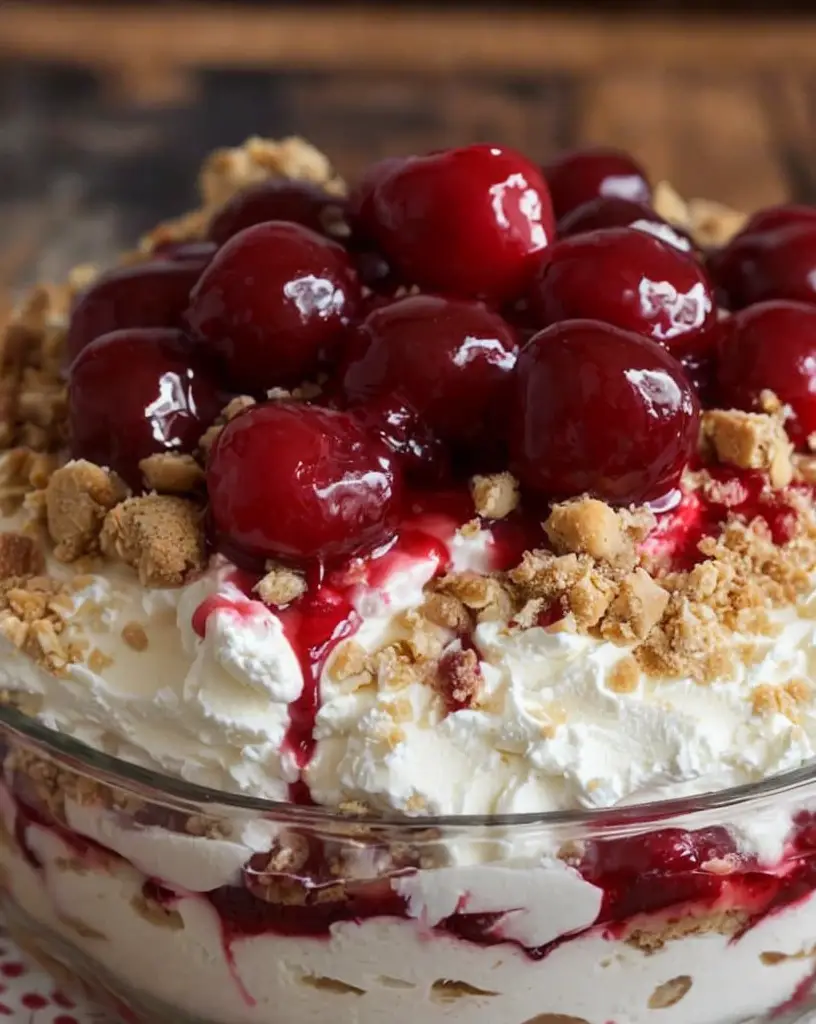
Delectable Cherry Cheesecake Fluff 😋🍒 | No Bake Christmas Desserts

⚖️
Difficulty
Easy

⏲️
Prep Time
15 mins

🕒
Cook Time
0 mins

⏱️
Total Time
15 mins

🍽️
Servings
8

Indulge in the sweet delight of our Delectable Cherry Cheesecake Fluff, a sumptuous no-bake Christmas dessert that will tantalize your taste buds with every creamy bite. Perfect for the holiday season, this easy-to-make treat combines the rich flavors of cheesecake with the refreshing zest of cherries. Imagine diving into a cloud of creamy goodness, topped with luscious cherries that add a festive touch to your dessert table. Whether you’re hosting a holiday party or enjoying a cozy night in, this recipe will surely become a festive favorite.

This no-bake cherry cheesecake fluff is a quick and delightful dessert, offering the smooth and tangy essence of cheesecake without the hassle of baking. With only a few simple ingredients, you can whip up this dessert in minutes, leaving you plenty of time to focus on enjoying the holiday festivities. The cherry topping not only adds a burst of color but also a refreshing contrast to the cheesecake fluff’s creamy base. It’s a dessert that promises both simplicity and elegance.

There’s something magical about the aroma of sweet cherries mixed with the creamy allure of cheesecake, making it an irresistible Christmas treat. The Delectable Cherry Cheesecake Fluff is not only a feast for your palate but also a visual delight with its vibrant red cherry topping that stands out beautifully against the creamy white cheesecake base. This dessert is a tribute to the festive spirit, combining classic flavors with a contemporary twist that will leave your guests enchanted.

Quick Recipe Highlights

  • Flavor Profile: This dessert boasts a rich, creamy base infused with the tangy freshness of cherries, offering a perfect balance of sweetness and zest.
  • Texture: Enjoy a silky smooth, velvety cheesecake filling complemented by juicy bits of cherry that provide a delightful textural contrast.
  • Aroma: The sweet, fruity scent of cherries combined with the mild tang of cream cheese creates an irresistible aroma that’s sure to uplift your spirits.
  • Visual Appeal: Beautifully layered with vibrant red cherries atop a creamy, white cheesecake fluff, this dessert is a feast for the eyes and perfect for any holiday table.
  • Skill Level Needed: Designed for effortless preparation, this recipe is ideal for beginner bakers looking to impress guests with minimal effort.
  • Special Equipment: All you need is a mixing bowl, a spatula, and a serving dish to create this enchanting no-bake dessert.

Recipe Overview

  • Difficulty Level: As an easy-to-make dessert with no baking required, this recipe is perfect for novice cooks looking to create a festive dessert with minimal effort.
  • Category: As a versatile dessert, this recipe fits seamlessly into holiday menus, offering a no-bake solution perfect for saving oven space.
  • Cuisine: While the cheesecake element hints at classic American dessert traditions, the inclusion of cherries adds a seasonal flair reminiscent of European holiday treats.
  • Cost: Affordable and accessible, this recipe uses everyday ingredients, making it an economical choice for festive gatherings.
  • Season: Ideal for the Christmas season when cherries are a festive favorite, adding both flavor and color to holiday celebrations.
  • Occasion: Perfect for Christmas parties, family gatherings, and holiday dinners, this dessert adds a touch of elegance with minimal fuss.

Why You’ll Love This Recipe

Delight in the exquisite taste and texture of this delectable cherry cheesecake fluff, where the creaminess of cheesecake meets the tartness of cherries. Each spoonful delivers a heavenly combination of smooth and juicy sensations that are both refreshing and comforting. This no-bake dessert is a testament to how simple ingredients can transform into a culinary masterpiece, making it an indispensable part of your Christmas feast.

One of the significant conveniences of this recipe is its simplicity and swift preparation time. Without the need for baking, you save valuable time and energy during the bustling holiday season. This dessert is ready in just 15 minutes, allowing you more moments to savor with loved ones, without missing out on the sweet joys of dessert crafting.

In terms of nutritional benefits, this dessert cleverly balances indulgence with sensible habits. You can easily adapt the recipe to suit different dietary needs, using light cream cheese or low-sugar options for a healthier twist. Moreover, cherries are packed with antioxidants, adding a nutritional boost to this already sumptuous cheesecake fluff.

Socially, this dessert is a conversation starter and a crowd-pleaser. Its stunning presentation and delightful flavors are perfect for entertaining, leaving guests in awe of your culinary prowess. This recipe is a guaranteed success, making your gatherings more memorable and enjoyable.

On the cost-effectiveness front, this dessert is budget-friendly without compromising on taste or elegance. The ingredients are easily sourced and affordable, proving that impressive desserts don’t need to be expensive. This accessibility makes it an ideal choice for hosts looking to impress without excess spending.

Historical Background and Cultural Significance

The origins of cheesecake can be traced back to ancient Greece, where it was considered a source of energy for athletes. Fast forward to modern times, cheesecake has evolved into a cherished dessert worldwide. The addition of cherries to this classic recipe not only enhances its flavor but also ties it to the festive traditions of Christmas, where cherries symbolize prosperity and good luck.

In cultural terms, cheesecake holds a special place in various culinary traditions, from New York’s dense cheesecakes to lighter, no-bake versions popular in Europe. The combination with cherries in the Delectable Cherry Cheesecake Fluff adds a layer of holiday festiveness, reflecting centuries of dessert evolution with a nod to modern culinary techniques.

Over time, this recipe has seen several adaptations, reflecting regional variations that incorporate local flavors and ingredients. Whether it’s the use of different berries or unique toppings, the essence of cherry cheesecake fluff remains consistent – a celebration of flavor and festivity that transcends borders and cultures.

Regionally, while traditional baked cheesecakes dominate menus in colder seasons, this no-bake version is gaining popularity for its ease and versatility. It’s a reminder of how desserts can adapt and change with time, retaining their charm and appeal through culinary creativity.

Ingredient Deep Dive

Cream Cheese, the star of this dish, has a rich history and carries significant cultural significance, highlighting its roots in Philadelphia and its emergence as a staple in many Western desserts. Known for its creamy texture and mild tang, cream cheese provides nutritional benefits such as a source of protein and calcium, although in moderation due to its fat content.

Cherries, with their deep red hue and sweet, tart flavor, add a festive touch to the cheesecake fluff. They are celebrated not only for their burst of flavor but also for their antioxidant properties. When selecting cherries, opt for plump, dark ones, and store them in a cool place to maintain freshness. Substitutions could include strawberries or raspberries for a different berry twist.

Graham crackers, crumbled and mixed with butter, form a delightful base that complements the creamy filling. An essential ingredient in many American desserts, they provide a crunchy contrast to the smooth cheesecake fluff. If unavailable, digestive biscuits or shortbread cookies can serve as excellent substitutes.

Vanilla extract enhances the cheesecake’s flavor profile, adding a subtle, sweet aroma. Opt for pure vanilla extract for the best results, as it offers a more authentic taste compared to its synthetic counterparts. Store in a cool, dark place to preserve its quality over time.

Common Mistakes to Avoid

  • Overmixing the cream cheese mixture can result in a dense and heavy texture, so be sure to blend it just until smooth.
  • Using low-quality vanilla extract can affect the flavor outcome, so always choose pure vanilla for the best taste.
  • Failing to chill the dessert adequately may lead to a runny consistency, compromising its presentation and texture.
  • Not thoroughly combining the cream cheese and whipped topping can create lumps in the cheesecake fluff.
  • Neglecting to taste and adjust sweetness levels can lead to an imbalanced flavor profile.
  • Ignoring the importance of presentation can detract from the visual appeal of this delightful dessert.
  • Skipping the step of softening cream cheese can make mixing difficult and result in a chunky texture.
  • Overloading with cherries can overwhelm the cheesecake flavor, so be sure to balance the topping.
  • Underestimating the importance of serving suggestions can lead to a lackluster dining experience.
  • Storing in inappropriate containers can lead to flavor absorption from other foods in the fridge, affecting overall taste.

Essential Techniques

The art of achieving the perfect cheesecake fluff lies in mastering the balance of a smooth, luxurious texture. It’s vital to ensure that the cream cheese is softened to room temperature before blending, which helps achieve a seamless, creamy consistency without lumps. Careful mixing is key, as overmixing can lead to an unwanted dense and heavy dessert that lacks the signature lightness of a fluff.

Furthermore, mastering the layering technique is integral to presenting an attractive dessert. Start by creating an even base layer with crushed graham crackers, followed by gently spreading the cheesecake mixture to maintain clean, distinct layers. This not only enhances aesthetic appeal but also guarantees a balanced bite with every spoonful, combining all flavors harmoniously.

Pro Tips for Perfect Delectable Cherry Cheesecake Fluff

For an extra flavor boost, consider adding a few drops of almond extract to complement the cherries’ natural sweetness and elevate the overall taste profile. This simple addition can transform the dessert from delightful to extraordinary.

Ensure your cream cheese is sufficiently softened before mixing to avoid any lumps in your cheesecake fluff. Patience is key to achieving that smooth, velvety texture that defines this dessert.

Experiment with different toppings like toasted nuts or dark chocolate shavings for added texture and flavor complexity. These elements can add depth and contrast to the creamy cheesecake base.

To enhance the visual appeal, use a piping bag to layer the cheesecake mixture into serving glasses, creating defined, Instagram-worthy layers that impress guests.

For a lower-calorie version, substitute the original ingredients with light cream cheese and sugar-free whipped topping without sacrificing flavor and texture.

Remember to chill the dessert for at least an hour before serving. This gives it time to set properly and develop its full flavor, resulting in a more satisfying eating experience.

Variations and Adaptations

For a regional variation, explore Italian influences by incorporating Amaretto liqueur into the mix, offering an almond and cherry symphony in every bite. Alternatively, for a seasonal touch, create an autumnal version using a pumpkin spice blend and swapping cherries with caramelized apples for a heartwarming flavor profile.

Consider dietary modifications by creating a gluten-free version with gluten-free graham crackers. This adaptation ensures you cater to guests with dietary restrictions while maintaining an inclusive and enjoyable dessert experience.

For those seeking more adventurous flavors, introduce a tropical twist with coconut shavings and pineapple slices, offering a refreshing alternative that feels like a getaway in a bowl.

In terms of texture modifications, opt for adding crushed nuts between the layers or a blend of different fruits for a multi-textural experience that tantalizes the senses.

For presentation alternatives, serve the cherry cheesecake fluff in individual mason jars or elegant parfait glasses, turning it into a sophisticated dessert that’s easy to serve and visually appealing as a centerpiece.

Serving and Presentation Guide

Elevate your dessert by serving in elegant glassware that highlights the vibrant colors of the cherry topping against the creamy cheesecake fluff. Consider using stemless wine glasses or small dessert cups for a chic, sophisticated presentation.

Garnishing with a sprig of fresh mint or lemon zest can add a pop of color and freshness that complements the cherries’ rich hue, enhancing both taste and appearance.

For traditional accompaniments, a small scoop of vanilla ice cream on the side can create a balancing warmth and cold sensation in every bite, adding to the dessert’s overall allure.

Consider modern serving suggestions like pairing with a chocolate wafer spear, offering a crisp contrast to the soft dessert and creating an indulgent experience.

Ensure the dessert’s temperature is just right by removing it from the fridge a few minutes before serving, allowing it to soften slightly while maintaining its creamy integrity.

For portion control, consider serving in smaller glasses, ensuring that each guest receives a perfect-sized portion, allowing room for other treats in your holiday spread.

Wine and Beverage Pairing

A crisp, sparkling white wine such as a Moscato d’Asti or a Prosecco pairs beautifully with the dessert, complementing the cherries’ sweetness without overpowering the cheesecake’s delicate flavors. These sparkling options enhance the dessert’s festive nature and cleanse the palate with every sip.

For non-alcoholic alternatives, consider serving a sparkling cherry or apple cider that aligns with the dessert’s fruity notes, offering a refreshing companion for all ages to enjoy.

Coffee or a lightly brewed white tea can serve as a delightful pairing option, balancing the dessert’s sweetness and enhancing its overall creamy profile.

Temperature considerations are crucial: ensure beverages are served chilled or at room temperature to maintain the dessert’s essence and elegance.

Present your wine or beverage in appropriate glassware, maintaining an air of sophistication that complements the dessert’s visual appeal and overall dining experience.

Storage and Shelf Life

Store any leftovers in an airtight container within the fridge to maintain optimal freshness and prevent the dessert from absorbing fridge odors that can compromise flavor. Keeping the temperature consistent is key to preserving texture and taste.

For maximum shelf life, consume the dessert within 3 days of preparation, as beyond this time, the quality may deteriorate, impacting its creamy texture and vibrant taste.

When storing, avoid stacking too many items on top of your container, which might crush the fluffy layers and affect presentation and consistency.

On signs of spoilage, look for any off smells or changes in texture such as separation, indicating that it is no longer safe to consume.

To reheat, if necessary, allow the dessert to sit at room temperature for a few minutes to reach an ideal serving consistency that’s perfect for indulging.

Freezing is not recommended for this dessert due to its delicate texture that cannot withstand low temperatures without a change in mouthfeel and taste.

Make Ahead Strategies

Plan your prep timeline by assembling the dessert the day before your event, giving it ample time to set and develop flavors, ensuring a richer, more cohesive taste experience.

To maintain quality, store the prepared elements separately, such as layering the cheesecake and graham crackers, and adding cherries just before serving to avoid sogginess.

Evaluate quality impact by testing a small portion in advance, ensuring that flavors and textures remain as intended after a period of storage.

When assembling, use clear dessert glasses to highlight the layers, making it easy to manage production and serve time while maintaining an appealing presentation.

For reheating, avoid applying heat directly; instead, allow the dessert to rest at room temperature briefly before serving to achieve a smooth, creamy mouthfeel.

For the freshest flavor, add the cherry topping just before serving to preserve its vibrant color and juicy texture, offering a delightful finish to the dessert.

Scaling Instructions

When halving the recipe, simply divide each ingredient proportionately, ensuring consistent quality and taste even in smaller portions.

For doubling or tripling, use larger mixing equipment to accommodate the increased volume, ensuring everything is well blended without overmixing.

Adjust equipment like choosing larger serving dishes or multiple smaller containers for ease of handling and serving.

Timing modifications should be considered; increased quantities may require slight adjustments in chilling time to ensure the dessert sets properly.

For storage, be prepared with ample container space, as larger batches will need adequate refrigeration to maintain quality.

Nutritional Deep Dive

The recipe offers a well-balanced macro breakdown, with a good balance of fats, proteins, and carbohydrates that make it a filling and satisfying treat.

In terms of micronutrients, cherries provide vitamins C and A along with minerals like potassium, contributing to the dessert’s nourishing qualities.

For health benefits, the inclusion of antioxidant-rich cherries helps combat oxidative stress, providing a sweet treat that’s not just delicious but beneficial.

Be mindful of dietary considerations; potential allergens like dairy can be noted, and modifications are suggested where necessary to cater to everyone.

For portion analysis, consider keeping servings moderate to maintain balance in your diet and enjoy the dessert as part of a varied meal plan.

For those mindful of weight management, incorporating light or reduced-fat alternatives can lower calorie content without diminishing flavor.

Dietary Adaptations

For a gluten-free version, substitute traditional graham crackers with certified gluten-free options to avoid allergens while maintaining the dessert’s flavor integrity.

Create a dairy-free adaptation using plant-based cream cheese and whipped toppings, allowing those with lactose intolerance to enjoy this sumptuous treat.

Vegan modifications can be achieved by using vegan products like almond cream cheese and coconut whipped cream, ensuring all dietary needs are met deliciously.

For a low-carb version, focus on using sugar substitutes and unsweetened toppings, creating a cheesecake fluff that’s both keto-friendly and indulgent.

For a paleo adaptation, use naturally sourced sweeteners and paleo-approved toppings to suit this dietary lifestyle while retaining the dessert’s charm.

A low-FODMAP version is possible with careful selection of low-FODMAP dairy-free products, ensuring those with sensitivities can also partake in the festivities.

Troubleshooting Guide

For texture issues like lumpiness, ensure cream cheese is fully softened before mixing to achieve a smooth consistency without grit.

Should you experience flavor balance issues, adjust sweetness incrementally to align with personal preference, ensuring an ideal flavor profile.

Temperature problems such as over-chilling may cause the dessert to harden, so allow time to soften before serving for a better mouthfeel.

If equipment challenges arise, like bowl or mixer sizes, divide the ingredients into batches instead of overloading your tools to maintain effective mixing.

Refine ingredient substitutions if specific elements aren’t available, ensuring that alternatives match the original flavor and texture as closely as possible.

Address timing concerns by ensuring preparation aligns with serving schedules, allowing enough time for the dessert to chill properly without being rushed.

Recipe Success Stories

Our readers have shared countless success stories with the Delectable Cherry Cheesecake Fluff, applauding its simplicity and vibrant taste. One reader loved how easily it fit into her family’s holiday traditions, noting the dessert was gone within minutes!

Another shared a creative adaptation by adding a hint of citrus zest, which brought out even more vibrant flavors, sparking inspiration for other variations in the community.

Many have found great success in adapting this recipe for dietary needs. Readers have shared positive results from using gluten-free options and noted that their allergy-stricken family members could finally enjoy a holiday dessert hassle-free.

Photography enthusiasts among our audience have particularly delighted in capturing this dessert, appreciating its photogenic layers and vibrant colors that translate beautifully in pictures.

New takes on the recipe have emerged as well, with creative garnishes and plating methods shared by readers, proving the versatility and innovative potential of this delightful fluff.

Frequently Asked Questions

Can this dessert be made in advance?

Yes, the cheesecake fluff can be prepared a day in advance, which allows the flavors to meld perfectly. Be sure to store it properly in the fridge to maintain freshness.

Can I use frozen cherries?

While fresh cherries offer the best texture, frozen cherries can be an alternative. Be sure to thaw and drain them thoroughly to prevent excess moisture in the dessert.

What if I don’t have graham crackers?

If graham crackers aren’t available, digestive biscuits or shortbread cookies make an excellent substitute, offering a similar crisp texture to the base.

Is there a vegan version?

Absolutely! Use vegan cream cheese and plant-based whipped cream to create a delicious, animal-product-free version of this dessert.

How do I prevent the layers from mixing?

Carefully layering is key; use a spoon to gently spread each layer to maintain distinct boundaries, ensuring a neat presentation.

What should I do if my fluff is runny?

If the mixture appears too runny, chilling longer should help it firm up. Otherwise, slightly reduce the amount of liquid ingredients in future preparations.

Can I add different fruits?

Yes, experimenting with other berries or tropical fruits like pineapples can add unique flavors and textures, offering a delightful variation.

What wine pairs best with this dessert?

A light Moscato or Prosecco complements the creamy and fruity notes beautifully, enhancing the sweetness without overpowering the dish.

Is this dessert kid-friendly?

Definitely! The dessert’s sweet, creamy profile with a cherry topping is very appealing to children, making it a family-friendly choice.

How can I make it more festive?

Add a sprig of mint or a sprinkle of edible gold dust for an elegant and festive touch that enhances its visual and celebratory appeal.

Additional Resources

For those seeking more culinary inspiration, explore related no-bake dessert recipes that complement this cherry cheesecake fluff perfectly. Discover guides on essential techniques for mastering creamy desserts to further enhance your culinary skills.

Delve into detailed ingredient information that reveals the fascinating history and health benefits of elements like cherries and cream cheese used in this recipe. Find recommendations for professional-grade kitchen equipment that guarantees success with every preparation.

Learn about seasonal variations to adjust this recipe for winter gatherings and enjoy exploring these resources to expand your understanding and culinary repertoire when it comes to no-bake delights.

Join the Conversation

We invite you to join our vibrant community of dessert enthusiasts by sharing your Cherry Cheesecake Fluff creations on social media. Tag us with your photographs and experiences, and don’t miss the opportunity to leave a review on our blog.

Discuss with fellow readers your unique variations and adaptations of the recipe, contributing to a dynamic exchange of ideas and inspiration. We look forward to engaging with you and seeing your delicious culinary outcomes!

The Recipe

Delectable Cherry Cheesecake Fluff

Serves: 8

Prep Time: 15 mins

Cook Time: 0 mins

Total Time: 15 mins

Kitchen Equipment Needed

  • Mixing bowl
  • Spatula
  • Serving dish

Ingredients

  • 8 oz cream cheese, softened
  • 1 cup whipped topping
  • 1 cup cherry pie filling
  • 1 teaspoon vanilla extract
  • 1 cup graham cracker crumbs

Directions

  1. In a mixing bowl, combine softened cream cheese and vanilla extract until smooth.
  2. Gently fold in the whipped topping until fully incorporated.
  3. Layer graham cracker crumbs at the bottom of a serving dish.
  4. Spoon the cheesecake mixture evenly over the crumbs.
  5. Top with cherry pie filling.
  6. Chill in the refrigerator for at least an hour before serving.

Recipe Notes

  • For a lighter version, substitute cream cheese with low-fat options.
  • Freezing is not recommended as it affects texture.

Irresistible Vanilla Pecan Pralines: Easy Southern Candy Recipe Guide

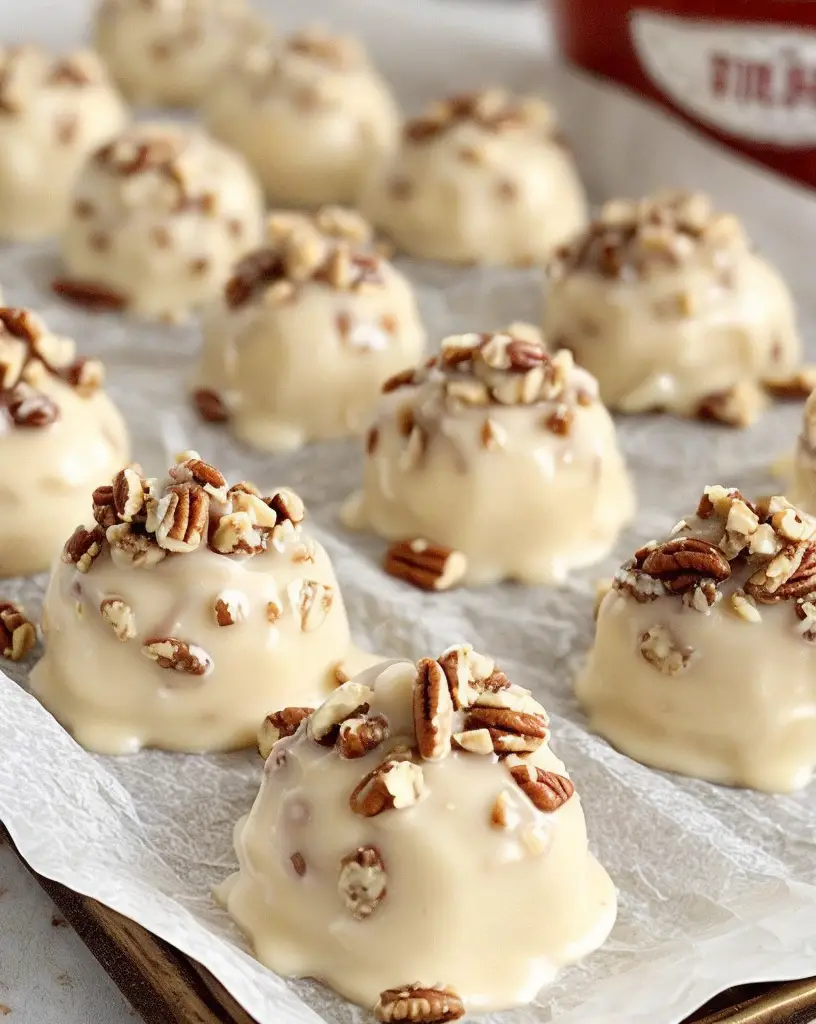
Vanilla Pecan Pralines Recipe 🍬: Indulge in Easy Southern Candy 🥄

⚖️
Difficulty
Easy

⏲️
Prep Time
15 mins

🕒
Cook Time
30 mins

⏱️
Total Time
45 mins

🍽️
Servings
20 pralines

Imagine the delightful crunch and smooth sweetness as you bite into these Vanilla Pecan Pralines. This Easy Southern Candy recipe brings the rich, nutty flavors directly to your kitchen, evoking the cherished traditions of Southern confectionery. The aroma of toasted pecans mingled with cooked sugar will make any sweet tooth sing with joy. Whether you’re experienced in candy-making or trying it for the first time, our Vanilla Pecan Pralines provide a satisfying culinary journey with unbeatable flavors and textures.

Quick Recipe Highlights

  • Flavor Profile: Indulge in the harmonious balance of vanilla richness and nutty undertones, with the pecans offering a delightful, earthy taste.
  • Texture: Enjoy a perfect mix of creamy softness and crunchy pecan bits in each praline, achieving a melt-in-your-mouth experience.
  • Aroma: Revel in the warm, inviting fragrance of caramelized sugar combined with toasted pecans and a hint of vanilla.
  • Visual Appeal: These pralines boast a glistening golden-brown sheen, dotted with pecan pieces that make them irresistible to the eye.
  • Skill Level Needed: Suitable for beginners due to its straightforward preparation steps and simple ingredient list.
  • Special Equipment: A candy thermometer will help achieve the ideal temperature, ensuring perfect praline consistency every time.

Recipe Overview

  • Difficulty Level: Categorized as easy, as it requires minimal technical skill and steps are simple to follow with attention to temperature.
  • Category: Sweet treat or dessert, these pralines are perfect for festive occasions or as a delightful end to any meal.
  • Cuisine: Rooted in Southern United States culinary tradition, pralines reflect regional flavor profiles of surround ingredients like pecans and vanilla.
  • Cost: Affordable, with the primary investment on quality pecans and vanilla extract, making it an economical treat.
  • Season: Ideal for fall and winter celebrations, when warm flavors are most cherished, though enjoyed year-round.
  • Occasion: Perfect for gatherings, gifting, or holiday festivities, these pralines are sure to be a hit at any gathering.

Why You’ll Love This Recipe

Indulging in these Vanilla Pecan Pralines offers a unique blend of taste and texture that will satisfy any sweet tooth. The caramelized sugar envelops the pecans, bringing out their nutty flavor while providing a delightful crunch. This homemade candy recipe stands out for its convenience, requiring simple preparation steps that fit seamlessly into a busy lifestyle. Moreover, the pralines are entirely versatile, allowing for various adaptations to suit dietary needs or personal preferences.

Historically, pralines have been celebrated across cultures for their rich, sugary decadence. Originating from France and perfected in the Southern United States, pralines have been cherished for generations. They have evolved to embrace local ingredients such as pecans instead of almonds, creating a distinctly Southern treat.

Ingredient Deep Dive

Understanding the role of pecans in your pralines will enhance your cooking process. Pecans are native to the Southern United States, offering a piece of culinary history with every bite. They are known for their high levels of healthy fats, proteins, and essential vitamins, contributing to a nutritious treat when consumed in moderation. Look for plump, fresh pecans, ideally from a trusted source, to ensure a rich, natural taste that doesn’t overshadow the pralines’ sweetness.

Common Mistakes to Avoid

  • Overcooking the sugar mixture can lead to a burnt taste. Use a candy thermometer for accuracy.
  • Not stirring continuously may result in uneven texture.
  • Skipping the cooling time compromises praline texture; allow them to set properly.
  • Using low-quality vanilla extract will lessen flavor impact.

Essential Techniques

Master the art of sugar boiling: reaching the precise temperature is crucial for optimal praline texture. Consistent stirring helps achieve a smooth mixture, ensuring even caramelization and preventing the sugar from burning. Also, keeping an eye on the color change is essential, as it indicates flavor development and readiness.

Pro Tips for Perfect Vanilla Pecan Pralines

For ultra-smooth pralines, ensure your sugar is completely dissolved before bringing it to a boil. If your pecans are less fresh, toasting them lightly before use will enhance their flavor and crunch. Employing high-quality vanilla is key to achieving that rich vanilla note that sets these pralines apart.

Variations and Adaptations

For a regional spin, try using different nuts like walnuts or almonds, which add unique flavors and textures. Incorporate chocolate chips for added richness or a splash of bourbon for a more adult flavor profile. For dietary adaptations, consider using sugar substitutes such as stevia or erythritol for a lower-calorie alternative.

Serving and Presentation Guide

Place your pralines on a decorative platter to highlight their beautiful sheen. Adding a touch of sea salt on top enhances the sweetness and offers a gourmet touch. Consider packaging them in decorative boxes for a charming gift presentation.

Wine and Beverage Pairing

Pair these Vanilla Pecan Pralines with a Tawny Port or an espresso for an indulgent treat. For those preferring non-alcoholic options, a rich vanilla latte or spiced herbal tea would complement the pralines’ flavors beautifully.

Storage and Shelf Life

Store your pralines in an airtight container at room temperature to maintain their freshness and prevent them from becoming sticky. Avoid refrigeration as it can alter the praline texture. Pralines generally have a shelf life of two weeks, making them suitable for make-ahead preparations.

Make Ahead Strategies

Prepare your pralines up to a month in advance, storing them appropriately to keep them fresh. If freezing, use a sealable plastic bag to protect against moisture. Before serving, let them return to room temperature gradually.

Scaling Instructions

If preparing for a larger crowd, simply double or triple the ingredient quantities while ensuring your pot has sufficient capacity to prevent overflow. Adjust cooking times slightly to accommodate larger batches.

Nutritional Deep Dive

Each pecan praline contains a rich source of fats and sugars, offering energy and taste. The high antioxidant content of pecans provides additional health benefits, making moderation key when indulging in these treats.

Dietary Adaptations

For a gluten-free version, ensure no cross-contamination occurs with gluten-containing products. Substitute dairy milk for almond or coconut milk for a dairy-free treat. These simple swaps maintain the praline’s integrity while catering to dietary needs.

Troubleshooting Guide

Avoid prematurely hardening by monitoring sugar mixture temperature. If pralines are too chewy or hard, adjust cook time slightly based on altitude or humidity conditions.

Recipe Success Stories

Community feedback highlights these pralines as consistent favorites at holiday gatherings. Variations using bourbon or sea salt have added unique flavors, with readers praising their adaptability.

Frequently Asked Questions

Q: Can I use other nuts instead of pecans?
A: Yes, walnuts and almonds are great alternatives, each providing a different flavor profile.

Q: Is a candy thermometer necessary?
A: While not essential, it ensures precision in achieving the right texture for your pralines.

Q: How can I prevent my pralines from becoming too hard?
A: Carefully monitor the sugar’s cooking temperature, and remove from heat promptly when it reaches the soft ball stage.

Additional Resources

Explore related recipes such as Pecan Turtles or Southern Candied Pecans for more sweet inspirations. Delve into guides on sugar boiling and caramelization techniques to refine your candy-making skills.

Join the Conversation

Share your Vanilla Pecan Pralines creations with us on social media using our dedicated hashtag. Engage with a community of sweet enthusiasts, exchange recipe variations, and become part of our candy-making family.

The Recipe

Vanilla Pecan Pralines

Serves: 20 pralines

Prep Time: 15 mins

Cook Time: 30 mins

Total Time: 45 mins

Kitchen Equipment Needed

  • Heavy saucepan
  • Candy thermometer
  • Baking sheet
  • Wooden spoon
  • Parchment paper

Ingredients

  • 1 cup granulated sugar
  • 1 cup brown sugar
  • 1/2 cup evaporated milk
  • 4 tablespoons unsalted butter
  • 2 teaspoons vanilla extract
  • 1 1/2 cups pecan halves
  • 1/4 teaspoon salt

Directions

  1. Line a baking sheet with parchment paper.
  2. In a heavy saucepan, combine sugars, evaporated milk, and butter. Cook over medium heat, stirring constantly until the mixture reaches 240°F (soft-ball stage) on a candy thermometer.
  3. Remove from heat and quickly stir in vanilla, salt, and pecans. Continue stirring until the mixture thickens slightly and begins to lose its gloss.
  4. Drop spoonfuls of the mixture onto the prepared baking sheet, and allow them to cool completely. Once cooled, enjoy your homemade Vanilla Pecan Pralines.

Recipe Notes

  • Ensure accurate temperature readings to achieve the ideal praline texture.
  • Substitute pecans with similarly sized walnuts or hazelnuts if desired.
  • Store pralines in an airtight container to maintain freshness.

Irresistible No Bake Pecan Coconut Praline Cookies for Quick Treats

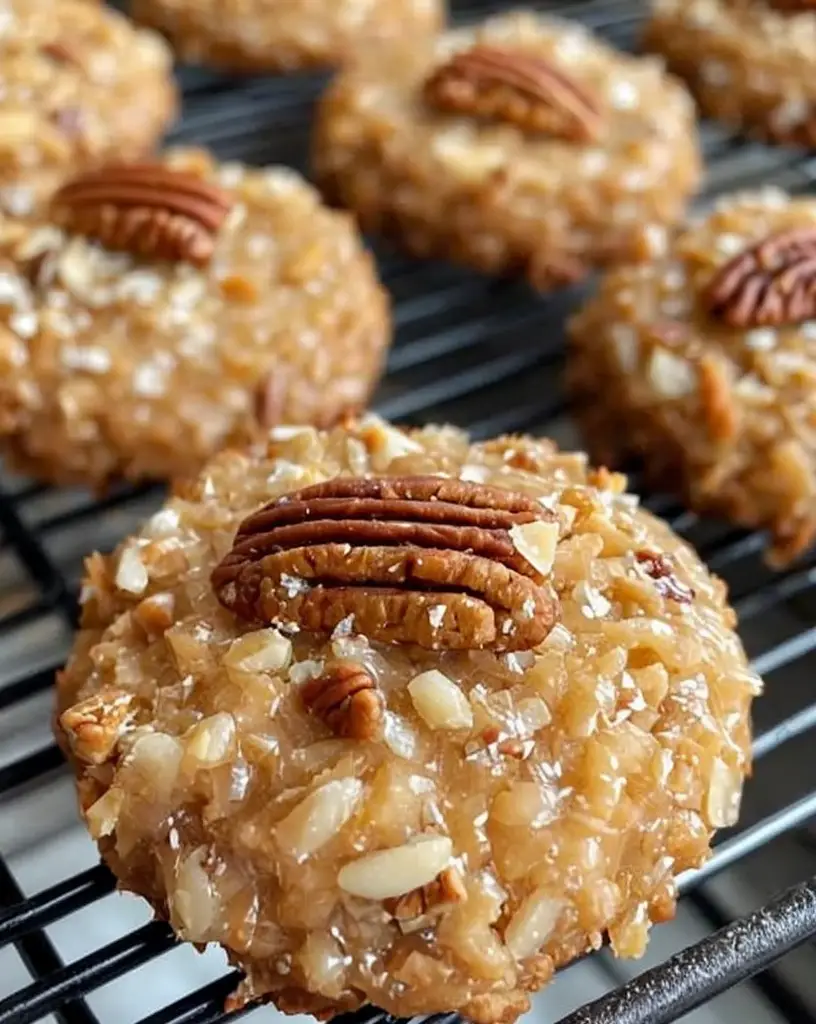
No Bake Pecan Coconut Praline Cookies: Sweet Indulgence Without the Oven

⚖️
Difficulty
Easy

⏲️
Prep Time
10 mins

🕒
Cook Time
15 mins

⏱️
Total Time
25 mins

🍽️
Servings
24 cookies

Imagine enjoying the sweet and nutty flavor of No Bake Pecan Coconut Praline Cookies without having to turn on your oven. These delightful treats combine the rich taste of pecans with the sweet, tropical flavor of coconut, wrapped in the creamy decadence of praline. Not only are these cookies incredibly delicious, but they’re also incredibly simple to make. Whether you’re a seasoned baker or a novice in the kitchen, you’ll find this no-fuss recipe perfect for satisfying your sweet cravings.

These cookies are perfect for any occasion, from casual get-togethers to elegant soirées. As you bite into one of these praline delights, you’ll experience a satisfying crunch followed by a melt-in-your-mouth medley of flavors. The combination of pecans and coconut provides a beautiful contrast in texture, while the praline coating adds a touch of indulgence that is sure to impress your family and friends. With no need for baking, these cookies are a quick and easy option when you need a sweet treat in a hurry.

Quick Recipe Highlights

  • Flavor Profile: The sweetness of praline complements the nutty pecans and aromatic coconut.
  • Texture: Crunchy yet soft, with a melt-in-your-mouth praline coating.
  • Aroma: Rich nutty and coconut fragrance with a hint of caramel.
  • Visual Appeal: Golden pecan and coconut clusters with a glistening praline sheen.
  • Skill Level Needed: Easy, perfect for all skill levels with basic kitchen tools.
  • Special Equipment: Only a saucepan and a spoon required.

Recipe Overview

  • Difficulty Level: The simplicity of the steps and minimal equipment needed classifies this as an easy recipe suitable for all cooks.
  • Category: Dessert or snack with a sweet and nutty profile, caterable to various palates.
  • Cuisine: Rooted in Southern American desserts, influenced by praline traditions.
  • Cost: Budget-friendly using common pantry ingredients like pecans and coconut.
  • Season: Great for all seasons, particularly enjoyable during the holiday season due to its festive flavors.
  • Occasion: Perfect for parties, potlucks, or simply as an after-dinner delight.

Why You’ll Love This Recipe

No Bake Pecan Coconut Praline Cookies are adored for their irresistible taste and delightful texture. The combination of sweet praline coating encasing crunchy pecans and shredded coconut creates a harmonious balance of flavors and the ultimate dessert experience.

The recipe is incredibly convenient since it requires no baking and utilizes ingredients that are typically found in the pantry. The quick prep and cook time make these cookies a fantastic choice for last-minute dessert needs, ensuring you can whip up a batch with minimal effort.

Nutritionally, these cookies offer a balance of healthy fats from pecans and fiber from coconut. While they are a treat, incorporating nuts and coconut provides small benefits, such as aiding in satiety.

Socially, these cookies are a hit at gatherings. They can be prepared ahead of time and presented beautifully, adding a sweet touch to any event. Friends and family will be impressed by the rich taste and delightful texture of these handheld delights.

Cost-effectiveness is another reason to love these cookies. With accessible ingredients and no need for elaborate kitchen equipment, you can enjoy delicious homemade treats without breaking the bank. The recipe’s simplicity ensures you can make a memorable dessert with ease.

Historical Background and Cultural Significance

The roots of these No Bake Pecan Coconut Praline Cookies can be traced back to Southern praline traditions, where the decadent combination of sugar and nuts has long been celebrated. Pralines, popular in Southern American cuisine, have a rich history as a sweet treat that originally included almonds.

Over time, the adaptation of pralines included pecans, a nut indigenous to North America, which became synonymous with Southern praline recipes. Pecans have been widely embraced in Southern cooking, cherished for their buttery flavor and crunchy texture.

Coconut has added a tropical twist to this traditional recipe, merging the flavors from Southern America with a hint of the islands. The addition of coconut provides a chewy texture and complements the rich nuttiness of the pecans.

As the recipe evolved, it moved beyond being merely a confection to become a beloved option for quick, no-bake cookies. Various regional variations have emerged, demonstrating the adaptability and timeless appeal of this dessert.

Ingredient Deep Dive

Pecans play a pivotal role in these cookies. They are historically significant as a native nut of North America and are renowned for their buttery and rich taste. Pecans are packed with monounsaturated fats, which are heart-healthy and promote good cholesterol levels.

When selecting pecans, look for halves that are uniform in size and free from defects. Store them in an airtight container in a cool, dry place or refrigerate for longer shelf life. Walnut is a suitable substitute if pecans are unavailable.

Coconut, the sweet partner in this recipe, brings a touch of the tropics to the cookies. Desiccated or shredded coconut is rich in fiber, supporting digestive health, and adds a chewy texture to the cookies.

Choose unsweetened coconut to control the sweetness of your cookies and store them in a sealed container to prevent drying out. If you’re looking to switch things up, try using finely chopped almonds or walnuts in place of coconut.

Common Mistakes to Avoid

  • Skipping the cooling period can cause cookies to lose shape. Allow enough time to set.
  • Overcooking the praline mixture can lead to a hard texture. Remove from heat at the right time.
  • Using sweetened coconut may result in overly sweet cookies. Opt for unsweetened varieties.
  • Not spreading cookies properly can cause sticking. Use parchment paper or a non-stick sheet.
  • Ignoring portion control can lead to uneven cookies. Use a spoon or scoop to portion evenly.
  • Incorrect ingredient measurements can alter texture. Follow the recipe for best results.
  • Storing improperly can lead to sogginess. Ensure cookies are fully cooled before storing.
  • Skipping nut checks could introduce rancid flavors. Check pecans for freshness before use.

Essential Techniques

Mastering the art of making a perfect praline coating is crucial. The key to successful praline is achieving the right consistency; it should be thick enough to coat ingredients without being too hard or runny. This can be mastered by closely monitoring the mixture’s temperature and not overcooking it beyond a rich golden brown.

Pay attention to stirring continuously while heating to prevent the mixture from burning. The aroma and color will provide visual cues—once you notice a deep caramel hue and a nutty scent, it’s time to remove it from heat.

Pro Tips for Perfect No Bake Pecan Coconut Praline Cookies

Opt for fresh, high-quality pecans for the best flavor. Their natural oils add richness to the cookies.
Use a cookie scoop for uniform portions, ensuring even setting and nice presentation.
To enhance the nutty flavor, lightly toast pecans before incorporating them into the mixture.
For a more intense coconut flavor, use coconut milk instead of regular milk in the praline mixture.
Ensure your workspace is ready with parchment-lined trays before starting; it helps in quicker setting.
Avoid handling cookies before they set fully to maintain their shape and appearance.
If you prefer a slightly firmer praline, cool the mixture for a minute before enveloping the pecans and coconut.
Add a pinch of sea salt to balance sweetness and enhance flavor depth.

Variations and Adaptations

Incorporate regional elements like fleur de sel for a gourmet twist or add cinnamon for a warm, spiced variation popular in fall.

To align with dietary trends, explore vegan alternatives by substituting dairy milk with almond or soy milk and using coconut oil instead of butter, ensuring everyone can enjoy these delectable cookies.

During warmer seasons, consider incorporating tropical fruits like mango or pineapple chunks for a refreshing adaptation, maintaining the no-bake ease while varying the flavor.

Modify flavors by adding vanilla or almond extract for a personalized touch, or experiment with different nut combinations for unique textures.

If you prefer a slightly softer texture, fold in a tablespoon of cream cheese, which also adds a slight tang and richness to the cookies.

For a sophisticated presentation, drizzle melted dark chocolate over the top before serving. This not only enhances visual appeal but also adds a luxurious finish.

Serving and Presentation Guide

For an elegant touch, serve these cookies on a tiered dessert stand at room temperature with an additional topping like grated chocolate or a dusting of coconut.

Pair with a light garnish of mint leaves for a colorful pop, or serve alongside a small bowl of unsweetened whipped cream for dipping.

Traditional accompaniments might include a side of freshly brewed coffee or a warm herbal tea to highlight the cookie’s sweetness without overpowering it.

Modern presentation could incorporate individual cookie wrappers, perfect for gifting, ensuring they maintain structure and make for a delightful package.

Maintain perfect portion control by serving cookies in pairs or threes, ideal for high tea gatherings or dessert tables.

When considering temperature, enjoy these cookies slightly chilled in warm weather or at room temperature to accentuate their aroma and texture.

Wine and Beverage Pairing

Rich dessert wines or ice wines complement the sweetness of these praline cookies, enhancing their nutty and sugary notes while balancing their flavors.

For non-alcoholic options, consider a sparkling apple cider or a refreshingly chilled vanilla almond milk, which harmonizes with the coconut and pecan flavors.

If coffee is preferred, pair these cookies with a mild roast to not overshadow their sweetness, perhaps selecting a hazelnut blend for a compatible flavor experience.

Hot or iced teas such as Darjeeling or a lightly spiced chai can complement the aromatic qualities of both praline and coconut.

For perfect temperature considerations, serve wine or cider slightly chilled to contrast the richness of the cookies, keeping your palate refreshed.

Don’t forget, serving suggestions such as using elegant glasses or teacups for beverages can further elevate the enjoyment of this classic Southern treat.

Storage and Shelf Life

Keep these cookies fresh by storing them in an airtight container, ideally lined with wax paper to separate layers and avoid sticking.

For optimal taste and texture, maintain a cool room temperature or refrigerate if necessary, especially in humid conditions, to prolong freshness.

Choose containers that provide a tight seal to keep moisture out, ensuring the cookies remain crisp and delicious, preventing the praline from becoming soggy.

Look for signs of spoilage like discoloration or off smells, especially if stored for extended periods, which indicate they are no longer suitable to consume.

If reheating is necessary, a few seconds in the microwave can soften them gently without altering their delightful chewy and crunchy mix.

Freezing guidelines suggest individually wrapping cookies before placing them in a zip-lock bag, allowing easy access and portion control while preserving them for up to a month.

Make Ahead Strategies

Planning to make these praline cookies ahead? Follow a simple prep timeline: prepare ingredients one day prior and store them in a cool place.

Maintain the quality by ensuring the praline mixture is fresh, preparing it just before combining with pecans and coconut for maximum flavor.

During assembly, work quickly to form cookies while the praline is still pliable, which ensures a smooth and even coating that looks professional.

Reheating is generally unnecessary, but should you need to refresh them, gently place them in a warm oven for a few minutes to slightly soften them while preserving their essence.

Adding fresh elements, such as a coconut garnish just before serving, can revitalize the cookies and enhance visual appeal, perfect for entertaining guests.

Scaling Instructions

Doubling ingredients to make a larger batch? Ensure even mixing by considering bowl sizes and adjusting your equipment accordingly to handle increased volumes seamlessly.

If halving the recipe, focus on precise measurements to maintain balance; a digital scale might be handy for accurately halving ingredients like butter and sugar.

Timing can vary slightly with larger quantities; keep an eye on praline consistency, which may take additional minutes to reach optimal texture without burning.

Consider additional storage considerations when scaling, ensuring you have enough containers and space, especially if freezing portions for later.

Adjust kitchen equipment, such as using larger saucepans or baking sheets, to accommodate more cookies without overcrowding, ensuring each one sets correctly.

Nutritional Deep Dive

The sweet treat with a nutty crunch offers a well-rounded macro breakdown, comprising healthy fats from pecans, which support heart health, alongside moderate carbohydrates and protein.

Micronutrient analysis highlights the beneficial aspects of copper, magnesium, and vitamin E found in pecans, which promote optimal bodily functions.

Health benefits include increased satiety offered by the combination of fiber from coconut and protein from nuts, making these cookies a more fulfilling treat.

Dietary considerations suggest they can be incorporated into balanced eating, best enjoyed in moderation due to high sugar content typical of praline desserts.

Portion analysis is key—enjoy one or two cookies for an indulgent snack without overindulging, as they can be rich in calories due to sugar and butter.

For those managing weight, pairing cookies with a balanced meal or as a single post-dinner treat keeps their nutrition aligned with fitness goals.

Dietary Adaptations

To cater to gluten-free diets, ensure all additional ingredients like flavorings or coatings are certified gluten-free, as the main components naturally lack gluten.

Dairy-free adaptations can easily be made by substituting regular butter with coconut oil or vegan margarine and using almond milk instead of dairy.

Vegan options are abundant; swap out animal products for plant-based alternatives, achieving similar texture and flavor with thoughtful selections.

Low-carb seekers should select sugar substitutes like erythritol for the praline, cautiously maintaining sweetness while decreasing overall carbohydrate load.

For keto dieters, sticking to unsweetened coconut and nuts increases healthy fat intake without adding unnecessary carbs, making these cookies a treat for ketosis.

Paleo modifications may include utilizing natural sweeteners like honey or maple syrup, which align with palaeolithic principles of wholesome ingredients.

For low-FODMAP compliance, choose dairy-free and alternative sweeteners that align with FODMAP guidelines, maintaining cookie enjoyment without digestive worries.

Other specific diets can focus on swapping problematic ingredients while keeping flavors intact, such as adjusting nut types or sweetness based on personal dietary needs.

Troubleshooting Guide

For texture issues, ensure the praline mixture is boiled to the right consistency; it should be thick enough to coat without becoming too hard too quickly.

When balancing flavors, adjust sweetness by adding more unsweetened coconut if the mix seems overly sugary, or include a hint of vanilla extract for deeper complexity.

Temperature problems may arise if the praline sets too quickly—monitor closely, and prepare pecan and coconut mixtures as soon as the mixture is ready.

Overcome equipment challenges by utilizing non-stick tools and parchment liners to handle sticky mixtures more easily, ensuring each cookie maintains shape.

Ingredient substitutions should be carefully chosen; for example, if avoiding nuts, seeds can be swapped in though the texture will vary slightly.

Tackle timing concerns by preparing in a stepwise manner: measure ingredients first and work swiftly through assembly to maintain desired texture and appearance.

Recipe Success Stories

Community feedback highlights the simplicity and deliciousness of these cookies, with many praising their versatility and ease of preparation.

Variations have seen additions of cranberries or chocolate chips, bringing delightful new depths to already popular praline profiles that have been widely embraced.

Adaptation stories share how readers have adjusted ingredients to suit dietary needs, using almond milk and coconut oil with remarkable success in maintaining texture.

Readers have suggested rolling the cookies in extra coconut not only for added flavor but also enhancing visual presentation, resulting in uniformly attractive cookies.

Photography tips include using natural lighting to highlight the sheen of praline, positioning cookies for alluring displays that capture the treat’s golden and appetizing allure.

Frequently Asked Questions

  • Can I use almonds instead of pecans? Yes, almonds can be used as a substitute, although the cookies will have a slightly different flavor profile.
  • How should I store these cookies? Store them in an airtight container in a cool, dry place or refrigerate to extend their shelf life.
  • Are these cookies freezer friendly? Absolutely! Wrap them individually before placing in a freezer-safe bag for up to a month.
  • What if my praline mixture hardens too fast? It’s key to work quickly. Prepare all ingredients beforehand and assemble immediately after boiling.
  • Can I add chocolate chips? Yes, chocolate chips can be a delicious addition; just incorporate them alongside the pecans and coconut.
  • What if I don’t have coconut? Leave it out or add other nuts or seeds; the texture and flavor will slightly adjust.
  • Is it possible to make them vegan? Yes, substitute coconut oil for butter and use a plant-based milk alternative.
  • Can I reduce the sugar content? Sure, experimenting with sugar substitutes like erythritol can reduce sugar while keeping sweetness.
  • Will using margarine affect the taste? Margarine can be used, though the flavor might be less rich than with butter.
  • How do I prevent sticking? Utilize parchment paper or a non-stick baking mat to circumvent sticking issues.

Additional Resources

Explore related recipes that incorporate no-bake techniques, offering even more dessert options without needing an oven.

Technique guides provide deeper insights into praline preparation, ensuring you can master the art of no-bake desserts with confidence.

Ingredient information includes health benefits and uses of pecans and coconuts, enhancing your knowledge of these key components.

Equip yourself with the right tools, such as quality saucepans and non-stick utensils, provided through recommendations tailored for these specific recipes.

Explore seasonal variations to adapt this recipe for special occasions, maintaining freshness and appeal with rotating ingredients or flavor enhancements.

Join the Conversation

Engage with us on social media by sharing your No Bake Pecan Coconut Praline Cookies, tagging and inspiring others to try out their variations.

Photography tips help capture the beauty of these cookies, encouraging creativity in displaying and showcasing your baking success.

Leave recipe reviews and share your personal take on the cookies, building a community of cookie lovers who appreciate the shared culinary experience.

Exchange with others in the comments section about personal tweaks or favorite moments, fostering an interactive platform for shared culinary joy.

Explore different recipe variations from around the world by joining in our monthly challenge, celebrating the diversity and creativity of homemade treats.

The Recipe

No Bake Pecan Coconut Praline Cookies

Serves: 24 cookies

Prep Time: 10 mins

Cook Time: 15 mins

Total Time: 25 mins

Kitchen Equipment Needed

  • Saucepan
  • Heat-resistant spoon
  • Measuring cups
  • Baking sheet
  • Parchment paper

Ingredients

  • 1 cup pecans, chopped
  • 1 cup shredded unsweetened coconut
  • 1 cup brown sugar
  • 1/2 cup butter
  • 1/4 cup milk
  • 1 teaspoon vanilla extract
  • Pinch of salt

Directions

  1. Line a baking sheet with parchment paper and set it aside.
  2. In a saucepan, melt butter over medium heat. Add brown sugar, milk, and salt, stirring until the sugar dissolves.
  3. Increase the heat and bring the mixture to a gentle boil. Allow to boil for 3 minutes without stirring.
  4. Remove the saucepan from the heat, stir in vanilla extract, pecans, and shredded coconut until evenly coated.
  5. Drop spoonfuls of the mixture onto the prepared baking sheet, spacing evenly.
  6. Let the cookies cool completely until they firm up, about 15 minutes.
  7. Once cooled, enjoy the cookies or store them in airtight containers.

Recipe Notes

  • Ensure pecans are fresh for optimal taste.
  • Add a dash of cinnamon for extra warmth.
  • Cookies can be refrigerated for a firmer texture.

No-Bake Ferrero Rocher Cheesecake Recipe for Chocolate Lovers

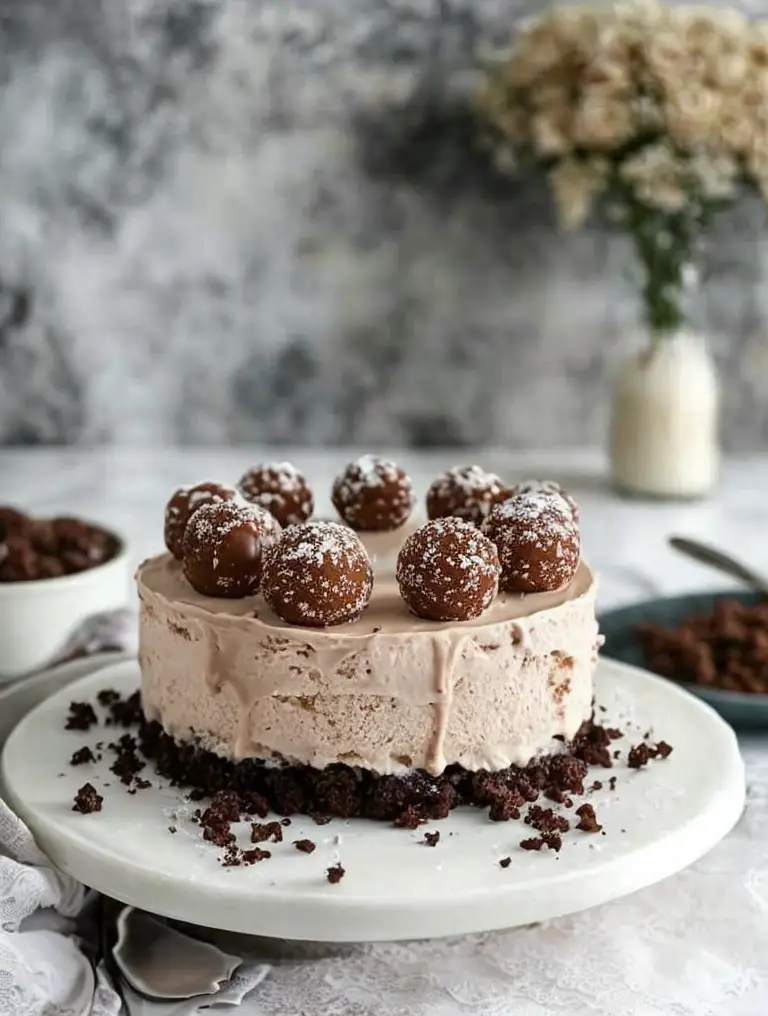
No-Bake Ferrero Rocher Cheesecake: Indulge in a Decadent Delight

⚖️
Difficulty
Easy

⏲️
Prep Time
20 mins

🕒
Cook Time
0 mins

⏱️
Total Time
4 hours

🍽️
Servings
8 slices

Indulge your senses with our No-Bake Ferrero Rocher Cheesecake, a dessert that masterfully combines the rich flavors of chocolate, hazelnut, and cream cheese. Perfect for any occasion, this cheesecake is not only simple to make but also incredibly satisfying to eat. The layers of creamy filling and crunchy base create a delightful contrast, making each bite an experience to savor. Imagine treating your family and friends to a slice that tastes like candy. With this recipe, you will be their hero!

This cheesecake is ideal for those who love the unique taste of Ferrero Rocher chocolates. No baking is required; simply blend, mix, and chill! It’s perfect for hot summer days or any gathering where you want to impress your guests with a show-stopping dessert. A beautiful presentation featuring full Ferrero Rocher chocolates on top guarantees to make your cheesecake stand out on any dessert table.

Quick Recipe Highlights

  • Flavor Profile: This cheesecake features a harmonious blend of chocolate and hazelnut flavors complemented by the creaminess of the cheesecake.
  • Texture: Enjoy a smooth and creamy filling alongside a crunchy, nutty biscuit base.
  • Aroma: The delightful scent of chocolate mingles with the nutty aroma of hazelnuts, creating an irresistible allure.
  • Visual Appeal: The cheesecake is adorned with whole Ferrero Rocher chocolates, making it visually stunning with an elegant touch.
  • Skill Level Needed: Perfect for beginner bakers; no special techniques are required!
  • Special Equipment: A 9-inch springform pan and an electric mixer make preparation a breeze.

Recipe Overview

  • Difficulty Level: Easy enough for beginners, this no-bake cheesecake allows you to focus more on flavors rather than complex techniques.
  • Category: This dessert falls perfectly into the cheesecake category, loved by many for its creamy and rich texture.
  • Cuisine: Infused with Australian and European chocolate cultures, this dessert offers a luxurious touch often seen in café-style recipes.
  • Cost: Inexpensive ingredients mean you can whip this cheesecake up without breaking the bank.
  • Season: Great for summer since it doesn’t require an oven, but also fantastic for winter holiday celebrations!
  • Occasion: Perfect for birthday parties, potlucks, and festive seasons where dessert takes center stage.

Why You’ll Love This Recipe

There’s a lot to love about this No-Bake Ferrero Rocher Cheesecake. Its taste and texture are a stunning combination of sweetness and creaminess, with a rich chocolate flavor that pairs perfectly with the crunchy hazelnut-infused base. Each slice delivers a luxurious mouthfeel that makes every occasion feel extra special.

The convenience of this cheesecake cannot be overstated. With a prep time of just 20 minutes, it allows you to focus on other aspects of your celebration without worrying about baking times or oven space. Simply whip together the ingredients, pour them into the prepared crust, and let it chill in the refrigerator until set.

Nutritionally, this cheesecake can be a more moderate dessert choice if you keep portion sizes in mind. The combination of cream cheese, chocolate, and hazelnuts brings along some essential nutrients, making it a sweeter treat that isn’t completely devoid of benefits.

Socially, this cheesecake is a great conversation starter at gatherings. Sharing slices while discussing flavors and techniques creates a delightful atmosphere, making it not only a treat for the taste buds but also a way to connect with others. It’s an experience that’s perfect for sharing!

Lastly, the cost-effectiveness of this No-Bake Ferrero Rocher Cheesecake makes it an accessible treat for anyone looking to impress guests without spending a fortune. In fact, you might already have some of the ingredients at home, making it an optimal choice for spontaneous dessert making!

Historical Background and Cultural Significance

The Ferrero Rocher chocolate originated in Italy in 1982 and has since gained global recognition as a luxurious treat. The unique blend of chocolate and hazelnut is central to this iconic confection, inspiring many dessert recipes that celebrate its deliciousness. The brand, known for its sophisticated packaging, emphasizes the quality and artisan craftsmanship behind each chocolate.

Culturally, Ferrero Rocher chocolates are often associated with gift-giving, especially during holidays and special occasions. Their popularity has made them a staple in many countries, often appearing in festive boxes during celebrations. This influence has led to a rise in similar dessert recipes, capturing the essence of Ferrero while allowing for creativity in the kitchen.

The evolution of the no-bake cheesecake reflects modern culinary trends that favor convenience and flavor without sacrificing quality. The classic cheesecake recipe has been adapted over time, allowing for creative ingredients like Ferrero Rocher to shine. As a result, dessert enthusiasts have embraced this fruity, chocolatey delight that blends traditional cheesecake with contemporary tastes.

Regional variations of cheesecake can be seen across the world, with each region incorporating its local flavors and styles. In places like the United States, creamy varieties prevail, while in Italy, lighter ricotta-based versions are more common. The No-Bake Ferrero Rocher Cheesecake combines these global influences, making it accessible and loved in various cultures today.

Ingredient Deep Dive

Cream Cheese
Cream cheese is the cornerstone of any cheesecake. Its smooth texture and neutral flavor create the creamy base, essential for desserts like our No-Bake Ferrero Rocher Cheesecake. It is rich in fat, which helps build the luscious mouthfeel that is so enjoyable in desserts. When selecting cream cheese, look for a high-fat variety to achieve the best results. Always store it in the refrigerator and use it within the ‘best by’ date for optimal freshness.

Chocolate Hazelnut Spread
Chocolate hazelnut spread, the star ingredient, provides a rich, sweet flavor reminiscent of Ferrero Rocher chocolates. This indulgent spread contains sugar, vegetable oils, hazelnuts, cocoa, and milk that combine to create a unique taste sensation. These ingredients provide not only a delightful flavor but also essential nutrients like vitamin E and healthy fats from the hazelnuts. Look for spreads that contain natural or high-quality ingredients, and keep them sealed in a cool, dry place.

Digestive Biscuits
Digestive biscuits form the crunch base layer of our cheesecake, delivering both texture and flavor. Traditionally made with whole wheat flour, these biscuits are slightly sweet and crumbly, making them perfect for desserts. They are economical and widely available, so selecting good quality will make a significant difference in your cheesecake’s taste. Store in an airtight container to maintain freshness. If unavailable, graham crackers or other similar cookies can be used as a substitute.

Common Mistakes to Avoid

  • Using low-fat cream cheese: This can lead to a watery cheesecake. Always use full-fat cream cheese for the best texture.
  • Not allowing the cheesecake to set long enough in the refrigerator: A proper chilling time is essential for achieving that luscious texture.
  • Forgetting to finely crush the biscuits: Coarse crumbs won’t hold together properly. Aim for a sand-like consistency.
  • Overmixing the cream cheese: Be sure not to overwhip, which can incorporate too much air and spoil the smooth texture.
  • Skipping the refrigeration step after assembly: This is crucial for firming up the cheesecake before serving.
  • Not using a springform pan: A springform pan makes it far easier to remove the cheesecake without damaging it.
  • Using imitation chocolate: Real chocolate significantly enhances flavor, so opt for a good quality chocolate or spread.
  • Not tasting the filling: Always check the flavor of your filling before setting it; adjusting sweetness can make all the difference!
  • Neglecting to let ingredients reach room temperature: Ensure cream cheese and other ingredients are at room temperature for better blending.
  • Not storing correctly: Keep the cheesecake sealed in the refrigerator to maintain freshness for longer.

Essential Techniques

Mixing the Cheesecake Filling
Mixing the cheesecake filling is a critical step that determines the overall texture and consistency of your dessert. Proper mixing integrates all ingredients smoothly, resulting in a creamy filling. Use an electric mixer and avoid overmixing, as this can introduce too much air, making it fluffy instead of dense. A smooth and homogenous mixture should be your visual cue for success.

Prepping the Biscuit Base
The biscuit base requires fine crushing for optimal texture. A food processor saves time and ensures uniform crumbs. After mixing with melted butter, press them firmly into the bottom of your pan. This step is important as it creates a solid base that holds together well once chilled. Look for a firm foundation that doesn’t crumble easily, indicating it’s pressed correctly.

Pro Tips for Perfect No-Bake Ferrero Rocher Cheesecake

– Always use full-fat cream cheese and fresh ingredients for the best flavor and texture.
– Chill your mixing bowl and beaters before mixing to maintain a cold temperature for the cream cheese.
– Drizzle melted chocolate over the top before serving for additional richness.
– For extra crunch, chop additional hazelnuts and sprinkle them on top.
– Allow the cheesecake to come to room temperature for about 15 minutes before slicing for cleaner cuts.
– Use dental floss or a hot knife to slice the cheesecake neatly without crumbling.
– Decorate with whipped cream and Ferrero Rocher chocolates for a beautiful presentation.
– Ensure the cheesecake has set for at least 4 hours or overnight for the best results.

Variations and Adaptations

You can explore many variations of the Ferrero Rocher cheesecake to cater to different tastes and dietary needs. For those who prefer a different flavor, consider swapping the chocolate hazelnut spread with a peanut butter alternative to create a delicious peanut butter cheesecake.

If you’re looking for seasonal adaptations, adding a hint of peppermint extract during the holiday season will give your cheesecake a festive twist that evokes the spirit of winter. For a gluten-free version, substitute the digestive biscuits with gluten-free graham crackers.

Vegetarian fans can easily enjoy this treat; however, vegans can adjust by using plant-based cream cheese and a nut-based crust. Texture modifications can also create unique experiences – try blending in a layer of caramel or fresh fruit to enhance the dessert further.

Presentation alternatives include using individual dessert cups for serving, making them fun and easy for parties.

Serving and Presentation Guide

For plating your No-Bake Ferrero Rocher Cheesecake, carefully release it from the springform pan and place it on a decorative cake stand or platter. Use a sharp knife to cut neat slices and consider garnishing each slice with a dollop of whipped cream for added elegance.

Traditional accompaniments include drizzling chocolate sauce or caramel over slices for an even richer dessert experience. Modern serving suggestions suggest pairing this cheesecake with a scoop of vanilla ice cream on the side.

Temperature plays an essential role; serving it slightly chilled creates a refreshing experience. As for portion control, a generous slice is ideal for gatherings, but remember to check that guests can easily indulge without feeling overwhelmed.

Wine and Beverage Pairing

For pairing, a rich dessert wine or Port complements the chocolate notes in the cheesecake beautifully. Alternatively, an espresso or dark roast coffee works in harmony with the chocolate flavor, creating a delightful contrast with the creaminess of the dessert.

For non-alcoholic options, consider serving a chocolate chai tea that parallels the richness of the cheesecake without competing. Always serve drinks chilled if necessary and offer small servings to create an elegant, balanced finishing touch.

Storage and Shelf Life

To keep your No-Bake Ferrero Rocher Cheesecake fresh, store it in the refrigerator in an airtight container. Proper storage can preserve its flavor and texture for up to 5-7 days.

If you notice condensation forming when removing it from the fridge, allow it to rest for a few minutes before cutting into it. Signs of spoilage include an off odor or visible mold. Should you need to freeze it, wrap it tightly in plastic wrap and aluminum foil, ensuring it lasts for up to 3 months.

When reheating, thaw it overnight in the refrigerator before serving or allow it to sit out for about 30 minutes at room temperature.

Make Ahead Strategies

For those planning in advance, this No-Bake Ferrero Rocher Cheesecake is a perfect choice. You can prepare the cheesecake a day ahead of your event, allowing it time to set overnight for optimal flavor.

A prep timeline can include making the crust and filling a day before assembly, then allowing full refrigeration after that. Store the crust and filling separately if making components ahead, and assemble just before serving for the freshest taste.

Always assure key elements like toppings and sauces can be added right before serving to maintain their quality and presentation.

Scaling Instructions

If you wish to adjust the recipe yields, simply halve or double the amounts of each ingredient used, ensuring you modify the cream cheese and chocolate hazelnut spread equally to maintain flavor.

For larger gatherings, a triple batch works well; just ensure you have an appropriately sized springform pan or divide into multiple smaller pans. Watch for slight timing adjustments in setting based on the depth of your cheesecake layer.

Remember, storage considerations will also change, as larger quantities might need to be split into smaller containers.

Nutritional Deep Dive

This No-Bake Ferrero Rocher Cheesecake contains several nutritious elements; while balanced, it’s essential to check the macro breakdown per slice to manage a healthy diet.

Typical servings will yield around 300 calories, depending on ingredient quality. You can further analyze the micronutrient content, particularly appreciating the calcium from cream cheese and healthy fats from hazelnuts.

For health benefits, the antioxidant properties of chocolate give an added boost, just balance with portion control for lifestyle management efforts.

Dietary Adaptations

For those on gluten-free diets, simply replace the digestive biscuits with gluten-free alternatives. These options offer the same delicious results without the gluten.

Dairy-free adaptations can explore plant-based cream cheese varieties that hold well in dessert recipes. Vegan switches call for non-dairy chocolate spreads and alternative sweeteners to ensure everyone can enjoy this treat.

Similarly, for low-carb or keto dieters, consider substituting the crust for ground nuts mixed with low-carb sweeteners for an equally satisfying dessert. Always explore these variations thoughtfully to meet dietary restrictions while preserving flavor.

Troubleshooting Guide

If your cheesecake turns out too soft or runny, ensure your cream cheese is well combined and adequately chilled for longer periods. A firm texture comes from allowing sufficient setting time in the refrigerator.

For flavor balance issues, you can adjust sweetness levels by incorporating more melted chocolate or a touch of vanilla extract.

Temperature-related problems may arise, especially if your ingredients are cold. Allow items to reach room temperature before mixing to achieve a smoother consistency.

In case of equipment challenges, like a springform pan that isn’t sealing well, utilize parchment paper around the edges. In terms of ingredient substitutions, ensure similar components in flavors to maintain a cohesive taste profile.

Timing concerns can occur when guests arrive earlier than planned. A quick chill in the freezer can help firm up the dessert rapidly, extending its overall appeal.

Recipe Success Stories

Community feedback on the No-Bake Ferrero Rocher Cheesecake has been overwhelmingly positive, with many praising its ease of preparation and delightful taste. Readers have shared variations that include using different toppings and flavor infusions, such as raspberries or even matcha powder for an unexpected twist.

Adaptation stories reveal that some have swapped white chocolate for an extra layer of richness, while others have shared their experiences hosting gatherings where this cheesecake was the fan-favorite.

Photography tips from our community emphasize capturing the layers of this dessert, focusing on its glossy top and crunchy base to entice readers to try making their version.

Frequently Asked Questions

Can I use a different type of chocolate spread?
Yes, you can substitute chocolate hazelnut spread with other flavors like peanut butter or almond butter; however, this will alter the overall taste of your cheesecake.

How do I make this cheesecake gluten-free?
To create a gluten-free version, just replace the digestive biscuits with a gluten-free biscuit alternative while maintaining the same amount to achieve the right crust texture.

Can I use low-fat cream cheese?
While you may use low-fat cream cheese, it might affect the texture and creaminess of your cheesecake, leading to a less luscious filling.

How long does this cheesecake need to set?
It is recommended that the cheesecake sets in the refrigerator for at least 4 hours, or overnight for the best texture and flavor development.

Can I freeze leftovers?
Yes, you can freeze slices of your cheesecake; just ensure they are wrapped tightly in plastic wrap or placed in an airtight container for up to 3 months.

How do I get a clean slice of cheesecake?
For cleaner slices, dip your knife in hot water before cutting, then wipe it clean between cuts to maintain a neat appearance for serving.

What are some good accompaniments for this cheesecake?
A dollop of whipped cream, chocolate sauce, or fresh berries can be great accompaniments to enhance both flavor and presentation when serving.

How do I ensure my biscuit base holds together?
Ensure you mix the biscuit crumbs with melted butter thoroughly and press the mixture firmly into your pan to form a solid crust.

Can I add extra ingredients to the filling?
Feel free to experiment with flavors; you can incorporate melted chocolate, chopped hazelnuts, or extracts to personalize your cheesecake further.

How do I adjust for altitude when making this recipe?
At higher altitudes, desserts may require slight temperature adjustments in chilling times and baking. Opt for longer refrigeration periods here.

Additional Resources

For more scrumptious ideas, check out our collection of related recipes that explore delightful no-bake desserts, classic cheesecakes, and innovative flavor pairings. Our technique guides offer valuable advice on mastering the art of cheesecakes, which is a staple in many dessert recipes. Don’t forget to explore our ingredient information database, ensuring you choose the finest products for your culinary creations.

Lastly, look for equipment recommendations that can assist you in creating desserts and baked goods, ensuring you’re satisfied with every creation in your kitchen.

Join the Conversation

We encourage you to share your thoughts or stories about making this No-Bake Ferrero Rocher Cheesecake on social media. Use our hashtag and share your stunning photos to inspire others in their culinary endeavors. The joy of cooking and baking is often magnified with community engagement, and your reviews play a part in shaping this experience.

We love to hear how you’ve personalized this recipe! Share your variations or suggestions in the comments, sparking creativity and cooperation among fellow baking enthusiasts.

The Recipe

No-Bake Ferrero Rocher Cheesecake

Serves: 8 slices

Prep Time: 20 mins

Cook Time: 0 mins

Total Time: 4 hours (including chilling time)

Kitchen Equipment Needed

  • 9-inch springform pan
  • Mixing bowl
  • Electric mixer
  • Food processor (optional)
  • Spatula

Ingredients

  • 200g digestive biscuits
  • 100g unsalted butter, melted
  • 500g cream cheese, softened
  • 300g chocolate hazelnut spread
  • 100g powdered sugar
  • 200ml heavy cream
  • 12 Ferrero Rocher chocolates, halved for topping

Directions

  1. In a food processor, finely crush the digestive biscuits until sandy.
  2. Mix the crushed biscuits with the melted butter and press firmly into the base of a springform pan.
  3. In a mixing bowl, combine cream cheese, chocolate hazelnut spread, and powdered sugar; mix until smooth.
  4. In a separate bowl, whip the heavy cream until stiff peaks form and gently fold into the cheesecake mixture.
  5. Spread the filling over the biscuit base evenly and smooth the top.
  6. Chill in the refrigerator for at least 4 hours or until set.
  7. Once set, remove from the springform pan and decorate with halved Ferrero Rocher chocolates on top.
  8. Slice and serve chilled, enjoying this delightful dessert!

Recipe Notes

  • For added texture, consider mixing in chopped hazelnuts into the filling.
  • Feel free to customize the topping with your favorite chocolate sauce or berries for a fresh twist.
  • This cheesecake holds well in the fridge for up to 5-7 days.

Indulge in Homemade Chocolate-Covered Ice Cream Bars Today

Chocolate-Covered Ice Cream Bars: The Ultimate Summer Treat

⚖️
Difficulty
Easy

⏲️
Prep Time
15 mins

🕒
Cook Time
5 mins

⏱️
Total Time
20 mins

🍽️
Servings
6 bars

This Chocolate-Covered Ice Cream Bars recipe is the perfect dessert to cool down during the hot summer months. Imagine creamy vanilla ice cream encased in a hard shell of rich, velvety chocolate. With each bite, you experience the satisfying crunch followed by the smooth, melting ice cream. These bars are not only delicious but also incredibly easy to prepare, making them an ideal treat for warm weather gatherings or simply enjoying at home on a sunny afternoon.

Creating homemade chocolate-covered ice cream bars allows you to control the ingredients, and you can customize them with your favorite toppings or flavored ice creams. The satisfaction of biting into a chocolate shell that you made yourself is unbeatable. Whether you’re making them for family, friends, or just for yourself, these bars will elevate your dessert game and leave everyone wanting more.

Quick Recipe Highlights

  • Flavor Profile: The combination of creamy vanilla ice cream and rich chocolate creates a classic flavor pairing that is universally loved.
  • Texture: Enjoy the contrast of the crunchy chocolate coating with the smooth, creamy ice cream center.
  • Aroma: The scent of melting chocolate wafts through the kitchen, enticing everyone nearby.
  • Visual Appeal: Each bar is glossy and inviting, with the dark chocolate contrasting beautifully against the pale ice cream.
  • Skill Level Needed: This recipe is simple and perfect for beginners, requiring no special culinary skills.
  • Special Equipment: You will need a popsicle mold and a microwave-safe bowl for melting chocolate.

Recipe Overview

  • Difficulty Level: This recipe is easy enough for kids to help with, making it a fun family activity.
  • Category: These bars serve as a delightful dessert or a refreshing snack.
  • Cuisine: Ice cream bars are a popular treat worldwide, often enjoyed at fairs and summer events.
  • Cost: The ingredients are affordable, making this recipe a budget-friendly option for any occasion.
  • Season: Chocolate-Covered Ice Cream Bars are best enjoyed in the summer when everyone is looking for cool, refreshing desserts.
  • Occasion: Perfect for birthday parties, backyard barbecues, and family celebrations.

Why You’ll Love This Recipe

Indulging in Chocolate-Covered Ice Cream Bars offers a blissful experience that begins with the delightful crunch of the chocolate, transitioning to the creamy warmth of the ice cream within. The sweetness of the chocolate complements the rich vanilla flavor, making each bite a blissful harmony of flavors. This dessert not only satisfies sweet cravings but also delivers joy with every mouthful.

Convenience is key, and this recipe is a breeze! With only a few ingredients and minimal prep time, you can create a crowd-pleaser that’ll impress everyone from sweet-toothed kids to dessert aficionados. The ability to customize the bars with your choice of ice cream or toppings makes it easy to tailor them for any preference or dietary need.

From a nutritional standpoint, using high-quality ingredients allows for a healthier treat without the preservatives found in store-bought ice cream bars. You can choose organic or lower-fat ice cream options and even dark chocolate for a richer, antioxidant-filled coating.

Sharing these bars can turn any gathering into a memorable event. The mix of creativity in the flavor combinations and the joy of making them together is perfect for hosting friends or family. Each person can create their own version, adding their favorite toppings, making it an interactive and fun experience.

Lastly, the affordability of this recipe cannot be overlooked. With basic ingredients easily found at your local grocery store, you can whip up a batch without breaking the bank. Plus, your homemade Chocolate-Covered Ice Cream Bars will far exceed the quality of the overpriced versions found in stores.

Historical Background and Cultural Significance

The concept of ice cream dates back to ancient civilizations, but the chocolate-covered version has its origins in American culture. Originally popularized in the 1920s, these treats quickly became a staple at ice cream parlors and fairs, celebrated for their satisfying crunch and creamy indulgence. They represented the epitome of summer enjoyment and childhood nostalgia.

Chocolate and ice cream have a rich history intertwined with celebrations and culinary innovation. As chocolate became more accessible, chocolate-covered desserts started to gain popularity, ultimately leading to the creation of the chocolate-covered ice cream bar. This evolution reflects our changing tastes and the desire for unique dessert experiences.

Regional variations of chocolate-covered ice cream bars include the classic American version, which often features vanilla ice cream, while countries like Mexico have their own variations, using local flavors and spices to enhance the traditional recipe. This adaptation showcases the versatility and cultural significance of ice cream desserts globally.

Regardless of their origin, chocolate-covered ice cream bars have become a beloved treat that transcends cultural barriers. Today, they are enjoyed worldwide and fondly remembered as a quintessential part of childhood summers, evoking memories of hot days spent at the ice cream truck or local fair.

Ingredient Deep Dive

Vanilla Ice Cream: This classic flavor serves as the perfect canvas for your chocolate coating. Its creamy texture and subtle sweetness complement the rich chocolate beautifully. When selecting, look for high-quality ice cream made with natural ingredients for the best flavor. Store it in your freezer, and for optimal texture, let it soften slightly before assembling the bars.

Chocolate: Using high-quality chocolate is vital to achieving that satisfying crunch. Milk chocolate offers a sweet contrast to the ice cream, while dark chocolate provides a more decadent experience. When choosing your chocolate, opt for brands with high cocoa content for a more intense flavor. Store opened chocolate in a cool, dry place, and avoid refrigeration to maintain its quality.

Toppings (optional): Customizing your bars with toppings like nuts, sprinkles, or crushed cookies can add a delightful twist. Each topping brings its texture and flavor, allowing for personalized creations. Store your toppings separately and add them right before serving for the best crunch. Always consider allergies, especially with nut toppings, to ensure everyone can enjoy these treats.

Common Mistakes to Avoid

  • Using cold ice cream: Ensure your ice cream is slightly softened for easy dipping, or it may crack the chocolate coating.
  • Not allowing enough cooling time: Skipping the freezing step before coating can lead to mushy results.
  • Melting chocolate improperly: Always melt chocolate gently to avoid burning or seizing, and use a double boiler for best results.
  • Overheating chocolate: Chocolate should be smooth but not too hot; too high a temperature can ruin its texture.
  • Skipping toppings: Don’t forget to customize your bars with fun toppings for added flavor and texture.
  • Not using a parchment-lined tray: Ensuring your bars cool on parchment paper will prevent them from sticking.
  • Applying chocolate while ice cream is too soft: Make sure the ice cream is firm when coating for a smooth finish.
  • Failure to prep your workspace: Have all your materials and toppings ready beforehand to prevent a mess.

Essential Techniques

Dipping: Proper dipping technique is crucial for achieving a smooth coating. Use a fork or skewer to dip the ice cream bar swiftly without over-saturating it. A quick dip in the melted chocolate enhances coating while reducing melting.

Freezing: Freezing is vital in the candy-making process. Allowing the bars to solidify after coating ensures they hold their shape and flavors meld effectively. Pay attention to freezing times based on your freezer’s settings to avoid ice crystal formation.

Melt and Cool: Melt chocolate slowly over low heat or in short bursts in the microwave, stirring often. Once fully melted, allow it to cool slightly before dipping your ice cream, ensuring a glossy finish while avoiding ice cream melt.

Pro Tips for Perfect Chocolate-Covered Ice Cream Bars

Use quality ingredients for the best flavor and texture; high-quality chocolate and ice cream make all the difference.
Be mindful of temperature – work quickly during the dipping process to prevent the ice cream from softening.
Experiment with different types of chocolate, including dark, milk, or even white chocolate, for varied flavor profiles.
Add spices like cinnamon or sea salt to chocolate for a unique twist.
Tap off excess chocolate gently to avoid clumps and create a smooth coating.
Use a variety of toppings to create a visually appealing and exciting treat.
Have fun with shapes; consider using cookie cutters for themed bars during holidays.
Prepare bars ahead of time and store them in the freezer for last-minute entertaining.

Variations and Adaptations

Regional variations can include different flavors of ice cream, such as mint chocolate chip or cookies and cream, providing a fresh and distinct take on the classic recipe. Seasonal adaptations may involve using fall flavors like pumpkin or winter peppermint for the ice cream flavor.

For those with dietary restrictions, explore dairy-free or vegan ice cream options, ensuring that the chocolate remains dairy-free as well. Flavor variations can be achieved by infusing the chocolate with spices or extracts like orange or espresso.

Texture modifications can include adding a layer of crunchy toppings to give your bars a delightful crunch or swapping out the chocolate for yogurt for a lighter option. Lastly, consider presentation alternatives, such as cutting the bars into fun shapes for themed events or curling ribbons of chocolate to adorn your creations.

Serving and Presentation Guide

Plating your Chocolate-Covered Ice Cream Bars can elevate their presentation. Opt for colorful plates or parchment paper for a rustic touch. For garnishing, consider drizzling extra melted chocolate over the bars, or sprinkle with toppings before serving for added texture and color.

Traditional accompaniments could include fresh fruit or a scoop of extra ice cream beside the bars, enhancing the flavor experience. For modern serving suggestions, try stacking bars or displaying them in a tall glass for an eye-catching effect.

Temperature considerations are essential—serve the bars immediately after dipping to ensure they are at their best, and consider pre-chilling your serving plates for an extra refreshing experience. When considering portion control, cutting the bars into smaller pieces can turn them into delightful bites rather than overwhelming treats.

Wine and Beverage Pairing

Pairing your Chocolate-Covered Ice Cream Bars can bring a wonderful depth to your dessert experience. For wine lovers, consider a sweet dessert wine, such as a late harvest Riesling, which complements the richness of the chocolate and ice cream. Pairing your bars with a fruity red, like a Pinot Noir, can also enhance the chocolate flavors.

For non-alcoholic alternatives, iced coffee or rich hot chocolate can create an indulgent pairing, especially when serving the bars at a cozy gathering. Herbal teas with chocolate notes, like chai, can provide a beautiful balance of flavors.

Temperature considerations are important; ensure your beverages are served chilled to contrast the frozen dessert, enhancing the overall enjoyment. For presentation, consider serving your drinks in fun, themed glasses that fit the ambiance of your gathering.

Storage and Shelf Life

Storing your Chocolate-Covered Ice Cream Bars properly ensures they remain fresh and delicious. Wrap the bars individually in plastic wrap or parchment paper, or place them in an airtight container to prevent freezer burn. Ensure the container is sealed well, as chocolate can absorb odors from the freezer.

The bars can last up to two weeks in the freezer; however, they are best enjoyed fresh. Check for signs of spoilage like ice crystals forming or off-flavors. If you’ve got leftovers, remember that they can be enjoyed straight from the freezer without reheating.

Freezing guidelines remind you to place bars in a single layer if using a container, to maintain their shape and texture. With proper storage methods, you can keep your bars ready for an indulgent treat anytime.

Make Ahead Strategies

Planning to make Chocolate-Covered Ice Cream Bars ahead of time can save time and make entertaining easier. Prepare the bars and coat them in chocolate a day or two in advance; just ensure they remain wrapped or in an airtight container.

You can also store your chocolate separately and dip the bars right before serving to maintain the perfect texture. If you prepare the chocolate ahead, reheat gently to ensure a smooth consistency.

Quality impact can include potential changes in texture if the ice cream sits too long after dipping without being re-frozen. Assembly becomes quick and easy when you have bars pre-prepared, allowing you to add toppings right before serving for the freshest taste.

Lastly, consider adding fresh elements, like mint leaves or a drizzle of fruit sauces, right before serving to enhance flavor and presentation for your make-ahead bars.

Scaling Instructions

Halving the recipe is simple; just use the same half portions for each ingredient, maintaining the ratios throughout. This is ideal for smaller gatherings or a quick dessert fix while saving freezer space.

Doubling or tripling the recipe is also easy; ensure to use larger molds or multiple trays for the bars. Timing may need adjustment, so keep an eye on the freezing times to ensure quality.

Equipment adjustments might be necessary for larger batches, such as using larger pots for melting chocolate or multiple mixing bowls. Lastly, consider storage—the more bars you make, the more careful you need to be in ensuring they remain neatly organized in the freezer.

Nutritional Deep Dive

Analyzing the macros for Chocolate-Covered Ice Cream Bars reveals a rich treat packed with sugars and fats primarily coming from the ice cream and chocolate. Each bar’s caloric content can vary based on the type of ice cream and chocolate used, making it essential to choose brands wisely if you’re watching your intake.

Micronutrient analysis shows that while these bars are not typically rich in vitamins or minerals, using dark chocolate might provide some antioxidant benefits. Additionally, opting for lower-fat ice creams can help balance the overall nutritional profile.

Health benefits might include enjoying a treat that satisfies sweet cravings without large portions, promoting portion control. Dietary considerations should note the importance of balance in treats within a generally healthy diet.

When assessing portion sizes, splitting bars into smaller bites can help manage intake while still allowing indulgence. This can be particularly appealing when entertaining guests who may appreciate a variety of dessert options.

Dietary Adaptations

For those requiring gluten-free options, ensure that your chocolate and ice cream are certified gluten-free, as many products may contain hidden gluten. You can also choose gluten-free toppings to keep everything safe for individuals with dietary restrictions.

Dairy-free ice cream options are becoming more widely available, giving you a delicious alternative while still allowing for that rich chocolate coating. Investigate vegan chocolates to ensure a completely dairy-free experience.

For those on low-carb or keto diets, consider using sugar-free chocolate and ice cream to lower the carb count while still enjoying a sweet treat. Paleo diets might direct you to use almond milk ice creams to keep things natural.

Low-FODMAP adaptations could include lactose-free ice cream, so those with sensitivities can enjoy these bars without concern. Always check labels for hidden ingredients and consult dietary guidelines to maintain health needs.

Troubleshooting Guide

When it comes to texture issues, if the bars are too soft after dipping, allow them to freeze for a longer duration before serving. If chocolate doesn’t coat smoothly, check that the melting process was done carefully and at the right temperature.

Flavor balance becomes crucial; if your bars taste overly sweet, consider using darker chocolate next time or low-sugar ice cream options. If flavor isn’t strong enough, try adding toppings like sea salt or spices.

Temperature problems can arise during serving; if your bars have melted too quickly, try keeping them in the freezer right up until serving to ensure they last longer at room temperature. Equipment challenges might include difficulty in dipping; ensure you’re using a deep enough bowl for efficient coating.

Ingredient substitutions are feasible; if you run out of chocolate, consider yogurt or a flavored icing for a sweet glaze. Keep an eye on timing concerns to avoid softening the bars during the coating process.

Recipe Success Stories

Receiving community feedback on Chocolate-Covered Ice Cream Bars reveals numerous creative adaptations and insights. Many readers rave about the ease of the recipe, especially how family members enjoyed helping dip the bars and choosing toppings.

Variation successes include unique combinations, from peanut butter cup toppings to coconut shavings, making every batch distinctive. Readers often share photography tips, suggesting that natural light enhances the appealing hues of chocolate and ice cream during the irresistible drool-worthy shots.

Adaptation stories often include the joyful reactions of children, making these bars a highlight of birthdays and parties. The creativity involved in crafting these delectable treats brings pride and joy to those who try it.

Topics of recipe reviews mainly focus on how the bars become personalized with each family’s favorite flavors and creative toppings, reinforcing the concept that this recipe is both a classic and a canvas for innovation.

Frequently Asked Questions

Can I customize the ice cream flavors?

Absolutely! Feel free to experiment with different ice cream flavors like strawberry, mint chocolate chip, or even coffee for unique chocolate-covered bars. This flexibility allows each batch to be tailored to suit your taste or occasion.

How can I make these bars healthier?

You can utilize low-carb or sugar-free ice cream and dark chocolate for a slightly healthier version. Additionally, opting for organic ingredients may also enhance the nutritional profile without sacrificing flavor!

What if the chocolate doesn’t coat evenly?

If the chocolate layer is uneven, it can be because it was too thick or the ice cream was too soft. Ensure to dip the bars quickly and try to maintain that smooth temperature of the melted chocolate while you work.

Can I store the bars for later?

Yes! These bars can be stored in an airtight container for up to two weeks in the freezer. Just make sure they’re well-wrapped to prevent freezer burn and maintain their quality.

What toppings do you recommend?

Some popular topping choices include crushed nuts, sprinkles, coconut flakes, or even crumbled cookies for added crunch! Just make sure to apply them immediately after dipping for the best adhesion.

Can I make these ice cream bars in advance?

Yes! These bars can be made a day in advance. Just remember to store them properly in the freezer until you’re ready to serve.

What chocolate works best for coating?

For coating, high-quality milk or dark chocolate is recommended. You can also use white chocolate for a sweeter alternative, but remember that it has a shorter shelf life when compared to darker chocolates.

Can I use coconut oil to thin the chocolate?

Yes, adding a teaspoon or two of coconut oil can create a smoother melting chocolate that’s easier to work with, but don’t overdo it to maintain adherence to the ice cream.

Are there any non-dairy options available?

Absolutely! Many brands offer delicious dairy-free ice creams made from almond, coconut, or cashew milk that can suit vegan diets perfectly.

How do I know if the chocolate is melted correctly?

The ideal melted chocolate should be smooth and glossy. If it appears dull or grainy, it may be overheated—start with lower power on your microwave or use a double boiler for gentle melting.

Additional Resources

For related recipes, check out our delicious snacks like Frozen Yogurt Bark or Fruit Popsicles for healthier summertime treats. Technique guides on chocolate melting and dipping methods also provide fundamental knowledge for chocolate lovers.

For ingredient information, explore our blog section detailing the best types of chocolate and ice cream to enhance your dessert experience consistently. Equipment recommendations featuring high-quality molds and melting pots can also help elevate your home kitchen game.

When summer hits, consider checking our seasonal variations as we highlight the best ice cream flavors and toppings as they come into season. This dynamic combination of resources supports your journey to becoming a dessert-making expert!

Join the Conversation

We love hearing from our readers! Join in the conversation by sharing your creations on social media and tagging us for a chance to be featured.

Photography tips include using natural light to capture the gorgeous textures of your Chocolate-Covered Ice Cream Bars for Instagram-worthy shots. Your feedback on the recipe and any variations you’ve explored helps foster our community’s development and creativity.

With so many possibilities for these bars, feel free to share your personal twists and themes—let’s celebrate the joy of dessert-making together!

The Recipe

Chocolate-Covered Ice Cream Bars

Serves: 6 bars

Prep Time: 15 mins

Cook Time: 5 mins

Total Time: 20 mins

Kitchen Equipment Needed

  • Popsicle mold
  • Microwave-safe bowl
  • Spatula
  • Measuring cups
  • Cookie sheets
  • Parchment paper

Ingredients

  • 3 cups vanilla ice cream
  • 1 cup chocolate (milk or dark)
  • Optional toppings (nuts, sprinkles, crushed cookies)

Directions

  1. Soften the vanilla ice cream for about 5 minutes at room temperature, then scoop it into your popsicle mold and freeze for at least 4 hours, or until solid.
  2. Melt the chocolate in a microwave-safe bowl, heating in 30-second intervals and stirring until smooth.
  3. Remove the ice cream from molds, one at a time, and dip into the melted chocolate. Allow excess chocolate to drip back into the bowl.
  4. If desired, sprinkle your toppings over the freshly dipped chocolate before it hardens.
  5. Place the dipped bars on parchment paper-lined cookie sheets and return to the freezer for at least 30 minutes to firm up.
  6. Enjoy your chocolate-covered ice cream bars fabulous in flavor and presentation!

Recipe Notes

  • For best results, work quickly to dip the bars before the ice cream softens too much.
  • Consider using flavored chocolate or adding unique toppings to create interesting variations.
  • These bars can be refrozen after dipping and may be consumed at any time once coated.

Indulge in Matilda’s Rich Chocolate Cake Recipe Today!

Matilda’s Rich Chocolate Cake: A Decadent Indulgence!

⚖️
Difficulty
Moderate

⏲️
Prep Time
30 mins

🕒
Cook Time
45 mins

⏱️
Total Time
1 hr 15 mins

🍽️
Servings
8-10

Introducing Matilda’s Rich Chocolate Cake—a dessert that is not just a treat, but an experience! This cake is a celebration of rich flavors and indulgent textures that promises to transport you into chocolate heaven. With its deep, intense cocoa flavor and moist crumb, each bite melts into a velvety finish that will satisfy your sweet tooth like no other. This cake is perfect for birthdays, anniversaries, or any occasion that deserves a special touch. Bring a touch of magic to your table with this simple yet elegant recipe that is sure to impress family and friends alike.

From the moment you pull Matilda’s Rich Chocolate Cake out of the oven, your kitchen will fill with an irresistible aroma that beckons like an invitation. This decadent indulgence is not just about taste; it’s about the experience it creates. Whether you’re celebrating a special occasion or simply treating yourself, this cake is a must-try. Pair it with some fresh whipped cream or a scoop of vanilla ice cream, and your dessert game will reach new heights!

Quick Recipe Highlights

  • Flavor Profile: Experience the deep richness of cocoa complemented by a subtle sweetness that elevates each bite.
  • Texture: This cake boasts a moist crumb combined with a dense, fudgy interior that is melt-in-your-mouth good.
  • Aroma: The intoxicating scent of freshly baked chocolate will wrap you in warmth, drawing everyone into your kitchen.
  • Visual Appeal: The cake’s dark, glossy finish, combined with frosting, creates a striking presentation that is simply irresistible.
  • Skill Level Needed: While it requires some technique, this recipe is accessible to both novice and experienced bakers.
  • Special Equipment: A few basic tools like mixing bowls, a whisk, and cake pans are all you need to create this masterpiece.

Recipe Overview

  • Difficulty Level: Preparing Matilda’s Rich Chocolate Cake is moderate; it involves layering and frosting but is manageable for most home bakers.
  • Category: This dessert falls under cakes, perfect for occasions such as birthdays, celebrations, or as a delightful treat.
  • Cuisine: Rooted in classic baking traditions, chocolate cakes have evolved over centuries, embodying rich tastes from various cultures.
  • Cost: With common ingredients, this cake can be made affordably without sacrificing flavor or quality, making it budget-friendly.
  • Season: Chocolate cakes are delightful year-round, but especially welcome during winter holidays and celebrations.
  • Occasion: Ideal for birthdays, holidays, or as a dinner party showstopper, this cake brings joy and satisfaction.

Why You’ll Love This Recipe

Matilda’s Rich Chocolate Cake is a dessert that truly delights the senses. The rich chocolate flavor coupled with a moist, tender crumb makes each bite a heavenly experience. This cake is perfect for chocolate lovers, offering a deep, satisfying cocoa taste with just the right amount of sweetness. The decadent frosting elevates the overall flavor, adding a creamy finish that lingers on the palate. Each slice is not just a dessert; it’s an occasion.

Convenience is another fantastic aspect of this recipe. With simple ingredients and straightforward steps, you can whip up this cake without fuss. It’s a forgiving recipe, allowing space for mistakes, so even beginner bakers can feel confident. The preparation also leaves plenty of time to relax while the cake bakes and cools, making it ideal for any busy home cook.

In terms of nutrition, chocolate does offer some benefits! The cocoa used in this cake contains antioxidants and can promote heart health in moderation. Though it’s a treat, it can certainly be enjoyed in a balanced approach to your diet. The cake’s richness means that you can savor a smaller slice, making it a thoughtful indulgence.

Socially, this cake serves as a great centerpiece for gatherings. It sparks conversations and shares joy, transcending simple dessert status. It pairs beautifully with a variety of beverages, making it perfect for elegant dinner parties or casual get-togethers with friends.

On a cost-effectiveness level, the accessibility of ingredients plays in your favor. You won’t need to visit specialty stores, and most items can be found in your pantry. Thus, you can create an impressive dessert that feels luxurious without breaking the bank.

Historical Background and Cultural Significance

The origin of chocolate cake dates back centuries, with its roots in rich cultures that valued chocolate as a luxury. Chocolate was primarily consumed as a drink, revered by the Aztecs and Mayans long before it became a dessert. The transition from drink to cake is believed to have started in the 19th century with the introduction of cocoa powder, making chocolate more accessible for baking.

Culturally, chocolate cakes have become synonymous with celebration and indulgence. They feature prominently on birthdays, weddings, and holiday festivities across various cultures, symbolizing joy and festivity. As baking technology advanced, so did the complexity of chocolate cake recipes, leading to endless variations and adaptations that showcase local ingredients and preferences.

Over time, the recipe for chocolate cake has evolved significantly. From dense, flourless variations to lighter, airy textures, bakers have experimented with techniques and ingredients to suit contemporary tastes. The popularization of boxed cake mixes in the 20th century made chocolate cake even more accessible, but homemade versions remain favored for their unmatched flavor and quality.

Regional variations of chocolate cake abound, reflecting local ingredients and traditions. For example, the German Chocolate Cake features a sweet coconut and pecan frosting, while Italian Chocolate Cake often incorporates ricotta for extra richness. Each version tells a story and connects back to the cultural significance of chocolate as a universally loved treat.

Ingredient Deep Dive

Chocolate
Chocolate has a storied cultural significance, having been revered since ancient times. Nutritionally, it contains antioxidants that promote good health; however, its benefits largely depend on the quality and quantity consumed. When selecting chocolate for baking, always opt for high-quality brands that list cocoa content on labels. Store your chocolate in a cool, dark place to preserve its integrity, and if you need to substitute it, cocoa powder can often stand in for melted chocolate at a ratio of 3 tablespoons of cocoa plus 1 tablespoon of oil for each ounce of chocolate.

Flour
Flour is a basic yet vital ingredient in baking. Its cultural significance lies in its role in global cuisines, serving as a staple in most baked goods. Different flours have unique properties; for instance, all-purpose flour gives a tender crumb while cake flour yields lighter cakes. When choosing flour, check for freshness and consider purchasing it from a bulk store to reduce costs. Store in air-tight containers to prolong shelf life, and for gluten-free variations, almond flour or coconut flour can be excellent substitutes.

Common Mistakes to Avoid

  • Measuring flour incorrectly can lead to a dense cake. Use a scale or the spoon-and-level method to ensure accuracy.
  • Overmixing the batter can introduce too much air, resulting in a tough texture. Mix just until combined.
  • Using cold ingredients can impact volume and texture. Always allow eggs, butter, and other dairy to sit at room temperature.
  • Not greasing and flouring the pans sufficiently may cause sticking. Ensure that pans are well-prepared before pouring the batter.
  • Skipping the cooling time before frosting can lead to melted icing. Allow the cake to cool completely for a perfect finish.
  • Overbaking can dry out the cake. Always check for doneness a few minutes before the recommended time.
  • Using low-quality chocolate can alter the flavor negatively. Invest in good chocolate for an optimal taste experience.
  • Not rotating the cake in the oven can lead to uneven baking. Turn the cake halfway through the cooking time for even results.
  • Miscalculating your baking powder or soda can affect the cake’s rise. Confirm expiration dates for leavening agents as well.
  • Not adjusting baking time for different pans can result in improperly baked cakes. Keep an eye on the timing if using different sizes.

Essential Techniques

Creaming Butter and Sugar
This technique is crucial for creating a light and fluffy cake. Creaming introduces air into the batter, which ensures a tender texture when baked. To master it, make sure your butter is at room temperature for optimal mixing. A common pitfall is under-creaming; aim for a pale, fluffy mixture that has increased in volume. Visual cues include a lighter color and a texture that clings slightly to the beaters.

Folding
Folding is used to incorporate delicate ingredients—like whipped cream or egg whites—into a heavier batter without deflating it. It’s important to use a gentle motion, cutting through the mixture and lifting it, rather than stirring vigorously. The ideal result is a uniform batter that retains its airy volume. Visual cues include a fully integrated mixture without large clumps of the lighter ingredient remaining.

Pro Tips for Perfect Matilda’s Rich Chocolate Cake

1. Always use room temperature ingredients to enhance combination and give a better rise to the cake.
2. For a deeper flavor, let the batter rest for 30 minutes before baking to enhance the chocolate’s complexity.
3. If using a dark baking pan, reduce the temperature by 25°F to avoid overbaking.
4. Try adding a tablespoon of espresso powder to the batter to intensify the chocolate flavor even more.
5. Use parchment paper on the bottoms of your pans for easy removal and cleaner edges.
6. Experiment with various frostings—try a raspberry ganache for a tangy contrast with the chocolate.
7. Don’t rush the cooling process; it’s integral to achieving a perfect slice.
8. For added decoration, consider dusting the cake with cocoa powder or powdered sugar before serving.

Variations and Adaptations

For a regional twist, try creating a Mexican chocolate version by incorporating cinnamon and chili powder into the batter, giving it a unique flavor profile. Seasonal adaptations could include adding pumpkin puree for a fall-inspired cake, or fresh berries during summer for a refreshing taste. If you need dietary modifications, a vegan version can be made by replacing eggs with flaxseed meal and using non-dairy milk. For flavor variations, consider infusing the frosting with peppermint extract or orange zest.

Explore texture modifications by adding chocolate chips or nuts into the batter, providing a delightful crunch that contrasts with the soft crumb. Presentation alternatives include layering the cake with fresh fruit or using edible flowers for a vibrant touch. Each variation invites creativity and personal flair, making this cake a versatile indulgent choice!

Serving and Presentation Guide

When it comes to plating Matilda’s Rich Chocolate Cake, simplicity is key. A clean, white plate enhances the cake’s rich color, drawing attention to its glossy finish. Garnish with fresh berries or mint leaves for a pop of color, creating an inviting presentation. Serve slices with a dollop of whipped cream or a scoop of vanilla ice cream to complement the chocolate flavors.

For modern serving suggestions, consider individual servings in mason jars or cupcake form for a fun twist. Keep temperature considerations in mind; serve the cake slightly warm for the ultimate indulgence or at room temperature for a denser texture. For portion control, use a sharp serrated knife for clean slices, ensuring all guests receive a beautiful piece of this decadent cake.

Wine and Beverage Pairing

Pairing Matilda’s Rich Chocolate Cake with wine can elevate the dessert experience. Look for a full-bodied red wine, such as Cabernet Sauvignon or a rich dessert wine like Port, which enhances the chocolate’s depth. For non-alcoholic alternatives, rich, dark chocolate-flavored coffees or espresso complement the cake beautifully.

If tea is your preference, opt for a chai or a strong black tea, which balances the sweetness of the cake. When serving, ensure beverages are at the right temperature—wine should be slightly chilled while coffee should be served hot for the best flavor experience.

Storage and Shelf Life

To store Matilda’s Rich Chocolate Cake, wrap it tightly in plastic wrap or store in an airtight container to maintain moisture. The cake can be kept at room temperature for up to three days, or refrigerated for up to a week. It can also be frozen for up to three months; just ensure it’s well-wrapped to prevent freezer burn.

When checking for spoilage, note any changes in smell or texture, such as a dry or hard crust. To reheat the cake, place slices in the microwave for 15-20 seconds, or in a preheated oven at 300°F until warmed through.

Make Ahead Strategies

Planning to serve Matilda’s Rich Chocolate Cake? It can be made ahead of time by baking the cake a day in advance. Store it wrapped at room temperature overnight. Assemble the cake with frosting a few hours before serving, allowing some time for the flavors to meld.

Consider freezing layers if you want to prepare even further ahead; just remember to layer parchment between pieces for protection. When it’s time to serve, allow the cake to come to room temperature, enhancing the flavors and textures for enjoyment. Incorporating fresh elements, such as whipped cream, as the last step adds vibrancy and freshness.

Scaling Instructions

Scaling Matilda’s Rich Chocolate Cake is straightforward. To halve the recipe, use a smaller pan and adjust the baking time by checking for doneness earlier. For doubling or tripling the recipe, ensure that you have the appropriate sized mixing bowl and baking tray.

Adjustments may be needed for the cooking time, as larger cakes may require additional time in the oven. Always monitor the cake closely, as different sizes will vary in baking duration. For storage, keep in mind larger quantities may take longer to cool, so patience is essential!

Nutritional Deep Dive

The nutritional breakdown of Matilda’s Rich Chocolate Cake highlights its decadent nature. With moderate carbs from sugar and flour, the cake provides energy, but it’s the rich cocoa that offers antioxidants beneficial for heart health. Nonetheless, it’s important to enjoy such indulgences in moderation.

When looking at micronutrients, dark chocolate is a source of iron and magnesium, adding some health benefits to this cake. However, portion sizes should be considered not just for health benefits but also for weight management. Enjoying a smaller slice can provide satisfaction without overindulging.

Dietary Adaptations

This wonderful Rich Chocolate Cake can be adapted for various dietary needs. For gluten-free diets, substitute all-purpose flour with almond or gluten-free all-purpose flour, ensuring a similar texture is achieved.

Dairy-free options exist as well; swap regular milk with almond or oat milk, and use vegan butter for the frosting. For those pursuing a low-carb or keto lifestyle, sugar substitutes like erythritol can take the place of sugar, offering fewer carbs while still delivering sweetness.

Vegan adaptations can substitute eggs with flaxseed meal or applesauce, yielding a similarly rich and moist cake suitable for plant-based diets. Always read labels carefully to ensure all adjustments align with dietary restrictions.

Troubleshooting Guide

Texture issues may arise from overmixing; to avoid this, mix ingredients just until combined. If the cake is dry, consider adjusting the oven temperature or checking for the correct baking time to ensure proper texture.

Flavor balance can sometimes lack sweetness; always taste the batter before baking, adjusting sugar as necessary. If the cake appears to be domed too high, this may indicate an oven temperature that is too high—calibrate your oven for accurate baking.

Ingredient substitutions can lead to unexpected outcomes; always test small variations prior to scaling up. If timing concerns arise, use toothpicks or cake testers as indicators for doneness, checking about five minutes before the suggested time.

Recipe Success Stories

Community feedback on Matilda’s Rich Chocolate Cake has been overwhelmingly positive. Readers have shared their successful adaptations, experimenting with flavors like peppermint and hazelnut, which turned out scrumptious! Many have also provided photos of their versions, with creative garnishes and improved presentation, showing how relatable this recipe can be across different tastes.

Personal anecdotes add a lovely touch to the discussion, with readers sharing memories tied to baking and serving this cake at family gatherings. The flexibility of the recipe has inspired people to try their hands at variations, leading to a rich array of unique cakes made in homes everywhere.

Frequently Asked Questions

Can I use different types of chocolate?
Absolutely! Various types of chocolate can add unique flavors. Dark chocolate will give a rich, bold flavor, while milk chocolate will make the cake sweeter.

How do I make the cake gluten-free?
Substitute all-purpose flour with gluten-free flour blends. Adjust the measuring to achieve a similar texture.

What can I use instead of eggs?
Flaxseed meal or applesauce can replace eggs effectively; use 1 tablespoon of flaxseed meal mixed with 3 tablespoons of water as a substitute for one egg.

Can I make this cake in advance?
Yes! This cake can be baked ahead and stored in the fridge or freezer. Just frost it shortly before serving for the best texture.

What’s the best way to store leftovers?
Keep leftovers in an airtight container in the fridge for up to a week or freeze for up to three months.

What frosting works best with this cake?
This cake pairs beautifully with chocolate buttercream, cream cheese frosting, or even a light ganache for an indulgent finish.

Why is my cake sinking?
A sinking cake may indicate that the batter was overmixed or was too heavy. Ensure proper mixing techniques to avoid this issue.

Can I add nuts or chocolate chips?
Certainly! Adding nuts or chips can enhance the texture and flavor profile, providing delightful surprises in each bite.

Is this cake suitable for cupcakes?
Yes! You can use this batter to make cupcakes; just decrease the baking time to around 20-25 minutes.

What if I don’t have cake pans?
Feel free to use a muffin tin or any suitable oven-safe containers. Adjust baking time as necessary.

Additional Resources

If you loved this recipe, check out our collection of related recipes, including various chocolate desserts like molten lava cakes and chocolate mousse. For technique guides, explore our resources on baking fundamentals, such as mastering the perfect buttercream or understanding flour types.

Ingredient information is vital; familiarize yourself with the benefits of baking essentials like cocoa powder or various types of sugar. Equipment recommendations can help you choose the best tools, from mixing bowls to cake pans, making your baking experience enjoyable.

Don’t forget to explore seasonal variations; during the holidays consider adding peppermint or spices for an exciting twist.

Join the Conversation

We love hearing your thoughts on our recipes! Share your experiences on social media, and don’t forget to tag us in photos of your Matilda’s Rich Chocolate Cake creations. Photography tips can help show off your beautiful bakes; natural light works wonders for capturing the cake’s delicious details.

Your feedback helps our community grow, so leave recipe reviews and suggestions for adjustments that worked for you. Let’s celebrate the joy of baking together and keep the conversation going with sharing your unique variations!

The Recipe

Matilda’s Rich Chocolate Cake

Serves: 8-10

Prep Time: 30 mins

Cook Time: 45 mins

Total Time: 1 hr 15 mins

Kitchen Equipment Needed

  • Mixing bowls
  • Whisk or electric mixer
  • Rubber spatula
  • 8-inch round cake pans
  • Cooling rack
  • Offset spatula for frosting

Ingredients

  • 1 ¾ cups all-purpose flour
  • 1 ½ cups granulated sugar
  • ¾ cup unsweetened cocoa powder
  • 1 ½ teaspoons baking powder
  • 1 ½ teaspoons baking soda
  • 1 teaspoon salt
  • 2 large eggs
  • 1 cup whole milk
  • ½ cup vegetable oil
  • 2 teaspoons vanilla extract
  • 1 cup boiling water

Directions

  1. Preheat your oven to 350°F (175°C). Grease and flour your cake pans.
  2. In a large mixing bowl, combine flour, sugar, cocoa powder, baking powder, baking soda, and salt. Mix well.
  3. Add eggs, milk, oil, and vanilla extract to the dry ingredients. Mix on medium speed until smooth.
  4. Carefully stir in boiling water. The batter will be thin—this is normal!
  5. Pour the batter evenly into prepared pans and bake for 30-35 minutes, or until a toothpick comes out clean.
  6. Allow cakes to cool in the pans for 10 minutes before transferring to wire racks to cool completely.
  7. Once cool, frost with your favorite chocolate frosting.

Recipe Notes

  • For a deeper flavor, consider adding espresso powder to the dry ingredients.
  • Store any leftovers in an airtight container for freshness.
  • This cake can be frozen—just ensure it’s wrapped well to avoid freezer burn.

Delicious Boston Cream Pie Cupcakes for the Perfect Dessert Treat

Irresistible Boston Cream Pie Cupcakes: A Delightful Twist on a Classic Dessert

⚖️
Difficulty
Medium

⏲️
Prep Time
30 mins

🕒
Cook Time
20 mins

⏱️
Total Time
50 mins

🍽️
Servings
12 cupcakes

If you’re searching for a delicious dessert that combines the comfort of a classic cake with the fun of a cupcake, look no further than these Irresistible Boston Cream Pie Cupcakes! Each cupcake offers a moist vanilla cake base filled with creamy pastry custard and topped with rich chocolate ganache. The flavors harmonize beautifully, making every bite a delightful experience. Perfect for birthdays, special occasions, or simply a sweet treat to enjoy at home, these cupcakes are sure to impress.

A Boston cream pie is a beloved dessert that traditionally features a delicate sponge cake with layers of custard and a decadent chocolate glaze. By transforming this classic into a cupcake format, you’ll find that they are not only easier to serve but also more charming and portable. You’ll love how each cupcake delivers that iconic flavor and texture in a convenient, bite-sized treat that everyone will adore.

Quick Recipe Highlights

  • Flavor Profile: These cupcakes burst with rich vanilla flavor, complemented by smooth, creamy custard and a luscious chocolate topping.
  • Texture: The cupcakes are soft and fluffy, with a gooey filling and smooth ganache, providing a satisfying mouthfeel.
  • Aroma: The sweet aroma of vanilla mingles with the rich scent of chocolate, creating an irresistible invitation to indulge.
  • Visual Appeal: These cupcakes are visually stunning with their shiny chocolate glaze, contrasting beautifully with the pale cake and cream filling.
  • Skill Level Needed: While a bit of skill is required for the ganache and custard, these cupcakes are manageable for most home bakers.
  • Special Equipment: Basic baking tools are needed, but a piping bag for filling and decorating can enhance your presentation.

Recipe Overview

  • Difficulty Level: These Irresistible Boston Cream Pie Cupcakes are rated as medium difficulty, requiring some baking skills and patience but are entirely approachable.
  • Category: This recipe falls under desserts, specifically cupcakes and can double as a fun addition to any party or gathering.
  • Cuisine: Originating from American culinary tradition, these cupcakes pay homage to the timeless Boston cream pie, beloved across the nation.
  • Cost: The ingredients are relatively inexpensive, averaging around $15 total, making this a budget-friendly dessert option.
  • Season: Perfect for any time of year, but especially delightful for spring and summer events like picnics, birthday parties, or BBQs.
  • Occasion: These cupcakes are perfect for birthdays, anniversaries, and celebrations, providing both flavor and flair to any dessert table.

Why You’ll Love This Recipe

These Irresistible Boston Cream Pie Cupcakes combine a classic dessert into a fun and manageable form that’s perfect for sharing. The striking visual appeal and delightful taste make them an instant crowd-pleaser. The sweet, fluffy frosting atop the moist vanilla cake, complemented by the creamy filling and rich chocolate topping, creates a medley of flavors and textures that will leave everyone wanting more.

Additionally, the convenience of cupcakes enhances their appeal. Unlike a traditional cake, they are easy to grab and enjoy without the need for slicing and serving. This makes them ideal for gatherings, picnics, or casual coffee dates. Preparing them in advance means you can offer your guests an enticing dessert without the stress of last-minute baking.

Beyond their delicious taste and ease of preparation, these cupcakes can be tailored to fit various dietary preferences. With simple adjustments, they can be made gluten-free, dairy-free, or vegan, making it easy to accommodate the needs of your guests. Plus, their small size allows for portion control, so you can enjoy a sweet treat without overindulging.

Socially, these cupcakes have the potential to be a hit at any gathering. Sharing sweet treats often fosters connection and conversation. You can bring these to a friend’s house, birthday celebrations, or community events and watch as they quickly disappear, sparking joy and sharing stories around food.

Lastly, they’re cost-effective! If you’re looking for a gourmet dessert experience without breaking the bank, these cupcakes are an excellent choice. With minimal ingredients that pack a punch in flavor and aesthetic, they prove to be a smart baking option for home bakers and novice chefs alike.

Historical Background and Cultural Significance

The Boston cream pie, a classic dessert that has been loved since the 19th century, was first concocted in Boston, Massachusetts. Characteristically layered with sponge cake, rich pastry cream, and topped with chocolate, this dessert has gained the title of the official state dessert of Massachusetts. Its origin story is steeped in the culinary traditions of early American bakers, who sought to innovate the traditional pie concept by creating this novel version in cake form.

Historically, the dessert was created by French immigrants in America, where the technique of cake-making was combined with the local love for pies. Over the years, as it evolved, various interpretations emerged, each incorporating unique local ingredients and techniques. This evolution reflects the adaptability of flavors and styles in American cooking, showcasing the blending of cultures and culinary practices.

The cupcakes themselves are inspired by this elegant dessert, allowing for easy enjoyment while retaining the rich flavors that define the traditional Boston cream pie. They bring a contemporary twist, making them suitable for modern lifestyles while still honoring the original recipe’s essence.

In terms of cultural importance, Boston cream pie symbolizes American innovation in the culinary field. Its transformation into a cupcake mirrors the trend toward casual dining experiences, where desserts are served with less formality, connecting communities through sweet experiences.

Ingredient Deep Dive

  • All-Purpose Flour: A staple in baking, all-purpose flour provides the structure needed for light and fluffy cupcakes. It’s versatile and can be easily substituted with gluten-free blends.
  • For maximum freshness, store all-purpose flour in a cool, dry place. When selecting flour, check for a fine texture and ensure it hasn’t been sitting on the shelf for too long. Consider alternatives like almond flour or coconut flour for gluten-free versions, but be aware of their different absorption properties.

  • Granulated Sugar: Sugar is key for sweetness, but it also helps create texture in baked goods. Using high-quality granulated sugar ensures better incorporation into the batter, leading to a delightful cupcake.
  • Granulated sugar can be stored at room temperature without specific requirements, but avoid moisture. Brown sugar can add a different flavor profile if desired. To adjust sweetness naturally, consider alternatives like honey or maple syrup.

  • Vanilla Extract: This ingredient provides rich, aromatic depth, elevating the flavor of cupcakes significantly. Pure vanilla extract is preferred over artificial versions for a more authentic taste.
  • Being sensitive to heat, keep vanilla extract in a cool, dark place for optimal shelf life. You can also use homemade vanilla extract for a personal touch, letting you control flavor strength and sweetness.

  • Milk: Milk contributes moisture and richness to the batter, balancing the other ingredients. Opt for whole milk for best results, or substitute with alternatives like almond or coconut milk for dairy-free versions.
  • Store opened milk in the refrigerator, while alternatives should be used according to their specific recommendations. For recipes, remember that milk adds to the liquid content, so consider that when making any substitutions.

  • Unsalted Butter: Butter adds flavor and moisture to the cupcakes. Using unsalted allows for better control over the final taste profile.
  • Store butter in the fridge to maintain its firmness, but bring it to room temperature before mixing for best results. If you need to substitute, coconut oil can provide a different texture and flavor but will yield variations in the cupcake overall.

  • Eggs: Eggs offer structural integrity, moisture, and richness. They can also contribute to a lift, making the cupcake fluffier.
  • Store eggs in the refrigerator to ensure safety and freshness. If you’re making these cupcakes for dietary needs, flaxseeds or chia seeds combined with water can serve as suitable egg substitutes in vegan adaptations.

Common Mistakes to Avoid

  • Overmixing the batter: It’s tempting to ensure everything is well combined, but overmixing can lead to dense cupcakes. Mix only until the wet and dry ingredients are just combined.
  • Not measuring ingredients precisely: Baking requires accuracy. Use a kitchen scale for best results with flour and sugar to ensure consistent outcomes.
  • Skipping the resting time: Allowing your batter to rest before baking helps improve texture. Don’t rush this step for better results.
  • Not preheating the oven: Starting with a preheated oven ensures the cupcakes rise properly. Always preheat for at least 10 minutes before baking.
  • Forgetting to use room temperature ingredients: Cold ingredients can lead to a poor emulsion in the batter. Let your eggs and butter come to room temperature before mixing.
  • Filling cupcake liners too full: Fill liners halfway for optimal rising. Overfilling can lead to overflowing cupcakes that are hard to manage.
  • Using the wrong type of pan: Silicone or metal pans can affect cooking times. Stick with standard cupcake tins for reliable results.
  • Not testing doneness: Relying on time alone can lead to overbaking. Use a toothpick to check for doneness; it should come out clean or with just a few crumbs.
  • Waiting too long to frost: Allow cupcakes to cool completely before frosting. If you frost warm cupcakes, the ganache will melt and slide off.
  • Not letting the ganache cool properly: Warm ganache will not set correctly on the cupcakes. Let it cool slightly for a thicker, more beautiful finish.

Essential Techniques

Mixing: Mixing the batter correctly is crucial for texture. Start slow to avoid overmixing, and take care to combine the dry ingredients with the wet ones gradually. Visual cues for success include a smooth, lump-free batter that flows easily but isn’t overly runny.

Folding: When adding whipped cream or egg whites to your batter, use a gentle folding motion to maintain airiness. This technique helps keep the mixture light and fluffy, which is essential for the overall texture of the cupcake.

Pro Tips for Perfect Irresistible Boston Cream Pie Cupcakes

1. Use high-quality vanilla extract for a more pronounced flavor. Vanilla extract can elevate the overall profile of your cupcakes exponentially.

2. Allow the cupcakes to cool completely before filling and frosting to prevent melting and sogginess.

3. Consider heating the chocolate ganache slightly before pouring it over the cupcakes for a more glossy finish.

4. Use a piping tip for filling the cupcakes with custard for even distribution and elegance.

5. Experiment with different toppings like toasted coconut or chopped nuts for added texture and flavor contrast.

6. For a special touch, add a layer of whipped cream beneath the chocolate ganache for creaminess.

Variations and Adaptations

For regional adaptations, consider incorporating local flavors like almond or hazelnut in place of vanilla. If you prefer seasonal variations, add pumpkin puree and spices for a fall-inspired version enticing for autumn gatherings.

You can modify these cupcakes for dietary needs by using gluten-free flour blends and non-dairy milk or butter alternatives. For a chocolate variation, add cocoa powder to the batter and swap out vanilla for coffee extract for a mocha experience.

Experiment with different fillings such as raspberry or lemon curd to create unique flavor profiles while still maintaining the cupcake’s creamy essence. Lastly, present them on tiered cupcake stands for a stunning dessert table display that draws attention and serves well.

Serving and Presentation Guide

To achieve a beautiful presentation, serve your cupcakes on decorative trays or cake stands. Consider garnishing with a drizzle of chocolate or a dollop of whipped cream on top for an eye-catching effect.

Traditional accompaniments of coffee or dessert wines complement the sweetness of the cupcakes while providing balance. If you’re hosting a gathering, layer the cupcakes on platters, showcasing the varying heights and textures.

Serve at room temperature for the best flavor experience, and consider cutting the cupcakes in half to reveal the delicious filling, adding visual appeal and showcasing the effort you put into making them.

Wine and Beverage Pairing

Pair your Boston Cream Pie Cupcakes with a light and fruity white wine, such as a Riesling. The sweetness in the wine complements the vanilla and chocolate flavors perfectly.

If you prefer a non-alcoholic option, serve with a chilled glass of sparkling apple cider or an iced chai latte. The spiced notes from the chai help balance the sweetness of the dessert.

Coffee and tea enthusiasts will enjoy a latte as the creaminess pairs nicely with the rich flavors of chocolate and custard in the cupcakes.

Storage and Shelf Life

Store cupcakes in an airtight container in the fridge for up to 3 days. If you need to keep them longer, consider freezing them to retain freshness. Make sure to wrap them in plastic wrap first.

For best results, defrost in the refrigerator and frost just before serving to maintain the ganache’s integrity. Cupcakes should be kept in a cool environment to avoid spoilage and drying out.

Signs of spoilage include a change in color or texture. If they feel dry or hard, it’s time to discard them for safety reasons.

Make Ahead Strategies

Prepare the cupcake batter a day in advance. Store it well-refrigerated until you’re ready to bake; this can enhance flavor development. If you make custard ahead, keep it in a sealed container in the fridge.

Allow the cupcakes to cool, then store them unfrosted for a day in the refrigerator if needed. When ready to serve, get them out and frost them with chocolate ganache for a fresh and decadent experience.

Incorporating fresh whipped cream or fruits can be done right before serving, keeping them vibrant and appealing for guests.

Scaling Instructions

Scaling this recipe is straightforward. To halve it, simply divide all ingredient quantities by two and use a smaller pan for baking. For doubling or tripling, ensure to mix larger batches seamlessly.

Keep an eye on bake time, adjusting appropriately based on batch size. Remember, larger volumes may require longer baking times, so regularly check for doneness.

When making larger quantities, using a mixer with a larger capacity can help save time and ensure that everything is mixed uniformly!

Nutritional Deep Dive

Each cupcake contains a balance of macronutrients, with carbohydrates primarily from flour and sugar, protein from eggs and milk, and fats from butter. For a single serving of these delicious cupcakes, calorie counts will vary, but they typically range from 200 to 300 calories.

Micronutrient analysis reveals good sources of calcium and vitamin D from milk and eggs. While treating yourself to these cupcakes, consider portion control to manage calorie intake, balancing dessert with other nutrient-rich foods throughout the day.

For those focusing on weight management, consider smaller variations of this recipe—mini cupcakes often pack the same flavor while providing portion control and satisfaction.

Dietary Adaptations

For a gluten-free option, opt for certified gluten-free all-purpose flour blends which provide a great texture without losing flavor.

If you’re looking for dairy-free or vegan adaptations, substitute eggs with flaxseeds mixed with water and use plant-based milk and butter alternatives. This retains moisture and flavor while catering to dietary needs.

For reduced sugar content, consider using natural sweeteners like stevia or monk fruit for a healthier dessert that still satisfies sweet cravings without compromising too much on flavor.

Keto dieters can experiment with almond flour and sugar-free sweeteners to create low-carb versions. Similarly, there are options for paleo and low-FODMAP adaptations, focusing on whole, natural ingredients while maintaining flavor integrity.

Troubleshooting Guide

If your cupcakes turn out dense, check your mixing technique. Overmixing can prevent the batter from aerating properly. Ensure you’re mixing just until combined.

For flavor balance issues, remember that different chocolate qualities can affect the ganache. Experiment with higher cacao percentages until you find the balance you prefer.

If cupcakes end up dry, ensure the measurement of your flour is accurate and that you aren’t overbaking them. Keeping an eye on bake time can prevent this common pitfall.

When cupcakes sink in the middle, it might be due to underbaking or rapid temperature changes. Always test for doneness before removing them from the oven.

Recipe Success Stories

Share stories from friends or family who have tried this recipe, highlighting their unique twists and adaptations. Community feedback typically focuses on the flavors and how they resonate well with different guests.

Encouraging photos from readers can provide great visual inspiration, showcasing individual creativity in making this recipe their own.

Celebrating successes of various adjustments, such as gluten-free options, can foster a sense of unity and creativity within the baking community.

Frequently Asked Questions

Q: Can I use a boxed cake mix instead?
A: Yes! While homemade batter is recommended for flavor, a boxed cake can work in a pinch for the vanilla base.

Q: How do I make the filling thicker?
A: To thicken the custard, you can add an extra egg yolk to the mixture or cook it slightly longer. Just be cautious to not overcook.

Q: Can I freeze these cupcakes?
A: Absolutely! Make sure they are sealed tightly to prevent freezer burn, and frost them once thawed to maintain the best taste.

Q: How can I make them a bit more chocolatey?
A: You can always add cocoa powder to the batter or use chocolate pudding as a filling for extra chocolaty goodness.

Q: What if my ganache doesn’t set?
A: It’s likely due to not cooling properly. Allow it to come to room temperature, and if needed, gently reheat it slightly.

Q: Can I use different types of chocolate?
A: Yes! Feel free to experiment with dark chocolate or white chocolate for a different taste and visual effect.

Q: What’s the best way to fill the cupcakes?
A: Using a pastry bag with a filling tip is ideal, or you can use a small knife to create a hole to fill them naturally.

Q: How long can these cupcakes last?
A: When stored in an airtight container in the fridge, they typically last 3 to 4 days. If frozen, they can last a month or more.

Q: What’s the secret to a moist cupcake?
A: Ensure accurate measurements on your ingredients, especially the flour, and avoid overbaking!

Q: Can I turn this into a cake instead?
A: Yes, you can bake it in a standard round cake pan. Just be cautious with the bake time, and check for doneness properly before removing it.

Additional Resources

For related recipes, consider experimenting with other cupcake varieties like vanilla bean or chocolate ganache cupcakes. Technique guides on making custards and ganaches can enhance your baking knowledge.

Gain more insight into ingredient substitutions and explore recipes that adapt the classic Boston cream pie outside of the cupcake format.

Investing in quality kitchen equipment like measuring cups, silicone molds, and a good mixer can significantly elevate your baking experience.

Seasonal variations of ingredients can also provide fresh takes on your favorite desserts, ensuring you never run out of inspiration.

Join the Conversation

If you’ve enjoyed our Irresistible Boston Cream Pie Cupcakes, share your creation on social media! Unique variations and personal stories help build a community around this delicious dessert, and we’d love to see your creative twists.

For capturing those perfect moments, learn and share photography tips that enhance the visual appeal of your desserts online. Engage with others by leaving reviews and suggesting adaptations—they can inspire fellow bakers!

We always encourage interactions, whether through comments or shared experiences, as they enhance the joy of baking together!

The Recipe

Irresistible Boston Cream Pie Cupcakes

Serves: 12 cupcakes

Prep Time: 30 mins

Cook Time: 20 mins

Total Time: 50 mins

Kitchen Equipment Needed

  • Cupcake tin
  • Cupcake liners
  • Mixing bowls
  • Whisk
  • Rubber spatula
  • Piping bag
  • Double boiler or microwave-safe bowl (for ganache)

Ingredients

  • 1 ½ cups all-purpose flour
  • 1 cup granulated sugar
  • 2 tsp baking powder
  • ½ tsp salt
  • ½ cup unsalted butter, softened
  • 2 large eggs
  • ½ cup whole milk
  • 1 tbsp vanilla extract
  • 1 cup pastry cream (store-bought or homemade)
  • 1 cup chocolate ganache (made with ½ cup cream and 1 cup chocolate chips)

Directions

  1. Preheat the oven to 350°F (175°C) and line a cupcake tin with liners.
  2. In a mixing bowl, cream the butter and sugar until light and fluffy.
  3. Add the eggs one at a time, mixing well after each addition. Stir in the vanilla.
  4. In another bowl, combine flour, baking powder, and salt.
  5. Gradually add the dry ingredients to the wet mixture, alternating with milk until combined.
  6. Evenly fill the cupcake liners with the batter, about 2/3 full.
  7. Bake for 18-20 minutes or until a toothpick inserted comes out clean. Let cool completely.
  8. Once cooled, create a small hole in the center of each cupcake to fill with pastry cream using a piping bag.
  9. Top each filled cupcake with chocolate ganache, spreading evenly with a spatula.
  10. Allow ganache to set slightly before serving, and enjoy!

Recipe Notes

  • Feel free to use store-bought custard for convenience.
  • Customize the ganache with different types of chocolate for varied flavors.
  • To make mini cupcakes, adjust baking time to 12-15 minutes.

Indulge in a Luxurious Triple Chocolate Mousse Cake Recipe

Luxurious Triple Chocolate Mousse Cake: Indulge in Decadent Layers of Chocolate Bliss

⚖️
Difficulty
Intermediate

⏲️
Prep Time
30 mins

🕒
Cook Time
15 mins

⏱️
Total Time
5 hours (chill time)

🍽️
Servings
8 servings

The Luxurious Triple Chocolate Mousse Cake is an exquisite dessert that showcases the magic of chocolate in three delightful forms: dark chocolate, milk chocolate, and white chocolate. This cake is a true indulgence for chocolate lovers, making it a perfect centerpiece for special occasions, dinner parties, or simply to satisfy a rich chocolate craving. Each layer is light and airy, offering a tantalizing contrast to the creamy mousse textures, creating a sensational experience for your palate.

What makes this cake even more enticing is the way it plays with flavor profiles and textures. The dark chocolate mousse provides a rich, robust foundation; the milk chocolate mousse adds a hint of sweetness; while the white chocolate mousse delivers a creamy, velvety finish. Topped with a glossy chocolate ganache, every slice of this cake feels like a luxurious treat that melts beautifully in your mouth, leaving a lingering taste that beckons for more.

Quick Recipe Highlights

  • Flavor Profile: A harmonious blend of rich dark, sweet milk, and creamy white chocolate, this cake offers a symphony of chocolatey goodness that delights the senses.
  • Texture: The cake features a light and fluffy mousse texture that contrasts with the smooth, glossy ganache, creating a pleasurable mouthfeel.
  • Aroma: The rich chocolate aroma fills the kitchen, inviting you to indulge in this decadent dessert from the moment it’s prepared.
  • Visual Appeal: The triple layers of chocolate create a stunning visual delight, topped with a shiny ganache that makes it an eye-catching centerpiece.
  • Skill Level Needed: This recipe is suited for those with intermediate baking skills, but the detailed instructions make it achievable for dedicated bakers.
  • Special Equipment: A springform pan and an electric mixer are essential for achieving the right texture and presentation of this luxurious cake.

Recipe Overview

  • Difficulty Level: This Luxurious Triple Chocolate Mousse Cake is classified as intermediate due to the meticulous layering and chilling required for the mousse to set properly, but detailed step-by-step instructions will guide you through each stage.
  • Category: This dessert fits within the sweet treats category, perfect for a special occasion like birthday parties, anniversaries, or holidays.
  • Cuisine: This cake draws from classic French pastry techniques, where mousses are often celebrated for their lightness and delicate flavors, showcasing the hallmark of patisserie expertise.
  • Cost: The approximate cost for ingredients is moderate, with high-quality chocolates and whipped cream being the most significant expenses, but the result is worth every penny.
  • Season: Although this cake can be enjoyed year-round, it particularly shines during festive seasons when chocolate desserts are highly sought after.
  • Occasion: This cake is ideal for celebrations, gatherings, or romantic dinners, making it a show-stopper that impresses guests.

Why You’ll Love This Recipe

The Luxurious Triple Chocolate Mousse Cake is a chocolate lover’s dream, combining different chocolate types to create a multi-layered experience. Each bite reveals a new dimension of flavor and texture, making any occasion special. It’s not just about taste; the mere visual impact of this cake can turn a simple gathering into a celebratory feast, encouraging everyone to dig in and indulge. The combination of lightness from the mousse and decadence from the chocolate creates a perfect harmony that is both satisfying and unforgettable.

Preparation and convenience are key benefits of this recipe. Most of the work involves preparing the different layers of mousse, which can be made a day ahead. This makes it an excellent choice for busy bakers who like to plan ahead. Assembling the cake is straightforward, allowing you to enjoy your time with guests rather than being stuck in the kitchen last minute.

Not only does this cake satiate a sweet tooth, but it also brings positive emotional experiences. The act of sharing a beautifully presented dessert not only enhances the dining experience but also fosters a sense of community among friends and family. Plus, it’s an excellent conversation starter, bringing everyone together over a shared love for chocolate.

Nutritionally, while it’s rich in calories, using high-quality chocolates can bring some antioxidants to the table. Moreover, portion control ensures that you can enjoy a slice without overindulging. With a balanced meal, this dessert can fit into an overall healthy dietary approach.

Cost-effectiveness plays into your decision to bake this cake. With careful ingredient selection, you can create a show-stopping dessert that rivals what you might find in a premium bakery, all while saving money. The effort you invest in crafting this cake will surely impress and delight your guests.

Historical Background and Cultural Significance

The origins of mousse date back to 18th century France, where the technique of whisking air into chocolate and cream created a light dessert that was favored by the French aristocracy. Over the years, it has evolved, with various interpretations emerging, including fruit mousses and savory versions. The idea of layering different types of chocolate also reflects the French’s flair for visual presentation and texture contrast.

Culturally, chocolate holds a significant place in many societies, often viewed as a luxury item that symbolizes love and celebration. Desserts like the Luxurious Triple Chocolate Mousse Cake are served during significant events, reinforcing bonds among people as they share in its indulgence.

As the recipe has evolved, variations have emerged from different regions, each adding a personal touch. The triple chocolate variant may draw influences from various chocolate-producing countries, utilizing local chocolates to enhance flavor and depth.

Today, interpretations of the mousse cake can be found worldwide, making it a beloved dessert that transcends borders while retaining its French roots, allowing for various cultural takes on what it means to indulge in this delectable treat.

Ingredient Deep Dive

Dark Chocolate:
Dark chocolate, often hailed for its rich flavor and potential health benefits, contains higher cocoa content compared to other chocolate types. This ingredient is celebrated not just for its taste but also for its antioxidant properties. When selecting dark chocolate for mousse, look for a cocoa percentage of 70% or higher to ensure maximum depth and richness in flavor. Store your chocolate in a cool, dry place, away from strong odors, to maintain its integrity. If you’re in a pinch, semi-sweet chocolate can be substituted, though it may alter the flavor profile slightly.

Milk Chocolate:
Milk chocolate provides a creamy sweetness that balances the more intense dark chocolate layers in the mousse cake. It’s less bitter and contains added milk solids, resulting in a softer mouthfeel. Choosing a high-quality milk chocolate can contribute to the overall taste of the dessert. Store in an airtight container to prevent it from absorbing moisture and odors. If you prefer a richer cake, consider using a combination of milk and dark chocolate as a substitute.

White Chocolate:
While technically not chocolate because it lacks cocoa solids, white chocolate adds a luxurious creaminess that complements the other layers. Its sweetness can help soften the richness of dark chocolate, creating a well-rounded flavor. Like the other chocolates, choose a high-quality product with cocoa butter for the best results. White chocolate should be stored similarly, in a cool, dry place, and can be replaced with yogurt or cream if you want a less sweet option, though this will influence the texture and taste.

Common Mistakes to Avoid

  • Overheating chocolate: When melting chocolate, do so gently to prevent burning. Use a double boiler for better control over heat.
  • Not cooling the chocolate: Allow melted chocolate to cool slightly before mixing into the mousse to avoid cooking the eggs in the batter.
  • Skipping the chilling step: Allow each layer to chill adequately before adding the next one; this is crucial for structural integrity.
  • Not whipping cream correctly: Ensure the cream is chilled before whipping to achieve the desired texture—overwhipped cream can turn into butter.
  • Using low-quality chocolate: Cheaper chocolates can lead to a poorer taste and texture. Invest in quality chocolates for the best results.
  • Ignoring measurements: Precision is key; ensure each ingredient is accurately measured for the balance of flavors.
  • Not letting the cake set long enough: After assembly, give the cake ample time to set in the fridge, ideally overnight for optimal flavor and texture.
  • Skipping taste testing: Always taste each layer as you prepare them to ensure the flavors are balanced before assembling.
  • Rushing the process: This recipe requires patience; rushing could compromise the final product.
  • Improper storage: Keep the mousse cake covered in the refrigerator before serving to prevent it from absorbing other odors.

Essential Techniques

Melting Chocolate:
Melting chocolate is crucial for this recipe, as it forms the base for each mousse layer. Gently melt chocolate over a double boiler or in short bursts in the microwave, stirring frequently to avoid burning. Mastering this technique requires patience; watch for visual cues such as a smooth, glossy texture, signaling it’s perfectly melted.

Whipping Cream:
Whipping cream to the right consistency is essential for a light and airy mousse. Start with chilled cream and whisk until soft peaks form; this indicates that it’s ready. Avoid overwhipping, which can turn cream into butter, leading to an undesirable texture in your mousse. Aim for fluffy, stable peaks that hold their shape without becoming grainy.

Incorporating Ingredients:
Carefully fold in your whipped cream into the chocolate mixture will ensure a light texture while minimizing the loss of air. Use a gentle motion to avoid deflating your whipped cream. Mastering this technique is key to achieving the desired fluffy consistency in your mousse layers.

Chilling Properly:
Proper chilling is vital to the success of the Luxurious Triple Chocolate Mousse Cake, as it allows each layer to set. After each layer is added, ensure it chills for at least 30 minutes before adding the next one. Visual cues include firming up the mousse without being overly solid, indicating it’s ready for the next addition.

Pro Tips for Perfect Luxurious Triple Chocolate Mousse Cake

Use high-quality chocolates for richer flavors that enhance the overall taste experience.
Ensure all ingredients, especially cream, are chilled for optimal whipping consistency.
Experiment with different chocolate percentages to adjust the richness of each mousse layer to your liking.
Let each mousse layer chill thoroughly before adding the next for a well-defined layer effect.
Use a knife warmed in hot water to slice the cake for a clean cut and beautiful presentation.
Allow the cake to set in the refrigerator overnight for the best flavor and texture;
Use a food processor for fine chocolate shavings to create an attractive garnish.
Consider using coffee or espresso to enhance the chocolate flavor, if desired.

Variations and Adaptations

For a regional twist, consider incorporating local chocolates or flavors unique to your area, such as adding spices for a warm undertone. Seasonal adaptations can include pumpkin spice mousse for fall or berry-infused mousse layers for a refreshing summer treat. Dietary modifications are also possible; for a vegan version, use dairy-free chocolate and plant-based cream alternatives. To personalize flavor further, try adding extracts like orange or almond to your mousse mixtures.

Texture modifications can enhance the cake’s appeal, such as adding a layer of crunchy cookie crumbs between mousse layers. Presentation alternatives, like using individual serving cups, can make this cake more accessible for gatherings. When serving, consider a drizzle of fruit coulis or a sprinkle of sea salt on top to enhance the flavors and visual impact.

Serving and Presentation Guide

Plating the Luxurious Triple Chocolate Mousse Cake can elevate its appeal, starting with a clean, smooth surface when serving. Consider using a large serrated knife to ensure clean cuts between layers. Garnish with chocolate shavings, fresh berries, or a dollop of whipped cream to enhance the aesthetic profile. Serve with a side of fresh fruit or chocolate sauce for an added layer of indulgence, and consider the appropriate temperature for serving, as chilled mousse offers a pleasant contrast to the warm environment often found at gatherings.

Portions can be controlled easily with a well-defined slicing technique; use a warmed knife to maintain the integrity of the mousse. Serving this cake on elegant platters adds to the overall dining experience, making it even more memorable for your guests.

Wine and Beverage Pairing

When pairing wine with the Luxurious Triple Chocolate Mousse Cake, consider rich reds like Cabernet Sauvignon or a smooth Merlot, which complement the dark chocolate layers beautifully. A port wine can also enhance the cake’s richness, creating a delightful harmony with the dessert.

For non-alcoholic options, a thick hot chocolate or a rich coffee can elevate the chocolate experience. Pairing this cake with a dark roast coffee brings out the deep flavors of the chocolate, while herbal teas like chamomile can provide a calming contrast.

When serving hot beverages, ensure they’re at a comfortable temperature to savor alongside the chilled mousse, allowing the flavors to interlace perfectly.

Storage and Shelf Life

To store the Luxurious Triple Chocolate Mousse Cake, keep it in a covered container in the refrigerator to prevent it from absorbing odors from other foods. It’s best consumed within 3-4 days for optimal freshness and flavor, with each slice retaining its structure when kept chilled.

Signs of spoilage include changes in texture or an off smell, indicating it’s best to discard it. If you need to store it longer, consider freezing individual slices; wrap them tightly in plastic wrap and store in an airtight container. This way, you can enjoy a piece of indulgence whenever a craving strikes.

When reheating, allow the frozen slices to thaw in the refrigerator overnight for the best taste, ensuring you don’t compromise the integrity of the mousse.

Make Ahead Strategies

This Luxurious Triple Chocolate Mousse Cake is perfect for making ahead. Prepare the mousse layers a day or two before the occasion, allowing them to set properly in the refrigerator. Store each layer in separate containers before assembling to preserve texture and flavor.

Refrigerating between steps keeps everything fresh while allowing the flavors to meld beautifully. Quality remains intact with proper storage; avoid assembling the cake until the day of serving to keep the layers pristine.

For the assembly process, consider leaving the ganache off until the day of serving as well. This allows it to remain glossy and fresh, enhancing the cake’s appeal when presented to guests.

Scaling Instructions

Scaling the Luxurious Triple Chocolate Mousse Cake is straightforward; for halving, simply divide all ingredient amounts and adjust the baking time accordingly, particularly if baking alterations are necessary for smaller pans.

Doubling or tripling the recipe requires ensuring that you have adequate space in your mixing bowls and preparation area. One tip is to work in batches for whipping cream or melting chocolate to maintain efficiency.

If you scale, be mindful of cooking times for the mousse, particularly in freezing or cooling stages, as larger quantities may require additional chilling time. When storing, consider portioning into smaller containers for easier access during serving.

Nutritional Deep Dive

In terms of macro breakdown, the Luxurious Triple Chocolate Mousse Cake is rich in sugars and fats due to the chocolate and cream. However, portion control is key; enjoying a small slice provides satisfaction without excessive calorie intake.

From a micronutrient perspective, dark chocolate contributes antioxidants and minerals, enhancing the nutritional profile. This cake can offer some health benefits when enjoyed in moderation, particularly the potential cardiovascular benefits from high-quality dark chocolate.

Dietary considerations should include balancing the cake with a nutritious meal to manage calorie intake effectively. Portion analysis can guide you on enjoying desserts without compromising dietary goals, allowing this indulgence to fit into a balanced lifestyle.

Dietary Adaptations

For gluten-free adaptations, use gluten-free chocolate and make sure all ingredients are certified. For dairy-free options, vegan chocolate and coconut cream can substitute traditional ingredients effectively.

If you’re looking for a vegan version, opt for aquafaba instead of eggs and dairy-free whipped cream to create a fluffy texture. For those following low-carb or keto diets, sugar alternatives can keep the dessert low in carbohydrates while still satisfying a sweet craving.

With paleo, focus on using raw cacao and nut milks, replacing traditional sugars where applicable. Low-FODMAP options could include specific chocolate brands; however, check with a dietary specialist to ensure compliance with dietary needs.

Troubleshooting Guide

If you encounter texture issues such as a grainy mousse, it may be due to overheating the chocolate or not adequately incorporating the ingredients. To avoid this, always monitor your melting process and fold gently.

Flavor balance can be adjusted by adding a pinch of salt or a splash of vanilla extract during preparation to elevate sweetness. If there are temperature problems, ensure that your ingredients are at the correct temperature before mixing; both chocolate and cream should generally be at room temperature or slightly warm.

Equipping yourself with proper kitchen tools can minimize equipment challenges. Having the right mixer for whipping cream can make a significant difference in the final texture.

Timing concerns may arise if layers don’t set properly; chilling with ample time is essential. If you find the mousse still too runny, give it an additional hour in the fridge to firm up before assembly.

Recipe Success Stories

Readers celebrate the Luxurious Triple Chocolate Mousse Cake for its stunning presentation and delightful taste, making it a favorite for birthdays and special occasions. Many have shared adjustments, like incorporating berry layers, enhancing the cake with seasonal flavors.

Community feedback highlights the ease with which this cake can impress guests, leading to feedback of “Wow, did you really make this?” Adaptation stories include utilizing alternative brands of chocolate, allowing beginners to find their preferred ingredients without compromising taste.

Successful photography tips recommend displaying the layered structure of the cake prominently, capturing its rich colors. Various slice presentations have also showcased the mousse’s textures, enhancing the overall appeal while driving engagement with readers.

Frequently Asked Questions

Can I make this cake ahead of time?
Yes, this cake can be prepared in advance. You can make the mousse layers a day or two prior to serving, ensuring they are well-chilled before assembly.

What type of chocolate is best for this recipe?
High-quality dark chocolate with a higher cocoa percentage is recommended for the richest flavor. Milk and white chocolate should also be of good quality to maintain the cake’s luxury feel.

Can I freeze the mousse cake?
Yes, individual slices can be frozen. Wrap them tightly in plastic wrap and store them in an airtight container for optimal freshness.

How do I achieve the perfect mousse texture?
Successful mousse relies on properly whipped cream and gently folding it into the chocolate mixture. Avoid overwhipping the cream to prevent graininess.

How can I modify the recipe for allergies?
For gluten-free needs, ensure all ingredients are certified. For dairy-free or vegan adaptations, substitute dairy with coconut cream or almond milk.

What if my mousse isn’t setting properly?
If the mousse is runny, ensure all components were cooled properly and chilled adequately. Allow it additional chilling time until it firms up before assembly.

Can I use other flavors besides chocolate?
Absolutely! You can incorporate fruit purees or other flavored extracts to create a different variant of this dessert.

Is there a way to lower calories in this cake?
Yes, you could use lighter whipped creams, incorporate alternative sweeteners, and be mindful of portion sizes to enjoy the cake without excessive calorie intake.

How should I cut the cake for the best presentation?
Use a warm, serrated knife to slice through the mousse, ensuring clean cuts that showcase the layered structure beautifully.

What should I serve with this cake?
Pair this decadent dessert with a rich coffee, hot chocolate, or even fresh fruits to balance the sweetness and enhance the overall experience.

Additional Resources

For those inspired to continue their baking journey, check out other chocolate recipes, such as chocolate lava cakes and brownies, which can complement this trio of chocolate flavors.

Technique guides on perfecting mousse and chocolate melting can enhance your skills while bringing additional variation to your dessert table. Additionally, incorporate ingredient information for suggestions on high-quality chocolates or cream alternatives.

Consider equipment recommendations, like effective mixers and baking pans, to aid in achieving luxurious desserts in your culinary adventures. Seasonal variations also recommend emphasizing fruits or flavors that align with upcoming holidays or events.

Join the Conversation

We invite you to share your twists on the Luxurious Triple Chocolate Mousse Cake! Post your photos, variations, and stories on social media using our hashtag. Let’s engage in discussions about favorite flavors and celebrate this beautiful dessert together.

Additionally, reader feedback offers invaluable insight—share your success stories as well as any adaptations you’ve tried. The more we connect, the richer our recipe community becomes!

The Recipe

Luxurious Triple Chocolate Mousse Cake

Serves: 8 servings

Prep Time: 30 mins

Cook Time: 15 mins

Total Time: 5 hours (chill time)

Kitchen Equipment Needed

  • Springform pan
  • Electric mixer
  • Double boiler or microwave-safe bowl
  • Mixing bowls
  • Spatula
  • Measuring cups and spoons

Ingredients

  • 6 oz dark chocolate, chopped
  • 6 oz milk chocolate, chopped
  • 6 oz white chocolate, chopped
  • 2 cups heavy cream, divided
  • 3 large eggs, separated
  • 1/2 cup granulated sugar, divided
  • 1 teaspoon vanilla extract
  • Pinch of salt

Directions

  1. Begin by melting dark chocolate in a double boiler or microwave, then set aside to cool slightly.
  2. In a bowl, whip 1 cup of heavy cream until soft peaks form, then gently fold in the melted dark chocolate.
  3. In another bowl, beat egg yolks with 1/4 cup sugar and vanilla extract until thick and pale. Fold this into the chocolate mixture.
  4. In another bowl, whip egg whites with a pinch of salt until soft peaks form. Gradually add remaining sugar and whisk until glossy. Gently fold into the chocolate mixture.
  5. Pour the dark chocolate mousse into the base of the springform pan and chill for at least 1 hour.
  6. Repeat the process for the milk chocolate, then white chocolate, allowing each layer to set in the fridge before adding the next.
  7. Once all layers are complete and set, prepare a ganache by melting remaining chocolate and mixing with 1 cup of cream. Pour over the top of the cake.
  8. Chill the assembled cake for at least 2 hours before serving to ensure all layers are firm and flavors meld.

Recipe Notes

  • For a decorative finish, top with chocolate shavings or fresh fruit.
  • Consider adding flavored extracts to enhance the profile of each mousse layer.
  • Ensure each mousse layer is fully set before proceeding to the next step for optimal results.