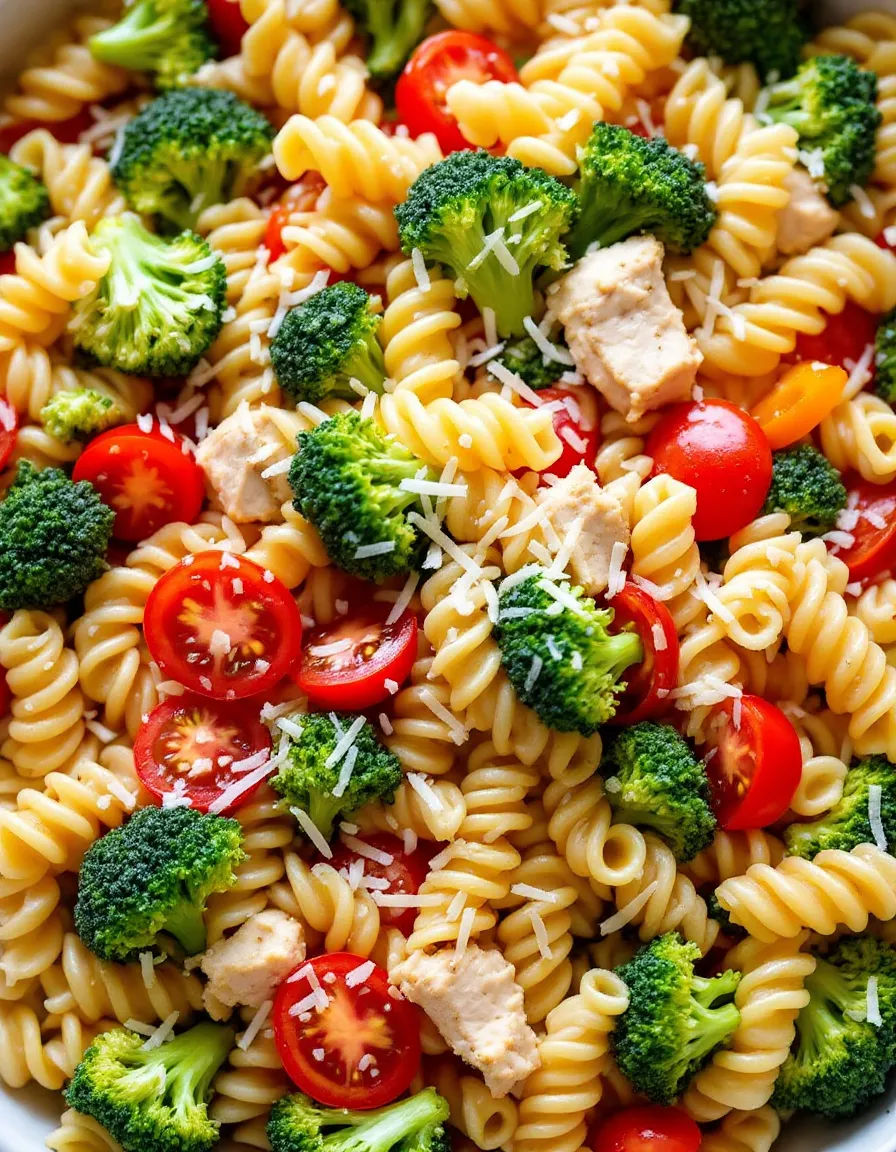
Easy Chicken Broccoli Pasta Salad – Perfect for Picnics

Delicious Chicken Broccoli Pasta Salad: A Perfect Meal for Any Occasion

⚖️
Difficulty
Easy

⏲️
Prep Time
15 mins

🕒
Cook Time
20 mins

⏱️
Total Time
35 mins

🍽️
Servings
4-6

Chicken Broccoli Pasta Salad is a delightful concoction that merges tender chicken, vibrant broccoli, and hearty pasta, all dressed in a light, zesty dressing. This salad not only provides a nourishing combination of proteins, greens, and carbohydrates but also demands minimal time in the kitchen. Perfect for potlucks, picnics, or any family dinner, this dish ensures both taste and nutrition go hand in hand. Imagine a blend of fresh flavors accompanied by a subtle crunch of broccoli that tantalizes your taste buds at every bite.

What’s more, Chicken Broccoli Pasta Salad can be easily customized to suit your preferences. Whether you prefer a tangier dressing, some nuts for extra crunch, or even a burst of sweetness from fruits, the options are plentiful. This makes it a versatile choice for meal prep or quick weeknight dinners. The juxtaposition of colorful ingredients not only makes for an appealing presentation but also offers a healthy and satisfying dish that everyone will enjoy.

Quick Recipe Highlights

  • Flavor Profile: This salad features a harmonious balance of tanginess from the dressing, savory elements from the chicken, and a touch of sweetness from fresh vegetables.
  • Texture: The combination of tender pasta, crunchy broccoli, and juicy chicken creates a delightful mouthfeel.
  • Aroma: Aromatic notes from garlic and herbs elevate the overall scent of this dish, making it irresistible.
  • Visual Appeal: The vibrant colors of the green broccoli, golden chicken, and pale pasta make for an inviting and appetizing dish.
  • Skill Level Needed: This recipe requires basic cooking skills and is perfect for beginner cooks looking to expand their repertoire.
  • Special Equipment: You’ll need a large pot for boiling pasta, a strainer, and a mixing bowl for combining ingredients.

Recipe Overview

  • Difficulty Level: This Chicken Broccoli Pasta Salad is classified as easy, making it a wonderful entry point for novice cooks. It involves straightforward steps that can be executed in less than 40 minutes.
  • Category: This dish functions as a main course or side dish, suitable for both lunch and dinner, and can complement a variety of cuisines.
  • Cuisine: While it draws on classic American salad styles, the ingredients offer influences from Mediterranean dishes due to the use of olive oil and herbs.
  • Cost: Preparing this salad is budget-friendly, with ingredients typically costing around $15 for a large serving size, making it economical for families.
  • Season: Ideal for spring and summer, when you can find fresh broccoli and enjoy it as a cool, refreshing dish.
  • Occasion: Perfect for gatherings, barbecue parties, or casual family meals, providing a wholesome option that caters to a variety of tastes.

Why You’ll Love This Recipe

Chicken Broccoli Pasta Salad delights the palate with its vibrant tastes and textures. The savory notes of grilled or roasted chicken combined with crunchy broccoli and perfectly cooked pasta create a symphony of flavors. Each bite is an experience, balanced with a tangy dressing that enhances the taste profile without overpowering it.

Convenience is a hallmark of this dish, making it exceptional for meal prep. It can be prepared ahead of time and stored in the refrigerator, allowing the flavors to meld beautifully over time. This makes it an excellent choice for busy weeknights or lunchboxes, providing a nourishing meal that’s ready to go.

From a nutritional standpoint, this salad is fantastic as it is rich in protein, fiber, and essential vitamins from the broccoli. It supports a balanced diet by incorporating healthy fats from the dressing, ensuring you’re not just full but also getting essential nutrients.

Socially, Chicken Broccoli Pasta Salad is a hit at gatherings. Its colorful presentation and delicious flavor are sure to be conversation starters, and the ease of preparation makes it stress-free to bring to potlucks or family barbecues. You’ll find that it pairs well with a variety of dishes, adding a refreshing touch.

Lastly, the cost-effectiveness of this salad allows you to feed a crowd without breaking the bank. With simple ingredients that are often found in a typical pantry, it’s accessible for most households, making it an excellent go-to recipe for any occasion.

Historical Background and Cultural Significance

The origin of Chicken Broccoli Pasta Salad can be traced back to the innovative American culinary scene, which often emphasizes quick and easy meals without sacrificing taste. As health consciousness grew among consumers, dishes that blend protein, carbs, and vegetables became more popular, leading to the rise of salads filled with hearty ingredients.

Culturally, this salad represents the modern fusion approach that combines various cooking techniques and flavors. The influence of Mediterranean ingredients like olive oil and garlic points to an evolution of tastes that embrace freshness and health. It’s a reflection of changing dietary habits that favor salads as main courses rather than just side dishes.

Over time, the classic recipe has evolved, with variations incorporating different proteins, such as shrimp or chickpeas, and alternative dressings, ranging from creamy to vinaigrettes. The dish has adapted to meet contemporary dietary trends, showcasing how flexible and dynamic recipes can be.

Regional variations also play a role in the dish’s cultural significance. Depending on local preferences and ingredients available, you may find versions that include different vegetables or grains, demonstrating the creativity and adaptability of the basic salad format.

Ingredient Deep Dive

Chicken
Chicken is not only a staple protein in many diets around the world but also carries cultural significance in various cuisines. Rich in protein and low in fat, it provides essential nutrients necessary for growth and health. When selecting chicken for your salad, always opt for fresh or organic options to ensure the best flavor. Storage should be in a sealed container in the refrigerator, and it can be marinated or seasoned ahead of time for added flavor.

Broccoli
Broccoli has a long history, originally cultivated in ancient Rome. Known for its nutritional benefits, it is rich in vitamins C and K and contains numerous antioxidants. When choosing broccoli, look for firm, bright green florets, and store it in the vegetable crisper to maintain freshness. It can be blanched or steamed to enhance its vibrant color before adding to the salad.

Pasta
Pasta has roots in Italian cuisine, but it has been embraced and adapted by cultures globally. This carbohydrate-rich ingredient is the perfect complement to proteins and vegetables in a salad. When selecting pasta, consider whole grain or gluten-free options for healthier variants. Store cooked pasta in the fridge for up to three days and rinse with cold water to prevent sticking when adding to salads.

Common Mistakes to Avoid

  • Overcooking the pasta: Make sure to cook pasta al dente, as it will continue to soften in the salad and should hold its shape.
  • Using too much dressing: Start with a small amount and gradually add more to avoid sogginess; it’s easier to add than to remove.
  • Not chilling the ingredients: Allow the salad to cool before serving to enhance flavor and texture; chilling it for an hour is ideal.
  • Cutting the broccoli too large: Smaller pieces allow for better mixing and help ensure even flavor distribution throughout the salad.
  • Neglecting seasoning: Properly seasoning each component, especially the chicken and pasta, enhances the overall flavor of the salad.
  • Skipping the marination: Marinate the chicken before cooking for a juicier, tastier protein layer in the salad.
  • Not balancing the flavors: Strive for a balance of flavors; consider adding a hint of sweetness, like honey, to the dressing.
  • Failing to prep in advance: Preparing ingredients ahead of time can help streamline the salad assembly process and reduce mealtime stress.
  • Assembling too early: If preparing in advance, consider keeping elements separate until just before serving to maintain freshness.
  • Ignoring garnishes: Fresh herbs or nuts can add a finishing touch that elevates the visual appeal and flavor of your dish.

Essential Techniques

Cooking pasta properly is essential to ensure your Chicken Broccoli Pasta Salad has the right texture. Use salted water and check for doneness frequently. The ideal texture is al dente, firm but not hard. Overcooked pasta will become mushy and clump together, ruining the salad’s appeal.

Blanching broccoli preserves its bright color and crunchy texture. To master this technique, bring a pot of salted water to a boil, add broccoli for a minute, then plunge it into ice water to halt cooking. This method ensures that your broccoli remains vibrant and crisp when mixed into the salad.

Pro Tips for Perfect Chicken Broccoli Pasta Salad

1. Always cook your pasta just to al dente, as it will continue to soften when mixed with other ingredients.
2. Marinate the chicken in olive oil, lemon juice, and garlic ahead of time for enhanced flavor.
3. Consider adding nuts or seeds for a delightful crunch and an extra layer of nutrition.
4. Use seasonal vegetables to keep the recipe fresh and aligned with your local produce availability.
5. Don’t be afraid to try different dressings, such as ranch or Greek yogurt-based dressings, for a unique twist.
6. Chill the salad for at least an hour before serving; this greatly enhances the flavor profile.
7. Opt for whole grain or gluten-free pasta for a healthier alternative that doesn’t compromise on taste.
8. Fresh herbs like basil or parsley can elevate the flavor and presentation of your dish.

Variations and Adaptations

For regional variations, try adding diced roasted red peppers or olives for Mediterranean flair. For a seasonal adaptation, incorporating roasted butternut squash in fall adds flavor and texture, while switching to asparagus in spring can provide fresh allure.

Dietary modifications such as exchanging chicken for chickpeas or tofu can cater to vegan diets. Similarly, opting for gluten-free pasta makes the dish accessible to those with gluten sensitivities. Flavor variations, like adding a touch of balsamic vinegar to the dressing, enhance the dish dramatically.

For texture modifications, consider adding croutons or crunchy tortilla strips for extra crunch. Finally, presentation alternatives like layering ingredients in a mason jar can create an attractive and practical serving option.

Serving and Presentation Guide

Plating techniques for Chicken Broccoli Pasta Salad can greatly influence the visual appeal. Consider using a large, shallow bowl or a platter for family-style dining, which invites sharing. Garnishing with fresh herbs like basil or cherry tomatoes can enhance aesthetics.

For garnishing ideas, sprinkle toasted nuts or crumbled feta cheese over the top just before serving. Traditional accompaniments such as garlic bread or a light appetizer can harmonize well with this salad. For modern serving suggestions, consider pairing it with grilled fish or chicken for an all-inclusive meal.

Temperature considerations are important since this salad is best served cold. Maintaining the right chill is crucial, especially if transporting to an outdoor event. For portion control tips, consider using a measuring cup to scoop servings, ensuring everyone gets a fair share.

Wine and Beverage Pairing

When it comes to wine pairings, a crisp Sauvignon Blanc complements the fresh flavors of Chicken Broccoli Pasta Salad beautifully. For a red option, consider a light Pinot Noir that matches well with chicken and savory ingredients.

For non-alcoholic alternatives, opt for sparkling water infused with lemon or cucumber for a refreshing counterbalance. Coffee or tea might not traditionally pair well, but a lightly brewed iced tea can be a refreshing choice, served chilled.

Temperature considerations are essential when serving beverages alongside the salad. Ensure that wine is chilled to enhance the dining experience, while sparkling water should be served in a clear glass to showcase the freshness.

Storage and Shelf Life

For optimal freshness, store Chicken Broccoli Pasta Salad in an airtight container in the refrigerator. It is best consumed within 3-5 days to maintain its texture and flavor.

Temperature is critical; keep the salad cool, especially in warm climates, to prevent spoilage. For container recommendations, opt for glass or BPA-free plastic containers that seal well.

Signs of spoilage include a noticeable change in color or texture, as well as an off smell. If you find the salad has been in the fridge longer than recommended, it’s best to discard it to avoid foodborne illnesses. For reheating, if necessary, do so gently in the microwave, ensuring not to cook it further. Freezing is not recommended due to the likelihood of texture loss.

Make Ahead Strategies

For an efficient make-ahead strategy, consider prepping ingredients individually. Cook the chicken and pasta, then store them separately until ready to combine. This helps maximize freshness and maintains the integrity of each flavor component.

Establishing a prep timeline can lead to a seamless cooking process. The day before, cut the vegetables and make the dressing, storing them in the fridge. Assembly should be done shortly before mealtime to ensure the best flavor and texture.

Quality impact assessment involves monitoring how anticipation affects flavor. A salad left to marinate overnight can often taste even better, as the flavors blend and mature. When assembling, be sure to add more delicate ingredients last.

When reheating, it’s best to let each component return to room temperature, ensuring a cohesive blend before serving. Fresh elements, such as herbs or nuts, should be added just before serving for a delightful crunch and vibrant flavor.

Scaling Instructions

Halving the recipe is straightforward; simply adjust the quantities of each ingredient accordingly while keeping the same cooking techniques. For larger gatherings, doubling or tripling is also easy, but ensure you scale the dressing proportionally to maintain balance.

When scaling up, larger pots and bowls will be needed to accommodate increased quantities. Timing modifications may include cooking chicken more efficiently and whisking up larger batches of dressing.

Storage considerations become crucial when scaling. Ensure to use larger, airtight containers to keep salads fresh, and remember to check for flavor consistency as you expand quantities to avoid overpowering the salad with dressing.

Nutritional Deep Dive

Breaking down the macro-nutrients in Chicken Broccoli Pasta Salad reveals it as a balanced meal. Each serving is a mix of carbohydrates from the pasta, proteins from the chicken, and healthy fats if using olive oil.

Micronutrient analysis highlights the wealth of vitamins and minerals, particularly from broccoli, which contributes vitamin C, calcium, and several B vitamins. This makes it an excellent option for those looking to enhance their nutrient intake.

Health benefits extend beyond basic nutrition; the fiber content supports digestive health while protein aids in muscle maintenance. For dietary considerations, this salad can be adapted to fit various dietary needs by adjusting ingredients.

Assessing portion sizes ensures that individuals can cater the salad to their unique dietary requirements, promoting weight management while still enjoying a fulfilling meal.

Dietary Adaptations

For gluten-free options, consider using gluten-free pasta or switching to quinoa as a base to retain texture without compromising flavor. This adaptation makes the dish accessible to those with gluten sensitivities.

Dairy-free diets can be accommodated by omitting cheese or selecting a dairy-free dressing. Similarly, vegans can replace chicken with chickpeas or tofu, maintaining a hearty protein content while staying true to dietary guidelines.

Low-carb modifications can see the pasta replaced entirely with vegetables like zucchini ribbons or cauliflower rice for a lighter option. Keto dieters may also benefit from such substitutions, focusing on high-protein and low-carb ingredients.

Paleo and low-FODMAP diets can be catered to by selecting compliant ingredients, ensuring all components fit within the chosen dietary frameworks and still yield a delicious result.

Troubleshooting Guide

For texture issues, consider adjusting cooking times for your pasta and broccoli. Overcooked pasta becomes mushy and unappetizing, while undercooked broccoli lacks the proper crunch.

Flavor balance can often be remedied with additional seasoning. If the salad is bland, a little extra salt, pepper, or acid, like lemon juice, can elevate the overall taste.

Temperature problems can be avoided by monitoring chilled ingredients before assembly. If your salad is warm, consider chilling it for at least an hour to let flavors set properly.

Equipment challenges are manageable; if you lack specific tools, improvise with substitutes that can serve the same purpose, like using a whisk instead of a mixer for dressings.

If you need to make ingredient substitutions due to availability, keep flavor profiles in mind to maintain the integrity of the dish. Timing concerns can be alleviated with good planning; prep all ingredients in advance to ensure smooth assembly.

Recipe Success Stories

Community feedback showcases this Chicken Broccoli Pasta Salad as a beloved choice for family gatherings and potlucks. Many readers report its success in appealing to both kids and adults alike, proving its versatility as a meal option.

Variation successes include recipes adapted to include seasonal vegetables, leading to unique takes on the dish that resonate with specific flavors of the season. Readers have been encouraged to embrace their creativity, resulting in countless personalized renditions.

Adaptation stories highlight the ease of replacing key ingredients to cater to dietary needs, broadening accessibility to this recipe across various eating styles.

Photography tips have also emerged, with many users sharing visuals that inspire others to make the salad. A vibrant presentation showcasing colorful ingredients has consistently drawn positive attention on social media.

Frequently Asked Questions

Q: Can I make this salad in advance?
A: Yes! This salad can be prepared a day ahead of time. Just keep the dressing separate until you’re ready to serve to maintain freshness.

Q: How do I store leftovers?
A: Store any leftovers in an airtight container in the refrigerator for up to 3-5 days.

Q: Can I use frozen broccoli instead of fresh?
A: While you can use frozen broccoli, fresh is recommended for the best texture and flavor. If using frozen, briefly blanch to maintain color.

Q: What dressing do you recommend?
A: A simple olive oil and vinegar dressing or a creamy ranch dressing works well. Feel free to experiment with flavors to suit your taste.

Q: Can I add other vegetables to this salad?
A: Absolutely! Feel free to incorporate additional vegetables like cherry tomatoes, bell peppers, or cucumbers for extra color and nutrition.

Q: Is this salad gluten-free?
A: To make the salad gluten-free, simply substitute traditional pasta with gluten-free pasta or alternative grains like quinoa.

Q: How can I make this recipe vegetarian?
A: To create a vegetarian version, simply omit the chicken and increase the amount of vegetables or replace them with chickpeas or lentils.

Q: Can I use other proteins instead of chicken?
A: Definitely! Shrimp, tofu, or even hard-boiled eggs can be used as alternatives to chicken, depending on your preferences.

Q: What is the best way to serve this salad?
A: The salad can be served cold or at room temperature. It’s perfect for picnics and potlucks as it holds up well.

Q: Can I freeze the salad?
A: Freezing is not recommended as the texture of pasta and vegetables may change significantly; it’s best enjoyed fresh.

Additional Resources

For those eager to explore more recipes similar to Chicken Broccoli Pasta Salad, consider trying a Mediterranean quinoa salad or a creamy avocado pasta dish. Both are nutritious and embody fresh, flavorful ingredients that align beautifully with the pasta salad.

Technique guides on proper pasta cooking and dressing emulsification can greatly enhance your culinary skills and elevate future dishes.

Ingredient information, such as finding the best quality chicken or seasonal vegetables, is crucial for achieving the best flavor possible.

Equipment recommendations include investing in high-quality knives and cutting boards for easy prep, as well as durable storage containers to maintain ingredient freshness.

Lastly, explore seasonal variations to keep your cooking inspiring. Adapting recipes for seasonal produce not only heightens flavor but supports local agriculture and sustainability.

Join the Conversation

We love hearing from our community! Share your Chicken Broccoli Pasta Salad experiences on social media, using specific hashtags to connect with others. Don’t forget to share your cooking tips and any unique twists you try on the recipe.

Photography tips can play a significant role in making the dish visually appealing. Bright, natural lighting and colorful garnishes can help capture the salad’s vibrant essence.

Your recipe reviews help others decide whether to try new dishes, so don’t hesitate to leave feedback on this salad.

Engaging with our community can lead to new friends, cooking opportunities, and shared inspirations. We’re excited to see your creations and read your suggestions for future recipes!

The Recipe

Chicken Broccoli Pasta Salad

Serves: 4-6

Prep Time: 15 mins

Cook Time: 20 mins

Total Time: 35 mins

Kitchen Equipment Needed

  • Large pot for boiling pasta
  • Strainer
  • Mixing bowls
  • Whisk for dressing
  • Knife and cutting board

Ingredients

  • 2 cups pasta (your choice)
  • 1 lb chicken breast, cooked and diced
  • 2 cups broccoli florets
  • 1 cup cherry tomatoes, halved
  • 1/2 cup cheese (feta or parmesan, optional)
  • 1/3 cup olive oil
  • 1/4 cup vinegar (balsamic or red wine)
  • 1 tsp garlic powder
  • Salt and pepper to taste
  • Fresh herbs for garnish

Directions

  1. Bring a large pot of salted water to a boil and cook the pasta according to package instructions. Drain and rinse under cold water.
  2. Meanwhile, steam or blanch the broccoli florets until bright green and tender-crisp. Rinse in cold water and drain.
  3. In a large mixing bowl, combine the cooled pasta, chicken, broccoli, and cherry tomatoes. If using cheese, add it now.
  4. In a smaller bowl, whisk together olive oil, vinegar, garlic powder, salt, and pepper.
  5. Pour the dressing over the pasta mixture and toss gently to combine. Adjust seasoning if necessary.
  6. Let the salad chill for at least 30 minutes before serving. Garnish with fresh herbs.

Recipe Notes

  • For best results, let the salad sit for an hour before serving to allow flavors to meld.
  • Feel free to substitute vegetables based on your preference or seasonal availability.
  • This salad is great for meal prep; store in airtight containers for easy lunches throughout the week.
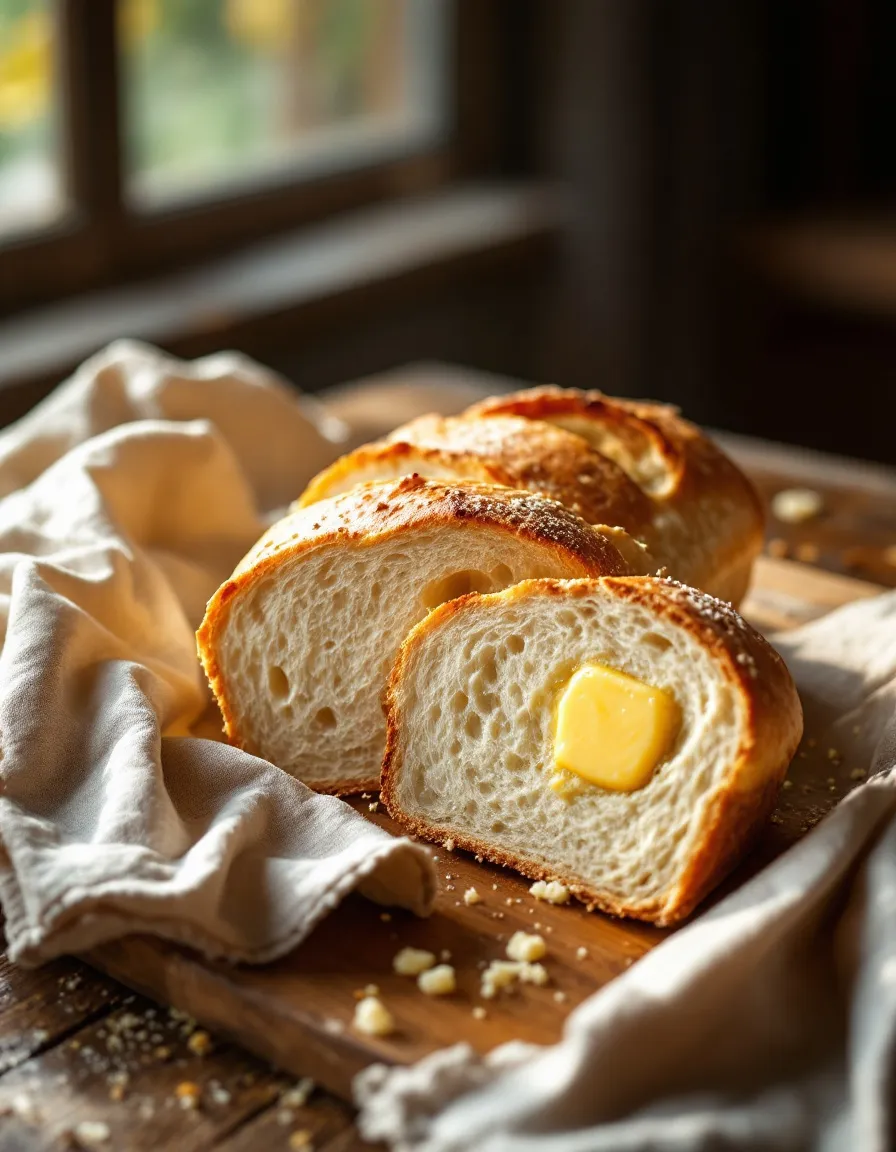

Easy Homemade White Bread – Soft, Fluffy, and Perfect

Easy Homemade White Bread: A Simple Yet Delicious Recipe

⚖️
Difficulty
Easy

⏲️
Prep Time
15 mins

🕒
Cook Time
30 mins

⏱️
Total Time
45 mins

🍽️
Servings
12 slices

If you’ve ever craved the comforting aroma of freshly baked bread wafting through your home, this Easy Homemade White Bread recipe is the perfect solution. Baking bread at home not only fills your kitchen with an irresistible scent, but it also rewards you with soft, fluffy loaves that can be enjoyed in countless ways. This recipe emphasizes simplicity while ensuring you achieve a delightful, warm loaf that makes any meal special. Ideal for beginners, the steps are straightforward, resulting in a delicious bread that is perfect for sandwiches or toast.

Imagine slicing into a freshly baked loaf of white bread, revealing its golden crust and tender crumb. The softness of the bread invites you to enjoy it with your favorite spreads or toppings. Perfectly paired with butter, jam, or even savory items like deli meats, each slice promises to be a delightful experience. Plus, there’s nothing quite like the satisfaction of knowing you created something so wonderful from scratch.

Quick Recipe Highlights

  • Flavor Profile: The bread is mildly sweet, perfectly balanced, and has a delightful buttery taste that complements a variety of toppings.
  • Texture: Expect a soft, light crumb with a crust that’s just the right amount of chewyness to hold it all together.
  • Aroma: The inviting smell of warm, baked bread is sure to make your kitchen feel like a bakery.
  • Visual Appeal: The loaf has a golden-brown crust that contrasts beautifully with the white, pillowy interior.
  • Skill Level Needed: This recipe is designed for beginners, requiring only a few essential techniques.
  • Special Equipment: A mixing bowl, measuring cups, a loaf pan, and an oven are all you need to get started!

Recipe Overview

  • Difficulty Level: This Easy Homemade White Bread is approachable for novice bakers and requires no complex techniques or specialized skills.
  • Category: This recipe falls under baking and is perfect for breakfasts, lunches, or dinners.
  • Cuisine: Rooted in traditional Western baking, this recipe draws on classic bread-making techniques that have been passed down through generations.
  • Cost: Baking homemade bread is generally cost-effective, with minimal ingredients needed.
  • Season: Bread baking is enjoyable year-round, especially cozying up with freshly baked bread during colder months.
  • Occasion: Great for family gatherings, picnics, or as a thoughtful homemade gift — nothing says comfort quite like homemade bread.

Why You’ll Love This Recipe

First and foremost, the taste and texture of homemade white bread are unmatched. Each slice offers a perfect blend of softness and a subtle sweetness that store-bought bread just can’t replicate. This freshness is what truly makes homemade bread a treat — the very first bite tells you that you are indulging in something special.

Beyond flavor, the convenience of this recipe cannot be overstated. With just a few simple ingredients and steps, you can create a loaf from scratch, without the need for advanced baking skills. Here’s a recipe that fits seamlessly into your busy routine; it doesn’t require hours of hands-on work, making it easy to incorporate into your daily life.

Nutritionally, making your own white bread allows you to control the ingredients. You can choose high-quality flour, limit added sugars, and even incorporate whole grain options if desired. This gives you the advantage of knowing exactly what you’re consuming and tailoring it to your health needs.

Socially, sharing homemade bread can strengthen bonds with friends and family. Nothing sparks joy quite like pulling a warm loaf from the oven and inviting others to enjoy it with you. Bread is often the centerpiece of meals, making it a perfect addition to gatherings and celebrations.

Lastly, cost-effectiveness is a hallmark of this recipe. A simple blend of flour, water, yeast, and salt allows you to create a fresh loaf without the premium price often associated with artisan breads from the store. This recipe not only fills your home with warmth and aroma but also fills your stomach — and your wallet remains intact.

Historical Background and Cultural Significance

Bread is one of the oldest staple foods, with origins dating back to ancient civilizations. The process of making bread has witnessed countless variations, but the core concept has remained unchanged: using basic ingredients to create sustenance. The specific evolution to white bread offers insight into societal changes, including the industrialization of milling processes that made refined flour widely available.

Culturally, bread holds significant importance in many societies. It often symbolizes life and prosperity and is a central element in numerous social rituals and traditions. Whether used for celebrations or as everyday sustenance, bread acts as a common thread that connects individuals across diverse backgrounds.

This recipe for Easy Homemade White Bread represents a return to simpler times, where the act of baking was both a necessity and an art form. Today, this tradition continues to foster a sense of community and comfort, reminding us of our shared heritage and the joy of homemade food.

Throughout the years, regional variations of bread have emerged, influenced by local ingredients and culinary practices. This bread can be adapted, allowing home bakers to experiment and make it their own, reflecting personal tastes while honoring traditional methods.

Ingredient Deep Dive

Flour: Flour is a fundamental ingredient in bread-making, known for its ability to create structure through gluten development. Unbleached all-purpose flour offers a balanced option for this homemade white bread, providing a consistent result. Nutritionally, flour packs carbohydrates, protein, and essential vitamins. When selecting flour, choose a fresh option and store it in a cool, dry place to preserve quality. Potential substitutes for those wishing for variation can include whole wheat flour or bread flour for different textures.

Yeast: Yeast acts as the leavening agent, giving bread its airy texture. Active dry yeast is commonly used for its ease of use and accessibility. It requires activation, which is a simple process involving warm water and sugar. Nutritionally, yeast is a source of protein and B vitamins, contributing to the overall health profile of homemade bread. Always check the expiration date before using and store unused yeast in a cool, dry place for longevity.

Common Mistakes to Avoid

  • Using expired yeast: Always check the expiration date to ensure it activates properly, as using stale yeast can lead to a dense loaf.
  • Inaccurate measurements: Precision is key when baking. Make sure to measure your ingredients accurately, particularly flour and water.
  • Insufficient kneading: Kneading develops gluten, which helps the bread rise. Avoid skipping or rushing this step for best results.
  • Skipping the second rise: Allowing your dough to rise a second time enhances texture and flavor, so don’t skip this vital step.
  • Baking at incorrect temperatures: Using an oven thermometer helps ensure accurate baking temperatures, promoting even cooking.
  • Overcrowding the oven: Breads need space to rise while baking, so avoid placing multiple trays too close together in the oven.
  • Not cooling the bread before slicing: Give the loaf time to cool completely to maintain its structure and texture.
  • Using cold ingredients: Use room temperature water and ingredients to create a more responsive dough.
  • Ignoring humidity levels: Baking in damp conditions may require slight adjustments in flour measurement for successful texture.
  • Not letting the flavors develop: Allowing the dough to rest for extended periods can lead to better flavor development and texture.

Essential Techniques

Kneading: Kneading the dough is crucial for gluten development, which provides the bread with its structure and chewiness. Aim to knead the dough for about 10 minutes until it becomes smooth and elastic. One common pitfall is over-kneading, which can result in a tough texture. Visual cues of success include a stretchy dough that holds its shape well.

Proofing: Proofing is the resting period after kneading, allowing the yeast to ferment and supply carbon dioxide, leading to a rise. It’s essential to proof the dough in a warm, draft-free area. A common mistake is not allowing enough time for proofing; under-proofed dough will not rise properly during baking. Visual cues for readiness include the dough doubling in size.

Pro Tips for Perfect Easy Homemade White Bread

1. Use lukewarm water when activating yeast, as it encourages optimal fermentation.

2. Incorporate a touch of sugar to feed the yeast for a better rise.

3. Experiment with adding extra flavors like herbs or garlic for a unique twist.

4. For a higher loaf, try using bread flour instead of all-purpose flour, which has stronger gluten properties.

5. Check the color of your crust — it should be golden brown and firm to the touch.

6. For a softer crust, brush the loaf with melted butter immediately after removing it from the oven.

7. Patience is key: allow your bread to cool completely before slicing for best texture.

8. Store leftover bread in a cloth bag to maintain moisture yet prevent sogginess.

Variations and Adaptations

Consider regional adaptations, such as adding spices or local grains to cater to different palates. Seasonal adaptations could include incorporating cinnamon or pumpkin spice during fall or herbs during the summer for variation. For dietary restrictions, think about substituting traditional ingredients, such as using gluten-free flour or dairy alternatives to make it accessible to more people, promoting inclusivity in your baking.

Serving and Presentation Guide

For serving, consider simple yet elegant plating techniques such as arranging slices in a breadbasket lined with a cloth napkin. Garnishing with fresh herbs or a drizzle of high-quality olive oil enhances visual appeal. Traditional accompaniments might include honey or artisanal jams, while modern ideas could include open-faced sandwiches topped with trendy ingredients. Serve at slightly warm or room temperature for the best texture experience, and consider portion control by cutting uniform slices to maintain consistency.

Wine and Beverage Pairing

Pair your easy homemade white bread with a light-bodied white wine, such as a Chardonnay, to complement the subtle flavors. Non-alcoholic alternatives like sparkling water with lemon can also be refreshing choices. If enjoying the bread during breakfast, consider pairing it with rich coffee or herbal teas. For a picnic or casual gathering, light beers or fruity ciders can elevate the experience, enhancing the overall enjoyment of your homemade bread.

Storage and Shelf Life

Proper storage of your homemade bread is essential for maintaining freshness. Store it in a cool, dry place, ideally wrapped in a cloth or bread box to keep its crust intact. Bread can typically last for 3-4 days when stored properly at room temperature. If you wish to prolong its life, consider freezing slices to preserve texture. When freezing, wrap the slices in plastic wrap and place them in an airtight container. Look for signs of spoilage like mold or off-flavors, and reheat slices in the oven for best results.

Make Ahead Strategies

To streamline the process, prepare the dough the day before and allow it to proof in the refrigerator overnight. This can enhance flavor development. When you’re ready to bake, simply allow the dough to come to room temperature. If you prefer, you can also par-bake the loaves, letting them cool before completing the baking process later. This approach allows for flexibility and ensures fresh bread with minimal last-minute effort.

Scaling Instructions

If you want to halve the recipe, simply reduce all measurements by half, while keeping the baking time similar. To double or triple the recipe, consider using larger mixing bowls and potentially adjusting cooking times to ensure even baking. If making larger batches, it may be necessary to bake in multiple loaf pans or batches, and always keep an eye on doneness to prevent uneven texture due to volume.

Nutritional Deep Dive

This Easy Homemade White Bread recipe primarily consists of carbohydrates, making it a great energy source. Each slice of bread provides essential B vitamins, especially if using enriched flour. However, it’s important to consider portion sizes, as bread can contribute to higher caloric intake depending on serving sizes. Customize the nutritional profile by experimenting with whole grain or blended flours, increasing fiber content while enhancing health benefits in your daily diet.

Dietary Adaptations

For those looking to adapt the recipe for gluten-free diets, alternatives such as almond flour or specialized gluten-free mixes are essential. Dairy-free enthusiasts can replace any milk with plant-based alternatives, providing the same texture without compromising taste. Vegan bakers can enjoy this recipe by omitting any non-plant-based ingredients, maintaining simplicity without sacrifice. For low-carb or keto modifications, consider using coconut flour or other low-carb blends for a unique take on this classic.

Troubleshooting Guide

If your bread has a dense texture, it may have been under-kneaded or not allowed to proof sufficiently. For flavor issues, adjusting the amount of salt or ensuring your yeast is fresh can greatly improve results. If your bread is browning too quickly, consider positioning it lower in the oven or covering it with foil until the last few minutes of baking. Keeping an eye during the baking process allows you to adjust for any ingredient variations that could affect texture and flavor.

Recipe Success Stories

Many community members have shared positive feedback about this Easy Homemade White Bread, emphasizing how simple it is to master. Adaptations through personal creativity, such as adding spices or seeds, have resulted in delightful variations that have become family favorites. Readers often express the joy of baking bread together with children, creating great memories while teaching essential cooking skills. Moreover, photography has captured the stunning results of this recipe, with many bakers showcasing their delicious loaves on social media.

Frequently Asked Questions

Can I use whole wheat flour instead of all-purpose flour?
Yes, you can swap some or all of the all-purpose flour with whole wheat flour. This will alter the texture slightly and may require some adjustments to liquid levels.

What should I do if my dough doesn’t rise?
If your dough doesn’t rise, check the freshness of your yeast. It might also be necessary to provide a warmer environment for proofing, as yeast needs warmth to activate consistently.

Can I add flavors or herbs to this bread?
Absolutely! This recipe can be easily customized by adding herbs, spices, or even cheese to enhance the flavor profile.

How can I ensure my bread is soft after baking?
To keep your bread soft, consider brushing the crust with butter as soon as it comes out of the oven and storing it wrapped at room temperature.

What’s the best way to store leftover bread?
Store leftover bread in a cloth bag at room temperature. Avoid using plastic as it may create moisture and lead to a soggy crust.

Can I freeze the bread?
Yes, bread freezes well! Just wrap it tightly in plastic wrap before placing it in an airtight container or freezer bag to prevent freezer burn.

How long does it take for the bread to cool after baking?
Allow the bread to cool completely on a wire rack for at least an hour before slicing to maintain its integrity.

Can I bake this bread in a bread machine?
Yes, this recipe can be adapted for use in a bread machine; just follow the machine’s specific instructions for timing and quantity adjustments.

Is it possible to double this recipe?
Yes, you can double the recipe, but you may need to bake two separate loaves or use a larger mixing bowl for the dough.

What can I do with stale bread?
Stale bread can be transformed into croutons, breadcrumbs, or bread pudding, preventing waste and creating new dishes!

Additional Resources

For those interested in enhancing their bread-making skills, consider exploring related recipes that introduce different grain types, herbs, or unique flavors. Technique guides can provide insights into effective kneading or proofing methods. Ingredient information can also aid in understanding how each component contributes to the final product. Investing in good quality baking equipment can further elevate your results and provide a better baking experience.

Join the Conversation

Engage with us on social media and share your success stories or variations on this Easy Homemade White Bread. Post your delicious results, and share any photography tips, ensuring that fellow bakers can enjoy your creations. We love to hear from our community about what worked well and how the recipe adapted to individual tastes. Share the joy of this baked goodness and inspire others to pull out their ovens and give this delightful recipe a try!

The Recipe

Easy Homemade White Bread

Serves: 12 slices

Prep Time: 15 mins

Cook Time: 30 mins

Total Time: 45 mins

Kitchen Equipment Needed

  • Mixing Bowl
  • Loaf Pan
  • Measuring Cups and Spoons
  • Oven
  • Wire Rack

Ingredients

  • 3 ½ cups all-purpose flour
  • 1 packet active dry yeast (2 ¼ tsp)
  • 1 ¼ cups warm water
  • 2 tbsp sugar
  • 1 tsp salt
  • 2 tbsp butter (melted)

Directions

  1. In a mixing bowl, dissolve sugar in warm water, then add yeast. Let sit for 5-10 minutes until foamy.
  2. Add salt, melted butter, and flour, mixing until combined. Knead on a floured surface for about 10 minutes.
  3. Shape into a ball, place in a greased bowl, cover with a cloth, and let rise until doubled (1 hour).
  4. Punch down the dough, shape it, and place it in a greased loaf pan. Allow it to rise again for 30-45 minutes.
  5. Bake in a preheated oven at 375°F (190°C) for 25-30 minutes, or until golden brown and sounds hollow when tapped.
  6. Remove from oven, brush with melted butter, and let cool before slicing.

Recipe Notes

  • For a softer crust, brush the bread with butter immediately after baking.
  • If desired, add herbs or seeds for additional flavor before baking.
  • This bread can be frozen for up to 3 months; wrap slices tightly in plastic.

Best Homemade Baked Mac and Cheese – Extra Creamy & Cheesy

The BEST Homemade Baked Mac and Cheese: A Comfort Food Classic

⚖️
Difficulty
Easy

⏲️
Prep Time
15 mins

🕒
Cook Time
30 mins

⏱️
Total Time
45 mins

🍽️
Servings
4-6

When it comes to comfort food, nothing quite beats the irresistible allure of mac and cheese. The BEST Homemade Baked Mac and Cheese embodies creamy, cheesy decadence, turning an ordinary meal into a rich, heartwarming experience. Imagine twirling a fork through layers of pasta enveloped in a velvety, cheesy sauce, topped with a golden breadcrumb crust. This dish promises not just exceptional flavor but also a delightful texture that creates a memorable dining experience.

The combination of cheeses melds into a harmonious blend that will delight your taste buds, while the baked breadcrumb topping adds a satisfying crunch. This recipe is simplicity at its finest, allowing the ingredients to shine. Whether served as a side dish at a family gathering or as the main star on your dinner table, this mac and cheese recipe is sure to win hearts and keep everyone coming back for seconds.

Quick Recipe Highlights

  • Flavor Profile: Rich, creamy, and slightly nutty with a touch of richness from the cheeses.
  • Texture: Smooth, gooey cheese sauce with tender pasta and a crunchy topping.
  • Aroma: A delightful blend of melted cheese, gently toasted breadcrumbs, and a hint of butter.
  • Visual Appeal: A golden-brown crust with bubbling cheese peeking through, inviting you to dig in.
  • Skill Level Needed: Perfect for beginners, with a few easy steps to follow for delicious results.
  • Special Equipment: A baking dish and a stovetop for boiling pasta and preparing the cheese sauce.

Recipe Overview

  • Difficulty Level: This Baked Mac and Cheese recipe is easy enough for novice cooks, allowing you to create a dish that feels extravagant without requiring expert culinary skills.
  • Category: This dish fits flawlessly into comfort food, side dishes, or even as a main course.
  • Cuisine: A classic American dish, loved across generations, embodying the essence of childhood nostalgia.
  • Cost: The ingredients for this macaroni dish are budget-friendly, making it an economical choice for family meals.
  • Season: Perfect year-round, but especially delightful during cold months when cheesy comfort wins hearts.
  • Occasion: Ideal for gatherings, potlucks, or simply cozy family nights at home.

Why You’ll Love This Recipe

The BEST Homemade Baked Mac and Cheese captivates with its rich flavors and creamy textures, making it a favorite for children and adults alike. The combination of various cheeses not only enhances the taste but also provides an unforgettable mouthfeel that is both satisfying and indulgent. Each bite delivers a tantalizing burst of cheesy goodness that leaves you wanting more, ensuring it’s a dish you’ll crave frequently.

Preparing baked mac and cheese is a breeze, with minimal prep time required. The steps are straightforward, and you can easily whip up this delicious dish on a weeknight or for a special occasion. The beauty of this recipe lies in its simplicity, allowing anyone to feel like a professional chef while creating something truly delicious without spending hours in the kitchen.

Nutritionally, while it’s a comfort food treat, there are ways to incorporate healthier ingredients like whole grain pasta or reduced-fat cheese options. This approach means you can enjoy a hearty portion without all the guilt, making it a suitable option for a wide range of dietary preferences, from families to health-conscious individuals.

Additionally, the social aspect of sharing baked mac and cheese cannot be overlooked. Whether you’re hosting a gathering or enjoying a family dinner, the aroma and warmth of this dish create a cozy atmosphere that invites conversation and connection, making each meal a cherished experience.

Lastly, the affordability of this recipe ensures that you can feed the whole family without breaking the bank. Simple and accessible ingredients blend effortlessly to create a dish that looks and tastes like it’s come from a gourmet kitchen while remaining a budget-friendly option for everyday meals.

Historical Background and Cultural Significance

The origins of baked mac and cheese can be traced back to early 18th century recipes, showcasing how versatile and enduring this dish has been. It is believed that Thomas Jefferson played a significant role in popularizing macaroni and cheese in America after he encountered it in Europe. Over the years, it has evolved into a staple comfort food found at dining tables across the nation.

Culturally, baked mac and cheese serves as a beloved culinary touchstone, often linked to family traditions and gatherings. In many households, it’s a go-to dish during holidays, making it much more than just a meal but rather a symbol of togetherness and celebration. Each family has developed its variations, reflecting regional tastes and traditions.

As time has passed, the recipe for baked mac and cheese has diversified, with countless adaptations emerging to suit various tastes, including gourmet versions featuring lobster or truffle oil. These modern interpretations showcase the dish’s versatility, proving that it can be both traditional and contemporary, maintaining its status in restaurants and homes alike.

Each region adds its unique spin, with variations that highlight local ingredients and flavors. Whether in the South with Southern-style mac and cheese rich in cheese and cream or in the Northeast with its classic approach, baked macaroni undoubtedly resonates with many culinary traditions.

Ingredient Deep Dive

Pasta

Macaroni is the classic choice for this dish, but it’s not the only pasta you can use. Historically a staple in Italian cuisine, pasta provides the perfect base for holding onto the creamy cheese sauce. Nutritionally, pasta is a source of carbohydrates, providing energy, and can be made from whole grain for added fiber. When selecting, look for pasta that is slightly undercooked to ensure a perfect bake. Store pasta in a cool, dry place, and consider using gluten-free pasta for dietary needs.

Cheese

Cheese is where the magic truly happens in baked mac and cheese. Cheddar is the most common choice, offering a sharp, rich flavor that complements the dish well. Other cheeses, such as Gruyere or mozzarella, can enhance the overall taste, adding creaminess and depth. Cheese is a good source of calcium and protein, essential for maintaining healthy bones and overall body function. Always choose freshly grated cheese for the best melting properties, and store within the fridge to maintain freshness.

Breadcrumbs

Breadcrumbs provide the essential crunchy topping that contrasts beautifully with the creamy pasta underneath. They have historical roots in various cuisines, offering textural interest and a visual appeal. You can opt for plain or seasoned breadcrumbs, enhancing flavor profiles accordingly. Nutritionally, breadcrumbs add some carbohydrates, but whole-grain options can provide more dietary fiber. Store breadcrumbs in airtight containers to prolong their shelf life, and consider substituting with crushed crackers for a unique twist.

Common Mistakes to Avoid

  • Using pre-shredded cheese: Pre-packaged cheese often contains anti-caking agents, leading to clumping and poor melting. Always shred cheese fresh for optimal results.
  • Underseasoning: A lack of seasoning can lead to bland flavors. Don’t forget to season the pasta water and cheese sauce adequately!
  • Overcooking the pasta: Always cook pasta al dente; it will continue to cook in the oven and prevent a mushy texture.
  • Skipping the breadcrumb topping: For a beautifully textured dish, incorporate a breadcrumb topping for that essential crunch.
  • Neglecting to mix well: Ensure the cheese sauce is well-mixed with pasta for even distribution of flavors throughout the dish.
  • Not letting it rest: Allow the mac and cheese to sit for a few minutes after baking; this helps it set and makes serving easier.
  • Rushing the baking time: Giving the dish enough time in the oven allows for the cheese to bubble and the top to crisp perfectly.
  • Ignoring ingredient temperature: Allow your milk and butter to come to room temperature to avoid lumps in the cheese sauce.

Essential Techniques

Béchamel Sauce: The foundational sauce for many creamy dishes, the béchamel adds thickness and smoothness. Mastering this technique is crucial for creating a luxurious cheese sauce. Whisk continuously over low heat to prevent lumps, and pay attention to the color change for optimal results.

Cooking Pasta: Understanding the timing for al dente pasta is vital for the perfect bake. This means cooking it slightly less than required. Remember, it will continue to cook in the oven, so keep a close eye on it during boiling.

Cheese Mixing: Knowing when to incorporate cheese into your sauce can make all the difference. Remove the sauce from heat before adding cheese to prevent it from becoming grainy. Stir gently until fully melted and combined for that creamy texture.

Breadcrumb Topping: Achieving the right crunch in your breadcrumb topping requires toasting the breadcrumbs lightly before adding them to the dish. This step ensures they stay crispy and do not become soggy during baking.

Pro Tips for Perfect Homemade Baked Mac and Cheese

Start with a variety of cheeses for a deeper flavor profile; consider blending mild with sharp cheeses.
Adding a hint of mustard powder can elevate the flavor and provide a subtle tang that complements the cheese.
For extra creaminess, a dollop of cream cheese or sour cream can achieve a rich depth in the sauce.
Experiment with mix-ins like cooked bacon, vegetables, or spices for added flavor and nutrition.
Top with additional cheese or breadcrumbs for a double crunch and cheesy surface.
Serve with a side of fresh herbs like parsley or chives to add color and freshness on top.

Variations and Adaptations

Regional Variations: In the South, you’ll find mac and cheese baked with eggs, giving it a custard-like texture, while New England recipes might incorporate lobster for a decadent twist.
Seasonal Adaptations: Add seasonal vegetables such as spinach, pumpkin, or roasted tomatoes to enhance nutritional value and seasonal flavors.
Dietary Modifications: For gluten-free versions, use gluten-free pasta; for dairy-free adaptations, consider cashew cheese or almond milk-based sauces.
Flavor Variations: Spice it up with cayenne pepper or smoked paprika, or go aromatic with herbs like thyme or rosemary.
Texture Modifications: Incorporate crumbled blue cheese for a strong flavor or switch to spiral pasta for a fun twist.
Presentation Alternatives: Consider serving in individual ramekins to provide a unique presentation and allow for easy portion control.

Serving and Presentation Guide

When plating mac and cheese, a large, rustic baking dish can enhance its comforting appeal. For individual servings, consider using ramekins, which allow for creative garnishing and differing presentation styles. A sprinkle of freshly chopped herbs on top introduces a pop of color and freshness, creating a visually inviting dish.

For garnish, a drizzle of truffle oil or a sprinkle of smoked paprika adds elegance and flavor depth. Pair this dish with a simple green salad to balance its richness or offer crusty bread rolls as a traditional accompaniment.

Temperature plays a significant role; serve mac and cheese directly from the oven for optimal warmth. Remember to portion control to ensure everyone enjoys the dish without overindulging.

Wine and Beverage Pairing

For wine pairings, opt for a creamy Chardonnay, which complements the richness of the cheese sauce beautifully. Alternatively, a light, fruity Pinot Noir can provide a neutral counterbalance to the dish’s flavors. For a non-alcoholic option, rich herbal teas such as chamomile can be pleasantly refreshing against the creamy texture.

If coffee or tea is preferred, a medium roast coffee with hints of caramel can enrich the overall dining experience, especially during chilly evenings. Always consider serving these beverages warm to enhance the comforting nature of the mac and cheese.

Storage and Shelf Life

To properly store leftover baked mac and cheese, allow it to cool completely before transferring to an airtight container. This ensures freshness and prevents spoilage. Keep it refrigerated for up to four days. When reheating, add a splash of milk or cream to restore creaminess, and bake in the oven rather than the microwave for better texture results.

For longer storage, mac and cheese can be frozen for up to two months. Portion the dish into freezer-safe containers and thaw it in the refrigerator overnight before reheating. Enjoying the leftovers as comfort food during busy weeks is made hassle-free with proper storage techniques.

Make Ahead Strategies

To streamline meal prep, consider preparing the cheese sauce in advance and storing it in the refrigerator. This method allows for quick assembly on a busy night. Boil the pasta ahead of time and combine it with the sauce just before baking.

For optimal quality, store all elements separately for up to a day. When ready to serve, combine the cheese sauce and pasta, transfer to the baking dish, and top with breadcrumbs just before baking. This approach ensures that the dish retains its freshness without compromising flavor.

If time permits, assemble the entire dish a day before and keep it covered in the fridge. Baking it when ready ensures a freshly made, delightful entree that warms your heart and fills your stomach.

Scaling Instructions

If you need to halve the recipe, adjust cooking times accordingly, especially in the baking phase to prevent overcooking. Doubling or tripling the recipe requires a larger baking dish; consider using two smaller dishes for even cooking.

For larger gatherings, prepare individual ramekins to cater to various serving sizes without stressing about portion control. Factor in that baking times might increase, so check for proper doneness by observing the top’s shape and color rather than relying solely on a timer.

Use this flexibility to accommodate different sized families, altering the quantities of pasta and cheese proportionally. When scaling, ensure not to forget the importance of seasoning; maintaining flavor balance as you increase the amounts will yield successful results every time.

Nutritional Deep Dive

As a comfort food staple, mac and cheese primarily comprises carbohydrates from pasta and protein and calcium from cheese. Monitoring portion sizes is key to enjoying this dish while managing caloric intake.

A macronutrient breakdown shows a typical serving containing approximately 300-400 calories, 15-20g of protein, and 30-40g of carbohydrates, making it a substantial meal. For enhancing nutritional content, consider adding veggies like spinach and broccoli, boosting fiber without compromising taste.

Micronutrient analysis highlights essential vitamins often found in dairy products, including vitamin B12 and calcium, vital for bone health. Being mindful of these nutritional benefits can help individuals enjoy baked mac and cheese within a balanced diet.

Dietary Adaptations

For gluten-free options, traditional pasta can be substituted with gluten-free alternatives that maintain texture. Dairy-free variants may utilize plant-based cheeses and non-dairy milk, ensuring everyone can enjoy this classic without dietary restrictions.

If a low-carb approach is needed, cauliflower can be used as a substitute for pasta—providing similar satisfaction with lesser carbohydrates. For keto followers, opt for high-fat cheeses and reduce pasta quantity or replace it with zucchini noodles.

Paleo enthusiasts can embrace baked mac and cheese made from nut-based cheese and whole foods, while vegan adaptations focus on plant-based ingredients that replicate creamy textures without compromising taste or enjoyment.

Troubleshooting Guide

If your baked mac and cheese is too dry, it could be that the pasta soaked up too much liquid. A simple fix is to add more cream or milk during reheating. If the cheese sauce is lumpy, ensure you whisk continuously during preparation and remove from heat before adding cheese to achieve a creamy consistency.

For flavor issues, if the dish comes out bland, try increasing seasoning; adding garlic powder or mustard can enhance the flavor. If the pasta is undercooked, ensure it’s cooked al dente prior to baking, adjusting time in the oven if needed to achieve the desired tenderness.

Texture problems can often arise; if it feels greasy, it likely means too much cheese or a lack of balance with other ingredients. Keep an eye on the ratios to prevent this in future preparations.

Recipe Success Stories

The community embracing this classic recipe speaks volumes about its adaptability. Many readers have shared their takes, adding personal touches like spicy jalapeños or unexpected cheeses like goat cheese for a gourmet flair.

Adaptation stories showcase how this simple dish transformed with the addition of wholesome ingredients, reflecting dietary changes across households. Feedback has highlighted the joy of sharing this warm dish, especially during family gatherings.

Photography tips from the community stress the importance of capturing the vibrant colors of the golden crust and the luscious cheese pull, enticing viewers to try making it themselves.

Frequently Asked Questions

Q1: Can I make baked mac and cheese ahead of time?
Yes, you can prepare it ahead of time, assemble it in a baking dish, refrigerate, and bake it when ready to serve.

Q2: What cheese works best for mac and cheese?
Cheddar is classic, but combinations like Gouda, Gruyere, or a sprinkle of Parmesan add depth and flavor.

Q3: Can I freeze leftover mac and cheese?
Yes, completely cool the dish, then transfer to airtight containers to freeze for up to two months.

Q4: How do I reheat mac and cheese properly?
Reheat in the oven covered with foil, adding a splash of milk to restore creaminess; bake at 350°F until warmed through.

Q5: Can I add vegetables in this dish?
Absolutely! Vegetables like spinach, broccoli, or even roasted tomatoes can enhance flavor and nutrition.

Q6: Can I use a different type of pasta?
While elbow macaroni is traditional, feel free to experiment with different shapes like shells or fusilli for a unique twist.

Q7: What can I do if my cheese sauce is too thick?
If your cheese sauce thickens too much, simply whisk in some warm milk or cream until you reach your desired consistency.

Q8: Is it possible to make this dish vegan?
Yes, using plant-based milk and dairy-free cheese options will allow you to create a delicious vegan version.

Q9: How do I prevent my mac and cheese from becoming dry?
Adding enough moisture in the form of milk, cream, or cheese, and ensuring the dish doesn’t stay in the oven too long will help.

Q10: What should I do if my mac and cheese is too salty?
If it’s too salty, balance it out with a bit of unsalted butter or cream to dilute the saltiness.

Additional Resources

Explore related recipes such as creamy cheese sauces and pasta dishes that complement baked mac and cheese delightfully. For technique guides, check out resources focusing on mastering cheesy sauces or baking fundamentals to enhance your cooking practices.

Bringing in seasonal variations, consider themed recipes that feature fall or summer touches, allowing for exploration of different ingredient possibilities. Always remember to review equipment recommendations; having the right baking dishes and kitchen tools can significantly impact the cooking process.

Join the Conversation

Share your experience making the BEST Homemade Baked Mac and Cheese on social media. Your delicious photos and modifications can inspire others to join in the fun! Encourage community engagement by leaving comments with your variations, or sharing tips about the dish.

Photography tips for capturing the perfect mac and cheese include focusing on the gooey melt of cheese or the golden topping that invites everyone to dig in. Review recipes and feel free to ask questions to help enhance your cooking journey, creating a rich community of food lovers.

The Recipe

The BEST Homemade Baked Mac and Cheese

Serves: 4-6

Prep Time: 15 mins

Cook Time: 30 mins

Total Time: 45 mins

Kitchen Equipment Needed

  • Baking dish
  • Large pot for boiling pasta
  • Medium saucepan for cheese sauce
  • Whisk
  • Mixing spoon
  • Measuring cups and spoons

Ingredients

  • 8 oz elbow macaroni
  • 2 cups shredded sharp cheddar cheese
  • 1 cup shredded mozzarella cheese
  • 1/2 cup grated Parmesan cheese
  • 2 cups milk
  • 1/4 cup butter
  • 1/4 cup all-purpose flour
  • 1/2 teaspoon garlic powder
  • Salt and pepper to taste
  • 1 cup breadcrumbs

Directions

  1. Preheat your oven to 350°F (175°C).
  2. Cook the macaroni according to package instructions until al dente, drain, and set aside.
  3. In a medium saucepan, melt the butter over medium heat. Add flour and whisk continuously to create a roux.
  4. Slowly whisk in the milk, stirring constantly until the mixture thickens and begins to bubble.
  5. Reduce heat and add the cheeses, garlic powder, salt, and pepper, stirring until melted and smooth.
  6. Combine the cooked pasta with the cheese sauce, ensuring every piece is coated.
  7. Transfer the mixture to a prepared baking dish; top with breadcrumbs and additional cheese if desired.
  8. Bake for 25-30 minutes, or until the top is golden brown and bubbly.
  9. Let it cool slightly. Serve warm and enjoy!

Recipe Notes

  • Feel free to customize with your favorite cheeses or add-ins like veggies or meats.
  • This mac and cheese can be made ahead of time; just adjust the baking time if refrigerated.
  • For a spicy kick, consider adding jalapeños or hot sauce to the cheese sauce.

Easy Cheese Ball Bites – Perfect Party Appetizer

Cheese Ball Bites: Deliciously Simple Party Appetizers

⚖️
Difficulty
Easy

⏲️
Prep Time
15 mins

🕒
Cook Time
0 mins

⏱️
Total Time
15 mins

🍽️
Servings
18 bites

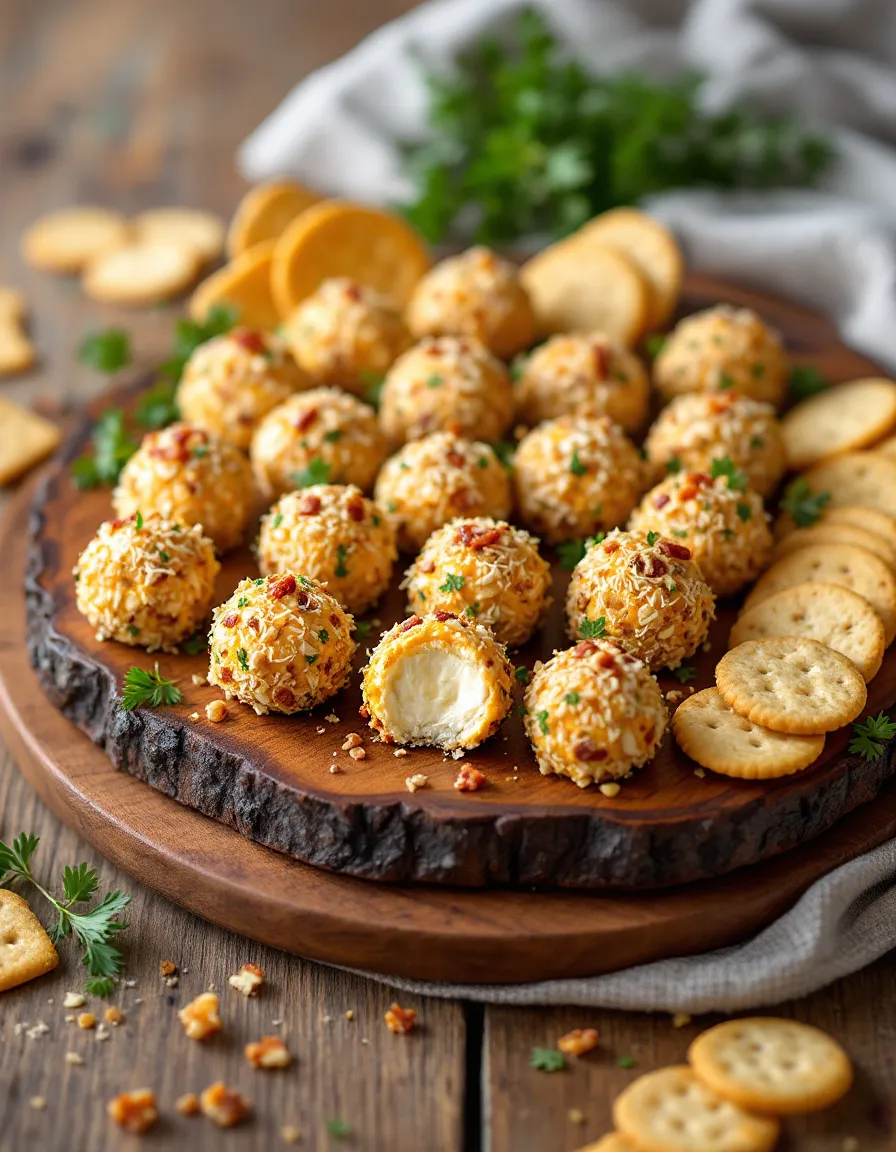
Cheese Ball Bites are a delightful addition to any gathering, bringing together creamy, rich flavors and a fun, bite-sized format that’s sure to please guests of all ages. These savory snacks are not only incredibly simple to prepare but also bursting with flavor, making them an ideal choice for parties, game days, or casual entertaining. Imagine the satisfaction of biting into a perfectly seasoned cheese ball coated in crunchy toppings, the smooth cheese mingling with fresh herbs and rich spices, all crafted to tantalize your taste buds.

The beauty of Cheese Ball Bites lies in their versatility. You can easily customize these little morsels to suit your palate or theme. Whether you prefer classic flavors or adventurous combinations, the flexibility of recipe adaptations makes it easy to cater to your event’s unique vibe. Paired with an array of dippable accompaniments, each bite can be a new experience, inviting your guests to explore and indulge.

Quick Recipe Highlights

  • Flavor Profile: Cheese Ball Bites offer a delightful blend of tangy cream cheese, sharp cheddar, and flavorful spices that create a savory explosion in every bite.
  • Texture: The creamy interior is contrasted by crunchy coatings like nuts or herbs, providing a satisfying mouthfeel that keeps you coming back for more.
  • Aroma: These bites emit the fragrant notes of garlic and herbs, enticing your senses and making them a perfect appetizer choice.
  • Visual Appeal: Dressed in vibrant herbs or colorful coatings, Cheese Ball Bites stand out on any table, making them not just tasty but also visually appealing.
  • Skill Level Needed: This beginner-friendly recipe requires minimal culinary skills, making it accessible for anyone to craft delicious appetizers.
  • Special Equipment: All you need is a mixing bowl and your hands for shaping, making this an easy recipe to whip up without specialized tools.

Recipe Overview

  • Difficulty Level: The uncomplicated steps and minimal cooking involved make this recipe suitable for cooks of all experience levels, whether you’re a beginner or a seasoned pro.
  • Category: These bites can be categorized as appetizers or snacks, perfect for serving at gatherings or as a delightful treat during movie nights.
  • Cuisine: Cheese Ball Bites draw from classic American party food traditions, showcasing the beloved combination of cheese with various seasonings.
  • Cost: With affordable ingredients like cream cheese and cheddar, these bites provide a budget-friendly option for any occasion without sacrificing taste.
  • Season: Ideal year-round, they’re particularly popular during the fall and winter holiday seasons, enhancing festive celebrations.
  • Occasion: Perfect for game days, picnics, holiday parties, or any gathering where finger foods rule, ensuring your guests leave satisfied.

Why You’ll Love This Recipe

Crafting Cheese Ball Bites means indulging in a dreamy flavor experience that’s hard to resist. The combination of creamy cheese and subtle herbs creates a balance that’s simply irresistible, while their bite-size nature makes them perfect for social gatherings. They are also wonderfully convenient; combining ingredients takes only 15 minutes, and the no-cook aspect means less time in the kitchen and more time enjoying with friends.

Nutritionally, you can elevate these bites by adding in extras like finely chopped vegetables or spices, increasing their health benefits while still keeping flavor at the forefront. Socially, these bites encourage interaction as guests enjoy creating their own combinations, making Cheese Ball Bites a fun centerpiece for any gathering. Economically, the simple ingredients ensure you can whip up a large batch without a significant dent in your budget, prompting you to serve them generously.

Historical Background and Cultural Significance

Cheese ball creations can be traced back to American culinary traditions, where cheese was often celebrated for its versatility and rich flavor. These bites stemmed from the desire to make cheese accessible and entertaining, encapsulating the spirit of American gatherings. As people began gathering in larger numbers for events, the evolution of cheese balls took on new forms, transitioning from large, shareable cheese spreads into delightful, bite-sized versions.

The cultural importance of cheese balls is significant, as they embody the social fabric of sharing food at celebrations and gatherings. The evolution of this recipe over time includes numerous adaptations, from the incorporation of various toppings to adjustments based on dietary preferences, showcasing their adaptable nature. Regional variations abound, with some areas preferring spicy versions, while others might opt for sweeter flavor profiles, highlighting the personal touch that home cooks bring to this classic treat.

Ingredient Deep Dive

Cream cheese is the cornerstone of these delightful bites. Originally an artisanal product, it has evolved into a staple ingredient in many American kitchens. Rich in protein and calcium, cream cheese serves not only as a delicious spread but also enhances texture and flavor. When selecting cream cheese, look for blocks rather than spreadable options to ensure the desired firmness. Proper storage in the refrigerator keeps it fresh for use in various recipes.

Sharp cheddar offers a robust flavor that deepens the taste of Cheese Ball Bites. Beloved for its age-related complexity, sharp cheddar enhances the overall profile with its tangy, slightly nutty flavor. Choose high-quality cheddar for the best results, and it can be stored in a cool, dry place wrapped tightly in wax paper.

Common Mistakes to Avoid

  • Not allowing cream cheese to soften: Always let cream cheese sit at room temperature before mixing to ensure a smooth texture.
  • Overmixing the ingredients: Mixing too much can lead to a dense texture; stir until just combined for fluffy bites.
  • Skip taste-testing: Always taste the mixture before rolling to adjust seasoning based on preference.
  • Ignoring ingredient ratios: A balanced mix of cheese, seasoning, and other components is crucial for optimal flavor.
  • Inadequate chilling time: Allow the bites to chill for at least 30 minutes to set properly before serving.
  • Using stale toppings: Ensure outer coatings like nuts or herbs are fresh for maximum flavor.
  • Making them too large: Keep them small for easy serving and consumption, enabling guests to enjoy more variety.
  • Not considering dietary restrictions: Be mindful of guests’ allergies or preferences when selecting toppings and flavors.

Essential Techniques

Mastering the art of rolling cheese balls involves knowing the right texture to achieve. The mixture should be firm enough to hold its shape yet creamy enough to spread easily into bite-sized pieces. A common pitfall is failing to properly chill the mixture before rolling, which can lead to messy handling. Aim for visuals cues such as a solid yet slightly shiny appearance before shaping.

When coating your cheese balls, consider the variety of options available—chopped nuts, herbs, or spices can all add unique flavors and crunchy textures. Ensure even coverage by rolling gently, and avoid pressing too hard, which can cause the bites to lose their shape. Watch for a nice, even coating, showcasing the vibrant colors of your chosen toppings.

Pro Tips for Perfect Cheese Ball Bites

– Experiment with different cheeses; blend cream cheese with havarti or feta for a new flavor profile.
– Incorporate extras like finely chopped jalapeños or sun-dried tomatoes for a special kick.
– Use a mix of toppings to create themed bites – for example, Italian-inspired with Italian herbs and Parmesan.
– Create a variety of sizes to offer different flavor experiences for guests.
– Serve with an assortment of crackers, fresh vegetables, or spreads to elevate the tasting experience.
– Garnish with fresh herbs before serving for a color boost and additional flavor.

Variations and Adaptations

Explore regional variations by considering different cheese blends that reflect local preferences, such as incorporating gouda or blue cheese. Seasonal adaptations, like pumpkin spice flavors in the fall or zesty citrus during summer, can keep the recipe fresh and exciting. For dietary modifications, use nut-based cream cheeses for a dairy-free version, or prepare low-carb alternatives by substituting traditional cheese with high-fat options.

In terms of texture modifications, consider rolling bites in crispy garlic panko for a delightful crunch, or go for a seasoned breadcrumb layer for added flavor. Presentation alternatives could include serving them on skewers, making them convenient for guests and visually appealing on any platter.

Serving and Presentation Guide

When plating Cheese Ball Bites, focus on height and color to create an enticing display. Use a tiered serving platter to elevate the bites and pair them with colorful accompaniments. Garnishing ideas include fresh herbs like parsley or cilantro, brightening the presentation. Traditional accompaniments such as crackers or celery sticks offer a nice contrast to the creamy bites, while modern ideas might include placing them on a charcuterie board.

Pay attention to temperature by serving the bites cold, as the brightness of flavors tends to shine when chilled. Portion control is essential; aiming for about two or three bites per guest works well during gatherings, leaving room for other treats.

Wine and Beverage Pairing

For wine pairings, crisp white wines like Sauvignon Blanc or a light Pinot Noir complement the richness of Cheese Ball Bites beautifully. Non-alcoholic alternatives, such as sparkling apple cider or ginger ale, offer a refreshing contrast without overshadowing the flavors. If you prefer coffee or tea, consider herbal varieties like chamomile or lemon blends that can help cleanse the palate.

Temperature considerations are key; serve white wine chilled, while any non-alcoholic alternatives should be served cold for the best experience. A well-thought suggestion is to create a tasting menu where guests can sample different bites alongside unique beverages, enhancing the overall experience.

Storage and Shelf Life

Storing Cheese Ball Bites is straightforward—ensure they are kept in an airtight container in the refrigerator for optimal freshness. Ideally, they should be consumed within three days, but they may last up to a week if properly stored. Signs of spoilage include an off smell or change in color, both of which indicate the need to discard the bites.

For reheating, avoid using a microwave, as it can alter texture. Instead, serve them chilled or at room temperature for the best flavor. If you choose to freeze the bites, place them on a baking sheet until set, then transfer to an airtight container for up to three months.

Make Ahead Strategies

To save time, you can prepare Cheese Ball Bites a day in advance. Combine the mixture, shape it into balls, and refrigerate until ready to serve. Chilling enhances flavors, allowing them to meld beautifully overnight. Consider storing the rolls in separate containers based on the type of toppings to maintain freshness.

Quality impacts are minimal with this recipe, as the flavors develop over time. If assembling on the day of the event, prepare the coating beforehand and add just before serving to keep the outer layer fresh. Fresh elements can also be added last minute, such as chopped herbs, enhancing visual appeal and flavor right before the bites hit the table.

Scaling Instructions

If you want to halve the recipe, reduce all ingredients proportionately while maintaining the method and mixing requirements. Doubling or tripling the recipe works effectively for larger groups; just ensure you use a larger mixing bowl to accommodate the increased volume.

Equipment adjustments may be necessary; if scaling up, consider using a food processor for thorough mixing. Timing modifications include a slightly extended chilling period for larger batches to ensure all pieces firm up properly. Store any leftovers in separate containers to prevent cross-contamination of flavors or toppings.

Nutritional Deep Dive

Cheese Ball Bites are rich in macros, primarily comprising protein from cheese, which plays a vital role in muscle maintenance. They are lower in carbohydrates, making them suitable for certain dietary lifestyles, while fats provide essential energy. For a more detailed analysis, consider current nutritional trends that may influence ingredient choices.

Micronutrient analysis shows these bites offer calcium and vitamin A from cheese, essential for bone health and eye health, respectively. Additionally, thoughtful selections of herbs and spices can introduce further micronutrient diversity, adding antioxidants to the mix. When approaching portion analysis, each bite contributes to overall dietary balance; moderation is key for weight management.

Dietary Adaptations

To cater to gluten-free diets, simply use gluten-free crackers or serve with fresh vegetable dippers instead of traditional bases. For dairy-free adaptations, look for vegan cream cheese or nut-based creamers, ensuring richness while meeting dietary needs. The low-carb option can be achieved with proper cheese selections, favoring high-fat, low-carb cheese types.

Keto variations can also be explored by including nutrient-rich fats like avocado or modifying cheese into spreadable forms. Paleo enthusiasts might enjoy these bites with clean, natural ingredients, omitting processed components. Finally, for low-FODMAP diets, ensuring ingredient quality with safe herbs and seasonings is essential.

Troubleshooting Guide

If your Cheese Ball Bites end up too crumbly, consider adding a touch more cream cheese or even a little sour cream to help bind the mix. A too-soft texture may indicate overmixing or insufficient chilling, so pay attention to consistency as you work. If flavors are off balance, add seasonings gradually and taste along the way; it’s a journey to find the perfect mix.

Temperature problems arise if the cheese is not allowed to soften adequately; always start with room temperature cream cheese for best results. For equipment challenges, if a rolling tool proves cumbersome, hands often work best—remember, this is all about flexibility. Timing concerns can be rectified by ensuring ample chilling time for flavor development and setting.

Recipe Success Stories

Community feedback often highlights how well-received Cheese Ball Bites are at events; many have shared their successes in adapting the flavors to suit their gatherings. Photos showcasing brilliantly colorful bites have inspired others to experiment with unique toppings, promoting creativity in presentation. A recurring theme in reader suggestions is to include themed variations, inspiring creative ideas for celebrations.

Adaptation stories include countless readers incorporating local flavors into their bites, making the recipe not just a treat, but also a reflection of their backgrounds. Additionally, interaction stories highlight the joy of guests crafting their variations at parties, creating memorable experiences around food which is what cooking all about.

Frequently Asked Questions

Can Cheese Ball Bites be made ahead of time?
Absolutely! You can prepare the bites a day in advance and store them in the refrigerator. They taste even better when allowed to chill and let the flavors meld.

What are good toppings for Cheese Ball Bites?
There are numerous delicious options! Try crushed nuts, herbs, spices, or even grated cheese to enhance flavor and presentation.

How long do Cheese Ball Bites last in the refrigerator?
They can last up to three days in an airtight container. For longer storage, consider freezing them.

What type of cheese works best?
Cream cheese forms the base, and sharp cheddar pairs perfectly. However, feel free to explore with other varieties like gouda or blue cheese for unique tastes.

Can these be made low-carb?
Yes! Substitute traditional cheese with high-fat, low-carb cheese options and skip the breading for a keto-friendly version.

How can I make these bites spicier?
Adding crushed red pepper flakes or finely chopped jalapeños into the mixture can give them a delightful kick.

Are Cheese Ball Bites suitable for vegan diets?
Absolutely! Opt for vegan cream cheese and ensure your toppings are also plant-based.

What dips pair well with Cheese Ball Bites?
Serve with a variety of dips like salsa, guacamole, or ranch dressing to provide exciting flavor contrasts.

How can I garnish Cheese Ball Bites for a party?
Fresh herbs, microgreens, or edible flowers can create a stunning visual impact, elevating them for special occasions.

What should I serve with Cheese Ball Bites?
Alongside, offer an assortment of crackers, fresh vegetables, or even flavored baguette slices for a well-rounded platter.

Additional Resources

For more delicious recipes, explore our appetizers section to find fantastic options that will delight your parties. Technique guides provide deeper insights into crafting party-ready foods, with tips on flavor profiling that can enhance any dish. Pay attention to ingredient specifics—knowing where and how to choose fresh ingredients can elevate your cooking and enhance quality.

Consider investing in essential kitchen equipment that can streamline your cooking processes; tools like food processors can save time on preparations. Seasonal variations can also inspire you to create fresh takes on beloved recipes, keeping your meal offerings exciting throughout the year.

Join the Conversation

We invite you to share your experiences with Cheese Ball Bites! Join our community online, sharing photos of your creations or variations to inspire others. Recipe reviews are welcome as we constantly seek to enhance your cooking journey. Community engagement helps everyone build their culinary skills, and we encourage you to get involved by suggesting new ideas or adaptations based on your needs.

Sharing your experiences not only enriches our community but also builds a collection of success stories that showcase the joy of cooking together, bridging the gap between cultures and flavors as we explore culinary delights.

The Recipe

Cheese Ball Bites

Serves: 18 bites

Prep Time: 15 mins

Cook Time: 0 mins

Total Time: 15 mins

Kitchen Equipment Needed

  • Mixing bowl
  • Measuring cups and spoons
  • Plastic wrap or airtight container for chilling

Ingredients

  • 8 oz cream cheese, softened
  • 1 cup shredded sharp cheddar cheese
  • 1/2 tsp garlic powder
  • 1/2 tsp onion powder
  • 1/4 cup chopped fresh herbs (parsley, chives)
  • 1/2 cup crushed nuts (pecans, walnuts) or breadcrumbs for coating

Directions

  1. In a mixing bowl, combine softened cream cheese, cheddar cheese, garlic powder, onion powder, and fresh herbs.
  2. Mix until thoroughly combined, ensuring no lumps remain.
  3. Chill the mixture in the refrigerator for about 30 minutes to firm up.
  4. Once chilled, use your hands to form small balls, approximately 1 inch in diameter.
  5. Roll each ball in crushed nuts or breadcrumbs until fully coated.
  6. Place the cheese ball bites on a serving platter and chill until ready to serve.

Recipe Notes

  • Feel free to experiment with different cheeses and toppings to create your perfect flavor!
  • For added heat, mix in some finely chopped jalapeños or hot sauce.
  • These bites can be made a day ahead and stored in an airtight container in the fridge.

Easy Homemade Sloppy Joes – Classic Family Dinner Recipe

Easy Homemade Sloppy Joes: A Flavorful Family Delight

⚖️
Difficulty
Easy

⏲️
Prep Time
10 mins

🕒
Cook Time
20 mins

⏱️
Total Time
30 mins

🍽️
Servings
4 servings

Sloppy Joes are a classic comfort food that brings nostalgia and joy to the dinner table. This Easy Homemade Sloppy Joes recipe makes preparing this beloved dish quick and effortless. The savory ground beef is coated in a sweet and tangy sauce, and all of this is served on soft buns that are the perfect vehicle for a messy yet delicious meal. Whether you’re serving it for a family dinner or a backyard barbecue, the delightful flavors and irresistible aroma will remind everyone of home-cooked warmth.

The combination of flavors in these Easy Homemade Sloppy Joes is noteworthy. The rich umami of browned beef mingling with the subtle sweetness of ketchup and brown sugar creates a mouthwatering experience. Add a hint of Worcestershire sauce, and your taste buds will be dancing with glee. This dish embodies the idea of “easy cooking,” but the flavor speaks volumes, making it a favorite for both kids and adults. Perfect for busy weeknights or a casual get-together, this recipe is sure to become a staple in your meal rotation.

Quick Recipe Highlights

  • Flavor Profile: Expect a delightful blend of sweet and savory notes that creates a wholesome taste experience.
  • Texture: The ground beef is perfectly crumbled, giving it a satisfying bite, while the sauce adds an inviting gooeyness.
  • Aroma: The enticing aroma of simmering beef with onions and spices fills your kitchen, promising a delicious meal ahead.
  • Visual Appeal: The glossy, rich sauce coats the meat beautifully, making for an inviting and appetizing presentation.
  • Skill Level Needed: This recipe is beginner-friendly, requiring minimal culinary skills—perfect for home cooks of all levels.
  • Special Equipment: Just a skillet and a wooden spoon are needed, making this dish accessible to anyone regardless of cooking experience.

Recipe Overview

  • Difficulty Level: This Easy Homemade Sloppy Joes dish is approachable and requires straightforward cooking techniques, making it ideal for novice cooks.
  • Category: Sloppy Joes fit neatly into the comfort food and sandwiches category and are a great option for casual meals.
  • Cuisine: Rooted in American cuisine, Sloppy Joes have evolved from a staple lunch choice to a beloved dinner classic.
  • Cost: This recipe is budget-friendly, using commonly available ingredients that won’t break the bank.
  • Season: Perfect for any season, but particularly enjoyable during fall and winter months when comfort food cravings increase.
  • Occasion: Great for family dinners, game days, and casual gatherings, making it a versatile choice for hosting any event.

Why You’ll Love This Recipe

The taste and texture of Easy Homemade Sloppy Joes will captivate your senses with its sweet and savory flavor profile. The sauce creates a beautifully moist mixture that clings to the ground beef, making every bite a delightful experience. Comfort food lovers will enjoy the nostalgic feel this dish brings, reminding them of childhood meals and family bonding over hearty dinners.

Preparation is a breeze; you’ll have this meal ready in just 30 minutes. The simplicity of the ingredients and cooking process ensures that anyone can whip up a batch even on the busiest weeknights. Plus, cleanup is a cinch since you’ll only need one pan, leaving you with more time to enjoy your evening.

From a nutritional standpoint, lean ground beef provides ample protein to fuel your family’s day. By choosing to make your own sauce, you can control the ingredients and opt for healthier choices, making it a homemade meal you can feel good about serving.

Sloppy Joes are inherently social, perfect for sharing with friends and family. Their casual presentation makes them ideal for gathering around the table, encouraging a relaxed atmosphere where laughter and conversation flow freely.

Finally, budget-conscious cooks will appreciate the cost-effectiveness of this recipe. The ingredients are affordable and easily accessible, proving that delicious meals don’t have to be expensive to be satisfying.

Historical Background and Cultural Significance

The origin of the Sloppy Joe is somewhat murky, but it is widely believed to have emerged in the United States during the early 20th century. Some attribute the creation of the Sloppy Joe to a bartender named Joe in the town of Sioux City, Iowa, who began serving a loose meat sandwich. This humble sandwich quickly gained popularity in American households, making it a staple in lunchboxes and dinner tables across the nation.

Culturally, Sloppy Joes represent the quintessential American comfort food experience. They fit perfectly in the tradition of home-cooked meals that bring families together during busy weekdays or for casual gatherings. Many Americans have fond memories of enjoying Sloppy Joes growing up, solidifying their place in the food culture.

The evolution of the Sloppy Joe recipe showcases its adaptability over the decades. From classic versions to gourmet spins, this dish can now be found on a range of menus—from diner staples to upscale restaurants, reflecting a culinary journey that resonates with diverse palates.

Regional variations of the Sloppy Joe are also interesting; in some places, the sandwich is known for incorporating unique local ingredients, which adds to its charm and widespread appeal. This versatility ensures that the Sloppy Joe remains a beloved dish in America and beyond.

Ingredient Deep Dive

Ground Beef

Ground beef is the star ingredient in Sloppy Joes, known for its rich flavor and satisfying texture. It is high in protein and provides essential nutrients such as iron and zinc, making it a healthy choice for many meals. When selecting ground beef, aim for lean cuts to reduce fat content while still retaining flavor. For optimal freshness, ground beef should be stored in the coldest part of the refrigerator and consumed within a few days or frozen for longer storage.

Buns

The choice of bread is crucial for Sloppy Joes as it holds all the flavors together. Soft, slightly sweet hamburger buns provide the right balance, soaking up the sauce without falling apart. Look for fresh buns with a good texture; avoid those that are too dry. Store buns in a cool, dry place, and if you have leftovers, they can be frozen for later use, ensuring you always have a perfect base for your Sloppy Joes.

Common Mistakes to Avoid

  • Overcooking the beef: Ensure the beef is cooked just until browned, as overcooking can lead to a dry texture.
  • Using too much sauce: Balance is key; too much sauce can make the buns soggy. Start with a small amount and adjust to taste.
  • Not simmering long enough: Letting the sauce simmer allows the flavors to meld, enhancing the overall taste.
  • Choosing stale buns: Use fresh, soft buns to comfortably support the filling and maintain structural integrity.
  • Skipping aromatics: Onions and bell peppers add depth, so don’t omit them from your recipe.
  • Not seasoning properly: Ensure to season your beef adequately; lack of seasoning can lead to a bland dish.
  • Overloading the filling: Simply pile on too much filling can make it hard to eat. Keep portions manageable.
  • Neglecting to taste: Always taste your sauce before serving to adjust flavors as necessary; it’s an easy way to elevate the dish.

Essential Techniques

Browning the Meat

Browning the meat is a vital step in developing flavor. This process creates a caramelization effect on the meat’s surface, enhancing the overall taste profile of the dish. To achieve this, use medium-high heat to ensure the meat cooks evenly and develops a nice crust. Avoid overcrowding the pan, as this can lead to steaming instead of browning. Look for a rich brown color as a visual cue for success.

Simmering the Sauce

Simmering the sauce is essential to combine flavors effectively. It allows the sweet and tangy elements to meld together beautifully, creating a harmonious balance. Start with low heat after adding the sauce and give it ample time to simmer. If you see bubbles breaking on the surface but not vigorously boiling, you know you are on the right track. The sauce should thicken slightly but remain pourable.

Pro Tips for Perfect Easy Homemade Sloppy Joes

1. Use a combination of meats, such as pork and beef, for added flavor complexity.
2. Add a splash of apple cider vinegar to the sauce for an extra tangy kick.
3. Experiment with different sauces like BBQ or Sriracha for unique flavor profiles.
4. Incorporate finely diced vegetables like carrots or zucchini for added nutrition and texture.
5. Toast the buns lightly in the oven to add crunch and prevent sogginess.
6. Serve with pickles on the side for a refreshing contrast in flavors.
7. For a vegetarian version, substitute with lentils or mushrooms to mimic the texture.
8. Make a double batch and freeze half for quick meals later.

Variations and Adaptations

The beauty of Easy Homemade Sloppy Joes lies in their versatility. Regional variations can include unique spices or additional toppings. For instance, a Tex-Mex version can feature diced jalapeños, taco seasoning, and topped with cheese for a little kick. Seasonal adaptations may mean incorporating ingredients like roasted asparagus in the spring or chopped jalapeños in the summer.

Dietary modifications are also easy; for a gluten-free option, use gluten-free buns or lettuce wraps. Flavor variations can range from using different cooking sauces to adding minced garlic or spices like cumin or paprika for additional warmth. Texture modifications, such as using shredded chicken or jackfruit for a vegan approach, keep the dish exciting and ensure it appeals to wider audiences.

Serving and Presentation Guide

Plating Sloppy Joes can be as simple as serving on a sturdy plate with a side of chips or a fresh salad. For a more refined presentation, consider adding a sprinkle of fresh parsley or sliced green onions on top. You can serve traditional sides like coleslaw or potato salad for a fuller meal experience. Ensure that the Sloppy Joes are served warm, and if prepared in advance, reheat gently to maintain that incredible flavor. Additionally, controlling portion sizes can help guests enjoy without overwhelming them with the generous servings these sandwiches typically offer.

Wine and Beverage Pairing

When it comes to wine pairings for Easy Homemade Sloppy Joes, a medium-bodied red such as Zinfandel complements the dish well, balancing the meaty flavors with fruity notes. Alternatively, a dark beer like porter or stout can enhance the dish’s richness. For non-alcoholic options, root beer or a homemade lemonade offers a refreshing contrast. If you’re serving these during a summer gathering, iced tea with mint can be a pleasant choice.

Storage and Shelf Life

To store leftovers of your Easy Homemade Sloppy Joes, transfer the meat mixture to an airtight container and refrigerate for up to 3 days. When reheating, add a splash of water or broth to keep the mixture juicy. For longer-term storage, you can freeze the meat portion for up to three months. Store in suitable freezer-safe containers and label with the date. When defrosting, allow it to thaw overnight in the refrigerator for quality preservation. Always check for signs of spoilage before consuming leftovers for safety.

Make Ahead Strategies

To make your Easy Homemade Sloppy Joes ahead of time, prepare the sauce and ground beef mixture in advance. Simply let it cool and store it in an airtight container in the fridge. This can be done up to 3 days before serving. When ready, reheat on the stovetop gently, and serve with fresh buns. For added freshness, toast the buns just before serving. This method allows you to minimize last-minute preparation while still providing a delicious meal. Enhance flavor by adding fresh ingredients, such as crunchy toppings just before serving.

Scaling Instructions

If you’re looking to halve or double your Easy Homemade Sloppy Joes recipe, adjustments are simple. Reducing the recipe means cutting ingredients by half, which works well for smaller meals. On the other hand, to double, ensure that your pan can accommodate the increased volume without overcrowding. In large batches, the cooking time may vary slightly due to the thickness of the mixture, so keep an eye on it. Additionally, if preparing for a crowd, consider using a slow cooker to keep the filling warm and allow for a more comfortable serving experience.

Nutritional Deep Dive

Understanding the nutritional content of Easy Homemade Sloppy Joes is essential for balanced meal planning. A typical serving provides approximately 280 calories, with a good source of protein coming from the beef. It also contains healthy fats, carbohydrates from the buns, and various vitamins from the added vegetables. For individuals focusing on weight management, consider portion control and substituting ingredients for lighter options without sacrificing taste. Opting for lean ground beef or turkey can reduce calorie intake while still preserving the hearty essence of the dish.

Dietary Adaptations

If you or your guests have specific dietary needs, Easy Homemade Sloppy Joes can easily be modified. For a gluten-free version, replace traditional buns with gluten-free options or lettuce wraps. To create a dairy-free meal, simply omit creamy toppings or choose a dairy-free cheese if desired. For those following vegan diets, lentils offer a robust, protein-packed replacement for meat. Other adaptations might include low-carb options using portobello mushrooms as buns or other creative substitutes to cater to keto and paleo diets, ensuring everyone can enjoy this beloved dish.

Troubleshooting Guide

Encountering issues while making your Easy Homemade Sloppy Joes? Texture problems can be resolved by ensuring that the meat is well-cooked and properly crumbled; avoid clumping. If the flavor is off-balance, consider adding more seasoning or a dash of hot sauce for a kick. If your mixture is too watery, allow it to simmer longer to thicken. In case of equipment challenges, ensuring your pan is non-stick or using adequate oil will prevent sticking. Adjusting cooking time and temperature for differing kitchen appliances can also lead to better results.

Recipe Success Stories

Community feedback on Easy Homemade Sloppy Joes has been overwhelmingly positive. Many people share their unique variations, from adding spicy elements to incorporating seasonal produce. Readers admire the recipe for being beginner-friendly, as they successfully replicate it for family gatherings. Variations have also sparked creativity, with individuals trying out different meats or vegetarian substitutes, showcasing the dish’s versatility. Photography tips from readers have encouraged others to share beautiful images of their delicious creations, making the recipe not only tasty but visually appealing as well.

Frequently Asked Questions

1. Can I use ground turkey instead of beef?
Yes, ground turkey is a great substitute for beef in Sloppy Joes. It is leaner and will provide a delicious and healthier option, although the texture may be slightly different.

2. How can I spice up my Sloppy Joes?
You can add various ingredients like diced jalapeños, red pepper flakes, or even a dash of hot sauce to enhance the heat in the recipe. Experimenting with spices will add a flavor boost.

3. Are Sloppy Joes freezer-friendly?
Absolutely! The meat mixture can be frozen for up to three months. Just be sure to let it cool before transferring it to an airtight container for freezing.

4. What are some good sides to serve with Sloppy Joes?
Good side dishes include coleslaw, potato chips, or a simple green salad which provides a nice contrast to the rich flavors of the Sloppy Joes.

5. Can I make Sloppy Joes in a slow cooker?
Yes, you can easily adapt this recipe for a slow cooker. Simply brown the meat and then combine all ingredients in the slow cooker, cooking on low for 3-4 hours.

6. How can I make Sloppy Joes gluten-free?
To make this recipe gluten-free, opt for gluten-free buns or serve the meat mixture in lettuce wraps, ensuring all ingredients used are checked for gluten-free labeling.

7. Is there a vegetarian version of Sloppy Joes?
Yes! You can substitute the ground beef with lentils or crushed mushrooms, which will provide a similar texture while keeping it plant-based.

8. What should I do if my sauce is too sweet?
If the sauce turns out too sweet, add a splash of vinegar or a squeeze of lemon juice to balance the flavors and cut through the sweetness.

9. Can I prepare the sauce in advance?
Yes! The sauce can be prepared a day ahead. Just store it in the refrigerator and reheat it before serving with the ground beef.

10. What type of buns work best for Sloppy Joes?
Soft hamburger buns are the best choice for Sloppy Joes. They should hold up to the meat and sauce without falling apart while offering a pleasant textural contrast.

Additional Resources

Explore related recipes that evoke the comforting nostalgia found in Easy Homemade Sloppy Joes. Consider technique guides that deepen your knowledge of cooking ground meats or ingredient information that helps you select quality products. Recommendations for kitchen equipment, including essential tools for preparing a variety of sandwiches, can enhance your cooking experience. Don’t forget to check seasonal variations to make the most out of fresh ingredients year-round, keeping your meals exciting and vibrant.

Join the Conversation

We invite you to share your thoughts, modifications, and experiences with Easy Homemade Sloppy Joes! Engage with us on social media by sharing photos of your completed dishes, using our hashtags. Your reviews and feedback help foster a supportive cooking community where everyone can learn and grow. Let’s inspire one another with our unique variations and improvisations! Your culinary journey with Sloppy Joes can create a ripple effect of creativity and joy in the kitchen for others.

The Recipe

Easy Homemade Sloppy Joes

Serves: 4 servings

Prep Time: 10 mins

Cook Time: 20 mins

Total Time: 30 mins

Kitchen Equipment Needed

  • Skillet or frying pan
  • Wooden spoon
  • Measuring cups and spoons
  • Airtight storage containers (for leftovers)

Ingredients

  • 1 lb ground beef
  • 1/2 cup onion, finely chopped
  • 1/2 cup green bell pepper, chopped
  • 1 cup ketchup
  • 2 tbsp brown sugar
  • 1 tbsp Worcestershire sauce
  • Salt and pepper to taste
  • 4 hamburger buns

Directions

  1. In a skillet over medium heat, brown the ground beef until no longer pink. Drain any excess fat.
  2. Add the chopped onion and bell pepper to the skillet, cooking until softened, about 5 minutes.
  3. Stir in ketchup, brown sugar, Worcestershire sauce, salt, and pepper. Mix well and bring to a simmer.
  4. Let the mixture simmer for 10 minutes to thicken, stirring occasionally.
  5. Serve the Sloppy Joe mixture on hamburger buns and enjoy!

Recipe Notes

  • For a spicier version, add diced jalapeños or a dash of hot sauce.
  • Feel free to swap the ground beef for ground turkey or lentils for a vegetarian option.
  • This recipe can be easily doubled for larger gatherings.
  • Leftover Sloppy Joe filling can be stored in the fridge for up to 3 days or frozen for longer storage.

Easy Homemade Beef Bourguignon – Rich and Comforting Stew

Easy Homemade Beef Bourguignon: A Comforting Classic

⚖️
Difficulty
Moderate

⏲️
Prep Time
15 mins

🕒
Cook Time
2 hours

⏱️
Total Time
2 hours 15 mins

🍽️
Servings
4 servings

Beef Bourguignon is a classic French dish that promises to warm your soul with its rich flavors and comforting aromas. This easy homemade beef bourguignon recipe transforms tough cuts of beef into melt-in-your-mouth chunks that are simmered to perfection. The combination of red wine, aromatic vegetables, and fresh herbs creates a deeply flavorful sauce that envelopes the beef, making it a satisfying centerpiece for any dinner table. Whether you are enjoying it on a chilly evening or impressing guests at a gathering, this dish is sure to send your taste buds on a delightful journey.

As the beef bourguignon cooks, the kitchen fills with savory smells that evoke the heart of rustic French cooking. The dish is steeped in tradition and comfort, making it an inviting choice for families and friends. Each bite brings a harmonious blend of flavors while the tender vegetables offer a nice texture contrast to the beef. With a few simple ingredients and some time, you can create this masterpiece that is fancy enough for a special occasion yet simple enough for a weeknight meal.

Quick Recipe Highlights

  • Flavor Profile: A harmonious blend of deep, red wine notes complemented by earthy mushrooms and aromatic herbs.
  • Texture: Tender beef and vegetables cooked until perfectly soft, combined with a rich, velvety sauce.
  • Aroma: Inviting scents of garlic, thyme, and fresh basil fill the air as the dish simmers.
  • Visual Appeal: A beautiful medley of rich brown beef against vibrant vegetables, perfect for any table setting.
  • Skill Level Needed: This recipe requires moderate cooking skills, perfect for both novice and experienced cooks.
  • Special Equipment: A heavy-bottomed pot or Dutch oven is essential for even cooking and flavor development.

Recipe Overview

  • Difficulty Level: The easy homemade beef bourguignon is moderately difficult, requiring careful attention during the browning and simmering stages to achieve the best flavor.
  • Category: This recipe falls under main dishes, making it a hearty option for dinner or special occasions.
  • Cuisine: Originating from the Burgundy region of France, this dish highlights the robust flavors of French rural cuisine.
  • Cost: Ingredients like beef, wine, and vegetables are reasonably priced, making it accessible for a comforting weeknight dinner.
  • Season: Ideal for fall and winter due to its warming qualities that match colder weather and comfort food cravings.
  • Occasion: Perfect for family dinners, romantic dates, or festive gatherings, this dish never fails to impress.

Why You’ll Love This Recipe

The taste of easy homemade beef bourguignon is simply divine. The slow cooking process allows all the flavors to meld together, resulting in a delectable dish that is savory and satisfying. Each bite of tender beef combined with the slightly sweet carrots and creamy potatoes takes comfort food to the next level. The rich sauce, infused with wine and herbs, elevates the dish and makes it perfect for any special occasion or cozy meal at home.

In terms of convenience, this recipe requires some time but involves straightforward steps that make it accessible for cooks of all levels. With minimal prep work, you can throw everything into the pot and let it bubble away, filling your home with mouthwatering aromas. The opportunity to prepare it ahead of time further enhances its appeal, allowing flavors to develop even more with refrigeration before serving.

This dish also offers several nutritional advantages. The beef provides an excellent source of protein and iron, while the variety of vegetables offers vitamins and minerals that complement the meal. Simmering in wine not only adds flavor but can also provide heart-healthy antioxidants, making the dish both indulgent and nutritious.

Beef bourguignon is a fantastic social dish, making it perfect for family dinners or gatherings with friends. It encourages sharing and conversation, as everyone dives into the flavorful pot. Pair this comforting meal with fresh crusty bread or a side salad for a complete and enjoyable dining experience.

From a cost perspective, making the easy homemade beef bourguignon at home is far more economical than dining out. With simple and affordable ingredients, you can create a gourmet meal that feels luxurious yet stays within your budget. This dish’s simplicity and hearty flavors mean it will become a staple in your recipe repertoire.

Historical Background and Cultural Significance

The origins of beef bourguignon trace back to the Burgundy region of France, renowned for its rich culinary history. The method of slow-cooking beef with vegetables and wine reflects the French tradition of utilizing local ingredients to create hearty meals that epitomize rustic comfort food. Originally considered a peasant dish, it has evolved into a staple in French culinary tradition and is now celebrated worldwide.

Culturally, beef bourguignon holds significant value in French dining, showcasing the art of braising and the nuances of French wines. It embodies the slow-cooked essence that is highly regarded in France, where meals are seen as an opportunity to gather and savor time with loved ones. This dish represents the heart of traditional French gastronomy, focusing on quality ingredients, technique, and patience.

The recipe for beef bourguignon has evolved over the years, adapting to modern cooking methods while retaining its authenticity. Today, many variations exist, with modifications reflecting personal preferences and regional ingredients while still honoring its traditional roots. This adaptability has helped maintain its popularity across generations.

Regional variations of beef bourguignon also highlight its versatility, as different regions may substitute ingredients based on local offerings. Regardless of the variations, the core elements of beef, wine, and vegetables remain central, proving the dish’s timelessness and enduring appeal across cultures and kitchens.

Ingredient Deep Dive

Beef: A good cut of beef is essential for this dish, traditionally chuck or brisket is used for its rich flavor and tenderness when slow-cooked. Choosing grass-fed beef can enhance the flavor and provide a healthier option rich in omega-3 fatty acids.

For best results, opt for cuts with some fat marbling to ensure tenderness. When selecting beef, look for a bright red color and a firm texture. It’s recommended to store raw beef in the refrigerator until use, and it can be frozen for up to six months if not used immediately.

Red Wine: The choice of red wine significantly impacts the flavor of your beef bourguignon. A full-bodied wine, such as Pinot Noir or Cabernet Sauvignon, works beautifully, as it adds depth and richness to the sauce. Wine is not only a flavoring agent but also helps tenderize the meat through its acidity.

It’s essential to use a wine that you enjoy drinking, as the flavor will concentrate and alter the dish’s overall taste. Store leftover wine in the refrigerator for a few days, and it’s best used within a week to ensure vibrant flavors are maintained in your cooking.

Common Mistakes to Avoid

  • Not browning the beef: Skipping the browning step can lead to a lack of depth in flavor, as caramelization greatly enhances the dish.
  • Using low-quality wine: The quality of your wine matters; using a cheap bottle will compromise the sauce’s taste.
  • Rushing the cooking time: Slow cooking allows all flavors to meld; rushing it can lead to tough meat and bland sauce.
  • Overcrowding the pot: Cooking in batches is essential to achieve even browning without steaming the meat.
  • Not seasoning properly: Seasoning at various stages throughout the cooking process helps build layers of taste.
  • Skipping the resting phase: Allowing the dish to sit after cooking allows flavors to deepen before serving.
  • Using cold meat: Letting the beef sit at room temperature before cooking helps achieve a better sear.
  • Neglecting to deglaze: It’s crucial to scrape up the brown bits after browning the beef, adding essential flavor to your sauce.
  • Choosing the wrong vegetables: Stick to traditional vegetables like carrots, onions, and mushrooms; avoid adding ingredients that cook unevenly.
  • Not tasting the sauce: Regularly tasting the sauce allows you to adjust flavors ensure it reaches the perfect balance.

Essential Techniques

Browning the Meat: This technique is vital for flavor development. Browning creates a fond that enhances the sauce. Using high heat and cooking in batches prevents steaming, leading to optimal caramelization.

Deglazing: After browning the meat, deglazing the pot with wine or stock is essential to lift all the flavorful bits stuck to the bottom. Scraping these bits adds depth and richness to the sauce.

Simmering: Allowing the dish to simmer gently helps tenderize the meat and develop complex flavors. Avoid cooking on a high heat that may cause the meat to dry out.

Flavor Building: Layering flavors through proper seasoning at each stage of cooking is crucial. Add salt, herbs, and garlic during browning, and adjust as the dish simmers.

Pro Tips for Perfect Easy Homemade Beef Bourguignon

1. Choose the right beef cut—opt for chuck roast or brisket, which are ideal for long cooking times.

2. Don’t rush the browning process; allow the meat to develop a deep crust for better flavor.

3. Use a quality red wine that you enjoy drinking, as the flavor will be prominent in the sauce.

4. Let the dish rest for at least 30 minutes before serving to allow flavors to meld and improve texture.

5. Adjust seasoning gradually, tasting frequently to achieve the perfect balance of flavors.

6. If possible, make the dish a day ahead; the flavors deepen and improve overnight.

7. Serve with mashed potatoes or crusty bread to soak up the delicious sauce.

8. Garnish with fresh parsley for a pop of color and freshness right before serving.

Variations and Adaptations

Regional variations of beef bourguignon may incorporate local wines or specific herbs native to the area. In Provence, for example, herbes de Provence can add an aromatic twist to the classic recipe.

Seasonal adaptations are also possible; in spring, fresh peas or asparagus can be added for a lighter touch. These vegetables should be added towards the end of cooking to maintain their vibrant colors and crunch.

For those with dietary restrictions, consider using mushrooms or walnuts to create a vegan version while maintaining the hearty texture expected from beef bourguignon. For a gluten-free modification, ensure that any added sauces or thickeners are certified gluten-free.

Serving and Presentation Guide

To serve beef bourguignon, ladle it into deep bowls for a comforting presentation. Top each serving with chopped fresh parsley for a vibrant contrast against the rich sauce.

Garnishing with a swirl of cream or a dollop of sour cream can add richness and a delightful tang. Accompany the dish with a side of crusty French bread or fluffy mashed potatoes to absorb the flavorful sauce.

Wine and Beverage Pairing

For wine pairings, opt for a robust red wine similar to what’s used in cooking, such as Pinot Noir or a Côtes du Rhône. These wines match beautifully and enhance the dining experience.

If you prefer non-alcoholic options, consider serving sparkling water or a cranberry spritz to offer a refreshing contrast to the richness of the beef bourguignon.

Storage and Shelf Life

Store leftover beef bourguignon in airtight containers in the refrigerator for up to three days. For longer storage, freeze portions in freezer-safe bags for up to three months.

To reheat, thaw overnight in the refrigerator, then gently reheat on the stovetop or in the microwave, adding a splash of stock or wine if needed to maintain moisture.

Make Ahead Strategies

This dish is perfect for making ahead. Prepare the beef bourguignon a day in advance, letting it cool before refrigerating. Upon reheating, flavors improve and meld.

To maintain quality, ensure the dish cools entirely before sealing it in containers. Avoid reheating multiple times, as it may affect texture. Serve with freshly made sides to enhance the experience.

Scaling Instructions

Halving the recipe requires careful adjustment of cooking times, especially for braising. Watch the texture of the meat closely to avoid overcooking.

Doubling or tripling the recipe may necessitate larger cooking vessels and longer simmering times. Ensure adequate space for even cooking and flavor development.

Nutritional Deep Dive

Each serving of beef bourguignon provides a robust mix of protein and essential vitamins due to its hearty ingredients. The beef is high in iron, important for maintaining energy levels, while vegetables add fiber and an array of nutrients.

When portioning, consider balancing servings with sides; this dish’s richness pairs well with lighter options like salads or steamed vegetables, promoting a well-rounded meal.

Dietary Adaptations

For a gluten-free adaptation, simply use gluten-free flour to thicken the sauce, ensuring all ingredients are certified gluten-free.

If you desire a vegan version, replace the beef with hearty vegetables and jackfruit, adjusting cooking times accordingly to achieve the desired tenderness.

Troubleshooting Guide

If you experience texture issues with your beef, ensure it has simmered long enough for tenderization. Cut larger pieces into smaller chunks if necessary, as this helps cook evenly.

For flavor balance, add additional seasoning gradually; tasting is essential throughout the cooking process to achieve the perfect results.

Recipe Success Stories

Our community has shared numerous success stories of adapting this recipe. Feedback often highlights how the dish brings families together, creating opportunities for storytelling and laughter around the dinner table.

Many readers have also enjoyed experiencing the recipe’s flexibility. From vegetarian adaptations to flavor variations, it stands as a testament to the recipe’s enduring charm and versatility.

Frequently Asked Questions

Q: Can I use a slow cooker for this recipe?

A: Absolutely! Brown the meat and vegetables on the stove first, then transfer everything to the slow cooker with the broth and wine. Cook on low for 6-8 hours or high for 3-4 hours.

Q: What beef cuts are best?

A: Chuck roast and brisket are ideal as they become tender after slow cooking. Sirloin can also be used but may not provide the same depth of flavor.

Q: Do I need to use wine?

A: While wine adds depth to the dish, you can replace it with beef broth and a splash of vinegar for acidity if needed.

Q: Can this dish be frozen?

A: Yes! Store it in freezer-safe containers, and it will keep for up to three months. Thaw overnight in the refrigerator before reheating.

Q: How can I thicken the sauce?

A: If your sauce is too thin, you can create a slurry with flour or cornstarch mixed with cold water, adding it slowly while stirring until thickened.

Q: What sides should I serve with beef bourguignon?

A: Serve it with mashed potatoes, crusty bread, or a fresh green salad to complement the hearty dish.

Q: How do I make it spicy?

A: You can add a pinch of red pepper flakes or a diced jalapeño during cooking for a subtle heat.

Q: What should I do if it’s too salty?

A: Add a peeled potato and let it simmer for 20 minutes to absorb the excess salt, removing it before serving.

Q: Can I make this dish vegetarian?

A: Yes, substitute beef with hearty vegetables, mushrooms, or jackfruit, and use vegetable broth for simmering.

Q: How long can leftovers last?

A: Properly stored leftovers can last up to three days in the refrigerator and up to three months in the freezer.

Additional Resources

If you loved this recipe, check out our related recipes for coq au vin and lamb stew for more hearty French favorites. Additionally, explore our guides on braising techniques and the best wines for cooking to enhance your culinary skills even further.

Join the Conversation

We encourage you to share your experiences with this recipe on social media, using our hashtag #EasyBourguignon. Share your own photography tips and adaptations in the comments below to inspire others. Let’s bring everyone together through the love of cooking and savoring delicious meals!

The Recipe

Easy Homemade Beef Bourguignon

Serves: 4 servings

Prep Time: 15 mins

Cook Time: 2 hours

Total Time: 2 hours 15 mins

Kitchen Equipment Needed

  • Large heavy-bottomed pot or Dutch oven
  • Wooden spoon
  • Measuring cups and spoons
  • Cutting board and knife

Ingredients

  • 2 lbs beef chuck, cut into 1-inch cubes
  • 4 slices bacon, diced
  • 1 medium onion, chopped
  • 2 carrots, sliced
  • 3 cloves garlic, minced
  • 2 cups red wine (like Pinot Noir)
  • 2 cups beef broth
  • 1 tablespoon tomato paste
  • 1 teaspoon fresh thyme
  • 1 bay leaf
  • 1 pound mushrooms, halved
  • Salt and pepper, to taste
  • Fresh parsley, for serving

Directions

  1. In a large pot, cook the bacon over medium heat until crispy. Remove and set aside.
  2. In the same pot, brown the beef cubes in batches until nicely seared. Remove and set aside.
  3. Add onion, carrots, and garlic to the pot; cook until softened.
  4. Return bacon and beef to the pot, and add red wine, beef broth, tomato paste, thyme, and bay leaf.
  5. Bring to a boil, then reduce to a simmer. Cover and let cook for 1.5 hours.
  6. Add mushrooms and cook for an additional 30 minutes or until beef is tender.
  7. Remove bay leaf, season with salt and pepper, and garnish with fresh parsley before serving.

Recipe Notes

  • For a richer flavor, marinate beef in red wine overnight before cooking.
  • This dish tastes even better the next day, so consider making it ahead of time.
  • Feel free to adjust the vegetables according to season or personal preference.

Easy Parmesan Crusted Pork Chops – Crispy and Juicy

Parmesan Crusted Pork Chops: A Deliciously Crispy Delight

⚖️
Difficulty
Easy

⏲️
Prep Time
15 mins

🕒
Cook Time
25 mins

⏱️
Total Time
40 mins

🍽️
Servings
4

If you are searching for an irresistible main dish that balances simplicity with gourmet flair, look no further than these Parmesan Crusted Pork Chops. Each chop is coated in a crispy, golden crust made of Parmesan cheese and seasoned breadcrumbs, delivering an incredible crunch with every bite. These pork chops will not only satisfy your cravings but also elevate your dinner table with their sophisticated appearance.

The succulent pork, perfectly seasoned and baked to perfection, becomes a flavorful canvas for the nutty, tangy, and robust notes of Parmesan. When paired with a side of roasted veggies or mashed potatoes, these chops transform into an unforgettable meal the entire family will enjoy. Prepare to indulge in a comfort food classic that remains easy and quick to whip up on busy weeknights!

Quick Recipe Highlights

  • Flavor Profile: Savory and nutty, with a rich depth from the crispy Parmesan.
  • Texture: Crispy on the outside with juicy tenderness inside, creating a delightful contrast.
  • Aroma: Enticing hints of garlic and herbs rise from the oven, inviting everyone to the table.
  • Visual Appeal: Golden brown crust meets tender, juicy pork, making for a delectable presentation.
  • Skill Level Needed: A great beginner recipe requiring minimal techniques and preparation.
  • Special Equipment: A baking sheet, plastic wrap, and a meat mallet to flatten the pork chops.

Recipe Overview

  • Difficulty Level: This recipe is simple yet rewarding, perfect for beginners learning cooking techniques.
  • Category: A delicious choice for dinner, lunch, or meal prep throughout the week.
  • Cuisine: This dish reflects a modern take on traditional comfort foods popular in Italian-American cuisine.
  • Cost: Budget-friendly, averaging around $10-15 for a family-sized portion.
  • Season: Perfect for any season, especially in the fall when warm, hearty meals are craved.
  • Occasion: Ideal for family dinners, gatherings, or as a special treat on a busy weeknight.

Why You’ll Love This Recipe

Incorporating Parmesan crusted pork chops into your dinner rotation ensures a meal that your family will rave about. The harmonious blend of savory flavors and textures captivates the palate, while the crunchy topping adds an enjoyable crunch that is simply irresistible. This dish not only delivers a satisfying taste but also offers nutrition from high-quality pork combined with Parmesan’s calcium benefits which makes it a well-rounded meal.

The preparation process is quick and straightforward, which is perfect for busy parents or professionals looking to whip up a healthy dish after a long day. With just a few simple ingredients and easy techniques, you can enjoy a gourmet-like dinner without spending hours in the kitchen. Simply season, coat, and bake—then let the oven work its magic.

In addition to its delightful taste, Parmesan crusted pork chops can easily fit into your healthy eating habits. Depending on portion sizes, this dish is not overloaded with calories and fat, allowing you to savor its flavors without any guilt. Opt for lean pork chops, and you can make this a nutritious meal for you and your loved ones.

Imagine serving this comforting dish to friends and family during a gathering. The audible crunch as these pork chops are cut into creates an instant allure. Your guests will appreciate your culinary skills while enjoying a meal that inspires conversation and joy around the dinner table.

Cost-effectiveness is another valuable reason to make Parmesan crusted pork chops part of your regular menu. Pork is often a budget-friendly protein option, making this dish accessible for families looking to stretch their food budgets without sacrificing taste or quality.

Historical Background and Cultural Significance

The roots of breaded and fried pork dishes can be traced back to various European culinary traditions, particularly in Italy and Austria, where flavors such as cheese and breadcrumbs dominate. These techniques have crossed oceans and adapted to local palates, leading to the delightful creation of Parmesan crusted pork chops.

In Italian-American cuisine, the use of Parmesan cheese provides a rich, nutty flavor that enhances many dishes. The cultural significance of cheese in Italian cooking showcases the rich agricultural practices that promote dairy production, highlighting how essentials like cheese become central to comfort food categories.

As the recipe has evolved, cooks have experimented with various spices and cooking methods, from frying to baking. This evolution represents the changing culinary landscape, where traditional recipes adapt to modern cooking preferences, making them both health-conscious and easy to prepare.

Regional variations also exist, where different herbs or spices may be introduced based on local availability or personal taste preferences. For example, southern varieties might include a spicy twist with paprika or chili powder, showcasing the versatility of this beloved dish.

Ingredient Deep Dive

Pork Chops: The star of this dish, pork chops are rich in protein and other essential nutrients. Look for chops with some marbling for added flavor and tenderness. When choosing pork, select fresh cuts with a pink color and minimal surface blemishes. Store them in the refrigerator and use within 3-5 days or freeze them for longer preservation. For a healthier choice, opt for lean cuts from the loin or tenderloin.

Parmesan Cheese: Parmesan is a traditional Italian cheese known for its sharp and nutty flavor. It’s an excellent source of calcium, and its complex taste adds depth to many dishes. When selecting Parmesan, look for authentic Parmigiano-Reggiano, which is aged longer for a richer flavor. Store cheese wrapped in parchment or wax paper, then placed in an airtight container to maintain freshness. If you’re out of Parmesan, consider using Pecorino Romano as a flavorful substitute.

Common Mistakes to Avoid

  • Not letting the pork chops come to room temperature before cooking may lead to uneven cooking.
  • Skipping the step of pounding the chops can result in uneven cooking and tough texture.
  • Using pre-grated Parmesan can lessen the flavor; always opt for fresh, grated cheese.
  • Baking at too high a temperature can burn the crust before the meat is fully cooked.
  • Overcrowding the baking sheet may cause the pork chops to steam instead of crisp.
  • Not seasoning the pork chops adequately may lead to bland flavor.
  • Rushing the resting period after cooking can result in juices running out, leading to dry meat.
  • Ignoring visual cues, such as breading color, can lead to undercooked or overcooked chops.

Essential Techniques

Pounding the Pork: This technique is crucial for even cooking and tenderness. Place the chop in a plastic bag or between sheets of plastic wrap, then gently pound it until it’s about 1/2 inch thick. The goal is to break down muscle fibers while preserving the integrity of the meat.

Breading Process: Coat the pork chops in flour, then dip them in egg wash before rolling them in the breadcrumb and Parmesan mix. This technique creates a crispy crust that adheres well during cooking, enhancing texture and taste.

Pro Tips for Perfect Parmesan Crusted Pork Chops

– Use a mix of breadcrumbs for varied texture—try combining panko and traditional breadcrumbs for an enhanced crunch.
– After baking, let the pork chops rest for about 5 minutes before serving; this allows juices to redistribute.
– Experiment with additional spices like smoked paprika or Italian seasoning in the breadcrumb mix for extra flavor.
– Use a meat thermometer to ensure pork reaches an internal temperature of 145°F for perfect doneness.
– Serve with a squeeze of fresh lemon to brighten the flavors and cut through the richness of the cheese.
– Pair your dish with a simple salad for a fresh counterbalance to the richness of the meal.
– Try using leftovers in a sandwich or salad the next day for a delicious twist on leftovers.
– Always preheat the oven so that the pork chops cook evenly and achieve that golden-brown crust.

Variations and Adaptations

For regional variations of Parmesan crusted pork chops, consider adding herbs from the Mediterranean like oregano or basil to the breading mix. Seasonal adaptations might include lemon zest or a hint of truffle oil in the crust for added flavor, particularly delightful in spring or summer.

Dietary modifications can also be made to please different palettes. For a gluten-free variation, substitute breadcrumbs with ground almonds or gluten-free breadcrumbs. Additionally, for a low-carb option, rethink the breading entirely by simply seasoning the pork with herbs and spices and roasting it.

Try introducing flavor variations by incorporating ingredients like mustard or garlic into the egg wash for a bolder taste. Texture modifications can include pan-frying instead of baking for a different mouthfeel, while presentation alternatives like serving with a sauce or chutney can enhance visual appeal and flavor depth.

Serving and Presentation Guide

To create an inviting presentation, slice each pork chop to showcase the juicy interior. Place them on a colorful plate and drizzle with balsamic glaze or a vibrant herb sauce. For garnishing, consider lemon wedges or fresh parsley to add pops of color.

Traditional accompaniments include roasted vegetables, mashed potatoes, or a simple Caesar salad, all of which complement the rich flavors of the pork. For modern serving suggestions, consider a warm grain salad or polenta cake on the side to elevate the dish.

Serve the pork chops hot out of the oven, allowing them to stay crispy longer. When adjusting portion control, aim for one chop per serving, accompanied by generous portions of vegetables for a balanced meal.

Wine and Beverage Pairing

When it comes to wine pairings, a medium-bodied white wine like a Chardonnay or a light red such as Pinot Noir beautifully complements the savory flavors of Parmesan crusted pork chops. Alternatively, consider a non-alcoholic sparkling beverage that can clean the palate and enhance the dining experience.

For coffee or tea pairings, a herbal tea like chamomile or a light green tea can provide a refreshing contrast to the richness of the dish. Remember to serve these beverages at the appropriate temperatures—whites chilled, reds slightly below room temperature, and hot or warm for teas.

Storage and Shelf Life

Store leftover Parmesan crusted pork chops in an airtight container in the refrigerator for up to 3 days. Ensure they cool to room temperature before sealing to avoid condensation. Avoid storing them uncovered, as this can lead to dryness.

If you want to freeze the pork, wrap each chop tightly in plastic wrap, followed by foil, to prevent freezer burn. Frozen pork chops can last up to 2 months. To reheat, place them in a preheated oven at 350°F until warmed through, ensuring they retain their juicy texture.

Make Ahead Strategies

Prepare the pork chops without breading up to a day in advance. Simply season and store them in the refrigerator. When ready to bake, complete the breading process and follow cooking instructions. Alternatively, you can bread the chops the day before, allowing them to marinate overnight to enhance flavors.

Assembly tips include prepping some sides in advance, such as salads or vegetables, to ensure a quick serving time. Prioritize reheating strategies that maintain texture—consider using a toaster oven for small batches or keeping the oven at a low temperature for larger portions.

Finally, introduce fresh elements like herbs or citrus zest immediately before serving for an extra burst of flavor and freshness.

Scaling Instructions

If you’re looking to halve this recipe, simply adjust your ingredient quantities accordingly and monitor cooking times closely since smaller portions may cook quicker. For doubling or tripling the recipe, ensure you have adequate cooking sheets and space in your oven.

When scaling up, consider using larger baking sheets or two separate trays if necessary to accommodate the cooking space required. Timing modifications may not be drastic, but always keep an eye on doneness to prevent overcooking.

Also, adjust your storage considerations by ensuring there is sufficient space in your refrigerator or cooler for leftovers of larger recipes.

Nutritional Deep Dive

With an average serving containing around 350 calories, Parmesan crusted pork chops hold a solid balance of macronutrients, including protein, fats, and carbohydrates. The pork delivers a high-quality protein source, beneficial for muscle repair and growth, while Parmesan adds healthy fats and calcium necessary for stronger bones.

Micronutrient analysis highlights essential vitamins like B6 and B12 found in pork, which support energy levels and overall functioning of the nervous system. While indulging in this delicious dish, it is essential to manage portion size to align with dietary requirements and personal health goals.

Portion analysis encourages mindful eating patterns, especially if balancing a weight management plan. An appropriate serving of one pork chop alongside generous portions of vegetables provides a filling and satisfying meal beneficial for both energy levels and nutrient intake.

Dietary Adaptations

For those following a gluten-free diet, substituting traditional breadcrumbs for crushed gluten-free crackers or almond meal will keep the crispy texture while adhering to dietary needs. Dairy-free options can be achieved using non-dairy cheeses or nutritional yeast for a cheesy flavor without compromising wellness.

Vegans can adapt this recipe using tofu or tempeh slices marinated in a flavorful mix, then coated in a vegan breadcrumb mixture. Low-carb eaters can skip the breading altogether and season the pork with fresh herbs and spices, opting for sides heavy on leafy greens.

Keto enthusiasts can savor this recipe too by using keto-friendly breadcrumbs or by having more green sides instead of starchy ones. Adjust the recipe according to dietary preferences and creativity, nurturing inclusivity at the dining table.

Troubleshooting Guide

If your pork chops come out tough, it might be due to excessive cooking. Always check doneness with a thermometer and let follow resting time for juicy results. If the crust isn’t crispy, verify that your oven was adequately preheated, or verify the oil content of the breading was appropriate.

A flavor imbalance can sometimes arise; ensure ample seasoning in both the breading and the meat. Adjust herbs to personal taste for a more robust or mild flavor, depending on preference.

If timing concerns arise during cooking, consider checking smaller portions more frequently to avoid drying out any of the chops. Cooking multiple trays at once may require rotating them halfway through for consistent browning.

Recipe Success Stories

Readers often share how Parmesan crusted pork chops have become a family favorite, particularly among kids who love the crunchy outside and juicy inside. Many have also adjusted the recipe, swapping out ingredients like adding spices or trying different cheeses, resulting in numerous delightful variations that are now cherished.

Photography tips from followers suggest using natural light for bright and appealing visuals which captivate everyone’s attention on social media. They recommend garnishing with fresh herbs and colorful vegetables for added vibrancy in presentations.

Community feedback emphasizes the joys of serving this meal at dinners, where guests commend the simplicity and stunning flavor, encouraging a family-style meal shared around the table. The ease of this dish allows even novice cooks to feel accomplished in their culinary endeavors, promoting a sense of joy and confidence in the kitchen.

Frequently Asked Questions

Q: Can I use bone-in pork chops for this recipe?

A: Absolutely! Bone-in pork chops will add more flavor and retain moisture, just be sure to adjust cooking times accordingly for thicker cuts.

Q: What can I substitute for Parmesan cheese?

A: Pecorino Romano is a great cheese alternative if you want a slightly different flavor profile. Nutritional yeast can also add a cheese-like taste for vegan versions.

Q: How can I tell when pork is done cooking?

A: Use a meat thermometer to check that the internal temperature reaches 145°F (63°C) for safely cooked pork. The juices should also run clear.

Q: How do I store leftovers?

A: Store any leftovers in an airtight container in the refrigerator for up to three days or freeze for up to two months. Reheat when you’re ready to enjoy them again.

Q: Can I bake these chops instead of frying?

A: Yes! Baking is a healthier option and helps retain moisture while making cleanup easier. Just ensure proper oven preheating for best results.

Q: Is there a way to make this dish gluten-free?

A: You can easily make this gluten-free by using gluten-free breadcrumbs or crushed gluten-free crackers for the breading.

Q: What should I serve with Parmesan crusted pork chops?

A: Delicious pairs include roasted vegetables, a fresh salad, or mashed potatoes. Aim for colorful accompaniments that enhance visual appeal.

Q: How can I add more flavor to the pork chops?

A: Marinating the pork in herbs and spices or brushing them with mustard before breading can elevate the flavor profile significantly.

Q: Is it better to fry or bake the pork chops?

A: Baking is recommended for a healthier version that keeps everything crispy. Frying can also be delicious but might add extra calories.

Q: Can I make this dish ahead of time?

A: Yes! You can prep the pork by seasoning and breading it ahead of time, then keep it in the fridge until you are ready to cook.

Q: How do I know if my pork chops are too overcooked?

A: Overcooked pork can be dry and tough. If they feel stiff after cooking, you may have left them in the oven too long. Use a thermometer for accuracy.

Q: Are there any special tools needed for this recipe?

A: The essentials include a meat mallet for pounding the pork, baking sheets for even cooking, and basic measuring tools for accurate ingredient amounts.

Additional Resources

Explore additional related recipes incorporating similar flavors or baking techniques to complement your culinary adventures. Discover ingredient guides that will broaden your understanding of various cheeses and their uses. Check out equipment recommendations for kitchen tools that can elevate your cooking experience.

Find seasonal variations that inspire new dishes throughout the year. Experiment with different meats or vegetables for added variety that suits your taste preferences while keeping mealtime exciting.

Join the Conversation

We’d love to hear your thoughts on this Parmesan Crusted Pork Chops recipe! Share your photos and variations on social media using our hashtags. Engage with fellow foodies as they offer tips, share feedback, and culinary stories.

Join our community of enthusiastic cooks, where every recipe becomes part of a larger culinary conversation. Inspire others with your cooking adventures and be a part of our weekly cooking challenges!

The Recipe

Parmesan Crusted Pork Chops

Serves: 4

Prep Time: 15 mins

Cook Time: 25 mins

Total Time: 40 mins

Kitchen Equipment Needed

  • Baking sheet
  • Plastic wrap
  • Meat mallet
  • Measuring cups and spoons
  • Mixing bowl
  • Tongs or a spatula

Ingredients

  • 4 bone-in or boneless pork chops (about 1 inch thick)
  • 1 cup Parmesan cheese, grated
  • 1 cup breadcrumbs
  • 2 eggs
  • 1/2 cup all-purpose flour
  • 1 teaspoon garlic powder
  • 1 teaspoon onion powder
  • Salt and pepper to taste
  • Olive oil or cooking spray

Directions

  1. Preheat your oven to 400°F (200°C) and line a baking sheet with parchment paper.
  2. In a shallow dish, mix together the breadcrumbs, Parmesan, garlic powder, onion powder, salt, and pepper.
  3. In another dish, place flour; in a third, whisk the eggs until well combined.
  4. Using a meat mallet, pound each pork chop to an even thickness (about 1/2 inch).
  5. Season the pork chops with salt and pepper.
  6. Dredge each chop in flour, shaking off the excess, then dip in egg, and finally coat with the breadcrumb mixture, pressing gently to adhere.
  7. Place the breaded chops on the prepared baking sheet and drizzle with olive oil or spray with cooking spray.
  8. Bake for 25 minutes or until the chops are golden brown and reach an internal temperature of 145°F (63°C).
  9. Let the chops rest for 5 minutes before serving. Enjoy!

Recipe Notes

  • For extra flavor, marinate the pork chops in your favorite seasonings for one hour before breading.
  • Add fresh herbs like parsley or thyme to the breadcrumb mixture for an aromatic touch.
  • Experiment with the temperature; lower heat for a longer cooking time can yield a juicier chop.

Easy Creamy Steak Bites with Garlic Butter Sauce

Creamy Steak Bites: A Delicious Comfort Food Experience

⚖️
Difficulty
Medium

⏲️
Prep Time
15 mins

🕒
Cook Time
20 mins

⏱️
Total Time
35 mins

🍽️
Servings
4

Creamy steak bites are the ultimate indulgence for meat lovers, providing a rich, savory experience that is both easy to prepare and incredibly satisfying. Tender chunks of steak are seared to perfection, then enveloped in a velvety cream sauce that elevates each bite, making it a perfect choice for any weeknight dinner or special occasion. This recipe embodies comfort food at its finest, blending flavors that are sure to impress your family and friends.

In addition to its delicious taste, creamy steak bites offer a variety of textures that make the dish even more enjoyable. The silky cream sauce contrasts with the robust bite of the steak, creating a mouthfeel that is both luxurious and hearty. This dish is not only a feast for the palate but also a delight for the eyes, thanks to its colorful presentation. Serve it over a bed of rice or with crusty bread to soak up the wonderful sauce.

Quick Recipe Highlights

  • Flavor Profile: Rich, creamy, and savory with a hint of garlic and herbs.
  • Texture: Tender steak bites combined with a smooth sauce for a comforting experience.
  • Aroma: The enticing scent of sautéed garlic and herbs fills the kitchen.
  • Visual Appeal: Creamy sauce coating luscious steak bites makes for an irresistible presentation.
  • Skill Level Needed: Ideal for both novice cooks and experienced chefs seeking a quick yet indulgent dish.
  • Special Equipment: A good skillet or frying pan for searing, plus a wooden spoon for stirring.

Recipe Overview

  • Difficulty Level: This recipe is rated as medium difficulty due to the need to master the searing technique while ensuring the sauce reaches the perfect consistency.
  • Category: Creamy steak bites fit perfectly into the categories of main courses and comfort food, making them a great choice any time of year.
  • Cuisine: Inspired by American comfort foods, this dish incorporates influences from classic steakhouse cooking, emphasizing rich flavors and satisfying textures.
  • Cost: The cost of the ingredients is quite reasonable, with steak being the main expense, which can vary based on the cut you choose.
  • Season: This dish is delightful year-round, perfect for cozy winter evenings or summer barbecues with friends.
  • Occasion: Creamy steak bites are perfect for casual family dinners, celebratory gatherings, or romantic date nights in.

Why You’ll Love This Recipe

Creamy steak bites offer an irresistible flavor that perfectly combines savory and creamy elements, making each bite a delight to savor. The use of high-quality beef ensures a tender and juicy experience, while the creamy sauce adds a rich richness that complements the meat beautifully.

Another major benefit of this recipe is its convenience and quick preparation time. With just a few simple steps, you can whip up this delicious meal in under 40 minutes, making it a great weekday option when you want something special without spending hours in the kitchen.

From a nutritional standpoint, steak is an excellent source of protein, iron, and essential vitamins, contributing to a well-rounded diet. Coupled with a light sauce, these creamy steak bites can be a fulfilling meal that nourishes your body while satisfying your taste buds.

Socially, this dish has great entertaining value. It’s a crowd-pleaser at dinner parties or gatherings, showcasing your culinary skills while still being easy enough to prepare, allowing you to spend more time with your guests.

Cost-effectiveness is another perk of creamy steak bites. You can create a restaurant-quality dish at home for a fraction of the price, especially with budget-friendly cuts that still deliver on flavor when cooked correctly.

Historical Background and Cultural Significance

Creamy steak bites, while a modern interpretation of classic steak dishes, have roots in American culinary history, reflecting the country’s love for beef. The tradition of steak dinners originated from the ranching culture in the West, where hearty meals were essential for hardworking cowboys.

Over the years, the technique of cooking steak has evolved, with creamy sauces becoming popular in American diners during the mid-20th century. These sauces often included a variety of herbs and spices, showcasing regional flavors while adapting to local tastes.

The heritage of creamy sauces can also be linked to European influences, particularly French cuisine, where rich cream sauces have been a staple. This is evident in recipes that blend cream with various proteins, heightening the dining experience with luxurious textures.

Today, creamy steak bites have become a versatile dish, enjoyed in homes across the country. As different regional variations surface, like adding Zesty BBQ or Tex-Mex spices, this dish continues to adapt and grow in popularity, demonstrating the evolving nature of comfort food.

Ingredient Deep Dive

For the main ingredient, steak, it provides not just flavor but also a wealth of nutrients essential for a balanced diet. Packed with high-quality protein, it supports muscle growth and repair. When selecting steak, look for marbling, which provides moisture and flavor; cuts such as ribeye or sirloin are excellent choices for this dish. Store unused portions in the refrigerator for up to three days.

Another key ingredient, heavy cream, transforms into a luxurious sauce that rounds out the dish. Rich in fat, it adds a smooth texture while also providing essential fatty acids. Remember to choose high-quality cream for the best flavor and store it in a cool environment, ideally in an airtight container. If you don’t have heavy cream on hand, you can substitute it with whole milk or a plant-based alternative, knowing it may alter the texture slightly.

Common Mistakes to Avoid

  • Overcooking the steak: Ensure you sear the steak for a few minutes on each side to achieve a juicy interior.
  • Using low-quality ingredients: Invest in good-quality steak and cream for the best flavor development.
  • Not letting the meat rest: Allowing the steak to sit for a few minutes after cooking is crucial for retaining juices.
  • Neglecting seasoning: Don’t forget to season your steak generously before cooking for maximum flavor.
  • Rushing the sauce: Take your time when combining the cream and seasoning to develop a rich flavor.
  • Ignoring the importance of skillet temperature: Make sure the pan is adequately heated before adding the steak to avoid steaming.
  • Skimping on aromatics: Fresh herbs and garlic can elevate the dish, so use them liberally.
  • Cooking too many pieces at once: If the pan is overcrowded, the steak won’t develop a nice sear; cook in batches if necessary.

Essential Techniques

Searing steak is essential to develop rich flavors and a beautiful brown crust. To master this technique, begin with a hot skillet and ensure the meat is dry before placing it in the pan. Avoid moving it around too much until a crust forms, usually taking 3-4 minutes on each side. Visual cues for success include a browned exterior and a slightly firm texture.

Making the creamy sauce requires attention to consistency. Start by sautéing garlic until fragrant, then slowly add cream while whisking continuously. The sauce should simmer gently, allowing the flavors to meld without boiling. A well-prepared sauce will coat the back of a spoon, signaling it’s ready to enhance your steak bites.

Pro Tips for Perfect Creamy Steak Bites

Start with room-temperature steak for even cooking, allowing it to come out of the fridge about 30 minutes before you cook. Use a high smoke point oil, such as vegetable or canola oil, to prevent burning while searing. Keep your pot or pan hot to achieve that coveted caramelization without overcooking the meat inside.

When combining the cream with the steak, consider adding a splash of white wine for depth. This dynamic ingredient complements the cream and enriches the flavor. For added richness and richness, don’t hesitate to include a dab of butter into the sauce for a silky finish.

Experiment with fresh herbs like rosemary or thyme; these aromatic additions can elevate both the presentation and aroma of the dish. Lastly, remember to taste and adjust the seasoning throughout the cooking process to enhance flavors.

Variations and Adaptations

Regional variations of creamy steak bites often reflect local ingredient preferences. For instance, adding jalapeños or chipotle peppers can infuse the dish with a spicy kick popular in Southwestern cuisine. In contrast, incorporating sautéed mushrooms or blue cheese can lead to an elegant twist suitable for upscale dining.

The recipe can easily adapt to seasonal ingredients as well. In summer, you might consider pairing the steak bites with fresh tomatoes or grilled vegetables for a lighter touch. Autumn flavors can be introduced through the addition of pumpkin or squash.

Dietary modifications can be made by opting for leaner cuts of meat or substituting beef with chicken or plant-based options like tempeh or tofu. This allows for a wider range of dietary preferences while retaining the delicious creamy aspect of the sauce.

For those looking to add a twist to the texture, consider serving the steak bites on a bed of creamy polenta or mashed potatoes. This base can soak up the sauce, providing additional flavor and heartiness to the dish.

Serving and Presentation Guide

Plating techniques for creamy steak bites involve creating a dynamic plate presentation. Place a generous scoop of your creamy steak bites at the center, allowing the sauce to cascade over the sides. Garnish with freshly chopped herbs like parsley or chives for a pop of color.

Traditional accompaniments such as buttery mashed potatoes or roasted vegetables beautifully complement the richness of the steak. Alternatively, modern serving suggestions might include placing the steak bites on top of rice pilaf or quinoa for an elegant twist.

Temperature is crucial; serve the dish warm for the best flavor and texture experience. Finally, portion control is essential, allowing your guests to enjoy a hearty portion without overwhelming them.

Wine and Beverage Pairing

When it comes to wine pairings, a bold red like Cabernet Sauvignon or Malbec greatly complements the richness of creamy steak bites. The tannins in red wine balance the dish, enhancing flavors.

For a lighter alternative, consider a crisp Chardonnay with citrus notes that can cut through the richness of the cream. Non-alcoholic options can include sparkling water with lemon or a tangy lemonade.

Coffee can also provide a perfect ending; a rich espresso complements the flavors of the steak, especially if served with a light dessert afterward. Just don’t forget to serve these beverages chilled or warm, according to preference.

Storage and Shelf Life

For proper storage, allow creamy steak bites to cool before transferring them to an airtight container. Store in the refrigerator, where they can last for up to three days. If you wish to freeze the dish, consider portioning it out so you can efficiently reheat only what you need.

Temperature requirements for storage are essential; keep the dish well within the recommended range to avoid spoilage. Signs of spoilage include off-odors or changes in color and texture.

When reheating, do so gently on the stove to maintain the creamy texture, or use a microwave at 50% power. Avoid boiling the sauce as it can separate, leading to an unappealing appearance. Freezing guidelines also suggest separating the sauce from the steak to maintain quality.

Make Ahead Strategies

Making creamy steak bites ahead of time requires strategic planning to ensure quality. You can marinate your steak overnight for deep seasoning, which enhances flavors during cooking day.

Prep ingredients like chopping garlic and measuring cream ahead of time, organizing them in containers. Consider cooking the steak and preparing the creamy sauce separately if you know serving will occur later.

If assembled ahead of time, store the dish in an airtight container in the refrigerator and reheat gently before serving. Add fresh elements, such as herbs or a squeeze of lemon, just before serving to revitalize flavors.

Scaling Instructions

To halve this recipe for a smaller gathering, simply cut the ingredient amounts in half while maintaining the cooking times relatively stable. Keep in mind, however, that the pan should not be overcrowded, so use smaller cookware if necessary.

When doubling or tripling the recipe, consider using larger skillets or multiple pans to sear the steak bites evenly. Adjusting timing slightly may be necessary, as multiple pizzas will take longer to cook through.

While scaling, pay attention to how the sauce and seasoning might change with larger portions. Experiment with ingredient quantities to maintain flavor balance, ensuring the quality of each bite remains high.

Nutritional Deep Dive

For nutritional analysis, the macro breakdown of creamy steak bites primarily consists of protein from the steak, carbohydrates from any sides, and fats from cream. This balance creates a satisfying meal that supports energy levels.

Micronutrient analysis reveals some vitamins and minerals important for health, including iron and B vitamins from the steak, contributing to energy levels and muscle function—important for an active lifestyle.

Eating balanced portions provides health benefits with each serving, as steak adds essential nutrients that support muscle mass and overall wellness. Proper monitoring of portion sizes can also assist in weight management without sacrificing delicious meals.

Dietary Adaptations

For a gluten-free version, ensure that all ingredients, especially hidden sources of gluten in sauces, are compliant. Such adaptations maintain the dish’s integrity without compromising texture or flavor.

A dairy-free alternative would involve using plant-based cream or coconut milk, retaining that creamy texture and luscious feel—this makes the dish suitable for various dietary preferences.

Vegans can enjoy a delicious alternative using fortified tofu or tempeh, seared in a similar creamy sauce, transitioning the recipe without meat but preserving flavor.

Low-carb and keto diets could thrive by swapping out the cream for a low-carb option and using vegetables to make up the dish’s volume. Each of these adaptations can be tailored to suit specific dietary needs while enjoying the comforting and savory profile of creamy steak bites.

Troubleshooting Guide

If you encounter texture issues with the steak, consider adjusting your searing time or the cut you choose, as certain cuts require different cooking techniques to be tender.

For flavor balance concerns, always taste and adjust seasoning before finishing the dish. Adding acidity, like a splash of lemon, can enhance flavors significantly and address overpowering creaminess.

Should temperature problems arise, reheating the dish too quickly can lead to drying out both the creamy sauce and the meat. Always reheat on low heat and stir continuously to keep things creamy.

In case of ingredient substitutions, be mindful of how the new ingredients may interact with the traditional flavors. Always test small adjustments first to gauge their impact on the overall dish.

Timing concerns are crucial when cooking steak—always use a meat thermometer to determine doneness without guesswork, ensuring perfectly cooked meat every time.

Recipe Success Stories

Many readers have shared their cheering successes in preparing creamy steak bites, highlighting how they consistently impress friends and family during gatherings. One reader modified the dish with spicy elements, turning a classic into a zesty sensation that was a hit at a backyard barbecue.

Photography enthusiasts often capture the creamy richness and vibrant colors of dish plating, showcasing it on social media and inspiring others to try their hand at this easy recipe. The positive feedback has led to many variations shared within online communities, expanding the dish’s influence.

Creative suggestions from readers include using the dish as a filling for tacos or as part of a gourmet nacho platter, proving the recipe’s versatility. These adaptations continue to inspire new cooks and seasoned chefs alike.

Frequently Asked Questions

Can I use a different meat for this recipe? Yes! Chicken or seafood can be substituted, but the cooking times may vary, so be sure to adjust accordingly.

Can I make this dish dairy-free? Absolutely! Use plant-based creams or nut milks suitable for cooking to achieve that creamy texture without dairy.

How can I make the sauce thicker? To thicken the sauce, let it simmer longer, or mix in a slurry of cornstarch and water, stirring it in until the desired consistency is reached.

Is this recipe suitable for freezing? While you can freeze the steak bites, the cream sauce may not hold up well. It’s best to freeze only the cooked steak and prepare the sauce fresh when serving.

What are some good side dishes to serve with creamy steak bites? Roasted vegetables, garlic bread, or a fresh salad complement the steak beautifully and balance the richness.

Can I add vegetables to the dish? Certainly! Feel free to incorporate mushrooms, spinach, or broccoli, which can enhance the dish’s nutritional value and add more flavor.

How do I know when the steak is cooked to my liking? Use a meat thermometer; for medium-rare, aim for approximately 135°F. Adjust the cooking time based on your preference.

Can I use a slow cooker for this recipe? While it is primarily a stovetop dish, you could sear the steak first and then transfer it to a slow cooker to prepare the sauce over several hours.

Why is my sauce not creamy? Ensure you’re using heavy cream, not half-and-half, as it contains too much water. Additionally, simmer gently and avoid boiling.

What’s the best way to reheat leftovers? Reheat gently on the stove over low heat, adding a splash of cream to help restore the sauce’s consistency.

Additional Resources

If you enjoyed this recipe for creamy steak bites, you might want to explore other related recipes that emphasize rich, comforting flavors. For example, creamy chicken alfredo or garlic butter shrimp could provide a delightful change of pace while maintaining similar textures and heartiness.

Additionally, there are numerous technique guides available for perfecting your cooking skills, focusing on knife skills for cutting meats or mastering the art of sauce making. Expanding your ingredient knowledge is also key; familiarize yourself with different cuts of beef to discover your favorites and how they work within various recipes.

Investment in good kitchen equipment, such as a quality skillet or cooking thermometer, can ensure the best outcomes in every meal. Finally, explore seasonal variations that align with fresh produce to adapt classic recipes for a contemporary twist.

Join the Conversation

We invite you to share your experiences with creamy steak bites! Connect with us on social media to share photos of your creations, and feel free to leave a review or comment about your cooking journey with this recipe. Engaging with fellow cooks fosters a community where we can inspire one another’s culinary adventures.

Photography tips can be shared as well, as capturing the beauty of a finished dish can enhance social media engagement. Consider experimenting with colors and settings to best showcase the creamy sauce and tender steak.

Additionally, if you’ve made adjustments or variations to this recipe, we would love to hear about them! Your contributions help expand the repertoire of delicious options available for everyone to enjoy.

The Recipe

Creamy Steak Bites

Serves: 4

Prep Time: 15 mins

Cook Time: 20 mins

Total Time: 35 mins

Kitchen Equipment Needed

  • Skillet or frying pan
  • Wooden spoon or spatula
  • Meat thermometer
  • Knife and cutting board

Ingredients

  • 1 lb beef steak (sirloin or ribeye), cut into bite-sized pieces
  • 2 tablespoons olive oil
  • 4 cloves garlic, minced
  • 1 cup heavy cream
  • 1 teaspoon Worcestershire sauce
  • Salt and pepper to taste
  • Fresh parsley for garnish

Directions

  1. Heat olive oil in a skillet over medium-high heat.
  2. Season steak bites with salt and pepper and sear in the hot skillet until browned on all sides, about 4-5 minutes.
  3. Add garlic and cook for another minute until fragrant.
  4. Pour in heavy cream and add Worcestershire sauce, stirring to combine.
  5. Let the sauce simmer for 5-7 minutes or until thickened to your liking.
  6. Garnish with fresh parsley and serve immediately.

Recipe Notes

  • For a spicier version, add red pepper flakes when adding garlic.
  • Substitute heavy cream with half-and-half for a lighter version, though the sauce may be less thick.
  • Leftovers can be stored in the refrigerator for up to three days.
  • Adjust cooking time based on your steak cut for desired doneness.

Easy Maple Balsamic Brussels Sprouts – Perfect Side Dish

Easy Maple Balsamic Brussels Sprouts: A Simple and Delicious Side Dish

⚖️
Difficulty
Easy

⏲️
Prep Time
10 mins

🕒
Cook Time
20 mins

⏱️
Total Time
30 mins

🍽️
Servings
4

Brussels sprouts often get a bad rap, but once you try these Easy Maple Balsamic Brussels Sprouts, you’ll want to make them a regular part of your meal rotation. The sweetness of maple syrup beautifully balances the tangy notes of balsamic vinegar, creating a dish that’s not only flavorful but also incredibly satisfying. Roasting these tiny cabbages brings out their natural sweetness and adds a crispy texture that is hard to resist.

This recipe makes it easy to prepare Brussels sprouts that shine on any dinner table or holiday spread. Whether you’re serving them alongside roasted meats, as a vegetarian main, or tossing them into salads, the flavor combination is versatile enough to elevate any meal. Plus, they’re a great way to introduce more vegetables into your diet without sacrificing taste.

Quick Recipe Highlights

  • Flavor Profile: A delightful blend of sweetness and tang from the maple syrup and balsamic vinegar that enhances the natural flavors of Brussels sprouts.
  • Texture: Tender on the inside with a satisfying crispy exterior, perfect for any palate.
  • Aroma: The warm aroma of roasted vegetables mixed with the sweet smell of maple syrup and tangy balsamic will fill your kitchen with an inviting scent.
  • Visual Appeal: The vibrant green of the Brussels sprouts, caramelized edges, and glossy finish from the glaze create an eye-catching dish.
  • Skill Level Needed: Suitable for beginners, this recipe requires minimal cooking techniques such as chopping, tossing, and roasting.
  • Special Equipment: A baking sheet and a mixing bowl are all you need to create this delectable dish.

Recipe Overview

  • Difficulty Level: This Easy Maple Balsamic Brussels Sprouts recipe is straightforward, making it perfect for both novice cooks and seasoned chefs.
  • Category: It’s a versatile side dish that easily fits into any meal, making it the perfect addition to weeknight dinners or festive occasions.
  • Cuisine: While Brussels sprouts are often associated with European cuisine, the use of maple syrup and balsamic vinegar gives this dish a unique, modern twist.
  • Cost: The ingredients are affordable and widely available, making this dish easy on the wallet for everyday meals.
  • Season: Brussels sprouts are in peak season during the fall and winter months, making this the ideal recipe for cooler weather.
  • Occasion: Great for holidays, potlucks, and family dinners, this dish is sure to impress guests and make any table festive.

Why You’ll Love This Recipe

This Easy Maple Balsamic Brussels Sprouts dish is packed with taste and texture. The balance of sweetness and acidity offers a delightful experience with each bite. The method of roasting enhances the natural flavors of the Brussels sprouts while ensuring that they maintain their crisp-tender perfection. Moreover, this dish can be effortlessly adapted to various flavors, allowing you to get creative in the kitchen.

Convenience is another reason to love this recipe. With just a few simple ingredients and minimal prep work, you can whip up a delicious side dish in no time. It’s a fantastic option for busy weeknights when you want something nutritious but don’t have hours to spend in the kitchen. The straightforward steps make it a great addition to your repertoire of easy weeknight meals.

In terms of nutritional advantages, Brussels sprouts are a powerhouse of vitamins K and C, fiber, and antioxidants. They contribute to a healthy diet, and when combined with the natural sweetness of maple syrup, they offer a guilt-free indulgence that you can feel good about serving to your family and friends.

This recipe is also perfect for entertaining. The stunning presentation and delicious flavor make it an ideal side for any meal, ensuring that your guests will be raving about it long after the meal is over. The easy preparation allows you to spend more quality time with loved ones while still serving something remarkable.

Lastly, the cost-effectiveness of this dish is significant. With just a few budget-friendly ingredients, you can create a gourmet-looking dish that impresses without overspending. It’s an excellent way to enjoy seasonal produce while sticking to your budget.

Historical Background and Cultural Significance

Brussels sprouts have a long history, believed to have originated in Belgium in the 16th century. They gained popularity in Europe and eventually made their way to the United States, where they have become a staple in many homes, especially during the fall and winter months. The appeal of Brussels sprouts has seen a resurgence in recent years as chefs and home cooks alike seek to highlight their unique flavor and adaptability.

Culturally, Brussels sprouts have significance in many cuisines, often associated with hearty meals and holiday feasts. They’ve transitioned from an often-overlooked vegetable to a trendy ingredient almost everywhere, being featured on menus across casual and fine dining restaurants. Their evolution in culinary circles reflects a growing appreciation for vegetables and plant-based dishes.

The evolution of recipes for Brussels sprouts has led to numerous adaptations and variations. From being boiled and bland, they are now often roasted or sautéed with rich flavors, such as garlic, bacon, or, in this case, maple syrup and balsamic vinegar. This versatility keeps them fresh and exciting, promoting their renewed popularity among health-conscious diners.

Moreover, regional variations of Brussels sprouts preserve their cultural importance. Different areas have their unique methods of preparation, such as adding local herbs or spices, which give them added character. This illustrates how a single ingredient can be celebrated in diverse culinary traditions.

Ingredient Deep Dive

Brussels sprouts are the star of this dish, known for their unique flavor and nutritional benefits. Characterized by their small, cabbage-like spheres, they belong to the Brassica family—which includes broccoli and kale—making them a nutrient-rich choice. Brussels sprouts are high in vitamins C and K, fiber, and antioxidants, contributing to overall well-being.

When selecting Brussels sprouts, look for firm, green heads with tightly packed leaves. Avoid any that are yellowing or wilted, as they may not taste as fresh. Store them in the refrigerator in a plastic bag to keep them crisp for longer. If you need a substitute, you can use green beans or even broccoli, keeping in mind that the cooking times may differ.

Maple syrup—an essential component of this dish—not only adds sweetness but also brings a unique flavor that enhances the Brussels sprouts. Traditionally produced in North America, maple syrup is rich in antioxidants and offers some minerals, making it a healthier sweetener alternative compared to refined sugars. When selecting maple syrup, choose pure maple syrup over imitation varieties for the best flavor and quality.

Balsamic vinegar, another key ingredient, lends a tangy flavor that beautifully complements the sweetness of maple. This vinegar is made from the fermentation of grape must, and its complexity evolves over time. Balsamic vinegar is relatively low in calories but adds depth and an appealing tartness to dishes. Look for high-quality balsamic that has a rich, syrupy consistency for the best results. If you need a substitute, consider using apple cider vinegar or red wine vinegar, though the flavor profile will differ slightly.

Common Mistakes to Avoid

  • Not trimming the Brussels sprouts: Always remove the woody ends and any yellow outer leaves to ensure even cooking and a more pleasant taste.
  • Overcrowding the baking sheet: Give the Brussels sprouts space to roast properly. Too many in a pan can lead to steaming instead of roasting, resulting in a soggy texture.
  • Neglecting to season adequately: Salt and pepper may seem basic, but they are essential for enhancing the flavors. Don’t skip these or rely solely on the syrup.
  • Using cheap balsamic vinegar: Opt for a high-quality balsamic; it makes a significant difference in flavor and the overall dish.
  • Roasting at too low a temperature: Aim for a high oven temperature to achieve that crispy, caramelized exterior on the Brussels sprouts.
  • Overcooking: Keep an eye on the sprouts as they cook to prevent them from becoming mushy; they should be tender yet crisp.
  • Ignoring stirring: Stirring helps promote even cooking and ensures that every sprout gets that delicious caramelization.
  • Skipping the preheating phase: Always preheat the oven properly before roasting to ensure optimal cooking temperatures from the start.
  • Cooking in a too-large pan: If your baking sheet is too big, the heat can dissipate too much, leading to uneven cooking.
  • Choosing the wrong type of maple syrup: Pure maple syrup will yield a better flavor than imitation syrup, so always check the label.

Essential Techniques

Roasting is a critical technique for this Easy Maple Balsamic Brussels Sprouts dish. It enhances the flavor and texture of the Brussels sprouts, creating a caramelized exterior while keeping the inside tender. To master roasting, make sure your oven is properly preheated and that you toss the sprouts to ensure even cooking. Look for a golden-brown color as a cue that they’re perfectly roasted.

Another important technique is effectively combining flavors. When mixing the balsamic and maple syrup with the Brussels sprouts, ensure every sprout is coated evenly. This will contribute to a balanced taste and prevent any individual sprout from being overwhelmed by the sweetness or acidity. Don’t hesitate to adjust the ratios based on your palate, and remember that the glaze can be tweaked for a sweeter or more tangy profile.

Pro Tips for Perfect Easy Maple Balsamic Brussels Sprouts

1. For added depth of flavor, consider adding minced garlic or shallots to the Brussels sprouts before roasting. This will infuse them with a rich aroma and taste.
2. Experiment with different sweeteners like honey or agave syrup for a unique flavor twist. Adjust the quantity based on personal preference.
3. Add a sprinkle of crushed red pepper flakes for a touch of heat, balancing the sweetness and tanginess beautifully.
4. Top the finished dish with toasted nuts for a crunch and an additional layer of flavor; walnuts or pecans work wonderfully in this recipe.
5. If you have some fresh herbs on hand, consider sprinkling some chopped thyme or rosemary over the sprouts before serving for a fresh touch.
6. For a smoky twist, toss in diced bacon or pancetta before roasting. This adds a savory layer that complements the sweet and tangy flavors beautifully.
7. Keep an eye on the baking time; smaller sprouts will cook faster than larger ones, so they may benefit from being cut in half or quartered.
8. Allow the dish to cool slightly before serving, as this will help the flavors settle and offers a more pleasant eating temperature.

Variations and Adaptations

Brussels sprouts are incredibly adaptable, allowing for numerous flavor accents. Consider creating seasonal variations by incorporating fall elements such as roasted butternut squash or cranberries. This twist adds unexpected sweetness and visual color, elevating the dish’s appeal.

For those with dietary restrictions, the Easy Maple Balsamic Brussels Sprouts recipe can be modified to be vegan by ensuring all ingredients are plant-based. You might also explore gluten-free options by pairing them with naturally gluten-free grains or dishes.

You can also change the texture by experimenting with cooking techniques. For example, you might try sautéing instead of roasting for a softer sprout, or you could opt for grilling them for a smoky flavor. Additionally, if you enjoy a sweeter dish, adding more maple syrup can completely change the flavor profile.

Finally, presentation plays a key role. Instead of serving them as is, consider stacking them atop creamy polenta or quinoa for a captivating dish that’s as visually stunning as it is delicious.

Serving and Presentation Guide

When plating your Easy Maple Balsamic Brussels Sprouts, aim for a clean and tidy presentation. Use a wide-brimmed bowl or a platter, allowing the vibrant green color to stand out. Consider garnishing with freshly chopped parsley or microgreens for a pop of color and freshness.

Pair your Brussels sprouts with a selection of complementary dishes to enhance the dining experience, such as garlic mashed potatoes, grilled chicken, or holiday ham. For modern serving suggestions, consider serving them in individual ramekins to give a fancy touch to casual dining.

Temperature is key; serve the Brussels sprouts warm to maintain their crispness and full flavor. For portion control, a serving size of about half a cup is usually fitting as a side dish.

Wine and Beverage Pairing

When it comes to wine pairings for Easy Maple Balsamic Brussels Sprouts, a Pinot Noir is an excellent match. The bright acidity and low tannins complement the sweetness of the maple syrup and the acidity of the balsamic vinegar. If you prefer white wine, opt for a Chardonnay with a bit of oak to add complexity.

For non-alcoholic options, light herbal teas or sparkling water with a twist of lemon can provide a refreshing accompaniment. If you’d rather have coffee or tea, a strong black coffee brewed without heavy flavors will complement the maple’s sweetness without overwhelming the palate.

Always consider the temperature of the beverage; serve white wines chilled and red wines slightly below room temperature for the best tasting experience.

Storage and Shelf Life

For optimal freshness, store any leftover Easy Maple Balsamic Brussels Sprouts in an airtight container in the refrigerator. They are best consumed within 3 days; however, expect some texture changes as they sit stored.

To reheat, microwave them in short bursts, stirring in between, or place them in a preheated oven at 350°F (175°C) until warmed through. Avoid reheating multiple times as this diminishes the quality.

If you want to extend the shelf life, consider freezing the cooked Brussels sprouts. Lay them flat on a baking tray to freeze individually before transferring them to a freezer-safe bag. Consume them within 2 months for the best flavor and texture.

Make Ahead Strategies

To save time, you can prep the Brussels sprouts a day in advance. Wash and trim them, then store them in an airtight container in the refrigerator, ready to roast when you’re prepared to cook.

Alternatively, you can roast them ahead of time and reheat as needed. They can also be added to any cooked grain or salad to create a more substantial meal. To keep them fresh, add dressings or sauces just before serving for the best flavor and texture.

When planning a meal, consider roasting the Brussels sprouts alongside proteins to maximize your kitchen time. This way, everything finishes cooking simultaneously, making for a more efficient cooking process.

Scaling Instructions

This Easy Maple Balsamic Brussels Sprouts recipe can easily be scaled up or down depending on your needs. To halve the recipe, simply reduce the ingredient amounts by 50% while keeping the same cooking time, as slight changes in quantity will not significantly alter results.

If you’re looking to serve a larger crowd, feel free to double or triple the ingredients. Just be mindful of the spacing on your baking sheet. You may need to use multiple sheets to avoid overcrowding and ensure proper roasting.

Remember that larger quantities may require an additional few minutes of cooking time; just check for doneness based on your desired texture and color.

Nutritional Deep Dive

When considering the nutrition of Easy Maple Balsamic Brussels Sprouts, per serving, you’ll find a healthy balance of macronutrients. The dish offers a source of carbohydrates from the maple syrup but remains low in simple sugars compared to many sweetened dishes, making it a smarter choice for sweetness.

Brussels sprouts are also an excellent source of vitamins K and C, which are vital for bone health and immune function, respectively. A serving contains fiber that aids digestion, promoting overall gut health.

When moderate in calories, each serving of this dish provides essential nutrients while allowing you to maintain a balanced diet. This recipe can easily fit into various dietary plans, enhancing its appeal to health-conscious diners.

In terms of portion analysis, moderation is key. Enjoying a half-cup serving alongside other healthy dishes promotes a satisfying and well-rounded meal without excessive caloric intake.

Dietary Adaptations

This Easy Maple Balsamic Brussels Sprouts recipe can be easily adapted to suit a variety of dietary needs. For gluten-free individuals, the recipe is naturally gluten-free, allowing for a delicious side dish that everyone can enjoy.

Vegans will also find this recipe appealing as it does not include any animal products. The fresh, natural ingredients are perfect for any plant-based diet.

For those following low-carb or keto diets, consider reducing the amount of maple syrup to minimize carbs, or substituting it with a keto-friendly sweetener like erythritol for a low-sugar alternative.

Lastly, if you’re adapting the dish for a low-FODMAP diet, ensure to use a smaller quantity of balsamic vinegar, as it can cause digestive issues for some.

Troubleshooting Guide

If you find that your Brussels sprouts have a chewy texture, it’s likely that they were not cooked long enough, or perhaps they were overcrowded on the baking sheet. Ensure that they have enough space to roast properly, allowing hot air to circulate.

For flavor balance issues, pay attention to the proportions of maple syrup and balsamic vinegar. If your dish turns out too sweet, consider adding a splash of balsamic vinegar to counterbalance the flavors.

If you’re having trouble with uneven roasting, make sure to stir the Brussels sprouts halfway through cooking. This allows them to brown evenly and avoid burning on one side.

Utilizing the wrong equipment can also lead to baking troubles. Non-stick pans often don’t provide the optimal surface for roasting; instead, try using a heavy-duty baking sheet for the best results.

Keep an eye on timing as well. If you’re unfamiliar with your oven’s true temperature, invest in an oven thermometer to ensure accuracy, which can dramatically affect the outcome of your dish.

Recipe Success Stories

Many have shared delightful experiences when preparing Easy Maple Balsamic Brussels Sprouts. Community feedback highlights the ease of the recipe and its surprisingly satisfying taste, turning sprout skeptics into enthusiasts.

Several readers have reported variations that worked well, such as adding crumbled feta or incorporating roasted nuts, proving the versatility of this dish. They often rave about how guests who previously turned their noses up at Brussels sprouts have gone back for seconds.

Cooks have also noted that the visual appeal of these Brussels sprouts, with their caramelized edges and glossy finish, has made them a show-stopper on holiday tables and at family gatherings.

Photography tips from home cooks have also emerged, suggesting that taking shots during different stages of preparation can yield stunning visuals to share on social media. The colorful presentation has inspired many to try their hand at recreating this dish with their own unique flair.

Frequently Asked Questions

Can I use frozen Brussels sprouts?

While fresh Brussels sprouts yield the best texture and flavor, frozen Brussels sprouts can be used in a pinch. Just ensure they’re thawed and drained well before roasting to minimize excess moisture.

How do I know when Brussels sprouts are done?

Your Brussels sprouts are done when they are tender on the inside and slightly browned on the outside. A fork should easily pierce through, and they should have a nice caramelization.

Can I prepare this dish in advance?

Yes, you can prep the Brussels sprouts a day ahead of time, keeping them stored in the refrigerator. However, it’s best to roast them fresh to maintain their crispy texture.

What can I serve with these Brussels sprouts?

These Brussels sprouts pair well with roasted meats, such as chicken or pork, and can also complement grains like quinoa or couscous. They make a great addition to salads too.

Is this dish healthy?

Absolutely! Brussels sprouts are packed with nutrients, and the maple syrup adds a touch of sweetness without excessive calories. It’s a nutritious side dish that can complement any meal.

Can I use another sweetener instead of maple syrup?

Yes, you can experiment with honey or agave syrup, but this may alter the flavor slightly. Ensure any substitutions maintain a similar sweetness profile.

How do I store leftovers?

Store any leftover Brussels sprouts in an airtight container in the refrigerator for up to 3 days. To reheat, either microwave them for a few minutes or warm them in the oven.

What if my Brussels sprouts don’t crisp up?

If your Brussels sprouts are not crispy, it could be due to overcrowding on the baking sheet or baking at too low a temperature. Spread them out and ensure your oven is hot enough before roasting.

Can I freeze the leftovers?

Yes, you can freeze cooked Brussels sprouts. Lay them flat on a baking tray to freeze individually before transferring them to a freezer-safe bag, and consume them within 2 months.

Are there any variations I can make to the recipe?

Definitely! You can add nuts for crunch, incorporate different vegetables, or change the seasoning to suit your taste. The base recipe can be adjusted easily for quinoa salads or grain bowls.

Additional Resources

Explore more delicious side dishes like Roasted Garlic Mashed Potatoes or Honey-Glazed Carrots to complement your meals. For technique guides, consider checking out roasting tips or exploring how to select the best fresh vegetables.

Ingredient information on Brussels sprouts and seasonal variations can also enhance your meal planning, allowing you to make the most of what’s available. Consider investing in high-quality kitchen equipment that makes prepping and cooking easier.

Join the Conversation

We encourage you to share your experiences with Easy Maple Balsamic Brussels Sprouts on social media! Post your photos and tag us; we love seeing how everyone makes this dish their own. Your feedback can inspire others to give Brussels sprouts another chance, and we welcome your variations and adaptations as well.

For more discussions about healthy eating, cooking tips, and recipe variations, join our community. Let’s share, learn, and enjoy great food together!

The Recipe

Easy Maple Balsamic Brussels Sprouts

Serves: 4

Prep Time: 10 mins

Cook Time: 20 mins

Total Time: 30 mins

Kitchen Equipment Needed

  • Baking sheet
  • Mixing bowl
  • Sharp knife
  • Cutting board

Ingredients

  • 1 pound Brussels sprouts, trimmed and halved
  • 2 tablespoons maple syrup
  • 2 tablespoons balsamic vinegar
  • 2 tablespoons olive oil
  • Salt and pepper, to taste

Directions

  1. Preheat your oven to 400°F (200°C).
  2. In a mixing bowl, combine the halved Brussels sprouts, olive oil, maple syrup, balsamic vinegar, salt, and pepper.
  3. Toss everything until the Brussels sprouts are evenly coated.
  4. Spread the Brussels sprouts onto a baking sheet in a single layer.
  5. Roast in the preheated oven for about 20 minutes, or until tender and caramelized, stirring halfway through.
  6. Remove from oven and adjust seasoning if necessary before serving.

Recipe Notes

  • For added crunch, top with toasted nuts before serving.
  • This dish can be prepared a day ahead; simply reheat before serving.
  • Feel free to adjust the sweetness of the glaze to your liking!

Easy Maple Balsamic Brussels Sprouts – Perfect Side Dish

Easy Maple Balsamic Brussels Sprouts: A Deliciously Simple Side Dish

⚖️
Difficulty
Easy

⏲️
Prep Time
10 mins

🕒
Cook Time
20 mins

⏱️
Total Time
30 mins

🍽️
Servings
4

Brussels sprouts have a unique charm that often surprises those who think they dislike them. This Easy Maple Balsamic Brussels Sprouts recipe brings out their natural sweetness and nuttiness while adding a delightful tang from balsamic vinegar. Roasted to perfection, these sprouts become crispy on the outside yet tender within, making them a perfect addition to any meal or a stand-alone side dish. Their vibrant green color, paired with a glossy maple glaze, not only looks stunning on your plate but also tempts taste buds with the promise of flavor.

This dish is wonderfully versatile, perfect for holiday gatherings, weeknight dinners, or as part of a fresh lunch. The combination of maple syrup and balsamic vinegar creates a sweet-and-sour balance that elevates the humble sprout into something extraordinary. You’ll find every bite packed with flavor, leaving your guests or family coming back for seconds, or even thirds. Pair with roasted meats or grains, and you’re set for a culinary experience that’s both nourishing and satisfying.

Quick Recipe Highlights

  • Flavor Profile: This dish combines the earthy taste of Brussels sprouts with the sweetness of maple syrup and the acidity of balsamic vinegar for a well-rounded flavor experience.
  • Texture: Expect a delightful contrast, with the sprouts achieving a crispy exterior and a tender interior, creating an enjoyable mouthfeel.
  • Aroma: The roasting process brings out a rich, caramelized aroma that is enhanced with the sweet and tangy notes of maple and balsamic.
  • Visual Appeal: The bright green of the Brussels sprouts, coupled with the amber glaze, creates an eye-catching dish that’s as appealing to the eyes as it is to the palate.
  • Skill Level Needed: This recipe is easy for any home cook to tackle, making it perfect for beginners yet still a hack for seasoned chefs.
  • Special Equipment: No special equipment is needed—just a sheet pan and an oven will do!

Recipe Overview

  • Difficulty Level: This recipe is easy and straightforward, making it accessible for cooks of all skill levels. It requires minimal ingredients and effort, ensuring a stress-free cooking experience.
  • Category: Considered a side dish, these sprouts complement a variety of main courses—from roasted meats to wholesome grains.
  • Cuisine: This dish draws on American culinary influences, embracing the simple pleasure of seasonal ingredients enhanced by sweet and sour flavors.
  • Cost: The ingredients are budget-friendly, making this an affordable option for family meals or larger gatherings.
  • Season: Brussels sprouts peak in fall and winter; however, they’re available year-round, making this recipe a versatile choice any time of year.
  • Occasion: Perfect for family dinners, potlucks, or holiday celebrations, this recipe enhances any table setting.

Why You’ll Love This Recipe

Brussels sprouts have traditionally been perceived as an acquired taste, but their deliciously versatile nature lends them well to various flavor combinations. The crispy edges from roasting give each bite an exceptional release of flavor, emboldened further by the sweet maple syrup and zesty balsamic. This combination creates a harmonious flavor explosion that elevates your side dish game.

In addition to the delightful flavors, the convenience and preparation minimalism are commendable. You can have this dish on the table in less than 30 minutes, freeing you up to focus on your main courses or other parts of your meal prep. Just toss the Brussels sprouts with the dressing and let the oven work its magic. The simplicity of the recipe is one of its standout features.

From a nutritional perspective, Brussels sprouts are a powerhouse of antioxidants, vitamins, and minerals, making this dish not only tasty but also beneficial for your health. When coupled with maple syrup, which contains vitamins and beneficial compounds, the health benefits of this dish become apparent. Enjoy guilt-free indulgence as you enjoy this vibrant side dish alongside your favorite proteins.

Social gatherings are another opportunity to showcase this delicious dish. With its stunning presentation and mouthwatering aroma, it will surely become a centerpiece on any table, making it a conversation starter. It’s an outstanding addition when entertaining guests and guarantees to impress everyone with your culinary expertise.

Cost-effective and accessible, this recipe brings inexpensive ingredients together while providing extraordinary taste. You won’t need to break the bank to create a restaurant-quality side dish at home. We all appreciate a great dish that doesn’t require gourmet ingredients, and this one stands tall amongst the rest.

Historical Background and Cultural Significance

Brussels sprouts originated in ancient Rome, with cultivation evidence dating back to the 16th century in Belgium. Their geographical name derives from Brussels, the capital of Belgium, where they gained popularity for their hardiness and nutritional value. Over the centuries, they spread across Europe, becoming a winter staple thanks to their hearty growth properties.

Culturally, Brussels sprouts earned their place on European and American dinner tables, often viewed with skepticism until their recent culinary renaissance. Chefs began experimenting with various preparation methods, transforming the perception of Brussels sprouts from boring and bitter to delicious and appealing to the masses. The modern culinary scene often celebrates Brussels sprouts’ adaptability and unique flavor profile, enhancing their significance in contemporary cuisine.

The evolution of this recipe showcases the trend of taking traditional dishes and giving them a modern twist. The addition of maple syrup and balsamic vinegar reinterprets the classic Brussels sprout preparation, celebrating innovation while respecting culinary traditions. This blend of flavors highlights the growing trend of enhancing the natural sweetness of vegetables through inventive ingredient pairings.

There are various regional variations around the world, particularly within American cuisine. In the southern United States, Brussels sprouts are sometimes cooked with bacon, while in other cultures, they may be roasted with different spices and glazes. These adaptations underscore Brussels sprouts’ versatility, reflecting various tastes and preferences and allowing for creativity in preparation across the globe.

Ingredient Deep Dive

Brussels Sprouts
Brussels sprouts are not only nutritious but also carry cultural significance. Historically considered a winter vegetable, they were consumed largely in Europe for their hardiness during colder months. Packed with vitamins K and C, folate, and fiber, they help support digestion, immune function, and energy levels.

When selecting Brussels sprouts, you should look for vibrant green, compact sprouts. Avoid those that appear yellow or wilted. Store them in the fridge in a sealed bag to keep them fresh. If you need to substitute, broccoli florets or cauliflower can stand in, although the flavor will be slightly different.

Maple Syrup
Maple syrup is a quintessential North American product, with a long history of indigenous peoples harvesting sap from maple trees. Rich in antioxidants and nutrients like manganese and zinc, maple syrup provides a healthier alternative to refined sugar. It enhances the sweetness of dishes, offering a unique flavor profile without added chemicals.

When choosing maple syrup, opt for pure maple syrup over artificial alternatives for superior flavor and health benefits. Store it in a cool, dark place, and once opened, keep it refrigerated. If you’re looking to substitute, honey or agave nectar can work well, but be prepared for a different flavor outcome.

Balsamic Vinegar
Originating from Italy, balsamic vinegar is a staple in Mediterranean cuisine, adored for its complex flavor derived from aged grape must. High in antioxidants, it is known to support heart health and lower blood pressure.

When shopping for balsamic vinegar, look for authentically produced varieties labeled “Tradizionale” for the best quality. Store it in a dark, cool place, and be cautious of substitutions, as the unique flavor is challenging to replicate. If needed, red wine vinegar can serve as a substitute, diversifying the flavor profile.

Common Mistakes to Avoid

  • Overcooking: One of the most common mistakes is overcooking Brussels sprouts, which can lead to a mushy texture and bitter taste. Aim for a firm but tender bite.
  • Not preheating the oven: Skipping this step can prevent achieving that lovely caramelization on the outside of the sprouts, leading to less flavor.
  • Using subpar vinegar: Avoid using low-quality balsamic vinegar, which can affect the overall flavor of the dish. Always choose good quality for impactful taste.
  • Neglecting to cut them: Not cutting the sprouts in half can result in uneven cooking, leaving the centers undercooked.
  • Skipping seasoning: Failing to season properly before roasting can result in bland Brussels sprouts; salt and pepper should never be overlooked!
  • Ignoring size uniformity: Irregularly sized sprouts can cook unevenly, so try to select sprouts of similar sizes for even roasting.
  • Overcrowding the baking sheet: Overcrowding can cause the sprouts to steam rather than roast. Ensure they are spaced out well for optimal browning.
  • Inadequate glazing: Skipping the maple glaze can leave the dish tasting plain. Glazing enhances both flavor and presentation.
  • Not monitoring cooking time: Leaving the sprouts unattended can result in burnt bottoms; be sure to keep an eye on them while baking.
  • Choosing low-quality maple syrup: Using imitation syrup will detract from the taste and richness; go for pure maple syrup for the best results.

Essential Techniques

One key technique is roasting, which is vital for achieving a delightful caramelization that enhances the natural sweetness of Brussels sprouts. To master roasting, ensure your oven is at the right temperature—high heat (around 425°F) is best for getting that crispy exterior. The visual cue for success is a deep golden-brown color with slight charring around the edges.

Another fundamental technique is cutting the Brussels sprouts properly. Halving them helps them cook evenly and absorb the flavors of your seasonings and glazes. The critical aspect is to cut them with a sharp knife to ensure clean cuts that maximize surface area for roasting. Watch for visual cues such as a slight shrinkage to indicate they are tender and done.

Pro Tips for Perfect Easy Maple Balsamic Brussels Sprouts

To enhance flavor, consider adding garlic or shallots to the roasting pan for an aromatic boost that complements the Brussels sprouts beautifully. Experimenting with different herbs, such as thyme or rosemary, can elevate the profile further.

Make your prep even easier by purchasing pre-trimmed Brussels sprouts, saving time on washing and cutting. When roasting, ensure each sprout is individually coated in your glaze to maximize flavor absorption.

If you’re in a hurry, parboiling the Brussels sprouts for a few minutes before roasting can significantly reduce the cooking time while maintaining tenderness. Monitor closely to prevent overcooking during this step.

Roasting the Brussels sprouts at two different temperatures will create more char and flavor. Start at a high temperature and finish at a lower one, allowing for an even cook and enhanced sweetness.

For an extra crunch, toss the roasted sprouts with some toasted nuts, such as pine nuts or almonds, just before serving. This adds a delightful crunch and layer of flavor that pairs perfectly with the balsamic glaze.

Lastly, drizzle some extra maple syrup just before serving for an appealing presentation and a touch of sweetness, ensuring every bite is a flavorful journey.

Variations and Adaptations

Regional variations include incorporating Southern flavors like bacon or spicy chorizo, which can be sautéed with the sprouts for a delightful flavor fusion. Experimenting with different sauces, such as teriyaki or a sriracha glaze, can infuse it with new dimensions suited to various palates.

Seasonal adaptations might include incorporating sliced seasonal vegetables, such as sweet potatoes or carrots, roasting them along with the Brussels sprouts for a vibrant and colorful platter that highlights the season’s bounty.

Dietary modifications can also be made by omitting the maple syrup for a savory version or using agave nectar for a vegan replacement. The balsamic vinegar can be replaced with apple cider vinegar or lemon juice for a different acidity note.

Flavor variations can be achieved by adding unexpected spices like curry powder or smoked paprika for an exciting twist that complements the sweetness of the maple glaze and the earthiness of the Brussels sprouts.

Texture modifications could include steaming the sprouts instead of roasting for a softer bite. Alternatively, crisping in an air fryer can achieve great results in texture while offering a healthier cooking method.

Lastly, presentation can be characterized by serving the sprouts on a bed of fresh greens or grains, adding a splash of color using pomegranate seeds or cranberries, which will contrast beautifully against the greens.

Serving and Presentation Guide

Plating techniques can elevate your dish significantly. Consider using a large, shallow bowl to showcase the vibrant greens of the sprouts mixed with glistening glaze. Garnishing with fresh herbs like parsley or thyme can add brightness.

Traditional accompaniments such as roasted meats pair perfectly with Brussels sprouts, particularly glazed ham or herb-roasted chicken. For a modern twist, consider serving alongside a grain salad or quinoa for a complete meal.

It’s advisable to serve the Brussels sprouts warm but not piping hot, allowing the glaze to settle in without losing its texture. Always consider portion control, serving medium-sized portions on each plate to ensure everyone gets enough while maintaining a fancy presentation.

For a festive occasion, serve the dish family-style on a large platter, allowing guests to help themselves while adding an inviting touch to your dining experience.

Wine and Beverage Pairing

For wine pairings, opt for a crisp Sauvignon Blanc that complements the sweetness of the maple syrup while cutting through the richness of the dish. A light-bodied red wine, such as Pinot Noir, can also play nicely, offering depth without overpowering.

If you are looking for non-alcoholic alternatives, a sparkling apple cider provides a refreshing contrast to the rich flavors of the dish, while herbal iced teas can do justice too.

For those who enjoy coffee or tea, consider a roasted herbal tea blend that can echo the earthy notes and enhance the overall experience of the meal.

Temperature is crucial; serve wines chilled and ensure any non-alcoholic beverages are refreshing but not overly cold, allowing for flavor appreciation.

Garnish your beverages with seasonal fruits or herbs to create an inviting atmosphere that corresponds with the whole dining experience.

Storage and Shelf Life

To store, keep the leftovers in an airtight container in the refrigerator. They will stay fresh for about 3-4 days. For optimum freshness, consume within this timeframe to enjoy their taste and nutritional value fully.

Avoid leaving Brussels sprouts out at room temperature to minimize spoilage risk. Always keep an eye out for discoloration or an off smell before reheating.

When reheating, the oven provides the best results for preserving texture—set the oven to 350°F and warm until heated through. Alternatively, microwave sparingly, as it may cause them to become soft.

If you’d like to freeze the Brussels sprouts, first blanch them in boiling water for 3 minutes, then transfer to an ice bath before storing in freezer-safe bags. They can retain quality for up to 6 months in the freezer.

Make Ahead Strategies

To prep ahead of time, consider washing and trimming the Brussels sprouts one day in advance and storing them in the fridge in a sealed bag. This makes one step of the process quick and easy.

Develop a prep timeline—aim to prepare the ingredients early in the day, allowing for easy assembly before dinner. A night before, you can also whisk together your maple and balsamic dressing, ensuring maximum flavor infusion upon serving.

If you decide to parboil the sprouts, thoroughly cool them before storing in the refrigerator to maintain their texture. This step saves time when roasting just before serving.

For the highest quality, assemble everything before baking without adding the glaze. Add the dressing just before roasting for freshness and to avoid sogginess.

When reheating, ensure you maintain sufficient cooking time to ensure the sprouts are warm but avoid losing their crispiness.

Scaling Instructions

To halve the recipe, simply divide the number of Brussels sprouts and corresponding glaze ingredients accordingly, retaining the same cooking times for consistency.

For doubling or tripling, ensure that your roasting pan has enough space for even cooking, switching to a larger baking sheet as needed. You may need to adjust cooking times slightly if you are adding more veggies.

Keep in mind that ingredient quality will remain consistent regardless of scaling; simply ensure proper seasoning ratios for the best results.

When modifying serving sizes, consider the number of guests and adjust quantities to ensure everyone has enough to enjoy without overly complicated preparation.

While scaling up, taste as you go; adjusting seasonings and flavors can be necessary based on the increased quantity to maintain balance.

Nutritional Deep Dive

Brussels sprouts are low in calories but packed with fiber, making them a satisfying choice for weight management. One cup of cooked Brussels sprouts contains approximately 56 calories, making it a nutritious addition to meals without excessive calorie intake.

Macro breakdown reveals a rich fiber content aiding digestion and promoting satiety. They also provide protein in small amounts, making this dish versatile for various dietary needs.

With high concentrations of vitamins K and C, Brussels sprouts play a crucial role in supporting immune health, free radical protection, and bone strengthening. The addition of maple syrup contributes valuable minerals, including manganese and zinc.

Considering portion analysis, one serving provides beneficial nutrients while remaining within recommended daily intake for vitamins. Balancing this side dish with protein-rich mains creates a well-rounded meal.

If monitoring your weight, combining Brussels sprouts with healthy fats like olive oil or nuts can provide flavor while supporting nutritional needs without overstepping calorie limits.

Dietary Adaptations

For a gluten-free variation, simply ensure all seasonings and sauces used are labeled gluten-free. Given the dish’s nature, it can easily cater to gluten-free diets without compromising on taste.

For dairy-free options, this recipe is already suitable, focusing on plant-based ingredients that allow it to fit well within vegan diets as well.

Keto dieters will appreciate the low carbohydrate count in Brussels sprouts; however, using maple syrup requires moderation, with alternative sweeteners like erythritol or stevia being suitable substitutes.

Paleo and Whole30 diets can easily accommodate this dish by replacing maple syrup with an approved natural sweetener while keeping the core flavor intact through seasoning variations.

For those on low-FODMAP diets, sticking to servings of sizing and ensuring their glaze contains appropriate ingredients that don’t provoke symptoms is key.

Lastly, consider the versatility of this recipe; with slight modifications, it can suit many diet preferences while still remaining delightfully tasty.

Troubleshooting Guide

For texture issues, if your Brussels sprouts turn out mushy, consider adjusting cooking times or baking them at a higher temperature for better crispiness next time. A key point is to monitor them closely toward the end of cooking.

Flavour balance can often be improved by adjusting the quantities of balsamic vinegar and maple syrup if overdone. For future attempts, taste the glaze before baking to reach a desired balance.

Temperature problems may arise during cooking. If they are cooking unevenly, it helps to ensure the oven’s temperature is accurate. Investing in an oven thermometer can aid in consistency.

Ingredient substitutions can be tricky; if you’re unsure about ingredient alternatives, consider researching reliable swaps to maintain flavor integrity.

Timing concerns can be managed by prepping ingredients ahead or starting your cooking earlier to avoid rushed servings, particularly during special occasions or gatherings where timing contrasts matter.

Lastly, don’t hesitate to troubleshoot as you grow accustomed to the recipe. Make notes for future iterations to refine your process and experience.

Recipe Success Stories

Community engagement has revealed a multitude of delicious variations for this easy recipe, with readers sharing their twists using their favorite seasonal ingredients. With each iteration, they’re discovering how creatively versatile Brussels sprouts can be.

Success has often been attributed to the roast process, where even novice cooks are astounded at how a simple technique can transform vegetables into such a flavorful side. Community members frequently report their families’ excitement over healthy dishes with exciting flavors.

Photography tips also abound, as many readers have taken to sharing their creations on social media, illustrating how great presentation can elevate even straightforward meals to artistic endeavors.

Lastly, shared stories of variations suggest that readers embrace the flexibility of the recipe, often suggesting new ingredients and techniques, fostering a community of shared culinary discovery.

Frequently Asked Questions

1. Can I make this dish ahead of time?
Yes! You can prepare the Brussels sprouts and glaze a few hours in advance. Simply toss them together and roast them just before serving for the best results.

2. What can I serve with Brussels sprouts?
This dish pairs wonderfully with roasted meats, fish, or as a standalone option on a grain salad. Feel free to experiment with different protein pairings to enhance your meal!

3. Are there alternatives to maple syrup?
If you prefer, honey, agave syrup, or even coconut nectar can work as alternatives, though be mindful that they may slightly alter the flavor profile.

4. How do I store leftovers?
Store leftovers in an airtight container in the refrigerator for up to 3-4 days. To reheat, warm them in the oven for optimal texture.

5. Can I freeze Brussels sprouts?
Yes, you can blanch, cool, and freeze Brussels sprouts for later use. They maintain quality for about 6 months in the freezer.

6. Are there vegetarian variations of this recipe?
Absolutely! This recipe is already vegetarian and can be enjoyed by all. You can enhance it with additional vegetables based on your preferences.

7. What’s the best way to cut Brussels sprouts?
Cut them in half lengthwise for an even roast and to maximize the surface area for the glaze; this will also help them cook evenly.

8. Can I use frozen Brussels sprouts?
Yes, you can use frozen Brussels sprouts, although fresh vegetables typically provide better texture. Ensure to thaw and dry them before roasting.

9. How long should I roast them?
Roast the Brussels sprouts for about 20-25 minutes, tossing halfway through, until they are golden brown and crispy.

10. Can this recipe be multiplied for larger groups?
Certainly! Just keep in mind to allow extra space on the baking sheet, as overcrowding can affect cooking time and texture.

Additional Resources

For additional inspiration and resources, consider exploring related recipes that showcase seasonal vegetables. Techniques for roasting and other preparation can be particularly helpful in maximizing vegetable flavors in different contexts.

Also, investigate ingredient information—learning about the many health benefits of Brussels sprouts and their culinary applications can diversify your meal planning.

Equipment recommendations should include investing in good quality baking sheets and sharp knives for better results in your cooking endeavors.

Lastly, seasonal variations can be adapted to incorporate what’s available, enabling you to craft meals that are timely and fresh, enhancing your culinary experience.

Join the Conversation

We encourage you to share your experiences with this Easy Maple Balsamic Brussels Sprouts recipe! If you’ve tried it, drop your feedback in the comments, letting us know your favorite adjustments.

Don’t forget to share your culinary masterpieces on social media using #BrusselsSproutsLove, and connect with our vibrant community of food enthusiasts.

Photography tips may also interest you as you present your version of this dish. Whether it’s attempting a new angle or experimenting with backgrounds, showing off your Brussels sprouts can spark exciting conversations.

Lastly, your recipe reviews and suggestions contribute to the flavors of our community—what other ingredients do you think work well with this dish? Join in the dialogue and enhance the enjoyment of good food together!

The Recipe

Easy Maple Balsamic Brussels Sprouts

Serves: 4

Prep Time: 10 mins

Cook Time: 20 mins

Total Time: 30 mins

Kitchen Equipment Needed

  • Baking sheet
  • Mixing bowl
  • Sharp knife
  • Measuring spoons

Ingredients

  • 1 lb Brussels sprouts, trimmed and halved
  • 3 tablespoons maple syrup
  • 2 tablespoons balsamic vinegar
  • 2 tablespoons olive oil
  • Salt and pepper, to taste
  • Optional: Crumbled feta or chopped nuts for garnish

Directions

  1. Preheat the oven to 425°F (220°C).
  2. In a mixing bowl, combine maple syrup, balsamic vinegar, olive oil, salt, and pepper.
  3. Add the Brussels sprouts to the bowl and toss until thoroughly coated.
  4. Spread the Brussels sprouts evenly onto a baking sheet in a single layer.
  5. Roast for 20-25 minutes, flipping halfway through, until golden brown and crispy.
  6. Remove from the oven and garnish with optional feta or nuts if desired. Serve immediately.

Recipe Notes

  • Feel free to adjust the ratio of maple syrup and balsamic vinegar to suit your taste preferences.
  • This recipe can be easily doubled for larger gatherings!
  • Leftovers can be stored in an airtight container in the refrigerator for 3-4 days.