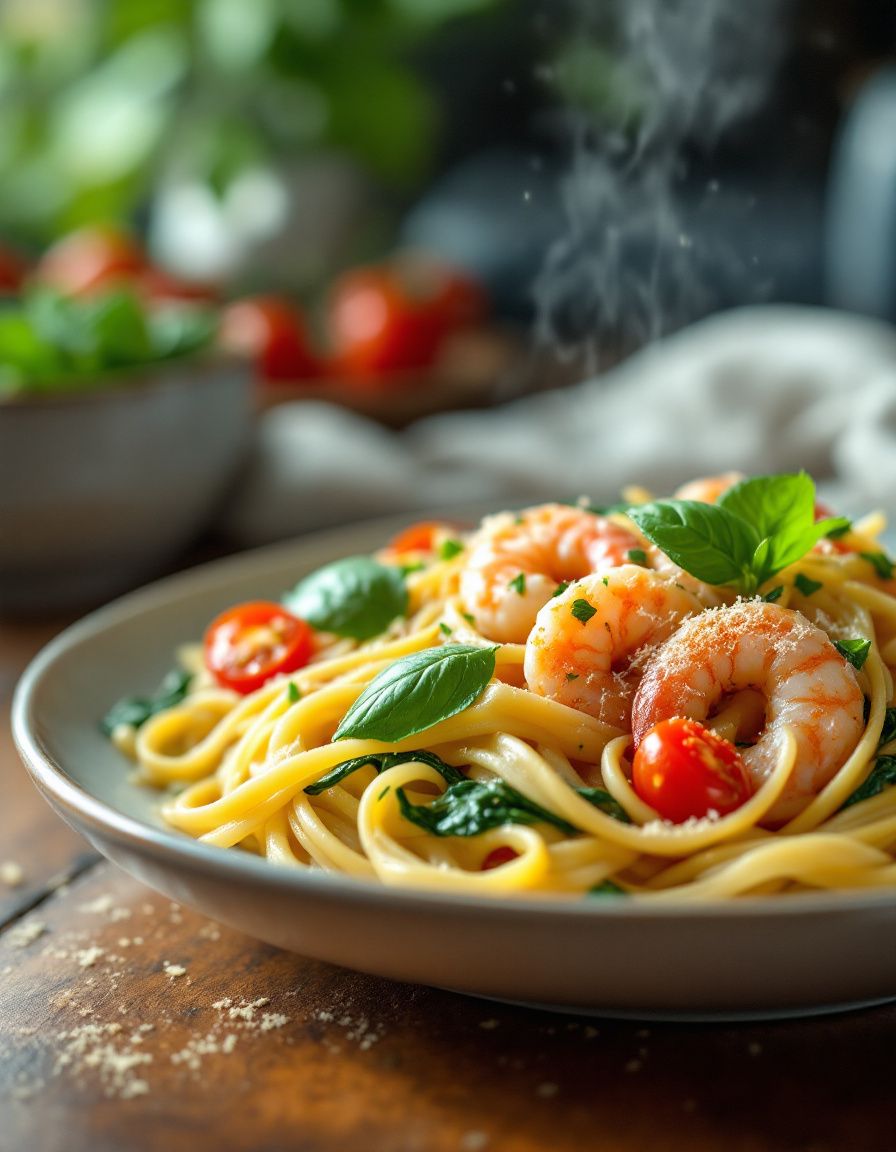
Easy Tomato Spinach Shrimp Pasta – Perfect Weeknight Dinner

Tomato Spinach Shrimp Pasta: An Irresistible Seafood Delight

⚖️
Difficulty
Easy

⏲️
Prep Time
10 mins

🕒
Cook Time
20 mins

⏱️
Total Time
30 mins

🍽️
Servings
4

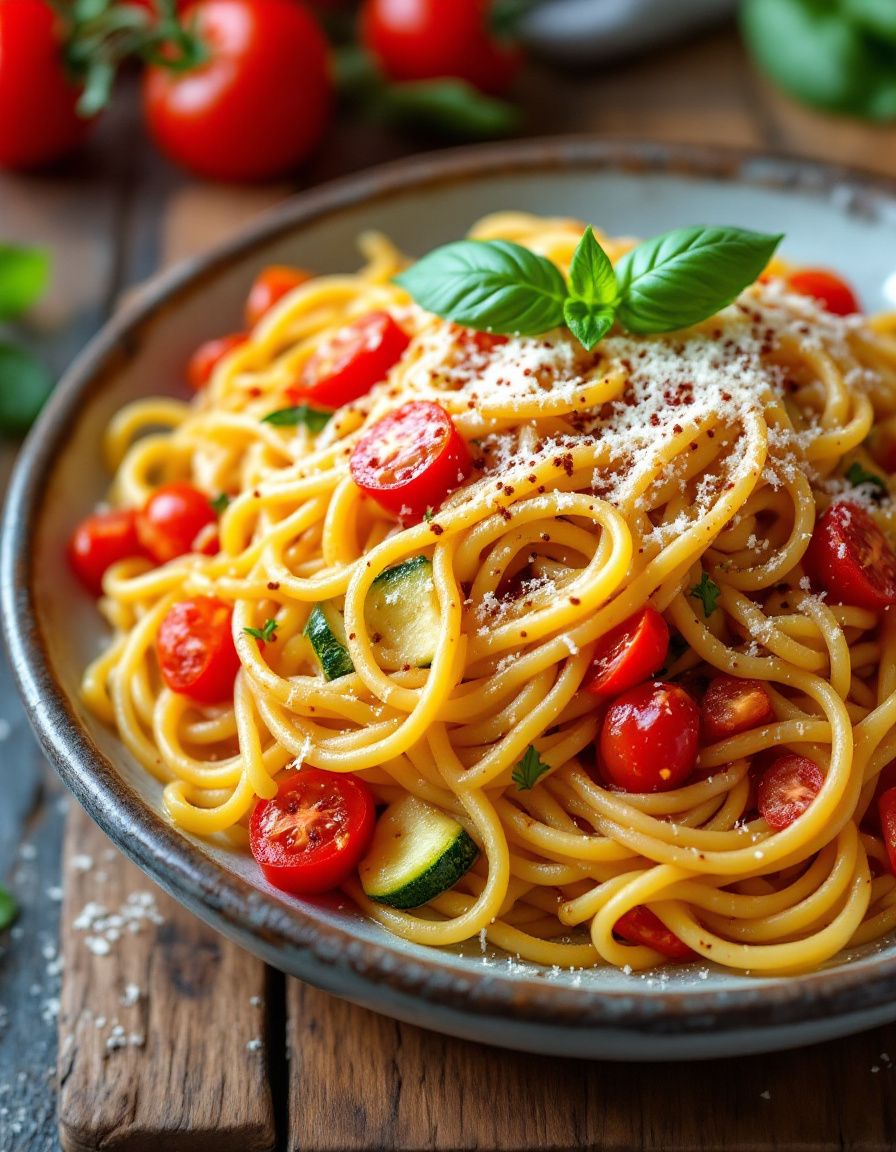
Pasta lovers rejoice! This Tomato Spinach Shrimp Pasta is a sensational dish that brings together the sweetness of juicy tomatoes, the freshness of vibrant spinach, and succulent shrimp in a beautiful harmony. The combination of flavors is so delightful that it feels like a taste of the Mediterranean with each bite. Whether you are looking for a delectable weeknight meal or something special for guests, this recipe elevates simple ingredients into a sophisticated dish that is sure to impress.

The bright colors of this dish are as appealing as its taste. The rich red of tomatoes pairs beautifully with the lush green of spinach, creating an irresistible visual feast. As the shrimp cooks, it takes on a lovely pink hue, adding to the overall aesthetic. With just a handful of ingredients and minimal preparation, this Tomato Spinach Shrimp Pasta is both a culinary gem and a time-saver, making it the perfect go-to for busy evenings.

Quick Recipe Highlights

  • Flavor Profile: The blend of fresh tomatoes, garlic, and shrimp creates a sweet and savory delight, balanced by the earthiness of spinach.
  • Texture: The dish offers a satisfying chew from the pasta, alongside the tender, juicy shrimp and wilted spinach, creating an inviting mouthfeel.
  • Aroma: Your kitchen will be filled with the fragrant notes of garlic and fresh herbs, drawing everyone’s attention.
  • Visual Appeal: The dish is not only colorful but also inviting, thanks to the contrast between the pasta, tomatoes, and shrimp.
  • Skill Level Needed: Even beginner cooks can master this recipe, as it requires basic cooking techniques and minimal culinary experience.
  • Special Equipment: You will need a large pot for boiling and a skillet for sautéing.

Recipe Overview

  • Difficulty Level: This recipe is labeled as easy, making it perfect for novice cooks looking to improve their skills while preparing a delicious dish.
  • Category: This pasta dish fits perfectly within the main course category, ideal for lunch or dinner celebrations.
  • Cuisine: Reflecting Mediterranean influences, this dish celebrates seafood and fresh vegetables, a hallmark of coastal cooking.
  • Cost: With reasonable prices for ingredients like shrimp and pasta, this dish remains accessible for most budgets.
  • Season: It’s a versatile recipe enjoyed year-round, but particularly vibrant in summer, when tomatoes are in season.
  • Occasion: Perfect for family gatherings, date nights, or entertaining friends, this pasta dish is sure to stand out at any meal.

Why You’ll Love This Recipe

This Tomato Spinach Shrimp Pasta dazzles with its delicious taste and appealing texture. The bursts of fresh tomato flavor mixed with the seasoned shrimp create a seafood dish that is both refreshing and hearty. The spinach adds a touch of healthiness, ensuring you are not just indulging, but also nourishing your body. Every bite is a testament to the simple joys of home cooking, crafted with low effort and high satisfaction.

Convenience is one of the major benefits of this recipe. With only a few ingredients and a cooking time of about thirty minutes, it fits perfectly into a busy schedule. You can easily prepare this meal after a long day at work without compromising on flavor or quality. It’s a great way to enjoy a restaurant-quality dish right at your dining table.

The nutritional advantages of this dish cannot be overlooked. Shrimp is an excellent source of protein and contains key nutrients like iodine and selenium, while spinach is loaded with iron, calcium, and vitamins A, C, and K. Making this dish regularly can contribute positively to your overall diet and health, proving that delicious meals can also be nutritious.

Sharing this dish with friends or family creates communal value, making mealtime feel special. Its presentation is sure to stimulate conversation at your table. Whenever you serve this impressive dish, guests will feel catered to and appreciated, fostering a warm atmosphere around the dinner table.

Finally, the cost-effectiveness of this recipe makes it an attractive option for anyone. With readily available ingredients and minimal preparation required, it’s a smart choice for enjoying high-quality seafood pasta without a hefty price tag. You can enjoy a meal that feels luxurious without straining your wallet, making it the perfect answer to your weeknight dinner dilemmas.

Historical Background and Cultural Significance

The origins of shrimp pasta can be traced back to coastal regions where fishing and farming are prevalent. The abundance of seafood in historical diets combined with the introduction of pasta from Italy has given rise to countless adaptations. Families have made their own versions based on local ingredients, making shrimp pasta a staple in many households worldwide.

Culturally, this dish has significant importance in various nations, particularly in Mediterranean cuisines. Here, fresh produce and seafood are essential components, highlighting the value of natural ingredients in home-cooked meals that are often passed down through generations. The communal aspect of sharing a seafood pasta dish also underscores the importance of family and friendship in dining traditions.

Over time, the recipe for tomato and shrimp pasta has evolved, adapting to different tastes and dietary needs. Each region has embraced this dish, offering unique twists by including local spices or ingredients, leading to a diversity that reflects the culinary history of the area.

Regional variations can include the use of different herbs, spices, or types of seafood. From Cajun shrimp pasta in the Southern United States to tomato-based seafood pastas in Italy, each version adds cultural flair and diversity to the basic recipe, celebrating the global love for shrimp pasta.

Ingredient Deep Dive

Shrimp is one of the star ingredients in this dish. Known for its versatility and rich flavor, shrimp has been a favorite in many culinary traditions for centuries. It is low in calories but high in protein, making it a functional ingredient in healthy diets. When choosing shrimp, look for those that are firm and moist, indicating freshness. Store shrimp properly in the refrigerator or freezer to maintain quality, and consider using sustainably sourced varieties for an eco-friendly option.

Tomatoes are another key component, providing natural sweetness and acidity. Historically, tomatoes originated in Central and South America before being integrated into European cuisine. Rich in vitamins C and K, tomatoes also pack powerful antioxidants. When selecting tomatoes, look for those that yield slightly to pressure and have vibrant colors. They should be stored at room temperature to fully develop their flavor, but once cut, they should be refrigerated.

Spinach not only adds color but also contributes a wealth of nutrients. This leafy green has deep roots in Mediterranean diets as a superfood packed with iron and vitamins. Fresh spinach should be bright green and crisp. It is best used shortly after purchase as it wilts quickly, but it can also be blanched or frozen for later use, ensuring you can always add some greens to your meals.

Common Mistakes to Avoid

  • Overcooking the shrimp can result in a rubbery texture. Aim for a cook time of just a few minutes until they turn pink and opaque.
  • Using canned tomatoes instead of fresh can alter the taste dramatically. Always choose ripe, fresh tomatoes for the best flavor.
  • Not seasoning the water when boiling pasta can lead to bland noodles. Add salt generously to enhance the flavor.
  • Neglecting to mix the pasta and sauce immediately can result in sticky noodles. Combine them while still hot for the best results.
  • Ignoring the freshness of ingredients is key. Always check for quality, especially with seafood, to ensure a safe and tasty meal.
  • Rushing the sautéing process may prevent flavors from developing fully. Allow the garlic and onions to cook until softened for the best aroma.
  • Using too much or too little pasta can throw off the balance of the dish. Stick to recommended measurements for the perfect ratio.
  • Skipping the olive oil can hinder flavor complexity. It adds richness, so don’t underestimate its importance.
  • Not preparing ingredients beforehand may disrupt cooking flow. Always have everything prepped and measured before starting.
  • Storing leftovers in the wrong containers can lead to spoilage. Use airtight containers for best preservation.

Essential Techniques

One essential technique in this pasta dish is mastering the sautéing process. Sautéing garlic and onions first allows the flavors to bloom, providing a solid flavor foundation for the entire dish. To perfect sautéing, use medium heat and avoid overcrowding the pan, which can cause sweating instead of caramelizing.

Cooking the pasta to al dente is crucial for achieving the right texture. Al dente pasta has a firm bite and holds up against sauces without becoming mushy. To master this technique, check the pasta a minute or two before the package’s cook time suggests, ensuring you have the ideal texture and taste.

Pro Tips for Perfect Tomato Spinach Shrimp Pasta

– Be mindful of the size of shrimp. Larger shrimp take longer to cook, so adjust your cooking time accordingly to avoid overcooking.
– Toss the pasta in the sauce off the heat to preserve the integrity of the dish and prevent further cooking.
– For added depth of flavor, consider adding a splash of white wine to the sauce after sautéing the garlic and onions.
– Incorporate herbs like basil or parsley at the end of cooking for enhanced freshness and a pop of color.
– Use fresh lemon juice or zest right before serving to brighten up the dish and balance the richness.
– If making the dish ahead of time, keep pasta and sauce separate until serving to avoid soggy noodles.
– Introduce a pinch of red pepper flakes for a subtle kick without overwhelming the dish.
– Opt for whole-grain or gluten-free pasta to accommodate dietary preferences without sacrificing flavor.

Variations and Adaptations

Consider regional variations when preparing this dish, such as incorporating Cajun spices for a Southern twist or using curry powder for an Indian-inspired flavor profile. Seasonal adaptations are also plentiful; switch out summer tomatoes for roasted winter tomatoes or incorporate seasonal vegetables like zucchini or asparagus.

For dietary modifications, swap out shrimp for chicken or chickpeas for a vegetarian option. Adjusting the recipe to low-carb or keto diets could involve replacing traditional pasta with zucchini noodles or spaghetti squash, providing a similarly satisfying experience with fewer carbs.

Flavor variations can include adding capers or olives for a briny kick. For a unique texture modification, sprinkle toasted pine nuts or breadcrumbs on top before serving, adding crunch and visual interest. Finally, consider presentation alternatives, such as serving it in individual bowls or jars for a stylish twist when hosting a gathering.

Serving and Presentation Guide

Plating this dish can elevate your dining experience. Start with a base of pasta, then create a nest with shrimp on top. Garnish generously with freshly chopped parsley and a drizzle of olive oil for visual appeal.

Consider incorporating various garnishing ideas such as thinly sliced lemon or microgreens to add freshness and brighten the plate. Traditional accompaniments could include a side of garlic bread or a fresh salad, enhancing the meal.

Modern serving suggestions involve using rustic bowls or cast-iron skillets, presenting the dish directly from the stovetop for a cozy, intimate feel. Serve at a warm temperature, as seafood and pasta taste best when recently prepared. Pay attention to portion control to avoid waste and ensure everyone leaves satisfied.

Wine and Beverage Pairing

Pairing wine with Tomato Spinach Shrimp Pasta opens up delicious possibilities. A crisp Sauvignon Blanc complements the seafood beautifully, cutting through the richness of the dish and enhancing the bright tomato flavor. Alternatively, a light Pinot Grigio offers a refreshing contrast that complements the dish’s freshness.

For non-alcoholic options, try sparkling water with lemon or a light herbal iced tea to cleanse the palate. When considering coffee or tea pairings, opt for a light herbal tea such as chamomile, served chilled for a refreshing counterpoint.

Temperature matters when serving beverages; ensure white wines are well chilled for the best experience. For a cozy dinner setup, serve drinks in elegant glassware to add a touch of sophistication, elevating your entire dining experience.

Storage and Shelf Life

To ensure your Tomato Spinach Shrimp Pasta stays fresh, proper storage is key. Store any leftovers in an airtight container in the refrigerator for up to three days. For longer storage, consider freezing the shrimp and sauce separately.

When reheating, use gentle heat in a skillet or microwave, adding a splash of water or broth to avoid drying out the pasta. Cooked shrimp can dry quickly, so ensure even reheat to maintain texture and flavor integrity.

Always look for signs of spoilage, such as off smells or changes in texture. If the pasta appears slimy or the shrimp has an altered color, it’s best to err on the side of caution and discard.

Make Ahead Strategies

Planning ahead can save time while preparing Tomato Spinach Shrimp Pasta. Chop and prepare all ingredients the day before, ensuring you can throw the dish together rapidly. Store chopped vegetables and shrimp in separate containers for easy access.

Consider cooking the pasta in advance but reserve a bit of the cooking water to adjust the consistency of your sauce later. Store the pasta in the refrigerator, mixing it with olive oil to prevent sticking.

When reheating, just incorporate the cooked pasta into the sauce and shrimp on the stove, adding reserved pasta water for the perfect texture.Fresh elements, such as spinach, can be added right before serving for optimal freshness and color.

Scaling Instructions

Scaling Tomato Spinach Shrimp Pasta is effortless. Halving the recipe is straightforward—simply divide each ingredient by two, but also consider the size of your cooking vessel to prevent overcrowding.

Doubling or tripling requires attention to equipment size. Use larger pots and pans to accommodate the increased quantity, ensuring even cooking. Pay attention to the timing, as larger quantities may require slightly longer cooks but keep an eye and adjust based on doneness.

By freezing extra portions, you can ensure delicious meals are readily available in the future without sacrificing quality. Always store differently sized portions in labeled containers for easy access and future use.

Nutritional Deep Dive

Examining the nutrition of Tomato Spinach Shrimp Pasta reveals several health benefits. It typically provides high protein from the shrimp, crucial for muscle health and satiety.

Each serving also delivers beneficial micronutrients thanks to spinach and tomatoes. Spinach is high in iron and vitamins, supporting immune function, while tomatoes provide antioxidants that protect against cellular damage.

For those managing weight, portion control is vital. Be mindful of calorie intake by following standard serving sizes, and balance the dish with side salads to enhance nutritional variety.

Those with dietary restrictions may adjust ingredient selections while still enjoying the heartiness of the dish, maintaining nutritional balance without sacrificing flavor.

Dietary Adaptations

This dish can be seamlessly adapted to fit various dietary needs. For gluten-free diets, consider using gluten-free pasta or zucchini noodles, maintaining the integrity of this delightful recipe without compromising taste.

Dairy-free adaptations can include omitting any cheese and substituting cashew cream for a creamy-like finish. For those following vegan diets, replace shrimp with marinated tofu or chickpeas to provide protein.

Low-carb and keto diets can benefit from similar pasta alternatives but focus on enhancing flavors via herbs and spices. The flexibility of this Tomato Spinach Shrimp Pasta allows creativity to shine while catering to dietary preferences.

Low-FODMAP adjustments can be made by using shallots instead of garlic, accommodating those sensitive to certain carbohydrates while still providing flavor.

Troubleshooting Guide

Experiencing texture issues is common, particularly if the pasta is overcooked. Always test for doneness and remember that residual heat can continue to cook the pasta after draining.

If flavors seem unbalanced, consider adjusting with fresh herbs or a splash of lemon juice to highlight the seafood flavor and brighten the dish. Experimenting with seasonings gradually can yield a well-balanced taste profile.

Temperature problems arise when shrimp is cooked unevenly, potentially leading to overcooked pieces. Aim for consistency in the size of shrimp to promote even cooking and achieve the desired result every time.

Common equipment challenges can include sticking or clumping of the pasta. Rinsing with cold water immediately after cooking can help separate strands, but avoid this step if you require starch for thickening your sauce.

Ingredient substitutions may result in unexpected flavor changes. Always test small quantities first, ensuring that swaps align with your expectations and make adjustments as needed.

Recipe Success Stories

Community feedback on Tomato Spinach Shrimp Pasta has been overwhelmingly positive, with many praising its quick preparation time and satisfying flavors. Readers have shared variations incorporating local seafood or seasonal vegetables, highlighting the dish’s versatility.

Success adaptations include substituting shrimp with less common seafood, like scallops or squid, resulting in inventive twists that capture the spirit of the original recipe. Each engagement illustrates the culinary creativity fostered by this classic dish.

Photography tips abound from those who have captured the vibrant colors of the pasta, showcasing its beauty. Experimenting with backgrounds, lighting, and garnishes has encouraged a sense of community, where followers share their artistic takes on the dish.

The idea of sharing personalized variations has inspired readers to get creative in their kitchens, finding joy in experimentation. Such feedback fosters even more community engagement as readers exchange tips on perfecting this flavorful experience.

Frequently Asked Questions

Q: Can I use frozen shrimp for this recipe?

A: Absolutely! Frozen shrimp can be a great time-saver. Just thaw thoroughly before cooking, and make sure to pat dry to avoid excess moisture in the dish.

Q: What can I substitute for fresh tomatoes?

A: Canned diced tomatoes or tomato purée can work well in a pinch. Just be mindful of the added salt and adjust your seasoning as needed.

Q: Can this recipe be made in advance?

A: Yes! You can prepare the sauce and cook the shrimp ahead of time. Reheating just before serving will yield an equally delicious outcome.

Q: What is the best kind of pasta to use?

A: While traditional spaghetti is perfect, feel free to use your favorite pasta shape. Penne, farfalle, or even gluten-free options work beautifully.

Q: How do I store leftovers?

A: Store leftovers in an airtight container in the fridge for 3-4 days. You can also freeze portions for longer storage but separate the pasta and sauce to maintain quality.

Q: Can I add more vegetables to the recipe?

A: Definitely! Seasonal vegetables like zucchini, bell peppers, or even mushrooms can enhance the dish and add nutritional value.

Q: Is this recipe suitable for meal prep?

A: Yes! Each component can be prepared separately and stored, making it easy to assemble a meal during the week. Just add fresh spinach right before serving!

Q: How spicy can this dish get?

A: You can adjust the spice level by adding red pepper flakes or hot sauce to the sauté. Start with a small amount and add according to your taste preference!

Q: What if I don’t have shrimp?

A: If shrimp isn’t available, consider using chicken breast or chickpeas as a protein substitute. Each will offer a different flavor profile, but the meal will still be satisfying.

Q: Can I make this dish dairy-free?

A: Yes, simply skip any cheese or creamy additions. The dish remains fresh and delicious without dairy!

Q: How do I enhance the flavors?

A: Consider adding a splash of white wine for depth or a spoonful of pesto for a richer flavor profile. Fresh herbs can elevate the dish as well.

Additional Resources

For those inspired by Tomato Spinach Shrimp Pasta, explore further recipe variations such as Pesto Shrimp Pasta or Creamy Garlic Shrimp as delightful alternatives. Dive into technique guides focusing on pasta making or sautéing shrimp for even greater culinary skill enhancement.

Ingredient information is also valuable; understanding the best sources and qualities for tomatoes and shrimp can improve your cooking outcomes. For equipment recommendations, consider investing in a quality sauté pan and a good pasta pot to elevate your cooking experience.

Seasonal variations can bring exciting new twists, like incorporating butternut squash in fall or fresh asparagus in spring. Each season offers unique ingredients to keep your meals fresh and exciting.

Join the Conversation

We’d love to hear from you! Share your experience by posting your Tomato Spinach Shrimp Pasta creations on social media, tagging us for a chance to be featured.

Photography tips such as using natural light and interesting angles can capture the vibrant colors of your dish and inspire others to recreate your culinary masterpiece. We encourage recipe reviews as they can guide fellow readers in crafting their own delightful versions.

Engage with our community by providing feedback on your variations or tips, fostering a collaborative atmosphere that celebrates culinary creativity. Your voice matters in this delicious journey of home cooking!

The Recipe

Tomato Spinach Shrimp Pasta

Serves: 4

Prep Time: 10 mins

Cook Time: 20 mins

Total Time: 30 mins

Kitchen Equipment Needed

  • Large pot for boiling pasta
  • Skillet for sautéing
  • Cutting board and knife
  • Measuring cups and spoons

Ingredients

  • 8 ounces of spaghetti or preferred pasta
  • 1 pound of shrimp, cleaned and deveined
  • 2 cups of fresh spinach
  • 2 cups of diced fresh tomatoes
  • 3 cloves of garlic, minced
  • 2 tablespoons of olive oil
  • Salt and pepper to taste
  • Fresh basil for garnish (optional)
  • Lemon wedges for serving (optional)

Directions

  1. Bring a large pot of salted water to a boil and cook the pasta according to package instructions until al dente. Drain and reserve a cup of pasta water.
  2. In a large skillet over medium heat, add olive oil and sauté garlic until fragrant, about 1 minute.
  3. Add the shrimp to the skillet and season with salt and pepper. Cook until pink and opaque, about 3-4 minutes. Remove from skillet and set aside.
  4. Add diced tomatoes to the skillet and cook for 2-3 minutes until slightly softened.
  5. Stir in spinach until wilted, followed by the cooked pasta. Mix well, adding reserved pasta water as needed to achieve desired consistency.
  6. Return shrimp to the skillet and gently toss everything together until heated through.
  7. Serve immediately garnished with fresh basil and lemon wedges on the side.

Recipe Notes

  • Feel free to substitute the shrimp with chicken or a plant-based protein for different dietary preferences.
  • Add a splash of white wine before adding the tomatoes for an extra flavor dimension.
  • This dish is best served fresh but can be stored in an airtight container for up to 3 days in the fridge.
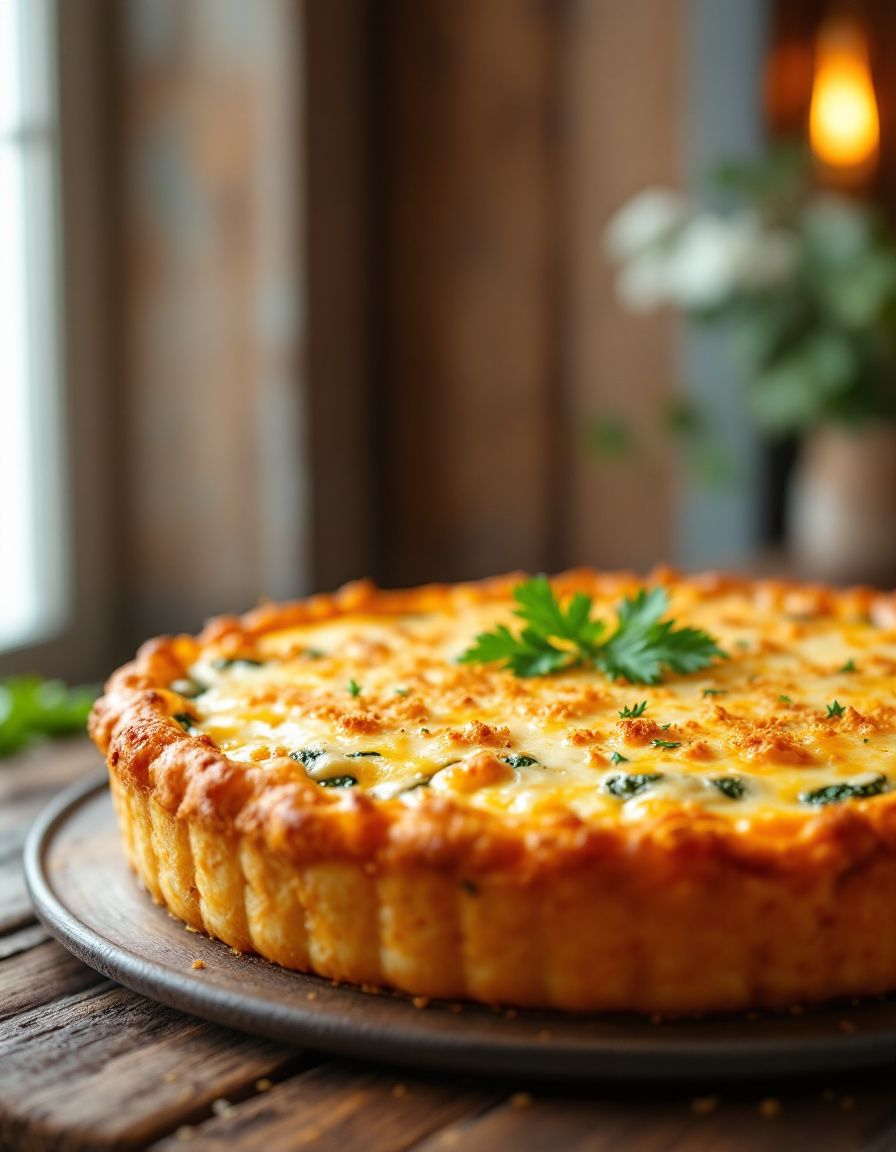
Best Spinach Chicken Casserole with Cream Cheese and Mozzarella

Delicious Spinach Chicken Casserole with Cream Cheese and Mozzarella: A Comfort Food Favorite

⚖️
Difficulty
Easy

⏲️
Prep Time
15 mins

🕒
Cook Time
35 mins

⏱️
Total Time
50 mins

🍽️
Servings
4 servings

Indulging in a Spinach Chicken Casserole with Cream Cheese and Mozzarella is like wrapping yourself in a warm, comforting hug after a long day. This dish combines tender chunks of chicken with hearty spinach, enveloped in a creamy, luscious sauce made from cream cheese and topped with melty mozzarella. The balance of flavors is simply divine, making it a perfect family meal or a crowd-pleaser at gatherings.

Imagine digging into your plate, the creamy sauce oozing through the perfectly cooked chicken and spinach, combined with the stretchy melted mozzarella. The first bite transports you to a world of flavor harmony. The rich, cheesy notes complement the earthiness of the spinach, while warm, savory chicken brings a satisfying protein punch. It truly is a delightful dish that can turn any occasion into a celebration.

Quick Recipe Highlights

  • Flavor Profile: Rich and creamy with a hint of savory chicken and fresh spinach.
  • Texture: Creamy and cheesy with tender chicken and slightly wilted but still hearty spinach.
  • Aroma: Inviting aroma of garlic, cream cheese, and melted mozzarella fills your kitchen.
  • Visual Appeal: Beautifully layered with vibrant green spinach and golden brown cheese on top.
  • Skill Level Needed: This easy casserole requires minimal cooking expertise, perfect for beginners.
  • Special Equipment: A casserole dish is essential for baking this delicious meal to perfection.

Recipe Overview

  • Difficulty Level: This Spinach Chicken Casserole is classified as easy, making it ideal for novice cooks. With straightforward steps, you can whip up this dish without worrying about technical cooking skills.
  • Category: This recipe falls under the dinner category, perfect for comforting family meals or potlucks. It can also serve as an excellent dish for meal prep.
  • Cuisine: Influenced by American comfort food traditions, this casserole highlights the use of cheese and creamy sauces commonly found in many households.
  • Cost: The approximate cost of this dish is budget-friendly, especially considering you can often find chicken and spinach on sale.
  • Season: This comforting casserole is especially enjoyed during fall and winter when hearty meals are most welcomed.
  • Occasion: It’s perfect for cozy family dinners, holiday gatherings, or casual get-togethers with friends.

Why You’ll Love This Recipe

Indulging in this Spinach Chicken Casserole is not just a feast for the taste buds, but also a heartwarming experience. The smooth, rich taste of cream cheese combined with the gooey melty mozzarella creates an irresistible flavor that resonates with the soul. Each bite is a blend of tender chicken and fresh spinach, making it nutritionally balanced while still feeling indulgent.

Moreover, this recipe is incredibly convenient. With only a handful of ingredients, you don’t need to spend hours in the kitchen. It’s a one-pan meal that minimizes cleanup while maximizing flavor, making it perfect for busy weeknights or unexpected guests. Just prep, mix, and bake, leaving you with more time to unwind or enjoy with family.

Nutrition is another abundant aspect of this casserole. Spinach is filled with vitamins and minerals that contribute to overall health, while chicken provides lean protein. Furthermore, using lower-fat cream cheese can make this dish even lighter without sacrificing those comforting flavors.

Spinach Chicken Casserole with Cream Cheese and Mozzarella isn’t just a meal; it’s an experience to share. It can become a cherished part of family traditions or a showstopper at parties. The warm and inviting aroma wafting from the oven encourages everyone to gather around the table, creating memories and connections.

Lastly, such a delightful dish comes at an affordable price. The key ingredients are commonly found, and substituting ingredients with seasonal options can further help maintain the budget while exploring exciting variations.

Historical Background and Cultural Significance

The origins of the casserole dish date back to ancient times when food was cooked over fire and then baked in a dish to serve. Over the decades, casseroles evolved drastically, aligning with changing culinary trends, and becoming staples in American homes during the mid-20th century. This Spinach Chicken Casserole merges traditional aspects of casserole cooking with modern flavor profiles to welcome a variety of palates.

Culturally, casseroles are significant due to their communal nature. They often represent comfort and hospitality, bringing people together over shared meals. Dishes like the Spinach Chicken Casserole often become family legacy recipes, passed down through generations, embodying values of home-cooked love.

As the dish has evolved, so have the ingredients used. Spinach became more widely utilized, especially post-WWII, when its nutritional value gained appreciation. This dish combines classic American flavors with healthier choices thanks to the introduction of cream cheeses and other dairy products.

Regional variations of casseroles may include other vegetables or proteins, showcasing local ingredients and cooking styles, thereby reflecting the diversity of American cuisine while maintaining the core value of comfort food.

Ingredient Deep Dive

Spinach: Spinach possesses a rich cultural significance, particularly in Mediterranean cuisine. Its nutritional profile is impressive, packing both iron and fiber. To select fresh spinach, look for vibrant green leaves, avoiding yellow or wilted options. Store in the fridge in a sealed container for up to a week. For substitutions, consider kale or Swiss chard.

Chicken: Chicken is one of the most universal proteins found in global cuisine. Known for its versatility, it boasts great nutritional benefits, including a significant amount of protein and low fat. When selecting chicken, opt for fresh cuts with a pink hue and avoid any unpleasant odors. Store it in the refrigerator and consume within a few days. Ground turkey can be an excellent alternative for a slightly different flavor.

Common Mistakes to Avoid

  • Not Pre-cooking Chicken: Ensure your chicken is cooked fully before assembling the casserole to avoid undercooked portions.
  • Overmixing: Mixing too vigorously can lead to a mushy texture; gently fold ingredients together.
  • Skipping Seasoning: Don’t forget to season adequately; bland dishes result from neglecting salt and seasoning herbs.
  • Wrong Baking Dish: Using a dish that is too small can result in overflow, while one that’s too large may dry out the casserole.
  • Not Covering Properly: If left uncovered, the top can become overly brown or dry; covering with foil during baking can prevent this.
  • Over-Baking: Following the time strictly is crucial; over-baking can lead to a rubbery texture.
  • Ignoring Texture: Ensure to check the spinach is lightly cooked; overcooked spinach can turn mushy.
  • Skipping Taste Testing: Always taste your mixture before baking; seasoning adjustments can enhance flavor effectively.

Essential Techniques

Layering Flavors: Layering flavors is essential for creating a dish with depth. Start by sautéing onions and garlic before adding chicken to develop a foundational flavor. To master this, ensure to cook each layer thoroughly, allowing components to infuse properly, while being cautious not to burn.

Beating Cream Cheese: Cream cheese must be softened before incorporating it into the dish. This ensures a smooth texture when combined with other ingredients. To avoid lumps, let the cheese sit at room temperature or microwave it briefly. Overbeating can incorporate too much air, leading to a less creamy consistency.

Pro Tips for Perfect Spinach Chicken Casserole

1. Use fresh ingredients whenever possible to enhance both flavor and nutrition. Fresh spinach, for example, offers a brighter taste than frozen alternatives.
2. Experiment with herbs, such as basil or thyme, to elevate the casserole’s flavor profile even further.
3. Consider adding in a layer of sautéed mushrooms or bell peppers for extra texture and flavor diversity.
4. For added crunch, sprinkle some breadcrumbs mixed with parmesan cheese on top before baking.
5. Allow the casserole to rest for a few minutes after baking; this helps it set and makes serving easier.
6. If reheating leftovers, add a splash of cream or milk before warming to maintain moisture.
7. Pair with a light salad to offer a refreshing contrast to the rich casserole.
8. Store leftovers in individual portions for easy on-the-go meals.

Variations and Adaptations

Changing up the ingredients can add new life to the Spinach Chicken Casserole. For a regional twist, consider using feta cheese instead of cream cheese for a Mediterranean flair. During seasonal changes, incorporating seasonal vegetables like zucchini or squash can provide freshness.

If dietary modifications are needed, a gluten-free option can be achieved by replacing any breadcrumbs with gluten-free varieties. For those on a low-carb diet, substituting chicken with cauliflower can create a delicious, satisfying casserole.

Flavor variations can include additional spices or even a pinch of cayenne for some heat. The casserole’s texture could be modified by adding quinoa for an added crunch, making it even more filling. For presentation alternatives, you can serve the casserole in individual ramekins for an elegant touch.

Serving and Presentation Guide

When serving your Spinach Chicken Casserole, presentation matters. Consider using a large serving dish to showcase the beautifully melted cheese and vibrant colors of the spinach. For garnishing, fresh herbs like parsley or basil can add a pop of color and freshness.

Pairing it with modern touches like artisanal bread or simple side salads can further enhance the meal. Temperature considerations are essential; serve the casserole hot, fresh, and bubbly to maximize its comforting appeal. For portion control tips, use a ladle to serve sizes evenly, ensuring everyone enjoys their fair share.

Wine and Beverage Pairing

Pairing wine with your casserole can elevate the dining experience. A crisp Chardonnay complements the creaminess, while a light Pinot Grigio can enhance the flavors of spinach and chicken. For those preferring non-alcoholic beverages, a sparkling water with lime can offer a refreshing contrast.

When it comes to coffee and tea, a light herbal tea can work wonderfully after a rich meal to cleanse the palate. Ensure that beverages are served at optimal temperatures; white wine should be chilled, and herbal tea served warm but not scalding.

Storage and Shelf Life

To extend the life of your Spinach Chicken Casserole, store it in an airtight container in the refrigerator. Properly stored, it should last for 3-4 days. For longer shelf life, consider freezing individual portions, which can be reheated on-demand.

Signs of spoilage to look out for include off-smells and changes in color. When reheating, ensure to do so thoroughly; the internal temperature should reach 165°F. To maintain texture and moisture, adding a splash of cream can be beneficial when reheating from frozen.

Make Ahead Strategies

To save time on busy days, consider prepping your Spinach Chicken Casserole ahead of time. Assemble the casserole up to a day in advance, cover it tightly, and store it in the refrigerator. This will allow the flavors to meld, heightening the taste.

If you do prepare it ahead, allow an extra 10-15 minutes in the oven since it will be coming straight from the fridge. Reheating individual portions is a breeze; simply microwave or oven-bake for convenient meals any day of the week.

Fresh elements like garnishing should be added just before serving to ensure they maintain their vibrancy.

Scaling Instructions

When scaling your Spinach Chicken Casserole, maintaining the original flavor balance is crucial. For halving the recipe, simply divide each ingredient measurement accordingly, adjusting baking time as necessary.

Doubling or tripling the recipe is simple but ensure you have the right sized dish to accommodate the larger volume. Depending on increased amounts, the cooking time may also need to be extended slightly, so keep a close watch until it reaches the desired golden brown.

For scaling down successfully, use smaller ramekins or individual baking dishes for easy serving. Storage considerations should also apply; extra portions can be frozen in single servings for easy future meals.

Nutritional Deep Dive

Examining the nutritional breakdown of Spinach Chicken Casserole reveals a balance of macros. The dish typically consists of a healthy ratio of protein from chicken and fat content from the cream cheese and mozzarella.

Micronutrient analysis highlights vitamin A, iron, and calcium, primarily from the spinach and cheeses, enhancing overall health. This meal can contribute positively to dietary considerations, especially for those looking to integrate more greens into their meals.

For portion analysis, serving sizes should be mindful, ensuring each person receives balanced nutrient intake while catering to personal health goals. Weight management can be supported by pairing the casserole with lighter sides to create a well-rounded meal.

Dietary Adaptations

For those with dietary restrictions, the Spinach Chicken Casserole can easily be modified. For a gluten-free option, ensure all sauces and added ingredients are certified gluten-free.

Dairy-free individuals can replace cheese with plant-based alternatives, allowing them to enjoy a similar creamy texture. Vegan adaptations can further replace chicken with tofu or mushrooms, providing a hearty and satisfying meal.

Low-carb enthusiasts may opt for zucchini noodles in place of pasta, while paleo participants can use veggie-based substitutes to retain nutritional integrity. Each adaptation allows the dish to be inclusive without losing its comforting essence.

Troubleshooting Guide

For texture issues, overcooking vegetables can lead to unwanted mushiness, so ensure all ingredients are cooked just to tenderness. If flavor balance seems off, consider additional seasoning or acid to brighten dull flavors.

Temperature problems can occur if the oven heat is uneven; investing in an oven thermometer can help monitor accuracy. Ingredient substitutions may alter the expected outcome; ensuring compatibility with recipes is vital.

Timing concerns, particularly with assembling and baking, can lead to incomplete cooking; adjust as necessary, giving ample time to each step to achieve a perfect dish.

Recipe Success Stories

Feedback from the community eagerly showcases the versatility of the Spinach Chicken Casserole. Many home cooks have shared their unique twists on the recipe, from adding different spices to exploring various cheese combinations.

Notable adaptation stories include readers sharing how they successfully transformed this recipe for health trends, achieving lighter versions while maintaining the heartiness and comfort of comfort food.

Photography enthusiasts appreciate the visual appeal of this dish, encouraging others to showcase their personal plating styles and ingredient selections, allowing for a diverse representation of a classic recipe.

Frequently Asked Questions

Can I make this casserole ahead of time?

Yes, you can prepare the casserole a day in advance. Simply mix the ingredients, place them in the baking dish, cover, and refrigerate until you are ready to bake.

What can I substitute for chicken in this recipe?

To make a vegetarian option, you can substitute chicken with firm tofu, mushrooms, or even chickpeas. Each alternative brings a unique taste and texture to the dish.

How long does the casserole last in the fridge?

Properly stored, the Spinach Chicken Casserole can last in the refrigerator for about 3-4 days. Make sure it is in an airtight container to maintain freshness.

Can I freeze leftovers?

Absolutely! This casserole freezes well for up to 3 months. To reheat, allow it to thaw overnight in the refrigerator before baking at a low temperature until warmed through.

What can I serve with this casserole?

A light green salad or whole grain rolls complement this dish beautifully, providing balance to the richness of the casserole.

Is it possible to make this dish dairy-free?

Yes, you can use plant-based cream cheese and dairy-free cheese alternatives that melt well to achieve a similar creamy texture without dairy.

How can I make this dish spicier?

To add heat, consider incorporating diced jalapeños or a sprinkle of red pepper flakes during preparation for subtle background spice.

What’s the best way to reheat this casserole?

The best way is to reheat it in the oven covered to retain moisture, aiming for an internal temperature of 165°F for safety and taste.

Can I use frozen spinach instead of fresh?

Yes, frozen spinach can be used as a substitute. Just ensure to thaw and drain any excess water to avoid a watery casserole.

What type of cheese can I use other than mozzarella?

Cheddar, provolone, or gouda can be great alternatives to mozzarella, providing a different flavor profile while still melting beautifully.

Additional Resources

For those looking to expand their cooking repertoire or find similar recipes, exploring related casseroles can provide new inspiration. Technique guides on baking, prepping, and ingredient handling will bolster your skills.

Investing in quality kitchen equipment will enhance your casserole-making experience, ensuring consistent results. Don’t forget to explore seasonal variations for an array of flavors unique to different times of the year.

Join the Conversation

Engaging with others by sharing experiences, modifications, and photography tips can create a vibrant community around this cherished recipe. Encourage feedback and reviews to enhance our collective understanding of what makes this casserole a beloved choice.

Invite others to share their variations and adaptations, fostering creativity and exploration among home cooks everywhere.

The Recipe

Spinach Chicken Casserole with Cream Cheese and Mozzarella

Serves: 4 servings

Prep Time: 15 mins

Cook Time: 35 mins

Total Time: 50 mins

Kitchen Equipment Needed

  • 1 Large Casserole Dish
  • 1 Mixing Bowl
  • 1 Sauté Pan
  • Measuring Cups and Spoons
  • Wooden Spoon or Spatula

Ingredients

  • 2 cups cooked and shredded chicken
  • 1 package (8 oz) of cream cheese, softened
  • 1 cup shredded mozzarella cheese
  • 3 cups fresh spinach
  • 1/2 cup chopped onions
  • 2 cloves garlic, minced
  • 1/2 teaspoon salt
  • 1/4 teaspoon pepper
  • 1 cup breadcrumbs (optional)

Directions

  1. Preheat the oven to 350°F (175°C).
  2. In a sauté pan, heat a little oil, add onion and garlic, and cook until soft.
  3. Add spinach and cook until wilted. Set aside.
  4. In a mixing bowl, combine cream cheese, shredded chicken, salt, and pepper. Mix well.
  5. Fold in the sautéed spinach and half of the mozzarella cheese.
  6. Transfer the mixture to a greased casserole dish, spreading it evenly.
  7. Top with remaining mozzarella and breadcrumbs, if using.
  8. Bake in the preheated oven for 30-35 minutes, until hot and bubbly.
  9. Let it cool for a few minutes before serving.

Recipe Notes

  • Feel free to add more vegetables like bell peppers or mushrooms as desired.
  • This casserole can be made ahead and stored in the fridge before baking for up to 24 hours.
  • For a lighter version, use low-fat cream cheese.
  • Consider adding your favorite spices to enhance the flavors even further.

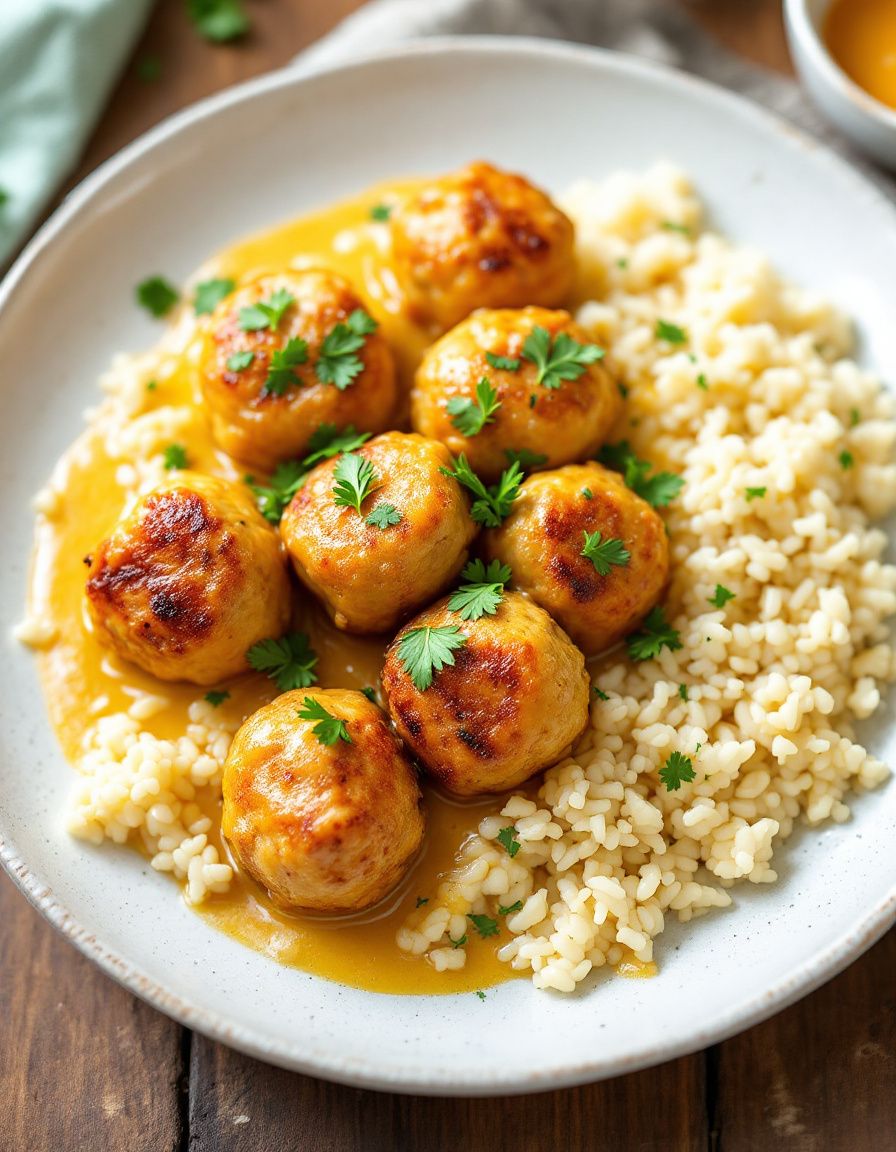
Easy Garlic Butter Chicken Meatballs with Cauliflower Rice

Delicious Garlic Butter Chicken Meatballs with Cauliflower Rice: A Low-Carb Delight

⚖️
Difficulty
Easy

⏲️
Prep Time
15 mins

🕒
Cook Time
25 mins

⏱️
Total Time
40 mins

🍽️
Servings
4

Garlic Butter Chicken Meatballs with Cauliflower Rice is not just another weeknight meal; it’s a harmonious blend of rich flavors and inviting textures. The succulent chicken meatballs are infused with aromatic garlic and decadent butter, making each bite a pleasure for your palate. Paired with light, fluffy cauliflower rice, this dish is an excellent choice for those seeking a low-carb alternative while still wanting to indulge in comfort food.

Imagine biting into a tender meatball that bursts with the savory flavors of garlic, butter, and herbs. The garlic adds a robust flavor while the butter lends a creamy richness, creating a satisfying experience that will leave your taste buds wanting more. This recipe is not only simple and quick to prepare, but it also offers a nutritious twist that makes it perfect for any occasion, from family dinners to impressing guests.

Quick Recipe Highlights

  • Flavor Profile: The combination of garlic and butter creates a savory, aromatic experience that envelops the tender meatballs.
  • Texture: A delightful contrast between juicy chicken meatballs and the light, fluffy cauliflower rice gives a satisfying mouthfeel.
  • Aroma: The tantalizing scent of sautéed garlic mixed with fresh herbs wafts through your kitchen, inviting everyone to gather around the dinner table.
  • Visual Appeal: The golden-brown meatballs atop the snowy white cauliflower rice are a feast for the eyes.
  • Skill Level Needed: This easy recipe is perfect for beginner cooks and experienced chefs alike, requiring basic cooking skills.
  • Special Equipment: A large skillet or frying pan and a food processor for the cauliflower rice are the only essentials needed for this dish.

Recipe Overview

  • Difficulty Level: Cooking these Garlic Butter Chicken Meatballs is straightforward. The well-guided steps make it accessible for cooks of all levels.
  • Category: This dish fits wonderfully into the dinner category, ideal for a cozy family meal or casual get-together.
  • Cuisine: While this recipe showcases rustic Italian elements through its use of garlic and butter, it also has a modern twist with the introduction of cauliflower rice.
  • Cost: The ingredients are affordable and can be found at any local grocery store, making this a great weeknight option without breaking the bank.
  • Season: This recipe shines year-round but is especially delightful in the fall and winter months, providing warmth and comfort during chilly evenings.
  • Occasion: Perfect for casual family dinners or served at a potluck for friends, you can count on these meatballs making a splendid impression.

Why You’ll Love This Recipe

The rich, buttery flavor combined with the punchy garlic makes these meatballs irresistible. They provide a comforting familiarity while enabling you to maintain dietary choices. Moreover, these meatballs are a nutritious option loaded with protein; not only do they keep you satisfied, but they also fuel your body with essential nutrients, creating a balance in your dietary needs.

Preparation of this dish is a breeze, allowing you to whip it up within 40 minutes. This makes it an excellent choice for busy nights when you want something delicious without spending hours in the kitchen. You’ll find the convenience of using cauliflower rice not only enhances texture but also introduces a healthy dimension to the meal.

Social gatherings become all the more delightful with the presentation of these meatballs, sparking conversation and interest. The visually stunning components on the plate can provide a gourmet touch that elevates your dining experience, ensuring it’s memorable.

Taking into account the affordability of essential ingredients, Garlic Butter Chicken Meatballs with Cauliflower Rice allows you to indulge in a delightful meal without straining your budget. It’s a meal that everyone can enjoy without guilt, making it suitable for both environments of relaxation and celebration.

Lastly, the ease of preparation invites you to experiment with different ingredients and tweaks, from adding spices to adjusting textures. This aspect opens up new opportunities for creativity while still holding on to the dish’s fundamental flavors.

Historical Background and Cultural Significance

Garlic has been a staple in culinary history for centuries, regarded for both its flavor and medicinal properties. Tracing back to ancient civilizations, garlic was used not only as a seasoning but also as a health remedy. Combining these garlic flavors with chicken is a modern interpretation that pays homage to this historical ingredient.

The cultural importance of chicken meatballs can be seen across various cuisines, from the Italian polpette to Swedish köttbullar — meatballs enjoy global appeal. With this recipe, the fusion of garlic, butter, and chicken honors traditional culinary customs while embracing contemporary lifestyle choices by substituting cauliflower for rice.

This dish has evolved as health-conscious choices gained attention in recent years. Emphasizing low-carb and gluten-free options while still holding on to flavor-rich sensational meals reflects today’s modern cooking trends. Recipes like this one show how traditional dishes can adapt while remaining appealing.

Regional variations persist globally, allowing for ample experimentation while maintaining core flavors. For instance, some may incorporate local spices or herbs, allowing this Garlic Butter Chicken Meatball recipe to embrace the uniqueness of differing cultures.

Ingredient Deep Dive

Chicken: Known for its versatility, chicken provides a lean protein source that’s a favorite in many cultures, offering a mild flavor that absorbs seasonings well. When selecting chicken for this recipe, choose fresh options with minimal additives to enhance taste. Chicken is also rich in essential nutrients like niacin and B vitamins, supporting overall health.

Cauliflower: This nutrient-dense vegetable comes packed with vitamins C and K and is low in calories, making it an excellent alternative to grains. Often hailed for its adaptability, cauliflower can be transformed into rice, mash, or even pizzas, allowing for numerous culinary applications. When selecting, look for firm heads without blemishes, and store in the refrigerator for up to a week.

Common Mistakes to Avoid

  • Overmixing the meat: Avoid overworking the meat mixture, as this can lead to tough meatballs. Mix just until combined.
  • Skipping the resting time: Allowing the meatballs to rest before cooking helps them hold their shape.
  • Using cold ingredients: Always ensure your ingredients, especially eggs, are at room temperature for better binding.
  • Not seasoning adequately: Make sure to taste and adjust seasonings; under-seasoning can lead to bland meatballs.
  • Cooking at the wrong temperature: Cooking meatballs at too high a heat can give a burnt exterior while keeping the center raw.
  • Neglecting to preheat the skillet: A hot skillet ensures a good sear and prevents sticking.
  • Forgetting to add moisture: Adding a little broth or water can help keep chicken meatballs moist during cooking.
  • Ignoring food safety: Make sure to use a meat thermometer to ensure chicken reaches a safe internal temperature.
  • Using stale cauliflower: Always use fresh cauliflower for the best flavor and texture in your cauliflower rice.
  • Rushing cooking times: Allowing enough time for the meatballs to cook fully ensures they are deliciously tender.

Essential Techniques

To master the art of making perfect meatballs, start with the mixing technique. Ensure not to overhandle the meat. A gentle yet thorough mixing will yield tender, juicy meatballs. Watch for visual cues like lightly compacted mass, indicating it’s ready without being overly dense.

Sautéing the garlic is crucial to infuse flavors. Heat should be managed carefully to avoid burning. Stirring continuously as it turns golden ensures a fragrant addition that complements the meatballs beautifully.

Cooking meatballs in batches allows for consistent browning and prevents overcrowding the skillet. This promotes an even cook and retains moisture, leading to flavorful, juicy meatballs.

Additionally, preparation of cauliflower rice requires proper technique. Pulsing in a food processor until achieving a rice-like consistency avoids mushiness. Sautéing it briefly allows flavors to develop without losing its crisp texture.

Pro Tips for Perfect Garlic Butter Chicken Meatballs

To achieve the best flavor, let your meat mixture sit for at least 30 minutes before forming into meatballs. This allows the flavors to meld beautifully.

When shaping meatballs, wet your hands to prevent sticking. This simple trick makes the process smoother, resulting in evenly shaped meatballs that cook uniformly.

Use a mix of ground chicken thighs and breasts for extra flavor and moisture. Thighs add richness, while breasts keep it light and fluffy.

Adding grated Parmesan or breadcrumbs can help bind the meat while adding an extra flavor dimension. Always choose the best quality ingredients for the best results.

Don’t skip the sautéing step for garlic and herbs. This elevates the taste and provides aromatic notes that enhance the entire dish.

Experiment with fresh herbs or spices; ricotta or feta can elevate your meatball fillings for a unique twist.

For a fantastic sauce, deglaze the skillet with chicken broth after cooking the meatballs. This captures all the flavors from the pan and can be served over the meatballs.

Finally, serve your meatballs immediately while warm to retain their juicy essence and flavorful aroma.

Variations and Adaptations

Garlic Butter Chicken Meatballs lend themselves well to regional variations. For Italian flair, consider integrating fresh basil or sun-dried tomatoes into the mixture. Alternatively, add a touch of soy sauce and ginger for an Asian-inspired twist.

Seasonally, substitute or add vegetables like carrots or peas to the cauliflower rice during spring months for a refreshing crunch and added nutrients.

For dietary modifications, substitute ground chicken with turkey or plant-based proteins for a healthier or vegetarian alternative.

Flavor adaptations could include spicy jalapeños or herbs like cilantro for a piquant kick. You can also simply change the herb profile to Mediterranean, using herbs like oregano and thyme in place of traditional garlic.

If you prefer a crunch, consider roasting the cauliflower rice before serving. This will change the texture and add a delightful nutty flavor to complement your meatballs.

Finally, experiment with presentation; a bed of fresh greens underneath can add color and enhance visual appeal while providing extra nutrients to your meal.

Serving and Presentation Guide

With a beautiful presentation, elevating your dining experience becomes easier. Create a plate that showcases your dish by placing the cauliflower rice on the bottom and topping with several richly golden meatballs.

Garnish with chopped fresh herbs, such as parsley or chives, to add both color and freshness to your dish. A light drizzle of melted garlic butter over the meatballs brings extra decadence and highlights the key flavors.

Consider serving with lemon wedges on the side to enhance the flavors. A squeeze of fresh lemon just before eating can brighten the entire dish.

For modern serving suggestions, use rustic bowls that hold warmth, inviting a cozy feel while also centering attention on your delicious creation.

Temperature considerations matter; serving the dish warm maintains the meatballs’ juicy personality, preventing any risks of drying out.

When it comes to portion control, aim for a balanced filling of meatballs and cauliflower rice to ensure balanced nutrition on each plate.

Wine and Beverage Pairing

For a delightful pairing, consider a crisp Chardonnay. Its oaky notes complement the buttery essence of the meatballs while cutting through the richness.

On the red side, a light Pinot Noir also offers a great balance without overpowering the garlic flavors, making it an enjoyable match alongside your dish.

For those looking for non-alcoholic options, a fizzy elderflower soda can provide refreshing, bright notes that contrast nicely with the richness of the meatballs.

Serving herbal teas, such as mint or chamomile, can bolster the soothing qualities of this dish, making for a calming dining experience.

Consider the temperature of your beverages; a slightly chilled wine will enhance the enjoyment when paired kindly against hot and savory food.

Finally, if opting for coffee, a light roast with fruity hints will offer a pleasant contrast while potentially serving as a pleasant digestif.

Storage and Shelf Life

Proper storage of leftovers is critical. Place cooled meatballs in an airtight container to prolong freshness for about 3-4 days in the refrigerator.

If freezing, ensure the meatballs are cooled before transferring to freezer-safe bags. Store them flat, ensuring to seal tightly to prevent freezer burn.

To thaw frozen meatballs, leave them overnight in the refrigerator before reheating for the best flavor retention.

When reheating, opt for an oven set at low heat to keep meatballs juicy. Adding a splash of broth while reheating maintains moisture and enriches flavor.

Checking for spoilage involves looking for off-odors, colors, or textures; if any of these are detected, it’s best to discard.

Following these guidelines ensures you enjoy the savory satisfaction of your Garlic Butter Chicken Meatballs days after cooking!

Make Ahead Strategies

For a flawless dinner preparation, mixing and shaping your meatballs can be done up to a day in advance. Store them in the refrigerator to enhance flavors and ease cooking on the day of the meal.

Prior to cooking, consider pre-chopping garlic and preparing cauliflower rice ahead of time. This would streamline your cooking and minimize stress.

When assembling the dish, allow all elements to come to room temperature before cooking to enhance even cooking and flavor development.

If you need to keep the meatballs warm before serving, a slow cooker set on low can maintain temperature without further cooking them.

Finally, adding fresh ingredients, like a sprinkle of herbs, right before serving will ensure they are vibrant and maintain their freshness, elevating the overall dish.

Scaling Instructions

Scaling your recipe is straightforward; whether halving the ingredients for a smaller meal or doubling for larger gatherings, maintain the same ratios.

For halving, simply reduce each measurement accordingly, ensuring to adjust cooking times slightly if the quantity decreases significantly.

Doubling the recipe requires an increase in pan size or cooking in batches to ensure even cooking and browning for your meatballs without overcrowding.

Timing may also need to be modified; check the internal temperatures of your meatballs to ensure they are cooked thoroughly, especially when scaling up.

Consideration for freezing changes slightly when scaling; more meatballs mean potentially requiring additional space in your freezer, so plan accordingly.

Finally, ensuring your containers for storage are sufficiently sized prevents spoilage and extends shelf life effectively.

Nutritional Deep Dive

A macro breakdown of this recipe reveals a solid protein source from the chicken meatballs which contributes significantly to the dietary protein content per serving.

In terms of micronutrients, the garlic contributes vitamins C and B6, making these meatballs not only flavorful but also nutrient-rich, aiding overall health.

Incorporating cauliflower adds fiber and essential nutrients such as vitamins K and C, promoting digestive health and reducing inflammation.

For those watching weight, the low-carb nature of this dish makes it an ideal choice without sacrificing satisfaction, helping to maintain a balanced dietary approach.

Understanding portion analysis assists in keeping servings moderated, as even a healthy meal can lead to weight gain if eaten excessively.

Knowledge on dietary considerations can guide eating choices, advocating for balance and ensuring you derive maximum benefit from the meal.

Dietary Adaptations

For guests maintaining a gluten-free lifestyle, ensure that any breadcrumbs used are certified gluten-free, and focus on fresh meats without additives.

If you’re considering a dairy-free adaptation, substitute butter with olive oil or a plant-based yogurt option to maintain moisture and flavor.

For vegan adjustments, swapping chicken with plant-based ground proteins can offer a satisfying texture while aligning with vegan dietary needs.

Those interested in a lower-carb or keto adaptation can skip any breadcrumbs and further adjust the seasonings to intensify flavors without additional carbs.

A paleo approach encourages the use of fresh herbs and spices while avoiding processed ingredients, creating a dish closely aligned with whole food guidelines.

Lastly, a low-FODMAP variation suggests reducing garlic and opting for garlic oil instead to keep the flavor profile while accommodating specific dietary restrictions.

Troubleshooting Guide

Addressing texture issues like dryness or toughness often stems from overcooking the meatballs. Ensure monitoring internal temperatures daily for even, moist results.

For flavor balance, taste the mixture before cooking and adjust seasonings based on personal preference to ensure a well-seasoned outcome.

Temperature problems can arise if the skillet is not preheated sufficiently, leading to sticking meatballs. Always preheat your pan for perfect caramelization.

Equipment challenges might occur with sticky mixtures; using wet hands while shaping helps manage the texture and make for easier handling.

When making ingredient substitutions, ensure adjustments maintain the overall flavor so that substitutes still align with the initial flavor profile.

Timing concerns can be rectified by monitoring cooking times closely and verifying doneness with a meat thermometer to avoid overcooking.

Recipe Success Stories

Community feedback highlights how these Garlic Butter Chicken Meatballs have become a fan favorite for their ease of preparation while maintaining flavorful integrity. Readers often share their tweaks, illustrating how versatile this recipe truly is.

Variation successes are reported, with numerous home cooks adapting the recipe to include local spices or personal preferences, elevating the dish further and allowing for culinary exploration.

Photography tips often emphasize capturing the golden exterior of meatballs combined with the fluffy cauliflower rice, leading to stunning visual representations for social media sharing.

Readers frequently suggest ingredient substitutions, illustrating the flexibility of this recipe and how it accommodates a diverse audience with varying dietary needs.

Engaging in the comments section shows real stories of family gatherings where this dish has led to compliments and second servings, proving its charm and universal appeal.

Frequently Asked Questions

Q: Can I use frozen chicken for the meatballs?
A: Yes, you can use frozen chicken, but ensure it’s fully thawed before mixing to achieve a smoother consistency in your meatball blend.

Q: Can I meal prep this dish?
A: Absolutely! These meatballs store well in the refrigerator for about 3-4 days and can be frozen for longer preservation.

Q: What can I serve with garlic butter chicken meatballs?
A: While cauliflower rice pairs beautifully, consider serving with a fresh salad or steamed vegetables for a well-rounded meal.

Q: How should I store leftovers?
A: Store leftovers in an airtight container in the fridge, ensuring they cool to room temperature before sealing to retain moisture.

Q: Can I make these meatballs in advance?
A: Yes! Prepare the meatballs ahead of time and refrigerate them before cooking to enhance flavors.

Q: What is the best way to reheat the meatballs?
A: Reheat meatballs in the oven at a low temperature or in a skillet with a splash of broth to keep them moist.

Q: Can I use a different ground meat?
A: Certainly! Ground turkey or beef will work well, but ensure to adjust cooking times and seasonings accordingly.

Q: How do I avoid dry meatballs?
A: Avoid overcooking and ensure to keep the mixture moist; adding a bit of broth or ensuring to sear the meatballs correctly helps.

Q: Is cauliflower rice suitable for low-carb diets?
A: Yes, cauliflower rice is an excellent low-carb substitute for traditional rice, making it perfect for keto and low-carb meal plans.

Q: How can I add more vegetables to the dish?
A: You can mix in finely grated carrots or peas into the cauliflower rice just before serving for added nutrition and color.

Additional Resources

Explore related recipes that complement your Garlic Butter Chicken Meatballs, such as creamy mushroom pasta or garlic sautéed spinach, perfect for creating a delightful meal.

Consider technique guides on how to manage ingredient substitutions effectively, allowing for personal customization of recipes while ensuring flavor retention.

Ingredient information can deepen your understanding of how garlic impacts dishes, enhancing overall flavor while possessing health benefits.

Seek recommendations on essential kitchen equipment, featuring versatile tools for further culinary successes and joy in cooking.

Additionally, embrace seasonal variations for each ingredient, incorporating whatever is fresh and available in markets for the best flavors.

Join the Conversation

As we share our culinary journeys, let your experience with Garlic Butter Chicken Meatballs inspire others! Engage with us through social media, showcasing your personal takes and photography of this delightful dish.

Consider participating in recipe reviews, sharing insights and experiences with preparations that allow for further refinements and adjustments.

Community engagement plays a crucial role in enhancing our cooking journey; feel free to contribute your unique variations and adaptations!

Lastly, let’s share tips and tricks as culinary enthusiasts. By collaborating and sharing our successes, we can create an interconnected culinary community.

The Recipe

Garlic Butter Chicken Meatballs with Cauliflower Rice

Serves: 4

Prep Time: 15 mins

Cook Time: 25 mins

Total Time: 40 mins

Kitchen Equipment Needed

  • Large skillet or frying pan
  • Food processor
  • Mixing bowl
  • Meat thermometer

Ingredients

  • 1 lb ground chicken
  • 2 cloves garlic, minced
  • 1/4 cup grated Parmesan cheese
  • 1 egg
  • 1 cup cauliflower rice
  • 1/4 cup chopped parsley
  • 4 tbsp butter
  • Salt and pepper to taste

Directions

  1. In a mixing bowl, combine the ground chicken, garlic, egg, Parmesan, salt, and pepper.
  2. Form the mixture into meatballs of equal size.
  3. In a large skillet, melt 2 tablespoons of butter over medium heat.
  4. Add the meatballs and cook until browned on all sides.
  5. Remove the meatballs and add cauliflower rice to the skillet, sautéing until tender.
  6. Return meatballs to the skillet, add remaining butter, and cook until heated through.
  7. Sprinkle with fresh parsley before serving over the cauliflower rice.

Recipe Notes

  • Feel free to use turkey instead of chicken for a leaner option.
  • Substitute the butter with olive oil for a dairy-free version.
  • Experiment with different herbs for additional flavor.

Easy Garlic Butter Chicken Meatballs with Cauliflower Rice

Garlic Butter Chicken Meatballs with Cauliflower Rice: A Flavorful Low-Carb Delight

⚖️
Difficulty
Easy

⏲️
Prep Time
15 mins

🕒
Cook Time
25 mins

⏱️
Total Time
40 mins

🍽️
Servings
4

If you’re looking for a hearty yet healthy meal, look no further than these Garlic Butter Chicken Meatballs with Cauliflower Rice. This recipe brings together tender, juicy chicken meatballs tossed in a rich garlic butter sauce, served atop a bed of fluffy, sautéed cauliflower rice. Not only is this dish a delight for the senses, but it also aligns perfectly with today’s low-carb lifestyle. The combination of flavors—garlic, herbs, and a hint of butter—makes every bite a memorable experience.

The beauty of this recipe lies in its simplicity and the purity of its ingredients. Enjoy the comforting familiarity of meatballs paired with the lightness of cauliflower rice, an excellent substitute for traditional grains. Whether you’re meal prepping for the week or looking to impress guests, this dish successfully merges comfort food with nutritious values for a family-friendly recipe packed with flavor and nourishment.

Quick Recipe Highlights

  • Flavor Profile: These meatballs feature a savory garlic butter flavor, complemented by fresh herbs such as parsley, adding a pop of brightness.
  • Texture: Each meatball is delightfully tender and juicy, while the cauliflower rice provides a pleasing contrast with its light and fluffy consistency.
  • Aroma: The dish is aromatic with notes of roasted garlic and herbs that fill your kitchen, inviting everyone to the table.
  • Visual Appeal: With golden-brown meatballs resting on a vibrant white cauliflower base, this dish is as beautiful as it is delicious.
  • Skill Level Needed: This recipe is easy to follow, making it perfect for both novice and seasoned cooks.
  • Special Equipment: A mixing bowl, baking sheet, and large skillet are all you need to prepare this comforting dish.

Recipe Overview

  • Difficulty Level: The Garlic Butter Chicken Meatballs with Cauliflower Rice is considered easy, making it accessible for beginner cooks who want to impress.
  • Category: This recipe fits perfectly into the dinner category, ideal for both weeknight meals and special occasions.
  • Cuisine: Rooted in modern American cuisine, this dish draws inspiration from traditional Italian meatballs but adapts for low-carb consciousness.
  • Cost: Approximately $10 for the entire recipe, making it an affordable meal option for families.
  • Season: This dish is suitable year-round, thanks to the versatility of its ingredients, but shines especially bright in cooler months.
  • Occasion: Ideal for friendly gatherings, cozy family dinners, or as part of a meal-prepping routine for busy weekdays.

Why You’ll Love This Recipe

First and foremost, the taste and texture of Garlic Butter Chicken Meatballs will captivate your palate. The dish delivers a unique blend of savory and rich flavors topped with homemade garlic butter that elevates the humble meatball to gourmet status. Coupled with cauliflower rice, this meal provides a satisfying mouthfeel without weighing you down.

The convenience of preparation is another standout aspect of this recipe. The meatballs can be assembled in just under 15 minutes, and with optimal cooking methods, the overall time commitment remains minimal, making it a perfect candidate for busy nights. Plus, it’s easy to make more servings to accommodate family or guests without complications.

Nutritionally, this recipe provides numerous benefits. Using ground chicken results in a lower fat content while still being rich in protein, making it a healthy option for fitness enthusiasts and anyone watching their diet. Cauliflower rice is a fantastic low-calorie substitute for conventional rice, loaded with vitamins and fiber.

This dish shines not only in flavor but also in its social appeal. The dish can effortlessly bring people together around the dining table, encouraging sharing and conversation, making it an ideal choice for gatherings and family dinners. The fun of enjoying meatballs makes it perfect for all ages.

Cost-effectiveness is yet another reason to love this recipe. With budget-friendly ingredients that you may already have in your pantry, you can prepare a tantalizing dinner without breaking the bank. This dish also invites creativity—adjusting flavors with spices or adding extra vegetables can create a brand-new meal at a fraction of the cost.

Historical Background and Cultural Significance

The origins of meatballs can be traced back to various cultures, with their rich history often embodying home-cooked comfort across many cuisines. They have been a staple in many households for centuries, evolving through different traditions and tastes worldwide, particularly Italian and American culinary practices. Their flexibility allows them to accommodate various flavors, hence why they have stood the test of time.

In many cultures, meatballs symbolize comfort and community, showcasing a shared love of food and family. Countries differ in their unique flavors and ingredients—think Italian meatballs’ marinara sauce, Swedish meatballs’ creamy gravies, and Asian meatballs’ unique sauces. This recipe reflects a modern twist while retaining the essence of these beloved meatballs.

This Garlic Butter Chicken Meatballs recipe symbolizes the evolution of comfort food in response to dietary trends and preferences, especially with the rise of low-carb diets. The dish has innovatively transformed traditional meatball recipes to embrace healthier choices without sacrificing deliciousness, keeping pace with changing taste buds.

Regional variations of meatballs can equally showcase local spices, meats, and cooking techniques. For instance, Middle Eastern kofta or Mexican albondigas add their unique flair, representing the adaptability of this universally loved dish. Remembering their roots while adding personal touches is key to the global enjoyment of meatballs.

Ingredient Deep Dive

Chicken is a fundamental ingredient in this recipe, rooted deeply in numerous global cuisines, often regarded as a source of sustenance and comfort. Nutritionally, chicken breast is an excellent source of lean protein, amino acids, and essential nutrients. It’s versatile, making it easy to adapt to various diets. Selecting high-quality, fresh chicken ensures optimal flavor; proper storage in the refrigerator or freezer can maintain its quality and freshness without the risk of spoilage.

Another key ingredient, cauliflower, has gained popularity as a low-carb alternative, particularly in contemporary low-carb and keto diets. Rich in antioxidants, vitamins C and K, and fiber, cauliflower contributes an array of health benefits. When choosing cauliflower, look for firm, white heads free of dark spots, and store them in the refrigerator for a longer-lasting veggie. Its versatility allows substitutions, with options like broccoli or a medley of vegetables for different flavor profiles.

Common Mistakes to Avoid

  • Overmixing the meatball mixture, which can lead to tough meatballs rather than tender ones. Aim for gentle mixing.
  • Forgetting to season the cauliflower rice adequately; bland cauliflower can dull the dish. Ensure to add salt and spices to taste.
  • Not preheating the skillet can affect meatball browning. Ensure your skillet is hot to lock in flavor.
  • Cooking meatballs at too high a temperature may burn the outsides before adequately cooking the insides. Opt for moderate heat for even cooking.
  • Insufficient resting time for meatballs after cooking can result in loss of juices when cutting. Allow resting for a few minutes before serving.
  • Using cold meat when forming meatballs can alter texture; let ingredients come to room temperature to promote even mixing.
  • Neglecting to prepare the cauliflower rice properly may lead to a watery base. Ensure it’s drained and properly sautéed.
  • Skipping out on garnishing this dish with herbs can diminish visual appeal. Fresh herbs elevate flavor and presentation noticeably.
  • Not tasting as you go can lead to misseasoned meatballs. Adjust salt, pepper, and spices as you prepare the mixture.
  • Allowing the dish to sit too long before serving might cause the cauliflower to lose its freshness. Serve immediately for the best experience.

Essential Techniques

Creating a perfect meatball involves mastering the balance of ingredients. The ratio of meat, breadcrumbs, and egg is crucial for texture; using a combination of ground chicken, binding agents, and herbs will yield juicy results. Visual cues for success include a slight bounce when pressing the meatball and an internal temperature of at least 165°F after cooking.

Preparing cauliflower rice may seem straightforward, but it requires correct chopping and cooking techniques to ensure the right texture. Evenly chopping cauliflower into grains is vital for an even cook. Using a skillet over medium heat enhances the dry sauté process, ensuring moisture escape without becoming mushy.

Pro Tips for Perfect Garlic Butter Chicken Meatballs

1. Use day-old bread for the best meatball texture, as it’s drier and helps absorb moisture without making the meatball soggy.

2. Experiment with spices like paprika or Italian seasoning in the chicken mixture for an extra flavor kick.

3. Always taste your mixture before cooking. Adjust seasoning to develop the flavor you desire.

4. Cook a few meatballs to test for doneness. If they hold together and cook evenly, you can adjust your cooking time as needed.

5. If you’re short on time, prepare the meatballs in advance and refrigerate them until you’re ready to cook.

6. For those who enjoy a bit of heat, add red pepper flakes to the garlic butter sauce for a spicy kick.

7. To enhance the flavor, grill instead of pan-cook for a smoky char.

8. Top with freshly grated parmesan cheese or a sprinkle of parsley to provide visual appeal and added flavor.

Variations and Adaptations

This recipe can adapt brilliantly across various cultural preferences. For a Mediterranean twist, incorporate feta cheese and fresh oregano into the meatball mix or serve with tzatziki. Seasonal adaptations can include incorporating fresh spring vegetables into the cauliflower mix during the warmer months.

Vegetarians can enjoy a plant-based version using lentils or chickpeas to create meatballs, paired with zucchini noodles for a healthy twist. For those who prefer command over the flavors, consider experimenting with different herbs such as cilantro or Thai basil for an exotic touch. Texture modifications, such as adding crushed nuts, can also create a delightful crunch.

For dinner parties or festive occasions, consider elevating presentation by serving meatballs in a sauce over a richer base like polenta or healthy grains such as quinoa, creating a feast for the eyes and tastebuds alike. You can also create smaller, appetizer-sized meatballs for a party-friendly version.

Serving and Presentation Guide

Plating techniques matter. For this dish, serve meatballs atop a generous helping of cauliflower rice in a deep bowl for a comforting feel. Drizzling additional garlic butter sauce over the meatballs adds richness and a glossy finish. Garnishing with fresh chopped parsley brightens the plate and enhances the dish visually.

Traditional accompaniments can include a fresh salad drizzled with lemon or a bright, herbaceous pesto. Modern serving suggestions might include a colorful, roasted vegetable medley to complement the flavors and textures of the dish. Temperature considerations are key—serve while hot and fresh for maximum flavor impact while portion control can easily be managed by forming smaller meatballs for controlled portions.

Wine and Beverage Pairing

For wine enthusiasts, a crisp white wine such as Sauvignon Blanc or a light Pinot Grigio would accentuate the garlic butter sauce without overpowering its delicate flavors. If you prefer red, a light-bodied Pinot Noir complements the savory notes of the chicken meatballs beautifully.

For those seeking non-alcoholic alternatives, a refreshing sparkling water with a hint of lemon can cleanse the palate, while herbal teas may enhance the overall experience. If coffee or tea is more to your liking, pair with lighter brews that provide a subtle contrast to the garlic notes of the dish.

Storage and Shelf Life

For optimal storage, allow Garlic Butter Chicken Meatballs to cool before placing them in an airtight container in the refrigerator, where they can last about 3 to 4 days. Make sure to store the cauliflower rice separately to maintain its texture. For longer-term storage, consider freezing meatballs in an airtight container; they can last up to 3 months, ideal for meal prep.

Signs of spoilage include any off-odors or discoloration in the meatballs or cauliflower rice. Reheating the meatballs can be done quickly in the microwave or by oven-baking for a few minutes until heated through. Always check that the internal temperature reaches a minimum of 165°F for safe consumption. For frozen meatballs, defrost overnight in the refrigerator before reheating for best results.

Make Ahead Strategies

To efficiently prepare Garlic Butter Chicken Meatballs, consider prepping the meat mixture the night before and refrigerating it until you’re ready to cook. This allows flavors to meld beautifully, enhancing the taste of the final dish.

Similarly, you can prepare cauliflower rice in advance by sautéing it to your desired consistency, allowing it to cool before storing it in the refrigerator. While reheating, add an extra drizzle of garlic butter for freshness.

Assembly tips include forming the meatballs in advance and freezing them, making it simple to pop them in the oven on busy nights. Always allow additional time for cooking from frozen, ensuring they’re cooked properly.

Scaling Instructions

Scaling this recipe is quite simple. To halve the recipe, adjust ingredient amounts directly according to the original ratios, and keep cooking times relatively consistent.

For doubling or tripling the ingredients, using multiple baking sheets can help avoid overcrowding, ensuring that meatballs cook evenly. Pay attention to cooking times, as larger batches may require additional minutes to achieve doneness.

Timing modifications for larger batches should involve checking meatball internal temperatures regularly. Make sure to store excess meatballs in airtight containers to preserve freshness when adjusting the quantities for larger gatherings.

Nutritional Deep Dive

Each serving of Garlic Butter Chicken Meatballs provides a balanced macronutrient profile, featuring a rich source of protein complemented by healthy fats from the garlic butter. A single serving typically contains around 250 calories, highlighting its role in a calorie-conscious diet.

Micronutrient analysis reveals significant amounts of vitamin C, K, and several B vitamins sourced from both chicken and cauliflower. The fiber content from cauliflower promotes digestive health, making this meal both nourishing and wholesome, aligning with dietary considerations for weight management.

Dietary Adaptations

This recipe can be made gluten-free by substituting traditional breadcrumbs with gluten-free options such as almond flour or crushed gluten-free crackers. For a dairy-free version, consider using margarine instead of butter in the sauce, ensuring that the dish retains its creamy indulgence.

Vegan adaptations can easily include plant-based ground ‘meat’ for flavorful, rich meatballs, served with additional vegetables for added bulk and flavor. Low-carb and keto dieters will find this recipe fitting perfectly into their dietary restrictions, allowing for delicious flavors without the guilt.

Troubleshooting Guide

Should your meatballs turn out too dry, ensure you’re not overcooking them. A meat thermometer can be beneficial; an internal temperature of 165°F is a must for food safety. Alternatively, incorporate ingredients like sautéed onions to add moisture.

If your sauce lacks richness, consider browning the butter first, allowing it to develop a nutty flavor before adding garlic. Adjusting garlic amounts can also help to balance and elevate flavors.

In the case of excessive grease, ensure to drain excess fat from the skillet before serving—the garlic butter will also lend creaminess to balance out the texture without it.

Recipe Success Stories

Community feedback surrounding these Garlic Butter Chicken Meatballs has been overwhelmingly positive, with many readers sharing their creative spins and adaptations. Many have enjoyed the dish as a comforting family-friendly meal or utilized it for meal prepping success.

Several readers have shared successful variations like adding spinach or cheese into their meatball mixture, resulting in even more flavorful outcomes. Others have found success in using alternative meats or vegetable-based mixtures, broadening the dish’s appeal.

Additionally, many users have taken to sharing their stunning photography attempts on social media, inspiring others to try these delicious meatballs in their own kitchens. The combination of visuals and taste appeals to the senses and encourages exploration in everyone’s culinary adventures.

Frequently Asked Questions

1. Can I make these meatballs ahead of time?
Yes! You can prepare the meat mixture and form the meatballs ahead, refrigerating or freezing them for later cooking.

2. How do I know when the meatballs are done?
Check with a meat thermometer; meatballs should hit an internal temperature of 165°F to be considered properly cooked.

3. Can I substitute ground chicken for another meat?
Absolutely! Ground turkey or pork can be used as alternatives, offering similar flavors.

4. What’s the best way to store leftovers?
Store any leftovers in an airtight container in the refrigerator for up to 4 days, or freeze them for longer storage.

5. Can I serve these meatballs with pasta?
Sure! These meatballs could pair nicely with pasta and traditional sauce for a comforting twist.

6. Is this recipe suitable for a ketogenic diet?
Yes, this recipe is favorable for a ketogenic diet thanks to the low-carb cauliflower rice replacing traditional grains.

7. What are some different herbs I can add?
Feel free to experiment with herbs like basil, Italian seasoning, or even fresh cilantro for varying flavors.

8. Can I bake the meatballs instead of frying?
Yes, baking is a healthier option. Bake them at 400°F for about 20-25 minutes until cooked through.

9. How do I make the garlic butter sauce?
Simply melt butter in a skillet, then add minced garlic, cooking until fragrant, and drizzle over your cooked meatballs.

10. What side dishes pair well with garlic butter chicken meatballs?
Consider paired vegetables like steamed broccoli, a fresh salad, or a simple roasted vegetable medley.

Additional Resources

Explore other related recipes on our site, including healthy alternatives to traditional comfort foods, together with technique guides that can enhance your culinary skills in preparing meats and sauces. You may also find additional ingredient information helpful in maximizing the quality of your meals.

Join the Conversation

We encourage you to share your experiences and variations of the Garlic Butter Chicken Meatballs with Cauliflower Rice! Share your plated photos on social media with hashtag #GarlicButterChickenMeatballs. Your insights will not only inspire others but also enhance our community’s exchange of favorite cooking techniques and tips. Let’s turn cooking into a collective adventure!

The Recipe

Garlic Butter Chicken Meatballs

Serves: 4

Prep Time: 15 mins

Cook Time: 25 mins

Total Time: 40 mins

Kitchen Equipment Needed

  • Mixing bowl
  • Baking sheet
  • Large skillet

Ingredients

  • 1 lb ground chicken
  • 1/2 cup breadcrumbs
  • 1 egg
  • 2 cloves garlic, minced
  • 1/4 cup parsley, chopped
  • Salt and pepper to taste
  • 1 head cauliflower, riced
  • 1/2 cup butter

Directions

  1. Preheat your oven to 400°F (200°C).
  2. In a mixing bowl, combine ground chicken, breadcrumbs, egg, minced garlic, parsley, salt, and pepper. Mix gently until just combined.
  3. Form the mixture into meatballs and place them on a baking sheet.
  4. Bake for 20 minutes or until cooked through and golden brown.
  5. Meanwhile, in a large skillet, melt the butter over medium heat. Add additional minced garlic and sauté until fragrant.
  6. Add riced cauliflower to the skillet, sautéing until tender, season with salt and pepper.
  7. Serve the meatballs on the cauliflower rice and drizzle with garlic butter sauce.

Recipe Notes

  • Feel free to substitute ground turkey for ground chicken or switch up the spices as desired.
  • For an extra creamy sauce, consider adding a touch of sour cream to the garlic butter.
  • Store leftovers in an airtight container and enjoy within three days for best flavor.

Best Winter Fruit Salad with Citrus and Pomegranate

Winter Fruit Salad: A Festive Medley of Seasonal Flavors

⚖️
Difficulty
Easy

⏲️
Prep Time
15 mins

🕒
Cook Time
0 mins

⏱️
Total Time
15 mins

🍽️
Servings
4

Winter Fruit Salad is the perfect dish to celebrate the season while enjoying the bright and vibrant flavors of winter fruits. This salad is not just a feast for the palate, but also a feast for the eyes. Featuring a colorful array of fruits such as kumquats, pomegranates, and winter citrus, it offers a delightful blend of sweetness and tanginess that will brighten any winter day. The addition of a light honey-lime dressing takes the flavors to another level, creating a refreshing and invigorating experience.

Beyond its beautiful presentation and refreshing taste, Winter Fruit Salad is a wholesome choice packed with nutrients. It’s an excellent way to infuse your winter meals with vitamins and antioxidants, keeping you energized and healthy during the colder months. This salad shines at holiday gatherings, casual family dinners, or even as a wholesome snack.

Quick Recipe Highlights

  • Flavor Profile: A harmonious blend of sweet and tart flavors, this salad showcases the natural sweetness of fruits like oranges and pomegranates, balanced by the zesty notes from lime.
  • Texture: The dish offers a delightful mix of textures; the crispness of the apples and kumquats contrasts beautifully with the juicy bites of berries and pomegranate seeds.
  • Aroma: The fragrance of freshly zested lime combined with the fruity aroma creates an enticing scent that will attract everyone in the room.
  • Visual Appeal: The vibrant colors of the fruits make this salad visually stunning, making it a centerpiece for any holiday table or gathering.
  • Skill Level Needed: This recipe is simple enough for beginners, requiring no cooking skills, just basic chopping and mixing techniques.
  • Special Equipment: All you need is a cutting board, knife, a mixing bowl, and a citrus juicer for the dressing.

Recipe Overview

  • Difficulty Level: This Winter Fruit Salad is classified as easy due to its straightforward preparation process that does not involve complex cooking techniques.
  • Category: This dish falls under salads, appetizers, or side dishes, making it versatile for various dining occasions.
  • Cuisine: Infused with flavors from various culinary traditions, this salad showcases the beauty of seasonal fruits often enjoyed across cultures during winter celebrations.
  • Cost: The approximate cost for this recipe is low, as seasonal fruits are often available at competitive prices, especially during winter months.
  • Season: Winter is the best season for this salad, as it highlights citrus fruits and pomegranates that are at their peak during this time.
  • Occasion: Perfect for holiday parties, festive gatherings, or a refreshing side for a cozy winter dinner, this salad brings joy to any occasion.

Why You’ll Love This Recipe

Winter Fruit Salad is a delightful combination of taste and texture that brings joy and warmth to any winter meal. The freshness of the fruits bursts with flavor, giving each bite a juicy sweetness that is irresistible. The variety of ingredients means that every mouthful is an adventure, with crisp apples, tart pomegranates, and zesty citrus creating a symphony of taste sensations.

Convenience is another reason to adore this salad. Preparation takes just 15 minutes, making it easy to whip up for unexpected guests or to add a vibrant side to your dinner. With no cooking required, this clean and healthy dish can be prepared in advance, allowing for stress-free entertaining.

Nutritionally, Winter Fruit Salad is a powerhouse. Loaded with vitamins such as C and A, it’s the perfect way to bolster your immune system during the chilly months. The diverse textures and flavors also promote satiety without excess calories, making it an excellent option for those mindful of their health.

Socially, this salad promotes togetherness, as its beautiful presentation encourages sharing and conversation. Ideal for potlucks and holiday festivities, it’s a dish that guests will rave about and ask for the recipe.

Lastly, the cost-effectiveness of Winter Fruit Salad is significant. Using seasonal fruits not only makes it budget-friendly but also helps reduce environmental impact, supporting local produce during winter. You can enjoy a delicious and visually stunning dish without breaking the bank.

Historical Background and Cultural Significance

The concept of mixing fruits stems from ancient traditions, where various cultures would create fruit medleys. Using fruits in salads has been prevalent in Mediterranean regions, as fresh produce symbolizes abundance and prosperity.

This enriching dish has evolved through the ages, adapting to seasonal availability. While fruit salads are common, a medley specifically designed for winter celebrations lends itself to the connotations of warmth and festivity during the cold months, encouraging families to gather and share.

In many cultures, citrus fruits are associated with new beginnings and good health. This notion permeates winter fruit salad recipes, as many families pass them down to celebrate the change of seasons and promote wellness.

Regional variations of fruit salads may include local fruits and dressings, showcasing the communal spirit of sharing and celebrating seasonal produce that bring warmth during winter.

Ingredient Deep Dive

Citrus Fruits

Citrus fruits have been celebrated for their vibrant flavors and numerous health benefits, offering a bounty of Vitamin C that supports the immune system. Historically, they were revered in various cultures as symbols of health and longevity. When selecting citrus fruits for your salad, look for those that are firm and vibrant in color. Store them in a cool place or your fridge to keep them fresh longer. They can be substituted with other acidic fruits like kiwis or berries if needed.

Pomegranates

Rich in history and often referred to as a symbol of life and fertility, pomegranates bring a burst of flavor along with a host of antioxidants to your plate. When selecting pomegranates, choose those that are heavy for their size, indicating richness in juice. Keep them in a cool, dry place, and they usually last a couple of weeks. If you can’t find fresh pomegranates, pomegranate juice is an excellent substitute, providing similar flavors.

Common Mistakes to Avoid

  • Using overripe fruit can lead to an unpleasant mushy texture. Always select firm, fresh fruits for a better salad.
  • Not enhancing the flavors with dressing can leave your salad tasting bland. A simple honey-lime dressing can elevate the dish significantly.
  • Ignoring seasonality may result in subpar taste. Focus on fruits that are in season for the best flavor and quality.
  • Chopping fruits too early can lead to browning and loss of texture. Prepare the salad just before serving for optimal freshness.
  • Not removing seeds from pomegranates can lead to an unpleasant eating experience. Take the time to extract seeds carefully before adding them to the salad.
  • Overmixing can damage delicate fruits leading to a mushy salad. Gently mix just before serving to maintain texture.
  • Storing the salad improperly can lead to rapid spoilage. Use airtight containers and refrigerate if not served immediately.
  • Not adjusting sweet or tart flavors to personal preference can result in a salad that’s either too sweet or too tangy. Taste as you go!

Essential Techniques

Chopping Fruits

Chopping fruits properly is crucial for achieving a visually appealing dish. Use a sharp knife and cutting board to ensure clean cuts, which enhance the presentation. The key is to vary the sizes slightly for a more rustic feel while ensuring uniformity to make blending flavors easier.

Making the Dressing

Crafting a delicious dressing is essential in elevating Winter Fruit Salad. Combine honey and fresh lime juice in a small bowl—using a whisk ensures all ingredients are well-mixed. Mastering this technique is key, as many sauces can improve the overall taste of your salad. You can experiment with vinegar or different types of honey for depth.

Pro Tips for Perfect Winter Fruit Salad

1. Ensure all fruits are prepared close to serving time to maintain freshness and vigor.
2. Experiment with different fruits to customize flavor profiles; pears or grapes also work well.
3. For added texture, consider toasting nuts or seeds to sprinkle over the top.
4. Use chilled bowls and utensils to keep the salad refreshing.
5. If making in advance, store fruits separately and mix just before serving to avoid sogginess.
6. Consider adding herbs like mint or basil for a unique twist that will enhance flavor complexity.
7. Use organic fruits for the freshest flavor and to avoid pesticides.
8. Serve with a scoop of yogurt or whipped cream for an indulgent treat.

Variations and Adaptations

This delightful salad is incredibly adaptable to suit your taste preferences. For a tropical twist, include mangoes or pineapples, ensuring a sweet and exotic flavor profile. During the spring, you may swap in strawberries or blackberries for a refreshing change.

During cooler months, consider incorporating spices like cinnamon or nutmeg to bring warmth and depth to your dish. For guests with dietary restrictions, feel free to tailor your ingredients by excluding honey for a vegan option or replacing certain fruits due to allergies.

For a crispy texture, add thinly sliced apples or a handful of nuts for an interesting bite. You can also serve the salad in individual portions to add elegance and allow for easy serving during parties.

Serving and Presentation Guide

The presentation of Winter Fruit Salad can enhance its dining experience significantly. For a stunning display, opt for a large white bowl that will highlight the colors of the fruits. Arrange fruit pieces artfully, allowing colors to pop against a simple background.

Consider garnishing with fresh mint leaves to provide a vibrant green contrast that invites guests to dig in. When serving, small individual cups can treat guests to their own servings, making your gathering feel more special.

Ensure that the salad is served chilled to keep its refreshing qualities. If you have guests with differing portions, serve them in clear containers to aid easy control of serving sizes while showcasing the salad’s vibrant colors.

Wine and Beverage Pairing

For an elegant touch, pair your Winter Fruit Salad with a light, crisp white wine such as Sauvignon Blanc, which perfectly complements the acidity and sweetness of the fruits. Another excellent pairing is a sparkling wine, which enhances the salad’s festive nature.

If wine isn’t preferred, consider non-alcoholic options such as sparkling water infused with fresh fruits or a light herbal lemonade that mirrors the salad’s refreshing qualities. For a cozy touch, a cup of spiced tea can provide a beautiful contrast to the chilly flavors of winter.

Storage and Shelf Life

To keep your Winter Fruit Salad fresh, store it in an airtight container in the refrigerator. Most fruits should be consumed within 1-2 days to maintain their texture and flavor. Avoid mixing the dressing with the salad until just before serving to prevent sogginess.

When checking for spoilage, watch for overly soft textures or unpleasant odors, which indicate that the fruit has gone bad. Reheating this dish is unnecessary; instead, serve it cold to keep the refreshing experience intact. For longer preservation, some fruits can be frozen prior to being added to salads, though fresh is best.

Make Ahead Strategies

To streamline serving, prepare your Winter Fruit Salad ingredients in advance without mixing them together. Chopping fruits can be done a few hours before serving; simply store them in separate airtight containers.

For the dressing, mix it and keep it refrigerated, ready to drizzle right before serving. This way, you maintain the flavors and textures you desire. Assess the quality impact to ensure flavors remain vibrant.

On serving day, assemble everything together at the last moment, ensuring freshness is at its peak right as your guests arrive. Adding delicate ingredients, such as nuts or herbs, just before serving enhances the dish’s flavor significantly.

Scaling Instructions

If you need to adjust your Winter Fruit Salad recipe, scaling is straightforward. For halving the recipe, simply reduce each ingredient by half while still following the same preparation methods and techniques.

To double or triple the recipe, ensure you have larger mixing bowls to accommodate increased ingredients. Timing won’t significantly change, but prepare fruits closer to serving time to uphold their freshness.

If you need to store more significantly, consider storage in separate containers for easy access and freshness. Remember to adjust your dressing accordingly to maintain balance in flavors and ensure best results.

Nutritional Deep Dive

Winter Fruit Salad offers a myriad of health benefits, primarily due to its selection of fruits. Each serving provides essential macronutrients, including carbohydrates primarily sourced from the natural sugars in fruits, which give immediate energy.

Micronutrient analysis shows a rich supply of vitamins and minerals, concentrating on vitamin C from citrus fruits, which can bolster your immune function. Antioxidants from pomegranates also play a crucial role in maintaining overall health and combating oxidative stress.

For those concerned about dietary considerations, this salad is naturally low-calorie, making it an excellent choice for weight management. Consuming it as a light snack or a side dish can help keep overall caloric intake in check while satisfying sweet cravings.

Dietary Adaptations

For those with gluten sensitivities, Winter Fruit Salad is naturally gluten-free. This dish is also suitable for dairy-free and vegan diets, as it requires no animal products.

Low-carb dieters can substitute fruits higher in carbohydrates for berries, which are lower in overall sugars. Keto and paleo enthusiasts can enjoy this salad by focusing on low-sugar fruits such as avocados, though traditional fruits will need to be limited significantly.

For those adhering to a low-FODMAP diet, select fruits that are compliant while avoiding high-FODMAP options such as stone fruits and some dried fruits. Adjusting the recipe in this way enables enjoyment while considering dietary restrictions.

Troubleshooting Guide

In case of texture issues, ensure you select premium fruits; overripe fruit can create a mushy consistency, while firm fruits yield better results.

If flavor balance is off, try adjusting the acidity level by adding more lime juice or sweetness with honey; seasoning is key for well-rounded flavors.

Thanks to seasonal variations, timing can affect fruit’s ripeness, so ensure you choose seasonal fruits as necessary; they will harmonize better during delectable winter months.

If faded colors occur, keep everything chilled before serving, as warmth can darken fruits. For ingredient substitutions, ensure alternatives have similar textures for the best results. Adjust timing if adding different fruits, as some may require longer gathering times or preparation.

Recipe Success Stories

Community feedback on the Winter Fruit Salad has been overwhelmingly positive. Home cooks appreciate how simple yet stunning the dish is, making it a hit at various gatherings. Variations, such as adding pomegranate seeds, have garnered admiration for adding pops of flavor and crunch.

Readers have shared amazing ways they adapted the recipe, from delightful dressings to interesting fruit alternatives, showcasing their creativity. Photographers enjoy its vibrant colors, making it an eye-catching dish in any seasonal spread.

Suggestions from recipe reviewers often include adding seasonal spices or nuts, which enhances the dish’s appeal and allows it to fit various palates. Many have noted that this salad has become a staple at their winter gatherings, celebrating both taste and aesthetics.

Frequently Asked Questions

Can I make this salad a day in advance?

Yes, you can prepare the fruit and store it separately. Just dress it shortly before serving to maintain fresh flavors and textures.

What fruits work best for this salad?

Citrus fruits, pomegranates, and crisp apples are ideal. You may also consider adding berries or seasonal fruits depending on availability.

How can I keep the fruit from browning?

To help prevent browning, coat apple slices with a bit of lime juice to retain their color and freshness.

Can I use frozen fruits in this salad?

While fresh fruits are recommended for texture and flavor, you can use thawed frozen fruits in a pinch, just be cautious of excess moisture.

Do I need to peel the citrus fruits?

Peeling is not necessary for most citrus; however, removing the pith can enhance the visual appeal and taste of the salad.

What can I serve alongside this salad?

Winter Fruit Salad pairs wonderfully with a variety of main dishes, including roasted meats or served alongside a cheese platter.

Can I make the dressing in advance?

Absolutely! You can prepare the dressing ahead of time and store it in the fridge until you’re ready to serve.

Is this dish kid-friendly?

Yes! Children usually love the sweet and colorful appeal of this salad. You can let them help with selecting and adding fruits.

How can I add protein to this salad?

Consider adding chopped nuts or seeds for a beautiful crunch and a satisfying protein boost.

What are some dairy-free options for serving?

You can serve this salad with coconut yogurt or mascarpone as a delightful dairy alternative to add creaminess.

What’s the best way to serve leftovers?

Store leftovers in an airtight container in the fridge and enjoy them as a quick snack or addition to breakfast the next day.

Additional Resources

If you loved this Winter Fruit Salad, check out other related recipes such as Winter Vegetable Medley, Roasted Beet Salad, or Citrus-Infused Quinoa. These options ensure you’re utilizing seasonal produce while diversifying your meals.

For technique guides, familiarize yourself with fruit carving and presentation techniques to elevate your salads’ visual appeal. Ingredient information can also help in understanding the seasonal characteristics of various fruits throughout the winter months.

Lastly, explore equipment recommendations such as high-quality knives for chopping ease, and mixing bowls for enjoyment in preparation. Seasonal variations allow you to explore fresh tastes with each new winter, focusing on what’s locally available.

Join the Conversation

We invite you to share your own Winter Fruit Salad stories on social media! Post your creations with photos and tag our community for a chance to be featured.

Photography enthusiasts can offer tips on capturing the beauty of this dish, providing insight into lighting and angles that help showcase its colorful presentation.

Your reviews and suggestions help us enhance our recipes, and we love to hear about your unique adaptations. Engaging with our community makes cooking even more delightful, injecting new life into seasonal recipes.

The Recipe

Winter Fruit Salad

Serves: 4

Prep Time: 15 mins

Cook Time: 0 mins

Total Time: 15 mins

Kitchen Equipment Needed

  • Cutting board
  • Chef’s knife
  • Mixing bowl
  • Citrus juicer (optional)

Ingredients

  • 2 medium oranges, segmented
  • 1 cup pomegranate seeds
  • 1 medium apple, chopped
  • 1 cup fresh blueberries
  • 1 tbsp honey
  • 1 tbsp lime juice
  • Zest of one lime
  • Mint leaves for garnish (optional)

Directions

  1. Chop the fruits and place them in a large mixing bowl.
  2. In a separate small bowl, whisk together honey, lime juice, and lime zest to make the dressing.
  3. Pour the dressing over the chopped fruits and toss gently to combine.
  4. Garnish with mint leaves if desired and serve immediately.

Recipe Notes

  • Feel free to substitute any seasonal fruits based on availability.
  • Adjust the honey quantity based on the sweetness of the fruits you choose.
  • For a festive touch, add other fruits like kiwi or grapes.

Easy Pot Weight Loss Soup – Healthy and Full of Flavor

Pot Weight Loss Soup: A Healthy Recipe for Shedding Pounds

⚖️
Difficulty
Easy

⏲️
Prep Time
15 mins

🕒
Cook Time
30 mins

⏱️
Total Time
45 mins

🍽️
Servings
4

Welcome to the world of healthy eating with this delicious Pot Weight Loss Soup. This recipe is not only designed to help you shed those extra pounds but also enrich your palate with delightful flavors. Fresh vegetables and aromatic herbs come together harmoniously, creating a rich broth that’s comforting and satisfying. As the soup simmers, your kitchen will fill with tantalizing aromas of sautéed onions and garlicky goodness, promising a bowl of warmth and nourishment that you won’t want to miss.

The Pot Weight Loss Soup is the perfect companion for anyone looking to maintain a healthy lifestyle without sacrificing taste. This dish boasts an exciting blend of flavors that tantalize your taste buds, making this a dish you can enjoy every day. With every spoonful, you’ll be greeted with vibrant colors and contrasting textures that add to the overall appeal, making it as delightful to eat as it is nutritious.

Quick Recipe Highlights

  • Flavor Profile: A delightful combination of fresh veggies, vibrant herbs, and a hint of spices.
  • Texture: A soothing blend of crunchy vegetables simmered to perfection, providing a satisfying mouthfeel.
  • Aroma: Fragrant notes of onion, garlic, and herbs fill the air, creating an inviting atmosphere.
  • Visual Appeal: A colorful medley of vegetables creating a culinary masterpiece that’s pleasing to the eye.
  • Skill Level Needed: Simple and straightforward, perfect for beginners and seasoned cooks alike.
  • Special Equipment: All you need is a large pot and a cutting board for an easy cooking experience.

Recipe Overview

  • Difficulty Level: This recipe is classified as easy, perfect for anyone looking to create a healthy meal without extensive culinary skills.
  • Category: Ideal for lunch or dinner, this soup serves as a complete meal packed with nutrition.
  • Cuisine: This dish leans towards a modern health-forward kitchen influenced by traditional soup-making methods worldwide.
  • Cost: With affordable vegetables and simple spices, this recipe won’t break the bank, generally costing under $10.
  • Season: Enjoy this soup year-round, particularly during colder months when a warm bowl is most comforting.
  • Occasion: Great for weeknight dinners, meal prep, or even as a cozy dish for hosting friends.

Why You’ll Love This Recipe

With its delightful taste and texture, the Pot Weight Loss Soup stands out as a top choice for anyone looking to enjoy a healthy lifestyle. The array of flavors and natural sweetness from the fresh vegetables ensure every spoonful is satisfying. Combining the crunch of veggies and the silkiness of the broth creates a mouthfeel that’s just right.

Not only is this soup bursting with flavor, but it also offers an array of nutritional advantages. Packed with vitamins and minerals, it provides a low-calorie meal that fills you up without weighing you down. This makes it a great option for those focused on weight management or just wanting to incorporate more healthy meals into their diet.

Convenience plays a significant role as well. The preparation is simple, making it perfect for busy individuals. You’ll love how easy it is to whip up this hearty meal in under an hour, and it also stores well, allowing for easy reheats throughout the week.

Socially and entertainingly, this soup has the ability to cater to various dietary preferences, ensuring your guests will be happy. Serve it as an appetizer or a standalone dish; it can adjust to any occasion seamlessly.

Lastly, its cost-effectiveness allows everyone to enjoy delicious flavors without stretching budgets. Utilizing budget-friendly ingredients makes this dish accessible, so you can eat wholesome meals without the financial strain.

Historical Background and Cultural Significance

The origins of the Pot Weight Loss Soup can be traced back to various cultures that emphasized simplicity and health in their cooking. Historically, soups have been a staple in many cuisines as they utilize leftover ingredients, turning them into nourishing meals, which has played an essential role in minimizing food waste.

Within the cultural importance of soups lies their ability to bring people together. Traditional family gatherings often feature a large pot of simmering soup shared among loved ones, bridging generations and fostering connections. This recipe encourages that same sense of community while focusing on healthy living.

Over time, this recipe has evolved to encompass modern dietary needs. With the rise of health trends and a renewed interest in plant-based diets, the Pot Weight Loss Soup represents a fusion of culinary traditions tailored to contemporary preferences, allowing everyone to enjoy its benefits.

Regional variations of this soup highlight local produce, demonstrating the adaptability of the recipe. By incorporating different ingredients based on seasonal availability, the soup comforts while showcasing local flavors, making it a versatile diet staple.

Ingredient Deep Dive

– **Vegetables**: Fresh vegetables play a fundamental role in this soup, providing essential vitamins and minerals. They not only contribute to its nutritional profile but also offer an explosion of color and texture. Always opt for seasonal vegetables for the best flavor, and store them in a cool, dry place, or refrigerate to keep them fresh. If you’re out of a specific veggie, consider substitutes like kale for spinach or zucchini for carrots – creativity is key.

– **Herbs and Spices**: Fresh herbs like parsley or thyme elevate the flavor of the soup while also providing additional health benefits. Both are noted for their anti-inflammatory properties and can transform a simple broth into a flavorful experience. When purchasing, look for vibrant greens, and for storage, treat them like flowers, placing the stems in water in the fridge to keep them fresh longer.

Common Mistakes to Avoid

  • Skipping the sautéing step: Always take the time to sauté your aromatics like onions and garlic for better depth of flavor.
  • Using wilted vegetables: Ensure your vegetables are fresh to maintain a vibrant color and flavor profile.
  • Overcrowding the pot: Cooking in batches can help maintain the soup’s texture and prevent steaming.
  • Using too much salt too soon: Always season at the end to avoid over-salting, as the flavors will concentrate as the soup cooks.
  • Ignoring texture: Ensure you chop ingredients uniformly so they cook evenly and maintain a desirable texture.
  • Not tasting as you cook: Tasting the soup throughout the cooking process allows you to adjust flavors effectively.
  • Neglecting to let it cool before storing: Allow your soup to cool down to room temperature before sealing it in containers.
  • Skipping the garnishing: A simple garnish can enhance visual appeal and add extra flavor just before serving.

Essential Techniques

Properly sautéing vegetables is crucial in developing the flavor base for this Pot Weight Loss Soup. Start with a hot pot and ensure your ingredients are uniformly cut for even cooking. As the onions turn translucent and fragrant, you’ll notice your kitchen starting to fill with aromas.

Simmering is the next key technique. Bring the soup to a gentle boil before reducing it to low heat. This allows the flavors to meld beautifully without overcooking your vegetables. Look for soft, yet still slightly firm, veggies as an indication you’ve achieved the right texture.

Pro Tips for Perfect Pot Weight Loss Soup

– Always use fresh, seasonal ingredients to enhance flavor and nutritional value.
– Adjust the broth’s richness by controlling the amount of liquid; add more for a soupier dish or less for a thicker consistency.
– Include a splash of acidity, such as lemon juice or vinegar, to brighten flavors and enhance taste.
– For a heartier version, consider adding legumes or quinoa for added protein and fiber.
– Refrain from boiling the soup too aggressively; gentle simmering allows ingredients to soften without disintegrating.
– Play with spices to suit your palate; try adding cumin or paprika for a smoky twist.
– Store leftovers in airtight containers to preserve freshness and flavor.
– Make a double batch at the start of the week to simplify meal prep and enjoy throughout the week.

Variations and Adaptations

The Pot Weight Loss Soup can easily cater to various dietary needs and preferences. For a richer flavor, consider adding a splash of coconut milk, which can create a creamy texture while remaining vegan.

Seasonal adaptations are seamless; in the summer months, utilize zucchini and corn, while winter versions could flaunt root vegetables like carrots and parsnips. Feeling adventurous? Try adding different herbs for an aromatic twist, or opt for spicy elements like jalapeño for heat.

You can also explore flavor variations using international spices or incorporating miso for umami depth. For those seeking a protein boost, consider adding chickpeas or chicken, making this soup versatile for any dietary requirement.

Serving and Presentation Guide

When serving the Pot Weight Loss Soup, presentation matters! Serve in vibrant bowls to complement the soup’s colorful veggies. If desired, add fresh herbs as a garnish, instantly elevating the dish’s visual appeal.

For a modern touch, consider serving with crusty whole-grain bread or a sprinkle of seeds for a textural contrast. Ensure the soup is steaming hot and offer lemon wedges on the side for an optional zest of acidity.

For portion control, ladle a reasonable amount into bowls, ensuring everyone gets a fair share of the hearty broth and veggies. Enjoy the comforting ambiance this soup brings to any dining table.

Wine and Beverage Pairing

When selecting a beverage to accompany your Pot Weight Loss Soup, light white wines like Sauvignon Blanc or a dry Riesling pair wonderfully, accentuating the soup’s fresh vegetable flavors. For a non-alcoholic option, consider a refreshing iced herbal tea to maintain the healthful theme.

If you prefer coffee or tea, a mild green tea can complement the dish without overpowering it. Always serve drinks at optimal temperatures to ensure a pleasant dining experience.

Storage and Shelf Life

To store your Pot Weight Loss Soup, allow it to cool to room temperature before transferring it into airtight containers. Keep in the refrigerator for up to 4 days or consider freezing it for longer storage, where it can last for up to 3 months.

When reheating, warm gently on the stovetop or microwave, ensuring it’s heated thoroughly. Check for any signs of spoilage, such as off-smells or unusual coloration, before consuming.

Make Ahead Strategies

For those busy weekdays, consider preparing your vegetables in advance by washing and chopping them one or two days before cooking. This makes it a breeze to throw them into the pot when it’s time to make the soup.

You can also prepare a large batch at the beginning of the week, storing it in portions for quick meals later. Just be sure to leave out any added ingredients, like herbs or garnishes, until serving to keep flavors fresh.

If making ahead, consider reheating gently on the stovetop and stirring in some fresh herbs just before serving to brighten the flavors of the soup.

Scaling Instructions

Scaling your Pot Weight Loss Soup recipes is simple! Halving ingredients allows for an easy dinner for two, while doubling can cater to larger gatherings. When doubling, ensure you have a sufficiently large pot for even cooking.

If you’re making a larger batch, keep an eye on cooking time as it may require slight adjustments. Always ensure proper cooling before storing, whether you’re keeping leftovers or preparing a meal for later.

Nutritional Deep Dive

This Pot Weight Loss Soup is packed with macros, providing a good source of carbohydrates from the vegetables and plenty of fiber to aid digestion. Each bowl supports wellness and weight management goals without excessive calories.

The micronutrient analysis shines as well; with an abundance of vitamins A, C, and K from the vibrant veggies, this soup becomes a daily health boost. Together, these nutrients support immunity and overall wellness.

Incorporating this soup into your diet can contribute greatly to weight management strategies, helping you feel full while benefiting from nutrient-dense ingredients.

Dietary Adaptations

For gluten-free needs, this soup naturally fits into a gluten-free diet, as all listed ingredients are gluten-free. For dairy-free variations, simply avoid any cream additions, ensuring it remains plant-based.

Easily transformed into a vegan dish, the Pot Weight Loss Soup can cater to various dietary preferences. It’s also low-carb friendly since it’s primarily vegetable-based, making it suitable for many eating plans, including Keto and Paleo.

Low-FODMAP options exist too; simply swap out high-FODMAP ingredients like onions and garlic for suitable alternatives such as the green part of scallions.

Troubleshooting Guide

Common texture issues arise when vegetables are either overcooked or raw. Ensuring a gentle simmer and tasting for desired tenderness can prevent this mishap.

For flavor balance, if the soup tastes bland, consider adjusting the seasoning at the end of the cooking process. Adding a splash of acid, like vinegar or lemon juice, can brighten muted flavors significantly.

If your soup is too thick, simply add more broth or water to achieve your desired consistency. Conversely, let it simmer longer if it’s too thin, allowing it to thicken up naturally.

Recipe Success Stories

Community feedback on the Pot Weight Loss Soup highlights its versatility and flavor. Many readers have reported enjoying the recipe as a staple for weight management, with several adapting it based on their pantry items.

Readers have also shared their own variations, like adding different seasonal vegetables or spices, sparking creativity in the kitchen. Don’t forget to document your cooking journey through photographs; sharing visuals of your delightful creations helps inspire others to try as well.

Frequently Asked Questions

Can I freeze Pot Weight Loss Soup?

Yes, this soup freezes beautifully! Just store it in an airtight container, and it can last for up to three months in the freezer. Ensure it’s completely cooled before freezing.

How can I make this soup spicy?

Add diced jalapeños or a pinch of red pepper flakes during cooking. You can adjust the heat level according to your taste preferences!

Can I use frozen vegetables instead?

Absolutely! Frozen vegetables can provide convenience. Just add them later in the cooking process to prevent overcooking.

What herbs work best in this soup?

Fresh herbs like parsley, thyme, or basil add great flavor. Dried herbs can also work; just be careful with the quantity as they’re more concentrated.

Is this soup low in calories?

Yes! The Pot Weight Loss Soup is low in calories while being high in fiber, making it a fantastic option for weight management. Each serving is packed with nutrients without the excess calories.

Can I add meat to this recipe?

Definitely! For a protein boost, consider adding cooked chicken or turkey at the end of the cooking process. Just ensure any meat is pre-cooked.

How can I enhance the flavor after it’s cooked?

Try adding a splash of lemon juice or apple cider vinegar for brightness. A sprinkle of grated cheese can also add richness if desired.

Will the soup retain its nutritional value if frozen?

Yes, freezing will preserve most of the nutritional content. Just ensure it’s stored properly to avoid freezer burn!

How long can I store leftovers?

Leftover Pot Weight Loss Soup can be stored in the refrigerator for up to four days. Be sure to cool it to room temperature before refrigerating.

Can I make this recipe ahead of time?

Yes! You can prepare it a day in advance and refrigerate. The flavors will meld even more overnight!

Additional Resources

For those interested in further exploring healthy recipes, check out our related recipes for nutrient-packed salads and wholesome grain bowls. Engaging with our technique guides can also enhance your cooking skills, particularly with chopping and ingredient substitutions.

Explore ingredient information for deeper insights into nutrition and seasonal produce benefits. Additionally, our recommended kitchen equipment ensures that you have the right tools for your culinary adventures.

Join the Conversation

We invite you to share your experiences with Pot Weight Loss Soup! Share photos, offer variations, or leave a review to contribute to our community of healthy eating enthusiasts. Engage with us on social media, and let us know how you personalize this recipe for your family and friends.

The Recipe

Pot Weight Loss Soup

Serves: 4

Prep Time: 15 mins

Cook Time: 30 mins

Total Time: 45 mins

Kitchen Equipment Needed

  • Large pot or Dutch oven
  • Cutting board
  • Knife
  • Spoon for stirring
  • Airtight containers for storage

Ingredients

  • 1 tablespoon olive oil
  • 1 onion, chopped
  • 3 cloves garlic, minced
  • 2 carrots, diced
  • 2 celery stalks, diced
  • 1 bell pepper, chopped
  • 1 zucchini, diced
  • 4 cups vegetable broth
  • 1 can (14 oz) diced tomatoes
  • 1 teaspoon dried oregano
  • Salt and pepper to taste
  • Fresh herbs for garnish (optional)

Directions

  1. Heat olive oil in a large pot over medium heat.
  2. Add the onion and garlic, sautéing until softened and fragrant, about 3 minutes.
  3. Stir in the carrots, celery, and bell pepper; cook for an additional 5 minutes.
  4. Add the zucchini, broth, diced tomatoes, oregano, salt, and pepper.
  5. Bring the mixture to a boil, then reduce heat and let it simmer for 25-30 minutes.
  6. Taste and adjust seasoning as needed.
  7. Serve hot, garnished with fresh herbs if desired.

Recipe Notes

  • This soup is highly adaptable to your available ingredients; feel free to substitute as you please.
  • For added protein, include cooked chicken or lentils.
  • Experiment with spices to customize flavor profiles.

Easy Tomato Zucchini Pasta – Perfect for Busy Weeknights

Tomato Zucchini Pasta: A Deliciously Fresh Dinner Option

⚖️
Difficulty
Easy

⏲️
Prep Time
10 mins

🕒
Cook Time
15 mins

⏱️
Total Time
25 mins

🍽️
Servings
4

Pasta dishes are a timeless favorite and when combined with fresh vegetables like tomatoes and zucchini, the result is a vibrant, healthful meal that bursts with flavor. This Tomato Zucchini Pasta recipe is not only easy to prepare but also showcases the natural sweetness of ripe tomatoes and the subtle crunch of zucchini, creating a perfect harmony on your plate. Whether enjoyed on a cozy weeknight or served at a gathering with loved ones, this dish will surely please.

The bright colors of the vegetables make it visually appealing, while the combination of garlic, olive oil, and herbs creates an aromatic experience that tantalizes the senses. Imagine tossing your pasta with sautéed tomato and zucchini, topped with freshly grated Parmesan cheese and a sprinkle of basil. Each bite delivers satisfying flavors and textures, offering a simple yet sophisticated dining experience.

Quick Recipe Highlights

  • Flavor Profile: This dish features the sweetness of ripe tomatoes balanced with the mildness of zucchini, enhanced by fragrant garlic and herbs.
  • Texture: The tender pasta pairs perfectly with the crunchy zucchini and juicy tomatoes for a delightful mouthfeel.
  • Aroma: A delightful blend of sautéed garlic, fresh basil, and roasted tomatoes fills your kitchen with inviting aromas.
  • Visual Appeal: Vibrant red and green colors create a beautiful presentation that makes the dish inviting.
  • Skill Level Needed: This recipe is straightforward, making it perfect for beginner cooks and experienced chefs alike.
  • Special Equipment: A large pot for boiling pasta and a skillet for sautéing are all you need for this recipe.

Recipe Overview

  • Difficulty Level: The simplicity of this Tomato Zucchini Pasta makes it an accessible recipe for all skill levels, suitable for novice cooks.
  • Category: This dish fits under the categories of vegetarian, pasta dishes, and quick weeknight meals.
  • Cuisine: This recipe blends Italian culinary traditions with fresh, seasonal ingredients that showcase vibrant flavors.
  • Cost: The ingredients for this dish are affordable, making it a cost-effective option for budget-conscious families.
  • Season: Tomato Zucchini Pasta shines in the summer when tomatoes are ripe, offering the best flavor and freshness.
  • Occasion: Perfect for casual family dinners, date nights, or entertaining guests with a light meal.

Why You’ll Love This Recipe

The taste and texture of Tomato Zucchini Pasta are undeniably appealing, delivering a comforting yet refreshing culinary experience. The combination of succulent tomatoes and tender zucchini creates a satisfying bite, while the fresh herbs elevate the flavor profile, bringing a taste of Italy to your home.

Convenience is a highlight of this recipe. It comes together quickly, making it an excellent choice for busy weeknights. With just one pot and one skillet, clean-up is a breeze, allowing you to spend more time enjoying your meal and less time in the kitchen.

Nutritionally, this dish is a powerhouse of vitamins and minerals. Zucchini is low in calories but high in fiber, making it excellent for digestion, and tomatoes are a great source of antioxidants like lycopene, which supports heart health.

Hosting a gathering? Tomato Zucchini Pasta is the ideal social dish. It can be prepared in large quantities, and its colorful presentation will impress your guests. Plus, it’s easily adaptable for different dietary preferences, ensuring everyone leaves satisfied.

Lastly, affordability is the icing on the cake. With simple, accessible ingredients available year-round, this recipe allows you to provide a delicious meal without breaking the bank, proving that healthy and satisfying dining can be budget-friendly.

Historical Background and Cultural Significance

This Tomato Zucchini Pasta draws on rich Italian culinary roots, where fresh vegetables are often featured in traditional dishes. Italian cuisine emphasizes the use of local and seasonal ingredients, which is embodied in this recipe, particularly during summer months when tomatoes and zucchini are harvested.

Culturally, pasta is a staple in Italian households and represents values of family and togetherness. Sharing a warm bowl of pasta around the dinner table is an integral part of Italian culture, symbolizing hospitality and love for food.

Over the years, this recipe has evolved from a simple peasant dish to a more refined offering, adapting to modern palates while retaining its rustic charm. In numerous Italian regions, variations exist that incorporate different vegetables, sauces, and cheeses, showcasing regional preferences.

As the world embraces healthier eating, this dish represents a shift towards lighter meals that don’t sacrifice flavor. It combines traditional flavors with a focus on health, catering to contemporary dietary trends and lifestyles.

Ingredient Deep Dive

Tomatoes: Tomatoes are not only versatile but also rich in vitamins C and K, potassium, and folate. They offer numerous health benefits, including support for heart health. When selecting tomatoes, look for vibrant color and firmness. Store them at room temperature to preserve flavor, and consider using heirloom varieties for a unique taste. If you’re in a pinch, canned tomatoes can serve as a substitute.

Zucchini: This summer squash is celebrated for its mild flavor and low-calorie count. Nutritionally, zucchini is an excellent source of antioxidants and fiber, promoting digestive health. Choose firm zucchinis without blemishes for the best quality. Store them in the refrigerator’s crisper drawer, and consider spiralizing for a low-carb alternative. If needed, yellow squash can be used as a substitute.

Common Mistakes to Avoid

  • Overcooking the pasta can lead to a mushy texture; always check for al dente.
  • Not salting the pasta water can result in bland noodles; ensure the water is adequately seasoned.
  • Using underripe tomatoes will diminish the flavor; opt for ripe, juicy options.
  • Failing to sauté the garlic properly can lead to bitterness; cook until just fragrant.
  • Adding all vegetables at once may cause uneven cooking; sauté harder vegetables first.
  • Skipping the fresh herbs will lessen the dish’s authenticity; always use fresh when possible.
  • Not reserving pasta water can limit the ability to create a silky sauce; save some for adjustments.
  • Overloading the dish with toppings can mask the fresh flavors; keep it simple for the best taste.

Essential Techniques

Cooking Pasta: Proper pasta cooking is crucial for texture. Always use a large pot with plenty of water and ensure it boils before adding your pasta. Stir occasionally to prevent sticking. Cook until al dente for the best results, which will provide a firmer bite and hold up better in the sauce.

Sautéing Vegetables: Sautéing is a quick cooking method that enhances flavors. Start with a hot pan and a little oil, adding garlic for fragrance. Introduce harder vegetables first, like zucchini, to ensure even cooking. Maintain a consistent heat to avoid burning while allowing the vegetables to caramelize slightly for added depth.

Pro Tips for Perfect Tomato Zucchini Pasta

1. Always use freshly picked tomatoes for the best flavor; they are sweeter and juicier than store-bought ones.
2. Consider adding a splash of balsamic vinegar or lemon juice for an extra dimension of flavor.
3. To enhance the dish further, add a pinch of red pepper flakes for a subtle heat.
4. Experiment with different pasta shapes; whole wheat or gluten-free alternatives can add unique flavors.
5. To save time, prep all your ingredients before cooking so that everything is ready to go.
6. If you prefer a creamier sauce, consider adding a splash of heavy cream or a dollop of ricotta.
7. Finish with a generous amount of freshly grated Parmesan for that umami kick.
8. Garnish with extra basil or arugula for an appealing presentation.

Variations and Adaptations

This Tomato Zucchini Pasta is incredibly versatile. Regional variations might incorporate local ingredients like bell peppers or squash, adding seasonal excitement. During the fall, butternut squash can be a delightful addition for a heartier dish. For those looking for a light version, consider zucchini noodles instead of traditional pasta to keep the meal low in carbs.

For dietary adaptations, switch the Parmesan for nutritional yeast to create a vegan option, while using gluten-free pasta accommodates those with sensitivities. You can also modify flavor profiles by introducing spices like oregano or thyme, or incorporating roasted garlic for a sweeter taste.

In terms of texture, try blending in other cooked vegetables like spinach or mushrooms for added nutrition and a different mouthfeel. Presentation can also be enhanced by serving in a deep bowl with a drizzle of olive oil artfully swirled on top.

Serving and Presentation Guide

To plate your Tomato Zucchini Pasta beautifully, consider using a large bowl for a family-style presentation or individual plates for elegance. Twirl the pasta into a nest and top with the vibrant tomato and zucchini mix. Garnish with a sprinkle of fresh herbs, and frame the dish with a light drizzle of olive oil.

For traditional accompaniments, serve with crusty bread to soak up the flavors of the sauce and a side salad for added crunch. For a modern twist, consider pairing with seasonal roasted vegetables. Ensure everything is served warm, allowing guests to enjoy the dish at its best.

Control portions by using measuring cups if serving large groups; this ensures everyone can enjoy without overserving. Additionally, a colorful dining setup enhances the overall experience, drawing attention to the fresh ingredients utilized in your meal.

Wine and Beverage Pairing

When considering wine pairings for Tomato Zucchini Pasta, a crisp white wine such as Pinot Grigio complements the lightness of the dish. The acidity of the wine balances the sweetness of the tomatoes beautifully. Alternatively, a light-bodied red like Chianti provides a nice contrast while enhancing the flavors of the dish.

If alcohol isn’t preferred, a sparkling water with a splash of lemon makes for a refreshing non-alcoholic alternative. For tea lovers, an herbal blend, such as basil or chamomile, can pair surprisingly well with the meal’s flavors. Serving the beverages chilled will enhance the overall dining experience.

Storage and Shelf Life

To extend the enjoyment of your Tomato Zucchini Pasta, proper storage is essential. Keep the dish in an airtight container in the refrigerator, where it can last for about 3-4 days. Allow the pasta to cool to room temperature before sealing to avoid moisture build-up.

If you’re looking to freeze leftovers, portion them out into individual containers, ensuring they are completely cooled. This can last up to 2 months. When reheating, it’s best to use the stovetop with a splash of olive oil or reserved pasta water to maintain moisture and texture. Be mindful of signs of spoilage, such as off smells or changes in color, before consuming leftovers.

Make Ahead Strategies

Making Tomato Zucchini Pasta ahead of time can save a lot of hassle on busy days. Chop and prepare vegetables the night before, keeping them stored in the refrigerator. Cooked pasta can also be made in advance and stored separately to avoid it becoming mushy.

Assemble the dish shortly before serving to maintain that fresh flavor. If you’re preparing for a gathering, consider cooking but not mixing the pasta with the sauce until serving time. This approach allows for a perfect texture and ensures that everything stays fresh.

When Reheating, it’s ideal to warm through on low heat and add fresh basil or herbs to brighten the flavors back up, making sure the pasta doesn’t dry out.

Scaling Instructions

Scaling Tomato Zucchini Pasta is straightforward. If halving the recipe, adjust cooking times accordingly as less pasta may cook faster. For larger gatherings, doubling the recipe works well; however, ensure you have a large enough pot for the pasta.

Keep in mind that cooking double the amount of sauce may require slightly longer to develop flavors, so taste and adjust seasoning as needed. If using a smaller pan for sautéing, consider cooking in batches to avoid overcrowding, which can lead to steaming rather than sautéing.

When storing leftovers, adjust container sizes to reflect how much pasta you have left, ensuring proper cooling and sealing to optimize freshness.

Nutritional Deep Dive

From a macro perspective, this Tomato Zucchini Pasta is balanced, with moderate carbohydrates from the pasta, healthy fats from olive oil, and a significant boost of vitamins from the vegetables. Each serving generally offers around 400 calories, depending on portion size and added ingredients.

On the micronutrient front, tomatoes are rich in vitamin C and potassium, while zucchini contributes additional fiber and essential vitamins. Together, they create a nutrient-dense dish that supports overall health.

For weight management, this meal can fit well into various dietary plans due to its low-calorie profile and high-fiber content. Its ability to keep you feeling full while providing essential nutrients makes it an excellent choice for both lunch and dinner.

Dietary Adaptations

For gluten-free needs, substitute regular pasta with gluten-free varieties made from rice or quinoa. This adaptation maintains the dish’s flavor while accommodating dietary restrictions. For those following a dairy-free lifestyle, skip the cheese or replace it with a vegan parmesan substitute.

Vegans can enjoy the dish by omitting cheese, and adding nuts or seeds for a creamy texture without compromising flavor. Low-carb eaters can explore zucchini noodles or spaghetti squash as alternative bases.

Keto followers can increase the fat content using olive oil for a more satisfying dish, while those on a low-FODMAP diet can use lactose-free cheese options to avoid digestive issues without sacrificing taste.

Troubleshooting Guide

If your pasta is mushy, ensure you’re using a large pot and plenty of water; it should be cooked to al dente for the best results. If flavors seem bland, consider adjusting with additional herbs or a touch of salt to enhance the taste.

For a greasy texture, ensure not to overload the pasta with oil; start with a small amount and add as needed. If the sauce is too watery, simmer it longer to reduce excess liquid, concentrating the flavors.

If you experience difficulty with timing, prep all ingredients in advance, allowing you to focus on cooking the pasta perfectly while managing your vegetables. Ingredient subs can also lead to unexpected outcomes, so always seek crowd-pleasing alternatives that complement the dish.

Recipe Success Stories

Our community has embraced this Tomato Zucchini Pasta for its quick preparation and delicious results. Many have shared their adaptations, replacing zucchini with seasonal vegetables like asparagus or eggplant, showcasing the recipe’s versatility.

Readers have reported enjoying this dish during family get-togethers, often asking for seconds due to the appealing flavors and healthy profile. One family shared their success story of preparing this pasta for an outdoor picnic, receiving rave reviews from friends.

Photography of vibrant plates has come pouring in, inspiring others to recreate the dish. The comment section is filled with suggestions for variations worth trying, proving that the recipe resonates well across various tastes and preferences.

Frequently Asked Questions

Can I use frozen zucchini in this recipe? Frozen zucchini can be used, but it may become softer during cooking. Fresh zucchini is recommended for the best texture.

What can I substitute for pasta? Zucchini noodles (zoodles) are a great low-carb substitute. You can also try spaghetti squash for a different texture.

How do I store leftovers? Store leftovers in an airtight container in the refrigerator for up to 3-4 days. Reheat gently on the stovetop.

Can I make this recipe vegan? Yes! Simply omit the cheese or use a plant-based alternative to keep it vegan-friendly.

What season is best for tomatoes? Summer is the best season for tomatoes, as they are ripe and bursting with flavor during this time.

Can I add protein to this dish? Absolutely! Consider adding grilled chicken, shrimp, or chickpeas for a protein boost.

Is this recipe good for meal prep? Yes! You can easily prepare this dish ahead of time and enjoy it throughout the week.

Can I use canned tomatoes? Canned tomatoes work well in this recipe if fresh ones are unavailable. Look for high-quality brands for the best taste.

What herbs work well in this recipe? Fresh basil and oregano complement the ingredients well. You can also experiment with thyme or parsley.

Is this a low-calorie meal? Yes, depending on the portion, it’s a low-calorie option packed with vegetables that are filling and nutritious.

Additional Resources

If you enjoyed this Tomato Zucchini Pasta, explore similar recipes featuring seasonal ingredients or quick weeknight meals. Recipe guides on cooking techniques will help enhance your skills, while ingredient information can assist in understanding how to choose fresher produce.

Check out equipment recommendations that can simplify your cooking process or seasonal variations of this dish to keep your meals exciting all year round. Join our community for new recipe releases and ideas!

Join the Conversation

We invite you to share your experiences with this Tomato Zucchini Pasta on social media! Post photos of your culinary creations and tag us for a chance to be featured. Your feedback helps us improve and inspire others in the kitchen.

Engage with the community by sharing your recipe variations or cooking tips. Together, we can cultivate a passion for delicious, wholesome meals that bring family and friends together. Join the conversation and celebrate the joy of cooking!

The Recipe

Tomato Zucchini Pasta

Serves: 4

Prep Time: 10 mins

Cook Time: 15 mins

Total Time: 25 mins

Kitchen Equipment Needed

  • Large pot
  • Skillet
  • Colander
  • Wooden spoon

Ingredients

  • 8 ounces pasta (your choice)
  • 2 medium zucchini, sliced
  • 4 ripe tomatoes, diced
  • 3 cloves garlic, minced
  • 2 tablespoons olive oil
  • Salt and pepper to taste
  • Fresh basil for garnish
  • Grated Parmesan cheese for serving (optional)

Directions

  1. Cook pasta according to package instructions until al dente. Drain and set aside.
  2. In a skillet, heat olive oil over medium heat.
  3. Add minced garlic and sauté until golden and fragrant, about 1 minute.
  4. Add sliced zucchini and cook for 3-5 minutes, until tender but still crisp.
  5. Stir in diced tomatoes and cook for an additional 5-7 minutes, until the tomatoes break down.
  6. Combine cooked pasta with the vegetable mixture, stirring to combine.
  7. Season with salt and pepper to taste, and garnish with fresh basil and Parmesan cheese.

Recipe Notes

  • For added flavor, feel free to experiment with other vegetables.
  • This dish can be served warm or at room temperature.
  • Leftovers can be stored for up to 3 days in the refrigerator.

Easy Fajita Chicken Breasts Casserole – Perfect Weeknight Dinner

Fajita Chicken Breasts Casserole: A Flavorful Family Delight

⚖️
Difficulty
Easy

⏲️
Prep Time
15 mins

🕒
Cook Time
45 mins

⏱️
Total Time
1 hour

🍽️
Servings
4

This Fajita Chicken Breasts Casserole is a mouthwatering dish that captivates the senses with its vibrant colors and powerful flavors. Combining tender chicken marinated in zesty fajita seasoning, sautéed bell peppers, and creamy cheese, this casserole brings the essence of Tex-Mex cuisine right to your table. It is a perfect weeknight dinner option that’s not only easy to prepare but also showers you with the delightful aroma of something truly special simmering in the oven.

The layering of ingredients also creates a beautiful visual that enhances the dining experience. The rich, cheesy topping melts into the seasoned chicken and vegetables, creating a harmonious balance of flavors. This casserole allows for flexible ingredient adjustments, making it an excellent option for a busy family weeknight meal or a delightful dish to impress guests during casual gatherings.

Quick Recipe Highlights

  • Flavor Profile: The Fajita Chicken Breasts Casserole offers a delightful combination of savory spices, tangy lime, and refreshing bell pepper sweetness, leaving an unforgettable taste on your palate.
  • Texture: Juicy chicken blended with crunchy bell peppers and creamy cheese creates a satisfying mouthfeel that tantalizes your taste buds.
  • Aroma: The fragrant blend of fajita spices mingled with fresh ingredients fills your kitchen with an enticing and inviting smell.
  • Visual Appeal: Bright bell peppers mixed with golden chicken and melted cheese create an inviting and colorful presentation.
  • Skill Level Needed: This easy casserole requires minimal cooking skills, making it accessible for novice cooks while still beneficial for seasoned chefs.
  • Special Equipment: A 9×13-inch baking dish is essential for layering your ingredients, along with a skillet for sautéing the vegetables.

Recipe Overview

  • Difficulty Level: This casserole is simple to prepare, making it perfect for beginner cooks while still being satisfying enough for those experienced in the kitchen.
  • Category: This dish falls under the categories of main course and casserole, making it ideal for family dinners or potlucks.
  • Cuisine: Drawing inspiration from Tex-Mex cuisine, the dish incorporates beloved flavors and ingredients like chicken, peppers, and tortilla spices.
  • Cost: Preparing this casserole is budget-friendly, with most ingredients readily available at any grocery store, costing approximately $15 for four servings.
  • Season: This dish shines during any season, offering a comforting meal in winter or a light yet satisfying option in warmer months.
  • Occasion: Fajita Chicken Breasts Casserole is excellent for family dinners, game days, or casual gatherings with friends, encapsulating a festive feel.

Why You’ll Love This Recipe

This Fajita Chicken Breasts Casserole brings a burst of flavor to your mealtime. The combination of fajita-spiced chicken, vibrant vegetables, and melted cheese is pleasing to the taste and fills your home with a warm and inviting aroma. Each bite delivers a satisfying mix of textures that keeps everyone coming back for more.

For busy weeknights, this casserole is incredibly convenient. With just 15 minutes of prep time, you can assemble all the ingredients quickly and pop the dish into the oven. As it bakes, the wonderful scents waft through your home, creating a sense of anticipation. It’s the perfect way to gather everyone around the table without hours spent cooking.

Nutritionally, this dish offers several health benefits. Chicken serves as a lean protein source, while the vegetables provide essential vitamins and minerals, making it a well-rounded meal. You can also easily adapt it to include more veggies or swap for healthier alternatives, such as reduced-fat cheese, for those looking for lighter options.

Socially, this casserole serves as the centerpiece of communal dining. It invites sharing and enjoyment, perfect for family dinners or parties. Guests can help themselves, making it a more relaxed and enjoyable dining experience.

Cost-effectively, this recipe utilizes simple, accessible ingredients making it easy to prepare without breaking the bank. The affordability, combined with its ability to feed a family or group, makes it a fantastic go-to option for cost-conscious cooks.

Historical Background and Cultural Significance

Originating from the traditional dishes of Mexico and the Southwestern United States, fajitas have long been appreciated for their vibrant flavors. The concept of combining spices, vegetables, and protein in a single dish reflects the cultural melting pot of Tex-Mex cuisine, which thrives on rich, bold flavors and diverse ingredients.

Culturally, fajitas symbolize the spirit of sharing and togetherness. The dish was initially popularized in the 1930s by Mexican ranch workers who loved to grill strips of skirt steak and serve them with tortillas. Over the years, the scope of fajitas has expanded to include chicken and various other proteins, becoming a staple favorite at family gatherings, restaurants, and celebrations.

As time has passed, recipes so closely tied to regional traditions have evolved. The addition of cheese and creamy elements into casserole forms shows a natural evolution from hand-held tacos to family-style meals meant for sharing. This evolution reflects contemporary cooking styles embracing convenience without sacrificing flavor.

Regional variations of fajitas thrive in modern cuisines. While Tex-Mex presents a uniquely American take, authentic Mexican cuisine offers variations where ingredients and spices give a distinct local flair. These cultural influences highlight the global reach of this beloved dish.

Ingredient Deep Dive

Chicken, the star ingredient, is versatile and packed with protein, providing a healthy and nutritious component of any meal. Historically, it has been a primary source of sustenance in many cultures, and its ability to adapt to various flavor profiles makes it ideal for this casserole. Look for fresh or organic chicken to ensure the best taste; always store it in a cool place and consume it within a couple of days or freeze for long-term storage.

Bell peppers blend beautifully into this dish, not only providing a crunch but also offering a vibrant splash of color. They are rich in vitamins A and C, promoting eye health and boosting the immune system. When selecting bell peppers, choose those with a firm, glossy surface and store them in a cool, dry place. For substitutions, you could opt for other colored peppers or even roasted reds for a deeper flavor.

Cheese serves as the delightful, creamy element that ties this casserole together. Rich in calcium and protein, cheese also acts as a flavor enhancer. Look for a combination of shredded cheddar and Monterey Jack for a gooey texture. Store cheese in the refrigerator, ideally wrapped tightly to maintain freshness. If looking for a healthier option, low-fat cheese variants work just as well.

Common Mistakes to Avoid

  • Overcooking the chicken – This can result in dry, rubbery meat. Ensure you cook until just done and allow it to rest for optimal juiciness.
  • Using too many spices – While seasoning is important, an overload can overpower the dish. Stick with the recommended amounts and adjust to taste.
  • Skipping the marination – Fajita flavors deepen with marination, so don’t skip this step for the full flavor experience.
  • Not preheating the oven – Ensure the oven is adequately preheated to avoid uneven cooking and ensure a nice crust.
  • Covering the casserole too tightly – A snug cover can trap steam and make the dish soggy. Use foil loosely if you need coverage while baking.
  • Choosing low-quality ingredients – Fresh, quality components yield the best flavor and texture. Invest in good chicken and toppings.
  • Ignoring resting time – Allowing the casserole to rest after baking lets flavors meld and makes for easier serving.
  • Not adjusting for texture – Avoid adding excessive liquid; too much can lead to a soggy casserole.
  • Forgetting to garnish – Fresh herbs or toppings can add a pop of brightness and improve presentation.
  • Skipping the taste test – Always sample your dish along the way to make sure the seasoning is just right before serving.

Essential Techniques

To master this recipe, it’s crucial to ensure the chicken is marinated appropriately. Marinating infuses flavor and tenderizes the meat. The key is to use acid (like lime juice) and allow enough time for the flavors to seep in. Aim for at least 30 minutes but no more than 12 hours to keep the meat tender.

Sautéing vegetables properly is another essential technique. Start with the onions, allowing them to caramelize, then add bell peppers while keeping them crisp. Aim for a nice sear to bring out their natural sweetness and flavor. Overcooking can lead to mushiness, so monitor closely.

Layering the casserole correctly can impact the final dish’s integrity. Begin with the chicken and then alternate layers without mixing them too much. This method allows even distribution of flavors and ensures that each serving contains all components.

Pro Tips for Perfect Fajita Chicken Breasts Casserole

For the best results, always marinate your chicken for at least 30 minutes to enhance flavor and tenderness.

Consider blending different types of cheese for a fuller flavor; mixing Monterey Jack and sharp cheddar provides a deliciously gooey texture.

To add extra flavor, roast the bell peppers beforehand for a smoky touch that complements the spices beautifully.

Always have fresh cilantro on hand for garnish – it brightens the dish and adds freshness to every bite.

If you’re looking for a spicier kick, add sliced jalapeños during the sautéing process for an extra layer of heat.

Feel free to customize with seasonal veggies — zucchini or squash can be excellent additions in the summer months.

For a more nutritious version, incorporate quinoa or brown rice into the layers for added texture and fiber.

Lastly, don’t forget to let the casserole rest for about 10 minutes before serving to allow flavors to marry properly.

Variations and Adaptations

Depending on the season, you can adapt this casserole to include seasonal vegetables such as corn in summer or root vegetables in fall for an earthy flavor profile.

For a regional variation, you can integrate spices traditionally used in Southwest cooking, such as smoked paprika, for a richer taste, or try adding chipotle for a smokier flavor.

If dietary restrictions are a concern, you can create a dairy-free option using nut-based cheeses or nutritional yeast to maintain flavor without compromising dietary needs.

For those who enjoy different textures, consider adding crispy tortilla strips on top during the last few minutes of cooking for an added crunch.

Presentation can greatly enhance the dish’s appeal — try serving it in individual ramekins or bowls for a personal touch that feels special.

Additionally, for more nutrition, swapping chicken for chickpeas or beans can accommodate plant-based meals without losing the essence of a casserole.

Serving and Presentation Guide

For an eye-catching presentation, serve the Fajita Chicken Breasts Casserole in a bright, attractive dish that highlights its vibrant colors. A sprinkle of fresh cilantro or parsley offers a splash of green that contrasts beautifully with the cheese and chicken.

Consider adding garnishes like sliced avocados or a dollop of sour cream to each serving, which not only adds flavor but also makes the presentation pop.

For casual meals, individual servings in small cast-iron skillets or ramekins enhance the dining experience while keeping things easy and stress-free.

Temperature plays an essential role in serving this dish. Allow it to cool for about 10 minutes after baking to help with slicing and serving. This will help ingredients settle, and each piece will come out neatly.

Portion control can be managed by cutting the casserole into square portions beforehand, allowing for easy serving and minimizing mess.

Wine and Beverage Pairing

For wine pairings, a chilled Sauvignon Blanc complements the savory aspects of the casserole wonderfully, enhancing the dish’s natural flavors.

Alternatively, a light lager or pale ale can also pair well, as the crispiness balances the richness of the cheese and chicken.

Non-alcoholic options such as sparkling water with a splash of lime or a refreshing iced tea can create a light and refreshing accompaniment, enhancing the overall meal experience.

Coffee or herbal teas can also be a great addition if served during brunch occasions, offsetting the spicy elements of the casserole.

Ensure beverages are served chilled, especially when coupled with a hearty meal like this, to maintain a pleasant contrast with the warm casserole.

Storage and Shelf Life

For optimal storage of Fajita Chicken Breasts Casserole, ensure it cools to room temperature before putting in an airtight container. This helps prevent condensation which can lead to sogginess.

Refrigerate leftovers within two hours for quality assurance, as it should ideally be consumed within 3-4 days for the best taste, although it can last up to a week.

When it comes to reheating, consider using an oven to ensure even warmth; bake at 350°F for about 20 minutes or until heated thoroughly.

If you plan to store for a longer period, freezing individual portions in airtight containers can extend the shelf life to approximately three months, maintaining its quality when reheated.

Always check for signs of spoilage, such as off smells or unusual textures, before consumption, to ensure food safety.

Make Ahead Strategies

This casserole is an ideal make-ahead dish. You can prepare and assemble it a day in advance, storing it in the refrigerator until ready to bake, which allows the flavors to meld beautifully.

If making further ahead, you can also freeze it in the assembled state. Simply ensure it’s tightly covered to protect against freezer burn.

For efficient cooking, consider prepping the vegetables and marinating the chicken the night before to minimize morning preparation time.

Quality impacts can be minimal, but be aware that freezing may slightly alter the texture of the vegetables; thus, utilizing fresher vegetables before freezing is preferable.

As you prepare, think about leaving off any cheese or crunchy toppings until right before baking for optimal texture when it comes time to serve.

Scaling Instructions

When scaling this recipe, halving the ingredients can effectively serve a smaller family meal without sacrificing quality. Adjust the cooking time slightly, checking for doneness frequently.

For larger gatherings, doubling or tripling the recipe is achievable; simply use larger casserole dishes. Monitor cooking time, as larger amounts may take longer to heat through.

Keep in mind that some baking dishes may hold more heat than others; consider rotating them halfway through cooking for even baking.

If using multiple dishes for larger portions, it may be necessary to reduce the cooking temperature slightly to allow for even cooking while preventing over-browning.

After scaling up or down, always taste and adjust seasoning, as flavors can differ when proportionally changing ingredient quantities.

Nutritional Deep Dive

When analyzing the nutritional aspects, the Fajita Chicken Breasts Casserole provides a balanced macro breakdown, featuring protein from chicken, healthy fats from cheese, and vitamins from vegetables.

Chicken provides significant protein content essential for muscle repair and growth, while cheese contributes calcium, important for bone health.

Consideration for micronutrient analysis reveals this dish is rich in vitamins A and C, largely due to the bell peppers, promoting eye health and immune function.

This dish supports weight management initiatives as it offers protein-rich content without excessive carbohydrates, especially beneficial for those following a low-carb diet.

Portion analysis should aim for balanced plates, considering side dishes to round out meals nutritionally. Serving with a fresh salad can provide added fiber and nutrients.

Dietary Adaptations

For gluten-free adaptations, this casserole can be made without worrying about gluten exposure, as the ingredients are naturally gluten-free. Always check labels on spices to ensure no hidden gluten elements are present.

Dairy-free options can simply substitute cow’s milk cheese with plant-based cheese alternatives, ensuring the same flavor finish without dairy.

For vegan adaptations, replace chicken with hearty options like jackfruit or chickpeas and use lasagna noodles instead of tortillas, making for a deliciously satisfying dish without animal products.

Those on low-carb or keto diets can omit traditional tortillas entirely or replace them with zucchini layers, holding true to the casserole essence while keeping carb counts low.

Paleo enthusiasts can swap cheese for nutritional yeast for similar flavor without dairy redistribution while maintaining the character of the dish.

Low-FODMAP adaptations involve using lactose-free cheese options and replacing some of the vegetables with suitable alternatives, ensuring it adheres to low-FODMAP guidelines.

Troubleshooting Guide

If you encounter texture issues, ensure proper cooking time; undercooked chicken can feel rubbery, while overcooked can lead to dryness.

For flavor balance, always taste your layers! If it feels bland, a splash of lime juice or extra seasoning could highlight the flavors more effectively.

Temperature problems can arise if the casserole is too cold when placed in the oven; warm it slightly before baking to prevent drastic cooking time deviations.

Common equipment challenges include malfunctioning ovens; always check temperatures with an oven thermometer to ensure consistency with cooking time.

Ingredient substitutions may sometimes alter flavor intensity; if a particular spice is lacking, have an array on hand to when things feel off.

Timing concerns often arise from varying ingredient prep; always read through your recipe and adjust timelines, ensuring you allocate sufficient time for each task for a smooth cooking experience.

Recipe Success Stories

Readers have shared delightful experiences making this Fajita Chicken Breasts Casserole, highlighting its adaptable nature. Many have enjoyed experimenting with different vegetables depending on what’s in season, leading to community-driven variety and creativity.

Variation successes are notable, with fans illustrating their takes, such as a spicy chipotle version; others have made a vegetarian rendition with hearty beans, proving the recipe’s flexibility.

Photography tips reveal that a simple garnish, such as fresh cilantro or slices of lime, amplifies the dish’s appeal and encourages sharing on social media.

Countless recipe reviews praise its flavor and ease of preparation, in turn building excitement across platforms for others to try.

Engaging readers in the community, many have taken pleasure in making this dish a centerpiece for family gatherings, igniting new traditions.

Frequently Asked Questions

Can I use frozen chicken in this casserole?

Yes, you can use frozen chicken, but ensure it is fully thawed before marinating and baking for the best results. Cooking time may vary slightly.

Is it okay to add additional vegetables?

Absolutely! Feel free to add your favorite vegetables such as zucchini, corn, or even black beans for added flavor and texture.

Can I prepare this dish in advance?

Yes, you can assemble the casserole in advance and refrigerate it for up to 24 hours before baking. It’s a great make-ahead meal!

What can I serve with the casserole?

This casserole pairs well with a fresh salad, tortilla chips, or a side of Mexican rice for a complete meal.

How can I make this casserole spicier?

You can add sliced jalapeños or incorporate a spicy salsa into the layers before baking for an extra kick!

Can this recipe be made gluten-free?

Yes! Just ensure that your spices and any additional ingredients are certified gluten-free to make this an enjoyable option!

What if I don’t have a 9×13 dish?

You can use any similar-sized baking dish or even make individual servings in ramekins for a fun presentation!

Is it necessary to let the casserole rest before serving?

Yes, allowing it to rest for 10 minutes ensures that the layers set and are easier to slice and serve.

What is the best way to reheat leftovers?

Reheat in the oven at 350°F for about 20 minutes or until heated through; this preserves the casserole’s texture better than the microwave.

Can I use rotisserie chicken instead?

Absolutely! Using rotisserie chicken is a great time-saver; just shred it and add it to the casserole layers.

Does this casserole freeze well?

Yes, this casserole freezes well! Just cover tightly to avoid freezer burn, and it should last up to three months.

Additional Resources

For those looking to expand their culinary repertoire, check out our related recipes, including classic taco salads and zesty burrito bowls.

Explore technique guides that dive deep into marinating meat, creating the perfect casserole, or mastering spicy sauces essential for Tex-Mex cooking.

Ingredient information detailing the benefits of spices used in this dish can enhance your understanding of their roles in creating bold flavors.

Equipment recommendations can guide you through necessities to make your cooking experience smooth, focusing on utensils that make prep a breeze.

As seasons change, consider updates to this casserole with appropriate ingredients to keep it fresh and exciting throughout the year.

Join the Conversation

We encourage our readers to share their experiences cooking the Fajita Chicken Breasts Casserole on our social media platforms. Join us by post your pictures and favorite adaptations of the recipe!

Engage in discussions about your version of the recipe and connect with others who have enjoyed this delectable dish. Sharing your unique perspectives can help build a vibrant cooking community.

Photography enthusiasts can benefit from sharing food styling tips and suggestions to enhance the visual presentation of your Fajita Chicken Breasts Casserole.

Your recipe reviews are invaluable! Sharing your feedback not only helps us improve but also aids others in directing their cooking endeavors.

So, let’s create a fun and informative dialogue around this Instagram-worthy casserole—join us and contribute your voice!

The Recipe

Fajita Chicken Breasts Casserole

Serves: 4

Prep Time: 15 mins

Cook Time: 45 mins

Total Time: 1 hour

Kitchen Equipment Needed

  • 9×13-inch baking dish
  • Skillet for sautéing
  • Mixing bowls
  • Measuring cups and spoons

Ingredients

  • 4 boneless, skinless chicken breasts
  • 2 tablespoons fajita seasoning
  • 1 bell pepper, sliced
  • 1 onion, sliced
  • 1 cup shredded cheese (cheddar and Monterey Jack mix)
  • 1 lime, juiced
  • 1 tablespoon olive oil
  • Salt and pepper to taste
  • Fresh cilantro for garnish

Directions

  1. Preheat your oven to 375°F (190°C).
  2. In a mixing bowl, combine the lime juice and fajita seasoning. Marinate the chicken breasts in this mixture for at least 30 minutes.
  3. In a skillet, heat olive oil over medium heat. Sauté the onions until translucent, then add the bell peppers and cook until slightly tender.
  4. In your baking dish, layer the marinated chicken breasts evenly on the bottom.
  5. Spread the sautéed vegetables over the chicken breasts, ensuring even coverage.
  6. Sprinkle the shredded cheese over the top of the layered ingredients.
  7. Cover with foil and bake for 30 minutes, then remove the foil for an additional 15 minutes until the cheese is bubbly and golden.
  8. Remove from the oven and allow to rest for about 10 minutes before serving. Garnish with fresh cilantro before serving.

Recipe Notes

  • Feel free to substitute chicken with veggie options, like mushrooms or tofu for a vegetarian version.
  • You can prepare this dish a day in advance and store it in the fridge before baking.
  • Leftovers can be stored in an airtight container for up to 3 days in the fridge.
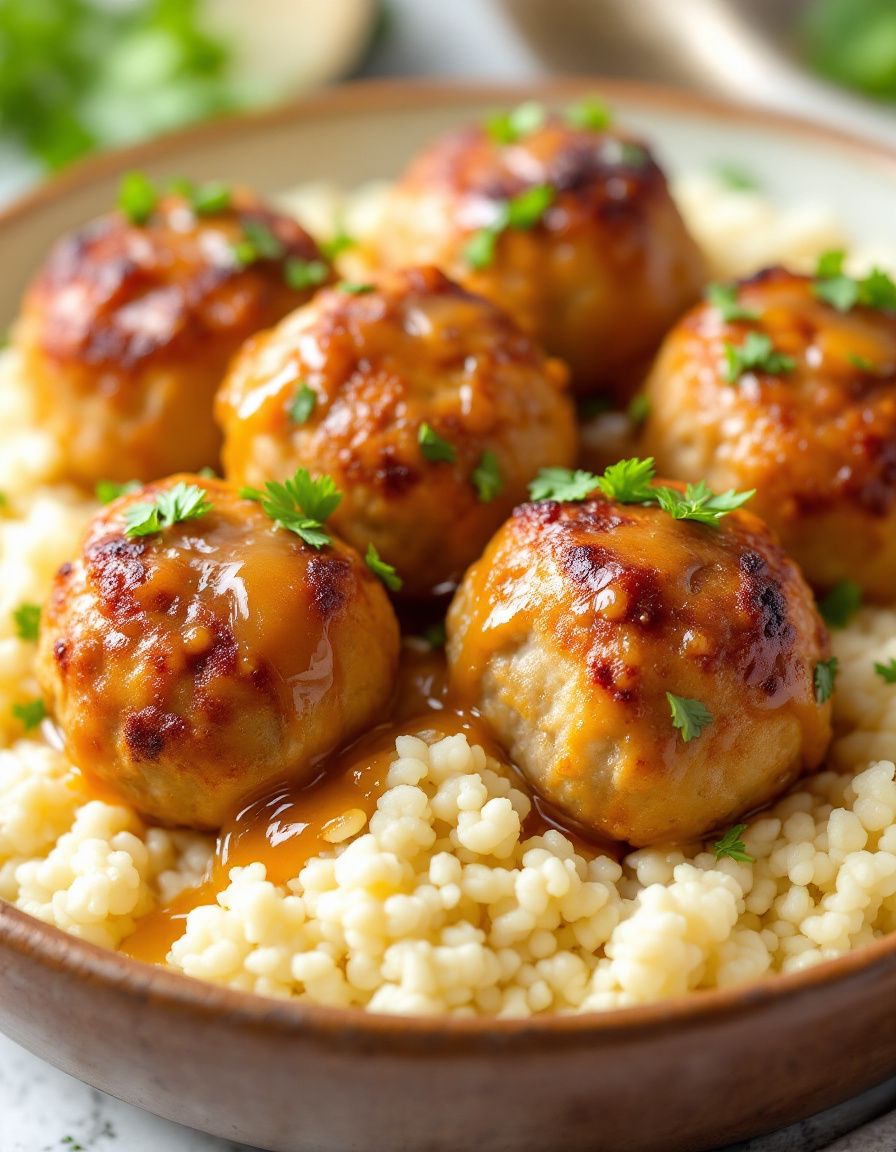
  • This casserole can be frozen for up to 3 months; just make sure to store it tightly wrapped.

Best Pear Salad Recipe with Walnuts and Fresh Greens

Pear Salad Recipe: A Fresh and Flavorful Delight

⚖️
Difficulty
Easy

⏲️
Prep Time
15 mins

🕒
Cook Time
0 mins

⏱️
Total Time
15 mins

🍽️
Servings
4 servings

The Pear Salad Recipe is a refreshing and delightful dish perfect for any occasion. The combination of ripe, juicy pears with crisp greens creates a beautifully balanced salad that’s both nourishing and satisfying. The addition of crunchy nuts and a tangy dressing elevates the salad, making it an ideal choice for summer picnics, dinner parties, or as a light lunch. Whether you’re looking to impress guests or simply indulge in a healthy meal, this pear salad is sure to tick all the boxes.

Imagine the burst of sweetness from the succulent pears, beautifully complemented by the slight bitterness of mixed greens. Each bite offers a perfect harmony of flavor, with the crunch of walnuts adding texture and depth. Drizzling your salad with a homemade vinaigrette enhances the overall experience, providing a delightful tang that binds the ingredients together. This Pear Salad Recipe isn’t just about nourishment; it’s an explosion of flavors that tantalizes your taste buds and makes your dining experience extraordinary.

Quick Recipe Highlights

  • Flavor Profile: Sweet, tangy, and nutty notes come together for a delightful taste experience.
  • Texture: A pleasing mix of crunchy nuts and tender greens offers a satisfying mouthfeel.
  • Aroma: Fresh pears combined with herbs create an invigorating and appetizing aroma.
  • Visual Appeal: The vibrant green leaves and golden pears create a stunning presentation.
  • Skill Level Needed: This recipe requires minimal cooking skills, making it beginner-friendly.
  • Special Equipment: A sharp knife and salad bowl are the only essential tools needed.

Recipe Overview

  • Difficulty Level: This Pear Salad Recipe is easy to prepare, making it suitable for cooks of all levels.
  • Category: It’s an excellent choice for a side dish, appetizer, or light meal.
  • Cuisine: The salad can be influenced by French culinary traditions, showcasing fresh ingredients.
  • Cost: The approximate cost for making this salad is quite affordable, thanks to easily available ingredients.
  • Season: Fresh pears are best in late summer to early fall, making this dish seasonal.
  • Occasion: Perfect for gatherings such as brunches, picnics, and festive celebrations.

Why You’ll Love This Recipe

The taste and texture of this Pear Salad are truly irresistible. The combination of sweet, ripe pears balances perfectly with the earthy crunch of walnuts, creating a salad that is both fresh and hearty. Adding your favorite cheese can further enhance flavor and creaminess, making each bite a sensory delight.

Convenience is a significant advantage of this recipe. With just 15 minutes of prep time, you can whip up this salad without extensive cooking, making it an ideal meal for busy weekdays or surprise guests. Moreover, the ingredients are readily available at most grocery stores, ensuring you don’t have to hunt for anything special.

Nutritional advantages are abundant in this Pear Salad Recipe. Pears are not only high in fiber but also rich in vitamins and antioxidants. Combined with greens and nuts, this salad offers a plethora of health benefits, making it a mindful addition to your diet.

This Pear Salad also serves as a fantastic social dish, ideal for serving at gatherings. Its stunning presentation and delightful flavors will surely spark conversations. Plus, it’s a great opportunity to introduce your guests to fresh, wholesome ingredients.

Cost-effectiveness further enhances the allure of this Pear Salad. With a minimal investment in fresh produce, you can create an elegant dish that impresses without breaking the bank. This accessibility is a testament to its appeal, allowing everyone to enjoy a gourmet touch in their meals.

Historical Background and Cultural Significance

The origin of the pear salad can be traced back to various European culinary traditions where fresh fruits were often incorporated into savory dishes. Pears, being a significant fruit in many cultures, have been celebrated for centuries – integrating the sweet and savory aspects into meals.

Culturally, salads have been a staple in diets across the globe, symbolizing health and freshness. The idea of combining fruits with greens symbolizes abundance and nature’s gifts, which resonates deeply within Mediterranean and other cuisines.

Over time, the pear salad has evolved, with variations showcasing different toppings, dressings, and cheeses. This evolution reflects personal preferences and regional availability of ingredients, making it a versatile dish that can be adapted to local tastes.

In various regions, you may find unique iterations of the pear salad, with ingredients reflective of local produce and culinary influences. This adaptability not only broadens the appeal of the dish but also reinforces its presence across diverse dining experiences.

Ingredient Deep Dive

Pears are the star ingredient in this Pear Salad Recipe. Historically popular in many cultures, pears symbolize prosperity and abundance. Nutritionally, they are an excellent source of dietary fiber, vitamin C, and antioxidants that promote good health. When selecting pears, choose ones that are slightly firm yet fragrant, indicating ripeness. To store pears, keep them in the refrigerator to extend freshness, and if you need substitutes, apples can often fill in due to their similar sweetness.

Mixed greens, often comprising spinach, arugula, or leafy lettuce, provide a fresh and nutritious base. Mixed greens are celebrated in various culinary traditions, especially in salads, for their light and refreshing flavor. Rich in vitamins A, C, and K, they support overall health and well-being. When purchasing greens, look for crisp, vibrant leaves void of wilting. To store, keep them in a sealed container in your refrigerator, and you can substitute with other greens such as kale or romaine if needed.

Walnuts bring a delightful crunch and rich flavor to the salad. They are beloved in many cuisines for their health benefits, which include high levels of omega-3 fatty acids and antioxidants. When choosing walnuts, opt for fresh, unsalted options for the best taste. They can be stored in an airtight container, and if unavailable, pecans or almonds can be promising substitutes.

Common Mistakes to Avoid

  • Choosing unripe pears: Selecting pears that are not fully ripe can result in a less flavorful salad, choose fruits that yield slightly to pressure for optimal sweetness.
  • Overdressing the salad: Adding too much dressing can overpower the delicate flavors of the ingredients, aim for just enough to coat the greens lightly.
  • Forgetting to wash greens: Not cleaning the greens properly can introduce unwanted dirt or pesticides, always rinse them thoroughly.
  • Serving at the wrong temperature: A pear salad should be enjoyed chilled, as warm temperatures can mute its refreshing qualities.
  • Using stale nuts: Old or rancid nuts can ruin the flavor; always purchase fresh and store them properly.
  • Skipping the seasoning: A pinch of salt and pepper can enhance flavors significantly, so don’t omit them.
  • Chopping ingredients unevenly: Uniform pieces provide a better texture and presentation; take the time to cut ingredients evenly.
  • Not adjusting flavors: Don’t hesitate to taste and adjust flavors to your liking throughout preparation.

Essential Techniques

Mastering the technique of slicing pears is crucial for this recipe. Make sure the slices are even to achieve a uniform look and ensure they mix well with the greens. A sharp knife glides through the flesh to avoid bruising, and the subtle angle of your cuts can create attractive fan shapes for presentation.

Creating a homemade vinaigrette adds a personal touch to the salad. To master this, mix oil and vinegar in a 3:1 ratio, adjusting the flavors with mustard, honey, or herbs. The emulsion should retain its thickness when whisked properly, avoiding separation while presenting an aesthetically pleasing drizzle over the salad.

Pro Tips for Perfect Pear Salad

Ensure your pears are perfectly ripe before using them, as this will enhance their sweetness and juiciness in the salad.

Opt for a mix of textures by combining different nuts like pistachios or pecans alongside walnuts for enhanced flavor complexity.

To elevate your dressing, experiment with additions like fresh herbs or citrus zest for an aromatic kick.

For a gourmet touch, consider adding crumbled blue cheese or goat cheese to complement the sweetness of the pears.

Chill the salad ingredients beforehand for an extra fresh taste that delights the palate and provides a pleasant temperature.

Prepare the dressing in advance, letting the flavors meld for a vibrant taste profile when served.

Variations and Adaptations

Regional variations can include adding local fruits, such as figs in the Mediterranean, which pair beautifully with pears. Seasonal adaptations may involve using citrus fruits in winter months to add brightness during colder months, showcasing fresh seasonal produce.

If you’re looking for dietary modifications, this pear salad can easily be made vegan by skipping cheese or incorporating nut-based alternatives. Flavor variations can be achieved by introducing spices along with the dressing, such as za’atar or smoked paprika, for added depth.

Texture modifications might see the inclusion of cooked quinoa for a heartier option or roasted pears for a warm salad experience during winter months. Presentation alternatives could involve layering ingredients in a clear glass bowl for a beautiful display or serving on individual plates to wow your guests.

Serving and Presentation Guide

Plating techniques are pivotal; consider using a wide, shallow bowl to showcase the salad’s vibrant colors. Gently arrange the ingredients in a casual yet appealing manner to excite the eye. Garnishing ideas could involve sprinkling microgreens or edible flowers for an added touch of elegance.

Traditional accompaniments include crusty bread or light crackers, perfect for balancing the salad’s flavors while keeping it accessible. For modern serving suggestions, consider individual jars filled with salad layers for a fun, grab-and-go option. Always serve at a cool temperature, allowing the flavors to shine while enticing the guests.

Wine and Beverage Pairing

For an ideal wine pairing, a crisp white wine such as Sauvignon Blanc or a lightly oaked Chardonnay beautifully complements the sweetness of pears and the salad’s general freshness. If you’re looking for non-alcoholic alternatives, sparkling water with a spritz of lemon or lime enhances the salad’s bright flavors.

Tea lovers can opt for a refreshing herbal tea, such as mint or chamomile, which can also soothe the palate. Consider serving these beverages chilled to maintain freshness and matched ease with the salad’s temperature.

Storage and Shelf Life

To store the pear salad, keep it in an airtight container in the refrigerator, ideally consuming it within 1-2 days for the best flavor and texture. Pears should be sliced just before serving to avoid browning; if prepped, use lemon juice to slow down oxidation.

The salad’s freshness is key, so aim to consume it quickly while the ingredients are at their best. Signs of spoilage include a mushy texture or unpleasant odor, indicating it’s best to discard when unsure. Reheating is not recommended; rather enjoy it chilled for a refreshing experience.

Freezing this salad is not advised due to the nature of fresh ingredients, particularly pears and greens, which do not retain their texture after being frozen.

Make Ahead Strategies

To prep ahead, wash and slice your ingredients in advance, storing the salad components separately to ensure freshness. If making vinaigrette earlier, keep it in the refrigerator, shaking well before use.

Evaluating quality impacts is crucial; dress your salad just before serving to prevent sogginess, allowing you to retain that delightful crunch. Assemble in layers for more intricate presentation, combining the elements right before serving for optimal freshness.

Consider adding fresh greens last to keep them vibrant. For any leftover dressing or salad components, store them separately for an easy toss together the next day.

Scaling Instructions

If halving this Pear Salad Recipe, simply adjust the quantities of all ingredients accordingly, ensuring flavor remains intact. For doubling or tripling, maintain the same ratios but consider the size of your mixing vessel, ensuring ample space for tossing.

Equipment adjustments may require larger bowls or serving platters, so be mindful of container sizes during preparation. Timing modifications relate mainly to assembly; aim to keep everything fresh by prepping in portions as needed.

When scaling, ensure adequate storage; for larger yields, use multiple containers to maintain crispness and presentation of the salad once finished.

Nutritional Deep Dive

Analyzing macros, this salad provides a good balance of carbohydrates, proteins, and healthy fats, particularly through the pears and walnuts. The pear delivers natural sugars, while walnuts contribute significant protein and comforting fats, making it a wholesome choice.

Micronutrient analysis reveals this salad’s rich content of vitamins A, C, and E among others from its bountiful ingredients, contributing to daily nutritional needs profoundly. These nutrients support heart health, boost immunity, and promote overall wellbeing.

With regard to health benefits, the fiber from pears aids digestion, while the nuts contribute to reduced cholesterol levels. Dietary considerations are key for various lifestyles, making this salad an adaptable option for many.

Portion analysis demonstrates that this dish works well within balanced meals, perfect for those mindful of weight management as it is filling yet low in calories when enjoyed in moderation.

Dietary Adaptations

For gluten-free options, ensure all ingredient labels are checked, as certain dressings may contain gluten fillers. This salad naturally accommodates many dietary needs, including dairy-free by simply leaving out cheese or opting for dairy-free alternatives.

For those following a vegan lifestyle, swapping out cheese for nuts or seeds offers both flavor and texture while maintaining plant-based integrity. Low-carb diets can enjoy this salad by omitting certain high-carb toppings, focusing on low-carb nuts instead.

Keto dieters can enjoy the satisfying fats of nuts while carefully selecting low-carb dressings. Paleo enthusiasts appreciate the clean flavors of this dish; focus on whole ingredients without dairy or processed components. Explore low-FODMAP options by consulting ingredient lists, ensuring comfort for those with sensitive digestive systems.

Troubleshooting Guide

Texture issues may arise if the salad sits too long; keep ingredients crisp by tossing them just before serving. If the flavor balance seems off, you can always boost acidity with citrus or balance sweetness with a pinch of salt.

Temperature problems can be adjusted by chilling your salad ingredients adequately ahead of serving; avoid warming components. Equipment challenges can be circumvented by using sharp knives for clean cuts, avoiding bruising.

Ingredient substitutions should be made cautiously; if you do not have walnuts, opt for almonds or sunflower seeds to maintain texture. Timing concerns arise from flavor blends; allowing ingredients time to rest can enhance flavors while keeping elements fresh and balanced.

Recipe Success Stories

Community feedback reflects a love for this Pear Salad Recipe, especially for its adaptability and ease of preparation. Variants created by readers have included additional fruits or changes in dressings, showcasing personal twists on this classic dish.

Readers suggest using seasonal ingredients to make the most of fresh produce, leading to delicious adaptations and satisfactions. Photography of vibrant versions has also flourished online, encouraging others to experiment with the recipe creatively, capturing and sharing their personalized results.

The ability to achieve elegance without complexity has led to many success stories in gatherings and casual meals alike, where simplicity shines through the beauty of the ingredients in this pear salad.

Frequently Asked Questions

1. Can I prepare the salad a day ahead?
Yes, you can prepare most of the ingredients a day in advance but avoid dressing the salad until just before serving for the best texture.

2. What can I substitute for pears?
Apples, especially sweeter varieties, can work well as a substitute when pears are not in season or unavailable.

3. Is this salad suitable for meal prep?
It is suitable for meal prep, but for optimal freshness, store the dressing separately from the fresh ingredients.

4. How can I make the dressing creamier?
Add some yogurt or mayonnaise to the vinaigrette for a creamier texture if desired.

5. Can I add protein to this salad?
Definitely! Grilled chicken, turkey, or even chickpeas can provide additional protein and complement the flavors.

6. How long does this salad last in the fridge?
It’s best eaten within 1-2 days for freshness, keeping ingredients separate until serving.

7. What nuts work best in this salad?
Walnuts are traditional, but pecans or almonds could provide a delightful variation in flavor and texture.

8. Is this salad low in calories?
Yes, it’s low in calories while being high in flavor and can be part of a balanced diet.

9. Can I make this salad vegan?
Yes, just omit cheese or use a vegan cheese alternative.

10. What’s the best way to store leftover salad?
Store leftovers in an airtight container in the fridge, consuming within 1-2 days for best results.

Additional Resources

For more delicious salads, check out our other recipes that highlight seasonal produce or explore our guides on essential kitchen tools for salad preparation. We offer technique guides that can aid in mastering vinaigrettes and other dressings, ensuring your salad experiences are delightful.

Learn more about the health benefits of various ingredients. Consider exploring our equipment recommendations to find the best utensils for your kitchen projects. Don’t forget to look for seasonal variations to enjoy the freshest flavors.

Join the Conversation

We would love to hear your thoughts on this Pear Salad Recipe! Share your variations on social media, and don’t hesitate to reach out for photography tips. Your feedback could help others explore their creativity in the kitchen, allowing them to enjoy their own personalized versions of this delightful salad.

Let’s get social! Share your salad photos, and tag us to join our vibrant community of home cooks. Participate in recipe reviews and suggest ideas for enhancing this beloved dish as we celebrate the joy of cooking from home together.

The Recipe

Pear Salad

Serves: 4 servings

Prep Time: 15 mins

Cook Time: 0 mins

Total Time: 15 mins

Kitchen Equipment Needed

  • Sharp knife
  • Cutting board
  • Salad bowl
  • Whisk (for vinaigrette)

Ingredients

  • 2 ripe pears, sliced
  • 4 cups mixed greens
  • ½ cup walnuts, chopped
  • ¼ cup crumbled feta cheese (optional)
  • 3 tablespoons olive oil
  • 1 tablespoon balsamic vinegar
  • Salt and pepper to taste

Directions

  1. In a large salad bowl, combine sliced pears and mixed greens.
  2. Top with chopped walnuts and crumbled feta cheese if using.
  3. In a separate bowl, whisk together olive oil, balsamic vinegar, salt, and pepper.
  4. Drizzle the vinaigrette over the salad and gently toss to combine.
  5. Serve immediately and enjoy!

Recipe Notes

  • For added flavor, consider using different types of nuts or adding dried fruits.
  • Adjust the dressing ingredients to achieve your desired taste.
  • Feel free to substitute pear with other fruits like apples or peaches.

Best Creamy Tuscan Salmon Recipe with Garlic and Spinach

Creamy Tuscan Salmon Recipe: A Delightful Italian Inspired Dish

⚖️
Difficulty
Easy

⏲️
Prep Time
10 mins

🕒
Cook Time
20 mins

⏱️
Total Time
30 mins

🍽️
Servings
4

The Creamy Tuscan Salmon Recipe is a culinary delight that transports you straight to the heart of Italy. With its rich and luscious flavors, this dish is laden with vibrant colors and textures that make it appealing to both the eyes and the palate. Imagine succulent salmon fillets seared to perfection, nestled in a creamy sauce filled with sun-dried tomatoes, fresh spinach, and fragrant Italian herbs. Each bite offers a celebration of flavors that dance together, creating a memorable dining experience.

This dish not only brings a variety of flavors to the table but also reveals a comforting and luxurious element that enhances any weeknight dinner or special occasion. Perfect for seafood lovers or anyone curious about Italian cuisine, this recipe is versatile, easy to prepare, and sure to impress family or guests alike. The bright colors of the greens and reds combined with the creamy white sauce create a stunning plate that beckons to be savored.

Quick Recipe Highlights

  • Flavor Profile: The creamy sauce combines tangy sun-dried tomatoes, savory garlic, and the freshness of spinach, perfect for a delicious dinner.
  • Texture: The salmon has a crispy exterior while the sauce provides a smooth, velvety mouthfeel that complements the fish perfectly.
  • Aroma: Expect a delightful blend of aromas, from garlic and herbs to the sweetness of sun-dried tomatoes, wafting through your kitchen.
  • Visual Appeal: This dish boasts a beautiful contrast of vibrant colors, making it an eye-catching centerpiece on any dinner table.
  • Skill Level Needed: This recipe is beginner-friendly and requires no particular cooking expertise.
  • Special Equipment: A skillet and a spatula are all you need to whip up this delightful meal.

Recipe Overview

  • Difficulty Level: The Creamy Tuscan Salmon recipe is classified as easy, making it attainable for cooks of all skill levels. The clear, step-by-step instructions simplify the process.
  • Category: This recipe falls under the dinner category, but it can also shine during lunch or a weekend brunch with its delicious flavors.
  • Cuisine: Rooted in Italian cuisine, this dish draws inspiration from traditional Tuscan cooking, known for using fresh ingredients and bold flavors.
  • Cost: The approximate cost per serving is budget-friendly, especially considering the quality of the ingredients and the indulgent experience it offers.
  • Season: This dish is ideal year-round. The creamy sauce brings warmth during colder months, while vibrant fresh ingredients light up summer meals.
  • Occasion: Perfect for everyday dinners, date nights, and family gatherings; this salmon dish is appropriate for various occasions.

Why You’ll Love This Recipe

The Creamy Tuscan Salmon recipe is not only delicious but also incredibly satisfying. The combination of butter, cream, and delectable seasonings creates a taste that reflects the traditions of Italian cooking. It brings a delightful creaminess that beautifully contrasts with the flakiness of the salmon, making each mouthful a rich experience. The addition of fresh spinach and sun-dried tomatoes introduces layers of flavor that enhance this dish’s overall appeal.

Convenience is another factor that makes this recipe a must-try. Preparation and cooking times are minimal, allowing you to serve a gourmet meal on a busy weeknight. The single-skillet method eliminates the need for a myriad of pots and pans, simplifying clean-up while retaining the focus on flavor. What’s more, the ingredients are widely available, making this recipe perfect for spontaneous meal planning.

Nutritionally, salmon is renowned for its omega-3 fatty acids, providing both heart health benefits and essential nutrients. The addition of spinach also boosts fiber and vitamin content, rounding out a wholesome and balanced meal. By cooking this dish at home, you can enjoy all the benefits of a nutritious meal without sacrificing flavor.

Not only is this dish fantastic for everyday meals, but it also shines during social gatherings. Its impressive presentation is sure to spark conversation and appreciation among your guests. The creamy Tuscan sauce pairs perfectly with sides like garlic bread or a fresh salad, enhancing the overall dining experience.

Lastly, considering the cost-effectiveness of this recipe, it is accessible and enticing without being overly expensive. With a few high-quality ingredients, you can present a gourmet meal that rivals those found in fine-dining establishments. Enjoying a luxurious dish at home creates a sense of satisfaction and accomplishment.

Historical Background and Cultural Significance

The origins of the Creamy Tuscan Salmon recipe are rooted in Tuscany, a region known for its rich culinary traditions. Tuscan cooking emphasizes fresh, local ingredients and simple methods, reflecting the agricultural heritage of the area. The dish’s creamy component may not strictly align with traditional Tuscan cuisine, known for its rustic simplicity, but it showcases Italian innovation, incorporating cream that enhances flavors without overpowering them.

Culturally, Tuscan cuisine embodies the “cucina povera” philosophy, or “poor kitchen,” making use of what is available, highlighting the importance of seasonal and local produce. Recipes like this salmon dish often embrace Italian family traditions, where cooking brings people together and emphasizes the joy of sharing meals. This heartwarming aspect makes it suitable for various gatherings and occasions.

Over time, recipes evolve, and flavors integrate from different regions and global influences. The Creamy Tuscan Salmon recipe stands as a testament to culinary adaptability, allowing ingredients like salmon to replace more traditional meats used in classic preparations. This adaptation not only caters to changing tastes but also showcases the versatility of Italian cuisine.

In various regions, variations emerge, showing how local ingredients can be utilized. For example, coastal areas may incorporate different seafood based on what’s available. Furthermore, each family might add its unique twist to the dish, showcasing the personalized touch in home-cooked meals.

Ingredient Deep Dive

Salmon

Salmon holds a significant place in culinary traditions, particularly within coastal communities. Known for its vibrant flavor and nutritious profile, it is rich in omega-3 fatty acids, protein, and essential vitamins. The nutritional benefits of salmon are praised for supporting heart health and brain function. When selecting salmon, look for bright color and moist flesh, indicating freshness.

Storage is vital for preserving salmon’s quality; it should be kept in the refrigerator and consumed within one to two days. If not used immediately, freezing is an excellent option to maintain its flavor. Substitute with trout or another firm fish if salmon is unavailable, but be mindful of variations in cook time.

Sun-dried Tomatoes

Sun-dried tomatoes are a beloved Italian ingredient offering concentrated flavors. Originating from the Mediterranean, they are preserved under the sun, enhancing their sweetness and tang. Rich in antioxidants, sun-dried tomatoes provide valuable minerals such as potassium and iron. When choosing sun-dried tomatoes, opt for those stored in olive oil to add flavor and moisture to the dish.

Store them in a cool, dark place and consume within a few months. For substitutions, consider using fresh tomatoes with added umami flavors like balsamic vinegar. This will help replicate their strong flavor in recipes where fresh tomatoes are necessary.

Spinach

Spinach originates from ancient Persia and has been a staple of Mediterranean diets for centuries. Known for its versatility, spinach is packed with vitamins A, C, and K, in addition to iron and calcium. The great advantage of spinach is its quick cooking time and ability to wilt down, making it an excellent addition to creamy dishes. Look for vibrant dark green leaves, which indicate freshness.

Store spinach in the refrigerator and consume it within a week for optimal quality. For those avoiding spinach due to personal preference or availability, Swiss chard or kale serve as excellent alternatives, maintaining the dish’s nutritional profile with a unique twist.

Common Mistakes to Avoid

  • Overcooking the salmon: This can lead to dry, tough fish. Cook salmon just until flaky and remove from heat promptly when it’s still slightly pink in the center.
  • Using low-quality tomatoes: Poor-quality sun-dried tomatoes may lack flavor. Always choose high-quality tomatoes to bring out the best in this dish.
  • Not seasoning adequately: Under-seasoned sauces can taste bland. Ensure you taste and adjust the seasoning before serving.
  • Cooking spinach too long: Overheating it can lead to a mushy texture. Quickly wilt spinach until just tender for the best result.
  • Neglecting to prepare the sauce in the right pan: A pan that retains heat properly is crucial for developing flavors. Use a heavy-bottomed skillet for even heat distribution.
  • Skipping the marinating step: An unseasoned dish can lack depth. A brief marination can enhance flavors significantly.
  • Not letting the cream sauce thicken: Allow enough time to simmer; otherwise, it may end up watery instead of rich and creamy.
  • Forgetting about the contrasting textures: Consider the balance of textures throughout the dish. Include crispy sides or fresh elements for variety.

Essential Techniques

Pan-searing Salmon

Pan-searing salmon imparts a lovely crispy texture on the outside while keeping the inside moist and tender. To master this technique, ensure your pan is adequately heated before adding the fish. A common pitfall is overcrowding the pan, leading to steaming instead of searing. Visual cues include a golden-brown crust that forms after a few minutes on the heat.

Preparing a Cream Sauce

Creating a creamy sauce requires gentle heating to prevent curdling. Start by cooking your aromatics first, then gradually stir in cream, allowing it to simmer until thickened. Avoid boiling the cream, as this can result in a broken sauce. Look for a rich consistency that coats the back of a spoon for success.

Wilting Spinach

Wilting spinach involves subjecting it briefly to heat until just tender. Heat a small amount of oil and add the spinach, stirring continuously to ensure even cooking. One common pitfall is to leave the spinach on the heat too long; it should always maintain its bright green color.

Pro Tips for Perfect Creamy Tuscan Salmon

1. Choose wild-caught salmon for superior flavor and sustainability when possible. Farmed salmon can often have a milder taste and a different texture.
2. Always season the salmon generously with salt and pepper before cooking. This enhances the salmon’s natural flavors.
3. Use fresh herbs in the creamy sauce to elevate the taste. Basil or thyme work particularly well with this recipe.
4. Consider adding a hint of lemon juice or zest to brighten the sauce, balancing the richness of cream.
5. Sauté garlic until just fragrant; overcooking it can lead to bitterness in the sauce.
6. Enhance the dish by experimenting with different cheeses, such as parmesan, to enrich the sauce’s flavor profile.
7. When reheating leftover salmon, do it gently in a low-heat oven to maintain moisture without drying it out.
8. Serve this dish over a bed of risotto or pasta for a heartier meal, soaking up the delicious sauce.

Variations and Adaptations

This Creamy Tuscan Salmon recipe is versatile and can be easily adapted to suit various tastes and dietary needs. For regional variations, try incorporating local seafood if you are in a coastal area. Using freshly caught fish elevates the dish significantly.

Seasonal adaptations may include adding seasonal vegetables like asparagus or zucchini, which complement the salmon well. These options bring fresh flavors and a variety of textures to your plate.

For dietary modifications, make it gluten-free by ensuring all ingredients meet constraints. A dairy-free version can be made by substituting the cream with coconut cream or cashew cream for a dairy-free richness.

Flavor variations can be achieved by adding different herbs or spices, such as dill or smoked paprika, enhancing the dish in unique ways. For texture modifications, consider adding toasted pine nuts or slivered almonds for an exciting crunch that pairs beautifully with the creamy sauce.

Presenting the dish in unique ways, like in hollowed-out tomatoes or bell peppers, can provide a whimsical touch sure to impress at dinner parties.

Serving and Presentation Guide

Plating techniques can take this dish to the next level. Use shallow bowls, placing the salmon to one side and spooning the creamy sauce over it artfully. For garnishing ideas, sprinkle freshly chopped herbs on top, which adds a pop of color and freshness.

Traditional accompaniments such as garlic bread or a simple green salad complement the meal beautifully. Modern serving suggestions could include pairing the salmon with a vibrant quinoa salad for a nutritious twist.

Temperature considerations are key; the dish should be served immediately after preparation for the best experience. Finally, for portion control tips, serve individual portions that balance the salmon with the creamy sauce and sides, ensuring everyone enjoys a satisfying plate.

Wine and Beverage Pairing

When it comes to wine pairings, a crisp white wine such as Sauvignon Blanc or a light Pinot Grigio beautifully accentuates the flavors of creamy Tuscan salmon. These wines offer refreshing acidity that cuts through the richness of the dish.

For those seeking non-alcoholic alternatives, a sparkling water served with a splash of lemon can enhance the meal without overwhelming the palate.

If coffee or tea is preferable, consider a light herbal tea, such as chamomile, which pairs well with seafood and creamy sauces, providing a soothing end to the meal.

Serving temperatures should be considered; serve white wines slightly chilled to enhance refreshing qualities, while sparkling waters are best served ice cold to invigorate the palate.

Storage and Shelf Life

To extend the shelf life of your Creamy Tuscan Salmon, consider proper storage methods. Transfer leftovers to an airtight container and refrigerate, where they can be safely stored for up to 3 days.

Temperature requirements are crucial; always ensure the dish remains at or below 40°F for safe consumption. For longer storage, consider freezing portions. When freezing, use freezer-safe containers or resealable bags to prevent freezer burn.

Signs of spoilage include an off smell, discoloration, or a slimy texture. If any of these occur, dispose of the food to prevent illness.

Reheating instructions are simple; gently heat in a low oven or microwave, ensuring the salmon remains moist and doesn’t overcook. If thawing from frozen, allow the dish to defrost in the refrigerator overnight before reheating to maintain its quality.

Make Ahead Strategies

To make this Creamy Tuscan Salmon recipe even more accessible, consider prepping several components in advance. Marinate the salmon a few hours ahead, allowing flavors to penetrate before cooking.

Storage between steps can streamline your cooking process. Store chopped vegetables, such as spinach and tomatoes, in separate containers in the refrigerator for added convenience.

Assess the quality impact of make-ahead strategies; it’s always best to cook the salmon fresh, but the sauce can be prepared the day before and reheated. Combine components just before serving for optimal taste and presentation.

Reheating guidelines involve gently warming the sauce and then pouring it over freshly cooked salmon to ensure quality. Fresh additions, like herbs, can be added right before serving to enhance flavor and freshness.

Scaling Instructions

Scaling the Creamy Tuscan Salmon recipe is straightforward. If halving the recipe, adjust the cooking time accordingly,