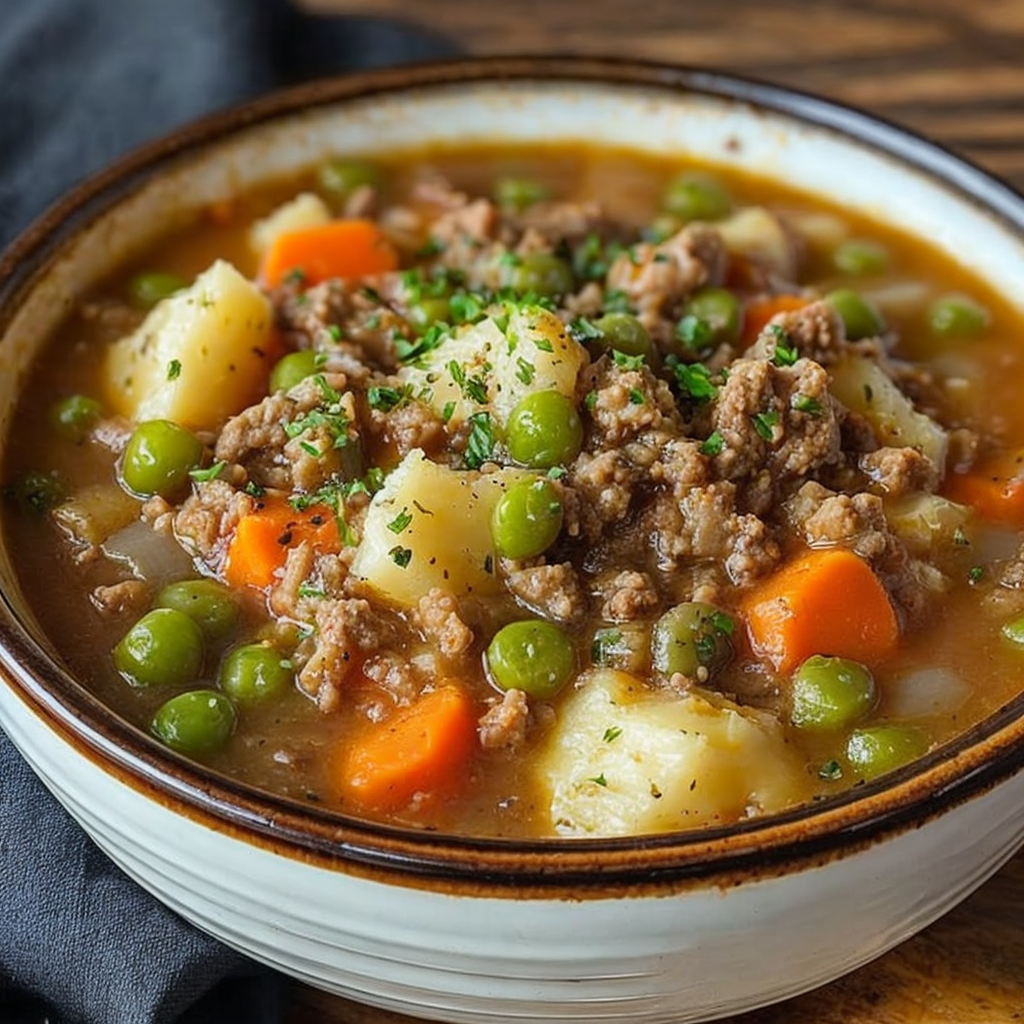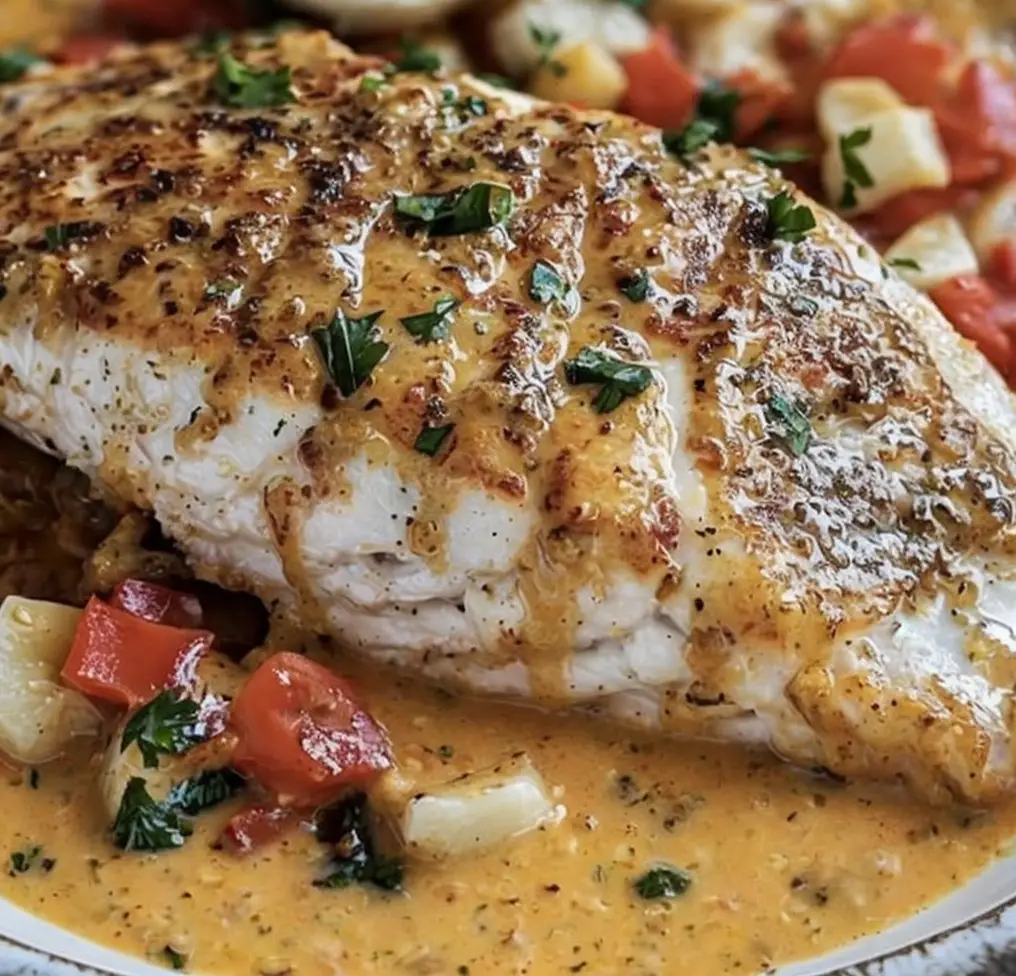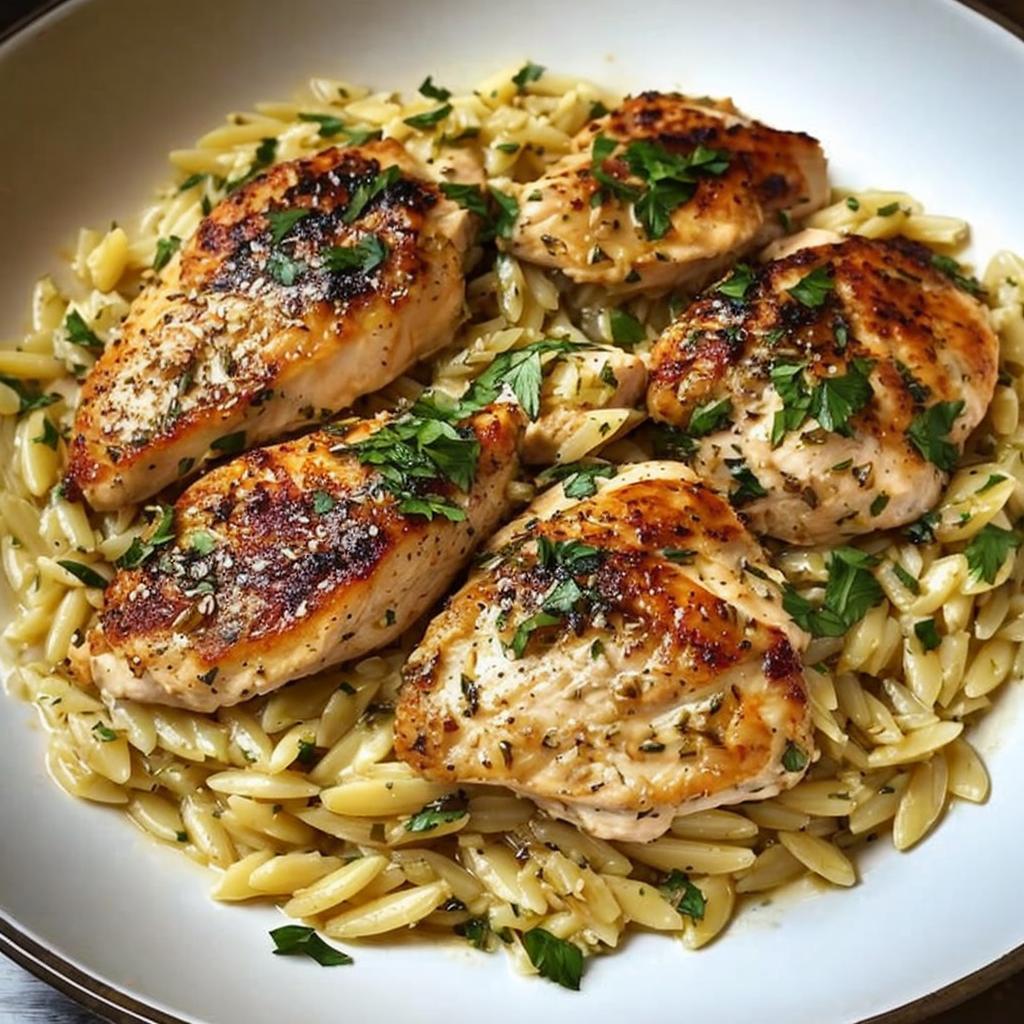
Deliciously Easy Cheesy Chicken Fritters with Garlic Aioli Dip

Cheesy Chicken Fritters with Garlic Aioli Dip: A Savory Delight

⚖️
Difficulty
Easy

⏲️
Prep Time
15 mins

🕒
Cook Time
20 mins

⏱️
Total Time
35 mins

🍽️
Servings
4

The Cheesy Chicken Fritters with Garlic Aioli Dip is a meal that will leave your taste buds yearning for more. Combining succulent chicken with gooey cheese, these fritters offer a delightful contrast between their crispy exterior and tender interior. Perfectly paired with a rich and flavorful garlic aioli dip, this dish becomes irresistible at first bite. Whether you are looking to impress guests at a dinner party or simply want a comforting snack, these fritters deliver on all fronts.

Imagine biting into these fritters; they surprise you with the supple melt of cheese mingling with finely seasoned chicken. The garlic aioli, creamy with a hint of tang, elevates every mouthful. The preparation is simple, yet the flavors are complex enough to intrigue any food enthusiast. Bring a sense of indulgence to your table with this exquisite blend of tastes that echoes both simplicity and sophistication.

Crafted to perfection, the Cheesy Chicken Fritters are not only delicious but easy to make, making them an ideal recipe for any culinary skill level. The aromatics of garlic and herbs entice your senses, promising a meal that is both delectable and nourishing.

Quick Recipe Highlights

  • Flavor Profile: The fritters boast a savory chicken base, enriched with the creamy depth of cheese, complemented by the zesty garlic aioli.
  • Texture: Crispy on the outside, moist and tender on the inside, these fritters offer a satisfying bite contrasted by the creamy, smooth dip.
  • Aroma: The combination of garlic and herbs provides an enticing aroma that’s both warm and inviting.
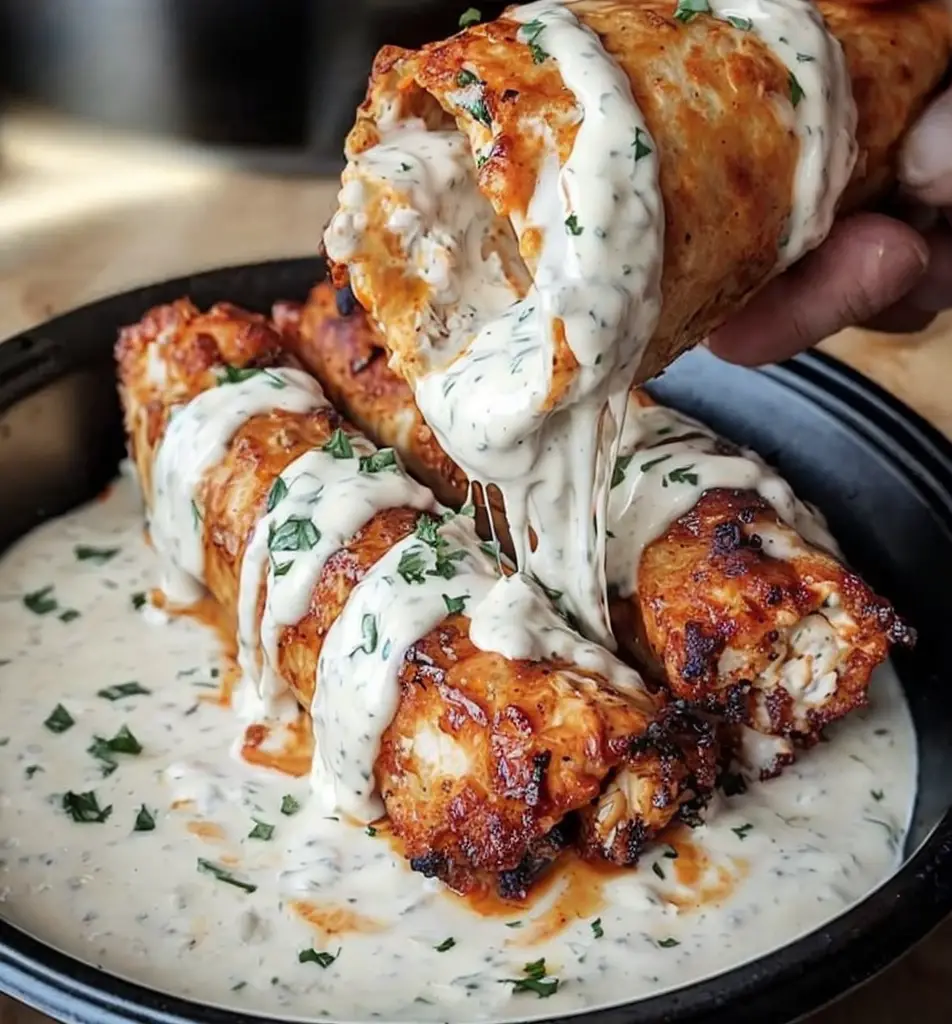
  • Visual Appeal: Golden-brown fritters with specks of herbs and a smooth, ivory-like dip create a visually appealing dish.
  • Skill Level Needed: Basic preparation and cooking techniques make this dish accessible to beginners and enjoyable for experienced cooks.
  • Special Equipment: A non-stick skillet and a mixing bowl are essential to bring these fritters to life.

Recipe Overview

  • Difficulty Level: Designed for ease, this recipe requires minimal culinary skills while still delivering impressive results. With straightforward steps, it is an entry-level recipe for home chefs seeking to expand their repertoire.
  • Category: Versatile enough to serve as a main dish, appetizer, or snack, these fritters adapt well to any meal part.
  • Cuisine: Drawing inspiration from American comfort food, this recipe adds a gourmet twist with its savory, cheesy goodness.
  • Cost: Economical and satisfying, the ingredients for these fritters fit within a modest budget, yet yield restaurant-quality flavor.
  • Season: Best enjoyed year-round, but particularly comforting in cooler weather when warm and hearty meals are most welcome.
  • Occasion: Ideal for casual gatherings, movie nights, or solo indulgence, these fritters cater to both relaxed and celebratory moments.

Why You’ll Love This Recipe

You will fall in love with these cheesy chicken fritters for their exquisite taste and texture. The combination of juicy chicken and stretchy melted cheese creates a delightful fusion of flavors that captivates your taste buds. Each fritter serves as a perfect morsel, harmoniously rigged with the robust zing of garlic aioli. Serve them piping hot and witness the elation they bring at each wonderful bite.

The convenience and simplicity of preparation make this recipe a lifesaver in the kitchen. Requiring only a few staple ingredients, these fritters come together quickly. This means you can enjoy a delectable homemade dish without spending hours over the stove. From a quick evening meal to a delightful lunchbox option, these fritters fit the bill effortlessly.

Aside from their pleasing flavors, these fritters offer nutritional benefits from chicken as a lean protein source, combined with the calcium and vitamins in cheese. The garlic aioli infuses additional health-enhancing properties, making this dish a nourishing meal that satisfies as much as it delights.

Perfect for socializing, these fritters act as a delightful conversation starter at gatherings. Their delectable profile pairs swimmingly with various dishes, sparking culinary admiration and joyful discussion. Your friends and family will marvel at your ability to provide such a wintry wonder, seated elegantly next to a lavish aioli centerpiece.

From a financial standpoint, these fritters are a cost-effective solution to entertaining. They require affordable, accessible ingredients without compromising on flavor and quality. Preparing these fritters allows you to create something special using common pantry items, offering an impressive return on any budget.

Historical Background and Cultural Significance

The origins of chicken fritters trace back to the traditional European fritter culture, where various fillings were enveloped in batter and fried. Initially popular in ancient Roman cuisine, this preparation technique spread across continents, eventually becoming cherished globally. While each nation evolved its version, the comforting idea of chicken fritters remained consistent.

In the culinary landscape, fritters hold a prestigious place, bridging cultures and cuisines while promoting the ingenious use of available ingredients. American cuisine embraced these delightful golden bites wholeheartedly, infusing native techniques and flavors to create a legacy dish. The evolution of chicken fritters showcases innovation and culinary elegance woven into every bite.

Regionally, the adaptation of chicken fritters saw creative transformations, reflecting local tastes and available resources. From Mediterranean herbs to Asian spices, diverse iterations emerged, each worthy of culinary accolade. This adaptability ensures that the heart of chicken fritters beats in every corner of the world, a dish cherished and enjoyed alike.

The cultural relevance of chicken fritters extends beyond their taste appeal. These fritters symbolize food unification, a testament to the art of merging cultural identities through cuisine. Over time, chicken fritters emerged not only as a dish but as a practice of flavor sharing and culinary harmony.

Ingredient Deep Dive

Chicken, the centerpiece of this recipe, boasts a fascinating cultural and nutritional legacy. Generally regarded as a staple across many global cuisines, chicken is both versatile and nutritious, providing families with a lean protein source essential for muscle health and body repair. When purchasing chicken for these fritters, choose high-quality, fresh meat, ensuring the flavor and health benefits enhance your dish.

Store chicken properly—ideally wrapped in the coldest area of your refrigerator for up to two days, or longer when frozen, to preserve freshness. Always consider substituting thighs for breasts if a juicier texture is desired. With its unmistakable taste and adaptability, chicken shines brightly as the fritter’s star.

The inclusion of cheese serves as an ode to culinary opulence, transcending the recipe’s simplicity. Rich in calcium, cheese not only flavors the fritters but enhances their nutritional profile, promoting bone and dental health. When selecting cheese, opt for varieties with melt-worthy textures, such as mozzarella or cheddar, both capable of delivering cheesy satisfaction.

Store cheese in an airtight container in the refrigerator, updating storage methods to suit hard or soft varieties. Mozzarella, known for its mild flavor, seamlessly complements any seasoning. Substitution possibilities include stretches of provolone or mild gouda, adding meager twists to this already exciting dish.

Common Mistakes to Avoid

  • Using chicken that’s not fully thawed can lead to uneven cooking. Ensure your chicken is completely defrosted for best results.
  • Over-mixing the batter risks a rubbery fritter. Mix just until combined to maintain a tender texture.
  • Cooking on too high a heat results in browned exteriors with raw insides. Maintain moderate heat for even frying.
  • Neglecting to drain cooked fritters is a mistake, resulting in a greasy dish. Let them sit on paper towels post-frying to remove excess oil.
  • Skipping ingredient quality dilutes flavor. Use fresh herbs and quality cheese to ensure taste excellence.
  • Overcrowding the pan reduces heat and leads to soggy fritters. Fry in batches for optimal crunch.
  • Under-seasoning affects flavor depth. Don’t shy away from salt and pepper to enhance the chicken’s natural savoriness.
  • Neglecting the aioli diminishes the dish’s flavor. Be sure to prepare and serve the dip to enhance dining enjoyment.

Essential Techniques

One fundamental technique for these fritters is achieving the right batter consistency. This creates a bind that holds the fritters together while ensuring a delightful mouthfeel. Proper batter mixing prevents dense pockets and ensures a crisp, uniform finish. Mastering this technique with finesse results in fritters that are tender within but boast golden, satisfying crusts.

Frying technique is equally crucial, impacting the fritters’ texture and appearance. Consider the appropriate frying temperature, around 350°F (175°C), which offers a perfect balance for cooking the chicken through while imparting that mouthwatering, golden-brown hue. Pay attention to the oil’s sizzle for an auditory cue of the correct heat levels.

Pro Tips for Perfect Cheesy Chicken Fritters

Achieve perfect fritters by ensuring your batter isn’t overly thick, striking a harmonious balance with just enough moisture to bind without drowning the texture. For added flair, spice the batter with herbs like parsley or chives to enhance flavors and presentation.

Utilize a cookie scoop when portioning the batter into the skillet, guaranteeing evenly-sized fritters that cook uniformly. This simple swap ensures consistency in both texture and taste, presenting you with perfectly cooked bites.

Consider lightly toasting the fritters on a baking sheet after frying for an even crispier finish. This examination allows the crust to firm up and any excessive oil to dissipate, resulting in better-tasting, light fritters that remain pleasingly tender.

For a smoother aioli, finely mince garlic and allow it to sit in a drizzle of lemon juice. The acid will soften the garlic’s bite, resulting in a creamy, sophisticated dip that pairs effortlessly with the fritters’ warmth and flavor.

Don’t sidestep pairing these fritters with a vibrant salad or tangy pickles. The juxtaposition of crunchy vegetables with cheesy meat delights the palate, creating balance and a wholesome dining experience.

Opt for a blend of cheeses to heighten flavor complexity. Try combining sharp cheddar with mild mozzarella for bold umami anchored by mellow creaminess. This blend surprises with depth that will delight your fritter-loving guests.

Enhance the batter with a dash of smoked paprika or chili flakes for a subtle fiery undertone. This addition introduces an unexpected yet welcome layer of heat, turning your fritters into a dynamic, flavor-packed experience.

Variations and Adaptations

For regional shifts, incorporate Mediterranean spices such as thyme or oregano, adding herbal nuances that harmonize perfectly with the foundational chicken and cheese. This versatile profile transcends global taste sensibilities, offering universal appeal.

Seasonal adaptations are where garlic blossoms can replace garlic cloves in the aioli during spring, if available. This substitution lends a milder, softer flavor that harmonizes with the innate crispness of fritters when warmer months call for subtler flavors.

Dietary modifications provide ample opportunity for your culinary creativity. Swap regular cheese with a dairy-free alternative, ensuring those with lactose intolerance savor in indulgence without reservation. Additionally, replace breadcrumbs with gluten-free panko to accommodate a wider range of dietary requirements.

The flavor-infused experiment doesn’t stop here, try enriching the dish with a handful of sautéed onions or sun-dried tomatoes for a fresh take on this classic rendition. These variations demonstrate infinite possibility, each adapting to personal taste or dietary needs seamlessly.

For an engaging texture, adjust the cheese-to-chicken ratio. Amp up the cheesiness for a gooey interior or favor chicken for a slightly firmer bite, tailoring fritters to personal preference and occasion need.

Change your fritter presentation by transforming them into sandwich fillings or sliders. Nestle between toasted buns with a vibrant slaw for an invigorating meal awakening the taste buds. Presentation stretches beyond mere plating, into ways you share and enjoy the recipe itself.

Serving and Presentation Guide

When serving Cheesy Chicken Fritters, consider plating them stacked, as their gold-brown hues create an eye-catching display. Garnish the plate with freshly chopped herbs, like parsley or chives, to enrich the color contrast and amplify the aroma.

Traditional accompaniments can lift a homely meal to new heights. Opt for coleslaw or roasted vegetables to complement and accentuate the fritters’ rich content and creamy dip. Temperature and portions are key; serve fritters hot for full flavor and crunch while managing serving size so each diner enjoys ample taste and enjoyment.

For a modern touch, employ slate or wooden boards for presentation, enhancing rustic charm while maximizing contrast between the fritters and garlic aioli dip. Match color palettes with the warmly browned fritters, inviting diners to appreciate both the culinary and visual craft.

Opt for diverse shapes when serving at gatherings. Transform fritters into bite-sized pieces, more suited to cocktail parties or informal settings, allowing guests easy access to these delicious morsels. Portion control is essential; small sizes yield delight without overwhelming.

Temperature considerations are vital—ensure fritters do not cool too quickly, reheating to maintain optimal warmth. Cover with foil while waiting to serve, as cooler fritters can lose much of their textural allure.

Wine and Beverage Pairing

Select a crisp white wine, such as a zesty Sauvignon Blanc, to pair with these cheesy chicken fritters. The acidity of the wine matches well with the richness of the cheese, creating a balanced pairing that complements the entire dish.

For those preferring non-alcoholic alternatives, sparkling water or a citrus-infused green tea can refresh and cleanse the palate, heightening the enjoyment of the garlic-infused fritters. The carbonation or citrus kick invigorates, bringing out lighter elements within the dish.

A gentle vanilla-infused black tea pairs delicately with the fritters, offering warmth and depth without overwhelming. The subtle creaminess harmonizes beautifully with the fritters’ seasoned chicken and garlic aioli profile.

Evaluate temperature considerations with precision; chilling beverages sufficiently allows the contrast to enhance the dining experience. Lukewarm alternatives may fail to deliver the desired harmonious sensations when paired alongside fritters.

Serve beverages in chilled glasses to maintain an even, refreshing temperature that enhances the meal’s sensory journey from start to finish. Opt for garnishes like lemon wedges or mint sprigs to bring out the culinary flair within both the beverage and the fritters alike.

Storage and Shelf Life

Proper storage is essential for extending the shelf life of these delectable cheesy chicken fritters. Allow them to cool completely before placing in airtight containers or resealable bags. Refrigerate them for up to three days to maintain flavor and texture.

Temperature requirements depend on freshness goals; refrigerated fritters should be kept at temperatures below 40°F (4°C) to ensure safety and quality. When reheating, ensure internal temperatures rise above 165°F (75°C) for optimal taste and food safety.

Containers should be airtight to preserve fritter crispness while preventing absorbing external odors. Store garlic aioli dip separately to retain the robust flavor and creamy texture separate from the fritters’ profile.

Keep an eye on signs of spoilage—changes in aroma, texture, or color are warning signals to discard fritters past their prime. Always reheating involves preheating the oven to 350°F and placing fritters on a baking sheet till heated through, reviving their crispy, warm allure.

Freezing guidelines require initial cooling and layering fritters between parchment paper within a freezer-safe container for future enjoyment. Remember to thaw completely before reheating using the methods above, extending shelf life while minimizing waste.

Make Ahead Strategies

This recipe accommodates make-ahead strategies, focusing on an organized prep timeline that ensures optimal flavor retention. Prepare the batter in advance, covering and refrigerating for up to 24 hours, saving valuable time and effort when you’re ready to cook.

Storage between steps aids efficiency—assemble batter and refrigerate, then shape and cook when ready to consume. The quality impact assessment remains high if the batter is stored correctly and mixed just before shaping and frying.

Assembly tips ensure even cooking; scoop uniform portions for predictable frying results. For the aioli, combine ingredients and refrigerate in a jar, allowing flavors to meld brilliantly before serving alongside warm fritters.

Reheat the fritters in a preheated oven as needed, maintaining crispness and savor while recreating that freshly cooked appeal. This strategy fosters minimal preparation efforts while maximizing flavor delivery right to the plate.

Add freshly chopped herbs and a splash of lemon to the aioli dip just before serving, providing brightness to the pre-prepared ingredients. This fresh element addition ensures your fritters maintain gourmet appeal even when made ahead.

Scaling Instructions

Adapting this recipe to suit varying serving needs is straightforward. Halving the recipe involves precision in adjusting ingredient quantities while maintaining the original proportions to retain the depth of flavor and ideal texture.

Doubling or tripling requires careful consideration of equipment capacity, as larger batches demand additional cooking space or staggered preparation. Regularly evaluate pan sizes and cookware when scaling up, ensuring consistent, even fritter results.

Timing modifications may become necessary; monitoring for desired golden brown exterior color becomes a simple yet effective indicator of doneness. Check internal fritter temperatures to verify thorough cooking throughout.

When preparing large amounts, consider storage aspects to preserve quality. Utilize segmented containers with dividers to separate portions, ensuring freshness and minimizing cross-flavor contamination.

Nutritional Deep Dive

The nutrient profile of these cheesy chicken fritters is robust, offering a favorable macro breakdown with protein-rich chicken, cheese-derived fats, and minimal carbs present within traditional breadcrumbs. This combination provides a balanced meal suitable for many diets.

Micronutrient analysis highlights the inclusion of vitamins B6 and B12, courtesy of chicken, and calcium-rich cheese adding invaluable nutritional supplements to your dietary intake. Garlic adds further health benefits, boasting anti-inflammatory properties.

With health benefits extending to weight management, these fritters deliver nutritional satisfaction in each bite. Carefully portioned and savored, they cater to caloric-conscious dining without sacrificing flavor.

Portion analysis aids weight considerations—diligent serving control ensures an enjoyable yet balanced dining experience. Mindfully approach meal portions to savor fritters while upholding nutritional optimization.

Dietary Adaptations

For gluten-free adaptations, substitute breadcrumbs with gluten-free panko or crushed rice cereal to maintain the fritter’s binding function without compromising flavor.

Dairy-free options encompass replacing cheese with a quality plant-based alternative, preserving creaminess and flavor presence while adhering to dietary constraints. Vegan cheese offers delicious, melt-worthy textures complementary to fritters.

Low-carb adaptations are achievable through replacing breadcrumbs with almond flour, reducing carbs yet maintaining flavor presentation. These considerations ensure your fritters cater to various carbohydrate-conscious lifestyles.

For keto adaptations, the almond flour substitution option prevails, enhancing keto-friendly profiles catering to distinct dietary preferences. Achieve an encompassing, flavorful fritter experience adhering to keto guidelines.

Paleo versions thrive with almond flour and coconut-based cheese alternatives, welcoming a paleo-friendly shift without flavor loss.

Low-FODMAP modifications tailor ingredient choices, minimizing FODMAP-intense foods while sustaining fritter delight. Consider alternatives like garlic-infused olive oil for the aioli to preserve flavor without accompanying FODMAP risks.

Adapting to other specific diets becomes seamless with ingredient consideration, accommodating personal taste or dietary preference. Options abound, ensuring these fritters fit into your life’s culinary needs effortlessly.

Troubleshooting Guide

Ensure ingredients are mixed evenly to maintain texture, as imbalanced ingredients can yield fritters lacking ideal consistency. Aim for a uniform mixture that distributes flavors and texture consistently.

For flavor balance, adjust seasoning levels to suit personal taste profiles. This approach guarantees a personalized fritter experience without sacrificing quality or dish integrity.

Tackle temperature problems by monitoring oil/frying temperature closely to prevent external charring before internal cooking completes. Use a thermometer to maintain precise frying conditions, avoiding inconsistently cooked fritters.

Resolve equipment challenges by selecting non-stick, appropriately sized skillets for even frying. Overcrowding leads to uneven cooking, so use multiple pans or batches to ensure consistency.

Adapt ingredient substitutions through trial and error, paying attention to substitution impacts on taste or texture profiles. Opt for similar consistencies, flavors, or nutritional benefits to maintain dish familiarity.

Address timing concerns by organizing available cooking tools and setting a pre-determined assembly method. Avoid rushing the frying stage, as consistent heat exposure is crucial for optimal fritter creation.

Recipe Success Stories

Community feedback highlights the recipe’s ability to bring joy across kitchens worldwide, creating moments of shared flavor enjoyment and cooking triumph. Readers celebrated adaptation successes that preserved signature flavors while fitting individual tastes.

Variations have emerged from these fritters—international spices or diverse cheese blends have charmed cooks and tasters alike. Reader suggestions have driven culinary innovation, enriching this fritter’s legacy through collective experimentation.

Photography tips suggest capturing fritters’ textures, focusing on their golden-brown crusts with contrasting dips to visualize their crisp quality. This photographic approach complements the fritters visually, communicating flavor appeal masterfully.

Frequently Asked Questions

Q: Can I bake rather than fry the fritters?

A: Yes, you can bake them by placing fritters on a parchment-lined baking sheet and baking at 400°F (200°C) for approximately 20 minutes. Flip midway for even browning.

Q: What type of cheese works best?

A: Mozzarella or cheddar are popular choices for their melting capabilities and flavors, but feel free to experiment with others.

Q: How can I make the aioli spicier?

A: Add a pinch of cayenne pepper or finely minced jalapeño to the aioli for a spicy kick.

Q: Are these fritters suitable for freezing?

A: Absolutely. Place cooled fritters between parchment and freeze in an airtight container. Reheat directly from frozen for crispy results.

Q: Can I substitute the garlic in aioli?

A: Garlic-infused oil can work as a milder substitute, maintaining essence without overpowering the dip.

Q: Is whole-grain or multigrain bread an option?

A: Yes, using whole grain or multigrain breadcrumbs can enhance nutritional content while creating a denser crumb profile.

Q: How to prevent fritters from crumbling?

A: Ensure you’ve used enough binding elements such as eggs and flour. Press gently while cooking for firmer fritters.

Q: What’s the best way to reheat leftovers?

A: Use an oven set to 350°F (175°C) to gently reheat the fritters, preserving their crispness while warming through.

Q: Can I prepare the batter ahead?

A: Yes, prepared batter stored in the fridge overnight can simplify next-day cooking without sacrificing quality.

Q: How can I reduce preparation time?

A: Use pre-grated cheese or pre-cooked chicken to streamline the preparation process and cut back on prep time.

Additional Resources

Discover related recipes that complement your fritter creations, including herb-infused dips or a refreshing seasonal salad to balance the meal’s hearty profile.

Explore technique guides focused on frying mastery or batter preparations, offering insights into techniques that elevate fritter textures and taste appeal.

Stay informed on ingredient information updates, from seasonal produce cycles to cheese pairing options to optimize and enhance your fry-up repertoire.

Recommendations for essential kitchen equipment used in fritter preparation ensure seamless cooking execution. Consider investing in quality non-stick pans or precise thermometers to heighten culinary proficiency.

Explore seasonal variations to extend this recipe’s desirability further. Fresh herbs or in-season cheeses enhance your culinary palette and cooking experience with each creation.

Join the Conversation

Engage in online communities by sharing your Cheesy Chicken Fritters creations through social media platforms, exchanging ideas with like-minded culinary enthusiasts worldwide.

Share photography tips, capturing vibrant, eye-catching fritter images to inspire community members expressing flavor through lens mastery.

Provide recipe reviews, enhancing community balance with your valuable input. Share mastery secrets and insights, amplifying communal cooking confidence.

Encourage creative recipe variations adapted to personal tastes or dietary needs. Exchange successful experimental insights and engage mutually with a passion for fritter fervor.

Create meaningful culinary dialogue, strengthening global food journeys through shared inspiration, collaborative exploration, and collective culinary ambition all centered around fantastic fritters.

The Recipe

Cheesy Chicken Fritters with Garlic Aioli Dip

Serves: 4

Prep Time: 15 mins

Cook Time: 20 mins

Total Time: 35 mins

Kitchen Equipment Needed

  • Non-stick skillet
  • Mixing bowls
  • Knife
  • Measuring cups
  • Whisk

Ingredients

  • 2 cups cooked chicken, shredded
  • 1 cup cheese, shredded (mozzarella or cheddar)
  • 2 eggs
  • 1/4 cup fresh parsley, chopped
  • 1/3 cup flour
  • 1/2 cup breadcrumbs
  • Salt and pepper to taste
  • 1/3 cup mayonnaise
  • 2 garlic cloves, minced
  • 1 tablespoon lemon juice

Directions

  1. In a large bowl, combine chicken, cheese, eggs, parsley, flour, and breadcrumbs. Season with salt and pepper.
  2. Mix thoroughly until well combined and form into small patties.
  3. Heat a non-stick skillet over medium heat and cook fritters for 3-4 minutes per side or until golden brown and cooked through.
  4. In a separate bowl, whisk together mayonnaise, minced garlic, and lemon juice to create the aioli dip.
  5. Serve the fritters warm, accompanied by the garlic aioli dip.

Recipe Notes

  • For added flavor, include herbs such as rosemary or thyme in the batter.
  • Adjust salt and pepper per taste preference; a smoky paprika can enhance the fritters’ flavor dimension.

Savor Irresistible Crispy Coconut Chicken with Homemade Bang Bang Sauce

Crispy Coconut Chicken with Bang Bang Sauce: An Irresistible Delight

⚖️
Difficulty
Medium

⏲️
Prep Time
20 mins

🕒
Cook Time
25 mins

⏱️
Total Time
45 mins

🍽️
Servings
4

Imagine biting into a piece of chicken that’s succulent on the inside and perfectly crispy on the outside. This Crispy Coconut Chicken with Bang Bang Sauce is a culinary experience that brings both textures and flavors together in a blissful union. The rich coconut coating provides a delightful crunch, harmonizing beautifully with the sweet and spicy Bang Bang Sauce.

The distinct flavor profile of the Crispy Coconut Chicken paired with the Bang Bang Sauce makes this dish unforgettable. Each bite is a journey through layers of savory, sweet, and spicy tastes that awaken the palate. If you’re a fan of texture, the crunchy exterior provides a perfect contrast to the juicy chicken, ensuring every mouthful is uniquely satisfying. The sauce adds a fragrant note that elevates the dish, making it a sure-fire hit at any dining occasion.

Quick Recipe Highlights

  • Flavor Profile: The dish combines the sweetness of coconut with the tangy, spicy notes of the Bang Bang Sauce, creating a harmonious balance of flavors.
  • Texture: Expect a delightful crunch from the coconut crust, offering a satisfying contrast to the tender, juicy chicken inside.
  • Aroma: The fragrant coconut and spicy aromas of the Bang Bang Sauce enhance the sensory experience.
  • Visual Appeal: Golden-brown crispy chicken drizzled with vibrant sauce creates a visually enticing plate.
  • Skill Level Needed: Requires intermediate cooking skills, such as frying and sauce preparation.
  • Special Equipment: A deep-fryer or a heavy skillet for perfect frying results.

Recipe Overview

  • Difficulty Level: Rated as medium due to the need for frying and careful sauce preparation to achieve the right consistency and flavor balance.
  • Category: A delectable main course, ideal for dinners and gatherings.
  • Cuisine: Drawing influence from Asian and American comfort food traditions, this dish integrates global flavors seamlessly.
  • Cost: Affordable, with ingredients available at most supermarkets, making it accessible for home cooks.
  • Season: Ideal for summer gatherings, but enjoyable year-round thanks to its tropical coconut element.
  • Occasion: Perfect for family dinners, casual gatherings, or as a standout dish at a party.

Why You’ll Love This Recipe

The flavors of crispy coconut chicken are a delightful treat for your palate, combining the tropical sweetness of coconut with the spicy kick from the Bang Bang Sauce. The interplay of textures is nothing short of delightful — the soft, juicy chicken contrasted with the crunch of the coconut makes each bite an experience.

Preparation is straightforward, and with a few tips, you can achieve a restaurant-quality dish at home. The simple combination of ingredients makes it easy to prepare, with the coconut crust ensuring the chicken remains moist and flavorful during cooking.

Nutritionally, this dish offers a balance of protein and healthy fat from the coconut, and it can be easily modified to suit dietary needs or preferences. The sauce can be made lighter by adjusting the mayonnaise component, or thickened for a richer taste.

Socially, Crispy Coconut Chicken with Bang Bang Sauce is sure to be a talking point at your next dinner party. Its exotic flavors and vibrant presentation make it a dish that not only fills the belly but also creates a memorable dining experience. This recipe is cost-effective, using common pantry staples and accessible proteins, making it an excellent choice for both entertaining and family meals.

Historical Background and Cultural Significance

The concept of crispy coated chicken is a global phenomenon with roots in various culinary traditions. The addition of coconut is a nod to tropical cuisines, where coconut is a staple ingredient. It’s a reflection of culinary ingenuity, combining textures and flavors.

Culturally, combining the crispy texture with a bold sauce like Bang Bang aligns with trends in contemporary Asian-American fusion cuisine. This style celebrates bringing diverse flavors and textures together to create innovative dishes that delight and surprise.

Over time, the recipe has adapted to incorporate diverse flavor profiles, creating endless possibilities for personalization while keeping the core components intact. The coconut remains a consistent feature, echoing both historical and modern culinary values.

Regional variations have emerged, showcasing local spices and sauces adapted to different palates, making this dish a great base for experimentation and flavor exploration around the world.

Ingredient Deep Dive

Chicken: Historically a versatile protein for many cultures, chicken remains a favorite due to its adaptability and mild flavor. Nutritionally, it’s a lean source of protein and vitamins. Choose fresh, free-range chicken for the best taste. Keep it refrigerated and use within a couple of days for maximum freshness. For substitutions, tofu or cauliflower can provide a plant-based alternative.

Coconut: Widely celebrated in tropical cuisines, coconut offers a naturally sweet and nutty flavor. It’s rich in fiber and healthy fats, providing a satiating crunch when toasted. Store desiccated coconut in a cool, dry place to prevent spoilage, or freeze for longer shelf life. Try panko breadcrumbs as an alternative for a lighter texture.

Bang Bang Sauce: Known for its signature creamy and spicy profile, this sauce embodies influences from Asian culinary traditions. It typically combines mayonnaise, chili sauce, and sweet chili components. For a healthier spin, replace mayonnaise with Greek yogurt. Balance the flavors for a sauce that complements, rather than overpowers, the coconut chicken.

Common Mistakes to Avoid

  • Over-frying the chicken can lead to a dry texture; ensure oil temperature is controlled.
  • Not patting the chicken dry before coating can result in a soggy crust.
  • Using cold chicken can lead to uneven cooking; allow it to come to room temperature.
  • Skipping seasoning the coconut layer will lead to a bland flavor profile.
  • Thick coating can prevent the chicken from crisping; apply an even layer.
  • Overcrowding the frying pan will lower oil temperature, preventing crisping.
  • Using low heat can make the chicken greasy as it absorbs more oil.
  • Not resting cooked chicken on a wire rack will cause loss of crispness.
  • Forgetting to taste and adjust the Bang Bang Sauce can result in imbalance.
  • Skipping resting labeled as such will affect how the flavors meld and taste.

Essential Techniques

Frying Technique: Achieving the perfect crunch requires maintaining the oil at an optimal temperature. Aim for 350°F to ensure crispy results without overcooking the chicken. Avoid common pitfalls like overcrowding the pan, which drops oil temperature and results in uneven frying. Visual cues for success include a golden-brown color and consistency in crust texture.

Sauce Preparation: The essence of Bang Bang Sauce lies in its balance of spicy and sweet. To master it, adjust the spice level to preference while aiming for a smooth consistency. Be cautious of the mayonnaise-to-chili ratio, adjusting as needed until achieving your desired flavor profile.

Pro Tips for Perfect Crispy Coconut Chicken

Let the chicken rest after frying to allow the juices to redistribute, enhancing moisture. Ensure the oil reaches the right frying temperature before you start to avoid absorbing excess oil. Toast the coconut lightly before applying; this helps in releasing its oils and heightening flavor. Use a thermometer for precise temperature control when frying. Drizzle the sauce sparingly to prevent the chicken from going soggy — serve extra on the side. For added crispy texture, double-coat by first dipping in flour, then egg, finished with coconut.

Variations and Adaptations

Regional variations might include the use of local spices in the coating, such as cardamom or turmeric, enhancing the dish’s cultural authenticity. Seasonal adaptations can be achieved by using fresh coconut in summer, lending a different sweetness. For dietary modifications, substitute chicken with tofu to create a vegan variant, while retaining the sauce’s spicy profile with plant-based yogurt. Add lime zest to the coating for a zesty twist on the flavor. Texturally, incorporating crushed nuts like almonds can add another dimension. For presentation alternatives, serve the chicken sliced on a bed of greens for a vibrant, refreshing dish.

Serving and Presentation Guide

For plating, arrange chicken pieces in a fanned-out design for visual impact, allowing the coatings’ golden hue to shine. Garnish with fresh cilantro and a sprinkle of toasted sesame seeds for added texture and aroma. Traditional accompaniments like jasmine rice enhance the dish’s aromatic profile, while servings of fresh sliced cucumbers add crunch and freshness. Serve at room temperature to preserve the crispiness. Consider portion control by slicing the chicken into strips, facilitating sharing and individual servings.

Wine and Beverage Pairing

Pair this dish with a crisp Riesling, whose sweet notes complement the coconut and balance the sauce’s spice. For non-alcoholic options, a chilled herbal iced tea or a zesty lemonade can refresh the palate. Lightly chilled coffee or jasmine tea can highlight the coconut’s nuttiness. Serve beverages cold to cleanse the palate between bites, enhancing the overall flavor experience. Experiment with drink serving in stemware to elevate presentation dynamics.

Storage and Shelf Life

Store leftovers in an airtight container in the refrigerator for up to three days. Your chicken will retain its quality when stored properly without sauce applied. Signs of spoilage include an off smell or slimy texture—discard if present. Reheat in an oven at low temperatures to restore crispness without overdrying. For freezing, place separated layers with parchment paper, reheat thoroughly to crisp again.

Make Ahead Strategies

Prepare the components and store separately: the sauce can be refrigerated, and the chicken can be breaded a day in advance. Reserve frying for just before serving to maintain crispiness, as fried chicken will lose its crunch if stored cooked. Assemble all elements just before meal time for optimal freshness and taste.

Scaling Instructions

This recipe scales easily: halve for a smaller gathering, retaining ingredient ratios for balance. Double or triple quantities to cater to larger parties, adjusting fryer capacity and time spent frying accordingly. Store excess cooked chicken without sauce for best longevity. Keep an eye on ingredient availability to ensure no wastage when preparing on a larger scale.

Nutritional Deep Dive

With a balance of macro-nutrients, this dish offers a good mix of protein from chicken and fats from coconut. Additional vitamins and minerals contribute to its nutritional profile, including vitamin C from sauce ingredients. For a well-balanced meal, add a side of vegetables to meet dietary fiber needs. Meticulously monitor portion size to maintain nutritional benefits without excess calorie intake.

Dietary Adaptations

Ensure gluten-free variations by using gluten-free flour in the coating mix. For a dairy-free version, substitute any dairy-based ingredients with alternatives like almond or oat milk. Vegan adaptations are achievable by replacing chicken with a meaty vegetable or protein substitute, and adjusting the sauce recipe to ensure no animal-based ingredients are used. Opt for low-carb ingredients in the coating to suit ketogenic preferences, while still maintaining flavor integrity. Paleo enthusiasts can replace fried elements with oven-baked solutions using coconut oil for healthy fats.

Troubleshooting Guide

If the texture is not crispy, consider using less batter coating or controlling frying temperature more precisely. Balance flavors by adjusting spice levels in the sauce to taste, bearing in mind desired heat. Temperature discrepancies are unforgiving: use a reliable thermometer for frying accuracy. Equipment challenges can be managed by testing prior to use, ensuring familiarity with all steps. Ingredient substitutions should still respect flavor interaction, choosing alternatives that harmonize within the dish’s overall flavor profile.

Recipe Success Stories

Readers across the globe celebrate this Crispy Coconut Chicken recipe, praising its adaptability and memorable taste. Community feedback often highlights variations such as additional spices or complementary side dishes. Adaptation stories frequently feature home-grown ingredients for a personal touch. Readers love sharing photos of their creations, and have generously offered new serving or sauce style suggestions.

Frequently Asked Questions

1. Can I substitute the chicken with another protein? Yes, tofu or cauliflower make excellent vegetarian substitutes without compromising flavor or texture.
2. How can I prevent the coconut coating from falling off? Ensure that the chicken is dry before coating and press the coconut mix firmly onto the surface to adhere properly.
3. What’s the best oil for frying? Use an oil with a high smoke point, such as canola or vegetable oil, for even frying results.
4. Can I make the dish ahead of time? Yes, prepare components separately and assemble just prior to serving for best results.
5. How do I adjust the sauce’s spice level? Modify the amounts of chili sauce or add chili flakes incrementally to meet desired heat preferences.
6. What’s the best way to store leftovers? Refrigerate in an airtight container and reheat gently in the oven to restore crispiness without overcooking.
7. Can I bake the chicken instead of frying? Yes, baking is an option—coat generously with cooking spray and bake until crispy for a lighter version.
8. Is there a gluten-free option? Indeed, replace flour in the coating with a gluten-free alternative like rice flour to cater to dietary needs.
9. Can I use fresh coconut? Fresh coconut is a great seasonal variation for a different texture and taste experience.
10. What can I serve with this dish? Serve alongside aromatic rice or a fresh salad to complement the spices and enhance the meal.

Additional Resources

For further exploration, check out related recipes such as coconut shrimp or sticky glazed chicken for similar flavor profiles. Technique guides on frying and sauce creation can further enhance culinary skills. Learn more about key ingredients like coconut for insight into versatile uses and benefits. Recommended equipment lists, including thermometers and fryers, are available for optimized cooking. Consider seasonal variations featuring fresh produce for a more bespoke dining experience.

Join the Conversation

We’d love to see your own takes on Crispy Coconut Chicken with Bang Bang Sauce—share your creations with us on social media. Tag your posts with #CoconutChickenLove and join a community of food enthusiasts sharing tips and experiences. Review the recipe and suggest any creative adaptations or serving suggestions you discover. Engage with fellow cooks, share insight, and celebrate the joy of homemade meals together.

The Recipe

Crispy Coconut Chicken with Bang Bang Sauce

Serves: 4

Prep Time: 20 mins

Cook Time: 25 mins

Total Time: 45 mins

Kitchen Equipment Needed

  • Deep-fryer or large heavy skillet
  • Mixing bowls
  • Tongs
  • Meat thermometer

Ingredients

  • 4 boneless, skinless chicken breasts
  • 1 cup all-purpose flour
  • 2 eggs, beaten
  • 1 cup shredded coconut
  • 1 cup panko breadcrumbs
  • Salt and pepper to taste

Directions

  1. Preheat oil in deep-fryer or skillet to 350°F.
  2. Season chicken with salt and pepper. Dredge in flour, dip in eggs, and coat with a mixture of coconut and breadcrumbs.
  3. Fry the coated chicken until golden brown and cooked through, about 6-8 minutes depending on thickness.
  4. Drain the chicken on a wire rack to maintain crispiness.
  5. While the chicken rests, prepare the Bang Bang Sauce by combining equal parts mayonnaise, sweet chili sauce, and a dash of sriracha for heat.
  6. Serve the chicken drizzled with sauce and additional sauce on the side for dipping.

Recipe Notes

  • Ensure oil is at the correct temperature before frying for the best results.
  • The Bang Bang Sauce can be adjusted to personal taste with spice levels.
  • Consider baking for a healthier alternative.

Deliciously Crispy Balsamic-Thyme Potato Torte Recipe for Your Table

Crispy Balsamic-Thyme Potato Torte: A Gourmet Delight

⚖️
Difficulty
Medium

⏲️
Prep Time
20 mins

🕒
Cook Time
45 mins

⏱️
Total Time
65 mins

🍽️
Servings
6-8

There is nothing quite like the savory aroma that fills your home when you bake a Crispy Balsamic-Thyme Potato Torte. This dish combines the earthy taste of fresh thyme with the tangy sweetness of balsamic glaze, enveloped in the texture of thinly-sliced potatoes. A Crispy Balsamic-Thyme Potato Torte is more than just a meal; it’s an exquisite dance of flavors and textures that is sure to captivate both your senses and your taste buds. The irresistible appeal of this torte makes it a crowd-pleaser for both family dinners and festive gatherings.

Quick Recipe Highlights

  • Flavor Profile: The combination of balsamic vinegar and thyme offers a robust, tangy flavor that’s complemented by the savory richness of potatoes and cheese.
  • Texture: Experience a satisfying crunch on the outside with a soft, creamy interior – the perfect balance of crispiness and tenderness.
  • Aroma: The smell of thyme mingled with the sweet vinegar wafts through the air, instantly whetting the appetite.
  • Visual Appeal: Golden-browned edges with layers of potatoes create an eye-catching pattern, making it a beautiful addition to any dinner table.
  • Skill Level Needed: Moderately experienced cooks will excel, requiring basic knife skills and attention to detail during layering.
  • Special Equipment: A mandolin for uniform slicing is highly recommended for this recipe to achieve even layers.

Recipe Overview

  • Difficulty Level: The torte is considered medium in difficulty due to the precise slicing and careful layering required to achieve the desired crispness and look.
  • Category: This is a versatile side dish that pairs well with roasted meats, adding sophistication to casual and formal meals alike.
  • Cuisine: With roots in French cooking, the torte draws influence from classic European culinary traditions.
  • Cost: Budget-friendly, mainly requiring pantry staples like potatoes and vinegar with some fresh herbs. Expect moderate costs for quality ingredients.
  • Season: Best enjoyed during fall and winter, when heartier dishes are welcomed and thyme is in its peak season.
  • Occasion: Perfect for holiday dinners, potlucks, or any occasion that calls for an elegant and comforting side dish.

Why You’ll Love This Recipe

The taste and texture of this Crispy Balsamic-Thyme Potato Torte are nothing short of extraordinary. The rich layers of potatoes, brushed with balsamic glaze, create a symphony of savory and sweet, while the thyme infuses herbaceous notes throughout. The variance in texture—from the crispy, golden exterior to the soft layers beneath—delivers a delightful mouthfeel that enhances every bite.

Convenience accompanies this recipe, as the ingredients are common pantry items, and the preparation allows for flexibility with a make-ahead option. This entails assembling the torte in advance and baking it just before serving, saving time without compromising quality.

Nutritionally, potatoes are low in calories and high in fiber, providing a healthy base, while thyme adds antioxidants without excess calories. This makes the dish not only delicious but also a sensible choice for weight-conscious diners and those looking to increase dietary fiber intake.

Serving this dish at social gatherings will surely make an impression. The presentation alone is bound to attract compliments, while the flavor fosters lively conversation at the table. The torte serves as an entry point to culinary sophistication, enhancing any meal without imposing elitism.

Cost-effectiveness is another reason to cherish this torte. Utilizing humble yet flavorful ingredients, it fills the gap between simplicity and luxury, especially when you allow seasonal produce to guide your ingredient choices. This accessibility ensures that anyone can attempt and perfect the recipe.

Historical Background and Cultural Significance

Potato tortes have deep roots in French culinary history, linked closely to dishes like gratins and galettes, where thin slices of potato are arranged or layered. French cuisine has traditionally embraced potatoes, celebrating their versatility and marrying them with various herbs, cheeses, and aromatic components to create hearty side dishes.

The cultural importance of such dishes is evident, as they’ve become staples in both home and professional kitchens across the world. They serve as a testament to the appreciation of simplicity made elegant through technique and pairing, a concept well-practiced in French cooking.

Over time, the recipe has evolved to include a variety of add-ons, such as different cheeses, vegetables, and spices, enriching the layers and complexity of flavor. Such adaptations are a reflection of modern culinary creativity, offering a canvas for chefs and home cooks alike.

Regional variations show the torte’s pliability; in Italy, you might find similar creations seasoned with rosemary and pecorino, while in northern climates, variations add smoked fish or meats for added depth. This diversity showcases the recipe’s adaptability to local flavors and preferences.

Ingredient Deep Dive

Potatoes are the hero of this dish, with a history rooted in global cultivation. Originating from the Andes, these tubers made their way to Europe in the 16th century, quickly becoming a staple for their versatile nature and nutritional benefits, including vitamin C, potassium, and dietary fiber.

To select the best potatoes, look for firm, smooth skins without blemishes or sprouting eyes. Varieties like Yukon Golds or Russets are ideal for this recipe due to their waxy yet starchy qualities, which hold shape and create crispy edges when cooked properly.

When storing potatoes, keep them in a cool, dark place to prevent sprouting and extend shelf life. Avoid refrigeration, as it can negatively impact their texture and flavor. A paper bag or ventilated basket works best for storage.

Should you need to substitute, sweet potatoes or other root vegetables like parsnips or celeriac can provide an innovative twist, altering flavor and color dramatically, while maintaining the structural integrity of the torte.

Common Mistakes to Avoid

  • Not slicing potatoes uniformly, which leads to uneven cooking and texture inconsistencies. Use a mandolin for precision.
  • Overloading thyme or balsamic vinegar, which can overpower the dish’s balance. Measure carefully to maintain harmony.
  • Skipping the step of preheating your oven, which affects the torte’s ability to crisp properly at the start of cooking.
  • Forgetting to season each layer of potatoes, resulting in a dish that’s lacking in depth and character.
  • Using wet potatoes, causing steaming instead of crisping. Pat them dry thoroughly before assembling.
  • Removing the torte from the oven too soon, which prevents the full development of golden edges and robust flavors.
  • Disregarding resting time after cooking, leading to structural collapse and messy slicing.
  • Underestimating the required fat for cooking, such as butter or oil, which ensures layers don’t stick to the baking dish.

Essential Techniques

Mastering the thin slicing of potatoes is critical for the success of this torte. Thin, even slices ensure uniform cooking, which allows for a consistent bite across the dish. A mandolin is indispensable here, offering precision beyond what a knife can easily achieve.

Layering the potatoes with finesse is another vital step. Each layer should be slightly overlapped, creating both a barrier that traps steam, helping in the cooking process, and a visually appealing pattern once the torte is finished.

The incorporation of balsamic vinegar during assembly yields an unusual touch of sweetness, counterbalanced by the savory thyme. It takes practice to gauge the right amount of vinegar to use, balancing flavor without making the potatoes soggy.

Golden-browning is the final technique to master, achieved by ensuring the oven is fully preheated. Keep a close eye during baking, and use the middle rack of the oven for optimal heat distribution, ensuring all surfaces achieve a homogeneous crispy finish.

Pro Tips for Perfect Crispy Balsamic-Thyme Potato Torte


– Always stabilize your mandolin by using the hand guard for safety and consistent slicing.
– Season each potato layer lightly but consistently to avoid a bland middle and an over-seasoned top.
– Use clarified butter to avoid the milk solids burning, which can add unwanted bitterness to the edges.
– Allow the torte to cool slightly before slicing, which helps maintain build integrity and presentation.
– A sprinkle of fresh thyme post-bake can revive the herbaceous note while offering a vibrant color contrast.
– Consider a final glaze of balsamic reduction to add a glossy finish and an extra hint of sweetness.
– Opt for Yukon Gold potatoes for their buttery flavor and ability to hold shape during cooking.
– Line your baking dish with parchment paper to facilitate easy removal and serving.

Variations and Adaptations

Regional interpretations of this torte embrace various ingredients signature to local palates. Try adding Italian Parmesan or Pecorino to the layers for a richer, umami punch, or incorporate Spanish chorizo for a spicy kick that’s certain to make the dish pop.

Seasonal adaptations allow for a constant evolution of flavors. Incorporate zucchini slices or summer squash during warm months for a lighter feel, or add roasted root vegetables in winter to enhance the earthy taste along with the potatoes.

Dietary modifications can also be made effortlessly. Replace butter with a high-quality olive oil to create a heart-healthy, dairy-free version; alternatively, substitute potatoes with lower-carb options such as cauliflower for a dish that aligns with keto guidelines.

Experimenting with fresh herbs can yield different dimensions. Consider rosemary in place of thyme for a more pronounced piney flavor, or basil in the summer for a softer herbal hint that complements tomatoes if using them as an additional ingredient.

For a shift in texture, incorporate crushed nuts like walnuts or pecans between layers, inserting crunch to the dish and intensifying nutty flavors that harmonize well with balsamic.

The visual presentation can easily shift from a rustic torte to scalloped baker’s delight by altering the arrangement style. Explore distinguishing patterns or use ring molds instead of a baking dish for individual servings that impress.

Serving and Presentation Guide

Plating this Crispy Balsamic-Thyme Potato Torte calls for elegance. Once cooled slightly, slice it into neat portions revealing its elegant, layered interior. Each slice should be carefully lifted using a wide spatula to maintain structure and presentation.

Garnishing with a dollop of creme fraiche or a sprinkle of fresh herbs such as parsley or cilantro can add a refreshing contrast, visually and in taste. The vibrant color contrast is visually appealing and adds a layer of flavor complexity.

Traditional accompaniments might include roasted meats or a leafy green salad, whose freshness helps balance the density of the torte. These pairings create a more complete dining experience and ensure varied flavors for a more rounded palate engagement.

Modern serving suggestions could involve positioning individual tartlets on arugula drizzled with light vinaigrette, which introduces a peppery note to the meal, or serving with a side of roasted cherry tomatoes for added color and acidity.

Temperature considerations are crucial; serve the torte warm to maintain its crispy texture, enhancing mouthfeel and ensuring its flavors are at their most vibrant.

Portion control tips include ensuring slices are not too thick, maintaining elegance, avoiding overwhelming servings and preserving room for accompaniments in a balanced meal.

Wine and Beverage Pairing

When considering wine pairings, look towards a full-bodied Chardonnay with notes of oak and butter to complement the richness of the torte. The complexity of such a wine echoes the balsamic’s sweetness and thyme’s earthiness beautifully.

For non-alcoholic choices, a sparkling water infused with lemon or lime can offer a refreshing palate cleanse between bites, enhancing the dining experience without overpowering the flavors presented.

Should the occasion call for coffee or tea, consider a brewed light roast coffee or unsweetened iced green tea. Both options provide necessary bitterness and astringency to offset the potato’s starchy nature and balsamic’s sweetness.

Temperature is imperative in creating balance, with wines served slightly chilled to maintain their vibrancy and soft drinks cold to achieve their refreshing qualities. Avoid overly sweet pairings to maintain focus on the torte’s robust flavors.

For serving suggestions, consider glassware that matches the elegance of the meal—such as wide, bold wine glasses, which create a visual harmony and a sophisticated atmosphere.

Storage and Shelf Life

Storage of the torte should be in an airtight container to prevent moisture loss and preserve freshness. Consider slicing before storing to allow for easy access and portion control upon reheating.

Proper temperature maintenance is key; store it in the refrigerator only once cooled to ambient temperature to avoid condensation, which can negatively affect the texture. Consume within three days to fully enjoy the torte’s intended texture and taste.

Choose glass or BPA-free containers with secure lids for the safe storage of your torte. This choice ensures flavor retention and negates any risk of plastic taste leaching into the dish over time.

Signs of spoilage that necessitate disposal include an off smell, mold, or a noticeable change in texture, as these indicate compromised food safety and quality.

Reheating instructions for maintaining crispness include using an oven preheated to 375°F (190°C) and warming the slices on a baking sheet for roughly 10 minutes. Avoid microwave use to prevent sogginess.

When freezing, assemble the torte but avoid baking prior to freezing. Once you plan to serve, thaw overnight in the fridge, then bake fresh for best quality results. This ensures a crispy exterior and creamy interior as intended.

Make Ahead Strategies

Creating this Crispy Balsamic-Thyme Potato Torte in advance can save precious time on the day it is served. Assemble the torte completely, wrap tightly in plastic wrap, and refrigerate for up to 24 hours before baking.

Storage between assembly and baking is crucial; utilize airtight methods such as plastic wrap or covered dishes, which prevent any moisture escape and result in even cooking.

Monitor the quality impact with visual inspection prior to cooking; slight darkening of raw potato edges is normal and will not affect overall taste or texture post-baking.

During assembly, layer with intention, and use the time to ensure each slice is precise, so when it is baked you have a perfect creation. Completing the assembly beforehand allows you to concentrate on flavor-building without rushing.

When preparing for serving, reheating guidelines should be followed strictly to preserve quality. Bake off only when needed, allowing for a fresh, warm dish that boasts both flavor quantity and aesthetics.

Fresh element additions might include the thyme or a garnish post-bake to invigorate flavor lost during refrigeration and offer a visual refresh to pre-baked items.

Scaling Instructions

For halving the recipe, use a smaller baking dish to maintain the visual presentation and proportional cook time, ensuring even layers and crisp finishes remain consistent with the original.

Doubling or tripling this recipe requires a large baking dish or several smaller ones to allow for uniform heat distribution. Pre-slice all potatoes in advance, ensuring you maintain efficiency and consistency across the expanded serving size.

Equipment adjustments should consider thickness and edges—use mandolins with signified settings to distribute even slices across various thicknesses when altering recipe amounts.

Momentarily increase cooking time with larger dishes but finely monitor the golden hue and crispness to avoid overbake. Adjust as necessary based on slice thickness and oven type, frequently turning your dish to achieve even cooking.

Consider storage of leftovers with an eye towards accessibility; pre-divide into portions to avoid waste or spoilage, allowing for easy reheating whenever desired.

Nutritional Deep Dive

The torte primarily features carbohydrate-rich potatoes, offering a significant source of energy and serving as a perfect pairing to protein-heavy main dishes. The use of russet potatoes introduces a high potassium content that supports cardiovascular health.

Micronutrient analysis presents a range of elements from potassium to vitamin C, found especially in fresh potatoes, each contributing to overall well-being and offering antioxidant properties that help in cellular repair and maintenance.

Health benefits are numerous, particularly when potatoes are paired with healthy fats like olive oil, crucial for efficient vitamin uptake and maintaining skin health through its E vitamin content found naturally in chosen oils.

Dietary considerations include opting for Yukon Gold potatoes if aimed towards boosting iron absorption, beneficial for those with lower B12 levels or anemia, considering the dish’s ability to balance out macronutrient requirements.

Portion analysis identifies the balance between maintaining the health-forward aspects of the torte while savoring indulgence as a side dish; it’s proportionally serving 1/8th slice with your main course ensures you enjoy its fullness without overindulgence.

Weight management tips involve mindful eating: the natural satiety of potatoes coupled with moderate portion sizes can contribute to feeling full without consuming unnecessary calories or fats.

Dietary Adaptations

For a gluten-free variant, ensure any thickeners used in balsamic glaze or accompanying sauces are certified gluten-free, allowing those with gluten sensitivity to enjoy without concern.

Creating a dairy-free option requires subtle changes: swap butter for olive oil or dairy-free margarine, ensuring all dairy products align with individual dietary needs for seamless adaptation.

A vegan twist mandates removal of all animal-derived products, substituting cheeses with nut-based alternatives, and focusing carefully on fat sources to maintain exquisite flavors without any dairy.

For a low-carb alternative, switch the primary ingredient from potatoes to thinly sliced turnips or cauliflower layers, replicating texture without needing significant carbohydrate content.

The keto-friendly version requires assessing fat sources, ensuring optimal macro distribution. Consider full-fat dairy or avocado oil spray to achieve this balance without reducing taste.

Paleo enthusiasts can focus on quality fats and ensure potatoes are substituted with comparably structured yet compliant vegetables, crafting a parsnip-based rendition that appreciates ancient dietary principles.

The low-FODMAP version focuses on using non-starchy vegetables like Lebanese cucumbers or zucchinis in place of potatoes, steered by individual digestive tolerances aligned with FODMAP guidelines.

Troubleshooting Guide

Texture Issues: If the torte is too soft, ensure excess liquid from potatoes has been drained, and that all slices are dried before assembling to promote a crisp bake.

Flavor Balance: Overwhelming thyme or balsamic can dominate. Taste each layer raw and adjust seasoning before cooking, ensuring a balanced intensity.

Temperature Problems: Ensure avoidance of uneven cooking through middle rack placement and proper oven preheating. Increase initial bake temperature slightly if necessary.

Equipment Challenges: If slices are uneven, maintain consistency by sharpening your kitchen tools pre-prep, or use a safe, reliable mandolin for perfect thickness.

Ingredient Substitutions: For alternate vegetables, ensure cook time alignment remains, avoiding textural dissonance. Choose comparable moisture contents for consistent results.

Timing Concerns: Share time management constraints by preparing slices in advance or utilizing pre-sliced equivalents where applicable to reduce active cooking hours.

Recipe Success Stories

Community feedback shines a warm light on the accolades for this delightful dish. Users express joy in the aroma filling their kitchen, with layers showcasing sophistication in execution and taste.

Variations of thinly sliced beet add-ons have been praised for color contrast and a sweet earthiness they carry, enriching the layers and the inherent rustic charm.

Adaptation stories inspire, with readers suggesting cheese varieties such as Gruyere and Emmental for Swiss-based renditions that lend both flavor depth and a melting touch to the torte.

Photography tips alternately highlight lighting: natural daylight captures the crisp finish and layered brilliance ready for socials and gatherings, transforming a snapshot into a visual delight.

Frequently Asked Questions

1. Can I make this recipe ahead of time? Yes, you can assemble the torte a day in advance, refrigerate it, and bake fresh to ensure it remains crisp and delicious when served.
2. What type of potato is best for this torte? Opt for Yukon Gold or Russet potatoes, as both deliver a perfect balance of creaminess and structure, holding shape post-baking.
3. Is this dish freezer-friendly? You can freeze the assembled, unbaked torte. Bake straight from frozen, adjusting cute time accordingly, or thaw entirely in the fridge before cooking.
4. How do you ensure even crispiness? Use parchment lining in your baking dish and ensure thorough drying of potato slices prior to assembly to achieve even browning and crisping.
5. What can I serve alongside this dish? Pair with roast meats or a fresh, vibrant salad to balance the richness and offer a varied dining experience.
6. Can I substitute thyme for another herb? Absolutely. Rosemary and sage can both contribute unique flavor profiles, so don’t shy away from trying herb combinations.
7. Is it possible to make this dish vegan? Yes, replace any dairy-based ingredients such as butter or cheese with vegan alternatives to enjoy a completely plant-based torte.
8. What’s the ideal oven temperature for baking? Set your oven to 400°F (200°C) to achieve the crispy exterior and tender, flavorful layers inside.
9. How do I store leftovers? Store any leftovers in an airtight container in the refrigerator for up to three days, ensuring portions remain fresh and moist.
10. Can I use sweet potatoes instead? Certainly! Sweet potatoes will enhance the sweetness alongside balsamic, complementing the thyme beautifully for a wholesome taste.
11. How do I prevent the torte from sticking? Adequate greasing with butter or oil, alongside parchment lining, helps in easy removal post-baking, avoiding any sticking issues.
12. How can I include protein in this dish? Consider adding cooked meats such as bacon or ham between layers, or topping with a poached egg upon serving for an extra protein boost.

Additional Resources

For those keen on future endeavors, explore related recipes like potato gratins and dauphinoise for similarities and variations on this comforting staple. Each offers a unique exploration into potato cuisine that celebrates textures and innovation.

Technique guides emphasize mastering kitchen skills; improve upon present methods with slicing precision and balancing seasoning for flawlessly executed layers each time the torte is created.

Ingredient information offers additional learning opportunities with a specific spotlight on potatoes, allowing the reader to harness their aromatic and textural possibilities across various culinary applications.

Explore equipment recommendations, highlighting versatile kitchen tools like mandolins that transform not only this dish but also contribute to newfound efficiencies in prep for many meals to come.

Seasonal variations continue to engage through exploration choices directly impacted by time-of-year offerings, allowing each maker’s unique take on classic torte recipes to flourish, resonating with their own culinary style.

Join the Conversation

Sharing on social media platforms can transform this culinary exploration into a digital masterpiece. Use dedicated hashtags and connect within community groups, adding a personal take or creative spin to these variations.

Engage with photography tips shared by the community, allowing a deep dive into showcasing this elegant dish at its best. Consider natural light and golden hour ambiance to capture moments worthy of the dish’s flavorsome essence.

Leave recipe reviews embraced by team members to spark dialogue. Comments allow feedback realization and other readers to comprehend, explore, and engage different perspectives when preparing the dish.

Community engagement through forums allows real-time engagement, adaptation options, or alternative techniques. Each contribution serves as a ripple effect, inviting broader perspectives and flavors into this traditional concept.

Encourage users to experiment with recipe variations based on new available flavors, ensuring each kitchen experience becomes unique while remaining tied to the original, captivating recipe essence.

The Recipe

Crispy Balsamic-Thyme Potato Torte

Serves: 6-8

Prep Time: 20 mins

Cook Time: 45 mins

Total Time: 65 mins

Kitchen Equipment Needed

  • Mandolin slicer
  • Large mixing bowl
  • Baking dish (9-inch suitable)
  • Pastry brush
  • Aluminum foil

Ingredients

  • 3 lbs potatoes, thinly sliced
  • 2 tablespoons balsamic vinegar
  • 2 tablespoons olive oil
  • 1 tablespoon fresh thyme leaves
  • Salt and black pepper, to taste
  • 2 tablespoons butter, melted
  • Optional: Grated Parmesan cheese

Directions

  1. Preheat the oven to 400°F (200°C). Grease a baking dish with butter.
  2. Thinly slice potatoes using a mandolin or sharp knife and place them in a large mixing bowl.
  3. Add balsamic vinegar, olive oil, thyme, salt, and pepper. Mix gently to coat evenly.
  4. Layer potatoes in the baking dish, ensuring consistent overlap. Brush each layer lightly with melted butter.
  5. Cover with foil and bake for 25 minutes in the preheated oven.
  6. Remove foil and bake for an additional 20 minutes, or until golden brown and crispy.
  7. Optional: Sprinkle Parmesan cheese in the last 5 minutes of baking for an extra savory touch.
  8. Remove from the oven and let rest 10 minutes before slicing. Serve warm.

Recipe Notes

  • For a vegan alternative, replace butter with plant-based margarine and omit cheese.
  • Additions like caramelized onions or garlic can enhance the depth of flavors.
  • Select suitable potatoes, with waxy yet firm features for best results.

Deliciously Healthy Walnut Maple Roasted Sweet Potatoes Recipe

Walnut Maple Roasted Sweet Potatoes: A Perfect Fall Side Dish

⚖️
Difficulty
Easy

⏲️
Prep Time
15 mins

🕒
Cook Time
30 mins

⏱️
Total Time
45 mins

🍽️
Servings
4

Whether you’re gathering around the table for a holiday feast or enjoying a cozy meal at home, Walnut Maple Roasted Sweet Potatoes provide a tantalizing blend of flavors and textures. With their naturally sweet and nutty taste, these roasted sweet potatoes are a delightful side dish that pairs beautifully with a variety of main courses. The maple syrup adds a hint of caramel flavor, while the walnuts lend a satisfying crunch.

This recipe brings out the best of fall’s warm spices and earthy sweetness, promising to fill your home with inviting aromas. It’s an easy yet impressive dish that requires minimal effort, making it perfect for hectic weeknights or elaborate holiday spreads. The natural sweetness of the sweet potatoes is enhanced by the maple glaze, creating a comforting taste that resonates with the essence of home-cooked goodness.

Quick Recipe Highlights

  • Flavor Profile: The blend of sweet maple glaze with savory roasted sweet potatoes is amplified by a sprinkle of cinnamon and a hint of salt.
  • Texture: Experience the creamy inside of sweet potatoes contrasted beautifully with the crunchy walnuts.
  • Aroma: The kitchen fills with the inviting scent of caramelized maple and roasted aromas.
  • Visual Appeal: A vibrant mix of orange sweet potatoes adorned with golden-brown walnut pieces.
  • Skill Level Needed: Easy enough for beginners, as it involves basic chopping and roasting techniques.
  • Special Equipment: A sturdy baking sheet ensures even roasting.

Recipe Overview

  • Difficulty Level: This recipe is straightforward, involving basic preparation and roasting steps that require no advanced culinary skills.
  • Category: Ideal as a side dish, it complements main dishes from traditional roasts to vegan entrees.
  • Cuisine: This recipe captures the rustic charm of American comfort cuisine with a touch of maple syrup sweetness.
  • Cost: Budget-friendly, with ingredients costing around $10, it serves generously without burdening your wallet.
  • Season: Perfect for fall and winter when sweet potatoes are at their peak, offering warmth and comfort.
  • Occasion: Suitable for Thanksgiving, Christmas, or any comforting family dinner gathering.

Why You’ll Love This Recipe


The sweet and savory appeal of this dish is undeniable. The natural sweetness of the sweet potatoes, heightened by the maple glaze, tantalizes the taste buds while offering a healthy alternative to more indulgent desserts. The walnuts introduce an earthy note that perfectly complements the dish. Enjoy the convenience of this recipe; with just a few preparatory steps, you can have a delicious, nutritious side dish with minimal cleanup. Packed with vitamins A and C, this recipe offers health benefits that are hard to overlook.

This dish serves as a great conversational piece, ideal for family gatherings where food is central to celebration. The combination of warm spices and sweet glaze allows it to fit seamlessly into any menu, making it a flexible option for those hosting. Factor in its cost-effectiveness, and you have a recipe that’s as kind to your wallet as it is to your palate.

Ingredient Deep Dive


Sweet potatoes are a versatile vegetable celebrated for their natural sweetness and nutritional density, rich in fiber and vitamins. Choose firm, smooth-skinned sweet potatoes for the best results. Maple syrup is the star addition, offering a natural sweetness with a hint of smokiness often used in North American cuisine. Opt for pure maple syrup for a richer flavor compared to pancake syrup alternatives.

Walnuts add a crisp texture and depth of flavor while providing essential fats and proteins. Store walnuts in a cool, dry place to maintain their freshness. When selecting, opt for halves or pieces to enhance the dish’s visual appeal.

Common Mistakes to Avoid

  • Overcrowding the baking sheet can result in steaming instead of roasting. Ensure sweet potato pieces are in a single layer for even cooking.
  • Skipping the oil can lead to uneven browning and dry potatoes. A light coating helps achieve a golden finish.
  • Using low-quality maple syrup dulls the flavor. Stick to pure maple syrup for the best taste.
  • Misjudging bake time can lead to soggy or hard potatoes; monitor closely during the last few minutes.
  • Not stirring the walnuts in advance. To enhance flavor and texture, toast the walnuts slightly.
  • Underseasoning; a pinch of salt elevates the sweet and savory balance.
  • Cutting potatoes too small; aim for uniform pieces for even cooking.
  • Not preheating the oven results in uneven cooking. Start with a hot oven.

Essential Techniques


Properly chopping the sweet potatoes is crucial. Use a sharp knife to ensure clean cuts, aiming for uniformity for even roasting. Coating with oil and seasoning ensures every piece absorbs flavor and caramelizes correctly. Monitor the aromas during roasting; they can provide clues that your dish is nearing perfection without overbaking.

Pro Tips for Perfect Walnut Maple Roasted Sweet Potatoes


Utilize parchment paper to prevent sticking and make cleanup easier. Experiment with adding a pinch of cayenne or black pepper for a spicy contrast to the sweetness. Rotate the baking sheet halfway through roasting to ensure even heat distribution. For added caramelization, drizzle extra maple syrup in the last five minutes of roasting.

Variations and Adaptations


For a regional twist, add a sprinkle of crushed red pepper for a southern kick. Consider swapping walnuts for pecans, aligning closer with Southern U.S. flavors. Veganise by ensuring all ingredients adhere to plant-based standards, which this recipe naturally supports. For a festive twist, sprinkle with dried cranberries before serving.

Serving and Presentation Guide


Serve these sweet potatoes fresh out of the oven on a rustic platter for a home-style feel. Garnish with fresh herbs such as parsley or thyme for a pop of color. Pair with roasted meats or enjoy alone as a hearty snack. Ensure the serving temperature is warm to experience the full flavor spectrum.

Wine and Beverage Pairing


Pair this sweet and savory dish with a medium-bodied wine such as Pinot Noir, which complements the earthiness of the walnuts and the sweetness of the maple syrup. For non-alcoholic options, consider chai or spiced tea to enhance the warming spices.

Storage and Shelf Life


Store leftovers in an airtight container in the fridge for up to three days. Reheat in the oven at a low temperature to revive the texture and flavors. Avoid microwaving, which can lead to sogginess. If freezing, ensure the potatoes are completely cool before sealing in a freezer bag.

Make Ahead Strategies


Chop sweet potatoes and mix with oil and spices a day in advance, storing them in the fridge. When ready, simply toss with walnuts and maple syrup before roasting. Reheat in the oven to retain texture, adding fresh walnuts for a crunchy finish.

Scaling Instructions


To halve the recipe, simply reduce each ingredient proportionally, maintaining the same cooking time. For larger gatherings, doubling is easy, just ensure plates or racks are not overcrowded. Consider using multiple baking sheets to ensure even cooking.

The Recipe

Walnut Maple Roasted Sweet Potatoes

Serves: 4

Prep Time: 15 mins

Cook Time: 30 mins

Total Time: 45 mins

Kitchen Equipment Needed

  • Baking sheet
  • Parchment paper
  • Mixing bowl
  • Sharp knife
  • Cutting board

Ingredients

  • 3 large sweet potatoes, peeled and chopped
  • 2 tablespoons olive oil
  • 1/4 cup pure maple syrup
  • 1 teaspoon ground cinnamon
  • 1/2 cup walnuts, roughly chopped
  • Salt, to taste

Directions

  1. Preheat your oven to 375°F (190°C) and line a baking sheet with parchment paper.
  2. In a mixing bowl, toss chopped sweet potatoes with olive oil, maple syrup, cinnamon, and salt.
  3. Spread the sweet potatoes in a single layer on the prepared baking sheet.
  4. Roast in the preheated oven for 20 minutes.
  5. Add the walnuts to the baking sheet and toss to mix. Continue roasting for another 10 minutes.
  6. Remove from the oven and serve fresh, garnished with extra walnut pieces if desired.

Recipe Notes

  • For added flavor, sprinkle with a pinch of cayenne pepper before serving.
  • Substitute walnuts with pecans for a different twist.

Delicious Chicken Stuffed Crescent Rolls for a Perfect Dinner Recipe

Chicken Stuffed Crescent Rolls: A Delightful Twist on Comfort Food

⚖️
Difficulty
Easy

⏲️
Prep Time
10 mins

🕒
Cook Time
20 mins

⏱️
Total Time
30 mins

🍽️
Servings
8

Picture this: golden, flaky crescent rolls oozing with a savory chicken filling that melts in your mouth. Our Chicken Stuffed Crescent Rolls are the perfect combination of convenience and gourmet taste, making them a go-to recipe for weeknight dinners or quick party snacks. Packed with protein-rich chicken and creamy flavors, these crescent rolls are as heartwarming as they are delicious. Give in to the temptation of this delightful dish that captivates both children and adults alike.

The first bite of a Chicken Stuffed Crescent Roll is like a warm hug on a cold day. The buttery texture of the pastry gives way to a tender, flavorful chicken filling that boasts rich aromas of spices and herbs. As you savor each mouthful, the contrast of flaky dough and creamy filling offers a satisfying balance of taste and texture. These delightful bites are incredibly easy to make yet deliver a gourmet experience that feels like a culinary triumph every time.

Quick Recipe Highlights

  • Flavor Profile: This recipe features a blend of savory chicken, creamy cheese, and subtle spices that create a complex yet comforting taste.
  • Texture: Expect a delightful contrast between the airy, flaky crescent rolls and the smooth, creamy chicken filling.
  • Aroma: The alluring scent of baking dough combined with the fragrant aromas of spices and herbs fills the air, making mouths water.
  • Visual Appeal: The golden brown crust of the crescent rolls envelops the creamy filling, creating an enticing dish that’s both appealing and appetizing.
  • Skill Level Needed: With straightforward steps and minimal prep work, this recipe is beginner-friendly, requiring only basic cooking skills.
  • Special Equipment: A baking sheet and mixing bowl are essential, making this recipe accessible to nearly any home cook.

Recipe Overview

  • Difficulty Level: This easy recipe is perfect for novice cooks, as it involves simple preparation steps and no complicated techniques, making it ideal for a stress-free cooking experience.
  • Category: Chicken Stuffed Crescent Rolls fall into the appetizer or main dish category, depending on how many you serve per person.
  • Cuisine: This recipe is a modern take on comfort food, blending elements of American home cooking with creative presentation.
  • Cost: Relatively inexpensive, this recipe utilizes affordable ingredients, making it budget-friendly for family meals or gatherings.
  • Season: Perfect for any season, this versatile dish can be enjoyed year-round, with its warming quality being especially comforting during colder months.
  • Occasion: Ideal for casual weeknight dinners, parties, and potlucks, Chicken Stuffed Crescent Rolls are crowd-pleasers that fit various occasions.

Why You’ll Love This Recipe


Dive into the world of taste and texture with our Chicken Stuffed Crescent Rolls. Each bite offers a heavenly combination that strikes the perfect balance between flaky, tender crescent dough and creamy, savory chicken filling. You’ll love how the subtle spices enhance the natural flavors without overpowering them, making these rolls a delightful indulgence for your taste buds.

Convenience is key with this recipe. With a prep time of just 10 minutes, you’ll have more time to relax and enjoy your meal. The step-by-step instructions ensure easy assembly, and in no time, your kitchen will be filled with the enticing aroma of freshly baked crescent rolls. Plus, they’re easily portable, making them a great option for lunches or picnics.

Nutritionally, Chicken Stuffed Crescent Rolls are a well-rounded choice. The protein-packed chicken offers essential nutrients while the controlled portion sizes keep the meal balanced. Pairing with a fresh salad or vegetable side dish turns this dish into a nutritional powerhouse.

When it comes to entertaining, these rolls are a hit. Their warm, inviting appearance and delicious flavor make them perfect for sharing with friends and family. Whether you’re hosting a casual gathering or an elegant affair, Chicken Stuffed Crescent Rolls are sure to impress your guests.

Cost-effectiveness is another reason to embrace this recipe. Using pantry staples and readily available ingredients, you can create a delicious dish without breaking the bank. Its affordability makes it an excellent option for feeding larger groups or meal prepping.

Historical Background and Cultural Significance


The origin of the crescent roll dates back to ancient times, where similar bread-like creations were enjoyed by civilizations across Europe and the Middle East. Over centuries, local adaptations have shaped them into the flaky pastries we adore today. Marrying this versatile bread with chicken filling is a modern innovation that celebrates culinary creativity.

Culturally, the crescent roll stands as a symbol of unity and hospitality. In many cultures, sharing bread is a gesture of goodwill and friendship. Our Chicken Stuffed Crescent Rolls continue this tradition, bringing people together around the dining table.

As culinary trends evolved, chefs began experimenting with fillings and flavors, giving birth to stuffed pastries. The fusion of chicken and crescent rolls is a testament to the adaptability of classic recipes in contemporary cuisine.

Across the globe, regional variations of stuffed breads are enjoyed, each showcasing distinct spices and fillings unique to their cultural heritage. Whether savory or sweet, these pastries embody the richness of culinary traditions and the endless possibilities of flavor.

Ingredient Deep Dive


The star ingredient, chicken, boasts a storied history as a dietary staple across many cultures. A lean and versatile protein, chicken is celebrated for its adaptability in various dishes around the world. Its mild flavor serves as a perfect canvas for an array of spices and herbs.

Nutritionally, chicken is a high-quality source of protein, essential amino acids, and B vitamins, making it an excellent choice for a balanced diet. When selecting chicken, freshness is key, so look for firm, pale flesh with minimal odor. Store it in a refrigerator below 40°F and use within 1-2 days for optimal freshness.

Common Mistakes to Avoid

  • Overfilling the dough can lead to bursting during baking, so use the recommended measurements.
  • Not sealing the edges properly will allow the filling to spill out, resulting in a messier dish.
  • Underestimating cook time may lead to doughy centers, so ensure rolls are golden brown.
  • Skipping preheating the oven can alter cooking times and result in uneven baking.
  • Using cold ingredients directly may extend cooking times, so allow them to come to room temperature first.
  • Ignoring the use of parchment paper can lead to sticking, so ensure the baking sheet is lined.
  • Not allowing the crescent rolls to cool slightly before serving can cause burns from hot filling.
  • Overwhelming flavor with too many spices can mask the natural taste of the chicken.

Essential Techniques


Mastering the art of rolling the crescent dough is crucial for achieving the perfect chicken stuffed roll. Start by unrolling the crescent dough triangles and lay them flat on a clean surface. Place a spoonful of filling at the widest end of each triangle, being careful not to overfill. Roll the triangle from the wide end towards the tip, tucking in the corners to encase the filling securely.

Pay attention to sealing edges properly. Use your fingers to gently pinch the dough together at all seams, ensuring the filling stays inside as it bakes. This technique prevents any unwanted leaks and gives each roll a pristine appearance.

The visual cue of a perfectly baked crescent roll is its golden hue. You’ll know they’re done when they have a uniform color and visibly puffed appearance. Watching for this cue will help you avoid doughy centers and ensure even cooking throughout.

Pro Tips for Perfect Chicken Stuffed Crescent Rolls


Using room temperature ingredients can improve texture and flavor, as they mix more evenly and produce a better rise in the dough. Incorporate a brush of melted butter on top before baking for added richness and golden color.

Experiment with spices to match your taste. Garlic powder, onion powder, or a dash of cayenne pepper can enhance the flavor profile while keeping the stuffing balanced. Consider adding finely chopped herbs like chives or parsley for a fresh burst of flavor.

If preparing in advance, assemble the rolls fully and store them in the refrigerator for up to a day before baking. This will save you time while ensuring the filling has time to meld with the dough.

For a twist, include shredded cheese in the filling mixture for gooey delight, using varieties like cheddar or mozzarella for added taste. Lastly, avoid overpacking your baking sheet, allowing adequate space between rolls to expand during baking.

Variations and Adaptations


For regional variations, add seasonings local to your area, such as using cumin and paprika for a Southwestern twist or curry powder for a hint of Indian cuisine. Each adaption brings its own unique spin to the classic.

To adapt to the seasons, try incorporating seasonal vegetables into the filling. In summer, fresh tomatoes and basil give a fresh edge, while winter invites cooked squash or sweet potatoes for hearty warmth.

Dietary modifications can make these crescent rolls accessible to more dietary needs. Substitute regular crescent dough for gluten-free alternatives for those with gluten sensitivities, or use plant-based chicken for a vegan version.

The flavor can be varied by adding different sauces or dips. Consider a tangy barbecue sauce mixed with chicken for a smoky profile, or a buffalo sauce for those craving a spicy kick.

In terms of texture, try adding chopped walnuts or sunflower seeds for added crunch, complementing the creamy filling. Cheese lovers can increase cheese content for extra meltdown in every bite.

Presentation alternatives allow for creative serving methods. Arrange rolls in a spiral pattern, sprinkle with poppy seeds or sesame seeds for visual interest, or use mini crescent dough for bite-sized appetizers perfect for party platters.

Serving and Presentation Guide


Present Chicken Stuffed Crescent Rolls on a large serving platter with vibrant garnish such as fresh herbs or sliced cherry tomatoes to enhance their visual appeal. Plating on bed of greens can add a sophisticated touch and is easy to implement.

For garnishing, consider delicate sprigs of cilantro or a light dusting of paprika for color contrast. Traditional accompaniments can include a marinara or ranch dipping sauce to balance the richness of the rolls.

Modern serving suggestions are ideal for quick gatherings, using ramekins with assorted dips for guests to enjoy. Ensure rolls are served slightly warm for optimal flavor release, considering a gentle reheat if prepared in advance.

Temperature considerations mean keeping the rolls at their best—crisp yet tender. Avoid reheating excessively in the oven, which can dry out the filling. Simply a warm oven or quick microwave blast suffices.

Portion control tips suggest two rolls per person as a main meal, allowing plenty of room for side dishes while maintaining a balanced meal.

Wine and Beverage Pairing


For a delightful wine pairing, consider a crisp white such as a Sauvignon Blanc or a lightly oaked Chardonnay, which complements the creamy chicken filling. The freshness of white wine accents the lightness of the crescent rolls uniquely.

Non-alcoholic alternatives might include sparkling water with citrus infusions or a mild herbal tea, adding refreshing notes to each bite. These options cleanse the palate between rich, savory flavors.

When considering sweet indulgences, lightly brewed iced coffee or a citrusy Earl Grey tea pairs harmoniously, offering diverse aromas to tantalize your taste.

Temperature considerations mean chilled beverages offer a refreshing contrast, particularly when enjoyed alongside the warm stuffed rolls. Aim for a drinkable temperature that enchants not overwhelms the senses.

Ensure beverages are served in ample glasses, adding class to any meal. Encourage experimentation within your preferences, highlighting flavors that you enjoy most.

Storage and Shelf Life


Storage methods focus on sealing freshness within the crescent rolls. Store them in airtight containers at room temperature for a day or in the fridge for up to three days, allowing retention of moisture and flavor.

Temperature requirements involve keeping rolls below 40°F to prevent spoilage, particularly in warmer climates. Avoid excess moisture within containers, as this can result in sogginess.

Container recommendations suggest sturdy Tupperware with secure lids, ensuring minimal air exposure. Line containers with parchment paper to prevent sticking and aid in easy retrieval.

Signs of spoilage include any unexpected odors or discoloration. If in doubt, discard to avoid risks of consumption.

Reheating instructions are simple: warm rolls in a preheated oven at 350°F for 5-7 minutes, or until heated through. Use a microwave with caution to prevent altering texture.

Freezing guidelines are effective too, with rolls frozen separately on a baking sheet before storage, preventing them from sticking together. Thaw completely before reheating for best results.

Make Ahead Strategies


Planning is key! Prepare the chicken filling a day in advance to let flavors meld together beautifully. Store the mixture, ensuring tight-fitting lids to avoid air contamination.

When assembling rolls early, tightly wrap and place them in the fridge, preserving texture and flavor integrity. Preheat oven and bake when ready, promising a fresh, irresistible aroma.

Quality impacts as flavor develops over time, enriching the taste for day-to-day enjoyment. Ensure crispness by reheating in the oven, avoiding microwave reheat where possible.

Assembly tips include rolling ahead and carefully sealing edges, maintaining focus on each fold to prevent leakages. Plan for quick access and assembly during busy dinner times.

Reheating guidelines stress using a warm oven for consistent flavor and quality. For added freshness, sprinkle chopped green herbs or diced scallions post reheating.

Fresh element additions can heighten dining experience. Try adding colorful tomato salsa for a touch of brightness or hot pepper flakes for those who prefer heat.

Scaling Instructions


Halving the recipe involves proportionately dividing every ingredient, ensuring consistency in flavor and bake time. Recommended when serving smaller groups or testing the recipe.

Doubling or tripling notes involve additional baking sheets or staggered cooking times, as crowding in an oven can affect quality and consistency. Proper spacing ensures optimal cooking.

Equipment adjustments are minimal, focused on adequate space and tray availability. Larger production may benefit from larger mixing bowls for filling preparation.

Timing modifications are key for large-scale baking ventures. Consider longer bake time when working with full trays: monitor throughout for golden perfection.

Storage considerations focus on maintaining freshly baked status. Store in airtight containers, being mindful of stacked items, and using cooling racks to avoid stale bottoms.

Nutritional Deep Dive


Each Chicken Stuffed Crescent Roll combines nutrition with indulgence. The macro breakdown includes balanced proteins from lean chicken, providing necessary amino acids for body health.

Micronutrient analysis highlights B vitamins and minerals found in chicken, prosperous for energy production, and immune system support.

Health benefits incorporate the sustained energy chicken provides along with benefits of portion control achieved through individualized rolls. Choices support weight management without deprivation.

Dietary considerations reflect complete protein availability, important for muscle growth and repair, central to a healthy diet.

Portion analysis displays moderated calorie counts, with typical servings contributing favorably to daily intake recommendations.

Weight management tips suggest complementing rolls with substantial salads or vegetables to curate fulfilling, nourishing meals rich in fiber.

Dietary Adaptations


Craft gluten-free crescents by utilizing alternative dough, ensuring the same satisfaction level. Embrace a gluten-free lifestyle without missing out on delightful experiences.

Dairy-free version swaps traditional ingredients with plant-based fillings. Use nutritional yeast in place of cheese, enhancing taste without sacrificing richness.

For vegan cravings, exchange chicken for chickpeas or tofu, aligning with individual lifestyle commitments while maintaining flavorful delight.

Low-carb offering swaps crescent rolls for similarly shaped veggies like zucchini, offering tenderness achieved without carb concerns. Wraps provide delightful juiciness with fewer carbs.

Keto enthusiasts thrive with almond or coconut flour alternatives, balancing fat needs within a keto diet without compromising taste or texture.

Paleo devotees adore the possibilities of creating grain-free concoction variants, presenting newfound culinary adventures with traditional health principles.

Low-FODMAP focus leads to choices aligning with dietary restrictions, leaving space for breathability and comfort through essential adaptation.

Troubleshooting Guide


Texture issues may involve undercooked rolls. Ensure even cooking by spreading crescent shapes evenly during baking steps, turning trays if needed for uniformity.

Flavor balance requires seasoning keenly, avoiding salt excess or underseasoning. Taste during stages to properly calibrate your palate’s preferred result.

Temperature problems in baking demands preheated alignment. Allow ovens to reach the correct temperature before baking commenced, giving even, reliable outcomes.

Equipment challenges often mean ensuring the right tool for the job. Firm rolling pins, reliable baking sheets, and parchment paper create unity in cooking efforts.

Ingredient substitutions invite creativity over constraint, offering varied components with equal purpose for personalized delight.

Timing concerns center on preparation stages. Assemble crescents efficiently to align rolling targets, mimicking desired timing management essential for desired quality.

Recipe Success Stories


Community feedback shines as praise gathers online! Families boast about creating heartwarming moments focused around stuffing and enriching rolls, bonding amid shared joy.

Variation successes showcase ingenious experiments combining eclectic flavors and regional favorites, respecting heritage dishes with brave, fusing adaptability.

Adaptation stories enable new culinary epiphanies from readers altering original approaches, embracing transformative potential and heartfelt, joyful creativity.

Reader suggestions enrich diversity and invite greater conversation. Tips flow forth, granting fresh features and enhancements to a continually evolving classic recipe.

Photography tips emphasize lighting, embracing character-defining textures and rich hues. Capture iconic rolling transitions using angles maximizing aesthetic charm.

Frequently Asked Questions

What can I use instead of crescent rolls? You can use puff pastry or homemade dough for similar results. Just be mindful of adjustments in baking times and thickness to match desired texture.

How do I prevent the filling from leaking? Ensuring proper sealing by pinching pastry tightly at seams and avoiding overstuffing minimizes the risk of leaks. Chow down with confidence!

Can I cook these in an air fryer? Yes, air frying maintains crispness. Adjust temperature to 350°F and time to about 10 minutes, checking halfway to ensure even cooking.

Are these freezer-friendly? Yes, freeze assembled rolls before baking for up to three months. Bake from frozen, adjusting time to guarantee even bake throughout.

What sides pair well with this dish? Pair delightful rolls with crisp salad offerings or chilled vegetables, crafting balanced, enriching meals ideal for an eclectic dining experience.

Can I add extra spices? Certainly! Customize with spices like cumin or curry powder for personalization. Taste frequently to ensure desired flavor profile remains intact.

Is there a low-sodium version? Yes, utilizing reduced-sodium products maintains enjoyment without excess salt. Explore spices that heighten flavor convention without compromising health considerations.

How can I make these vegetarian? Replace chicken with sautéed mushrooms, broccoli, or even black beans for vibrant, vegetarian allure. Diverse vegetable presence ensures satisfying, memorable bites.

Can I prepare these in advance? Absolutely! Fill and fold ahead of serving time. Refrigerate fully assembled until needed, bake as instructed for freshly aromatic results.

How do I reheat leftovers without drying them? Gently reheat in a warm oven, adding time to guarantee consistency. Microwave use should be monitored for brief intervals only to remain juicy and moist.

Additional Resources


Explore related recipes such as spinach-filled pastries or savory pockets that both enhance your crescent adventures with diverse ingredient explorations and taste experimentation.

Technique guides discussing puff pastry creation furnish expansion opportunities, offering foundational knowledge for those willing to create homogenous layers at home.

Ingredient information dives into fresh alternatives. Consider using local produce when feasible, pivoting traditional boundaries into new flavor horizons.

Equipment recommendations lead you towards nonstick essentials, including silicone mats and rolling pins, cementing success within advanced endeavors preparing multitudes of crescents.

Seasonal variations emphasize ongoing creativity tailored for specific harvesting periods. Collect flavor profiles to suit changing desires throughout continuous evolution efforts.

Join the Conversation


Enhance your culinary journey by sharing photos and variations on social media platforms. Tag us to showcase your mouthwatering creations hard at work in the kitchen.

Consider photography tips by adjusting lighting and using props to add character to your plated crescent rolls, capturing their essence on camera.

Provide recipe reviews online, letting fellow enthusiasts know how you adjusted or adored the flavors. Realize contribution roles when documenting shared experiences.

Engagement within the broader community fosters opportunities to collaborate in recipe customization, inclusion of creative methods, and fostering deep love within this unique eating adventure.

Delight in tasteful experimentation, retaining elements of beloved origin while pursuing vibrant transformation preferencial. Adjust natural beauty to better personal comfort.

The Recipe

Chicken Stuffed Crescent Rolls

Serves: 8

Prep Time: 10 mins

Cook Time: 20 mins

Total Time: 30 mins

Kitchen Equipment Needed

  • Baking sheet
  • Mixing bowl
  • Rolling pin (optional)
  • Parchment paper

Ingredients

  • 1 can crescent roll dough
  • 1 cup cooked shredded chicken
  • 4 ounces cream cheese, softened
  • 1/2 teaspoon garlic powder
  • 1/2 teaspoon onion powder
  • Salt and pepper to taste
  • 1/4 cup shredded cheddar cheese

Directions

  1. Preheat your oven to 375°F (190°C) and line a baking sheet with parchment paper.
  2. In a mixing bowl, combine shredded chicken, cream cheese, garlic powder, onion powder, salt, and pepper. Mix until all ingredients are well incorporated.
  3. Unroll the crescent dough and separate it into individual triangles on a flat surface.
  4. Place about a tablespoon of chicken mixture onto the wide end of each triangle.
  5. Sprinkle a little shredded cheddar cheese over the chicken mixture.
  6. Roll the dough starting from the wide end toward the point, encasing the chicken mixture securely.
  7. Place each roll onto the prepared baking sheet, leaving space between them.
  8. Bake in the preheated oven for 15-18 minutes, or until golden brown.
  9. Allow to cool for a few minutes before serving warm.

Recipe Notes

  • Feel free to add extra spices or herbs that you enjoy to customize the filling.
  • Store any leftovers in an airtight container in the refrigerator and reheat in the oven.

Irresistible Sausage Cream Cheese Crescents: Easy Appetizer Recipe to Try

Sausage Cream Cheese Crescents: A Savory Delight for Any Occasion

⚖️
Difficulty
Easy

⏲️
Prep Time
10 mins

🕒
Cook Time
15 mins

⏱️
Total Time
25 mins

🍽️
Servings
8

Elevate your appetizer game with these irresistible Sausage Cream Cheese Crescents. Perfectly flaky crescents encase a savory mixture of sausage and cream cheese, creating a flavor profile that is both comforting and alluring. Whether you’re hosting a party or looking for a quick snack, these crescents promise to impress with their delightful combination of textures and tastes.

The simplicity of preparing Sausage Cream Cheese Crescents is matched only by the complexity of flavors achieved. The crisp and golden pastry offers a satisfying crunch that complements the creamy and savory filling. As the aroma of baked crescent rolls fills your kitchen, you’ll anticipate the moment these mouthwatering bites are ready to enjoy. Ideal for brunches, potlucks, or as a stand-alone treat, these crescents are bound to become a household favorite.

With a prep time of just 10 minutes, you can whip up these delectable treats in a flash. The filling offers a balance between the creamy texture of the cheese and the robust flavor of sausage, making every bite a delight. As you make your way through this easy-to-follow recipe, you’ll find the process delightfully straightforward, allowing even novice cooks the satisfaction of crafting something truly special.

Quick Recipe Highlights

  • Flavor Profile: These crescents boast a rich, savory blend reminiscent of classic comfort food, with hints of pepper and garlic from the sausage.
  • Texture: The contrast between the flaky, buttery crescent pastry and the creamy, soft filling creates an irresistible balance in every bite.
  • Aroma: As they bake, the crescents release a mouthwatering aroma of browned sausage and savory herbs, enticing anyone nearby.
  • Visual Appeal: A golden brown hue and a neatly sealed edge make these pastries as inviting to the eyes as they are to taste.
  • Skill Level Needed: Accessible to cooks of all levels, requiring only basic techniques for assembly and baking.
  • Special Equipment: No special equipment needed, just a baking sheet and your trusted oven.

Recipe Overview

  • Difficulty Level: Easy — this recipe is ideal for beginners with straightforward steps that promise a high reward for minimal effort.
  • Category: Perfect for appetizers, snacks, or brunch bites, fitting seamlessly into various mealtime settings.
  • Cuisine: Influenced by Western culinary traditions, highlighting classic homestyle flavors with a modern twist.
  • Cost: Budget-friendly, utilizing minimal and accessible ingredients without sacrificing taste or quality.
  • Season: Enjoy year-round, though their warm, hearty flavors are especially comforting during fall and winter.
  • Occasion: Perfect for casual gatherings, holiday parties, or as a tasty companion to a family meal.

Why You’ll Love This Recipe


Experience the exquisite taste and texture of Sausage Cream Cheese Crescents, where the seamless blend of flaky pastry and savory filling creates a delightful culinary experience. The rich flavor of sausage intertwined with the creamy cheese ensures that each bite is full of satisfaction. Ideal for those who appreciate bold flavors delivered in a delicately wrapped package, these crescents will quickly find a place in your regular recipe rotation.

Aside from their phenomenal taste, these crescents boast exceptional convenience. With minimal prep and cook times, they are perfect for impromptu gatherings or last-minute treats. The straightforward preparation means you can focus on other aspects of your hosting duties or simply relax while the crescents bake to perfection. Their ease of preparation allows even the busiest home chefs a chance to create something special in the kitchen.

Nutritionally, Sausage Cream Cheese Crescents offer a balance of protein, fats, and carbohydrates. They provide a satisfying option for those seeking a hearty snack or a touch of indulgence during mealtime. While they may not be the centerpiece of a calorie-conscious meal plan, they serve as a welcome treat that supports a balanced dietary approach when enjoyed in moderation.

These crescents are a showstopper in social settings, drawing praise and requests for the recipe from guests of all ages. Their approachable and familiar flavors bring people together, making them a staple at holiday gatherings, family reunions, and neighborhood potlucks. The joy of sharing these delicious crescents extends beyond the taste, contributing to the creation of memorable moments with loved ones.

The cost-effectiveness and accessibility of this recipe make it a go-to choice for anyone looking to deliver high-quality flavor without breaking the bank. With readily available ingredients that are both affordable and easy to source, Sausage Cream Cheese Crescents prove that you don’t need to spend a fortune to enjoy gourmet-style snacks at home. This recipe’s simplicity ensures that fantastic taste is always within reach.

Historical Background and Cultural Significance


Sausage Cream Cheese Crescents are a modern take on classic pastries that combine the best of savory and creamy flavors. Originating from the marriage of breakfast sausage and the versatile crescent roll, these crescents symbolize the fusion of convenience and gourmet taste in contemporary cuisine. Their popularity has soared as ease of preparation meets universal flavor appeal.

These crescents carry cultural significance in their adaptability to various culinary traditions. While they are firmly rooted in Western cooking, reflecting a penchant for hearty and comforting flavors, their simplicity allows for infinite adjustments influenced by global spices and seasonings. As more home chefs experiment with fillings, the dish continues to evolve and gain cultural layers.

The crescent roll itself, a staple in many households, has historical roots in Europe, where similar types of dough have been used for ages. Over time, the convenience and uniformity of canned crescent dough broadened its reach, making it a common element in American kitchens and enabling recipes like Sausage Cream Cheese Crescents to thrive and be enjoyed widely.

Today, regional variations of this recipe exist, with each area putting a unique twist on the original. Whether it’s adding regional chiles for heat or incorporating local cheeses for flavor nuances, these modifications celebrate diversity while preserving the core idea of offering a delicious and satisfying snack. Such adaptability only enhances the crescents’ appeal, fostering a rich tapestry of culinary interpretations.

Ingredient Deep Dive


The sausage is a key player in this recipe, providing robust flavor and protein. Historically used as a preservation method, sausage offers cultural significance rooted in various cuisines worldwide. Select high-quality sausage with a balance of spices for the best result. Store any unused sausage in a sealed container in the refrigerator for up to a week or freeze for extended freshness. If needed, consider using ground turkey or chicken as a leaner substitution option.

Cream cheese contributes to the dish’s signature creaminess and richness. Originating in the United States, cream cheese has become a versatile ingredient in both sweet and savory recipes. It’s an excellent source of calcium and can be found in full-fat and reduced-fat versions to suit dietary preferences. Keep cream cheese refrigerated and use it within a week of opening to maintain its texture and flavor. For a dairy-free alternative, try using a plant-based cream cheese.

Crescent dough is the foundation of this recipe, offering a buttery, flaky texture that envelops the savory filling. The convenience of pre-packaged dough streamlines preparation while consistently delivering a delicious result. Always check the expiration date before using, store in the refrigerator, and use soon after purchase for optimal freshness and performance. Puff pastry or pie dough can serve as a viable substitution with slight texture variations.

Common Mistakes to Avoid

  • Overstuffing the crescent dough can lead to messy assembly and leakage during baking. Be sure to measure the filling for even distribution.
  • Failing to pre-cook the sausage can result in a greasy filling and uneven cooking. Always brown the sausage before combining with cream cheese.
  • Not sealing the edges properly can cause the crescents to open up during baking. Use a gentle pinch to secure them tightly.
  • Using cold crescent dough can make it difficult to shape and fill. Allow it to reach room temperature for easier handling.
  • Baking at incorrect temperatures can affect texture and doneness. Follow specified oven settings for best results.
  • Skipping the baking sheet lining can cause sticking issues. Use parchment paper or a silicone mat for easy release.
  • Overbaking will yield a dry pastry. Keep an eye on color and remove when golden brown.
  • Underestimating cooling time can lead to a runny filling. Allow crescents to set before serving for optimal texture.

Essential Techniques


Browning the sausage is vital for developing deep flavor and preventing grease accumulation in the final dish. Ensure a medium-high heat to encourage even cooking and reduce the sausage’s fat content before mixing with cream cheese. Pay attention to changes in color and texture, sign when the sausage is fully cooked and ready for the next step.

Proper dough handling requires room temperature to prevent tears and facilitate shaping. If refrigerated, leave the dough out for 10-15 minutes before using. Carefully unroll crescent sections and handle gently to maintain structural integrity. Avoid over-stretching during assembly to preserve the characteristic flaky layers.

Mastering the art of crescent wrapping can transform your presentation. Begin by placing the filling at the wider end, rolling towards the point while tucking the sides occasionally. Such techniques prevent overflow and create a clean, professional appearance. Deliberate rolling ensures uniform browning and texture in the oven.

Pro Tips for Perfect Sausage Cream Cheese Crescents


Pre-heating your oven ensures consistent results and reduces the risk of undercooked pastries. Keep an oven thermometer handy to verify accurate temperatures and adjust as necessary.

Opt for high-quality sausage and cream cheese to elevate the overall flavor profile. Experiment with seasoned or spiced sausages to introduce new dimensions to the classic recipe.

A light egg wash before baking can enhance the crescents’ aesthetic with a glossy finish. Brush onto each crescent for a bakery-worthy look.

For a touch of freshness, sprinkle the inside with chopped herbs, such as parsley or chives, before wrapping. This addition provides a subtle burst of flavor with every bite.

Double this recipe and freeze the extras for future gatherings or quick snacks. Allow for complete cooling before freezing to maintain texture and taste integrity.

Experiment with additional fillings once comfortable with the base recipe. Spinach, sun-dried tomatoes, or caramelized onions can add depth and variety.

Variations and Adaptations


Regional variations of Sausage Cream Cheese Crescents abound, reflecting local tastes and available ingredients. In the Southern US, some incorporate jalapeño or hot sauce for a spicy kick, while the Pacific Northwest often sees the addition of smoked salmon for a tangy twist.

Seasonal adaptations allow the recipe to shine year-round. During autumn, incorporate pumpkin puree and spices like nutmeg for a festive touch, or add cranberry sauce during the holiday season for a sweet contrast to the savory filling.

Those following a low-carb or gluten-free diet can use almond flour-based wraps or low-carb crescent dough alternatives to enjoy a guilt-free version of these delightful treats.

Experiment with different cheese varieties to alter the flavor and add richness. Sharp cheddar, Gouda, or brie can transform the filling’s taste profile, accommodating your preferences or available cheeses.

For a smoother texture, sauté the cream cheese and sausage filling before using to meld flavors together further and achieve a creamier consistency.

Presentation alternatives include shaping the dough into small braids or pinwheels for an intricate appearance. These methods can fit more filling into smaller portions or simply add a unique finish to your display.

Serving and Presentation Guide


Elevate your Sausage Cream Cheese Crescents with artful plating techniques. Arrange them in a circular pattern or pyramid stack on a platter, adorned with fresh herbs for a pop of color.

Garnishing is key to enhancing visual appeal and flavor. Add a sprinkle of flaked sea salt or cracked pepper before baking for added depth, or top with freshly grated Parmesan for an irresistible, savory crust.

Traditional accompaniments like a side of spicy mustard or creamy ranch dip can enhance the dish’s complexity and provide delightful contrasts.

For a modern serving idea, pair these crescents with a chilled charcuterie board or a selection of pickled vegetables to introduce layers of texture and flavor.

Temperatures play a crucial role in serving. Allow the crescents to cool slightly before serving for best texture, and offer warm from the oven when possible to preserve their signature flakiness.

Mind portion control by slicing larger crescents into smaller bites, ensuring guests can enjoy their flavors without feeling overwhelmed – a perfect option for party settings.

Wine and Beverage Pairing


Choose a crisp white wine, such as Sauvignon Blanc or Chardonnay, to balance the crescents’ rich, savory flavors with refreshing acidity and notes of citrus.

Non-alcoholic alternatives, like a sparkling water with a hint of lime or a crafted iced tea, can complement the crescents’ complex flavors and provide a clean finish to each bite.

For brunch settings, pairing these savory pastries with a robust tea, such as Earl Grey or English Breakfast, offers balanced tannins and warmth that enhance the dish.

Consider the temperature of your beverages: a chilled wine or iced drink can provide needed contrast, while a hot beverage offers comfort with each sip.

Serve beverages in attractive glasses or cups to elevate the presentation, encouraging guests to indulge in both the crescents and their accompanying drinks holistically.

Storage and Shelf Life


To store leftovers, allow the Sausage Cream Cheese Crescents to cool completely before wrapping individually in plastic wrap or placing in an airtight container. Refrigerated crescents should be consumed within three days to preserve their texture and flavor.

Microwave or bake in a preheated oven at 350°F (175°C) for 5-7 minutes to reheat, taking care to check for even warming throughout to avoid soggy crescents.

Freezing offers a longer storage solution. Arrange cooled crescents in a single layer on a baking sheet and freeze until solid before transferring into a freezer-safe bag. Label and date for proper tracking. They can be frozen for up to three months.

To identify spoilage, look for changes in color, distorted shapes, or unpleasant odors. If any of these signs are present, discard to ensure safety and quality when serving.

For best results when serving frozen crescents, bake directly from frozen in a preheated oven until warmed through, adding several minutes to cooking times as needed.

Make Ahead Strategies


Preparing Sausage Cream Cheese Crescents ahead of time can save valuable moments during entertaining. As a versatile dish, it fits well into various timelines without compromising quality or flavor.

Complete the assembly process the night before baking, storing wrapped crescents on a parchment-lined baking sheet covered securely with plastic wrap. Refrigerate overnight, ensuring they are fresh and ready to bake the next day.

Storing between steps is key to maintaining freshness. For partially cooked crescents, allow them to cool to room temperature before wrapping and continuing with refrigeration, an excellent choice for larger batches.

Assessing freshness and quality is simple when noting consistency of texture and aroma. Adjust storage practices if issues arise to ensure a satisfying, tasty final product every time.

When reheating, consider using a toaster oven, which offers even, quick heating without sacrificing the crescents’ signature flakiness and inner warmth.

For added freshness, garnish with personally selected herbs or sauces immediately before serving, giving each bite an aromatic and colorful finish.

Scaling Instructions


Scaling down or up with this recipe is straightforward, but adjustments for ingredient measurements and kitchen equipment should be considered to maintain quality and taste.

Halving the recipe allows you to maintain portion control and minimize potential waste. Downgrade ingredient quantities proportionally, ensuring that filling measurements remain balanced to avoid overly stuffed or underfilled crescents.

When doubling or tripling, ensure you have adequate baking sheets and spacing between pastries to promote even cooking and prevent overcrowding in the oven, which may result in underbaked crescents.

Additional cooking time may be required for larger batches, but avoid leaving them unattended for too long in the oven. Keep an eye on browning and adjust according to your desired level of crispiness.

For storage after scaling, consider individual wrapping if scaling up and make use of your freezer for long-term preservation, labeling batches clearly to track storage conditions and freshness effectively.

Nutritional Deep Dive


Sausage Cream Cheese Crescents provide a complex and satisfying macronutrient profile, with moderate carbohydrates from the crescent dough, proteins from the sausage, and fats from the cream cheese creating a balanced snack option.

A closer look at the micronutrients reveals marginally beneficial vitamins and minerals, such as calcium from the cheese and iron from the sausage, contributing positively to a moderate, nutritious diet.

With a mindful attitude, the indulgence in this dish provides an opportunity to include healthful moderation into your eating pattern, adhering to dietary goals with strategically planned portions and served alongside fresh vegetables.

Keeping an eye on portions enables weight management and the ability to savor each small pastry’s bold flavors without overextending daily intakes. Consider pairing with light salads or fruits to craft a well-rounded meal experience.

A savory treat can be enjoyed in moderation without derailing dietary objectives. Balancing protein-rich snacks and variety at mealtimes can support weight management goals positively.

Dietary Adaptations


For a gluten-free version, substitute the crescent dough with gluten-free pastry available in select grocery stores or create your own using almond flour and baking staples. Keep in mind the textural changes this introduces.

To tailor this recipe to a dairy-free diet, swap cream cheese for a plant-based alternative such as cashew or almond-based cheese to maintain the creamy consistency found in the original dish while being kind to dietary needs.

For a vegan alternative, utilize plant-based sausage and cheese substitutes found in health food stores. Innovations in plant-based cooking have expanded the options to create comparable results in flavor and texture.

A low-carb and keto-friendly version could see the use of finely ground low-carb dough shaped and crisped similarly, offering a continued savory indulgence with mindful carb management.

Paleo variations may forgo the crescent dough itself, transforming the filling into baked or sautéed cups to maintain the robust flavoring with creative presentation delivery methods.

With dietary considerations specific to low-FODMAP positives, select certified low-FODMAP ingredients or make precise adjustments toward savory, balanced flavors on individual digestive comfort levels.

Troubleshooting Guide


Enhance crescent texture through parity of filling and dough, avoiding overstuffing or thin dough that may compromise structural integrity once baked. Controlled portioning at each preparation stage guarantees even final results.

Actively balance flavors by tasting components before combining, ensuring no overpowering single element. Sausage type, seasoning, and additional fillings can greatly impact flavor profiles.

Correct temperature issues with oven calibration, ensuring accurate and evenly distributed heat through an oven thermometer placement. This will improve reliable cook times and overall outcome.

Overcome common equipment challenges with the right baking sheet and lining materials, such as parchment or silicone mats, crucial for effortless result execution and easy release of crisply finished pastries.

Incorporate practical ingredient substitutions through understanding flavor relationships, allowing for seamless transitions of widely fundamental components into each substitution’s specific best-suited recipes.

Optimizing timing concern responses with proper pre-bake organization and cooling assurances guarantees cohesive preparation and serving, offering flexibility and relaxation within kitchen adventures.

Recipe Success Stories


Our community of home chefs widely applauds this recipe, sharing their satisfying experiences and creative variations that have graced many meal occasions with fantastic results. Their shared enthusiasm speaks to its universal appeal.

Some highlight their adaptation success stories, incorporating new herbs like thyme or rosemary and substituting bulk purchase cheeses in place of cream cheese — effortlessly transforming the recipe to suit unique taste preferences.

Readers often share culinary tips, favoring silken dough lining on baking sheets to deter unnecessary kitchen mess, encouraging new participants to follow in rewarding finish placements.

Photography enthusiasts love the opportunity for sophisticated plating captures, ensuring eye-catching social shares and enticing viewers to recreate their presentations while enjoying the depths of handcrafted flavor.

Join the conversation: discuss your unique crescents, review shared suggestions, and embrace the evolution of this timeless recipe as it enriches mealtime with fulfillment and tasty journeys.

Frequently Asked Questions

Can I use vegetarian sausage for the filling?

Absolutely! Feel free to substitute vegetarian sausage to accommodate dietary preferences. Plant-based sausages offer great flavor alternatives without compromising savory appeal.

Is it possible to prepare the crescents with a different type of cheese?

Yes, experimenting with various cheeses such as cheddar, feta, or gruyere can enhance or transform flavor profiles, letting your creativity shine with alternative indulgences.

How can I ensure the crescents remain fresh when stored?

Complete cooling before storing is crucial, using airtight methods such as wrapping or containers to retain quality and prevent staleness over extended refrigerator conditions.

What methods achieve the best reheating results?

Reheat in the oven to reclaim pastry crispness and creamy filling warmth, enjoying similar initial cooked textural contrasts best below—microwave or flash-heat efficiency.

Are there any condiments that pair uniquely with the crescents?

Try offerings like spicy jalapeño jelly, honey mustard, or garlic aioli, adding flavor depth and complementing textures through any curated sauce inclinations.

What’s the best way to keep them warm for serving?

Keep crescents warmed through use of lidded ceramic or stoneware dishes, promoting balanced heat retention and offering delightful warm satisfaction upon serving guests.

What seasoning enhancements can I incorporate for additional flavor?

Consider including garlic powder, red pepper flakes, or dried herbs to sustain personal palates and invigorate the senses during the bustling preparation and baking moments.

How can I achieve better sealing of the crescent dough?

Gently press edges with fingertips or utilize a fork for additional crimping measure. Ingredients’ fullness and containment station are key to achievable perfection once sealed.

Is it possible to make this recipe gluten-free?

Yes, utilizing gluten-free pastry or dough options allows for accommodating dietary preferences without compromising on great flavor experiences when consumed freshly baked.

Do the crescents need to be thawed before baking if frozen?

No, you’ll achieve outstanding results baking directly from frozen. Adjust timing and bake at suggested temperatures until achieving that delightful golden brown outcome.

Additional Resources


Explore related recipes such as Mini Beef Wellingtons or Cheddar and Chive Biscuits, delivering complementary culinary experiences not far from the satisfying crescents at their best.

Improved technique guides offer tips for recognizing critical dough stages and evenly browning, supporting your ongoing kitchen journey toward flavor consistency persistence.

Access ingredient information, encouraging diligent selection and matching components harmoniously within categories, building expansive flavor evaluations and celebratory success alongside recipe execution.

Enhanced equipment recommendations further perfect presentation and practicality, creating multifunctional setups for easy promotion of inspired food. Rediscover specialized culinary ranges and demands.

Regional and seasonal variations bring widespread appeal through timeless crescents’ pathways, expressing joy and culinary depth by demonstrating their vast versatility through multiple horizons.

Join the Conversation


Share your unique Sausage Cream Cheese Crescent creations on social media using #SausageCreamCheeseCrescents, encouraging others to join the conversation and showcase their masterpieces.

Photography tips abound online to guide you in capturing the beauty and complexity of crafted crescents. Consider natural light for skin tones and hues, capturing an appealing, inviting glow.

Pen reviews and posts communicating your experiences with family, friends, or among culinary enthusiasts, fostering an actively engaged community through educational exchanges and inspired cooking.

Participate in community engagement efforts by suggesting regional swaps or alternatives, share your delightful modifications and anecdotal successes with culinary-minded peers.

Celebrate diversity among the recipe’s variations, further enriching shared culinary perspectives and encouraging robust, creative explorations of this globally inspired culinary mainstay.

The Recipe

Sausage Cream Cheese Crescents

Serves: 8

Prep Time: 10 mins

Cook Time: 15 mins

Total Time: 25 mins

Kitchen Equipment Needed

  • Baking sheet
  • Mixing bowl
  • Medium skillet
  • Wooden spoon
  • Parchment paper

Ingredients

  • 1 package (8 oz) cream cheese, softened
  • 1 pound sausage
  • 2 cans crescent roll dough (8 rolls in each)
  • Salt and pepper to taste

Directions

  1. Preheat your oven to 375°F (190°C) and line a baking sheet with parchment paper.
  2. In a medium skillet, cook the sausage over medium heat until browned and fully cooked. Drain any excess fat.
  3. In a mixing bowl, combine the cooked sausage with softened cream cheese. Mix until well combined. Add salt and pepper to taste.
  4. Unroll the crescent dough and place a small spoonful of the sausage mixture at the wide end of each triangle.
  5. Roll the dough, starting at the wide end, and tuck the ends in to completely enclose the filling.
  6. Place each roll onto the prepared baking sheet.
  7. Bake in the preheated oven for 12-15 minutes, or until the crescent rolls are golden brown.
  8. Allow to cool slightly before serving to ensure the filling is set.

Recipe Notes

  • Try adding chopped green onions or herbs to the sausage mixture for added flavor.
  • Consider varying the level of spice by selecting your preferred sausage type.

Flavorful Chicken with Garlic Parmesan Rice Recipe for Dinner

Chicken with Garlic Parmesan Rice: A Delightful Fusion of Flavors

⚖️
Difficulty
Medium

⏲️
Prep Time
15 mins

🕒
Cook Time
30 mins

⏱️
Total Time
45 mins

🍽️
Servings
4

The Chicken with Garlic Parmesan Rice is a comforting dish that brings together the savory taste of chicken with the aromatic blend of garlic and rich Parmesan cheese. This dish offers a symphony of flavors that will elevate your dining experience to gourmet levels right in your own kitchen. Ideal for family gatherings or a cozy dinner, it combines juicy chicken breasts with creamy, cheesy rice that is suffused with the flavor of garlic.

This savory dish is not just about taste; it’s about creating unforgettable moments around the dinner table. Imagine the tantalizing aroma of garlic wafting through your home as the rice simmers to perfection, enhanced by the nutty flavor of Parmesan cheese. With its beautiful presentation and tantalizing scents, this dish promises to be a favorite, evoking smiles and satisfied sighs with every bite.

Quick Recipe Highlights

  • Flavor Profile: Savory chicken marries well with garlic-infused, creamy Parmesan rice, creating a harmonious balance.
  • Texture: Tender chicken paired with creamy, perfectly cooked rice adds a delightful texture contrast.
  • Aroma: The scent of simmering garlic and melted Parmesan cheese will enchant your senses.
  • Visual Appeal: The golden brown chicken against the creamy rice creates a visually inviting plate.
  • Skill Level Needed: Basic sautéing and rice-cooking skills are required.
  • Special Equipment: A good-quality skillet and a saucepan with a lid will ensure cooking success.

Recipe Overview

  • Difficulty Level: With simple ingredients and classic techniques, this recipe is accessible to most home cooks while offering room for finesse in execution.
  • Category: This is a versatile main course that fits into both casual and formal meal categories.
  • Cuisine: While influenced by Italian-American traditions, this dish has a universal appeal across culinary borders.
  • Cost: Estimated cost is modest due to common, pantry-friendly ingredients like rice and Parmesan.
  • Season: Great year-round, with special warmth in cooler months due to its hearty nature.
  • Occasion: Perfect for any occasion from weeknight dinners to family celebrations.

Why You’ll Love This Recipe


The Chicken with Garlic Parmesan Rice is a textural and flavorful triumph that promises not only to satisfy your palate but also to warm your soul. The succulent chicken, when paired with the creamy, aromatic rice, ensures a meal that’s both indulgent and comforting. Its fuller mouthfeel is complemented by the robustness of the garlic and Parmesan, delivering a taste explosion with every bite.

In today’s fast-paced world, convenience is paramount, and this dish delivers. With minimal prep and cook time, you can indulge in the flavors of a gourmet meal right at home without the stress. It requires no complex techniques, making it perfect for both novice cooks and busy professionals looking to whip up a quick yet impressive dinner.

This dish offers nutritional benefits, as it combines protein-rich chicken with the beneficial aspects of garlic and Parmesan. Garlic is known for its immune-boosting properties, while Parmesan adds not just flavor but essential nutrients like calcium. It’s a comforting meal that doesn’t compromise on your health goals.

For social gatherings or family dinners, this dish stands out as a crowd-pleaser. Its elegant presentation makes it a centerpiece on any table, encouraging hearty conversation and shared enjoyment. Whether it’s a casual weeknight or special occasion, it’s bound to impress.

The affordability and accessibility of the ingredients ensure that this delightful dish can become a regular part of your meal rotation without breaking the bank. Chicken and rice are staple items, while garlic and Parmesan just elevate the everyday into exceptional.

Historical Background and Cultural Significance


Chicken with rice is a pairing that has traversed the globe, with each culture adding its own twist. In this fusion, the Italian inspiration shines through with the use of Parmesan and garlic, showcasing the famed Italian technique of creating flavor depth with minimal yet quality ingredients.

Garlic has been a beloved ingredient in cuisines worldwide, hailed for its pungency and health benefits. Parmesan cheese, rooted in Italian legacy, brings a taste of Italy to this otherwise global dish, adding a depth of flavor recognized and loved universally.

Over the decades, this recipe has evolved from a simplistic chicken and rice pairing into a beloved culinary favorite, celebrated for its versatility. By adding garlic and Parmesan, a modern twist is blended with traditional fundamentals, creating a dish that pays homage to its roots while being perfectly suited for today’s kitchens.

Regional variations abound, with additions of unique spices or local toppings turning this dish into an adaptable canvas, reflecting the diversity of culinary traditions while maintaining the integrity of its core flavors.

Ingredient Deep Dive


Chicken is a globally revered protein known for its versatility and health benefits. Rich in essential nutrients and low in fat, it adapts well to various culinary techniques, including sautéing for this recipe. Its subtle taste allows for infusion of flavors, making it the perfect base for garlic and Parmesan.

Garlic is lauded not only for its intense flavor but also for its myriad health benefits, including boosting the immune system. When incorporated into this dish, it offers a pungent flavor that enhances the savory profile of both the chicken and rice.

Parmesan cheese, a king in the cheese world, is valued for its nutty flavor and granular texture. Rich in calcium and protein, it melts into the rice, providing a creamy consistency and an umami-enhanced flavor profile. Always select a block of Parmesan to grate freshly whenever possible to maximize flavor and shelf life.

Rice, with its mild flavor and firm texture, serves as an essential companion to the flavorful chicken. Opt for long-grain varieties for this recipe, known for absorbing flavors well without turning mushy. Store rice in an airtight container in a cool, dry place to maintain its quality and nutritional value.

Common Mistakes to Avoid

  • Using cold rice can lead to uneven cooking, so make sure your rice is at room temperature before starting.
  • Overcooking the chicken can result in dry meat; cook just until the internal temperature reaches 165°F.
  • Adding cheese while the rice is too hot may cause it to separate. Allow rice to cool slightly before mixing in the Parmesan.
  • Under-seasoning is a common mistake; season each ingredient as you go for maximum flavor.
  • Not allowing the garlic to bloom can result in a bitter taste. Sauté it gently to release its sweet aroma.
  • Rushing the simmering step prevents flavors from fully merging, so don’t skimp on this crucial time for best taste results.
  • Using inferior quality Parmesan can drastically affect the flavor; always opt for real Parmigiano-Reggiano.
  • Stirring rice excessively can cause it to become gummy; stir sparingly to maintain separate, fluffy grains.

Essential Techniques


Mastering the sauté method is crucial, as it locks in the juices of the chicken while developing a seared crust for maximum flavor. Keep your skillet hot to achieve that perfect golden-brown hue without drying out the meat. The gentle sauté of garlic is vital to unlock its aromatic oils, adding depth to the dish without imparting any bitterness from overcooking.

Simmering the rice is key to achieving a creamy, cohesive texture rich in flavor. Observe for even absorption of flavors and liquids, ensuring a satisfyingly luscious outcome. Pay attention to the visual cues of the rice turning creamy as it releases its starches into the seasoned liquid.

Pro Tips for Perfect Chicken with Garlic Parmesan Rice


Achieve perfectly cooked, rich rice by toasting it slightly before adding liquid. This step brings out a nutty flavor that harmonizes with the Parmesan. Dicing the chicken into uniform pieces ensures even cooking and a consistent, tender texture throughout the dish. For an extra layer of flavor, consider marinating the chicken in a garlic and herb mixture for at least 30 minutes before cooking.

Use freshly grated Parmesan, as pre-grated variants are often coated with anti-clumping agents that affect meltability and flavor. When seasoning, focus on each layer—use herbs like thyme or basil along with salt and pepper—enhancing the depth of the final dish.

Balancing the flavors is critical in creating a harmonious dish. Taste as you go, adjusting the seasoning to your preference, ensuring that the garlic and Parmesan shine without overpowering. If the dish is too salty, a splash of cream or unsalted butter can cut through the excess saltiness, providing a smoother, richer flavor.

Variations and Adaptations


Regional variations could include the use of local herbs and spices, such as rosemary instead of thyme, or substitutions like adding sun-dried tomatoes for an added tang. Keep a seasonal twist in mind; integrate vegetables like asparagus or mushrooms during their peak season for a fresh dimension of flavor.

For a lighter version, substitute brown rice for white rice to increase fiber content, or use low-fat cheese to reduce caloric intake. Vegan adaptations can be explored by substituting chicken with a sturdy vegetable like eggplant or tofu and using a vegan Parmesan alternative.

To accommodate gluten-free diets, ensure that the chicken stock and cheese are certified gluten-free. Meanwhile, for those who want a bit more robust flavor, consider adding crispy pancetta or sautéed leeks to enrich the dish’s complexity.

Serving and Presentation Guide


When serving, plate the chicken atop the garlic Parmesan rice to create an elegant tower. For garnishing, freshly chopped parsley adds a pop of color and fresh aroma. To stay traditional, accompany the dish with a light side salad or steamed green beans, which enhance the overall dining experience without overshadowing the star elements.

A modern plating suggestion includes serving individual portions of rice in ramekins, overturned onto plates for a restaurant-style presentation. Temperature is essential; serve hot for the best taste and textural contrast between creamy rice and crisp chicken.

Mindful portion control ensures the dish remains balanced in nutritional content while being satisfying. Utilize ladles for rice and specified portion sizes for chicken to maintain consistency across servings.

Wine and Beverage Pairing


Pair this dish with a dry white wine like a Sauvignon Blanc or a light Chardonnay to complement the creamy Parmesan and garlic elements. For non-alcoholic options, consider serving with a chilled, aromatic herbal iced tea that mirrors the dish’s flavorful subtleties.

If you prefer warm beverages, a light green tea can cleanse the palate, refreshing it between bites. Temperature regulations suggest chilling wines appropriately or maintaining tea at warm temperatures to optimize the dining experience.

Serve drinks in appropriate glassware, such as a slender wine glass for whites to concentrate bouquets or a large mug for tea to maintain its warmth. Always present drinks alongside the dish to allow cohesiveness within the meal’s sensory journey.

Storage and Shelf Life


Store leftovers in airtight containers to preserve flavors and moisture in both the chicken and rice. Aim to refrigerate promptly, maintaining a storage temperature below 40°F to minimize bacterial growth and ensure safety.

Containers should ideally be glass or high-grade plastic with secure lids to prevent drying out. Always check for signs of spoilage, like off smells or discoloration, before reheating.

Reheat gently on the stovetop or microwave, adding a splash of broth or water to restore moisture. For freezer storage, defrost overnight in the refrigerator before reheating to maintain optimal texture and taste without compromising integrity.

Make Ahead Strategies


For make-ahead convenience, consider cooking the chicken and starch separately. Store components in separate containers to maintain texture integrity. Refrigerate rice and chicken for up to three days before combining and reheating, ensuring freshness.

Storing components allows you to enhance flavors with fresh garlic and garnish upon reheating. Quality assessments before serving ensure you revive the freshness and vibrancy of flavors.

When reheating, opt for stovetop methods to infuse moisture back into the dish, ensuring a home-cooked quality meal every time. Garnish with fresh Parmesan and herbs just before serving to revive that just-cooked visual appeal.

Scaling Instructions


Easily halve the recipe by reducing each ingredient proportionately, particularly useful for smaller households or intimate meals. Scaling up requires multiple pans or larger cookware to distribute heat evenly and ensure consistent cooking.

Double-check seasoning when scaling for larger portions, as larger volumes may require a slight increase to maintain flavor balance. Adjust cooking times and temperatures slightly, monitoring closely to ensure evenly cooked chicken and rice.

Storage space and equipment should be considered when multiplying this recipe. Ensure sufficient fridge or freezer capacity and utilize adjustable oven racks or multiple burners to facilitate swift cooking for large batches.

Nutritional Deep Dive


The Chicken with Garlic Parmesan Rice is informed by a macro balance that supports maintenance of lean muscle, attributed to its protein-rich chicken. Parmesan adds calcium and a trace amount of vitamin A, while garlic offers antioxidant benefits.

Recognizing micronutrient densities assists in meal planning; consider side dishes rich in fiber or vitamin C to round out the nutrient profile. A single portion provides satiety without excess calories, supporting weight management goals while satisfying flavor cravings.

For those monitoring dietary intakes, the dish can be part of a caloric-controlled plan. Recognizing the fat and protein content helps accommodate dietary needs without excluding satisfaction and joy derived from delicious meals.

Dietary Adaptations


The recipe’s gluten-free potential is optimized by ensuring broth and cheese selections avoid gluten-containing thickeners. Lactose intolerant individuals may consider lactose-free cheeses or experiment with alternative non-dairy cheeses.

For a vegan version, replace chicken with tempeh or plant-based chicken substitutes and ensure complete dairy alternatives for the cheese. Those following a low-carb or keto lifestyle can consider cauliflower rice as a substitute for traditional rice, fitting better within carb constraints.

To make this dish paleo-friendly, starch alternatives and coconut cream could replace traditional grains and dairy while retaining creamy consistency and flavor richness. This adaptability across dietary needs embodies a contemporary culinary inclusivity, emphasizing taste over dietary limitation.

Troubleshooting Guide


Stuck with mushy rice? Ensure the correct water-to-rice ratio and avoid over-stirring, aiding texture retention. Over-salted dish? Soften the taste with a splash of additional broth or fresh cream.

Does the chicken come out dry? Prioritize accurate cooking temperatures, removing from heat upon reaching 165°F to maintain juiciness. Encounter flavor imbalances? Introduce acidity like lemon or vinegar to harmonize overpowering flavors and enhance the overall palate.

Equipment challenges such as uneven heating might be remedied by rotating pans or ensuring heat sources are appropriately aligned with cooking vessels. Dial down heat when simmering to allow the gradual melding of flavors without burning.

Recipe Success Stories


Passionate cooks worldwide have shared versions of this recipe, from doubling garlic for adventurous flavor lovers to incorporating caramelized onions for sweetness. Community feedback overwhelmingly appreciates its adaptability.

Reader suggestions include spicing up the dish with red pepper flakes for a bit of heat or blanched vegetables for added color and nutrition. Dive into the vibrant online community of cooks sharing their visual interpretations and twists on this iconic blend.

Photography tips from successful chefs encourage attention to plating colors and clear contrast between golden chicken breast and creamy rice. Winning culinary clicks hinge on bright natural lighting and garnished details.

Frequently Asked Questions

Q: Can I use a different type of cheese?
A: Yes, feel free to experiment with cheeses like mozzarella for a milder flavor or sharp cheddar for a richer one.

Q: Is it possible to prepare this dish in advance?
A: Absolutely! Prepare components separately and store. Assemble fresh when ready to serve for maximization of flavor.

Q: What are some good substitutes for garlic?
A: Fresh shallots or onion powder can mimic the essence if garlic isn’t suitable for your palate.

Q: How can I lower the sodium content?
A: Use low-sodium chicken stock and cheese alternatives, and consider seasoning with herbs instead of salt.

Q: What wine would best complement this dish?
A: A crisp Sauvignon Blanc elevates the garlic and cheese flavors without overpowering the dish.

Q: Is Parmesan necessary, or can I use another cheese?
A: While Parmesan enhances the savoriness, you can opt for Asiago or Romano as sturdy substitutes.

Q: How can I veganize this dish?
A: Switch the chicken for tofu or chickpeas and use nutritional yeast in place of Parmesan for a flavorful vegan option.

Q: Are there low-carb options for the rice?
A: Yes, riced cauliflower is a delicious low-carb alternative that works well in this dish.

Q: What herbs pair well with this recipe?
A: Herbs like thyme, basil, or parsley can enhance this dish, complementing the garlic and Parmesan.

Q: Can leftovers be frozen?
A: Yes, but ensure proper packaging to prevent dryness and maintain flavor upon reheating.

Additional Resources


Dive deeper with similar Italian pasta dishes that offer complementary flavor profiles and recipe blogs exploring Parmesan’s versatility. Technique guides enrich understanding of rice preparation, and ingredient breakdowns offer insight into garlic’s health benefits.

Discover equipment recommendations for mastering sauté techniques, ensuring optimal results for this chicken recipe. Explore seasonal adaptations through culinary blogs focusing on winter and summer ingredient substitutions, maintaining this dish’s allure year-round.

Join the Conversation


Join fellow food enthusiasts on social platforms to share your culinary creations and insights into this beloved chicken dish. Discover photography techniques that showcase your recipe’s best light and engage in discussions on recipe adaptations.

Create a community by encouraging reviews, and share variations, enhancing this recipe’s experiential journey for home cooks worldwide. Emphasize family traditions tied to this dish, weaving your narrative into this flavor-intense piece of culinary art.

The Recipe

Chicken with Garlic Parmesan Rice

Serves: 4

Prep Time: 15 mins

Cook Time: 30 mins

Total Time: 45 mins

Kitchen Equipment Needed

  • Skillet
  • Saucepan with lid
  • Wooden spoon
  • Grater
  • Measuring cups and spoons

Ingredients

  • 4 boneless, skinless chicken breasts
  • 2 cups of chicken broth
  • 1 cup of uncooked long-grain rice
  • 1/2 cup grated Parmesan cheese
  • 4 cloves of garlic, minced
  • 1 tablespoon olive oil
  • Salt and pepper to taste

Directions

  1. Heat olive oil in a skillet over medium heat. Season chicken breasts with salt and pepper and add to the skillet.
  2. Sauté chicken until golden brown and cooked through, approximately 6-7 minutes per side. Remove from skillet and set aside.
  3. In the same skillet, add minced garlic and sauté briefly until fragrant, about 30 seconds.
  4. Add rice, stirring to coat in garlic oil, and cook for 1-2 minutes until slightly toasted.
  5. Pour in chicken broth and bring to a simmer. Cover and reduce heat to low, cooking until rice is tender and liquid has been absorbed, about 18-20 minutes.
  6. Stir in Parmesan cheese and remove from heat. Adjust seasoning if necessary.
  7. Slice chicken into strips and serve over the garlic Parmesan rice. Garnish with additional Parmesan and parsley if desired.

Recipe Notes

  • For creamier rice, add a splash of cream or more Parmesan cheese before serving.
  • Adjust sodium by using low-sodium broth or substituting water for some broth.
  • Feel free to add herbs or vegetables such as spinach or mushrooms for added nutrition and flavor.

Crispy and Delicious Baked Chicken Chimichangas for a Healthier Twist

Baked Chicken Chimichangas: A Delicious Twist on a Classic Favorite

⚖️
Difficulty
Medium

⏲️
Prep Time
20 mins

🕒
Cook Time
25 mins

⏱️
Total Time
45 mins

🍽️
Servings
4

Are you craving a Mexican delight that’s both hearty and healthy? Baked Chicken Chimichangas are the perfect solution. Unlike their deep-fried cousins, these chimichangas offer the same delightful crispiness without the extra calories, making them a fantastic choice for a satisfying dinner. This recipe combines tender chicken with a medley of spices, creating an irresistible filling wrapped in a golden, baked tortilla.

The enticing aroma of warm spices such as cumin and paprika fills the kitchen as these chimichangas bake to perfection. Each bite offers a harmonious balance of flavors, from the savory chicken to the creamy cheese, all nestled inside a perfectly baked tortilla shell. This delightful dish transforms any mealtime into a festive celebration with its burst of colors and rich tastes.

Baking these chimichangas instead of frying saves on time without sacrificing flavor. This method not only makes the dish healthier but also simpler. So the next time you’re short on time but still want to impress your family or friends, turn to this baked version of chicken chimichangas.

Quick Recipe Highlights

  • Flavor Profile: A savory blend of cumin, garlic, and paprika envelops the moist chicken and cheese, offering a burst of authentic Mexican flavors in every bite.
  • Texture: Experience a perfect crunch from the baked tortillas, contrasting beautifully with the juicy, tender chicken inside.
  • Aroma: Soothing notes of spices intermingle with the aroma of freshly baked tortillas, enticing guests from the moment they enter your home.
  • Visual Appeal: A set of vibrant golden-brown chimichangas with a tantalizing oozing of cheese, garnished with fresh cilantro and lime wedges.
  • Skill Level Needed: Ideal for home cooks with basic kitchen skills, this recipe requires simple techniques to achieve optimal results.
  • Special Equipment: A baking sheet and parchment paper are essential to ensure even baking and prevent sticking.

Recipe Overview

  • Difficulty Level: This recipe requires a moderate skill level due to the need to precisely season the chicken and appropriately wrap the chimichangas to ensure even baking.
  • Category: Perfect for a family dinner or casual dinner party, these baked chimichangas are filling and satisfying.
  • Cuisine: Drawing from traditional Mexican cuisine, this dish highlights flavors and techniques that celebrate Mexican culinary heritage.
  • Cost: Affordable, as it uses readily available ingredients, this dish fits well within a mid-range budget without compromising on flavor.
  • Season: Suitable year-round, especially in the fall and winter when oven-baked meals are particularly comforting and inviting.
  • Occasion: Ideal for weeknight dinners, casual get-togethers, and even appetizers for larger gatherings when cut into smaller portions.

Why You’ll Love This Recipe


With its irresistible taste and satisfying texture, baked chicken chimichangas quickly become a family favorite. The recipe combines the savory flavor of seasoned chicken with the satisfying crunch of a baked tortilla. The tantalizing contrast between the crispy exterior and the gooey cheesy center keeps you coming back for more.

Not only is this dish delicious, but it’s also highly convenient and straightforward to prepare. With minimal prep and clean-up involved, you can have a delightful meal ready in under an hour. The use of common pantry staples further enhances the ease of creation, while the baking method promotes a healthier option compared to frying.

Nutritionally, the baked chicken chimichangas provide a good balance of protein, carbohydrates, and essential nutrients. Using lean chicken ensures lower fat content, while the addition of cheese supplies calcium and a touch of indulgence. The baked approach further minimizes calorie intake, making this meal a guilt-free indulgent choice.

For social gatherings, these chimichangas offer not only great taste but also ease of serving. Thanks to their structured form, they are easy to handle and enjoy without utensils, making them perfect for social settings and buffets. Guests will be impressed by the rich and vibrant flavors, which encourage lively conversation and enjoyment.

Finally, the cost-effectiveness and accessibility of the ingredients make this dish an excellent choice for budget-conscious cooks. With versatile components, this recipe is adaptable to what’s already in your kitchen, avoiding the need for special trips to the grocery store. This aspect contributes to its appeal as an everyday, yet special meal choice.

Historical Background and Cultural Significance


Chimichangas carry a rich origin story, steeped in Mexican culinary traditions. While its exact inception is contested, many believe chimichangas originated in northern Mexico, evolving from the traditional burrito. The dish has been deeply rooted in the cross-border culinary exchanges between Mexico and the southwestern United States.

Culturally, chimichangas are a quintessential component of Mexican-American cuisine, symbolizing the blend of traditions and flavors that have characterized the border regions. Over time, they have become a staple in Tex-Mex restaurants and home kitchens alike, celebrated for their robust flavors and comforting texture.

The recipe has evolved from its original fried preparation to include variations such as our baked chicken chimichangas. This evolution reflects contemporary concerns over health and nutrition while maintaining the core qualities that make chimichangas so beloved. As part of the trend towards reducing caloric intake without sacrificing flavor, this baked version offers a modern twist on a time-honored favorite.

Regional variations abound, with each area imparting its unique twist to the traditional chimichanga recipe. While beef remains a popular filling, chicken provides a lighter yet equally flavorful alternative, ideal for those seeking variety in their culinary experience. The baked rendition, in particular, has gained popularity for its ease of preparation and healthy profile.

Ingredient Deep Dive


Chicken, the star of this dish, carries its own cultural and nutritional significance. As a widely consumed protein across the globe, chicken features prominently in many traditional and contemporary dishes. In Mexican cuisine, it’s revered for its versatility and ability to carry the rich flavors of spices and sauces.

Nutritionally, chicken is a lean protein choice, offering a high amount of protein with minimal fat content. It’s an excellent source of B-vitamins and essential minerals, contributing to its appeal as a staple ingredient in health-conscious diets. When selecting chicken, opt for free-range or organic varieties when possible to enhance flavor and environmental sustainability.

Cheese is another vital component, adding creaminess and depth to the chimichangas. Traditionally, a softer cheese like Monterey Jack or cheddar works well, melting smoothly into the filling. Cheese contributes not only flavor but also nutritional value, providing calcium and protein.

For optimal storage, keep cheese in its original packaging or a sealed container in the refrigerator to maintain freshness. If substituting, consider using a low-fat version or alternative plant-based cheese for a healthier or vegan adaptation.

Common Mistakes to Avoid

  • Overfilling tortillas: This can cause splitting or bursting during baking. Use moderation to ensure a tidy wrap.
  • Skipping the tortilla warming step: A warm tortilla is more pliable, preventing cracks and encouraging an even bake.
  • Underseasoning the chicken: Season generously to enhance flavor and ensure the filling isn’t bland.
  • Improper wrapping technique: Wrapped too loosely, the filling may spill out. Wrap tightly without tearing the tortilla.
  • Using high-fat cheese: Opt for a balanced cheese to prevent overly greasy chimichangas.
  • Skipping parchment paper for baking: This can lead to sticking and uneven baking. Use parchment for best results.
  • Ignoring recommended oven temperature: The right temperature is crucial for achieving the desired crispiness.
  • Baking too close together: Spaces the chimichangas slightly apart on the sheet for even airflow and browning.
  • Not letting them rest: Allow after-baking rest for the chimichangas ensures the filling sets and is easier to slice.
  • Skipping garnish: Fresh garnishes like cilantro or lime add visual appeal and a burst of freshness.

Essential Techniques


Mastering the wrap is crucial to achieving perfect baked chimichangas. The technique involves evenly spreading the filling, folding the sides inward, and rolling tightly towards the open end. Ensuring the filling is snug and the tortilla properly sealed will help maintain the chimichanga’s shape and prevent leakage during baking.

Baking at the right temperature seals in the flavors and creates a beautifully crisp exterior while keeping the inside tender. Pay attention to the color and texture changes, aiming for a golden hue as an indicator of doneness. Avoid opening the oven frequently to preserve consistent baking conditions.

Seasoning the chicken adequately involves layering spices, allowing the flavors to meld, and providing depth to the chimichanga. This enhances the filling and contributes to the dish’s overall taste profile, making each bite flavorful and satisfying. Balance is crucial, ensuring no single spice overwhelms others.

Pro Tips for Perfect Baked Chicken Chimichangas


Line your baking sheet with parchment paper to avoid sticking and ensure even heat distribution. This will assist in achieving perfectly baked tortillas with minimal fuss.

Experiment with different fillings by incorporating other Mexican staples, such as beans or sautéed vegetables, to add variety and nutritional value to your dish.

For extra crispiness, brush the tortillas with a hint of oil before baking. This simple step enhances their texture, resulting in a lovely golden finish.

If you prefer a spicier kick, include a dash of hot sauce or jalapeños in the filling mixture, complementing the savory chicken and cheese.

Monitor baking time closely, as ovens may vary. Look for cues such as a light golden color and firm tortillas to indicate readiness, ensuring a satisfying crunch upon serving.

Consider preparing additional fillings in advance to enjoy quick and easy homemade meals. Pre-prepped fillings allow you to assemble and bake chimichangas at a moment’s notice for fresh, convenient dining.

Variations and Adaptations


Regional variations offer exciting twists on classic chimichangas. In the Southwest, additional beans or corn provides an extra layer of flavor and texture, enhancing the dish’s complexity. Meanwhile, cilantro and lime deliver the bright, zesty notes characteristic of coastal Mexican cuisine.

For seasonal adaptations, add roasted fall vegetables like sweet potatoes or squash for a heartier meal. These elements complement the warming spices of the filling, making them particularly appealing in autumn.

Dietary modifications, such as using whole wheat tortillas or low-fat cheese, create healthier variations without compromising taste. For those following a plant-based diet, substitute chicken with tofu or jackfruit and include plant-based cheese options.

The flavor palette can be adjusted to suit personal preferences, such as incorporating chipotle for a smoky undertone or adding fresh herbs for a refreshing twist. These variations maintain the dish’s integrity while offering new dimensions of taste.

Texture modifications, such as experimenting with crunchier alternatives like almond flour tortillas, provide an unexpected change of pace. Additionally, finely diced vegetables in the filling introduce diversity in mouthfeel.

Presentation alternatives can bring visual appeal, whether serving chimichangas whole or slicing them into smaller portions for appetizers. Pair with colorful side salads or salsas to enhance the dining experience.

Serving and Presentation Guide


Plating the chimichangas with vibrant garnishes elevates your presentation. Consider topping with fresh, chopped cilantro or a squeeze of lime juice for bursts of color and added freshness, complementing the golden chimichangas.

Garnishing ideas include creamy avocado slices, a dollop of sour cream, or a spoonful of zesty salsa to enhance the visual and taste appeal of your dish. These additions create a delicious harmony and invite guests to indulge.

Traditional accompaniments like Mexican rice or refried beans further enrich the meal, offering a harmonious balance and completing the traditional dining experience. Choose pairings that enhance the flavors and textures of the chimichangas while maintaining authenticity.

For modern serving suggestions, present chimichangas with a mixed greens salad topped with a light vinaigrette. The refreshing crunch adds contrast, balancing the richness of the baked tortilla.

Temperature considerations are essential for optimal taste and texture satisfaction. Serve the chimichangas hot from the oven, allowing flavors to meld and cheese to ooze gently, amplifying the enjoyment of each bite.

Portion control tips include serving one chimichanga per person as a main course or slicing them into smaller pieces for casual gatherings. This provides flexibility and accommodates varied appetites.

Wine and Beverage Pairing


Pairing chimichangas with a crisp, chilled white wine like Sauvignon Blanc can accentuate the bright flavors of the dish without overshadowing the savory notes of the chicken and cheese. A slightly acidic wine complements the richness, offering a delightful harmony.

Non-alcoholic alternatives such as sparkling water infused with lime or lemon echo the zesty flavors of the chimichangas while providing a refreshing palate cleanser. These choices help maintain the festive atmosphere without diminishing the experience.

Coffee or tea pairings, specifically a strong iced coffee or a lightly sweetened hibiscus tea, offer a contrast to the savory elements of the dish. These beverages balance the meal without overwhelming the taste buds, creating a cohesive dining experience.

Temperature considerations suggest chilled beverages to accompany the meal, providing a refreshing contrast to the warm chimichangas. Alcoholic or non-alcoholic, ensure selections are served at an ideal temperature to enhance enjoyment.

Serving suggestions include presentation in elegant glassware for a sophisticated touch or colorful pitchers for a more relaxed setting. Both options encourage sharing and conversation, drawing guests into a welcoming and engaging meal.

Storage and Shelf Life


Proper storage of baked chimichangas ensures their freshness and quality over time. Once cooled, store them in an airtight container in the refrigerator for up to three days, preserving flavors and preventing spoilage.

Temperature requirements for storage should be adhered to strictly. Keep chimichangas at a consistent cool temperature to maintain freshness and minimize the risk of spoilage or contamination.

Container recommendations include sealable plastic bags or airtight containers, which protect against freezer burn and maintain the chimichangas’ texture when stored. Ensure the storage medium is secure and airtight for the best results.

Signs of spoilage include an off-putting smell, change in texture, or visible mold. Discard any chimichangas exhibiting these traits to avoid health risks, emphasizing the importance of proper storage.

Reheating instructions are straightforward. For best results, reheat chimichangas in the oven to retain crispness, maintaining their enjoyable texture. Alternatively, use a microwave for quick reheating, though this may result in a softer tortilla.

Freezing guidelines allow for long-term storage up to three months. Wrap each chimichanga individually in plastic wrap and aluminum foil to prevent freezer burn, ensuring they are ready when you crave them later.

Make Ahead Strategies


For busy days, consider pre-cooking the chicken and assembling the filling ahead of time. Store the prepared filling in a sealed container, ready to use when you assemble the chimichangas.

The prep timeline allows you to spread preparation over several days. Cut down the workload by preparing components in advance, reducing stress and maximizing convenience on the day of serving.

Storage between steps plays a vital role in maintaining the quality of your components. Keep prepped ingredients refrigerated until assembly to ensure freshness and flavor integrity.

A quality impact assessment suggests the recipe remains flavorful even when made ahead. By preempting steps, you not only shorten the preparation time but retain the dish’s intended taste.

Assembly tips focus on streamlining the wrapping process. Arrange all components within reach to foster efficiency, allowing for seamless construction of the chimichangas.

Reheating guidelines ensure you enjoy hot, crispy chimichangas even if made in advance. The oven or toaster oven restores the desired crunch, faithful to the original dish.

Fresh element additions at the time of serving include garnishes like fresh cilantro or lime, which elevate the dish’s flavor and presentation with minimal effort.

Scaling Instructions


Halving the recipe is straightforward and accommodates smaller gatherings or intimate meals. Simply adjust the quantities of each ingredient, maintaining the same ratio for consistent flavor.

Doubling or tripling the recipe is ideal for larger parties. Assess oven capacity and consider baking in batches if necessary to ensure each chimichanga bakes evenly and retains its quality.

Equipment adjustments are essential when scaling. Use multiple baking sheets to accommodate increased quantities, ensuring adequate space between chimichangas for even cooking.

Timing modifications may be necessary based on oven capacity and increased batch size. Monitor cooking times and modify slightly if needed, checking for ideal doneness.

Storage considerations for bulk preparation allow for frozen storage of extras, ensuring delicious homemade meals are always within reach. Maintain quality and prevent freezer burn through proper wrapping methods.

Nutritional Deep Dive


A macro breakdown reveals that baked chicken chimichangas provide a balanced mix of proteins, carbohydrates, and fats, making them a comprehensive meal choice. Lean chicken offers the primary protein source, contributing to muscle maintenance and repair.

Micronutrient analysis highlights the presence of essential vitamins and minerals. Chicken supplies B vitamins and iron, while cheese adds calcium, supporting bone health and overall well-being.

Health benefits are numerous, offering an appetizing way to meet nutritional needs. Lean proteins and wholesome fats maintain energy levels and satiety, appealing to those seeking health-conscious meals.

Dietary considerations accommodate diverse preferences. Whole grain tortillas and low-fat cheese options tailor the chimichangas to specific lifestyles, highlighting their versatility and adaptability to various diets.

Portion analysis suggests serving one chimichanga as part of a balanced meal. This ensures a satisfying dining experience while maintaining dietary goals and contributing to healthy eating habits.

Weight management tips encourage pairing the chimichangas with colorful vegetable sides or salads, balancing meal composition and enhancing satiety while enjoying a flavorful treat.

Dietary Adaptations


To create gluten-free baked chicken chimichangas, substitute traditional tortillas with certified gluten-free varieties. Be sure to verify all other ingredients for hidden gluten sources to maintain adherence to the dietary requirement.

For a dairy-free rendition, replace the traditional cheese with a plant-based alternative. Consider nutritional yeast or cashew cheese as suitable substitutes, offering the creamy texture without dairy content.

To craft a vegan version, swap chicken for marinated tofu or jackfruit and use plant-based cheese alternatives. This maintains the dish’s flavors and textures while adhering to vegan principles.

Low-carb enthusiasts can replace tortillas with cabbage or coconut wraps for a lighter, carb-conscious twist. These alternatives offer structural integrity while contributing minimal carbohydrates.

Following a keto diet is simplified by adjusting cheese to a high-fat, low-carb variety and ensuring the tortilla aligns with ketogenic criteria. This emphasis on healthy fats complements the lifestyle.

A Paleo adaptation suggests using almond flour tortillas and eliminating cheese in favor of nuts or seeds for texture. This maintains the essence of the dish within Paleo guidelines.

Low-FODMAP considerations focus on ingredient selection. Use lactose-free cheese and appropriate low-FODMAP tortillas to meet dietary needs, ensuring a comfortable and enjoyable dining experience.

Troubleshooting Guide


Texture issues often arise from uneven baking. Use parchment paper to prevent sticking and ensure even heat distribution across the baking sheet.

Flavor balance can be disrupted if seasoning is inadequate. Taste-test seasonings before filling the tortillas to ensure robust and satisfying flavors in the chimichangas.

Temperature problems stem from incorrect oven settings. Adjust accordingly and monitor visual indicators such as color and crispness to guide baking time.

Equipment challenges may occur with overcrowding on the baking sheet. Use additional sheets or bake in smaller batches for optimal results and consistent quality.

Ingredient substitutions require careful consideration to avoid unexpected results. Choose alternatives with similar textures and flavors to maintain the integrity of the finished chimichangas.

Timing concerns are best addressed through close attention to baking cues. Avoid relying solely on time recommendations, using sensory and visual assessments for precise outcomes.

Recipe Success Stories


Community feedback highlights the wide acclaim baked chicken chimichangas have garnered. Home cooks appreciate the simplicity and flavor, sharing adaptations and successes across various platforms.

Variation successes include unexpected yet delightful additions such as avocado or bell peppers, showcasing the dish’s versatility and capacity for personalization.

Adaptation stories often emphasize dietary modifications, from gluten-free to vegan versions. Creative cooks share their experiences, celebrating successful renditions that retain the chimichangas’ essence.

Reader suggestions frequently involve innovative serving ideas or garnishing tips, broadening the dish’s appeal and application. These insights nurture community engagement and inspiration.

Photography tips shared within the community emphasize presentation techniques, enhancing social media sharing and showcasing the vibrant colors and textures of the chimichangas.

Frequently Asked Questions

Can I prepare the filling in advance? Yes, the filling can be made ahead of time and stored in an airtight container in the refrigerator for up to two days, facilitating quick assembly and baking.

How do I ensure the chimichangas stay crispy? Ensure even baking by placing parchment on the baking sheet, and avoid overcrowding. A light brush of oil on the tortillas before baking enhances crispiness.

What are the best cheese substitutes for a dairy-free version? Plant-based cheeses such as nutritional yeast, almond cheese, or cashew cheese work well, providing similar creaminess and taste without dairy.

Can I use leftover chicken for this recipe? Absolutely! Repurpose leftover chicken by shredding and seasoning it to achieve the desired flavors, reducing preparation time and minimizing food waste.

How do I reheat frozen chimichangas? For best results, thaw in the refrigerator overnight, then reheat in the oven for ten minutes at 350°F, preserving texture and flavor.

Are there low-carb tortilla alternatives? Yes, low-carb wraps such as coconut or almond flour tortillas offer a suitable substitute, meeting dietary preferences without sacrificing quality.

Is this recipe suitable for meal prep? Baked chicken chimichangas lend themselves well to meal prep. Store prepared chimichangas in the refrigerator or freezer, ready to bake or reheat.

Can I grill instead of baking? Grilling provides a unique flavor but requires diligent attention to avoid burning. Monitor grill temperature and cook chimichangas until sufficiently crispy, flipping as needed.

What can I pair with chimichangas for a full meal? Consider serving with Mexican rice, refried beans, or a crisp salad for a balanced and satisfying meal experience.

What types of beverages complement chimichangas? Bold and crisp white wines, sparkling water with citrus, or iced coffee variants complement the flavorful notes of the chimichangas beautifully.

Additional Resources


For more exciting Mexican-inspired recipes, consider exploring enchiladas, tacos, or tamales, each offering unique flavors and techniques to broaden your culinary skills and appreciation.

Technique guides focused on mastering spice blends and seasoning perfectly can elevate your chimichanga experience through intentional flavor enhancement and balance, contributing to a memorable meal.

Ingredient information highlights the diversity of tortilla options and cheese varieties, encouraging experimentation and adaptation based on dietary preferences and taste discoveries.

Equipment recommendations ensure a seamless cooking process, suggesting reliable brands for baking sheets, utensils, and containers that contribute to consistent and satisfying results.

Sneak in seasonal variations by researching which fresh produce pairs best with the dish throughout the year. This guides ingredient choices, allows for nutritional optimization, and keeps dining experiences fresh.

Join the Conversation


Engage with fellow food enthusiasts online by sharing your baked chicken chimichanga creations across social media platforms. Use hashtags and tags to participate in lively discussions and exchanges.

Photography tips from the community enhance the visual appeal of shared culinary creations, inspiring others to attempt the recipe and explore adaptations or pairings.

Recipe reviews provide invaluable insights into personalized adaptations or attempts, fostering a sense of connection and shared experience among home cooks and food lovers.

Community engagement thrives on diverse recipe variations shared by creative cooks, motivating collective experimentation and appreciation for the versatility of baked chimichangas.

Feel inspired? Share your twist on the classic baked chicken chimichanga recipe and become a part of a dynamic community that values both tradition and innovation in culinary exploration.

The Recipe

Baked Chicken Chimichangas

Serves: 4

Prep Time: 20 mins

Cook Time: 25 mins

Total Time: 45 mins

Kitchen Equipment Needed

  • Baking Sheet
  • Parchment Paper
  • Mixing Bowls
  • Skillet
  • Oven

Ingredients

  • 2 cups cooked chicken, shredded
  • 1 teaspoon cumin
  • 1 teaspoon garlic powder
  • 1 teaspoon paprika
  • 1/2 teaspoon salt
  • 1/2 cup shredded cheese
  • 4 large flour tortillas
  • 1 tablespoon vegetable oil

Directions

  1. Preheat oven to 400°F (200°C). Line a baking sheet with parchment paper.
  2. In a mixing bowl, combine shredded chicken, cumin, garlic powder, paprika, and salt.
  3. Lay a tortilla flat and place an even amount of chicken mixture on top. Sprinkle with cheese.
  4. Fold in sides of the tortilla and roll up tightly to enclose the filling.
  5. Place seam-side down on the prepared baking sheet. Repeat with remaining tortillas.
  6. Brush chimichangas lightly with vegetable oil.
  7. Bake for 25 minutes or until tortillas are golden and crispy.
  8. Let cool slightly before serving with your preferred garnishes.

Recipe Notes

  • Experiment with different cheeses or add a dash of hot sauce to the filling for a spicier version.
  • Freezes well for future meals; simply reheat in the oven to restore crispness.

Delicious Salmon Shrimp with Cheesy Broccoli and Corn Recipe

Salmon, Shrimp, Cheesy Broccoli with Corn: A Delectable Seafood Delight

⚖️
Difficulty
Moderate

⏲️
Prep Time
15 mins

🕒
Cook Time
30 mins

⏱️
Total Time
45 mins

🍽️
Servings
4

Dive into a feast of oceanic flavors with this Salmon, Shrimp, Cheesy Broccoli with Corn recipe. Perfectly seared salmon, succulent shrimp, and vibrant broccoli florets come together under a blanket of melted cheese for a dish that’s both comforting and elegant. Whether you’re a seafood enthusiast or a casual home cook looking to impress, this recipe combines the best of the sea with comforting, cheesy goodness that is bound to be a hit at your dinner table.

Our Salmon, Shrimp, Cheesy Broccoli with Corn not only satisfies seafood cravings but also packs a punch of nutritional benefits. High in omega-3 fatty acids, vitamins, and minerals, this dish is as healthy as it is delicious. The addition of corn offers a touch of sweetness and color, rounding out a meal that’s perfect for any occasion. Ideal for a family dinner or a small gathering with friends, this dish brings comfort and sophistication to your table.

Quick Recipe Highlights

  • Flavor Profile: A harmonious blend of savory salmon, sweet shrimp, rich cheese, and earthy broccoli.
  • Texture: Expect a delightful contrast of creamy cheese, tender shrimp, and slightly crunchy broccoli.
  • Aroma: Enjoy the mouthwatering aroma of seafood mingling with the comforting scent of melted cheese.
  • Visual Appeal: Vivid greens, pinks, and yellows make this dish as visually enticing as it is tasty.
  • Skill Level Needed: Intermediate cooking skills for perfect seafood texture and cheesy consistency.
  • Special Equipment: A skillet and casserole dish are essential for optimal texture and flavor.

Recipe Overview

  • Difficulty Level: Moderate skills required to balance seafood cooking times and achieve ideal cheese melting.
  • Category: Main course, perfect for lunch or dinner.
  • Cuisine: Influenced by global seafood traditions with a modern cheesy twist.
  • Cost: Moderate, with most ingredients being fresh seafood and vegetables.
  • Season: Best enjoyed year-round due to its balanced flavors and health benefits.
  • Occasion: Ideal for family dinners, cozy weekends, or festive occasions.

Why You’ll Love This Recipe


The distinct flavors and textures of salmon, shrimp, and broccoli combine seamlessly in this dish. Cheesy broccoli adds a playful twist to the classic seafood entrée, making it a family favorite. Despite its gourmet appeal, this recipe is surprisingly straightforward and requires minimal preparation time. The combination of salmon and shrimp not only provides high-quality protein but also essential omega-3 fatty acids promoting heart health and cognitive function.

Perfect for social gatherings, this Salmon, Shrimp, Cheesy Broccoli with Corn recipe will have your guests raving about the flavors long after the last bite. From quick weeknight dinners to elaborate holiday feasts, the versatility and appeal of this dish make it suitable for numerous occasions. With accessible ingredients predominantly available all year round, this recipe is as easy on the wallet as it is on your schedule, keeping it a go-to option for diverse settings and needs.

Historical Background and Cultural Significance


Seafood has played a significant role in global cuisines for centuries, becoming a staple in both coastal and inland culinary traditions. Salmon, in particular, holds cultural importance in various regions, from the Nordic countries to North America, symbolizing abundance and prosperity. Meanwhile, shrimp offers a universal appeal and adaptability to countless flavor profiles and cooking methods.

The cheesy broccoli combination in this recipe brings an American flair, intertwining traditional seafood with comfort food innovation. Over time, dishes like these have evolved, merging classic recipes with modern interpretations encouraging new ways to appreciate time-honored ingredients. Regional variations reflect a fusion of indigenous techniques and contemporary preferences, celebrating the diversity and richness of seafood dishes worldwide.

Ingredient Deep Dive


Salmon’s deep roots in culinary history underscore its adaptability and nutritional benefits, making it a mainstay in nutritious and delicious meals. It is an excellent source of high-quality protein, vitamins B12 and D, and essential amino acids, while its rich omega-3 fatty acids promote a healthy heart and brain function. To select salmon, look for firm, vibrant-colored fillets with a clean scent, storing them in an airtight container in the coldest part of the fridge for up to two days to preserve freshness.

Shrimp brings versatility and a succulent texture, enhancing meals with its mild, sweet flavor profile loaded with calcium, iodine, and protein. Selecting fresh shrimp with a firm texture and a slight oceanic smell ensures quality. Store raw shrimp on ice or in the coldest part of your fridge, using within 48 hours for maximum freshness. Should substitutions be necessary, scallops or firm white fish could provide comparable flavors and textures, offering equally delightful results.

Common Mistakes to Avoid

  • Overcooking seafood, which can lead to a rubbery texture; monitor cook times carefully.
  • Undersalting the cheese sauce, which could make the entire dish taste bland.
  • Failing to pre-cook broccoli sufficiently may result in an uneven texture.
  • Neglecting to thaw frozen shrimp properly, which could affect taste and safety.
  • Using old or less-than-fresh seafood; always prioritize quality ingredients.
  • Overcrowding the skillet when searing salmon; this impedes even cooking.
  • Forgetting to drain corn, which could add unnecessary liquid to the dish.
  • Choosing the wrong cheese; stick to those that melt well, like cheddar or Monterey Jack.

Essential Techniques


Achieving the ideal salmon sear is paramount for texture and flavor. Begin by ensuring the skillet is hot before adding your fish, creating a crisp outer layer encasing a moist interior. Mastery lies in timing; avoid moving the salmon until a golden crust forms, signaling readiness for a flip. Melted cheese perfection requires combining cheese with minimal liquid steps, ensuring gradual heating to prevent separation. Shredded cheese maintains a smooth consistency, embracing each broccoli floret in a lush, uniform sauce.

Pro Tips for Perfect Salmon, Shrimp, Cheesy Broccoli with Corn


Allow salmon to rest at room temperature for 10 minutes before cooking for even thermal distribution. Season both seafood and vegetables generously for balance throughout each bite. Consider adding a dash of lemon zest for a pop of acidity that cuts through the cheese richness. To ensure broccoli maintains its vibrant color, blanch before incorporating it into the cheese sauce. Utilize foil during baking for even heat distribution, sealing moisture and flavor. Lastly, let cooked seafood rest momentarily, permitting juices to redistribute, yielding better texture and taste.

Variations and Adaptations


Regional adaptations capture diverse tastes, like adding smoked paprika for a smoky allure reflective of southern culinary traditions. Seasonal variations might substitute corn with asparagus in spring or bell peppers in autumn, celebrating nature’s bounty. Dietary influences remaster this dish: opting for a plant-based seafood substitute for a vegan rendition or exploring gluten-free alternatives by thickening cheese sauce with cornstarch. Presentation can evolve from rustic casserole to individually plated serving, adding elegance to a simple dish.

Serving and Presentation Guide


Effective plating techniques showcase this dish’s visual appeal, with thoughtful garnishing accentuating its vibrant colors. Consider parsley or microgreens to deliver a fresh contrast to the cheese’s creaminess. Classic accompaniments might include light greens dressed with lemon vinaigrette balancing cheesy indulgence. For contemporary presentation, serve salmon atop a bed of broccoli, drizzling cheese sauce artistically for visual flair. Ensure servings align with hunger and energy needs, monitoring portions to provide satisfaction without overindulgence.

Wine and Beverage Pairing


A crisp, unoaked Chardonnay complements the dish’s rich, cheesy notes with refreshing acidity. Alternatively, a light-bodied Sauvignon Blanc enhances the seafood’s natural sweetness without overwhelming its delicate flavors. For non-wine drinkers, a sparkling water infused with citrus provides a refreshing palette cleanser. When serving, chilled beverages elevate the overall dining experience, amplifying the textures and flavors present in each bite.

Storage and Shelf Life


Store leftovers in an airtight container, refrigerating for up to two days to ensure optimal safety and quality. To retain freshness, allow the dish to cool before storing, avoiding condensation within the container. Signs of spoilage include off scents or changes in texture, indicating it’s time to discard. When reheating, use an oven or stovetop to maintain even warmth and texture, steering clear of microwaves that could rubberize seafood. If desired, freeze portions by separating them into single servings, thawing gently before reheating.

Make Ahead Strategies


Planning meals involves strategic timing to maintain quality and convenience. Salmon, shrimp, cheesy broccoli with corn excels in advance preparation categories: dice vegetables, measure ingredients, and combine the cheese sauce base ahead of time, streamlining the process. Assemble components shortly before cooking, encouraging fresh finishes without diluting flavors. Gentle reheating preserves quality, while adding fresh garnishes introduces brightness and texture consistency contrasting rich, cheesy overtones.

Scaling Instructions


Scaling up or down shouldn’t compromise taste or presentation. Halving the recipe works well when serving one or two, ensuring proportionate reduction of ingredients for balanced results. For larger gatherings, double or triple ingredient quantities, adjusting cookware sizes to prevent overcrowding that interferes with even cooking. Modifications in timing ensure proper cooking stages without risking dryness or undercooking.

Nutritional Deep Dive


Balanced nutritional components constitute each serving, featuring healthy fats from salmon and shrimp alongside the fiber-rich additions of broccoli and corn. Analyzing nutrient profiles reveals beneficial omega-3 balance, vitamin B12 presence, and protein availability contributing to well-rounded meals. Dietary considerations acknowledge lower carbohydrate content, supporting weight management and serving as energy-efficient fuel throughout the day.

Dietary Adaptations


For a gluten-free adaptation, substitute all-purpose flour thickening agents with rice flour or cornstarch for minimal adjustments. Dairy-free variations shine with plant-based cheese sauces, achieving comparable textures while accommodating lactose challenges. Vegan alternatives showcase seitan or tofu mimicking seafood textures effectively without sacrificing flavor or appeal. Low-carb versions might limit corn, emphasizing broccoli and incorporating cauliflower rice for further carb reductions.

Troubleshooting Guide


Achieving optimal texture necessitates careful monitoring as overcooked seafood toughens unexpectedly. Balancing flavors involves testing seasonings meticulously to deliver flavor depth without overwhelming key ingredients. Temperature concerns might arise when seafood is added to too-cool pans; maintaining heat from the outset prevents potential pitfalls. Ingredient substitutions ensure oyster mushrooms, adaptable across multiple dietary patterns, mask seafood absence subtly, preserving desired taste outcomes.

Recipe Success Stories


Community feedback from trial periods highlights versatility and adaptability, accommodating taste transitions and variable ingredient access. Many chefs take creative liberties with supporting vegetables like zucchini or carrots, reporting equally tantalizing outcomes. One reader enhanced richness with a dash of cooked bacon, adding smoky notes loved by all who tried it.

Frequently Asked Questions

Can I use canned salmon?

Canned salmon isn’t recommended for this recipe, as it lacks the texture and flavor profile needed for the sautéing and baking processes. Fresh or frozen salmon fillets work best, ensuring tenderness and optimal taste.

Is it possible to prepare this dish without cheese?

Certainly! Replace the cheese sauce with a balsamic glaze for a lighter version or create a cream- and garlic-based sauce to maintain richness without dairy.

How do I avoid overcooking the shrimp?

Monitor cooking times closely; shrimp should turn opaque and curve into a ‘C’ shape, indicating they are perfectly cooked. Remove shrimp from heat promptly to prevent overcooking.

Can I prepare the dish with frozen shrimp?

Yes, frozen shrimp can be used, but ensure it is fully thawed before use, promoting an even cook and enhancing the flavor profile while avoiding water dilution.

What’s the best way to reheat the leftovers?

Reheat leftovers in an oven preheated to 350°F (175°C) to maintain texture and avoid the potential rubberiness caused by microwaving, covering with foil as needed.

Are there alternative vegetables I can use?

Absolutely, alternatives such as bell peppers, asparagus, or cauliflower can complement the dish while diversifying taste and texture combinations to suit your preferences.

How long can leftovers stay in the fridge?

When stored in an airtight container, leftovers remain fresh in the refrigerator for up to two days, ensuring enjoyable consumption beyond the initial meal.

What wine pairs well with this dish?

A crisp, unoaked Chardonnay pairs excellently, cutting through the richness with refreshing clarity, while rosé provides a softer, fruitier complement balancing savory notes.

How do I store unused salmon?

Store any unused salmon in an airtight container with the skin side down and a damp paper towel on top to maintain moisture, ensuring freshness for up to two days in the fridge.

Can I eliminate the corn if I’m reducing carbs?

Certainly, omitting corn can lower carbohydrate content while maintaining the dish’s integrity, leveraging the protein-rich attributes of its main components for continued satisfaction.

Additional Resources


Delve into a variety of seafood-focused recipes, drawing on firsthand expertise to craft flavor-rich meals that celebrate ocean bounties. Boiler instructions and technique guides foster precision for home cooks aiming to master every dish’s essence, while ingredient insights offer selection, storage, and substitution strategies. Equipment recommendations complement comprehensive cooking advice, ensuring peak results throughout every stage of recipe preparation.

Join the Conversation


Engage with fellow cooking enthusiasts, sharing insights and experiences through social media platforms or within the comments section. Contribute photography showcasing your take on this dish, enriching the culinary community with visual documentation and encouragement. Review and rate your experience, promoting reciprocation of tips and suggestions that fuel future creations, connecting creators and communities through shared culinary journeys.

The Recipe

Salmon, Shrimp, Cheesy Broccoli with Corn

Serves: 4

Prep Time: 15 mins

Cook Time: 30 mins

Total Time: 45 mins

Kitchen Equipment Needed

  • Skillet
  • Casserole dish
  • Slotted spoon
  • Baking sheet

Ingredients

  • 2 salmon fillets
  • 12 medium shrimp, peeled and deveined
  • 2 cups broccoli florets
  • 1 cup corn, drained
  • 1 cup shredded cheddar cheese
  • 2 tbsp olive oil
  • Salt and pepper to taste
  • 1/2 cup cream

Directions

  1. Preheat your oven to 375°F (190°C).
  2. In a skillet, heat olive oil over medium-high heat. Add salmon fillets, season with salt and pepper, and cook until golden and cooked through, about 4 minutes per side. Remove and set aside.
  3. In the same skillet, add shrimp and cook until pink and opaque, about 2-3 minutes. Set aside with the salmon.
  4. Blanch broccoli florets in boiling water for 2 minutes, drain, and transfer to an ice bath to retain color and crispness.
  5. In a saucepan, gently heat cream and cheddar cheese until smooth and melted. Stir in broccoli and corn.
  6. In a casserole dish, layer salmon, shrimp, and cheesy broccoli mix. Bake for 15 minutes or until bubbling.
  7. Let cool slightly and serve warm.

Recipe Notes

  • Substitute shrimp with scallops or white fish as desired.
  • Add red pepper flakes to the cheese sauce for a spicy kick.
  • For enhanced flavors, marinate shrimp in lemon juice and garlic before cooking.

Deliciously Easy Marinated Cheese Appetizer with Salami and Pickles

Easy Marinated Cheese Appetizer with Salami & Pickles: A Flavorful Delight

⚖️
Difficulty
Easy

⏲️
Prep Time
15 mins

🕒
Cook Time
0 mins

⏱️
Total Time
15 mins

🍽️
Servings
4

If you’re in search of a quick yet satisfying appetizer, the Easy Marinated Cheese Appetizer with Salami & Pickles is a delectable choice. Combining the creamy texture of marinated cheese with the savory slices of salami and the sharp tang of pickles, this dish truly captures a sophisticated balance. Not only is it a feast for the taste buds, but it also requires minimal effort and time.

This appetizer is perfect for those who appreciate a good cheese platter but are short on time. The variety of flavors meld together beautifully, offering a delightful sensory experience for your guests. Whether you’re hosting a casual get-together or need a snack for your own enjoyment, this marinated cheese delight is sure to impress.

Quick Recipe Highlights

  • Flavor Profile: Tangy, savory, and slightly spicy, this appetizer is a palate-pleaser with a blend of creamy, sharp, and spicy ingredients.
  • Texture: The smooth marinated cheese contrasts delightfully with the firm, chewy salami and crunchy pickles, providing a diverse mouthfeel in each bite.
  • Aroma: An enticing mix of herbed, dairy notes from the cheese, with a spicy hint from the salami.
  • Visual Appeal: A colorful assortment of marinated cheese, pink-red salami slices, and vibrant green pickles creates an attractive presentation.
  • Skill Level Needed: The recipe is straightforward, requiring only slicing and arranging skills—perfect for beginner cooks.
  • Special Equipment: Basic kitchen tools such as a knife, cutting board, and serving platter are all you need.

Recipe Overview

  • Difficulty Level: Simple and quick, the recipe involves marinating cheese with ready-to-use ingredients, making it approachable for anyone.
  • Category: This falls under appetizers and snacks, ideal for gatherings or as a party starter.
  • Cuisine: The dish is inspired by European charcuterie traditions, offering a gourmet feel without the fuss.
  • Cost: An affordable appetizer option, as it utilizes everyday pantry items and store-bought marinated cheese.
  • Season: Perfect all year round, this appetizer shines at summer picnics and winter holiday parties alike.
  • Occasion: Great for entertaining, potlucks, or simply as a casual evening bite with friends and family.

Why You’ll Love This Recipe

With its rich combination of enticing tastes and textures, the Easy Marinated Cheese Appetizer with Salami & Pickles is sure to be a hit. The cheese’s creamy base complements the salami’s flourish of flavors and the pickles’ vibrant crispness, creating a sensational blend. Each bite is a small revelation of savory delight, with no ingredient overpowering the others. It’s a dish where simplicity meets refined taste, serving up delight in every mouthful.

Convenience is a key aspect of this recipe, making it an ideal choice for the busy host or chef. With minimal prep—just a little marinating time and simple assembly—you can craft a stunning appetizer in no time. This ease of preparation aligns perfectly with hectic schedules, giving you more time to enjoy your gathering and less time working in the kitchen.

In terms of nutrition, this appetizer provides a balance of protein and healthy fats, courtesy of the cheese and salami. These nutrient-dense ingredients ensure you’re providing a satisfying snack that doesn’t compromise on health. Pickles add an extra nutritional punch with their probiotic benefits, enhancing the appeal of this delightful dish.

Apart from its culinary pleasures, the social aspect of this appetizer can’t be overlooked. It serves as an excellent ice-breaker at parties, inviting guests to gather around and engage over beautifully displayed finger foods. The vibrant display of cheese, salami, and pickles acts as a centerpiece, fostering a warm and inviting atmosphere, perfect for any social gathering.

Finally, let’s talk about cost-effectiveness. The ingredients are both accessible and economical, ensuring this appetizer doesn’t become a budget-buster. Utilizing readily available items makes it possible to deliver a gourmet experience without an extravagant shopping bill—ideal for everyday entertainment as well as upscale occasions.

Historical Background and Cultural Significance

The origins of marinated cheese have their roots in traditional European gastronomy, where preservation techniques were historically employed to extend the shelf life of perishables. This method has grown into a culinary art form, with marinated cheese becoming a staple in Mediterranean and Western European cuisine. Its savory and herb-infused flavors act as a foundation for various modern adaptations, including our Easy Marinated Cheese Appetizer with Salami & Pickles.

Culturally, marinated cheeses capture the essence of communal dining, embodying the spirit of shared meals characteristic of Mediterranean communities. The addition of charcuterie elements like salami is a nod to traditional meat-cured delicacies found in Italian and Spanish food cultures. These influences speak to the universal appeal of this appetizer as a cross-cultural celebration of flavor.

Over time, this appetizer has evolved from its rustic heritage to become a beloved feature at gatherings worldwide. The fusion of marinated cheese with salami and pickles keeps it relevant, drawing in food enthusiasts who appreciate a modern spin on classic traditions. Its adaptability to various flavor profiles has helped maintain its popularity, allowing it to transcend culinary boundaries.

Regional variations of this appetizer demonstrate its versatility. In some locales, different cheeses such as feta or goat cheese are marinated to suit local tastes. Others may swap salami with prosciutto or regional sausages, underscoring the personal touch each adaptation brings to this esteemed dish. This flexibility in ingredients ensures it can be tailored to suit diverse palates and occasions, cementing its place in the culinary world.

Ingredient Deep Dive

For our star ingredient, the marinated cheese, we draw on a culinary technique cherished throughout the Mediterranean. Steeped in olive oil and herbs, marinated cheese captures an intense bouquet of flavors, enhancing the appetizer’s appeal. Not only does it elevate the taste, but it is also packed with calcium and protein, making it a healthy ingredient choice. When selecting marinated cheese, look for a rich, creamy consistency and vibrant aroma for the best culinary experience. Store it in its original oil to maintain freshness, and consider feta or mozzarella as substitutions for a unique twist.

Salami, a cured sausage beloved worldwide, contributes a delectable savory punch to this dish. Its history dates back to Roman times, where preservation and portability were crucial. Today, it remains a popular meat choice, offering high-protein content with a robust spice profile. Choose high-quality, thinly sliced salami to ensure a tender chew and delightful flavor release with each bite. Store salami in a cool, dry place, such as a deli drawer in the refrigerator. Swap it with prosciutto or chorizo for different taste adventures.

Pickles add an essential crispness that contrasts beautifully with the softness of cheese and salami. With their origins rooted in ancient preservation methods, pickles boast a beneficial nutritional profile rich in probiotics. Choose firm, satisfying pickles, such as kosher dills or cornichons, for vivid flavor and optimal health benefits. Store pickles in a cool, dry environment within an airtight jar to retain freshness. Haven’t got pickles on hand? Consider green olives or sliced peppers as alternatives.

Common Mistakes to Avoid

  • Using cold cheese straight from the fridge—let it sit at room temperature to enhance flavor release.
  • Overcrowding the platter—ensure ingredients are evenly spread for visual appeal and ease of serving.
  • Not drying pickles before plating—excess moisture can dilute flavors.
  • Over-marinating cheese—a short marination prevents overpowering flavors.
  • Skipping on quality—select premium cheese and meats to elevate the dish.
  • Using under-seasoned cheese—opt for a well-marinated variety for richer taste.
  • Ignoring storage instructions—proper refrigeration maintains freshness.
  • Over-marinating pickles—select naturally spiced pickles to balance the profile.
  • Serving straight from the fridge—allow the platter to reach room temperature.
  • Forgetting to adjust seasoning based on pickles’ saltiness quotient.

Essential Techniques

Key to success in making this appetizer is mastering the layering technique. Proper layering ensures each bite combines the rich flavors of cheese with the spicy kick of salami and the zesty tang of pickles. Start by arranging cheese as a base, laying salami slices between pieces, and topping it with pickles for the final touch. Layering technique isn’t just aesthetic; it’s central to creating harmonized taste and texture profiles. Pay attention to symmetry and avoid overcrowding for the best visual and flavor results.

Mastering cheese marination is crucial. This process allows cheese to absorb herbs and spices fully, enhancing its creamy texture and flavor profile. To achieve this, gently immerse small cheese cubes in a herbal marinade, making sure all sides are coated. Keep an eye out for marination time, as too long can lead to overpowering flavors. The ideal marination period is short—enough to boost flavor without obscuring the cheese’s natural charm.

Pro Tips for Perfect Easy Marinated Cheese Appetizer

Keep your cheese marination in check; a brief soak of 30 minutes suffices to infuse the cheese with herbs without overpowering its natural taste. The quality of cheese used is paramount. Opt for high-quality, artisanal cheeses for a more pronounced flavor profile. Allow the cheese to come to room temperature before serving to maximize flavor impact.

To prevent your appetizer from becoming too oily, pat the pickles dry before assembling them with the cheese and salami. Variety is key—experiment with different herbs and spices in your marinade to suite your taste. Consider elevating the presentation by using fresh herbs as a garnish, enhancing both visual and flavor appeal. Finally, balance saltiness; test the dish’s components together to ensure a harmonious flavor on the palate.

Variations and Adaptations

Regional adaptations can give this appetizer a unique twist. In Spanish variations, use chorizo instead of salami for a spicy flavor boost.

Seasonal spins can involve incorporating fresh summer herbs in the cheese marinade for a refreshing change. During the winter, richer, warming spices can be introduced to complement the cold season.

For dietary adaptations, consider using turkey salami for a leaner protein alternative. To make this dish vegan, substitute cheese with a plant-based variety and use vegan-friendly cured meats. Completely change its flavor by using flavored cheeses like blue cheese or smoked cheese, which add a distinctive taste.

Texture modifications include using roasted red peppers for a softer crunch alternative to pickles. Change its presentation from a traditional platter to skewers for a modern, portable twist.

Serving and Presentation Guide

Presentation makes a powerful impact. Carefully arrange cheese cubes, inserting a toothpick for easy handling. To enhance its elegance, serve on a wooden board or a marble platter, using parsley or rosemary as a garnish for a touch of green.

Garnishing with edible flowers can elevate the appetizer, adding a sophisticated touch. Consider traditional accompaniments like rye bread or artisan crackers to add an additional layer of texture and taste.

Modern serving suggestions could include individual cup servings, allowing guests to serve themselves while maintaining social distance. Always serve these appetizers at room temperature for maximum flavor. Portion control is crucial—aim for one to two cheese pieces per slice of salami and a single pickle to prevent ingredient overuse.

Wine and Beverage Pairing

Wine pairings can enhance the appetizer’s appeal. A dry white wine, such as Sauvignon Blanc, can complement the cheese’s creaminess while taming the pickles’ acidity. Red wine enthusiasts may find that a smooth Pinot Noir pairs well with the salami’s mild spices. When offering non-alcoholic alternatives, sparkling water or apple cider can cleanse the palate between bites.

Coffee aficionados can consider serving a mild coffee alongside, as the soft flavors work with the cheese. Serve wines and beverages slightly chilled to enhance the appetizer’s refreshing qualities, keeping servings modest to perfectly accompany the bite-sized nature of the dish.

Storage and Shelf Life

Proper storage is crucial to preserve freshness. Store the prepared appetizer in an airtight container in the refrigerator for up to two days, being mindful of the cheese’s delicate texture. Keep stored items at a constant cold temperature to prevent spoilage.

Recommended containers should be non-reactive like glass or ceramic to avoid flavor alterations. Watch for signs of spoilage, such as changes in smell or texture. For reheating, allow the appetizer to reach room temperature naturally; avoid microwave usage to maintain textures. While not optimal for freezing, you may freeze solely the marinated cheese for up to a month, refreshing the remaining ingredients upon serving.

Make Ahead Strategies

Prepare the marinated cheese a day in advance to maximize herb infusion, storing it in a fridge overnight. Storage can be continued between steps by sealing ingredients separately to prevent cross-flavors from intensifying.

Evaluate quality impacts to ensure the appetizer maintains its intended freshness. Assemble just before serving to preserve textures. When ready to serve, reheat the ingredients by allowing them to naturally come to room temperature. Just before presentation, add any fresh herbs to retain vibrant scents and visual appeal.

Scaling Instructions

For larger gatherings, it’s easy to double or triple the recipe without much effort. Double the brine and herbs, scaling up ingredients in the same proportions. If reducing the recipe, halve ingredient quantities to avoid wastage. Note space limitations on serving platters when scaling up.

Ensure you have adequately sized kitchen equipment—such as mixing bowls—to manage increased quantities. Larger servings may take longer to prepare due to volume, so adjust your timeline to accommodate the changes.

Nutritional Deep Dive

A closer examination of the nutritional profile of this appetizer highlights its macronutrient balance. It provides an excellent protein source, thanks to the salami and cheese, which supports muscle repair and provides sustained energy.

It’s also rich in calcium, imperative for maintaining strong bones and dental health. Pairing this appetizer with nutrient-rich vegetables can increase fiber intake, making it a more rounded snack. Portion control ensures you savor the benefits without excess caloric intake, supporting weight management goals.

Dietary Adaptations

To create a gluten-free version, ensure all cheeses and pickles sourced are free from gluten traces. For a dairy-free take, opt for plant-based cheese alternatives, seasoned to mimic the richness of dairy varieties.

A vegan adaptation sees salami swapped with smoked tofu or vegan deli slices; select flavors that harmonize with pickles and marinated cheese. The low-carb enthusiast can appreciate the natural composition of the recipe in small potions. Conversely, adapting it to keto diets may require limiting pickles due to occasional sugar content. For a paleo-friendly adaptation, make sure to choose deli meats with minimal additives.

Troubleshooting Guide

Encountering texture issues such as cheese crumbling? Ensure it’s marinated adequately at room temperature, as cold makes cheese prone to crumbling. If flavors are unbalanced, test marination times to prevent one component from overwhelming others. Temperature problems like overly cold appetizers occur from improper initial defrosting—serve at room temperature instead.

Equipment challenges with skewers can be diminished by ensuring they are sharp and of sturdy material. Ingredient substitutions such as swapping spices can accidentally alter the taste, necessitating careful consideration. If timing is problematic, start preparation in advance to ensure rest periods for marination are respected.

Recipe Success Stories

Readers recurrently report positive feedback, particularly praising the balance of flavors and impressive visual appeal this appetizer adds to a table spread. Community members revel in sharing variations — one favorite saw pepperoni take the place of salami, cementing its role as an innovative appetizer.

Success stories often highlight adaptation prowess, with substitutes leading to delicious discoveries. Readers frequently suggest using toasted pita alongside this appetizer as a winning alternative for crackers, adding substance and crunch to the experience.

Frequently Asked Questions

Can I use different types of cheese?

Yes, experimenting with cheese varieties like feta or mozzarella can yield exciting results. Their distinct flavors can offer variation, fitting different dietary needs and taste preferences.

Are there vegetarian salami options?

Many markets now stock plant-based salami alternatives made from soy or seitan, which can mimic the authentic texture and taste, suitable for vegetarian apps.

Is this appetizer suitable for children?

It can be child-friendly when mild cheeses are used. Adjust spices to cater to younger palates, offering slices of crusty bread as a milder accompaniment.

What makes this appetizer keto-friendly?

The dish is naturally low in carbohydrates due to its base of cheese and meats. With ingredient choice, it fits well within keto guidelines—just monitor pickle content for sugars.

Do different marination times affect the flavor?

Yes, extending marination intensifies flavors but risks overwhelming subtle cheese nuances. Stick to recommended times for an ideal balance.

Additional Resources

For enthusiasts wishing to explore related delights, consider pairing this with a homemade charcuterie spread. Learn more about charcuterie creation by reading our charcuterie board guides, offering insights for crafting the perfect selection of meats, cheeses, and complementary elements.

Ingredient information deep dives provided by our culinary library can enrich your understanding of these key components, allowing you to make informed choices in your culinary endeavors. Our seasonal recipe guides offer suggestions on different flavor combinations, keeping your dining experience fresh and exciting.

Join the Conversation

We invite you to share your own experiences with the Easy Marinated Cheese Appetizer on social media with our food community, using the hashtag #CheeseAppetizerLove. Engage by sharing pictures of your adaptations and highlights, offering invaluable insights for fellow food lovers.

Consider leaving a review of your experience with suggestions, engaging the community in a shared appreciation of simple, delicious flavors. Host virtual cook-alongs, inspire others with your unique twists, and enjoy the collective enthusiasm of our community over this delightful appetizer.

The Recipe

Easy Marinated Cheese Appetizer with Salami & Pickles

Serves: 4

Prep Time: 15 mins

Cook Time: 0 mins

Total Time: 15 mins

Kitchen Equipment Needed

  • Cutting Board
  • Knife
  • Serving Platter
  • Toothpicks or Skewers

Ingredients

  • 1 cup marinated cheese cubes
  • 8 slices of salami, halved
  • 8 small pickles, halved lengthwise
  • Fresh herbs for garnish (optional)

Directions

  1. Remove marinated cheese from the fridge and let it sit at room temperature for about 10 minutes.
  2. Lay the cheese cubes evenly on the serving platter.
  3. Arrange halved salami slices between and on top of the cheese cubes.
  4. Place pickles strategically amongst the cheese and salami, ensuring an even distribution.
  5. If desired, garnish with fresh herbs for added flavor and presentation.
  6. Serve at room temperature, allowing the full flavors to develop.

Recipe Notes

  • Use ripe, flavorful cheese for the best taste result.
  • Customize marinades with your favorite herbs and spices for a personal touch.
  • Try other cured meats if salami isn’t available.