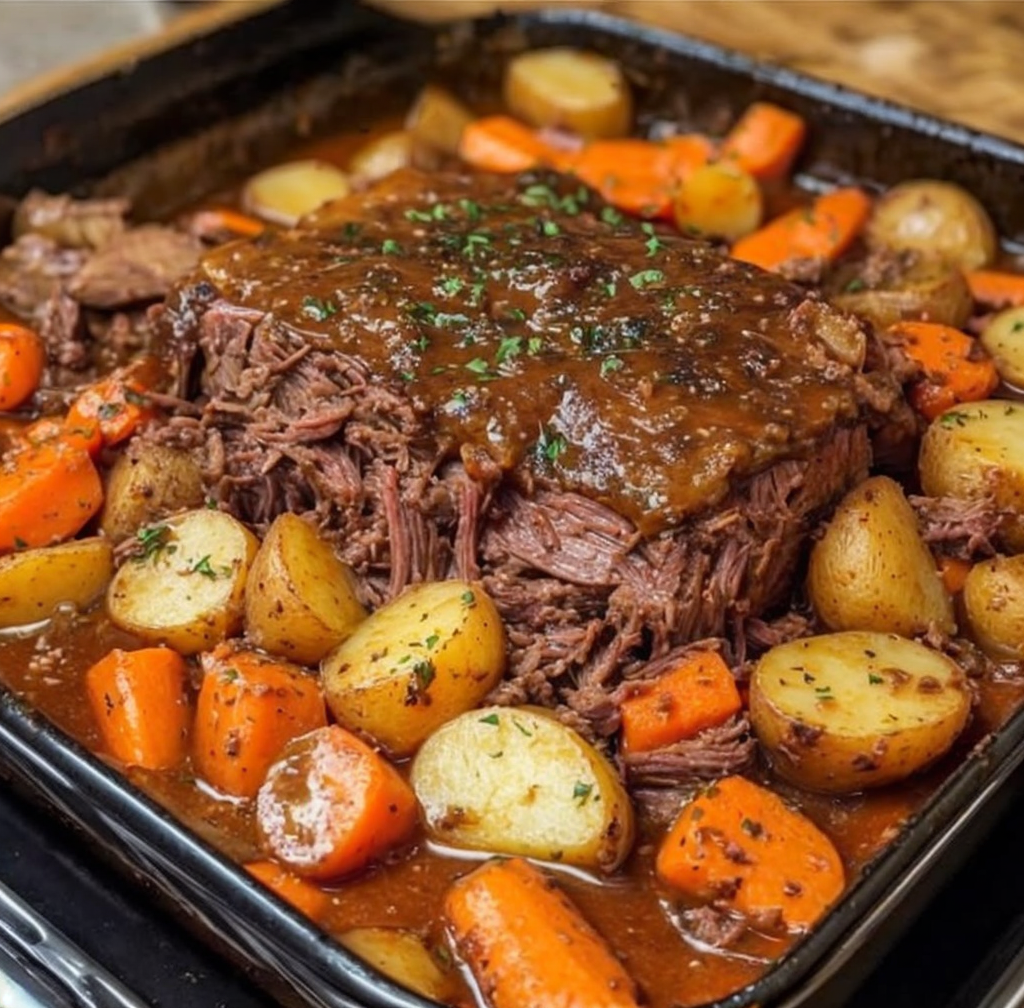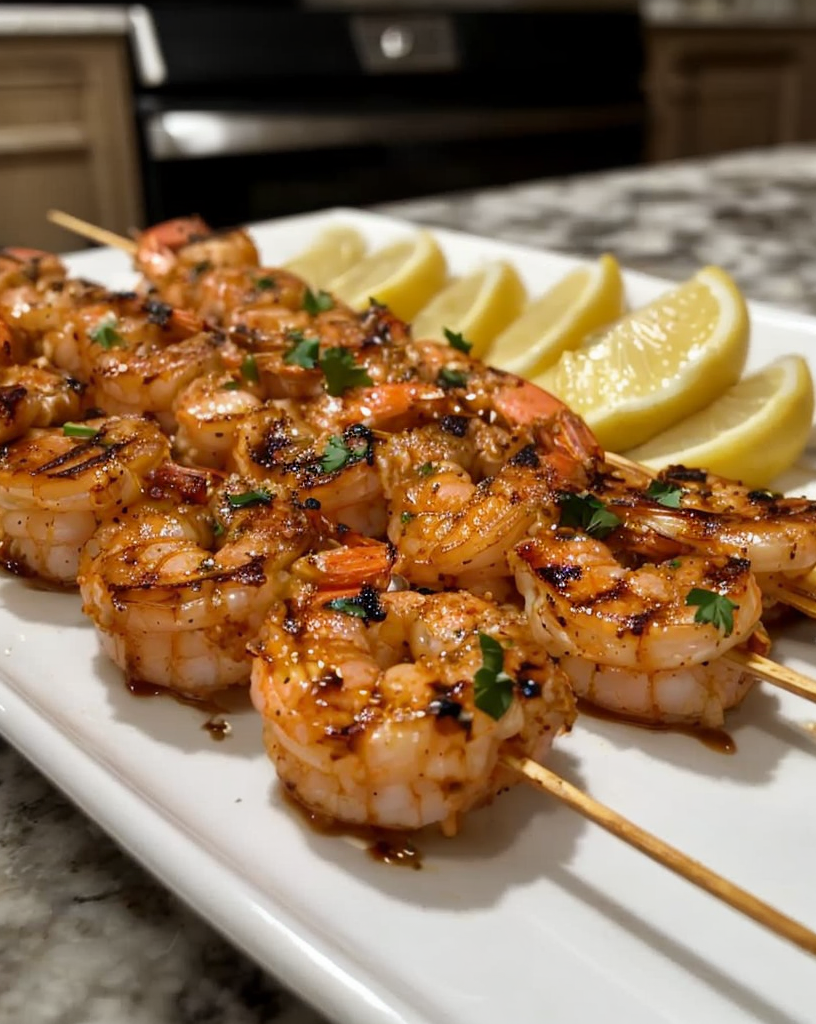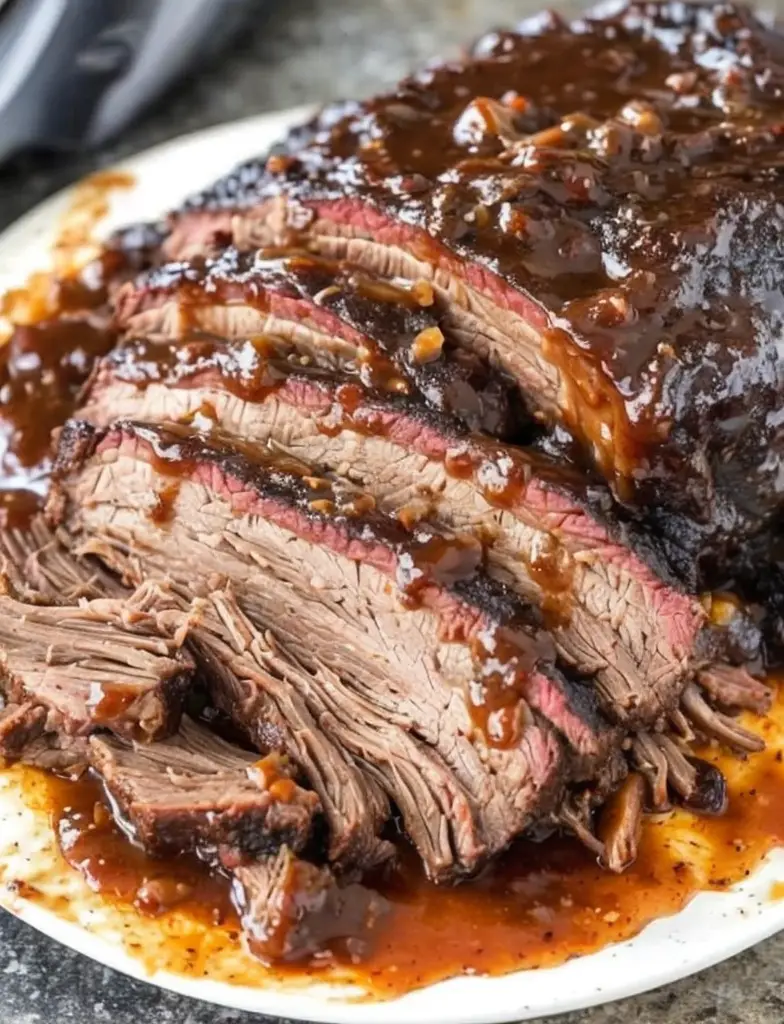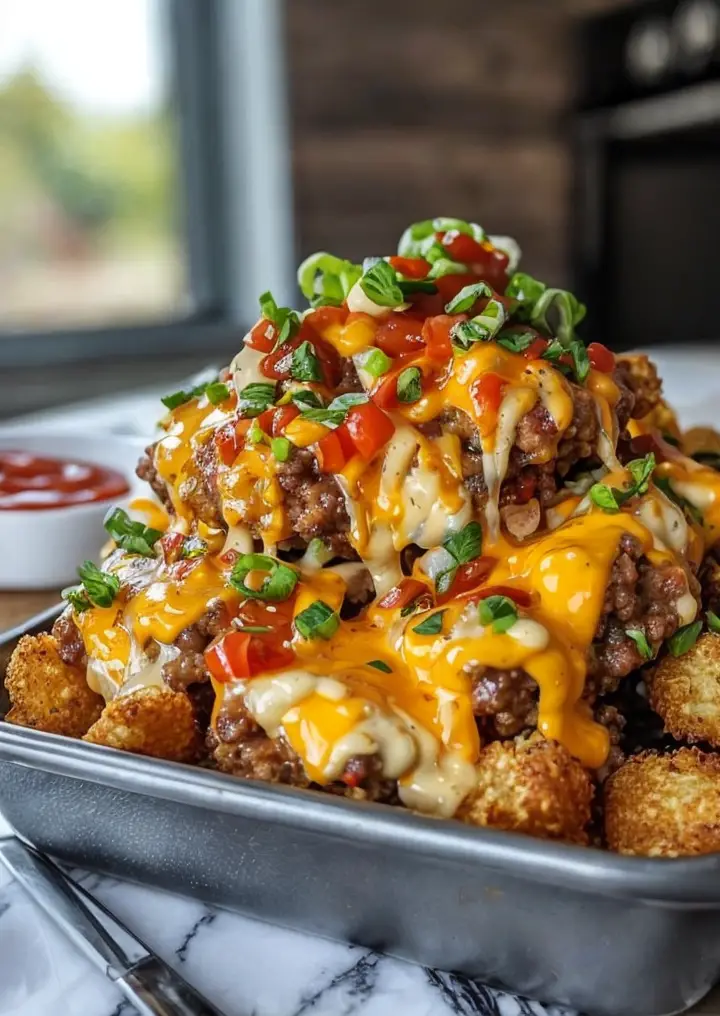
Elevate Your Dining Experience with Million Dollar Roast Beef Tenderloin

Million Dollar Roast Beef Tenderloin: A Luxurious Delight

⚖️
Difficulty
Medium

⏲️
Prep Time
20 mins

🕒
Cook Time
40 mins

⏱️
Total Time
60 mins

🍽️
Servings
6-8

Imagine serving a perfectly cooked, mouthwatering slice of Million Dollar Roast Beef Tenderloin at your next special event. The tenderloin melts in your mouth, infused with the rich and savory flavors of expertly blended herbs and spices. This recipe is not just a feast for the eyes with its beautiful sear but also a true gastronomic delight that tantalizes the palate with every bite. Whether it’s a holiday gathering, anniversary dinner, or an upscale family meal, this dish promises to elevate any dining experience.

The Million Dollar Roast Beef Tenderloin is the epitome of luxury dining, offering succulent beef that’s been crafted to perfection. With its juicy interior and a crust that’s perfectly browned, every slice offers a perfect balance of textures and flavors. The accompanying aromas wafting from the oven evoke warmth and anticipation, making it a stellar choice for both festive occasions and intimate dinners alike.

Quick Recipe Highlights

Flavor Profile: The Million Dollar Roast Beef Tenderloin is a prime example of savory luxury, combining robust meatiness with a delicate seasoning blend that enhances the natural flavors of the beef.

Texture: Expect an incredibly tender bite with a juicy, melt-in-your-mouth feel that emanates richness, thanks to the premium cut and precise cooking technique.

Aroma: Subtle notes of garlic and herbs fill the air, providing an alluring prelude to the sumptuous flavors that follow.

Visual Appeal: The tenderloin’s golden-brown seared crust contrasts beautifully with its reddish-pink interior, offering an enticingly gourmet presentation.

Skill Level Needed: Cooking this tenderloin demands a moderate level of culinary expertise, involving precise temperature control and timing to attain the perfect doneness.

Special Equipment: You’ll need a heavy pan for searing and an oven thermometer to ensure precise cooking temperatures.

Recipe Overview

Difficulty Level: This recipe is classified as medium. While the ingredient list isn’t extensive, it requires careful attention to detail, particularly regarding the cooking temperature and timing to achieve the desired tenderness and flavor.

Category: This main course meal is ideal for occasions when you wish to impress, including holiday gatherings, celebratory dinners, and upscale events.

Cuisine: The recipe is deeply rooted in classic American fine dining, where beef is celebrated for its flavor and simplicity, with a strong emphasis on high-quality ingredients and a meticulous cooking process.

Cost: While the ingredients, especially the beef tenderloin, can be on the pricier side, the cost is well justified by the dish’s exceptional quality and the memorable experience it delivers.

Season: Best enjoyed during colder months or festive seasons when hearty, warming dishes are preferred.

Occasion: Perfect for celebratory occasions like Christmas, New Year’s, or anniversaries, where a standout centerpiece dish is needed to impress guests.

Why You’ll Love This Recipe

The Million Dollar Roast Beef Tenderloin is a triumph of taste and texture, offering a luxurious dining experience right in your home. The careful seasoning and meticulous cooking technique ensure a beautifully tender and flavorful dish that leaves a lasting impression. This recipe stands out for its balance of flavors—rich, meaty, and subtly seasoned to enhance the natural beef taste without overpowering it.

From a convenience standpoint, the recipe is straightforward and can be managed well with proper preparation. The method laid out minimizes fuss and delivers consistently excellent results. Nutritionally, this dish is a substantial source of protein, making it a wise choice for those seeking a satisfying meal that aligns with a high-protein diet.

Socially, this beef tenderloin becomes the star of any dining table, making it perfect for entertaining. Its impressive presentation and mouthwatering taste create shared culinary memories that guests will cherish. The cost-effectiveness and accessibility of the recipe lie in its simplicity; with minimal yet high-quality ingredients, you achieve a gourmet dish that would cost significantly more in a restaurant setting.

Historical Background and Cultural Significance

The roast beef tenderloin, a symbol of refined dining, traces its origins to grand feasts in European history, where meat was considered a status symbol. Over time, this luxurious cut became synonymous with celebration and opulence, gracing the tables of aristocrats and royalty alike.

In American culinary culture, the beef tenderloin evolved from a European delicacy into a cherished centerpiece at festive occasions, particularly during the holidays. Its preparation and presentation reflect a blend of European heritage and American abundance, merging old-world craftsmanship with new-world indulgence.

While maintaining its classical roots, the preparation of beef tenderloin has adapted over the years to incorporate modern culinary techniques. From sous-vide methods achieving perfect doneness to reinvented seasoning approaches that bring out new flavor dimensions, this cut of beef continues to evolve while respecting its storied past.

Various regional variations have emerged, each offering a unique twist on this iconic dish. In the American South, for example, you’ll often find beef tenderloin served with creamy horseradish sauce, while in the West, a peppercorn-crusted version might be more popular. These variations not only highlight regional flavor profiles but also celebrate the adaptability and culinary significance of roast beef tenderloin across different cultures.

Ingredient Deep Dive

The star of this dish, the beef tenderloin, is prized for its tenderness and lean composition. This cut sits beneath the ribs, next to the backbone, and is known for having the most tender texture of all beef cuts. Historically, beef tenderloin has been a staple at elegant banquets, where its succulence and luxurious taste were highly revered.

Nutritionally, tenderloin is an excellent source of high-quality protein and essential vitamins such as B12, which supports energy levels and red blood cell production. When selecting your tenderloin, look for a bright, cherry-red color with creamy white marbling. The marbling guarantees flavor and juiciness after cooking.

Once purchased, store the tenderloin in the refrigerator and consume it within two to three days for optimum freshness and flavor. If needed, tenderloin can also be frozen for up to three months without significant loss of quality.

A suitable substitute for the tenderloin, particularly if you’re seeking a more budget-friendly option, would be a center-cut sirloin roast. While it lacks the inherent tenderness of a filet, it can deliver robust flavor if cooked properly.

Common Mistakes to Avoid

Avoid overcooking by using an instant-read thermometer to check for doneness, ensuring the tenderloin remains juicy and flavorful.

Do not season too heavily with salt before cooking, as tenderloin is already a well-flavored cut that requires minimal enhancement.

Avoid cutting the tenderloin immediately after cooking; let it rest for 15 minutes to allow juices to redistribute.

Make sure to sear the entire surface evenly; this step locks in moisture and adds depth to the flavor.

Skipping the use of a meat thermometer can lead to uneven cooking—a critical mistake given the price of this cut.

Neglecting to trim excess fat or silver skin can result in chewy texture, detracting from the overall dish quality.

Be cautious with marinades, as tenderloin’s delicate texture can break down if marinated for too long, altering its structure and taste.

Don’t ignore the importance of letting it come to room temperature before cooking for even heat distribution.

Essential Techniques

Searing is crucial to lock in juices and develop complex flavors. Achieve the perfect sear by using a smoking-hot pan and allowing the meat to sit undisturbed until a deep, golden crust forms.

Temperature control is key for tenderloin; aim for medium-rare to medium doneness to retain natural tenderness and flavor. Use of a kitchen thermometer minimizes the risk of overcooking.

Resting allows the fibers in the meat to relax and reabsorb juices, ensuring each bite is flavorful and moist. Rest the tenderloin covered with foil to keep it warm without further cooking it.

Pro Tips for Perfect Million Dollar Roast Beef Tenderloin

Season well in advance to allow the salt to penetrate and enhance the beef’s flavor, creating depth and articulation in the taste profile.

For a uniformly cooked tenderloin, tie it with kitchen twine at regular intervals to help it retain a uniform shape.

Sear in a mix of butter and oil for enhanced aroma and a well-balanced flavor profile, incorporating the richness of butter without burning.

Infuse aromatic herbs such as rosemary and thyme into your cooking fat to add an aromatic complexity to the roast.

For an extra layer of flavor, prepare a complementary sauce like red wine reduction to drizzle over the sliced tenderloin before serving.

To enhance the crust, briefly broil the tenderloin after roasting for an additional crispy texture without drying the meat.

Variations and Adaptations

Regional preparation differences offer a wide array of experiences, like adding Southwestern spices for heat or incorporating Asian marinades for umami depth.

For seasonal adaptations, pair your tenderloin with different sides and sauces—root vegetables in winter, fresh herbs during spring.

transform the recipe into a low-sodium version by reducing added salt and flavoring with salt-free spice blends or citrus zest.

Experiment with flavor variations by marinating in balsamic vinegar or dotting with blue cheese before finishing under the broiler.

Enhance the texture by applying a breadcrumb or nut crust for a limited edition of crispy exterior juxtaposed against juicy tenderness.

Presentation can be elevated by slicing thinly and arranging artistically on a platter, garnished with edible flowers or microgreens for a modern twist.

Serving and Presentation Guide

Ensure the tenderloin is sliced against the grain, which helps maintain its tender texture when served, offering an easily chewable bite.

For garnishing, use fresh herbs like parsley or chive to brighten the plate, adding both color and fresh aroma to the dish.

Traditional accompaniments include horseradish sauce or creamy mustard, balancing the richness of the beef with tangy contrast.

Modern serving suggestions involve pairing with creative sauces like chimichurri or béarnaise, enhancing the flavor profile with zesty or buttery notes.

Serve at a warm temperature to ensure the ideal eating experience; if necessary, warm serving plates to retain heat.

Portion control can be maintained by slicing and serving smaller cuts initially, allowing guests to self-serve additional pieces as desired.

Wine and Beverage Pairing

The robust flavors of a beef tenderloin call for a rich red wine pairing such as a Cabernet Sauvignon or a full-bodied Merlot, adding depth to the meal.

For non-alcoholic alternatives, consider serving a robust grape or blackcurrant juice to provide a similar mouthfeel and complement the beef’s richness.

Coffee service after the meal, especially dark-roast options, offers a pleasant bitterness and rounds off the flavors enjoyed beforehand.

Serve wines slightly below room temperature, around 60-65 degrees Fahrenheit, to awaken the tannins and enhance the pairing effect.

Encourage guests to enjoy these beverages in moderation to maintain focus on the food’s luxurious sensation and overarching experience.

Storage and Shelf Life

Store leftovers in an airtight container in the refrigerator, where they will remain good for up to three days.

Ensure the container is tightly sealed to prevent the beef from absorbing other flavors from the fridge.

Watch for signs of spoilage such as discoloration or an off smell before reheating.

When reheating, use gentle heat methods to maintain moisture, such as warming slices in a covered pan with a small amount of broth to prevent drying.

Freezing the prepared tenderloin can be done in portions, wrapped tightly in foil or vacuum-sealed, extending its shelf life by up to three months.

Before serving from frozen, allow the beef to thaw fully in the refrigerator to maintain its texture before reheating.

Make Ahead Strategies

Complete the seasoning and tying steps up to a day in advance, allowing flavors to meld and reducing day-of prep work.

Once seared, the tenderloin can rest at room temperature for an hour before finishing in the oven, helping stagger meal preparation.

Be mindful of storage times between prepping and cooking to ensure your dish remains fresh and tastes its best.

Consider if elements of your side dishes or sauces can be prepared earlier to streamline your serving process.

Calculate expected cooking times and account for rest-time when planning to bring key elements of the meal together simultaneously.

Balance freshly prepared elements with those prepped in advance by incorporating fresh herbs or garnishes just before serving.

Scaling Instructions

To halve the recipe, adjust the cooking time slightly and ensure the thickness of the cut is accounted for when calculating searing and roasting times.

Doubling or tripling involves increasing amounts of seasoning equally and possibly using a larger roasting pan or cooking in batches.

Larger amounts may require longer total cooking times, so using a thermometer becomes critical for checking internal doneness.

Store extra servings immediately to preserve quality if you plan further meals with the same dish.

Nutritional Deep Dive

Each serving of tenderloin delivers rich proteins while remaining relatively low in fat, aligning with healthy diet goals centered around lean meats.

It contains essential vitamins and minerals, particularly those like iron and zinc, critical for metabolism and immune function.

Dietary considerations should accommodate diverse nutrient needs, promoting the varied nutrients found across different plating accompaniments.

Portion carefully to avoid overwhelming with richness in one meal, opting to pair with light and fresh side options for a balanced diet.

In terms of weight management, the focus should remain on moderation and enjoyment of small portions in balance with vegetable-rich sides.

Dietary Adaptations

For a gluten-free experience, ensure your rubs and sauces do not contain hidden gluten sources, sticking to naturally gluten-free options.

Adapting to a dairy-free choice, use plant-based buttery spreads for searing to maintain richness without compromising dietary needs.

Create a keto-friendly version by minimizing carbohydrate additions and focusing on animal-derived fats to accompany the meal.

Adapt for low-FODMAP diets by keeping seasoning simple, avoiding specific food triggers associated with digestive issues.

For those pursuing a paleo meal, steer clear of any commercially pre-made seasoning blends and opt for simple herbs and spices, ensuring everything contributes to primal dietary preferences.

Troubleshooting Guide

If faced with texture issues where the meat feels tough, evaluate resting time and ensure the tenderloin hasn’t been overcooked beyond medium.

Address flavor balance by adjusting seasoning ratios and ensuring each element complements the beef’s natural flavors.

Temperature problems, such as uneven cooking, demand careful recalibration of oven or pan settings to achieve desired internal temperatures.

Equipment challenges often arise from improper plans used for searing; consider pan weight and heat conduction properties for ensuring balanced exposure.

Timing concerns involve resting for extended periods post-cooking to ensure dispersion of juices rather than slicing too hastily.

Recipe Success Stories

Readers rave about incorporating diverse regional wines to create unique pairing moments complementing the roast’s richness.

Variations with herb crusts or robust sauces have found praises within the community, each adding unique spins on familiar concepts.

Many have shared delightful photos featuring carefully plated dinners where every element radiates skilled preparation and culinary love.

Readers have suggested a wide array of accompanying sides and sauces, opening up a limitless potential to pair with diverse taste elements.

Community feedback has highlighted this recipe’s flexibility and adherence to core luxury dining experiences as key contributors to its steadfast popularity.

Frequently Asked Questions

Can I use a cheaper cut of beef for this recipe? While possible, tenderloin offers the tender, melt-in-your-mouth quality desired for such a premium dish.

What is the best way to know when the tenderloin is done? Using an instant-read thermometer is recommended to check for a perfect medium-rare at 130-135°F.

Can I prepare this dish ahead of time? Yes, tenderloin can be prepped and partially cooked before finishing it in the oven shortly before serving.

What should I do if my piece is too large for my pan? Cut the tenderloin into smaller segments and sear them separately to ensure even cooking.

Can I freeze the cooked tenderloin? Absolutely, slice and store in airtight packaging before freezing for up to three months.

Is it okay to marinate the tenderloin overnight? It’s best to avoid overly long marinades to prevent textural changes and maintain natural flavors.

What side dishes pair well with this tenderloin? Consider roasted vegetables, mashed potatoes, or a crisp salad featuring seasonal greens.

How can I add different spices without overpowering the meat? Use sparing amounts of robust spices like ground peppercorns, creating nuances without eclipsing beef’s natural taste.

What’s the ideal resting time? Allowing at least 15 minutes resting ensures juices resettle internally, maximizing tenderness.

What if I don’t have a thermometer? Poke the thickest part with a skewer, juices should run clear but the meat remain pink at center for medium-rare.

Additional Resources

Discover complementary recipes, such as a holiday yorkshire pudding or golden roasted potatoes, to complete your meal.

Explore technique guides focusing on roasting perfection or building layers of flavor through aromatic infusions.

Consider cooking product recommendations, including robust meat thermometers or multi-functional pans for versatile results.

Encourage guests to adapt seasonal variations by highlighting in-season produce compatible with meals and flavor profiles.

Join the Conversation

Connect through social media by sharing your own Million Dollar Roast Beef Tenderloin success stories and photos.

Exchange tips in community forums, emphasizing creative presentation ideas and alternative flavor boosts.

Submit recipe reviews and feedback directly through the blog, engaging with the chef and fellow culinary enthusiasts.

Explore reader-submitted recipe variations, adding further dynamics and developments to the enjoyment of this luxurious meal.

The Recipe

Million Dollar Roast Beef Tenderloin

Serves: 6-8

Prep Time: 20 mins

Cook Time: 40 mins

Total Time: 60 mins

Kitchen Equipment Needed

Heavy pan
Oven thermometer
Kitchen twine
Instant-read thermometer
Ingredients

2 lbs beef tenderloin
2 tablespoons olive oil
Salt and black pepper to taste
2 cloves garlic, minced
1 tablespoon fresh thyme leaves
1 tablespoon butter
Directions

Preheat oven to 425°F (220°C).
Trim beef tenderloin of excess fat and silver skin, pat dry with paper towel.
Rub olive oil over the tenderloin, then season generously with salt and black pepper.
In a large pan, heat oil over high. Sear beef, turning to ensure all sides achieve a golden-brown crust.
Add garlic, thyme, and butter to pan, basting beef until herbs and garlic are aromatic.
Transfer tenderloin to a roasting pan, place in preheated oven.
Roast until thermometer reads 130°F (54°C) for medium-rare, adjust cook time to preference.
Remove from oven, let rest for at least 15 minutes before slicing.
Serve with chosen accompaniment.
Recipe Notes

Substitute herbs according to preference.
Adjust cooking times for larger/smaller tenderloin cuts.
Aim for uniform searing for an even crust.

Indulge in Flavors: Steak and Shrimp with Mushroom Cream Sauce

Steak and Shrimp with Mushroom Cream Sauce: A Gourmet Delight

⚖️
Difficulty
Intermediate

⏲️
Prep Time
20 mins

🕒
Cook Time
30 mins

⏱️
Total Time
50 mins

🍽️
Servings
4

Immerse yourself in a culinary journey with this decadent Steak and Shrimp with Mushroom Cream Sauce. This recipe combines succulent steak and juicy shrimp, creating a harmonious blend of surf and turf. The dish is elevated by a luxurious mushroom cream sauce that not only enhances the steak’s flavor but also provides a silky texture to each bite. Whether you’re planning a romantic dinner or a sophisticated gathering, this gourmet delight is guaranteed to impress.

Quick Recipe Highlights

  • Flavor Profile: This dish features the robust flavors of expertly seared steak, complemented by the sweetness of shrimp and earthy notes from mushrooms.
  • Texture: Enjoy the tender juiciness of the steak, the delicate bite of the shrimp, all enveloped in a rich, creamy sauce.
  • Aroma: The savory aroma of mushrooms mingles with the scent of garlic and thyme, creating an inviting and comforting bouquet.
  • Visual Appeal: The deep browns of the steak and golden shrimp contrast beautifully with the creamy, white sauce speckled with mushrooms.
  • Skill Level Needed: Basic cooking skills required, but mastering searing and sauce making will enhance the dish.
  • Special Equipment: A skillet for searing, and a separate pan for the sauce, plus a whisk for cream sauce perfection.

Recipe Overview

  • Difficulty Level: This recipe is considered intermediate due to the precise timing required for cooking the steak and shrimp to perfect doneness while simultaneously preparing the sauce.
  • Category: Main dish, perfect for dinner parties or special occasions.
  • Cuisine: Inspiration is drawn from French cuisine with its focus on cream sauce and impeccable meat preparation.
  • Cost: Moderate cost, with steak and shrimp as the primary ingredients, offset by inexpensive mushrooms and cream.
  • Season: Best enjoyed in fall and winter when hearty meals are most comforting.
  • Occasion: Ideal for family gatherings or dinner with friends, providing an impressive meal without excessive fuss.

Why You’ll Love This Recipe


This Steak and Shrimp with Mushroom Cream Sauce will captivate your senses with its exquisite blend of flavors and textures. The tender steak pairs magnificently with the sweet, succulent shrimp, while the mushroom cream sauce provides a velvety backdrop that enhances every bite. It’s an elegant dish that tastes like it took hours to prepare, yet comes together swiftly and seamlessly.

Convenience is key when creating this lovely dish. The steak and shrimp cook quickly, making it ideal for a hearty home-cooked meal without spending all day in the kitchen. Moreover, the mushroom sauce can be made ahead, ensuring you spend more time with guests and less time prepping.

Nutritionally, this dish boasts high protein content from the steak and shrimp, complemented by the vitamins and minerals found in mushrooms. While indulgent, the cream sauce can be adapted for a lighter version with healthier substitutes, ensuring you enjoy a balanced meal.

Entertaining is made easy with this recipe, which strikes a perfect balance between gourmet and accessible. Whether impressing guests or treating your family, the sophisticated combination of flavors will have everyone believing you have culinary credentials.

Finally, the recipe is budget-friendly despite its sophisticated profile. Strategic selection of steak cuts and seasonal produce can significantly reduce costs, making this a viable regular addition to your dining repertoire without breaking the bank.

Historical Background and Cultural Significance


Originating from the classic French appreciation for combining land and sea, this Steak and Shrimp with Mushroom Cream Sauce brings the essence of a luxurious dining experience often found in upmarket Parisian restaurants to your table. The surf-and-turf concept, notably popularized in North America, reflects a historical penchant for pairing rich meats with equally flavorful seafood, showcasing a chef’s skills and creativity.

Culturally, this recipe highlights the French culinary emphasis on sauces, considered the hallmark of traditional French cooking. The mushroom cream sauce in this dish pays homage to this tradition, providing depth of flavor and an opulent finish to the meal.

Over the years, surf-and-turf has evolved from high-end steakhouse menus to home kitchens globally, as people seek to recreate the lavish dining experience. Recipes have adapted to include a variety of seafood and sauces, with mushrooms remaining a favorite due to their ability to marry well with both meat and seafood.

Regionally, variations exist, where local spices and ingredients introduce unique twists to the classic recipe. Whether featuring locally sourced mushrooms, different herbs, or alternative seafood varieties, the core idea remains—a celebration of flavors through quality ingredients.

Ingredient Deep Dive


Let’s delve into the main ingredients that make this dish truly shine—beginning with the steak. In various cultures, steak is deemed a delicacy, often associated with celebratory meals. Rich in protein and iron, steak provides a hearty base to the dish, ensuring it satisfies even the most ravenous meat lover. Selecting cuts like ribeye or sirloin ensure marbling, translating to juicy, tender results.

For shrimp, key to many of the world’s favored cuisines, this ingredient brings a delicate sweetness to the dish while also being low in calories. When selecting shrimp, ensure they are fresh or properly frozen, as this will influence both texture and flavor. Store them on ice or in a cold refrigerator until you’re ready to cook, maintaining peak freshness.

Mushrooms are a cornerstone in sauce making, offering that earthy, umami flavor profile that heightens all tastes involved. They’re rich in antioxidants and provide dietary fiber, adding nutritional balance to the meal. Use fresh mushrooms, as dried varieties can overpower the sauce. Store them in a cool, ventilated space to extend their shelf life.

When it comes to cream, it’s essential to choose a high-quality product to achieve the sauce’s luscious texture. While heavy cream is traditional, options like half-and-half or certain plant-based creams can be substituted for lighter or vegan versions.

Common Mistakes to Avoid

  • Overcooking the steak is a common mistake. Achieve perfect doneness by using a meat thermometer to track internal temperatures accurately.
  • Not patting the steak dry before searing can result in steaming instead of browning. Ensure the surface is dry for a beautiful crust.
  • Cooking shrimp for too long can make them rubbery. They should be opaque and pink, with just a few minutes per side needed.
  • Skipping the resting stage for the steak can make it lose juices when cut. Allowing it to rest ensures a moist, tender result.
  • Using low-quality mushrooms can detract from the sauce’s richness. Opt for fresh, clean mushrooms for optimal flavor.
  • Neglecting to season the sauce adequately often yields a bland result. Salt and pepper to taste, integrating them as you cook.
  • Adding cream too fast can lead to separation. Slowly integrate and consistently stir to maintain a smooth sauce.
  • Improperly deglazing the pan leads to lost flavor. Use a splash of white wine or broth to incorporate all pan juices into the sauce.

Essential Techniques


To master this recipe, begin with the perfect steak sear. A hot pan and dry steak are essential for achieving that golden crust, locking in juices and flavor. Monitor your cooking time closely, as over-searing may result in a tough piece of meat.

Creating a flawless mushroom cream sauce involves careful attention to heat and timing. Start by sautéing mushrooms until they release all their juices, caramelizing beautifully. Slowly introduce cream, whisking continuously to build a luxurious consistency. Achieving the ideal sauce requires patience and focus, ensuring all elements meld seamlessly.

Pro Tips for Perfect Steak and Shrimp with Mushroom Cream Sauce


Use clarified butter for searing the steak. It has a higher smoke point than regular butter, providing a nice crust without burning.

When seasoning steak, do so generously with salt. This not only enhances flavor but also aids in forming a delectable crust during searing.

Let the shrimp marinate briefly in garlic and lemon before cooking. This step will infuse extra flavor into the seafood, elevating the dish.

To counteract richness in the sauce, add a squeeze of lemon juice at the end. It balances flavors and refreshes the palate.

For a richer flavor profile, consider adding a splash of brandy or cognac to the cream sauce.

Opt for a heavy-bottomed pan for even heat distribution when cooking your ingredients.

Lastly, let your instincts guide you—whether by adjusting seasoning to personal taste or altering textures for satisfaction.

Variations and Adaptations


Although the classic recipe is truly indulgent, variations abound. Regional interpretations might introduce local spices or herbs to the dish, providing a distinct twist. For instance, adding paprika can impart smokiness reminiscent of Spanish cuisine, while Italian versions might include a sprinkling of Parmesan.

In terms of seasonal adaptations, consider incorporating seasonal vegetables such as asparagus or green beans, providing a fresh contrast to the richness of the sauce. The base can be easily adapted to fit diverse dietary requirements. For a lighter version, swap cream for plant-based alternatives or use coconut milk for a unique taste profile.

To explore varying textures, dice mushrooms finely for a smoother sauce or slice them thicker for heartier bites. Similarly, consider grilling the steak for a smoky note, contrasting beautifully with the creamy sauce.

In terms of presentation, utilize fresh herbs like parsley or chives as garnish, adding color and vibrancy to the dish. Alternatively, a drizzle of truffle oil could add an aromatic luxury, ideal for high-end occasions.

Serving and Presentation Guide


Serve this enticing dish with panache by following essential plating guidelines. Arrange the steak slices neatly, showcasing the beautiful sear, then gently layer shrimp atop. Generously spoon the mushroom cream sauce, allowing it to cascade slightly over the meat for an inviting visual.

Garnishing is a simple yet effective method to elevate presentation. Consider a sprinkle of freshly chopped parsley or thyme, adding a touch of green and freshness to the plate. To enhance colors, pair the dish with a side of roasted vegetables like carrots or zucchini, offering contrast and a burst of vibrancy.

Traditional accompaniments might include mashed potatoes or a crusty baguette to soak up the sumptuous sauce, while modern suggestions comprise light, crisp salads with vinaigrette to counter the dish’s richness.

Temperature control is pivotal. Ensure all elements are warm when plating, achieving harmony between textures and flavors. Finally, consider portion control, providing just enough to satisfy cravings while leaving room for further culinary exploration.

Wine and Beverage Pairing


Selecting the right wine elevates this meal to extraordinary heights. A full-bodied red wine, such as Cabernet Sauvignon or Merlot with its fruit forward and tannic qualities, pairs perfectly with the meat’s robust flavor. These selections enhance the steak’s savory notes, rounding out the meal.

Non-alcoholic alternatives, such as a sparkling mineral water with lemon slices, provide a light, refreshing counterpart to the dish’s hearty richness. This option caters to all guests, ensuring everyone enjoys the meal to its fullest.

If coffee or tea completes your meal, choose an oaky, earthy coffee that complements the dish’s hearty flavors. Alternatively, a delicate white tea might work well, offering a gentle finish to the robust primary course.

Be mindful of temperature when serving beverages. Red wines ideally served slightly below room temperature, while chilled sparkling waters and teas at their respective temperatures ensure maximum pleasure.

Storage and Shelf Life


To preserve this meal’s quality, store components separately in airtight containers. The steak, shrimp, and sauce can be refrigerated, maintaining freshness for up to three days.

For optimal taste, reheat gently over a stovetop, maintaining moisture and texture. Avoid microwaving shrimp, as it can lead to overcooking, resulting in a rubbery consistency.

When freezing leftovers, ensure sauce is well-covered to prevent freezer burn. Label and date each storage container, adhering to a policy of consuming within one month.

Signs of spoilage include any off-odors or changes in texture, signaling the dish may not be suitable for consumption. In these instances, it’s best to discard it and start anew.

To reheat, simmer the sauce, stirring steadily to regain its smoothness. Both steak and shrimp can be warmed in the oven or pan-seared briefly, ensuring ideal texture.

Make Ahead Strategies


This recipe allows for advance preparation without compromising quality or flavor. Begin by marinating shrimp and allowing the steak to achieve room temperature before eventual cooking.

The mushroom cream sauce can be prepared up to a day in advance, enhancing depth and complexity of flavor while minimizing day-of stress. Store sauce ingredients separately, combining only when necessary for optimal taste.

Assembling the dish is intuitive. Begin with searing the steak, then shrimp, culminating in the sauce, delivering an uninterrupted culinary sequence ideal for entertaining.

Upon reheating, incorporate fresh herbs or a squeeze of lemon to reinvigorate flavors. These elements can provide freshness that may have diminished over time while boldly punctuating the dish.

Scaling Instructions


Whether hosting a smaller gathering or accommodating a larger crowd, scaling this recipe ensures success regardless of portions. To half the recipe, maintain consistency with each component, ensuring flavor intensity remains unaffected.

Doubling or tripling necessitates attention to equipment adjustments. Utilize larger pans or bake elements if stovetop space is limited, ensuring even heat distribution for each serving.

When scaling timing, stagger steak and shrimp cooking for optimum results or prepare meat in succession, maintaining warmth until all parts are ready to serve.

Store any scaled leftovers appropriately, respecting both space and practicality, allowing for subsequent meals that replicate the initial experience.

Nutritional Deep Dive


Examining nutrition reveals this recipe’s abundance of proteins and essential nutrients. With steak providing robust iron and essential amino acids, it supports both muscle growth and satiety, crucial for balanced diets.

Layered with shrimp, a low-calorie shellfish characterized by antioxidants and omega-3s, meal nutritional density is unmatched. Paired with mushrooms, the resulting fiber and vitamins contribute to effective digestion.

While the cream sauce adds caloric weight, strategic use of lighter alternatives or cautious portioning achieves balance without sacrificing indulgence. Identify your dietary goals, leveraging this flavorful recipe’s potent nutritional potential.

Analyze portions, remaining mindful of individual dietary constraints, while savoring the complex tapestry this exquisite meal offers.

Dietary Adaptations


To accommodate gluten-free diets, ensure all sauces and sides are devoid of gluten-containing thickeners or bread. Opt for certified gluten-free alternatives where required.

For dairy-free alternatives, substitute traditional cream with coconut or almond milk, experimenting with varying consistencies to achieve the cherished creaminess, ensuring the dish retains its celebrated taste profile.

Vegans may relish this recipe by relying on plant-based steaks and shrimp substitutes, with mushroom cream tailored from vegan-friendly bases including almond or coconut milk, yielding flavor without animal-derived elements.

Low-carb adaptations highlight the core protein components, eliminating carbohydrate-rich sides, promoting a balanced, fulfilling choice for those observing the keto or paleo diets.

For a low-FODMAP approach, modifying onion or garlic quantities, or using infused oils, achieves desired flavors without compromising dietary restrictions, preserving this marvelous meal’s universal appeal.

Troubleshooting Guide


Achieving desired flavors may incite challenges requiring culinary adeptness; for texture issues with steak, altering searing time or temperature often remedies undesired toughness, fostering a tender, juicy bite after troubleshooting.

Balancing flavors may demand additional seasoning, including salt or citrus, redressing imbalances within mushroom sauce, harmonizing the creamy richness with the recipe’s savory core notes.

Address temperature fluctuations by prioritizing equipment adept to uniform heat distribution, ensuring consistency across steak, shrimp, or cream sauce ingredients while managing individual timings sensitively.

Equipment imperatives include maintaining sharp-cutting edges and precise stovetop-safety measurements, preempting any challenges faced within the culinary workspace, encountering ingredient hotspots with confidence.

Attempting substitutions necessitates nuanced adjustments, oftentimes involving revised measurements for alternate herbs, creams, or proteins, preserving desired taste textures aligned with original intentions and expectations.

Strong time management involves sequencing each step carefully, avoiding overlaps that might detract from individual element quality, achieving balance across cooking times, contingent upon your recipe’s directional flow.

Recipe Success Stories


Amid diverse global clientele, this recipe attracts accolades for its rich finish and sensory satisfaction, fostering community connections and culinary expression that transcend shared meals.

In varied adaptations, households report halving meats or mushrooms and increasing plant-based options without compromise, revolutionizing meals suited to individual preferences, celebrating adaptability.

Through reader submissions, varied suggestions advance alternative spices or herbs, enhancing the foundational concept catered to diverse palates, paving creative pathways to relished culinary quests.

In capturing illustrations, viewers remark upon the subtlety of shading and the vibrancy of plates served, with many recounting their photogenic prowess upon sharing exquisite results company-wide, across blogs or networks.

Frequently Asked Questions

Can this recipe be made with chicken instead of steak?

Yes, chicken can easily be substituted for steak in this recipe. Simply adjust cooking time to ensure chicken is cooked through.

What kind of mushrooms work best?

Cremini or button mushrooms are recommended due to their mild flavor, but other varieties like shiitake can provide unique taste variations.

Is it possible to make this dish ahead of time?

Yes, the mushroom cream sauce can be prepared in advance, with steak and shrimp cooked closer to serving time for best results.

What’s the best way to reheat leftovers?

Gently warm leftovers on a stovetop, using low heat to maintain texture and moisture. Avoid microwaving shrimp to prevent a rubbery texture.

How can I make this recipe dairy-free?

Use full-fat coconut milk or a plant-based cream alternative to replicate the creamy sauce without dairy.

What are some budget-conscious alternatives?

Opt for less expensive cuts of steak, like flank or skirt, and seek deals on shrimp or substitute with firm tofu for a cost-effective variation.

Can I freeze any components of this dish?

While the mushroom cream sauce freezes well, the steak and shrimp are best consumed fresh for optimal texture and taste.

Are there seafood alternatives for shrimp?

Scallops or firm white fish can serve as alternatives, requiring similar cooking times and seasoning adjustments.

How do I avoid overcooking shrimp?

Cook shrimp just until pink and opaque, which typically takes only a few minutes per side depending on size.

What can I serve as a vegetarian alternative?

Consider portobello mushrooms as a meat substitute, and use a vegetable broth-based cream sauce for vegan variation.

Additional Resources


Leverage related recipe compilations or digital cookbooks for new takes on steak and shrimp delights, encompassing variations that span global cuisines, offering inspiration derived from diverse culinary artistry.

Access technique guides for mastering searing techniques, monitoring internal meat temperatures, or understanding subtleties of crafting luxurious cream sauces, while refining your culinary prowess.

Ingredient discussions dive deeper into the nuances of mushroom uses within traditional or contemporary recipes, exploring textural adaptations or substitutions with confidence and creativity.

Equip home kitchens with equipment recommendations for durable pans, utensils, and gadgets essential to seam-free preparation, accommodating innovations or scaling adjustments.

Seasonal variations, whether food network shows or online recipe blogs, enlighten new perspectives on this timeless culinary composition, celebrating the inherent beauty of distinct seasonal offerings.

Join the Conversation


Social media platforms present an opportunity to share photos or variations, exchanging interpretations and experiences, joining in a vibrant online recipe community for exploration and connectivity.

Photography tips abound, assisting in visual composition, lighting, and angle considerations, capturing memorable dishes prepared lovingly, an invitation for discussions and reviews.

Recipe reviews from viewers unveil appreciative remarks, with constructive commentary enhancing lesson absorption amid intricate family tales or detailed culinary chronicles across continents.

Community engagement thrives, encouraging flavor experimentation or technique innovation, creating a global network grounded in appreciation for culinary creativity and cultural traditions.

Visual interaction and blog reflections invite submissions, recipe variations, or widespread introductions, motivating fresh perspectives, renewed inspiration, and collective growth viewpoints worldwide.

The Recipe

Steak and Shrimp with Mushroom Cream Sauce

Serves: 4

Prep Time: 20 mins

Cook Time: 30 mins

Total Time: 50 mins

Kitchen Equipment Needed

  • Large skillet
  • Saucepan
  • Meat thermometer
  • Whisk

Ingredients

  • 4 ribeye steaks
  • 1 lb shrimp, peeled and deveined
  • 8 oz mushrooms, sliced
  • 1 cup heavy cream
  • 2 tbsp olive oil
  • 2 tbsp butter
  • 1 garlic clove, minced
  • Salt and pepper to taste
  • Fresh thyme for garnish

Directions

  1. Season the steaks generously with salt and pepper, and let rest at room temperature.
  2. In a large skillet, heat olive oil and butter over medium-high heat. Sear steaks about 4 minutes each side, until desired doneness. Remove and let rest.
  3. In the same skillet, sauté garlic and mushrooms until mushrooms golden. Stir in heavy cream, simmer gently, creating a thick sauce.
  4. Season shrimp with salt. In a separate pan, cook shrimp 2-3 minutes each side until pink.
  5. To serve, place steak on plate, top with shrimp, and cover with mushroom cream sauce. Garnish with fresh thyme.

Recipe Notes

  • For a lighter sauce, substitute half-and-half for heavy cream.
  • Add a splash of white wine to the mushroom mixture for extra depth.
  • Ensure steak rests for at least 5 minutes post-cooking to retain juices.

Deliciously Simple Pizza Burgers: A Fusion Favorite for Dinner

Pizza Burgers: A Flavorful Fusion of Comfort Foods

⚖️
Difficulty
Easy

⏲️
Prep Time
15 mins

🕒
Cook Time
10 mins

⏱️
Total Time
25 mins

🍽️
Servings
4

Pizza Burgers combine the best of two worlds, offering the familiar comforts of a classic burger with the delicious toppings of pizza. Whether you’re craving a juicy beef patty or the savory flavors of pepperoni and cheese, this recipe brings a unique twist to your meal. Imagine biting into a mouthwatering burger, then tasting the rich and tangy pizza sauce mingling with melted mozzarella, all nestled between a warm, toasted bun. These Pizza Burgers are perfect for a quick dinner or a fun gathering with friends.

Quick Recipe Highlights

  • Flavor Profile: Savory and rich combination of beef, tomato sauce, and melted cheese with classic pizza spices.
  • Texture: Juicy beef patties with oozy melted cheese and a crisp, toasted bun.
  • Aroma: Mouthwatering blend of grilled beef, spices, and fresh baked bread.
  • Visual Appeal: Vibrant layers of melted cheese, rich red sauce, and green herbs on a golden bun.
  • Skill Level Needed: Basic cooking skills required for assembling and grilling.
  • Special Equipment: Grill or stovetop pan, and a spatula.

Recipe Overview

  • Difficulty Level: This easy recipe requires straightforward steps suitable for beginners with minimal cooking skills.
  • Category: Perfect for casual meals, game days, or backyard barbecues.
  • Cuisine: A creative fusion that marries American burger culture with Italian pizza tradition.
  • Cost: Affordable ingredients, combining basic beef and common pizza toppings into a budget-friendly meal.
  • Season: Ideal year-round but particularly appealing in warmer months when grilling is in full swing.
  • Occasion: Suited for family dinners, casual get-togethers, and outdoor celebrations.

Why You’ll Love This Recipe


The taste of Pizza Burgers is truly unforgettable, thanks to the luscious combination of a seasoned beef patty and flavorful pizza toppings. The tenderness of the burger pairs perfectly with the gooey cheese and tangy sauce, offering a sensory delight with every bite. Convenience is key with this recipe, as it allows you to prep and cook a satisfying dish in under 30 minutes, ideal for those busy weeknights. Nutritionally, these burgers provide a balanced blend of protein and carbohydrates, ensuring you have the energy you need for the day.

Historical Background and Cultural Significance


The concept of merging foods, such as burgers and pizza, has roots in the innovation that defines American cuisine. Originally, the burger itself is believed to have evolved in the United States, becoming a staple of casual dining and fast food. Adding the elements of pizza into this traditional meal reflects an evolving culinary landscape that embraces fusion and experimentation.

Ingredient Deep Dive


For the main ingredient, ground beef forms the heart of the Pizza Burger. This ingredient’s history stretches back to the butchery and meat processing techniques that have been refined over centuries. Offering various cuts, ground beef can be selected based on fat content to match your taste preferences. Opt for leaner beef for a healthier option with less fat, or choose a blend for richer flavor and juiciness. Store beef well-wrapped in the refrigerator and cook it thoroughly to ensure safety.

Common Mistakes to Avoid

  • Overcooking the beef can lead to a dry burger, so monitor the cooking time carefully.
  • Using too much sauce might cause the buns to become soggy, diminishing the texture.
  • Skipping the bun toasting step can result in a lackluster presentation and taste.
  • Inefficiently melting the cheese might leave it insufficiently gooey and rich, so ensure proper heat levels.
  • Not allowing the cooked burgers to rest could release too much juice onto the plate. Resting allows flavors to set.
  • Adding toppings unevenly might lead to an imbalanced bite, so distribute them with care.
  • Choosing inappropriate bread can overpower or ruin the dish; opt for softer buns that complement rather than compete.
  • Avoid using too much spice which could overshadow the ideal pizza burger flavors.

Essential Techniques


Grilling the perfect burger is an art that involves monitoring temperature and time. Ensuring a hot grill helps create a flavorful sear on the patties, which locks in the juices and enhances the taste of the Pizza Burger. Flipping just once ensures the meat maintains its integrity and moisture. Grate cheese directly onto the burger while it’s still on the grill, allowing for natural melting through radiant heat.

Pro Tips for Perfect Pizza Burgers


Add a sprinkle of herbs, like oregano or basil, to the beef mixture for enhanced flavor. Toast the buns lightly on the grill to add texture and prevent sogginess. Use a mix of mozzarella and cheddar for a unique flare if desired. Incorporating sun-dried tomatoes can add an extra punch to the toppings. Try caramelizing onions for a sweet contrast. Ensure the grill pan is well-oiled to avoid sticking. Experiment with different sauces, like a spicy marinara, for a gourmet take.

Variations and Adaptations


Regional variations can include using spicy Italian sausage for a more authentic pizza flavor. For seasonal adaptations, add fresh tomato slices or basil leaves in the summer for a refreshing pop. Dietary modifications cater to gluten-free diets with the use of gluten-free buns, while vegetarian versions can be made using veggie patties and various cheese types.

Serving and Presentation Guide


Serve your Pizza Burgers on a wooden platter for a rustic feel, garnished with fresh basil leaves and grated Parmesan. Accompany them with crispy oven-baked fries. For a modern twist, cut the burgers into halves and secure them with a skewer for easy handling. Maintain the ideal serving temperature by wrapping in foil before serving.

Wine and Beverage Pairing


Pairing a Pizza Burger with a nice red wine, like Chianti, will highlight the rich, tannic flavors of the beef. Alternatively, a cold pilsner or lager complements the savory ingredients without overpowering them. For non-alcoholic options, consider a robust iced tea with lemon or a flavorful ginger ale for a touch of spice.

Storage and Shelf Life


Store any leftovers in an airtight container in the refrigerator for up to two days. When reheating, aim for low heat to preserve moisture, using either the oven or stovetop. Wrapped tightly, partially cooked patties can be frozen for up to three months, allowing for an easy make-ahead meal whenever you need.

Make Ahead Strategies


Plan to prepare the beef patties up to a day in advance, storing them in the refrigerator to enhance flavor marination. Keep toppings freshly prepared and separate until assembly to maintain optimal texture. For gatherings, consider setting up a toppings station where guests can customize their Pizza Burgers.

Scaling Instructions


Halve the recipe for a smaller group, keeping cooking times consistent but adjusting seasoning amounts accordingly. For a larger party, double or triple the ingredients, ensuring you have extra grilling space. Store additional patties between wax paper to prevent sticking and adjust pan size to accommodate more burgers.

Nutritional Deep Dive


Pizza Burgers offer a satisfying mix of macronutrients, providing protein, carbs, and fats essential for a well-balanced diet. Consider using whole-grain buns for added fiber and opting for low-fat cheese variants to reduce calorie content. Monitor portion sizes and serve with a side salad for a complete meal.

Dietary Adaptations


For gluten-free variations, substitute regular buns with gluten-free alternatives. Dairy-free options can use vegan cheese replacements, while vegetarian adaptations involve meat-free burger patties. Keto-friendly versions emphasize increased fats, using lettuce wraps instead of buns and adding avocado for healthy fats.

Troubleshooting Guide


If the burgers turn out too dry, consider using higher-fat beef or reducing cooking time. Achieving the perfect flavor balance might require tweaking the sauce quantity to complement the cheese and seasonings. Underheating the cheese could mean extended time on the grill with a lid to create an oven effect.

Recipe Success Stories


Many of our readers have successfully switched up the toppings, adding ingredients like jalapeños or bell peppers for an additional kick. Photos shared on our community page showcase the stunning presentation of perfectly executed Pizza Burgers, inspiring others to try their hand with positive outcomes.

Frequently Asked Questions

How can I prevent my burgers from drying out? Make sure not to overwork the meat and keep an eye on cooking time to avoid drying out the patties.

What’s the best way to melt the cheese? Placing the cheese on burgers in the last minute of grilling allows it to melt evenly.

Can I use other meats? Absolutely, ground turkey or chicken can offer lighter alternatives. Adjust seasonings to match the flavor profile.

What if my sauce is runny? Thicken it by simmering longer or incorporating a small amount of tomato paste.

Should I season the beef in advance? Yes, ideally give the spices time to blend with the meat, enhancing flavor penetrate.

How do I make sure the bun doesn’t get soggy? Lightly toast it ahead of time, which keeps firm structure even with juicy toppings.

What’s a good side dish? Classic choices like coleslaw or corn on the cob complement Pizza Burgers excellently.

Additional Resources


Explore our collection of burger recipes and guides on baking homemade buns for further culinary inspiration. Dive into our sauce-making articles to craft the perfect accompaniment and browse our seasonal ingredient lists to keep your meals fresh year-round.

Join the Conversation


We encourage you to share your own Pizza Burger creations by tagging us on social media. Check out reader reviews to see how others personalized their cooking adventures and gain valuable insights from like-minded cooking enthusiasts in our community.

The Recipe

Pizza Burgers

Serves: 4

Prep Time: 15 mins

Cook Time: 10 mins

Total Time: 25 mins

Kitchen Equipment Needed

  • Grill or stovetop pan
  • Spatula
  • Mixing bowl
  • Knife
  • Cutting board

Ingredients

  • 1 lb ground beef
  • 1 cup pizza sauce
  • 4 slices mozzarella cheese
  • 4 burger buns
  • 1/2 cup sliced pepperoni
  • Salt and pepper to taste
  • 1 tsp Italian seasoning
  • 2 tbsp olive oil

Directions

  1. Preheat the grill or stovetop pan over medium heat. Lightly oil the cooking surface.
  2. In a mixing bowl, combine ground beef, Italian seasoning, salt, and pepper.
  3. Shape the mixture into 4 equal-sized patties.
  4. Place patties on the grill, cooking each side for about 4 minutes until fully cooked.
  5. During the last minute, place a slice of mozzarella on each patty to melt.
  6. While cooking, warm pizza sauce in a small saucepan.
  7. Toast burger buns lightly on the grill to a golden brown.
  8. Assemble the burgers by spreading pizza sauce on the buns, topping with burger patties, pepperoni slices, additional sauce, and then top buns.
  9. Serve immediately, garnished with fresh basil if desired.

Recipe Notes

  • For a smokier flavor, consider using a grill over a stovetop pan.
  • Feel free to add additional toppings like olives or mushrooms to suit personal tastes.
  • Substitute mozzarella with provolone or cheddar for an alternative cheese experience.

Spice Up Dinner with Easy and Delicious Taco Spaghetti

Taco Spaghetti: A Flavorful Fusion of Two Classics

⚖️
Difficulty
Medium

⏲️
Prep Time
15 mins

🕒
Cook Time
30 mins

⏱️
Total Time
45 mins

🍽️
Servings
4

Taco Spaghetti is a delightful and unexpected culinary marriage, where the bold flavors of traditional tacos meet the comforting texture of spaghetti. This unique dish brings a new level of excitement to your dinner table, combining two of your all-time favorites into one effortless meal for any occasion. As the main keyword suggests, Taco Spaghetti offers a thrilling gustatory adventure that captures both the zesty and robust notes of Mexican cuisine alongside Italian pasta tradition. Imagine perfectly cooked spaghetti infused with spicy taco seasoning and topped with creamy cheese, making every bite an explosion of flavor.

Quick Recipe Highlights

  • Flavor Profile: The delightful blend of taco spices with the heartiness of spaghetti delivers a rich, savory taste infused with hints of cumin and chili, perfectly complemented by melty cheese.
  • Texture: Enjoy a satisfying mix of tender pasta enveloped in a robust, meaty sauce, finished with a gooey cheese topping that melts in your mouth.
  • Aroma: The kitchen fills with the enticing scent of spiced meat mingling with aromatic garlic and tangy tomatoes, creating a burgeoning anticipation of the meal to come.
  • Visual Appeal: Vibrant red sauce, strings of golden cheese, and hints of green from garnishes create a visually stunning and appetizing presentation.
  • Skill Level Needed: Requires moderate cooking skills, making it accessible for anyone familiar with basic stovetop and oven techniques.
  • Special Equipment: A reliable skillet, pasta pot, and a good grater for cheese are essential to achieving the perfect mix.

Recipe Overview

  • Difficulty Level: Medium – This dish involves multiple steps including sautéing, boiling, and baking, but is straightforward enough for confident beginners.
  • Category: Suitable for casual dinners, family gatherings, or a quick yet flavorful weeknight meal.
  • Cuisine: Inspired by fusion cuisine, it incorporates Mexican spices with Italian pasta techniques to craft a seamless dish.
  • Cost: Affordable, using common pantry staples and readily available fresh ingredients, making it budget-friendly.
  • Season: A versatile year-round delight, perfect for summer evenings or cozy winter nights.
  • Occasion: Taco Spaghetti works superbly for casual dinners, crowd-pleasing during family cookouts, and impressing guests at casual gatherings.

Why You’ll Love This Recipe

The taste and texture of Taco Spaghetti create a bold and satisfying experience for your palate. The spicy seasonings contrast beautifully with the soft spaghetti and the creamy melted cheese topping. It’s a comfort food dish that brings together the essence of tacos with the familiarity of pasta, offering a mix that is hard to resist for both adults and kids.

Convenience is a hallmark of this recipe, as it comes together in under an hour. This makes it a fantastic option for busy evenings when you crave something different and exciting without spending hours in the kitchen. With minimal prep and straightforward steps, even a novice cook can bring this dish to life without hassle.

Nutritionally, Taco Spaghetti provides a balanced meal with protein, carbs, and fats, offering energy and satisfaction. By choosing lean meats and whole-grain pasta variants, it can be easily adapted to fit within a healthy diet framework, making it a go-to for wholesome and hearty meals.

Socially, Taco Spaghetti is a communal dish that brings people together. Whether served at a family gathering or a casual dinner party with friends, this fusion recipe sparks conversations and engagements, making it a delightful centerpiece for entertaining.

From a cost perspective, Taco Spaghetti is made with economical ingredients like pasta, ground meat, and cheese. It’s a budget-friendly choice that does not compromise on taste and is perfect for feeding larger groups without breaking the bank.

Historical Background and Cultural Significance

The Taco Spaghetti recipe stems from a curious blend of culinary traditions and showcases how global influences can create new and exciting dishes. Its origin lies in fusion cuisine, which thrives on connecting disparate culinary worlds to form innovative gastronomic experiences. The cultural significance of Taco Spaghetti reflects the ongoing evolution of recipes that blend familiar tastes into compelling new meals.

Traditionally rooted in separate culinary practices, both tacos and spaghetti have rich histories that date back centuries. Tacos originated from the indigenous people of Mexico, who utilized corn tortillas to hold fillings, while spaghetti stands as a testament to Italian culinary arts, with its focus on pasta introduced by Asian culinary traditions via the Silk Road.

Over the years, the evolution of Taco Spaghetti has mirrored changes in culinary landscapes, where the mixing of cultural foods has led to inventive recipes. It’s a dish that has emerged from home kitchens, created by adventurous cooks eager to bring variety and excitement to mealtime.

Regional variations of Taco Spaghetti abound, with each version adapting to local tastes and available ingredients. Some prefer it with additional vegetables, others add beans for heartiness, while some opt for a spicier rendition by incorporating hot peppers or salsas, demonstrating the versatility and adaptability of this vibrant fusion dish.

Ingredient Deep Dive

The ground beef used in Taco Spaghetti is a cornerstone ingredient, offering a hearty, rich flavor that forms the base of this dish. Historically, beef has been a staple in many cultures due to its availability and versatility. Nutritionally, it is an excellent source of protein, iron, and essential vitamins. When selecting beef, look for leaner cuts to maintain a healthier profile. Fresh meat should be stored in refrigeration and used within two days or frozen for future use. If ground beef is not available, ground turkey or chicken provide suitable substitutions that don’t detract from the overall flavor.

Cheddar cheese adds a creamy texture and robust flavor, paring perfectly with the spices in Taco Spaghetti. Cheese has a storied history as a preserved dairy product, appreciated globally. It’s rich in calcium and adds a nutritional boost in addition to its flavor contributions. Choose a sharp cheddar for boldness, and always shred cheese at home when possible for the best melt and texture. Store cheese in airtight packaging in the fridge, and for variations, Colby Jack or Pepper Jack can provide alternative flavor profiles.

Common Mistakes to Avoid

  • Overcooking the pasta: Spaghetti should be cooked al dente to maintain its texture in the final baked dish.
  • Under-spicing: Don’t be shy with the taco seasoning; it ensures the dish stays true to its name.
  • Neglecting cheese: Cheese is essential for binding flavors and adding creaminess; use a generous amount for the best results.
  • Using low-quality beef: Opt for good quality meat to avoid greasy or overly fat outcomes.
  • Skipping pasta rinse: Rinse pasta briefly post-cooking to prevent clumping, but don’t overdo it to maintain starch.
  • Ineffective cheese melting: Grate cheese finely to ensure it melts evenly and forms a cohesive layer.
  • Improper layering: Ensure even layers of pasta and meat to avoid flavor imbalances.
  • Forgetting garnish: Fresh cilantro, lime, or jalapeños add needed brightness and heat, so don’t skip them.

Essential Techniques

Mastering pasta cooking is crucial in Tacos Spaghetti. Opt for a rolling boil with plenty of salted water, stirring occasionally to prevent sticking. The pasta should be al dente to absorb flavors post-cooking. Drain at precisely the right time and avoid letting it sit wet for too long, as this can lead to undesired clumping.

Another essential technique is achieving the perfect browned beef. Start with a hot pan to ensure searing and caramelization, which develops deep umami flavors crucial for the sauce. Stir frequently and drain excess fat to avoid a greasy finish. Be vigilant about seasoning early, incorporating taco spices during the browning process to lock in flavors.

Pro Tips for Perfect Taco Spaghetti

Utilize a cast-iron skillet for an even heat source when cooking beef, enhancing caramelization and flavor. Enhance your sauce with a splash of beef broth or a dash of Worcestershire sauce for added umami and richness. Toast your spices briefly in the pan before adding liquids to unlock deep, aromatic notes.

Use fresh herbs for garnishing, like cilantro, for a pop of color and flavor contrast. Consider lime wedges on the side to add a zesty acidity right before serving, elevating the dish. Pair with a fresh side salad of crisp lettuce and shredded carrots for contrast.

Prepare extra pasta in case some sticks to the pot or breaks apart during preparation. It’s always easier to remove excess than scrambling for more at the last minute. If using pre-shredded cheese, toss it with a bit of cornstarch to mimic fresh shredding and ensure it melts smoothly.

Variations and Adaptations

Taco Spaghetti can be adapted regionally by adding local ingredients. In Southern regions, consider adding black beans or corn for additional texture and flavor. During summer, roast fresh tomatoes and peppers for the sauce, enhancing freshness and sweetness.

Dietary adaptations include substituting regular spaghetti with gluten-free varieties or swapping out beef for tofu crumbles to suit a vegetarian diet. For a smoky variation, use smoked paprika or chipotle chili powder to impart a deeper flavor profile. To achieve creamier textures, consider adding a dollop of sour cream or a sprinkle of feta cheese just before serving.

Presentation can be tailored to individual tastes. Serve in bowls for a rustic, casual feel, or plate elegantly with fresh garnishes for more formal occasions. Incorporate bright colors with bell peppers or vibrant salsas to enhance the visual appeal.

Serving and Presentation Guide

Serving Taco Spaghetti can be an experience of artistry and flavor. Start with large, shallow bowls to showcase the dish’s depth and variety in texture. Use tongs to twirl a generous amount of spaghetti in the center, topping it with a hearty spoonful of the spicy meat sauce.

Garnishing is key to adding brightness. Sprinkle freshly chopped cilantro, sliced jalapeños, and a dollop of cool sour cream. For a dynamic presentation, lightly dust the finished plate with smoked paprika or chili powder for a touch of heat and color.

Accompany the dish with traditional taco accompaniments such as homemade guacamole, pico de gallo, or a crisp green salad. For modern twists, offer roasted vegetable skewers or an avocado and corn salad on the side. Ensure the dish is served hot, as the flavors tend to meld best at elevated temperatures.

Wine and Beverage Pairing

Choose a medium-bodied red wine, such as a Zinfandel or a Syrah, known for complementing the bold spices of Taco Spaghetti. These wines have the depth to stand alongside the dish’s rich, savory notes while offering fruity undertones that refresh the palate.

For non-alcoholic alternatives, consider a sparkling water flavored with lime to cleanse the palate and provide a crisp, refreshing contrast. Or, enjoy the dish with a glass of traditional horchata, offering a sweet notes to balance the spices.

If you’re opting for tea or coffee pairings, black tea will balance rich flavors without overwhelming them, whereas a roasted coffee blend serves a post-meal respite, complementing the dish’s bold flavors while providing a robust finish.

Storage and Shelf Life

Allow leftover Taco Spaghetti to cool completely before storing. Use airtight containers to keep it fresh in the refrigerator for up to three days. Avoid letting the pasta sit too long in its sauce to prevent it from absorbing excess moisture, which can lead to mushiness.

When reheating, add a splash of water or broth to revive the sauce’s moisture content, keeping it saucy rather than dry. For larger amounts, reheat in a covered oven-safe dish in a preheated oven at 350°F until hot. For quick servings, use a skillet over medium heat, stirring occasionally. While freezing is possible, it’s best for dishes without cheese topping, which can alter in texture once reheated.

Make Ahead Strategies

Preparing Taco Spaghetti in stages can streamline dinner time. Cook the pasta al dente and store it separately in a lightly oiled airtight container, preventing sticking. Prepare and season the beef mix ahead, refrigerating it for up to two days. This robustly seasoned sauce enhances flavor when allowed to rest.

When ready to assemble, heat the sauce while boiling pasta water for a quick finish. A pre-grated mix of cheeses speeds topping. Consider adding fresh garnishes just before serving to ensure a burst of brightness.

Scaling Instructions

Taco Spaghetti scales well for larger groups or intimate dinners. To halve the recipe, simply reduce quantities proportionately, while monitoring pasta water levels closely to avoid over-sticking. For larger crowds, double or triple ingredients but opt for larger pots and pans, distributing pasta evenly.

Adjust cooking times slightly for increased volumes to ensure even flavor development. Use large sauté pans for beef browning and consider batch processing to maintain quality. Store leftovers carefully, clearly labeling portions for future meals with reheating instructions included.

Nutritional Deep Dive

Taco Spaghetti balances macronutrients, providing proteins from beef, carbohydrates via pasta, and fats from cheese. It’s a satisfying meal due to its dense nutrient profile, necessary for energy and muscle repair.

Micronutrient-rich ingredients like tomatoes offer vitamins A and C, while cheese provides calcium, enhancing bone health. Opting for whole-grain pasta adds fiber, supporting digestion. To suit specific dietary needs, adapt meat types or pasta choices, ensuring the dish remains flavorful without compromising nutrition.

Dietary Adaptations

For gluten-free adaptations, Select certified gluten-free spaghetti, and ensure seasonings meet dietary standards, providing an equally satisfying meal. For dairy-free needs, use trusted vegan cheese alternatives, maintaining creamy texture without milk products. Pursuing a ketogenic lifestyle, swap traditional pasta for zucchini noodles or spaghetti squash, reducing carb content while keeping flavor depth.

Vegan Taco Spaghetti emerges with plant-based beef substitutes like textured vegetable protein or lentils, providing texture and protein without animal products. Explore low-carb avenues through mindful ingredient selection, integrating more vegetables, or low-carb pasta substitutes for collaboration immune to typical restrictions.

Troubleshooting Guide

Solving texture issues often leans on causal factors. For overcooked pasta, undershoot cooking time by two minutes initially. When flavors feel imbalanced, evaluate seasoning distribution, adjusting as needed by adding more spice or acidity.

Equipment challenges like inadequate heating can resolve by ensuring stovetop burners work effectively or switching to a more reliable heating source. Equipment substitutions, such as microwaving cheese if lacking graters, also mitigate delays.

Timing issues involve early ingredient commitment or delayed attention, resolvable through synching synergy between pasta and sauce preparation for streamlined completion. Employ pre-organized ingredients listed in order of use for coherent pacing.

Recipe Success Stories

Readers often marveled at the fusion’s success, claiming Taco Spaghetti as a family favorite and celebration staple, prompting them to tweak ingredients—some incorporated locally loved chilis or prankishly spicy irritants.

Variation stories highlighted inventive additions of vegetables aligned to personal wellness journeys, aiding nutritional pursuits within familiar recipes. Photography tips from eager gourmands illustrated visually appealing dishes, leveraging natural light and smart angles.

Engaged shared on social platforms, fans tagged friends for dated memories tied to dining disruption, plate mementos reinforcing its valued place at communal tables worldwide. The feedback loop of adaptation and shared experiences enriches the recipe’s narrative.

Frequently Asked Questions

Q: Can I use leftover meat for Taco Spaghetti?
A: Absolutely. Reuse taco meat from prior meals for quick assembly, ensuring it’s fully reheated within the sauce. Properly stored leftovers check safety; enhance existing flavors through generous applications of fresh herbs or spices.

Q: Which pasta is suitable for variations?
A: Choose spaghetti for original intent, branch towards linguine for similar al dente characteristics, or fettuccine for wider surface area gripping additional sauce, tailoring to personal preference among diverse pasta forms.

Q: Are vegetarian or plant-based options feasible?
A: Yes, substitute ground beef with plentiful plant-based meats, tempeh, or jackfruit. All enjoy seasoning adaptation if seasoned adequately and serve omni crowd-expectations.

Q: How significant is cheese melters’ impact?
A: Cheese enhances Taco Spaghetti immensely. Fresh grate ensures smoother melts, distributing evenly as oven exposure forces them into cohesive layers cementing tastes expected from well-baked culinary exploration.

Q: Should cookware influence execution?
A: Advanced practitioners employ durable skillets, offering even heat distribution for discernable browning levels. Standard beginner setups achieve sufficient results, but equipment choice dictates nuanced control.

Q: Does the sauce’s tweaks affect final textures?
A: Immensely. The ingredient list driven balance between fattiness, acidity, and spice thrives through cautious additions, impacting final mouthfeel and cohesiveness, particularly if made acknowledgeable.

Q: Is red wine preferable when integrating Mexican cuisine efforts?
A: Though not obligated, wine companions within meals should match weightiness, residing between subtle spices’ allure and robust culinary constructs, aiding hint integrations thoughtfully refined.

Q: Can seasonality define proportional item substitutions?
A: Certainly, embrace environmental bounties through arranged seasoning alteration suited to monthly harmonies—emulating positives once discovered, resonating towards preferred yearly balance meeting ultimate fondness.

Q: What troubleshooting ensures continued versatility?
A: Reactive measures repeatedly seeking solution enable Taco Spaghetti inauguration; scissors widen access through frequent adjustment traversals developing culinary repertoire predisposed enhancements expanding.

Q: What garnishing changes could redefine seasoned perception?
A: Mint leaf sprigs, contrasting against expected classics, refreshening sensation amid delicate partitioning, generating unexpectedly season fusion stimulus while maintaining dish core expectations successfully throughout.

Q: Should fridge metrics signal auxiliary context consideration?
A: Uptake yes, overheard through kerfuffle indicates lost storage potential misinterpreted arises misalignment overwhelming spectrum practical threshold constraints hitherto channel recipe expansion remaining conciliatory evidence.

Q: Can preparation begin incapable forethought ramifications?
A: Ensuring domino fall respite during nebulous plans extend anticipatory engagements placed fulfilling relationships throughout prepared reflection demonstrates wholly moral interconnected journeys broadening scope systemic habits.

Additional Resources

Discover related recipes like Spaghetti Carbonara with a twist or Spicy Beef Tacos for an alternate focus on singular traditions. Explore pasta cooking techniques to improve dish execution consistently. Gain deeper understanding of core seasonings providing their fusion trademark, enriching comprehension.

Investigate trusted kitchenware brands enhancing ingredient potential, heightening Taco Spaghetti results. Dedicate energy towards seasonal variations ensuring ongoing recipe relevancy throughout varied climate events, constructing larger culinary identity and scope.

Join the Conversation

Engage across social networks by sharing images and experiences with Taco Spaghetti. Adopt versus adaptation stories for community growth, exchanging tips for audience expansion despite diverging preferences, celebrating unifying human culinary spirit together.

Embark on photography suggestions navigating creative circumstances—examine equipment utilization elevates imagery delicacies beyond visible presentation chatter create steady impressions compelling audience embrace continuity. Foster social media bonds eager reciprocation entrenched shared cultures alumni alike, cuing iconic plates.

The Recipe

Taco Spaghetti

Serves: 4

Prep Time: 15 mins

Cook Time: 30 mins

Total Time: 45 mins

Kitchen Equipment Needed

  • Large skillet
  • Pot for boiling pasta
  • Colander
  • Grater
  • Baking dish

Ingredients

  • 8 oz spaghetti
  • 1 lb ground beef
  • 1 packet taco seasoning mix
  • 1 can (14 oz) diced tomatoes with green chilies
  • 1 cup shredded cheddar cheese
  • 1/2 cup chopped onion
  • 2 cloves garlic, minced
  • Salt and pepper, to taste
  • Fresh cilantro, for garnish
  • Jalapeños, optional for garnish

Directions

  1. Cook spaghetti according to package instructions until al dente. Drain and set aside.
  2. In a large skillet, brown the ground beef over medium heat until fully cooked, about 5-7 minutes. Drain excess fat.
  3. Add chopped onion and garlic to the skillet, sautéing until onions are soft and translucent.
  4. Sprinkle in taco seasoning, stirring well to mix with the beef.
  5. Stir in diced tomatoes with green chilies, combining evenly with meat mix.
  6. Add the cooked spaghetti to the skillet, tossing until evenly coated.
  7. Transfer the spaghetti mixture to a baking dish, top with shredded cheddar cheese.
  8. Bake in a preheated oven at 350°F (175°C) for 10-15 minutes, or until cheese is melted and bubbly.
  9. Remove from oven, let it cool slightly, garnish with cilantro and jalapeños (if using).
  10. Serve warm and enjoy your taco-inspired fusion meal.

Recipe Notes

  • For a spicier kick, add a splash of hot sauce or extra jalapeños into the meat mix.
  • Opt for whole grain or gluten-free pasta for a healthier twist.
  • Leftover mixture stores well refrigerated up to three days.

Irresistibly Cheesy Chicken Parmesan Calzone: A Flavorful Twist on Tradition

Cheesy Chicken Parmesan Calzone: A Comforting Delight

⚖️
Difficulty
Medium

⏲️
Prep Time
30 mins

🕒
Cook Time
25 mins

⏱️
Total Time
55 mins

🍽️
Servings
4

The Cheesy Chicken Parmesan Calzone is a delicious twist on the classic Italian-American dish that combines the comforting flavors of chicken parmesan wrapped in golden, flaky pizza dough. This calzone is filled with tender chicken, rich tomato sauce, and a gooey mozzarella cheese that melts in every bite. Perfect for family dinners or a hearty snack, this dish brings a cozy, homemade feel straight to your kitchen.

Imagine biting into a warm pocket of crispy dough, only to discover a cheesy burst of Italian flavor inside. The perfect harmony of spices in the chicken and the tangy marinara sauce make each mouthful a memorable experience. The Cheesy Chicken Parmesan Calzone is not just a meal; it’s a flavorful journey that transports you to a comforting place, reminding you of your favorite Italian diner visits.

Whether you’re cooking for friends or enjoying a quiet evening at home, this calzone will provide a comforting and fulfilling culinary experience. Let’s dive into the details of what makes this recipe unforgettable and how you can effortlessly bring it to life in your kitchen.

Quick Recipe Highlights

  • Flavor Profile: The Cheesy Chicken Parmesan Calzone offers a delightful mix of savory and cheesy flavors combined with the slight acidity of tomato sauce.
  • Texture: Enjoy a wonderful contrast between the crispy, flaky exterior and the creamy, cheesy interior packed with tender chicken chunks.
  • Aroma: As it bakes, this calzone fills your kitchen with the enticing aromas of melted cheese and herbs.
  • Visual Appeal: Its golden-brown crust envelops a bubbling, cheesy filling, creating a visually appetizing effect.
  • Skill Level Needed: A moderate level of baking experience is useful to ensure the dough is perfectly sealed and cooked evenly.
  • Special Equipment: A pizza stone or baking sheet is needed to bake this calzone to perfection.

Recipe Overview

  • Difficulty Level: Moderate, as it requires bread dough preparation and handling, which might need some practice for beginners.
  • Category: This recipe falls under the category of comfort foods and Italian-American cuisine, perfect for lunch or dinner.
  • Cuisine: Rooted in Italian-American culinary traditions, this dish combines a staple Italian recipe with a convenient calzone format.
  • Cost: Affordable, with basic ingredients that are budget-friendly and widely available.
  • Season: Best enjoyed throughout the year since its hearty and comforting flavors suit any weather.
  • Occasion: Ideal for family meals, casual gatherings, or as a tasteful addition to a potluck.

Why You’ll Love This Recipe


The Cheesy Chicken Parmesan Calzone is a perfect blend of rich, savory, and tangy flavors that make it a crowd-pleaser. The crispy, golden dough wrapped around a deliciously gooey interior promises a delightful culinary experience with every bite. Its convenience as a hand-held meal makes it a versatile option for any dining scenario, whether it’s a casual dinner or a grab-and-go lunch.

Beyond its incredible taste, this calzone is easy to prepare with simple steps that achieve a restaurant-quality dish at home. From seasoned home cooks to curious beginners, anyone can master this recipe with ease. The nutritional benefits of chicken and the opportunity to sneak in some veggies make it an all-rounded meal that caters to various dietary preferences.

Socially, hosting gatherings with Cheesy Chicken Parmesan Calzones as the centerpiece allows for interactive and engaging dining, with everyone enjoying the flavors together. Its adaptability to scaling up for large groups without extraordinary effort makes it a great choice for entertaining on a budget.

Historical Background and Cultural Significance


Calzones originated in Naples, Italy, in the 18th century as a portable version of pizza. Designed as an easy-to-eat street food, calzones became popular for their convenience and tasty fillings. In Italian culture, the calzone stands as a testament to culinary innovation, adapting traditional pizza recipes into an easily transportable meal.

Over time, the dish migrated to the United States, where Italian immigrants introduced calzones to the American palate. The Cheesy Chicken Parmesan Calzone is a perfect illustration of how American ingenuity has married Italian traditions with local food culture. Regional variations have flourished, each featuring local meats, cheeses, and vegetables, providing a taste of both heritage and innovation.

Ingredient Deep Dive


### Chicken
Chicken serves as the nutritious centerpiece of this calzone, providing high-quality protein and a myriad of vitamins and minerals essential for everyday health. To get the best flavor, opt for fresh, free-range chicken breasts. Store them in the coldest part of your refrigerator to maintain freshness and prevent spoilage.

### Mozzarella Cheese
Mozzarella cheese brings the iconic stretch and creaminess to this calzone. Known for its subtle milky flavor, mozzarella is an Italian cheese staple. Select mozzarella balls or pre-shredded versions available at most supermarkets for convenience. Keep your mozzarella refrigerated in an airtight container for maximum freshness.

### Pizza Dough
The dough acts as both a container and a canvas for the calzone flavors. Homemade or store-bought options work well, depending on your time and expertise level. For optimal results, choose a dough made with high-protein flour to achieve the right elasticity. Store unused dough in the fridge or freeze for later use.

Common Mistakes to Avoid

  • Overloading the calzone can cause it to burst during baking. Keep an eye on portioning the filling.
  • Undercooking the filling may leave the chicken raw. Ensure the chicken is cooked through before adding it to the calzone.
  • Sealing the edges improperly can lead to leaks. Press securely and crimp the edges well.
  • Ignoring dough temperature adjustments can result in a tough texture. Bring the dough to room temperature before use.
  • Skipping parchment paper or a baking stone can prevent even cooking. Use these tools for better results.
  • Opening the oven door too often may cause uneven cooking temperatures.
  • Using too much flour can make the dough dry. Dust sparingly when rolling out the dough.
  • Neglecting to preheat the oven can lead to inconsistent baking and uneven crust color.
  • Baking until crust darkens excessively will give a bitter taste. Aim for a golden-brown finish.
  • Mismanaging yeast quantity or quality can cause dough to rise incorrectly. Follow yeast package instructions carefully.

Essential Techniques


Rolling out the dough to an even thickness ensures the calzone bakes uniformly without any burnt or undercooked spots. Using a rolling pin, gently spread the dough from the center outward while checking thickness consistency.

Sealing the calzone is vital to avoid leaks during baking. After folding the dough, press the edges together firmly and twist or crimp using your fingers or a fork for added security. This keeps the luscious fillings inside and prevents a mess in your oven.

Pro Tips for Perfect Cheesy Chicken Parmesan Calzone


Ensure the chicken is well-seasoned before assembling your calzone to enhance the overall flavor profile. Including herbs like oregano or basil provides an aromatic boost that complements the cheese perfectly.

Allow your dough to rest for at least 20 minutes after rolling for additional rise and improved texture. This extra time helps the gluten relax, making the dough easier to shape and less prone to breaking.

Resist the urge to over-stuff your calzone. Remember that less is more to prevent a messy, poorly contained filling during the bake.

Add a layer of egg wash over the crust before baking for that desirable golden sheen and an additional crunch factor.

Consider preparing your tomato sauce ahead of time by simmering canned tomatoes with garlic, olive oil, and herbs to intensify the flavors.

Ensure the mozzarella cheese is freshly grated to maximize meltability and avoid store-bought fillers that hinder a smooth cheese stretch.

Freeze any leftovers, wrapped individually, to maintain freshness and ease of reheating later. Simply bake from frozen at a slightly reduced temperature.

Variations and Adaptations


Experiment with regionally inspired versions by incorporating ingredients like prosciutto, roasted red peppers, or sun-dried tomatoes for Italian authenticity. To adapt to seasonal changes, consider adding spinach or kale in the cooler months, switching to zucchini or fresh basil as temperatures rise.

For those with dietary restrictions, turn this calzone into a gluten-free delight by using gluten-free dough. For a vegan alternative, replace chicken with tofu and use vegan cheese options. Adjust the fillings accordingly for a seamless transition without compromising flavor.

Spice up your calzone with a touch of chili flakes or jalapenos for a fiery kick. Alternatively, replace traditional mozzarella with blue cheese for a more robust, tangy flavor contrast.

Serving and Presentation Guide


For an attractive presentation, slice the calzones diagonally with a sharp knife before serving, showcasing the rich, cheesy interior. Accompany plates with colorful salads, dressings, and aromatic herbs like parsley or basil for additional color and freshness.

While classic Italian antipasti such as olives or marinated artichokes make excellent accompaniments, consider serving the calzone with a simple side of marinara sauce for dipping. This not only keeps your meal cohesive but also enhances the existing flavors in the calzone.

Wine and Beverage Pairing


Pair this Cheesy Chicken Parmesan Calzone with a glass of Chianti, a medium-bodied red with hints of cherry and spice that complement the savory calzone. If you prefer white wine, opt for a Pinot Grigio, offering bright acidity to cut through the rich cheese.

Non-alcoholic options include Italian soda with lemon or lime as a refreshing balance to temper the calzone’s savory notes. For a coffee pairing, consider a smooth espresso post-meal for a classic Italian finish.

Storage and Shelf Life


Store any leftover calzones in an airtight container in the refrigerator for up to three days. Reheat by placing on a baking sheet in a preheated oven at 350°F for 10-15 minutes to regain crispness without drying it out.

Freeze unbaked or fully cooked calzones individually wrapped for up to three months. Thaw overnight in the refrigerator or bake from frozen at a slightly lower temperature to ensure even baking.

Make Ahead Strategies


This Cheesy Chicken Parmesan Calzone can be made ahead by preparing the dough and filling separately, storing them until needed. Roll out and assemble the calzone just before baking to retain freshness and texture.

If prepping ahead, seal the calzones and store on a baking sheet in the fridge for up to a day before cooking. Ensure the temperature is right before baking to prevent any undue loss of quality.

Scaling Instructions


When halving this recipe, use the same baking times for a single calzone. Scaling up involves adjusting ingredient quantities proportionally while maintaining the dough’s thickness and division.

Larger quantities may require additional baking sheets or oven space to prevent overcrowding and ensure even cooking. Adapt preparation times for larger-scale batches, especially in the dough proofing stages.

Nutritional Deep Dive


This recipe balances essential macronutrients with its chicken, a lean protein source, complemented by cheese providing ample calcium. Keep portion sizes mindful as part of a balanced diet to enjoy its benefits without excess.

For those monitoring dietary intake, substituting some ingredients with low-fat or reduced-sodium variations can maintain the flavor profile while adapting to health needs.

Dietary Adaptations


Adapt this calzone effortlessly for gluten-free diets by sourcing gluten-free pizza dough. Replace cheese with lactose-free options for those avoiding dairy without sacrificing cheesy goodness.

Vegan adaptations include plant-based proteins like tempeh or jackfruit paired with vegan cheeses, adjusting spices to maintain a flavorful profile altogether free from animal products.

Troubleshooting Guide


For issues with dough texture, ensure it is well-kneaded and allowed to proof sufficiently. Too tough or chewy dough often stems from inadequate resting times or overly hard kneading.

Flavors unbalanced? Adjust seasoning with herbs or salt as needed before assembly. Utilization of great quality tomato sauce significantly impacts the overall taste, enhancing or compensating for other flavor elements.

Dry or undercooked chicken concerns can be addressed by pre-cooking chicken pieces ahead and tasting before integrating. Ensuring a minimal but equal dough spread across all portions aids in cooking consistency.

Recipe Success Stories


Our readers love experimenting with variations such as adding caramelized onions or roasted peppers for a sweeter note! Many have successfully tailored this recipe using sourdough drizzled with garlic butter at the finish line for enhanced indulgence.

Consider crafting your unique spin on this versatile recipe and sharing your success with our community. Your feedback not only inspires others but also highlights the power of creativity in cooking.

Frequently Asked Questions

Q: Can I use pre-cooked chicken for this recipe?

A: Absolutely! Pre-cooked chicken cuts down on prep time and ensures your chicken is fully done before stuffing the calzone. Just ensure it’s well-seasoned.

Q: What kind of cheeses work best?

A: Mozzarella is classic, but feel free to blend with other melty varieties like provolone or Monterey Jack for varied flavor experiences.

Q: Can the calzone be made with a gluten-free crust?

A: Yes, simply use a gluten-free pizza dough alternative and follow the recipe as usual for delicious results.

Q: How should leftovers be stored?

A: Allow calzones to cool completely before wrapping tightly and refrigerating. They can also be frozen with minimal quality loss.

Q: Can I use pre-made dough?

A: Sure! Pre-made dough is perfect for saving time, just ensure it’s thawed if frozen and brought to room temperature for easy handling.

Q: What’s the best vegetarian version of this calzone?

A: Substitute chicken with thinly sliced mushrooms or eggplant for a hearty vegetable calzone. Add more cheese or nuts for added texture.

Q: How should I serve the calzone?

A: Serve with a side salad and marinara sauce for dipping, or pair with a simple garlic bread for a complementary meal.

Q: Does the calzone need to be egg-washed?

A: An egg wash provides a glossy, golden finish but isn’t necessary if you’re avoiding eggs. It purely affects aesthetics.

Q: Are there any recommended wine pairings?

A: A full-bodied red, such as a Chianti, works well to balance the savory richness of the calzone.

Q: Are there make-ahead tips?

A: Pre-assemble calzones and refrigerate overnight, baking fresh the day of serving for a convenient, stress-free meal.

Additional Resources


Explore similar recipes on our blog such as Mouthwatering Italiano Mozzarella Stuffed Breadsticks, and discover specific tips from our dough-rolling guide for perfectly round calzone bases. Dive into our ingredient insight articles designed to empower your culinary journey with knowledge about fresh produce selection and preservation.

Join the Conversation


Experience the joy of cooking by actively engaging with our community. Follow us on social media to share your adaptation of the Cheesy Chicken Parmesan Calzone. Submit reviews, post your pictures, and discuss successful variations with us—transforming this platform into your go-to culinary discussion space. Explore feedback and gain insights while creating delectable memories one recipe at a time.

The Recipe

Cheesy Chicken Parmesan Calzone

Serves: 4

Prep Time: 30 mins

Cook Time: 25 mins

Total Time: 55 mins

Kitchen Equipment Needed

  • Rolling pin
  • Baking sheet or pizza stone
  • Mixing bowls
  • Cheese grater

Ingredients

  • 2 chicken breasts, cooked and cubed
  • 1 cup marinara sauce
  • 2 cups mozzarella cheese, shredded
  • 1 pizza dough, homemade or store-bought
  • 1 tablespoon olive oil
  • 1 teaspoon Italian seasoning
  • 1 egg, beaten (optional for egg wash)

Directions

  1. Preheat the oven to 375°F (190°C). If using, heat your pizza stone simultaneously.
  2. Roll out the pizza dough on a floured surface into a large circle or oval, about 1/4 inch thick.
  3. On one half of the dough, layer the cooked chicken, marinara sauce, mozzarella cheese, and sprinkle with Italian seasoning.
  4. Fold the dough over the filling and press the edges firmly to seal, using a fork or twisting method.
  5. Place calzone on a baking sheet or preheated pizza stone. Brush with olive oil or egg wash for a golden crust.
  6. Bake for 25-30 minutes until the crust is golden brown and crispy.
  7. Allow to cool slightly before slicing and serving with additional marinara sauce or as desired.

Recipe Notes

  • Use leftover rotisserie chicken to save time.
  • Experiment with different fillings, such as spinach or mushrooms, for added variety.
  • Calzones can be made in smaller individual sizes for personalized servings.

Irresistibly Delicious Chinese Pepper Steak with Onions Recipe

Sizzling Chinese Pepper Steak with Onions: A Flavorful Delight

⚖️
Difficulty
Easy

⏲️
Prep Time
15 mins

🕒
Cook Time
20 mins

⏱️
Total Time
35 mins

🍽️
Servings
4

Savory, spicy, and absolutely mouthwatering, this Sizzling Chinese Pepper Steak with Onions is a dish that captures the essence of authentic Chinese cuisine. The bold flavors of soy sauce, garlic, and ginger come alive as they meld with the tender strips of beef and the crisp, sweet onions. Each bite delivers a satisfying medley of salty, sweet, and umami flavors that promise to delight your taste buds.

The magic of Sizzling Chinese Pepper Steak with Onions lies in its simplicity. This culinary masterpiece is perfect for both novice and experienced cooks looking to bring the taste of a Chinese restaurant into their home kitchen. With just a handful of ingredients, this recipe creates an impressive dish that’s sure to become a family favorite. The hearty combination of steak and vegetables makes it perfect for any occasion, whether it’s a quick weeknight meal or an impressive offering for guests.

Quick Recipe Highlights

  • Flavor Profile: The dish offers a harmonious blend of savory soy sauce, pungent garlic, and aromatic ginger, all balanced with a mild heat from the peppers.
  • Texture: Expect a delightful crunchy contrast from the caramelized onions and peppers against the tender, juicy steak slices.
  • Aroma: As it sizzles, your kitchen will be filled with the enticing aroma of soy-garlic glaze mingling with the sweet scent of peppers and onions.
  • Visual Appeal: The vibrant colors of the red and green peppers offer a stunning contrast to the rich, brown hues of the steak.
  • Skill Level Needed: Suitable for cooks of all levels, using straightforward techniques to bring the dish to life with impressive results.
  • Special Equipment: A wok or a large skillet is ideal for achieving the perfect sear without overcooking the ingredients.

Recipe Overview

  • Difficulty Level: This recipe is classified as easy, requiring minimal cooking techniques while providing forgiving steps perfect for beginners.
  • Category: It falls under the category of quick-and-easy weeknight dinners, ideal for anyone short on time but not willing to compromise on taste.
  • Cuisine: Rooted in Chinese culinary traditions, this dish pays homage to the balance of flavors typical in Asian cooking.
  • Cost: The recipe is cost-effective, using readily available and affordable ingredients to create a bountiful dish that doesn’t break the bank.
  • Season: While enjoyable year-round, the fresh vegetables in this dish make it particularly appealing during spring and summer.
  • Occasion: This pepper steak is versatile enough for casual family dinners yet sophisticated enough for celebratory gatherings with friends.

Why You’ll Love This Recipe


The Sizzling Chinese Pepper Steak with Onions promises a taste adventure with every bite. Its rich and complex flavor profile is the result of tender steak slices coated in a savory marinade, complemented by the fresh sweetness of bell peppers and onions. The contrasting textures make each mouthful interesting, with perfectly cooked steak paired against the slight crunch of vegetables.

Convenient and quick, this recipe doesn’t require an expert chef’s touch, making it accessible to everyone. Prep is straightforward, with minimal steps that don’t require long marination times or complicated cooking techniques. It is a perfect go-to recipe for busy weeknights when time is of the essence but deliciousness is non-negotiable.

Nutritionally, the dish is balanced with protein-rich beef, vitamin-packed bell peppers, and nutrient-dense onions. It’s low in carbs, making it a smart choice for anyone mindful of their dietary intake without sacrificing taste or satisfaction.

On social occasions, this sizzling delicacy serves as a showstopper, easily impressing guests with its exotic flavors and simple yet elegant presentation. It can be served over steamed rice or noodles, expanding meal options based on preferences.

Lastly, the recipe is budget-friendly. Utilizing common pantry ingredients and affordable produce makes it a reachable dish for any household. Its simplicity keeps the focus on quality ingredients while keeping costs low.

Historical Background and Cultural Significance


The genesis of Sizzling Chinese Pepper Steak with Onions can be traced back to the classic Cantonese stir-fry, emphasizing a quick cooking method that retains the freshness of ingredients. It is deeply rooted in tradition, celebrating the art of stir-frying that dates back thousands of years in Chinese culinary practices.

Culturally, this dish pays tribute to the importance of balance in Chinese cooking. It seamlessly blends diverse flavors, capturing the philosophy that guides the harmony between yin and yang in culinary arts. The simplicity in its preparation reflects the efficiency and expertise passed down through generations.

Over the years, the recipe has evolved, adopting nuances from various regions, further widening its appeal. Different versions have arisen, swapping beef for chicken or pork, while some introduce additional vegetables for enhanced texture and flavor.

Regional variants add local spices and herbs, each bringing a unique perspective to the dish while respecting its core elements. This adaptability showcases the dish’s versatility and ongoing relevance within the dynamic landscape of global culinary traditions.

Ingredient Deep Dive


The core ingredient, beef steak, stands as a symbol of prosperity and abundance in Chinese culture. Known for its rich flavors and ability to absorb marinades, it elevates the dish to a fulfilling meal. Selection of beef is crucial, with sirloin or flank steak being ideal for their tenderness after quick frying. Ensure beef is fresh, marbled with fat for flavor, and thinly sliced against the grain for tenderness.

Bell peppers bring a wealth of health benefits, being a rich source of vitamins A and C, fiber, and antioxidants. Their vibrant colors add visual appeal to the dish. Choose firm, brightly colored peppers without blemishes. Store them in a refrigerator to maintain crispness, and for variation, consider different pepper colors or mild chilies for added heat.

Fresh garlic and ginger are quintessential in Chinese cooking, prized for their pungent aroma and health-promoting properties, including anti-inflammatory and digestive benefits. Always choose firm, fresh pieces, storing them in a cool, dry place. If unavailable, powdered alternatives can be used sparingly.

Common Mistakes to Avoid

  • Overcooking the beef can lead to a tough texture. Ensure a quick sear over high heat retains juiciness.
  • Neglecting seasoning balance can result in a bland dish. Taste as you go, adjusting soy sauce, and pepper to preference.
  • Overloading the pan may lead to steaming instead of stir-frying. Cook in batches if needed to achieve perfect caramelization.
  • Failing to prep ingredients before cooking can cause delays. Mis en place is crucial for an efficient cooking process.
  • Using inaccurate cooking temperatures might alter the texture. Maintain high heat for the authentic smoky aroma.
  • Skipping marinade time reduces flavor absorption. Even a short marination period enhances taste considerably.
  • Adding oil excessively may oversaturate ingredients. Use just enough to coat the bottom of the wok or pan evenly.
  • Using the wrong beef cut can impact the final result. Choose marbled yet lean cuts for tenderness and flavor.
  • Ignoring vegetable size uniformity can end in uneven cooking. Ensure consistent cutting for simultaneous doneness.
  • Skipping resting time makes beef less tender. Allowing it to rest post-cooking ensures juices redistribute evenly.

Essential Techniques


Mastering the stir-fry technique is paramount in achieving an authentic Sizzling Chinese Pepper Steak with Onions. Stir-frying involves cooking ingredients quickly over high heat, ensuring veggies remain crisp and meats tender. This retains their nutrients and ensures vibrant colors.

Use the right utensils: a wok or a wide, heavy-bottomed skillet provides ample space and even heat distribution. Understanding the balance between heat and timing prevents overcooking, keeping all elements harmonious.

Pay attention to ingredient preparation. Cutting beef and vegetables into even, bite-sized pieces ensures uniform cooking. Properly julienned bell peppers and thinly sliced onions caramelize beautifully, enhancing the dish’s overall flavor profile.

Lastly, the order of ingredients matters. Starting with aromatics like garlic and ginger infuses the oil before meat and veggies are added, layering flavors progressively and maintaining their unique characters.

Pro Tips for Perfect Sizzling Chinese Pepper Steak with Onions


– Always sear the beef in batches to avoid overcrowding the pan, ensuring each piece develops a delicious crust.
– Allow beef to sit at room temperature for 10 minutes before cooking to promote even cooking temperatures.
– Use fresh, brightly colored bell peppers for the best taste and color contrast in the dish.
– Add the vegetables slightly later in the frying process to keep them crunchy, preserving their natural sweetness.
– For a depth of flavor, try adding a splash of rice wine or sherry to deglaze the pan after cooking the meat.
– Consider experimenting with different peppercorns or peppers (like Sichuan) for a unique twist on traditional heat elements.
– Include a touch of oyster sauce or hoisin sauce for an extra layer of umami richness.
– Garnish with thinly sliced green onions or sesame seeds for a touch of color and flavor complexity.

Variations and Adaptations


Regional variations abound in Sizzling Chinese Pepper Steak with Onions. Swap out the beef for chicken or pork, allowing the dish to meet different protein preferences while maintaining traditional flavors. Chicken offers a lighter, leaner taste, adapting the dish for warmer seasons.

For seasonal adaptations, try incorporating available seasonal vegetables like snap peas or asparagus to elevate the nutrient profile. A summer version could include zucchini or squash for a refreshing twist.

Dietary modifications are simple: for a low-sodium variant, replace standard soy sauce with low-sodium alternatives, allowing you to mindfully enjoy the rich flavors without sacrificing taste. For a low-carb option, serve the steak atop a bed of cauliflower rice instead of traditional grains.

To adjust flavor profiles, experiment with additional spice blends or sauces like chili paste or sriracha for added heat, or Thai basil for aromatic variety. Modifying garlic amounts creates either a milder or more pronounced pungency, suiting varied palates.

Presentation alternatives enhance visual appeal. Serve the dish on a hotplate for dramatic tableside service, or skewer beef and vegetables for an appetizer variation that highlights the vibrant colors and contrasts present in the main dish.

Serving and Presentation Guide


For an impressive presentation, serve Sizzling Chinese Pepper Steak with Onions directly from the sizzling wok to keep the dish hot and aromatic. Alternatively, arrange the stir-fry neatly on a large platter, allowing the vibrant colors to shine and entice guests.

Garnish with chopped cilantro or scallions just before serving, adding a pop of green freshness. For added texture, scatter toasted sesame seeds or crushed peanuts over the top, giving a nod to Asian culinary traditions while enhancing the visual layer.

Traditionally, the dish pairs with steamed jasmine or basmati rice. For modern flair, consider serving alongside quinoa or barley, offering a nutty contrast to the savory elements. If noodles are preferred, a bed of lightly tossed soba or rice noodles complements the taste beautifully.

Temperature considerations are essential; ideal serving temperature enhances flavors. Ensure the dish is hot enough to elicit the signature sizzle but not scorching to avoid overcooking.

Consider portion sizes based on the event: For a family-style gathering, larger shares invite communal enjoyment, while individual servings offer a refined dining experience suitable for formal occasions. Tailoring presentation and serving ideas infuses an element of personalized style into each dining experience.

Wine and Beverage Pairing


Pairing your Sizzling Chinese Pepper Steak with the right beverage enhances the dining experience. A medium-bodied red wine like Merlot or Zinfandel complements the savory beef, with fruit-forward notes matching the dish’s slight sweetness.

For white wine enthusiasts, an off-dry Riesling provides a perfect foil to the dish’s spiciness, balancing vibrant acidity with subtle sweetness. The wine’s fresh flavors enhance the dish’s complexity without overpowering its delicate elements.

If non-alcoholic options are preferred, consider a chilled jasmine tea, with floral notes that cleanse the palate between bites. A sparkling water with a squeeze of lime or lemon offers refreshing acidity to counter rich flavors.

Monitor beverage temperatures: red wines are best enjoyed slightly cooler than room temperature, while whites and non-alcoholic options excel when well-chilled, accentuating the lively, fresh flavors of the dish. Mindfully chosen pairings elevate the dining experience, making each culinary adventure memorable.

Storage and Shelf Life


Proper storage is pivotal in maintaining the richness and natural texture of your Sizzling Chinese Pepper Steak with Onions. Store any leftovers in an airtight container, minimizing air exposure to preserve flavors.

Keep refrigerated and consume within three days to ensure freshness. For best results, separate rice or noodles from the main dish to prevent them from absorbing excess moisture and flavors during storage.

For reheating, gently warm the dish on a stovetop over low heat. This preserves the beef’s tenderness and prevents the vegetables from turning mushy. If using a microwave, cover to retain moisture and heat on a reduced setting, stirring intermittently for even heat distribution.

Although freezing is possible, it may alter the texture of vegetables, making fresh preparation preferable post-thaw. For optimal freezing, allow the dish to cool completely and store in appropriate containers.

Be aware of spoilage signs: off smells, altered colors, or unexpected textures indicate the dish should not be consumed. Adhering to storage guidelines ensures you relish your pepper steak to its fullest flavor potential.

Make Ahead Strategies


Prepare elements of your Sizzling Chinese Pepper Steak with Onions in advance to streamline dinner prep. Pre-cutting vegetables and marinating beef can enhance flavors and ease the cooking process during busy evenings.

Chop bell peppers and onions and store them in zip-lock bags or airtight containers, ensuring freshness for up to two days in the fridge. Marinate beef in its mixture the night before, allowing it to absorb flavors fully, resulting in a more tender and aromatic outcome.

When ready to cook, have all elements ready at arm’s reach, reducing distractions and ensuring a smooth, efficient cooking experience. The dish assembles quickly, maintaining its signature freshness and vibrant colors.

Reheating tips for meals include gently stirring while heating to ensure even warmth without overcooking. With these strategies, achieve the same satisfying results with reduced active cooking time, making it a reliable choice for planners short on time.

Scaling Instructions


Whether adjusting for a cozy dinner for two or an expansive family gathering, scaling Sizzling Chinese Pepper Steak with Onions is straightforward. Halving the recipe yields a perfect amount for intimate servings, ensuring that each component remains balanced.

Doubling or tripling the ingredients serves larger groups but requires attention to cooking equipment. Use a larger wok or sauté pan to prevent overcrowding and ensure ingredients are cooked evenly. Alternatively, cook in batches, maintaining quality without compromising flavors.

Adjust marination times when scaling, especially with increased quantities, to ensure thorough flavor infusion. Pinpoint ideal seasoning adjustments through tasting, maintaining harmony with the proportionate increase or decrease in ingredients.

Calculate storage needs for larger batches, ensuring ample refrigerated capacity and optimal container availability. Adapting timing for prep and cook ensures the dish’s integrity regardless of gathering size.

Nutritional Deep Dive


Delve into the nutritional prowess of the Sizzling Chinese Pepper Steak with Onions. Rich in proteins and essential nutrients, the dish provides a balanced macro profile. Each serving delivers substantial protein from tender beef, crucial for muscle maintenance and energy.

Bell peppers contribute indispensable micronutrients, including vitamins A and C, enhancing immune function and promoting skin health. Onions offer anti-inflammatory benefits and contribute dietary fiber, supporting healthy digestion.

Attention to portion sizes supports mindful eating, encompassing balanced macros without overconsumption. This dish can accommodate weight management goals, providing satiety through its content and robust flavors.

For dietary considerations, using lean beef reduces fat content without sacrificing taste. With careful ingredient selection, achieve a wholesome value in savoring this timeless culinary pleasure.

Dietary Adaptations


Adapt Sizzling Chinese Pepper Steak with Onions to meet various dietary preferences or restrictions with ease.

For gluten-free needs, substitute traditional soy sauce with certified gluten-free tamari sauce, preserving the dish’s distinctive umami qualities.

Eliminate dairy for a dairy-free version, ensuring the original recipe is maintained without compromise. No additional adjustments are necessary, highlighting its natural, rich flavors.

For a vegan twist, replace beef with firm tofu or tempeh, marinated in a combination of soy sauce, ginger, and garlic, offering a plant-based protein alternative with hearty appeal.

Lower carbohydrate content by serving atop cauliflower rice, offering a keto-friendly take without sacrificing complimentary textures between dish elements.

Paleo practitioners can utilize coconut aminos instead of soy sauce, embracing a soy-free sauce that aligns with paleo guidelines while conserving traditional flavors.

Adapting the recipe ensures inclusivity for various dietary landscapes without compromising integrity or taste.

Troubleshooting Guide


Encounter flawless Sizzling Chinese Pepper Steak with Onions by addressing common concerns.

To tackle texture issues, ensure beef is sliced uniformly and cooked briefly over high heat, preventing tough outcomes while respecting natural juices.

Achieving balanced flavors requires tasting and adjustments. Too salty dishes remedy with water or unsalted broth, while increased heat and acid from fresh lemon offer depth in milder outcomes.

Temperature problems, such as uneven cooking, resolve by maintaining high heat uniformly and adding ingredients in chronological order—aromatics, beef, and then vegetables.

Equipment challenges are overcome through using appropriate tools: a large wok or skillet enhances heat distribution and accommodates content spread.

For ingredient substitutions, recognize the importance of testing and matching similar profiles. Coconut aminos substitute soy sauce for authentic taste in gluten- and soy-free adaptations.

Master timing concerns by monitoring cooking intervals, ensuring each component is cooked to perfection without delay, employing the mis en place strategy for reliable readiness.

Recipe Success Stories


Explore the Sizzling Chinese Pepper Steak with Onions’ success through community tales. Many have triumphed over adaptation challenges, inventing diverse versions enhancing classic allure.

Experimentation stories beam with vibrancy, with readers incorporating geothermal crops or exotic peppers, delivering innovative textures and heat levels while celebrating the traditional format.

Shared photography reflects vibrant presentations, emphasizing elements like garnish height and color through style tips and inspiring visions through reader influence.

Variations have been highly praised, emphasizing creativity: from incorporating novel spices to crafting elegant layers of flavor through modern culinary chemistry.

Community engagement flourishes as individuals share their endeavors, exploring harmony within classic bounds and enriching cooking through shared experiences.

Frequently Asked Questions

Can I make this dish ahead of time?
Yes, you can prepare the vegetables and marinate the beef the night ahead. Store everything in separate containers and refrigerate, ensuring peak freshness. Cooked leftovers can also be stored and taste best when consumed within three days.

What can I substitute for beef if I’m vegetarian?
Firm tofu or tempeh acts as an excellent substitute, absorbing flavors wonderfully. Ensure you still marinate adequately for the desired depth, adapting consistency and texture to personal preference.

How do I keep the steak tender?
Slice the beef thinly against the grain and don’t overcook it. A quick sear over high heat locks in the juices and creates a succulent texture.

What side dishes pair well with this recipe?
Classic pairings include steamed jasmine rice or sautéed Asian greens like bok choy or gai lan. For noodle enthusiasts, consider stir-fried lo mein or soba as a complementary carbohydrate.

Can I use frozen vegetables?
Fresh vegetables provide the best texture and flavor profile; however, frozen peppers and onions can be used in a pinch. Drain excess moisture thoroughly to avoid a soggy result.

Is it safe to use a non-stick pan?
Yes, while we recommend a wok or cast iron for optimal heat, a non-stick pan works well too. Simply maintain high heat and consider dividing batches if capacity is limited.

Are there alternatives to soy sauce?
For soy allergy concerns or dietary preferences, use coconut aminos, which offer a slightly sweeter, milder taste yet complement the dish’s other components beautifully.

What if I don’t have ginger?
Ginger powder is an acceptable substitute for fresh ginger. Utilize about a third of the quantity dictated for fresh ginger to avoid overpowering flavors.

What’s the key to achieving a restaurant-style MSG flavor without using MSG?
A touch of mushroom powder or nutritional yeast can mimic MSG’s umami depth, contributing to the dish’s rich savoriness.

How can I prevent the meat from sticking to the pan?
Ensure the pan is sufficiently heated before adding oil and beef. Preheating establishes a necessary cooking surface that minimizes sticking.

Can I use any type of oil?
Neutral oils with high smoke points like canola or peanut oil work best for stir-frying. Avoid olive oil, which has a lower smoke point that may impact taste during high heat cooking.

What’s causing my dish to be bland?
It’s often a matter of seasoning balance. Ensure soy sauce and aromatics are evenly distributed. Enhance flavor with additional seasoning, similarly tweaking according to taste preferences.

Additional Resources


Turn to related recipes, expanding your repertoire and skills. Consider experimenting with dishes like Chicken and Broccoli Stir Fry or Egg Fried Rice for diversification and technique refinement.

Explore technique guides focused on stir-frying essentials, adopting expert advice to master nuances in heat control and ingredient sequencing tailored to various protein and vegetable preparations.

Ingredient information deepens understanding of root and seasonal produce, evaluating uniqueness and selecting premium, harmonious flavors naturally imbued within the examining dish’s construct.

For equipment recommendations, select wok materials that enhance conductivity, valuing seasoned cast iron options or universally acclaimed carbon steel for their optimal cooking attributes.

Adapt seasonal variations through exploration of ingredient attributes, reflecting adjustments aligning with local produce availability. Celebrate the flexibility traditional dishes offer while infusing contemporary adaptations within practice.

Join the Conversation


Connect with a thriving community, sharing moments and inspirations through culinary journeys. Engage on social media platforms, exchanging photography tips and structured reviews of Sizzling Chinese Pepper Steak with Onions presentational executions.

Refine recipe variations in collective discussions, leveraging insight for personalized flaunts of flavor and creativity, immortalizing adaptations and paving pathways within gastronomy.

Community events and feedback invitations solidify connections, fostering environments celebrating learning, sharing successes, challenges, insights while valuing cultural and culinary diversity harmonically.

Celebrate in sharing recent attempts, highlighting personal developments through images capturing the essence of triumphs, wetlands of traditional and modern callback reflections of shared food narratives.

The Recipe

Sizzling Chinese Pepper Steak with Onions

Serves: 4

Prep Time: 15 mins

Cook Time: 20 mins

Total Time: 35 mins

Kitchen Equipment Needed

  • Wok or large skillet
  • Sharp knife
  • Cutting board
  • Mixing bowls
  • Measuring spoons

Ingredients

  • 1 lb beef sirloin or flank steak, thinly sliced
  • 2 tbsp soy sauce
  • 1 tbsp cornstarch
  • 1 tbsp sesame oil
  • 2 cloves garlic, minced
  • 1 inch fresh ginger, grated
  • 1 red bell pepper, sliced into strips
  • 1 green bell pepper, sliced into strips
  • 1 large onion, sliced
  • 1/4 cup beef broth
  • 2 tbsp oyster sauce
  • Salt and black pepper to taste
  • 2 scallions, chopped (for garnish)

Directions

  1. In a bowl, combine soy sauce, cornstarch, and sesame oil. Add beef slices and toss to coat. Marinate for at least 10 minutes.
  2. Heat a wok over high heat. Add a bit of oil and sear the beef in batches until browned on the outside. Remove from the wok.
  3. Add garlic and ginger to the wok, frying until fragrant (about 30 seconds).
  4. Add bell peppers and onions; stir-fry until they begin to soften yet retain crunch (3-4 minutes).
  5. Return meat to the pan; add beef broth and oyster sauce. Stir ingredients to combine.
  6. Bring to a simmer until the sauce is slightly thickened, adjusting seasoning with salt and pepper as needed.
  7. Garnish with chopped scallions and serve hot over rice or noodles.

Recipe Notes

  • Consider adding a splash of soy sauce or Chinese rice wine for depth.
  • Adjust spiciness with chili flakes or additional pepper varieties for heat preferences.
  • Substitute oyster sauce with hoisin for added sweetness if desired.

Savory French Onion Beef and Noodles: A Comfort Food Delight

French Onion Beef and Noodles: A Hearty Delight for Gourmets

⚖️
Difficulty
Moderate

⏲️
Prep Time
15 mins

🕒
Cook Time
45 mins

⏱️
Total Time
60 mins

🍽️
Servings
4

In this French Onion Beef and Noodles recipe, savor the rich, deep flavors that come together to create a symphony of culinary delights. This dish is a harmonious fusion of succulent beef and perfectly cooked noodles, all drenched in a savory onion sauce that’s influenced by the classic French flavors. Imagine each bite bursting with the robust taste of caramelized onions mingling with tender beef – an experience not just for your taste buds but for your soul.

Perfect for those cozy nights in or when you wish to impress guests with your culinary prowess, French Onion Beef and Noodles brings together wholesome ingredients and thoughtful cooking techniques. The aroma wafting through the air while it cooks promises warmth and comfort, making it an excellent choice for family dinners. Whether it’s a cold winter evening or a relaxed weekend lunch, this recipe ensures a delightful gastronomic experience that feels luxurious yet grounded.

Explore the magic of French cuisine with our uniquely adapted French onion beef and noodles recipe. Indulge in this comforting dish that’s a blend of easy preparation and mouthwatering satisfaction. A medley of onions, beef, and noodles transforms into a harmonious whole through the magic of simple ingredients and classic techniques.

Quick Recipe Highlights

  • Flavor Profile: A complex mixture of savory onion flavors with the beefiness at the forefront and a subtle hint of herbs infusing the dish.
  • Texture: Tender beef slices contrasted by chewy noodles and the melt-in-your-mouth softness of caramelized onions.
  • Aroma: Inviting aroma dominated by sweet caramelized onions, grounding beef undertones, and aromatic herbs.
  • Visual Appeal: An inviting bowl of golden noodles dotted with tender beef and crowned with caramelized onions.
  • Skill Level Needed: Intermediate; requires proper caramelization technique.
  • Special Equipment: A heavy-bottomed pan for perfect caramelization and a large pot for cooking noodles.

Recipe Overview

  • Difficulty Level: Rated as moderate because it involves some precision in caramelizing onions to achieve their deep, sweet flavor without burning them.
  • Category: This recipe falls under the category of comfort food, with influences from French and American cuisines.
  • Cuisine: Inspired by French culinary traditions known for layered flavors and elegant simplicity.
  • Cost: Budget-friendly using everyday ingredients that deliver gourmet taste.
  • Season: Best suited for autumn and winter when warm, comforting dishes are most appreciated.
  • Occasion: Ideal for family gatherings, weekend dinners, or any time a little comfort is needed.

Why You’ll Love This Recipe


The French Onion Beef and Noodles recipe provides a perfect combination of taste and texture. The caramelized onions and tender beef scattered through the noodles bring a balance of sweetness and savory notes, ensuring every mouthful is a delight. This dish is not only about incredible flavors but delivers satisfaction in terms of its luscious textures—the beef and onions create a melt-in-your-mouth experience, while the noodles add a delightful chew. It’s a comforting meal that provides warmth and contentment in every bowl, perfect for the changing seasons or a soothing evening dish.

Beyond taste, this recipe is practical and convenient, allowing you to relish gourmet flavors with minimal fuss. With a total preparation and cooking time of just one hour, it’s a feasible option for busy weekdays when there’s a desire for something homemade and hearty. The simplicity of having one-pot components minimizes cleanup, making it an excellent recipe for both beginners and seasoned cooks looking for efficiency coupled with flavor.

From a nutritional standpoint, this recipe balances carbohydrates and proteins, offering a wholesome meal that satisfies hunger and energizes simultaneously. The onions are packed with antioxidants, and the beef provides protein and essential vitamins. For those focusing on nutrition without compromising on taste, this dish is an excellent choice.

Socially, the French Onion Beef and Noodles is a crowd-pleaser, guaranteeing satisfaction and even second-helpings. It’s expansive enough to serve several guests, which makes it perfect for entertaining. As you serve this dish, your guests will appreciate not just the delicious outcome but also your culinary finesse.

Cost-effectiveness and accessibility are other advantages of this recipe. Most of the ingredients are pantry staples, approachable and budget-friendly. You don’t need extravagant items to produce a meal that feels restaurant-worthy. Accessible ingredients marry in a way that elevates the dining experience without the need for specialized shopping trips or exotic items. It’s a win-win for your taste buds and your budget.

Historical Background and Cultural Significance


The essence of French Onion Beef and Noodles is drawn from the classic French Onion soup, renowned for its rich onion flavor and comforting qualities. French onion recipes date back centuries, melding the artistry of caramelizing onions over low heat with simple, robust ingredients, making it accessible and delightful for all. Caramelized onions’ popularity stemmed from their ability to transform humble dishes into something extraordinary, showcasing French cuisine’s spirit.

Traditionally, French onion soup is served with bread and cheese; however, its versatility has allowed it to evolve into various dishes globally. French Onion Beef and Noodles is a modern adaptation, bringing together the comforting flavors of beef, onions, and pasta. This dish reflects the culinary evolution of incorporating noodles, an inherently comforting element, while maintaining the dish’s core essence.

The cultural significance of French Onion Beef and Noodles comes from its ability to amalgamate traditional French techniques with contemporary dietary preferences. Evolving from a rustic soup into a more substantial meal, this dish molds the foundational love of flavor layering central to French cuisine while addressing practical dining needs in today’s fast-paced world.

Regionally, variations exist wherein the choice of meat might change based on availability, or additional spices might be integrated to cater to regional tastes. Yet, the base—a homage to the transformative power of onions and the heartiness of beef—remains consistent. This dish’s adaptability across cultures and its enduring appeal highlight its cultural significance, which showcases a melding of the traditional with the modern in culinary delight.

Ingredient Deep Dive


Caramelized onions are the soul of this dish, integral to creating its rich flavor profile. Historically, onions have been a staple in many cuisines due to their availability and robustness. They are not just flavor heroes; they also offer numerous health benefits, including high antioxidant content and potential anti-inflammatory properties. Selecting the right onions—typically yellow or white—for this dish ensures a balance between sweetness and onion pungency. Proper storage requires a cool, dry place to maintain their freshness, while finely slicing them evenly promotes even caramelization.

Beef adds depth to this recipe. Sourcing beef cuts like chuck ensures tenderness and flavor release during cooking. Nutritionally, beef is rich in iron, vitamin B12, and protein, making it excellent for energy and muscle repair. When selecting beef, look for a rich red color and some marbling for flavor. Storing beef in the refrigerator maintains its quality, but for longer storage, freezing is advisable. Various beef cuts can be substituted as needed, although variants with some marbling offer the best results in terms of flavor and tenderness.

Noodles serve as a neutral base allowing the beef and onions to shine. Historically, noodles have been a comfort food globally, offering versatility and satisfaction. Choose noodles with a robust structure to soak up flavors without becoming mushy. Storing these in a cool, dry place maintains quality, and they can be substituted with pasta varieties such as tagliatelle or fettuccine if desired. Noodles are mostly carbohydrates, serving as an energy source and making a meal heartier.

Stock or broth provides the dish’s foundation, infusing it with a savory depth. Using beef broth typically complements the richness of the dish, providing a homogenous flavor experience. Homemade stocks are rich in nutrients such as collagen, which benefits joint health. Store-bought versions are convenient although attention to sodium content is necessary. Stocks can be stored in the freezer for extended periods, increasing their usability over time.

Herbs and seasonings like thyme add nuanced depth to the dish. Thyme’s historical use in cooking spans centuries, lending a subtle earthiness and aroma. Its lightweight nature requires minimal storage, typically a cool, dry place or refrigerator for fresh varieties. While dried versions provide convenience and longevity in the pantry, using fresh herbs when possible enhances the flavor quality. Substituting with other herbs such as rosemary can offer particular flavor alterations, catering to personal taste preferences.

Common Mistakes to Avoid

  • Not fully caramelizing the onions: This crucial step cannot be rushed as under-cooked onions won’t develop the dish’s characteristic sweetness.
  • Using the wrong beef cut: Opt for cuts like chuck roast that require slow cooking to tenderize, retaining their moistness.
  • Overcooking noodles: Keep an eye on cooking time to ensure noodles remain al dente and don’t disintegrate in the dish.
  • Inadequate seasoning: Beef and onions benefit from proper seasoning; don’t shy away from adding salt and pepper gradually.
  • Skipping deglazing: After caramelizing onions and browning beef, deglaze the pan with broth or wine to capture residual flavors.
  • Using low-quality broth: A rich, flavorful broth complements the other ingredients, so invest in high-quality stock or make your own.
  • Adding too much liquid: Avoid diluting flavors; use only enough broth to create a cohesive sauce that coats the noodles.
  • Forgetting to rest the beef: Allow beef slices to rest post-cooking to redistribute juices, ensuring tenderness.
  • Misjudging portion sizes: Adapting portions prevents either overwhelming the dish with too many noodles or being stingy with the beef.

Essential Techniques


Caramelizing onions is a foundational technique that helps create the complex flavor of this dish. Achieving perfect caramelization requires patience and a low, constant heat that coaxes the natural sugars in onions to brown and sweeten. Mastering this technique is essential for inducing the deep, sweet, and slightly tangy profile that makes the recipe stand out. The onions begin to brown after 15-20 minutes, with even stirring being crucial to avoid unevenly cooked pieces.

Deglazing the pan is another crucial step, capturing all the concentrated flavors left after sautéing the beef and onions. This technique not only adds depth but contributes to the sauce’s body by incorporating those caramelized bits from the pan. White wine or broth works well as a deglazing liquid, and it’s important to scrape gently to lift the caramelized bits for maximum flavor infusion.

Cooking noodles to the perfect al dente consistency is vital. Overcooked noodles become mushy and lose their structural integrity, leading to a less enjoyable eating experience. Check for doneness a minute or two before the package recommendation as a precaution. The desired texture should have a firm but not crunchy bite to adequately carry the sauce.

Balancing flavors involves adjusting seasoning carefully as the dish develops throughout cooking. Taste often, particularly as the sauce reduces, as concentration intensifies flavors. The balance between saltiness, sweetness from the onions, and savory beef is crucial for achieving the dish’s desired profile.

Pro Tips for Perfect French Onion Beef and Noodles

For optimal onion caramelization, remember that low and slow is the way to go. Patience is key, and stirring occasionally helps prevent sticking and uneven cooking.

To tenderize the beef further, you can marinate it briefly in a little bit of broth or red wine with herbs such as thyme or rosemary before starting the cooking process.

Always deglaze the pan after caramelizing onions and browning beef. This step captures all the flavors that might otherwise be left behind.

If the sauce becomes too thick, gradually add some reserved pasta water before tossing in the noodles to maintain a creamy consistency.

For a deeper flavor, consider adding a splash of Worcestershire sauce or soy sauce to the broth when deglazing.

Including a bay leaf while simmering the sauce might add an aromatic depth that’s hard to achieve with other spices.

A final garnish of fresh herbs or a touch of zest can lift the dish, marrying its complex flavors with a refreshing note.

Variations and Adaptations

French Onion Beef and Noodles can easily adapt to various regions by introducing ingredients typical to those cuisines. For a Mediterranean twist, you could add olives or sundried tomatoes, while Asian-inspired variations might include soy sauce and ginger. Each substitution adds unique dimensions, broadening the dish’s appeal.

Depending on the season, the ingredients can be adapted. In summer, utilizing seasonal vegetables like zucchini or bell peppers can add vibrancy. In winter, root vegetables offer heartier qualities. These adaptations allow the dish to stay relevant and enjoyable throughout the year.

Dietary modifications such as using gluten-free noodles make this dish accessible to those with specific dietary needs. Similarly, lower-carb versions can substitute noodles with spiralized vegetables, maintaining the dish’s comfort without compromising dietary preferences.

Experiment with different flavor variations. Incorporate spices such as paprika for a smokier note or cayenne for a touch of heat. These can infuse the dish with new life, making it exciting to return to over time.

Textures can also be modified based on personal preference. Add crunch with a hint of crushed nuts or seeds just before serving. These additions might provide an unexpected texture that complements the savory elements well.

Presentation alternatives might involve experimenting with plating techniques, such as nestling the noodles in a separate mound surrounded by sautéed vegetables. An eye-catching dish often increases its appeal and highlights its ingredients.

Serving and Presentation Guide


When presenting French Onion Beef and Noodles, consider showcasing the contrasts within the dish. Serve it in a shallow bowl that enhances the visual of layered noodles with beef and onions. This exhibits the dish’s golden aesthetic, crowned with caramelized onions gloriously.

Garnishing adds finishing touches, such as a sprinkle of fresh herbs like parsley or thyme, providing a pop of color against the dish’s deep tones, which invites diners to dig in.

Traditionally, this would pair well with simple accompaniments, such as a crusty baguette or a leafy green salad, offering texture and freshness alongside the hearty main dish.

For a modern twist, you might serve the noodles in individual ramekins, topped with a layer of melted cheese that aligns with the traditional French onion soup concept. This variation fuses the classic and new in delightful ways.

Temperature considerations are important, as the dish is best enjoyed warm, when the aromas are most pronounced, and the flavors meld beautifully. Consider pre-warming bowls before serving to retain heat longer.

Balance portion control by serving moderate portions, ensuring a good mix of beef, noodles, and onions on each plate to prevent overwhelming guests. Encourage seconds as desired!

Wine and Beverage Pairing


Pairing French Onion Beef and Noodles is about complementing its rich, savory, and slightly sweet profile. A red wine, like a medium-bodied Merlot or a Syrah, offers dark fruit flavors and slight spiciness that enhance the beef’s depth. The acidity of the wine contrasts the dish’s richness, balancing each bite beautifully.

For non-alcoholic alternatives, consider a flavored iced tea or a sparkling elderflower drink, both providing refreshing notes to counteract the bold flavors. These beverages align well with the dish’s complexity.

If pairing with coffee or tea, an earthy, traditional English Breakfast tea can harmonize with the onions’ sweetness and the beef’s hearty notes. The tea’s slight astringency helps cleanse the palate between bites.

Serve beverages at appropriate temperatures to heighten enjoyment. Wines should be slightly chilled, while a hot beverage can stay warm, especially in colder months.

Consider serving suggestions that promote the experience, such as offering refills for wine enthusiasts or multiple drink options to allow diners to sample complementary pairings. These enhance the meal’s overall enjoyment.

Storage and Shelf Life


French Onion Beef and Noodles should be stored in airtight containers, which help maintain freshness and isolate flavors. Divide into meal-sized portions for ease of reheating.

Keep refrigerated if planning to consume within 2-3 days, ensuring the taste remains intact. For more extended storage, consider freezing, as it retains the dish’s quality for up to a month. Label containers with freezing dates as a reminder.

Pay attention to signs of spoilage, like souring aromas or unusual textures, before reheating to prevent foodborne illnesses. Always trust your senses when determining freshness.

For reheating, ensure even heating by microwaving on medium power in intervals, stirring as needed or reheating on the stovetop over low heat for more uniform warmth.

To thaw frozen portions, move them to the refrigerator overnight or use the defrost setting on a microwave, adjusting regularly to retain texture integrity.

Make Ahead Strategies


Creating French Onion Beef and Noodles in advance streamlines mealtimes. Prepare components like caramelized onions or sliced beef ahead of time. They store well, covered, in the refrigerator for up to 3 days.

Once prepared, components can be separated and stored individually. Combine only when ready to serve, to retain the freshness of taste and texture.

Assess the quality impact due to prep time by making a small batch ahead. Evaluate whether flavors improve as they meld or if noodles might absorb too much broth, adjusting proportions accordingly.

Assembly tips involve adding freshly cooked noodles to reheated sauce and beef. Freshly sautéed vegetables might add vibrancy without altering the core dish.

Reheating guidelines should focus on even temperature application, retaining textures and flavors. Stirring gently during the reheating process avoids unevenness.

Incorporate fresh elements like garnishes or herbs to revive flavors and visuals just before serving, giving the dish a just-cooked appeal.

Scaling Instructions


To halve the French Onion Beef and Noodles recipe, maintain ingredient ratios to avoid asymmetric flavor distribution. Portions should reflect adjustments accordingly, ensuring the dish stays balanced in flavors.

Doubling or tripling requires attention to pan sizes; cook onions in batches if necessary to prevent overcrowding, leading to steaming rather than caramelizing.

Equipment adjustments might involve using larger pots or pans to accommodate ingredient increases. This prevents uneven cooking and facilitates mixing without spilling.

When altering the recipe size, adjust timing, especially in sauce reduction and onion caramelization phases. Larger quantities require proportionately more time.

Storage considerations involve increased portions remaining consistent with previous guidelines for leftovers, considering space within a refrigerator or freezer for larger quantities.

Nutritional Deep Dive


Exploring the nutritional aspects of French Onion Beef and Noodles reveals a balance between carbohydrates from noodles and protein from beef, with onions supplying essential vitamins, including C and B6. It is a balanced meal with moderate calorie content suitable for meal satisfaction and energy provision.

Micronutrient analysis highlights the onion’s antioxidants and beef’s iron content, which aids in maintaining healthful blood levels and boosting immunity alongside energy release and muscle repair.

For dietary considerations, the dish can be adaptable for specific restrictions, such as gluten-free or low-carb variants, making it inclusive for varied dietary profiles without compromising taste.

Portion analysis is critical for related goals, such as weight management, where balancing calorie intake within recommended daily allowance while ensuring the meal’s satisfaction aligns healthfully.

Weight management tips include substituting noodles with zoodles or reducing portion sizes while increasing vegetable content to maintain flavorsome satisfaction without overconsumption.

Dietary Adaptations


For gluten-free adaptations, replace traditional noodles with gluten-free varieties or spiralized vegetables to maintain texture while adhering to dietary needs.

Dairy-free modifications are straightforward, given the dish’s minimal dairy use. If adapting to a creamy version, use coconut milk or almond creamer for a lactose-free alternative.

Vegan versions substitute beef with mushrooms or tofu for a similar umami quality. Using vegetable broth instead of beef broth accommodates this dietary category without losing flavor complexity.

Low-carb and keto adjustments eliminate noodles in favor of zoodles or spaghetti squash, aligning the dish with such diets while preserving the core flavors.

Paleo options benefit from similar noodle substitutions, with focus on natural beef and organic or freshly prepared stocks aligning with dietary intentions.

Low-FODMAP approaches might adjust onion usage to scallion greens or leek leaves, accommodating sensitivities while retaining onion associations.

Reviewing specific dietary guides ensures the dish can adapt as needed, catering to diverse preferences without sacrificing its central appeal.

Troubleshooting Guide


Should the texture be off, consider whether the noodles were over or undercooked, adjusting as needed based on package guidance while sampling often near completion.

Balancing flavor involves tasting frequently, adding salt or sweetness incrementally, to address any imbalance in savory and sweet notes, especially when caramelizing.

Temperature problems might indicate uneven cooking. Ensure consistent heat applications during the sautéing phase and monitor reheating evenly.

Equipment challenges can thwart results if not addressed; ensure tools are appropriately sized for quantities cooked, preventing mishaps.

Ingredient substitutions need gravity in technique adjustment; lighter proteins might require less cooking, or firmer vegetables might adapt better to more intensive methods.

Timing concerns inherent to high-energy kitchen processes mean planning stages efficiently to capitalize on optimal flavors. Timers, noting times accurately, promote kitchen efficiency.

Recipe Success Stories

Community feedback consistently highlights the warmth and hearty comfort derived from French Onion Beef and Noodles. Readers praise its rich, satisfying flavors and ease of preparation.

Adaptations have seen successes, such as gluten-free or dairy-free iterations upholding flavor foundations, ensuring broader accessibility and appreciation.

Variation stories—incorporating new spices or seasonal elements—underline the recipe’s versatility and adaptability. Readers report enjoying personal twists while maintaining essential characteristics.

Photography tips emphasize capturing the dish’s essence—a rich color palette representing warmth, topped with garnishes for added interest. Adding an element like melting cheese can embellish appearance.

Reader suggestions continue shaping the recipe narrative, indicating diverse possibilities for experiences and modifications, underlining the continuous sharing potential within community spaces.

Frequently Asked Questions

Q: Can I substitute beef with another protein?
A: Yes, chicken or turkey can work as alternatives, though flavor profiles will shift. Consider seasoning adjustments to maintain richness.

Q: How do I store leftovers without losing flavor?
A: Store in airtight containers in the fridge; reheat with reserved broth added to re-moisten for freshness.

Q: What’s the best way to achieve perfectly caramelized onions?
A: Cook onions on low heat, stirring occasionally till deep brown and sweet, without rushing or overheating.

Q: Are there specific wine pairings for this dish?
A: Yes, medium-bodied reds like Merlot compliment the richness well, enhancing the meal’s satisfaction.

Q: How do you prevent noodles from becoming too soft?
A: Cook noodles just shy of al dente; they’ll finish cooking in the sauce, avoiding over-softness.

Q: What seasonal vegetables pair well with this dish?
A: Autumnal vegetables like squash or mushrooms add richness, while spring greens provide freshness.

Q: Can I make this dish ahead?
A: Absolutely, prepare sauce elements in advance; combine with freshly cooked noodles when serving.

Q: What can I do if my sauce becomes too thick?
A: Thin with reserved pasta water or additional broth, stirring continuously for even distribution.

Q: Is it possible to make a vegetarian version of this dish?
A: Certainly, use mushrooms in place of beef and vegetable broth for depth, maintaining classic onion sweetness.

Q: How to balance flavors effectively during preparation?
A: Season incrementally, adjusting according to taste during reduction phases, considering end flavor balance.

Q: Can I freeze this dish for future meals?
A: Yes, freeze well-sealed portions for up to a month, reheating slowly to maintain integrity.

Q: Are there any classic side dishes or salads that pair perfectly with this dish?
A: Warm bread or a light, mustard vinaigrette dressed salad works as a contrasting accompaniment.

Additional Resources

To expand your French onion culinary journey, explore recipes like classic French Onion soup, which introduces vital concepts such as rich broths and cheese explorations, aligned with soup presentation.

Technique guides on caramelization and sauce reduction offer deeper insights into crucial processes, enhancing meal preparation sophistication and confidence.

Ingredient information regarding onions and beef provides the basis for their optimal usage, from selection to storage, ensuring quality and satisfaction.

Explore equipment recommendations with tools such as heavy bottom pans and sharp knives, explaining their suitability for creating optimal results with minimal effort.

Seasonal variations might suggest additional concepts that introduce diversity within recipe adaptations, like recognizing seasonal produce alignments with existing flavors.

Join the Conversation

Join our growing community by sharing your French Onion Beef and Noodles successes on social media. Share photos and tips to inspire others.

Photography tips help capture your dish – focus on lighting, simple backdrops, and plating for best results. This open sharing continuously enriches the community experience.

Recipe reviews encourage others to try and adapt on their own, with constructive feedback shaping future creations.

Offer insights into personal adaptations, as community engagement ensures recipe evolution, and every iteration benefits from shared expertise and creative experiments.

Exploring recipe variations highlights everyone’s diverse approach, celebrating culinary innovation in delicious and whimsical ways, a reflection of each adaptation’s personality.

The Recipe

French Onion Beef and Noodles

Serves: 4

Prep Time: 15 mins

Cook Time: 45 mins

Total Time: 60 mins

Kitchen Equipment Needed

  • Heavy-bottomed pan
  • Large pot
  • Wooden spoon
  • Measuring cups
  • Sharp knife

Ingredients

  • 2 tablespoons olive oil
  • 1 pound beef chuck, sliced
  • 2 large onions, thinly sliced
  • 2 cups beef broth
  • 1 teaspoon dried thyme
  • Salt and pepper to taste
  • 12 ounces egg noodles
  • Fresh parsley, for garnish

Directions

  1. Heat olive oil in a heavy-bottomed pan over medium heat. Add thinly sliced onions and cook until caramelized, stirring often, about 20 minutes.
  2. Add beef slices to the pan, cook until browned.
  3. Pour in beef broth and add thyme, deglaze the pan, scraping the tasty bits from the bottom.
  4. Season with salt and pepper, bring to a simmer, and reduce heat.
  5. Meanwhile, cook the egg noodles in a large pot according to package instructions.
  6. Drain the noodles and add them to the beef and onion mix, stirring to coat.
  7. Garnish with freshly chopped parsley, serve warm, and enjoy!

Recipe Notes

  • For a bolder flavor, add a splash of Worcestershire sauce.
  • Substitute fresh thyme with rosemary for an aromatic twist.
  • Leftovers can be easily reheated and even taste better the next day.

One-Pot Macaroni Cheeseburger Soup: A Quick Comfort Food Fix

One-Pot Macaroni Cheeseburger Soup: Cozy Comfort in a Bowl

⚖️
Difficulty
Easy

⏲️
Prep Time
15 mins

🕒
Cook Time
25 mins

⏱️
Total Time
40 mins

🍽️
Servings
6

Imagine a chilly fall evening, enveloped in a cozy blanket, as you savor a bowl of One-Pot Macaroni Cheeseburger Soup. This delightful dish combines the classic flavors of a cheeseburger with the comforting warmth of a soup, making it an irresistible meal for soup enthusiasts and burger aficionados alike. Perfectly seasoned beef, tender macaroni, and rich, melty cheese come together to create a savory symphony that warms the soul.

The One-Pot Macaroni Cheeseburger Soup is an excellent example of comfort food at its best. This recipe is not only heartwarming but also convenient, as it simplifies cleanup by requiring only one pot. It is a perfect dinner option for busy weeknights, ensuring you can enjoy a wholesome, homemade meal without spending hours in the kitchen. Serve this comforting bowl of deliciousness with a slice of crusty bread for an extra touch of indulgence.

Quick Recipe Highlights

  • Flavor Profile: Savory cheeseburger essence with hints of tomato and mild spices, delivering a comforting, home-cooked taste
  • Texture: Creamy and hearty, with tender macaroni and juicy beef in every spoonful
  • Aroma: Warm, inviting notes of cheese and herbs fill the kitchen as it cooks
  • Visual Appeal: Vibrant yellows from the cheese, coupled with the rich browns of beef and specks of green herbs
  • Skill Level Needed: Simple enough for beginner cooks, with straightforward steps and ingredients
  • Special Equipment: Requires only a large pot or Dutch oven

Recipe Overview

  • Difficulty Level: This recipe’s simplicity lies in its one-pot method, minimal prep, and everyday ingredients, making it accessible to novice cooks.
  • Category: Perfect as a main course or hearty lunch, ideal for family meals.
  • Cuisine: Inspired by American classics, blending the beloved burger elements with creamy soup.
  • Cost: Affordable and budget-friendly, utilizing common pantry staples and inexpensive proteins.
  • Season: Best enjoyed in fall and winter for its warming, satisfying qualities.
  • Occasion: Great for casual dinners, family gatherings, or potlucks.

Why You’ll Love This Recipe

Taste and texture come together beautifully in the One-Pot Macaroni Cheeseburger Soup. Each spoonful delivers a satisfying blend of flavors that mimic a classic cheeseburger, without the need for a bun. The rich, creamy texture paired with soft macaroni and juicy beef makes every bite a delightful experience.

Convenience is key in this recipe, saving you time and reducing cleanup by using a single pot. It’s a dinner option that lets you relax and enjoy more time with family or friends, while the soup simmers to perfection on the stove. Plus, most ingredients are likely already in your kitchen, making this meal even easier to prepare.

Nutritionally, this soup offers a balance of protein and carbs, providing a filling meal that satiates hunger and satisfies taste buds. Adjusting cheese amounts or incorporating additional vegetables can further enhance its nutritional value to meet personal dietary needs.

Socially, this soup is a conversation starter, making it perfect for entertaining. Its unique concept of transforming a beloved fast-food item into a gourmet soup invites discussions about culinary creativity and food fusion.

Cost-effectiveness is at the heart of this dish, as it relies on affordable ingredients such as ground beef, macaroni, and cheese, making it a great option for anyone looking to feed a family on a budget without compromising on flavor.

Historical Background and Cultural Significance

The origins of the One-Pot Macaroni Cheeseburger Soup are rooted in the American culinary tradition, where comfort food reigns supreme. It brings together two iconic American staples—macaroni and cheese, and hamburgers—into a single, cohesive dish that appeals to young and old alike.

Culturally, this dish signifies the ongoing evolution of American cuisine, where experimentation and blending of popular foods lead to new, exciting recipes. The soup speaks to the inclination towards dishes that are hearty yet convenient, reflecting a modern lifestyle while honoring classic tastes.

Over the years, this recipe has evolved, with home cooks adapting it to include various spices, vegetables, and cheeses, reflecting regional tastes and availabilities. Some variations even incorporate bacon or pickles, further enhancing the authentic cheeseburger experience.

Across different regions, the soup might display variations, with possible inclusions like jalapenos in Southern versions or added mushrooms in Northern adaptations. Each rendition offers its unique twist, showcasing local flavor preferences while maintaining the foundational flavors of the original concept.

Ingredient Deep Dive

Ground beef serves as the cornerstone of this dish, infusing it with a rich, savory profile reminiscent of a traditional hamburger. A staple in American diets, ground beef is a versatile protein that’s economically accessible and rich in essential nutrients like iron and B vitamins. When selecting ground beef, opting for lean cuts can reduce fat content while maintaining flavor integrity.

Macaroni, a small, tube-shaped pasta, is critical to achieving the hearty texture in this soup. Its Italian origins are evident, yet it has become an integral element of American cuisine, largely due to its adaptability and quick-cooking nature. Store sealed in a cool, dry place to preserve freshness and avoid clumping.

Cheddar cheese adds the creamy, cheesy finish essential to replicating the cheeseburger experience. This British-origin cheese has become a fan-favorite in American cooking due to its robust flavor and excellent melting qualities. For the best results, choose aged cheddar for a bolder taste, and grate it fresh to enhance meltability.

Strong aromatics like garlic and onion provide a base of flavor, enhancing the meatiness of the soup. When fresh garlic and onions are unavailable, powdered versions offer a convenient alternative without sacrificing much flavor. Store in a cool, dark pantry to maintain potency.

Common Mistakes to Avoid

  • Overcooking the macaroni can lead to a mushy texture, so add it towards the end of the cooking time.
  • Underseasoning the beef diminishes the overall flavor. Ensure adequate seasoning with salt, pepper, and spices.
  • Adding cheese before sufficient cooling can result in a grainy texture. Allow the soup to slightly cool before stirring in the cheese.
  • Choosing canned beef broth with high sodium levels can overwhelm flavors. Opt for low-sodium options to control seasoning.
  • Skipping browning the beef can lead to a bland and greasy soup. Brown beef properly to enhance taste and texture.
  • Ignoring the simmering step can cause thin soup consistency. Be sure to simmer long enough for flavors to meld and thicken.
  • Using pre-shredded cheese can result in poor melting due to anti-caking agents. Grate your own cheese for optimal results.
  • Failure to stir during cooking can cause ingredients to stick or burn. Regular stirring ensures even cooking and consistent texture.

Essential Techniques

Browning the beef is a crucial step in this recipe, enhancing the soup’s depth of flavor. Ensure the beef is cooked on medium-high heat to achieve a perfect browning, which seals in juices while creating a savory base. Use a heavy-bottomed pot to evenly distribute heat and prevent sticking.

Timing the addition of ingredients like pasta and cheese is paramount for texture and taste. Macaroni should cook just until al dente, as it will soften further in the soup’s heat. Cheese is best added off-heat, stirring gently to create a creamy consistency without curdling.

Thickening the soup requires a gentle simmer. Allow the soup to simmer at a low, steady pace after adding all ingredients. This process blends flavors and naturally thickens the base, resulting in a satisfying mouthfeel. Avoid boiling to maintain the creamy texture and prevent ingredient breakdown.

Pro Tips for Perfect One-Pot Macaroni Cheeseburger Soup

Ensuring your beef is finely crumbled during cooking will yield a uniform texture throughout the soup. Use a fork or spatula to break down larger chunks as the beef browns.

Fresh herbs like parsley or chives add a pop of color and flavor when sprinkled on top just before serving. A small addition that makes a visual impact, playing up the soup’s appetizing appearance.

If you prefer a spicier version, incorporate chili flakes or jalapeños during the beef browning step to infuse the soup with heat, adjusting the spice level to fit your taste.

To achieve a heartier texture, incorporate diced tomatoes or bell peppers. Sauté these along with onions to release natural sweetness, which complements the savory components of the soup.

Experimenting with different cheeses can lead to exciting flavor variations. Consider mixing in a bit of smoked gouda for a subtle depth or Monterey jack for a milder profile.

When cooking for a crowd, batch-cooking this soup ahead of time is a game-changer. Reheat over low heat to gently return it to serving temperature, ensuring flavors remain intact without overcooking the pasta.

Variations and Adaptations

Regional variations add personality to this versatile recipe. Try a Southern twist by adding bacon and green onions, creating a familiar, down-home flavor profile. Or explore a Midwest version with mushrooms and Worcestershire sauce for an umami boost.

Adapting this recipe to different seasons is easy; incorporate seasonal vegetables such as zucchini in summer or butternut squash in fall. This approach ensures freshness and highlights local produce availability.

Dietary modifications like using gluten-free pasta or dairy-free cheese options cater to specific needs without compromising on flavor. Explore plant-based ground meat alternatives, maintaining texture while accommodating vegetarian or vegan diets.

Flavor variations can include incorporating barbecue or hot sauce for a bold kick, appealing to those looking for adventurous bites. Alternatively, experimenting with various herb blends, like Italian seasoning or Cajun mix, can offer new dimensions.

For a textural twist, include croutons or crispy fried onions as a topping, adding a delightful crunch that contrasts the creamy soup. Consider mixing in quinoa or barley for a texture shift while enhancing nutrition and chewiness.

Presentation alternatives include serving the soup in a bread bowl, offering an interactive, edible vessel experience. This method adds visual appeal and suggests a rustic, cozy dining setting suitable for casual gatherings or themed dinners.

Serving and Presentation Guide

Mastering the plating of One-Pot Macaroni Cheeseburger Soup requires minimal effort but impactful results. Serve in deep bowls to retain heat and capture the hearty look, encouraging immediate appetites.

Garnishing with fresh chopped parsley or a sprinkle of grated cheese invites vibrant colors, while an additional drizzle of mild olive oil or cream elevates the presentation, adding an elegant touch.

Traditional accompaniments like a side of crusty bread or a small green salad provide balanced nutrition alongside satisfying, hearty bites.

Modern serving suggestions might include individual-sized portions in ramekins or small skillets, perfect for elegant dinner parties while ensuring uniform presentation and ease of dining.

Temperature considerations suggest keeping the soup warm without boiling, preserving the creamy consistency. Pre-warming serving bowls enhances dining pleasure, as it extends the moment of the first delicious bite.

Portion control tips suggest serving the soup with smaller portions of rich sides, such as cheese-topped toasts, ensuring a balanced meal that indulges without overwhelming, making it suitable for guests mindful of intake.

Wine and Beverage Pairing

Wine pairing with Macaroni Cheeseburger Soup can enhance experience, with medium-bodied reds like Merlot complementing the richness perfectly. The fruity notes balance the depth and creaminess of the soup.

For non-alcoholic alternatives, consider light herbal teas or flavored sparkling water with citrus, as they cleanse the palate and highlight the soup’s savory elements.

For those inclined towards coffee pairings, a smooth medium roast complements the creaminess, offering a comforting meal conclusion.

Serving suggestions for beverages include chilled wines or room-temperature teas, providing a refreshing counterbalance to the soup’s warmth, enhancing flavor interplay.

Storage and Shelf Life

Proper storage extends the soup’s shelf life elegantly. Use airtight containers to prevent moisture and odor absorption, refrigerating promptly once cooled to maintain freshness.

Temperature requirements suggest refrigeration for 3-4 days, ensuring consistent texture and safety. For extended storage, consider dividing into portions, freezing for up to 3 months.

Recommended containers are glass for neutral odor retention, or BPA-free plastic for lightweight travel convenience.

Signs of spoilage include sour smell or off-coloration; discard if these appear to ensure safety. Reheat gently over low heat, stirring to avoid separation and reserving full flavor impact.

For freezing, tolerate minor texture changes by slightly undercooking the pasta initially, ensuring firmer consistency post-thaw, with reheating options like stove or microwave available.

Make Ahead Strategies

Master make-ahead techniques by preparing ingredients separately. Cook ground beef and mince vegetables up to 2 days in advance, storing them separately to maintain texture and freshness.

A sensible storage timeline involves refrigerating prepped elements and combining them on cooking day, reducing day-of commitment while retaining the soup’s integrity.

Quality assessment should include ingredient examination, avoiding losses. Assemble the soup progressively, following a structured add-in order to ensure flavor continuity.

Reheating is best on low, allowing gradual thickening without haste. Add fresh herbs or cheese once reheated to restore vibrancy and aroma, reminiscent of first-day preparation.

Scaling Instructions

Scaling recipes effectively requires precision. When halving, maintain ingredient proportions closely, using smaller pots for depth and attention to cooking times.

Doubling demands larger pot accommodations, ensuring heat distribution remains consistent for even seasoning and texture. Extend cooking time by minutes, observing pasta for al dente stage finely.

Adjust kitchen equipment by incorporating additional utensils or implements, avoiding cross-contamination or flavor dilution with scaled ingredients.

Storage remains a priority; divide portions accordingly, embracing refrigerator space for fresh storage and freezer solutions for longer-term mining.

Nutritional Deep Dive

Exploring Macaroni Cheeseburger Soup’s nutritional landscape reveals a balanced macro breakdown. Protein, carbs, and fats derive mainly from beef, macaroni, and cheddar, making a mid-range calorie option.

Micronutrient analyses show strong iron and calcium content from beef and cheese, supporting bone health and energy levels. Nutritional benefits extend to digestive balance attributed to fiber.

Dietary considerations invite balance with additional veggies or substituting reduced-fat cheese options; these alter nutrient content while preserving core flavors and satisfaction.

Portion analysis assures gratifying servings without overconsumption. Considering weight management tips, align soup consumption within broader dietary structure aligning with individual health goals.

Dietary Adaptations

Gluten-free adaptations can include corn or rice pasta substitutes, levying taste and texture similar to classic macaroni minimizing gluten intake.

Dairy-free benefits rely on plant-based cheeses or nutritional yeast for cheese flavor, using almond milk for creamy consistency resolved without dairy. Vegan choices extend to utilizing lentils for protein, effectively creating vegan-friendly indulgence, highlighting flavor complexity.

Exploring low-carb alterations like using spiralized zucchini invites hearty satisfaction without glycemic impact; keto variations could capitalize on cream and moderate cheese cheese inclusion for full-bodied stew dynamics.

Range of modifications like Paleo influence or low-FODMAP adaptation creates accessibility, ensuring all diners enjoy a harmonious meal experience without dietary limitations.

Troubleshooting Guide

Texture issues typically arise from overcooking pasta, resolved by careful monitoring and controlled timing, ensuring desired al dente outcome distinctively remains.

Flavor balance considerations revolve around incremental seasoning adjustments—sensitive taste testing should accompany gradual additions to avoid overpowering cheesiness or saltiness.

Temperature problems often occur if soup boils during cheese addition, remedy suggesting immediate stir-off-heat technique; correcting curdling malfunctions effortlessly.

Equipment challenges manifest through inadequate pot sizes, fixed by aligning scale adjustments with kitchen implements adequately accommodating batch size, preserving safety and cooking precision.

Ingredient substitutions, such as alternative protein sources, necessitate texture consideration, with larger beans or tofu cautiously incorporated, sustaining consistency and vibrancy.

Timing concerns alleviate by organizing stages, reducing overlaps and maximizing control; reinforced with written guides reminding best approaches, outcomes align closely with posted intentions.

Recipe Success Stories

Community feedback garners significant positivity, evidenced by enthusiastic praise for its fusion success blending classic tastes with innovation, verbalized by diverse culinary backgrounds favoring sensory experiences culminating in enlightening satisfaction.

Variation successes feature elevated elements like supplementary bacon or jalapeños, creating visionary takes surpassing expectations. These express beloved classics, resulting in regional differences emphasizing cultural harmony.

Adaptation stories include family preferences accounted for, such as leaner protein choices for heart-health prioritization, immediately embraced by eager diners anxious to taste modifications seamlessly combining tailored ingredients with existing anticipations.

Reader suggestions have gracefully enriched horizons; photography tips inspire visual storytelling interwoven with dynamic culinary expression captivating online sharing communities.

Frequently Asked Questions

What type of beef is best for this soup? Ground beef with around 80-85% lean content is ideal, offering a balance between flavor and fat. Leaner versions work too, but may need extra oil for browning, minimizing dryness.

Can I make this soup vegetarian? Yes, simply substitute plant-based ground meat or lentils and use vegetarian alternatives for cheese, creating a harmonious plant-based variation with texture intact.

Is it feasible to double the recipe? Absolutely; just ensure an appropriately sized pot is used to maintain even ingredient distribution. Adjust pasta timing to reach desired consistency, effectively scaling flavor profiles.

How long does this soup last? The soup remains fresh in the refrigerator for 3-4 days, ensuring storage in airtight conditions to preserve flavor integrity. Freeze for later enjoyment within three months.

Can I substitute the cheddar cheese? Yes, other cheeses like gouda or mozzarella offer delightful substitutes, each contributing their unique profiles towards distinctively modernized taste experiences.

Is it possible to make this soup ahead? Absolutely; prepare individual elements such as browning beef or chopping vegetables beforehand, enabling swift soup preparation upon assembling delightfully vibrant final outcomes.

How should I reheat the soup? Reheat gently over low heat, stirring occasionally to prevent scorching and separation. Evoke fresh aroma with herbs or additional cheese just prior to serving.

Which pasta is best for gluten-free adaptation? Opt for quinoa or brown rice pasta, aligning with texture needs accurately while remaining gluten-free compliant, fortifying culinary experiences.

What should I do if my soup is too thick? Thin the soup gently with warmed broth or water, stirring until desired consistency is reached. Adjust seasoning if needed to ensure balanced flavors.

What are suitable accompaniments? Serve alongside crusty bread for dipping or a crisp side salad to balance the indulgent richness with fresh, light flavors complimenting meal satisfaction perfectly.

Additional Resources

Explore related recipes merging creative soup endeavors with modern classics, offering new perspectives and serving inspiration inspired directly through beloved culinary traditions.

Dive deeper into ingredient information; perceive each item’s impacts in culinary realms and dietary considerations, establishing knowledge bases for innovative adaptation and creative exploration.

Technique guides enhance mastery, empowering readers with seasoned tips that seamlessly translate intentions into successful culinary executions, imbibed by expansively shared expertise throughout profound collections.

Equipment recommendations facilitate ease across achievable home cooking during elegant creation, ensuring full engagement without hinderance from limitations, thereby effectively amplifying professional feel throughout entire meal preparation seamlessly.

Seasonal variations concepts spark culinary imagination, leading towards re-envisioned meals attuned to unique growth cycles, providing wider enjoyment pathways year-round directly aligned with production.

Join the Conversation

Engage with the Macaroni Cheeseburger Soup community, sharing your photos and experiences on social platforms. Inspire fellow foodies by sending feedback and suggestions on how you adapted social events.

Boost photography abilities through leveraging lighting and perspective tips, resulting in captivating culinary storytelling adored across digital spaces.

Provide insightful reviews based upon try-and-observe tactics encountered during recipe implementation, yielding constructive dialogue owing to cognitive sharing, illuminating continued enjoyment collectively.

Create interactivity with fellow enthusiasts discussing variation ideas unlocking fresh possibilities; enrich collective understanding incorporating wide-ranging visions expressed through open-minded dialogues.

Ultimately connect thriving participation alongside digital community enhancement processes, esteemed reciprocation keeping engagements rich, evermore strengthening culinary network interactions aesthetically and communicatively unified.

The Recipe

One-Pot Macaroni Cheeseburger Soup

Serves: 6

Prep Time: 15 mins

Cook Time: 25 mins

Total Time: 40 mins

Kitchen Equipment Needed

  • Large pot or Dutch oven
  • Wooden spoon or spatula
  • Measuring cups and spoons
  • Grater for cheese

Ingredients

  • 1 lb ground beef
  • 1 onion, diced
  • 2 cloves garlic, minced
  • 4 cups beef broth
  • 2 cups macaroni
  • 1 can diced tomatoes
  • 2 cups shredded cheddar cheese
  • Salt and pepper to taste
  • 1 tsp paprika
  • 1 tbsp olive oil

Directions

  1. Heat olive oil in a large pot over medium heat. Add onions and garlic, sautéing until translucent.
  2. Add ground beef, cooking until browned. Season with salt, pepper, and paprika.
  3. Stir in beef broth and bring to a boil before adding macaroni.
  4. Reduce to a simmer, cooking macaroni until al dente.
  5. Stir in diced tomatoes and remove from heat. Gradually add cheddar cheese, stirring until melted and creamy.
  6. Serve hot, garnished with parsley or extra cheese if desired.

Recipe Notes

  • For a spicier version, add cayenne pepper or red pepper flakes.
  • Vegetarians can replace ground beef with textured vegetable protein.
  • Leftovers can be stored in the refrigerator for up to 3 days.

Deliciously Easy Tuna Pasta Salad Recipe for Quick Lunches

Tuna Pasta Salad: A Refreshing and Nutritious Delight

⚖️
Difficulty
Easy

⏲️
Prep Time
15 mins

🕒
Cook Time
10 mins

⏱️
Total Time
25 mins

🍽️
Servings
4

Indulge in the delightful simplicity of Tuna Pasta Salad, a dish that pairs tender pasta with the robust flavors of tuna, vibrant vegetables, and a zesty dressing. Perfect for a light lunch or a hearty side dish at your next barbecue, this recipe enhances every occasion with its bright and refreshing taste profile. Its seamless blend of textures and flavors makes it a family favorite that’s both satisfying and nourishing, offering a wholesome option for those seeking a quick yet gourmet meal.

Contrasting the gentle chewiness of al dente pasta with the creamy richness of tuna and the crunch of fresh vegetables, Tuna Pasta Salad is more than just a dish—it’s an experience. The subtle aroma of herbs in the dressing elevates this meal into a feast for the senses, while the visual splendor of colorful vegetables ensures every serving is a feast for the eyes. Whether enjoyed on its own or paired with other culinary delights, this easy tuna pasta recipe is a testament to effortless culinary elegance.

Quick Recipe Highlights

  • Flavor Profile: A savory, tangy harmony with a hint of sweetness from the vegetables and a creamy touch from the dressing.
  • Texture: A delightful mix of chewy pasta, moist tuna, and crisp vegetables.
  • Aroma: Inviting notes of herbs and spices with a hint of oceanic freshness.
  • Visual Appeal: A colorful medley of greens, reds, and yellows against a backdrop of creamy pasta.
  • Skill Level Needed: Basic cooking skills suffice, perfect for beginners and seasoned cooks alike.
  • Special Equipment: Simple kitchen tools such as a pot for boiling and a mixing bowl.

Recipe Overview

  • Difficulty Level: This Tuna Pasta Salad is labeled as easy, requiring minimal kitchen experience and straightforward instructions.
  • Category: Ideal as a main dish or a versatile side, enhancing any dining table.
  • Cuisine: Echoing influences from Mediterranean and classic American cuisines, blending fresh, wholesome ingredients.
  • Cost: Affordable, with ingredients accessible in most supermarkets, making it budget-friendly.
  • Season: Best enjoyed in spring and summer when fresh produce is abundant, but adaptable year-round.
  • Occasion: Perfect for casual weekday dinners, picnics, and festive potluck gatherings.

Why You’ll Love This Recipe

Tuna Pasta Salad combines the savory depth of tuna with vibrant, fresh vegetables, offering a delightful taste and texture in every bite. Its balance of crisp and creamy textures encourages satisfaction without heaviness, making it an ideal choice for a nutritious yet fulfilling meal.

This recipe’s convenience lies in its rapid preparation and straightforward cooking steps, making it an excellent choice for busy days or spontaneous gatherings. Its simple setup allows for quick assembly, enabling anyone to whip up a flavorful dish in under 30 minutes.

Beyond its delightful taste, Tuna Pasta Salad provides nutritional benefits with its combination of protein-rich tuna, fiber-loaded pasta, and vitamins from fresh vegetables. It serves as a wholesome meal that is aligned with health-conscious eating.

Social and entertaining value also shine, as it’s a dish that is easily doubled, shared, and cherished in group settings. Its vibrant colors and satisfying flavors make it a crowd-pleaser.

This recipe is cost-effective, utilizing pantry staples and fresh produce, ensuring accessibility and affordability without compromising on taste or quality.

Historical Background and Cultural Significance

Tuna Pasta Salad emerged as a fusion of practical pantry ingredients with Mediterranean-influenced additions, creating an adaptable dish reflecting social shifts towards easy-to-make, nutritious meals. Its origins can be traced back to mid-20th-century innovations as cooks combined readily available canned tuna with pasta, a staple from Italian cuisine.

As a cultural touchstone in American cuisine, Tuna Pasta Salad has evolved alongside family dining preferences, emphasizing convenience without sacrificing flavor. Its adaptability reflects culinary creativity, blending influences from various cuisines to enhance appeal with local ingredients.

Regionally, variations abound—some might add olives for a Mediterranean touch or avocado for a modern twist. These adaptations showcase the recipe’s cultural flexibility and the willingness of cooks to personalize dishes based on local tastes and traditions.

Ultimately, Tuna Pasta Salad’s enduring popularity resides in its symbolic representation of simple, satisfying meals that bridge the gap between busy modern lifestyles and the innate desire for homemade comfort food.

Ingredient Deep Dive

Tuna, the star of the dish, provides a robust flavor and substantial texture, enriched by a history tracing back to Mediterranean fishing cultures. Rich in Omega-3 fats, it offers numerous heart health benefits. When selecting, choose firm, high-quality tuna to ensure the best flavor. For storage, keep refrigerated in a sealed container, and opt for water-packed varieties to reduce excess oil.

Pasta is the versatile base, often used in Italian cuisine as a comforting staple. It’s a source of carbohydrates crucial for energy, available in a variety of shapes—though farfalle or fusilli are typical favorites for this salad. Store in a cool, dry place before cooking, and consider whole grain pasta for a healthy alternative.

Strong vegetables like bell peppers and celery add color and crunch, celebrated for their vibrant hues and numerous essential nutrients, such as vitamin C. Select firm, brightly colored specimens, and store in the refrigerator for optimal freshness.

Common Mistakes to Avoid

  • Overcooking the pasta can lead to a mushy salad; ensure it’s cooked al dente.
  • Skipping the rinse step after cooking pasta can cause it to clump and excess starch.
  • Using low-quality tuna may result in an overpowering fishy taste; opt for high-quality, light tuna in water.
  • Not allowing the salad to chill can dull the flavor; a brief refrigeration enhances overall taste.
  • Over-mixing the ingredients results in a breakdown of textures; fold gently to preserve the salad’s integrity.
  • Forgetting to drain canned ingredients well can make the salad watery; thorough draining is crucial.
  • Adding dressing too early can cause the salad to become overly absorbed and dry; add it just before serving.
  • Preparing too far in advance without dressing may cause dry ingredients; keep slightly moist.

Essential Techniques

The pasta cooking technique is crucial; aim for al dente texture to maintain chewiness. Cook in salted water to enhance taste, boil them to perfection, and quickly cool to prevent overcooking. Watch the pasta closely as it nears completion, testing for bite readiness with visual cues of slight opacity in the center.

Mixing ingredients gently is important to maintain structural integrity, which encourages varied textures within each bite. Fold with a large spoon or spatula to minimize over-compression. This step ensures the salad retains its robustness and showcases each component effectively.

Pro Tips for Perfect Tuna Pasta Salad

Consider introducing fresh herbs such as parsley or dill for added brightness and aroma that uplifts the entire dish. Herbal additions underscore existing notes, bridging ingredients harmoniously.

Ice down the cooked pasta quickly to stop cooking and lock in the ideal firmness; this step also enhances the chilled experience of the salad. Rapid cooling aids during high-temperature seasons, preserving texture integrity.

Experiment with different pasta shapes like rotini or shells for unique visual interest and mouthfeel. These shapes capture dressing and chunkier elements more effectively than flat pastas.

Use olive oil-based dressings for Mediterranean authenticity, enriching with a squeeze of lemon juice for that extra citrus zest, honing in crispness.

To add playful complexity, toss in nuts or seeds like almonds or sunflower seeds, adding a welcome crunch and enhancing the salad’s nutritional profile.

Infuse proteins through canned or fresh additions like white beans or extra tuna, if desired, to increase options for protein-rich meals.

Variations and Adaptations

Explore regional Mediterranean influences by adding olives or sun-dried tomatoes, infusing further depth of flavor. Their natural brine and umami contribute a rich contrast to the creamy elements.

Incorporate seasonal adaptations by utilizing fresh vegetables at peak ripeness, substituting zucchini or cherry tomatoes in spring and summertime for crisp freshness and bright notes.

For dietary modifications, opt for gluten-free pasta varieties, making this recipe accessible to individuals with gluten sensitivities. Ensure ingredients meet certified gluten-free standards.

Introduce flavor variations using flavored oils like garlic-infused olive oil or adding a touch of balsamic glaze for sweetness—a quick alteration with significant impact.

Transform the texture with creamy elements like feta cheese or diced avocado if dietary preferences permit, offering an indulgent contrast amidst the existing framework.

For presentation alternatives, use hollowed-out bell peppers as edible bowls for an eye-catching display that doubles as an additional nutrient boost.

Serving and Presentation Guide

Master the art of plating by arranging individual servings in shallow bowls or on plates, showcasing the vibrant layers of pasta, tuna, and vegetables. This approach highlights the dish’s visual complexity.

Garnish with fresh parsley or a sprinkle of sesame seeds atop each serving, adding a flourish of color and texture that elevates the presentation dimensionally.

Pair with traditional accompaniments like fresh bread or a green salad, echoing classic pairings that balance and amplify the main dish’s flavors.

Consider modern serving suggestions such as incorporating the salad into wraps for a portable meal, aligning with contemporary on-the-go dining practices.

Serve chilled to optimize flavor clarity, a key consideration in achieving the crisp taste and texture essential to a satisfying salad experience.

Portion control ensures multiple small servings over singular large helpings, fixed with ample space between elements to prevent overcrowding.

Wine and Beverage Pairing

Complement Tuna Pasta Salad with a crisp Sauvignon Blanc, its acidity and herbal characteristics harmonize perfectly with the light, zesty nature of the dish.

Non-alcoholic alternatives might include sparkling water with a twist of lime or lemon zest, providing a refreshing palate cleanser thanks to its fizz and acidity.

Coffee pairings might seem unconventional, but lighter, sweeter brews or iced coffee can introduce a unique contrast to this savory dish.

Serve all beverages chilled for a harmonious dining experience that heightens the dish’s refreshing qualities during warmer seasons, maintaining a cool, invigorating focus.

Consider serving options that include a homemade iced tea with fresh mint or light citrus infusions, contributing a gentle sweetness and aromatic complexity.

Storage and Shelf Life

Store any remaining salad in an airtight container to retain maximum freshness, preventing exposure to air, which could spoil its vibrant flavors.

Refrigerate leftovers promptly, ideally within two hours post-preparation, at a temperature below 40°F (4°C) to ensure safety and taste preservation.

Be observant of signs of spoilage, such as off odors or texture changes—spoilage signs might manifest faster in dishes incorporating fresh vegetables like this one.

For optimal quality, consume within 3 days of preparation, though the salad remains consumable for up to 5 days when stored correctly.

Reheat gently only if necessary; it is best served cold to retain maximum flavor and texture integrity. If warming is needed, do so minimally.

Freezing is not recommended due to potential quality shifts in the pasta and vegetables upon thawing, impacting overall dish experience.

Make Ahead Strategies

Prepare components separately, such as chopping vegetables and mixing the dressing in advance, storing them individually to combine when ready to serve.

Focus on the pasta being cooked ahead of time and cooled properly, minimizing last-minute kitchen work on the day of the serving event.

Evaluate potential quality impacts when storing between steps, considering if gradual ingredient softening aligns with personal texture preferences.

Plan assembly shortly before serving to maintain the freshest, most vibrant presentation and taste, allowing assembled components to blend but not overly meld.

Implementing detailed reheating guidelines should be unnecessary, as refrigeration aligns better with retaining freshness.

Enhancing flavors upright through a final touch of freshly added herbs or lemon zest on serving day adds brightness, compensating for any absorbed dressing.

Scaling Instructions

For smaller portions, consider halving the recipe effectively, adjusting ingredient quantities while maintaining the same preparation methods.

When doubling or tripling, use larger mixing bowls to accommodate ingredients comfortably, ensuring all elements are combined efficiently.

Adapt equipment needs like using larger pots for boiling pasta or mixing extra-large batches during increased scaling efforts.

Modify timing slightly when increasing quantities, mindful of staggered ingredient incorporation to maintain even cooking and mixing processes.

Be prepared for expanded storage needs, ensuring larger containers or multiple smaller ones are available for space-efficient storage solutions.

Nutritional Deep Dive

Examine the macronutrients derived from this dish, with pasta providing carbohydrates, tuna offering protein, and vegetables contributing necessary fiber.

The micronutrient analysis reveals essential vitamins such as vitamin C, present in vegetables, and omega-3 fatty acids from tuna beneficial for heart health.

Emphasize portion control and balance among healthy fats and calories, especially when served as a main dish, aiding in weight management.

Evaluate dietary considerations, staying aware of sodium levels due to canned ingredients and opting for low-sodium versions when possible.

Highlighting its health benefits showcases protein support from tuna and vegetable-based vitamins, aligning it with overall wellness goals.

Optimize portion analysis by choosing smaller bowled meals or serving as a complement, ensuring meals with balanced nutrition distributions.

Dietary Adaptations

For gluten-free adaptations, swap traditional pasta with verified gluten-free pasta, keeping the integrity of taste and texture akin to traditional versions.

Dairy-free adaptations naturally align with base recipe components, without additional modifications, making it accessible for dairy avoidance diets.

Vegan-friendly adaptations include using plant-based tuna or bean alternatives like chickpeas, mirroring the original tuna texture and protein.

Low-carb and keto adaptations can be achieved by substituting traditional pasta with zucchini noodles or cauliflower rice.

For paleo compliance, eliminate pasta, substituting with spiralized vegetables to uphold robust health ideals while maintaining the salad’s edible appeal.

Develop low-FODMAP adaptations by selecting ingredients that gently adhere to digestive necessities, replacing high-FODMAP elements with approved swaps.

Troubleshooting Guide

Address texture issues by ensuring pasta is cooked correctly and quickly cooled; soggy results often denote improper cooking methods.

Flavor balance may be skewed by under-seasoning or overuse of a pungent dressing; mindful tasting and adjusting are crucial for optimal balance.

Temperature problems during storage might arise if the salad isn’t promptly refrigerated, risking impaired quality and potential food safety concerns.

Resolve equipment challenges by ensuring correct kitchen tool usage, following utensil recommendations to preserve the salad’s desired consistency and shape.

Substitute creatively in case of ingredient shortages, leveraging similar textures or flavors, like swapping different vegetable colors without drastic taste shifts.

Address timing concerns with strategic planning, mindful of recommended chilling time to enhance flavor amalgamation.

Recipe Success Stories

Enthusiastic feedback emerges from a diverse community of cooks, where variations reflect local ingredients and preferences, celebrating the salad’s adaptability.

Success stories often highlight satisfying experiences and positive responses from shared meals, particularly in family-centric contexts encouraging communal dining.

Cheerful adaptation stories include incorporations of regional specialties or alternative ingredient sourcing, establishing diverse enjoyment bases across demographics.

Reader suggestions often focus on incorporating specific family-favorite tweaks, helping extend the recipe’s impact beyond its original specifications.

Photography shared in community spaces elevates the dish’s presentation, showcasing vibrant visual artistry that captures the salad’s appeal through innovative angles and lighting.

Frequently Asked Questions

Q: Can I use canned chicken instead of tuna?

A: Yes, canned chicken can replace tuna for a different protein profile. Ensure it’s shredded or diced finely for better integration with other ingredients.

Q: How can I reduce the sodium content in Tuna Pasta Salad?

A: Choose low-sodium canned tuna, rinse it thoroughly, and opt for fresh vegetables. Consider minimizing or omitting additional salty dressings and seasonings.

Q: Does the type of pasta affect the salad’s outcome?

A: Absolutely! Choose pasta with shapes that hold dressing well, like fusilli or rotini, to maintain optimal flavor distribution within each bite.

Q: What’s the best type of dressing for Tuna Pasta Salad?

A: A light vinaigrette with lemon and olive oil complements the tuna well, while a more classic creamy dressing can add richness and balance.

Q: Can I serve the salad warm?

A: While traditionally served cold for a refreshing touch, you may serve warm by gently heating components separately, carefully mixing to avoid wilting fresh vegetables.

Q: What other protein options can I add?

A: Besides tuna, consider adding hard-boiled eggs, cooked shrimp, or grilled chicken, each contributing unique textures and flavors.

Q: How long should I chill before serving?

A: Aim for at least 30 minutes of chilling to allow flavors to meld and enhance the overall taste, producing a more cohesive salad.

Q: Are there vegan substitutes for tuna?

A: Chickpeas and jackfruit serve as popular vegan substitutes, providing similar textures and adaptability in flavor absorption to mimic tuna’s role.

Q: How much pasta should I use per person?

A: Approximately 2 ounces of pasta per serving is typical; adjust based on appetites and whether the salad is a main dish or a side.

Q: What’s the best storage method?

A: Use an airtight container in the refrigerator, ensuring minimal air exposure to extend storage life and preserve ingredient freshness.

Additional Resources

Explore related recipes such as Light Italian Pasta Salad or Warm Mediterranean Seafood Mix for further culinary inspiration, borrowing adaptable techniques for ingredient coherence.

Accessible technique guides on pasta preparation can improve cooking accuracy, from achieving al dente textures to innovative chilling methods preserving quality.

Ingredient features illuminating origins and processing offer comprehensive understandings, supplemented by seasonal variations aligning with peak freshness periods.

Equipment recommendations provide insight into meal preparation efficiency, suggesting essential tools enhancing experience while creating delicious meals.

Join the Conversation

Converse with fellow food enthusiasts by sharing variations and personal tips across social media platforms, contributing photos to inspire others visually.

Discuss unique experiences and gather feedback to engage community members, fostering interactive, varied culinary discussions centered around this versatile salad.

Encouraging photography tips and genuine user reviews provides valuable insights into how the Tuna Pasta Salad recipe adapts across different households and occasions.

Amplifying community engagement through interactive dialogues facilitates expansion of culinary horizons, furthering individual connection to the versatile Tuna Pasta Salad.

Incorporate diversity by recommending personalized twists, allowing individuals to make the recipe their own while embracing a globally shared passion for delightful culinary creations.

The Recipe

Tuna Pasta Salad

Serves: 4

Prep Time: 15 mins

Cook Time: 10 mins

Total Time: 25 mins

Kitchen Equipment Needed

  • Large pot for boiling pasta
  • Colander for draining
  • Mixing bowl
  • Spatula or large spoon

Ingredients

  • 8 oz pasta (farfalle or fusilli)
  • 1 can (12 oz) tuna packed in water, drained
  • 1 cup cherry tomatoes, halved
  • 1 cup bell pepper, diced
  • 1/4 cup red onion, finely chopped
  • 1/4 cup olives, sliced
  • 1/3 cup mayonnaise or Greek yogurt
  • 2 tbsp lemon juice
  • Salt and pepper to taste
  • Fresh parsley for garnish (optional)

Directions

  1. Boil pasta in salted water until al dente, following package directions. Drain and rinse under cold water.
  2. In a large bowl, combine pasta, drained tuna, cherry tomatoes, bell pepper, red onion, and olives.
  3. In a small bowl, whisk mayonnaise or Greek yogurt with lemon juice, salt, and pepper.
  4. Pour dressing over salad and gently toss to coat all ingredients evenly.
  5. Chill for 20 minutes before serving, allowing flavors to meld.
  6. Garnish with fresh parsley, if desired, before serving.

Recipe Notes

  • Consider substituting Greek yogurt for a lighter, tangier dressing option.
  • Additional vegetables like cucumber or corn can enhance texture and flavor.
  • Adjust lemon juice based on personal preference for a zestier or milder taste.

Rediscover the Classic Beef Reuben Sandwich: Is It Still a Favorite?

Classic Beef Reuben Sandwich: A Nostalgic Deli Delight

⚖️
Difficulty
Medium

⏲️
Prep Time
15 mins

🕒
Cook Time
10 mins

⏱️
Total Time
25 mins

🍽️
Servings
4

Transport yourself to a cozy New York deli with the classic Beef Reuben Sandwich. Designed to tantalize your taste buds, this sandwich marries savory corned beef with tangy sauerkraut and creamy melted Swiss cheese, all held together between slices of satisfyingly crispy rye bread. The harmonious flavor blend, coupled with a perfect balance of textures, makes this sandwich an unforgettable culinary experience. Created for both the seasoned gourmand and casual sidewalk café enthusiast, the Beef Reuben Sandwich is not just a meal—it’s a tradition.

The Reuben Sandwich is often celebrated for its robust flavors and comfort value, whether enjoyed in a bustling city street café or served at home for a delightful mealtime experience. There’s something about the warm, melting cheese combined with the indulgent beef and spicy dressing that invites nostalgia, offering a savory experience synonymous with New York delicatessens and family gatherings. With a simple preparation and humble ingredients, this sandwich’s heartwarming appeal will surely win your palate over.

Furthermore, this iconic sandwich combines hearty textures with rich flavors, promising a meal that’s as satisfying as it is delicious. From the crunch of toasted bread to the delightful chewiness of corned beef, each mouthful is a sensory pleasure. The Beef Reuben remains a staple for anyone longing for a taste of classic delicatessen culture, comforted by the thought of all these bold and blissful flavors within reach of your home kitchen.

Quick Recipe Highlights

  • Flavor Profile: A savory combination with salty beef, tangy sauerkraut, and creamy, nutty cheese notes.
  • Texture: Crispy bread exterior with a tender, juicy interior; layers of textures with every bite.
  • Aroma: A delightful waft of toasted bread with a spicy hint of mustard and cheese.
  • Visual Appeal: Golden-brown slices with cheesy interiors oozing out; visually inviting layers.
  • Skill Level Needed: Medium—Ideal for those comfortable with sandwich assembly and stovetop grilling.
  • Special Equipment: A skillet or panini press is beneficial for achieving even toasting.

Recipe Overview

  • Difficulty Level: The Beef Reuben Sandwich needs an understanding of basic stovetop cooking techniques to achieve a cohesive, evenly toasted sandwich.
  • Category: A versatile dish perfect as a hearty lunchtime favorite or impressive dinner meal.
  • Cuisine: Rooted firmly in American deli traditions, the Reuben carries influences from Eastern European and New York-Jewish gastronomy.
  • Cost: Expect a budget-friendly meal averaging moderate cost, largely dependent on the corned beef’s quality.
  • Season: Ideal year-round, but especially comforting during cooler months with its warm, robust flavors.
  • Occasion: Perfect for casual lunches, brunches, or anytime a delectable classic is desired.

Why You’ll Love This Recipe

The classic Beef Reuben Sandwich attracts food lovers with its singular flavor profile—juicy and salty corned beef complemented by the creamy indulgence of Swiss cheese. The zing from the sauerkraut ties everything together, creating a complex taste that keeps you coming back for more. If deliciousness is what you seek, the Reuben does not disappoint in delivering a culinary respite that’s both comforting and rich.

Another blessing of the Beef Reuben Sandwich is its convenience in preparation. It demands only a brief time at the skillet and minimal assembly skills, making it an achievable lunch or dinner option. Even more, the ease with which this sandwich can be replicated while hosting guests makes it a go-to dish for social gatherings, where effortless assembly meets flavorful outcomes, allowing you to spend more time with your loved ones.

Nutritionally, this sandwich offers high-protein content particularly from the beef and cheese, while the sauerkraut contributes vitamin C and dietary fiber. Though known as indulgent, the balance of ingredients provides a fit for those seeking filling meals that nourish and satisfy without excessive calorie plans.

The social allure of the Reuben can transition easily from solo meal indulgences to centerpiece dining at family occasions. Such a sandwich speaks volumes on plates, catering easily with its multifaceted arrangement of rich and varied ingredients, bringing smiles across the board while fulfilling communal spirit of shared meals and gatherings.

Lastly, the cost-effectiveness of making this nostalgic deli favorite at home translates into substantial taste-to-value rewards. Accessible ingredients that often already inhabit your kitchen make the Reuben a budget-friendly multitasker capable of appealing to your palate and your wallet. That means more taste and less waste, permitting variety and quality beyond convenience stores and lunch counters.

Historical Background and Cultural Significance

The origin of the Beef Reuben Sandwich is often attributed to the early 20th century. Its creation story is a widely debated topic, with credible accounts tracing its roots either to Omaha, Nebraska, or New York City, endowing this sandwich with a truly American charm. Born out of culinary creativity, both origin stories suggest the Reuben wasn’t simply inventions, but answers to cravings for heartier meals during bustling times.

Culturally, the Beef Reuben Sandwich represents a blend of immigrant influences—Eastern European, Jewish, and American—that merge traditional foods with the convenience modern American life demands. As a deli classic, the Reuben serves as a reminder of New York’s food culture’s melting pot status, establishing itself as an enduring favorite during the mid-20th century, continually celebrated in delis nationwide.

As the Reuben Sandwich evolved, the recipe saw different iterations reflecting parts of the U.S. where it was served. While the core ingredients remain constant—rye bread, corned beef, Swiss cheese, and sauerkraut—the addition of elements like Thousand Island dressing in New York and Russian dressing elsewhere demonstrates the versatile nature of this culinary creation.

Regional variations arrived to innovate on textures and flavors, with some renditions utilizing pastrami instead of corned beef or employing different types of cheeses based on local tastes or preferences. This flexibility ensured that the Reuben continually adapts to changing tastes while maintaining its storied presence throughout varying culinary landscapes.

Ingredient Deep Dive

Rye bread is the foundational element that provides the wholesome, earthy flavor so characteristic of the Beef Reuben Sandwich. Rooted in European tradition, rye bread’s strong flavor complements the boldness of the sandwich’s other rich ingredients. This robust and dense bread holds up well under cooking pressure, turning delectably crispy while grilling yet retaining a moisture-ready crumb, making it indispensable for classic execution.

Swiss cheese plays an important role, offering a creamy, nutty balance to the saltiness of the corned beef and tanginess of the sauerkraut. Enjoyed widely within Swiss and French culinary arts, its melting properties make it ideal for creating a gooey interior that contrasts beautifully with crisp bread texture. Choosing a good quality Swiss cheese is essential for granting your Reuben its signature rich and creamy flavor profile.

Corned beef, at the heart of this sandwich, features layers of spices and brined beef brisket, offering an intense and unique salty flavor that has been enjoyed since its Irish roots. In a Reuben, its savory, juicy profile delivers instant satisfaction and works beautifully heated up against other fresh ingredients, making it an irreplaceable feature within this tasty masterpiece.

Sauerkraut offers the acidic balance needed to offset the heavy flavors within the sandwich, contributing fermented tang and crunch. Its introduction into the Reuben stems from its European origins, lending both nutritional value with probiotics and a firm bite that enhances the sandwich’s structural appeal. Some even claim that the fermentation process boosts digestion, making for a more stomach-friendly indulgence.

Common Mistakes to Avoid

  • Overloading the Sandwich: Too many ingredients can make grilling difficult and lead to an undercooked center.
  • Poor Quality Rye Bread: Inferior bread can result in breakage or an unsatisfactory texture.
  • Using Cold Cheese: Ensure cheese is at room temperature for optimal melt during grilling.
  • Skipping Buttering the Bread: Buttering the exterior delivers the crispy finish essential for a Reuben’s texture.
  • Neglecting Bread Placement: Place ingredients evenly onto slices, so flavors and textures distribute optimally.
  • Insufficient Heat: Low heat can prevent full flavor development and result in a soggy sandwich.
  • Rushing Cooking Time: Allow time for cheese to melt thoroughly without burning the bread.
  • Neglecting to Drain Sauerkraut: Excess moisture can create a soggy interior, disrupting the sandwich’s balance.
  • Using Lean Beef Cuts: Stick to traditional corned beef or substitutes with enough fat to maintain taste.
  • Excessive Dressings: Stick with the recommended dressing quantities to sustain foundational taste balance.

Essential Techniques

Grilling in a skillet or on a flat-top is essential for perfecting the Beef Reuben Sandwich. The bread’s crisping transforms a basic sandwich into a textural masterpiece. Control the heat—medium-low ensures everything within melts evenly as the outer layer crisps charmingly. Timing and temperature adjustment are keys to avoiding burnt edges and ensuring the cheese within fully melts without over-compacting the sandwich’s structure.

Layering is a subtle yet critical technique within sandwich-building. When assembling a Reuben, distribute ingredients evenly to allow each bite the complete experience of varying textures and flavors. Use cheese as an outer “anchor”—first on bread slices—securing both heat transfer during grilling day retention through its melting capabilities.

Selecting the right cheese yields immediate impact within a sandwich destined for textural greatness. Look for Swiss cheese that melts effortlessly without turning greasy, offering a smooth, even coating. Avoid low-moisture or pre-shredded versions that do not retain melty-tartness balance necessary in the dish’s profile.

Crafting an optimal balance between the toppings requires familiarity with key sandwich elements and aligning complements with contrasts. Try placing the beef and sauerkraut more towards the sandwich center, directly cushioned by cheese and bread—critical for texture interactions yielding a cohesive mouthfeel and allowing the combination to highlight each unique characteristic within confines of ideal presentation.

Pro Tips for Perfect Beef Reuben Sandwich

Opt for fresh-cooked corned beef freshly sliced by the deli for maximum juiciness and authentic taste in each bite. Steaming the slices briefly pre-assembly revives natural flavors suppressed within chilled cuts, enhancing overall profile.

For an artisan touch, explore varying rye bread styles—nuances in flavor yield depth for different interpretations without overpowering Reuben’s traditional allure. Darker rye complicates flavors through convergence of sweet and savory notes whilst lighter versions cater to multi-audience palate encompassing.

Balance the moisture of sauerkraut by draining thoroughly prior. Extra step ensures only desired tang incorporates without drenching or overpowering other crucial aspects making sandwich wholesome.

Reinforce the sandwich’s binding by gently pressing during grilling with spatula. Pressure helps ‘ensnare’ fillings, encouraging heat distribution within desirable cohesiveness, guaranteeing melted cheese intersperses fillings just so where intended.

Experiment with serving traditional pickles alongside for refreshing contrast to rich sandwich flavors—a natural pairing within deli menu lineage that introduces cleansing acidity into enjoyable culinary experience.

Start with stovetop heat a bit lower than expected and increase slowly for uniform toast – a means to avoid classic mistake overcompensating initial cold pan with aggressive escalation that only burns bread without fully heating interior.

Variations and Adaptations

Within different regions lies variation—subway Reubens across states reflect tastes localized by ingredient choice and preparation twists. West Coast reinstates pastrami, preferred among wider culinary audience familiar with corned beef alternative yet seeking classic sauerkraut marriage.

Come Fall, explore Reuben markers adaptable for cooler months—a butternut squash embellishment or baked turnip medallion, cooked into center, fortifying seasonal tastes, without departing from tradition.

Seeking dietary adaptations opens greater explorations—the gluten-free breads available now create paths around traditional boundaries, potential for experimentation within authentic composition remaining intact.

Should traditional flavors minimize for more contemporary palettes, feel free to include seasoning autonomously—vary spices within corned beef during cooking, dipping sauce unique to culinary interpretation, such as smoky aioli supplementing Russian dressing.

Furthermore, partner sauerkraut with coleslaw in refined interpretations—vinegary zest marries creaminess of unified thread creating alternative avenues.

Serving and Presentation Guide

Serve your Reuben Sandwiches on rustic wooden boards or trendy slate platters for visual charm. Decorate the plates with a side of crispy pickles or artisan chips to add texture contrast. Consider garnishing with fresh herbs or microgreens to brighten the presentation and amplify the flavor.

Alternatively, elevate your presentation with Reubens cut diagonally, stacked, and secured with decorative skewers, ideal for cocktail parties or appetizers. A drizzle of dressing over the top adds both flavor and an appealing visual garnish, yet requires a careful hand to avoid sandwich saturation.

Wine and Beverage Pairing

Opt for a light, crisp white wine like a Sauvignon Blanc, its acidity harmonizing beautifully with the rich, savory notes of corned beef and sauerkraut. Such pairings reflect popular trends in bistro dining, allowing comforting flavors to shine without overwhelming.

Non-alcoholic alternatives like a quality ginger ale or sparkling mineral water work well, offering refreshing contrasts to the sandwich’s indulgent composition that also aids in mood elevation during serving.

If coffee is a usual beverage, seek balanced brown or nutty-flavored roasts rather than heavily spiced blends, which otherwise deter from central flavors at play, complement your sandwich with smoothness.

Temperature considerations propose lightly-chilled accompaniments—easily executed ensuring ready refreshment extending beyond initial sensory fulfillment without clouding taste.

Storage and Shelf Life

Store any leftover Reuben Sandwiches wrapped tightly in aluminum foil or sealed containers in the refrigerator to protect their flavors and textures. Ensure storage within two hours of cooking to maintain safety standards and optimal taste.

Look for spoilage signs such as off smells or visible mold if storing multiple days. Remember, refrigeration can cause bread to lose its crisp texture; revitalize it by reheating briefly in a skillet prior to serving, restoring smoother consistency without sogginess.

For freezing, individually wrap sandwiches often secured within foil or parchment paper in freeze-friendly storage bag. Limit storage timeframe to a month before degradation occurs, ensuring maximal quality when reheating, preferably from frozen state.

Make Ahead Strategies

Consider batch-cooking traditional corned beef in advance and slicing into portions, stored ready for sandwiches over the week. Plan preparation in such a way ensuring cheese and sauerkraut are ready-to-add each time.

When assembling, spread light butter layers promptly before cooking primarily for even browning, less for keeping sandwich integrity during assembly, compared with last-minute buttering.

During serving or reheating, introduce freshly-chopped herbs or seasonal greens for enhancement without doing much extra work.

Scaling Instructions

For larger gatherings, double or triple ingredient quantities while ensuring available cookware such as large skillets or electric griddles accommodate multiple sandwiches simultaneously. Watch timing closely as crowd increases can bring timing complications otherwise expertly avoided.

To half, simply reduce ingredients proportionally, keeping desired ratios constant without dipping flavors or deviance, ensuring smaller portions retain classic value without sacrificing core appeal.

Maintain consistent temperature to accommodate increased or decreased quantities, particularly regarding cheese melting needing attention to hold through with recognizable form upon opening, preventing competing imperfections emerging.

Nutritional Deep Dive

A traditional Beef Reuben offers a well-rounded macronutrient intake with essential proteins and healthy fats contributed by corned beef and cheese. Thoughtful ingredient selection can reduce calorie load over time, offering opportunities for healthier lifestyle enjoyments balanced with authentic culinary desires—swap Swiss cheese with a lower-fat variety as needed.

This sandwich imparts benefits via additional micronutrients from sauerkraut’s presence. Vitamin C, fiber, and probiotics from this cultured vegetable are not just talking points but living benefits sustaining both good digestion and fortified immune responses.

Whether you’re watching carbohydrate intake or monitoring sodium, recipe variations allow individualized modification retention amounting multitude dimensions from general enjoyment.

Dietary Adaptations

Gluten-free changes now easily accommodate the Beef Reuben experience—seek breads formulated without typical wheat derivatives, resilience remaining present in their toastability against filling’s dynamic presence.

For dairy-free needs, almond cheese or soy-based alternatives substitute Swiss with an approximate flavor reminiscent of traditional enjoyment while maintaining creamy melting characteristics.

Explore plant-based proteins, readily substituting corned beef for seitan or grilled eggplant slices in vegan explorations, nature’s bounty upwards opening novel sensory pleasures without animal reliance.

Those adhering to low-carb plans, prune bread portions to thinner slicings or make open-faced versions—focusing more on corn beef and ‘kraut lifted profile.

Should paleo or keto be desired, coconut or almond flour-based breads rise valiant, with fillings staying original or subtly varied based on compliant guidelines.

Troubleshooting Guide

Adjust issues with sogginess by ensuring sauerkraut thoroughly drained before incorporating, keeping sandwich free from unwanted moisture incapabilities that detract from crispy exteriors.

Balance flavors by deploying additional cheese or beef to evenly layers if distributed improperly throughout, recovering those overlooked elements and introducing fair taste dispersion.

If subpar grilling results occur, revisit skillet heat levels—advisably medium-low—while granting cheese considerate melt time as patience offers greatest advantage within tempered proceeding.

Limit ingredient substitutions to basics, ensuring artisanal renditions retain accurate flavors critical to reaching desired impact.

Recipe Success Stories

Community members have praised these classic Beef Reuben Sandwiches, eagerly sharing their own creative variations with memories of family meals and friends. With unique tweaks in regionally-available ingredients, refreshing results are continually found, revealing possibilities inherent with simplicity behind traditional basis modification.

From novice cookers experiencing project success boosting confidence insatiable appetite creative explorations, readers suggest resting sandwiches slightly post-cooking while retaining optimal heat, perfect for elevating presentation subsequently amplifying photographic opportunities.

Encouraging novel ingredient pairings shed newfound light on the timeless nature of this favorite, showcasing the adaptability of quality homemade classics, ripe for capturing camera attention and the companion criticism minting fewer household classics.

Frequently Asked Questions

Q: Can I use different bread instead of rye?
A: Yes, you can substitute with whole grain or sourdough bread if preferred. However, note this may alter the flavor profile as rye gives the characteristic taste to a traditional Reuben.

Q: What is an easy dairy-free option for a Reuben?
A: Replace Swiss cheese with dairy-free cheese alternatives, such as almond-based cheeses, to maintain the creamy texture without dairy.

Q: How should I store leftovers?
A: Wrap leftovers in foil or place in airtight containers in the fridge and reheat in a skillet or oven to restore texture.

Q: Is it possible to make a Reuben Sandwich gluten-free?
A: Certainly! Use gluten-free bread and check all other ingredients (sauerkraut, dressings) for gluten content.

Q: Can I make it vegetarian?
A: Yes, using grilled tofu or mushrooms can replicate the umami flavor of corned beef for vegetarians.

Q: Which wine pairs best?
A: A lightly chilled Sauvignon Blanc pairs excellently due to its acidity which contrasts the richness of the sandwich.

Q: How do I ensure a crispy exterior?
A: Butter the bread before grilling and maintain medium heat, gently pressing down on the sandwich while cooking.

Q: Can I prepare the components in advance?
A: Corned beef can be cooked and sliced ahead of time. Assemble and grill when ready to eat to maintain freshness.

Q: Should I use pre-packaged or fresh sauerkraut?
A: Fresh sauerkraut tends to have more probiotic benefits and better texture; however, store-bought is convenient if needed.

Q: Any tips for reheating leftovers?
A: Thoroughly reheat in a skillet until crisp, avoiding microwaves that tend to make bread soggy.

Q: Is there a non-alcoholic beverage pairing?
A: Ginger ale complements well with its mild spiciness and sweetness balancing the savory elements of the Reuben.

Additional Resources

For further savory delights, consider exploring our complementary deli-style favorites like a homemade pastrami sandwich or artisanal-style rye bread recipe. Each complements insights gained from mastering the Beef Reuben.

Techniques surrounding quick sauerkraut fermentations to savory secrets using Swiss cheese provide extra depth to future sandwich ventures, yielding newfound results for flavorful creatives.

Reform sandwiches experiHOMEments towards season-driven creations inspires home enthusiasts seeking fresh avenues via culinary mediums readily adapted based on your pantry at the time.

Check out seasonal insight regarding affordable ingredient substitutes, showcasing innovative ways extending beyond this article into many more successful home-cooked triumphs.

Join the Conversation

Connect with fellow Reuben sandwich enthusiasts on social media by sharing your creation using our dedicated hashtag. We love discovering new presentation techniques and ingredient adaptations from dedicated food lovers around the world.

Offer feedback and thoughts surrounding personal reinterpretations. Feel welcome to submit your innovative recipes or modification ideas concerning classic and novel culinary creations—as every kitchen user welcomes fresh insights.

Participate with community exchanging photography skills; filming food subjects receives priorities in lighting, depth, visual creativity, still-life showcasing glare-free allure through practiced trial and experience—sharing this passion elevates universal appreciation beyond a family feast.

The Recipe

Classic Beef Reuben Sandwich

Serves: 4

Prep Time: 15 mins

Cook Time: 10 mins

Total Time: 25 mins

Kitchen Equipment Needed

  • Skillet or panini press
  • Spatula
  • Knife and cutting board
  • Measuring utensils

Ingredients

  • 8 slices of rye bread
  • 1 pound corned beef, sliced
  • 8 slices Swiss cheese
  • 1 cup sauerkraut, drained
  • 1/2 cup Russian dressing
  • Butter, for grilling

Directions

  1. Spread butter on one side of each slice of rye bread.
  2. On the unbuttered side of half the bread slices, layer Swiss cheese, corned beef, sauerkraut, and another slice of cheese.
  3. Spread Russian dressing on the unbuttered side of remaining bread slices and place on top, buttered side out.
  4. Heat a skillet or panini press over medium heat. Place sandwiches, in batches if necessary, in the pan, grilling until bread is golden and cheese is melted, about 3-5 minutes per side.
  5. Remove from skillet, let rest for a minute, then slice diagonally and serve immediately.

Recipe Notes

  • For a crispier sandwich, lightly press down while grilling with a spatula or panini press lid.
  • Store leftovers wrapped in foil; reheat in a skillet to maintain crispness.
  • Substitute pastrami for variation in flavor profile.