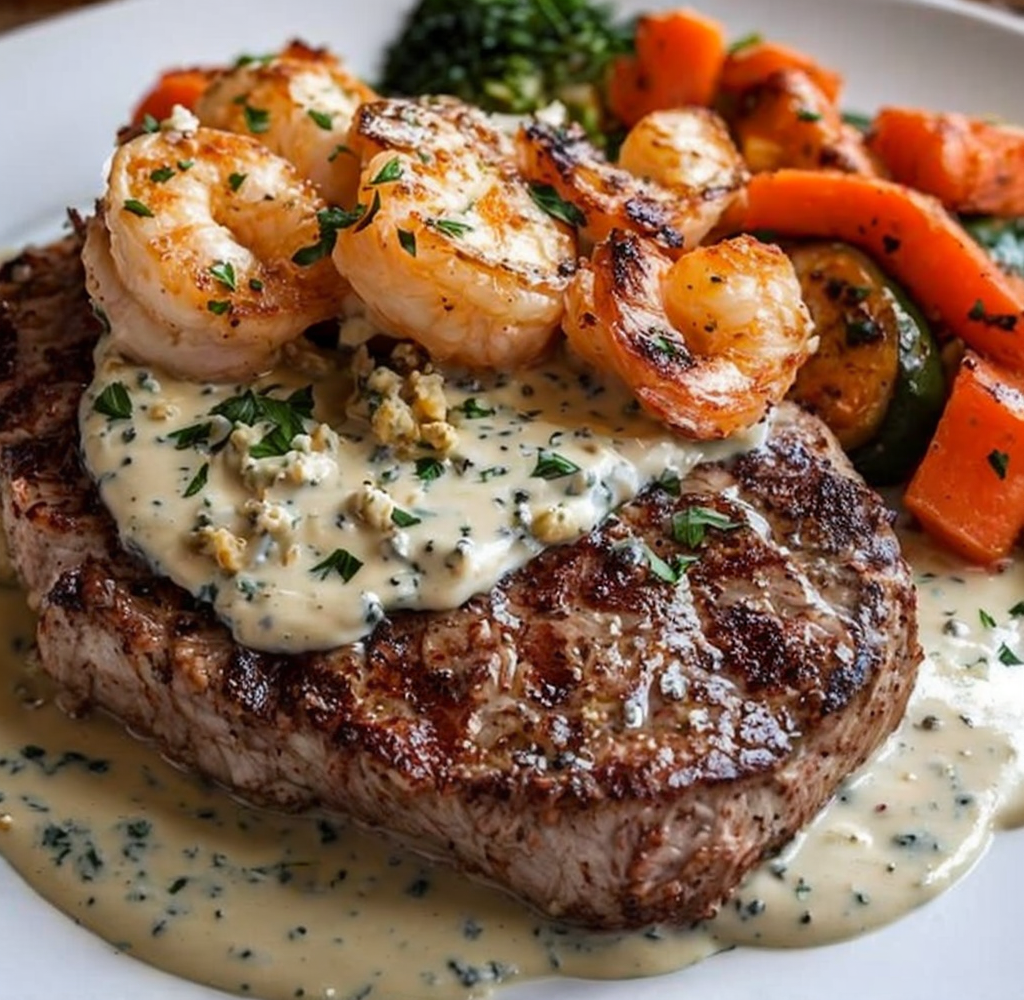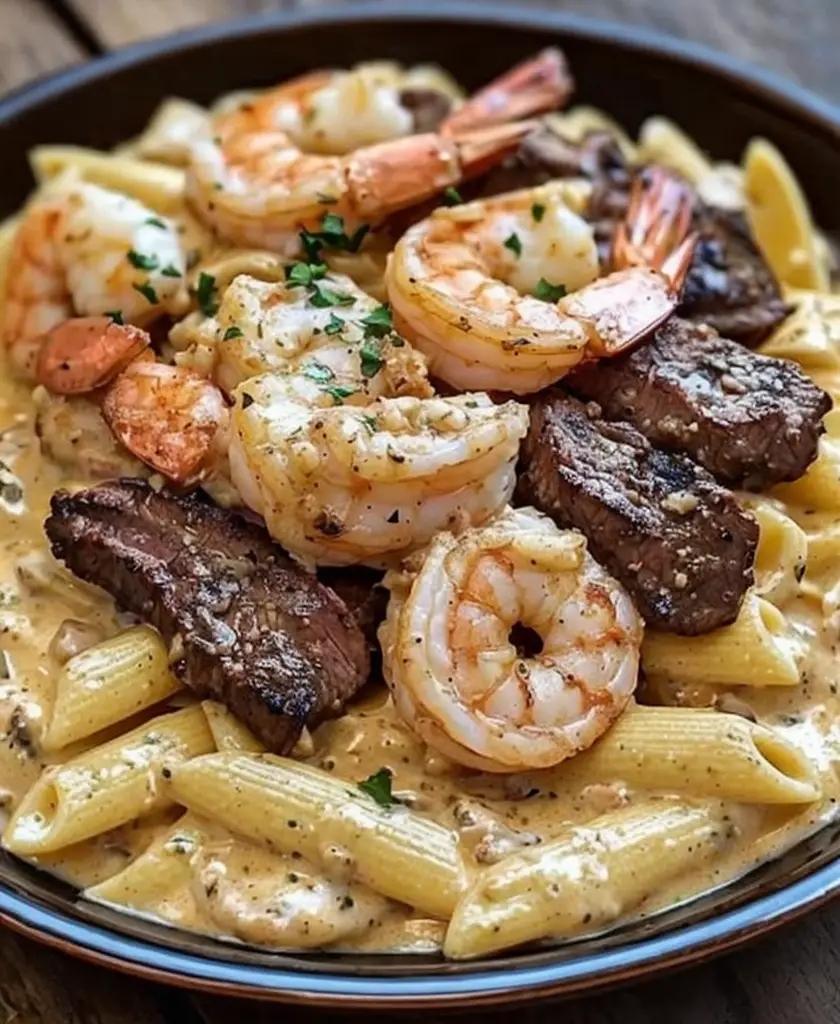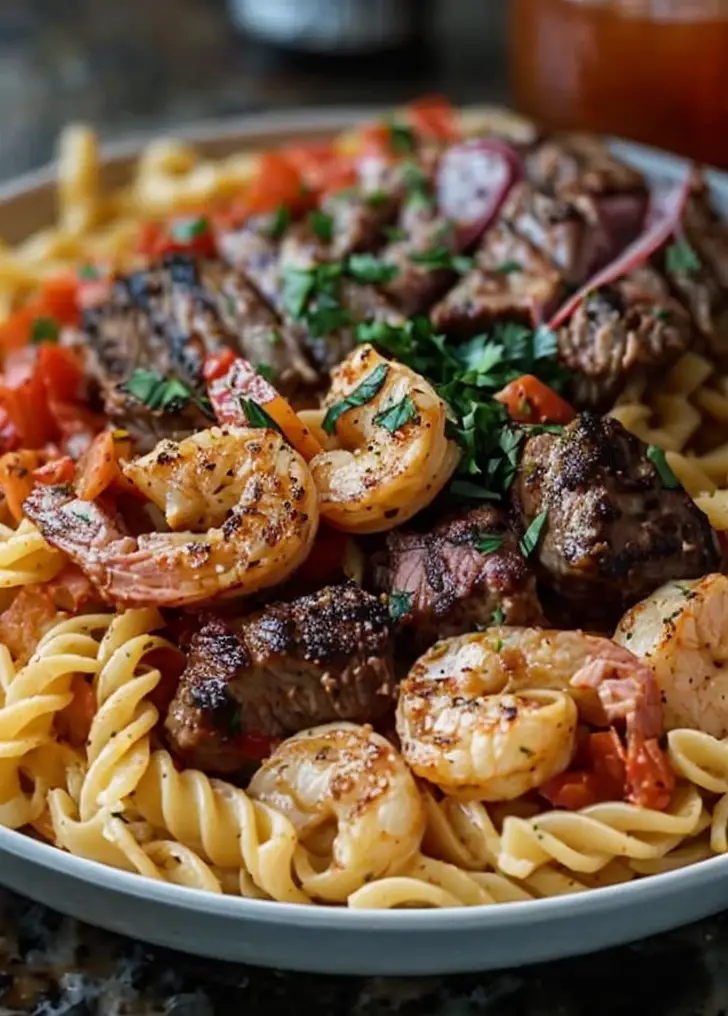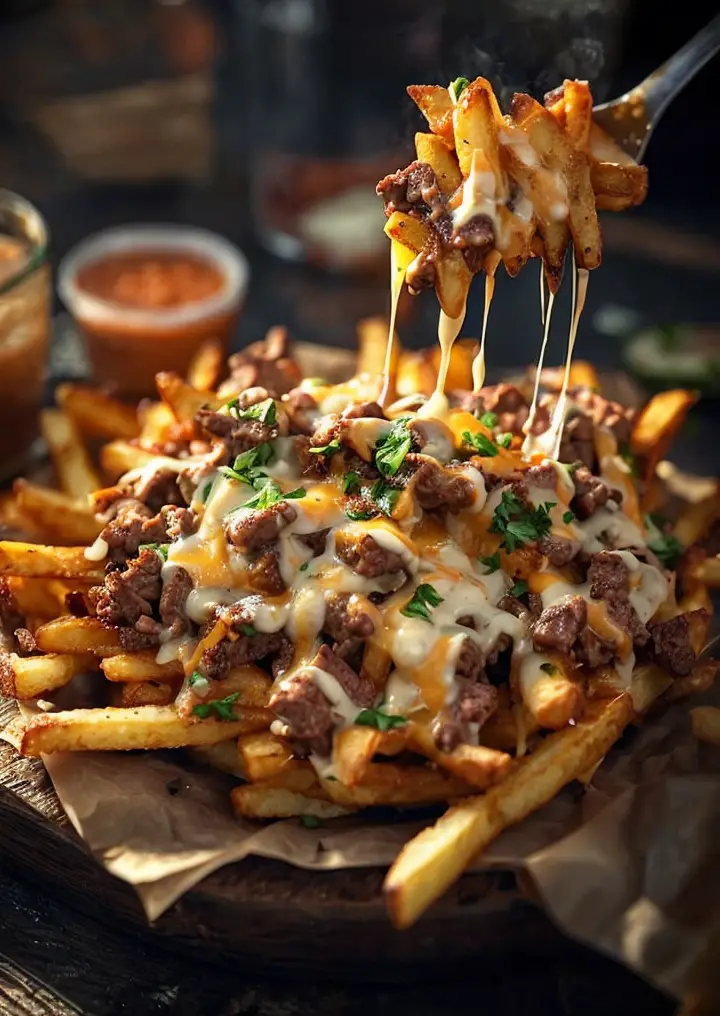
Ultimate Philly Steak Cheese Fries Recipe for Flavor Lovers

Philly Steak Cheese Fries: Indulge in a Flavorful Treat

⚖️
Difficulty
Easy

⏲️
Prep Time
15 mins

🕒
Cook Time
25 mins

⏱️
Total Time
40 mins

🍽️
Servings
4 servings

Get ready to delight in the mouthwatering combination of Philly Steak Cheese Fries! This delectable dish brings together crispy golden fries, tender steak, rich cheese, and vibrant toppings, making it the ultimate comfort food. Whether you’re hosting game night, enjoying a casual dinner with friends, or craving a hearty snack, these cheese fries will satisfy your hunger and tantalize your taste buds.

The first bite into this savory creation delivers a flavor explosion that will have you coming back for more. The succulent steak, perfectly seasoned and sautéed, pairs beautifully with the melted cheese that perfectly blankets the fries. Topped with fresh ingredients like jalapeños, green onions, or even a drizzle of ranch, each forkful offers a delightful mix of textures and rich flavors.

Quick Recipe Highlights

  • Flavor Profile: A savory combination of tender steak, gooey cheese, and crispy fries creates a symphony of mouthwatering flavors.
  • Texture: Enjoy the satisfying crunch of the fries followed by the creamy melted cheese and juicy beef.
  • Aroma: The irresistible aroma of sizzling steak paired with the scent of melted cheese and spices fills your kitchen.
  • Visual Appeal: This dish is a feast for the eyes, with vibrant colors from the fresh toppings contrasting beautifully with the golden fries.
  • Skill Level Needed: Perfect for beginners, this recipe requires minimal cooking techniques to bring all the flavors together.
  • Special Equipment: All you need is a baking sheet, skillet, and some basic kitchen utensils to prepare this dish.

Recipe Overview

  • Difficulty Level: This easy recipe can be prepared by anyone, making it great for beginners or experienced cooks looking for a quick meal.
  • Category: Inspired by indulgent bar snacks, Philly Steak Cheese Fries are perfect for appetizers, side dishes, or main courses.
  • Cuisine: Rooted in classic Philadelphia flavors, this dish combines the essence of steak sandwiches with the beloved side of fries.
  • Cost: With affordable ingredients, this recipe offers great value without compromising taste or quality.
  • Season: Ideal for any season, this dish shines at gatherings or cozy night-ins, giving comfort all year round.
  • Occasion: Perfect for parties, game day, or casual family dinners when you want a crowd-pleasing dish that everyone will love.

Why You’ll Love This Recipe

Taste and texture appeal: The combination of crispy fries and tender steak makes for an irresistible texture that is both crunchy and smooth. Each mouthful of cheese fries delivers a satisfying crunch followed by the comforting softness of beef and cheese, creating a beautifully balanced dish. The contrasting textures mean each bite is uniquely enjoyable, keeping your taste buds alive with excitement.

Convenience and preparation benefits: With minimal prep time and a quick cook time, Philly Steak Cheese Fries are an excellent choice for weeknight meals or spontaneous cravings. They come together in just one pan, which means less cleanup time for you! These fries can even be prepped ahead of time, allowing flexibility for easy assembly later.

Nutritional advantages: While indulging in comfort food, it’s nice to know you are enjoying some nutritious ingredients too. Steak provides essential protein and nutrients, while toppings like peppers and onions add vitamins and minerals. Although it’s a hearty dish, you can customize it with healthier alternatives, making it a balanced meal everyone can appreciate.

Social and entertaining value: Philly Steak Cheese Fries are perfect for gatherings and serve as a universal crowd-pleaser. With their fun finger-food design, they are ideal for sharing and encourage lively conversations at the dinner table or during a game night. They bring people together, making every occasion memorable with their comforting flavors.

Cost-effectiveness and accessibility: Made with simple and inexpensive ingredients, this recipe offers a high return on satisfaction with minimal investment. You can easily find all the components at your local grocery store. This recipe proves that delicious flavors don’t have to break the bank, allowing you to entertain or satisfy your cravings without excess spending.

Historical Background and Cultural Significance

The origin of Philly Steak Cheese Fries draws inspiration from the iconic Philly cheesesteak, a beloved sandwich that emerged from Philadelphia in the early 20th century. While the exact history of the sandwich is debated, the general consensus credits Italian immigrants for its creation, utilizing local beef and unique spices. This dish evolved into a popular fast-food option, eventually inspiring variations such as cheese fries.

Culturally, the cheesesteak is more than just a meal—it’s a symbol of Philadelphia’s rich culinary heritage. Known for its unique flavor and preparation style, this dish holds significant value for locals and visitors alike. By transforming classic flavors into cheese fries, food enthusiasts reinterpret a beloved tradition, making it more accessible and exciting.

The evolution of the recipe showcases America’s culinary innovation by combining beloved comfort food elements. Over the years, variations have flourished, with regional twists incorporating local flavors and ingredients, further enhancing its popularity. Philly Steak Cheese Fries are now regarded as a delicious spin-off that adds a modern twist to the classic cheesesteak.

Regional variations appear in other steak and cheese recipes, highlighting regional preferences and ingredients. Other cultures have embraced the concept of loaded fries, integrating local flavors and ingredients to create their interpretations. This widespread adaptation reflects the universal appeal of flavorful comfort food.

Ingredient Deep Dive

The star of this dish, the steak, has a rich heritage. Traditionally used in various cuisines, it offers a robust flavor and an abundance of nutrients, including iron and protein. When choosing steak, look for cuts such as flank or sirloin, as they work best for this recipe. Proper storage is essential—keep it refrigerated and consume it within a few days or freeze for longer preservation. If you prefer alternatives, chicken or turkey can easily replace the beef, offering a lighter option.

Next, cheese plays a crucial role in this recipe, transforming the fries into a decadent delight. Common choices include melted provolone, Cheddar, or even gooey American cheese. Each brings a distinct flavor profile, with Cheddar providing sharpness and provolone lending a creamier texture. To maintain freshness, store cheese in the fridge, tightly wrapped or in an airtight container. For substitutions, try vegetarian cheese or nutritional yeast for a vegan alternative.

Common Mistakes to Avoid

  • Using cold fries: Always ensure fries are hot and freshly baked so the cheese melts beautifully when added.
  • Overcooking the steak: Ensure the beef is cooked just right to maintain its tender texture; overcooked steak can become tough and chewy.
  • Not seasoning properly: Make sure to season both your steak and fries adequately for enhanced flavors.
  • Skipping the toppings: Fresh toppings like green onions or jalapeños add flavor and texture; don’t underestimate their importance!
  • Using the wrong cheese: Some cheeses melt better than others; opt for varieties designed for melting, such as provolone or Cheddar.
  • Ignoring the cooking method: Sautéing the steak on high heat develops flavor; avoid cooking it on low heat to prevent it from becoming dry.
  • Forgetting to preheat the oven: Always preheat your oven before baking fries to ensure even cooking and crispiness.
  • Neglecting portion control: Balance the servings; too much cheese or steak can overpower the fries, making it messier than enjoyable.
  • Not following the timing closely: Keep an eye on cooking times to prevent over-baking or burning the fries or cheese.
  • Using stale or old ingredients: Always check the freshness of your ingredients to ensure the best flavor outcome.

Essential Techniques

Mastering the art of baking crispy fries is crucial for success in this recipe. Start with fresh, thawed frozen fries if needed, tossing them with olive oil and salt before spreading them in a single layer on a baking sheet. Bake them until golden and crispy, paying attention to visual cues for doneness. This technique ensures you’re achieving the perfect base for launching your steak cheese experience.

Another key technique is sautéing the steak properly. Cut the steak into thin strips and allow it to reach room temperature before cooking. Using high heat, carefully sauté the beef in a hot skillet with oil, ensuring to sear each side until it’s perfectly browned while retaining moisture inside. Avoid overcrowding the pan, which can lead to steaming rather than searing, and give your beef that glorious flavor boost.

Pro Tips for Perfect Philly Steak Cheese Fries

1. For extra crispy fries, try shaking a touch of cornstarch onto them before baking for a crunchier finish.

2. Allow the steak to rest after cooking to retain juices and enhance its tenderness—this small step yields big flavors!

3. Experiment with your favorite flavored cheeses for a twist on this classic recipe—different varieties can elevate the dish!

4. Consider adding a layer of cooked onions or peppers on top of your cheese for added depth of flavor and a delicious veggie component.

5. Always serve with extra dipping sauces on the side, such as ranch or BBQ, to complement the rich flavors of the fries.

6. If you like a kick, incorporate fresh herbs like cilantro or spice blends tailored to your taste.

7. Create a loaded plate by adding toppings like guacamole or pico de gallo for a fresh burst of flavor.

8. Gently toss fries with seasoning blends before serving to ensure every bite is packed with flavor.

Variations and Adaptations

Regional variations abound for these cheese fries! Many areas put their own spin on the classic, such as the addition of chili or barbecue sauce, providing a heartier dish. In some regions, people opt for toppings like pickled jalapeños, sour cream, or even salsa for added freshness and flavor contrasts. You could also adapt the dish seasonally by incorporating autumn favorites, like roasted pumpkin seeds or cranberry salsa for a holiday twist.

Health-conscious adaptations can also be made—try substituting sweet potatoes for regular fries for a nutritional boost alongside a sweeter flavor. For vegan adaptations, consider using tempeh or seitan in place of steak, with a plant-based cheese alternative that melts beautifully for a satisfying result.

Serving and Presentation Guide

When it comes to plating up Philly Steak Cheese Fries, height is key! Start by laying the fries down in a mound on a platter, allowing the cheese to cascade over the top and drip down the sides. Garnish with freshly chopped herbs, diced jalapeños, or a sprinkle of green onions to add a pop of color and freshness. Serve with small cups of ranch dressing or hot sauce to enhance the visual appeal while providing delicious dipping options.

Keep in mind, serving temperature is critical. Aim to serve immediately after preparation to guarantee maximum crispness and flavor. Portion control is helpful to avoid overwhelming your guests; consider offering small plates to make for a more convivial dining experience as guests can sample as they chat and share their impressions.

Wine and Beverage Pairing

Enhancing your cheese fries experience with the perfect drinks can elevate your meal to new heights! For a classic pairing, go for a robust red wine like a Zinfandel or a Malbec, since such wines complement the richness of cheese and savory flavors of the steak beautifully. On the other hand, if you prefer lighter options, a crisp Riesling or Sauvignon Blanc will refresh the palate and balance the meal’s richness.

If you’re looking for non-alcoholic options, consider sparkling lemonade or an iced herbal tea to cleanse the palate between bites. For coffee lovers, a strong cold brew pairs surprisingly well with cheese fries, offering a delightful contrast to the savory elements of the dish. Ensure drinks are served chilled to provide the best experience, especially during summer gatherings.

Storage and Shelf Life

To store leftover Philly Steak Cheese Fries, make sure they cool completely before transferring them into an airtight container. To maintain freshness, consume within 2-3 days, reheating in an oven for optimal crispiness—microwaving might make them soggy. If you’d like to freeze them, you can prepare the components separately, freezing fries and steak in airtight containers. Just reheat accordingly when you’re ready to enjoy them again!

Always check for signs of spoilage, such as off odors or noticeable changes in texture, before consuming leftovers. For reheating, a 350°F oven works best—place fries on a baking sheet and heat until warmed throughout, making sure they remain crispy.

Make Ahead Strategies

If you’re planning ahead for a gathering or meal prep, consider batch cooking your steak and fries separately. You can cook the beef and store it in the fridge, then heat it up just before serving alongside freshly baked fries to offer a warm and indulgent experience. Additionally, you could slice the toppings ahead of time to streamline the assembly process, ensuring less time in the kitchen when it’s time to eat.

For cheeses, use pre-shredded varieties to save even more time. Just ensure they are stored properly to maintain their texture and flavor. Fresh elements like herbs can be added just before serving to preserve their vibrant colors and taste, ensuring that your steak cheese fries are fresh and delightful for your guests.

Scaling Instructions

If you’re looking to adjust the recipe, halving or doubling the ingredients is simple. For smaller gatherings, simply cut the quantities in half, ensuring that cooking times remain fairly consistent. However, if you plan on preparing for larger groups, you can easily triple the ingredients without significantly impacting your cooking techniques.

For equipment adjustments, consider using larger baking sheets or pans if cooking in bulk. Timing modifications are crucial when scaling, so monitor cooking times as larger quantities may require slight adjustments. Storing tips remain the same—make sure to have enough airtight containers to accommodate larger amounts while keeping efficiency in mind.

Nutritional Deep Dive

Each serving of Philly Steak Cheese Fries provides a delicious balance of macronutrients, including protein from the steak and carbohydrates from the fries. Fats are provided by the cheese and cooking methods, adding delicious richness to the dish. Depending on the ingredients chosen, you can tailor the macro breakdown for your dietary needs, swapping types of fries or cheese for healthier alternatives.

Micronutrient analysis highlights the potential for vitamins and minerals, particularly from fresh toppings. Serve with fresh herbs or peppers, and you’ll enhance the nutritional value. For those monitoring their dietary intakes, keeping portion sizes appropriate is key; these indulgent treats can be balanced with plenty of veggies or paired with salads for a more wholesome meal.

Dietary Adaptations

To cater to gluten-free diets, ensure that the fries and any sauces are certified gluten-free. Instead of traditional fries, consider using zucchini or cauliflower fries as a healthier substitute to maintain comfort-food vibes. For those needing dairy-free options, use vegan cheese for a delicious melt without lactose.

If you’re following keto or low-carb diets, swap out fries for alternatives like roasted radishes or eggplant, which mimic the texture while significantly reducing carbohydrates. Paleo enthusiasts can stick with sweet potato fries, and for a lighter version that’s also low-FODMAP, prepare steak with grilled veggies instead of standard toppings. The possibilities are expansive, allowing indulgence while respecting dietary needs.

Troubleshooting Guide

If you find your fries are soggy, ensure they’re properly cooked and avoid stacking them on top of each other while baking. The lack of airflow can prevent crisping. For flavor balance issues, taste-test your components individually—season steak generously, and don’t forget to enhance your fries’ seasoning, too.

If the cheese isn’t melting universally, make sure you’re using the right type; some cheeses melt better than others. Temperature problems can often be solved by managing your cook times for each component accurately. For ingredient substitutions, always test new additions on a small scale to assess final flavors, helping avoid major flavor missteps.

Recipe Success Stories

Our community has shared stunning success stories with Philly Steak Cheese Fries! Many have experimented with their favorite add-ons, boasting about turning this dish into loaded fries using BBQ pulled pork or chili for a unique flavor profile. Photography tips also surfaced – clients show off their dinner tables with vibrant colors using colorful toppings, making the dish visually enticing.

Reader suggestions included incorporating seasonal vegetables, and many rave about how adding fresh herbs on top brightens the overall experience. The adaptability of this recipe has proven to be a favorite among those looking for ways to impress guests with little effort while maximizing flavor.

Frequently Asked Questions

Can I use frozen fries?

Yes! Frozen fries work well in this recipe—just follow the package instructions for baking time, and they’ll be delicious when topped with steak and cheese.

Are there vegetarian options available?

Absolutely! You can make this dish vegetarian by substituting the steak with sautéed mushrooms or more colorful veggies, and enjoy it with plant-based cheese options.

How can I make this dish ahead of time?

Cook the steak and fries separately and assemble them right before serving. You can also pre-cut your veggies and toppings for convenience.

What’s the best way to reheat leftovers?

The best way to reheat is hot and fast! Place leftovers in a single layer on a baking sheet, preheat the oven to 350°F, and heat until warmed through.

What type of cheese works best?

Provolone and Cheddar are classic choices, offering great flavor and melting characteristics, but feel free to experiment with your favorite cheese varieties!

Is this dish gluten-free?

To make Philly Steak Cheese Fries gluten-free, simply choose gluten-free fries and ensure other ingredients (like sauces) are also gluten-free.

Can I make this dish spicy?

Definitely! Add jalapeños or hot sauce for a spicy kick that complements the cheese and beef nicely.

What’s a great alternative to fries?

Sweet potato fries or veggie chips can serve as great alternatives if you’re looking to switch it up while maintaining flavor and texture.

How can I make these fries healthier?

Consider using baked sweet potatoes instead of traditional fries, and add more fresh veggies as toppings to increase nutrients.

Can I serve these for breakfast?

Sure! Consider adding scrambled eggs on top for a hearty breakfast twist, creating a delicious breakfast hash!

Additional Resources

Looking for related recipes? Check out our collections of loaded fries, nachos, and other delicious finger foods! If you’re interested in perfecting your culinary skills, we provide technique guides on frying and sautéing to elevate your home cooking experience. Ingredient information is also at your fingertips, should you wish to explore beyond steak and fries, and feel free to check out our equipment recommendations to equip your kitchen for success.

Join the Conversation

We’d love to hear from you! Share your creations on social media by tagging us, and give us a glimpse of your personalized Philly Steak Cheese Fries. Photography tips can help you capture the beauty of this dish; play with angles and lighting to highlight its vibrant colors. Let’s discuss your favorite variations and any modifications you’ve tried! Engaging with our community through recipe reviews and recommendations builds a network of culinary enthusiasts eager to share their love for delicious food.

The Recipe

Philly Steak Cheese Fries

Serves: 4 servings

Prep Time: 15 mins

Cook Time: 25 mins

Total Time: 40 mins

Kitchen Equipment Needed

  • Baking sheet
  • Skillet
  • Mixing bowl
  • Spoon for stirring
  • Meat thermometer

Ingredients

  • 1 lb steak (flank or sirloin), thinly sliced
  • 4 cups frozen fries
  • 2 cups shredded cheese (provolone or Cheddar)
  • 1 tablespoon olive oil
  • 1 teaspoon garlic powder
  • Salt and pepper to taste
  • Optional toppings: jalapeños, sliced green onions, sour cream

Directions

  1. Preheat your oven to 425°F (220°C) and bake the frozen fries according to package instructions until golden and crispy.
  2. While the fries are baking, heat olive oil in a skillet over medium-high heat. Season the steak with garlic powder, salt, and pepper.
  3. Add the steak to the skillet, cooking for 5-7 minutes until browned. Avoid overcrowding the pan.
  4. Once the fries are ready, remove them from the oven and sprinkle the cooked steak evenly on top.
  5. Generously top with shredded cheese and return to the oven, cooking for an additional 5-7 minutes until the cheese is melted and bubbly.
  6. Remove from the oven and garnish with your desired toppings before serving immediately. Enjoy!

Recipe Notes

  • Feel free to substitute steak with chicken or turkey for a different spin.
  • For an extra kick, toss in some chili flakes or hot sauce while cooking the steak.
  • Experiment with different types of cheese for unique flavor combinations!
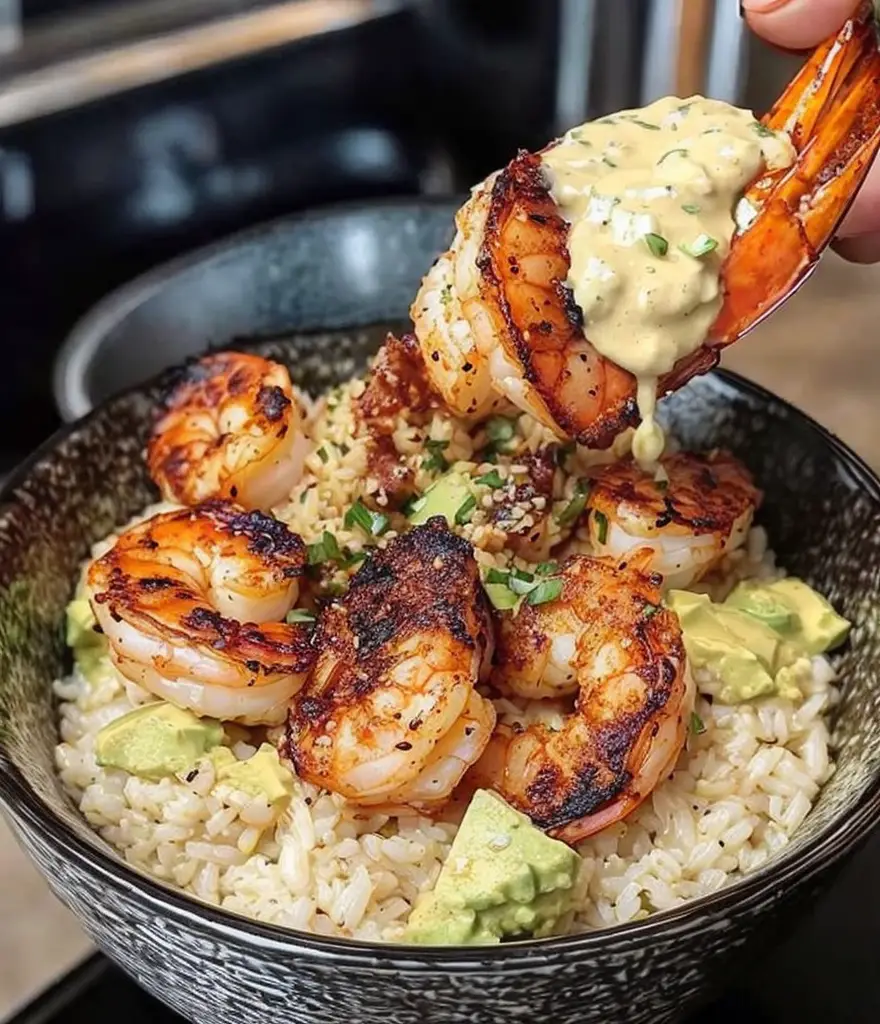
Delicious Spicy Shrimp & Avocado Rice Bowl Recipe to Try

Spicy Shrimp & Avocado Rice Bowl: A Flavor-Packed Delight

⚖️
Difficulty
Medium

⏲️
Prep Time
15 mins

🕒
Cook Time
10 mins

⏱️
Total Time
25 mins

🍽️
Servings
2 servings

Welcome to the ultimate culinary adventure with our Spicy Shrimp & Avocado Rice Bowl recipe! This dish bursts with vibrant flavors and textural contrasts that are sure to tantalize your taste buds. Imagine perfectly cooked shrimp marinated with zesty spices, paired with creamy avocado and a bed of fluffy rice. It’s a refreshing and satisfying dish perfect for lunch or dinner, making it a favorite for many food enthusiasts.

As you take a bite, you will experience the succulent shrimp infused with a delightful heat that dances on your palate, complemented by the cool and buttery notes of ripe avocado. This Spicy Shrimp & Avocado Rice Bowl is not only a treat for your taste buds but a feast for the eyes with its colorful presentation. Ready in just 25 minutes, it’s ideal for people who want delicious home-cooked meals without spending hours in the kitchen.

Quick Recipe Highlights

  • Flavor Profile: The Spicy Shrimp & Avocado Rice Bowl combines spicy, savory, and creamy flavors for a harmonious dish.
  • Texture: The tender shrimp contrast beautifully with creamy avocado and crunchy vegetables, creating a delightful mouthfeel.
  • Aroma: The dish features enticing aromas from garlic and lime, inviting you in for a delicious bite.
  • Visual Appeal: The colorful combination of shrimp, green avocado, and bright rice makes for an eye-catching presentation.
  • Skill Level Needed: This recipe requires basic cooking skills, making it accessible for beginners and seasoned cooks alike.
  • Special Equipment: You’ll need a skillet for cooking the shrimp and a pot for the rice, both common kitchen tools.

Recipe Overview

  • Difficulty Level: This Spicy Shrimp & Avocado Rice Bowl is categorized as medium difficulty, allowing even novice chefs to create it successfully.
  • Category: This dish fits perfectly into the quick dinner and healthy meal prep categories, ideal for time-strapped individuals.
  • Cuisine: With its roots in Asian-inspired cooking, this bowl incorporates flavors commonly found in Thai and Vietnamese dishes.
  • Cost: The cost is approximately $10-$15 per serving, making it an affordable and delicious meal option for most budgets.
  • Season: This dish is excellent year-round, with avocado being a key ingredient that adds freshness regardless of the season.
  • Occasion: Ideal for casual weeknight dinners or impressing guests at gatherings, this recipe shines at any occasion.

Why You’ll Love This Recipe

The Spicy Shrimp & Avocado Rice Bowl will captivate you with its combination of taste and texture. The balanced mix of spices enhances the natural sweetness of shrimp, creating an unforgettable flavor experience. Each mouthful is a satisfying blend of warmth from the spice, creaminess from the avocado, and heartiness from the rice.

One of the best aspects of this dish is how quickly it comes together. Perfect for busy weeknights or meal prep days, you’ll find this recipe fits nicely into your routine. You’ll have a delicious, healthy meal on the table in no time!

Nutritionally, this rice bowl is packed with benefits. The shrimp provide lean protein, the avocado brings in healthy fats, and the rice is a great source of carbs. You can feel good about serving this dish as it fuels your body with essential nutrients.

This dish serves as a wonderful social meal, making it ideal for sharing with family and friends. Serve it at gatherings, or whip it up for a cozy night in; you’ll love the compliments that come your way!

Cost-effectiveness is another highlight, as the ingredients are versatile and can be used across multiple recipes. This dish allows you to enjoy quality ingredients without breaking the bank.

Historical Background and Cultural Significance

The origins of shrimp dishes can be traced back to coastal regions globally, where fresh seafood is a staple. The Spicy Shrimp & Avocado Rice Bowl draws inspiration from various culinary traditions, blending spices reminiscent of Southeast Asian cooking with the rich textures brought by avocado.

Culturally, shrimp has been celebrated in cuisine for centuries, emblematic of coastal living and the bounty of the sea. This bowl reflects the global appreciation for seafood, highlighting how different cultures incorporate local ingredients into beloved dishes.

Over the years, this recipe has evolved. Traditionally, shrimp bowls were simple, focusing on the seafood’s natural flavors, but modern iterations now include various spices, healthier fats, and diverse grains like brown rice.

Regional variations of shrimp bowls exist, offering unique takes on flavors and ingredients. While some regions prefer citrusy notes, others highlight savory spices, allowing for a culinary tour through different taste experiences with this beloved ingredient.

Ingredient Deep Dive

Shrimp: Shrimp are not just a source of protein but also low in calories, making them a favorite in many diets. When shopping for shrimp, look for ones that are firm to the touch and have a mild scent. Fresh shrimp can be stored in the refrigerator for up to two days, and freezing them is ideal for longer storage.

Avocado: Avocado’s creamy texture and health benefits contribute significantly to this dish. They’re rich in monounsaturated fats, which are heart-healthy. When selecting avocados, choose ones that yield slightly to pressure but are not too soft. Store unripe avocados at room temperature; once ripe, they can be kept in the fridge to extend freshness.

Common Mistakes to Avoid

  • Overcooking the shrimp can make them rubbery; they should be cooked until just pink and opaque.
  • Not seasoning adequately can lead to bland flavors; ensure you taste as you cook.
  • Using unripe avocado can ruin the texture of the dish; always check for ripeness before use.
  • Cooking rice incorrectly can lead to dryness; follow the water-to-rice ratio for best results.
  • Assembling without allowing flavors to meld might hinder the taste; let the ingredients marry before serving.
  • Not adding acidity can dull flavors; a splash of lime or lemon zest enhances the taste profile.
  • Skipping the marinade for the shrimp eliminates depth in flavor; taking this step is crucial.
  • Ignoring the resting time for cooked shrimp can lead to carry-over cooking, altering texture.
  • Forgetting presentation detracts from the meal experience; consider garnishing for visual appeal.
  • Not adjusting spice levels to personal preference could result in an unintentionally mild dish.

Essential Techniques

Marinating Shrimp: Marinating is crucial as it infuses flavor into the shrimp and tenderizes them. Choose acidic components like lime juice or vinegar for effectiveness. Avoid over-marinating as it can lead to a mushy texture; a short period of 15-30 minutes works well.

Cooking Rice: Mastering the cooking of rice can seem daunting; however, the right water-to-rice ratio is key. Rinse the rice beforehand to remove excess starch, preventing clumping. Allowing the rice to rest off the heat for 10 minutes after cooking ensures even texture.

Pro Tips for Perfect Spicy Shrimp & Avocado Rice Bowl

Invest in high-quality shrimp for the best flavor; fresh is always ideal. Opt for sustainability by choosing wild-caught varieties when possible. Utilize a sharp chef’s knife for dicing avocado to achieve clean cuts and avoid browning.

Consider adding additional toppings like cilantro or scallions for freshness and color. Adjust spice levels by choosing milder or hotter peppers based on personal preference. Always taste as you go for seasoning adjustments to ensure balanced flavors.

For an upscale twist, consider drizzling with a sesame soy glaze just before serving. Presentation matters; use bowls with depth to highlight the colorful ingredients for a stunning visual. Finally, serve immediately to enjoy the optimal texture of the shrimp and avocado.

Variations and Adaptations

Regional variations of this bowl can include different types of protein like chicken or tofu—cooking techniques remain similar, preserving flavor. Seasonal adaptations could mean swapping fresh ingredients based on what’s locally available, from seasonal vegetables like zucchini or bell peppers. For dietary modifications, consider using quinoa instead of rice for a gluten-free option.

Flavor variations can be created using different spice blends; add a kick of cayenne or switch to a BBQ rub for a smoky finish. For a crunchier texture, consider topping with crushed tortilla chips or fried shallots. Adjusting presentation can make a difference too; serving in lettuce wraps delivers a refreshing twist for those looking for a lighter option.

Serving and Presentation Guide

For plating techniques, consider stacking components artfully; pile the rice high and arrange shrimp elegantly around it. Garnishing with fresh lime wedges not only adds color but enhances the dish’s decor. Traditional accompaniments like sesame seeds or pickled ginger add a nice touch; modern twists could include a drizzle of sriracha or avocado crema.

Temperature is essential; serve bowls warm to highlight the shrimp’s tenderness and enjoy the coolness of the avocado. Practice portion control by providing equal servings, ensuring your guests enjoy balanced flavors without overwhelming them.

Wine and Beverage Pairing

For wine pairings, consider a crisp Sauvignon Blanc to complement the spicy notes of the shrimp, enhancing the flavor profile. Non-alcoholic alternatives like sparkling water with lime work beautifully to cleanse the palate between bites. If pairing with coffee, a light roast is recommended to avoid overpowering the dish’s nuances, while tea options could include green tea for refreshing contrasts.

Storage and Shelf Life

Store any leftovers in an airtight container in the refrigerator for up to two days; shrimp and avocado are best when fresh. If freezing portions, consider separating the shrimp and avocado to preserve texture. Before consuming, check for signs of spoilage, especially with seafood; any off odors or color changes are indicators to discard.

Make Ahead Strategies

Prep the ingredients by marinating the shrimp and chopping vegetables ahead of time to speed up assembly. Store the marinated shrimp and veggies separately in the fridge; they will keep well for up to a day. Reheat the shrimp gently to avoid overcooking, and consider adding fresh herbs just before serving to maintain their flavor and aroma.

Scaling Instructions

To halve the recipe, simply adjust the quantities of shrimp, rice, and avocados without finesse lost in flavor. Doubling or tripling requires monitoring cook times for shrimp to prevent overcooking; increase the heat slightly and reduce time based on your stove’s efficiency. Factor in additional storage for larger portions; consider using multiple containers for efficient refrigeration.

Nutritional Deep Dive

This Spicy Shrimp & Avocado Rice Bowl provides a striking balance of macronutrients; each serving offers a focused blend of lean protein, healthy fats, and nourishment from carbohydrates to help you sustain energy throughout the day. The shrimp means essential amino acids, while the avocado contributes vital micronutrients like potassium and vitamin K.

Furthermore, it’s an excellent choice for health-conscious eaters; high in fiber and low in saturated fats, the dish supports healthy digestion and heart health. For weight management, the portion sizes can be tailored to fit individual goals, promoting mindful eating without compromising on flavor.

Dietary Adaptations

To adapt this recipe for gluten-free diets, ensure all condiments used are certified gluten-free. Substituting rice for quinoa or cauliflower rice can cater to low-carb enthusiasts. For vegans, substitute the shrimp with marinated tofu or chickpeas to maintain protein levels without animal products.

Troubleshooting Guide

If your shrimp becomes tough, it often indicates overcooking—be mindful of timing and temperature. A bland-tasting rice bowl could be due to insufficient seasoning; always adjust to personal taste with spices and herbs. If the dish is too spicy, balancing with more avocado or a dollop of sour cream can help manage heat levels.

Recipe Success Stories

Our community has shared delightful experiences attempting this dish, with many praising its versatility. Readers have adapted the recipe to incorporate locally-sourced ingredients, leading to unique flavors that enhance their experiences. Many encourage cooking in groups, finding it a perfect excuse for friends to gather and enjoy culinary creativity together.

Frequently Asked Questions

Can I use frozen shrimp for this recipe? Yes, just ensure to thaw them completely and pat dry before marinating to achieve the best texture.

What can I substitute for rice? Consider quinoa or cauliflower rice for a healthy alternative without compromising flavor.

How long does the avocado last after cutting? To maintain freshness, store cut avocado in an airtight container with lemon juice to reduce browning.

Can I make this dish spicy without overwhelming the flavors? Absolutely! Adjust the spice level by using less chili or adding hot sauce separately for individual servings.

What’s the best way to reheat leftovers? Reheat gently on the stove or microwave without overcooking the shrimp.

Can I prepare components separately in advance? Yes, marinating shrimp and chopping veggies can be done a day prior to save time.

Is there an alternative to avocado? You can use comparable creamy ingredients like hummus or a dollop of sour cream.

How can I make this dish more filling? Serve it alongside a salad or with a side of steamed vegetables to enhance the meal.

Can I add more vegetables to the bowl? Definitely! Bell peppers, zucchini, or carrots make excellent additions.

What are good side dishes for this meal? Try serving with a light cucumber salad or grilled corn for added freshness.

Additional Resources

For more delicious seafood recipes, explore our collection of shrimp dishes or try out our technique guides on cooking rice perfectly. Dive into our ingredient information section for tips on selecting, storing, and utilizing fresh seafood.

Join the Conversation

We love hearing from you! Share your cooking experiences on social media and tag us to showcase your stunning Spicy Shrimp & Avocado Rice Bowl. Don’t hesitate to leave reviews or suggestions for variations of this recipe. Your tips could help other food lovers in the community!

The Recipe

Spicy Shrimp & Avocado Rice Bowl

Serves: 2 servings

Prep Time: 15 mins

Cook Time: 10 mins

Total Time: 25 mins

Kitchen Equipment Needed

  • Skillet
  • Pot for cooking rice
  • Mixing bowl for marinating
  • Serving bowls

Ingredients

  • 1 lb shrimp, peeled and deveined
  • 1 cup rice (white or brown)
  • 1 ripe avocado, diced
  • 2 tablespoons olive oil
  • 2 cloves garlic, minced
  • 1 teaspoon chili powder
  • 1 teaspoon paprika
  • Salt and pepper, to taste
  • Juice of 1 lime
  • Fresh cilantro for garnish

Directions

  1. In a mixing bowl, combine shrimp with olive oil, garlic, chili powder, paprika, salt, pepper, and lime juice. Let marinate for 15 minutes.
  2. While the shrimp is marinating, cook rice according to package instructions. Set aside when done.
  3. Heat a skillet over medium-high heat. Cook the marinated shrimp for 3-4 minutes or until pink and cooked through.
  4. In serving bowls, layer rice, top with shrimp, and then add diced avocado.
  5. Garnish with fresh cilantro and a squeeze of lime juice before serving.

Recipe Notes

  • Feel free to adjust spiciness by controlling the chili powder amount or adding sriracha as a topping.
  • Leftovers can be stored in an airtight container in the fridge for up to 2 days.
  • This recipe is versatile; swap shrimp for chicken or tofu for different flavor profiles.
  • Substitute rice with quinoa or cauliflower rice for a different base.

Delicious Creamy Beef and Mushroom Pasta Recipe for Dinner

Creamy Beef and Mushroom Pasta: A Comforting Delight

⚖️
Difficulty
Easy

⏲️
Prep Time
15 mins

🕒
Cook Time
30 mins

⏱️
Total Time
45 mins

🍽️
Servings
4

If you’re looking for a meal that combines heartiness with comfort, then our Creamy Beef and Mushroom Pasta is the perfect dish for you. This recipe brilliantly combines succulent beef with tender mushrooms, all enveloped in a rich and creamy sauce that will have your taste buds dancing. It’s a dish that warms not only your belly but also your heart, making it a wonderful choice for family dinner nights or gatherings with friends. Imagine twirling your fork into creamy pasta, savoring each bite as the flavors meld together for a truly delightful experience.

The beauty of this creamy beef and mushroom pasta lies in its simplicity and the depth of flavor achieved from a few key ingredients. Fresh mushrooms bring an earthy flavor that complements the richness of the beef, while a generous splash of cream ties everything together into a velvety sauce that coats the pasta perfectly. This dish is sure to become a family favorite, and it’s versatile enough to dress up for special occasions or enjoy as a comforting weekday meal.

Quick Recipe Highlights

  • Flavor Profile: This dish features a perfect balance of savory beef, earthy mushrooms, and a creamy sauce enriched with garlic and herbs.
  • Texture: The pasta is al dente, while the beef stays juicy and tender, creating a delightful mouthfeel alongside the creamy sauce.
  • Aroma: The aroma is simply irresistible, with notes of sautéed garlic, savory beef, and fresh herbs tantalizing your senses as it cooks.
  • Visual Appeal: The beautifully plated pasta is garnished with a sprinkle of fresh parsley or parmesan, making it visually stunning on any table.
  • Skill Level Needed: This recipe is user-friendly and perfect for beginners looking to explore creamy pasta dishes with ease.
  • Special Equipment: A large pot for cooking the pasta and a skillet for sautéing the beef and mushrooms are all you need.

Recipe Overview

  • Difficulty Level: This recipe is classified as easy, making it suitable for novice cooks who can follow straightforward steps to create a rich dish.
  • Category: Creamy Beef and Mushroom Pasta falls under the category of hearty main dishes, perfect for dinner and satisfying for all ages.
  • Cuisine: This recipe draws its inspiration from Italian cuisine, known for its generous use of pasta and creamy sauces while incorporating hearty proteins.
  • Cost: The estimated cost of this recipe is budget-friendly, making it a great option for families or gatherings.
  • Season: This dish is perfect for year-round enjoyment, especially during colder months when comfort food is most craved.
  • Occasion: Ideal for casual family dinners, a cozy night in, or entertaining guests at a dinner party.

Why You’ll Love This Recipe

The taste of Creamy Beef and Mushroom Pasta is nothing short of divine. The flavors meld beautifully, providing a comforting dish that everyone will enjoy. The creaminess of the sauce pairs with the savory notes of the beef and the umami flavor of the mushrooms, creating a well-rounded meal that feels indulgent yet homey.

This dish also excels in the convenience department. With a prep time of just 15 minutes and a cook time of 30 minutes, you can whip this up on a busy weeknight or enjoy a leisurely weekend meal with loved ones. It’s a straightforward recipe that doesn’t require hours in the kitchen yet yields a flavorful, satisfying dish.

Nutritionally, this recipe provides a decent balance of protein, carbohydrates, and fats, making it a fulfilling meal. Incorporating ingredients like mushrooms also adds essential vitamins and minerals, boosting its overall nutritional profile and making it more than just comfort food.

Creamy Beef and Mushroom Pasta is not only perfect for family meals, but it shines on special occasions as well. Whether you’re hosting a dinner party or enjoying a cozy night in, this dish serves as a delicious centerpiece that will impress your guests. Its creamy goodness invites sharing and conversation around the table.

Cost-effectiveness is another significant advantage of this recipe. Many of the ingredients are pantry staples and can be purchased for a reasonable price, allowing you to prepare a delightful, gourmet-style meal without breaking the bank.

Historical Background and Cultural Significance

The origins of pasta can be traced back to ancient civilizations, particularly in regions like Italy where it evolved into different shapes and varieties. Over time, pasta has become a staple in many cultures, including various iterations found in dishes around the globe. The marriage of beef and mushrooms in pasta dishes became popular as cooks sought hearty and filling meals.

In Italy, pasta serves not just as a food source but as a means of bringing families together. Meals are often seen as communal experiences that promote bonding and celebration, with creamy pasta dishes like this one being perfect for such occasions.

With the evolution of cuisine, this dish reflects how versatile pasta can be. Different regions have adapted their sauces, meats, and cooking methods, leading to variations that showcase local ingredients and preferences. The creamy sauce has its roots in Italian cooking but has made its way into global popularity.

In recent years, creamy pasta dishes, particularly those with beef and mushrooms, have seen a resurgence in home cooking as people rediscover the joy of preparing comforting meals at home, particularly during family gatherings and holidays.

Ingredient Deep Dive

Beef: Beef has a long-standing history as a source of protein in diets worldwide. Rich in essential nutrients like iron and vitamin B12, it provides energy and contributes to muscle health. When selecting beef for this recipe, look for cuts like sirloin or flank which offer great flavor without excessive fat. Store beef in the refrigerator for up to three days and consider freezing for longer storage. If needed, chicken or turkey can be substituted for a lighter version.

Mushrooms: Mushrooms have captivated palettes for centuries, valued for their unique flavor and texture. They offer various health benefits, being low in calories yet rich in antioxidants. When selecting mushrooms, choose firm, dry specimens, avoiding any slimy or darkened ones. Store mushrooms in a paper bag in the fridge to preserve freshness. For this dish, alternatives such as cremini or shiitake mushrooms work beautifully, enhancing the dish’s umami profile.

Common Mistakes to Avoid

  • Overcooking the Pasta: This is a common error. Overcooked pasta can become mushy and lose its appealing texture. Always cook until al dente for the best results.
  • Using Cold Beef: Cooking cold beef can lead to uneven cooking. Always bring beef to room temperature before searing to ensure it cooks evenly.
  • Neglecting to Season: Failing to season your dish while cooking can result in bland flavors. Always taste as you cook, and adjust the seasoning as necessary.
  • Overcrowding the Pan: When sautéing beef or mushrooms, overcrowding the pan can cause steaming rather than browning. Cook in batches if necessary to allow for proper caramelization.
  • Skipping the Deglazing: Don’t skip deglazing the pan after browning beef. This step is essential for building flavor in your sauce.
  • Using Low-Quality Cream: The quality of cream impacts the overall richness of your sauce. Opt for heavy cream for the best creamy texture.
  • Forgetting to Stir: Stirring ensures that ingredients are evenly coated with sauce and heated through. Don’t leave your pasta unattended!
  • Not Letting it Rest: Allowing the dish to rest after cooking helps the flavors meld together. Give it a few minutes before serving.

Essential Techniques

Cooking Pasta: Understanding how to cook pasta perfectly is fundamental. Always use a large pot of salted water for boiling. The salt enhances flavor, while the large pot prevents sticking. Taste often for doneness, aiming for al dente. The perfect texture should be slightly firm when bitten.

Sautéing: Sautéing is a key technique in this recipe. Heat your pan before adding ingredients to ensure they brown nicely, enhancing flavor. Use medium-high heat and avoid overcrowding the pan to achieve that lovely golden-brown color on your beef and mushrooms.

Pro Tips for Perfect Creamy Beef and Mushroom Pasta

– Use a mix of fresh and dried herbs to enhance the flavor profile of your dish. Fresh parsley or thyme can be added at the end for a bright finish.

– Don’t be afraid to play with the sauce texture! If you prefer it thicker, allow it to simmer longer or add a bit of grated parmesan for creaminess and depth.

– Leftover pasta can be transformed into a delicious baked dish! Just combine it with cheese and bake until bubbly for a fantastic second meal.

– Consider adding vegetables like spinach or peas for additional color and nutrition. They make a fresh addition that balances the richness of the sauce.

– Always keep a bit of the pasta water. This starchy water is an excellent way to adjust the consistency of your sauce if it becomes too thick.

– Use a good-quality pasta to enhance the overall dish. Look for brands that are labeled ‘artisan’ or ‘whole grain’ for added texture and flavor.

– Experiment with different types of mushrooms! Each type offers a unique flavor and texture that can change the dish dramatically.

– Allow the dish to sit for a few minutes before serving. This helps the flavors blend beautifully and allows for easy portioning.

Variations and Adaptations

For a regional spin, try adding Italian sausage or pancetta along with the beef for a richer flavor. Seasonal adaptations can include fresh vegetables like asparagus or zucchini during the summer months, adding texture and color to the dish.

If you’re looking at dietary modifications, consider a gluten-free pasta option or switching heavy cream for a plant-based alternative for a dairy-free version. The flavor may vary slightly, but many alternatives can still yield a creamy consistency.

In terms of flavor variations, consider incorporating sun-dried tomatoes or a splash of white wine for an added layer of taste, or use different herbs like basil for a fresher profile. To varying textures, crunchy breadcrumbs can be sprinkled on top before serving.

For presentation alternatives, consider serving in individual bowls garnished with fresh herbs and a dusting of parmesan or lemon zest, offering a refined touch suitable for entertaining.

Serving and Presentation Guide

When plating your creamy beef and mushroom pasta, use large, shallow bowls to create a visually appealing setting. Twirl the pasta with a fork to form a lovely mound in the center. Garnishing with fresh herbs like parsley or basil adds a pop of color and flavor.

Consider incorporating toasted pine nuts or breadcrumbs for an added crunch that contrasts beautifully with the creaminess of the dish. You can also sprinkle freshly grated parmesan or pecorino cheese on top for a rich finish.

Temperature can dramatically affect the experience of this dish. Serve it warm, fresh from the stove, to enjoy the rich flavors at their best. For family-style presentations, consider using a large serving bowl to allow everyone to help themselves.

In terms of portion control, a standard serving size is about a cup of pasta, ensuring that everyone can enjoy this indulgent dish without overdoing it.

Wine and Beverage Pairing

A full-bodied red wine, such as a Cabernet Sauvignon or a Chianti, pairs wonderfully with creamy beef and mushroom pasta. These wines’ robust flavors complement the richness of the dish without overpowering it.

For those who prefer white wine, a buttery Chardonnay enhances the creamy notes and mirrors the richness of the sauce beautifully. Non-alcoholic options such as sparkling water with lemon can cleanse the palate wonderfully between bites.

If you’re enjoying this dish during lunch or brunch, a light tea, such as Earl Grey or chamomile, can serve as a refreshing accompaniment, balancing the heaviness of the meal nicely.

Storage and Shelf Life

After preparing creamy beef and mushroom pasta, proper storage is key for maintaining freshness. Store leftovers in an airtight container in the refrigerator for up to three days. When reheating, consider adding a splash of cream or broth to prevent drying out.

The dish can be frozen for up to three months. To freeze, allow it to cool completely and place it in a freezer-safe container. When ready to eat, thaw overnight in the fridge and reheat gently on the stove for best results.

Signs of spoilage include an off smell, discoloration, and an unusual texture. If any of these occur, it’s best to discard the dish to ensure your health.

Make Ahead Strategies

For those busy weeknights, this creamy beef and mushroom pasta can be prepared in stages. Cook the beef and mushrooms ahead of time and store them in the fridge for an easy reach when you’re ready to assemble the dish.

The sauce can also be made in advance and refrigerated. Just give it a quick reheat on the stove, followed by tossing with freshly cooked pasta and a splash of pasta water for freshness.

If you plan to serve this dish to guests, consider doing most of the prep work the day before. This will limit the time needed in the kitchen the day of the event, allowing you to enjoy your company.

Scaling Instructions

If you wish to halve this recipe, simply reduce all ingredients by 50%, maintaining the same cooking times and methods. This approach works well for smaller gatherings or if you’d like to try it first.

To double the recipe, ensure you have a large enough pot and pan to accommodate increased ingredients. Cooking times will remain roughly the same, but keep an eye on the pasta and meat to ensure they don’t overcook.

Adjust your seasonings according to personal preference; sometimes larger batches require a slight increase in flavoring. Always taste as you go to achieve the perfect balance.

Nutritional Deep Dive

In terms of nutritional value, creamy beef and mushroom pasta packs a punch with its macro components. Each serving provides a fair balance of carbohydrates from the pasta, proteins from the beef, and fats from the cream, creating a filling dish.

Micronutrient-wise, beef offers essential iron and B vitamins, which are vital for energy and maintaining healthy bodily functions. Mushrooms add antioxidants like selenium and ergothioneine, contributing to overall health.

While this dish is certainly rich, enjoying it in moderation fits into most balanced diets. Consider serving alongside a green salad to introduce more fiber and nutrients into your meal.

Dietary Adaptations

For those needing gluten-free options, using gluten-free pasta ensures this dish can still be enjoyed. There are many varieties available that hold up well in cream sauces.

Dairy-free adaptations can be achieved using plant-based creams or coconut milk for a similar texture. Nutritional yeast can also be added for a cheesy flavor without the dairy.

Vegans can substitute the beef with lentils or textured vegetable protein, providing a delicious meatless dish while maintaining protein content.

Low-carb followers can replace traditional pasta with zucchini noodles or spaghetti squash for a fresh, lighter version of creamy beef and mushroom pasta.

Troubleshooting Guide

If the pasta is too sticky, it may have been overcooked or not tossed with enough sauce. Be sure to reserve pasta cooking water to loosen the sauce if needed.

For flavor imbalance, consider adding salt or fresh herbs to elevate flavors. Tasting throughout the cooking process will help adjust seasoning effectively.

If your sauce is too thin, increase the heat and let it reduce slightly, or add a cornstarch slurry as a thickening agent. Conversely, if it’s too thick, reserve some pasta water to dilute it.

Recipe Success Stories

Many readers have shared their variations of this creamy beef and mushroom pasta, introducing their unique ingredients and flavors. From extra garlic to the addition of spinach, community feedback highlights how versatile and adaptable this dish is.

Photography has also played a role in showcasing this recipe’s appeal. Users have taken to social media, sharing beautifully plated servings, emphasizing how visually inviting this meal can be.

Frequently Asked Questions

Can I use different types of pasta? Yes, any pasta shape will work well in this recipe! Penne, fettuccine, or even gluten-free pasta are great choices.

Can I make this dish in advance? Absolutely! You can cook the meat and sauce ahead of time and reheat it when ready to serve.

How can I make this dish spicier? Consider adding red pepper flakes or a dash of hot sauce to the sauce for an extra kick of heat.

What can I substitute for beef? Ground turkey or chicken works as a lighter alternative, or try mushrooms for a vegetarian option.

Can I freeze the leftovers? Yes, this dish freezes well! Just make sure to store it in an airtight container.

What’s the best way to reheat creamy pasta? Gently reheat on the stove with a splash of cream or broth to bring back the creamy consistency.

Is there a dairy-free version? Yes, use plant-based cream alternatives to achieve a creamy sauce without dairy.

Can I add other vegetables? Certainly! Spinach, peas, or bell peppers can add color and nutrition to the dish.

How long does it take to cook the pasta? Typically, 8-12 minutes depending on the type of pasta you are using. Always check the package instructions for exact times.

What if there’s too much sauce? Save the sauce to use with a different pasta or pour over steamed vegetables for a quick side dish.

Additional Resources

For those interested in exploring more comforting meals like this, check out our collection of pasta recipes, ranging from classic to modern variations. Additionally, our guides on cooking techniques and ingredient substitutions can enhance your culinary skills, making your time in the kitchen even more fun!

Join the Conversation

We love hearing your feedback and suggestions! Share your modifications or favorite variations on social media and inspire others in our cooking community. Don’t forget to upload your photos for a chance to be featured!

The Recipe

Creamy Beef and Mushroom Pasta

Serves: 4

Prep Time: 15 mins

Cook Time: 30 mins

Total Time: 45 mins

Kitchen Equipment Needed

  • Large pot for boiling pasta
  • Skillet for sautéing
  • Colander for draining pasta
  • Wooden spoon or spatula for stirring

Ingredients

  • 300g pasta of your choice
  • 500g ground beef
  • 250g fresh mushrooms, sliced
  • 1 medium onion, chopped
  • 3 cloves garlic, minced
  • 300ml heavy cream
  • 2 tbsp olive oil
  • Salt and pepper to taste
  • Fresh parsley, for garnish

Directions

  1. Cook pasta according to package instructions until al dente. Drain and set aside.
  2. In a large skillet, heat olive oil over medium-high heat. Add chopped onion and sauté until translucent.
  3. Add minced garlic and cook for an additional minute until fragrant.
  4. Brown the ground beef in the skillet, breaking it apart with a wooden spoon, and cook until no longer pink.
  5. Add sliced mushrooms and cook until they are tender, about 5-7 minutes.
  6. Pour in heavy cream and stir until everything is well combined. Season with salt and pepper to taste.
  7. Combine the cooked pasta with the creamy beef and mushroom sauce, tossing well to coat.
  8. Serve immediately, garnished with fresh parsley.

Recipe Notes

  • Feel free to substitute ground beef with ground turkey or chicken for a lighter option.
  • Add spinach or peas for extra color and nutrients.
  • Store any leftovers in an airtight container in the refrigerator for up to 3 days.
  • This recipe can be easily doubled for larger gatherings.

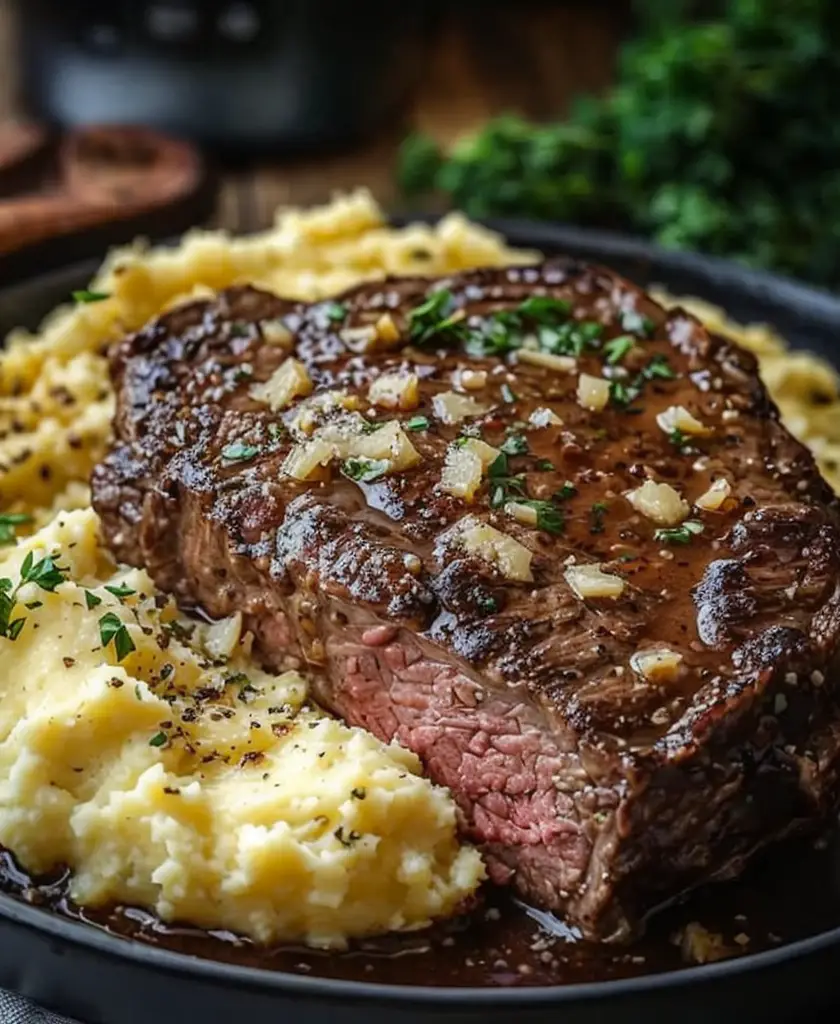
Savory Slow Cooker Garlic Butter Ribeye with Creamy Mashed Potatoes

Comforting Slow Cooker Garlic Butter Ribeye with Parmesan Mashed Potatoes: A Hearty Family Favorite

⚖️
Difficulty
Easy

⏲️
Prep Time
15 mins

🕒
Cook Time
8 hours

⏱️
Total Time
8 hours 15 mins

🍽️
Servings
4 servings

Indulge in the ultimate comfort food experience with our Comforting Slow Cooker Garlic Butter Ribeye with Parmesan Mashed Potatoes. This dish combines tender ribeye steak slow-cooked to perfection, infused with the rich flavors of garlic and creamy butter, creating an incredibly flavorful meal that is sure to please anyone at the dinner table. Paired with velvety Parmesan mashed potatoes, this recipe is not just food—it’s a warm embrace that soothes the soul.

Slow cooking this ribeye allows the marbled fat to melt away, enriching the meat’s natural juices while blending with fragrant herbs and spices. The result is a buttery, garlicky delight that falls apart with a fork. Meanwhile, the Parmesan mashed potatoes offer a dreamy texture, bringing an irresistible savory note that complements the beef beautifully. This dish is perfect for family gatherings, game day festivities, or simply enjoying a quiet evening at home.

Quick Recipe Highlights

  • Flavor Profile: This dish features a delightful combination of savory garlic and creamy butter that infuses every bite of the ribeye while the Parmesan adds an extra layer of richness to the mashed potatoes.
  • Texture: The ribeye steak becomes incredibly tender and juicy from slow cooking, while the mashed potatoes are luxuriously smooth and creamy.
  • Aroma: The tantalizing scent of garlic wafts through your home as the ribeye cooks, ensuring everyone’s anticipation builds to a delicious crescendo.
  • Visual Appeal: The beautifully browned ribeye, paired with fluffy white Parmesan mashed potatoes, creates an inviting and hearty plate.
  • Skill Level Needed: This is an easy recipe suitable for beginner cooks, as the slow cooker does most of the work for you.
  • Special Equipment: A slow cooker is essential for this recipe, along with a potato masher for the mashed potatoes.

Recipe Overview

  • Difficulty Level: This Comforting Slow Cooker Garlic Butter Ribeye is classified as easy, making it perfect for cooks of all levels. The slow cooker takes the pressure off, allowing you to enjoy more time with family and friends.
  • Category: This recipe falls under comfort food, ideal for cozy family dinners or gatherings with friends.
  • Cuisine: This dish reflects a classic American culinary tradition, enriched with flavorful, hearty ingredients that symbolize warmth and home-cooked meals.
  • Cost: With just a few affordable ingredients, this recipe offers great value while delivering a luxurious dining experience at home.
  • Season: Best enjoyed in cooler months, this dish warms the heart and body, perfect for fall and winter feasts.
  • Occasion: Serve it for family dinners, holiday gatherings, or even casual get-togethers to impress your guests with minimal effort.

Why You’ll Love This Recipe

Experience a taste and texture appeal with each bite of this Comforting Slow Cooker Garlic Butter Ribeye. The savory flavors meld beautifully with the luxurious mouthfeel of the mashed potatoes, making every meal a culinary delight. The tenderness of the ribeye, cooked low and slow, creates a juicy, melt-in-your-mouth experience that is simply irresistible.

Convenience shines through this recipe as it requires minimal active cooking time. Just prepare the ingredients, set your slow cooker, and allow it to do the work while you relax or attend to your guests. This recipe is perfect for busy weeknights or special occasions where quality matters but time is of the essence.

From a nutritional standpoint, ribeye steak is a good source of protein and essential nutrients, making it a fulfilling meal option. Pairing it with Parmesan mashed potatoes adds wholesome carbohydrates, offering a complete and satisfying dinner.

The social and entertaining value of this dish is undeniable. Friends and family will gather around the table, sharing stories and laughter while enjoying this hearty, home-cooked meal that brings everyone together.

Lastly, the cost-effectiveness of slow cooking is a significant advantage. Using less expensive cuts of beef becomes a flavorful masterpiece, allowing you to serve an impressive dinner without breaking the bank.

Historical Background and Cultural Significance

The origin of ribeye steak can be traced back to the early days of American cattle ranching, where it became popular due to its marbling and tenderness. This cut is revered by meat lovers for its rich flavor, making it a staple in American cuisine that epitomizes comfort food.

Culturally, this dish is representative of family gatherings, home cooking, and traditional meals shared around the dinner table. It has evolved into a beloved comfort food that resonates with generations, reminding us of the warmth of home and the joy of sharing food with loved ones.

As this recipe has evolved, various adaptations have emerged, particularly in how seasoned chefs and home cooks introduce unique elements, such as different herbs or side dishes. The integration of garlic butter into the cooking process adds a modern twist while maintaining the dish’s rustic roots.

Regional variations of ribeye dishes can be found across America, with each area embracing local flavors and ingredients. From BBQ-style preparations in the South to gourmet renditions in urban settings, ribeye steak remains a cherished component of American culinary identity.

Ingredient Deep Dive

For the ribeye steak, sourcing high-quality meat is crucial for achieving the best flavor. Ribeye is known for its rich marbling, which enhances its juicy texture. When selecting ribeye, look for well-marbled cuts with a vibrant red color and a good amount of fat surrounding the steak for that melt-in-your-mouth experience. Store raw ribeye in the refrigerator for up to three days or freeze for longer storage.

Garlic is another vital ingredient that brings depth to the dish. Rich in flavor and health benefits, it has been used in various cuisines for centuries. Garlic not only elevates the ribeye’s taste but also offers numerous nutritional advantages, including enhanced immune function. Choosing fresh garlic bulbs is paramount; store them in a cool, dark place.

Parmesan cheese adds a delightful creaminess to mashed potatoes, ensuring they are exceptionally savory. Aged for many months, Parmesan is known for its complex flavor, making it a popular choice in Italian and American dishes alike. When selecting Parmesan, opt for a block over pre-grated options to maintain freshness. Parmesan should be stored in the fridge, tightly wrapped to prevent moisture absorption.

Common Mistakes to Avoid

  • Overcooking the Ribeye: The key to tender steak lies in cooking it just until it reaches your desired doneness. Overcooking can lead to dryness.
  • Ignoring Marinade Time: Allowing the steak to marinate for at least an hour enhances flavor significantly; otherwise, it may taste bland.
  • Skimping on Seasoning: Properly seasoning the ribeye before cooking brings out its natural flavors; don’t shy away from salt and pepper.
  • Using Cold Ingredients: Letting the ribeye sit at room temperature for about 30 minutes before cooking ensures even cooking.
  • Not Preparing Mashed Potatoes Correctly: Failing to adequately drain the potatoes before mashing can result in watery consistency.
  • Neglecting to Taste as You Go: Not tasting the dish throughout the cooking process may lead to an imbalance of flavors.
  • Rushing the Cooking Process: Slow cooking is key for developing flavors; don’t attempt to speed it up by raising the temperature.
  • Overloading the Slow Cooker: Too much meat or vegetables can hinder proper cooking; ensure there’s enough room for steam circulation.

Essential Techniques

One essential technique for this recipe is marinating the ribeye. This process allows the flavors to penetrate the meat, enhancing overall taste. To master marinating, be sure to coat the steak evenly and let it sit for several hours or overnight. Avoid common pitfalls like using an acidic marinade for too long, which can lead to a mushy texture. Look for visual cues such as a deeper color to ensure effective marination.

Another critical technique is properly mashing the potatoes. Start by boiling peeled potatoes until fork-tender, then drain well. Use a potato masher or ricer for optimal texture. Over-mixing can cause a gummy consistency, so mash just until smooth. A visual cue for success is a creamy, fluffy texture without lumps.

Pro Tips for Perfect Comforting Slow Cooker Garlic Butter Ribeye

1. Choose a well-marbled ribeye for maximum flavor and tenderness during slow cooking. Look for bright red coloration and minimal connective tissue.
2. Allow the ribeye to come to room temperature before cooking for even doneness throughout the steak.
3. Don’t rush the cooking time; low and slow is the mantra for achieving tender, flavorful results.
4. Use fresh ingredients for the best taste; fresh garlic packs a more pungent punch than powdered alternatives.
5. For a richer flavor, add additional herbs like thyme or rosemary to the slow cooker.
6. Taste the sauce before serving and adjust seasoning as needed for a perfectly balanced dish.
7. If using leftovers, store them properly to maintain quality and flavor when reheating.
8. Pair the dish with a simple side salad to add freshness and color to your meal.

Variations and Adaptations

For a regional variation, consider adding South American spices like chimichurri to the ribeye for a flavorful twist. If you prefer a seasonal adaptation, incorporating root vegetables like carrots or parsnips into the slow cooker can add nutrition and flavor depth during the winter months.

In terms of dietary modifications, those needing gluten-free options can confidently enjoy this dish as all ingredients do not contain gluten. For those looking to reduce carbs, substitute traditional mashed potatoes with cauliflower mash, maintaining a creamy texture while lowering calories.

Flavor variations can include adding a splash of soy sauce for an umami kick in the ribeye marinade. To modify the texture, consider finishing the mashed potatoes with a touch of cream cheese for added thickness. Lastly, consider garnishing your dish with freshly chopped parsley to brighten the visual presentation.

Serving and Presentation Guide

When serving this delicious Comforting Slow Cooker Garlic Butter Ribeye, consider plating the dish on a rustic wooden board for a homey feel. Use a large spoon to artfully arrange the Parmesan mashed potatoes beside the ribeye, allowing the juices to mingle beautifully.

Garnish with fresh herbs like parsley or chives for an added splash of color and flavor, making the dish visually appealing. Accompany your meal with warm bread or a simple side salad to provide balance. Ensure to serve at an optimal temperature, letting the ribeye rest for about five minutes before cutting to retain its juices.

In terms of portion control, serve generous portions, especially if you know your guests love a hearty meal; adjust based on the occasion. Remember, the presentation is essential—serving on colorful plates enhances the meal’s overall aesthetic.

Wine and Beverage Pairing

For an exquisite wine pairing, consider a bold Cabernet Sauvignon or a rich Malbec, which complements the flavors of the ribeye splendidly. These wines bring out the dish’s savory notes without overwhelming the palate.

If you prefer a non-alcoholic option, a sparkling grape juice or a robust iced tea can offer refreshing balance alongside the rich flavors of your meal. Optionally, serve brewed coffee or a dark roast espresso for a delightful end to the meal; the bitterness will contrast nicely with the savory dish.

Temperature considerations are vital; serve red wines at room temperature while white wines should be chilled. For coffee or tea, ensure they’re served hot to enhance the overall dining experience.

Storage and Shelf Life

To ensure your Comforting Slow Cooker Garlic Butter Ribeye remains fresh, store leftovers in an airtight container in the refrigerator for up to three days. For best quality, reheat in the oven to maintain the ribeye’s tenderness.

If you need to freeze portions, ensure the ribeye is cool, then wrap it tightly in plastic wrap before placing it in a freezer-safe bag. The stew can last up to three months; however, it’s best consumed fresh for flavor.

Signs of spoilage include an off smell or discoloration. When reheating, ensure it reaches the internal temperature of 165°F for safety. Always thaw in the refrigerator overnight before reheating to maintain quality.

Make Ahead Strategies

To simplify meal prep, consider marinating the ribeye the night before to enhance flavor significantly. Store it in the refrigerator, allowing the garlic and butter to permeate the meat while you rest.

You can also prepare the parmesan mashed potatoes in advance. Simply boil and mash the potatoes, then cool them down before refrigerating. When it’s mealtime, reheat them gently on the stove, adding a splash of cream to revive their creamy texture.

Evaluate quality when combining steps; avoid allowing the ribeye to sit in marinade for more than 24 hours to prevent unwanted texture changes.

Scaling Instructions

If you need to halve the recipe, adjust cooking time by checking for doneness 1 hour earlier than the original timing. It is straightforward to double or triple the ingredients, but ensure your slow cooker can accommodate the increased volume without overcrowding.

When scaling, maintain the same ratio of marinating ingredients for consistent flavor. Equipment adjustment may be necessary if doubling, ensuring that the slow cooker is large enough to contain all ingredients.

Timing modifications may be required based on portion size; larger quantities can take longer to reach a safe internal temperature. Monitor the dish as you adjust cooking time, taking care that ingredients are evenly distributed to cook properly.

Nutritional Deep Dive

The macro breakdown for a serving of Comforting Slow Cooker Garlic Butter Ribeye includes substantial protein from the ribeye steak, essential for muscle maintenance and repair. Pairing it with mashed potatoes offers carbohydrates, providing energy, which is especially beneficial for active individuals.

Micronutrient analysis reveals this dish is rich in vitamin B12 and iron from the ribeye, crucial for blood health, while the Parmesan contributes calcium for strong bones. Adding garlic enhances flavor and offers anti-inflammatory properties.

When considering dietary considerations, keep portion sizes consistent with individual nutrient needs. Weight management tips may include serving smaller portions of ribeye and bulk up with additional vegetables for balanced nutrition.

Dietary Adaptations

For a gluten-free adaptation of this dish, ensure that any sauces used are free of gluten-containing products. This recipe is inherently gluten-free, making it suitable for those with gluten sensitivities.

To create a dairy-free version, substitute the Parmesan cheese with a nut-based cheese alternative and use plant-based butter in the mashed potatoes for a similar creamy texture and flavor profile.

For those following low-carb, Keto, or Paleo diets, modifications can include replacing mashed potatoes with cauliflower mash or zucchini noodles while limiting additional starches.

Troubleshooting Guide

If experiencing texture issues with the ribeye, ensure the slow cooker wasn’t too crowded as it can affect cooking times; slight adjustments may be necessary depending on your appliance.

In the event of flavor imbalance, taste the dish periodically during cooking and adjust seasonings; under-seasoning is a common problem that can easily be remedied.

Should your potatoes appear too watery, ensure they are adequately drained after boiling, and consider using a ricer for fluffier results.

If the meat has become dry, overcooking is a likely culprit; always check for doneness towards the lower end of cooking times.

Recipe Success Stories

Our readers have raved about this Comforting Slow Cooker Garlic Butter Ribeye, sharing stories of their successful family dinners. Many have noted how the aroma filled their homes, creating a warm atmosphere that invited their loved ones to the table.

Several community members have experimented with flavors, infusing Asian-inspired ingredients like ginger into the marinade, garnering praise from family and friends. They’ve reported these variations spark new conversations at the dinner table, showcasing the dish’s adaptability to different palates.

Photography tips have also been shared, encouraging home cooks to capture their creations, showing off the beautiful plating and enjoy the compliments received for their culinary skills.

Frequently Asked Questions

Can I cook this recipe on high in the slow cooker?

While it’s possible to cook on high, doing so may alter the steak’s texture. To achieve the best results, slow cooking on low is recommended to ensure the meat remains tender and flavorful.

What can I substitute for Parmesan cheese?

If you’re looking for alternatives, consider Pecorino Romano for a similar sharp flavor or nutritional yeast for a dairy-free option that adds umami without cheese.

How should I store leftovers?

Leftovers can be stored in an airtight container in the refrigerator for up to three days. For longer storage, freeze portions wrapped tightly.

Can I use another cut of beef?

While ribeye offers the best flavor and tenderness, cuts like chuck roast or sirloin can work as well, altering the cooking time and texture slightly.

Can this dish be made ahead of time?

Yes! You can marinate the ribeye a night before and cook it the next day. The mashed potatoes can also be prepared in advance and reheated.

What should I serve with this dish?

This dish pairs wonderfully with a simple side salad, crusty bread, or roasted vegetables that complement the rich flavors of the ribeye.

Can I cook this recipe in the oven instead of a slow cooker?

Yes! You can prepare the ribeye in the oven using a covered roasting pan, but cooking time will vary. Monitor it to ensure proper doneness.

What type of potatoes are best for mashed potatoes?

Uniformly starchy potatoes like Russets or Yukon Golds are ideal for making creamy mashed potatoes, as they break down nicely and create a smooth texture.

How spicy is this recipe?

This recipe is not inherently spicy, but feel free to add red pepper flakes or fresh chili to the marinade to introduce heat if desired.

Can I make this dish in an Instant Pot?

Yes! You can adjust the cooking time and pressure settings to make this recipe in an Instant Pot, but keep in mind the texture may vary compared to slow cooking.

Additional Resources

For further culinary exploration, check out other related recipes like Slow Cooker Beef Stroganoff or Classic Beef Short Ribs. These recipes also utilize slow cooking techniques, ensuring rich dishes with minimal effort.

Dive into technique guides that offer insights on perfectly cooking beef, mastering mashed potatoes, or slow-cooker tips. Understanding these skills will enhance your overall cooking experience.

For ingredient information, consider resources detailing various cuts of beef, how to select the freshest produce, or the health benefits of key ingredients.

Explore equipment recommendations, particularly for slow cookers and kitchen essentials that enhance the cooking process for various recipes.

If you’re keen on seasonal variations, take advantage of fresh ingredients available during specific months, adapting your meals to incorporate local produce.

Join the Conversation

Engage with our community by sharing your photos and experiences while making this dish on social media. Tag us to showcase your culinary creations and inspire others.

Leave a review or comment sharing your thoughts or any variations you tried. Our audience loves hearing about personal successes and new flavors that elevate this classic dish.

Connect with fellow food enthusiasts, share tips or suggestions on how to improve or adapt the recipe. Your contributions could inspire someone else’s cooking journey!

The Recipe

Comforting Slow Cooker Garlic Butter Ribeye with Parmesan Mashed Potatoes

Serves: 4 servings

Prep Time: 15 mins

Cook Time: 8 hours

Total Time: 8 hours 15 mins

Kitchen Equipment Needed

  • Slow cooker
  • Potato masher
  • Cutting board
  • Sharp knife
  • Measuring cups and spoons

Ingredients

  • 2 pounds ribeye steak
  • 4 tablespoons garlic butter
  • 3 cloves garlic, minced
  • Salt and pepper, to taste
  • 2 pounds potatoes, peeled and cubed
  • ½ cup grated Parmesan cheese
  • ½ cup heavy cream
  • 2 tablespoons butter

Directions

  1. Season the ribeye steak generously with salt and pepper. In a skillet, sear both sides until browned, about 3-4 minutes.
  2. Place the seared ribeye in the slow cooker along with garlic and garlic butter. Cover and cook on low for 8 hours.
  3. During the last hour of slow cooking, boil the potatoes in salted water until tender, about 15-20 minutes; drain well.
  4. Mash the potatoes with butter and heavy cream until creamy. Stir in Parmesan cheese until well combined.
  5. Once the ribeye is tender, shred the meat with a fork and serve it alongside the Parmesan mashed potatoes.

Recipe Notes

  • For added flavor, consider adding rosemary or thyme to the ribeye during cooking.
  • Feel free to substitute different types of cheese in the mashed potatoes for varied flavors.
  • Leftover mashed potatoes can be made into potato cakes; simply pan-fry with butter until crispy.

Delicious Classic Philly Cheesesteak Meatloaf Recipe You’ll Love

Classic Philly Cheesesteak Meatloaf: A Comfort Food Twist

⚖️
Difficulty
Easy

⏲️
Prep Time
20 mins

🕒
Cook Time
60 mins

⏱️
Total Time
80 mins

🍽️
Servings
6

The Classic Philly Cheesesteak Meatloaf takes a beloved Philadelphia classic and transforms it into a warm, comforting dish that is perfect for the whole family. Rich, flavorful ground beef is blended with sautéed onions and peppers, creating a taste explosion in every bite. Topped with gooey melted cheese, this meatloaf epitomizes comfort food at its finest. Each slice boasts robust flavors characteristic of traditional Philly cheesesteaks, yet offers the moist and hearty texture of a classic meatloaf.

Imagine the savory aroma wafting through your kitchen, enticing everyone as you prepare this crowd-pleasing dish. The marriage of flavors within this meatloaf is sure to evoke cherished memories of family dinners and gatherings. Whether served for a weeknight supper or a weekend feast, the Classic Philly Cheesesteak Meatloaf promises satisfaction and delight, making it a recipe you’ll want to return to time and again.

Quick Recipe Highlights

  • Flavor Profile: This meatloaf boasts a savory mixture pairing the richness of beef with the sweetness of sautéed onions and green peppers.
  • Texture: Expect a beautifully moist center complemented by the gooey melt of cheese on top, creating a satisfying bite.
  • Aroma: The sweet and savory scents of cooked onions and peppers mixed with seasoned beef fill the room, inviting everyone to gather around the table.
  • Visual Appeal: The golden-brown crust and bubbling cheese create a visually enticing dish that looks as good as it tastes.
  • Skill Level Needed: This recipe is approachable for beginners, requiring basic cooking skills and time management.
  • Special Equipment: You will need a loaf pan and a skillet to prepare this recipe efficiently.

Recipe Overview

  • Difficulty Level: This Classic Philly Cheesesteak Meatloaf is easy to prepare, ideal for cooks of all skill levels. It requires simple chopping and mixing techniques that are manageable for novices.
  • Category: This dish falls under the main course category and works well for family dinners, potlucks, and meal prep.
  • Cuisine: Taking cues from American cuisine, especially from Philadelphia traditions, this meatloaf honors the beloved cheesesteak sandwich in a novel format.
  • Cost: Ingredients are relatively inexpensive, making this dish budget-friendly while still providing satisfying portions.
  • Season: This meatloaf is perfect for any season, but it shines during the fall and winter months as a comforting dish.
  • Occasion: Visit with family and friends at your dining table, or bring it to gatherings and celebrations where hearty food is appreciated.

Why You’ll Love This Recipe

There are multiple reasons to fall in love with the Classic Philly Cheesesteak Meatloaf. First, it harmoniously balances taste and texture, making every bite delightfully savory and satisfying. The caramelized onions and peppers enhance the beef’s flavor while the melted cheese on top adds that irresistible richness. Preparing this meatloaf is also incredibly convenient. You can throw the ingredients together quickly and let it bake while you focus on other meal components or enjoy some downtime.

Incorporating wholesome ingredients, this dish allows for a nutritious family meal that keeps everyone fueled and happy. Not only is it a great dish, but it also holds social and entertaining value, making it a fantastic conversation starter over shared meals. Lastly, considering its cost-effectiveness, creating a dish like this at home gives you more bang for your budget, ensuring you can serve a wholesome, delicious meal without breaking the bank.

Historical Background and Cultural Significance

The roots of the Philly cheesesteak date back to the early 20th century in Philadelphia, where it emerged as a local favorite. Initially crafted as a sandwich featuring thinly sliced beef, it has evolved into a culinary icon that reflects the city’s rich Italian American heritage. By transforming this beloved sandwich into a meatloaf, we pay homage to its origins while putting a twist on its presentation.

Through the years, the cheesesteak has seen various adaptations, with many regions putting their spin on it, from extra toppings to alternative proteins. The Philly Cheesesteak Meatloaf embraces this adaptability, allowing home chefs to personalize ingredients based on preferences or available items. In essence, this dish highlights the culinary creativity fueled by cultural significance while celebrating the communal spirit that food fosters.

Ingredient Deep Dive

– Ground Beef: A staple of American cuisine, ground beef provides the primary protein source in this meatloaf. It’s rich in iron and protein, essential for muscle development and overall health. When selecting ground beef, look for an 80/20 blend of lean meat to fat for the best flavor and moisture. Store it in the refrigerator for up to two days or freeze for longer shelf life.

– Onions: Onions are a flavor powerhouse in this recipe, bringing sweetness and warmth to every bite. They are low in calories and high in vitamins C and B6, beneficial for overall health. Opt for yellow onions for a sweeter taste. Store in a cool, dark place, and they can last several weeks when kept dry.

– Green Peppers: These peppers add a vibrant crunch and a slightly sweet flavor. They are rich in vitamins A and C, boosting immunity and eye health. Look for firm, shiny peppers that feel heavy for their size. Keep them in the refrigerator in a plastic bag to extend their freshness.

– Cheese: Cheese is what brings this Philadelphia-inspired meatloaf together, creating a meltingly delicious topping. Cheddar is classic, but you can explore flavors like provolone or mozzarella for variation. Store cheese in its original packaging in the fridge, and it’s best used within a few weeks of opening.

Common Mistakes to Avoid

  • Overmixing the Meat: When forming the meatloaf, avoid overmixing as it can lead to a dense texture. Lightly combine the ingredients to maintain tenderness.
  • Wrong Meat Ratio: Using lean ground beef can result in a dry meatloaf. Opt for a blend with enough fat to keep it moist while providing flavor.
  • Skipping the Cheese Layer: Don’t forget to add cheese on top before finishing the baking; skipping this can take away from the core flavors of the dish.
  • Not Preheating the Oven: Failing to preheat the oven can affect cooking times and temperatures, resulting in uneven baking.
  • Cooking at Too High a Temperature: Cooking the meatloaf at too high an oven temperature can lead to a burnt exterior while the inside remains undercooked.
  • Using Fresh Ingredients: Avoid wilted vegetables as they can diminish the overall flavor and texture. Always use fresh, crisp vegetables for the best results.
  • Inadequate Resting Time: Allowing the meatloaf to rest for at least 10 minutes after baking helps retain moisture and makes slicing easier.
  • Neglecting Seasoning: Be generous with your spices and flavorings. Under-seasoning can lead to bland results, so don’t skimp on salt and pepper.
  • Inaccurate Baking Time: Keep an eye on the cooking time; every oven varies, and checking with a meat thermometer ensures perfect doneness.
  • Using the Wrong Pan: Ensure you’re using a loaf pan that’s appropriate; otherwise, your meatloaf could cook unevenly or lose its shape.

Essential Techniques

– Mixing Meat: It’s essential to mix the meat with other ingredients just enough to combine without overworking it. When mixing, use a gentle folding technique to keep the meatloaf tender.

– Cooking Onions and Peppers: Mastering the art of sautéing these vegetables is crucial. Cook them until translucent for the best flavor, as this caramelization enhances their sweetness.

– Shaping the Meatloaf: When forming the loaf, aim for an even thickness; this ensures consistent cooking times. Using a lightly greased loaf pan will make the shaping easier and help keep its form.

– Baking Techniques: Using a thermometer to check the internal temperature will prevent overcooking. The ideal temperature for ground beef is 160°F to ensure it is safe to consume.

Pro Tips for Perfect Classic Philly Cheesesteak Meatloaf

– Use fresh ingredients for great flavor, particularly the vegetables, to enhance the overall dish.
– Allow the meatloaf to chill in the refrigerator for 30 minutes before baking, as this helps it hold its shape.
– Experiment with different cheeses to find your favorite combo; each adds unique flavor notes.
– Brush the meatloaf with a bit of BBQ sauce or ketchup before baking to enhance flavor and provide a glossy finish.
– Consider adding herbs like parsley or oregano for an additional layer of flavor that complements the meat.
– Use a thermometer to guarantee perfect doneness without overcooking the meatloaf.
– Cover the meatloaf with aluminum foil during the first half of baking to prevent excessive browning.
– Allow the meatloaf to rest before slicing; this helps retain the juices inside, making each bite moist and flavorful.

Variations and Adaptations

– Regional Variations: Experiment with regional flavors by using different meats like sausage or turkey for a unique twist that differs from the classic beef version.
– Seasonal Adaptations: Incorporate seasonal vegetables like zucchini or mushrooms to change up flavors and textures based on what’s fresh.
– Dietary Modifications: Substitute traditional breadcrumbs with gluten-free options to cater to dietary restrictions without sacrificing flavor.
– Flavor Variations: Add spices such as smoked paprika or Italian seasoning for different flavor profiles that still emphasize the beloved cheesesteak flavor.
– Texture Modifications: Incorporate oats or finely chopped vegetables into the meat mixture to enhance texture while adding nutritional value.
– Presentation Alternatives: Serve with a drizzle of homemade sauce before plating for an attractive finish and additional flavor complexity.

Serving and Presentation Guide

To truly impress, consider plating the Classic Philly Cheesesteak Meatloaf with fresh herbs like parsley or cilantro to elevate its visual appeal. Pair it with a side of roasted vegetables or mashed potatoes for a comforting meal. When slicing, use a sharp serrated knife for perfect cuts without crumbling. If desired, spoon sauces around the plate for a modern touch.

Temperature is key; serve the meatloaf warm, accompanied by a side of dipping sauces or fresh sides. Practice portion control by serving smaller slices alongside sides to create a balanced meal. Lastly, consider stacking slices for height on the plate to make the dish visually appealing.

Wine and Beverage Pairing

A hearty meatloaf pairs beautifully with full-bodied red wines like Cabernet Sauvignon or Malbec, whose tannins complement the robust flavors of the beef and cheese. For a more refreshing choice, consider a crisp white wine like Sauvignon Blanc.

Non-alcoholic alternatives could include sparkling water with a slice of lemon or a refreshing iced tea, which cleanses the palate alongside the rich flavors of the meatloaf. If you decide on coffee, opt for a dark roast to pair the meatloaf’s rich flavors. Remember to serve wines slightly chilled to bring out their aromatic qualities.

Storage and Shelf Life

To ensure your Classic Philly Cheesesteak Meatloaf stays fresh, store leftovers in an airtight container in the refrigerator, where it can last for 3-4 days. You can also freeze it for extended shelf life, allowing it to stay good for up to three months. When freezing, slice the meatloaf and wrap each piece individually to retain freshness.

Check for signs of spoilage, such as off smells or unusual textures before reheating. To reheat, place slices in the oven at 350°F for about 15-20 minutes or until heated through. If reheating from frozen, allow the meatloaf to thaw in the refrigerator overnight for best results.

Make Ahead Strategies

To save time, you may prepare the meatloaf mixture and refrigerate it a day in advance. This technique allows flavors to meld beautifully. When ready to cook, simply shape the mixture into a loaf and proceed with baking.

Storing individual ingredients in timely batches can help streamline assembly. You can prepare and chop vegetables in advance, ensuring quick assembly on busy nights. If possible, assemble the meatloaf without baking up to two hours ahead; keep it covered in the fridge until you’re ready to bake it.

For an extra flavor boost, consider marinating the ingredients overnight or adding freshly chopped herbs just before baking to maintain their vibrant taste.

Scaling Instructions

To scale this Classic Philly Cheesesteak Meatloaf recipe, simply adjust the ingredient quantities accordingly. Halving the recipe is perfect for smaller households, while doubling or tripling it can cater to larger gatherings or meal prep.

Ensure your baking pan is large enough to accommodate larger quantities; otherwise, consider using multiple pans for even cooking. Adjust cooking times based on the size of your meatloaf—the larger the loaf, the longer it may take to cook thoroughly.

Storing any leftovers is essential for portion control; ensure you have adequate storage containers ready for any excess meatloaf to maintain its deliciousness.

Nutritional Deep Dive

In terms of macronutrients, the Classic Philly Cheesesteak Meatloaf is a great source of protein thanks to lean ground beef. Additionally, by adjusting ingredient ratios and adding vegetables, you can increase fiber and vitamin content. Serve it alongside a salad for a balanced meal.

Micronutrient analysis shows that this dish is rich in vitamin C and A thanks to the addition of bell peppers and onions, promoting immune health and aiding vision. Be mindful of portion sizes to maintain a balanced diet, especially if managing caloric intake.

For those focused on weight management, consider adding more vegetables to the mix to reduce the meat content while still preserving flavors. Using the minimum amount of oil during sautéing can further enhance healthfulness.

Dietary Adaptations

For gluten-free adaptations, substitute breadcrumbs with crushed gluten-free crackers or oats. This allows those needing dietary adjustments to still enjoy the full flavor of the meatloaf.

Dairy-free adaptations are simple; use non-dairy cheese alternatives or omit cheese entirely for those with lactose intolerance. For a totally plant-based version, consider using lentils or chickpeas as a main ingredient to maintain protein levels.

Low-carb or keto dieters can adjust by skipping traditional breadcrumbs and substituting them with almond flour or finely ground nuts. A paleo version can be achieved by focusing solely on whole food ingredients without processed fillers.

Each dietary adjustment fosters inclusivity, allowing everyone to enjoy the Classic Philly Cheesesteak Meatloaf.

Troubleshooting Guide

Texture issues often arise from overmixing meat. By gently combining the ingredients, you can achieve a more tender texture. If your meatloaf turns out dry, consider adding moisture with some beef broth or additional sautéed vegetables next time.

For flavor balance, under-seasoning is common. Ensure you taste your mixture before baking; adjust with salt and pepper for better flavor enhancement. Temperature problems might occur if you bake at too high a temperature, so maintain the recommended settings and check with a thermometer.

When facing equipment challenges, ensure your pan size fits the batch; downsizing may require additional care in timing. Adjusting time accordingly based on oven variances is crucial; every oven varies in heat distribution. If substitution issues arise with ingredients, remember to stick to similar textures and flavors for best results.

Recipe Success Stories

Throughout the community, the Classic Philly Cheesesteak Meatloaf has garnered fantastic feedback. Many have praised its flavor, often noting how surprisingly well it holds up as leftovers. Readers frequently share their slight variations, like adding spices or different types of cheese, which has led to a delightful exploration of flavors.

Photography enthusiasts have captured the vibrant colors of this dish upon plating, showcasing its mouthwatering appeal. Community members also express their excitement for bringing this recipe to family gatherings, creating warmth and nostalgia around the dinner table.

Adaptation stories illustrate how families with dietary restrictions have successfully modified this recipe, ensuring everyone can enjoy a slice of tasty comfort food. Feedback about its affordability has also resonated with families looking for budget-friendly meal options.

Frequently Asked Questions

Q: Can I make this meatloaf in advance?

A: Yes! You can prepare the meatloaf mixture and refrigerate it for up to 24 hours before baking. This often enhances the flavors as well.

Q: What is the best cheese to use?

A: Classic choices include cheddar, provolone, or mozzarella. Each will bring a different flavor profile, so you can use your favorite or mix them!

Q: How do I store leftovers?

A: Store leftover meatloaf in an airtight container in the refrigerator for up to 4 days, or freeze for longer storage.

Q: Can I customize the vegetables?

A: Absolutely! Feel free to add or substitute with vegetables you enjoy, such as mushrooms or zucchini, to make it your own.

Q: What should I serve with the meatloaf?

A: Classic sides include mashed potatoes, roasted veggies, or a fresh garden salad to provide a well-rounded meal.

Q: How do I know when it’s done?

A: Use a meat thermometer to check for an internal temperature of 160°F; this indicates that your meatloaf is cooked through.

Q: Can I freeze meatloaf?

A: Yes, you can freeze it after cooking; wrap it in plastic wrap, then foil, labeling it with the date for best use within three months.

Q: What if my meatloaf is too dry?

A: If it turns out dry, consider adding more vegetables or moistening agents, like beef broth, on your next attempt to enhance moisture.

Q: How do I reheat meatloaf?

A: Reheat slices in the oven at 350°F for about 15-20 minutes or until warmed through. You can also microwave slices, covered, for a quicker option.

Q: Can I prepare it without breadcrumbs?

A: Yes, you can substitute breadcrumbs with rolled oats, crushed crackers, or gluten-free alternatives for a great texture.

Q: Is this meal suitable for freezing?

A: Yes, this meatloaf freezes well. Just ensure to cool it completely before wrapping and freezing it.

Additional Resources

For more satisfying recipes, explore other meatloaf styles or variations such as Italian meatloaf or BBQ meatloaf. Delve into technique guides that cover chopping onions or sautéing vegetables to enhance your cooking skills.

Ingredient information focusing on the benefits of fresh produce can help you make informed choices. Additionally, recommendations on kitchen equipment, such as loaf pans and food processors, can streamline your cooking experience. Don’t forget to check seasonal variations that incorporate fresh, local produce for seasonal flair.

Join the Conversation

We’d love to hear your thoughts on this Classic Philly Cheesesteak Meatloaf! Share your cooking journey with us on social media and use the hashtag #PhillyCheesesteakMeatloaf.

Get creative with photography of your culinary creations, and don’t hesitate to leave reviews or suggestions in the comments section. Engage with our community by sharing how you’ve personalized this recipe and inspire others on their cooking adventures.

The Recipe

Classic Philly Cheesesteak Meatloaf

Serves: 6

Prep Time: 20 mins

Cook Time: 60 mins

Total Time: 80 mins

Kitchen Equipment Needed

  • Loaf Pan
  • Skillet
  • Mixing Bowl
  • Meat Thermometer
  • Cutting Board
  • Knife

Ingredients

  • 2 pounds ground beef
  • 1 cup breadcrumbs
  • 1 cup chopped onions
  • 1 cup chopped green peppers
  • 2 large eggs
  • 1 cup shredded cheddar cheese
  • 1 tablespoon Worcestershire sauce
  • 1 teaspoon garlic powder
  • 1 teaspoon salt
  • 1/2 teaspoon black pepper
  • Additional cheese for topping

Directions

  1. Preheat your oven to 350°F (175°C).
  2. In a skillet, sauté the chopped onions and green peppers until softened, about 5-7 minutes. Let cool.
  3. In a large mixing bowl, combine the ground beef, breadcrumbs, sautéed vegetables, eggs, Worcestershire sauce, garlic powder, salt, and pepper.
  4. Mix until just combined, being careful not to overmix to keep the meatloaf tender.
  5. Transfer the mixture to a greased loaf pan, shaping it into a loaf.
  6. Top with shredded cheese and bake for 50-60 minutes until the internal temperature reaches 160°F.
  7. Remove from the oven and let rest for about 10 minutes before slicing.
  8. Serve warm and enjoy!

Recipe Notes

  • Feel free to experiment with different types of cheese for the topping.
  • For a spicy kick, consider adding diced jalapeños or a splash of hot sauce to the mix.
  • Ensure leftovers are stored in an airtight container and reheated thoroughly.

Delicious Garlic Butter Steak Bites Ready in 10 Minutes

Garlic Butter Steak Bites: A Quick and Delicious Treat

⚖️
Difficulty
Easy

⏲️
Prep Time
5 mins

🕒
Cook Time
5 mins

⏱️
Total Time
10 mins

🍽️
Servings
4 servings

Garlic Butter Steak Bites are a quick and savory delight that brings rich flavors to your table in just 10 minutes. This recipe combines mouthwatering beef bites with fragrant garlic and creamy butter, resulting in a dish that is both simple and indulgent. Perfect for busy weeknights or as a party appetizer, these steak bites deliver restaurant-quality taste without any fuss.

The delightful combination of garlic and butter coats tender, juicy steak pieces, creating an irresistible aroma that fills your kitchen. The simplicity of this dish allows the high-quality meat to shine, while the garlic and herbs add dimension and complexity to each bite. Whether you serve these bites on skewers or as a standalone dish, they are sure to impress your guests and tantalize your taste buds.

Quick Recipe Highlights

  • Flavor Profile: Rich, buttery beef intermixed with the zing of garlic and a hint of parsley for freshness.
  • Texture: Tender steak bites offer a satisfying chew contrasted by the velvety butter sauce.
  • Aroma: The aroma of sizzling garlic elevates this dish, inviting everyone to the table.
  • Visual Appeal: Golden-brown steak pieces glistening with melted garlic butter create an inviting presentation.
  • Skill Level Needed: No advanced techniques required; perfect for novice cooks.
  • Special Equipment: Just a skillet and a cutting board are necessary!

Recipe Overview

  • Difficulty Level: This dish is easy to prepare, making it suitable for cooks of all skill levels, requiring minimal cooking techniques.
  • Category: Enjoy as a main course or appetizer that pairs well with many sides, including vegetables or rice.
  • Cuisine: This recipe draws inspiration from classic steakhouse flavors that highlight rich, savory ingredients.
  • Cost: Ingredients are pocket-friendly, averaging around $15 for a delightful meal.
  • Season: Perfect for all seasons, especially when you crave comfort food in a hurry.
  • Occasion: Ideal for weeknight dinners, casual gatherings, or even quick date-night meals.

Why You’ll Love This Recipe

Garlic Butter Steak Bites are an extraordinary culinary experience that captivates with each bite. The combination of rich, buttery flavors melds perfectly with the tenderness of the beef, making it a delightful main dish that everyone will appreciate. The intentional use of fresh garlic not only enhances the taste but also ensures a vibrant flavor profile that’s satisfying.

The simplicity of this recipe allows you to whip it up in just 10 minutes, making it a great option for those rushed weeknights. The quick preparation and cooking time help maintain the quality of the ingredients, resulting in a dish that’s as fresh as it is flavorful.

Nutritionally, steak is an excellent source of protein, iron, and essential nutrients, making this a great meal for those looking to fuel their day. With minimal ingredients and prep work required, you’ll find yourself coming back to this recipe again and again.

When hosting a gathering, serving Garlic Butter Steak Bites provides an elegant yet easy-to-prepare option that impresses guests without overwhelming you in the kitchen. The dish can serve as an appetizer that sparks conversation or a delicious main course that steals the show.

Finally, the cost-effectiveness coupled with the accessibility of the ingredients makes Garlic Butter Steak Bites a favorite. It’s an easy way to indulge in a gourmet experience without a hefty price tag!

Historical Background and Cultural Significance

Barbecued meat has a rich history across various cultures, often celebrated during feasts and gatherings. Steak, particularly, has had a prominent place in Western dining, with its origins embedded in the traditions of grilling and roasting meats over an open flame, leading to the creation of steakhouse culture.

In the early 20th century, the surge of steakhouses in urban areas represented a shift towards more casual dining experiences focusing on fine cuts of meat. Dishes like Garlic Butter Steak Bites embody this evolution, offering a simple way to relish quality beef with flavorful accompaniments.

Garlic Butter Steak Bites may be inspired by various global cuisines that utilize buttery sauces and aromatic herbs, showcasing how culinary traditions can converge beautifully. Regional variations, such as using different herbs or spices, highlight the adaptability of this beloved dish.

As culinary explorations continue, Garlic Butter Steak Bites remain a modern classic, representing both convenience and exquisite taste that resonates with food lovers everywhere.

Ingredient Deep Dive

– **Steak**: A staple in many diets, steak is packed with high-quality protein and crucial nutrients like iron and zinc. When selecting steak, look for cuts that are well-marbled, as they will be more flavorful and tender when cooked. Store raw steak in the refrigerator for up to three days or freeze it for longer preservation. If you require alternatives, consider using chicken or tofu for protein-rich substitutes.

– **Butter**: Integral for adding richness to dishes, butter has historical roots in various cuisines. It serves as a flavorful base for many sauces and contributes to the overall mouthfeel of this recipe. Opt for unsalted butter to control the saltiness of the dish. Store butter in a cool location or refrigerate for longevity. Keep in mind that ghee can serve as a perfect substitute for a dairy-free option.

– **Garlic**: A powerful flavor enhancer, garlic has been used for centuries in cooking due to its aromatic properties and health benefits. Choose fresh cloves that are firm and intact for optimal flavor. Store garlic in a cool, dry place, and consider using minced garlic for a quick alternative.

– **Parsley**: This herb brightens up dishes and provides a fresh garnish. As a low-calorie herb, parsley is rich in vitamins and antioxidants. Store it in the refrigerator wrapped in a damp paper towel. If unavailable, consider cilantro or chives as substitutes.

Common Mistakes to Avoid

  • Overcrowding the pan can lead to steaming instead of searing, resulting in less flavor.
  • Using low-quality meat will compromise taste; always opt for good-grade steak for the best results.
  • Cooking at an incorrect temperature may lead to underdone bites; preheat the pan adequately.
  • Not letting the meat rest before serving can result in loss of juices, resulting in less flavorful bites.
  • Neglecting to season adequately can dull the overall flavor; salt helps to enhance the savor of beef.
  • Skipping fresh herbs may diminish the aromatic profile; always add garnishes for that final touch.
  • Overcooking the steak can result in tough, chewy-tasting bites; aim for medium to preserve tenderness.
  • Inadequate preparation time can lead to rushed cooking; ensure you have everything ready before starting.
  • Ignoring the importance of taste-testing can lead to an unbalanced dish; adjust seasoning as necessary.
  • Failing to read through the recipe beforehand may lead to confusion during the cooking process.

Essential Techniques

– **Searing**: This technique is vital for developing a deep, rich flavor and appealing crust on the meat. Ensure your skillet is hot enough before adding the steak; a drop of water should sizzle immediately. Avoid moving the meat too soon to allow even browning. Look for a golden color to signify it’s time to flip.

– **Resting**: Allowing your steak to rest post-cooking is crucial for juicy bites. This process allows the juices to redistribute throughout the meat, preventing them from escaping when sliced. A five-minute rest is usually sufficient, during which the steak will continue cooking slightly from its residual heat.

– **Emulsification**: When combining butter and herbs, emulsification creates a cohesive sauce. Swirling or whisking the ingredients together ensures an even distribution of flavor. Recognize the creamy texture as a sign of a successful emulsification.

Pro Tips for Perfect Garlic Butter Steak Bites

– Choose a tender cut of beef, like tenderloin or ribeye, for the best flavor and texture.
– Opt for unsalted butter to allow for better control over seasoning.
– Fresh garlic infuses more flavor than pre-minced or powdered options.
– Always let the meat reach room temperature before cooking for even doneness.
– Preheat your skillet to achieve a proper sear without the meat sticking.
– Use a meat thermometer to check for the desired level of doneness accurately.
– Consider adding a splash of soy sauce for a savory umami flavor enhancement.
– Serve immediately after cooking for the freshest taste and best texture.

Variations and Adaptations

For a Mediterranean twist, consider adding feta and sun-dried tomatoes to the garlic butter; the salty, tangy flavors dramatically complement the beef. Seasonal adaptations could include using fresh herbs typical of spring or fall, such as rosemary or sage, allowing the dish to reflect the time of year.

For dietary modifications, substitute the steak with marinated tofu for a vegan-friendly version or experiment with zucchini bites for a low-carb option. Adding a dash of spicy seasoning, like smoked paprika, can elevate the flavor profile and offer warmth.

Finally, for a unique dining experience, serve with garlic bread, transforming the dish into a hearty meal, or present it over a bed of mashed potatoes to soak up the delicious butter sauce.

Serving and Presentation Guide

Plating your Garlic Butter Steak Bites beautifully enhances the dining experience. Use a large white plate to contrast the rich colors of the steak; consider stacking the bites for height and visual interest. Garnish with freshly chopped parsley or chives for a pop of color and additional flavor.

Traditional accompaniments could include freshly baked bread or a vibrant side salad, providing a balanced meal. Modern serving suggestions involve using individual ramekins for dips, offering an interactive experience for guests. Temperature is significant; serve the steak bites warm alongside cool condiments for contrast.

Lastly, portion control is vital for social gatherings; consider serving smaller, bite-sized pieces to encourage sharing while ensuring everyone gets a taste.

Wine and Beverage Pairing

For an exquisite pairing, opt for a bold red wine like Cabernet Sauvignon, which complements the richness of the steak. If you prefer something lighter, a Pinot Noir can also work delicately with the dish’s flavors.

For non-alcoholic alternatives, consider a sparkling water infused with lime to cleanse the palate. If coffee or tea is more your style, a robust dark roast coffee can break through the richness, providing a delightful contrast.

Choosing to serve your beverages chilled will further enhance the dining experience, especially during warmer months. Keep in mind that temperature contrasts can elevate the flavor notes in both food and drink.

Storage and Shelf Life

To properly store leftover Garlic Butter Steak Bites, allow them to cool completely before placing them in an airtight container. Store in the refrigerator for up to three days. If you can’t finish them all, consider freezing for a longer shelf life.

When reheating, always do so gently in a skillet over low heat to preserve tenderness and flavor; you may need to add a splash of water or broth to prevent drying out. The ideal storage container is glass or high-quality plastic with a secure lid for optimal freshness.

Signs of spoilage can include off smells or changes in texture, so always use your best judgment when consuming leftovers. Freezing steaks doesn’t always yield the same flavor profile once reheated, so enjoyment is often best when consumed fresh.

Make Ahead Strategies

To streamline meal preparation, consider marinating steak bites ahead of time; this enhances flavor and tenderness. Allow the meat to sit in the marinade for at least an hour before cooking, or ideally overnight for maximal tenderness.

Store prepped ingredients, like chopped garlic and herbs, in the refrigerator for quick access during cooking. Assemble your butter sauce ahead, combining garlic and herbs, to make cooking even quicker.

Quality assessment comes into play, as marinating too long can sometimes overpower the beef flavor. Reheating prepared steak bites may cause overcook, so strive to cook the dish just before serving.

Lastly, fresh elements like salads or side dishes can be added just prior to serving for the best flavor and presentation.

Scaling Instructions

When it comes to scaling your Garlic Butter Steak Bites recipe, adjust the ingredients proportionally. Halving or doubling the recipe is quite simple, as long as you maintain the same cooking technique and timing principles.

For larger gatherings, consider using multiple skillets to avoid overcrowding, ensuring you achieve that coveted sear without compromise. Pay attention to cooking times, as larger batches may require added minutes to reach the desired doneness.

When scaling up, you may need to divide the butter and garlic sauce into batches to maintain flavor distribution. Always store leftovers following the recommended guidelines for optimal flavor and freshness.

Nutritional Deep Dive

The nutritional breakdown of Garlic Butter Steak Bites is well-rounded, delivering a significant dose of protein that supports muscle growth and repair. Each serving offers a healthy balance of essential amino acids while being relatively low in carbs.

With macro-nutrient distributions favoring proteins and healthy fats, steak provides energy that is crucial for maintaining an active lifestyle. Micronutrients, including iron and B vitamins, further enhance its value, making this dish a great option for those looking to enrich their diet.

Mindful portioning can assist in weight management without feeling deprived. When consumed as part of a balanced meal plan, Garlic Butter Steak Bites can serve as a satisfying, nutrient-dense choice.

Dietary considerations are important; while this dish shines with steak, alternatives are available for varying preferences, allowing for flexibility without sacrificing taste.

Dietary Adaptations

For a gluten-free option, ensure that any marinades or sauces used are labeled gluten-free, as traditional soy sauce contains gluten.

If you’re following a dairy-free lifestyle, consider using coconut oil or a dairy-free margarine as a substitute for butter and experiment with non-dairy cream to achieve a similar richness.

Vegan adaptations can be achieved by replacing steak with tempeh or portobello mushrooms, absorbing the garlic butter flavors beautifully while providing a hearty texture.

Low-carb or keto dieters can enjoy the simplicity of the steak bites alone or served alongside steamed vegetables to maintain their meal plan while indulging in delicious flavors.

For paleo diet followers, ensure to utilize organic, grass-fed beef and replace butter with ghee to stay aligned with dietary guidelines.

Troubleshooting Guide

If you’re experiencing texture issues, such as toughness, ensure you’re using a tender cut of beef and allowing it to rest before slicing. Also, avoid overcooking, which can lead to rubbery meat.

Flavor balance is critical; remember that seasoning generously during cooking will enhance the overall taste of the steak. If you’re over-seasoned, try balancing with a touch of an acid, such as lemon juice.

Temperature problems can arise when using a cold pan; ensure your skillet is pre-heated before adding the steak for optimal searing. An instant-read thermometer can help ensure accurate doneness.

Equipment challenges like non-stick surfaces may affect how the steak cooks—consider using cast iron or stainless-steel pans for better heat retention and browning.

For ingredient substitutions, ensure that flavors complement each other; for instance, if paprika is not available, smoked salt can provide a similar flavor profile.

Timing concerns are typical in busy kitchens; if you find yourself rushed, it’s fine to lower the heat for a moment rather than risking overcooking. Just watch for color changes as visual cues for doneness.

Recipe Success Stories

Community feedback on Garlic Butter Steak Bites has been overwhelmingly positive, with many home cooks praising the quick preparation time and rich flavors. Variations leveraging local herbs or seasonal vegetables have also found their way into the kitchen, adding unique twists to the classic recipe.

Numerous adaptation stories have emerged, including those who have successfully catered to different dietary needs while maintaining the essence of the dish. For instance, readers have shared how using edible mushrooms instead of steak has been a hit with keto and vegetarian guests alike.

The visuals shared by readers further emphasize the aesthetic appeal of this dish, showcasing beautiful, golden steak bites served on colorful platters, enhancing the overall experience for gatherings.

Photography tips consistently include emphasizing the fresh ingredients alongside the final dish, as good presentation often elevates the enjoyment of the meal, encouraging others to try the recipe.

Frequently Asked Questions

What type of steak is best for this recipe?
Tender cuts like ribeye or filet mignon are ideal for Garlic Butter Steak Bites due to their flavor and tenderness.

Can I use frozen steak?
Yes, but thaw it thoroughly in the refrigerator overnight to ensure even cooking.

What can I use instead of butter?
Consider using ghee or olive oil for a dairy-free option while still achieving a great flavor.

How do I know when my steak is done?
An instant-read thermometer is your best friend; aim for 130°F for medium-rare.

Can I marinate the steak beforehand?
Absolutely; a marinade can enhance flavor, just be careful not to go too long to avoid overpowering the beef.

How can I make this dish spicier?
Add some red pepper flakes or cayenne pepper to the garlic butter for a kick!

Is it possible to make this dish ahead of time?
While best served fresh, you can prepare the garlic butter ahead and cook the steak just before serving.

What sides pair well with Garlic Butter Steak Bites?
Roasted vegetables, mashed potatoes, or a fresh green salad are excellent options to serve alongside.

How long can leftovers be stored?
Store in an airtight container in the fridge for up to three days.

Can I make this recipe for a crowd?
Yes! Simply scale the ingredients up, and use multiple skillets or batches to ensure even cooking.

Is this dish suitable for meal prep?
Yes, separating portions in meal containers makes it convenient for quick dinners throughout the week!

Are there vegetarian options for this dish?
Absolutely! Try substituting with hearty vegetables like portobello mushrooms or marinated tofu.

Additional Resources

For those interested in an expanded culinary journey, check out our related recipes that feature steak, such as Grilled Steak Tacos and Steak Salad. Technique guides on mastering the art of searing meat will also benefit home cooks looking to enhance their skills.

Additionally, explore ingredient information covering the health benefits of different types of steak and recommendation guides on the best kitchen equipment to improve your cooking experience.

Seasonal variations like incorporating summer vegetables or autumn spices can inspire you to continue adapting this dish throughout the year, catering to varied tastes and events.

Join the Conversation

We encourage you to share your own versions of Garlic Butter Steak Bites on social media, utilizing #GarlicButterSteakBites. Sharing photography tips, recipe adjustments, and community suggestions enriches our shared culinary experiences.

Be sure to leave a review or comment about your journey with this recipe, as your feedback helps foster a vibrant community where everyone can learn and grow from one another’s successes and challenges.

The Recipe

Garlic Butter Steak Bites

Serves: 4

Prep Time: 5 mins

Cook Time: 5 mins

Total Time: 10 mins

Kitchen Equipment Needed

  • Skillet or frying pan
  • Cutting board
  • Chef’s knife
  • Meat thermometer (optional)

Ingredients

  • 1 lb steak (ribeye or filet mignon)
  • 4 tablespoons unsalted butter
  • 4 cloves garlic, minced
  • Salt and pepper, to taste
  • 2 tablespoons fresh parsley, chopped

Directions

  1. Start by cutting the steak into bite-sized pieces and season with salt and pepper.
  2. Heat the skillet over medium-high heat and add 2 tablespoons of butter.
  3. Once the butter has melted and started to bubble, add the steak bites in a single layer.
  4. Sear the steak for 2-3 minutes without moving, to allow a good crust to form.
  5. Flip the steak bites and cook for an additional 2-3 minutes, or until cooked to your desired doneness.
  6. Add the remaining butter and minced garlic into the pan, stirring to coat the steak bites.
  7. Remove from heat, sprinkle with fresh parsley, and serve immediately.

Recipe Notes

  • For a spicy kick, add crushed red pepper flakes when cooking the garlic.
  • Feel free to experiment by adding other herbs like thyme or rosemary for varied flavors.
  • Ensure not to overcrowd the pan during cooking to maintain that perfect sear.

Delicious Surf & Turf Steak with Creamy Cajun Shrimp Sauce

Surf & Turf Steak with Creamy Cajun Shrimp Sauce: A Culinary Delight

⚖️
Difficulty
Medium

⏲️
Prep Time
20 mins

🕒
Cook Time
30 mins

⏱️
Total Time
50 mins

🍽️
Servings
4

The combination of tender steak and succulent shrimp creates an unforgettable dining experience that is truly special. Surf & Turf Steak with Creamy Cajun Shrimp Sauce is not just a meal; it’s a celebration of flavors and textures that will leave your taste buds singing. The richness of the steak pairs beautifully with the vibrant, spicy notes of Cajun sauce draping over perfectly cooked shrimp. This dish is ideal for impressing guests during a dinner party or enjoying a cozy night in.

The allure of this recipe lies not only in its fantastic taste but also in its visual presentation. The juicy, perfectly seared steak complements the creamy sauce, making it a feast for the eyes as well as the palate. Imagine the tantalizing aroma wafting from your kitchen, where the sizzling of the steak mingles with the spices to create a warm, inviting atmosphere. This dish is bound to elevate any dining occasion, making it a favorite in your culinary repertoire.

Quick Recipe Highlights

  • Flavor Profile: This recipe offers a delightful mix of savory steak and zesty shrimp, enhanced by a creamy Cajun sauce packed with spices and garlic.
  • Texture: The steak provides a satisfying firmness, while the shrimp’s tenderness and the creaminess of the sauce create an inviting mouthfeel.
  • Aroma: The aromatic blend of Cajun spices, garlic, and buttery richness fills the air, tempting anyone nearby to join the feast.
  • Visual Appeal: The contrasting colors of the rich steak, bright shrimp, and creamy sauce create a stunning plate that is as gorgeous as it is delicious.
  • Skill Level Needed: This recipe requires medium skill but is approachable, making it manageable for home cooks eager to improve their techniques.
  • Special Equipment: Grill or skillet, mixing bowl, and whisk are essential for achieving the dish’s perfect finish.

Recipe Overview

  • Difficulty Level: This Surf & Turf recipe might seem challenging, but with a few techniques in hand, even beginner cooks can achieve gourmet results.
  • Category: This dish fits perfectly into the main course category, suitable for both casual dinners and formal gatherings.
  • Cuisine: The roots of this recipe blend Cajun-inspired flavors with classic steak preparation, showcasing the diverse influences in modern American cuisine.
  • Cost: Depending on the cuts of steak and shrimp, the overall cost can be moderately high, but the impressive presentation justifies the expense.
  • Season: Perfect for year-round enjoyment, reinforcing the notion that hearty meals can be savored regardless of the season.
  • Occasion: Ideal for romantic dinners, family gatherings, or special occasions like anniversaries and holidays.

Why You’ll Love This Recipe

The taste of this Surf & Turf Steak with Creamy Cajun Shrimp Sauce will captivate your senses. The well-seasoned steak offers a robust, juicy bite that is elevated by the creamy and spicy shrimp sauce. Each mouthful provides a delightful contrast, as the richness of the sauce complements the savory aspects of the steak, ensuring a satisfying gourmet experience.

The convenience of this recipe is another reason to love it. With a relatively short preparation and cooking time, it allows you to prepare a fancy meal without spending the whole day in the kitchen. Streamlined preparation steps mean you can focus on enjoying the cooking process and the subsequent celebration around the table with friends and family.

Not only is this dish delicious, but it also boasts nutritional benefits. Steak is an excellent source of protein and essential vitamins like B12 and iron, while shrimp provides omega-3 fatty acids and other vital nutrients. The creamy Cajun sauce, made with wholesome ingredients, adds to the meal’s richness without detracting from its healthy elements.

Serving this meal at a gathering or dinner party elevates your dining experience. The culinary combination of steak and shrimp can spark conversation and leave guests impressed with your cooking skills. Pair it with a crisp white wine or refreshing beverage, creating a delightful atmosphere for connection and enjoyment.

Finally, this Surf & Turf dish is cost-effective. Although steak and shrimp can seem pricey, the resulting cuisine is incredibly accessible, showcasing that delicious food doesn’t have to break the bank. By shopping smartly and selecting in-season ingredients, you can create this gourmet experience without overspending.

Historical Background and Cultural Significance

The Surf & Turf concept traces its roots to the American culinary scene, gaining popularity in the mid-20th century. This dish exemplifies how chefs merged different protein sources to create a feast of flavors on individual plates. The simultaneous serving of land and sea reflects historical eating habits that integrated diverse foods into a singular meal.

In Cajun culture, rich flavors and spices are essential. The use of spice blends, often cultivated from local resources, illustrates a deep connection to the land and tradition. Cajun recipes emphasize the importance of creating hearty meals for families and gatherings—something that resonates deeply with the Surf & Turf experience.

Over time, the idea of pairing steak with seafood has evolved. While originally popularized in upscale restaurants, home cooks have embraced this delightful combination for their dinner parties, allowing for creative spins that reflect individual tastes.

Regional variations also enrich the discourse surrounding Surf & Turf. From New Orleans-inspired shrimp to Texas-style steak, each locale adds its signature touch, crafting a rich tapestry of flavor profiles while respecting the original dish’s ethos.

Ingredient Deep Dive

Steak

Steak, a beloved protein enjoyed worldwide, has a significant place in American cuisine. Each cut—from ribeye to filet mignon—offers unique flavors and tenderness, representing different parts of the cow. Nutritionally, steak is packed with protein, zinc, and B vitamins, making it a staple in diets focused on muscle development and energy boost.

For selecting steak, look for cuts with good marbling, a deep red hue, and firm texture, which indicates freshness. Proper storage involves wrapping uncooked steak in plastic wrap to maintain moisture and freezing it in an airtight container for longer. If you’re looking to substitute, consider chicken or portobello mushrooms for a lower-fat option.

Shrimp

Shrimp is revered globally for its sweet, delicate flavor and versatility in various cuisines. It is also packed with nutrients like iodine, selenium, and vitamin D, making it beneficial to health. With many types of shrimp available, choosing wild-caught tends to offer superior flavor and quality compared to farmed varieties.

When purchasing shrimp, opt for a firm texture, moist appearance, and vibrant color. They should be stored in the coldest part of your refrigerator and consumed fresh within a day or two for the best flavor. If fresh shrimp isn’t available, frozen shrimp is a good alternative. To substitute shrimp, consider using scallops or even tofu for a plant-based option.

Common Mistakes to Avoid

  • Cooking the steak on too high heat can lead to a charred exterior and undercooked interior. Always ensure your heat is moderate.
  • Not allowing the steak to rest can cause juices to leak out, making it dry. Resting for at least five minutes is essential for juicy meat.
  • Using overcooked shrimp can lead to rubbery texture. Cooking shrimp until they turn pink is the key to tenderness.
  • Over-seasoning or under-seasoning the sauce can either mask flavors or leave it bland. Always taste your sauce as you cook to adjust accordingly.
  • Not preparing ingredients in advance can result in a chaotic cooking process. Having everything prepped makes for a smoother experience.
  • Utilizing old spices can detract from your dish’s flavor. Spices, especially Cajun blends, should be fresh for the best results.
  • Skipping the marinade or seasoning process can lead to a bland steak. Marinate in advance for maximum flavor absorption!
  • Serving at the wrong temperature can diminish your dish. Ensure steak is served hot and the sauce warm for best presentation.
  • Forgetting to check the internal temperature of your steak can result in under or overcooked meat. Use a meat thermometer for precision.
  • Inadequate sauce mixing can lead to an uneven flavor throughout the dish. Ensure your sauce is well-blended before serving.

Essential Techniques

Grilling/Seering Steak

Grilling or searing steak is essential for creating a flavorful crust that locks in juices. To master this technique, ensure your grill or skillet is preheated to high temperatures, allowing for a good sear without overcooking. A common pitfall is not letting the steak rest before slicing, which leads to juicy loss.

Making a Creamy Sauce

Creating a creamy sauce requires careful balancing of flavor and richness. Whisk together components like cream, spices, and stock while monitoring heat to prevent curdling. An essential visual cue is when the sauce thickens, ensuring it coats the back of a spoon.

Pro Tips for Perfect Surf & Turf Steak with Creamy Cajun Shrimp Sauce

To achieve the perfect Surf & Turf, start with high-quality ingredients. Fresh steak and shrimp will significantly enhance your dish’s flavor.

Ensure you let your steak reach room temperature before cooking for even cooking throughout. This simple step can make a big difference in results.

Utilize a good-quality meat thermometer to check for doneness, as visual cues can sometimes be misleading. Aim for medium-rare for the juiciest steak.

Balance the creaminess of the Cajun sauce with acidity; a splash of lemon or vinegar can brighten up flavors.

Don’t rush the sauce; let it simmer gently to allow flavors to meld beautifully. Taste often, adjusting seasoning as necessary.

When grilling shrimp, use skewers to keep them from falling through the grill grates. Soak wooden skewers beforehand to prevent burning.

Consider adding fresh herbs like parsley or cilantro to finish the dish. A sprinkle adds freshness and color that can elevate the presentation.

Serve immediately after cooking for best textures and flavors. Reheated steak can lose its charm, so enjoy it fresh for the ultimate experience.

Variations and Adaptations

For regional variations, consider using different spices reflecting local flavors. For example, adding Old Bay seasoning for a Maryland twist enhances the shrimp experience.

Seasonally, adapting the dish by introducing fresh vegetables like asparagus or roasted corn can provide a burst of color and nutrients, making it more versatile throughout the year.

For dietary modifications, utilizing cauliflower rice in place of traditional sides lowers carb intake and adds a unique texture.

Creating flavor variations is easily achieved. Experiment with different spice blends like jerk seasoning for an exciting kick to the shrimp.

If seeking texture modifications, consider grilling your steak over indirect heat for a smoky flavor while keeping it tender.

Presentation alternatives could include serving the components separately on a charcuterie board for a fun, family-style dining experience.

Serving and Presentation Guide

For plating, use white plates to make the vibrant colors of the Surf & Turf stand out. Arrange the steak to one side with the creamy shrimp elegantly spooned over it.

Garnishing with fresh herbs like chives or parsley adds color and a hint of freshness, while lemon wedges provide a pop of brightness.

Traditional accompaniments for this dish include garlic bread or roasted potatoes, which offer a delicious balance to the rich flavors.

Modern serving suggestions can include pairing the meal with a light salad to contrast the steak’s richness, enhancing the overall meal experience.

Serve at optimal temperature, ensuring both the steak and sauce are hot to maximize flavor enjoyment.

Portion control tips include cutting the steak into manageable slices to make the plate more inviting while keeping the servings satisfying.

Wine and Beverage Pairing

For wine pairings, a full-bodied red wine like Cabernet Sauvignon beautifully complements the rich flavors of the steak. The bold tannins meld smoothly with the meat’s flavors.

For a lighter option, an oaked Chardonnay provides balance against the creaminess of the sauce while enhancing the shrimp’s delicate aspect.

Non-alcoholic alternatives like sparkling water with a splash of citrus can cleanse the palate between bites, offering a refreshing option for diners.

If you enjoy coffee or tea, a robust dark roast coffee can surprise the palate with its compatibility alongside savory flavors.

Be wary of serving temperatures—ensure your wine is chilled and the steak is served immediately after cooking for the best experience.

Storage and Shelf Life

For storage, keep any leftovers in an airtight container in the refrigerator, preferably consumed within 3 days to ensure freshness.

The ideal temperature for cooked steak and shrimp leftovers is below 40°F, so use a thermometer to verify your fridge’s effectiveness.

When selecting containers, opt for glass or BPA-free plastic that can withstand varying temperature changes during storage.

Signs of spoilage include an off smell or slime on shrimp, while steak can lead to an unexpected hue or odor when spoiled.

Reheating should be done gently, using the microwave or a skillet over low heat until just warmed through to retain texture and moisture.

If planning to freeze, ensure cooked foods are properly sealed to prevent freezer burn, maintaining quality for up to 3 months.

Make Ahead Strategies

Prep timelines should include marinating the steak several hours in advance or even overnight for maximum flavor infusion, saving time during a busy cooking day.

For efficient storage between steps, keep the shrimp and sauce in separate containers prior to mixing them for easier reheating.

Evaluate the quality impact on shrimp and sauce when preparing ahead; ensure flavors remain intact and vibrant upon serving.

When assembling, consider cooling down cooked components before combining them, to prevent a steam effect which could alter textures.

Reheating guidelines suggest taking it slow, avoiding high heat that can disrupt flavors or lead to overcooking the shrimp.

Adding fresh elements like herbs or a squeeze of lemon just before serving enhances freshness in your dish, refreshing flavors post reheating.

Scaling Instructions

Halving the recipe is straightforward; adjust the ingredient quantities proportionally while maintaining the same cooking times.

Doubling or tripling can be done without changing the cooking method, but keep an eye on the doneness of the steak and shrimp to avoid overcooking.

Equipment adjustments may be necessary when scaling up, such as using a larger pan or grill to accommodate increased quantities comfortably.

Consider timing modifications; while the same cooking times generally apply, managing multiple items can require closer attention as batches may take extra time.

Ensure that storage considerations reflect the increased volume—using multiple containers can help manage leftovers without sacrificing quality for future meals.

Nutritional Deep Dive

A macro breakdown shows that this dish is protein-rich due to both the steak and shrimp, making it ideal for muscle repair and energy. The balance of fat from the sauce offers satiation.

Micronutrient analysis reflects a host of kidney and heart-healthy ingredients; iron and zinc from the steak, alongside omega-3 benefits from shrimp, help maintain overall health.

Health benefits extend beyond just protein ingestion. The inclusion of spices aids digestion and boosts metabolism, while shrimp provides low-calorie options rich in nutrients.

Portion analysis is critical in maintaining balanced meals; for an average dinner, a 4-ounce steak paired with a serving of sauce keeps calories in check while satisfying cravings.

For weight management tips, consider serving with fiber-rich vegetables to enhance fullness, allowing you to enjoy a hearty meal while controlling overall intake.

Dietary Adaptations

For gluten-free options, ensure that your Cajun seasoning does not contain additives; let the spices shine with their natural boldness.

Dairy-free adaptations can involve substituting heavy cream with coconut cream, retaining the creamy texture while introducing a unique twist in flavor.

Vegan versions can employ plant-based proteins such as seitan or mushrooms to replicate the meatiness of steak, while using cashew cream for the sauce might add desired richness.

For low-carb meals, consider using cauliflower rice to serve under the steak and shrimp, effectively reducing carb intake while enhancing flavor compatibility.

Keto dieters can substitute traditional creams with almond or coconut alternatives, giving a rich flavor without sacrificing dietary goals.

Paleo enthusiasts may forgo heavy sauces altogether, using simply seasoned proteins and fresh herbs for a light, vibrant version with a nod to culinary integrity.

Troubleshooting Guide

Address texture issues regarding steak by checking the cooking temperature accurately to ensure you don’t overcomplicate the doneness.

Flavor balance can be a challenge; always taste and adjust seasoning throughout cooking to achieve desired spice levels. Adding salt gradually rather than abruptly prevents overpowering the dish.

Temperature problems can be fixed by allowing food items to reach room temperature before cooking, providing even heat distribution and better cooking.

If facing equipment challenges, ensure that your skillet or grill is adequately heated before placing meat, facilitating proper searing that locks in moisture and flavor.

Alternating ingredient substitutions may lead to flavor inconsistencies; always consider how flavor profiles will meld with replacements before cooking.

Timing concerns can be alleviated through proper prep and understanding cooking techniques, ensuring meat items don’t get sidetracked while waiting for side dishes.

Recipe Success Stories

Community feedback on this Surf & Turf dish generally showcases delighted praise at gatherings, with guests often requesting the recipe after tasting it.

Many variations have emerged, with readers successfully integrating local herbs or spices that make their versions unique yet in harmony with the classic recipe.

Adaptation stories have come from readers who discovered new preferences by simply swapping proteins—creating exciting meals that still capture the essence of the original dish.

Reader suggestions often include simpler garnishing methods or entertaining tweaks that enhance both taste and presentation without complicating the process.

Photography tips from our community highlight lighting techniques that capture the vibrant food colors, inspiring fellow cooks to showcase their creations beautifully online.

Frequently Asked Questions

Q1: Can I use frozen shrimp for this recipe?

Yes, frozen shrimp can be used for the recipe. Just ensure they are fully thawed and patted dry before cooking to prevent excess moisture in the dish.

Q2: What’s the best way to check the doneness of steak?

The best way to check doneness is to use an instant-read meat thermometer. Aim for 130°F for medium-rare, 140°F for medium, and 150°F for medium-well.

Q3: How can I make this dish spicier?

Add more spices to the Cajun sauce such as cayenne pepper or a dash of hot sauce when mixing. Tasting as you cook is crucial for balancing the spice level.

Q4: Can I prepare the sauce ahead of time?

Yes, you can prepare the sauce a day in advance. Store it in an airtight container in the refrigerator and reheat gently before serving.

Q5: What types of steak work best for this dish?

Ribeye, filet mignon, or sirloin are excellent choices as they offer great flavor and tenderness, which enhance the overall dish.

Q6: What can I serve with this meal?

This dish pairs well with roasted vegetables, garlic bread, or a light salad to add contrast to the richness of the steak and sauce.

Q7: Is this a good dish for meal prep?

Yes, this dish can be excellent for meal prep. Cook and store components separately, then assemble as needed for a delicious and healthy meal throughout the week.

Q8: How long can leftovers be stored?

Leftovers can be stored in the refrigerator for up to three days. It’s essential to keep them in an airtight container for quality preservation.

Q9: Can I use different seasonings?

Absolutely! Feel free to experiment with different spice blends or sauces to create new flavor profiles that appeal to your taste preferences.

Q10: What’s the best way to reheat the Surf & Turf?

Reheat gently in a skillet over low heat, or use a microwave on a lower setting to prevent overcooking the steak and shrimp.

Additional Resources

Looking for related recipes? Our collection includes various steak options, seafood dishes, and exciting Cajun-inspired meals that complement the flavors of this dish beautifully.

Technical guides on grilling, searing, and sauce-making provide insights to help refine your cooking skills and technique.

If you’re interested in ingredient information, we cover everything from sourcing quality seafood to selecting the best cuts of steak for home cooking.

Helpful equipment recommendations ensure you’re well-equipped for executing this recipe and future culinary endeavors with confidence.

For seasonal variations, explore our guide on incorporating fresh, seasonal produce to enhance your dishes and ensure vibrant flavors throughout the year.

Join the Conversation

We encourage you to share your experiences with this recipe on social media! Tag us with your photos and variations to foster community engagement and inspire fellow cooks.

Our readers’ photographs of their culinary creations often inspire others to unleash their inner chefs while experimenting with this delightful dish.

Don’t hesitate to leave reviews and feedback on the recipe, as we love hearing from you! Your insights enhance the community and help us provide even more valuable content.

Engage with fellow readers around their adaptations, adding to the discourse that makes cooking a delightful social experience.

Try out your own twists on the recipe, sharing what works best for you, and take part in our ongoing cooking adventure!

The Recipe

Surf & Turf Steak with Creamy Cajun Shrimp Sauce

Serves: 4

Prep Time: 20 mins

Cook Time: 30 mins

Total Time: 50 mins

Kitchen Equipment Needed

  • Grill or skillet
  • Mixing bowl
  • Meat thermometer
  • Whisk
  • Serving plates

Ingredients

  • 2 ribeye steaks (about 8 ounces each)
  • 1 pound shrimp, peeled and deveined
  • 1 tablespoon Cajun seasoning
  • 1 cup heavy cream
  • 2 tablespoons butter
  • 2 cloves garlic, minced
  • Fresh parsley for garnish
  • Salt and pepper to taste

Directions

  1. Preheat the grill or skillet over high heat.
  2. Season the steaks generously with salt and pepper on both sides.
  3. Cook the steaks on the grill for about 4-5 minutes per side for medium-rare, or until your desired doneness is achieved. Remove and let rest.
  4. In the same skillet, melt butter over medium heat. Add garlic and sauté until fragrant.
  5. Add the shrimp and Cajun seasoning, cooking until shrimp turns pink, about 2-3 minutes.
  6. Stir in heavy cream and let simmer for 5-7 minutes until the sauce thickens slightly. Adjust seasoning to taste.
  7. Slice the steaks and serve with creamy Cajun shrimp sauce poured over the top. Garnish with fresh parsley.

Recipe Notes

  • Make sure not to overcook the shrimp for a tender texture.
  • You can substitute the ribeye for any favorite cut of steak.
  • Feel free to add more spices to the sauce for an extra kick!

Indulge in Creamy Blue Cheese Surf and Turf Delight

Creamy Blue Cheese Surf and Turf Delight: A Luxurious Culinary Experience

⚖️
Difficulty
Intermediate

⏲️
Prep Time
20 mins

🕒
Cook Time
30 mins

⏱️
Total Time
50 mins

🍽️
Servings
4 servings

Indulge in the exquisite flavors of our Creamy Blue Cheese Surf and Turf Delight, a dish that perfectly balances the rich, savory essence of steak with the delicate sweetness of lobster, all tied together with a velvety blue cheese sauce. This culinary masterpiece is not only a feast for the palette, but it’s also visually stunning, making it an ideal choice for special occasions or intimate dinners. The creamy sauce clings to each piece of meat and seafood, providing a luscious mouthfeel that elevates the entire meal.

Imagine the aroma of sizzling grilled steak mingling with the succulent scent of lobster, punctuated by the robust notes of blue cheese. Each bite delivers a symphony of flavors that dance together seamlessly. The creamy richness of the sauce complements the umami sweetness of the seafood and the hearty satisfaction of the steak beautifully, leaving you craving more. Whether it’s a romantic dinner or a festive gathering, this delightful dish is sure to impress and satisfy your guests.

Quick Recipe Highlights

  • Flavor Profile: Experience a harmonious blend of umami from the steak, sweetness from the lobster, and tangy richness from the blue cheese.
  • Texture: The luscious creaminess of the sauce pairs beautifully with the tender meat and succulent lobster, creating a delightful mouthfeel.
  • Aroma: The enticing aromas of grilled meat and seafood rising from the stovetop set the perfect stage for an appetizing experience.
  • Visual Appeal: Elegant presentations with vibrant colors from the sauce and garnishes will make this dish a highlight on your dinner table.
  • Skill Level Needed: This Intermediate recipe allows for creativity while also providing room for skill development in the kitchen.
  • Special Equipment: A reliable grill or stovetop, quality cookware, and perhaps a meat thermometer to ensure perfect doneness.

Recipe Overview

  • Difficulty Level: This dish is classified as intermediate due to the simultaneous cooking of steak and lobster, demanding timing and technique for perfection.
  • Category: Perfect as an elegant main course, it is suitable for special occasion meals, holidays, or romantic dinners.
  • Cuisine: This recipe brings together elements from classic American cuisines and seafood culinary traditions, highlighting rich flavors and textures.
  • Cost: While slightly more expensive due to premium ingredients, the result is a dish worth every penny, making it ideal for impressive gatherings.
  • Season: Enjoy this indulgent dish year-round; it’s particularly delightful during festive seasons when indulgence is on everyone’s mind.
  • Occasion: Great for anniversaries, holiday dining, or whenever you feel like treating yourself and your guests to something extraordinary.

Why You’ll Love This Recipe

Indulging in the Creamy Blue Cheese Surf and Turf Delight will enchant your taste buds with its multi-layered flavor profile. The unique combination of savory, sweet, and tangy will leave you craving this dish long after your meal. Each forkful offers a luxurious bite, providing a satisfaction that is unparalleled and perfect for those who love to savor their food slowly.

Moreover, the convenience of preparing both surf and turf elements simultaneously means you can spend less time in the kitchen and more time enjoying your meal with family and friends. The creamy sauce can be prepared ahead of time, which allows you to experience the joy of cooking without feeling overwhelmed, making it the perfect dish for entertaining.

Nutritionally, this recipe provides a wealth of protein from steak and lobster while delivering essential nutrients from the blue cheese, making it a wholesome choice that doesn’t skimp on flavor. Balanced with a proper serving of vegetables, it can fit into a healthy lifestyle without feeling guilty about indulging.

This recipe shines during gatherings, transforming ordinary dinners into spectacular events. Its impressive presentation and sophisticated flavor will surely be the highlight of any table setting, encouraging laughter, conversation, and togetherness among guests. With its elegance and rich flavors, it can elevate any regular occasion into something memorable.

Finally, the cost-effectiveness of purchasing surf and turf at home versus dining out makes this recipe a practical choice for anyone looking to treat themselves without breaking the bank. When made at home, you can serve this classy meal at a fraction of the price, providing luxurious dining experiences without the top-tier restaurant prices.

Historical Background and Cultural Significance

The roots of surf and turf can be traced back to the American culinary landscape of the 1960s when the combination of steak and seafood became a popular way to express culinary luxury. Traditionally reserved for high-end dining, the pairing of land and sea elements represents the versatility and richness of American cuisine.

Culturally, surf and turf underscores a celebration of abundance. It showcases the best of both worlds, blending terrestrial and aquatic culinary delights in a single plate. This combination has since evolved into various interpretations worldwide, from steak and shrimp in American diners to beef and crab in East Asian fusion cuisine.

As culinary techniques expanded, so did the variety of ways to prepare steak and seafood together. The introduction of sauces, like blue cheese, further enriched the experience, bringing depth and richness to an already attractive dish. This evolution reflects the continuous innovation that characterizes American cooking while honoring the foundational recipes of the past.

Regional variations also exist, where different locales infuse their unique flavors and traditions into the dish. In coastal regions, for instance, specific varieties of seafood pair seamlessly with locally sourced meats, showcasing their culinary identity while still embracing the timeless elegance of the surf and turf combination.

Ingredient Deep Dive

For this recipe, the key ingredients are steak, lobster, and blue cheese.

Steak is often regarded as a staple in American households, symbolizing celebration and special moments. Each cut offers a different flavor profile, with prime cuts offering tenderness and richness. Nutritionally, steak is a great source of protein, iron, and B vitamins, essential for energy and muscle function. When selecting steak, look for cuts with good marbling, as fat enhances flavor. Proper storage involves keeping it refrigerated and consuming it within a few days, while freezing can preserve it for longer periods.

Lobster adds a luxurious touch to any meal and is celebrated for its sweet, delicate flavor. As a seafood choice, it contains high-quality protein, omega-3 fatty acids, and a host of vitamins and minerals beneficial for health. When selecting lobster, ensure it is fresh and alive, with rigid body structure. Lobster can be stored in a cool, damp environment, ideally in a perforated container. If frozen, it should be thawed gradually to maintain texture and flavor.

Blue cheese, with its strong aroma and distinctive tang, is an integral part of this dish’s creaminess. Made from cow’s, goat’s, or sheep’s milk, it offers nutritional benefits such as calcium and protein. When choosing blue cheese, consider varieties that offer rich, creamy textures and complex flavors. Store blue cheese in an airtight container in the refrigerator to preserve freshness. If unavailable, alternatives such as gorgonzola can impart similar flavors.

Common Mistakes to Avoid

  • Overcooking the steak: Aim for medium-rare to medium doneness, as overcooked steak can become tough and dry. Use a meat thermometer for accuracy and be mindful of carryover cooking.
  • Neglecting to season properly: Ensure to season both the steak and lobster generously before cooking to enhance their natural flavors. A simple mix of salt and pepper can make a significant difference.
  • Not allowing meat to rest: After cooking, let the steak rest for at least 5 to 10 minutes before slicing. This step allows the juices to redistribute, ensuring a moist bite.
  • Ignoring the sauce: The blue cheese sauce should be stirred continuously to prevent curdling. Aim for a smooth consistency, adjusting heat as necessary.
  • Cooking different proteins simultaneously: Try to time the cooking of steak and lobster so that both are done at the same moment, preventing one from overcooking while you wait for the other.
  • Using low-quality blue cheese: Not all blue cheeses are alike; using a high-quality product will dramatically enhance the dish’s flavor profile.
  • Forgetting to zest it up: While the blue cheese sauce provides creaminess, adding a squeeze of lemon juice or a sprinkle of fresh herbs can elevate the dish significantly.
  • Skipping the garnishes: A beautiful dish needs thoughtful garnishing; try fresh herbs, edible flowers, or a drizzle of balsamic vinegar for a spectacular presentation.
  • Not cleaning seafood properly: Ensure lobster is fresh and well-prepared, cleaning it thoroughly before cooking to maintain freshness and flavor.
  • Rushing the cooking process: Take your time. Ensuring that each stage of preparation and cooking is performed correctly will lead to a dish that’s better overall.

Essential Techniques

Searing steak is crucial for developing deep flavors through the Maillard reaction. The key is to preheat the pan or grill before adding the meat, ensuring a beautiful browning. Master this technique by patting the steak dry beforehand and keeping it at room temperature prior to cooking for even results.

Creating the blue cheese sauce involves a careful balance of heat and stirring. Start with a roux, then gradually add cream while whisking to avoid lumps. Gently heat until creamy and smooth, adding crumbled blue cheese at the end for flavor infusion. Visual cues for success include bubbling edges and a softened cheese texture.

Lastly, cooking lobster requires attention to timing; overcooking can lead to tough meat. Steam or gently boil lobster, checking for an opaque color to determine doneness. The shell should be bright red when fully cooked. Mastering the technique by timing accurately ensures a tender and succulent result.

Pro Tips for Perfect Creamy Blue Cheese Surf and Turf Delight

1. Invest in a good meat thermometer to ensure your steak reaches the desired doneness without guesswork, leading to consistent results time after time.
2. Experiment with different types of blue cheese to find the perfect flavor profile that best enhances your dish; some may prefer a creamier gorgonzola or sharper Roquefort.
3. Don’t forget to let your steak rest after cooking; this allows juices to settle which results in a juicier and more flavorful experience.
4. Preparation is key; chop and prepare all ingredients ahead of time so you can focus on cooking, ensuring everything is timed perfectly.
5. Consider adding a touch of nutmeg or smoked paprika to the blue cheese sauce for an unexpected layer of flavor that complements the richness.
6. Try using a combination of grilling and pan-searing for your steak for a delightful blend of smoky char and delectable crust.
7. Always taste your sauce before serving; adjust seasoning or flavors as needed to ensure it’s balanced and delicious.
8. Enhance presentation by layering the steak, lobster, and sauce artistically on the plate for an inviting look that impresses your guests.

Variations and Adaptations

For regional variations, consider swapping out steak for lamb or poultry to suit your preferences or dietary needs. Seasonal adaptations, such as including asparagus in spring or roasted root vegetables in winter, enhance freshness and complement the dish beautifully.

If you’re catering to dietary modifications, try utilizing vegan cheeses and plant-based meats, or even grilled portobello mushrooms for a delightful surf-and-turf experience that maintains the essence without the animal products. Flavor variations can include using different cheeses, such as feta or goat cheese, for an interesting take on the classic sauce.

Texture modifications can be achieved by incorporating crispy shallots on top for a satisfying crunch alongside the creamy blue cheese sauce. For a modern twist on presentation, consider plating the dish in a deconstructed style, showcasing each component separately, allowing guests to appreciate every element.

Serving and Presentation Guide

Plating techniques can make your dish pop; use a white plate to contrast the vibrant colors of your ingredients. Consider stacking the lobster on top of the steak, drizzling the sauce around the edges for an artistic flair. For garnishing, fresh herbs like parsley or chives can add color and aroma.

Traditional accompaniments such as garlic mashed potatoes or a vibrant salad can enhance the meal. For modern serving suggestions, consider individual servings in small cast-iron skillets for an appealing presentation. Temperature considerations are essential; serve the dish immediately after preparation to enjoy the creamy sauce and tender proteins at their best.

Finally, portion control tips should aim for balanced servings of each component to ensure guests enjoy the complete experience without excess. Aim for equal servings of meat and seafood on each plate while pairing with appropriate sides for a well-rounded dish.

Wine and Beverage Pairing

For wine pairings, consider full-bodied red wines like Cabernet Sauvignon or Merlot that elevate the richness of the steak while balancing the tanginess of the blue cheese sauce. Alternatively, a crisp white wine such as Chardonnay works beautifully with lobster’s delicate flavor profile.

Non-alcoholic alternatives can include sparkling water with lemon or a light non-alcoholic spritzer that cleanses the palate. If coffee or tea is preferred, a robust dark roast can also complement the flavors of the dish effectively. Serve beverages chilled, particularly whites and sparklers, to enhance the dining experience.

Storage and Shelf Life

For proper storage methods, refrigerate leftover Creamy Blue Cheese Surf and Turf Delight in an airtight container for up to three days. To retain the best quality, consume leftovers promptly, as the refrigerating process may alter the texture of the seafood.

Temperature requirements should align with food safety guidelines, keeping the dish at 140°F or below in chafing dishes or warming trays when serving buffet-style. The signs of spoilage include off-odors, slimy textures, and changes in color, indicating it’s time to dispose of the dish.

Reheating instructions involve gently warming in a saucepan over low heat, adding a splash of cream for moisture. Alternatively, you may microwave portions in short increments. For long-term storage, consider freezing components separately; while the steak holds up well, the sauce may separate upon thawing, so it’s best to avoid freezing it.

Make Ahead Strategies

To prep ahead of time, consider making the blue cheese sauce a day prior. This allows flavors to marry while making meal day quicker to manage. Store it in an airtight container in the fridge, and reheat gently on the stovetop before serving, adjusting seasoning as necessary.

Storage strategies between steps can include keeping lobster chilled until you’re ready to cook to ensure maximum freshness. Assessing quality is vital; always check seafood for freshness before usage. Assembly tips such as cooking steak and lobster just before serving bring the dish together for optimal flavor and texture.

Consider reheating any sauces or side dishes prior to serving; fresh herbs can be added just before to maintain vibrancy. Use this preparation process to avoid stress and to maintain the superb taste and quality of your Creamy Blue Cheese Surf and Turf Delight.

Scaling Instructions

If you need to halve the recipe, a simple division of ingredients will suffice; timing might need minor adjustments depending on your cooking appliances. Doubling or tripling the recipe for larger gatherings focuses more on the quantities of ingredients rather than changing the preparation methods.

Equipment adjustments for scaling may involve using larger pans or more than one grilling surface to accommodate increased portions effectively. Consider timing modifications as well; food in larger batches may need slightly longer cooking times, requiring patience and monitoring.

When storing scaled-up portions, ensure that everything is cooled quickly and stored in appropriate-sized containers to maintain food safety standards. With the right strategies, scaling the recipe remains accessible and manageable.

Nutritional Deep Dive

A macro breakdown shows this dish primarily provides protein from the steak and lobster, paired with healthy fats from the blue cheese. Monitoring ingredients can guide you in reducing calories; for instance, opting for leaner cuts of meat or smaller portions of the sauce will keep the dish balanced.

Micronutrient analysis reveals essential vitamins and minerals from the ingredients used. Nutrients such as B12 from steak and omega-3 fatty acids from lobster contribute significantly to a well-rounded dietary intake. By incorporating vegetables, you can enhance the vitamin and fiber content, achieving a wholesome dish.

Health benefits of enjoying this dish lies in its provision of high-quality protein and essential fats, which can support muscle maintenance and overall well-being. Serving sizes and portion control are vital; aim for balanced portions that provide satisfaction without excess, promoting moderation.

Weight management tips involve balancing this dish with lighter sides such as salads or steamed vegetables to ensure nutritional needs are met without overwhelming caloric intake. Tracking overall consumption can help you maintain a healthy lifestyle while still enjoying gourmet meals.

Dietary Adaptations

To adapt this recipe for gluten-free diets, be sure to use gluten-free sauces and double-check all ingredient labels for safety. For those who are dairy-free, alternatives such as vegan blue cheese can create a similar creamy texture without using animal products.

For a vegan rendition, consider replacing seafood with marinated tofu or mushrooms, preserving the flavor profile while making it plant-based. Low-carb and keto enthusiasts can substitute the sauce with alternatives like cashew-based cream, alongside non-starchy vegetables instead of traditional sides.

Paleo-friendly adaptations can include creating a sauce using compliant ingredients like coconut cream and ditching dairy entirely. Lastly, consider adjustments for those on a low-FODMAP diet by using lactose-free cheese and monitoring ingredient choices, ensuring everyone can enjoy this luxurious dish.

Troubleshooting Guide

If you experience texture issues, such as tough steak, ensure that you’re not overcooking and always allow it to rest. A meat thermometer can prevent overcooking, leading to more tender results.

Flavor balance can be achieved by adjusting the seasoning during cooking; taste-test as you go to ensure optimal seasoning levels, especially in the sauce. If your blue cheese sauce ends up too salty, adding a touch of cream or sugar can help to balance it out.

For temperature problems, if your lobster turns out tough, it likely exceeded cooking time; next time, closely monitor the boiling or steaming duration. Ingredient substitutions might lead to varying outcomes; always taste and adjust if you’re using non-traditional ingredients.

Timing concerns can be mitigated with proper planning; consider preparing sauces and sides beforehand so they only require reheating while proteins are being finished off. With these proactive tips, you can ensure a flawless cooking experience.

Recipe Success Stories

Readers have shared their enthusiastic feedback about adapting the Creamy Blue Cheese Surf and Turf Delight for various special occasions. Many noted that this recipe turned ordinary dinners into memorable celebrations, featuring the dish as a centerpiece for engagements, anniversaries, or holiday gatherings.

Variations of this recipe have led to discovering delightful combinations, such as adding grilled vegetables to the plate or experimenting with different cheeses to complement the sauce. Some enthusiasts express joy in sharing their unique spins on the dish, creating friendly competition during family gatherings.

Adaptation stories highlight the ease of modifying portions or ingredients to accommodate different dietary restrictions while still achieving the desired flavors and richness. Photographic submissions from delighted readers showcase their results, prompting others to try their take, demonstrating the recipe’s versatility.

Feedback about cooking techniques has prompted discussion and community sharing on social media, helping newcomers feel supported in their culinary endeavors. By sharing personal successes and photo stories, readers inspire one another to create their own versions of this delightful dish.

Frequently Asked Questions

Can I prep the blue cheese sauce ahead of time?

Yes, you can prepare the blue cheese sauce a day in advance. Store it in an airtight container and reheat gently before serving. This allows the flavors to meld beautifully.

What’s the best way to cook lobster?

The most common methods are boiling and steaming. Boiling typically takes around 7-10 minutes per pound, while steaming may require slightly longer for thorough cooking. The lobster’s shell should turn bright red when done.

Can I use shrimp instead of lobster?

Absolutely! Shrimp can be a fantastic substitute. They require slightly less cooking time and can still provide that delightful surf element to the dish.

Is this recipe suitable for special occasions?

Definitely! This Creamy Blue Cheese Surf and Turf Delight is ideal for celebrations like anniversaries, holiday dinners, and romantic dates, showcasing elegance and indulgence.

Can I freeze leftovers?

While steak can be frozen for up to three months, the sauce may separate when thawed. It’s best to enjoy the dish freshly prepared but leftover components can be frozen separately.

Can I use a different cheese for the sauce?

While blue cheese is the star, you can experiment with other cheeses like goat cheese or aged cheddar for a different flavor profile, but it will change the essence of the dish.

What sides pair well with this dish?

Garlic mashed potatoes, creamy risotto, or a fresh green salad are all excellent pairings that complement the rich flavors of the surf and turf.

Can I make it dairy-free?

Yes, you can use vegan cheese alternatives and coconut cream to create a delightful and creamy sauce without any dairy.

How long should I let the steak rest?

Let the steak rest for 5-10 minutes after cooking. This allows the juices to redistribute throughout the meat for a more flavorful and tender experience.

What wine pairs best with this dish?

Full-bodied reds like Cabernet Sauvignon work well, as do crisp whites like Chardonnay. Both complement the richness of the dish beautifully.

Additional Resources

For those inspired by Creamy Blue Cheese Surf and Turf Delight, consider exploring related recipes such as grilled seafood, gourmet steak dishes, or velvety sauces. Technique guides on searing beef, selecting seafood, or mastering creamy sauces can provide excellent foundational knowledge.

Ingredient information that delves deeper into understanding seafood varieties, beef cuts, and choosing the right cheese will enhance your culinary repertoire. Equipment recommendations for high-quality grills, cookware, and tools for optimal cooking results are also beneficial, ensuring your kitchen is well-prepped for future culinary adventures.

Seasonal variations can help you adapt the recipe according to seasonal availability of ingredients, allowing for fresh and sustainable cooking practices. Continually exploring diverse flavors will expand your culinary horizon while enjoying the classic appeal of this indulgent dish.

Join the Conversation

We’d love to hear about your experience making Creamy Blue Cheese Surf and Turf Delight! Share your cooking adventures with us on social media, showcasing photos of your delicious creations and unique adaptations. Join our community by leaving recipe reviews and striking up conversations about your favorite bites and memories associated with this dish.

If you have personal tips or unexpected ingredient swaps that have worked well for you, let us know! Engaging with fellow food enthusiasts enhances the joy of sharing recipes and can inspire new cooking ideas. Together, we can transform simple meals into extraordinary experiences that warrant celebration!

The Recipe

Creamy Blue Cheese Surf and Turf Delight

Serves: 4 servings

Prep Time: 20 mins

Cook Time: 30 mins

Total Time: 50 mins

Kitchen Equipment Needed

  • Grill or stovetop skillet
  • Medium saucepan
  • Meat thermometer
  • Whisk
  • Cutting board
  • Knife

Ingredients

  • 2 ribeye steaks (about 1-inch thick)
  • 2 lobster tails
  • 1 cup heavy cream
  • 4 oz blue cheese, crumbled
  • 2 tbsp butter
  • 2 cloves garlic, minced
  • Salt and pepper to taste
  • Fresh parsley for garnish

Directions

  1. Preheat your grill or stovetop skillet over high heat.
  2. Season the ribeye steaks with salt and pepper on both sides.
  3. Add the steaks to the grill, cooking each side for about 4-5 minutes for medium-rare, or until your desired doneness is achieved.
  4. While the steak is cooking, bring a pot of water to a boil and carefully add the lobster tails, cooking for about 8-10 minutes until the shells turn bright red.
  5. In a medium saucepan, melt the butter over medium heat and add the minced garlic, sautéing until fragrant.
  6. Pour in the heavy cream, stirring continuously, then add the crumbled blue cheese. Cook until the cheese has melted and the sauce is smooth.
  7. Once cooked, remove the steak and lobster from heat and let the steak rest for 5-10 minutes.
  8. Slice the steak and plate, placing lobster tails alongside it. Drizzle the blue cheese sauce generously over both proteins.
  9. Garnish with fresh parsley and serve immediately.

Recipe Notes

  • Feel free to take liberties with the blue cheese and create your uniquely flavored sauce.
  • You can substitute ribeye with filet mignon or sirloin for differing flavors and textures.
  • For non-dairy options, experiment with coconut cream and vegan cheese to maintain creamy richness while avoiding dairy.

Cajun Shrimp and Steak Alfredo Pasta: A Flavorful Fusion Delight

Cajun Shrimp and Steak Alfredo Pasta: A Spicy Delight for Pasta Lovers

⚖️
Difficulty
Moderate

⏲️
Prep Time
20 mins

🕒
Cook Time
25 mins

⏱️
Total Time
45 mins

🍽️
Servings
4

Indulge in the rich and creamy texture of Cajun Shrimp and Steak Alfredo Pasta, an exquisite dish that fuses the spicy zest of Cajun seasoning with savory steak and succulent shrimp. This recipe unleashes a wave of flavors, as the perfectly cooked shrimp and tender beef meld into a decadent Alfredo sauce. Each bite provides a delightful experience, balancing rich creaminess with a hint of spiciness that tantalizes the palate. Whether you are looking to impress guests at a dinner party or simply enjoy a comforting meal at home, this dish is sure to become a beloved favorite.

The combination of seafood and steak might sound unusual, but it works beautifully. The creamy Alfredo sauce clings to the noodles, infusing each bite with layers of flavor. The Cajun seasoning not only adds vibrant color but also a warmth that perfectly complements the richness of the sauce and proteins. Topped with fresh parsley and a sprinkle of Parmesan, this pasta dish is as appealing to the eyes as it is to the taste buds, making it a feast for all senses.

Quick Recipe Highlights

  • Flavor Profile: This dish offers a perfect marriage of creamy, spicy, and savory sensations that excite your taste buds. The responsiveness of shrimp combined with the robust flavor of seasoned steak creates a symphony of tastes.
  • Texture: The pasta delivers delightful chewiness contrasted by tender shrimp and juicy steak. The creamy sauce envelops everything, adding a luscious mouthfeel for an exquisite dining experience.
  • Aroma: The blend of Cajun spices fills your kitchen with an enticing aroma, inviting everyone to gather around the dining table. The garlic and herbs add an extra layer of scent that enhances the overall appeal.
  • Visual Appeal: Visually stunning with vibrant pink shrimp, golden-brown steak, and fresh greenery, this dish is not only delicious but also gorgeous when served, appealing to anyone looking for a satisfying meal.
  • Skill Level Needed: While it requires some cooking techniques, if you follow each step closely, even novice chefs can successfully create this impressive meal.
  • Special Equipment: Only basic kitchen tools are necessary, like a good-quality pan and pot, making this recipe accessible to all aspiring home cooks.

Recipe Overview

  • Difficulty Level: While Cajun Shrimp and Steak Alfredo Pasta is classified as moderate, the steps are straightforward and manageable for most cooks. Understanding cooking times for the proteins ensures everything comes together seamlessly.
  • Category: This delightful dish fits well within the pasta category, making it suitable for lunch or dinner. It’s also hearty enough to stand alone or be served alongside a fresh salad.
  • Cuisine: Deeply rooted in the Cajun food tradition, this recipe brings the flavors of Southern Louisiana to your kitchen, highlighting a balance of rich and spicy elements.
  • Cost: Prepared with common yet flavorful ingredients, the cost remains reasonable. Budget-conscious cooks will appreciate that this dish doesn’t compromise on taste despite its luxurious appeal.
  • Season: Cajun flavors shine year-round, but it’s especially enjoyable during the cooler months when creamy comfort food is needed the most.
  • Occasion: Perfect for festive gatherings, casual weekday dinners, or a romantic night in, this recipe adapts beautifully to any occasion where good food is shared.

Why You’ll Love This Recipe

Dive deep into the deliciousness of Cajun Shrimp and Steak Alfredo Pasta. Not only does it provide delightful taste and texture combinations, but it also brings convenience in preparation, allowing for a flavorful, hearty meal without extensive cooking time. With protein-rich shrimp and steak, it becomes a satisfying option for balanced nutrition, making it easy to maintain a wholesome diet while indulging in flavorful eating.

This dish offers incredible value for social gatherings. Impress friends with a sophisticated meal prepared at home, positioning you as a culinary standout among your peers. Its cost-effectiveness allows for batch preparation and sharing, making it perfect for family dinners, parties, or casual get-togethers. Financially, you won’t break the bank while still serving a gourmet-quality pasta dish.

Historical Background and Cultural Significance

Discovering the roots of Cajun cuisine traces back to the Acadian exiles of Canada, who settled in Louisiana. This unique blend of cultures incorporated local ingredients and cooking techniques, giving rise to a flavor profile that embodies both traditional and new influences. The use of seafood, such as shrimp, reflects the region’s bountiful waters, while the introduction of spices showcases a connection to West African and French culinary traditions.

Cajun food holds significant cultural importance, recognized for its use of spices and bold flavors. This dish represents the delightful evolution of Cajun cuisine, reflecting how it has adapted to modern tastes while staying true to its historical roots. Over time, Cajun recipes incorporated more diverse ingredients, appearing in various forms across different dining trends.

Regional variations can be found in Louisiana, where each community adapts recipes using locally available ingredients, creating unique interpretations of classic dishes. From the spice blends to protein choices, Cajun cuisine continues to evolve, demonstrating that it remains an integral part of American culinary culture.

Ingredient Deep Dive

For this Cajun Shrimp and Steak Alfredo Pasta, the key ingredients include pasta, shrimp, steak, heavy cream, and Cajun seasoning—each contributing not only to flavor but to the cultural significance behind the dish.

**Pasta** serves as the foundation of this recipe, prominently featured in various culinary traditions. While commonly made from wheat, whole-grain and gluten-free options are widely available. When selecting pasta, look for artisanal brands that provide robust flavors. Store it in a cool, dry place, and it can last for an extended period. Substitute with zucchini noodles or whole wheat for healthier versions.

**Shrimp** holds deep-rooted significance in coastal regions, often associated with Southern cooking. Nutritious and versatile, shrimp is a fantastic source of protein and essential vitamins. When selecting shrimp, opt for fresh or frozen wild-caught varieties. Store them properly on ice to maintain freshness, preferably using them within two days of purchase.

**Steak**, especially when used in pasta dishes, offers rich flavor and hearty protein. Look for high-quality cuts like sirloin or ribeye. Its nutritional benefits include iron and vitamin B12, contributing positively to your overall health. Store raw meat properly in the refrigerator and cook it to a safe internal temperature. For a lighter option, substituting chicken or tofu can appeal to varied dietary preferences.

Common Mistakes to Avoid

  • Overcooking the pasta: This leads to a mushy texture that clashes with the creamy sauce. Always check for al dente doneness before draining.
  • Using low-quality Alfredo sauce: While you might save money, homemade sauces provide superior flavor. Ensure you’re using fresh ingredients for the best results.
  • Not seasoning the proteins: Properly seasoning both shrimp and steak enhances their natural flavors. Don’t be shy with the Cajun seasoning for that extra kick!
  • Using too much oil: When sautéing proteins, too much oil can lead to greasiness. A balanced approach provides the needed richness without overpowering the dish.
  • Failing to let the meat rest: Allowing steak to rest after cooking keeps it juicy and flavorful. Don’t skip this important step for optimal tenderness.
  • Rushing the sauce: Alfredo sauce takes time to develop its flavors. Letting it simmer allows for a rich depth of taste.
  • Skipping fresh herbs: Garnishing your dish with fresh parsley or cilantro not only brightens the flavors but enhances the dish’s overall appearance.
  • Not tasting along the way: Always taste your food as you cook to adjust the seasonings and flavors to your preference.

Essential Techniques

Developing the right techniques contributes significantly to the success of Cajun Shrimp and Steak Alfredo Pasta. One important method involves mastering the art of al dente pasta cooking. Understanding when to drain and not overcooking pasta leads to dishes that retain better texture.

Searing proteins correctly is equally vital. Start with a hot pan and cook without moving the shrimp or steak too early to achieve that beautiful crust. Pay attention to visual cues, such as fading opaqueness in shrimp, to prevent overcooking.

Creating the perfect Alfredo sauce requires precision in simmering. It’s best to melt butter gently, adding cream gradually while stirring continuously for a smooth consistency. Employing the right heat ensures that the sauce stays creamy and doesn’t curdle.

Pro Tips for Perfect Cajun Shrimp and Steak Alfredo Pasta

To elevate your Cajun Shrimp and Steak Alfredo Pasta, take note of these pro tips. Start by seasoning your pasta water generously; it’s the first layer of flavor that infuses your dish.

When cooking shrimp, watch for the color change; as they cook, they go from gray to a bright pink shade, indicating doneness. Aim for that perfect shrimp that’s juicy on the inside yet have a little char on the surface.

Experiment with different levels of spice based on your preference. If you like it extra spicy, add a pinch of cayenne or some diced jalapeños for an added kick.

Let the cooked steak rest for at least five minutes before slicing it to ensure it retains all its juices, making each bite tender and flavorful.

Consider swapping heavy cream for a lighter option like half-and-half if you’re looking for a creamier sauce while lowering the calories.

Presentation matters, so take the time to plate beautifully. Twirl the pasta in the center of the plate, slice the steak neatly, and nestle the shrimp adorningly.

Finally, don’t forget the garnish. A touch of freshly chopped parsley not only adds color but a refreshing bright note against the richness of the dish.

Variations and Adaptations

Cajun Shrimp and Steak Alfredo Pasta invites creativity through various adaptations. Consider regional variations that incorporate local seafood or proteins, such as Gulf shrimp or Andouille sausage for a homage to traditional southern styles.

Seasonal adaptations can include adding fresh vegetables like asparagus or baby spinach, enhancing nutritional value and providing a pop of color. For health-conscious eaters, replacing half of the pasta with zucchini noodles offers a low-carb twist while keeping the essence of the dish intact.

Dietary modifications allow for inclusivity. For gluten-free adaptations, polynomial your pasta with alternatives made from chickpeas or brown rice. Vegan options can replace dairy-based ingredients with cashew cream and plant-based proteins, maintaining the heartiness of the original dish.

Flavor variations open further avenues; try experimenting with different spice blends like black pepper, smoked paprika, or even adding a splash of lemon juice for brightness.

Texturally, consider adding crunchy toppings like toasted breadcrumbs or crushed nuts to create an interesting contrast against the creamy sauce. Finally, tweak the presentation by serving in individual bowls or using unique servingware to elevate dining experiences.

Serving and Presentation Guide

To serve Cajun Shrimp and Steak Alfredo Pasta beautifully, focus on plating techniques that highlight its vibrant colors and varied textures. Start with a generous amount of pasta at the center of the plate and elegantly twirl it for height and visual appeal.

Garnishing is key; sprinkle freshly chopped herbs like parsley or chives for a touch of green. You can also drizzle a small quantity of high-quality olive oil or a hint of paprika oil around the edges to enhance the look and add a flavor boost.

Consider traditional accompaniments like garlic bread or a light arugula salad on the side, which provides a fresh contrast to the creamy pasta, brightening the flavors of the dish.

For modern serving suggestions, try individual portions in mason jars or bowls, creating a rustic yet chic dining experience. Temperature is crucial; serve your dish immediately after plating to enjoy its creamy, aromatic flavor at its peak.

Mindful portion control also matters. Serving appropriate portions ensures that guests can enjoy this rich meal without feeling overly indulgent.

Wine and Beverage Pairing

The right beverages elevate the experience of Cajun Shrimp and Steak Alfredo Pasta. Pairing a chilled Sauvignon Blanc or a zesty Chardonnay complements the rich flavors in the dish, offering a refreshing contrast.

For those preferring red wines, a light-bodied Pinot Noir can enhance the dish’s meatiness without overwhelming it. Consider a quality rosé for a delightful blend that suits the pasta while offering a refreshing lift against the creamy profile.

If you’re looking for non-alcoholic alternatives, iced tea or sparkling water infused with lemon provides a crisp choice that cleanses the palate.

Heating temperatures and serving styles for these beverages are important. White wines should be served chilled, while reds are ideal at cellar temperature—this balance ensures that flavor profiles remain intact and enjoyable.

Enhance the experience further by preparing a signature cocktail with flavors that echo the Cajun spices, delivering a themed celebration at your table.

Storage and Shelf Life

To store Cajun Shrimp and Steak Alfredo Pasta correctly, allow it to cool to room temperature before placing it in airtight containers to maintain its quality. Refrigerate leftovers and handle them within three to four days for optimal taste and safety.

Recognize signs of spoilage such as sour smells, discoloration, or an odd texture when reheating. It’s critical to take special care when reheating, as overcooked pasta continues to absorb liquid and may become mushy.

Reheat gently in a skillet with a splash of milk or cream to help restore creaminess without losing texture. Alternatively, utilize the microwave at low power, checking frequently to avoid overheating it.

If you wish to freeze, consider portioning the pasta in containers or freezer bags for later use. Consume frozen leftovers within a month or two for the best flavor and texture.

Make Ahead Strategies

Making Cajun Shrimp and Steak Alfredo Pasta in advance is possible with some strategic planning. Begin by prepping ingredients like chopping parsley, slicing steak, and thawing shrimp a day ahead to cut down on kitchen time.

You can prepare the sauce and store it in the refrigerator to enhance its flavors overnight. Just warm it gently on the stove before combining with freshly cooked pasta.

When storing between steps, allow shrimp and steak to be marinated while you prepare other elements, maximizing flavor absorption without added timing stress.

Quality assessments matter as some elements may not hold up when prepared ahead. Avoid cooking the shrimp and steak ahead of time, as they are best when freshly prepared. Assemble the pasta with its sauces just before serving.

Finally, consider adding any fresh elements, like herbs or vegetables, just before serving to ensure optimal freshness and vibrant flavors.

Scaling Instructions

For those looking to adjust recipes, halving or doubling the Cajun Shrimp and Steak Alfredo Pasta is straightforward. Adjust the quantities of pasta, shrimp, and steak accordingly to maintain balance in flavor and texture.

When doubling or tripling ingredients, be cautious with the sauce. Adjusting the amounts for seasonings may be necessary, as flavors can intensify during cooking times.

Equipment adjustments could include using larger pots for increased quantity, ensuring even cooking and well-integrated flavors. It’s prudent to monitor timing carefully, as larger quantities could require slightly more simmering time.

When scaling up, consider storage challenges for leftovers. Plan for sufficient container space for economical storage of portions to minimize waste.

Nutritional Deep Dive

Delve into the nutritional aspects of Cajun Shrimp and Steak Alfredo Pasta by analyzing its macro and micronutrient profiles. Protein-rich shrimp and steak deliver essential amino acids, vital for muscle health and overall wellness.

In terms of micronutrients, shrimp provides an excellent source of selenium, vitamin B12, and iron, contributing positively to your immune system and energy levels. Steak, meanwhile, is high in zinc and offers a good dose of protein, enhancing overall dietary balance.

Consider calorie intake, particularly with the heavy cream in the sauce. It’s essential to account for portion sizes, especially if you’re watching your caloric intake. Balancing this dish with lighter side options can help meet nutritional goals.

Weight management is feasible with this recipe, focusing on balanced portions while still enjoying the richness of flavors. Incorporate exercise and an active lifestyle to ensure overall wellness.

Dietary Adaptations

Those needing dietary modifications can enjoy Cajun Shrimp and Steak Alfredo Pasta through thoughtful adaptations. For gluten-free diners, selecting gluten-free pasta options ensures that this dish remains accessible.

Dairy-free alternatives can replace heavy cream with options like coconut cream or nut-based creams, achieving similar richness without dairy. With vegan modifications, swap shrimp and steak for plant-based proteins like tempeh or jackfruit, maintaining a filling and satisfying experience.

For low-carb or Keto adaptations, consider zucchini noodles instead of traditional pasta to lower carbohydrate content while keeping textures interesting. Employ fresh herbs to amplify flavors without relying on heavy sauces.

Paleo choices can incorporate sweet potatoes as a base, while still enjoying those spicy Cajun flavors without processed ingredients.

Other specific diets, like low-FODMAP, can benefit from ingredient substitutions to prioritize digestive health while enjoying bold flavors in moderation.

Troubleshooting Guide

Navigate common challenges when preparing Cajun Shrimp and Steak Alfredo Pasta. Texture issues often arise from overcooked shrimp. Aim for a quick cooking time and check the transition from gray to pink; this indicates doneness.

Flavor balance could waver if extra salt is added to the pasta water. Taste as you cook to prevent overwhelming flavors; adjust with a splash of lemon juice for brightness if needed.

Temperature problems may occur if shrimp cool too rapidly after cooking. Keep them warm in the skillet or on the stovetop, allowing them to incorporate flavor while you finish the sauce.

If using frozen shrimp, thawing properly is essential. Overcooked frozen shrimp can become rubbery; try quickly defrosting in cold water prior to cooking.

Adaptability options for hurried situations could require reheating catered to time constraints. Resetting flavors through herbs or a hint more cream can enhance tired dishes.

Recipe Success Stories

Share beloved community feedback for Cajun Shrimp and Steak Alfredo Pasta. Many have noted how they’ve received compliments from family and friends, showcasing the dish’s crowd-pleasing nature.

Cookstars often highlight their favorite adaptations. From suggesting fresh vegetable additions to creative plating ideas, readers find success in making this dish their own.

Readers also provide unique stories of experimenting with spice levels. Those daring enough to up the ante and embraced unexpected Cajun heat find exciting results in flavor profiles.

Photography tips, like emphasizing vibrant colors of shrimp and steak within creamy sauces, help capture the dish’s allure. Sharing these visuals on social media enhances community engagement as home cooks aspire to recreate similar scenes.

Explore variation suggestions within the comments, encouraging a lively exchange of ideas and creative enthusiasm, turning this dish into a collective culinary adventure.

Frequently Asked Questions

Q1: Can I substitute the steak with chicken?

A1: Absolutely! Chicken is an excellent alternative. Choose a lean cut and cook it until golden brown for a delicious result.

Q2: How can I make this dish spicy?

A2: To increase the heat level, try adding cayenne pepper, red pepper flakes, or diced jalapeños to the sauce for an elevated kick.

Q3: Can I use low-fat cream options?

A3: Yes, using low-fat cream can create a lighter version of the Alfredo sauce, but the texture may be less rich.

Q4: Is this dish good for meal prep?

A4: Yes, it stores well in the fridge for 3-4 days and you can prepare your sauce ahead of time for convenience!

Q5: What variations can I try with the proteins?

A5: Feel free to mix it up! You could use sausage, scallops, or even plant-based proteins for diverse flavors. Each will bring something unique to the dish!

Q6: Can I make this recipe vegetarian?

A6: Indeed! Swap out the shrimp and steak for vegetables such as mushrooms, asparagus, and bell peppers, and use a veggie broth for enhanced flavor.

Q7: Should I rinse the pasta after cooking?

A7: No, it’s best not to rinse! Keeping the starch helps the sauce cling better to the pasta.

Q8: What’s the best way to reheat leftovers?

A8: Reheat in a skillet over medium heat, adding a splash of cream or milk to restore the sauce’s creaminess and prevent sticking.

Q9: Can I freeze this dish?

A9: While it can be frozen, creamy sauces may not hold up as well after thawing. Store it in an airtight container for up to a month.

Q10: What is the best kind of pasta for this recipe?

A10: Fettuccine or linguine are ideal for creamy saucy dishes, but feel free to use your favorite pasta shape!

Q11: How spicy is Cajun seasoning?

A11: The heat can vary depending on the brand. If you prefer less heat, start with a smaller amount and adjust to your taste.

Additional Resources

For those looking to explore further, countless resources are available to enhance your experience with Cajun Shrimp and Steak Alfredo Pasta. Explore related recipes featuring pasta dishes or other Cajun specialties that bring forth that rich, comforting flavor profile.

Consider reading technique guides that focus on mastering sauces, as they are foundational to many culinary delights. Ingredient information can also be beneficial for fresh sourcing, focusing on quality and seasonal availability.

Look for equipment recommendations that help streamline the cooking process, ensuring you have the right tools for the best results. Lastly, don’t forget to explore seasonal variations that can inspire new twists on this classic recipe, keeping the dish fresh and exciting.

Join the Conversation

Engagement is key in the world of culinary creations! Share your experiences with Cajun Shrimp and Steak Alfredo Pasta on social media, tag friends, and invite them to join your cooking adventures. Snap and post your culinary triumphs, showcasing artistic presentation and flavorful achievements.

Participate in recipe reviews to connect with others who love cooking. Your thoughts inspire fellow cooks and create a community where creative adaptations flow freely. Share your own variations or experiences with the recipe; your tips could guide someone else toward their culinary success!

The joy of creating and enjoying great food can further develop through community interaction, allowing you and fellow food enthusiasts to stay engaged and motivated in the kitchen.

The Recipe

Cajun Shrimp and Steak Alfredo Pasta

Serves: 4

Prep Time: 20 mins

Cook Time: 25 mins

Total Time: 45 mins

Kitchen Equipment Needed

  • Large pot for pasta
  • Skillet for sautéing
  • Cooking spoon
  • Measuring cups and spoons
  • Knife and cutting board

Ingredients

  • 8 oz fettuccine pasta
  • 1 lb shrimp, peeled and deveined
  • 1 lb flank steak, sliced thinly
  • 1 cup heavy cream
  • ½ cup grated Parmesan cheese
  • 2 tbsp Cajun seasoning
  • 2 tbsp olive oil
  • Salt and pepper, to taste
  • Fresh parsley, for garnish

Directions

  1. Cook the fettuccine according to package instructions until al dente. Drain and set aside.
  2. In a large skillet, heat olive oil over medium heat. Season the steak with Cajun seasoning, and cook until browned. Remove from the skillet and let rest.
  3. Add shrimp to the same skillet, season with remaining Cajun seasoning, and sauté until they turn pink and opaque. Remove and set aside.
  4. In the same skillet, pour in heavy cream and bring to a simmer. Stir in Parmesan cheese until melted and smooth. Season with salt and pepper as needed.
  5. Add cooked pasta to the skillet and toss to coat in the creamy sauce.
  6. Slice the rested steak and add it back to the skillet along with the shrimp. Gently mix to combine.
  7. Serve hot, garnished with fresh parsley and additional Parmesan cheese if desired.

Recipe Notes

  • For a spicier kick, add more Cajun seasoning or a pinch of cayenne pepper.
  • You can substitute heavy cream with half-and-half for a slightly lighter version.
  • Incorporate seasonal vegetables like bell peppers or spinach for added nutrition.

Delightful Savory Surf & Turf Pasta Recipe for Seafood Lovers

Savory Surf & Turf Pasta: A Flavorful Journey on Your Plate

⚖️
Difficulty
Medium

⏲️
Prep Time
15 mins

🕒
Cook Time
20 mins

⏱️
Total Time
35 mins

🍽️
Servings
4 servings

Indulge in the rich flavors of our Savory Surf & Turf Pasta that beautifully marries the freshness of seafood and the robustness of tender steak. This dish not only tantalizes your taste buds with a delightful combination of savory flavors and surprising textures but also offers a luxurious dining experience that you can easily recreate at home. From creamy garlic sauces to perfectly cooked pasta intertwined with succulent meats and seafood, every forkful of this pasta dish is a celebration of culinary synergy.

The escape into gastronomic bliss begins with the vibrant colors of ripe ingredients meticulously selected to assemble this dish. You’ll experience the elegance of tender shrimp and luscious beef, creating a hearty meal that welcomes both family gatherings and intimate dinners alike. As you savor each bite, you’ll appreciate how perfectly the contrasting flavors blend together—whether it’s the spice from the seasoning melded with the rich creaminess or the subtle sweetness of the seafood enhancing the savory notes of the beef.

Quick Recipe Highlights

  • Flavor Profile: Expect a delightful balance of savory, creamy, and slightly sweet notes that create a mouth-watering experience.
  • Texture: The dish boasts a combination of tender pasta, juicy seafood, and succulent beef, creating a satisfying, multi-layered texture.
  • Aroma: The rich, garlicky aroma combined with the fresh seafood scent will fill your kitchen and awaken your appetite.
  • Visual Appeal: This dish is a feast for the eyes, showcasing vibrant colors from fresh ingredients, intricately plated for an elegant presentation.
  • Skill Level Needed: Perfect for intermediate cooks, this recipe is approachable yet offers enough complexity to challenge your culinary skills.
  • Special Equipment: A large pot for boiling pasta, a skillet for searing meat, and a colander for straining are essential for this recipe.

Recipe Overview

  • Difficulty Level: This savory surf & turf pasta requires basic cooking skills, offering the opportunity for creativity without overwhelming challenges.
  • Category: Perfect for a main course, this dish fits well into both casual family dinners and special occasions.
  • Cuisine: Influenced by various culinary traditions, this dish beautifully merges Italian pasta-making techniques with American comfort food elements.
  • Cost: The estimated cost for ingredients is moderate, making this a reasonably priced option for a delicious gourmet meal.
  • Season: This pasta dish can be enjoyed year-round but is especially delightful in the warmer months when fresh seafood is most accessible.
  • Occasion: Ideal for celebrations, date nights, or a cozy family meal, this dish adds a touch of luxury to any dining experience.

Why You’ll Love This Recipe

The unique taste profile of Savory Surf & Turf Pasta makes it an unforgettable experience. Each bite is a blend of savory pasta intertwined with succulent pieces of steak and fresh seafood, balanced perfectly with creamy sauce and spices.

Convenience is key with this recipe. The preparation involves minimal fuss, allowing you to create a restaurant-quality meal with common ingredients available at local grocery stores, making it a win for busy weeknights.

This dish provides a balanced meal rich in proteins, healthy fats, and carbohydrates, ensuring that you’re not just indulging in flavors but also nourishing your body, making it a popular choice for health-conscious diners.

When it comes to entertaining, this dish shines. It pairs beautifully with salads and bread, transforming a simple gathering into a memorable dining experience for guests who will be impressed by your culinary skills.

Lastly, despite the gourmet flair, Savory Surf & Turf Pasta remains accessible, using cost-effective ingredients, thus making it a smart choice for anyone looking to impress without breaking the bank.

Historical Background and Cultural Significance

The concept of surf and turf originated in the US as a way to combine seafood with meat, appealing to diverse palates and showcasing the abundance of both the ocean and farmlands.

This dish’s cultural importance lies in its ability to cater to both coastal and inland communities—bringing together ingredients that symbolize different regions while promoting a sense of unity through food.

Over time, this dish has evolved from fine dining menus to home kitchens, allowing families to enjoy its luxurious flavors in the comfort of their homes.

Regional variations of this dish exist, with some incorporating local seafood or meat choices, showcasing the versatility and adaptability of the surf and turf concept across different culinary landscapes.

Ingredient Deep Dive

Seafood: Seafood is celebrated for its rich history and cultural significance in many coastal communities. It’s a lean source of protein packed with essential omega-3 fatty acids that promote heart health. When selecting seafood, look for fresh, sustainably sourced options and store them properly to maintain their freshness. Substitutions can include chicken or vegetable options for variations.

Beef: Beef brings a richness and depth of flavor to the dish, with roots in various culinary traditions. It is a great source of protein and iron, essential for a balanced diet. Choosing the right cut, like tenderloin or sirloin, enhances the dish’s overall quality. Ensure proper storage in a cool environment and consider alternatives like turkey or portobello mushrooms for a lighter version.

Common Mistakes to Avoid

  • Overcooking the seafood can lead to a rubbery texture, so keep an eye on cooking times for freshness.
  • Not seasoning the pasta water adequately can result in bland pasta; remember to season liberally.
  • Skipping the resting time for the steak can cause loss of juices when cutting.
  • Using cold or frozen seafood in the sautée step can lower the dish temperature; always thaw as needed.
  • Overcooking pasta can make it mushy; aim for al dente texture for the best results.
  • Neglecting to taste and adjust seasonings can affect the final flavor balance of the dish.
  • Forgetting to reserve some pasta water can hinder your ability to adjust sauce consistency.
  • Piling too much meat and seafood into one pan can overcrowd it, leading to uneven cooking.
  • Not allowing the meat to rest after cooking can result in loss of flavorful juices.

Essential Techniques

Sautéing: This technique is essential for developing flavors in meats and seafood. Master it by using medium-high heat, ensuring even cooking and a beautiful caramelization. Watch for visual cues such as a golden-brown crust, indicating readiness.

Pasta Cooking: Proper pasta cooking is crucial for achieving the perfect bite. Always cook it in salted water until al dente, allowing a slight bite as it will continue to cook in the sauce. Test it early for doneness, and remember to reserve some pasta water for sauce adjustments.

Pro Tips for Perfect Savory Surf & Turf Pasta

1. Always use high-quality ingredients for the best flavor profile, especially when it comes to fresh seafood and quality cuts of beef.

2. Don’t rush the process; allow the flavors to develop by cooking ingredients separately before combining them in the final dish.

3. Finish the pasta in the sauce to allow the noodles to absorb flavors, enhancing the dish’s overall taste.

4. Experiment with different seafood and meat combinations to find your favorite flavor balance.

5. Incorporate fresh herbs like parsley or basil at the end for brightness and freshness.

6. For a touch of elegance, drizzle a bit of high-quality olive oil or finishing sauce before serving.

Variations and Adaptations

Regional adaptations often involve local seafood options, such as crab or lobster, while others might incorporate different meats like chicken for a unique twist.

Seasonal variations allow for incorporating fresh vegetables like asparagus or peas, making the dish even more vibrant and nutritious, especially in the spring.

For dietary modifications, consider replacing traditional pasta with gluten-free alternatives or using cauliflower gnocchi as a low-carb option.

Flavor variations can include spicy elements by adding red pepper flakes or creative sauces featuring lemon butter or pesto to enhance the overall experience.

Texture modifications might come from including crunchy toppings like toasted breadcrumbs or nuts to add a delightful contrast to the creamy pasta.

Presentation alternatives can be as simple as serving the dish in large bowls with fresh microgreens as a garnish or on elegant plates for a more refined setting.

Serving and Presentation Guide

Plating techniques can enhance the dining experience; consider twirling the pasta into a nest shape using a fork for a visually appealing presentation.

Garnish ideas may include freshly chopped herbs or a sprinkle of Parmesan cheese for a touch of sophistication and additional flavor.

Accompany this dish with warm, crusty bread or a fresh garden salad for a complete meal experience that balances flavors and textures.

Temperature considerations are crucial; serve the dish immediately to enjoy it at its freshest and most flavorful. Covering with a warm cloth or warming the plates can help maintain heat during service.

Portion control tips encourage serving moderate portions to avoid overwhelming guests while still allowing for second helpings, which are often desired when serving a beloved dish like this.

Wine and Beverage Pairing

For wine pairings, a crisp Chardonnay complements the richness of the dish beautifully, while a light Pinot Noir works harmoniously with the beef flavors.

Non-alcoholic alternatives such as sparkling water with a citrus twist can enhance the meal without overpowering the flavors present in the dish.

If fitted for coffee or tea, light herbal teas bring a soothing quality that can refresh the palate after a savory meal.

Temperature considerations for wine and beverages are important; serve white wines chilled and red wines slightly below room temperature for a delightful drinking experience.

Serving suggestions may include decanting the wine to allow for aeration, enhancing its flavor and bouquet before pouring.

Storage and Shelf Life

To store leftovers, ensure they are in airtight containers, refrigerated and eaten within 3-4 days for best quality and safety.

Temperature requirements dictate that the dish be cooled to room temperature before refrigeration, preventing condensation that can lead to spoilage.

Container recommendations suggest using glass or BPA-free plastic containers to avoid unwanted chemical leaching and to ensure freshness.

Signs of spoilage include unusual odors, visible mold, and a change in texture that affects appetites; discard any leftovers that show these signs.

Reheating instructions are simple; gently warm the pasta on the stovetop with a little reserved pasta water to restore creaminess without overcooking the proteins.

For freezing guidelines, consider freezing individual portions, allowing for quick meal solutions later on while ensuring to consume within 2-3 months for optimal taste.

Make Ahead Strategies

Prep timeline allows for marinating meats or cleaning seafood a day before serving to enhance flavors and save time on the cooking day.

Storage between steps can include pre-cooking pasta and storing it separately from the sauce to keep it from becoming soggy.

Quality impact assessment shows that while certain elements can be prepared in advance, combining everything just before serving ensures the best flavor and texture.

Assembly tips recommend preparing your sauce in advance and reheating just before tossing with freshly cooked pasta to preserve freshness.

Reheating guidelines for any made-ahead components involve gentle warming to ensure flavors meld without sacrificing quality.

Lastly, fresh elements like herbs or grated cheese should always be added just before serving for a vibrant and fresh finish.

Scaling Instructions

Halving the recipe is straightforward; simply divide all ingredients and cooking times accordingly while ensuring proper flavor balance is maintained.

Doubling or tripling the recipe requires larger pots and skillets, with cooking times slightly extending to accommodate increased volume.

Equipment adjustments might be necessary; ensure pots and pans are large enough to handle the increased quantities comfortably.

Be conscious of timing modifications, as larger portions may take longer to cook through, particularly when it comes to proteins.

Storage considerations for larger batches suggest utilizing multiple containers to facilitate quicker reheating while preventing waste.

Nutritional Deep Dive

The macro breakdown of this dish reveals significant protein content from both the beef and seafood, offering a hearty and satisfying meal option.

Micronutrient analysis highlights B vitamins, iron, and omega-3 fatty acids, contributing to overall health benefits including improved energy and heart health.

Health benefits are substantial, promoting muscle recovery from protein and aiding in healthy brain function due to the omega-3s from seafood.

Dietary considerations suggest moderation when enjoying this dish, particularly for those monitoring caloric intake while enjoying hearty fare.

Portion analysis is recommended to maintain balance; a standard serving is sufficient for most meals while still allowing for a side salad or bread accompaniment.

Weight management tips can include serving the pasta in smaller bowls to control portions while adding more vegetables to the dish for volume without excess calories.

Dietary Adaptations

For gluten-free options, consider substituting traditional pasta with gluten-free varieties made from rice or chickpeas for a similar texture.

Dairy-free adaptations can be achieved by replacing heavy cream with coconut milk or non-dairy creams, ensuring no compromise on flavor.

Vegan adaptations might require using plant-based proteins in place of beef or seafood, utilizing mushrooms and legumes for rich, savory flavors.

Low-carb variations can focus on zucchini noodles or spaghetti squash as an alternative base, keeping the dish lower in carbohydrates while satisfying cravings.

Keto and paleo enthusiasts can omit grains entirely while substituting with natural vegetables and healthy fats to align with dietary goals.

Low-FODMAP diets may require avoiding certain garlic and onion-based elements, substituting with green onion tops or chives for a gentler flavor.

Troubleshooting Guide

Texture issues can arise from overcooked pasta or seafood; resolve by adjusting cooking times carefully according to provided instructions.

Flavor balance problems typically stem from insufficient seasoning; remember to taste throughout the cooking process and adjust accordingly.

Temperature problems can be mitigated by ensuring all components are preheated separately before combining to prevent cool dishes.

Equipment challenges can be handled by using appropriate pot sizes to accommodate larger quantities comfortably and preventing overcrowding.

Ingredient substitutions may require adjusting cooking times; be vigilant when switching between different proteins to ensure doneness.

Timing concerns can be alleviated by preparing ingredients in advance; creating a clear timeline reduces stress during cooking.

Recipe Success Stories

Community feedback on this dish has been overwhelmingly positive, with many praising its rich flavors and elegant presentation.

Variation successes include adaptations with different shellfish or proteins that readers have successfully made for personal taste preferences.

Adaptation stories often mention how families have turned the recipe into a tradition, celebrating special occasions with this memorable pasta dish.

Reader suggestions on the blog have led to creative inclusions of seasonal vegetables, making the recipe even more flexible and enjoyable.

Photography tips shared by the community encourage beautifully styled plates, showcasing the dish in all its glory for social media sharing.

Frequently Asked Questions

Can I use frozen seafood for this recipe?
Yes, but ensure to thaw it fully before cooking to avoid texture issues.

How can I adjust the spice level?
You can add red pepper flakes or a dash of hot sauce to the sauce to elevate the spice factor.

What type of pasta works best?
Any long pasta, such as spaghetti or linguine, pairs well with this dish for its ability to hold sauce.

Can I meal prep this dish?
Definitely! You can prepare components ahead of time and assemble before serving for a quick meal.

What should I serve with my pasta?
A simple green salad or some garlic bread pairs excellently with this savory dish.

Is this recipe suitable for kids?
Yes, kids often enjoy the combination of pasta and familiar meats in this dish!

How do I store leftovers?
Keep them in an airtight container in the refrigerator and consume within 3-4 days for optimal quality.

Can I use different meats?
Absolutely! Feel free to replace the beef with chicken, turkey, or even vegetarian proteins.

How can I enhance the flavor?
Adding fresh herbs like parsley or basil before serving can elevate the flavor of the dish.

What’s the best way to reheat leftovers?
For best results, reheat on the stovetop with a splash of pasta water to maintain moisture and flavor.

Additional Resources

Explore related recipes for additional surf & turf options, variations using different proteins, or similar comfort food dishes that capture the same essence. Technique guides for perfecting pasta cooking and meat sautéing will aid in enhancing your culinary skills, ensuring you can recreate this dish with ease. Ingredient information can provide deeper knowledge about selecting the best seafood and meat for your dishes, while equipment recommendations will inform you of necessary tools for achieving the best results. Seasonal variations will help you adapt this dish to highlight fresh ingredients available at any time of year.

Join the Conversation

We invite you to share your experiences with the Savory Surf & Turf Pasta on social media, using our designated hashtags so we can follow along with your culinary creations. Engaging in recipe reviews allows others to benefit from your insights, while photography tips can help showcase your dishes beautifully online. Join our community to exchange thoughts and ideas, creating a vibrant space for food lovers who appreciate delicious home-cooked meals.

The Recipe

Savory Surf & Turf Pasta

Serves: 4 servings

Prep Time: 15 mins

Cook Time: 20 mins

Total Time: 35 mins

Kitchen Equipment Needed

  • Large pot
  • Skillet
  • Colander
  • Meat thermometer
  • Wooden spoon

Ingredients

  • 8 oz fettuccine pasta
  • 1 lb shrimp, peeled and deveined
  • 1 lb beef tenderloin, cut into strips
  • 3 cloves garlic, minced
  • 1 cup heavy cream
  • 1/2 cup grated Parmesan cheese
  • 1/2 tsp red pepper flakes (optional)
  • Salt and pepper to taste
  • Olive oil for cooking
  • Fresh parsley for garnish

Directions

  1. Cook the fettuccine according to package instructions; drain and set aside.
  2. In a skillet, add a splash of olive oil and sauté the garlic until fragrant.
  3. Season the beef strips with salt and pepper, then add to the skillet; cook until browned.
  4. Add the shrimp to the skillet, cooking until pink and opaque, about 3-4 minutes.
  5. Pour in the heavy cream, stirring to combine; let simmer for 5 minutes.
  6. Add the cooked pasta and Parmesan cheese to the skillet, tossing to coat.
  7. Adjust the seasoning and add red pepper flakes if desired.
  8. Plate the dish, garnishing with fresh parsley and additional Parmesan if desired.

Recipe Notes

  • For a lighter version, substitute heavy cream with half-and-half or a non-dairy alternative.
  • Feel free to add any seasonal vegetables, such as asparagus or cherry tomatoes, to enhance the dish.
  • If seafood isn’t desired, use only the beef, or vice versa, for a simplified version.
  • This dish is best served fresh but can be refrigerated for up to four days if any leftovers remain.