Curried Coconut Basil Chicken Recipe: A Flavorful Escape
Welcome to a delightful gustatory journey with this Curried Coconut Basil Chicken Recipe. Combining the exotic taste of coconut milk with the refreshing notes of basil and the robust aroma of curry, this dish transports you to the heart of tropical culinary bliss. Whether you’re seeking comfort or a vibrant new flavor profile, this chicken recipe is perfect for those who crave a blend of aromatic spices and creamy textures. Prepare to treat your senses to a home-cooked meal that is both nourishing and delightful, with just the right balance of flavors that satisfy the palate and soothe the soul.
Quick Recipe Highlights
- Flavor Profile: The marriage of coconut and curry creates a symphony of spices with a hint of sweetness that envelops tender chicken pieces.
- Texture: Creamy sauce coats the chicken, ensuring each bite is juicy, succulent, and rich.
- Aroma: As it simmers, the dish releases a tantalizing aroma of fresh basil mingling with warm curry spices.
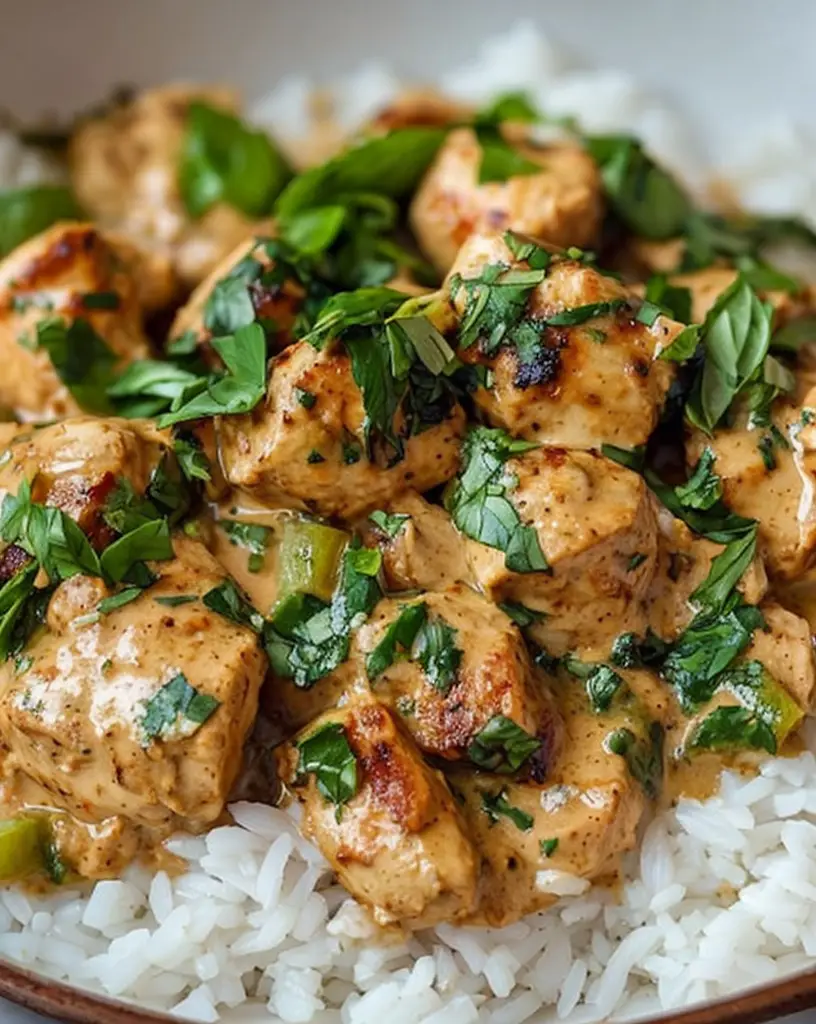
- Visual Appeal: The vibrant golden sauce contrasts beautifully against the fresh green basil, promising an irresistibly appetizing appearance.
- Skill Level Needed: With basic cooking techniques, this recipe is accessible to both novices and seasoned home chefs.
- Special Equipment: A good quality skillet for sautéeing and simmering is essential to achieve the perfect consistency.
Recipe Overview
- Difficulty Level: This recipe scores as easy due to straightforward steps that do not require advanced skills, just a keen eye on simmering the sauce carefully without burning.
- Category: Ideal as a main course, this dish can complement a variety of sides for a balanced meal experience.
- Cuisine: While rooted in Asian culinary traditions, it draws influence from Thai and Indian flavors, showcasing a unique fusion.
- Cost: With budget-friendly ingredients like chicken, coconut milk, and spices, this dish is economically accessible.
- Season: Best enjoyed in warmer months when fresh basil is abundant, yet equally comforting in cooler seasons as a warming meal.
- Occasion: Suitable for casual dinners or a small gathering, offering an exotic touch that’ll impress guests.
Why You’ll Love This Recipe
Chicken lovers will revel in the impeccable taste and texture of this recipe. The harmony of coconut milk and curry provides an enticing creaminess, contrasted by the herbaceous freshness of basil. Each mouthful bursts with rich flavors, creating an irresistible experience for your taste buds.
What makes this Curried Coconut Basil Chicken even more enticing is its simplicity. Whether you’re short on time or desire a hassle-free cooking session, this recipe offers convenience without compromising on taste. The ingredients are common and the process straightforward, allowing for seamless preparation.
From a nutritional standpoint, this dish offers numerous benefits. Coconut milk is rich in healthy fats, and the spices carry antioxidant properties. Additionally, chicken is a great protein source, making this meal both satisfying and nourishing.
This recipe’s versatility makes it a fantastic option for social gatherings. It’s an excellent choice for entertaining, promising to leave a memorable impression on guests with its sophisticated flavors. Its adaptability to different dietary preferences also ensures it’s a crowd-pleaser.
Lastly, the affordability of the ingredients enhances this recipe’s appeal. It is an accessible choice for anyone who wishes to enjoy a gourmet meal without a hefty price tag. The ingredients can be found at most local groceries, making it both cost-effective and convenient.
Historical Background and Cultural Significance
Curried Coconut Basil Chicken bears the influence of its Asian culinary roots, particularly from Southeast Asia. Coconut, curry, and basil are staples in the regions’ kitchens, celebrated for their rich flavor profiles and adaptability in various dishes.
In many cultures, coconut and curry are fundamental to traditional cooking, often used in ceremonious feasts and family meals to showcase hospitality. The use of these ingredients echoes a history of trade and cultural exchange, exemplifying the blending of diverse culinary techniques and flavors.
Over the years, the recipe has evolved by incorporating local ingredients, adapting to Western palates while retaining its exotic essence. Modern variations often include diverse herbs or different proteins, reflecting the globalization of this beloved dish.
Different regions have put their own spin on this classic, depending on available ingredients and tastes. For instance, some variations may include lemongrass for an added citrus note, reflecting regional flavor preferences and creativity.
Ingredient Deep Dive
Basil is cherished for its fragrant aroma and distinct flavor, woven deeply into cultural cuisines worldwide. This herb not only enhances the taste but offers numerous health benefits. It’s rich in vitamins A and K and acts as a natural antiseptic.
To select the best basil, look for vibrant green leaves without brown spots. Fresh basil can be stored in a glass of water, much like flowers, or refrigerated wrapped in a damp cloth for longer shelf life. Should fresh basil be unavailable, dried basil can be a substitute, but with a milder flavor profile.
The choice of coconut milk in this dish is paramount, contributing to the luscious, creamy texture it’s known for. As a key ingredient in numerous tropical cultures, its usage has historical roots in providing richness to meals. Coconut milk is a good source of healthy fats and contains antioxidants.
When selecting coconut milk, opting for full-fat ensures a more decadent sauce. It can be stored unopened in a pantry or refrigerated once opened and used within a few days. If looking for a lighter dish, coconut cream can be substituted for a creamier consistency without diluting flavor.
Common Mistakes to Avoid
- Overheating coconut milk can cause it to separate, resulting in a less creamy sauce. Cook it on low to medium heat.
- Using under-flavored curry powder can diminish the dish’s robustness—select a high-quality blend for full flavor.
- Neglecting to taste and adjust seasoning can lead to a bland dish. Always taste as you cook.
- Adding basil too early can cause it to lose its vibrant flavor. Stir it in just before serving.
- Cooking chicken on high heat initially can lead to uneven cooking. Sear on medium-high and then reduce heat.
- Using light coconut milk may make the sauce too thin. Full-fat coconut milk helps achieve ideal consistency.
- Neglecting to stir continuously while simmering can cause the sauce to stick or burn.
- Overcrowding the pan with chicken pieces can prevent proper browning. Give each piece space to cook evenly.
- Skipping the resting time for the chicken may affect tenderness. Allow it to rest to retain juices.
- Using stale or old spices can dull the recipe’s fragrance. Fresh spices ensure a robust aromatic profile.
Essential Techniques
Mastering the technique of simmering is crucial for this recipe. Simmering involves cooking the ingredients gently and steadily, allowing flavors to meld and the sauce to thicken. It’s pivotal to avoid boiling, as it can alter the texture and separate the coconut milk.
Another vital technique is properly searing the chicken. This process helps lock in juices and adds a crisp texture to the dish. The key to successful searing is using a hot pan and not moving the chicken until it’s easy to flip.
Controlling temperature throughout cooking ensures the dish develops without scorching. Starting with medium-high heat to sear then reducing to maintain a gentle simmer optimizes the balance between cooking and preserving moisture.
Recognizing visual cues such as sauce thickening and chicken browning is essential. These indicators help achieve the perfect texture and flavor balance, ensuring a professional finish.
Pro Tips for Perfect Curried Coconut Basil Chicken
Marinate the chicken beforehand with a little salt, turmeric, and lemon juice to enhance the flavor depth before cooking. Allow it to rest for at least 20 minutes.
If you’re short on time, pre-cut essential ingredients like onion, garlic, and basil, and pre-measure spices, setting a streamlined cooking process.
Experiment with texture by adding a handful of toasted cashews or almonds on top—this adds a delightful crunch.
For a complex flavor, incorporate a splash of lime juice at the end to brighten the dish, enhancing both taste and aroma.
Use a non-stick or well-seasoned cast iron skillet to prevent sticking and ensure even heat distribution during cooking.
Swap in boneless, skinless chicken thighs for even juicier results, as they offer a richer taste and are less prone to drying out.
Variations and Adaptations
This dish welcomes regional variations beautifully. Experiment by adding lemongrass and kaffir lime leaves if a Southeast Asian twist is desired, both enhancing the citrus elements.
For a seasonal adaptation, consider add-ins like fresh, diced mango in the summer months for a sweet contrast, or roasted pumpkin during autumn festivities.
Dietary modifications can be easily integrated; for instance, use tofu or tempeh instead of chicken for a vegan version without sacrificing the rich, creamy texture.
To dial up the flavor, incorporate additional spices such as star anise or cinnamon for a warm, spicy complement to the existing curry profile.
For a heartier texture, toss in vegetables such as bell pepper or zucchini, adding vibrant color and nutritious content.
Presentation alternatives can elevate your dish; try serving in a hollowed-out coconut shell for a dramatic touch or on banana leaves for authenticity.
Serving and Presentation Guide
For a visually striking presentation, serve the dish on a platter with a garnishing of fresh basil leaves and a sprinkle of red chili slices. This accentuates the vibrant variety of colors.
Opt for high-contrast plates—preferably white or light-colored—to ensure the golden yellows and greens stand out dramatically on the dining table.
Traditional accompaniments include jasmine or basmati rice, providing a fragrant yet neutral palate cleanser for the rich curry sauce.
Modern serving suggestions include pairing with quinoa or cauliflower rice for a health-conscious twist without losing valuable nutrition and texture.
Serve hot to maximize the full aroma and taste, ensuring the sauce remains creamy and the chicken tender.
Consider portioning carefully, recommending about one cup of cooked chicken per serving to maintain balance in a shared family-style meal.
Wine and Beverage Pairing
Wine pairings can vary, but an off-dry Riesling or a Gewürztraminer complements the dish’s spicy backbone with their inherent sweetness and acidity.
For non-alcoholic alternatives, a refreshing Thai iced tea or a light coconut water enhances the meal’s tropical essence while not dulling the flavors.
Consider an herbal tea pairing if serving in the afternoon, with muted floral notes like chamomile or jasmine enhancing the dish’s delicate nuances.
Ensure wines are chilled appropriately, accentuating the meal’s spicy components while refreshing the palate.
Serving suggestions include pouring small amounts to encourage savoring both the dish and accompanying beverage.
Storage and Shelf Life
Store leftovers in an airtight container to maintain flavor and prevent cross-contamination in the refrigerator. The dish can be safely stored for up to three days.
For optimal taste retention, reheat thoroughly to original serving temperature over medium heat, adding a dash of water or coconut milk to loosen any thickened sauce.
Containers with tight-fitting lids are recommended to keep odors contained and prevent spoilage, ensuring enduring freshness.
Regularly inspect for signs of spoilage before reheating. Any change in smell or appearance indicates the dish should not be consumed.
For longer storage, the dish can be frozen; however, note slight changes in texture upon thawing. For best results, thaw overnight in the refrigerator before reheating.
Make Ahead Strategies
Prepare components such as diced chicken and chopped spices ahead of time, storing separately in sealed containers to combine fresh as needed.
Interim storage of uncooked, prepped ingredients can occur in the refrigerator for up to a day without impact on final quality.
When preparing to serve from storage, ensure the chicken has retained its moisture by mixing it well before and after reheating.
Adding fresh basil just before serving enhances the dish’s aroma and adds vibrant color, ensuring an appearance akin to freshly cooked.
For picnic-style presentation, consider assembling into a layered jar, shaking right before serving to combine ingredients effortlessly.
Scaling Instructions
To half the recipe, proportionally reduce ingredients maintaining relative ratios, being mindful of spice dilution due to smaller overall volume.
When doubling or tripling, increase cooking time by up to 15 minutes and use larger cooking vessels to ensure even heating.
Adjustments in equipment, such as utilizing a bigger skillet, can help manage volume increases while maintaining consistent cooking results.
Account for refrigeration or freezing space when storing large quantities, and utilize appropriate dishes for reheating evenly.
Consider adding a touch more salt when increasing volume, as flavors can mellow with larger batches and require enhancement.
Nutritional Deep Dive
This recipe offers substantial nutritional value, balanced in macronutrients, with lean protein from chicken and healthy fats from coconut milk.
Micronutrient-rich basil and antioxidant-loaded spices contribute to immune support and digestive health, enhancing overall wellness.
Health benefits include anti-inflammatory properties from ingredients like ginger or garlic, contributing positively to heart health.
For those considering dietary implications, note the moderate carb content from coconut milk, adaptable for low-carb diets when paired smartly.
Mindful portion analysis can aid in maintaining nutritional balance, serving as a complete meal when paired with fibrous sides like salad or vegetables.
Portions should consider caloric intake goals, with one serving offering a moderate 400-500 calorie count depending on specific ingredient adaptations.
Dietary Adaptations
For a gluten-free adaptation, ensure curry paste and all used ingredients are certified gluten-free, avoiding filler elements.
Opt for a dairy-free version intrinsically by relying purely on coconut milk, enhancing natural creaminess without additional creams.
To adapt for a vegan diet, replace chicken with tofu or chickpeas, maintaining protein balance without losing texture or taste.
Lower carb intake by subbing rice for cauliflower variants while considering basil inside the dish versus solely as garnish for flavor consistency.
For a keto-focused version, leverage butter or coconut oil, enriching fats without increasing carbohydrate content, optimizing texture.
Explore making the dish Paleo-friendly by substituting any artificial elements with natural forms, honoring the diet’s ancestral approach.
Low-FODMAP diets can be accommodated by using shallots in place of garlic and onion, reducing fermentable sugar content significantly.
Specialized diets may explore lowering sodium through reduced soy products or salt alternatives, considering natural flavors for enhancement.
Troubleshooting Guide
For texture issues, if chicken appears tough, ensure resting or correct simmering to avoid over-cooking. Letting it rest retains moisture levels.
Balance flavor by adjusting seasoning at the end—added salt, pepper, or citrus can enliven if taste lacks vibrancy.
Address temperature problems by consistent monitoring. Adjust heat as needed, especially during simmering phases to prevent burning.
Tackle equipment challenges effectively by choosing reliable, non-stick cookware, ensuring even heat distribution without ingredient sticking.
If substituting ingredients, like swapping tofu for chicken, consider marinating for taste absorption, tailoring cooking times slightly.
Timing concerns often arise when managing multiple tasks, so prioritize mise en place, beginning ingredients prepped and within reach.
Recipe Success Stories
Our community has embraced Curried Coconut Basil Chicken with enthusiasm, revolutionizing weeknight dinners with Asian-inspired flair.
Success in variations range from additional spice infusions with star anise to veggie additions, each creating unique spins on the classic.
Adapting for personal dietary needs, many find altering the traditional basil chicken spices results with flavorful, compliant meals.
Reader suggestions have inspired transformations, from revisiting childhood memories to romantic dinner escapades, showcasing the dish’s versatility.
Photography tips have included focusing on textural juxtaposition, highlighting the contrast between creamy sauce and crisp garnish, captivating viewer interest.
Frequently Asked Questions
How do I thicken the sauce if it’s too runny?
Allow the sauce to simmer uncovered or gently add a cornstarch slurry until desired consistency is reached, ensuring thorough mixing to avoid clumps.
Can I use light coconut milk?
While possible, light coconut milk results in a thinner sauce. Consider adding a small amount of cream or flour paste, balancing thickness and taste.
What are alternative proteins besides chicken?
Tofu, shrimp, or even firm fish fillets can work splendidly, offering diverse textures and intriguing flavor shifts while maintaining core dish elements.
How do I revive leftovers?
Slowly reheating on low while stirring periodically prevents sauce separation and dryness, adding a splash of coconut milk if needed for moisture.
Is fresh basil necessary?
While dried basil can suffice, the fresh variant imparts a crucial zest and aroma that elevate the dish’s overall character and visual appeal.
Can I prepare part of the dish in advance?
Absolutely, components like sauce or spice mix can be prepared ahead, streamlining the cooking process and preserving freshness when assembling.
What sides pair well?
Complement with fragrant rice or quinoa, and consider simple steamed vegetables or crisp salads to offset richer flavors pleasantly.
Can I use frozen chicken?
Yes, but ensure it’s thoroughly defrosted to avoid uneven cooking. Fresh chicken retains more flavor, a choice to consider for peak taste.
How spicy should the dish be?
Spice levels can be tailored. Adjustments through chili additions or reductions accommodate individual preferences without overwhelm.
Are there garnishing options?
Besides fresh basil, slivers of red chili or toasted nuts add contrast, offering both visual flair and an added textural dimension.
Additional Resources
Explore related recipes like Thai Green Curry or Coconut Lime Chicken for enriching your culinary repertoire with exciting international flavors.
Refer to our technique guides to master simmering efficiently and effectively, allowing for flawless execution across various dish types.
Learn more about ingredients such as basil and coconut milk through dedicated blogs detailing nutritional advantages and diverse culinary uses.
For those new to different culinary tools, our equipment recommendations can guide informed decisions, enhancing cooking quality and ease.
Discover seasonal variations in similar dishes through newsletters, sharing innovative applications and ingredient swaps to inspire creativity.
Join the Conversation
Engage with us through social media, sharing your Curried Coconut Basil Chicken experiences and adaptations with our vibrant community.
Discover photography tips for capturing the essence and beauty of your culinary creations, highlighting intricate details and compelling presentation.
Leave recipe reviews on our website, contributing to our dynamic platform where feedback and dialogue foster shared growth and learning.
Participate in crafting recipe variations, offering insights and suggestions for developing new takes on beloved classics for diverse tastes.
Connect with other home chefs by exchanging ideas, photos, and stories, enriching the shared culinary journey through interaction and collaboration.
The Recipe
Curried Coconut Basil Chicken
Serves: 4
Prep Time: 15 mins
Cook Time: 30 mins
Total Time: 45 mins
Kitchen Equipment Needed
- Skillet
- Knife
- Cutting board
- Measuring cups
- Mixing spoon
Ingredients
- 1 pound chicken breast, cut into cubes
- 1 can coconut milk
- 2 tablespoons curry powder
- 1 onion, diced
- 3 cloves garlic, minced
- 1 tablespoon vegetable oil
- Salt and pepper to taste
- Fresh basil leaves, for garnish
Directions
- Heat oil in a skillet over medium heat. Add the onion and garlic, sautéing until fragrant.
- Stir in the curry powder, allowing it to release its oils and become aromatic.
- Add the chicken pieces, season with salt and pepper, and cook until they are evenly seared.
- Pour in the coconut milk, stirring well to combine the flavors. Reduce heat to simmer.
- Let the dish simmer for 25 minutes or until the chicken is cooked through and the sauce has thickened.
- Stir in fresh basil leaves just before serving, allowing their aroma to infuse the sauce.
- Serve hot, garnished with additional basil if desired.
Recipe Notes
- For added spice, include a pinch of red pepper flakes or fresh chili.
- Experiment with different vegetables such as bell peppers or peas for extra texture.
- Leftovers can be stored in the refrigerator for 3 days or frozen for up to 1 month.