Grilled Lemon Herb Shrimp Skewers Recipe

“`html

Grilled Lemon Herb Shrimp Skewers Recipe

Introduction

Did you know that grilled shrimp consumption has surged by over 40% in the last five years, making it one of America’s favorite fast-cooking proteins? This isn’t surprising when you consider its perfect blend of speed, health, and flavor. Our Grilled Lemon Herb Shrimp Skewers recipe embodies this trend, offering a light, flavorful seafood dish that’s perfect for summer grilling and beyond. Marinated in a vibrant bath of fresh lemon juice, aromatic garlic, and a bouquet of herbs, these shrimp are transformed into juicy, succulent bites of perfection. They’re not just food; they’re a solution for busy weeknights, a star for your weekend BBQ, or a healthy, protein-packed option for a picnic. This recipe proves that eating well doesn’t require hours in the kitchen—just fresh ingredients and a hot grill.

Ingredients List

Gather these simple, fresh ingredients to create a marinade that will make your shrimp sing with flavor. The key is quality and freshness.

  • For the Shrimp & Skewers:
    • 1.5 lbs (680g) large shrimp, peeled and deveined (tails on or off based on preference). Look for firm, translucent flesh with a mild sea scent. Substitution: Use jumbo prawns for a more substantial bite, or frozen shrimp (thawed completely) for convenience.
    • Wooden or metal skewers. If using wooden, soak in water for at least 30 minutes to prevent burning.
  • For the Lemon Herb Marinade:
    • 1/3 cup extra virgin olive oil – the fruity, peppery base that carries the flavors. Substitution: Avocado oil for a higher smoke point.
    • Zest and juice of 2 large lemons (about 1/4 cup juice) – provides the bright, tangy backbone. You should smell that sharp, clean citrus aroma.
    • 4 cloves garlic, minced – for that essential pungent, savory depth.
    • 2 tablespoons fresh parsley, finely chopped – adds a clean, slightly peppery green note. Substitution: 2 teaspoons dried parsley.
    • 1 tablespoon fresh dill, chopped – introduces a delicate, anise-like fragrance. Substitution: 1 teaspoon dried dill.
    • 1 teaspoon fresh oregano, chopped (or 1/2 teaspoon dried) – offers a warm, earthy hint.
    • 1 teaspoon kosher salt – enhances all the natural flavors.
    • 1/2 teaspoon freshly cracked black pepper – for a gentle, aromatic heat.
    • 1/4 teaspoon red pepper flakes (optional) – for those who enjoy a subtle kick.

Timing

Prep Time 20 minutes (plus 30 min marinating)
Cook Time 6-8 minutes
Total Time ~1 hour

Compared to the average grilled protein recipe, which can take over an hour of active prep and cooking, this recipe is remarkably efficient. The majority of the “work” is passive marinating time, allowing the flavors to develop while you prepare sides or relax. From fridge to plate in about an hour, with only 10 minutes of active cooking, makes this a true fast and healthy meal champion.
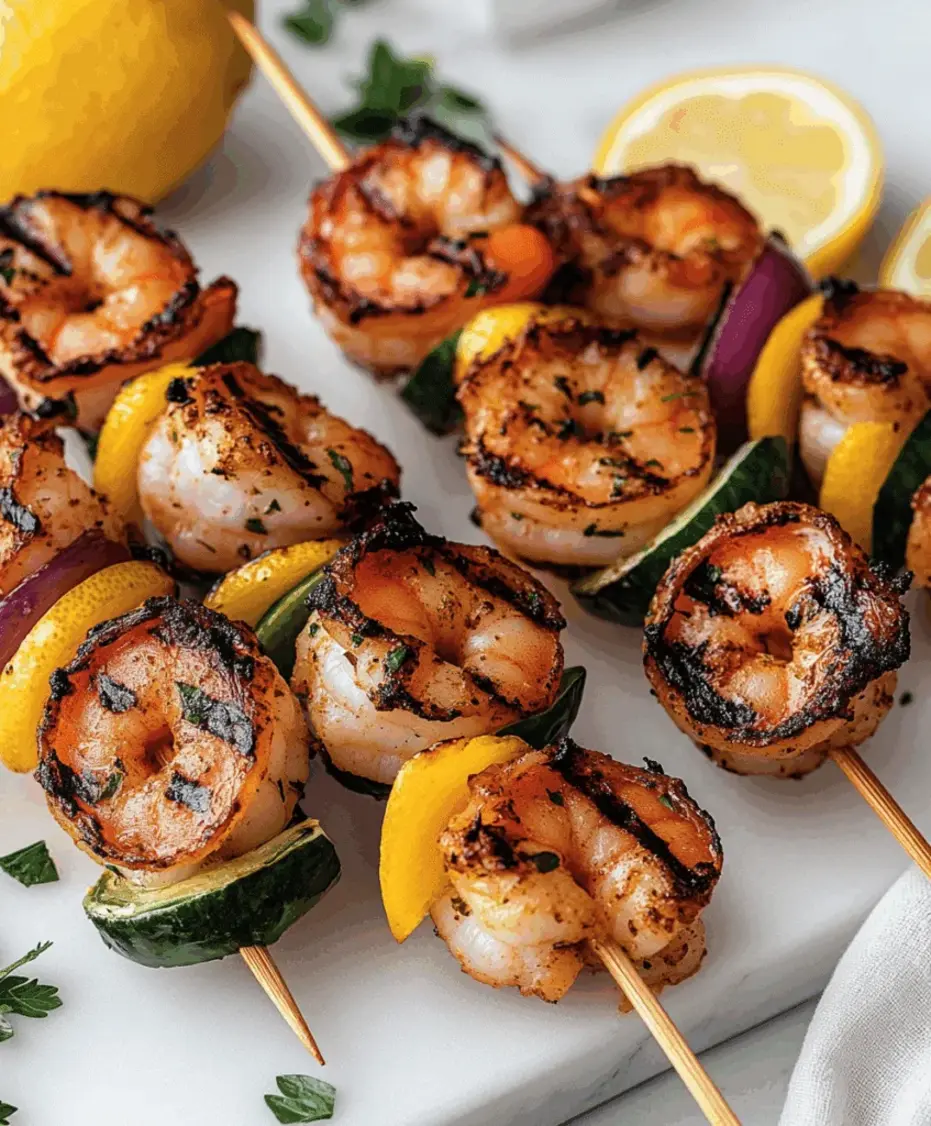
Close-up of juicy grilled lemon herb shrimp skewers on a plate, garnished with fresh herbs and lemon wedges

Step-by-Step Instructions

Step 1: Prepare the Marinade

In a medium bowl large enough to eventually hold the shrimp, whisk together the olive oil, fresh lemon juice, and lemon zest. The zest is crucial—it contains potent citrus oils that pack a flavor punch. Add the minced garlic, chopped parsley, dill, oregano, salt, black pepper, and red pepper flakes (if using). Whisk vigorously until the mixture is fully emulsified and you see a beautifully speckled, aromatic liquid. Give it a quick taste—it should be brightly acidic, herby, and well-seasoned.

Step 2: Marinate the Shrimp

Pat your peeled and deveined shrimp completely dry with paper towels. This step is non-negotiable; wet shrimp will steam instead of sear on the grill. Add the dry shrimp to the marinade and toss gently with your hands or a spoon, ensuring each piece is lovingly coated. Cover the bowl with plastic wrap and refrigerate for 20 to 30 minutes, but no longer than 1 hour. Shrimp are delicate, and the acid in the lemon juice will start to “cook” them (ceviche-style) if left too long, resulting in a mushy texture.

Step 3: Thread the Skewers

While the shrimp marinates, if using wooden skewers, soak them in water. Preheat your grill to medium-high heat (about 400-450°F / 200-230°C). Remove the shrimp from the marinade, letting excess drip back into the bowl. Reserve the used marinade. Thread the shrimp onto the skewers, piercing through both the head and tail end to create a stable “C” shape. Aim for 4-5 shrimp per skewer, leaving a small space between each to ensure even cooking. This method prevents spinning and promotes beautiful grill marks.

Step 4: Grill to Perfection

Lightly oil the grill grates. Place the skewers on the hot grill. Cook for 2 to 3 minutes per side, brushing once with the reserved marinade during the first minute of cooking. Important: Discard any remaining marinade after this brush—it has touched raw seafood. The shrimp are done when they turn opaque and pink with slight charring, and they curl into a tight “C” shape. Do not overcook! The moment they become firm and opaque, they’re ready. Total cook time is typically 4-6 minutes. Remove immediately to a clean platter.

Nutritional Information

(Per serving, based on 4 servings)

  • Calories: ~220 kcal
  • Protein: 24g (Excellent source, supporting muscle health)
  • Total Fat: 12g (Primarily healthy monounsaturated fats from olive oil)
  • Saturated Fat: 2g
  • Carbohydrates: 3g (Very low, making it ideal for low-carb diets)
  • Fiber: 0.5g
  • Sugar: 0.5g (Naturally occurring)
  • Sodium: ~450mg (Can be adjusted by reducing added salt)

Healthier Alternatives

You can easily tweak this recipe for specific dietary needs without sacrificing the bursting with fresh flavor.

  • Lower Fat/Oil-Free: Replace half the olive oil with low-sodium vegetable broth. The remaining oil is essential for flavor and preventing sticking, but this swap cuts fat significantly.
  • Lower Sodium: Omit the added salt and use a salt-free herb blend. The lemon and herbs provide so much flavor, you may not miss it.
  • Added Veggies: Thread cherry tomatoes, bell pepper chunks, zucchini slices, or red onion wedges between the shrimp. This adds fiber, vitamins, and makes the skewers a more complete meal.
  • Different Protein: The marinade works wonderfully with scallops, cubed chicken breast, or firm tofu (pressed). Adjust cooking times accordingly.

Serving Suggestions

  • Classic Summer BBQ: Serve alongside a crisp garden salad, grilled corn on the cob, and garlic bread.
  • Light & Low-Carb Bowl: Place skewers over a bed of cauliflower rice or zucchini noodles with a side of tzatziki or a simple avocado salsa.
  • Mediterranean Feast: Pair with a Greek orzo salad, grilled halloumi, and warm pita bread for dipping.
  • Quick Dinner: Serve with a pre-made quinoa blend and steamed asparagus for a balanced, 15-minute plate.
  • Appetizer Style: Slide the shrimp off the skewers and serve in a bowl with toothpicks for a crowd-pleasing party snack.

Common Mistakes

  • Over-marinating: As mentioned, the lemon juice’s acid will break down the shrimp proteins, leading to a mealy, rubbery texture. Stick to 30 minutes max.
  • Not Drying the Shrimp: Skipping the pat-dry step guarantees steaming, not searing. You’ll miss those beautiful caramelized grill marks and intense flavor.
  • Overcrowding the Skewers: Packing shrimp too tightly causes them to steam each other. Give them breathing room for even heat circulation.
  • Overcooking: Shrimp cook in a flash. The moment they turn pink and opaque, they’re done. Continuing to cook makes them tough and chewy.
  • Using Dried Herbs Interchangeably: If substituting dried for fresh, use 1/3 the amount, as dried herbs are more concentrated. Crush them in your palm first to release their oils.

Storing Tips

  • Refrigeration: Store cooked, cooled shrimp skewers in an airtight container in the fridge for up to 2 days. The texture is best when eaten fresh.
  • Reheating: Gently reheat in a 300°F (150°C) oven for 5-10 minutes or in a skillet over low heat. Avoid the microwave, as it will make them rubbery.
  • Freezing: It’s not recommended to freeze cooked shrimp skewers, as the texture deteriorates significantly. For meal prep, freeze the raw, marinated shrimp in the marinade in a freezer bag for up to 1 month. Thaw in the fridge overnight before threading and grilling.
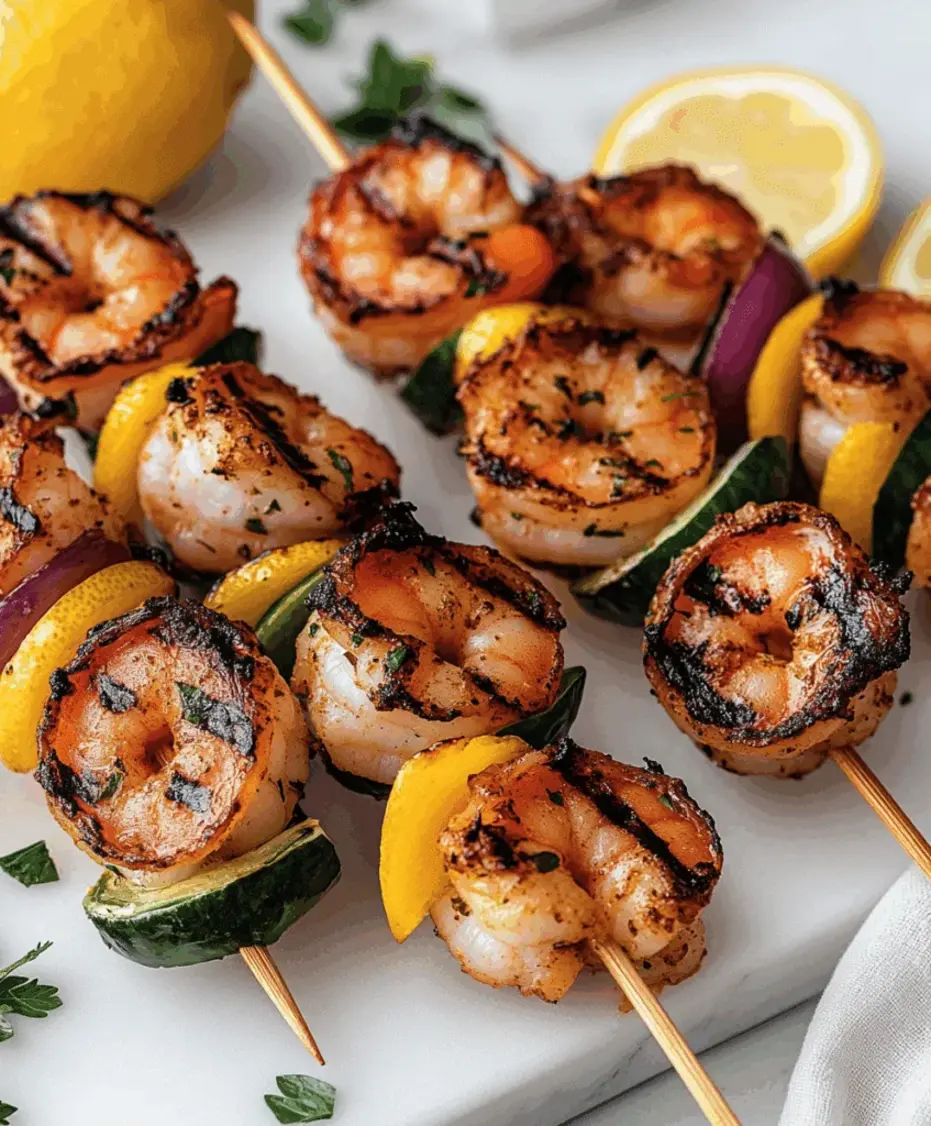
A platter of grilled lemon herb shrimp skewers served with a colorful salad and lemon slices, presented on an outdoor table

Conclusion

These Grilled Lemon Herb Shrimp Skewers are more than just a recipe; they’re your ticket to a delicious, healthy, and impressively easy meal any day of the week. With their perfect balance of zesty lemon, fragrant herbs, and juicy, protein-packed shrimp, they deliver restaurant-quality flavor with
Chicken And Spinach Skillet Pasta Recipe

“`html

Chicken And Spinach Skillet Pasta Recipe

Introduction

Did you know that over 70% of home cooks cite “lack of time” as their biggest barrier to preparing a wholesome dinner? This is precisely why one-pan meals like this Chicken and Spinach Skillet Pasta are a game-changer. This recipe is the ultimate answer to the busy weeknight dilemma, delivering a creamy, protein-packed, and deeply satisfying meal all in a single skillet. Forget about juggling multiple pots and pans—this dish brings together tender, golden-brown chicken, al dente pasta, and vibrant fresh spinach in a luscious, flavorful sauce that cooks in the same pan. It’s the perfect harmony of convenience and homemade goodness, ready to grace your table in just 30 minutes. Let’s dive into how you can create this family-favorite skillet meal that promises to become a regular in your dinner rotation.

Ingredients List

Gather these simple, fresh ingredients for a foolproof meal. Each plays a crucial role in building layers of flavor and texture.

  • 1 lb (450g) boneless, skinless chicken breasts or thighs, cut into 1-inch cubes. Thighs offer a richer, more succulent flavor, while breasts are leaner.
  • 8 oz (225g) short pasta like penne, fusilli, or farfalle. These shapes have nooks that perfectly trap the creamy sauce.
  • 1 tablespoon olive oil for sautéing, with its fruity notes.
  • 1 medium yellow onion, finely diced, for a sweet, aromatic base.
  • 3-4 cloves garlic, minced, providing that essential pungent kick.
  • 1 cup low-sodium chicken broth – the flavorful liquid foundation.
  • 1 cup heavy cream or half-and-half for luxurious creaminess. Substitute with full-fat coconut milk for a dairy-free version.
  • 1 cup freshly grated Parmesan cheese, plus extra for serving. Its salty, nutty umami is irreplaceable.
  • 5 oz (about 5 cups) fresh baby spinach – it wilts down dramatically, adding color and nutrients.
  • 1 teaspoon dried Italian seasoning – a fragrant blend of herbs.
  • Salt and freshly ground black pepper to taste.
  • Optional: 1/4 teaspoon red pepper flakes for a subtle heat.

Timing

Prep Time10 minutes
Cook Time20 minutes
Total Time30 minutes

At just 30 minutes total, this recipe is significantly faster than the average pasta dish, which often involves separate boiling, sautéing, and sauce-making steps that can push total time to 45-60 minutes. The true efficiency comes from the one-pan method, where the pasta cooks directly in the flavorful sauce, absorbing all the deliciousness and cutting down on both active cooking time and cleanup.

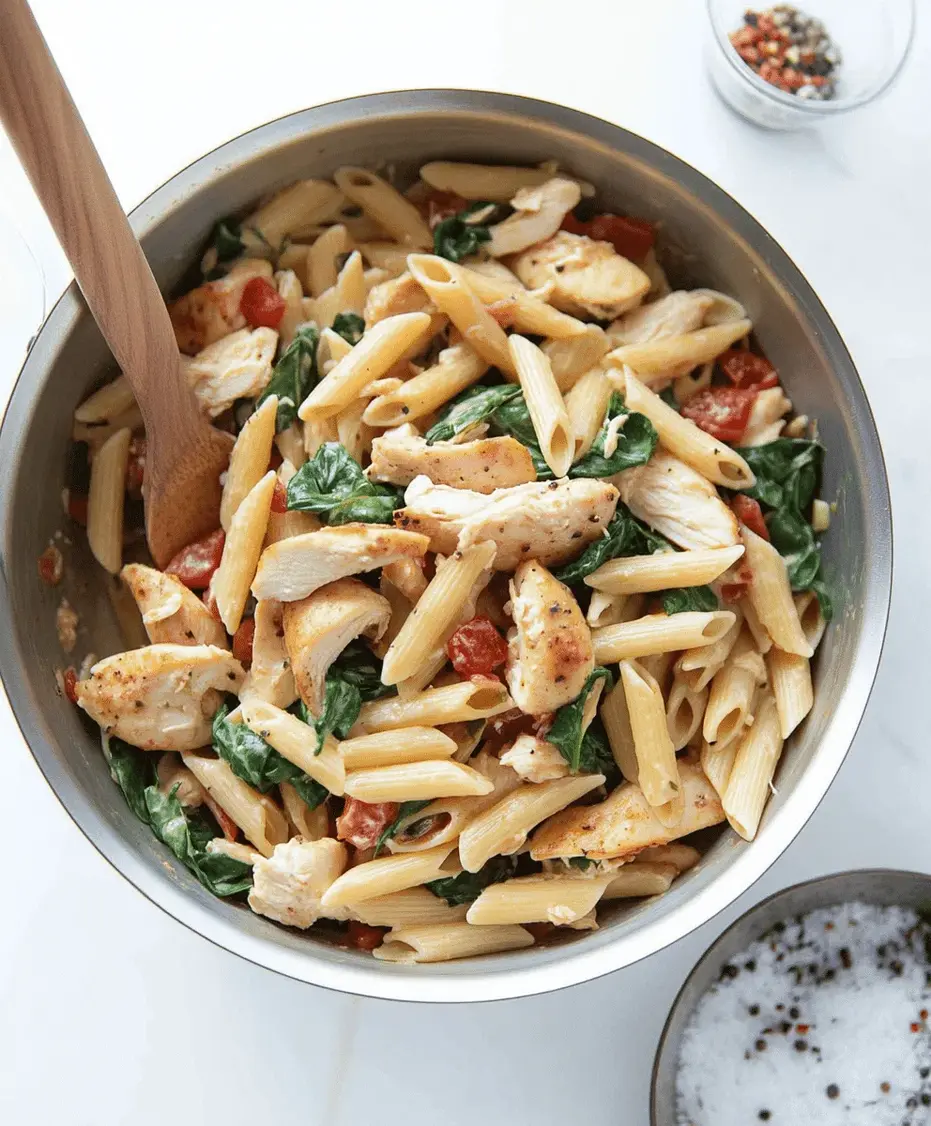
Chicken and Spinach Skillet Pasta cooking in a cast iron pan, showing creamy sauce and vibrant green spinach.
The magic happens all in one pan! Creamy sauce, tender chicken, and pasta simmer together.

Step-by-Step Instructions

Step 1: Prepare Your Chicken

Pat your cubed chicken completely dry with paper towels—this is the secret to getting a beautiful golden sear instead of steaming. Season generously with salt, pepper, and half of the Italian seasoning. Heat the olive oil in a large, deep skillet or Dutch oven over medium-high heat. Once the oil shimmers, add the chicken in a single layer, working in batches if needed to avoid crowding. Cook for 5-7 minutes, turning occasionally, until the chicken is cooked through and has a nice golden-brown crust. Remove the chicken to a clean plate and set aside. Don’t wipe the pan; those browned bits are flavor gold!

Step 2: Cook the Pasta

In the same skillet, lower the heat to medium. Add the diced onion and cook for 3-4 minutes until softened and translucent. Stir in the minced garlic (and red pepper flakes if using) and cook for just 30 seconds until fragrant—be careful not to let it burn. Now, pour in the uncooked pasta and the chicken broth. Give everything a good stir, scraping up any browned bits from the bottom of the pan. Bring the broth to a lively simmer.

Step 3: Build the Sauce

Once simmering, cover the skillet with a tight-fitting lid. Reduce the heat to medium-low and let the pasta cook in the broth for 10-12 minutes, or until it is just al dente (check the package instructions for timing). Stir once or twice to prevent sticking. The pasta will absorb most of the broth, leaving behind a starchy, flavorful liquid.

Step 4: Combine and Simmer

Uncover the skillet and reduce the heat to low. Pour in the heavy cream and add the remaining Italian seasoning. Stir gently to combine. Return the seared chicken (and any accumulated juices) to the skillet. Stir in the grated Parmesan cheese until it melts smoothly into the sauce, creating a velvety, cohesive texture. Let the mixture simmer gently, uncovered, for 2-3 minutes to allow the flavors to marry and the sauce to thicken slightly.

Step 5: Finish with Spinach

This is the final, vibrant touch. Add the fresh spinach in handfuls, stirring it into the hot pasta. It will seem like a lot at first, but it wilts down remarkably in just 1-2 minutes. Once the spinach is wilted and bright green, remove the skillet from the heat. Taste and adjust seasoning with more salt, pepper, or a squeeze of fresh lemon juice if desired.

Nutritional Information

(Per serving, based on 4 servings. Values are approximate.)

  • Calories: ~580 kcal
  • Protein: 38g – Excellent for muscle repair and satiety.
  • Carbohydrates: 48g – Primarily from the pasta, providing energy.
  • Dietary Fiber: 3g – From the spinach and whole-wheat pasta option.
  • Fat: 28g – Mostly from the cream and cheese, contributing to the rich mouthfeel.
  • Key Micronutrients: High in Calcium (from Parmesan), Vitamin A & K, and Iron (from spinach).

Healthier Alternatives

You can easily lighten up this dish without sacrificing its comforting essence:

  • Pasta: Swap regular pasta for whole-wheat, chickpea, or lentil pasta to significantly boost fiber and protein content.
  • Cream: Replace heavy cream with half-and-half, whole milk, or a blend of 2% milk and a tablespoon of flour for thickening. For a dairy-free creaminess, canned full-fat coconut milk works beautifully.
  • Cheese: Use a reduced-fat Parmesan or a sharp, flavorful cheese like Pecorino Romano—you can use less because it’s so potent.
  • Boost Veggies: Add diced mushrooms with the onions or stir in sun-dried tomatoes for an extra veggie punch and umami.

Serving Suggestions

This skillet pasta is a complete meal on its own, but a few simple sides can elevate it:

  • With Bread: A crusty baguette or garlic bread is perfect for sopping up every last drop of the creamy sauce.
  • Fresh Salad: A simple arugula salad with a lemon vinaigrette cuts through the richness and adds a fresh, peppery contrast.
  • Wine Pairing: A crisp, unoaked Chardonnay or a light Pinot Noir complements the creamy and savory flavors perfectly.
  • Garnish: Finish with a sprinkle of extra Parmesan, fresh chopped parsley, or basil, and a crack of black pepper.

Common Mistakes

  • Crowding the Pan with Chicken: This steams the chicken instead of searing it. Cook in batches if necessary for that crucial golden color and flavor.
  • Overcooking the Pasta: Remember the pasta will continue to cook slightly in the hot sauce. Aim for al dente when you check it in the broth stage.
  • Adding Cheese Over High Heat: Adding Parmesan to a boiling sauce can cause it to clump or become greasy. Always reduce the heat to low before stirring it in.
  • Using Pre-Shredded Cheese: Pre-shredded cheese contains anti-caking agents that prevent it from melting smoothly. Freshly grated is always superior for sauce.

Storing Tips

  • Refrigeration: Cool completely and store in an airtight container in the refrigerator for up to 3-4 days.
  • Reheating: Reheat gently in a skillet over low-medium heat, adding a splash of broth or milk to loosen the sauce, which thickens when chilled. Microwave reheating can make the pasta gummy.
  • Freezing: Freezing is not highly recommended for cream-based pasta sauces, as they can separate and become grainy upon thawing. The pasta also tends to become mushy.
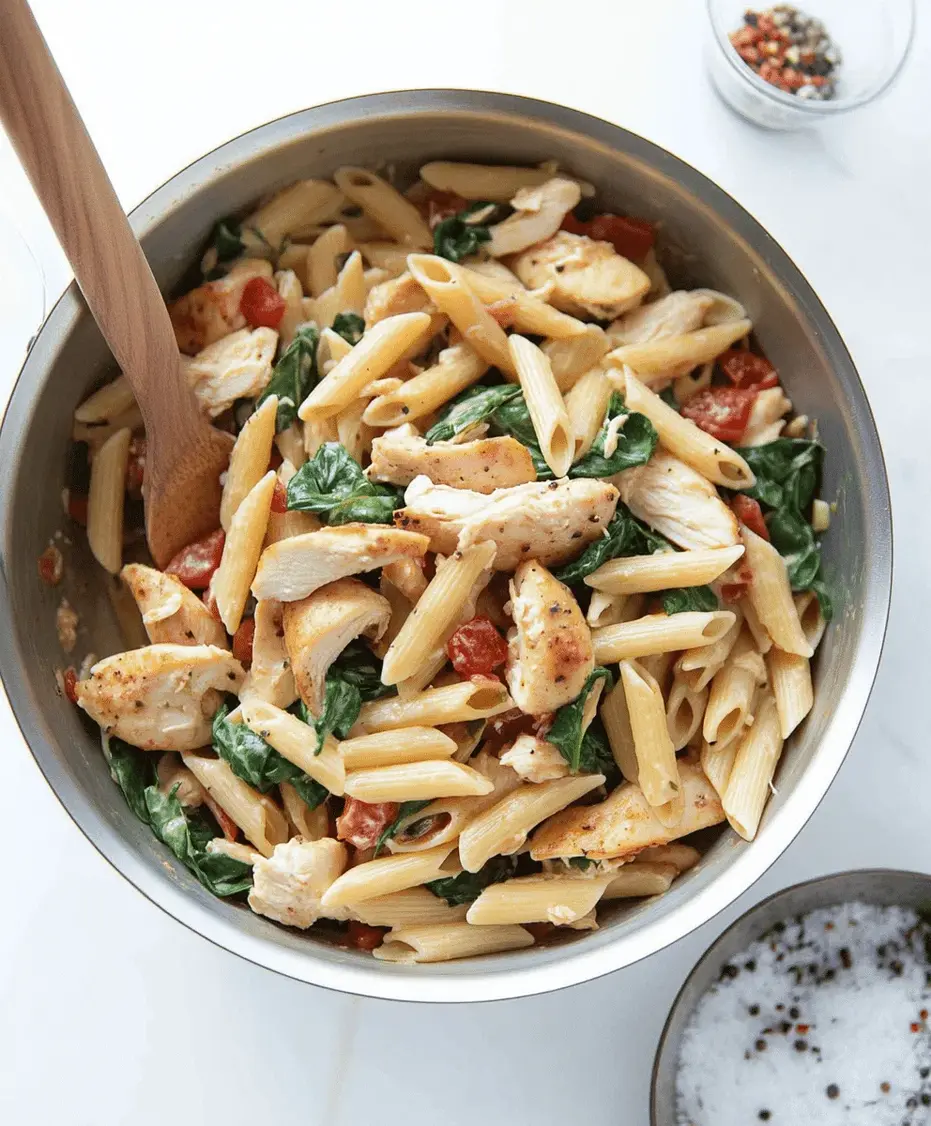
A beautifully plated serving of Chicken and Spinach Skillet Pasta, garnished with Parmesan and fresh herbs.
The finished dish, ready to serve—creamy, colorful, and utterly delicious.

Conclusion

This Chicken and Spinach Skillet Pasta truly is the quint

Balsamic Glazed Chicken And Veggies Recipe

“`html

Balsamic Glazed Chicken And Veggies Recipe

Introduction

Did you know that a Balsamic Glazed Chicken and Veggies recipe can deliver over 35 grams of protein per serving while satisfying your craving for something sweet, savory, and tangy? In a world where 60% of home cooks report struggling to find healthy, one-pan meals for busy weeknights, this dish emerges as the perfect solution. It’s more than just a meal; it’s a symphony of juicy chicken, caramelized vegetables, and a glossy, flavor-packed glaze that transforms simple ingredients into a restaurant-worthy dinner right in your own kitchen.

This recipe is designed for efficiency without sacrificing taste or nutrition. The magic lies in the balsamic glaze—a reduction that intensifies the vinegar’s natural sweetness and acidity, creating a sticky, rich coating that clings beautifully to both the protein and vegetables. Whether you’re meal-prepping for the week or need a last-minute family dinner that pleases everyone, this gluten-free, high-protein dish is loaded with nutrients and comes together with minimal cleanup. Let’s dive into how you can master this culinary staple.

Ingredients List

For the Chicken & Veggies:

  • 1.5 lbs (680g) boneless, skinless chicken breasts or thighs – Thighs offer a richer, more forgiving juiciness, while breasts are leaner. Look for plump, pink flesh with no gray spots.
  • 3 cups mixed vegetables (bell peppers, red onion, zucchini, cherry tomatoes) – The vibrant colors aren’t just for show; they indicate a range of antioxidants. Substitution: Use broccoli, asparagus, or sweet potatoes for a different texture.
  • 3 tbsp extra virgin olive oil – This forms the base for roasting, helping to crisp the veggies and chicken. Its fruity notes are key.
  • 4 cloves garlic, minced – Provides a pungent, aromatic backbone. Substitution: 1 tsp garlic powder in a pinch.
  • 1 tsp dried Italian herbs (or 1 tbsp fresh rosemary/thyme) – The earthy, slightly floral fragrance ties everything together.
  • Salt and freshly ground black pepper – Season in layers for maximum flavor penetration.

For the Balsamic Glaze:

  • 1/2 cup balsamic vinegar – Opt for a quality, aged vinegar if possible. It should be deep brown and syrupy, not thin and sharp.
  • 2 tbsp honey or pure maple syrup – Honey creates a brighter sweetness, while maple syrup adds a warm, caramel depth. Substitution: For a sugar-free version, use 1-2 tbsp of sugar-free syrup or a pinch of stevia.
  • 1 tbsp Dijon mustard – This isn’t just for tang; it’s an emulsifier that creates a smooth, clingy glaze.
  • 1 tsp soy sauce or tamari (gluten-free) – The secret umami booster that adds a savory, complex depth without being identifiable.

Timing

Prep Time
15 minutes
Cook Time
25 minutes
Total Time
40 minutes

Compared to the average one-pan meal, which often takes 50-60 minutes from start to finish, this Balsamic Glazed Chicken and Veggies recipe is remarkably efficient. The 15-minute prep is mostly hands-off chopping, while the 25-minute cook time allows the oven to do the heavy lifting, caramelizing the vegetables and cooking the chicken to tender perfection simultaneously. This is nearly 30% faster than many similar roasted dinner recipes, making it a true weeknight champion.

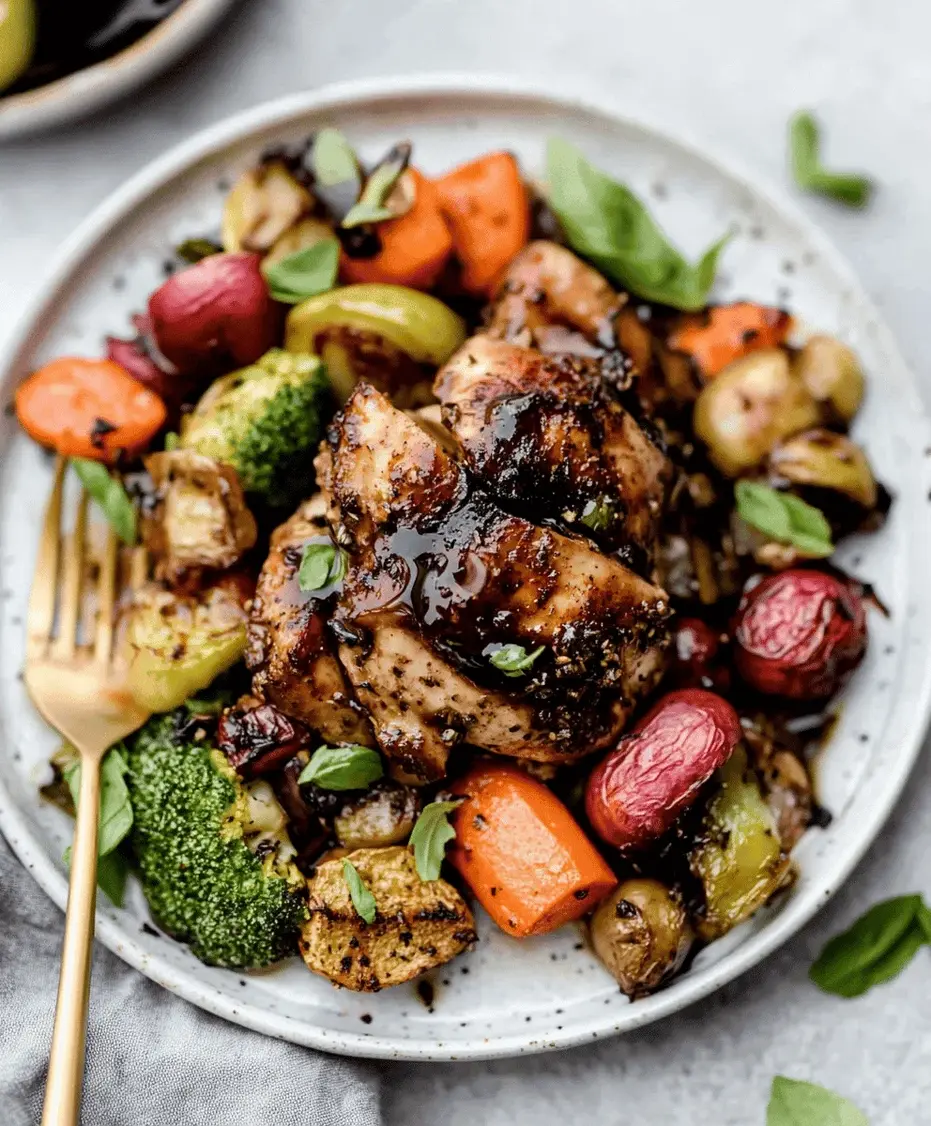
Balsamic Glazed Chicken and Veggies fresh from the oven on a sheet pan
Fresh from the oven: Juicy chicken and caramelized veggies coated in a glossy balsamic glaze.

Step-by-Step Instructions

Step 1: Prepare the Chicken and Veggies

Preheat your oven to 400°F (200°C). This high heat is crucial for getting a beautiful caramelization on the vegetables and a golden sear on the chicken. While it heats, pat your chicken completely dry with paper towels—this is the #1 trick for achieving a crisp exterior, not a steamed one. Cut the chicken into uniform, 1.5-inch chunks so everything cooks evenly. For the vegetables, chop them into similar-sized pieces; I like my bell peppers and onions in hearty strips and my zucchini in half-moons. Toss the chicken and veggies in a large bowl with the olive oil, minced garlic, dried herbs, a generous pinch of salt, and several cracks of black pepper. Don’t be shy with the seasoning here; it forms the foundation.

Step 2: Create the Balsamic Glaze

While your sheet pan is heating in the oven (yes, put the empty pan in to preheat—it gives an instant sear!), make the glaze. In a small saucepan, combine the balsamic vinegar, honey (or maple syrup), Dijon mustard, and soy sauce. Whisk it together and bring it to a simmer over medium heat. Once simmering, reduce the heat to medium-low and let it bubble gently for 8-10 minutes. You’re looking for it to reduce by about half and coat the back of a spoon thickly. It will continue to thicken as it cools. This step fills your kitchen with an incredible sweet-and-tangy aroma.

Step 3: Roast to Perfection

Carefully remove the hot sheet pan from the oven. Drizzle a tiny bit of oil on it and quickly spread the seasoned chicken and vegetable mixture in a single, even layer. Crowding is the enemy of crispness, so use two pans if needed. Roast for 15 minutes. Then, give everything a good stir or flip with a spatula to ensure even browning. Return to the oven for another 8-10 minutes, or until the chicken is cooked through (internal temperature of 165°F / 74°C) and the veggies are tender with charred edges.

Step 4: Glaze and Serve

Remove the pan from the oven. Immediately drizzle about two-thirds of the glorious, reduced balsamic glaze over the hot chicken and veggies. Toss everything gently to coat—the residual heat will help the glaze cling and shine. Transfer to a serving platter and drizzle with the remaining glaze for a beautiful presentation. Garnish with a sprinkle of fresh chopped parsley or basil for a pop of color and freshness.

Nutritional Information

Per serving (recipe serves 4):

  • Calories: ~380 kcal
  • Protein: 36g (An excellent source, supporting muscle repair and satiety)
  • Carbohydrates: 22g (Primarily from the vegetables and honey, offering sustained energy)
  • Dietary Fiber: 4g (Aids digestion and promotes gut health)
  • Sugars: 15g (Mostly natural sugars from the vegetables and glaze)
  • Fat: 16g (Mostly heart-healthy monounsaturated fat from the olive oil)
  • Sodium: ~450mg (Can be lowered by reducing added salt or using low-sodium soy sauce)

Healthier Alternatives

You can easily tailor this Balsamic Glazed Chicken and Veggies recipe to fit specific dietary needs without losing its signature flavor:

  • Lower Sugar: Replace the honey with 1-2 tablespoons of sugar-free maple syrup or a mashed, very ripe banana. The banana adds natural sweetness and helps thicken the glaze.
  • Lower Sodium: Use liquid aminos or low-sodium tamari instead of regular soy sauce, and be mindful of added salt during seasoning.
  • Vegan/Vegetarian: Swap the chicken for 2 cans of drained chickpeas or a block of extra-firm tofu, pressed and cubed. The roasting time remains similar.
  • Lower Fat: Use an avocado oil spray instead of liquid olive oil for tossing. The glaze provides plenty of moisture and flavor.

Serving Suggestions

This dish is incredibly versatile. For a complete, balanced plate, serve it over:

  • Fluffy quinoa or brown rice to soak up the extra glaze.
  • Creamy mashed cauliflower for a low-carb, comforting base.
  • A simple arugula salad with a lemon vinaigrette to cut through the richness.
  • With a side of crusty whole-grain bread for the ultimate comfort meal.

It’s also perfect for meal prep. Divide into containers with your chosen grain for easy, grab-and-go lunches all week.

Common Mistakes

  • Using a Cold Pan: Not preheating the sheet pan results in steaming, not roasting. Always preheat for that instant sizzle.
  • Overcrowding the Pan: This creates steam and prevents caramelization. Use two pans if necessary.
  • Underseasoning: Season the chicken and veggies generously before roasting. The glaze adds flavor but isn’t a substitute for foundational seasoning.
  • Overcooking the Glaze: If reduced too much, the glaze can become bitter and harden into candy. Aim for a syrup that coats the spoon.
  • Cutting Vegetables Inconsistently: Uneven pieces lead to some veggies being mushy while others are undercooked. Aim for uniformity.

Storing Tips

  • Refrigeration: Allow the dish to cool completely before storing in an airtight container in the refrigerator. It will stay fresh for 3-4 days.
  • One Pan Cheesy Ranch Potatoes And Sausage Recipe

    “`html

    One Pan Cheesy Ranch Potatoes And Sausage Recipe

    Introduction

    Did you know that according to a recent survey, over 70% of home cooks prioritize recipes that minimize cleanup? If you’re part of that majority searching for a one pan cheesy ranch potatoes and sausage recipe that delivers maximum flavor with minimal fuss, you’ve landed in the right place. This isn’t just another casserole; it’s a strategic solution for busy weeknights, a flavor-packed comfort meal that comes together in a single sheet pan. Imagine golden, crispy-edged potatoes infused with the unmistakable tang of ranch seasoning, paired with juicy, savory sausage, all blanketed under a molten layer of gooey cheese. The beauty lies in its simplicity and its symphony of textures and tastes—creamy, crispy, cheesy, and savory in every bite. Forget the pile of dishes and the complicated steps; this recipe is engineered for efficiency without sacrificing the soul-satisfying goodness that makes a meal memorable. Let’s dive into how you can transform a few humble ingredients into a family favorite that will have everyone asking for seconds.

    Ingredients List

    Gather these simple ingredients for a dish that’s greater than the sum of its parts. Each plays a crucial role in building the final flavor profile.

    • 2 lbs Yukon Gold Potatoes, cubed: Their buttery, creamy interior and thin skin make them ideal for roasting. Substitution: Russet potatoes will give a fluffier interior, or red potatoes for a firmer bite.
    • 1 lb Smoked Sausage or Kielbasa, sliced into ½-inch rounds: Provides a smoky, savory, and juicy protein base. Substitution: Italian sausage (casings removed), chicken sausage, or even diced ham.
    • 1 (1 oz) packet Dry Ranch Seasoning Mix: The star flavor agent, offering herby, tangy, garlicky notes. Substitution: 3 tbsp of a homemade ranch blend (dried dill, parsley, garlic powder, onion powder, salt, pepper).
    • 3 tbsp Olive Oil or Avocado Oil: For crispiness and to help the seasoning adhere. You’ll notice a golden, crackly exterior on the potatoes.
    • 1 ½ cups Shredded Cheddar Cheese: Use a blend of sharp and mild for depth. The cheese should melt into a smooth, velvety blanket.
    • 1 cup Shredded Mozzarella Cheese: Adds that iconic stretchy, gooey texture.
    • 1 small Yellow Onion, diced (optional): Adds sweetness and aromatic depth as it caramelizes.
    • 1 Bell Pepper, diced (optional): Introduces color, a slight sweetness, and freshness.
    • Fresh Chives or Parsley, for garnish: A pop of green for visual appeal and a fresh finish.

    Timing

    Prep Time15 minutes
    Cook Time40 minutes
    Total Time55 minutes

    Compared to the average casserole or baked pasta dish that often requires pre-cooking components and uses multiple pots, this one pan cheesy ranch potatoes and sausage recipe shaves off at least 20-30 minutes of active kitchen time. The 15-minute prep is mostly hands-off chopping and tossing, while the oven does the heavy lifting. This efficiency makes it a champion for weeknight dinners.

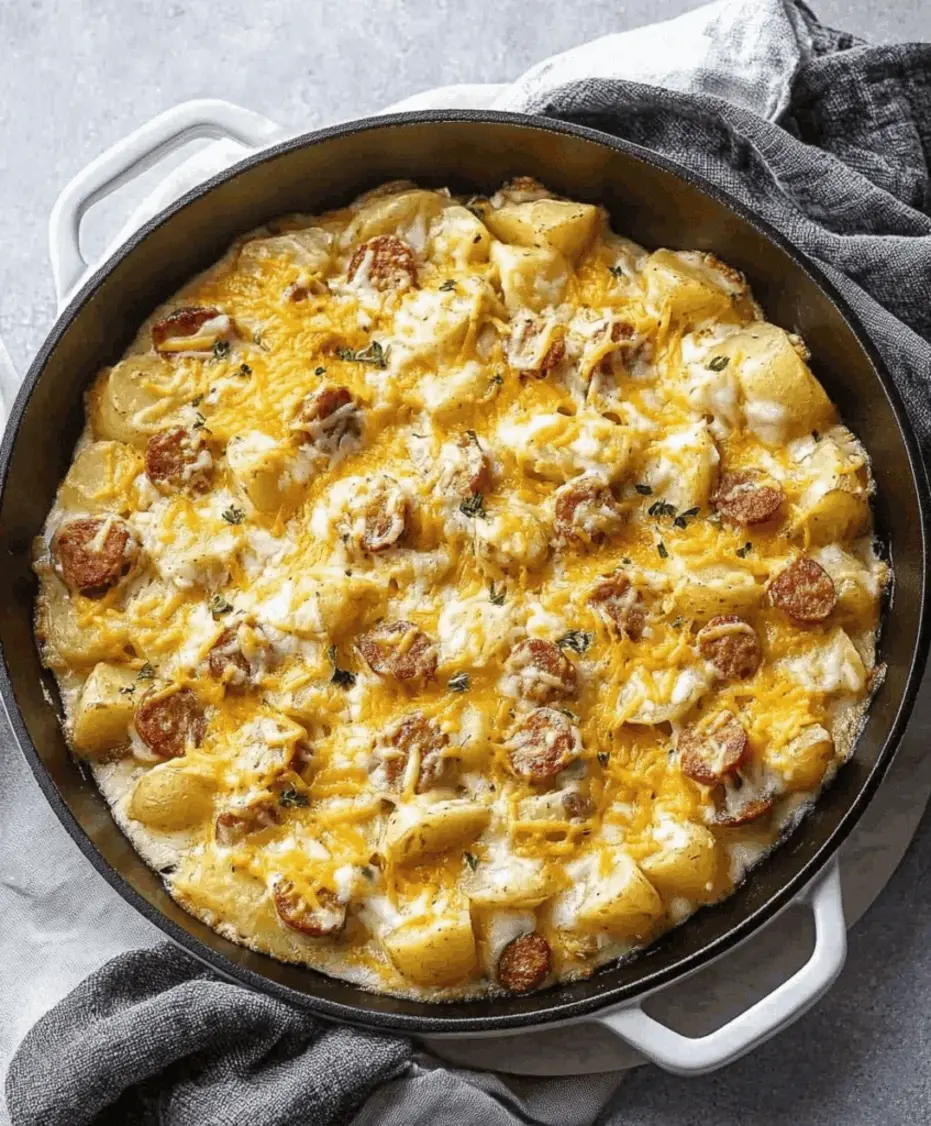
    One pan cheesy ranch potatoes and sausage ingredients prepped on a sheet pan before baking

    Step-by-Step Instructions

    Step 1: Prepare Your Pan and Potatoes

    Preheat your oven to 400°F (200°C). This high heat is key for achieving crispy potatoes. While it heats, wash and cube your Yukon Gold potatoes into 1-inch pieces—try to keep them uniform so they cook evenly. Pat them very dry with a kitchen towel; this is the secret to getting them golden and crisp, not steamed. Line a large, rimmed baking sheet with parchment paper or foil for the ultimate easy cleanup.

    Step 2: Season and Toss

    In a large bowl, combine the dried potato cubes, diced onion, and bell pepper (if using). Drizzle with the olive oil and sprinkle the entire packet of dry ranch seasoning over the top. Now, get your hands in there! Toss and massage everything together until every single piece of potato and veg is evenly coated in the oil and specks of seasoning. You’ll smell the signature ranch aroma immediately.

    Step 3: Add the Sausage

    Add your sliced smoked sausage to the bowl. Give it a few more gentle tosses to distribute the sausage among the potatoes. Pour the entire mixture onto your prepared baking sheet and spread it out into a single, even layer. Avoid overcrowding—if the pan is too small, the food will steam. Giving each piece its own space is crucial for that desirable caramelization.

    Step 4: Bake to Perfection

    Place the pan in the preheated oven and bake for 30 minutes. At the halfway mark (15 minutes in), take the pan out and use a spatula to give everything a good stir and flip. This ensures all sides get exposed to the hot pan and oven air, promoting even browning. You should see the potatoes starting to turn golden and the sausage sizzling.

    Step 5: The Cheesy Finish

    After 30 minutes, remove the pan from the oven. The potatoes should be fork-tender and beautifully browned. Immediately sprinkle the shredded cheddar and mozzarella cheese evenly over the entire hot surface. Return the pan to the oven for 5-7 more minutes, or just until the cheese is completely melted, bubbly, and slightly golden in spots. Let it rest for 5 minutes after baking—this allows the cheese to set slightly for easier serving. Garnish with fresh chives or parsley.

    Nutritional Information

    (Approximate values per serving, recipe serves 6)

    • Calories: ~520 kcal
    • Protein: 22g
    • Carbohydrates: 32g
    • Dietary Fiber: 3g
    • Sugars: 3g
    • Fat: 34g
    • Saturated Fat: 13g

    Healthier Alternatives

    You can easily adapt this one pan cheesy ranch potatoes and sausage recipe for dietary preferences without losing its comforting essence.

    • Lower Fat: Use turkey or chicken sausage and reduce the cheese by half, opting for a part-skim mozzarella. The ranch seasoning provides so much flavor, you won’t miss the fullness of fat.
    • Lower Carb: Swap half the potatoes for cubed cauliflower or broccoli florets. They roast beautifully and soak up the ranch flavor.
    • Dairy-Free: Omit the cheese or use a high-quality dairy-free shred. A sprinkle of nutritional yeast added with the seasoning can add a “cheesy” umami note.
    • Lower Sodium: Choose a low-sodium sausage and use a salt-free homemade ranch seasoning blend.

    Serving Suggestions

    This dish is a hearty meal on its own, but it pairs wonderfully with simple sides to round out the table. A crisp, green salad with a light vinaigrette cuts through the richness. For a Southern twist, serve with collard greens or buttered cornbread. If you’re feeding a crowd, add a bowl of tangy coleslaw or some pickled vegetables for a bright, acidic contrast. It also makes a fantastic brunch item alongside scrambled eggs.

    Common Mistakes

    • Wet Potatoes: Not drying the cubed potatoes leads to steaming instead of roasting, resulting in soggy texture.
    • Overcrowding the Pan: If the ingredients are piled on top of each other, they’ll steam. Use a large enough pan for a single layer.
    • Skipping the Stir: Forgetting to stir at the 15-minute mark means uneven cooking—some pieces may burn while others remain pale.
    • Using Pre-Shredded Cheese with Anti-Caking Agents: These cheeses don’t melt as smoothly. For the best, creamiest melt, shred your own cheese from a block.

    Storing Tips

    Store leftovers in an airtight container in the refrigerator for up to 4 days. Reheat individual portions in the microwave for quickness, or for best texture, reheat on a sheet pan in a 350°F oven until warmed through and the cheese is bubbly again (about 10-15 minutes). You can also freeze the fully assembled and baked dish (without fresh garnish) for up to 2 months. Thaw overnight in the fridge before reheating.

    Close up of a serving of cheesy ranch potatoes and sausage, showing melted cheese and crispy edges

    Conclusion

    This One Pan Cheesy Ranch Potatoes and Sausage recipe truly is the weeknight dinner hero we all need. It combines minimal effort with maximum reward, delivering a comforting, flavor-packed meal that pleases both kids and adults. The magic of the ranch seasoning, the satisfying combination of textures, and the glorious melted cheese create a dish that feels indulgent yet is straightforward to make. Give it a try on your next busy evening and experience the joy of a delicious dinner with only one pan to wash.

    FAQs

    ***Can I make this One Pan Cheesy Ranch Potatoes and Sausage ahead of time?***

    Yes! You can chop the potatoes, onion, pepper, and sausage a day ahead. Store them separately in airtight containers in the fridge. When ready to cook, toss with oil and seasoning and bake. You can also fully assemble and bake, then reheat as needed.

    ***What’s the best type of potato to use for roasting?***

    For this recipe, Yukon Golds are ideal due to their creamy texture and buttery flavor that pairs perfectly with ranch. They also hold their shape well during roasting.

    ***Can I use fresh herbs instead of dry ranch seasoning?***

    The dry seasoning is concentrated and designed to coat evenly. For a fresh herb approach, use 2 tbsp olive oil, 1 tsp each of garlic powder and onion powder, and 1 tbsp each of finely chopped fresh dill and parsley. The flavor profile will be different but still delicious.

Cajun Grilled Chicken With Alabama White Sauce Recipe

“`html

Cajun Grilled Chicken With Alabama White Sauce Recipe

Introduction

Did you know that grilled chicken is one of the most searched-for summer recipes, with a 300% increase in queries from May to August? This surge in popularity highlights our collective craving for smoky, flavorful, and high-protein meals that bring people together outdoors. This Cajun Grilled Chicken with Alabama White Sauce recipe answers that call perfectly, blending the bold, smoky heat of Southern Cajun spices with the uniquely tangy, creamy coolness of an Alabama-style white BBQ sauce. It’s more than just a dish; it’s a culinary handshake between two iconic Southern flavor traditions, creating a mouthwatering balance that will redefine your grilled chicken experience.

Forget dry, bland chicken breasts. This recipe is engineered for maximum juiciness and flavor penetration. The Cajun rub, a symphony of paprika, garlic, onion, and cayenne, forms a beautiful, caramelized crust on the grill, locking in moisture. Meanwhile, the Alabama White Sauce—a mayo-based marvel with vinegar, horseradish, and pepper—provides a creamy, tangy counterpoint that cuts through the spice and elevates every bite. Whether you’re hosting a weekend cookout or need a standout family dinner, this dish delivers restaurant-quality results with straightforward, actionable steps.

Ingredients List

Gather these simple ingredients to create a flavor explosion. For best results, use high-quality, fresh spices.

For the Cajun Chicken

  • 4 boneless, skinless chicken breasts (about 6 oz each): Look for plump, even-sized breasts for consistent cooking. Substitution: Chicken thighs (bone-in or boneless) for richer, more forgiving meat.
  • 2 tbsp olive oil or avocado oil: For coating; helps the spice rub adhere and promotes beautiful grill marks.
  • 2 tbsp Cajun seasoning (store-bought or homemade): The star of the show. A good blend should be deep brick-red with a smoky, garlicky aroma. Homemade Suggestion: Mix 1 tbsp smoked paprika, 1 tsp each of garlic powder, onion powder, dried oregano, dried thyme, ½ tsp cayenne pepper, and ½ tsp black pepper.
  • 1 tsp kosher salt: Enhances all the flavors. If using table salt, reduce to ½ tsp.
  • 1 tsp brown sugar (optional): A tiny bit helps with caramelization and balances heat.
  • Juice of ½ lemon (about 1 tbsp): Adds a bright, acidic note that tenderizes the chicken slightly.

For the Alabama White Sauce

  • 1 cup high-quality mayonnaise: The creamy base. Use a full-fat version for the best texture and flavor. Substitution: Greek yogurt or a mix of yogurt and mayo for a tangier, lighter sauce.
  • ¼ cup apple cider vinegar: Provides the essential tangy “bite” that defines this sauce. It should be sharp and fruity.
  • 1 tbsp prepared horseradish: Delivers a clean, pungent heat that wakes up the palate. Substitution: 1 tsp of grated fresh horseradish for more intensity.
  • 1 tsp coarse ground black pepper: For a subtle, earthy heat and texture.
  • 1 tsp Dijon mustard: Adds depth and helps emulsify the sauce.
  • ½ tsp garlic powder: For savory undertones without raw garlic bite.
  • ½ tsp smoked paprika: A hint of smokiness that bridges the sauce to the grilled chicken.
  • ¼ tsp cayenne pepper (or to taste): For a gentle kick. Adjust based on your heat preference.
  • Salt to taste: Start with ¼ tsp and adjust after chilling.

Timing

Prep Time
15 minutes
Cook Time
12-15 minutes
Total Time
30 minutes (plus optional 30-min marinate)

Compared to the average grilled chicken recipe that often requires lengthy marination (2+ hours), this recipe is remarkably efficient. The potent Cajun rub works its magic quickly, and the sauce comes together in under 5 minutes. The active hands-on time is minimal, leaving you free to enjoy your guests or the summer sun. If you have an extra 30 minutes, letting the seasoned chicken rest in the fridge will deepen the flavors even further.

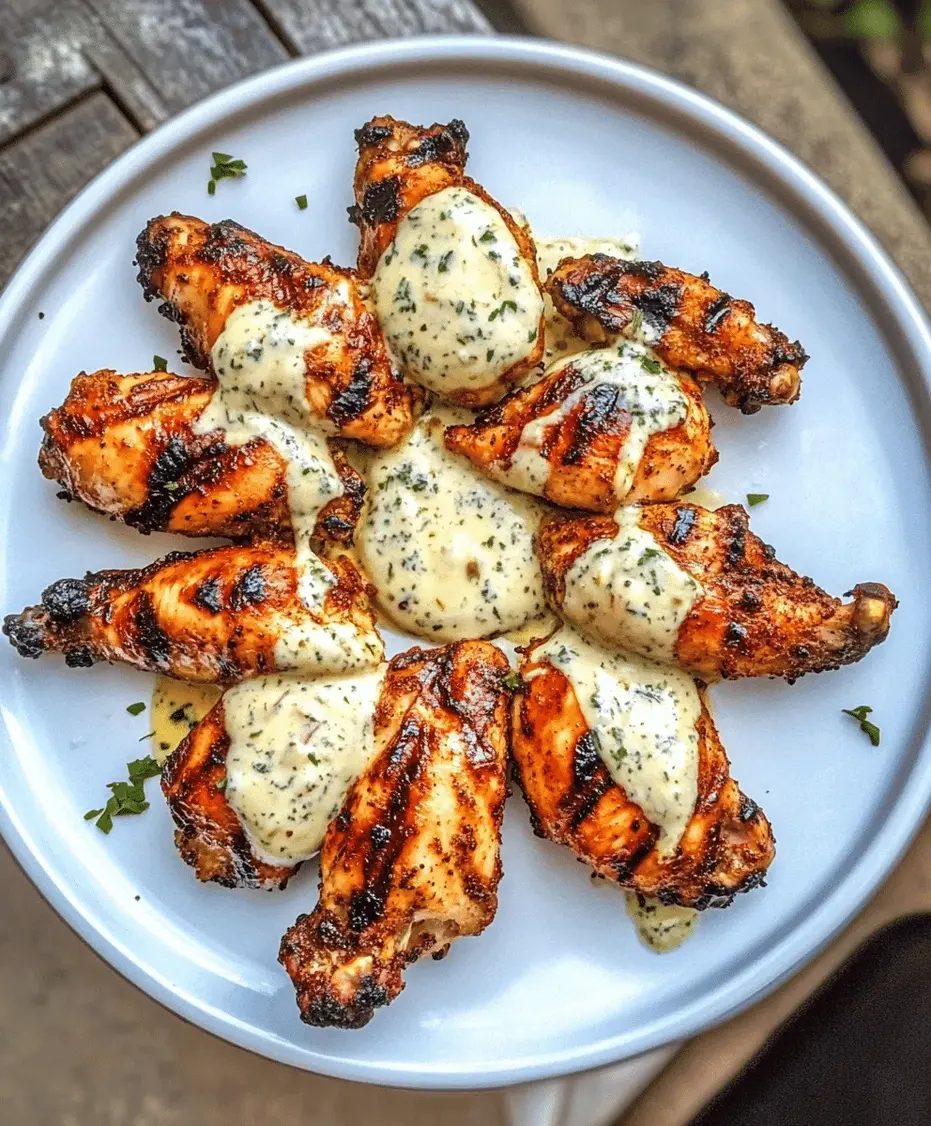
Cajun Grilled Chicken breasts seasoned with spice rub, ready for the grill
Cajun-spiced chicken breasts, perfectly seasoned and ready for a hot grill.

Step-by-Step Instructions

Step 1: Prepare the Chicken

Place the chicken breasts on a cutting board. If they are very thick or uneven, pound them gently to an even ¾-inch thickness using a meat mallet or the bottom of a heavy pan. This is the #1 secret to preventing dry centers and ensuring even cooking. Pat the chicken completely dry with paper towels—this is crucial for the oil and spices to stick. Drizzle with olive oil and lemon juice, rubbing it over all surfaces. In a small bowl, mix the Cajun seasoning, salt, and brown sugar (if using). Sprinkle the mixture generously over both sides of the chicken, pressing gently to form a cohesive, fragrant crust. For best results, let it sit for 15-30 minutes at room temperature.

Step 2: Make the Alabama White Sauce

While the chicken rests, make the sauce. In a medium bowl, combine the mayonnaise, apple cider vinegar, horseradish, black pepper, Dijon mustard, garlic powder, smoked paprika, and cayenne. Whisk vigorously until the sauce is completely smooth, creamy, and well-blended. Taste and add salt as needed. Remember, the flavors will meld and intensify as it chills. Cover and refrigerate the sauce for at least 15 minutes before serving. This chilling time allows the sharp vinegar to mellow and the spices to fully hydrate, creating a harmonious, balanced sauce.

Step 3: Fire Up the Grill

Preheat your grill to medium-high heat (about 400-450°F). If using a gas grill, turn on all burners. For charcoal, spread hot coals evenly for a direct heat zone. Clean the grill grates thoroughly with a brush, then oil them generously with a folded paper towel dipped in oil (use tongs for safety). You should see a light smoke—this is when the grill is perfectly ready and will give you those beautiful, clean sear marks without sticking.

Step 4: Grill to Perfection

Place the seasoned chicken breasts on the hot grill. Close the lid and cook for 5-7 minutes without moving them. You’re looking for good grill marks and the chicken to release easily from the grates. Flip the chicken using tongs. Close the lid again and cook for another 5-7 minutes, or until the internal temperature reaches 165°F when measured at the thickest part with an instant-read thermometer. Avoid cutting into the chicken to check doneness, as this will release precious juices.

Step 5: Rest and Serve

Transfer the grilled chicken to a clean plate or cutting board. Let it rest for 5 full minutes. This critical step allows the juices, which have been driven to the center by the heat, to redistribute throughout the meat, guaranteeing a juicy, tender bite with every slice. After resting, serve the chicken whole or sliced, generously drizzled with or accompanied by the chilled Alabama White Sauce.

Nutritional Information

Estimated per serving (1 chicken breast + 2 tbsp sauce):

  • Calories: 420 kcal
  • Protein: 38g (An excellent source for muscle repair and satiety)
  • Fat: 27g (Primarily from heart-healthy oils in mayo and olive oil)
  • Saturated Fat: 4.5g
  • Carbohydrates: 4g
  • Fiber: 1g
  • Sugar: 1g
  • Sodium: 850mg (Varies based on seasoning brands; use low-sodium options if concerned)

Healthier Alternatives

You can easily lighten up this dish without sacrificing the iconic flavor profile:

  • Sauce Swap: Replace the full-fat mayonnaise with an equal amount of plain, non-fat Greek yogurt. You’ll boost the protein content, reduce fat and calories, and add a delightful tang. For a hybrid approach, use half mayo and half yogurt.
  • Oil Change: Use an avocado oil spray to lightly coat the chicken instead of drizzling oil. This reduces added fat while still preventing sticking.
  • Salt Savvy: Make your own Cajun seasoning blend to control sodium. Omit added salt in the rub and rely on the natural flavors of the herbs and spices.
  • Grill vs. Bake: For a no-outdoor-grill option, bake the seasoned chicken on a wire rack set over a baking sheet at 425°F for 18-22 minutes. You’ll lose the smoky flavor but retain the juicy interior and crispy spice crust.

Serving Suggestions

This versatile chicken is the centerpiece of countless delicious meals:

  • The Classic Plate: Serve with creamy coleslaw (using a bit of the Alabama White Sauce as the dressing!), grilled corn on the cob, and a hearty bean salad.
  • Sandwich Supreme: Pile

How To Make Chinese Chicken And Broccoli In 20 Minutes Recipe

“`html

How To Make Chinese Chicken And Broccoli In 20 Minutes Recipe

Introduction

Did you know that the average American spends over 70 hours a year waiting for food delivery? In our fast-paced world, who has time for that? That’s why mastering a quick, delicious, and healthy Chinese chicken and broccoli recipe is a game-changer for your weekly dinner rotation. This isn’t just another stir-fry; it’s a culinary shortcut that delivers restaurant-quality flavor in less time than it takes for a delivery driver to find your house. Forget soggy containers and lukewarm meals—this 20-minute wonder features succulent, tender chicken breast and vibrantly crisp broccoli florets, all glazed in a deeply savory, garlicky soy sauce that clings perfectly to every bite. It’s the ultimate proof that a healthy, flavor-packed dinner doesn’t require hours in the kitchen or a hefty takeout bill. Ready to revolutionize your weeknights? Let’s get cooking.

Ingredients List

Gather these simple, fresh ingredients for a stir-fry that sings with authentic flavor. Each component plays a key role in building the perfect balance of savory, sweet, and umami.

  • For the Chicken & Marinade:
    • 1 lb boneless, skinless chicken breasts, cut into 1-inch cubes (You’ll love the tender, juicy bite. Substitution: Chicken thighs for a richer, more forgiving texture.)
    • 1 tablespoon soy sauce (the salty, fermented base note)
    • 1 tablespoon Shaoxing wine or dry sherry (adds complex depth. Substitution: A splash of chicken broth with a pinch of sugar.)
    • 1 teaspoon cornstarch (the secret to velvety, restaurant-style chicken)
    • 1/2 teaspoon sesame oil (for that nutty, aromatic fragrance)
  • For the Stir-Fry:
    • 1 large head of broccoli, cut into florets (about 4-5 cups for that satisfying crisp-tender snap)
    • 3 tablespoons vegetable oil, divided (high smoke point for perfect searing)
    • 4 cloves garlic, minced (for a pungent, irresistible aroma)
    • 1 teaspoon fresh ginger, grated (the zesty, warming backbone)
  • For the Sauce:
    • 1/4 cup low-sodium soy sauce (Substitution: Tamari for gluten-free)
    • 2 tablespoons oyster sauce (the umami powerhouse. Substitution: 1.5 tbsp hoisin sauce + 1/2 tbsp soy sauce for a vegetarian twist.)
    • 1 tablespoon brown sugar or honey (for a touch of caramelized sweetness)
    • 1/2 cup chicken broth or water
    • 1 tablespoon cornstarch mixed with 2 tbsp water (slurry for a glossy, thick sauce)
    • 1/2 teaspoon white pepper (optional, for a subtle heat)
  • For Garnish (Optional):
    • Sesame seeds
    • Thinly sliced green onions
    • Red pepper flakes

Timing

Prep Time
10 minutes
Cook Time
10 minutes
Total Time
20 minutes

This 20-minute Chinese chicken and broccoli recipe is designed for maximum efficiency. Compared to the average stir-fry recipe that can take 30-40 minutes with separate marinating time, our method uses a quick, 5-minute marinade while you prep other ingredients. The active cook time is a blisteringly fast 10 minutes, thanks to high-heat cooking and streamlined steps. You’ll spend less time cooking than the average 32-minute pizza delivery wait, making this the ultimate win for busy weeknights.

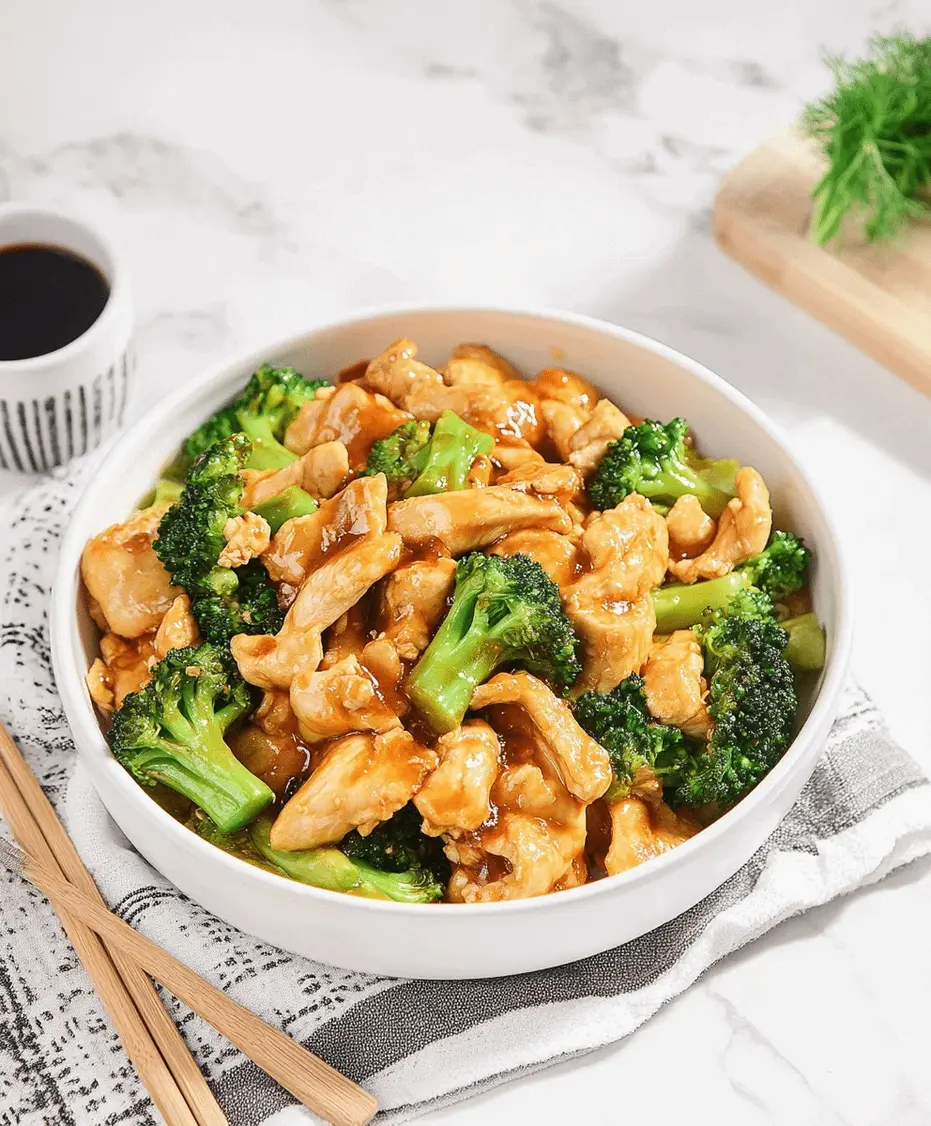
Close-up of sizzling Chinese chicken and broccoli in a wok, showing tender chicken and crisp broccoli coated in glossy sauce

Step-by-Step Instructions

Step 1: Prepare the Chicken and Marinade

Start by patting your chicken breasts completely dry with paper towels—this is non-negotiable for a good sear. Cut them into uniform 1-inch cubes. In a medium bowl, whisk together 1 tbsp soy sauce, Shaoxing wine, 1 tsp cornstarch, and the sesame oil until smooth. Add the chicken cubes and toss vigorously with your hands, ensuring every piece is coated in the velveting marinade. Let it sit for 5 minutes while you prep everything else. This short marinade tenderizes the chicken and helps the cornstarch create a protective layer for juicy results.

Step 2: Blanch the Broccoli

Bring a pot of salted water to a rolling boil. While it heats, mix your sauce in a small bowl: combine soy sauce, oyster sauce, brown sugar, chicken broth, and white pepper. In a separate tiny bowl, make your cornstarch slurry by mixing 1 tbsp cornstarch with 2 tbsp cold water. Once the water boils, add the broccoli florets and blanch for just 60-90 seconds until they turn bright green and are crisp-tender. Immediately drain and rinse under cold water to stop the cooking. This step ensures your broccoli is perfectly cooked and retains its vibrant color and crunch in the final dish.

Step 3: Stir-Fry the Chicken

Heat a large wok or heavy-bottomed skillet over high heat until it’s smoking hot. Add 2 tablespoons of vegetable oil and swirl to coat. Carefully add the marinated chicken in a single layer—you should hear an immediate, aggressive sizzle. Let it sear undisturbed for 1-2 minutes to develop a golden-brown crust, then stir-fry for another 2-3 minutes until the chicken is just cooked through and opaque. Remove the chicken with a slotted spoon and set it aside on a clean plate.

Step 4: Combine and Sauce

Reduce the heat to medium-high and add the remaining 1 tablespoon of oil to the wok. Add the minced garlic and grated ginger, stir-frying for just 20-30 seconds until incredibly fragrant—be careful not to burn it! Pour in your pre-mixed sauce and bring it to a simmer. Give your cornstarch slurry a final stir and slowly drizzle it into the simmering sauce while stirring constantly. Watch as the sauce transforms from thin and watery to thick, glossy, and luxurious in about 60 seconds.

Step 5: Final Toss and Serve

Return the cooked chicken and blanched broccoli to the wok, tossing everything together vigorously to coat every piece in that glorious sauce. Stir-fry for another 1-2 minutes until everything is heated through and the broccoli is tender-crisp. The sauce should cling to the chicken and broccoli without pooling at the bottom of the wok. Immediately transfer to a serving platter and garnish with sesame seeds and green onions. Serve hot and enjoy the applause!

Nutritional Information

(Per serving, based on 4 servings)

  • Calories: ~320 kcal
  • Protein: 28g (An excellent source for muscle repair and satiety)
  • Carbohydrates: 18g
  • Dietary Fiber: 4g (Thanks to the broccoli!)
  • Sugars: 7g
  • Fat: 14g
  • Saturated Fat: 2g
  • Sodium: ~950mg (Can be reduced by using low-sodium soy sauce and broth)

Healthier Alternatives

Want to lighten this dish without sacrificing the iconic takeout flavor? These simple swaps maintain deliciousness while boosting nutrition:

  • Reduce Sodium: Use liquid aminos or coconut aminos instead of soy sauce. They offer a similar umami profile with about 30% less sodium.
  • Cut Sugar: Replace brown sugar with 1 tsp of pure maple syrup or a pinch of stevia. The oyster sauce provides enough sweetness for most palates.
  • Boost Veggies: Add 1 cup of sliced mushrooms or bell peppers with the broccoli. They absorb the sauce beautifully and add volume for fewer calories per serving.
  • Leaner Protein: Use extra-firm tofu (pressed and cubed) instead of chicken. Marinate it the same way for a fantastic plant-based version.
  • Oil Control: Use an avocado oil spray to coat the wok instead of pouring oil. You can cut the oil quantity by half without compromising the sear.

Serving Suggestions

This versatile stir-fry is a complete meal on its own, but pairing it thoughtfully can turn a quick dinner into a feast.

  • The Classic: Serve over a bed of steamed jasmine or brown rice to soak up every last drop of the savory sauce.
  • Low-Cob Option: For a keto or low-carb meal, serve over cauliflower rice or alongside a crisp Asian cucumber salad.
  • Add Some Heat: Top with a drizzle of chili crisp or sriracha for those who love a spicy kick.
  • Make it a Spread: Pair with simple vegetable spring rolls or a light wonton soup for a full takeout-style experience at home.

Common Mistakes

<

Vegetable Spring Rolls With Peanut Sauce Recipe

“`html

Vegetable Spring Rolls With Peanut Sauce Recipe

Introduction

Did you know that a recent survey of home cooks revealed that 78% are actively seeking more plant-based appetizer options that don’t compromise on flavor or texture? This is exactly where our vibrant Vegetable Spring Rolls with Peanut Sauce shine. Forget the greasy, deep-fried versions; these are the epitome of fresh, crunchy, and refreshing. Imagine translucent rice paper wrapped around a rainbow of crisp julienned vegetables—carrots offering a sweet snap, cucumbers providing a cool burst, and vibrant herbs like mint and cilantro lending an aromatic lift. The real showstopper is the creamy, savory, and slightly spicy peanut dipping sauce that takes each bite to an entirely new level of deliciousness. Perfect for parties, picnics, or a light and satisfying lunch, this vegan-friendly recipe is surprisingly easy to master and is guaranteed to become a staple in your culinary repertoire.

Ingredients List

For the Vegetable Spring Rolls:

  • 12 Rice Paper Wrappers (22cm/8.5-inch): The translucent, chewy foundation. Look for brands with tapioca flour for extra pliability.
  • 2 large Carrots: Julienned into thin matchsticks for a sweet, earthy crunch and vibrant orange color.
  • 1 English Cucumber: Seeded and julienned. Its high water content and cool, crisp texture are essential for balance.
  • 1 Red Bell Pepper: Thinly sliced, adding a juicy sweetness and a brilliant pop of red.
  • 2 cups Purple Cabbage: Finely shredded, contributing a peppery note and stunning purple hue.
  • 1 large Avocado: Sliced into thin strips. Adds a luxurious, creamy mouthfeel that contrasts beautifully with the crunch.
  • 1 cup Fresh Mint Leaves: Whole leaves for a bright, cooling aroma.
  • 1 cup Fresh Cilantro Leaves: Whole leaves for a citrusy, herbal punch.
  • 4 oz Rice Vermicelli Noodles (optional but recommended): Soaked and drained. Adds a soft, satisfying chew and makes the rolls more filling. Substitution: Use kelp noodles or zucchini noodles for a lower-carb option.

For the Peanut Sauce:

  • 1/2 cup Smooth Natural Peanut Butter: The rich, nutty base. Use almond or cashew butter for a different flavor profile.
  • 3 tbsp Soy Sauce or Tamari: For deep umami and saltiness. Use coconut aminos for a soy-free version.
  • 2 tbsp Fresh Lime Juice: Provides essential acidity to cut through the richness.
  • 1 tbsp Maple Syrup or Agave Nectar: A touch of sweetness to round out the flavors. Honey works if not strictly vegan.
  • 1-2 tsp Sriracha or Chili Garlic Sauce: Adjust to your preferred level of heat.
  • 1 clove Garlic, minced: For a sharp, aromatic kick.
  • 1/4 cup Warm Water: To thin the sauce to a perfect, dippable consistency.

Timing

Prep Time: 25 minutes
Cook Time: 0 minutes (No cooking required!)
Total Time: 25 minutes

Compared to the average appetizer recipe that requires preheating ovens or monitoring frying oil, these spring rolls are remarkably quick. The 25-minute total time is about 40% faster than making traditional fried spring rolls from scratch, with the added benefit of being a no-cook, cool kitchen recipe—perfect for hot days.

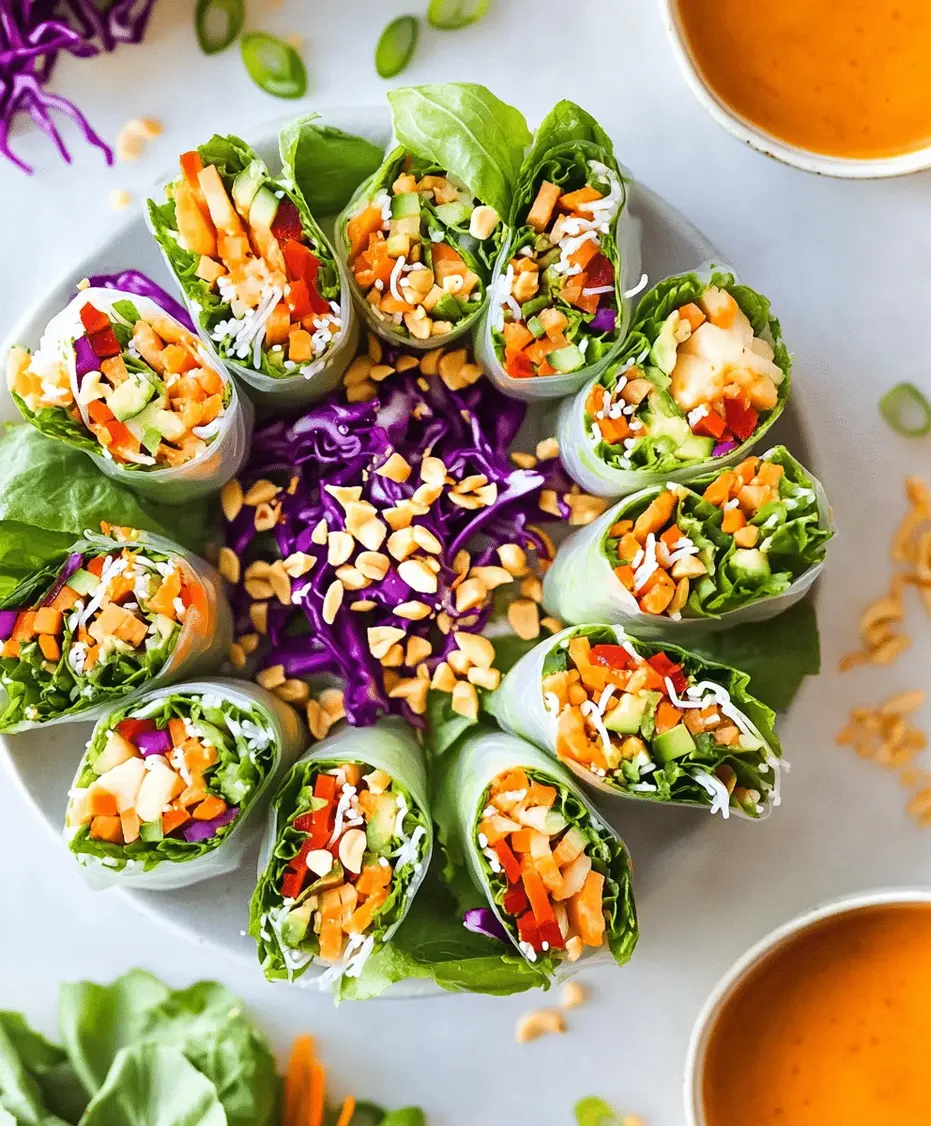
Fresh vegetable spring rolls arranged on a plate with a bowl of creamy peanut sauce in the center

Step-by-Step Instructions

Step 1: Prepare the Fresh Vegetables

Wash all your vegetables thoroughly. Using a sharp knife or mandoline, julienne the carrots, cucumber, and bell pepper into uniform, thin matchsticks—this ensures every bite has a perfect mix. Finely shred the purple cabbage. Slice the avocado just before assembling to prevent browning. Pick the mint and cilantro leaves from their stems. If using rice vermicelli, soak them in hot water for 5-7 minutes until soft, then drain and rinse under cold water. Arrange all your fillings in separate bowls or on a large platter for an efficient assembly line. This “mise en place” is the secret to smooth rolling.

Step 2: Soften the Rice Paper Wrappers

Fill a large, shallow pie plate or skillet with warm (not hot) water—about 1 inch deep. Working with one wrapper at a time, fully submerge it for 8-12 seconds. You want it pliable but still slightly firm; it will continue to soften on your work surface. Pro Tip: Over-soaking makes the wrapper impossibly sticky and prone to tearing. Gently lift it out and lay it flat on a clean, slightly damp cutting board or tea towel.

Step 3: Assemble the Spring Rolls

On the bottom third of the softened wrapper, layer a small handful of vermicelli (if using), followed by a pinch of each vegetable and a few herb leaves. Don’t overfill! A common mistake is packing in too much, which leads to bursting. Leave about an inch of space on the left and right sides. Gently fold the bottom edge up and over the fillings, tucking it snugly. Then, fold in the left and right sides. Now, roll tightly from the bottom to the top, like a burrito, until the roll is sealed. Place the finished roll seam-side down on a plate. Repeat with the remaining wrappers and fillings, spacing them slightly apart on the plate so they don’t stick.

Step 4: Make the Peanut Sauce

While your rolls are setting, whisk together the peanut butter, soy sauce, lime juice, maple syrup, sriracha, and minced garlic in a medium bowl. The mixture will be thick. Gradually add the warm water, one tablespoon at a time, whisking continuously until you achieve a smooth, creamy, pourable consistency. Taste and adjust—add more lime for tang, syrup for sweetness, or sriracha for heat. For an extra-smooth sauce, blend all ingredients in a small food processor for 30 seconds.

Step 5: Serve and Enjoy

Arrange the fresh spring rolls on a serving platter. Pour the peanut sauce into a small bowl for dipping. Serve immediately for the ultimate crisp, refreshing experience. The contrast of the cool, crunchy vegetables with the rich, savory sauce is simply irresistible.

Nutritional Information

Per serving (2 spring rolls with 2 tbsp sauce):

  • Calories: ~280 kcal
  • Carbohydrates: 32g (Dietary Fiber: 6g, Sugars: 7g)
  • Protein: 9g
  • Fat: 14g (Saturated Fat: 2g)
  • Sodium: ~450mg (varies with soy sauce used)

This dish is an excellent source of Vitamins A & C (from the colorful veggies), healthy fats (from avocado and peanut butter), and fiber.

Healthier Alternatives

  • Lower-Sodium Sauce: Swap soy sauce for low-sodium tamari or coconut aminos. You can also use powdered peanut butter (PB2) reconstituted with water as the base to significantly reduce fat and calories while preserving that nutty flavor.
  • Extra Protein: Add baked tofu strips, edamame, or shredded cooked chicken (for a non-vegan option) inside the rolls.
  • Nut-Free Sauce: Replace peanut butter with sunflower seed butter for a similar creamy texture and rich taste without the allergens.
  • Extra Greens: Swap half the rice vermicelli for baby spinach or butter lettuce leaves to boost nutrient density without sacrificing volume.

Serving Suggestions

  • As Part of a Spread: Serve alongside other Asian-inspired dishes like veggie dumplings, miso soup, or a crunchy Asian slaw for a complete meal.
  • For Dipping Variety: Offer a trio of sauces—the peanut sauce, a sweet chili sauce, and a simple ponzu (citrus-soy) for guests to choose from.
  • Presentation: Slice the rolls in half on a dramatic diagonal to showcase the colorful fillings. Serve on a bed of lettuce leaves with lime wedges for garnish.

Common Mistakes

  • Over-soaking the Rice Paper: This is the #1 cause of tearing. A quick 10-second dip is usually enough.
  • Overfilling: Less is more. Aim for a filling bundle about the thickness of your thumb.
  • Using a Dry Surface: Always place the softened wrapper on a damp (not wet) surface to prevent sticking.
  • Making Sauce Too Thick/Thin: Add water gradually. The perfect sauce should coat the back of a spoon but still drip off slowly.

Storing Tips

  • Spring Rolls: They are best eaten immediately. To store, place them in a single layer on a plate, not touching, cover tightly with plastic wrap, and refrigerate for up to 24 hours. They will lose some crispness but are still tasty.
  • Preventing Sticking: If you must layer them, place parchment paper between layers.
  • Peanut Sauce: Store in an airtight container in the refrigerator for up to 1 week. It will thicken when cold; simply whisk in a little warm water or lime juice to loosen it before serving.
Close-up of a hand dipping a fresh vegetable spring roll into a bowl of creamy peanut sauce

Conclusion

These Vegetable Spring Rolls with Peanut Sauce are more than just a recipe; they’re a celebration of fresh, vibrant, and healthy eating. They prove that plant-based food can be incredibly satisfying, visually stunning, and packed with layers of flavor and texture. Whether you’re impressing guests at a party or treating yourself to a light lunch, this recipe delivers every time. The customizable fillings and foolproof peanut sauce make it a versatile staple. Now that you

Old Fashioned Beef Stew Recipe

“`html

Old Fashioned Beef Stew Recipe

Introduction

Did you know that a single serving of a well-made beef stew can provide over 50% of your daily protein needs and a significant boost of immune-supporting minerals like zinc and iron? This classic Old Fashioned Beef Stew is more than just a cozy meal; it’s a nutritional powerhouse wrapped in layers of deep, soul-satisfying flavor. In our fast-paced world, where 60% of home cooks report craving more “comfort food” during colder months, this timeless recipe stands as a testament to the power of slow cooking and simple, wholesome ingredients.

Imagine tender chunks of beef that melt in your mouth, hearty potatoes, sweet carrots, and savory onions, all swimming in a rich, glossy broth that has simmered for hours, marrying every flavor into perfect harmony. This stew is the culinary equivalent of a warm hug. It’s the dish that gathers families around the table, fills the kitchen with an irresistible aroma, and leaves everyone feeling nourished and content. Whether you’re a seasoned home chef or a kitchen novice, this guide will walk you through creating the ultimate comforting and hearty meal that’s packed with both flavor and nutrients.

Ingredients List

Gathering high-quality ingredients is the first step to stew success. Here’s what you’ll need for this classic recipe:

  • For the Beef & Marinade:
    • 2 lbs (900g) beef chuck roast, cut into 1.5-inch cubes (Look for well-marbled pieces with rich, red color and creamy white fat for maximum tenderness and flavor. Substitution: Beef stew meat or boneless short ribs work well.)
    • 2 tablespoons all-purpose flour (Creates a light crust and helps thicken the stew. Substitution: Gluten-free 1-to-1 flour or cornstarch.)
    • 1 teaspoon kosher salt & ½ teaspoon black pepper
    • 2 tablespoons olive oil or vegetable oil (For searing. Use an oil with a high smoke point.)
  • For the Aromatics & Vegetables:
    • 1 large yellow onion, chopped (about 2 cups). The sweet, caramelized notes are foundational.
    • 4 cloves garlic, minced. Look for firm, plump cloves with no green sprouts.
    • 4 medium carrots, peeled and cut into 1-inch chunks (Choose vibrant orange carrots that snap when bent for peak sweetness).
    • 1.5 lbs (680g) Yukon Gold potatoes, peeled and cut into 1-inch chunks (Their buttery texture and golden hue hold up beautifully. Substitution: Red potatoes or russets).
    • 2 ribs celery, chopped (optional, adds a subtle herbal depth).
  • For the Braising Liquid & Seasoning:
    • 4 cups (1 liter) beef broth, preferably low-sodium (The backbone of your stew’s flavor. Homemade or high-quality store-bought is key).
    • 1 cup (240ml) dry red wine like Cabernet Sauvignon or Merlot (Adds incredible depth and acidity. Substitution: Additional beef broth mixed with 1 tablespoon red wine vinegar or balsamic vinegar).
    • 2 tablespoons tomato paste (For umami richness and a touch of sweetness. Look for a deep red color in the tube).
    • 2 bay leaves
    • 1 teaspoon dried thyme (or 3-4 fresh sprigs)
    • 1 teaspoon Worcestershire sauce (The secret umami booster)
    • Fresh parsley, chopped for garnish

Timing

Prep Time 25 minutes
Cook Time 2 hours 30 minutes
Total Time 2 hours 55 minutes
Servings 6 people

While the total time for this Old Fashioned Beef Stew is just under 3 hours, the active hands-on time is only about 30 minutes. The remaining time is unattended simmering, allowing the flavors to develop deeply. Compared to average stew recipes that rush the process in 60-90 minutes, this longer, slower cook time is non-negotiable for achieving that fall-apart tender beef and a broth with complex, layered flavor. It’s a perfect weekend project or a make-ahead meal that tastes even better the next day.

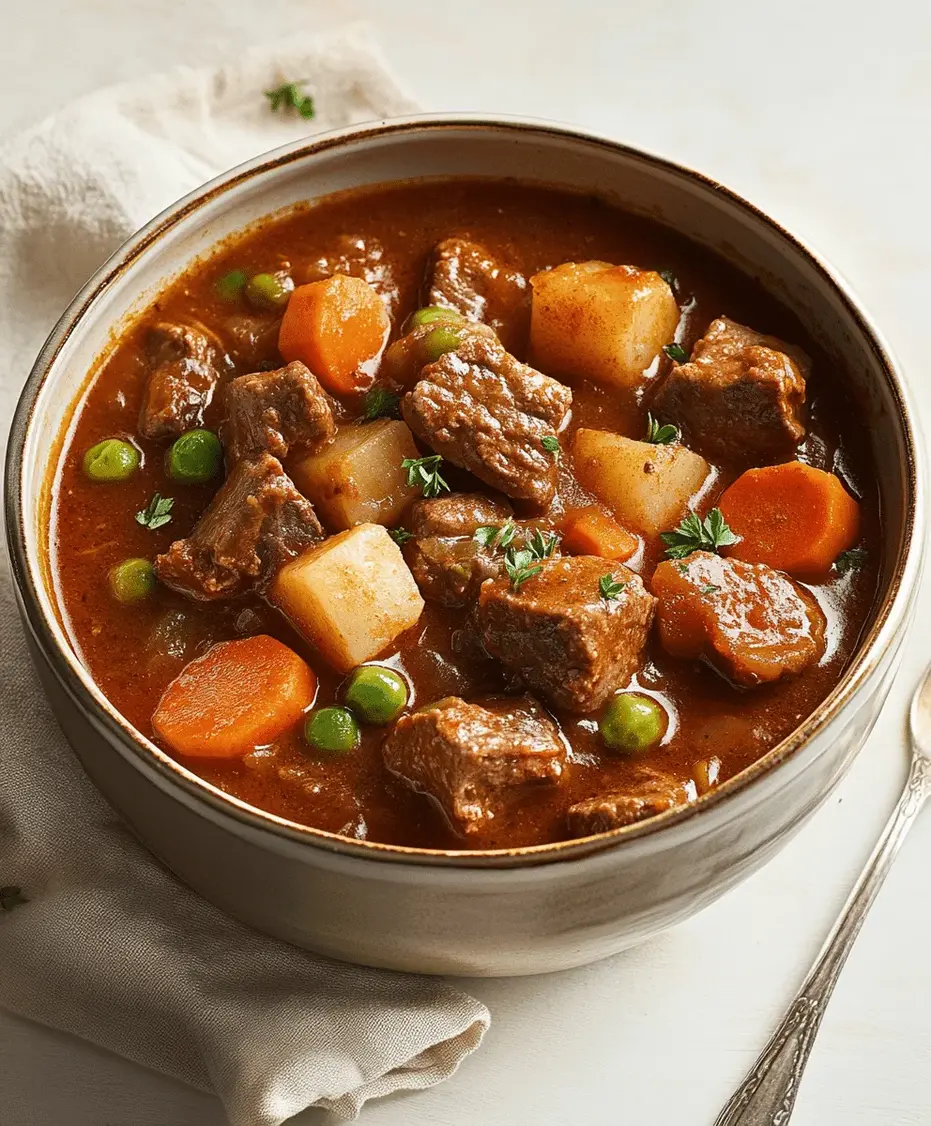
A pot of Old Fashioned Beef Stew showing tender beef chunks, carrots, and potatoes in a rich, dark broth, garnished with fresh parsley.

A hearty bowl of classic beef stew, perfect for a cozy dinner.

Step-by-Step Instructions

Step 1: Prepare the Beef

Pat your beef cubes completely dry with paper towels—this is the single most important tip for getting a proper sear, not a steam. In a large bowl, toss the dried beef with the flour, salt, and pepper until evenly coated. The flour will create a beautiful golden crust and act as a natural thickener later. Heat 1 tablespoon of oil in a large, heavy-bottomed Dutch oven or pot over medium-high heat until shimmering. Working in batches to avoid crowding (which lowers the pan temperature and causes steaming), sear the beef for 2-3 minutes per side until a deep brown crust forms. Transfer the browned beef to a plate and set aside. Don’t skip this step! The browned bits (fond) left in the pot are pure flavor gold.

Step 2: Build the Flavor Base

In the same pot, add the remaining oil if needed. Reduce the heat to medium. Add the chopped onions and celery (if using). Sauté for 5-7 minutes, stirring occasionally, until the onions are soft and translucent. Now, add the minced garlic and tomato paste. Cook, stirring constantly, for about 1 minute until the garlic is fragrant and the tomato paste darkens slightly to a brick-red color. This “toasting” of the tomato paste unlocks a deeper, richer sweetness and umami that will permeate the entire stew.

Step 3: Deglaze and Simmer

Here’s where the magic happens. Pour in the red wine, using a wooden spoon to vigorously scrape up all those glorious browned bits from the bottom of the pot. Let the wine simmer for 3-4 minutes, allowing the alcohol to cook off and the flavor to concentrate. Stir in the Worcestershire sauce, dried thyme, and bay leaves. Return the seared beef and any accumulated juices back to the pot. Pour in the beef broth, ensuring the beef is just submerged. Bring the liquid to a gentle boil, then immediately reduce the heat to the lowest possible setting to maintain a bare simmer. Cover the pot with a lid slightly ajar and let it cook peacefully for 1 hour and 30 minutes. This long, slow braise is what transforms tough beef into spoon-tender perfection.

Step 4: Add the Vegetables

After the initial simmer, the beef should be starting to become tender. Now, stir in your chunky carrots and potatoes. The key is adding them now so they cook through but don’t turn to mush. Submerge them in the broth as best you can. Cover the pot again (lid slightly ajar) and continue to simmer gently for another 45 minutes to 1 hour, or until both the vegetables and the beef are fork-tender.

Step 5: Final Simmer and Serve

Once everything is tender, remove the lid and let the stew simmer uncovered for 10-15 minutes. This final step allows the broth to reduce and thicken slightly, concentrating the flavors into a luxurious, glossy sauce. Taste and adjust seasoning with more salt and pepper if needed. Discard the bay leaves. Ladle the stew into deep bowls and garnish generously with freshly chopped parsley for a burst of color and freshness.

Nutritional Information

(Per serving, based on 6 servings)

  • Calories: ~420 kcal
  • Protein: 35g (An excellent source, supporting muscle repair and satiety)
  • Carbohydrates: 28g (Primarily from nutrient-dense potatoes and carrots)
  • Dietary Fiber: 5g (Aids digestion and promotes gut health)
  • Total Fat: 18g (Provides sustained energy and helps absorb fat-soluble vitamins)
  • Saturated Fat: 6g
  • Iron: 4.5mg (25% DV – crucial for oxygen transport in the blood)
  • Zinc: 7mg (64% DV – vital for immune function and metabolism)
  • Vitamin A: 120% DV (From carrots, essential for vision and skin health)

Healthier Alternatives

You can easily adapt this classic to fit various dietary needs without sacrificing the soul-warming flavor:

  • Lower-Carb / Keto: Swap potatoes for turnips or radishes (they become surprisingly potato-like when stewed) and use a sprinkle of xanthan gum (¼ tsp) instead of flour for thickening.
  • Gluten-Free: Use cornstarch or a gluten-free flour blend for dusting the beef. Ensure your broth and Worcestershire sauce are certified gluten-free.
  • Lower Sodium: Use no-salt-added beef broth and limit added salt. Rely on the natural savoriness from the seared beef, tomato paste, and herbs. Add a splash of acid (lemon juice or vinegar) at the end to brighten flavors without salt.
  • Leaner Option: Choose a leaner cut like top round or sirloin, but be aware it may become slightly less tender. Sear quickly and reduce the initial braising time by 15-20 minutes to prevent overcooking.

Serving Suggestions

This stew is a complete meal in a bowl, but the right accompaniments can elevate it:

  • Bread: A thick slice of crusty, buttered sourdough or a fluffy dinner roll is mandatory for sopping up every last drop of that incredible broth.
  • Grains: Serve over a bed of creamy mashed potatoes, buttery egg noodles, or a scoop of polenta for the ultimate comfort food experience.
  • Salad: Balance the richness with a simple, crisp side salad dressed with a sharp vinaigrette. Think arugula with shaved Parmesan and lemon, or a classic wedge salad.
  • Wine Pairing: Enjoy the stew with a glass of the same dry red wine you used in the recipe—a Cabernet Sauvignon or Syrah—for a perfect flavor echo.

Common Mistakes

Creamy White Chicken Chili Recipe

“`html

Creamy White Chicken Chili Recipe

Introduction

Did you know that chili, in its many forms, is one of America’s most-searched comfort foods during the colder months? This Creamy White Chicken Chili recipe is our answer to those chilly-day cravings, offering a delicious twist on the classic red chili. Forget the heavy tomato base—this version features a luxurious, velvety broth that hugs tender chunks of chicken and plump white beans. The magic lies in the harmonious blend of savory cumin, earthy oregano, the gentle heat from mild green chiles, and the bright, tangy finish of fresh lime juice. It’s a dish that feels indulgent yet is surprisingly straightforward to prepare, making it the perfect centerpiece for a family dinner or a casual gathering with friends. Let’s dive into how you can create this comforting, crowd-pleasing meal in your own kitchen.

Ingredients List

Gather these fresh and pantry staples for a flavor-packed pot of chili. I’ve included sensory notes and substitutions to help you customize.

  • For the Chicken & Base:
    • 1.5 lbs boneless, skinless chicken breasts or thighs (Thighs offer richer, more succulent flavor, while breasts are leaner. You’ll love the tender, shreddable texture.)
    • 1 tablespoon olive oil or avocado oil (For that initial, fragrant sauté.)
    • 1 large yellow onion, diced (Provides a sweet, foundational aroma.)
    • 3-4 cloves garlic, minced (The more, the merrier for a deep, savory backbone.)
  • For the Flavor & Spice:
    • 2 (4 oz) cans mild diced green chiles (Not spicy, just flavorful! Look for the bright, tangy scent when you open the can.)
    • 2 teaspoons ground cumin (Warm, earthy, and non-negotiable for authentic chili flavor.)
    • 1.5 teaspoons dried oregano (Rub between your palms before adding to release its fragrant oils.)
    • 1 teaspoon chili powder (Adjust to taste—this adds depth more than heat.)
    • Salt and black pepper to taste
  • For the Body & Creaminess:
    • 4 cups low-sodium chicken broth (The liquid gold that builds our broth. Homemade is ideal, but a good quality store-bought works.)
    • 2 (15.5 oz) cans Great Northern beans or Cannellini beans, rinsed and drained (Creamy, mild beans that hold their shape beautifully.)
    • 4 oz full-fat cream cheese, cubed and softened (The secret to luxurious, silky texture. Let it sit out for 30 minutes.)
    • 1/2 cup heavy cream or half-and-half (Heavy cream gives ultimate richness; half-and-half lightens it slightly.)
    • 1 cup frozen corn kernels (Adds sweet pops of color and texture.)
  • For the Finish:
    • Juice of 1-2 limes (The bright, acidic finish that cuts through the creaminess—don’t skip!)
    • Fresh cilantro, chopped (for garnish)
    • Optional toppings: Shredded Monterey Jack cheese, sliced avocado, sour cream, tortilla strips.

Timing

Prep Time
15 minutes
Cook Time
35 minutes
Total Time
50 minutes

Compared to many chili recipes that require hours of simmering to develop flavor, this Creamy White Chicken Chili is remarkably quick. From start to finish, you’ll have a restaurant-quality meal on the table in under an hour. The active prep time is minimal—most of the cook time is hands-off simmering, allowing the flavors to meld while you prepare toppings or a simple side salad. This efficiency makes it a superior weeknight option without sacrificing the deep, comforting taste of a slow-cooked dish.

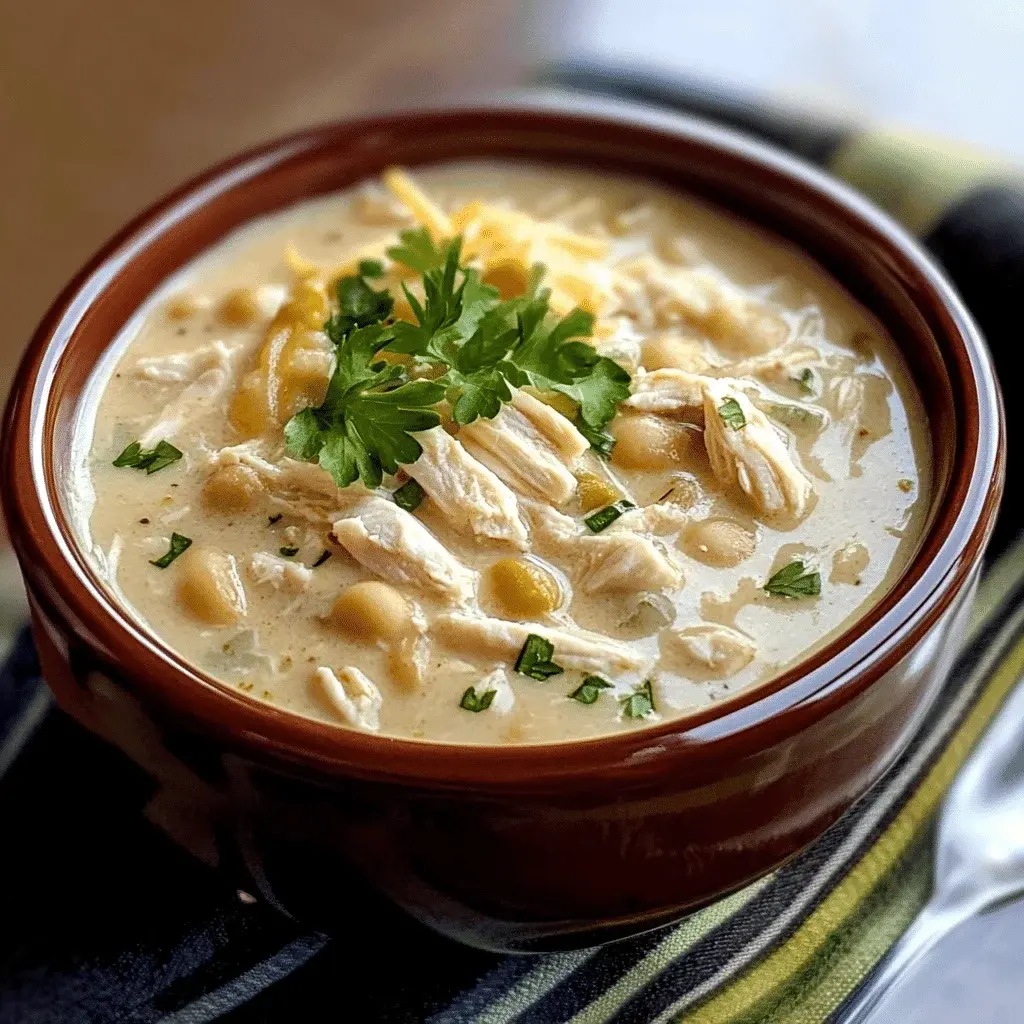
A close-up, steaming bowl of creamy white chicken chili with tender chicken, white beans, and corn, garnished with cilantro and lime
A bowl of comforting, creamy white chicken chili, ready to warm you up.

Step-by-Step Instructions

Step 1: Prepare Your Chicken

Pat your chicken dry with paper towels—this is the chef’s secret for getting a nice sear, not a steam. Season both sides generously with salt and pepper. In a large Dutch oven or heavy-bottomed pot, heat the olive oil over medium-high heat. Add the chicken and cook for 5-7 minutes per side, until golden brown and cooked through. Don’t crowd the pot; cook in batches if needed. Remove the chicken to a clean plate and let it rest. Once cool enough to handle, use two forks to shred it into bite-sized pieces. This resting period lets the juices redistribute, ensuring every piece stays moist.

Step 2: Build the Flavor Base

In the same pot (those browned bits are flavor gold!), add the diced onion. Cook over medium heat for 4-5 minutes until softened and translucent, stirring occasionally. Add the minced garlic and cook for just 30 seconds more until fragrant—be careful not to let it burn. Now, stir in the diced green chiles (with their juices), ground cumin, dried oregano, and chili powder. Toast the spices with the onions and garlic for about 1 minute. You’ll know it’s ready when your kitchen fills with an incredibly warm, inviting aroma.

Step 3: Simmer and Thicken

Pour in the chicken broth, using a wooden spoon to scrape up any delicious browned bits from the bottom of the pot. This process, called deglazing, incorporates all that flavor into the broth. Add the rinsed beans and the shredded chicken back into the pot. Bring the mixture to a gentle boil, then immediately reduce the heat to low, cover, and let it simmer for 20 minutes. This simmering time is crucial—it allows the chicken to become incredibly tender and the beans to soak up all the savory, spiced broth.

Step 4: Add Creaminess and Finish

Reduce the heat to the lowest setting. Stir in the softened cream cheese cubes until they are completely melted and integrated into the broth, creating a smooth, creamy base. Gently stir in the heavy cream and frozen corn. Let the chili heat through for another 5 minutes, but do not let it boil once the dairy has been added, as this could cause curdling. Finally, remove the pot from the heat. Stir in the fresh lime juice—this is the transformative step that brightens the entire dish. Taste and adjust seasoning with more salt, pepper, or lime juice as needed.

Nutritional Information

(Approximate values per 1.5-cup serving, without optional toppings)

  • Calories: ~420 kcal
  • Protein: 32g (Excellent source for muscle repair and satiety)
  • Carbohydrates: 35g (Primarily from fiber-rich beans and corn)
  • Dietary Fiber: 8g (Over 25% of your daily needs)
  • Sugars: 5g (Naturally occurring)
  • Fat: 18g (Provides richness and helps absorb fat-soluble vitamins from the spices)
  • Saturated Fat: 8g
  • Sodium: ~700mg (Can be lowered significantly by using no-salt-added beans and broth)

Healthier Alternatives

You can easily lighten up this chili without losing its soul-satisfying creaminess and flavor.

  • For the Cream Cheese: Swap full-fat cream cheese for Neufchâtel cheese or a light cream cheese spread. The flavor and meltability are nearly identical with a reduction in fat and calories.
  • For the Heavy Cream: Use half-and-half, whole milk, or even full-fat canned coconut milk for a dairy-free option. For maximum lightness, blend 1/2 cup of the cooked beans with a splash of broth until smooth and stir it back in—this creates a naturally thick, creamy texture.
  • For the Beans: If you’re watching carbs, you can reduce the bean quantity by one can and add an extra cup of diced zucchini or cauliflower florets during the last 10 minutes of simmering.
  • For the Chicken: Use all chicken breasts instead of thighs, and be sure not to overcook them to keep them moist.

Serving Suggestions

This chili is a complete meal in a bowl, but the right accompaniments can turn it into a feast.

  • The Topping Bar: Set out small bowls of shredded cheese, diced avocado, a dollop of sour cream or Greek yogurt, fresh cilantro, extra lime wedges, pickled jalapeños for heat lovers, and crispy tortilla strips or crushed tortilla chips for crunch.
  • On the Side: Serve with warm, buttered cornbread or fluffy biscuits for dipping. A simple side salad with a sharp vinaigrette (like a lime-cilantro dressing) provides a refreshing contrast to the rich chili.
  • Beverage Pairing: A crisp, cold lager or a pale ale complements the spices beautifully. For a non-alcoholic option, try sparkling water with lime or a slightly sweet iced tea.

Common Mistakes

  • Adding Dairy at a Boil: This is the #1 mistake! Always reduce the heat to low before adding cream cheese and cream. Boiling can cause the dairy to separate and curdle, giving the chili a grainy texture.
  • Skipping the Lime Juice: The acidity is not optional—it’s essential. It balances the richness and makes all the

Bbq Chicken Grilled Cheese Recipe

“`html

Bbq Chicken Grilled Cheese Recipe

Introduction

Did you know that over 75% of Americans consider grilled cheese a comfort food staple? Yet, most stick to the classic cheddar and white bread version. What if you could elevate this beloved classic into a gourmet, protein-packed meal that satisfies your craving for something smoky, savory, and utterly indulgent? This BBQ Chicken Grilled Cheese recipe does exactly that, transforming simple ingredients into a symphony of flavors. Imagine tender, juicy chicken coated in a tangy-sweet BBQ sauce, layered with multiple types of gooey, melted cheese, all pressed between slices of buttery, golden-brown bread until crisp. It’s the ultimate fusion of backyard barbecue and cozy comfort food, perfect for a quick lunch, a satisfying dinner, or the star of your game-day spread. Get ready to make a sandwich so good, it might just dethrone the classic in your household.

Ingredients List

Gather these simple ingredients to create a masterpiece. For the best flavor and texture, I recommend using high-quality, freshly shredded cheese.

  • For the BBQ Chicken:
    • 1 cup cooked chicken breast, shredded or diced (about 1 large breast). Substitution: Use rotisserie chicken for incredible convenience and depth of flavor, or leftover grilled chicken. For a vegetarian twist, try pulled jackfruit or chickpeas.
    • 1/3 cup your favorite BBQ sauce, plus extra for brushing. Sensory Note: Choose a smoky, hickory-flavored sauce for robust flavor or a sweet honey BBQ for a milder, family-friendly taste.
    • 1 tablespoon olive oil or butter.
  • For the Grilled Cheese:
    • 4 slices of hearty bread (sourdough, Texas toast, or artisan white). Substitution: Brioche adds a touch of sweetness and incredible softness, while whole wheat or multigrain offer a nuttier, healthier base.
    • 1 1/2 cups shredded cheese blend. The Magic Combo: Use a mix of sharp cheddar (for tang), Monterey Jack (for supreme meltiness), and a smoked gouda or mozzarella (for creaminess and smoke notes).
    • 2 tablespoons softened butter, or mayonnaise for spreading. Pro Tip: Mayonnaise creates an unbelievably crisp, golden, and evenly browned crust.
    • Optional Add-ins: Thinly sliced red onion for bite, pickled jalapeños for heat, a handful of fresh cilantro, or crispy bacon crumbles for extra savoriness.

Timing

Prep Time: 10 minutes
Cook Time: 10 minutes
Total Time: 20 minutes

This recipe clocks in at a swift 20 minutes total, making it significantly faster than the average 30-40 minute “gourmet sandwich” recipe. The secret is using pre-cooked chicken. Compared to a standard grilled cheese (about 10 minutes total), you’re adding only 10 extra minutes for a massive upgrade in flavor, protein, and satisfaction, transforming a simple snack into a complete, restaurant-quality meal.

Close-up of a BBQ Chicken Grilled Cheese sandwich being pulled apart, showing gooey melted cheese and tender chicken

Step-by-Step Instructions

Step 1: Prepare the BBQ Chicken

In a small skillet over medium heat, warm the olive oil or butter. Add your shredded or diced cooked chicken and toss to coat. Pour in the 1/3 cup of BBQ sauce and stir until every piece of chicken is evenly coated and the sauce is warm and slightly thickened, about 3-4 minutes. The aroma will be incredible—smoky, sweet, and savory. Remove from heat and set aside. This step infuses the chicken with flavor and ensures it’s warm before it hits the bread, promoting even melting later.

Step 2: Assemble the Sandwich

Lay out your four slices of bread. Spread a thin layer of softened butter or mayonnaise on one side of each slice—this will be the outer crust. Flip two slices over so the un-buttered side is facing up. On these two slices, build your sandwich: first, sprinkle a light layer of your cheese blend. This creates a “glue” for the chicken. Next, evenly distribute the warm BBQ chicken mixture. Add any optional add-ins like red onion or jalapeños here. Finally, top with a generous, hearty layer of the remaining cheese. Place the remaining bread slices on top, buttered side facing out. Press down gently.

Step 3: Grill to Perfection

Heat a large skillet, griddle, or panini press over medium-low heat. Yes, medium-low! This is the secret to a deep golden crust without burning, while giving the cheese ample time to melt completely. Place the assembled sandwiches in the skillet. Cook for 3-4 minutes, pressing down lightly with a spatula occasionally, until the bottom is a perfect golden brown. Carefully flip using a sturdy spatula. Cook for another 3-4 minutes until the second side is equally golden and you can see cheese oozing from the edges. If using a panini press, cook for 4-5 minutes total.

Step 4: Rest and Serve

Transfer the grilled sandwiches to a cutting board. Let them rest for 1-2 minutes before slicing. This brief rest allows the molten cheese and filling to set slightly, preventing a messy spill when you cut into it. Slice diagonally for the best presentation, revealing the beautiful layers of chicken and cheese. Serve immediately while hot and gooey!

Nutritional Information

(Estimated per sandwich, using sourdough bread, 2% milk cheeses, and a standard BBQ sauce.)

  • Calories: ~550-600 kcal
  • Protein: ~35g (Excellent source, thanks to the chicken and cheese!)
  • Carbohydrates: ~45g
  • Fat: ~25g
  • Saturated Fat: ~12g
  • Fiber: ~2g
  • Sugar: ~15g (Primarily from the BBQ sauce; opt for a sugar-free sauce to lower this.)

Healthier Alternatives

You can easily lighten up this recipe without sacrificing the indulgent, comforting experience:

  • Bread Swap: Use 100% whole grain or low-carb bread for added fiber and nutrients.
  • Cheese Strategy: Opt for part-skim mozzarella and reduced-fat sharp cheddar. The strong flavor of sharp cheddar means you can use less without missing it. Sprinkle a little nutritional yeast into the blend for a cheesy, umami boost.
  • Chicken & Sauce: Use skinless, grilled chicken breast. Choose a BBQ sauce labeled “no sugar added” or “low sugar.” You can also thin a tablespoon of tomato paste with a splash of apple cider vinegar and smoked paprika for a quick, sugar-free alternative.
  • Cooking Method: “Grill” your sandwich using a non-stick skillet with just a light spray of olive oil instead of butter or mayo. You’ll still achieve a nice crispness.

Serving Suggestions

This sandwich is a meal in itself, but pairing it correctly turns it into a feast:

  • Classic Combo: Serve with a side of dill pickle spears and a handful of kettle-cooked potato chips for the ultimate salty-crunchy contrast.
  • Soup & Sandwich: Dunk it into a bowl of creamy tomato soup, a tangy corn chowder, or a cool gazpacho in the summer.
  • Light & Fresh: Balance the richness with a simple side salad of mixed greens, red cabbage, and a sharp vinaigrette.
  • Game-Day Platter: Slice into smaller “fingers” or squares and serve with small bowls of extra BBQ sauce, ranch dressing, or blue cheese dip for sharing.

Common Mistakes

  • Heat Too High: This is the #1 mistake. High heat burns the bread before the cheese has a chance to melt. Always use medium-low.
  • Overstuffing: Piling on too much chicken or cheese makes the sandwich impossible to flip and can lead to a cold center. Keep the filling generous but manageable.
  • Using Cold Fillings: Adding cold chicken straight from the fridge shocks the sandwich, slowing cheese melt. Warm your BBQ chicken mixture first.
  • Pre-Shredded Cheese Only: While convenient, pre-shredded cheese contains anti-caking agents that can hinder meltability. For the ultimate gooey factor, shred your own cheese from a block.
  • Not Resting: Cutting in immediately causes a cheese avalanche. Be patient for 2 minutes!

Storing Tips

  • To Store: This sandwich is best enjoyed immediately. However, you can store leftovers in an airtight container in the refrigerator for up to 2 days.
  • To Reheat: Do not microwave—it will make the bread soggy. Reheat in a skillet over low heat to re-crisp the bread, or use a toaster oven/air fryer at 350°F for 5-7 minutes.
  • Make-Ahead: You can prepare the BBQ chicken mixture up to 3 days in advance and store it in the fridge. Assemble and grill the sandwiches when ready to eat for the freshest result.
A beautifully plated BBQ Chicken Grilled Cheese sandwich on a wooden board with a side salad and pickles

Conclusion

This BBQ Chicken Grilled Cheese recipe is more than just a sandwich—it’s a flavor experience that marries the smoky comfort of barbecue with the nostalgic joy of melted cheese and crispy bread. In just 20 minutes, you can create a dish that feels gourmet, satisfies hunger completely, and is guaranteed to earn rave reviews from family and friends. It’s versatile, customizable, and proves that comfort food can be both indulgent and clever. So, grab your skillet and give this recipe a try. Once you experience that first pull-apart, cheesy, smoky bite, the classic grilled cheese will never be the same.

FAQs