Cajun Chicken With Sweet Peppers Recipe

“`html

Cajun Chicken With Sweet Peppers Recipe

Craving a Flavorful Weeknight Meal?

Are you looking for a weeknight dinner that’s both lightning-fast and bursting with bold, exciting flavors? If you’re nodding your head, then this Cajun Chicken with Sweet Peppers recipe is about to become your new go-to! This dish is a vibrant explosion of taste and color, combining tender, seasoned chicken with the natural sweetness of bell peppers. It’s incredibly versatile – perfect for busy evenings, fantastic for meal prepping, and adaptable to various dietary needs. Get ready to transport your taste buds straight to the heart of Louisiana with this simple yet incredibly satisfying meal!

What You’ll Need for This Flavor Fiesta

The beauty of this Cajun Chicken with Sweet Peppers recipe lies in its simplicity and the way humble ingredients come together to create something extraordinary. Each component plays a vital role, from the spice that awakens your palate to the sweetness that balances it perfectly.

  • Chicken Breasts: 1.5 lbs boneless, skinless chicken breasts, cut into bite-sized pieces. Look for plump, firm chicken breasts; they’ll remain juicy when cooked properly.

    Substitution: Boneless, skinless chicken thighs work wonderfully here too for an even richer flavor.
  • Bell Peppers: 2 large bell peppers (any color – red, yellow, orange, and green provide a beautiful visual medley!), seeded and sliced. Choose peppers that are firm and have a vibrant, unblemished skin. The sweetness intensifies as they ripen.

    Substitution: Anaheim or poblano peppers can add a touch more heat if you like.
  • Onion: 1 medium yellow onion, thinly sliced. A classic aromatic that adds depth and a subtle pungency.
  • Garlic: 3-4 cloves garlic, minced. The fragrant soul of many great dishes. Freshly minced garlic offers the best aroma and flavor.
  • Olive Oil: 2 tablespoons extra virgin olive oil. A versatile, healthy fat that helps brown the chicken and sauté the vegetables beautifully.

    Substitution: Avocado oil or a high-smoke point neutral oil like grapeseed oil are good alternatives.
  • Cajun Seasoning: 2-3 tablespoons Cajun seasoning (adjust to your spice preference). This is where the magic happens! A good quality Cajun blend will have a complex mix of paprika, cayenne, garlic powder, onion powder, oregano, and thyme.

    DIY Cajun Blend: Mix 1 tbsp paprika, 2 tsp salt, 1 tsp cayenne pepper, 1 tsp black pepper, 1 tsp garlic powder, 1 tsp onion powder, 1 tsp dried oregano, 1 tsp dried thyme.
  • Salt and Black Pepper: To taste. Even with Cajun seasoning, a little final adjustment ensures perfect flavor balance.
  • Optional: Pinch of brown sugar or a dash of honey: To enhance the sweetness of the peppers if desired, especially if using greener peppers.

Get Cooking: Time Breakdown

Prep time: 15 minutes

Just enough time to chop your veggies and get everything measured out.

Cook time: 20 minutes

Quickly sear the chicken and sauté the peppers to tender-crisp perfection.

Total time: 35 minutes

Significantly faster than the average busy weeknight meal, clocking in at under 40 minutes!
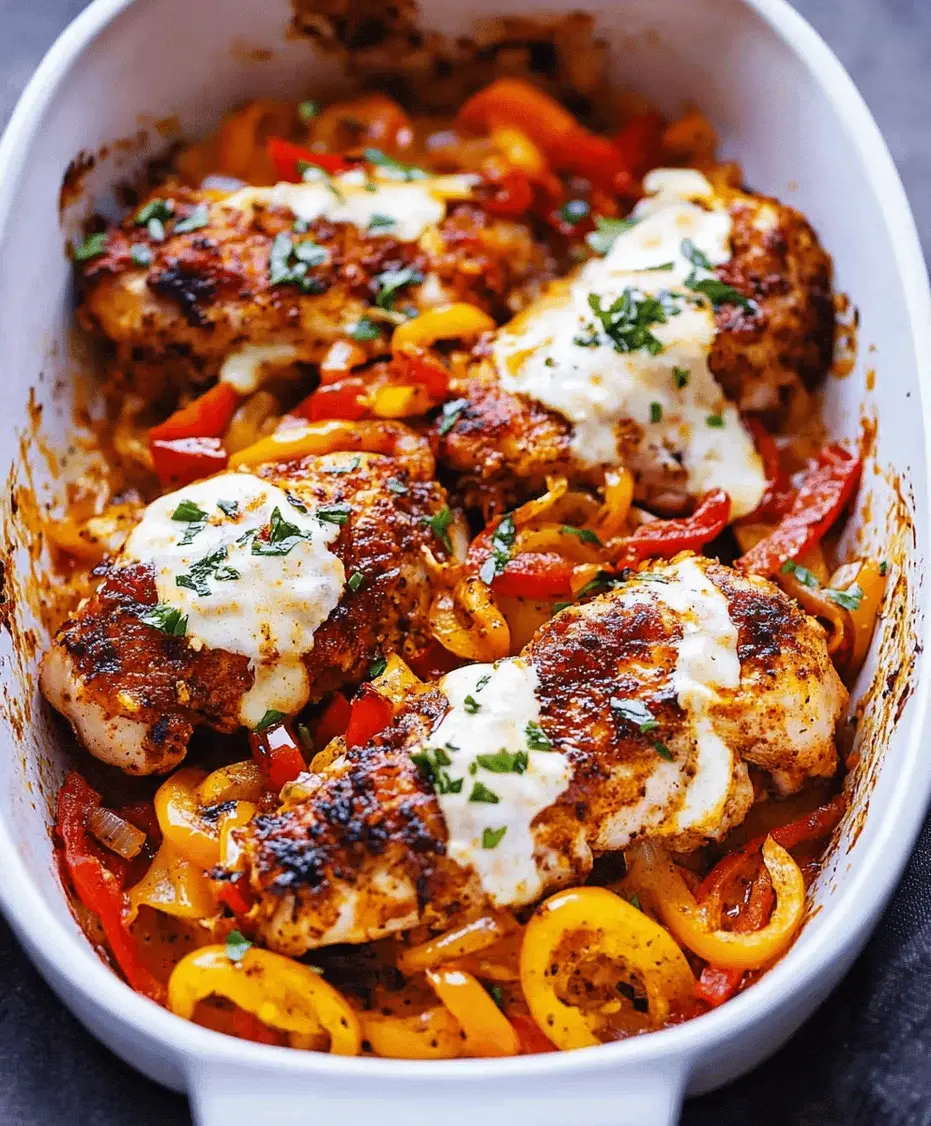
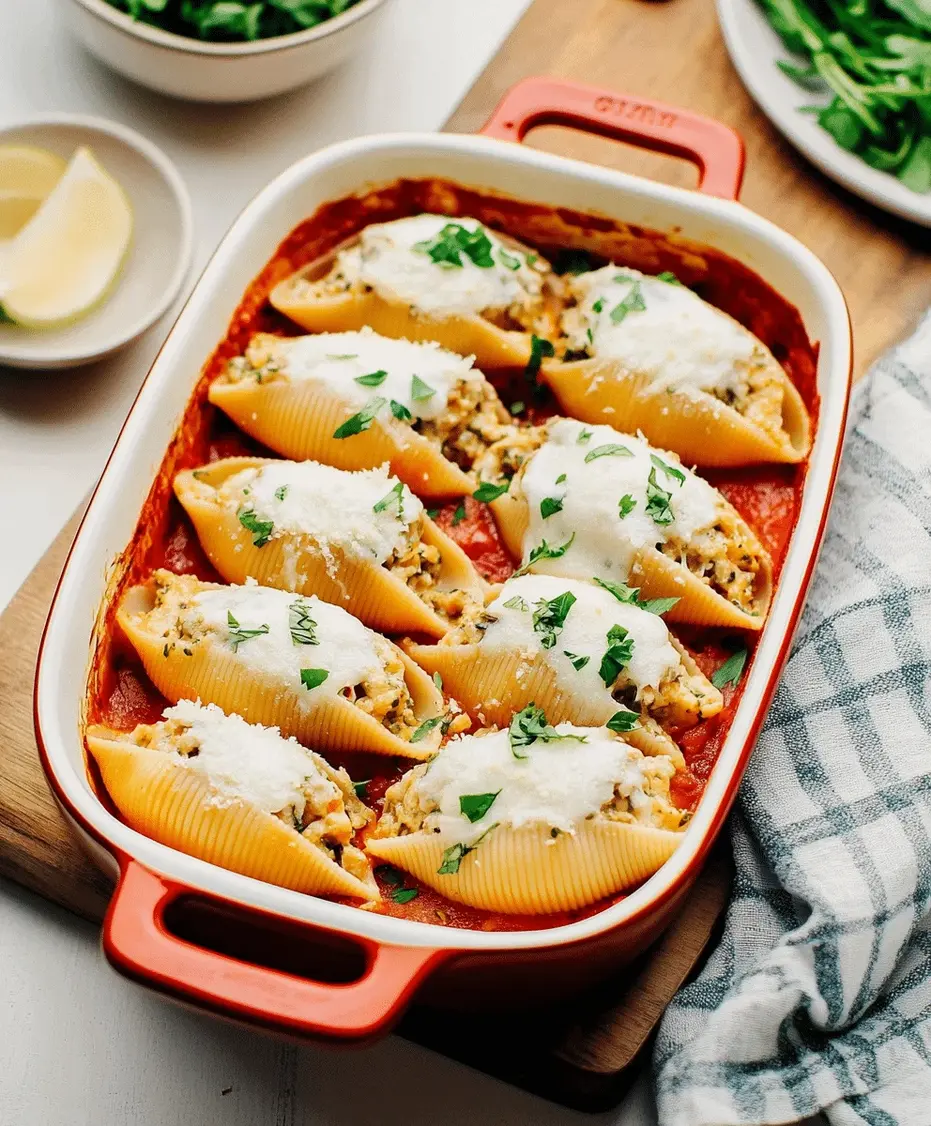
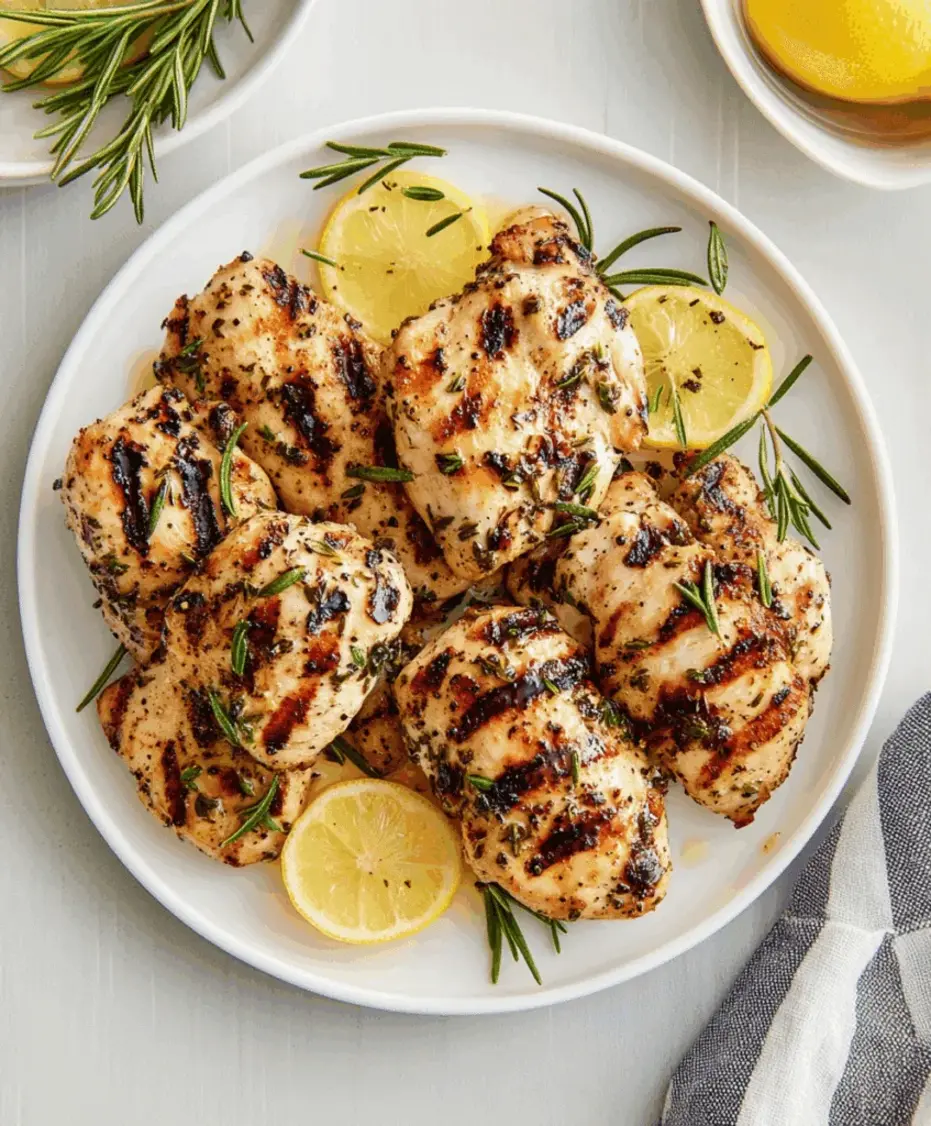
Cajun chicken with colorful sweet peppers in a pan

Let’s Make Some Cajun Magic!

Follow these simple steps to create a dish that’s as visually appealing as it is delicious. We’re aiming for perfectly cooked chicken and nicely softened, yet slightly crisp, peppers.

1. Prep the Chicken

First things first, let’s get that chicken ready. Pat the chicken breasts completely dry with paper towels. This is a crucial step for achieving a beautiful sear. Then, slice the chicken breasts into roughly 1-inch bite-sized pieces. Uniform pieces will ensure they cook evenly. Set them aside in a bowl.

2. Chop the Peppers

Now, let’s tackle those vibrant bell peppers. Wash them, slice them in half, remove the seeds and membranes, and then slice them into thin strips, about ¼ inch thick. Slice the yellow onion similarly. Mince your garlic cloves finely. Having all your vegetables prepped and ready makes the cooking process smooth and enjoyable.

3. Season the Chicken

To the bowl with the chicken pieces, add about 2 tablespoons of the Cajun seasoning, a good pinch of salt, and a grind of black pepper. Toss everything together until the chicken is thoroughly coated. You want every piece to have that beautiful spicy crust forming. You can let it marinate for a few minutes while you heat the pan if you have time, but it’s not essential.

4. Cook the Chicken

Heat the olive oil in a large skillet or cast-iron pan over medium-high heat. Once the oil is shimmering (but not smoking!), carefully add the seasoned chicken pieces in a single layer. Don’t overcrowd the pan – cook in batches if necessary. Sear the chicken for about 3-4 minutes per side, until it’s golden brown and cooked through. Remove the cooked chicken from the skillet and set it aside on a plate. This searing locks in all those delicious juices!

5. Sauté the Peppers

In the same skillet (no need to clean it – those browned bits add flavor!), add a little more olive oil if needed. Add the sliced bell peppers and onions. Sauté them over medium heat for about 5-7 minutes, stirring occasionally, until they start to soften but still have a slight crispness. You want them tender-crisp, not mushy. Add the minced garlic during the last minute of sautéing and cook until fragrant, being careful not to burn it.

6. Combine and Finish

Return the cooked chicken to the skillet with the softened peppers and onions. Add the remaining 1 tablespoon of Cajun seasoning (or to your taste). Toss everything together to combine and allow the flavors to meld for another 1-2 minutes. If you’re using the optional brown sugar or honey, stir it in now to kiss the vegetables with a touch of sweetness. Taste and adjust salt and pepper if needed. And there you have it – your beautifully aromatic Cajun Chicken with Sweet Peppers is ready!

Nutritional Snapshot

  • Calories: Approximately 300-400 per serving (varies based on exact quantities and preparation).
  • Protein: High, excellent source from chicken breasts.
  • Carbohydrates: Moderate, primarily from bell peppers and onions.
  • Fat: Moderate, dependent on the amount of olive oil used. Rich in healthy monounsaturated fats.
  • Fiber: Good source from the vegetables.

Please note: This is an estimated nutritional breakdown and can vary significantly based on portion size, specific ingredients used, and cooking methods.

Keep it Healthy: Smart Swaps

This recipe is already quite healthy, but here are a couple of ways to make it even lighter without sacrificing flavor:

  • Reduce Oil: Use a non-stick skillet and a spray of olive oil or a tablespoon of broth for sautéing the vegetables if you want to significantly cut down on added fats.
  • Leaner Protein: While chicken breasts are already lean, consider extra-lean ground turkey or even firm tofu (for a vegetarian option) seasoned with Cajun spices.
  • Control Sodium: Opt for low-sodium Cajun seasoning blends or make your own with reduced salt.

How to Serve Your Delicious Creation

This Cajun Chicken with Sweet Peppers is incredibly versatile and pairs beautifully with a variety of sides:

  • Over Rice: The classic Southern pairing! Serve over fluffy white rice, brown rice, or even cauliflower rice for a low-carb option.
  • Pasta Delight: Toss with your favorite cooked pasta for a heartier meal. A light, creamy sauce or even just a drizzle of olive oil works wonders.
  • Lettuce Wraps: For a super light and refreshing meal, spoon the mixture into crisp lettuce cups.
  • Low-Carb Bowls: Serve alongside a generous portion of steamed broccoli, green beans, or a fresh side salad.
  • With Cornbread: A dollop of this hearty chicken and pepper mix on top of warm cornbread is pure comfort food.

Avoid These Pitfalls: Common Mistakes

To ensure your Cajun Chicken with Sweet Peppers turns out perfectly every time, watch out for these common issues:

  • Overcrowding the Pan: This leads to steaming instead of searing the chicken, resulting in a less flavorful, pale piece of poultry. Cook in batches.
  • Mushy Vegetables: Sautéing vegetables for too long will make them limp and watery. Aim for tender-crisp.
  • Burning the Garlic: Minced garlic cooks very quickly. Add it towards the end of sautéing vegetables to prevent a bitter taste.
  • Not Patting Chicken Dry: Moisture is the enemy of a good sear. Ensure chicken is thoroughly dried before adding it to the hot pan.

Smart Storage: Making it Last
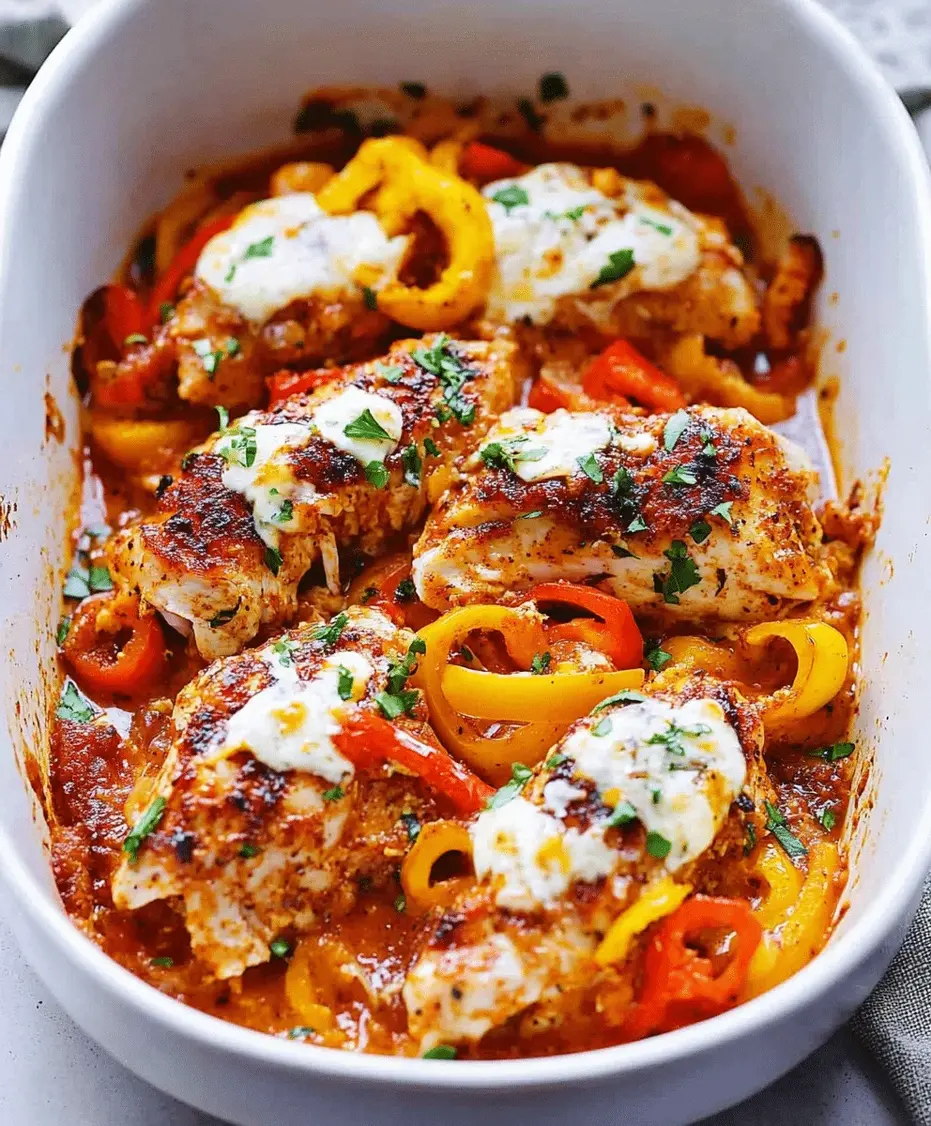
Close-up of Cajun chicken and sweet peppers mixture

Leftovers are your friend with this dish! Once cooled, store your Cajun Chicken with Sweet Peppers in an airtight container in the refrigerator. It should stay fresh for 3-4 days. This makes it an excellent candidate for meal prepping lunches or quick dinners later in the week. Reheat gently on the stovetop or in the microwave, adding a splash of water or broth if it seems dry.

Frequently Asked Questions

***Can I use chicken thighs instead of breasts?***

Absolutely! Chicken thighs are often more forgiving and can remain more moist than breasts, offering a richer flavor. Just ensure they are cooked through.

***How spicy is Cajun seasoning?***

Cajun seasoning can vary greatly in heat level depending on the brand. Most have a noticeable kick but are balanced with other spices. Always start with the recommended amount and add more to taste if you like it hotter.

***Can I make this vegetarian or vegan?***

Yes! You can substitute the chicken with firm tofu, tempeh, or even a hearty mushroom like portobello, ensuring they are well-seasoned and cooked until tender.

***What are the best colors of bell peppers to use?***

Red, yellow, and orange bell peppers are sweeter and more mature than green ones, providing a lovely contrast to the spicy Cajun seasoning. However, any color will work!

***Can I add other vegetables?***

Certainly! Broccoli florets, snap peas, or zucchini slices would be delicious additions. Add them when you add the peppers and onions, adjusting cooking time as needed.

Taste the Louisiana Sunshine!

There you have it – a simple, flavorful, and quick Cajun Chicken with Sweet Peppers recipe that’s perfect for any night of the week. It’s a dish that brings vibrant colors and bold tastes to your table with minimal fuss. Whether you’re a seasoned cook or just starting, this recipe is sure to impress. Don’t wait any longer to spice up your dinner routine!
Print

clock clock iconcutlery cutlery iconflag flag iconfolder folder iconinstagram instagram iconpinterest pinterest iconfacebook facebook iconprint print iconsquares squares iconheart heart iconheart solid heart solid icon

Cajun Chicken With Sweet Peppers Recipe


  • Author: Chef Emy

Description

ThisCajun Chicken with Sweet Peppers recipeis bursting with bold flavors and vibrant colors! Tender chicken breasts are seasoned with a spicy Cajun blend and sautéed with sweet bell peppers, making it a quick, easy, and healthy meal. Perfect for weeknight dinners or meal prepping, this dish brings a taste of Louisiana to your table. Whether you serve it over rice, pasta, or enjoy it low-carb, it’s a family favorite!


Ingredients

Scale
  • 2boneless, skinless chicken breasts (sliced thin)
  • 1 tablespoonCajun seasoning
  • 1 tablespoonolive oil
  • 1red bell pepper (sliced)
  • 1yellow bell pepper (sliced)
  • 1green bell pepper (sliced)
  • 1small red onion (sliced)
  • 2cloves garlic (minced)
  • Salt and pepper to taste
  • Fresh parsley for garnish

Instructions

    Notes

    Adjust the level of spiciness by adding extra Cajun seasoning or red pepper flakes.
    Great served with rice, cauliflower rice, or in tortillas for wraps.
    You can substitute chicken thighs for even juicier meat.

    Nutrition

    • Calories: 250
    • Sugar: 4g

    “`
    Easy One-pan Shrimp Scampi Recipe

    “`html

    Easy One-pan Shrimp Scampi Recipe

    Is One-Pan Shrimp Scampi Really That Easy?

    In the whirlwind of modern life, aren’t we all searching for those culinary shortcuts that deliver maximum flavor with minimum fuss? If you’ve ever Googled “quick weeknight dinner” or “easy seafood recipe,” chances are shrimp scampi has crossed your screen. But specifically, have you ever wondered if an “easy one-pan shrimp scampi recipe” can truly live up to its promise of speed and deliciousness? The good news is, yes, it absolutely can! This beloved classic, often associated with Italian-American cuisine, is incredibly adaptable and, when prepared in a single pan, it transforms into a weeknight warrior. Imagine succulent shrimp, bathed in a luscious, buttery, garlic-infused sauce, all coming together in under 30 minutes with barely any cleanup. That’s not a dream; that’s the magic of this easy one-pan shrimp scampi. This recipe simplifies the process, allowing you to enjoy a restaurant-quality meal in the comfort of your own home, without the stress or the mountain of dishes.

    The Stars of the Show: Ingredients

    The beauty of shrimp scampi lies in its simplicity, relying on a few key ingredients to create a symphony of flavors. Here’s what you’ll need for this streamlined one-pan wonder:

    • Fresh Shrimp

      What to look for: 1 pound of large or jumbo shrimp, peeled and deveined. Opt for fresh or thawed frozen shrimp. They should have a slightly sweet, briny aroma, not a strong fishy smell. The texture should be firm.

      Sensory Description: Imagine plump, pinkish-grey gems, glistening with the promise of tender, succulent bites.

      Substitutions: If you can’t find fresh, good-quality frozen shrimp that has been properly thawed will work perfectly. For a different protein, chicken breast cut into bite-sized pieces can be used, though it will require a longer cooking time.

    • Aromatic Garlic

      What to look for: 4-6 cloves of fresh garlic, minced or thinly sliced. The brighter and firmer the cloves, the better. Avoid any that are soft or sprouting.

      Sensory Description: Pungent, sharp, and deeply savory, releasing an intoxicating perfume when heated.

      Substitutions: In a pinch, you can use 1-2 teaspoons of pre-minced garlic from a jar, but the flavor won’t be as vibrant.

    • Zesty Lemon

      What to look for: 1 large lemon, zested and juiced. Choose a bright yellow, firm lemon. The zest provides essential oils and a fragrant aroma, while the juice adds a bright, tangy counterpoint.

      Sensory Description: A burst of sunshine – bright, floral, and refreshingly tart.

      Substitutions: Lime juice can be used for a slightly different citrus note, but lemon is traditional and best.

    • Rich Butter and Olive Oil

      What to look for: 3 tablespoons unsalted butter and 2 tablespoons extra virgin olive oil. Using both fat sources adds depth of flavor and ensures the butter doesn’t burn too quickly.

      Sensory Description: Butter lends a creamy richness, while olive oil adds a fruity, slightly peppery note.

      Substitutions: You can use all olive oil if preferred, but the sauce will be slightly less decadent. Ghee is also a good alternative to butter.

    • Quality White Wine

      What to look for: 1/2 cup dry white wine, such as Pinot Grigio or Sauvignon Blanc. It’s important to use a wine you’d enjoy drinking – its flavor will concentrate in the sauce.

      Sensory Description: Crisp, clean, and slightly acidic, it cuts through the richness and adds complexity.

      Substitutions: Chicken broth or vegetable broth can be used if you prefer not to cook with wine.

    • Fresh Parsley

      What to look for: 1/4 cup fresh parsley, finely chopped. Flat-leaf Italian parsley has the best flavor.

      Sensory Description: Fresh, green, and slightly peppery, it provides a burst of brightness and color.

      Substitutions: Fresh chives or a tiny bit of fresh dill can be used, but parsley is classic.

    • Optional Additions

      For a touch of heat: A pinch of red pepper flakes.

      For flavor depth: A splash of chicken or vegetable broth.

      For garnish: Grated Parmesan cheese (though not traditional, many enjoy it!)

    Timing is Everything

    Prep time: 10 minutes
    Cook time: 15 minutes
    Total time: 25 minutes

    This quick shrimp scampi truly shines in its speed. The average shrimp scampi recipe often takes around 30-40 minutes due to prep and cooking. Our one-pan method shaves off precious minutes by streamlining the cooking process and minimizing cleanup, making it an ideal choice for even the busiest of evenings.

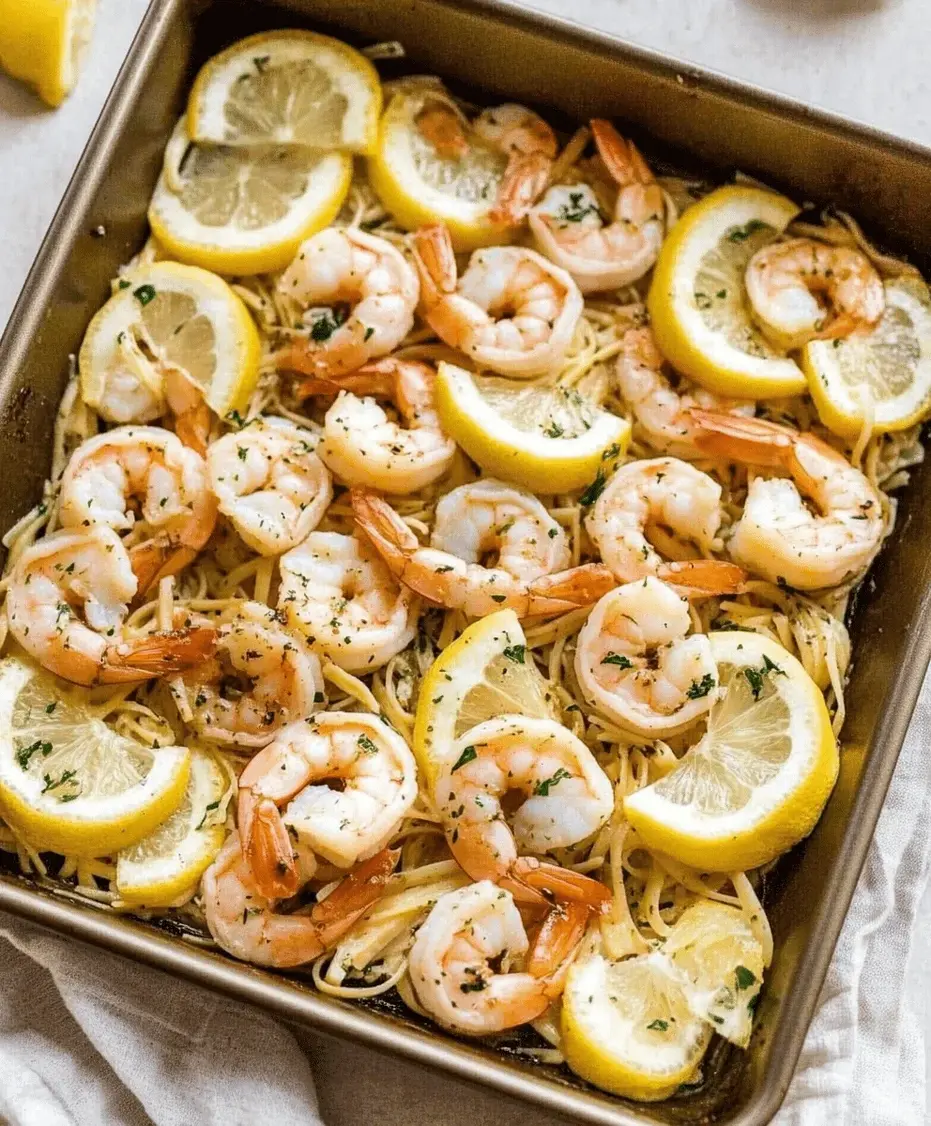
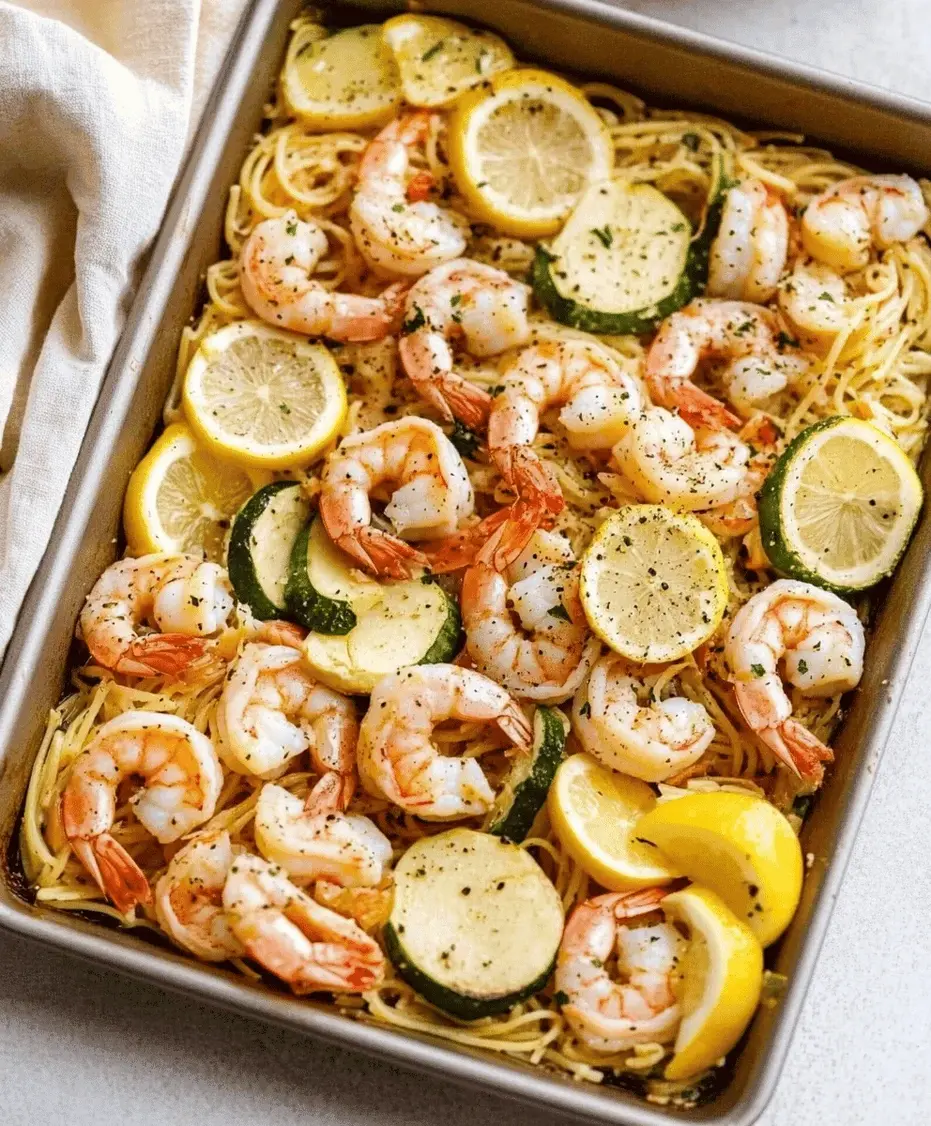
    A beautifully plated one-pan shrimp scampi with pasta.

    Let’s Get Cooking: Step-by-Step

    With your ingredients prepped and your pan ready, let’s dive into creating this incredibly satisfying one-pan shrimp scampi.

    Step 1: Prep Your Shrimp

    Ensure your shrimp are peeled and deveined. If they’re frozen, make sure they are fully thawed. Pat them completely dry with paper towels. This is a crucial step for achieving a good sear and preventing them from steaming. Season them lightly with salt and pepper.

    Step 2: Sauté the Garlic

    Place a large skillet or sauté pan over medium heat. Add the olive oil and butter. Once the butter has melted and is slightly foamy, add the minced garlic (and red pepper flakes, if using). Sauté for about 1-2 minutes, stirring constantly, until the garlic is fragrant and just beginning to turn golden. Be careful not to burn it, as burnt garlic can turn bitter.

    Step 3: Add the Shrimp

    Add the seasoned shrimp to the hot skillet in a single layer. Cook for 1-2 minutes per side, until they turn pink and opaque. They should be about halfway cooked at this point. Don’t overcrowd the pan; cook in batches if necessary.

    Step 4: Deglaze with Wine

    Pour in the white wine. Use a wooden spoon to scrape up any browned bits from the bottom of the pan – this is where a lot of flavor is hiding! Let the wine simmer and reduce slightly for about 1-2 minutes.

    Step 5: Finish the Sauce

    Reduce the heat to low. Stir in the lemon zest, lemon juice, and chopped fresh parsley. If the sauce seems too thin, you can let it simmer gently for another minute or two to thicken slightly. You can also swirl in another tablespoon of butter at this stage for extra richness and gloss.

    Step 6: Toss and Serve

    Toss the shrimp in the sauce to coat them completely. Taste and adjust seasoning with salt and pepper if needed. Serve immediately!

    Nutritional Highlights

    While exact nutritional values can vary based on ingredient brands and portion sizes, a typical serving of this easy one-pan shrimp scampi (excluding pasta or bread) is approximately:

    • Calories: 250-350 kcal
    • Protein: 25-30g
    • Fat: 15-20g (with a good mix of healthy fats)
    • Carbohydrates: 5-10g (primarily from garlic and lemon)
    • Cholesterol: Moderate (from shrimp butter)

    Shrimp is a lean protein source, rich in selenium, vitamin B12, and iodine. The garlic and lemon add antioxidants.

    Healthier Alternatives Without Sacrificing Flavor

    Looking to make this already healthy dish even lighter? Here are some simple swaps:

    • Reduce Butter: Use 1 tablespoon of butter and 3 tablespoons of olive oil, or even swap one of the tablespoons of butter for a splash of broth.
    • Leaner Protein: While shrimp is lean, ensure you’re not adding excessive amounts of bread or pasta to the meal.
    • More Veggies: Stir in a handful of spinach or some halved cherry tomatoes in the last minute of cooking for added nutrients and fiber. Asparagus spears also cook beautifully in this sauce.
    • Garlic Substitute: If you’re sensitive to raw garlic or want a milder flavor, try using roasted garlic.

    Serving Suggestions Beyond the Plate

    The versatility of this shrimp scampi means it can be served in numerous ways:

    • Classic Pasta: Toss with linguine, spaghetti, or angel hair pasta.
    • Crusty Bread: Perfect for soaking up that delicious garlic butter sauce. Serve with a side of garlic bread or a baguette.
    • Zucchini Noodles: For a low-carb option, serve over spiralized zucchini noodles.
    • Rice or Quinoa: A bed of steamed rice or quinoa makes for a wholesome meal.
    • As an Appetizer: Serve smaller portions in martini glasses or small bowls.

    Common Mistakes to Avoid

    Even with a simple recipe, a few common missteps can affect the outcome:

    • Overcooking the Shrimp: Shrimp cook very quickly. Overcooked shrimp become tough and rubbery. Cook them just until pink and opaque.
    • Burning the Garlic: Watch the garlic closely! Burnt garlic will make the entire dish taste bitter.
    • Not Prepping Ingredients (Mise en Place): Since this dish cooks so fast, having all your ingredients measured, chopped, and ready to go is essential.
    • Using Old/Poor Quality Wine: The flavor of the wine is prominent. Use something you’d happily drink.
    • Not Patting Shrimp Dry: This is key for a good sear and to prevent steaming.

    Storing Your Scampi Safely

    Leftover shrimp scampi can be stored, but it’s best enjoyed fresh given the delicate nature of shrimp. If you do have leftovers, allow the dish to cool completely before transferring it to an airtight container. Refrigerate for up to 2 days. Reheat gently on the stovetop over low heat, adding a splash of water or broth if the sauce seems dry. Avoid microwaving, as it can make the shrimp tough.

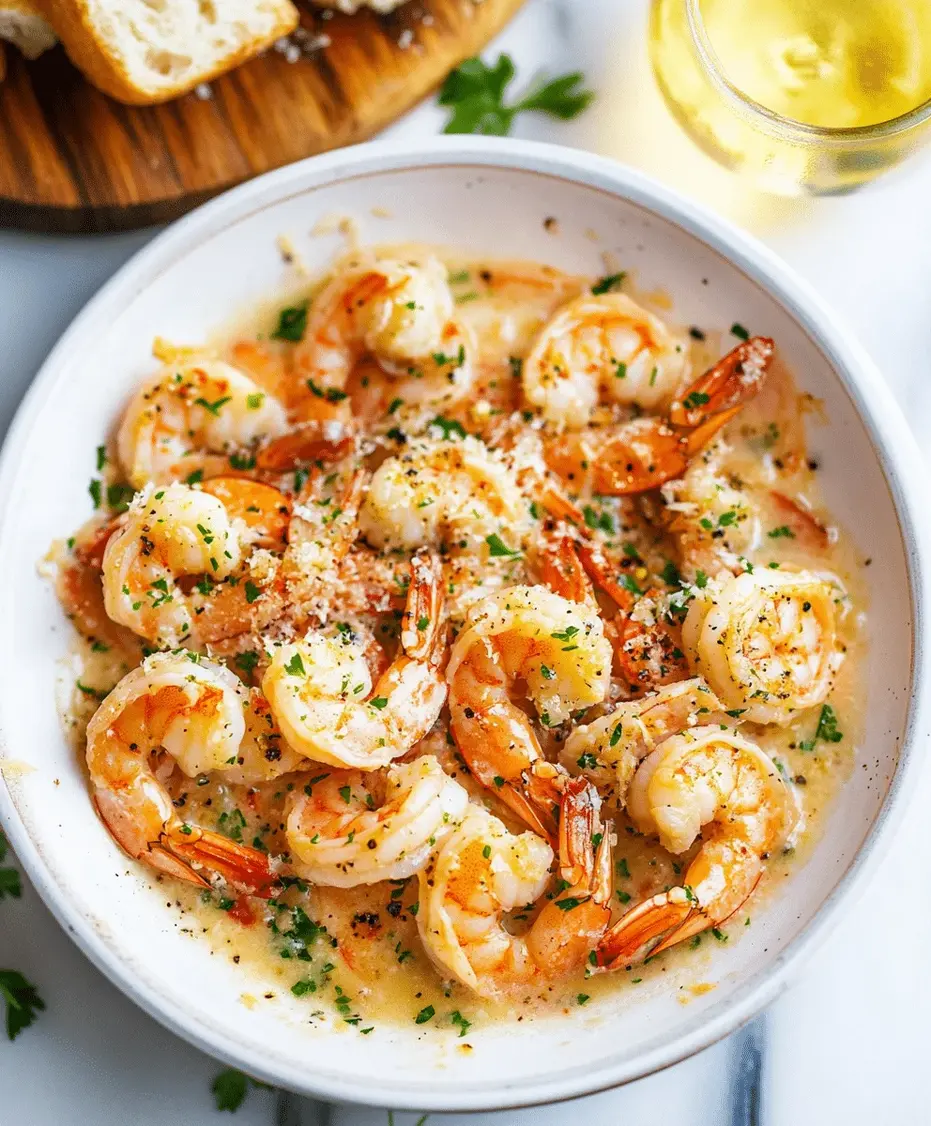
    Close-up of shrimp scampi sauce with garlic and parsley.

    Frequently Asked Questions (FAQs)

    ***Can I use frozen shrimp?***

    Yes, absolutely! Just make sure to thaw them completely before cooking. Pat them very dry with paper towels. For the best results, use peeled and deveined frozen shrimp.

    ***What kind of pan is best for this recipe?***

    A large skillet or sauté pan with high sides is ideal. Cast iron or stainless steel pans work very well to distribute heat evenly.

    ***My sauce is too thin. What should I do?***

    You can thicken the sauce by letting it simmer gently for a few more minutes with the heat on low. Alternatively, you can whisk in another tablespoon of butter off the heat for a richer, slightly thicker sauce, or create a slurry with 1 teaspoon of cornstarch and 1 tablespoon of cold water, then whisk it into the simmering sauce until thickened.

    ***Can I make this ahead of time?***

    Shrimp scampi is best enjoyed fresh as shrimp can become rubbery if overcooked or reheated multiple times. However, you can prep all your ingredients (chop garlic, juice lemon, chop parsley) ahead of time and store them separately in the refrigerator. Then, the actual cooking process will only take about 15-20 minutes.

    ***Is it okay to use garlic powder instead of fresh garlic?***

    While you can use garlic powder in a pinch (about 1/2 teaspoon), fresh garlic provides a much more vibrant and authentic flavor. The aroma of sautéing fresh garlic is a key part of the scampi experience.


    Print

    clock clock iconcutlery cutlery iconflag flag iconfolder folder iconinstagram instagram iconpinterest pinterest iconfacebook facebook iconprint print iconsquares squares iconheart heart iconheart solid heart solid icon

    Easy One-pan Shrimp Scampi Recipe


    • Author: Chef Emy

    Description

    Discover the ultimateeasy one-pan shrimp scampi recipe, featuring juicy shrimp sautéed in a buttery garlic sauce. This quick and flavorful meal is ideal for busy weeknights. Serve it with pasta or crusty bread for a delightful dinner that’s ready in no time!


    Ingredients

    Scale
    • 1lb large shrimp, peeled and deveined
    • 3 tablespoonsbutter
    • 2 tablespoonsolive oil
    • 4cloves garlic, minced
    • ¼ teaspoonred pepper flakes (optional)
    • ¼ cupdry white wine or chicken broth
    • Juice of1lemon
    • 2 tablespoonschopped fresh parsley
    • Salt and pepper to taste
    • Lemon wedges for serving

    Instructions

      Notes

      For extra flavor, add a little grated Parmesan before serving.
      Serve over pasta, rice, or with crusty bread to soak up the sauce.
      Adjust the red pepper flakes to control the spice level.

      Nutrition

      • Calories: 280
      • Sugar: 0g

      “`

      Famous Red Lobster Shrimp Scampi Recipe

      “`html

      Famous Red Lobster Shrimp Scampi Recipe

      Craving That Red Lobster Shrimp Scampi? You Can Make It At Home!

      Are you one of the millions who dream of that perfectly cooked shrimp, bathed in a rich, garlicky butter sauce with a hint of lemon and wine? For many, a visit to Red Lobster isn’t complete without indulging in their famous Shrimp Scampi. But what if you could recreate that iconic restaurant-style dish in your own kitchen, without the wait or the bill? This easy and incredibly flavorful recipe brings the beloved Red Lobster Shrimp Scampi right to your table. It’s packed with plump, tender shrimp swimming in a luscious garlic butter, white wine, and lemon sauce that’s simply irresistible. Whether you’re planning a weeknight seafood feast or aiming to impress for a special occasion, this copycat recipe is your ticket to a truly memorable meal.

      Ingredients: The Stars of Your Shrimp Scampi

      The magic of Red Lobster’s Shrimp Scampi lies in its simplicity and the quality of its core ingredients. They come together to create a symphony of flavors that is both comforting and elegant. Get ready to gather these:

      • 1 lb Large Shrimp, peeled and deveined: The star of the show! Look for shrimp that are plump and firm, offering a sweet, oceanic flavor. They should have a nice pinkish hue when raw. For ease, you can buy them already peeled and deveined.
      • 4 tbsp Unsalted Butter: Crucial for that rich, velvety sauce. Unsalted butter allows you to control the saltiness of the dish. It melts into a luscious base, carrying all the other flavors beautifully.
      • 3-4 cloves Garlic, minced: Fresh garlic is non-negotiable for that pungent, aromatic kick. Mince it finely to distribute its flavor evenly. Adjust quantity based on your love for garlic!
      • 1/4 cup Dry White Wine (like Pinot Grigio or Sauvignon Blanc): This adds a subtle acidity and depth that balances the richness of the butter and enhances the shrimp’s flavor. If you prefer not to use alcohol, chicken or vegetable broth is a good substitute.
      • 2 tbsp Fresh Lemon Juice: A burst of bright, zesty flavor that cuts through the richness and elevates the entire dish. Use freshly squeezed lemon for the best taste – bottled juice won’t deliver the same vibrant punch.
      • 2 tbsp Fresh Parsley, chopped: For a pop of fresh, herbaceous flavor and a beautiful green garnish. Flat-leaf parsley is preferred for its robust flavor.
      • 1/4 tsp Red Pepper Flakes (optional): For a gentle hint of heat that complements the sweetness of the shrimp. These little flakes add a subtle warmth without overpowering the dish.
      • Salt and freshly ground Black Pepper to taste: Essential for seasoning. Taste and adjust as you go to ensure perfect balance. Freshly ground pepper offers a more robust flavor than pre-ground.
      • 1 tbsp Olive Oil: Helps prevent the butter from burning too quickly and adds another layer of subtle flavor.

      Recipe Timing: A Swift Culinary Delight

      One of the best things about this Red Lobster Shrimp Scampi recipe is how quickly it comes together. It’s a fantastic option when you’re short on time but still want a restaurant-quality meal.

      Prep Time:
      10 minutes
      Cook Time:
      10-12 minutes
      Total Time:
      20-22 minutes

      Compared to many elaborate seafood dishes, this shrimp scampi is significantly faster. Most complex seafood preparations can take 45 minutes to over an hour, but this recipe offers a satisfying meal in under 30 minutes from start to finish, making it ideal for busy weeknights.

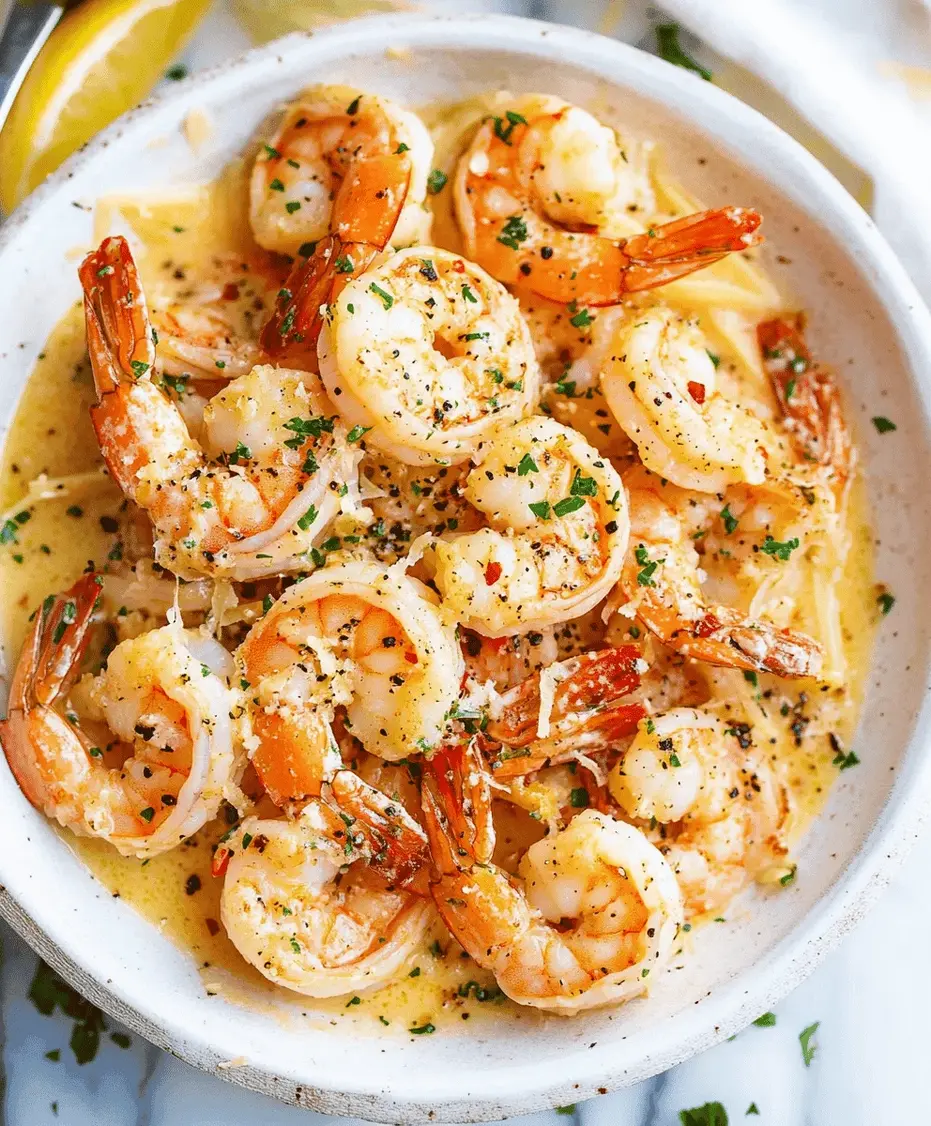
      A close-up shot of the Red Lobster Shrimp Scampi recipe, showcasing the plump shrimp coated in a rich garlic butter sauce, garnished with fresh parsley.

      Step-by-Step Instructions: Crafting Your Own Scampi Masterpiece

      Step 1: Prep the Shrimp

      Begin by ensuring your shrimp are properly prepped. If you’ve bought them frozen, thaw them completely under cold running water. Pat them thoroughly dry with paper towels. This crucial step helps the shrimp to sear nicely rather than steam, and it allows the sauce to adhere better.

      Step 2: Build the Garlic Butter Sauce

      In a large skillet (cast iron or stainless steel works wonderfully), melt the unsalted butter and olive oil over medium heat. Once shimmering, add the minced garlic and red pepper flakes (if using). Sauté for about 1 minute, until fragrant. Be careful not to burn the garlic, as it can turn bitter.

      Step 3: Cook the Shrimp to Perfection

      Increase the heat slightly to medium-high. Add the dried shrimp to the skillet in a single layer. Cook for 1-2 minutes per side, until they turn pink and opaque. Do not overcook, or the shrimp will become tough and rubbery.

      Step 4: Combine and Finish

      Pour in the dry white wine and fresh lemon juice. Let it simmer for about 1-2 minutes, allowing the alcohol to evaporate and the sauce to slightly reduce. Stir in the chopped fresh parsley. Season generously with salt and freshly ground black pepper to taste. Toss the shrimp gently to coat them in the luscious sauce. Serve immediately.

      Nutritional Snapshot

      While exact nutritional values can vary based on portion size and specific ingredients used (e.g., fat content in butter, size of shrimp), a typical serving of Red Lobster Shrimp Scampi contains approximately:

      • Calories: 350-450 kcal
      • Protein: 25-30g
      • Fat: 18-25g (mostly from butter)
      • Carbohydrates: 5-10g
      • Sodium: Varies greatly with added salt

      Note: This is an estimate. For precise tracking, it’s recommended to use a nutritional calculator with your specific ingredients.

      Healthier Swaps to Savor

      Looking to lighten up this classic dish without sacrificing flavor? Here are a few smart substitutions:

      • Butter Reduction: Use 2 tablespoons of butter and supplement with 2 tablespoons of a lighter olive oil or avocado oil.
      • Wine Substitute: If avoiding wine, use low-sodium chicken or vegetable broth for a similar liquid base and acidity.
      • Lighter Sauce Base: Consider a broth-based sauce with a smaller amount of butter and a touch of heavy cream if desired, rather than a full butter emulsion. Sautéing garlic in broth or water instead of oil can also reduce fat.
      • Portion Control: Serve with a larger side of steamed vegetables (like broccoli or asparagus) to balance the plate and reduce the overall calorie density.

      Serving Suggestions: Elevate Your Meal

      Red Lobster Shrimp Scampi is incredibly versatile. Here are some delightful ways to serve it:

      • Over Pasta: The classic pairing. Serve over linguine, spaghetti, or angel hair pasta.
      • With Crusty Bread: Perfect for soaking up every last drop of that glorious garlic butter sauce.
      • With Rice: A simple bed of white or brown rice is a great alternative to pasta.
      • As a Lighter Appetizer: Serve smaller portions in martini glasses for an elegant starter.
      • Alongside Vegetables: Steamed or roasted broccoli, asparagus, or green beans make for a complete and balanced meal.

      Common Mistakes to Avoid

      To ensure your shrimp scampi rivals the restaurant version, steer clear of these common pitfalls:

      • Overcooking the Shrimp: This is the cardinal sin! Shrimp cook very quickly. Remove them as soon as they turn pink and opaque.
      • Burning the Garlic: Burnt garlic is bitter and will ruin the sauce. Keep the heat moderate when sautéing it.
      • Not Patting Shrimp Dry: Wet shrimp will steam instead of sear, leading to a less favorable texture.
      • Using Bottled Lemon Juice: Fresh lemon juice is key for that bright, authentic flavor.
      • Over-Salting: Butter and shrimp already have some natural saltiness. Taste and adjust seasoning carefully.

      Storing Your Delicious Scampi

      Seafood is best enjoyed fresh. However, if you have leftovers:

      • Allow the shrimp scampi to cool completely.
      • Transfer to an airtight container.
      • Store in the refrigerator for up to 2 days.
      • Reheat gently on the stovetop over low heat or in the microwave. Be mindful not to overcook the shrimp further during reheating.
      A plate of Red Lobster Shrimp Scampi served over linguine, garnished with fresh parsley and lemon wedges.

      Frequently Asked Questions

      1. Can I make this shrimp scampi without white wine?

      Absolutely! You can substitute the white wine with low-sodium chicken broth, vegetable broth, or even a splash of white wine vinegar mixed with water for acidity. The flavor will be slightly different but still delicious.

      2. What kind of shrimp should I use?

      Large or jumbo shrimp (21-30 count per pound) are ideal. Fresh or frozen (thawed) are both fine. Ensure they are peeled and deveined.

      3. How do I prevent my shrimp from becoming rubbery?

      The key is not to overcook them. Shrimp cook very quickly, usually in just 2-3 minutes total. Cook them in the skillet until they just turn pink and opaque, then remove them from the heat immediately.

      4. Can I add other seafood to this recipe?

      While this recipe is specifically for shrimp, you could technically add scallops or mussels. However, their cooking times might differ, so you’d need to adjust accordingly.

      5. Is this recipe suitable for kids?

      Yes, it is! For a milder version for kids, omit the red pepper flakes and reduce the garlic slightly. Serve it over plain pasta.

      Recreate Red Lobster’s Magic Tonight!

      There you have it – the secrets to recreating Red Lobster’s famous Shrimp Scampi at home! This recipe is a testament to how simple, quality ingredients can create an extraordinary meal. The combination of tender shrimp, rich garlic butter, bright lemon, and a hint of wine is simply irresistible. So, ditch the takeout menu and surprise your family or treat yourself to this delightful seafood classic. You’ll be amazed at how easy and rewarding it is to bring a taste of the restaurant experience into your own kitchen. Give it a try and let us know how it turns out!

      Print
      clock clock iconcutlery cutlery iconflag flag iconfolder folder iconinstagram instagram iconpinterest pinterest iconfacebook facebook iconprint print iconsquares squares iconheart heart iconheart solid heart solid icon

      Famous Red Lobster Shrimp Scampi Recipe


      • Author: Chef Emy

      Description

      Recreate the restaurant-styleRed Lobster Shrimp Scampiat home with this easy and flavorful recipe! Loaded with tender shrimp, garlic butter, white wine, and lemon, it’s the ultimate seafood dinner. Perfect for weeknights or special occasions!


      Ingredients

      Scale
      • 1lb large shrimp, peeled and deveined
      • 4 tablespoonsbutter
      • 2 tablespoonsolive oil
      • 4cloves garlic, minced
      • ½ cupwhite wine
      • 1 teaspoonsalt
      • ½ teaspooncrushed red pepper flakes
      • 1 tablespoonlemon juice
      • 2 tablespoonsfresh parsley, chopped
      • Parmesan cheese (optional for garnish)

      Instructions

        Notes

        For a richer flavor, substitute chicken broth for white wine if needed.
        Do not overcook the shrimp; they can become rubbery quickly.
        Serve over linguine pasta, rice, or with crusty bread.

        Nutrition

        • Calories: 310
        • Sugar: 1g

        “`

        Baked Shrimp Scampi With Bread Crumbs Recipe

        “`html

        Baked Shrimp Scampi With Bread Crumbs Recipe

        Craving a Quick, Flavorful Seafood Dinner? Meet Your New Favorite!

        In today’s fast-paced world, finding a weeknight dinner that’s both incredibly delicious and remarkably quick to prepare can feel like a culinary quest. Are you searching for a seafood dish that elevates simple ingredients into something truly special, without spending hours in the kitchen? If so, you’re in the right place! This Baked Shrimp Scampi With Bread Crumbs recipe is designed to answer that call. It masterfully combines plump, juicy shrimp with a rich, garlicky butter sauce, brightened by a hint of lemon, and crowned with a layer of golden, toasted breadcrumbs. It’s a comforting, elegant, yet surprisingly easy meal that’s perfect for busy evenings or when you simply want to treat yourself and your loved ones to minimal-fuss, maximum-flavor dining. Get ready to impress yourself and anyone lucky enough to share this dish!

        The Perfect Ingredients for Baked Shrimp Scampi

        The magic of this Baked Shrimp Scampi with Bread Crumbs lies in its simplicity, allowing high-quality ingredients to shine. Here’s what you’ll need:

        • Large Shrimp: 1.5 pounds, peeled and deveined. Look for shrimp that are plump and firm, with a sweet, oceanic aroma.
          • Substitution: Medium shrimp can also be used, but adjust the baking time slightly as they cook faster. Frozen shrimp are fine; thaw them completely and pat them very dry.
        • Unsalted Butter: 6 tablespoons, melted. Provides a rich, creamy base that coats the shrimp beautifully. Room temperature butter is easiest to melt.
          • Substitution: Use a good quality olive oil for a dairy-free option or a blend of butter and olive oil for balanced flavor and fewer saturated fats.
        • Garlic: 4-6 cloves, minced. The heart of any scampi! Fresh garlic offers the most pungent and authentic flavor.
          • Substitution: If you’re short on fresh garlic, 1-2 teaspoons of garlic powder can be used in a pinch, but the flavor will be less intense.
        • Lemon Juice: 2 tablespoons, freshly squeezed. Adds a crucial bright, zesty note that cuts through the richness of the butter.
          • Substitution: Lime juice can offer a similar tang, or a splash of white wine vinegar can work.
        • Dry White Wine (Optional): 2 tablespoons. Adds an extra layer of subtle complexity and acidity. A crisp Sauvignon Blanc or Pinot Grigio works well.
          • Substitution: Chicken or vegetable broth can be used instead of wine to maintain moisture and flavor without alcohol.
        • Fresh Parsley: 1/4 cup, chopped. For a vibrant green color and fresh, herbaceous finish.
          • Substitution: Fresh chives or cilantro can be used for a different herbaceous twist.
        • Panko Breadcrumbs: 1/2 cup. These Japanese-style breadcrumbs are extra crispy and incredibly light, creating a perfect golden topping.
          • Substitution: Regular dried breadcrumbs or Italian-style breadcrumbs will also work, though they may not achieve the same level of crispiness.
        • Parmesan Cheese (Optional): 1/4 cup, grated. Adds a salty, umami depth to the breadcrumb topping.
          • Substitution: Nutritional yeast can provide a cheesy flavor for a dairy-free option.
        • Salt and Black Pepper: To taste. Essential for enhancing all the other flavors.
        • Red Pepper Flakes (Optional): 1/4 teaspoon. For a touch of heat that complements the shrimp and garlic.

        Timing is Everything: Prep, Cook, and Enjoy

        Prep Time: 15 minutes
        Cook Time: 12-15 minutes
        Total Time: 27-30 minutes

        This Baked Shrimp Scampi with Bread Crumbs is designed for speed and flavor. While the average seafood recipe might take 45 minutes to an hour from start to finish, this dish comes together in under 30 minutes, making it an ideal candidate for busy weeknights. The prep involves simple chopping and mixing, and the actual baking is quick, locking in moisture and ensuring perfectly cooked shrimp without overdoing it. This efficiency is key to its weeknight-friendly appeal.

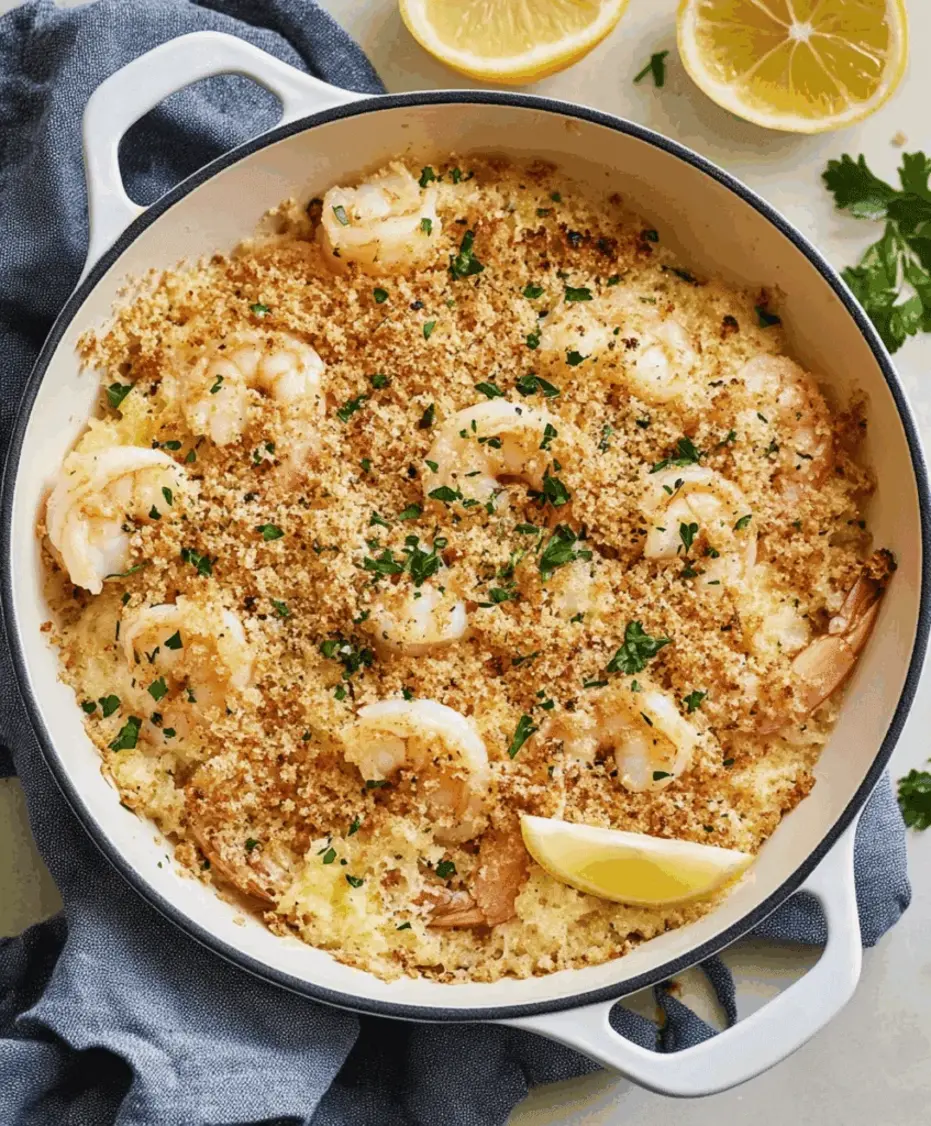
        Delicious baked shrimp scampi in a casserole dish, topped with golden breadcrumbs.

        How to Make Baked Shrimp Scampi with Bread Crumbs: Step-by-Step

        Step 1: Preheat Your Oven and Prepare Your Baking Dish

        Let’s get started by preheating your oven to 400°F (200°C). This ensures a hot environment for quick and even cooking. While the oven heats up, grab a 9×13 inch baking dish or a similar-sized oven-safe skillet. You don’t need to grease it; the butter sauce will do the job beautifully.

        Step 2: Whisk Together the Garlic Butter Sauce

        In a medium bowl, combine the melted butter, minced garlic, fresh lemon juice, and optional white wine (or broth). If you like a little heat, stir in the red pepper flakes now. Add about half of the chopped fresh parsley to the sauce – this infuses the sauce with delicious herbaceous notes right from the start. Season generously with salt and black pepper. Give it all a good whisk until the ingredients are well incorporated and fragrant. The aroma alone is enough to make your mouth water!

        Step 3: Arrange the Shrimp in the Baking Dish

        Lay your peeled and deveined shrimp in a single layer in the prepared baking dish. Try not to overcrowd them; this allows them to cook evenly. If some shrimp overlap slightly, that’s perfectly fine, but aim for as much of a single layer as possible.

        Step 4: Pour the Sauce and Top with Breadcrumbs

        Evenly pour the prepared garlic butter sauce over the shrimp, making sure each piece gets a good coating. In a separate small bowl, toss the Panko breadcrumbs with the optional grated Parmesan cheese. Sprinkle this mixture uniformly over the sauced shrimp, creating a lovely golden crust for when it bakes.

        Step 5: Bake Until Golden and Shrimp are Cooked Through

        Place the baking dish into the preheated oven. Bake for 12 to 15 minutes, or until the shrimp are pink, opaque, and cooked through, and the breadcrumb topping is golden brown and crispy. Keep an eye on it during the last few minutes; shrimp cook very quickly and can become tough if overbaked.

        Step 6: Garnish and Serve Immediately

        Once out of the oven, sprinkle the remaining fresh parsley over the top for a burst of color and freshness. Let it sit for a minute or two before serving. This ensures the sauce settles down and the dish is perfectly ready to enjoy.

        Nutritional Information

        While exact nutritional values can vary based on the specific ingredients and portion sizes, a typical serving of this Baked Shrimp Scampi with Bread Crumbs is estimated to be:

        • Calories: Approximately 350-450 kcal per serving
        • Protein: 25-30g
        • Fat: 20-30g (depending on butter/oil usage)
        • Carbohydrates: 10-15g (mostly from breadcrumbs)
        • Note: These are estimates. For precise tracking, you’ll want to calculate based on your exact ingredients.

        Healthier Swaps for a Lighter Scampi

        Looking to make this delicious dish even lighter without sacrificing flavor? Here are a few effective swaps:

        • Reduced Butter/Oil: Use only 4 tablespoons of butter or olive oil, and consider adding a splash of vegetable or chicken broth to maintain moisture.
        • Whole Wheat Panko: Opt for whole wheat Panko breadcrumbs for added fiber and nutrients.
        • Leaner Protein: While shrimp is already lean, ensure you’re using good quality, not overly fatty, ingredients for the sauce.
        • More Veggies: Add thinly sliced zucchini, bell peppers, or spinach to the baking dish along with the shrimp. They’ll cook down and add volume and nutrients.

        Serving Suggestions

        This Baked Shrimp Scampi is wonderfully versatile. Here are some of our favorite ways to serve it:

        • With Pasta: Toss it with your favorite cooked pasta (spaghetti, linguine, or angel hair are classics) for a hearty meal.
        • Over Rice: Serve it over fluffy white or brown rice to soak up all that flavorful sauce.
        • With Crusty Bread: Essential for mopping up every last drop of the garlic butter sauce!
        • With a Side Salad: A crisp green salad with a light vinaigrette balances the richness of the scampi beautifully.
        • With Roasted Vegetables: Asparagus, broccoli, or green beans make excellent complementary sides.

        Common Mistakes to Avoid

        • Overcooking the Shrimp: This is the most common pitfall. Shrimp cook incredibly fast. Watch them closely; they turn opaque and pink quickly. Overcooked shrimp become rubbery and tough.
        • Not Patting Shrimp Dry: If using frozen shrimp that have been thawed, ensure they are thoroughly patted dry with paper towels. Excess moisture can prevent the sauce from clinging and make the breadcrumbs soggy.
        • Incorrect Oven Temperature: Baking at too low a temperature won’t achieve that desirable crispy, golden topping and may result in undercooked shrimp. Too high, and you risk burning the breadcrumbs before the shrimp are cooked.
        • Skipping the Acid: The lemon juice is crucial for balancing the richness of the butter. Don’t omit it!

        Storing Your Delicious Leftovers

        Leftovers can be stored in an airtight container in the refrigerator for up to 2-3 days. Reheating is best done gently to avoid overcooking the shrimp. You can reheat them in a skillet over low heat with a splash of broth or wine, or in a 300°F (150°C) oven for a short period until warmed through. The breadcrumb topping may lose some crispiness upon reheating, but the flavor will still be fantastic.

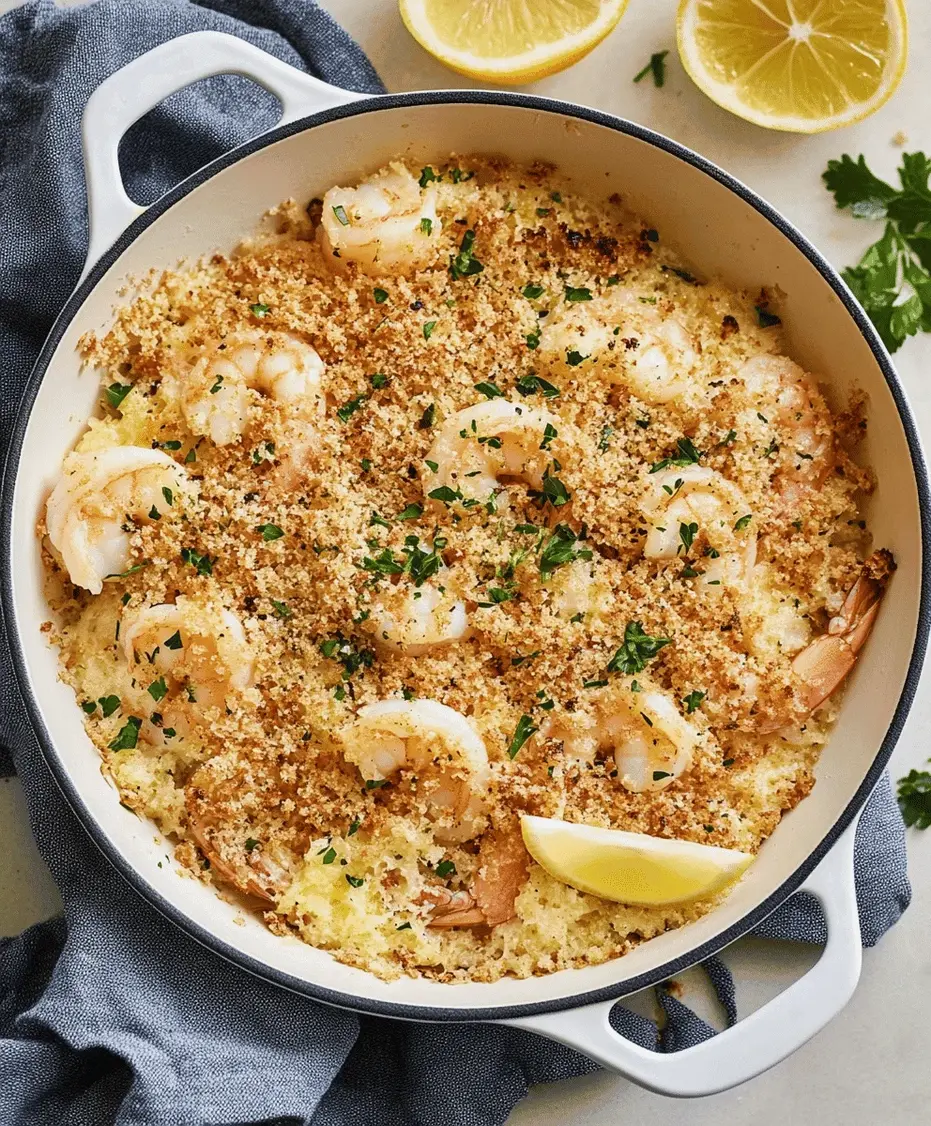
        Close-up of baked shrimp scampi with glistening sauce and golden breadcrumbs.

        Frequently Asked Questions

        ***Can I use other types of seafood with this recipe?***

        Absolutely! This garlic butter sauce and breadcrumb topping is fantastic with scallops, mussels, or even flaky white fish like cod or tilapia. Adjust cooking times based on the seafood type and thickness.

        ***What if I don’t have Panko breadcrumbs?***

        Regular dried breadcrumbs or Italian-style breadcrumbs will work. You might want to toast them lightly in a dry pan before adding them to the dish for extra crispiness, as they tend to be denser than Panko.

        ***How do I know when the shrimp are fully cooked?***

        Shrimp are cooked when they turn opaque pink and the tails curl into a ‘C’ shape. If they form a tight ‘O’, they might be slightly overcooked, but still edible. Avoid any fully curled shrimp that look like a tight ‘O’ and are still grey; they need more time.

        ***Can I make this recipe ahead of time?***

        You can prepare the sauce and chop the ingredients ahead of time. However, it’s best to assemble and bake the dish just before serving. Baking the shrimp too far in advance can lead to them becoming tough and dry.

        ***Is the wine really necessary?***

        The wine is optional but adds a lovely depth of flavor. If you prefer not to use it, chicken broth, vegetable broth, or even a little extra lemon juice or water will help create the sauce base without alcohol.

        Print
        clock clock iconcutlery cutlery iconflag flag iconfolder folder iconinstagram instagram iconpinterest pinterest iconfacebook facebook iconprint print iconsquares squares iconheart heart iconheart solid heart solid icon

        Baked Shrimp Scampi With Bread Crumbs Recipe


        • Author: Chef Emy

        Description

        This Baked Shrimp Scampi With Bread Crumbs recipe brings together juicy shrimp, garlic butter, lemon, and golden breadcrumbs in a quick oven-baked dish. Perfect for seafood lovers seeking a fast and flavorful meal. A crowd-pleasing weeknight dinner with minimal prep and big flavor!


        Ingredients

        Scale
        • 1lb large shrimp, peeled and deveined
        • 3 tbspunsalted butter, melted
        • 3 tbspolive oil
        • 3garlic cloves, minced
        • Juice of1lemon
        • Zest of1lemon
        • Salt and pepper to taste
        • ½ tspred pepper flakes (optional)
        • ¾ cupbreadcrumbs (Panko or Italian style)
        • 2 tbspchopped parsley
        • 2 tbspgrated Parmesan cheese (optional)

        Instructions

          Notes

          Use fresh or thawed shrimp for best texture.
          Can be prepped ahead and baked just before serving.
          Great with linguine or crusty bread for dipping.

          Nutrition

          • Calories: 310
          • Sugar: 1g

          “`

          Shrimp Scampi With Pasta Recipe

          “`html

          Shrimp Scampi With Pasta Recipe

          Experience Restaurant-Quality Shrimp Scampi at Home

          Enjoy a restaurant-style Shrimp Scampi with Pasta recipe that brings together succulent shrimp, garlic, lemon, and butter tossed with perfectly cooked pasta. This quick and easy seafood pasta dish is perfect for busy weeknights or elegant dinners. A zesty, buttery delight ready in under 30 minutes! Many home cooks shy away from making seafood pasta, perhaps intimidated by the perceived complexity or the fear of overcooking delicate shrimp. However, this recipe demystifies the process, proving that a flavorful, elegant dish is well within reach, even on your busiest evenings. We’ll guide you through each step, ensuring you achieve perfectly cooked shrimp and a sauce that sings with bright, savory notes. Prepare to be amazed at how simple it is to create a dish that will impress your family and friends, or simply treat yourself to a special meal.

          Ingredients for the Perfect Shrimp Scampi

          The beauty of Shrimp Scampi lies in its simplicity, relying on fresh, high-quality ingredients to shine. Here’s what you’ll need to create this delightful dish:

          • 1 lb Large Shrimp: Peeled and deveined, tails on or off as you prefer. Fresh, plump shrimp are key for that succulent texture. Look for shrimp that are firm and have a mild, sweet aroma. If using frozen, ensure they are fully thawed before cooking.
          • 8 oz Linguine or Spaghetti: Cooked according to package directions until al dente. The long strands of pasta are perfect for catching the flavorful scampi sauce. Dried pasta works wonderfully, but fresh pasta can also be used for an extra touch of luxury.
          • 4 Tablespoons Unsalted Butter: The richness of butter forms the base of our luscious sauce. Divided for sautéing and finishing the sauce. High-quality butter will make a noticeable difference in flavor.
          • 2-3 Tablespoons Olive Oil: To help the butter from burning and add a fruity note. Extra virgin olive oil provides the best flavor.
          • 4-6 cloves Garlic: Minced. This is where the signature scampi flavor comes from! Adjust the amount to your garlic preference. Freshly minced garlic is far superior to pre-minced or garlic powder.
          • 1/2 cup Dry White Wine (like Pinot Grigio or Sauvignon Blanc): Adds acidity and depth to the sauce. If you prefer not to use alcohol, chicken or vegetable broth can be substituted, though the flavor profile will be slightly different.
          • 1/4 cup Fresh Lemon Juice: For brightness and tang. Freshly squeezed lemon juice is essential for that vibrant, zesty flavor. Bottled juice won’t have the same impact.
          • 1/4 cup Fresh Parsley: Finely chopped, for a burst of freshness and color. Flat-leaf parsley is typically preferred for its robust flavor.
          • 1/4 teaspoon Red Pepper Flakes (optional): For a hint of gentle heat. Add more or less depending on your spice tolerance.
          • Salt and Freshly Ground Black Pepper: To taste. Seasoning is crucial at every stage of cooking.
          • Reserved Pasta Water: About 1/2 cup, to emulsify the sauce and help it cling to the pasta. Don’t drain all of your pasta water!

          Recipe Timing: Quick & Easy

          Prep time: 10 minutes
          Cook time: 15 minutes
          Total time: 25 minutes

          Compared to the average seafood pasta recipe which often takes 30-40 minutes, this Shrimp Scampi is a true weeknight hero, delivering maximum flavor in minimum time. The quick cooking process ensures the shrimp remain tender and succulent.

          Plump shrimp being sautéed in a pan with garlic and butter for Shrimp Scampi

          Step-by-Step Instructions

          Step 1: Prep the Shrimp

          Start by ensuring your shrimp are properly prepped. If they aren’t already, peel and devein them. Rinse the shrimp under cold water and pat them thoroughly dry with paper towels. This step is crucial for ensuring the shrimp sear nicely rather than steam, and for preventing the sauce from becoming watery. Season the shrimp lightly with salt and pepper.

          Step 2: Cook the Pasta

          While you’re prepping the shrimp, bring a large pot of generously salted water to a rolling boil. Add your linguine or spaghetti and cook according to package directions until it’s perfectly al dente – tender but with a slight bite. Before draining, reserve about 1 cup of the starchy pasta water. This magical liquid will be used later to create a velvety sauce. Drain the pasta and set it aside.

          Step 3: Build the Scampi Sauce

          In a large skillet or sauté pan, melt 2 tablespoons of butter with 2 tablespoons of olive oil over medium heat. Once the butter is melted and shimmering, add the minced garlic and red pepper flakes (if using). Sauté for about 1-2 minutes, until the garlic is fragrant and lightly golden. Be careful not to burn the garlic, as this will make it bitter. Pour in the white wine and let it simmer for about 2 minutes, allowing the alcohol to cook off and the flavors to meld. Stir in the fresh lemon juice and bring the sauce to a gentle simmer. Add the remaining 2 tablespoons of butter, swirling the pan until it melts and emulsifies into the sauce, creating a rich, glossy consistency.

          Step 4: Combine and Serve

          Add the prepped shrimp to the skillet with the scampi sauce. Cook for just 2-3 minutes, stirring frequently, until the shrimp turn pink and opaque. Overcooking the shrimp will make them tough and rubbery, so keep a close eye on them! Add the cooked pasta directly into the skillet with the shrimp and sauce. Toss everything together to coat the pasta evenly. If the sauce seems a bit too thick, gradually add some of the reserved pasta water, a tablespoon at a time, until you reach your desired consistency. The starch in the pasta water will help thicken the sauce and make it cling beautifully to the linguine. Stir in the fresh chopped parsley. Taste and adjust seasoning with salt and freshly ground black pepper as needed.

          Nutritional Information (Approximate Per Serving)

          While exact nutritional values can vary based on ingredient brands and portion sizes, here’s an estimated breakdown for this delicious Shrimp Scampi recipe (assuming 4 servings):

          • Calories: 450-550 kcal
          • Protein: 25-30g
          • Fat: 20-25g (includes healthy fats from olive oil and butter)
          • Carbohydrates: 35-45g (primarily from pasta)
          • Sodium: Varies based on added salt and broth used

          Healthier Alternatives

          Looking to lighten up this classic dish without sacrificing flavor? Try these simple swaps:

          • Pasta: Use whole wheat pasta, zucchini noodles (zoodles), or spaghetti squash for fewer carbohydrates and more fiber.
          • Butter: Reduce the amount of butter and use a bit more olive oil, or substitute some of the butter with a heart-healthy alternative like avocado oil. Ensure you still use enough fat to sauté the garlic properly.
          • Wine: Use a low-sodium vegetable or chicken broth instead of white wine if you are avoiding alcohol.
          • Shrimp: While shrimp is naturally lean, you can incorporate more vegetables like broccoli florets, cherry tomatoes, or spinach into the dish to increase its nutrient density and volume.

          Serving Suggestions

          Shrimp Scampi with Pasta is a complete meal on its own, but it pairs beautifully with a few additions:

          • Crusty Bread: Perfect for soaking up any leftover delicious scampi sauce.
          • Side Salad: A light, crisp green salad with a simple vinaigrette adds a refreshing contrast.
          • Steamed or Roasted Vegetables: Asparagus, green beans, or broccoli are excellent choices.
          • A Sprinkle of Parmesan Cheese: For those who love a little extra cheesy goodness (though traditionally not used in scampi, many enjoy it!).

          Common Mistakes to Avoid

          Steer clear of these pitfalls for the best Shrimp Scampi:

          • Overcooking the Shrimp: This is the most common mistake! Shrimp cook very quickly, often in just 3-5 minutes total. Cook them just until pink and opaque.
          • Burning the Garlic: Garlic can go from fragrant to burnt in seconds. Sauté it gently and be extra vigilant.
          • Not Using Pasta Water: The starchy pasta water is essential for creating a smooth, emulsified sauce that coats the pasta beautifully.
          • Overcrowding the Pan: When sautéing shrimp, make sure your pan is large enough. Overcrowding will cause the shrimp to steam instead of sear, leading to a less desirable texture. Cook in batches if necessary.
          • Using Pre-minced Garlic: Fresh garlic offers a much more vibrant and nuanced flavor.

          Storing Tips

          Leftover Shrimp Scampi is best enjoyed fresh, but can be stored and reheated:

          • Refrigeration: Store cooled leftovers in an airtight container in the refrigerator for up to 2-3 days.
          • Reheating: The best way to reheat is gently on the stovetop over low heat, adding a splash of water or broth to loosen the sauce. Microwave reheating is also an option, but be careful not to overcook the shrimp. The pasta may become a bit softer upon reheating.
          • Freezing: This dish is generally not recommended for freezing, as the texture of the shrimp and pasta can suffer significantly upon thawing.
          A close-up of Shrimp Scampi with Pasta in a serving bowl, garnished with parsley

          Frequently Asked Questions

          ***Can I use frozen shrimp for this recipe?***

          Yes, absolutely! Ensure the frozen shrimp are completely thawed before you begin cooking. Thaw them in the refrigerator overnight or place them in a colander under cold running water for about 10-15 minutes. Pat them very dry with paper towels before using.

          ***What kind of wine is best for Shrimp Scampi?***

          A dry white wine is ideal. popular choices include Pinot Grigio, Sauvignon Blanc, or a dry Vermouth. The wine adds a crucial layer of acidity and complexity to the sauce. If you prefer not to use alcohol, you can substitute with chicken or vegetable broth, though the flavor will be slightly different.

          ***My sauce seems too thin. What can I do?***

          This is where the reserved pasta water comes in! The starch in the pasta water helps to emulsify and thicken the sauce. Add it a tablespoon at a time while tossing the pasta and sauce together until you reach your desired consistency. You can also let the sauce simmer gently for a few extra minutes to reduce and thicken, but be careful not to overcook the shrimp.

          ***Can I add vegetables to Shrimp Scampi?***

          Definitely! Shrimp Scampi is very versatile. You can add vegetables like steamed asparagus, sautéed spinach, cherry tomatoes, or peas along with the shrimp in the final step. Some folks even like to add finely diced bell peppers when sautéing the garlic.

          ***Is Shrimp Scampi healthy?***

          Shrimp itself is a lean protein. The healthiness of the dish depends on the amounts of butter, oil, and pasta used. By incorporating whole wheat pasta, using measured amounts of healthy fats like olive oil, and adding plenty of vegetables, you can make a significantly healthier version of this classic dish. Refer to our “Healthier Alternatives” section for specific tips.

          Savor the Scampi!

          There you have it – a simple yet elegant Shrimp Scampi with Pasta recipe that’s perfect for any occasion. This dish proves that you don’t need hours in the kitchen to create something truly special. The combination of tender shrimp, zesty lemon, aromatic garlic, and rich butter, all tossed with perfectly cooked pasta, is a flavor explosion you won’t soon forget. Give this recipe a try and transform your weeknights into culinary celebrations!

          Print
          clock clock iconcutlery cutlery iconflag flag iconfolder folder iconinstagram instagram iconpinterest pinterest iconfacebook facebook iconprint print iconsquares squares iconheart heart iconheart solid heart solid icon

          Shrimp Scampi With Pasta Recipe


          • Author: Chef Emy

          Description

          Enjoy a restaurant-styleShrimp Scampi with Pastarecipe that brings together succulent shrimp, garlic, lemon, and butter tossed with perfectly cooked pasta. This quick and easy seafood pasta dish is perfect for busy weeknights or elegant dinners. A zesty, buttery delight ready in under 30 minutes!


          Ingredients

          Scale
          • 1lb large shrimp (peeled and deveined)
          • 8 ozlinguine or spaghetti
          • 3 tbspunsalted butter
          • 2 tbspolive oil
          • 4garlic cloves (minced)
          • ¼ tspred pepper flakes (optional)
          • ¼ cupdry white wine or chicken broth
          • Juice of1lemon
          • Zest of1lemon
          • 2 tbspchopped fresh parsley
          • Salt and pepper, to taste

          Instructions

            Notes

            Use high-quality shrimp for best flavor.
            Substitute wine with broth for a non-alcoholic version.
            Add a touch of cream for a creamy twist.
            Goes great with garlic bread and a side salad.

            Nutrition

            • Calories: 450
            • Sugar: 2g

            “`

            Lemon-glazed Carrots Recipe

            “`html

            Lemon-glazed Carrots Recipe

            Do Your Weeknight Dinners Need a Burst of Flavor and Color?

            Are you tired of serving the same old steamed or roasted vegetables, only to have them disappear without much fanfare? If you’re looking for a way to elevate your vegetable game and add a vibrant, healthy, and incredibly delicious side dish to your meals, you’ve come to the right place. This lemon-glazed carrots recipe is a game-changer, blending the natural sweetness of tender carrots with a bright, tangy, and slightly sweet lemon glaze. It’s a simple yet sophisticated addition to any table, perfect for quick weeknight dinners when you’re short on time, or impressive enough for holiday feasts. The fresh citrus notes in the glaze don’t just complement the carrots; they truly enhance their inherent sweetness, creating a harmonious balance that’s utterly delightful. Many home cooks underestimate the power of simple glazes to transform humble vegetables into stars, but with just a few ingredients and a little love, you can achieve culinary magic. Let’s dive into how you can create this flavorful and healthy vegetable dish that your whole family will adore.

            Fresh, Zesty Ingredients for Your Lemon-Glazed Carrots

            The beauty of this lemon-glazed carrots recipe lies in its simplicity. You likely have most of these ingredients in your pantry already! The key is to use fresh, good-quality produce for the best flavor. Here’s what you’ll need:

            • 1.5 lbs Carrots: Look for firm, bright orange carrots. Baby carrots work too, but larger ones can be cut into aesthetically pleasing shapes. Their earthy sweetness is the perfect base for the glaze.
            • 2 Tablespoons Unsalted Butter: This provides a rich, velvety base for the glaze. For a dairy-free option, unsalted vegan butter or a healthy oil like avocado or olive oil can be used.
            • 1/4 cup Chicken or Vegetable Broth: This adds moisture and helps to create a smooth glaze. Water can be used in a pinch, but broth adds a subtle depth of flavor.
            • 2 Tablespoons Fresh Lemon Juice: This is the star of the glaze, bringing a bright, zesty tang. Freshly squeezed is non-negotiable for the best citrus punch.
            • 1 Tablespoon Honey or Maple Syrup: This balances the tartness of the lemon and enhances the natural sweetness of the carrots. For a vegan dish, maple syrup is the preferred choice; adjust sweetness to your liking.
            • 1/2 teaspoon Salt: Enhances all the flavors. Adjust to your preference.
            • 1/4 teaspoon Black Pepper: Freshly ground black pepper offers a pleasant warmth and subtle spice.
            • Optional Garnish: Fresh Parsley or Chives: Finely chopped fresh herbs add a pop of color and a fresh, herbaceous note that beautifully contrasts the sweet and tangy glaze.

            Perfectly Timed: Prep, Cook, and Enjoy

            Prep time: 10 minutes
            Cook time: 15-20 minutes
            Total time: 25-30 minutes

            This recipe is designed for efficiency without sacrificing flavor. The prep is minimal, and the cooking time is quick, making it an ideal side dish for even the busiest weeknights. On average, many vegetable side dishes can take longer to prepare or cook, especially if they involve more complex preparations. This recipe clocks in at under 30 minutes total, making it a weeknight hero.

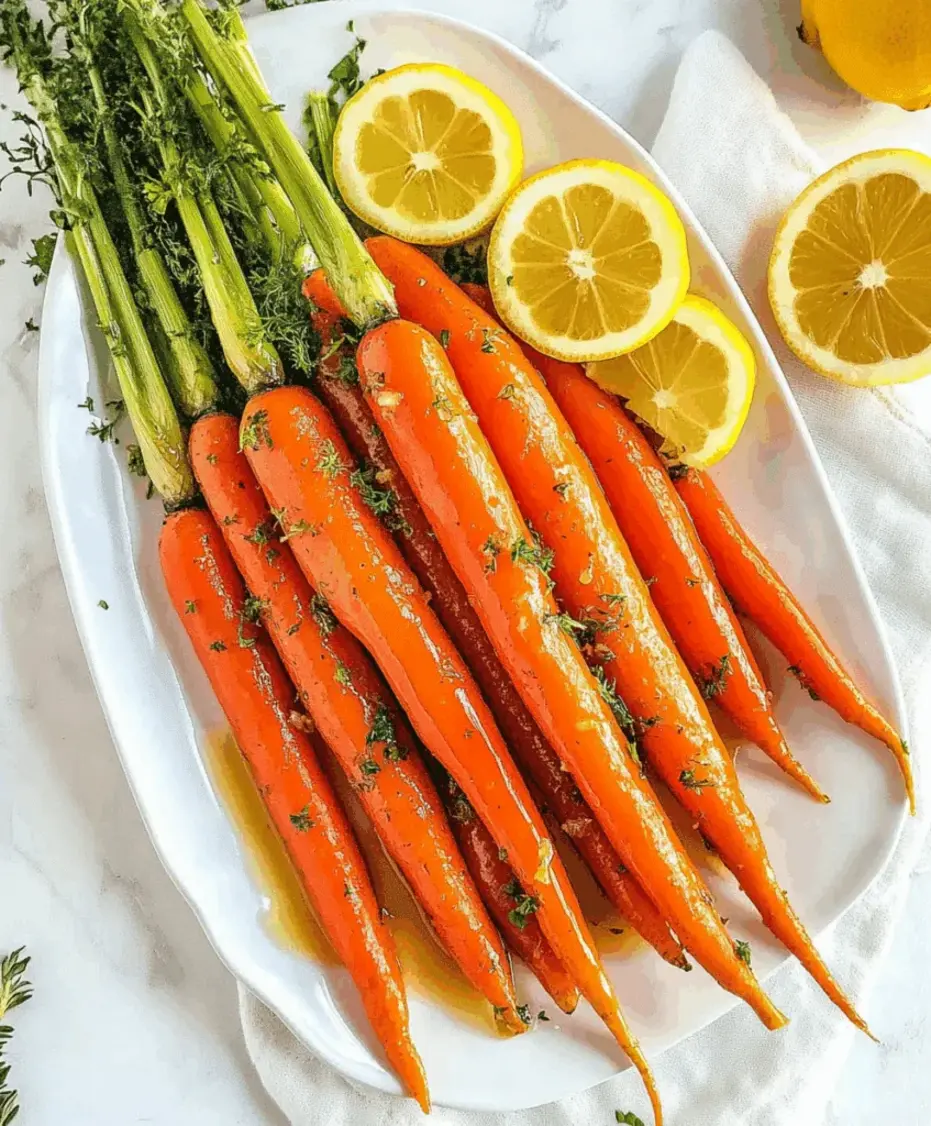
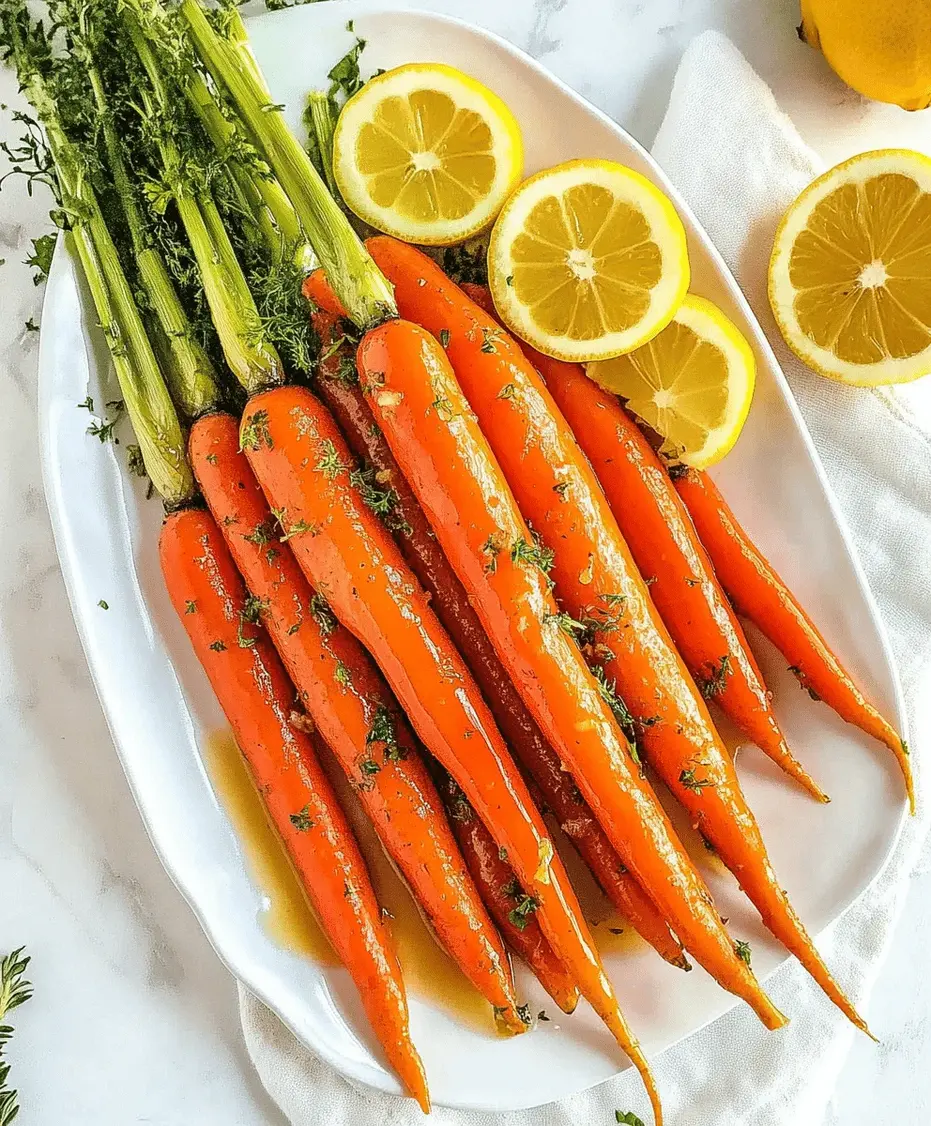
            Tender, bright orange carrots coated in a glistening lemon glaze, ready to serve.

            Simple Steps to Luscious Lemon-Glazed Carrots

            Let’s get cooking! These instructions are designed to be easy to follow, ensuring perfect results every time.

            Step 1: Prepare the Carrots

            Begin by washing and peeling your carrots thoroughly. If you’re using larger carrots, you have a few options for cutting them. You can cut them into uniform ½-inch thick rounds, chop them into bite-sized pieces, or even slice them lengthwise into elegant batons. For a touch of fancy, consider using a vegetable peeler to shave off long, thin ribbons of carrot – they cook very quickly and look stunning! Whichever method you choose, aim for pieces that are roughly the same size so they cook evenly. If you’re using baby carrots, you can leave them whole or halve them lengthwise if they are particularly large.

            Step 2: Simmer the Glaze

            In a large skillet or sauté pan, melt the unsalted butter over medium heat. Once the butter is melted and slightly foaming, add the chicken or vegetable broth. Let it warm through gently. Now, whisk in the fresh lemon juice, honey (or maple syrup), salt, and black pepper. Stir these ingredients together until the honey is fully dissolved and the glaze is smooth. Allow the glaze to simmer gently for about 2-3 minutes. This brief simmer helps to meld the flavors and slightly thicken the glaze, ensuring it coats the carrots beautifully.

            Step 3: Cook the Carrots

            Add your prepared carrots to the skillet with the simmering glaze. Toss them gently to ensure each piece is evenly coated. Reduce the heat to medium-low, cover the skillet, and let the carrots cook. You want them to become tender but still retain a slight bite – this should take approximately 10-15 minutes, depending on the thickness of your carrot pieces. Stir occasionally to prevent sticking and to ensure even cooking. Resist the urge to overcook them into mush; a slight firmness is desirable for the best texture.

            Step 4: Finish and Serve

            Once the carrots are tender-crisp and the glaze has thickened slightly to a glossy consistency, remove the lid. Increase the heat to medium-high for the last 1-2 minutes, stirring constantly. This will help to caramelize the glaze just a bit, intensifying the flavors and creating a beautiful sheen. Be careful not to let it burn! Taste and adjust seasoning if needed – perhaps a touch more salt or a squeeze of lemon. Stir in your optional fresh parsley or chives for a burst of freshness and color. Serve immediately while warm and glistening.

            Close-up of lemon-glazed carrots garnished with chopped parsley on a serving platter.

            Nutritional Snapshot: A Healthy Dose of Goodness

            These lemon-glazed carrots are not only delicious but also packed with nutrients. Carrots are a fantastic source of vitamin A (beta-carotene), fiber, and antioxidants. The minimal added sugar and healthy fats make this a guilt-free side dish.

            • Calories: Approximately 70-90 per serving (depending on butter and sweetener amounts).
            • Carbohydrates: Primarily from natural sugars in carrots and honey/maple syrup.
            • Fiber: Good source, aiding digestion.
            • Vitamins: Rich in Vitamin A (from beta-carotene), Vitamin C (from lemon).
            • Healthy Fats: From butter or alternative oils.

            Healthier Alternatives and Flavor-Preserving Swaps

            This recipe is already quite healthy, but here are some ways to make it even more so without sacrificing flavor:

            • Reduce Sweetener: Start with half the amount of honey or maple syrup and see if the natural sweetness of the carrots is enough. You can always add more.
            • Use a Healthy Oil: Swap butter for high-quality olive oil or avocado oil for heart-healthy fats.
            • Add Herbs: Incorporate other fresh herbs like dill or thyme for added flavor complexity that allows you to use less sweetener.
            • Citrus Zest: Add a bit of lemon zest to the glaze for an extra punch of citrus flavor without adding more liquid or sugar.

            Serving Suggestions: More Than Just a Side

            These versatile lemon-glazed carrots are the perfect accompaniment to a wide range of main dishes. They pair beautifully with:

            • Roasted chicken or turkey
            • Pan-seared salmon or other fish
            • Pork tenderloin or chops
            • Baked ham
            • Even as a colorful addition to a vegetarian or vegan main dish like lentil loaf or stuffed peppers.

            Their bright flavor and color also make them a wonderful addition to holiday tables, adding a touch of sunshine to any spread.

            Common Mistakes to Avoid

            To ensure your lemon-glazed carrots are perfect every time, keep these common pitfalls in mind:

            • Overcooking: Mushy carrots lose their appeal. Cook them until they are tender-crisp.
            • Uneven Cutting: Cutting carrots into different sizes means some will be overcooked while others are undercooked. Aim for uniformity.
            • Using Bottled Lemon Juice: Freshly squeezed lemon juice is crucial for that bright, authentic citrus flavor.
            • Burning the Glaze: Keep an eye on the glaze, especially in the final stages when caramelization occurs.

            Storing and Reheating Your Glazed Carrots

            Leftover glazed carrots can be stored in an airtight container in the refrigerator for up to 3-4 days. They tend to soften further upon refrigeration. To reheat, you can gently warm them in a skillet over low heat with a splash of water or broth to loosen the glaze, or microwave them briefly. They are also surprisingly delicious served cold!

            Frequently Asked Questions

            ***Can I use pre-cut carrots or baby carrots?***

            Yes! Pre-cut carrots or baby carrots are a great time-saver. Just make sure to adjust the cooking time as they are often smaller and may cook faster. Baby carrots can be cooked whole.

            ***What if I don’t have honey or maple syrup?***

            You can use granulated sugar or brown sugar as a substitute. Start with a tablespoon and adjust to your sweetness preference. Agave nectar is also a good option.

            ***Can I make this recipe ahead of time?***

            You can prepare the carrots and the glaze ingredients ahead of time. However, it’s best to cook and glaze the carrots just before serving for the optimal texture and flavor. The glaze can sometimes become a bit too thick or watery if left sitting for too long.

            ***How can I make the glaze richer?***

            For a richer glaze, you could add a tiny splash of white wine or sherry to the pan before adding the broth, letting it reduce slightly. Some people also like to add a pinch of nutmeg or cinnamon for warmth.

            Print

            clock clock iconcutlery cutlery iconflag flag iconfolder folder iconinstagram instagram iconpinterest pinterest iconfacebook facebook iconprint print iconsquares squares iconheart heart iconheart solid heart solid icon

            Lemon-glazed Carrots Recipe


            • Author: Chef Emy

            Description

            This lemon-glazed carrots recipe blends tender carrots with a sweet and tangy lemon glaze. Perfect as a quick, vibrant side dish, this healthy vegetable recipe is bursting with flavor. Ideal for weeknight dinners or holiday meals, the fresh citrus enhances the natural sweetness of the carrots.


            Ingredients

            Scale
            • 1lb carrots, peeled and sliced
            • 2 tablespoonsbutter
            • 1 tablespoonbrown sugar
            • 1 tablespoonlemon juice
            • 1 teaspoonlemon zest
            • Salt, to taste
            • Fresh parsley, chopped (optional garnish)

            Instructions

              Notes

              For a richer flavor, use honey instead of brown sugar.
              Baby carrots can be used, but may require slightly longer cooking time.
              Great alongside roasted meats or vegetarian mains.

              Nutrition

              • Calories: 110
              • Sugar: 7g

              “`

              Roasted Asparagus And Mushrooms Recipe

              “`html

              Roasted Asparagus And Mushrooms Recipe

              Unlock Flavor: Is Roasting Asparagus and Mushrooms the Easiest Way to Elevate Your Veggies?

              Are you looking for a side dish that’s as simple as it is spectacular? In a world where weeknight dinners often feel rushed and holiday meals demand a showstopper, finding a versatile, healthy, and incredibly delicious vegetable preparation can feel like striking gold. This Roasted Asparagus and Mushrooms recipe is precisely that – a culinary treasure. By harnessing the magic of the oven, we transform humble asparagus spears and earthy mushrooms into tender, caramelized bites, infused with the aromatic punch of garlic, olive oil, and your favorite herbs. This one-pan wonder isn’t just a joy to make; it’s packed with nutrients and boasts a flavor profile that complements virtually any main course, making it a staple you’ll return to time and time again. Let’s dive into how this simple roasting method unlocks a depth of flavor that will have everyone asking for seconds!

              Ingredients: The Heart of Our Roasted Asparagus and Mushrooms

              Crafting this exquisite side dish is all about fresh, quality ingredients. The beauty of this recipe lies in its simplicity, allowing the natural flavors of the vegetables to shine. Here’s what you’ll need:

              • 1 pound fresh asparagus: Look for bright green, firm spears with tightly closed tips. This is the star of our dish, offering a slightly crisp yet tender texture when roasted. If yours are very thick, you might need to trim a bit more from the woody ends.
              • 8 ounces cremini mushrooms (or button mushrooms): These earthy gems add a wonderful umami depth. Clean them gently with a damp cloth or a mushroom brush; avoid washing them directly as they can absorb too much water. Sliced or quartered, they become wonderfully savory.
              • 2-3 tablespoons extra virgin olive oil: The foundation for roasting, olive oil helps the vegetables caramelize beautifully and prevents them from drying out. Its fruity notes complement the vegetables perfectly.
              • 3-4 cloves garlic, minced: Freshly minced garlic is key for that irresistible aroma and pungent flavor. We want it to be fragrant and lightly toasted, not burnt.
              • 1/2 teaspoon salt (or to taste): Essential for enhancing all the natural flavors. Start with this amount and adjust as needed. A good sea salt or kosher salt works best.
              • 1/4 teaspoon black pepper, freshly ground: Adds a subtle warmth and spice. Freshly ground pepper makes a noticeable difference in its aromatic intensity.
              • Optional herbs: Fresh rosemary, thyme, or a sprinkle of dried Italian seasoning can elevate the dish. A squeeze of fresh lemon juice or a pinch of red pepper flakes can also add a lovely zest.

              Timing is Everything: Quick Prep, Glorious Results

              One of the most appealing aspects of roasted vegetables is their speed and efficiency. Our Roasted Asparagus and Mushrooms recipe is designed for minimal fuss:

              Prep Time: 10 minutes
              Cook Time: 15-20 minutes
              Total Time: 25-30 minutes

              Compared to other vegetable preparations, this recipe is incredibly fast. Many steamed or sautéed methods can take just as long, but roasting often requires less active monitoring. Complex vegetable dishes can easily take over 45 minutes of prep and cook time, making this a weeknight warrior!

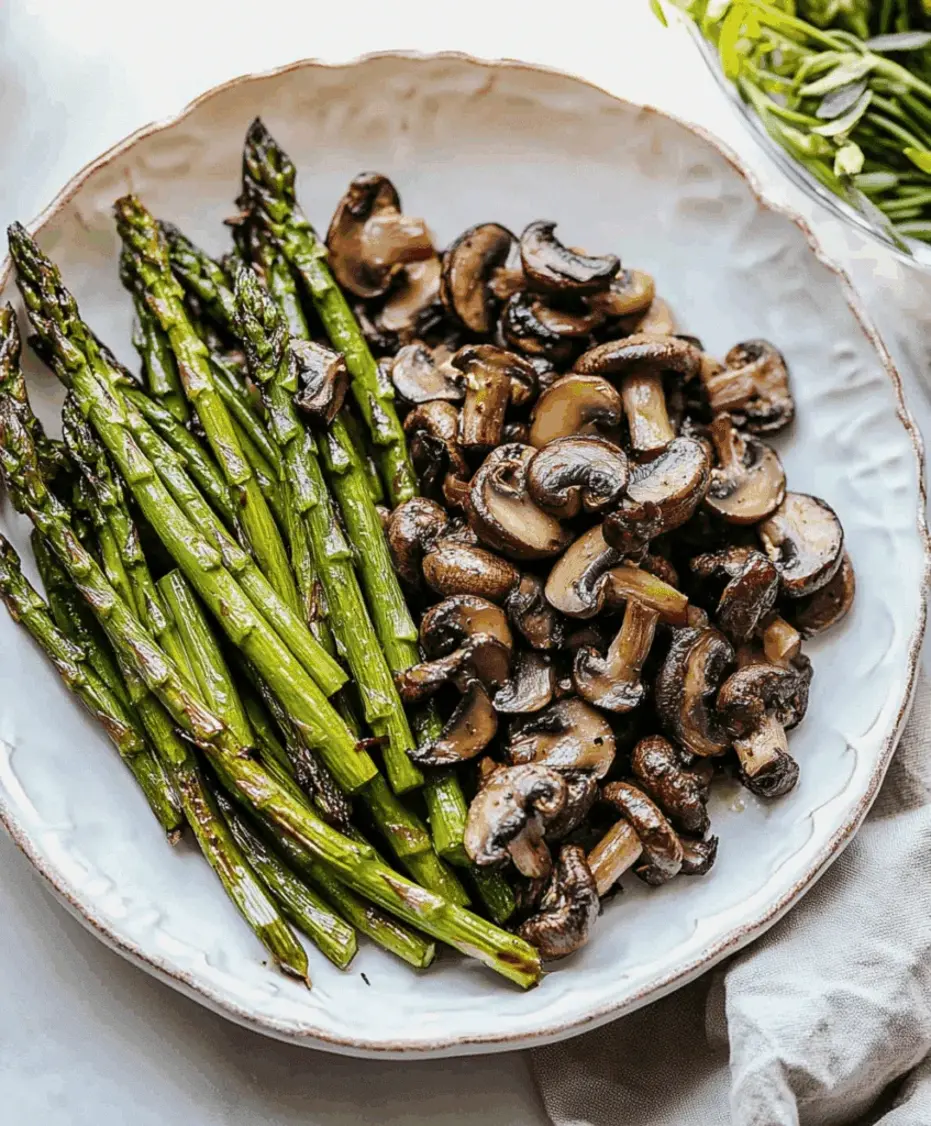
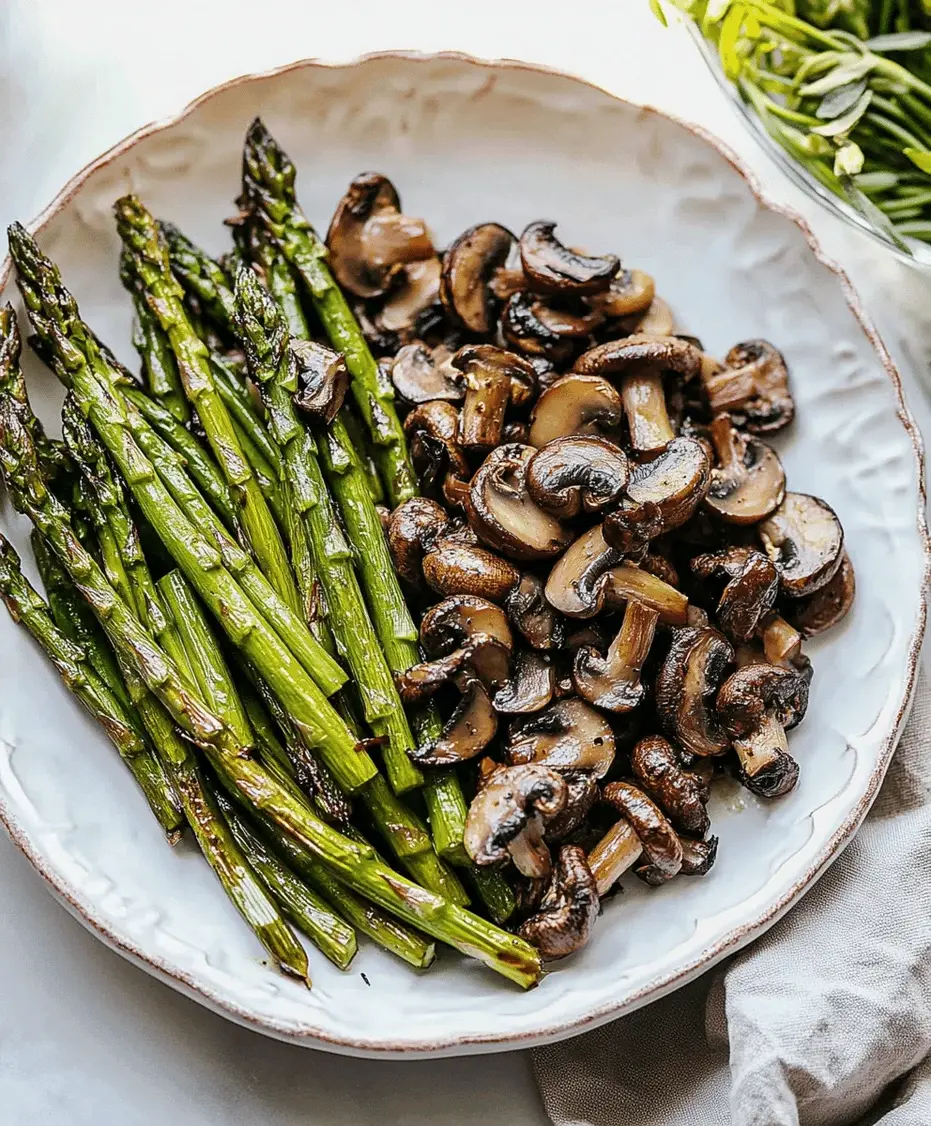
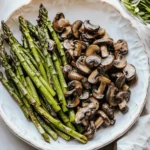
              A vibrant mix of roasted asparagus and mushrooms on a baking sheet, glistening with olive oil and herbs.

              Step-by-Step: Crafting Your Perfect Roasted Asparagus and Mushrooms

              Follow these simple steps to achieve perfectly roasted vegetables every time. It’s a straightforward process that yields incredibly satisfying results.

              Step 1: Preheat and Prep

              First things first, let’s get our oven ready. Preheat your oven to 400°F (200°C). This higher temperature is crucial for achieving that lovely caramelization and tender-crisp texture on the vegetables. While the oven heats, prepare your vegetables. Snap off the woody ends of the asparagus spears – they should break naturally at the right point. If the spears are particularly thick, you can peel the lower half to ensure even cooking. For the mushrooms, wipe them clean with a paper towel or a soft brush. If they are small, you can leave them whole; if they are larger, slice or quarter them, aiming for pieces of similar size so they roast evenly.

              Step 2: Toss Vegetables

              Grab a large mixing bowl – or a baking sheet if you prefer minimal cleanup right from the start. Add the prepared asparagus and mushrooms to the bowl. Drizzle them generously with the extra virgin olive oil. Make sure every piece gets coated. Next, add the minced garlic, salt, and freshly ground black pepper. If you’re using any dried herbs like Italian seasoning, now is a good time to add them. Toss everything together thoroughly with your hands or a spatula until all the vegetables are evenly coated in the oil, garlic, and seasonings. This step is vital for distributing the flavors and ensuring consistent roasting.

              Step 3: Roast

              Spread the seasoned asparagus and mushrooms in a single layer on a baking sheet. It’s important not to overcrowd the pan, as this will cause the vegetables to steam rather than roast, hindering that desirable caramelization. If necessary, use two baking sheets. Place the baking sheet(s) in the preheated oven. Roast for 15-20 minutes. The exact time will depend on the thickness of your asparagus spears and the size of your mushroom pieces. You’re looking for the asparagus to be tender-crisp and slightly vibrant green, with the mushroom edges beginning to turn golden brown and slightly crispy.

              Step 4: Season and Serve

              Once the vegetables are perfectly roasted, carefully remove the baking sheet from the oven. Taste a piece of asparagus and a mushroom to check for seasoning. Add more salt and pepper if needed. If you like a little brightness, a squeeze of fresh lemon juice right before serving is a fantastic addition. For a touch of heat, a pinch of red pepper flakes can be sprinkled over the top. If you opted for fresh herbs like rosemary or thyme, sprinkle them on now. Serve immediately as a delicious and healthy side dish.

              Nutritional Information at a Glance

              This roasted vegetable dish is a nutritional powerhouse. While exact values can vary based on portion size and specific ingredients used, a typical serving is:

              • Calories: Approximately 80-120 kcal per serving.
              • Fat: Primarily healthy monounsaturated fats from olive oil.
              • Carbohydrates: Low in refined carbs, high in fiber.
              • Protein: Minimal, but contributes to satiety.
              • Vitamins & Minerals: Rich in Vitamin K, Vitamin A, Vitamin C, Folate, Potassium, and antioxidants from both asparagus and mushrooms.

              Healthier Alternatives and Flavor Swaps

              While this recipe is already quite healthy, here are some ways to adapt it further and explore different flavor profiles without sacrificing taste:

              • Lower Fat Option: Use a spray oil or reduce the olive oil to 1-1.5 tablespoons. The vegetables will still roast, though perhaps with slightly less caramelization. A splash of vegetable broth can help keep things moist.
              • Different Vegetables: Feel free to add other quick-roasting vegetables like cherry tomatoes (add in the last 10 minutes), bell pepper strips, or broccoli florets.
              • Herb Variations: Experiment with other herbs like dill, chives, or parsley. A sprinkle of smoked paprika can add a wonderful smoky depth.
              • Garlic Infusion: Instead of minced garlic, try roasting whole garlic cloves with the vegetables and then mashing them into a spread.
              • Citrus Zest: Add lemon or orange zest along with the herbs for a brighter, more fragrant result.

              Serving Suggestions: The Perfect Pairings

              This Roasted Asparagus and Mushrooms recipe is incredibly versatile. It’s the ideal accompaniment to a wide range of main dishes:

              • Grilled Meats: Complements steak, chicken, pork chops, or lamb beautifully.
              • Seafood: Pairs wonderfully with baked salmon, pan-seared scallops, or shrimp.
              • Pasta Dishes: Adds a fresh, vibrant element to creamy pastas or simple garlic and oil pasta.
              • Other Grains: Delicious served alongside quinoa, farro, or brown rice.
              • Brunch: A sophisticated side for omelets, frittatas, or even as part of a larger brunch spread.

              Common Mistakes to Avoid

              To ensure your roasted vegetables turn out perfectly every time, be mindful of these common pitfalls:

              • Overcrowding the Pan: This is the biggest culprit for steamed, rather than roasted, vegetables. Always give them space!
              • Not Preheating the Oven: A properly hot oven is essential for caramelization.
              • Cutting Vegetables Unevenly: Ensure pieces are roughly the same size for consistent cooking.
              • Watery Mushrooms: Avoid washing mushrooms directly; wipe them clean instead. If they release a lot of water during roasting, you can drain the excess liquid from the pan.
              • Under-seasoning: Vegetables need adequate salt and pepper to bring out their best flavor.

              Storing and Reheating Your Roasted Veggies

              While best enjoyed fresh, leftovers can be stored and reheated:

              • Storage: Allow the roasted asparagus and mushrooms to cool completely. Store them in an airtight container in the refrigerator for up to 3-4 days.
              • Reheating: For the best texture, reheat them in a single layer on a baking sheet in a preheated oven at 350°F (175°C) for about 5-10 minutes, or until warmed through. You can also gently reheat them in a skillet over medium heat. Microwaving is an option but can make the vegetables a bit soggy.
              Close-up of roasted asparagus and mushrooms seasoned with herbs, ready to be served.

              Frequently Asked Questions

              What’s the best way to clean mushrooms for roasting?

              It’s best to wipe mushrooms clean with a damp paper towel or a soft brush. Avoid washing them under running water, as they are porous and can absorb excess moisture, which will steam them rather than allow them to roast properly.

              Can I use other types of mushrooms?

              Absolutely! While cremini (baby bella) or button mushrooms are excellent choices, you can also use shiitake, oyster, or even a mix of wild mushrooms for a more complex flavor. Adjust roasting time slightly if mushroom sizes vary significantly.

              My asparagus is stringy, what did I do wrong?

              Asparagus can become stringy if the woody ends aren’t properly removed, or if it’s overcooked. Ensure you snap or cut off the bottom woody portion. Roasting at the correct temperature and for the right amount of time (until tender-crisp) will prevent stringiness.

              Can I roast these vegetables ahead of time?

              Yes, you can roast them ahead of time and store them in the refrigerator. For the best texture, reheat them in the oven or a skillet just before serving rather than using the microwave.

              What if I don’t have olive oil?

              You can substitute with other high-heat oils like avocado oil, grapeseed oil, or even a light vegetable oil. Butter can also be used, though it may brown more quickly.

              Print
              clock clock iconcutlery cutlery iconflag flag iconfolder folder iconinstagram instagram iconpinterest pinterest iconfacebook facebook iconprint print iconsquares squares iconheart heart iconheart solid heart solid icon

              Roasted Asparagus And Mushrooms Recipe


              • Author: Chef Emy

              Description

              This Roasted Asparagus and Mushrooms recipe is a flavorful, healthy side dish made with fresh vegetables, garlic, olive oil, and herbs. It’s perfect for any meal, packed with nutrients, and easy to make in just one pan. Ideal for weeknight dinners or holiday sides.


              Ingredients

              Scale
              • 1bunch asparagus, trimmed
              • 8 ozmushrooms (button or cremini), halved
              • 2 tablespoonsolive oil
              • 3cloves garlic, minced
              • Salt and pepper to taste
              • 1 teaspoondried thyme or Italian seasoning
              • Optional: freshly grated Parmesan or lemon zest for garnish

              Instructions

                Notes

                For extra crispiness, broil the vegetables for the last 2–3 minutes.
                Use balsamic glaze as a drizzle for added flavor.
                Great as a side for grilled meats or pasta.

                Nutrition

                • Calories: 110
                • Sugar: 2g

                “`

                Asparagus Risotto Recipe

                “`html

                Asparagus Risotto Recipe

                Craving a Taste of Spring? Elevate Your Dinner with This Creamy Asparagus Risotto!

                Did you know that asparagus is at its peak flavor during the spring months? This vibrant green vegetable isn’t just a seasonal delight; it’s packed with vitamins and minerals, offering a healthy and delicious addition to your table. If you’re looking for a dish that embodies the freshness of spring while delivering the comforting creaminess of a classic Italian risotto, you’ve come to the right place. This Asparagus Risotto recipe is a culinary masterpiece that perfectly captures the essence of the season. It’s a dish that’s both elegant enough for a special occasion and remarkably simple to create for a weeknight indulgence. Imagine tender, perfectly cooked Arborio rice infused with the subtle sweetness of fresh asparagus, enriched with savory Parmesan cheese, and finished with a touch of luxury. Whether you’re a seasoned cook or just starting your culinary journey, this recipe is designed to guide you to risotto perfection. It’s a fantastic vegetarian main course or an exquisite side dish that is sure to impress. Get ready to transform simple ingredients into a truly memorable meal!

                Ingredients for Creamy Asparagus Risotto

                The magic of a great risotto lies in the quality of its ingredients and the care taken in its preparation. For this vibrant Asparagus Risotto, we’re focusing on fresh, flavorful components that come together harmoniously.

                • 1 lb fresh asparagus, trimmed and cut into 1-inch pieces (about 3 cups). Look for firm stalks with tight, compact tips; they will offer a delightful crunch and vibrant green color.
                  • Substitution: Frozen asparagus can be used, but thaw it completely and pat it dry before adding. The texture might be slightly softer.
                • 6 cups low-sodium vegetable broth, warmed. A good quality broth is the backbone of risotto, infusing each grain of rice with savory depth.
                  • Substitution: Chicken broth can be used for a richer, non-vegetarian version.
                • 2 tablespoons olive oil, plus more for drizzling. A good extra virgin olive oil will add a fruity note.
                • 1 tablespoon unsalted butter, plus more for finishing. This adds a luxurious richness and helps create that signature creamy texture.
                  • Substitution: Use a plant-based butter alternative for a vegan option.
                • 1 medium yellow onion, finely chopped (about 1 cup). The sweet, mild flavor of yellow onion is perfect for building the base.
                  • Substitution: Shallots offer a more delicate sweetness, or a finely chopped leek (white and light green parts only) can be used for a slightly different aromatic profile.
                • 2 cloves garlic, minced. The pungent aroma of garlic adds a classic savory note.
                • 1 ½ cups Arborio rice. This short-grain Italian rice is crucial for risotto due to its high starch content, which releases during cooking to create that signature creaminess.
                  • Substitution: Carnaroli or Vialone Nano rice are excellent alternatives, though Arborio is the most widely available. Do not use long-grain rice, as it won’t achieve the right texture.
                • ½ cup dry white wine, such as Pinot Grigio or Sauvignon Blanc. The wine adds acidity and complexity, deglazing the pan and adding a subtle depth of flavor.
                  • Substitution: If you prefer not to use alcohol, you can substitute with an equal amount of extra broth and a tablespoon of lemon juice for acidity.
                • ½ cup grated Parmesan cheese, plus more for garnish. The salty, nutty cheese is essential for that final creamy, cheesy finish.
                  • Substitution: Pecorino Romano offers a sharper, saltier flavor. For a vegetarian option, ensure your Parmesan is made with microbial rennet.
                • Salt and freshly ground black pepper, to taste. Seasoning generously is key to bringing out all the flavors.
                • Optional: Fresh lemon zest or a squeeze of lemon juice for brightness. A final touch of citrus can cut through the richness beautifully.

                Timing Your Asparagus Risotto Preparation

                Risotto requires a bit of patience and attention, but the timing is key to achieving that perfect creamy texture. Unlike many quick weeknight meals, risotto is a dish that rewards consistent stirring and gradual addition of liquid. This recipe is designed to be enjoyed as soon as it’s ready, so plan accordingly!

                Prep Time: 15 minutes
                Cook Time: 30 minutes
                Total Time: 45 minutes

                Compared to an average risotto recipe, this timeframe is quite standard. Many risotto recipes can take anywhere from 30 to 60 minutes total, depending on the ingredients and method. Your time investment will be well worth the delightful result!

                A bowl of creamy asparagus risotto garnished with Parmesan cheese and fresh herbs.

                Step-by-Step Asparagus Risotto Instructions

                Follow these steps to create a truly magnificent Asparagus Risotto:

                1. Prepare Your Asparagus

                Begin by prepping your asparagus. Wash it thoroughly. Snap off the woody ends (they will naturally break at the point where the tough part meets the tender part) or trim them with a knife. Cut the tender stalks into bite-sized pieces, about 1 inch long. Reserve a few of the tips for garnish if you like. You can also quickly blanch the asparagus pieces in boiling water for about 1-2 minutes until they turn bright green and slightly tender, then immediately plunge them into ice water to stop the cooking and preserve their color. Drain them well. This step ensures your asparagus is perfectly cooked while the risotto is being made, preventing it from becoming mushy.

                2. Sauté the Aromatics

                In a large, heavy-bottomed pot or Dutch oven, heat the olive oil and 1 tablespoon of butter over medium heat. Add the finely chopped onion and cook, stirring frequently, until it becomes translucent and soft, about 5-7 minutes. Avoid browning the onion, as this can create a bitter flavor. Add the minced garlic and cook for another minute until fragrant, being careful not to burn it.

                3. Toast the Rice

                Add the Arborio rice to the pot with the softened onions and garlic. Stir constantly for about 2 minutes. You want to toast the grains of rice until their edges become slightly translucent and they emit a faint nutty aroma. This toasting process helps the rice absorb liquid more evenly, prevents it from becoming mushy, and contributes to the final texture of the risotto.

                4. Begin the Risotto Process

                Pour in the white wine. Stir continuously until the wine has evaporated and been completely absorbed by the rice. This deglazes the pan and adds a layer of complexity. Now, begin adding the warm vegetable broth, one ladleful (about ½ cup) at a time. Stir the rice constantly after each addition, making sure the liquid is almost fully absorbed before adding the next ladleful. This gentle stirring is what encourages the rice to release its starches, creating the signature creamy texture of risotto.

                5. Incorporate the Asparagus

                Continue adding broth and stirring for about 15 minutes. At this point, when the rice is beginning to soften but still has a slight bite (al dente), stir in the prepared asparagus pieces (including the tips if you reserved them). Continue adding broth as before, stirring occasionally, until the rice is cooked through but still firm to the bite, and the risotto has a creamy, flowing consistency—not too thick, not too loose. This usually takes another 5-10 minutes.

                6. Finish with Richness

                Once the rice is perfectly cooked and the asparagus is tender-crisp, remove the pot from the heat. Stir in the grated Parmesan cheese and the remaining tablespoon of butter. Stir vigorously for about 30 seconds to emulsify the cheese and butter into the risotto, creating an even creamier texture. Season generously with salt and freshly ground black pepper to taste. Taste and adjust seasoning as needed. If using, stir in a bit of lemon zest or a squeeze of lemon juice for brightness.

                7. Serve Your Asparagus Risotto

                Serve the risotto immediately in warm bowls. Garnish with extra grated Parmesan cheese, a drizzle of olive oil, or a sprinkle of fresh herbs like parsley or chives. Risotto is best enjoyed right away, as its texture can change as it cools.

                Nutritional Information (Per Serving)

                While exact nutritional values can vary based on specific ingredients and portion sizes, here is an approximate breakdown for one serving of Asparagus Risotto:

                • Calories: Approx. 350-450 kcal
                • Protein: Approx. 10-15g
                • Fat: Approx. 10-15g (Saturated Fat: 4-6g)
                • Carbohydrates: Approx. 50-60g
                • Fiber: Approx. 3-5g
                • Sodium: Varies based on broth and cheese used. Aim for low-sodium broth.

                Note: This is a general estimate. For precise information, you would need to calculate based on the exact quantities of ingredients used.

                Healthier Alternatives for Asparagus Risotto

                You can lighten up this delicious risotto without sacrificing too much flavor:

                • Use less butter and oil: Reduce the amount of butter and olive oil used for sautéing and finishing. You can use a good non-stick pan and rely more on broth for cooking.
                • Lower-fat cheese: Opt for a reduced-fat Parmesan or a lighter cheese. While it won’t taste exactly the same, it can reduce fat content.
                • Add more vegetables: Bulk up the risotto with more non-starchy vegetables like peas, spinach, or finely chopped mushrooms. This adds volume and nutrients while allowing you to use slightly less rice.
                • Brown rice or other grains: For a healthier whole-grain option, you could experiment with brown Arborio rice or even other grains like farro or barley, though the cooking times and starch release will differ significantly, and you won’t achieve the classic creamy texture of Arborio risotto.
                • Broth: Always use low-sodium broth to control your sodium intake.

                Serving Suggestions

                Asparagus Risotto is wonderfully versatile:

                • As a Main Course: Serve warm bowls topped with a sprinkle of extra Parmesan, fresh parsley, and perhaps a dollop of ricotta or a few toasted pine nuts for added texture. A light salad with a vinaigrette makes a perfect accompaniment.
                • As a Side Dish: This risotto is a brilliant accompaniment to grilled or roasted meats like chicken, lamb, or fish. Its creamy texture and fresh flavor complement a variety of main proteins.
                • With Seafood: Pair it with pan-seared scallops, shrimp, or a delicate white fish for an elegant surf-and-turf experience.

                Common Mistakes to Avoid in Risotto

                Avoid these pitfalls for risotto perfection:

                • Using cold broth: Always warm your broth. Adding cold broth shocks the rice and slows down the cooking process.
                • Not stirring enough (or too much): Constant stirring is key to releasing starch. However, don’t stir so vigorously that you break the grains. Gentle, consistent stirring is best.
                • Rinsing the rice: Arborio rice needs its starch. Do not rinse it.
                • Overcrowding the pan: Use a wide, heavy-bottomed pot that allows the rice to cook evenly and absorb liquid properly.
                • Not tasting and adjusting seasoning: Risotto needs adequate salt and pepper to bring out its flavors. Taste frequently towards the end.
                • Serving too late: Risotto is best served immediately after it’s made. It can become gummy and lose its appealing texture if left to sit.

                Storing Tips

                While best enjoyed fresh, leftovers can be stored:

                • Storage: Let the risotto cool completely. Store in an airtight container in the refrigerator for up to 2-3 days. It will thicken considerably as it cools.
                • Reheating: Reheat gently in a saucepan over low heat, adding a splash of broth or water to loosen it up and restore its creamy consistency. You may need to stir vigorously to re-emulsify. Alternatively, you can microwave it, adding liquid and stirring periodically.
                • Fried Risotto Balls (Arancini): Cooled risotto is excellent for making arancini (fried rice balls), stuffed with cheese or meat and then fried until golden.
                Close-up of creamy asparagus risotto in a bowl, showing the texture of the rice and asparagus pieces.

                FAQs

                ***What kind of rice is best for risotto?***

                Arborio rice is the most common and widely available choice for risotto due to its high starch content, which creates a creamy texture. Carnaroli and Vialone Nano are also excellent alternatives often preferred by chefs for their superior texture and ability to hold their shape.

                ***Can I make risotto without wine?***

                Yes, absolutely! If you prefer not to use alcohol, you can omit the wine. To compensate for the lost acidity and depth of flavor, increase the amount of broth by ½ cup and add a tablespoon of lemon juice or a splash of white wine vinegar towards the end of cooking.

                ***Why is my risotto not creamy?***

                The creaminess in risotto comes from the starch released by the rice grains during the cooking process. Ensure you are using the correct type of rice (Arborio, Carnaroli, Vialone Nano), toasting the rice properly before adding liquid, and stirring consistently as you add the broth. Also, using warm broth is crucial.

                ***Can I add other vegetables to this risotto?***

                Yes! This recipe is very adaptable. You can add other spring vegetables like peas, fava beans, or finely chopped leeks. For a heartier texture, mushrooms or zucchini are also great additions. Add them at the appropriate time during the cooking process so they are perfectly tender.

                ***How do I keep the asparagus from getting mushy?***

                To prevent mushy asparagus, it’s best to add it towards the end of the cooking process when the rice is nearly al dente. You can also blanch the asparagus pieces briefly before adding them to the risotto. This helps them retain their vibrant color and a bit of bite.

                Enjoy Your Springtime Culinary Creation!

                This Asparagus Risotto recipe is more than just a meal; it’s a celebration of spring. The harmonious blend of creamy Arborio rice, tender asparagus, and savory Parmesan creates a dish that is both comforting and sophisticated. With its vibrant color and fresh, delicate flavor, it’s sure to become a favorite in your seasonal cooking repertoire. Don’t be intimidated by risotto; with a little patience and a lot of love, you can achieve restaurant-quality results right in your own kitchen. So, gather your fresh ingredients, put on some music, and get ready to create something truly delicious. Happy cooking!

                Print

                clock clock iconcutlery cutlery iconflag flag iconfolder folder iconinstagram instagram iconpinterest pinterest iconfacebook facebook iconprint print iconsquares squares iconheart heart iconheart solid heart solid icon

                Asparagus Risotto Recipe


                • Author: Chef Emy

                Description

                This Asparagus Risotto recipe is a creamy, comforting dish that’s perfect for spring. Made with fresh asparagus, Arborio rice, and Parmesan, it combines the richness of Italian risotto with the freshness of seasonal vegetables. It’s ideal for a vegetarian meal or an elegant dinner side.


                Ingredients

                Scale
                • 1lb fresh asparagus, trimmed and cut into1-inch pieces
                • 1 cupArborio rice
                • 1small onion, finely chopped
                • 2garlic cloves, minced
                • 4 cupsvegetable broth, warmed
                • ½ cupdry white wine (optional)
                • ½ cupgrated Parmesan cheese
                • 2 tbspolive oil
                • 2 tbspbutter
                • Salt and pepper to taste

                Instructions

                  Notes

                  For extra flavor, roast the asparagus tips separately and add as garnish.
                  Can substitute peas or spinach for asparagus for variety.
                  Omit wine if preferred or replace with extra broth.

                  Nutrition

                  • Calories: 340
                  • Sugar: 3g

                  “`

                  Stuffed Shells Recipe

                  “`html

                  Stuffed Shells Recipe: The Ultimate Comfort Food Classic

                  Are you searching for a dish that consistently delights families and friends, offering that perfect blend of cheesy, saucy, and hearty goodness? It’s no surprise that a classic Stuffed Shells recipe ranks high on comfort food lists. This iconic Italian-American dish, featuring jumbo pasta shells generously filled with a rich, creamy ricotta mixture and bathed in vibrant marinara sauce, is a crowd-pleaser for a reason. It evokes warmth, nostalgia, and pure culinary satisfaction, making it an ideal candidate for your next weeknight dinner or a special gathering. Let’s dive into creating this timeless favorite that’s surprisingly manageable and incredibly rewarding.

                  Ingredients You’ll Need

                  The magic of stuffed shells lies in its simple yet flavorful components. Here’s what you’ll need to bring this classic to life:

                  • Jumbo Pasta Shells (about 20-24): These are the stars, providing the perfect vessel for our delicious filling. Look for shells specifically labeled “jumbo” or “conchiglioni.” If you can’t find them, large manicotti shells can be a substitute, though they may require slightly different handling.
                  • Whole Milk Ricotta Cheese (15 oz container): Opt for whole milk ricotta for the creamiest, most luxurious filling. Its mild, slightly sweet flavor is the backbone of the cheese mixture. Low-fat can be used, but the texture will be less rich.
                  • Shredded Mozzarella Cheese (1.5 cups, divided): We use mozzarella for its fantastic melting properties and mild, milky taste. Reserve some for the topping to get that glorious, gooey cheese layer. Pre-shredded is convenient, but shredding from a block often yields a better melt.
                  • Grated Parmesan Cheese (1/2 cup): Parmesan adds a sharp, salty, and nutty dimension that beautifully complements the ricotta and mozzarella. Freshly grated will always have the best flavor.
                  • Large Egg (1): The egg acts as a binder, holding our creamy filling together and preventing it from becoming too loose.
                  • Fresh Parsley (1/4 cup, chopped): Fresh parsley adds a touch of brightness, color, and a mild peppery note that cuts through the richness. If fresh isn’t available, 1 tablespoon of dried parsley can be used, though the flavor will be less vibrant.
                  • Garlic Powder (1 teaspoon): While fresh garlic is wonderful, garlic powder provides a consistent, mellow garlic flavor without overpowering the other ingredients.
                  • Salt (1/2 teaspoon, or to taste): Essential for enhancing all the flavors.
                  • Black Pepper (1/4 teaspoon, or to taste): Adds a subtle warmth and complexity.
                  • Marinara Sauce (32 oz jar): Your favorite store-bought or homemade marinara will work perfectly. Choose a sauce with good quality ingredients, as its flavor will permeate the entire dish. A marinara with a hint of sweetness and spice is often preferred.
                  • Optional: Red Pepper Flakes (pinch): For those who like a little heat, a pinch of red pepper flakes stirred into the marinara or the filling can add a pleasant kick.

                  Timing is Everything

                  Prep time: 25 minutes
                  Cook time: 25-30 minutes
                  Total time: 50-55 minutes

                  Compared to many elaborate baked pasta dishes, stuffed shells are relatively quick to assemble. The average stuffed shells recipe might take up to an hour and a half from start to finish, but this streamlined version gets a delicious, comforting meal on your table in under an hour, making it perfect for busy weeknights.

                  Cooked stuffed shells in a baking dish ready to be served

                  Step-by-Step Instructions

                  Step 1: Prep the Shells

                  Let’s get those shells ready! Bring a large pot of salted water to a rolling boil. Add the jumbo pasta shells and cook according to package directions, but here’s the crucial tip: cook them for precisely 2 minutes less than the lowest recommended time. You want them to be very al dente, almost undercooked. They will finish cooking in the oven, and overcooked shells can become mushy and difficult to stuff. Once cooked, drain them gently and rinse briefly with cool water to stop the cooking process and prevent them from sticking together. Spread them out on a baking sheet or a clean kitchen towel to cool slightly and make them easier to handle.

                  Step 2: Make the Ricotta Filling

                  Now for the heart of the dish – the creamy filling! In a medium mixing bowl, combine the whole milk ricotta cheese, 1 cup of the shredded mozzarella cheese, the grated Parmesan cheese, the large egg, chopped fresh parsley, garlic powder, salt, and black pepper. Stir everything together until it’s just combined and smooth. Don’t overmix; we want a delightful, creamy texture, not a paste. Taste a tiny bit of the filling (go on, you deserve it!) and adjust seasonings if needed. If you’re adding red pepper flakes for a spicy kick, you can stir a pinch into the filling now.

                  Step 3: Assemble the Shells

                  Time to get stuffing! Preheat your oven to 375°F (190°C). Grab a 9×13 inch baking dish. Pour about half of your marinara sauce into the bottom of the dish and spread it evenly. This creates a delicious bed for the shells and prevents them from sticking. Now, take each cooked shell and, using a spoon or a small spatula, carefully fill it with the ricotta mixture. Don’t be shy – pack them full but not so full that the filling spills out excessively. Arrange the stuffed shells in a single layer over the marinara sauce in the baking dish, nestled snugly against each other.

                  Step 4: Bake to Perfection

                  The grand finale! Once all the shells are stuffed and arranged, spoon the remaining marinara sauce over the top of the shells, ensuring they are well-covered. Then, sprinkle the remaining 1/2 cup of shredded mozzarella cheese evenly over the sauce. Cover the baking dish tightly with aluminum foil. This helps the shells cook through and the flavors meld without the cheese browning too quickly. Bake in the preheated oven for 20 minutes. After 20 minutes, remove the foil and bake for an additional 5-10 minutes, or until the cheese is melted, bubbly, and lightly golden brown, and the sauce is simmering.

                  Nutritional Information

                  While specific nutritional values can vary based on exact ingredients and portion sizes, a typical serving of classic stuffed shells (approximately 3-4 shells) with marinara sauce is generally:

                  • Calories: 350-450 kcal
                  • Protein: 15-20g
                  • Fat: 15-25g (varies with cheese and dairy fat content)
                  • Carbohydrates: 30-40g
                  • Fiber: 3-5g
                  • Sodium: Varies significantly based on marinara sauce and added salt.

                  Healthier Alternatives

                  Looking to lighten up this classic comfort dish without sacrificing flavor? Here are a few clever swaps:

                  • Leaner Protein: Swap some or all of the ricotta with low-fat cottage cheese or a blend of plain Greek yogurt and a touch of ricotta for creaminess and a protein boost. You can also add finely crumbled lean turkey or chicken sausage to the filling or mix it into the marinara.
                  • Whole Wheat Shells: If available, opt for whole wheat jumbo shells for added fiber and nutrients.
                  • Reduced-Fat Cheese: Use part-skim ricotta and reduced-fat mozzarella. While the richness might be slightly diminished, the flavor will still be delicious.
                  • Nutrient-Dense Marinara: Choose a marinara sauce packed with vegetables or make your own and load it with finely chopped carrots, zucchini, or bell peppers.
                  • Portion Control: Serve with a large side salad to make the meal more filling and balanced, allowing for slightly smaller portions of the shells themselves.

                  Serving Suggestions

                  Stuffed shells are a complete meal on their own, but they pair beautifully with a few classic accompaniments:

                  • Garlic Bread: A must-have for mopping up any extra sauce.
                  • Side Salad: A crisp green salad with a light vinaigrette offers a refreshing contrast to the rich pasta. Think mixed greens, tomatoes, cucumbers, and a simple balsamic dressing.
                  • Steamed or Roasted Vegetables: Broccoli, green beans, or asparagus provide a healthy and colorful addition.
                  • Italian Sausage: If you want to make it a heartier, meat-lover’s dream, serve alongside grilled or baked Italian sausage.

                  Common Mistakes to Avoid

                  To ensure your stuffed shells are perfect every time, watch out for these common pitfalls:

                  • Overcooking the Shells: This is the most crucial mistake. Remember to cook them al dente, 2 minutes less than directed, so they hold their shape when stuffed and baked.
                  • Undercooking the Shells: While overcooking is worse, undercooked shells won’t soften properly in the oven and can be tough.
                  • Watery Filling: Ensure your ricotta is well-drained if it seems particularly wet. Using whole milk ricotta also helps prevent this.
                  • Crowding the Pan: Stuff shells until they are snugly packed but not overflowing. Overcrowding can lead to uneven cooking.
                  • Not Enough Sauce: Ensure there’s enough marinara sauce to cover the shells adequately. This keeps them moist and tender during baking.

                  Storing Leftovers

                  Leftover stuffed shells are a delicious treasure! Store any cooled leftovers in an airtight container in the refrigerator for up to 3-4 days. Reheat gently in the oven at 350°F (175°C) until warmed through, or use the microwave for a quicker option. You can also freeze baked stuffed shells; just ensure they are well-covered to prevent freezer burn. Thaw overnight in the refrigerator before reheating.

                  Close-up of creamy ricotta filling being spooned into a jumbo pasta shell

                  Frequently Asked Questions

                  ***What type of ricotta cheese is best for stuffed shells?***

                  Whole milk ricotta cheese is recommended for its superior creaminess and richer flavor. Low-fat ricotta can be used for a lighter version, but it may result in a slightly less luxurious texture.

                  ***Can I make this recipe ahead of time?***

                  Yes! You can assemble the stuffed shells completely, cover them, and refrigerate them for up to 24 hours before baking. You may need to add a few extra minutes to the baking time if baking straight from the refrigerator.

                  ***Can I freeze stuffed shells?***

                  Absolutely. Unbaked or baked stuffed shells can be frozen. If freezing unbaked, assemble and freeze before baking. If freezing baked, let them cool completely. Cover tightly with plastic wrap, then foil, and freeze for up to 2-3 months. Thaw and bake or reheat as needed.

                  ***What if I can’t find jumbo shells?***

                  If jumbo shells are unavailable, you can use large manicotti shells (they’ll need to be stuffed using a piping bag or carefully with a spoon) or even large conchiglie (regular shell pasta, though these are smaller and will hold less filling).

                  ***Can I add meat to the filling?***

                  Certainly! Browning some lean ground beef, turkey, or Italian sausage and mixing it into the ricotta filling is a popular and delicious variation.

                  Print

                  clock clock iconcutlery cutlery iconflag flag iconfolder folder iconinstagram instagram iconpinterest pinterest iconfacebook facebook iconprint print iconsquares squares iconheart heart iconheart solid heart solid icon

                  Stuffed Shells Recipe


                  • Author: Chef Emy

                  Description

                  This classic Stuffed Shells recipe features jumbo pasta shells filled with a creamy ricotta, mozzarella, and Parmesan mixture, baked in rich marinara sauce. A family-favorite comfort food perfect for weeknight dinners or gatherings.


                  Ingredients

                  Scale
                  • 20jumbo pasta shells
                  • 15 ozricotta cheese
                  • 1 ½ cupsshredded mozzarella cheese
                  • ½ cupgrated Parmesan cheese
                  • 1large egg
                  • 2 cupsmarinara sauce
                  • 2 tbspchopped fresh parsley
                  • 1 tspgarlic powder
                  • Salt and pepper to taste

                  Instructions

                    Notes

                    Can be made ahead and refrigerated or frozen. Add spinach or ground meat for variation.

                    Nutrition

                    • Calories: 420
                    • Sugar: 6g

                    “`

                    Rosemary Lemon Grilled Chicken Recipe

                    “`html

                    Rosemary Lemon Grilled Chicken Recipe

                    Why You’ll Love This Recipe

                    Are you searching for a healthy, flavorful chicken recipe that’s perfect for any occasion, from busy weeknights to weekend gatherings? If you’re like most home cooks, you’re constantly on the lookout for dishes that are both easy to prepare and bursting with delicious, fresh flavors. Look no further! This Rosemary Lemon Grilled Chicken recipe is designed to be your new go-to. It’s incredibly simple to make, requires minimal ingredients, and delivers a punch of zesty lemon and aromatic rosemary that will tantalize your taste buds. Imagine juicy, tender chicken breasts infused with bright citrus and herbaceous notes, all thanks to the magic of grilling. This dish is not only a crowd-pleaser but also a fantastic option for meal prepping healthy lunches or dinners throughout the week. Ready in under an hour, it effortlessly complements salads, roasted vegetables, or fluffy rice, making it a versatile star on your dinner table. Get ready to elevate your grilling game with this foolproof and utterly delicious recipe!

                    Ingredients You’ll Need

                    Gather these fresh ingredients to create your masterpiece. The quality of your ingredients truly shines through in this simple yet elegant dish.

                    • 2 lbs Boneless, Skinless Chicken Breasts or Thighs: Look for plump, uniform pieces. Chicken thighs will offer a richer, more forgiving flavor profile and remain exceptionally juicy. Breasts cook faster but can dry out if overcooked.
                    • 1/4 cup Extra Virgin Olive Oil: A good quality olive oil forms the base of our vibrant marinade, carrying the flavors beautifully.
                    • Juice of Two Large Lemons (about 1/4 cup): Freshly squeezed lemon juice is non-negotiable here! It provides a bright, zesty tang that cuts through the richness of the chicken. If you find your lemons less juicy, have a third one handy.
                    • 2 tablespoons Fresh Rosemary, finely chopped: The aromatic heart of the dish. Use fresh rosemary for its potent, pine-like fragrance and flavor. If using dried, use about 2 teaspoons, as dried herbs are more concentrated.
                    • 2 cloves Garlic, minced: Adds a pungent, savory depth. Freshly minced garlic offers the best aroma and taste. You can substitute with 1/2 teaspoon of garlic powder if fresh is unavailable, but the flavor won’t be as robust.
                    • 1 teaspoon Salt: Essential for enhancing all the other flavors. Kosher salt or sea salt are good choices.
                    • 1/2 teaspoon Black Pepper, freshly ground: Adds a subtle warmth and spice. Freshly ground pepper provides a more complex flavor than pre-ground.
                    • Optional: 1/4 teaspoon Red Pepper Flakes: For a gentle kiss of heat that balances the lemon.

                    Perfectly Timed Perfection

                    Prep Time: 15 minutes
                    Marinating Time: 30 minutes (minimum) to 4 hours (maximum)
                    Cook Time: 10-15 minutes
                    Total Time: ~1 hour (including marinating)
                    Yields: 4 servings

                    Compared to the average chicken breast recipe that might involve simmering or baking for longer, this grilled version is remarkably quick. The prep is minimal, and the marinating time, while crucial for flavor, can be flexible. Most classic grilled chicken recipes hover around the same total time, but the simplicity and direct grilling method here make it stand out for busy cooks.

                    Rosemary Lemon Grilled Chicken prepared and ready to serve

                    Step-by-Step Grilling Guide

                    Step 1: Prepare the Chicken

                    Begin by preparing your chicken. If you’re using chicken breasts, you might want to pound them to an even thickness (about 3/4 inch). This ensures they cook evenly and prevents some parts from drying out while others are still undercooked. For thighs, trim any excess fat if desired. Pat the chicken pieces thoroughly dry with paper towels; this step is crucial for achieving a nice sear on the grill.

                    Step 2: Mix the Zesty Marinade

                    In a medium bowl, whisk together the extra virgin olive oil, the juice of two fresh lemons, finely chopped fresh rosemary, minced garlic, salt, freshly ground black pepper, and red pepper flakes (if using). Smell that incredible aroma! It’s a fragrant preview of the deliciousness to come.

                    Step 3: Marinate for Flavor Infusion

                    Place the prepared chicken pieces into a resealable plastic bag or a shallow dish. Pour the zesty lemon-rosemary marinade over the chicken, ensuring each piece is well-coated. Seal the bag or cover the dish. Marinate in the refrigerator for at least 30 minutes to allow the flavors to penetrate the chicken. For an even deeper flavor, you can marinate for up to 4 hours. Avoid marinating for much longer, especially with lemon juice, as the acid can start to “cook” the chicken, making it mushy.

                    Step 4: Preheat Your Grill

                    About 15 minutes before you’re ready to grill, preheat your grill to medium-high heat (around 400-450°F or 200-230°C). Clean the grill grates with a wire brush and then lightly oil them to prevent sticking. A well-preheated and clean grill is key to perfectly grilled chicken.

                    Step 5: Grill the Chicken to Perfection

                    Remove the chicken from the marinade, letting any excess drip off (discard the used marinade). Place the chicken pieces directly onto the preheated grill grates. Grill for about 5-7 minutes per side, depending on the thickness of the chicken. You’re looking for beautiful grill marks and an internal temperature of 165°F (74°C) when checked with an instant-read thermometer. Avoid moving the chicken too much while it’s on the grill; let it develop those lovely char marks.

                    Step 6: Rest and Serve

                    Once cooked, transfer the grilled chicken to a clean plate or cutting board. Tent it loosely with foil and let it rest for 5-10 minutes. This resting period is vital as it allows the juices to redistribute throughout the meat, resulting in incredibly moist and tender chicken. Slice and serve immediately.

                    Nutritional Snapshot

                    While exact nutritional values can vary based on portion size and specific ingredients used, here’s an approximate breakdown for one serving (about 4-6 oz of chicken):

                    • Calories: 250-300 kcal
                    • Protein: 30-35g
                    • Fat: 10-15g
                    • Carbohydrates: 2-4g
                    • Sodium: Varies depending on salt added

                    This recipe is naturally low in carbs and high in protein, making it an excellent choice for a healthy diet.

                    Healthier Twists for Lighter Bites

                    Looking for ways to make this already healthy dish even lighter or cater to specific dietary needs? Here are a few swaps:

                    • Lighter Oil: Substitute half of the olive oil with avocado oil or a light vegetable oil for a slightly lower saturated fat content.
                    • Reduced Sodium: Opt for low-sodium salt or reduce the amount of salt used, relying more on lemon and rosemary for flavor intensity.
                    • Herb Variations: If rosemary isn’t your favorite, try thyme, oregano, or a mix of Italian herbs. For a different citrus note, experiment with lime juice instead of lemon.
                    • Grilled Veggie Skewers: Marinate and grill vegetable skewers (like bell peppers, zucchini, red onion) alongside the chicken for a complete, healthy meal.

                    Serving Suggestions to Delight

                    This versatile Rosemary Lemon Grilled Chicken is a chameleon when it comes to side dishes. Here are some winning combinations:

                    • Fresh Green Salad: A simple salad with a light vinaigrette is always a fantastic pairing.
                    • Roasted Vegetables: Asparagus, broccoli, bell peppers, or sweet potatoes roasted to perfection.
                    • Quinoa or Brown Rice: For a more substantial meal, serve over a bed of fluffy quinoa or nutty brown rice.
                    • Grilled Corn on the Cob: A classic summer side that complements grilled meats beautifully.
                    • Creamy Potato Salad: For a more indulgent meal, a classic potato salad or a lighter yogurt-based alternative works wonders.

                    Common Grilling Pitfalls to Avoid

                    Even simple recipes can go awry if a few common grilling mistakes are made. Here’s how to sidestep them:

                    • Not Preheating the Grill: A cold grill leads to sticking and uneven cooking. Always ensure your grill is hot before adding food.
                    • Overcrowding the Grill: Give your chicken plenty of space on the grill. Overcrowding lowers the temperature and prevents proper searing, leading to steamed rather than grilled chicken.
                    • Not Resting the Chicken: Resist the urge to cut into the chicken immediately after it comes off the grill. Resting is essential for juicy results.
                    • Using Old or Dry Herbs: This recipe relies on fresh, vibrant flavors. Make sure your rosemary and garlic are potent.
                    • Not Patting Chicken Dry: Moisture on the surface of the chicken will steam it rather than allowing it to sear and develop those delicious grill marks.

                    Storing Your Delicious Leftovers

                    Leftover Rosemary Lemon Grilled Chicken can be stored in an airtight container in the refrigerator for up to 3-4 days. It’s excellent for salads, sandwiches, or reheating for a quick meal. You can also chop it up and add it to pasta dishes or stir-fries.

                    Close-up of grilled chicken pieces with rosemary and lemon slices

                    Frequently Asked Questions

                    Can I use boneless, skinless chicken thighs instead of breasts?

                    Absolutely! Chicken thighs are a fantastic alternative. They tend to stay juicier and more tender due to their higher fat content. The cooking time might be slightly longer, so cook until an internal temperature of 175°F (80°C) is reached for thighs.

                    How long should I marinate the chicken?

                    A minimum of 30 minutes is recommended for flavor infusion. For deeper flavor, you can marinate for up to 4 hours. Avoid marinating for much longer (over 6-8 hours) as the lemon juice’s acidity can break down the chicken proteins too much, resulting in a mushy texture.

                    Can I make this on an indoor grill pan or in the oven?

                    Yes! If you don’t have an outdoor grill, you can use an indoor grill pan on the stovetop. Ensure it’s well-oiled and hot. For oven preparation, bake at 400°F (200°C) for about 20-25 minutes, or until the internal temperature reaches 165°F (74°C).

                    How do I know when the chicken is cooked through?

                    The safest and most accurate way is to use an instant-read meat thermometer. Insert it into the thickest part of the chicken breast or thigh. It should register 165°F (74°C) for breasts and 175°F (80°C) for thighs. Visually, the juices should run clear when pierced with a fork.

                    Conclusion

                    This Rosemary Lemon Grilled Chicken recipe is more than just a meal; it’s an experience of vibrant flavors and simple cooking at its finest. The bright zest of lemon combined with the earthy perfume of rosemary creates a classic combination that’s both refreshing and deeply satisfying. Whether you’re a novice griller or a seasoned pro, this recipe is foolproof and promises delicious results every time. It’s perfect for a healthy weeknight dinner, a show-stopping BBQ centerpiece, or a batch of flavorful meal prep. So, fire up your grill, gather your ingredients, and get ready to enjoy a truly exceptional grilled chicken dish that your whole family will adore. Don’t wait – make this Rosemary Lemon Grilled Chicken your next culinary triumph!

                    Print

                    clock clock iconcutlery cutlery iconflag flag iconfolder folder iconinstagram instagram iconpinterest pinterest iconfacebook facebook iconprint print iconsquares squares iconheart heart iconheart solid heart solid icon

                    Rosemary Lemon Grilled Chicken Recipe


                    • Author: Chef Emy

                    Description

                    This Rosemary Lemon Grilled Chicken recipe is packed with zesty lemon flavor and fresh rosemary. Easy to make, it’s the perfect healthy grilled chicken dish for family dinners, meal prep, or summer BBQs. Juicy, flavorful, and ready in under an hour, this dish pairs well with salads, veggies, or rice.


                    Ingredients

                    Scale
                    • 4boneless, skinless chicken breasts
                    • ¼ cupolive oil
                    • Juice and zest of 2 lemons
                    • 3garlic cloves, minced
                    • 2 tbspfresh rosemary, chopped (or1 tbspdried)
                    • 1 tspsalt
                    • ½ tspblack pepper

                    Instructions

                      Notes

                      For extra flavor, marinate overnight.
                      You can also use chicken thighs or drumsticks.
                      Pairs well with roasted veggies or a fresh green salad.

                      Nutrition

                      • Calories: 280
                      • Sugar: 0g

                      “`