Easy Breakfast Cheese Danish: A Delicious Start to Your Day
Are you looking for a simple yet delectable treat to elevate your morning routine? The Easy Breakfast Cheese Danish might just be the answer to your culinary wishes. With its flaky pastry, creamy cheese filling, and a hint of sweet glaze, this recipe brings the perfect balance of flavors and textures to your breakfast table. Discover the secrets to making this beloved pastry at home with ease. As someone who has always enjoyed baking, I found this recipe by experimenting with my grandmother’s traditional Danish recipe and simplifying it for modern-day kitchen convenience.
It’s no surprise that Breakfast Cheese Danishes have gained immense popularity around cafes and brunch menus, particularly in the last few years. With their inviting appearance and satisfying flavor profile, they capture the essence of a timeless pastry that fits right into today’s grab-and-go culture. Whether you’re impressing guests with a home-cooked brunch or simply want to treat yourself, this easy cheese Danish is bound to make morning meals more exciting.
Quick Recipe Highlights
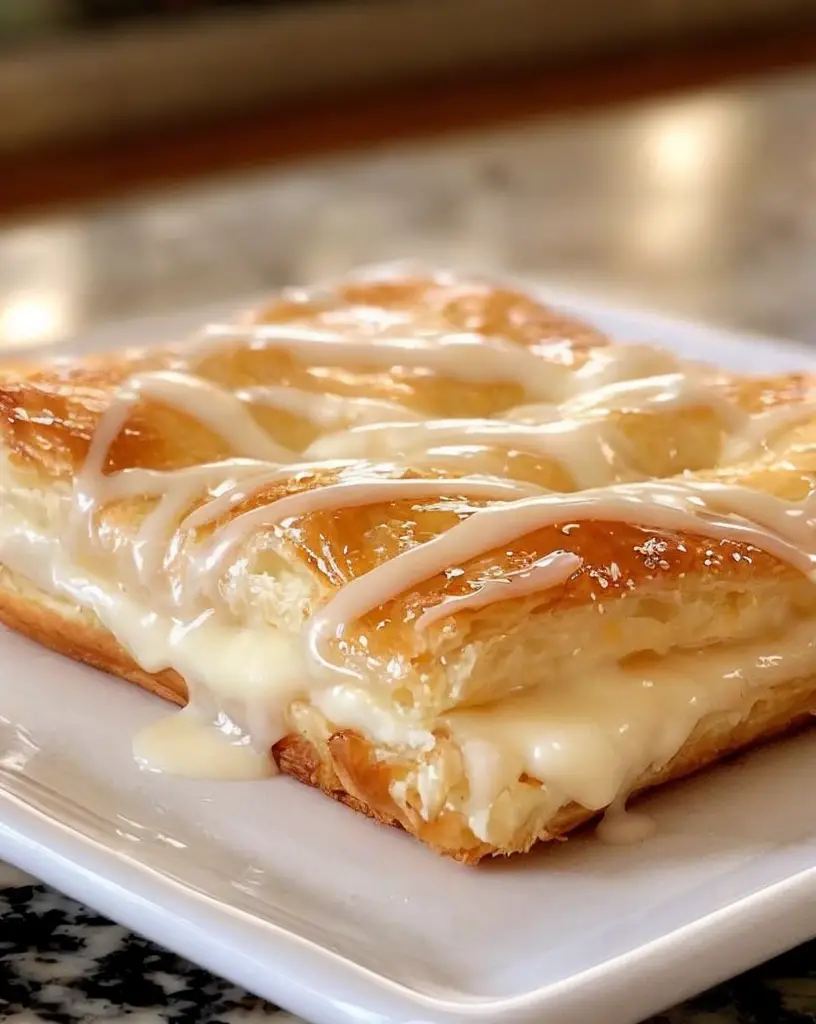
**Flavor Profile:** The Easy Breakfast Cheese Danish strikes a delightful balance between the tangy richness of cream cheese and the subtle sweetness of its glaze. The buttery layers of puff pastry offer a mild yet irresistible foundation that pairs perfectly with coffee or tea.
**Texture:** Expect a satisfying mix of textures; the crisp, flaky puff pastry contrasts beautifully with the creamy, smooth cheese filling. Each bite provides a diverse mouthfeel that’s both indulgent and comforting.
**Aroma:** The aroma of this dish is heavenly, with notes of vanilla and fresh pastry enveloping your senses as it bakes. The inviting scent makes it perfect for special mornings when you want to awaken the senses of your household.
**Visual Appeal:** Crafting a visually appealing Danish is all about layering the puff pastry and creating a glazed finish. By forming neat pinwheels or enveloping the filling in a braid, you can make each Danish aesthetically pleasing, adding a touch of elegance to your spread.
**Skill Level Needed:** This recipe is accessible to home cooks of all levels. Beginners will appreciate the use of store-bought puff pastry, while seasoned bakers might experiment with homemade pastry. Tips for mastering the technique are thoughtfully provided, ensuring successful results.
**Special Equipment:** A rolling pin is necessary for working with the pastry, and a pastry brush will help you apply the glaze perfectly. In the absence of a pastry brush, a spoon can be used to achieve similar results.
Recipe Overview
**Difficulty Level:** This recipe is classified as easy due to its straightforward steps and the use of pre-made puff pastry, which eliminates the complex process of creating the perfect dough from scratch. The step-by-step instructions are designed to guide even the most novice bakers to success.
**Category:** Enjoy this Danish as a breakfast staple or brunch item. It also fits well as a special treat for holiday mornings, when you want to offer something more luxurious without spending hours in the kitchen.
**Cuisine:** The Cheese Danish originates from Danish baking traditions, which have been adopted and adapted globally. It combines European pastry techniques with American influences, resulting in a universally loved delight.
**Cost:** Making this Danish at home is cost-effective. The primary ingredients include puff pastry, cream cheese, and a few pantry staples, amounting to a reasonable budget-friendly breakfast treat.
**Season:** While this Danish can be enjoyed year-round, it shines brightly in spring and summer when fresh fruits are in season for topping variations. During colder months, it serves as a cozy and warming treat thanks to its comforting flavors.
**Occasion:** Perfect for family gatherings, brunch events, or even a festive breakfast on Christmas morning, the Easy Breakfast Cheese Danish is a versatile addition to any spread, offering both indulgence and warmth to any occasion.
Why You’ll Love This Recipe
One of the standout features of this Easy Breakfast Cheese Danish is its unique flavor and texture combination. The rich and tangy cream cheese filling seamlessly marries the sweet, sticky glaze atop light and flaky layers of puff pastry. It’s a contrast of creaminess against crispness, sweetness balanced with slight sourness, that makes each bite so satisfying.
Convenience is key with this Danish. By using store-bought puff pastry, you save on prep time without compromising on flavor or texture, making it easy to whip up on a weekend morning or as a spur-of-the-moment treat. The recipe is forgiving, allowing for personalization and adjustments based on available ingredients or personal preference.
When considering the cost-effectiveness, you’ll find that the homemade version is far less expensive than those sold at bakeries, without any sacrifice in quality. Ingredients are readily available, often already present in your pantry, opening up the Danish to flexibility and accessibility.
This cheese Danish also packs a punch when it comes to entertaining. Impress your guests with its professional appearance and enticing aroma. With its ability to elevate gatherings, from intimate breakfast dates to larger festive occasions, it’s both a conversational piece and a reliable favorite. Again, thanks to its adaptable nature, it suits a broad range of palates, catering to varied tastes with ease.
Historical Background and Cultural Significance
The Cheese Danish, also known as “Ostebrod” in Danish, originates from the vibrant culinary traditions of Denmark. This pastry became popularized in the 19th century, during a time when Danish bakers sought to enrich their doughs with butter, cream cheese, and fruit toppings—elements that remain central to the Danish we know today.
The recipe traveled across Europe, adapting with local ingredients and techniques in regions it passed through. Eventually, the Danish pastry made its way to America, where it evolved to include all sorts of fillings and flavors, adding to its notoriety. Today, these pastries grace cafes and homes worldwide, renowned for their adaptability and indulgence.
Culturally, the Cheese Danish symbolizes a blend of tradition and innovation. In Denmark, they’re consumed not only as a breakfast item but also to mark special occasions or social gatherings. Over time, they have become a symbol of hospitality and warmth, given their historical use in celebrating home and hearth during shared meals.
Modern variations of the Cheese Danish include everything from fruit-laden toppings to more unconventional cheese pairings, reflecting both the culinary experimentations of contemporary kitchens and the growing cultural exchange between global cuisines.
Ingredient Deep Dive
**Puff Pastry:** A key component of the Cheese Danish, puff pastry provides the flaky, golden exterior. Traditionally defined by layers of dough interspersed with butter, the puff pastry relies on steam created during baking to rise and separate its layers. Store-bought varieties work excellently, but homemade versions can allow for customization, control over ingredients, and freshness.
**Cream Cheese:** This ingredient mustn’t be overlooked, as it forms the decadent heart of the Danish. Providing rich depth and a smooth texture, cream cheese balances the sweetness of the glaze with its savory profile. When selecting cream cheese, opt for full-fat varieties for the best flavor and texture.
**Sugar:** Used sparingly to sweeten the cheese filling and glaze, sugar adds the necessary sweetness to the Danish. Both granulated and powdered sugars serve different purposes; granulated sugar works in the cheese filling, while powdered sugar creates the glistening glaze.
**Vanilla Extract:** Adding an aromatic depth, vanilla extract complements both cheese filling and glaze, enhancing the entire pastry’s flavor profile. Pure vanilla extract is preferable over imitation for its authentic taste.
**Egg:** Eggs are used as a binding agent in the cheese filling and for an egg wash, which gives the pastry a shiny, golden finish. Free-range or organic eggs tend to provide superior flavor and ethical sustenance.
How to Customize This Recipe for Every Occasion
**Holiday Variations:** For festive occasions, consider incorporating seasonal ingredients such as pumpkin puree in the filling for Thanksgiving or cranberry toppings during Christmas. Sprinkle pumpkin spice or nutmeg to infuse holiday warmth.
**Seasonal Adaptations:** Pair the Danish with fresh fruits during the summer months. Sliced peaches, raspberries, or blueberries make excellent, colorful toppings, providing a fresh angle to the traditional recipe.
**Casual vs. Formal Meals:** For a casual brunch, serve the Danish in smaller, individual servings with a drizzle of honey. For formal occasions, opt for a braid or pinwheel presentation and include a dusting of powdered sugar for extra elegance.
Cooking Science Behind the Recipe
The success of the Cheese Danish relies on understanding the chemistry of its primary components. Puff pastry is leavened by steam, which forms between layers as the butter melts and moisture evaporates in the oven. This expansion creates the airy flakiness desired in a well-baked Danish.
Cream cheese contributes not only flavor but moisture and richness, which helps achieve the creamy consistency necessary for the filling. The cheese proteins coagulate during baking and stabilize the structure, preventing it from becoming runny.
The glaze represents an interplay of sugars, which bind with moisture to form a glossy surface. When heated, sugar recrystallizes, trapping moisture and creating a firm yet smooth finish that contrasts with the Danish’s flaky layers.
Understanding these interactions can greatly enhance the result, allowing for informed tweaks and a better grasp of pastry dynamics in the kitchen.
Pro Tips for Perfect Easy Breakfast Cheese Danish
1. **Use Cold Ingredients:** Ensure the puff pastry remains cold before baking to achieve the flakiest layers. If it becomes warm during prep, chill briefly before proceeding.
2. **Even Roll-Out:** Roll your pastry evenly with gentle pressure to prevent tearing and to ensure consistent baking across the entire sheet.
3. **Proper Seal:** When assembling, moisten seams with a touch of water or egg wash to seal edges and prevent leakage during baking.
4. **Avoid Over-Filling:** Overfilling will result in spillage and less attractive presentation. A heaped tablespoon of filling per Danish is usually sufficient.
5. **Cool After Baking:** Allow Danishes to cool slightly before glazing to prevent the glaze from thinning too quickly.
6. **Experiment With Fillings:** Play with variations such as lemon zest or almond extract to add complexity and fragrance to the cheese mixture.
7. **Watch the Oven:** Cook at a constant and even temperature, ensuring no hot spots which might cause uneven browning.
8. **Freshness of Ingredients:** Always use fresh cream cheese and well-selected pastry for superior taste and texture.
9. **Storage Tips:** Enjoy within 2 days for best results; beyond this, freshness diminishes notably.
10. **Practice Patience**: Let the puff pastry rest chilled, reducing gluten tension which will result in a lighter, crisper texture.
Common Mistakes to Avoid
1. **Overworking the Dough:** Handling the pastry too much can develop gluten, leading to tougher instead of flaky layers.
2. **Inadequate Chilling:** If your pastry becomes warm, re-chill to maintain structure and prevent greasy results.
3. **Forgetting Egg Wash:** Skip this, and you’ll miss out on a golden, appealing glaze.
4. **Undercooking:** Pastries should be golden brown all over, under-cooked puff pastry is unappealing and lacks defined structure.
5. **Using Low-Fat Cheese:** Full-fat cream cheese is essential for the right texture and creaminess.
6. **Improper Sealing:** Failure to seal pastry edges ensures filling leaks and a less tidy appearance.
7. **Overloading Glaze:** Exceeding recommended quantities may result in soggy textures and overly sweet surfaces.
8. **Skimping on Vanilla:** It’s a small portion but a major flavor player, don’t omit it.
9. **Loose Measurements:** Precision in both pastry and filling is key for desirable results.
10. **Ignoring Shelf Life:** Danishes have a short freshness span; keep this in mind for optimal texture and taste.
Variations and Adaptations
**Regional Variations:** Experiment by incorporating local favorites or regional specialties. In Italy, use mascarpone, while in France, opt for a hint of almond marzipan.
**Dietary Substitutions:**
– **Gluten-Free:** Replace standard puff pastry with a gluten-free version to accommodate dietary needs without losing its delightful structure.
– **Vegan Option:** Substitute dairy components with coconut cream cheese and plant-based butter alternatives.
– **Keto-Friendly:** Opt for low-carb, nut-flour-based puff pastry to make it suitable for keto diets.
**Flavor and Texture Modifications:** Spice up your Danishes by infusing fillings with spices such as cinnamon or nutmeg. Adding fruit preserves or chutneys can introduce a lovely contrast of textures and flavors, making each bite an unexpected delight.
Serving and Presentation Guide
**Plating Techniques:** For a classy impression, consider a large wooden board or marble platter to highlight the golden hues of the Danish. Arrange aesthetics geometrically to please the eye.
**Garnishing Ideas:** Dust with a fine veil of icing sugar or top with shavings of chocolate or sliced almonds to enhance elegance and visual allure.
**Accompaniments and Beverages:** Serve with contrasting elements – a dollop of whipped cream or a side of fresh berries highlights the flavors within the Danish. To drink, match with freshly brewed coffee or a cold glass of milk for a classic pairing.
Wine and Beverage Pairing
**Alcoholic Pairings:** Light, fruity sparkling wines, such as a chilled Moscato, complement the pastry’s delicate layers and sweet undertones without overpowering. A crisp cider can also deliver a refreshing, balanced counterpoint.
**Non-Alcoholic Pairings:** Herbal teas like chamomile or lavender offer a calming balance to the richness of the Danish. Iced teas with citrus notes or a fresh mimosa mocktail can provide a refreshing sip.
**Serving Temperatures:** Serve wine chilled, not ice-cold, for optimal aroma and a balanced blend of flavor.
Storage and Shelf Life
**Proper Storage Methods:** Store cooled Danish pastries in an airtight container at room temperature for up to 2 days. Refrigerate if located in a particularly warm environment to preserve ingredients’ integrity.
**Freezing and Reheating Instructions:** To freeze, wrap tightly in aluminum foil and place in a plastic wrap, storing for up to one month. Thaw in the refrigerator overnight, then reheat in a preheated oven at 350°F for about 10 minutes to revive crispness.
Make Ahead Strategies
**Prep Ahead Tips:** Assemble the Danishes the night before, wrapping securely in plastic wrap and refrigerating directly before baking. Transfer them directly to the oven for serving freshness.
**Storage:** Ensure proper storage to retain quality, especially with airy puff pastries, ensuring fillings maintain their coveted creaminess.
**Assembling in Advance:** Assemble your Danish pastries the day before standing events or brunches; refrigerate, cover, and bake right when you need them.
Scaling Instructions
**Halving the Recipe:** Simply reduce the ingredient measurements by half, ensuring even conversions. Adjust baking time as necessary while carefully monitoring progress.
**Doubling the Recipe:** Multiply ingredient quantities by two. Ensure your oven can accommodate increased batch sizes without compromising individual attention where necessary.
**Equipment Considerations:** Check all scaling aligns appropriately with your kitchen’s space. Multiple baking sheets or an additional oven rack may be necessary for larger batches.
Nutritional Deep Dive
**Macronutrients:** Expect a nutritional content boasting a balance of carbohydrates from the puff pastry, alongside fats from cheese, and the moderate protein content, forming a fulfilling breakfast option.
**Micronutrients:** The Danish incorporates micronutrients from dairy, such as calcium and vitamin D, essential for a healthy start.
**Dietary Benefits:** Besides providing energy and essential fats, Danish pastries align with mindful consumption practices considering portion sizes and frequency.
Troubleshooting Guide
**Undesired Texture:** If your Danish comes out soggy or dense, check puff pastry handling or baking temperature; accuracy here is crucial to desired flakiness.
**Imbalanced Flavors:** Ensure sugar and fillings are balanced to achieve a cohesive taste profile, adjusting if one flavor overpowers.
**Equipment-Related Problems:** For lingering issues rooted in equipment quirks, ensure oven calibration matches, maintaining even baking temperatures.
Recipe Success Stories
The beauty of these easy Danishes is their wide-spanning appeal. Suppose users’ testimonials share triumphs of upgrading store-bought varieties into family favorite dessert staples. In that case, their beloved adaptability becomes evident – social media often abounds with variations illustrating regional pairs.
Frequently Asked Questions
**Can I use croissant dough instead of puff pastry?**
Using croissant dough is a delightful alternative that introduces softer, airier textures; this will alter the final result but remains a suitable swap.
**How do I make the glaze less runny?**
Adjust the sugar-to-liquid ratio, ensuring a thicker consistency by slightly reducing the liquid or increasing sugar.
**Can I prepare this recipe gluten-free or vegan?**
Yes, substitutions exist for each dietary preference that retains quality and appeal while respecting restrictions.
**Best fruits or preserves to add?**
Consider options like fresh raspberries or blueberries for tartness, or apricot preserves ensure a sunny, rich counterpart.
**Can I freeze leftovers?**
Yes, these Danishes freeze well. Wrap single portions securely and thaw individually for effortless future indulgence.
**What if my pastry doesn’t puff properly?**
Monitor the temperature and storage before baking, ensuring it remains cold until entering the oven.
**How to prevent my filling from leaking?**
Sealing seams with water or egg wash and avoiding overfilling will help avoid unwanted leaks.
**Why are my Danishes burnt on top?**
Rest assured, careful oven placement and temperature adjustments will help avoid future burnt tops.
**Can cream cheese be replaced with a different cheese?**
Though traditional, selected ricotta or mascarpone could introduce subtle variation, respect the taste difference.
Additional Resources
Explore related recipes like fruit-filled pastries or savory cheese twists for complementary tastes.
Join the Conversation
Engage with other culinary enthusiasts by sharing your Cheese Danish creations on social media. Join online challenges to explore and learn new variations. Encourage feedback to enhance your future endeavors in creating memorable culinary experiences.