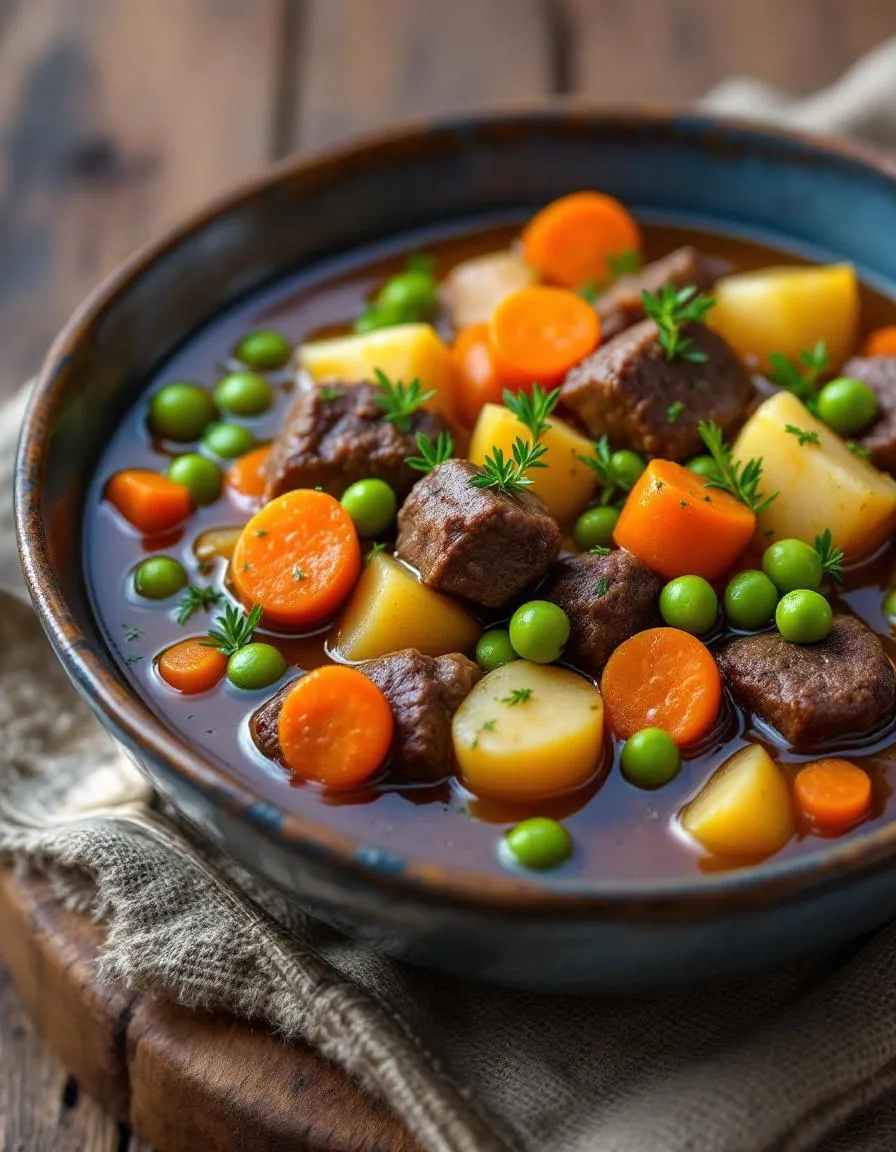
There is something profoundly comforting about a pot of beef stew simmering on the stove. As the rich, savory aroma fills your home, it promises a meal that will warm you from the inside out, soothing the soul after a long day. This classic dish is a hug in a bowl, a timeless tradition that turns simple, humble ingredients into something truly magical. Learning how to make beef stew properly unlocks a cornerstone of home cooking, a skill that delivers deep flavor and incredible satisfaction every single time. This guide will walk you through creating the ultimate, foolproof version that is sure to become a family favorite.
About This Recipe
At its heart, learning how to make beef stew is about mastering the art of building layers of flavor. This process begins with searing well-marbled chuck roast to create a beautiful fond at the bottom of the pot, which then deglazes with red wine and broth to form an incredibly rich base. Subsequently, we add classic aromatics like onions, carrots, and celery, followed by tender potatoes and sweet peas at the very end. The long, slow simmer is the final, crucial step that transforms tough beef into melt-in-your-mouth morsels and allows all the flavors to marry perfectly. This method guarantees a stew with robust depth and fall-apart tenderness in every single bite.
Furthermore, this recipe matters because it embodies the essence of nourishing, from-scratch cooking. In a world of fast food and quick fixes, taking the time to how to make beef stew from scratch is a rewarding act of self-care and love for your family. It yields a generous amount, making it perfect for cozy Sunday dinners or for meal prepping lunches that taste even better the next day. Importantly, this hearty one-pot wonder aligns perfectly with our blog’s philosophy of creating approachable, celebratory food that brings people together. For another fantastic make-ahead meal that everyone adores, explore our ultimate easy lasagna recipe. Ultimately, a great stew is a foundational recipe that every home cook should have in their arsenal, right alongside a classic dessert like our famous best chocolate cake.
Why I Love This Recipe
This particular recipe for how to make beef stew holds a special place in my heart because it is the one my grandmother taught me to make. I can still vividly remember standing on a stool in her kitchen, watching her patiently sear the meat and explaining why each step was so important. She called it “slow cooking for a fast world,” a lesson in patience that I cherish. Now, whenever I prepare this stew, that familiar scent transports me back to her cozy kitchen and reminds me that the best meals are about more than just food. They are about tradition, connection, and creating warm memories around the dinner table that last a lifetime.
Health and Nutrition
Why it’s good for your body
Learning how to make beef stew provides a powerful boost of high-quality protein, which is essential for building and repairing muscle tissue. Furthermore, this protein helps you feel full and satisfied for longer, which can support healthy weight management. The slow cooking process also tenderizes the beef, making its nutrients more bioavailable to your body.
Additionally, a well-made beef stew overflows with vegetables, each contributing its own set of vitamins and antioxidants. Carrots deliver a hefty dose of vitamin A for eye health, while celery offers valuable anti-inflammatory compounds. Moreover, onions and garlic contain allicin, a compound known for its immune-boosting properties. Consequently, every spoonful delivers a complex blend of nutrition that supports your overall well-being.
Ultimately, the process of how to make beef stew allows you to control the sodium and fat content, unlike many pre-made options. You can easily skim excess fat from the top and use low-sodium broth for a heart-healthier meal. Therefore, this dish becomes a fantastic way to enjoy a comforting classic without compromising your nutritional goals. Finally, a homemade version of how to make beef stew ensures you and your family consume a meal packed with wholesome, recognizable ingredients.
How it fits in a healthy lifestyle
This hearty dish fits beautifully into a balanced diet, especially if you are focusing on a high-protein or gluten-free eating plan. The rich protein content from the beef supports muscle recovery after a workout, making it an excellent post-exercise meal. For those monitoring their carbohydrate intake, you can easily adjust the amount of potatoes or even swap them for turnips to create a lower-carb version.
Preparing a large pot of beef stew on a Sunday sets you up for successful weeknight dinners, supporting the habit of eating home-cooked meals. It’s a perfect example of meal prep that actually saves time during a busy week. You can also feel good about serving it to your family, as it’s a complete, nutrient-dense meal in a single bowl. For more inspiration on creating well-rounded plates, explore our guide on building a balanced diet with everyday foods. It’s a satisfying and practical choice for anyone seeking both comfort and nutrition.
PrintClassic Beef Stew
Description
A hearty and comforting beef stew with tender chunks of beef, carrots, potatoes, and peas in a rich, savory broth.
Ingredients
For the Crust:
- 2 lbs beef chuck, cut into 1-inch cubes
- 2 tbsp olive oil
- 1 large onion, chopped
- 3 cloves garlic, minced
- 4 carrots, peeled and sliced
- 4 potatoes, peeled and cubed
- 4 cups beef broth
- 1 cup frozen peas
- 2 tbsp tomato paste
- 1 tsp thyme
- 1 bay leaf
- Salt and pepper to taste
Instructions
1. Prepare the Crust:
- Heat olive oil in a large pot over medium-high heat. Brown the beef cubes on all sides, then remove and set aside.
- In the same pot, sauté onion and garlic until fragrant. Add carrots and potatoes, cooking for 5 minutes.
- Return beef to the pot. Add beef broth, tomato paste, thyme, bay leaf, salt, and pepper. Bring to a boil, then reduce heat and simmer covered for 1.5 hours.
- Stir in frozen peas and cook for an additional 10 minutes. Remove bay leaf before serving.
Notes
You can customize the seasonings to taste.
How to Prepare This Dish
Steps and time-saving tips
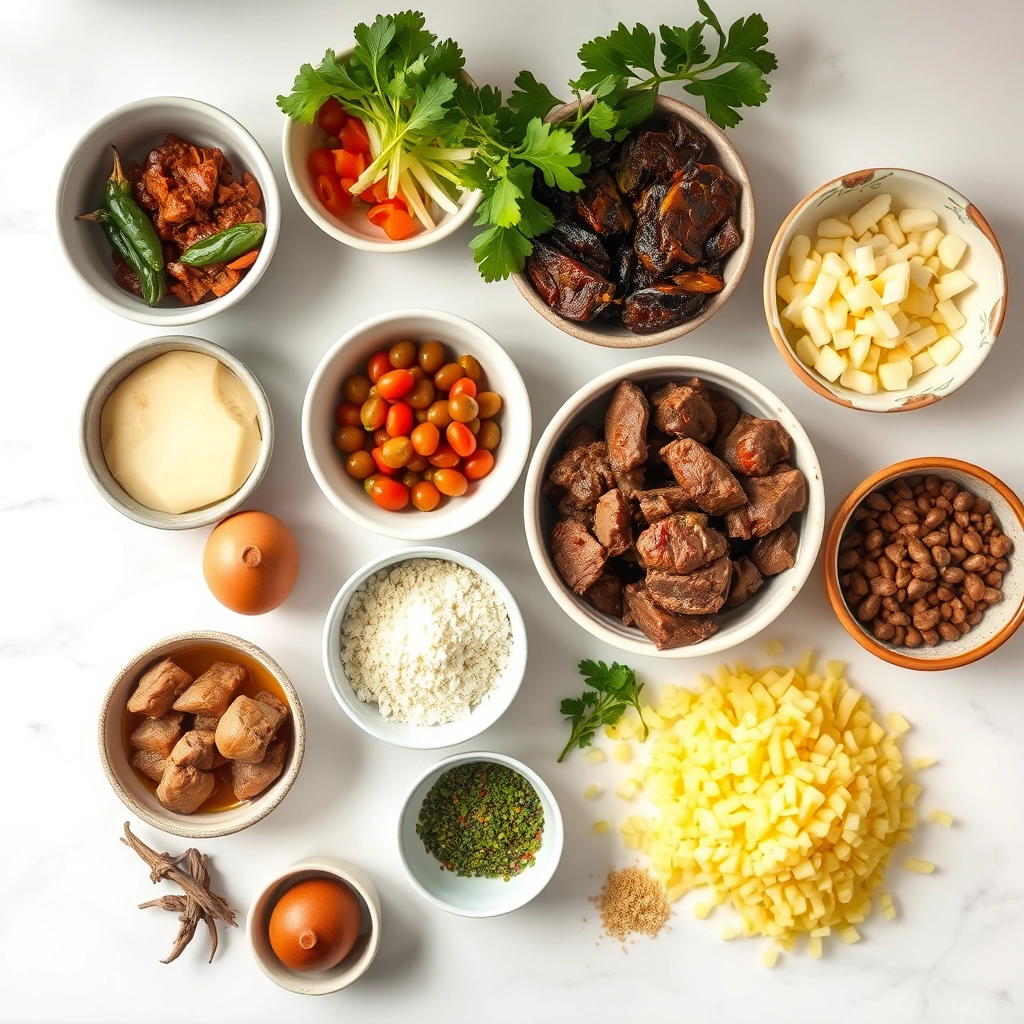
First, pat your beef stew meat completely dry with paper towels; this simple step guarantees a beautiful, deep sear. Next, heat a generous amount of oil in your Dutch oven or heavy-bottomed pot over medium-high heat. Then, sear the beef in batches, making sure not to crowd the pan, to develop that rich, caramelized flavor foundation. Meanwhile, chop your onions, carrots, and celery; a sharp chef’s knife makes this prep work incredibly quick. After you remove the beef, sauté the vegetables in the same pot until they just begin to soften. Subsequently, stir in the tomato paste and let it cook for a full minute to sweeten and deepen its flavor. Now, pour in your red wine to deglaze the pot, scraping all those delicious browned bits from the bottom. Finally, add the seared beef back in along with your broth, bay leaf, and thyme. Bring everything to a simmer, then immediately cover and reduce the heat to low. Let your stew cook low and slow for at least two hours, until the beef is wonderfully tender. For a brilliant time-saving tip, you can do all the sautéing and simmering in the same oven-safe pot and then transfer it, covered, into a 325°F oven for hands-off cooking.
Mistakes I’ve made and learned from
I have absolutely made my share of mistakes learning how to make beef stew. My biggest error was always rushing the sear; I’d add too much meat to the pot at once, which steamed it instead of creating a proper crust. This resulted in a stew that lacked that deep, complex flavor, so now I patiently sear in small batches. Another lesson came from under-seasoning. I used to be timid with salt early on, but I learned that seasoning each layer—the meat, the vegetables, the liquid—is crucial for a fully flavored outcome. Forgetting to taste and adjust at the end was another common pitfall; a final squeeze of lemon juice or a pinch of fresh herbs can brighten the entire dish. If you’re new to working with tougher cuts of meat, my guide on how to braise meat covers the fundamentals of turning them into something succulent. And if you find your stew is a bit thin, don’t worry! My tips for how to thicken stew without flour offer several easy fixes that have saved my dinner more than once.
Cultural Connection and Variations
Where this recipe comes from
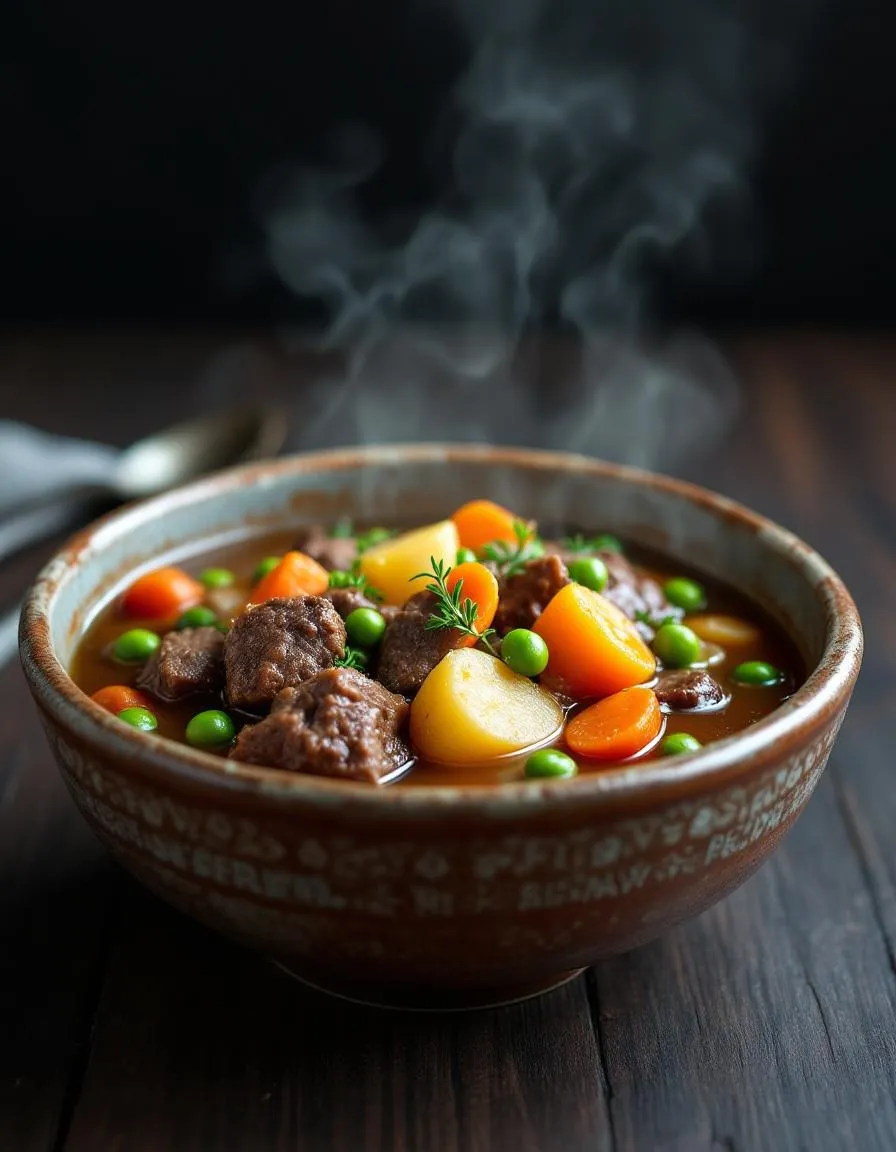
Every culture seems to hold its own version of a hearty beef stew, each telling a story of its people and place. My own journey with How to Make Beef Stew began in my grandmother’s kitchen, where a heavy pot always simmered on cold afternoons. Her recipe, however, was just one take on a global classic. In France, they slowly braise beef in red wine to create the rich, deep flavors of Boeuf Bourguignon. Meanwhile, Hungarian Goulash relies heavily on sweet paprika for its signature warmth and vibrant color.
Across the Atlantic, Belgians famously add dark beer to their pots, creating a uniquely malty and complex stew. Furthermore, some regions in Italy might toss in a piece of orange zest or a cinnamon stick for a surprising aromatic twist. My family’s method for How to Make Beef Stew always included a splash of Worcestershire sauce for extra umami, a trick my grandfather learned. Ultimately, these variations are not just about ingredients; they represent history, local produce, and the simple human need for nourishment and comfort.
How it fits in today’s cooking
This classic dish absolutely maintains its place in modern kitchens because it delivers unbeatable comfort. Consequently, busy home cooks love its set-it-and-forget-it nature, often using a slow cooker to let it bubble away all day. It fits perfectly into our routines, especially as a make-ahead meal that actually tastes better the next day. Moreover, it remains a cornerstone of seasonal eating, providing warmth and sustenance during the chilly fall and winter months.
Today, many are adapting the recipe to fit dietary needs, such as using arrowroot powder for thickening or swapping in a rich vegetable broth. It also pairs wonderfully with a variety of sides; for instance, a slice of our easy Irish Soda Bread is perfect for soaking up every last drop of gravy. Similarly, a light, fresh salad can balance the heartiness of the stew. In fact, a simple Classic Caesar Salad offers a crisp, crunchy contrast that makes the entire meal feel complete. Therefore, this humble dish continues to evolve while still providing the same soul-satisfying experience it always has.
Taste and Texture
What makes it delicious
Learning How to Make Beef Stew rewards you with a deeply savory and comforting experience. Tender chunks of beef simply melt in your mouth, while the vegetables soften into a sweet, earthy backdrop. Each spoonful delivers a rich, fragrant broth that warms you from the inside out. Ultimately, the process of How to Make Beef Stew creates a harmonious blend of textures and robust, satisfying flavors.
Boosting the flavor
For an even deeper flavor, try stirring in a tablespoon of tomato paste before adding your broth. Additionally, a splash of red wine or a dash of Worcestershire sauce introduces a wonderful complexity. Consider topping your bowl with fresh, chopped parsley for a bright, herbal finish. For a perfect side, serve it with a slice of our soft and tender Irish Soda Bread to soak up every last drop. Furthermore, a simple Classic Caesar Salad on the side provides a crisp, creamy contrast that completes the meal beautifully.
Tips for Success
Best practices for results
First, always sear your beef in batches to achieve a deep, flavorful fond in the pot. Furthermore, use a good quality, full-bodied red wine for deglazing, as it adds incredible richness to the final dish. Additionally, be patient during the simmering process and keep the heat low for tender meat. Finally, allow your How to Make Beef Stew to rest for at least 15 minutes before serving so the flavors can meld together perfectly.
Mistakes to avoid
A common error is rushing the sear, which unfortunately results in steamed meat instead of a flavorful brown crust. Instead, pat your beef cubes completely dry and give them space in the pot. Moreover, avoid adding too much salt early on, especially if using store-bought broth, because the liquid will reduce significantly. For a foolproof guide on selecting the best cuts, see our guide on how to braise beef. Also, do not skip skimming the surface fat; otherwise, your stew can become greasy. If your stew seems too thin, you can always thicken it at the end using a method from our roux making guide.
Serving and Pairing Suggestions
How to serve this dish
First, serve this hearty How to Make Beef Stew piping hot in a deep, wide-rimmed bowl to showcase its rich texture. For a rustic family dinner, present the entire pot at the table to let everyone savor the incredible aroma. Alternatively, elevate a casual weeknight meal into a special occasion with a simple garnish of fresh parsley. This dish truly shines during chilly holidays, as it brings everyone together around the table.
Finally, consider a crusty bread side for dipping into the luxurious gravy. This simple addition makes the experience of How to Make Beef Stew even more comforting and complete.
What goes well with it
A robust red wine, such as a Cabernet Sauvignon, beautifully cuts through the richness of the stew. Its bold tannins complement the deep savory flavors perfectly.
For a classic pairing, you absolutely need something to soak up that delicious broth. Our incredibly easy No Knead Artisan Bread provides the ideal chewy, crisp texture for dipping. Moreover, a bright, acidic side salad offers a refreshing contrast. Specifically, our popular Lemony Herb Cucumber Salad cleanses the palate between each savory bite.
Chuck roast is widely considered the best cut for How to Make Beef Stew because it’s well-marbled with fat and connective tissue. This breaks down during the long, slow cooking process, resulting in incredibly tender and flavorful meat. Avoid lean cuts like sirloin, as they can become tough and dry.
The most common method is to make a slurry by whisking equal parts flour or cornstarch with cold water, then stirring it into the simmering stew. Alternatively, you can toss your raw beef chunks in flour before browning them, which will also help thicken the broth as it cooks. For a richer, glossy finish, you can also mash some of the softened potatoes against the side of the pot.
After browning the meat and bringing the stew to a simmer, it typically takes about 1.5 to 2 hours on the stovetop over low heat for the beef to become fork-tender. The key to learning How to Make Beef Stew is to cook it low and slow, so the connective tissues have enough time to properly break down and enrich the broth.
Absolutely! A slow cooker is an excellent tool for How to Make Beef Stew. For the best flavor, take the time to brown the beef and sauté the onions in a skillet before transferring everything to the slow cooker. Then, cook on low for 7-8 hours or on high for 4-5 hours until the meat is perfectly tender.