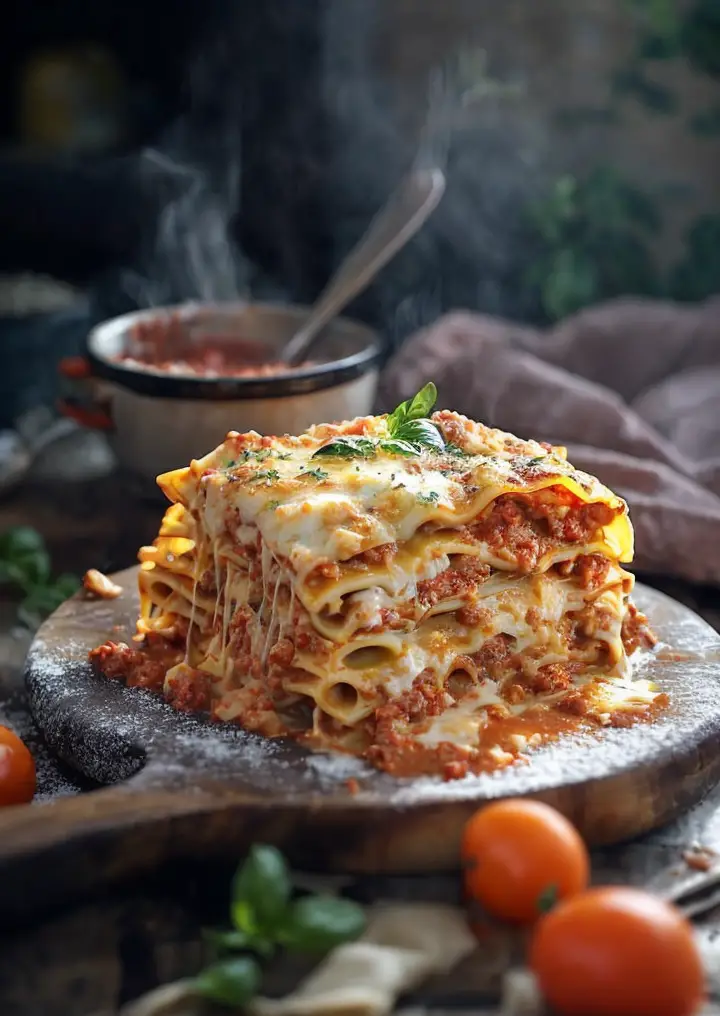
Classic Lasagna Recipe: A Delicious Italian Masterpiece
Indulge in the rich flavors and comforting textures of this Classic Lasagna Recipe, a beloved Italian dish that has captured hearts and taste buds across the globe. With layers of perfectly seasoned meat sauce, creamy béchamel, and tender pasta, this timeless classic promises to deliver an unforgettable dining experience. Whether you’re preparing a cozy family dinner or entertaining guests, lasagna offers the perfect balance of savory flavors and satisfying textures.
Lasagna is not just about taste; it’s a culinary journey that invites you to explore the depths of Italian cuisine. As you slice through the layers, the harmonious combination of ingredients creates an irresistible aroma that fills your kitchen, making the anticipation almost as enjoyable as the meal itself. Let’s dive into the essentials of creating a lasagna that will become a staple in your culinary repertoire.
Quick Recipe Highlights
- Flavor Profile: A rich blend of savory beef, tangy tomato sauce, and creamy béchamel.
- Texture: Layers of hearty pasta interspersed with smooth sauce and tender meat.
- Aroma: Inviting notes of garlic, herbs, and simmered tomatoes.
- Visual Appeal: Golden, bubbling cheese atop layers of deep red sauce and tender noodles.
- Skill Level Needed: Intermediate, requiring attention to layering and sauce preparation.
- Special Equipment: A deep baking dish and a sharp slicing knife.
Recipe Overview
- Difficulty Level: Intermediate; involves multiple steps including sauce preparation and careful layering.
- Category: Main course, comfort food.
- Cuisine: Italian, inspired by traditional recipes and modern interpretations.
- Cost: Moderate. Main expenses include ground beef, cheese, and premium pasta.
- Season: Suitable year-round, especially comforting during fall and winter months.
- Occasion: Ideal for family dinners, gatherings, and potlucks.
Why You’ll Love This Recipe
This Classic Lasagna Recipe is loved for its delightful taste and texture, boasting savory layers that melt in your mouth. The recipe is convenient, allowing for preparation in advance, making it perfect for busy families and seamless entertaining. Nutritionally, it offers a balance of protein, carbohydrates, and fats, making it a hearty yet well-rounded meal option.
Lasagna is a great choice for social events and gatherings due to its shareable nature, inviting guests to enjoy a communal dining experience. It is also cost-effective, with accessible ingredients available in most grocery stores. The timeless appeal of lasagna transcends trends, ensuring it remains a family favorite.
Historical Background and Cultural Significance
Lasagna’s roots trace back to ancient Rome, where a dish called “laganum” was a precursor to the modern-day favorite. This dish evolved over centuries, gaining prominence in the Emilia-Romagna region of Italy, renowned for its culinary innovations. Lasagna represents more than just a meal; it reflects a cultural heritage, showcasing the richness and diversity of Italian cuisine.
Each region in Italy has its variation, often showcasing local cheeses and meats, adding a layer of regional pride to this classic dish. Traditionally, lasagna is served during festive occasions and family gatherings, symbolizing warmth and togetherness.
Ingredient Deep Dive
Ground Beef: Central to the lasagna’s savory profile, offering a rich and hearty base. Choose lean cuts for a healthier option and brown thoroughly for depth of flavor.
Tomato Sauce: A tangy complement to the beef, providing acidity and sweetness. Opt for crushed tomatoes with Italian herbs for authenticity and richness. Consider homemade for flavor customization.
Béchamel Sauce: Adds creaminess and balances the tomato’s acidity, creating a smooth, rich texture. Mastery of roux is essential to prevent lumps and ensure a silky finish.
Cheese: Typically a mix of mozzarella and Parmesan for meltability and sharpness. Freshly grated is preferable for optimal texture and flavor.
Lasagna Noodles: Foundation of the dish, should be cooked al dente to maintain structure during baking. No-boil noodles offer convenience without sacrificing texture.
Common Mistakes to Avoid
- Not seasoning the meat sufficiently. Enhance flavors with salt and herbs.
- Using too much sauce can lead to a soggy lasagna.
- Overcooking pasta, resulting in mushy layers. Cook till just firm.
- Skipping béchamel can leave lasagna dry. It adds critical moisture.
- Layering unevenly, causing inconsistent cooking. Spread ingredients uniformly.
- Not letting lasagna rest before slicing. Resting ensures clean cuts.
- Underestimating baking time. Ensure cheese is bubbly and golden.
- Using pre-shredded cheese can lead to a less creamy texture.
Essential Techniques
Béchamel Preparation: A classic French technique that involves gradually mixing roux with milk to create a creamy sauce. Essential for achieving the smooth texture in lasagna.
Layering: Critical for ensuring even distribution and cooking. Begin with sauce to prevent sticking, followed by noodles, meat, béchamel, and cheese. Repeat and finish with cheese.
Simmering Sauce: Allows flavors to meld, creating a robust and balanced taste. This step is essential for depth of flavor.
Baking: Use both upper and lower heat if possible, for even cooking and perfect cheese gratinée.
Pro Tips for Perfect Classic Lasagna
Select high-quality meat and cheese to elevate the overall flavor profile. Allow the sauce to simmer long enough for the herbs to infuse thoroughly.
For an added depth of flavor, incorporate a splash of red wine into the meat sauce.
Using a combination of fresh herbs such as basil and oregano enhances authenticity.
Always allow lasagna to rest for at least 15 minutes after baking, which helps the layers set and makes serving easier.
Use whole milk in béchamel for a richer mouthfeel.
Cooking noodles a bit firmer than al dente prevents overcooking in the oven.
When assembling, press down gently on each layer to remove air pockets and prevent collapse.
Cover your lasagna with foil for the majority of bake time to retain moisture, removing it near the end to brown the cheese.
Variations and Adaptations
Explore regional variations like adding ricotta cheese for creaminess or incorporating spinach for Florentine style. Adapting the recipe for different seasons can include swapping meat for roasted vegetables in the summer or using hearty mushrooms in autumn.
Dietary modifications include gluten-free noodles, dairy-free cheese, or a vegan-friendly béchamel using plant milk and non-dairy butter. For a flavor twist, add spice with chorizo or a smoky profile with roasted peppers. Adjust textures by shredding vegetables into the sauce or using pasta alternatives like zucchini slices.
Serving and Presentation Guide
Plating techniques can elevate the dining experience. Create a clean, elegant presentation by slicing lasagna squares with precision and wiping plate edges before serving. Garnish with fresh basil leaves or a sprinkle of Parmesan for an aesthetic touch.
Traditional accompaniments like garlic bread and Caesar salad complement the richness of lasagna, while a fresh tomato and arugula salad provides a modern contrast. Serve warm, ensuring each piece is heated through, and guide portions based on the number of courses.
Wine and Beverage Pairing
A robust red wine such as Chianti or Barbera pairs beautifully, complementing the tomato sauce and meat. For non-alcoholic alternatives, consider a rich grape juice or Italian soda with a herbal note.
Coffee, espresso, or tea can round off the meal elegantly, particularly if served with a small dessert. Always serve beverages at optimal temperatures; reds slightly below room temperature and non-alcoholics well-chilled.
Storage and Shelf Life
Store lasagna in an airtight container in the refrigerator for up to 3 days. For longer storage, freeze portions individually. To avoid freezer burn, use airtight freezer bags or wrap portions in plastic and foil.
Signs of spoilage include off odors and discoloration, particularly on the cheese. Reheat thoroughly, covered with foil to retain moisture, until piping hot throughout. If freezing, allow thawing in the fridge overnight and reheat within 24 hours for best quality.
Make Ahead Strategies
Prepare sauces and cook noodles a day in advance, storing them separately. Assemble lasagna, cover securely, and refrigerate overnight to enhance flavor fusion.
Assess quality impact; some find flavors deepen, whereas noodles may absorb more sauce. Reheat gently, adding fresh basil or a drizzle of olive oil if needed. Consider baking partially, then finishing reheating to avoid dryness.
Scaling Instructions
To halve the recipe, use smaller baking dishes and adjust ingredient proportions. Doubling or tripling requires larger capacity cookware and possibly extending baking time.
Adjust equipment size accordingly, ensuring ovens and mixers can accommodate larger volumes. When storing larger quantities, consider portion freezing to maintain quality.
Nutritional Deep Dive
Lasagna offers a balanced macro profile with its mix of protein from beef and cheese, carbohydrates from pasta, and fats from béchamel and cheese.
It’s rich in vitamins and minerals such as calcium and iron, making it a nourishing dish. However, portion control is key for caloric management; balance with side salads for a fulfilling meal.
Dietary Adaptations
For gluten-free adaptations, use certified gluten-free pasta and all-purpose flour alternatives like rice or potato flour in béchamel.
For dairy-free lasagna, substitute cheese with nutritional yeast and make béchamel with non-dairy milk and coconut oil.
Vegan versions can replace meat with tofu or lentils, béchamel with cashew cream, and incorporate dairy-free cheeses.
For low-carb or keto lasagna, use zucchini slices instead of noodles and adjust the sauce to eliminate added sugars.
Recipe Notes
- Consider adding finely chopped vegetables like onions and carrots to the sauce for additional nutrients and depth of flavor.
- Parmesan cheese can be swapped with Asiago for a nutty, less sharp alternative.
- A dash of nutmeg in béchamel enhances its flavor complexity.
- Ensure to let it sit before slicing to prevent layers from sliding apart.
Troubleshooting Guide
For texture issues such as soggy noodles, reduce liquid in sauce before layering. Balance flavors by adjusting seasoning mid-cooking, adding salt or herbs as needed.
Temperature control can address uneven cooking; use preheated ovens and monitor levels. Substitute ingredients mindfully – use alternatives with matching textures and flavors to maintain integrity.
Recipe Success Stories
Community feedback showcases creative lasagna takes, from adding regional cheeses to using heirloom tomatoes for a unique profile. Share your adaptation successes and serving suggestions through our social media channels. Enhance your photography with plating advice and capture the vibrant layers of your homemade lasagna.
Frequently Asked Questions
Can I prepare lasagna ahead of time?
Yes, you can assemble it a day prior and refrigerate. The flavors meld beautifully overnight, enhancing the final taste.
How do I make a gluten-free lasagna?
Use gluten-free noodles and substitute flour in béchamel with a gluten-free alternative. Ensure all other ingredients are certified gluten-free.
What is the best way to reheat lasagna?
Cover with foil and reheat in the oven at 325°F until hot, ensuring even heating. This retains moisture and prevents drying out.
Can lasagna be frozen?
Yes, it’s freezable both pre-baked and post-baked. Wrap tightly in foil, then plastic wrap to prevent freezer burn. Thaw in the refrigerator overnight before reheating.
How do I avoid a watery lasagna?
Thoroughly drain cooked noodles and ensure the sauce simmers to reduce excess moisture. Avoid fresh mozzarella, which might release water during baking.
What cheeses can I use for a richer taste?
Add Asiago or Gouda in conjunction with mozzarella and Parmesan for a fuller, creamier flavor.
Is it possible to make a vegan lasagna?
Yes, substitute meats with plant-based proteins like tofu or tempeh. Opt for plant milk in béchamel and vegan cheese alternatives.
Why is my béchamel sauce lumpy?
Gradually whisk milk into the roux over gentle heat to prevent lumps. Use a strainer if necessary to achieve smoothness.
What are the signs that my lasagna is done?
The top should be golden brown and bubbly. Insert a knife into the center; it should come out hot with steam.
How can I enhance the sauce’s flavor?
Consider adding red wine, fresh basil, or a pinch of sugar to balance acidity. Allowing the sauce to simmer longer can also deepen the flavor.
Additional Resources
Explore more Italian delicacies with our pasta-making guides and sauce recipes. Watch detailed videos on béchamel preparation and discover equipment recommendations for enhancing your recipe execution. Seasonal variations are available for those looking to adapt the dish to available produce.
Join the Conversation
Engage with us on social media by using #ClassicLasagna and share your culinary achievements! Participate in our community challenges for a chance to be featured. We’d love to see your photos, offering tips on lighting and angles for the best captures. Share your reviews and stories, helping us create a lively and supportive food enthusiast community.
Classic Lasagna Recipe: A Timeless Italian Delight
If you are on the hunt for the best classic lasagna recipe, look no further! This traditional Italian dish, brimming with rich layers of pasta, meat sauce, and creamy cheese, is the epitome of comfort food. Perfect for special occasions or a delightful family dinner, our classic lasagna recipe brings together authentic flavors and textures that transport you to the heart of Italy.
Lasagna is a versatile dish that can be tailored to suit any palate. Whether you prefer a rich beef or a savory vegetarian version, this classic recipe offers the perfect balance of flavors that have stood the test of time. If you’re ready to experience the joy of a homemade classic lasagna, let’s dive into the flavorful depths of this quintessential Italian masterpiece.
The Recipe
Classic Lasagna Recipe: Heavenly Layers of Flavor
Serves: 8
Prep Time: 30 mins
Cook Time: 1 hr 30 mins
Total Time: 2 hrs
Kitchen Equipment Needed
- Large pot
- Skillet
- Baking dish
- Mixing bowl
- Wooden spoon
Ingredients
- 12 lasagna noodles
- 1 pound ground beef
- 1/2 cup chopped onion
- 2 cloves garlic, minced
- 24 ounces marinara sauce
- 15 ounces ricotta cheese
- 1 egg
- 2 cups shredded mozzarella cheese
- 1/2 cup grated Parmesan cheese
- Salt and pepper to taste
Directions
- Preheat your oven to 375°F (190°C).
- Cook lasagna noodles according to package instructions; drain and set aside.
- In a skillet, cook ground beef with onion and garlic until browned. Drain excess fat.
- Add marinara sauce to the beef mixture and simmer for 10 minutes.
- In a mixing bowl, combine ricotta cheese with egg, salt, and pepper.
- In a baking dish, spread a layer of meat sauce, arrange a layer of noodles, then a layer of ricotta mixture, and top with mozzarella cheese. Repeat layers until ingredients are used, finishing with a layer of noodles and remaining meat sauce. Sprinkle Parmesan cheese on top.
- Cover with foil and