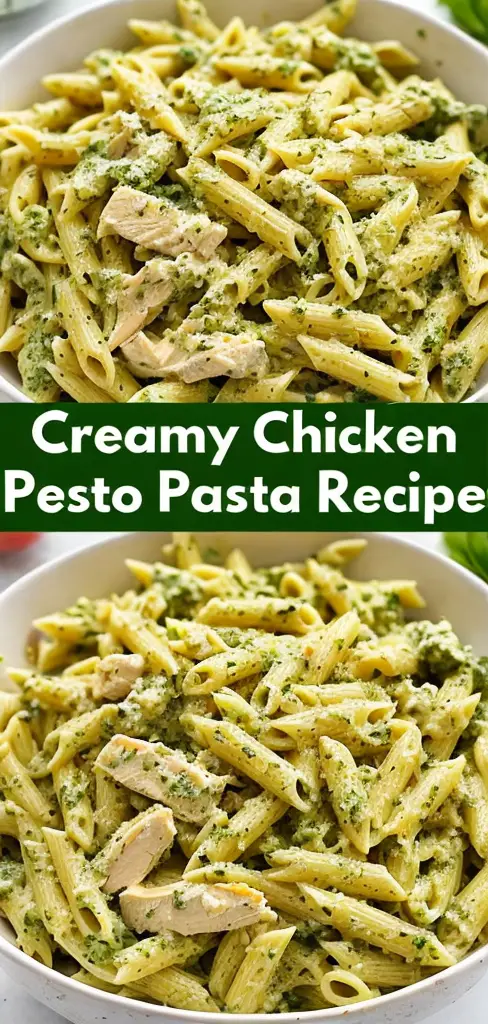
Effortless Creamy Chicken Pesto Pasta Recipe: A Taste of Italy at Home
If you’re yearning for a comforting bowl of pasta that combines the creamy richness of classic Italian sauces with the vibrant flavors of basil pesto, look no further than this effortless creamy chicken pesto pasta recipe. As the creamy sauce envelops tender pieces of chicken and twirls of al dente pasta, every bite is a harmonious balance of savory and fresh, promising an experience that not only tantalizes the taste buds but also warms the heart. Get ready for an Italian-inspired culinary journey that requires minimal effort yet delivers maximum flavor.
This creamy chicken pesto pasta is an excellent choice for weeknight dinners or casual gatherings, where simplicity and taste are the main goals. The fusion of juicy, lightly seasoned chicken with the nutty and slightly tangy pesto creates a delightful contrast against the velvety cream sauce, while the pasta serves as the perfect canvas to soak up all the goodness. Whether you’re new to cooking or a seasoned chef, this recipe is straightforward to follow and guarantees scrumptious results, making it a staple in your recipe repertoire.
Quick Recipe Highlights
- Flavor Profile: The dish uniquely marries the rich and savory notes of chicken and cream with bright, herby pesto, accented by a hint of garlic.
- Texture: You’ll enjoy a wonderful interplay of silky pasta, tender chicken, and a creamy sauce, all harmonized by the pesto’s slight crunch from pine nuts.
- Aroma: Expect an enticing medley of fresh basil, garlic, and cream, complemented by the enticing aroma of seared chicken.
- Visual Appeal: A vibrant presentation of green basil pesto against creamy sauce, peppered with juicy chicken bits and sprinkled with parmesan.
- Skill Level Needed: Simple enough for beginners, requiring basic cooking techniques such as sautéing and stirring for a seamless execution.
- Special Equipment: A deep skillet or sauté pan, and a stockpot for boiling pasta, making it accessible for anyone with a well-stocked kitchen.
Recipe Overview
- Difficulty Level: Rated as easy because it involves basic techniques like boiling, sautéing, and stirring—perfect for beginners or quick cooking sessions.
- Category: This recipe fits into the main dish category, serving as a hearty centerpiece for your meals, whether for lunch or dinner.
- Cuisine: Inspired by Italian culinary traditions, showcasing the harmonious blend of pasta, pesto, and cream in a single, delicious offering.
- Cost: Relatively affordable, primarily needing pantry staples and fresh ingredients like chicken, basil, and parmesan—all easily found in local stores.
- Season: Ideal for spring and summer when basil is freshest, but equally comforting as a winter warmer with its rich, creamy components.
- Occasion: Perfect for casual family dinners or special occasions where comfort and ease are the priorities, ensuring everyone leaves the table satisfied.
Why You’ll Love This Recipe
This creamy chicken pesto pasta is a testament to the idea that simple ingredients can transform into a complex tapestry of flavors and textures, leaving you longing for more after each bite. The creamy sauce generously coats each piece of pasta and chicken, creating a luscious melt-in-your-mouth experience complemented by the zesty pop of basil pesto—a balance that is both indulgent and fresh. The ease of preparation makes it not only quick to whip up but also ensures that each component shines with minimal fuss and maximum taste.
Convenience is key with this recipe, as it comes together swiftly, making it a lifesaver on busy weeknights when you want something hearty but don’t have hours to spend in the kitchen. Using staple ingredients you likely already have on hand—such as pasta, chicken, and cream—combined with store-bought or homemade pesto, this dish is as straightforward as it is delicious. Whether you’re cooking for one or feeding a crowd, the quantities are easily adjustable to suit your needs without compromising on quality.
Beyond its irresistible taste and ease, this recipe also boasts nutritional benefits. Chicken provides a lean source of protein, while basil pesto adds a burst of vitamins and healthy fats. Adjust the type and amount of pasta to meet your dietary preferences, whether opting for whole grain or gluten-free varieties. This flexibility makes the dish not just delightful but also a nourishing option you can feel good about enjoying regularly.
Socially, this recipe is a crowd-pleaser perfect for entertaining guests or family gatherings. The vibrant flavors and creamy consistency are akin to something you’d find in a fine Italian restaurant, yet anyone can replicate it effortlessly at home. The appeal extends from casual dinners to more formal occasions, ensuring that you’re prepared to impress without breaking a sweat, thereby making every meal an opportunity to forge memories filled with laughter and great food.
Economically, you’ll appreciate the cost-effectiveness of this dish, as none of the ingredients break the bank yet together create a result that’s luxury on a plate. It embodies the principle of getting the most flavorful return from minimal investment—an ideal choice if you’re looking to indulge your taste buds while staying within your budget. Having a meal that is both delightful and accessible is a recipe for satisfied diners and a happy cook.
Historical Background and Cultural Significance
The origins of pesto can be traced back to Genoa in Italy’s Liguria region, where the local basil became the preferred herb due to its robust flavor and aromatic qualities. Traditional pesto is a celebration of fresh, local produce, a nod to the Italian way of using what’s available within reach and transforming it into something magical. Over the years, this vibrant sauce has gained popularity worldwide, not only as a pasta accompaniment but also as a versatile ingredient in various culinary creations.
Culturally, pesto has become synonymous with Italian cuisine, a testament to its adaptability and universal appeal. It represents the bright and fresh flavors typical of many Italian dishes, bringing a touch of the Mediterranean to every meal. The combination of basil, garlic, pine nuts, parmesan cheese, and olive oil—is a perfect encapsulation of Italy’s culinary ethos, where simplicity meets sophistication in every bite.
The evolution of this creamy chicken pesto pasta recipe represents the gradual globalization and fusion of culinary traditions. By integrating the richness of cream into the dish, the recipe expands on the classic pesto pasta, adding layers of texture and taste that appeal to a wider audience. This variation exemplifies modern cooking trends where traditional recipes serve as foundations for innovative twists and creative reimaginings.
Regional variations also exist, with each bringing unique elements based on local tastes and ingredient availability. Some might incorporate sun-dried tomatoes or roasted red peppers for additional color and flavor, while others might swap pine nuts for walnuts or omit them entirely for nut-free adaptations. These variations not only showcase the versatility of the original recipe but also highlight the adaptability of pesto across different culinary landscapes.
Ingredient Deep Dive
Chicken, the cornerstone of this dish, is not just a lean protein choice but also a culturally significant ingredient across countless cuisines. Its mild flavor and ability to absorb surrounding tastes make it a staple in both home cooking and fine dining. Nutritionally, chicken is rich in essential vitamins and minerals, making it an excellent partner to the fiber-rich pasta and nutrient-dense pesto.
Basil, the star of pesto, has a rich history dating back to ancient times, celebrated across many cultures for its aromatic qualities and diverse applications. Packed with vitamins and antioxidants, basil contributes not only flavor but also an array of health benefits. To select the best basil, look for fresh bunches with vibrant, bright green leaves and avoid any signs of wilting. Keep basil fresh by storing it in a glass of water on the countertop or wrapping it in damp paper towels in the refrigerator.
To craft the perfect pesto, ensure your parmesan is freshly grated for optimal texture and taste. Freshly grated cheese incorporates more seamlessly into the pesto sauce and adds a nuanced salty depth. When storing parmesan, wrap it tightly in wax paper followed by aluminum foil to maintain its moisture and flavor balance. Should you need a substitute, try pecorino romano for a sharper bite or nutritional yeast for a vegan-friendly option.
Coined as nature’s butter, pine nuts form the creamy backbone of traditional pesto. While they add a subtle nutty richness, they can be pricey or hard to find. Consider using walnuts or almonds as suitable alternatives, adapting to personal preferences or dietary needs. To preserve the unique flavor of pine nuts, store them in an airtight container within the fridge or freezer, protecting them from rancidity due to their high oil content.
Common Mistakes to Avoid
- Overcooking the pasta: Al dente is key, as it will continue cooking slightly when combined with the sauce.
- Using low-quality cream: Opt for high-fat cream to ensure the sauce doesn’t break or turn watery.
- Skipping the pasta water: Always reserve some for a creamy, cohesive sauce.
- Adding pesto too early: Stir it in at the end to preserve its vibrant color and fresh taste.
- Under-seasoning the chicken: Proper seasoning is crucial for flavor depth.
- Neglecting fresh basil: Ensure your pesto’s flavor is bright and aromatic.
- Omitting the parmesan: It provides the sauce’s underlying richness and umami.
- Rushing the chicken browning: A good sear imparts essential caramelized flavors.
- Letting the sauce cool too much: Serve immediately to enjoy its best texture.
Essential Techniques
When preparing this creamy chicken pesto pasta, one of the crucial techniques is achieving the perfect pasta consistency. Cooking the pasta until it’s al dente is important, as it will continue to soften slightly when mixed with the warm creamy sauce. Additionally, incorporating a splash of reserved pasta water helps the sauce adhere better to the pasta, creating a luscious, cohesive amalgamation of flavor and texture.
Achieving a proper sear on the chicken is another technique that brings depth and richness to the dish. By ensuring the skillet is adequately heated beforehand, you seal in the juices and flavor, which prevents the chicken from becoming dry or bland. Watching for a golden-brown crust as the visual cue will ensure a successful outcome every time.
Pro Tips for Perfect Creamy Chicken Pesto Pasta
For the creamiest sauce, whisk in a small knob of cold butter at the end. It enhances the texture and gives the sauce a shiny finish.
Let the cooked chicken rest for a few minutes before slicing to retain its juices, making it more tender.
Mix the pasta frequently as it cooks to prevent sticking and ensure even heat distribution.
Use a heavy-bottomed skillet to cook the cream sauce evenly and avoid scorching.
If using jarred pesto, amp up the freshness with a squeeze of lemon juice at the end.
Toast nuts lightly beforehand to maximize their flavor in the pesto.
Variations and Adaptations
Regional variations of this pasta recipe might feature sun-dried tomatoes for added sweetness or artichoke hearts for a Mediterranean twist, adapting to different regional flavors. Embrace the seasons by including vegetables like asparagus in the spring or roasted butternut squash in the autumn, creating a dynamic dish that evolves with the calendar.
For dietary modifications, consider swapping the regular pasta with whole-wheat or gluten-free versions to suit different needs. You can reduce caloric content by using light cream or substituting with half-and-half, while retaining the essential creamy consistency of the sauce. These adaptations not only broaden the dish’s accessibility but they additionally personalize the recipe to fit different dietary frameworks.
Enhance the textural dimension by incorporating cooked mushrooms or spinach into the pasta, lending an earthy contrast to the rich sauce. Alternatively, mix up the pesto itself by using arugula or cilantro in place of basil for a fresh twist, exploring varied flavor profiles. When it comes to presentation, garnish with cherry tomatoes or edible flowers for a pop of color that elevates the dish’s visual appeal.
Serving and Presentation Guide
Plating is an art, and with this recipe, it’s about creating a sense of abundance and texture. Begin by swirling the pasta into deep, wide bowls and top with sliced chicken. Generously spoon over the sauce, allowing it to pool around the edges. For garnishing, a sprinkle of grated parmesan, a zest of fresh lemon peel, and a few basil leaves highlight the dish’s freshness and complexity.
Traditionally, garlic bread serves as an excellent accompaniment to this pasta, offering a crispy, buttery counterpoint to the creamy, savory flavors. If a lighter touch is desired, opt for a crisp green salad with a vinaigrette that cuts through the richness with a refreshing note. Whatever the choice, consider temperature—serve the pasta hot to retain the sauce’s desirable creamy consistency, ensuring each bite remains sumptuous.
Wine and Beverage Pairing
Complement the decadent flavors of the creamy chicken pesto pasta with a crisp, dry white wine like a Pinot Grigio or Sauvignon Blanc. These wines evoke a refreshing balance against the creaminess while enhancing the pesto’s brightness. For non-alcoholic options, consider a sparkling water infused with citrus slices, which can provide the same palate-cleansing effect.
For a cozier pairing, a light, fruity rosé offers a lovely balance to the richness of the dish without overwhelming it. The wine’s subtle berry notes amplify the pesto’s herbaceous qualities while maintaining the creamy chicken’s integrity. If you’re serving the dish for a brunch, a delicate herbal green tea can add warmth and a slightly nutty flavor, harmonizing beautifully with the pesto.
Storage and Shelf Life
Store the cooked pasta in an airtight container within the refrigerator for up to 3 days, ensuring the dish remains fresh and flavorful. For optimal texture, keep the sauce and pasta separate during storage and recombine them upon reheating. Use a microwave or stove to gently warm the pasta, adding a splash of water or stock to reinvigorate the sauce’s creaminess, taking care not to overheat, which could break the sauce’s structure.
Freezing is also an option, though the texture may slightly differ upon thawing. If freezing, portion the pasta out and pack it tightly in freezer-friendly containers or bags, expelling any excess air to ward off freezer burn. To enjoy at a later date, let the pasta thaw overnight in the fridge and warm it gently on the stove—this method helps to preserve the dish’s original quality.
Make Ahead Strategies
For those looking to prepare in advance, cook the chicken and pesto a day before and store them separately in the refrigerator. Reserve time for pasta cooking and sauce preparation on serving day to retain the dish’s signature characteristics. Throughout the preparations, keep an appropriate timeline in mind, considering any necessary rearrangements that might arise from partial preparations.
To maintain freshness and flavor while holding pre-made components, sprinkle a few drops of lemon juice on exposed pesto surfaces, limiting oxidative discoloration. If planned appropriately, these strategies preserve the dish’s essential appeal and texture when you’re ready to serve, allowing for seamless integration into your culinary agenda.
Scaling Instructions
Adapt the recipe’s yield as needed, whether reducing to single servings or expanding to accommodate larger guest counts. When halving, adjust the cooking times slightly to accommodate less volume, ensuring the sauce does not reduce excessively. Volume can easily be increased by doubling each component, maintaining balance and flavor proportion.
Adjust cookware size accordingly; larger pans prevent overcrowding, especially when scaling upward to prevent inconsistencies in cooking. Make sure to allow sufficient time for the sauce to develop and pasta to reach al dente perfection, sticking to core principles regardless of the recipe’s scale. Scaling is ultimately about maintaining the dish’s integrity by managing ingredient proportions actively.
Nutritional Deep Dive
This creamy chicken pesto pasta offers a balanced macronutrient profile with protein-rich chicken, fiber-heavy pasta, and healthy fats from the pesto. These elements contribute to a satisfying energy source, perfect for a wholesome meal. Micronutrients from the basil and pine nuts supplement essential vitamins such as Vitamin A, K, and E, enhancing its overall nutritional composition.
Dieters can monitor portions for mindful consumption, capitalizing on the delicious flavors without overindulging. Consider portion sizes based on dietary needs, ensuring everyone gets a nutrient-rich experience. The recipe is versatile enough for caloric management, making adjustments where necessary without sacrificing satisfaction.
Dietary Adaptations
For gluten-free adaptations, swap standard pasta for a gluten-free option, ensuring the use of compliant ingredients throughout. Dairy-free needs can be met by replacing cream with a coconut milk alternative, adjusting the jarred pesto selection away from cheese additives. Vegan options adjust ingredients to omit chicken, using tofu or chickpeas instead, while selecting a vegan pesto for consistency in flavor.
Low-carb adherents might use zucchini noodles in place of traditional pasta, maintaining the dish’s core integrity while aligning with dietary goals. Adaptations for keto or paleo diets follow similar pathways, supporting pasta substitutions with spiralized vegetables or cauliflower rice. These adaptations enhance the dish’s inclusivity, opening it to broader enjoyment across diverse dietary persuasions.
Troubleshooting Guide
Address over-thickened sauce by whisking in reserved pasta water, adjusting consistency while enhancing flavor. Should the sauce lack cohesiveness, monitor temperature management, ensuring creams or milk are not over-boiled, preventing separation. Flavor settings are balanced through seasoning adjustments, using salt and lemon for a refined punch when needed.
Tackle temperature challenges by maintaining steady heat throughout cooking, preventing flare-ups that can ruin base ingredients and overall taste. Ingredient substitutions may arise based on availability—ensure familiarity with potential impacts on the dish’s final profile. Timing remains a core component; mismanaged time can detract from al dente pasta or overdone chicken, remedied by active vigilance and monitoring cues for doneness.
Recipe Success Stories
Our community has embraced this pasta dish with open arms, each personal touch adding unique flair to an already delightful experience. From sundried tomato enhancements shared by a reader to substitution successes with vegan cream options, stories of iteration and adaptation abound. Such testimonials underscore the recipe’s universal allure and versatility, presenting opportunities for fellow cooks to explore new horizons.
Our readers have captured these variations in stunning photography, encapsulating the dish’s essence through thoughtful visual storytelling. Photographers use vibrant garnishes, natural lighting, and styled plating to highlight what makes this recipe shine, paired with stories of shared meals filled with laughter, accomplishment, and culinary joy.
Frequently Asked Questions
Q: Can I use a different type of pasta?
A: Absolutely, feel free to use your favorite pasta shape. Just adjust cooking times based on package instructions to ensure it reaches the perfect texture.
Q: How can I store leftovers of creamy chicken pesto pasta?
A: Store in an airtight container in the refrigerator for up to three days. For best results, keep the pasta and sauce separate when storing and combine when reheating.
Q: Can this recipe be made dairy-free?
A: Yes, you can substitute full-fat coconut milk for cream. Be sure to choose a dairy-free pesto or make your own using nutritional yeast as a cheese alternative.
Q: What if I am allergic to nuts?
A: Just omit the nuts from the pesto or use seeds such as sunflower seeds or pumpkin seeds to add creaminess without nuts.
Q: Is it possible to freeze this dish?
A: You can freeze the pasta and chicken separately for up to two months. However, the sauce may change texture slightly upon thawing, so it’s best to reheat it gently.
Q: How can I make this keto-friendly?
A: Use spiralized zucchini or shirataki noodles instead of pasta to maintain low carb content while enjoying all the creamy goodness.
Q: What wine pairs best with creamy chicken pesto pasta?
A: A crisp white wine such as a Sauvignon Blanc complements the dish’s flavors beautifully, offering a refreshing counterpoint to its richness.
Q: Can I prepare this in advance?
A: Prepare the pesto and cook the chicken ahead of time, storing them separately. Assemble the dish, cooking the pasta fresh at mealtime for optimal taste and texture.
Q: What if I don’t have fresh basil?
A: You can substitute with dried basil in a pinch, but the fresh counterpart is ideal for taste. Alternatively, explore other herbs like arugula or spinach for different flavors.
Q: Is it possible to use pre-cooked chicken?
A: Certainly, using pre-cooked or rotisserie chicken is convenient for saving time, just incorporate it towards the end to warm without drying.
Additional Resources
To expand your culinary toolkit, dive into our related recipes featuring other pesto-infused creations, grounded in traditional Italian techniques and innovative spins. Our collection of equipment recommendations ensures you’re equipped for success, no matter what your kitchen setup. Explore guides that deepen understanding of key ingredients like basil and pine nuts, enhancing your skills and knowledge base.
Discover the nuances of regional Italian cuisine, drawing inspiration for seasonal variations to keep your creations vibrant and fresh. Dedicated practice and understanding elevate your culinary journey, with curated resources designed to transform cooking from an everyday task to a celebrated art form.
Join the Conversation
Engage with fellow food enthusiasts across our social media channels to share your creamy chicken pesto pasta experiences. Showcase your dish with photography tips for captivating presentations, capturing its essence in every snap. Leave recipe reviews and revel in discussions with our community, exchanging ideas and exploring adaptations that might spark your next culinary inspiration.
Embrace the creativity of our shared passion, as each story, photo, and comment contributes to a vibrant tapestry of connection and culinary delight. Your voice and experiences make our community thrive—join us in celebrating the joy of cooking and the continuous discovery of new foodie friendships.
The Recipe
Effortless Creamy Chicken Pesto Pasta
Serves: 4
Prep Time: 10 mins
Cook Time: 20 mins
Total Time: 30 mins
Kitchen Equipment Needed
- Deep skillet or sauté pan
- Stockpot for boiling pasta
- Colander
- Whisk
Ingredients
- 8 oz pasta of choice
- 1 lb chicken breast, cut into strips
- 2 tbsp olive oil
- 1 cup heavy cream
- 1/2 cup basil pesto
- 1/4 cup grated parmesan cheese
- Salt and pepper to taste
- Fresh basil leaves for garnish
Directions
- Bring a large pot of salted water to a boil and cook pasta according to package instructions until al dente. Drain and reserve 1/2 cup pasta water.
- In a skillet over medium heat, heat olive oil. Season the chicken strips with salt and pepper. Sauté until golden and cooked through, about 7-8 minutes.
- Reduce heat to low, add cream to the skillet with the chicken. Simmer for 3 minutes, allowing it to thicken slightly.
- Stir in the basil pesto, mixing thoroughly until the sauce is well combined and creamy.
- Add the cooked pasta and reserved pasta water as needed, stirring everything together to coat evenly.
- Sprinkle parmesan over the top, stirring gently until melted and incorporated.
- Remove from heat and serve immediately, garnished with fresh basil leaves and additional parmesan if desired.
Recipe Notes
- For a lower-calorie option, substitute heavy cream with half-and-half or a plant-based milk alternative.
- Add vegetables such as spinach or cherry tomatoes to the pasta for extra flavor and nutrients.
- Leftovers are delicious when reheated gently with a splash of water or stock to refresh the sauce.