“`html
Italian Penicillin A Comforting Pastina Soup Recipe
Table of Contents
- Introduction: The Healing Power of Pastina
- Ingredients: A Base for Comfort
- Timing: Quick Comfort
- Step-by-Step Instructions: Crafting Your Italian Penicillin
- Nutritional Information: A Light Yet Satisfying Choice
- Healthier Alternatives: Nourishment Without Compromise
- Serving Suggestions: Elevating Your Bowl
- Common Mistakes to Avoid
- Storing Tips: Keeping the Comfort On Hand
Introduction: The Healing Power of Pastina
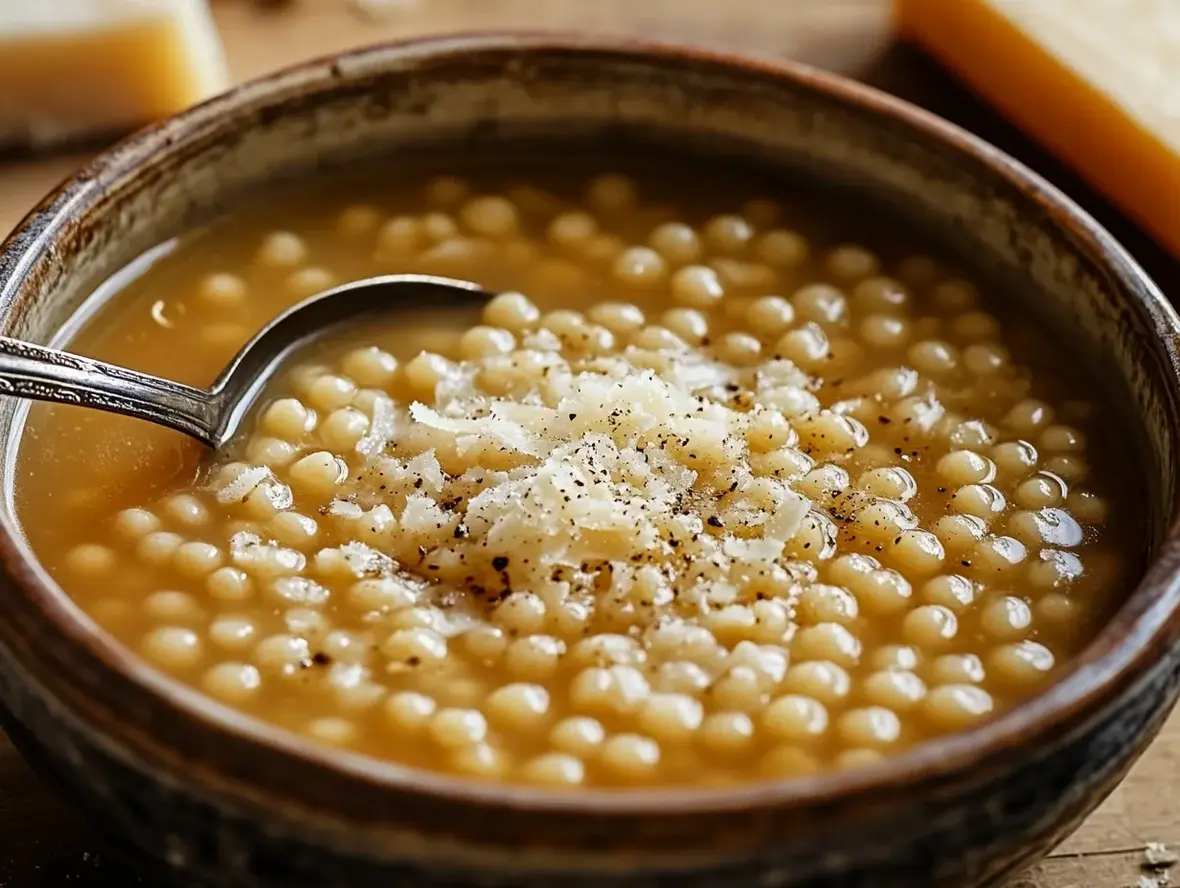
When colds strike or you’re simply yearning for a bowl of pure, unadulterated comfort, what’s the first dish that comes to mind? For many, especially those with Italian heritage, it’s a steaming bowl of Italian Penicillin. This humble yet deeply satisfying pastina soup is more than just a meal; it’s a culinary hug, a restorative balm, and a testament to the power of simple, wholesome ingredients. In a world constantly seeking the next superfood, sometimes the oldest remedies are the most profound. This recipe will guide you through creating this beloved Italian tradition in your own kitchen, a dish lauded for its ability to soothe the soul and warm the body from the inside out.
Ingredients: A Base for Comfort
The beauty of Italian Penicillin lies in its simplicity. The ingredients are readily available, and their synergy creates a comforting depth of flavor. We’ll focus on a foundational recipe, but feel free to adapt it to your pantry and preferences.
Core Ingredients
- Chicken Broth: 6-8 cups. This is the soul of the soup. Opt for a high-quality, low-sodium chicken broth for the best flavor base. Homemade is always a treasured option if you have it!
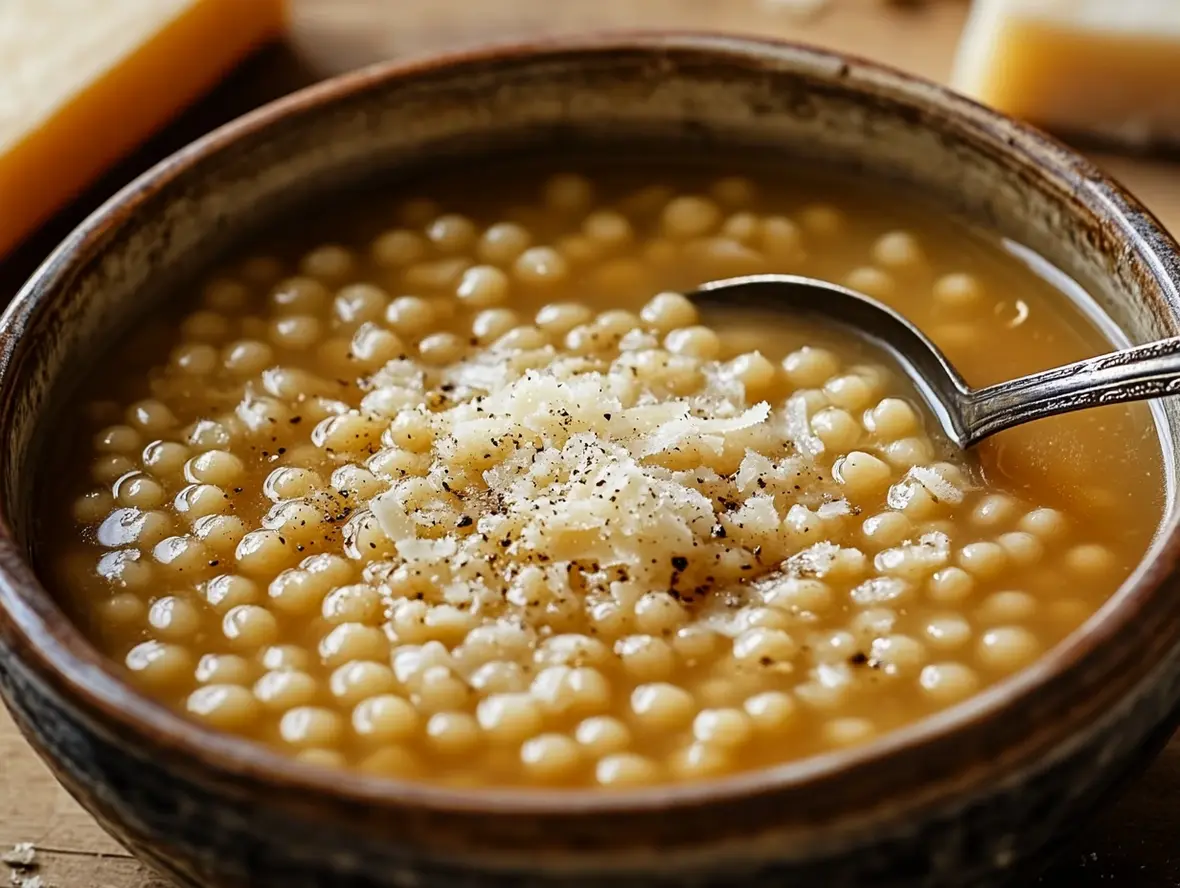
- Pastina: 1/2 cup. Small pasta shapes like Stelline (little stars), Acini di Pepe (peppercorns), or Orzo are traditional. They cook quickly and absorb the broth beautifully.
- Egg: 1 large, lightly beaten. This is what gives Italian Penicillin its distinctive richness and creamy texture.
- Parmesan Cheese: 1/4 cup, finely grated, plus more for serving. The salty, umami kick of Parmesan is essential.
- Lemon Juice: 1-2 tablespoons, freshly squeezed. A bright, zesty touch that cuts through the richness and adds a refreshing lift.
- Salt and Freshly Ground Black Pepper: To taste. Essential for seasoning and bringing out all the flavors.
Optional Aromatics and Enhancements
- Garlic: 1-2 cloves, minced. Adds a subtle warmth and depth.
- Butter: 1 tablespoon. For sautéing aromatics and adding a touch more richness.
- Fresh Herbs: Such as parsley or chives, finely chopped, for garnish. Adds freshness and visual appeal.
Substitutions and Variations
- Vegetarian: Use a high-quality vegetable broth instead of chicken broth.
- Vegan: Use vegetable broth, omit the egg and Parmesan. You can create a creamy texture with a swirl of cashew cream or a thickening roux with vegetable oil and flour.
- Gluten-Free: Use gluten-free pastina (rice or corn-based) or even small gluten-free pasta shapes.
- Extra Protein: Shredded cooked chicken or tiny meatballs can be added for a heartier meal.
Timing: Quick Comfort
Compared to many comforting soups that can take hours to simmer, Italian Penicillin is remarkably quick. Its short cooking time makes it ideal for a weeknight meal when you need something warm and nourishing fast.
Step 1: Preparing the Broth
Pour your chicken broth into a medium-sized saucepan. If you’re using any optional aromatics like minced garlic, you can gently sauté them in a tablespoon of butter or olive oil in the bottom of the pot for about a minute until fragrant before adding the broth. If not, simply bring the broth to a gentle simmer over medium heat. Season with a pinch of salt and a grind of black pepper. Remember that broths and Parmesan can be salty, so it’s best to season tentatively at first and adjust later.
Step 2: Building Flavor
Once the broth is simmering, this is your moment to enhance its depth. If you’re adding minced garlic and butter, ensure they’ve had a chance to infuse their aroma into the broth. Taste the broth and adjust the salt and pepper as needed. This foundational flavor is what the pastina will absorb, so getting it right now is key.
Step 3: Adding the Pastina
Increase the heat slightly to bring the broth to a rolling boil. Add the 1/2 cup of pastina to the pot. Stir occasionally to prevent sticking. Cook the pastina according to the package directions, which is typically around 5-8 minutes, until it’s al dente (tender but with a slight bite).
Step 4: Finishing Touches
This is where the magic happens. Once the pastina is cooked, remove the pot from the heat. In a small bowl, whisk together the lightly beaten egg and the grated Parmesan cheese. While whisking the egg and cheese mixture constantly, slowly drizzle about half a cup of the hot broth into it. This tempering process gently heats the egg, preventing it from scrambling. Now, slowly pour this tempered egg and cheese mixture back into the pot of soup, whisking continuously. The soup will instantly thicken and turn a beautiful, creamy golden hue. Stir in the fresh lemon juice. Taste one last time and adjust seasonings if necessary. The lemon juice awakens all the flavors and provides that signature bright finish.
Nutritional Information: A Light Yet Satisfying Choice
While exact nutritional values vary based on ingredients and portion sizes, a typical serving of Italian Penicillin is relatively light yet satisfying.
- Calories: Approximately 150-250 kcal per serving (without added meats or excessive butter).
- Protein: Moderate, primarily from the egg and Parmesan.
- Carbohydrates: Primarily from the pastina.
- Fat: Moderate, from the egg and cheese; can be controlled by broth choice and added fats.
- Vitamins & Minerals: Provided by the broth (if homemade or enriched) and any added herbs.
This soup is a fantastic source of hydration and quickly digestible nutrients, making it ideal for those needing gentle sustenance.
Healthier Alternatives: Nourishment Without Compromise
While this classic recipe is already quite wholesome, here are some ways to make it even healthier without sacrificing its comforting essence:
- Broth Choice: Use a low-sodium or homemade broth to control sodium intake. For an even lighter option, a good quality chicken consommé works beautifully.
- Whole Grains: If available, opt for whole wheat pastina or small whole grain pasta shapes for added fiber.
- Reduced Fat: Use reduced-fat Parmesan cheese or a smaller amount. For creaminess, a whisked tablespoon of cornstarch mixed with a little cold water can replace some of the egg and cheese richness.
- Extra Veggies: Finely grated carrots or zucchini can be added with the pastina for a boost of vitamins and gentle texture.
Serving Suggestions: Elevating Your Bowl
Italian Penicillin is a complete comfort in a bowl, but here are a few ways to make it even more special:
- Garnish Generously: A sprinkle of fresh parsley, chives, or even a few fresh basil leaves can add a burst of color and freshness.
- Extra Cheese: Always offer extra grated Parmesan cheese at the table for those who love an extra salty, umami punch.
- Drizzle of Olive Oil: A tiny drizzle of good quality extra virgin olive oil just before serving can add a luxurious finish.
- Crusty Bread: Pair with warm, crusty bread for dipping into the flavorful broth.
Common Mistakes to Avoid
- Overcooking the Pastina: Pastina can turn mushy quickly. Keep an eye on it and aim for al dente.
- Scrambling the Egg: Always temper the egg mixture by slowly adding hot broth while whisking, and avoid adding it to a furiously boiling soup.
- Under-seasoning: Broth and Parmesan add salt, but it’s crucial to taste and adjust at the end. The lemon juice also requires proper seasoning to shine.
- Skipping the Lemon: While it might seem unusual, fresh lemon juice is the secret ingredient that elevates this soup from good to exceptional. Don’t skip it!
Storing Tips: Keeping the Comfort On Hand
Italian Penicillin is best enjoyed fresh, as the pastina can absorb too much liquid and become soft if stored for too long. However, if you have leftovers:
- Refrigeration: Allow the soup to cool completely before transferring it to an airtight container. It will keep in the refrigerator for 1-2 days.
- Reheating: When reheating, add a splash of extra broth or water, as the soup will likely have thickened considerably. Gently warm it on the stovetop over low heat, stirring frequently. Avoid microwaving if possible, as it can sometimes lead to uneven heating and potential scrambling of any residual egg.
- Freezing: This soup is generally not recommended for freezing due to the pastina and egg tempering, which can alter the texture upon thawing.
Conclusion: A Bowl of Pure Comfort
Italian Penicillin is more than just a recipe; it’s an edible hug, a culinary balm that speaks to generations of comfort and care. Its simplicity belies a profound ability to soothe, nourish, and bring warmth to even the chilliest of days or the most weary of spirits. Whether you’re feeling under the weather, craving a taste of home, or simply want to whip up something quick and nourishing, this pastina soup is your answer. So, gather your simple ingredients, follow these steps, and create your own pot of Italian Penicillin. Experience the heartwarming magic for yourself!
FAQs: Your Burning Questions Answered
What is the best type of pastina to use for Italian Penicillin?
Tiny pasta shapes like Stelline (stars), Acini di Pepe (peppercorns), or Orzo are traditional and work beautifully as they cook quickly and absorb the broth without becoming overwhelming. Alphabet pasta is also a fun option!
Can I make this soup ahead of time?
It’s best enjoyed fresh. The pasta will continue to absorb liquid and can become mushy if stored for too long. If you must, store the broth separately from the cooked pastina and combine just before serving.
What if I don’t have chicken broth?
A good quality vegetable broth is a great substitute for a vegetarian version. You could also use a light beef broth for a different flavor profile, but chicken is classic for its mild, comforting nature.
Why is it called “Italian Penicillin”?
The nickname comes from its association with a remedy for colds and illnesses. Much like the antibiotic penicillin, this comforting soup was believed to have healing properties due to its warm, nourishing, and easy-to-digest nature.
Can I add vegetables to this soup?
Absolutely! While the classic version is simple, you can add finely grated carrots, zucchini, or even a handful of spinach towards the end of cooking for added nutrients and color.
Italian Penicillin: Pastina Soup
Description
A comforting and simple Italian classic,Pastina Soup(often called “Italian Penicillin”) is the ultimate remedy for cold days or when you’re feeling under the weather. With tiny star-shaped pasta, a velvety egg finish, and a touch of Parmesan, this quick and satisfying soup warms the soul.
Ingredients
- 4 cupschicken broth (homemade or store-bought)1 cuppastina pasta (tiny star-shaped or pearl-shaped pasta)1egg, beaten¼ cupfreshly grated Parmesan cheese1 tablespoonbutterSalt and pepper, to taste
- 1 cuppastina pasta (tiny star-shaped or pearl-shaped pasta)1egg, beaten¼ cupfreshly grated Parmesan cheese1 tablespoonbutterSalt and pepper, to taste
- 1egg, beaten¼ cupfreshly grated Parmesan cheese1 tablespoonbutterSalt and pepper, to taste
- ¼ cupfreshly grated Parmesan cheese1 tablespoonbutterSalt and pepper, to taste
- 1 tablespoonbutterSalt and pepper, to taste
- Salt and pepper, to taste
Instructions
- 1️⃣Heat the Broth:In a medium pot, bring the chicken broth to a gentle boil over medium heat.2️⃣Cook the Pastina:Add the pastina to the boiling broth. Cook for 6–8 minutes, stirring occasionally, until the pasta is tender.3️⃣Create Creamy Richness:Reduce the heat to low. Slowly drizzle the beaten egg into the simmering soup while whisking continuously to form silky strands.4️⃣Finish with Butter & Cheese:Stir in the butter and Parmesan cheese until fully melted and combined. Taste and season with salt and pepper as needed.5️⃣Serve:Ladle the soup into bowls, top with extra Parmesan and a sprinkle of black pepper, and serve immediately.
- 2️⃣Cook the Pastina:Add the pastina to the boiling broth. Cook for 6–8 minutes, stirring occasionally, until the pasta is tender.3️⃣Create Creamy Richness:Reduce the heat to low. Slowly drizzle the beaten egg into the simmering soup while whisking continuously to form silky strands.4️⃣Finish with Butter & Cheese:Stir in the butter and Parmesan cheese until fully melted and combined. Taste and season with salt and pepper as needed.5️⃣Serve:Ladle the soup into bowls, top with extra Parmesan and a sprinkle of black pepper, and serve immediately.
- 3️⃣Create Creamy Richness:Reduce the heat to low. Slowly drizzle the beaten egg into the simmering soup while whisking continuously to form silky strands.
- 4️⃣Finish with Butter & Cheese:Stir in the butter and Parmesan cheese until fully melted and combined. Taste and season with salt and pepper as needed.5️⃣Serve:Ladle the soup into bowls, top with extra Parmesan and a sprinkle of black pepper, and serve immediately.
- 5️⃣Serve:Ladle the soup into bowls, top with extra Parmesan and a sprinkle of black pepper, and serve immediately.
Notes
For added flavor, toss in fresh herbs like parsley or a pinch of nutmeg.Customize by adding shredded chicken or diced vegetables for a heartier meal.
Customize by adding shredded chicken or diced vegetables for a heartier meal.
“`