“`html
Table of Contents
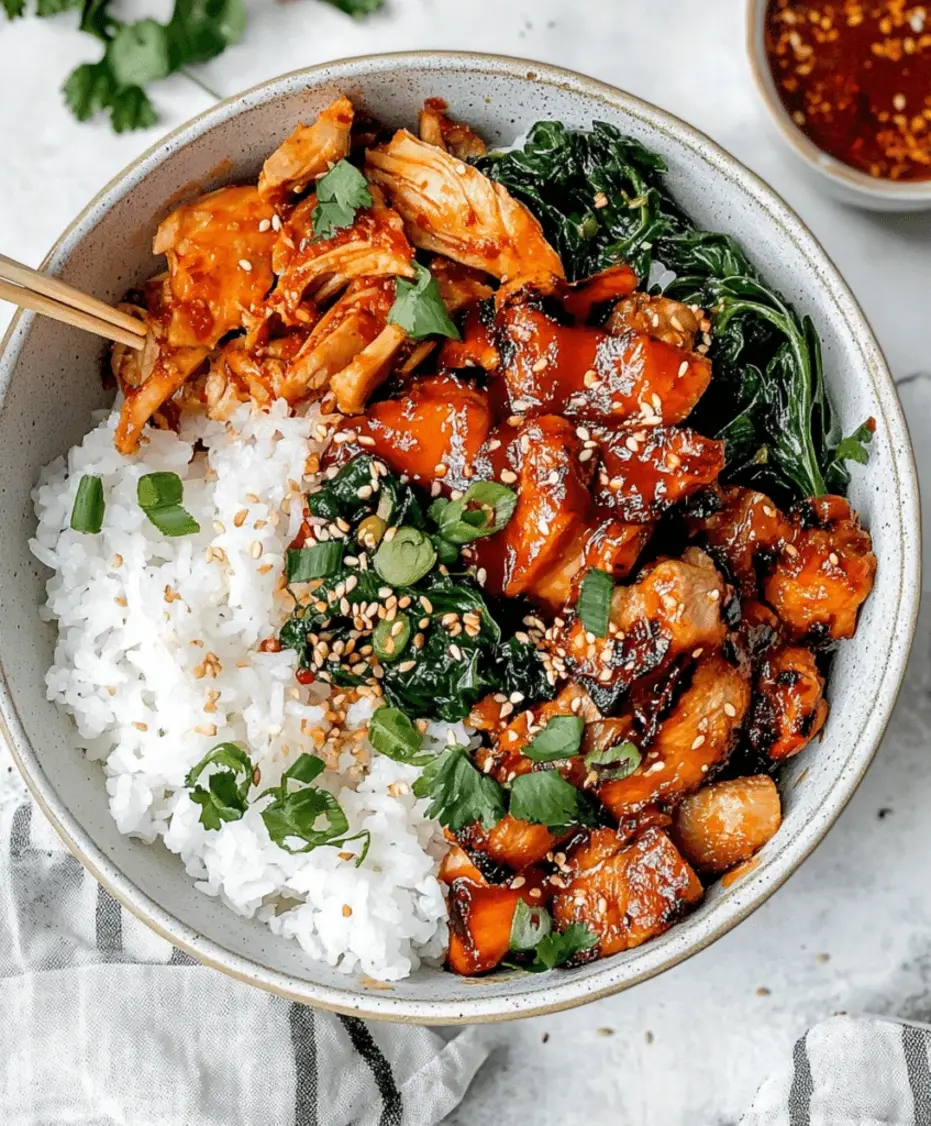
Korean Chicken Rice Bowls Recipe
Quick & Flavorful Korean Chicken Rice Bowls
Are you searching for a weeknight dinner that’s both incredibly delicious and surprisingly healthy? If you’re like most busy home cooks, you might be wondering how to whip up a meal that satisfies those savory cravings without spending hours in the kitchen. Look no further! This Korean Chicken Rice Bowls recipe is your answer. It’s a symphony of juicy chicken tossed in a vibrant, sweet, and spicy Korean-style sauce, served over fluffy rice and crowned with a medley of fresh, crisp vegetables. It’s the perfect balance of comforting and invigorating, making it an ideal choice for a satisfying and wholesome dinner that the whole family will adore.
Ingredients You’ll Need
Gathering your ingredients is the first step to culinary success. For these Korean Chicken Rice Bowls, we’re focusing on fresh components that bring out the best in the sweet and spicy Korean flavors. Think tender chicken, aromatic garlic and ginger, and a variety of crisp vegetables for that perfect textural contrast.
For the Korean-Style Sauce:
- Gochujang (Korean Chili Paste): The heart of our sauce, providing a complex, fermented heat. Look for a good quality brand. Substitution: You can use Sriracha or a blend of chili garlic sauce and a touch of tomato paste if gochujang is unavailable, though the flavor will be slightly different.
- Soy Sauce: For that essential umami depth. Use low-sodium if you prefer.
- Rice Vinegar: Adds a bright, tangy note to balance the richness.
- Honey or Maple Syrup: For a touch of sweetness that caramelizes beautifully.
- Sesame Oil: Toasted sesame oil offers a nutty aroma that is quintessentially Korean.
- Minced Garlic: Freshly minced garlic packs the most punch!
- Grated Ginger: Adds a warm, zesty, and slightly peppery note.
- Black Pepper: A pinch to round out the flavors.
For the Chicken and Bowls:
- Boneless, Skinless Chicken Thighs or Breasts: Thighs offer more flavor and juiciness, while breasts are leaner. Cut into bite-sized pieces.
- Cooking Oil: A neutral oil like vegetable or canola oil for sautéing.
- Cooked Rice: Sushi rice, basmati, or jasmine rice all work beautifully.
- Assorted Fresh Vegetables: Think shredded carrots, thinly sliced bell peppers (any color!), crisp cucumber ribbons, edamame (shelled), and sliced green onions.
- Optional Toppings: Toasted sesame seeds, a fried egg, or a sprinkle of nori flakes.
Timing is Everything: Prep, Cook, and Enjoy
This recipe is designed for speed and flavor. With a total time of just 35 minutes, it’s significantly faster than the average dinner recipe which often clocks in at 45-60 minutes. The prep is straightforward, and the cooking process is quick and efficient, making it perfect for busy weeknights.
Step-by-Step Instructions
Step 1: Prepare the Korean-Style Sauce
In a medium bowl, whisk together the gochujang, soy sauce, rice vinegar, honey (or maple syrup), sesame oil, minced garlic, grated ginger, and black pepper. Don’t be shy with the garlic and ginger – they add incredible depth! Taste and adjust seasonings if needed. If you prefer a spicier kick, add a little more gochujang. If it’s too thick, a tablespoon of water can help.
Step 2: Marinate the Chicken
Place your bite-sized chicken pieces in a bowl. Pour about half of the prepared sauce over the chicken. Toss gently to ensure each piece is coated evenly. Let it marinate for at least 10 minutes while you prepare the other components. This simple marinade infuses the chicken with that irresistible sweet and spicy Korean flavor.
Step 3: Cook the Chicken
Heat your cooking oil in a large skillet or wok over medium-high heat. Once hot, add the marinated chicken in a single layer. Cook for about 5-7 minutes, flipping occasionally, until the chicken is golden brown and cooked through. Avoid overcrowding the pan; cook in batches if necessary to ensure proper browning rather than steaming.
Step 4: Prepare the Rice
While the chicken is cooking, ensure your rice is ready. Whether you’ve made it fresh or are reheating pre-cooked rice, you want it to be fluffy and warm. If cooking from scratch, follow the package instructions. A slightly sticky rice like sushi rice is ideal for helping the toppings adhere.
Step 5: Assemble Your Bowls
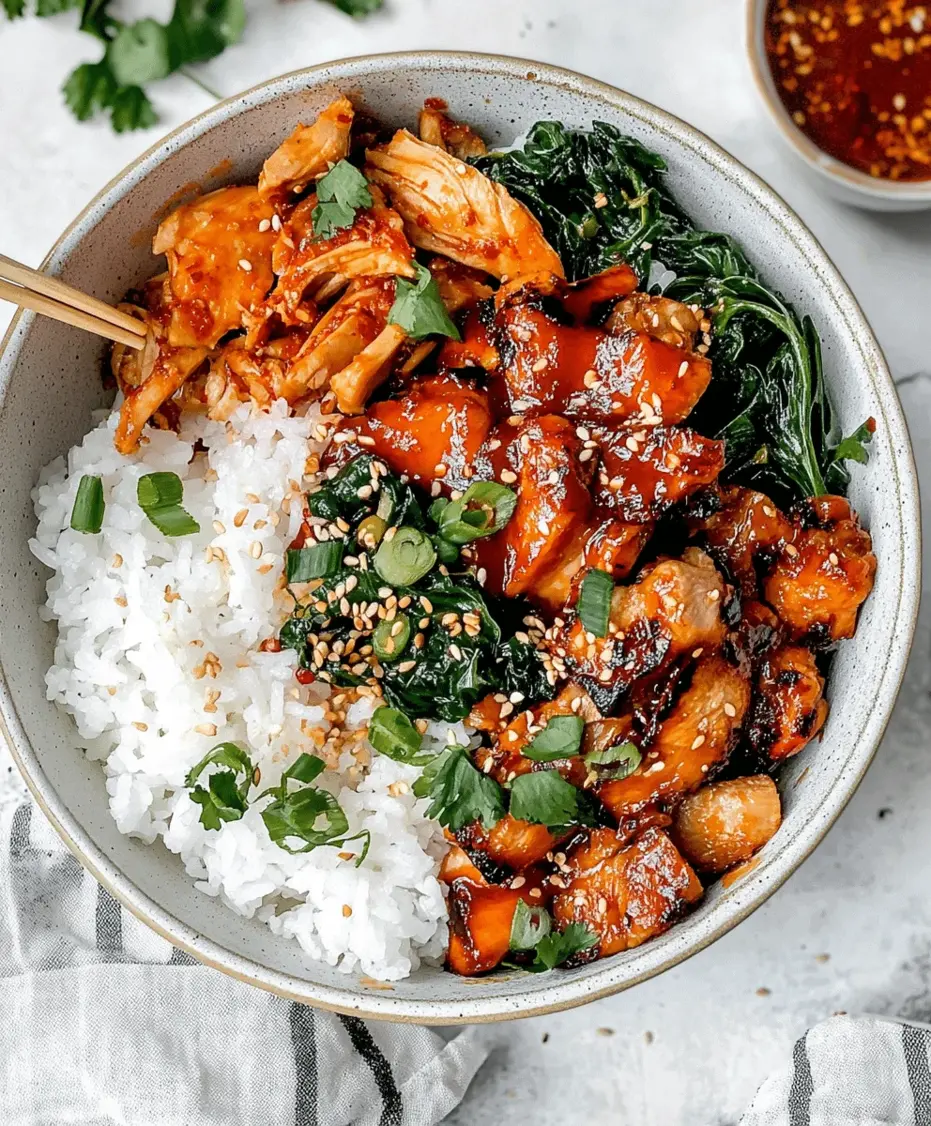
This is where the magic happens! Divide the warm rice among your serving bowls. Top generously with the cooked Korean chicken. Arrange your fresh vegetables around the chicken – shredded carrots, bell pepper strips, cucumber ribbons, and edamame add vibrant color and satisfying crunch. Drizzle with the remaining Korean-style sauce, and finish with a sprinkle of toasted sesame seeds and sliced green onions for an extra burst of flavor and visual appeal. If you’re feeling decadent, a fried egg on top is heavenly!
Nutritional Information (Estimated Per Serving)
This recipe is a great source of lean protein and can be packed with vitamins and fiber from the vegetables. Here’s an estimated breakdown:
- Calories: ~450-550 kcal
- Protein: ~30-40g
- Carbohydrates: ~40-50g
- Fat: ~15-25g
Note: Nutritional values are approximate and can vary based on ingredient choices and portion sizes.
Healthier Alternatives & Swaps
Looking to make these Korean Chicken Rice Bowls even healthier without sacrificing flavor? Here are a few simple swaps:
- Leaner Protein: Opt for chicken breast instead of thighs, or try firm tofu or shrimp for a lighter protein source.
- Reduced Sodium: Use low-sodium soy sauce.
- Whole Grains: Serve over brown rice or quinoa for added fiber and nutrients.
- Less Sugar: If you’re watching sugar intake, reduce the amount of honey or maple syrup in the sauce, or use a sugar substitute approved for cooking. You can also add a touch more rice vinegar to compensate for the reduced sweetness.
- Veggie Powerhouse: Pack your bowls with even more colorful vegetables like broccoli florets, snap peas, or spinach.
Serving Suggestions
These Korean Chicken Rice Bowls are a complete meal on their own, but here are a few ideas to elevate your dining experience:
- Add a Fried Egg: A runny yolk adds a luxurious richness that ties everything together.
- Kimchi on the Side: For an extra punch of fermented flavor and probiotics, serve with a side of your favorite kimchi.
- Quick Pickled Vegetables: Thinly sliced radishes or cucumbers quickly pickled in rice vinegar and a pinch of sugar add a refreshing zing.
- Garnish Galore: Don’t underestimate the power of toasted sesame seeds, sliced green onions, and a drizzle of sriracha for those who like extra heat.
Common Mistakes to Avoid
- Overcrowding the Pan: This leads to steamed, rather than seared, chicken, making it less flavorful and potentially rubbery. Cook in batches if needed.
- Not Tasting and Adjusting the Sauce: Your gochujang brand might vary in spice and saltiness. Always taste your sauce and adjust to your preference.
- Using Old Ginger/Garlic: Freshly grated ginger and minced garlic provide the best aroma and flavor.
- Skipping the Marination: Even a short 10-minute marinade makes a difference in flavor penetration.
- Serving Cold Rice: Warm rice is crucial for a comforting and cohesive bowl.
Storing Your Korean Chicken Rice Bowls
Leftovers can be stored in an airtight container in the refrigerator for up to 3 days. It’s best to store the chicken and rice together, and add fresh vegetables just before serving if possible, as they can become soggy.
To Reheat: You can gently reheat the chicken and rice mixture in a skillet over medium heat, adding a splash of water or extra sauce if needed, or microwave until heated through. Add fresh toppings before serving.
Frequently Asked Questions (FAQs)
***Can I make this recipe vegetarian or vegan?***
Absolutely! Replace the chicken with firm or extra-firm tofu, tempeh, or your favorite plant-based chicken alternative. Ensure your sweetener is vegan (like maple syrup instead of honey) and check that your gochujang does not contain any fish products (most are vegan, but it’s good to check).
***How spicy is this dish?***
The spice level can vary depending on the brand of gochujang used. Gochujang typically has a moderate heat. You can control the spiciness by adjusting the amount of gochujang in the sauce. For less heat, use less; for more, add more, or add a pinch of red pepper flakes.
***What kind of rice is best?***
Short-grain or medium-grain rice like sushi rice or medium-grain white rice is ideal as it tends to be slightly sticky, which helps hold the toppings well. However, jasmine or basmati rice will also work, especially if you’re aiming for a healthier option with brown rice.
***Can I prepare parts of this recipe in advance?***
Yes! The Korean-style sauce can be made up to a week in advance and stored in the refrigerator. You can also cook the chicken ahead of time and reheat it. Vegetables can be prepped and stored separately.
Enjoy Your Delicious Korean Chicken Rice Bowls!
There you have it – a quick, healthy, and incredibly flavorful Korean Chicken Rice Bowl recipe that’s perfect for any night of the week. With its balanced flavors and vibrant presentation, it’s sure to become a go-to in your meal rotation. Don’t forget to experiment with your favorite vegetables and toppings to make it uniquely yours. Happy cooking!
Print
Korean Chicken Rice Bowls Recipe
Description
This Korean Chicken Rice Bowls recipe is a delicious, quick meal featuring juicy chicken in a sweet and spicy Korean-style sauce over fluffy rice, topped with fresh vegetables. Perfect for a healthy and satisfying dinner option!
Ingredients
- 1lb boneless skinless chicken thighs, cut into bite-sized pieces
- 2 tbspsoy sauce
- 1 tbspgochujang (Korean chili paste)
- 1 tbspsesame oil
- 1 tbsphoney
- 2garlic cloves, minced
- 1 tspgrated ginger
- 2 cupscooked white rice
- 1 cupshredded carrots
- 1 cupsliced cucumber
- 2green onions, chopped
- Sesame seeds, for garnish
Instructions
Notes
You can substitute chicken thighs with chicken breast or tofu for a leaner or vegetarian version. Adjust gochujang to your spice preference.
Nutrition
- Calories: 430
- Sugar: 8g
“`