“`html
Table of Contents
One Pot Shawarma Chicken and Rice Recipe
Introduction
Did you know that over 70% of home cooks cite “too many dirty dishes” as their top deterrent for cooking on weeknights? That’s where the magic of a One Pot Shawarma Chicken and Rice meal comes in. This isn’t just another chicken and rice dish; it’s a vibrant, aromatic journey to the streets of the Middle East, all made in a single pot for maximum flavor and minimal cleanup. Imagine tender, juicy chicken pieces, deeply marinated in a warm blend of cumin, coriander, and smoky paprika, nestled into fluffy, perfectly spiced rice that has absorbed every drop of savory goodness. This recipe is your answer to the eternal question of how to get a delicious, satisfying dinner on the table without spending hours in the kitchen or creating a mountain of dishes. It’s the perfect fusion of convenience and exotic flavor, designed to become a staple in your weekly rotation.
Ingredients List
Gather these simple ingredients to create a symphony of flavors. The key is in the spice blend!
- For the Shawarma Marinade:
- 1.5 lbs boneless, skinless chicken thighs or breasts, cut into 1-inch pieces (Thighs are juicier and more forgiving, but breasts work for a leaner option).
- 3 tbsp olive oil (the rich, fruity base for our marinade).
- 2 tbsp fresh lemon juice (brightens and tenderizes).
- 3 cloves garlic, minced (for that essential pungent, aromatic kick).
- 1 tbsp ground cumin (earthy, warm, and the soul of shawarma).
- 1 tbsp ground coriander (citrusy and floral, cumin’s perfect partner).
- 2 tsp smoked paprika (adds a deep, smoky sweetness and gorgeous red hue).
- 1 tsp turmeric (for earthy depth and a golden color).
- 1 tsp ground cinnamon (a whisper of sweet warmth in the background).
- ½ tsp cayenne pepper (adjust for your preferred heat level).
- 1 tsp salt, plus more to taste.
- ½ tsp black pepper.
- For the Rice & Cooking:
- 1 large yellow onion, finely diced (becomes sweet and caramelized).
- 1 ½ cups long-grain white rice like Basmati or Jasmine (rinsed until water runs clear to remove excess starch for fluffier grains). Substitution: Brown rice (requires more liquid and longer cook time).
- 2 ¼ cups chicken broth (use low-sodium to control saltiness). Substitution: Vegetable broth or water with a bouillon cube.
- 1 bay leaf (a classic aromatic that infuses the rice).
- ¼ cup fresh parsley or cilantro, chopped (for a fresh, green finish).
- Lemon wedges and plain yogurt or tzatziki, for serving.
Timing
(Mostly hands-off marinating time)
(+ optional marinating)
Compared to the average one-pot meal which can take 50-60 minutes from start to finish, this Shawarma Chicken and Rice recipe is remarkably efficient. The active cooking time is just 30 minutes, with most of the “work” happening as the rice simmers and the flavors meld together beautifully in the pot. If you marinate the chicken ahead of time (even 15 minutes helps!), you can shave precious minutes off your weeknight routine.
Step-by-Step Instructions
Step 1: Marinate the Chicken
In a large bowl, combine the olive oil, lemon juice, minced garlic, and all the dried spices (cumin, coriander, paprika, turmeric, cinnamon, cayenne, salt, and pepper). Whisk it into a fragrant, rust-colored paste. Add the cubed chicken pieces and toss until every piece is thoroughly coated. For the best flavor penetration, let it marinate for at least 15 minutes at room temperature, or cover and refrigerate for up to 4 hours. This step is non-negotiable for achieving that authentic, deep shawarma taste.
Step 2: Sauté the Aromatics
Heat a large, deep skillet or Dutch oven over medium-high heat. You don’t need extra oil here as the marinade provides plenty. Add the diced onion and sauté for 4-5 minutes, stirring frequently, until they become soft and translucent, taking on a slight golden edge. This builds the foundational sweetness of the dish.
Step 3: Cook the Chicken
Push the onions to the sides of the pot. Add the marinated chicken pieces in a single layer (you may need to do this in two batches to avoid overcrowding). Let them sear undisturbed for 2-3 minutes per side, until they develop a beautiful brown crust. Don’t worry about cooking them through completely at this stage—they will finish cooking with the rice. This searing step locks in juices and creates fond (those tasty browned bits) on the bottom of the pot, which will flavor the rice.
Step 4: Add the Rice and Broth
Return all chicken to the pot if you batched it. Add the rinsed rice and the bay leaf to the pot, stirring to combine it with the chicken and onions for about 1 minute, letting the rice toast slightly. This helps keep the grains separate. Pour in the chicken broth, scraping the bottom of the pot with your spoon to deglaze and incorporate all that flavorful fond. Give everything one good, final stir to distribute evenly.
Step 5: Simmer and Rest
Bring the liquid to a boil, then immediately reduce the heat to low. Cover the pot tightly with a lid. Let it simmer gently for 18-20 minutes. Do not peek! Lifting the lid releases steam and can result in undercooked rice. After 20 minutes, turn off the heat but leave the lid on. Let the pot rest, undisturbed, for 10 full minutes. This resting period is crucial—it allows the rice to finish steaming and absorb any remaining liquid, resulting in perfectly fluffy, not mushy, grains.
Step 6: Fluff and Serve
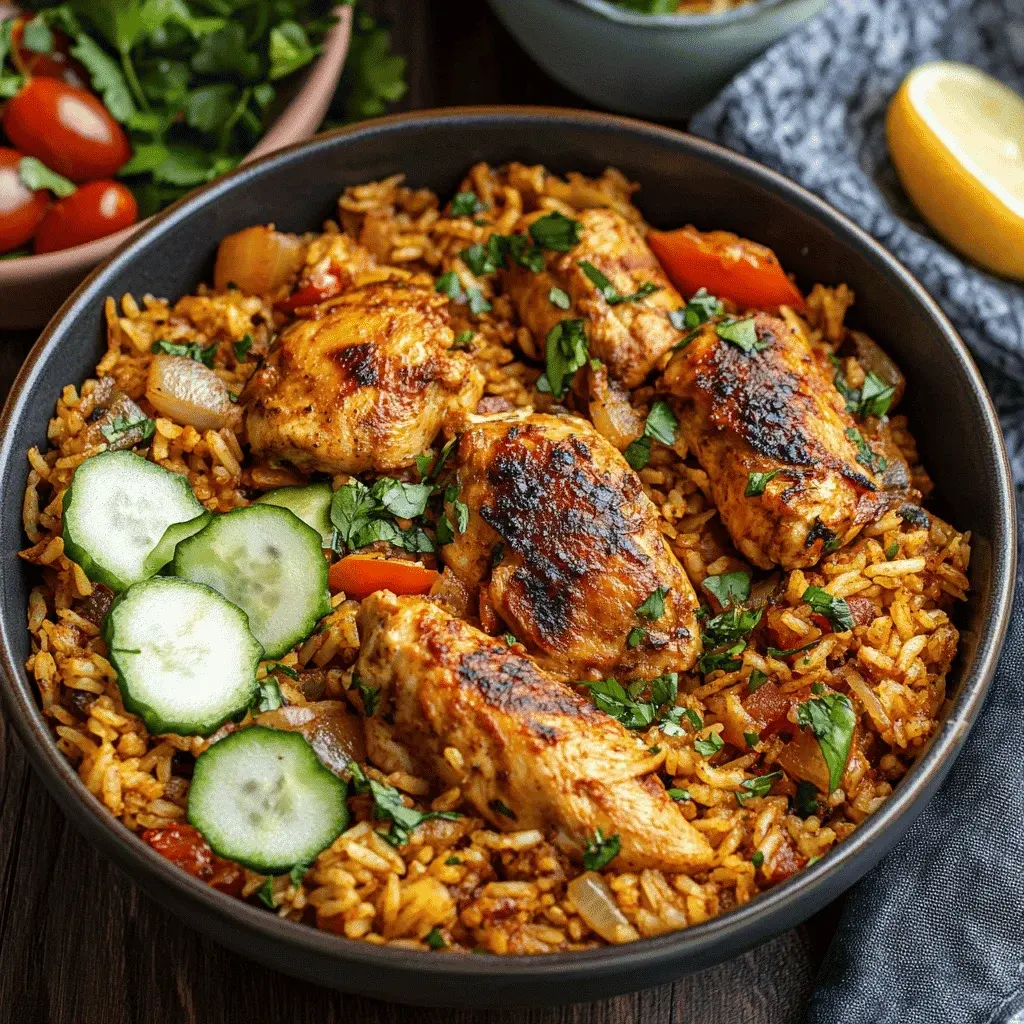
Remove the lid and discard the bay leaf. Use a fork to gently fluff the rice and chicken, mixing everything together. The aroma will be incredible. Stir in most of the chopped fresh parsley or cilantro. Transfer to a serving platter, garnish with the remaining herbs, and serve immediately with lemon wedges and a dollop of cool, creamy yogurt or tzatziki on the side.
Nutritional Information
Estimated per serving (based on 6 servings):
- Calories: ~420 kcal
- Protein: 28g (Excellent source for muscle repair and satiety)
- Carbohydrates: 45g (Primarily from the rice, providing energy)
- Dietary Fiber: 2g
- Fat: 14g (Mostly healthy fats from olive oil)
- Saturated Fat: 3g
- Sodium: ~650mg (Can be reduced by using low-sodium broth)
Healthier Alternatives
You can easily adapt this recipe to fit various dietary needs without sacrificing the iconic shawarma flavor:
- Cauliflower Rice: For a low-carb option, replace white rice with 4-5 cups of riced cauliflower. Add it in the last 5-7 minutes of cooking so it doesn’t become soggy.
- Leaner Protein: Use chicken breasts instead of thighs, and increase the olive oil in the marinade by 1 tbsp to compensate for less fat.
- Whole Grains: Swap white rice for brown rice or quinoa. For brown rice, increase broth to 3 cups and simmer covered for 40-45 minutes. For quinoa, use 1 ¾ cups broth and cook for 15-18 minutes.
- Reduce Sodium: Use no-salt-added chicken broth and increase the other spices slightly to compensate.
Serving Suggestions
This dish is a complete meal on its own, but these accompaniments can elevate it to a feast:
- The Essential Trio: Always serve with lemon wedges (a squeeze brightens everything), plain Greek yogurt or tzatziki (for creaminess), and a simple salad of chopped tomatoes, cucumbers, and red onion with a lemon-olive oil dressing.
- Bread on the Side: Warm pita bread or flatbread is perfect for scooping up every last bit.
- Vegetable Add-Ins: Stir in a handful of baby spinach or frozen peas during the last 2 minutes of resting time for extra greens.
- For a Crowd: Serve it family-style in the pot it was cooked in, garnished generously with fresh herbs and toasted pine nuts or slivered almonds for crunch.
Common Mistakes
- Not Rinsing the Rice: This leaves excess starch, which can make the final dish gummy instead of fluffy.
- Overcrowding the Pot When Searing: If you add all the chicken at once, it will steam instead of sear. Take the time to brown in batches for maximum flavor.
- Peeking Under the Lid: Resist the urge! Every peek releases steam and extends cooking time, risking unevenly cooked rice.
- Skipping the Rest: Fluffing the rice immediately after cooking will break the grains and make it mushy. The 10-minute rest is essential.
- Using Old Spices: Ground spices lose potency over time. If your cumin or paprika doesn’t smell potent when you open the jar, it’s time for a refresh.