“`html
Orange Mango Smoothie Recipe
Table of Contents
- Introduction: A Tropical Vitamin C Boost
- Ingredients List
- Timing and Efficiency
- Step-by-Step Instructions
- Nutritional Information
- Healthier Alternatives and Flavor Swaps
- Serving Suggestions
- Common Mistakes to Avoid
- Storing and Meal Prep Tips
- Conclusion: Your New Go-To Smoothie
- Frequently Asked Questions (FAQs)
Introduction: A Tropical Vitamin C Boost
Did you know that just one cup of mango provides nearly 70% of your daily Vitamin C needs? When you combine that with the citrus power of oranges, you create a refreshing Orange Mango Smoothie that’s not just a treat for your taste buds but a formidable ally for your immune system. This isn’t just another smoothie recipe; it’s a vibrant, sun-kissed escape in a glass. Perfect for busy mornings, a post-workout recharge, or a wholesome afternoon snack, this blend marries the lush, honeyed sweetness of ripe mango with the bright, tangy zing of fresh orange. The addition of creamy yogurt transforms it into a satisfying, protein-rich meal that will keep you energized for hours. Let’s dive into how you can whip up this tropical masterpiece in minutes and make it a staple in your healthy living routine.
Ingredients List
Gathering high-quality, ripe ingredients is the secret to a perfect smoothie. Here’s what you’ll need for two generous servings:
- 1 large ripe mango (about 1.5 cups cubed) – Look for mangoes that yield slightly to gentle pressure and have a fragrant, sweet aroma at the stem. This is the heart of the smoothie, providing a creamy texture and intense tropical flavor. Substitution: 1.5 cups of frozen mango chunks works perfectly and creates a thicker, frostier texture.
- Juice of 2 large oranges (about ¾ cup fresh orange juice) – For the brightest, freshest flavor, squeeze your own. Navel or Valencia oranges are ideal. Substitution: High-quality, not-from-concentrate store-bought juice in a pinch, but fresh is best.
- ½ cup plain Greek yogurt – Adds a luxurious creaminess, tangy balance, and a protein punch. Substitution: For a dairy-free version, use coconut yogurt or silken tofu. For a lighter option, try skyr.
- ½ cup milk (dairy, almond, oat, or coconut) – This helps achieve the perfect drinkable consistency. Creamy oat milk complements the tropical notes beautifully.
- 1 tablespoon honey or maple syrup (optional) – Only needed if your fruits aren’t perfectly ripe and sweet. Always taste before adding!
- Handful of ice cubes (about ½ cup) – Essential for that refreshing, chilled finish. Omit if using frozen fruit.
- Optional Boosters: A teaspoon of chia seeds for fiber, a handful of spinach (you won’t taste it!), or a scoop of vanilla protein powder.
Timing and Efficiency
At just 5 minutes total, this Orange Mango Smoothie is a speed demon compared to the average breakfast recipe. While cooking oatmeal or eggs can take 10-15 minutes, this recipe delivers a nutritionally complete meal in the time it takes to toast bread. The efficiency lies in the minimal prep—no cooking, just blending. This makes it an unbeatable option for hectic mornings when every minute counts.
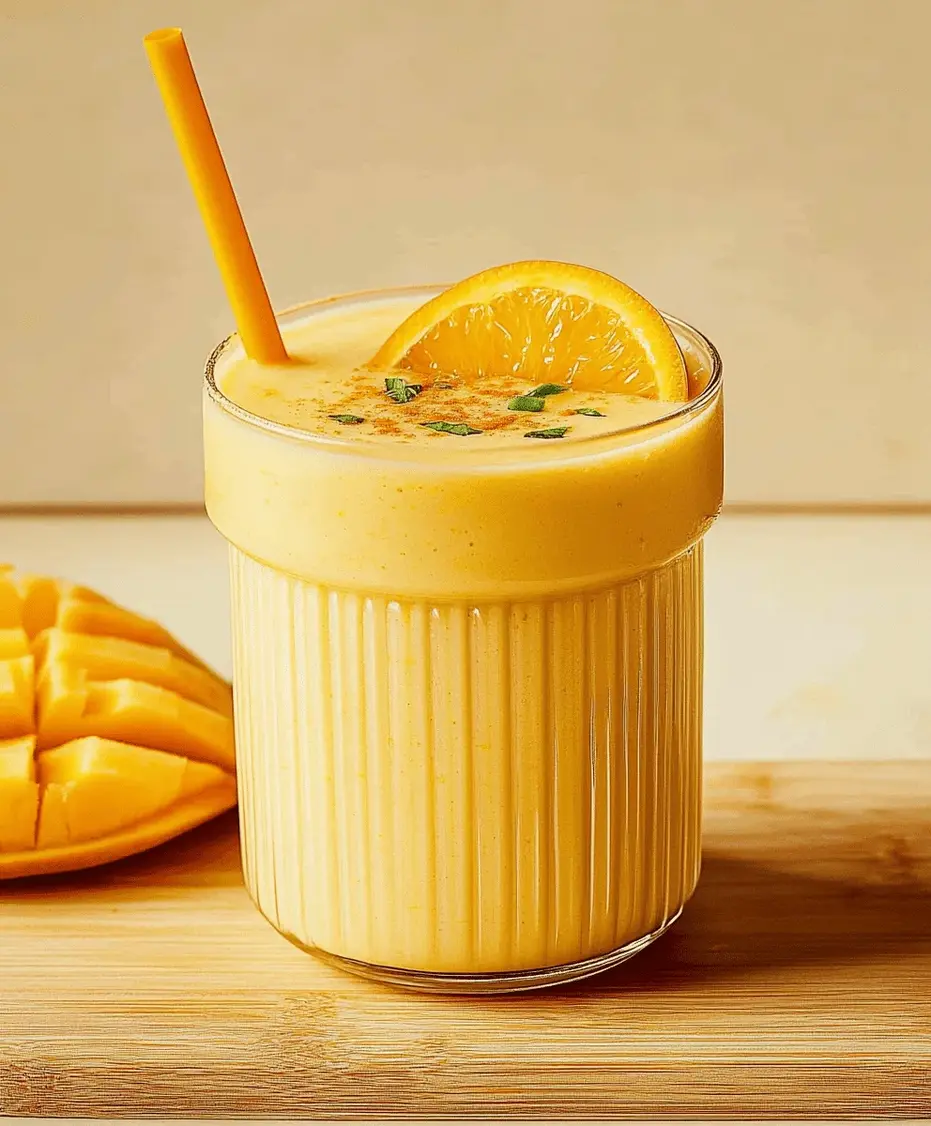
A glass of sunshine: The creamy, vibrant texture of the perfect Orange Mango Smoothie.
Step-by-Step Instructions
Step 1: Prepare Your Fruits
If using a fresh mango, carefully slice the cheeks off the pit, score the flesh into a grid, and scoop out the cubes with a spoon. This method is mess-free and efficient. For the oranges, roll them firmly on the countertop under your palm to maximize juice yield before cutting and squeezing. Having your ingredients prepped and ready by the blender is the key to a seamless, quick process.
Step 2: Combine the Liquid Base
To your blender, first add the ¾ cup of fresh orange juice and ½ cup of milk. Adding the liquids first helps the blades move freely and prevents the thicker ingredients from getting stuck at the bottom, which is a common blending mistake. This creates a vortex that pulls everything down for a perfectly smooth consistency.
Step 3: Blend to Perfection
Next, add the mango cubes, Greek yogurt, and ice. If you’re including any optional boosters like chia seeds or spinach, add them now. Secure the lid tightly. Start blending on a low speed for 10 seconds to break down the larger pieces, then ramp up to high speed for 30-45 seconds. You’re looking for a completely homogenous, velvety texture with no visible fruit chunks.
Step 4: Taste and Adjust
This is the most important chef’s step! Pour a small spoonful and taste. Is it tangy enough? Add a squeeze more orange juice. Not sweet enough? Blend in half a tablespoon of honey. Too thick? Add a splash more milk. Too thin? Add a few more mango cubes or ice. Personalize it until it’s perfect for you.
Step 5: Serve Immediately
Pour your glorious creation into two tall glasses. For a touch of elegance, garnish with a thin orange wheel on the rim or a fresh mint leaf. Smoothies are best enjoyed immediately to savor the fresh flavors and optimal texture before any separation occurs.
Nutritional Information
(Approximate values per serving, without optional sweeteners or boosters)
- Calories: 210
- Protein: 9g (Excellent from Greek yogurt)
- Carbohydrates: 38g (Natural sugars from fruit)
- Dietary Fiber: 3g
- Sugars: 33g
- Fat: 3g
- Vitamin C: Over 100% of Daily Value
- Vitamin A: 25% of Daily Value
Healthier Alternatives and Flavor Swaps
You can easily tailor this smoothie to various dietary needs without sacrificing the iconic tropical flavor:
- Lower Sugar: Use full-fat Greek yogurt (which has less sugar than low-fat versions) and reduce the mango by ¼ cup, adding ¼ cup of cauliflower rice instead. It adds creaminess with virtually no taste.
- Vegan/Dairy-Free: Swap Greek yogurt for coconut yogurt and use almond or oat milk. The coconut adds a fantastic complementary tropical note.
- Higher Protein: Add a scoop of unflavored or vanilla plant-based protein powder, or use an extra ¼ cup of Greek yogurt.
- Flavor Twist – Caribbean Dream: Add ¼ teaspoon of ground ginger and a pinch of turmeric with the mango for an anti-inflammatory, zesty kick.
Serving Suggestions
While delicious on its own, this smoothie can be the centerpiece of a fuller meal:
- Breakfast Bowl: Pour it into a bowl and top with granola, shredded coconut, fresh mango chunks, and a drizzle of almond butter for a “smoothie bowl” experience.
- Post-Workout Pairing: Serve alongside a hard-boiled egg or a slice of whole-grain toast with avocado for balanced recovery macros.
- Kid-Friendly Fun: Serve in a colorful cup with a fun reusable straw. You can even freeze it into popsicle molds for a healthy frozen treat.
Common Mistakes to Avoid
- Using Underripe Fruit: This is the #1 cause of a bland smoothie. Your mango should be fragrant and soft. If your fruit isn’t sweet, you’ll be tempted to add too much sweetener.
- Overloading the Blender: Adding ingredients in the wrong order (solids first) can stall your blender. Always follow the liquid-first rule.
- Over-blending: Once smooth, stop! Excessive blending can incorporate too much air, making the smoothie foamy, and can sometimes heat it up slightly, affecting flavor.
- Skipping the Taste Test: Not adjusting seasoning is a cook’s mistake, even for drinks. Always taste and tweak.
Storing and Meal Prep Tips
Smoothies are best fresh, but with a trick, you can prep ahead:
- For Same-Day: You can store it in a sealed jar or bottle in the fridge for up to 4 hours. Give it a vigorous shake before drinking as some separation is natural.
- Freezer Packs (Best Method): Portion all solid ingredients (chopped mango, optional boosters) into individual freezer bags. In the morning, dump one bag into the blender, add the fresh liquids (juice, milk, yogurt), and blend. This preserves texture and flavor perfectly.
- Freezing the Whole Smoothie: Freeze in an airtight container, leaving an inch of space for expansion. Thaw in the fridge overnight and shake or re-blend briefly in the morning.
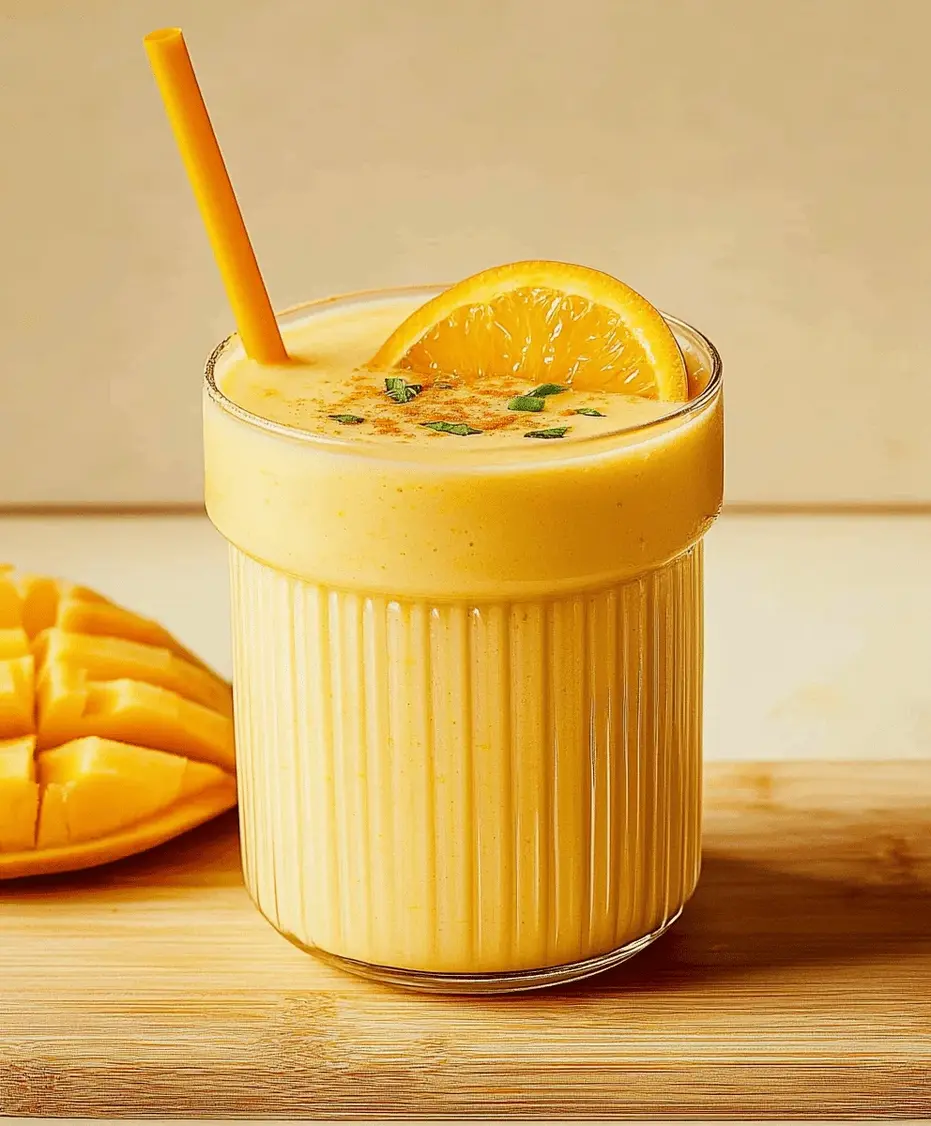
Smart meal prep: Pre-portioned freezer bags make your morning smoothie ritual effortless.
Conclusion: Your New Go-To Smoothie