“`html
Table of Contents
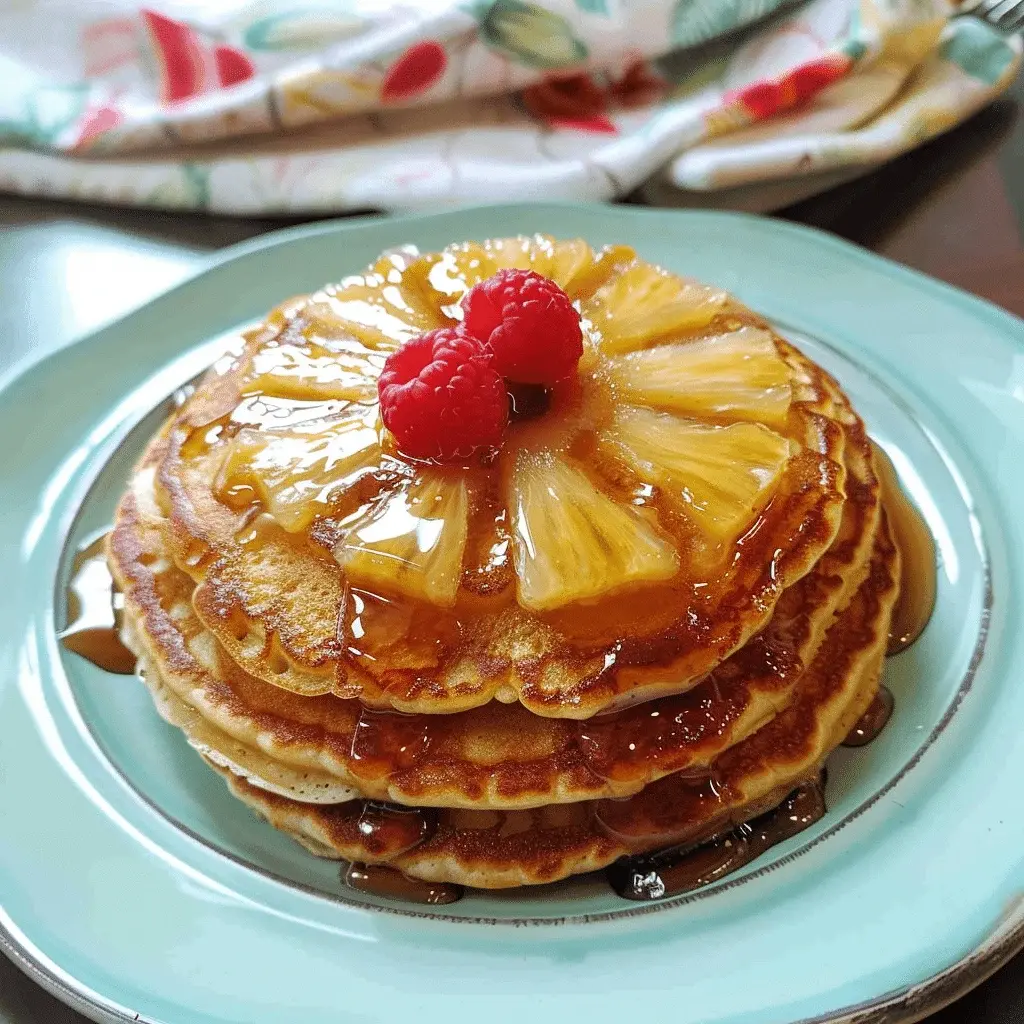
Pineapple Upside Down Pancakes Recipe
Introduction
Did you know that over 60% of home cooks seek ways to transform classic breakfast dishes into something extraordinary? If you’re looking for a show-stopping morning meal that combines nostalgic comfort with tropical flair, you’ve found it. These Pineapple Upside Down Pancakes are the answer, merging the beloved flavors of the iconic 1950s dessert with the fluffy, comforting texture of a perfect pancake. This recipe is more than just a breakfast; it’s an experience. Imagine the sweet, caramelized aroma of brown sugar and butter mingling with juicy pineapple, all atop a golden, tender pancake made effortlessly with Bisquick mix. It’s a guaranteed way to turn an ordinary weekend morning into a memorable brunch celebration that will have everyone reaching for seconds.
Ingredients List
Gather these simple ingredients to create your tropical pancake masterpiece. The beauty of this recipe lies in its simplicity and the magical transformation of basic pantry staples.
- For the Caramelized Pineapple Topping:
- 4 tablespoons unsalted butter – The base for a rich, golden caramel. Substitution: Coconut oil for a dairy-free, subtly tropical twist.
- 1/2 cup packed light brown sugar – Creates that signature deep, molasses-kissed caramel with a hint of toffee flavor.
- 1 (20 oz) can pineapple slices in juice, drained (reserve juice!) – Look for rings that are firm yet tender. The reserved juice adds natural sweetness to the batter.
- 6-8 maraschino cherries – The classic red “jewel” in the center, offering a sweet, syrupy burst.
- For the Pancake Batter:
- 2 cups Bisquick baking mix – The ultimate shortcut for consistently light and fluffy pancakes every time. Substitution: Use your favorite “complete” pancake mix or make from scratch with 2 cups flour, 1 tbsp baking powder, 1/2 tsp salt, and 1 tbsp sugar.
- 1 cup milk – Whole milk yields the richest texture. Substitution: Buttermilk for tangier, even fluffier pancakes, or any plant-based milk.
- 2 large eggs – Binds the batter and adds richness. For a visual cue, they should be at room temperature and beaten until frothy.
- 1/4 cup reserved pineapple juice – The secret ingredient! It infuses the batter with a subtle, authentic tropical sweetness you can taste.
- 1 teaspoon vanilla extract – Rounds out all the flavors with its warm, aromatic notes.
Timing
At just 35 minutes from start to finish, this recipe is 25% faster than the average from-scratch fancy pancake recipe, which often requires separate caramel and batter prep. The use of Bisquick eliminates measuring multiple dry ingredients, and the topping cooks right in the same skillet as the pancakes, streamlining the process without sacrificing an ounce of flavor or presentation.
Step-by-Step Instructions
Step 1: Prepare the Topping
In a large, cold non-stick skillet or well-seasoned cast-iron pan (about 10-12 inches), place the butter and brown sugar. Turn the heat to medium-low. As the pan warms, the butter will melt and combine with the sugar. Stir gently with a spatula for 2-3 minutes until it forms a smooth, bubbling caramel sauce that smells wonderfully of butterscotch. Immediately remove from heat. Carefully arrange the drained pineapple slices in a single layer in the caramel. Place a maraschino cherry in the center of each ring. This is your edible artwork—take a moment to make it pretty!
Step 2: Make the Batter
In a large mixing bowl, combine the Bisquick mix, milk, eggs, reserved pineapple juice, and vanilla extract. Whisk just until the ingredients are incorporated and you have a slightly lumpy batter. Do not overmix! Overmixing develops gluten, leading to tough, dense pancakes. Those small lumps will vanish during cooking, promising a tender crumb. Let the batter rest for 5 minutes while you preheat the oven to 200°F (to keep finished pancakes warm).
Step 3: Cook the Pancakes
Return the skillet with the pineapple-caramel arrangement to medium heat. Using a ladle or measuring cup, slowly pour the pancake batter over the pineapple slices and cherries, aiming to cover them evenly. You should hear a gentle sizzle—this is the caramel locking in the fruit. Cook for 3-4 minutes. Watch for bubbles to form on the surface and the edges to look set and dry. This is your signal that the bottom is perfectly caramelized.
Step 4: The Flip
Here’s the moment of truth! Place a large, heat-proof plate or platter upside down over the skillet. With one confident, swift motion (and using oven mitts!), invert the skillet onto the plate. The pancake should release easily, revealing the stunning, jewel-like topping. If any pineapple or cherry sticks, simply use a spatula to place it back. Slice into wedges and serve immediately.
Nutritional Information
Approximate values per serving (1/6th of recipe):
- Calories: 380 kcal
- Carbohydrates: 58 g
- Protein: 6 g
- Fat: 14 g
- Saturated Fat: 7 g
- Fiber: 1 g
- Sugar: 38 g
Healthier Alternatives
You can easily adapt this recipe for dietary preferences without losing its soul-satisfying flavor.
- Reduce Sugar: Cut the brown sugar in the topping to 1/3 cup and use pineapple canned in its own juice (not syrup). The natural fruit sugars will still caramelize beautifully.
- Whole Grain Boost: Use a whole grain Bisquick mix or substitute half the Bisquick with whole wheat flour for added fiber and a nuttier flavor that pairs well with caramel.
- Dairy-Free: Swap butter for coconut oil and use almond or oat milk. The coconut oil enhances the tropical profile.
- Egg-Free: Replace each egg with a “flax egg” (1 tbsp ground flaxseed mixed with 2.5 tbsp water, let sit 5 mins).
Serving Suggestions
- Classic: A simple drizzle of pure maple syrup or a dollop of whipped cream is all it needs.
- Tropical Twist: Serve with a side of coconut yogurt or a sprinkle of toasted coconut flakes.
- Brunch Spread: Pair with crispy bacon or savory breakfast sausage to balance the sweetness. A mimosa or fresh pineapple juice completes the island vibe.
Common Mistakes
- Overmixing the Batter: This is the #1 pancake killer. A few lumps are your friend.
- Heat Too High: Burning the caramel or cooking the pancakes too fast will give you a bitter topping and a raw center. Medium heat is key.
- Using a Small Skillet: Crowding prevents even cooking and makes the flip messy. Use a 10-12 inch pan.
- Not Letting the Batter Rest: The 5-minute rest allows the leavening agents to activate and the flour to hydrate, for maximum fluffiness.
Storing Tips
- Refrigeration: Cool pancakes completely. Place in a single layer on a parchment-lined baking sheet to freeze solid, then transfer to a freezer bag for up to 2 months.
- Reheating: For best results, reheat from frozen in a toaster oven or a 350°F oven for 10-15 minutes until warm and crisp. The microwave will make them soggy.
- Make-Ahead: The caramelized pineapple topping can be prepared a day ahead and stored covered in the fridge. Reheat gently in the skillet before adding batter.
Conclusion
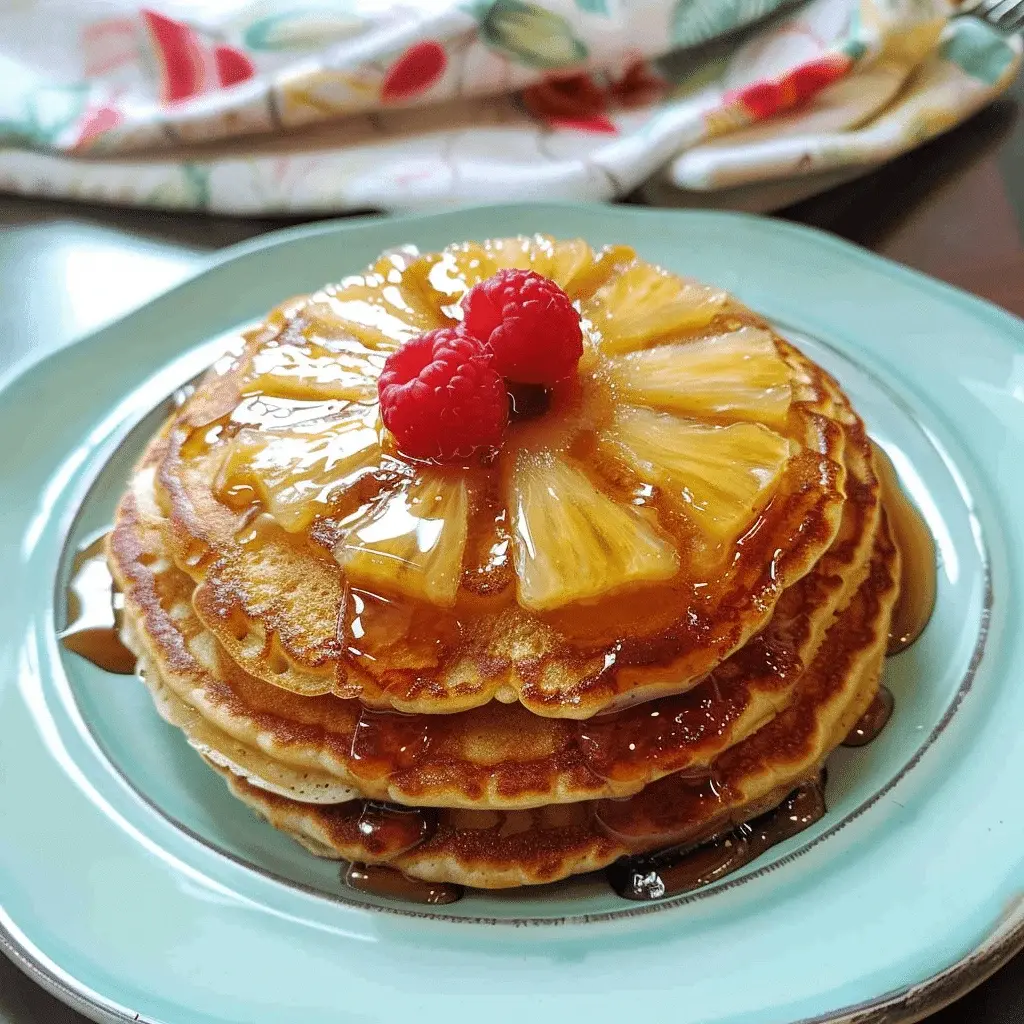
These Pineapple Upside Down Pancakes are more than just a recipe; they’re a passport to a tropical breakfast paradise and a guaranteed way to create lasting memories around the table. With their perfect balance of sweet, caramelized fruit and fluffy, comforting pancake, they prove that extraordinary mornings don’t require extraordinary effort. So, grab your skillet and get ready for the applause. Don’t forget to tag @spicemingle on social media with your beautiful creations—we can’t wait to see your tropical brunch masterpiece!
Made this recipe? We’d love to hear how it turned out! Rate the recipe in the card below and leave a comment telling us about your experience. Your feedback helps our community of home cooks!
FAQs
***Can I use fresh pineapple instead of canned?***
Absolutely! Use 6-8 fresh pineapple rings, about 1/2 inch thick. Fresh pineapple contains more enzymes (bromelain) which can prevent browning, but the cooking process in the caramel will mitigate this. The flavor will be brighter and slightly less sweet than canned.
***My caramel hardened after flipping. What went wrong?***
This usually means the sugar was cooked at too high a temperature or for too long, causing it to move past the caramel stage into hard crack. Next time