“`html
Table of Contents
Thai Peanut Sweet Potato Buddha Bowl Recipe
Embark on a Flavorful Journey to Thailand
Are you searching for a weeknight meal that’s as vibrant and exciting as it is healthy and satisfying? In a world where busy schedules often lead to less-than-ideal eating habits, finding a recipe that ticks all the boxes – delicious, nutrient-dense, and easy to prepare – can feel like hitting the jackpot. Enter the Thai Peanut Sweet Potato Buddha Bowl! This recipe is your passport to a world of bold, savory flavors, featuring roasted sweet potatoes, crisp, fresh vegetables, hearty quinoa, all drizzled with a creamy, irresistible Thai peanut sauce. It’s a complete, vegan-friendly meal that’s incredibly versatile, perfect for meal prepping, and guaranteed to become a go-to favorite. Get ready to transform your dinner routine with this colorful and wholesome creation.
Fresh, Vibrant Ingredients
The magic of a Buddha bowl lies in its beautiful medley of textures and tastes. For this Thai Peanut Sweet Potato Buddha Bowl, we’re focusing on ingredients that are not only delicious but also pack a nutritional punch. Think of roasting the sweet potatoes until they’re tender and caramelized, their natural sweetness a perfect foil to the savory peanut sauce.
For the Roasted Sweet Potatoes:
- 2 large sweet potatoes (about 1.5 lbs): Peeled and cubed into 1-inch pieces. Look for sweet potatoes that feel firm and have smooth skin. Their earthy sweetness is the base of our bowl. (Substitution: You can use butternut squash or even chunks of pumpkin for a similar flavor and texture.)
- 1 tablespoon olive oil: Or avocado oil for roasting. This helps them crisp up beautifully. (Substitution: Coconut oil can add a subtle tropical note.)
- 1/2 teaspoon salt: To enhance natural flavors.
- 1/4 teaspoon black pepper: Freshly ground for the best taste.
- Optional pinch of smoked paprika: For a hint of smoky depth.
For the Quinoa Base:
- 1 cup quinoa: Rinsed thoroughly under cold water to remove saponins, which can give it a bitter taste. This provides a fluffy, protein-rich foundation. (Substitution: Brown rice or farro also work wonderfully.)
- 2 cups vegetable broth or water: For cooking the quinoa. Broth adds extra flavor.
For the Fresh & Crisp Veggies:
- 1 cup shredded red cabbage: For a delightful crunch and vibrant color.
- 1 cup shredded carrots: Sweet and earthy, adding another layer of texture.
- 1 cup edamame (shelled): Steamed or boiled for a pop of green and protein. Frozen edamame is a convenient option.
- 1/2 English cucumber: Thinly sliced or julienned for a cool, refreshing element.
- 1/2 red bell pepper: Thinly sliced for a sweet crunch and bright red hue.
- Optional: 1/4 cup chopped fresh cilantro: For a burst of fresh, aromatic flavor.
- Optional: 1/4 cup chopped peanuts: For added crunch and nutty flavor.
For the Creamy Thai Peanut Sauce:
- 1/2 cup creamy peanut butter: Natural, unsweetened is best to control the sweetness. (Substitution: Almond butter or cashew butter can be used for a different nutty profile.)
- 1/4 cup warm water: To thin the sauce to your desired consistency.
- 3 tablespoons soy sauce or tamari: For umami and saltiness. (Use tamari for gluten-free.)
- 2 tablespoons lime juice: Freshly squeezed for bright acidity.
- 1 tablespoon maple syrup or honey: To balance the savory and tangy notes. (Use maple syrup for vegan.)
- 1 tablespoon rice vinegar: Adds a subtle tangy depth.
- 1 teaspoon grated fresh ginger: Pungent and warming.
- 1-2 cloves garlic, minced: Pungent and aromatic.
- Optional: 1/2 teaspoon sriracha or chili garlic sauce: For a kick of heat. Adjust to your spice preference.
Timing is Everything
Compared to the average weeknight meal that can easily stretch over an hour, this Thai Peanut Sweet Potato Buddha Bowl comes in at a very manageable 50 minutes. The prep is straightforward, and the cooking often happens concurrently, making it efficient for busy evenings. Many similar complex bowl recipes can take an hour or more when factoring in multiple roasting steps or grain cooking.
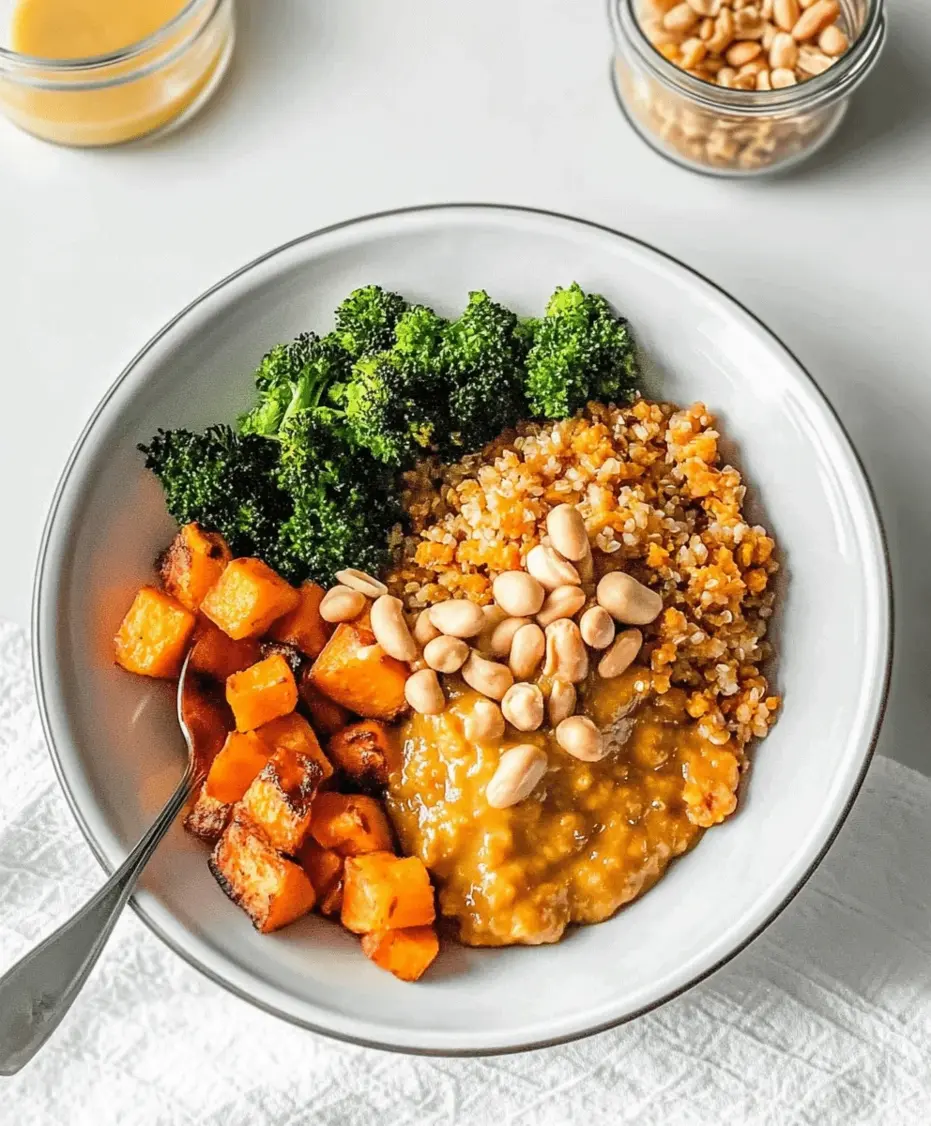
Crafting Your Buddha Bowl
Let’s get cooking! Building this beautiful bowl is a multi-step process, but each step is simple and rewarding.
Step 1: Roast the Sweet Potatoes
Preheat your oven to 400°F (200°C). In a large bowl, toss the cubed sweet potatoes with olive oil, salt, pepper, and smoked paprika (if using). Spread them in a single layer on a baking sheet. Roast for 25-30 minutes, or until tender and lightly caramelized, flipping them halfway through for even cooking.
Step 2: Cook the Quinoa
While the sweet potatoes are roasting, prepare the quinoa. In a medium saucepan, combine the rinsed quinoa and vegetable broth (or water). Bring to a boil, then reduce heat to low, cover, and simmer for 15 minutes, or until all the liquid is absorbed. Let it sit, covered, for 5 minutes off the heat, then fluff with a fork.
Step 3: Prepare the Peanut Sauce
In a medium bowl or a jar, whisk together all the Thai peanut sauce ingredients: peanut butter, warm water, soy sauce/tamari, lime juice, maple syrup/honey, rice vinegar, ginger, garlic, and sriracha (if using). Whisk until smooth and creamy. If the sauce is too thick, add a little more warm water, a tablespoon at a time, until it reaches your desired drizzling consistency. Taste and adjust seasoning as needed – you might want more lime for tang or more sweetener for balance.
Step 4: Prep Your Veggies
While the quinoa cooks and sweet potatoes roast, prepare your fresh vegetables. Shred the cabbage and carrots, slice the cucumber and red bell pepper, and ensure your edamame is ready. If you’re using fresh cilantro, chop it now. This is also a great time to chop any additional peanuts for garnish.
Step 5: Assemble Your Buddha Bowls
Once all components are ready, it’s time to build your masterpiece! Divide the cooked quinoa among your serving bowls. Arrange the roasted sweet potatoes, shredded red cabbage, shredded carrots, edamame, sliced cucumber, and sliced red bell pepper artfully around the quinoa. Don’t be afraid to have fun with the arrangement – a colorful bowl is a happy bowl!
Step 6: Drizzle and Garnish
Generously drizzle the creamy Thai peanut sauce over everything. Sprinkle with fresh cilantro and chopped peanuts, if desired. Serve immediately and enjoy the explosion of flavors and textures!
Nutritional Powerhouse
This Thai Peanut Sweet Potato Buddha Bowl is a nutritional champion, offering a balanced mix of macronutrients and micronutrients. It’s rich in complex carbohydrates, plant-based protein, healthy fats, and fiber, making it a truly satisfying and nourishing meal.
- Calories: Approximately 450-550 per serving (can vary based on ingredient amounts and specific peanut butter used).
- Protein: Around 15-20g (from quinoa, edamame, and peanut butter).
- Fiber: Excellent source, contributing to digestive health and satiety.
- Vitamins & Minerals: Rich in Vitamin A (from sweet potatoes), Vitamin C (from bell peppers), iron, magnesium, and potassium.
- Healthy Fats: Primarily from peanut butter and olive oil, beneficial for heart health and nutrient absorption.
Healthier Swaps Without Compromise
While this recipe is already quite wholesome, you can tailor it further to meet specific dietary needs or preferences without sacrificing taste.
- Lower Sodium: Opt for low-sodium soy sauce or tamari. You can also reduce the amount of soy sauce and increase lime juice or a splash of rice vinegar for tang.
- Reduced Sugar: If you prefer less sweetness in your sauce, reduce the maple syrup or honey. The natural sweetness of the sweet potatoes can often suffice.
- Nut-Free: Replace peanut butter with sunflower seed butter or tahini for a creamy base. Adjust other seasonings as needed.
- Gluten-Free: Ensure you use tamari instead of soy sauce and check that your peanut butter and other packaged ingredients are certified gluten-free.
- Extra Veggies: Feel free to add steamed broccoli, snap peas, or a handful of spinach for an extra nutrient boost.
Serving & Enjoyment
This Thai Peanut Sweet Potato Buddha Bowl is a complete meal in itself. However, you can elevate it even further! A sprinkle of toasted sesame seeds adds a delightful nutty crunch and visual appeal. A drizzle of sriracha or a few fresh chili slices can cater to those who love extra heat. For a completely fresh herb element, add thinly sliced green onions or more fresh cilantro. It’s a versatile dish that’s perfect for a hearty lunch or a satisfying dinner.
Avoiding Common Pitfalls
To ensure your Buddha bowl is perfection every time, here are a few common mistakes to avoid:
- Not Rinsing Quinoa: This can lead to a bitter taste, which is hard to mask. Always rinse quinoa thoroughly before cooking.
- Oversaucing: While the peanut sauce is delicious, too much can overpower the delicate flavors of the other ingredients and make the bowl heavy. Start with a moderate amount and add more if needed.
- Boring Veggies: Ensure a good mix of textures and flavors. Raw, crisp vegetables like cabbage and bell peppers are crucial to balance the roasted elements and creamy sauce.
- Uneven Roasting: Cutting sweet potatoes into consistent sizes is key to ensuring they all roast evenly. Avoid overcrowding the baking sheet, as this will steam rather than roast them.
Smart Storage Solutions
Buddha bowls are fantastic for meal prep! Here’s how to store them:
- For Meal Prep: Store cooked quinoa, roasted sweet potatoes, and chopped raw veggies in separate airtight containers in the refrigerator. Keep the peanut sauce in a separate small container. When ready to eat, assemble your bowl and drizzle with sauce. This keeps the raw veggies crisp and prevents everything from getting mushy.
- Assembled Bowls: If you must assemble them ahead of time, store them in airtight containers. The raw veggies might soften slightly, but the overall dish will still be delicious. The sauce in the bowl might make the quinoa a bit softer.
- Storage Duration: Store assembled bowls or components for up to 3-4 days in the refrigerator.
- Freezing: It’s generally not recommended to freeze assembled Buddha bowls as the textures of fresh vegetables and quinoa can be compromised upon thawing.
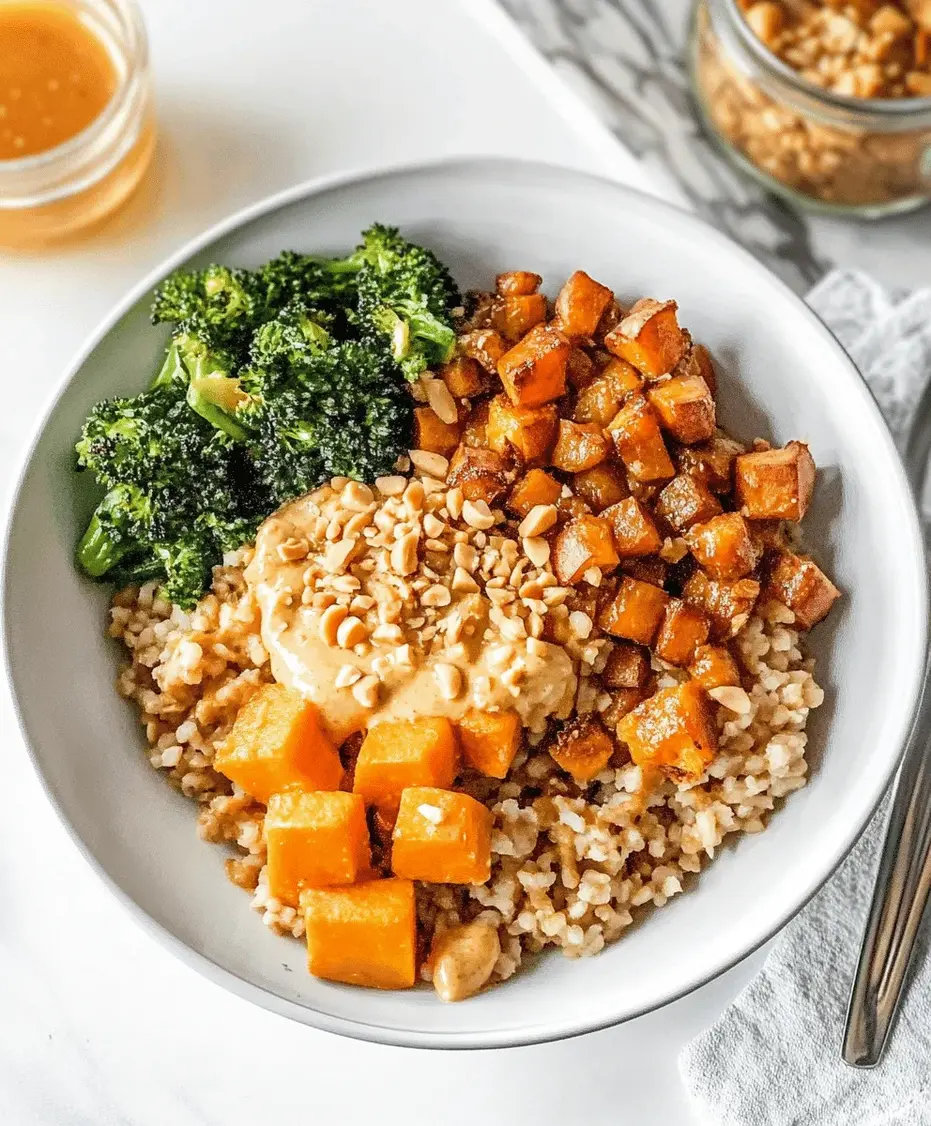
A Bowl Full of Goodness
The Thai Peanut Sweet Potato Buddha Bowl is more than just a meal; it’s a vibrant culinary experience. It proves that healthy eating can be incredibly flavorful, exciting, and deeply satisfying. With its customizable components and ease of preparation, it’s the perfect addition to any meal rotation, especially for those seeking delicious vegan options or delightful meal prep ideas. We hope you’ll try this recipe and fall in love with the harmonious blend of sweet, savory, tangy, and crunchy elements. Share your creations and tell us what you think in the comments below!
Frequently Asked Questions
***Can I use a different type of nut butter for the sauce?***
Absolutely! Almond butter, cashew butter, or even tahini (for a sesame paste flavor, often used in Middle Eastern cuisine) can be excellent substitutes. Sunflower seed butter is a great option if you need to avoid nuts entirely.
***How can I make this dish spicier?***
To add more heat, increase the amount of sriracha or chili garlic sauce in the peanut sauce. You can also add a pinch of red pepper flakes or finely chopped fresh chilies to the bowl when serving.
***What other vegetables can I add?***
This bowl is very adaptable! Consider adding steamed broccoli florets, snow peas, sugar snap peas, thinly sliced radishes for a peppery bite, corn kernels, or even some wilted spinach or kale. Roasted Brussels sprouts are also a fantastic addition.
***Is it possible to make this ahead of time for lunch?***
Yes! This is an excellent dish for meal prep. The best way is to keep components separate (quinoa, roasted sweet potatoes, chopped veggies, sauce) and assemble just before eating to maintain freshness and texture. Store each in an airtight container.
***How do I make sure my sweet potatoes are roasted perfectly?***
Ensure your sweet potato cubes are roughly the same size so they cook evenly. Don’t overcrowd the baking sheet; give them space to roast and caramelize. Flipping them halfway through also helps achieve that lovely tender interior and slightly crisp exterior.
Thai Peanut Sweet Potato Buddha Bowl Recipe
Description
This Thai Peanut Sweet Potato Buddha Bowl is a nutrient-rich, vegan-friendly recipe packed with roasted sweet potatoes, crisp vegetables, hearty quinoa, and a savory Thai peanut sauce. Perfect for meal prep, it’s a colorful and satisfying dish that delivers bold flavors and wholesome ingredients in every bite.
Ingredients
- 1large sweet potato, peeled and cubed
- 1 tablespoonolive oil
- Salt and pepper, to taste
- 1 cupcooked quinoa
- 1 cupshredded red cabbage
- 1 cupshredded carrots
- 1red bell pepper, thinly sliced
- ½ cupedamame, cooked
- ¼ cupchopped fresh cilantro
- ¼ cuproasted peanuts (optional)
- Lime wedges for serving
- For the Thai Peanut Sauce:
- ¼ cupcreamy peanut butter
- 1 tablespoonsoy sauce
- 1 tablespoonmaple syrup
- 1 tablespoonrice vinegar
- 1 teaspoonsesame oil
- 1–2tablespoons warm water (to thin)
Instructions
Notes
You can substitute quinoa with brown rice or couscous.
Add tofu or tempeh for extra protein.
Use almond butter if peanut allergies are a concern.
This recipe works well for meal prep and can be served warm or cold.
Nutrition
- Calories: 520
- Sugar: 1g
“`