“`html
Table of Contents
7 Gourmet Raw Meat Appetizers to Impress
Impress Your Guests with These Elegant Raw Meat Appetizers
Are you looking to elevate your entertaining game and wow your guests with sophisticated starters? In a world where appetizers often lean towards the predictable, a truly exceptional dish can be a conversation starter and a memorable highlight. We’re talking about the art of the raw meat appetizer – dishes that celebrate the pristine quality and inherent flavors of premium ingredients. Forget any hesitations; these 7 gourmet raw meat appetizers are designed to be both approachable and astonishing, transforming simple, high-quality meats into edible masterpieces. From the classic allure of beef tartare to the delicate artistry of salmon crudo and the vibrant elegance of carpaccio, each recipe is a testament to how simplicity, when executed with care and creativity, can achieve unparalleled gourmet status. Get ready to discover how to perfectly plate and season these dishes, highlighting the essence of freshness and quality that will leave your guests truly impressed and utterly delighted. Each bite promises a journey of bold yet balanced flavors, proving that raw can indeed be remarkably refined.
The Foundation of Flavor: High-Quality Ingredients
The success of any raw meat appetizer hinges on the absolute quality and freshness of the primary ingredients. Think of them as the canvas upon which you’ll paint your culinary masterpiece. We believe in selecting the finest cuts, ensuring they are handled with the utmost care and hygiene. For these recipes, opt for meats and fish that are specifically designated for raw consumption and sourced from reputable suppliers. A slightly marbled cut of beef, for instance, offers tenderness and a rich, buttery mouthfeel, while very fresh, sushi-grade salmon provides a delicate, oceanic sweetness.
Key Ingredients & Sensory Notes:
- Beef Tenderloin/Sirloin (for Tartare & Carpaccio): Look for a deep, ruby-red color, firm texture, and minimal connective tissue. It should smell clean and fresh, with no off-putting odors. This cut provides a tender, yielding bite that absorbs flavors beautifully.
- Sushi-Grade Salmon/Tuna (for Crudo & Sashimi): The flesh should be vibrant in color (bright orange-pink for salmon, deep red for tuna) and plump. It should feel moist but not slimy. The aroma should be faintly oceanic, never fishy. This offers a melt-in-your-mouth texture and a delicate, pure flavor.
- High-Quality Olive Oil: Extra virgin olive oil with a fruity, peppery profile is essential. It should be robust enough to stand up to the meat but not so overpowering that it masks the natural flavors.
- Fresh Herbs (Parsley, Chives, Dill): Bright green, crisp, and fragrant. These add pops of freshness and herbaceous notes that cut through the richness.
- Citrus (Lemon, Lime): Zesty and aromatic when zested or juiced. The acidity brightens flavors and can “cook” the fish slightly in crudo preparations.
- Seasonings (Sea Salt, Freshly Cracked Black Pepper, Capers, Shallots): Flaky sea salt provides a pleasant textural contrast. Coarsely ground black pepper liberates its pungent aromas. Fine brunoised shallots offer a mild, sweet oniony bite, and capers add a briny, salty tang.
- Optional Enhancers (Dijon Mustard, Worcestershire Sauce, Soy Sauce): These add umami, depth, and a subtle kick. Use sparingly to complement, not dominate.
Substitutions: If tenderloin is unavailable, a well-trimmed sirloin or even a tightly grained ribeye can work for beef dishes, though the texture will be slightly different. For fish, if salmon or tuna isn’t available, consider a very fresh sea bass or arctic char.
Time Investment: Mastering the Art of Quick Elegance
15-20 minutes per appetizer
0 minutes (These are raw dishes!)
15-20 minutes per appetizer
These gourmet raw meat appetizers are celebrated for their minimal cooking time, which is essentially zero! The real investment is in thoughtful preparation and assembly. Compared to many cooked appetizers that might require baking, frying, or simmering, these raw dishes are incredibly efficient, making them ideal for last-minute entertaining or when you want to spend more time with your guests. The total time is predominantly prep time, focusing on precise knife work and ingredient melding.
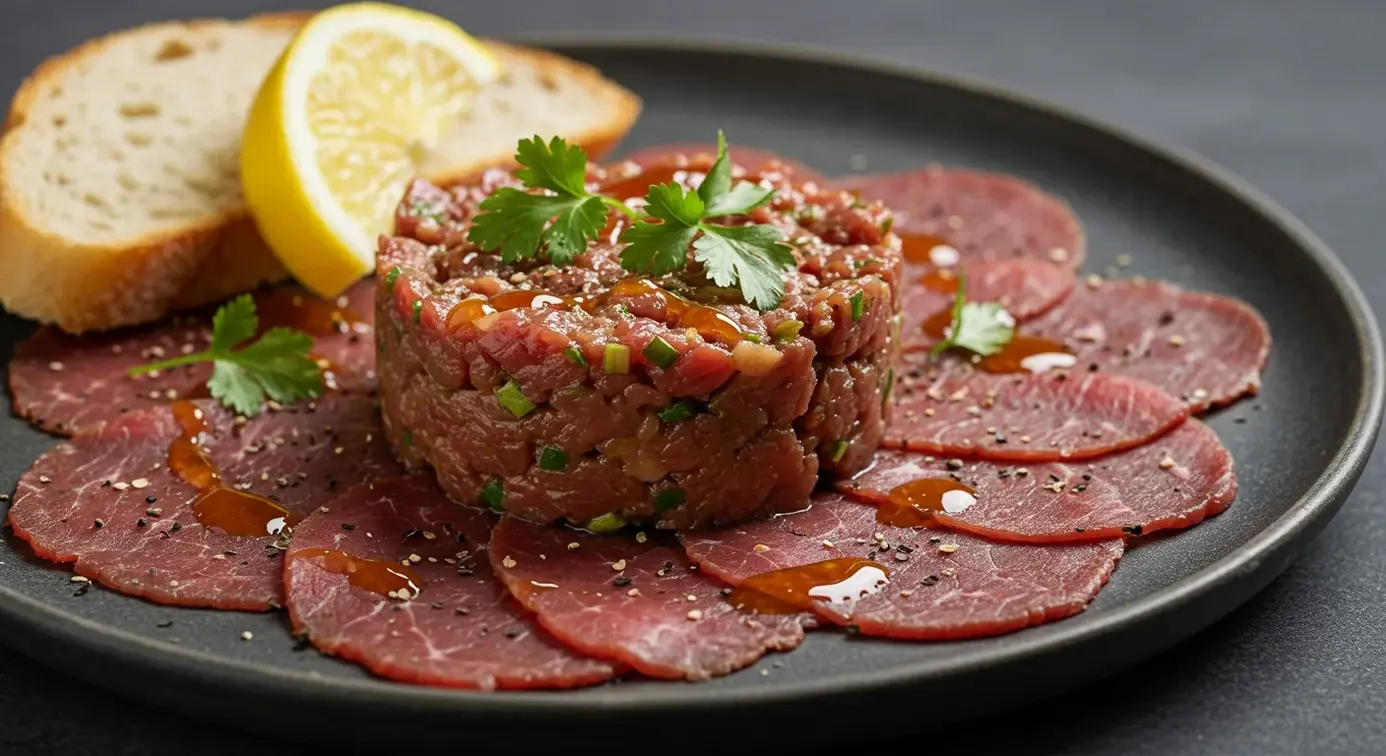
Crafting Culinary Excellence: Your Step-by-Step Guide
Step 1: Prep the Meat
Begin by ensuring your workspace and knife are impeccably clean. For beef, trim away any visible fat or connective tissue. For fish, ensure it’s been properly cleaned and any bones or skin removed. The key here is precise knife work. For tartare and carpaccio, you’ll want to very finely mince the beef – aim for a texture that’s almost paste-like but still retains some definition, not ground meat. A sharp chef’s knife is your best friend. For crudo and sashimi, slice the fish against the grain into uniform, thin pieces, about 1/4 inch thick. Rapidity and coldness are crucial; keep the meat chilled in the refrigerator until the moment of preparation to maintain its texture and safety.
Step 2: Create the Tartare
In a chilled bowl, combine your finely minced beef with finely minced shallots, capers (drained and roughly chopped), a touch of Dijon mustard, a dash of Worcestershire sauce, and finely chopped fresh parsley. Drizzle generously with high-quality olive oil and season with flaky sea salt and freshly cracked black pepper. Gently mix everything together. Taste and adjust seasoning as needed. The goal is a harmonious blend where no single flavor dominates, but all elements complement the beef. Avoid overmixing, which can make the meat mushy.
Step 3: Assemble the Carpaccio
Arrange the thinly sliced beef on a chilled serving plate in a single layer, slightly overlapping the slices. Drizzle generously with a fruity extra virgin olive oil. Squeeze fresh lemon juice over the top. Season with flaky sea salt and freshly cracked black pepper. For a classic touch, add a few capers and finely shaved Parmesan cheese. Some variations include a light arugula salad dressed with lemon vinaigrette placed in the center or alongside.
Step 4: Prepare the Crudo
Arrange your thinly sliced sushi-grade fish (e.g., salmon) on a chilled plate. Drizzle with a high-quality olive oil. Squeeze fresh lime or lemon juice over the fish – just enough to brighten the flavors without “cooking” through. Garnish with delicate herbs like dill or chives. A sprinkle of flaky sea salt and a very light dusting of white pepper (or a pinch of chili flakes for a little heat) is all that’s needed to enhance the fish’s natural sweetness. The presentation should be light and airy, letting the fish shine.
Step 5: Craft the Sashimi Rolls
Take thin slices of your sushi-grade tuna or salmon. In the center of each slice, place a small amount of finely julienned cucumber, avocado, or a tiny dollop of spicy mayo (if using). Carefully roll the fish around the filling to create elegant little parcels. Arrange these rolls on a serving platter. You can serve them simply with a small dish of soy sauce and a dab of wasabi, or drizzle with a light ponzu sauce and garnish with toasted sesame seeds.
Step 6: Flavor the Steak Tartare Bites
For individual bites, use a ring mold. Press a portion of your already prepared steak tartare mixture into the mold on a small serving spoon or crostini. Top with a quail egg yolk, a small sprig of dill, or a single caper for visual appeal and a burst of flavor. The idea is a concentrated, perfectly proportioned taste of tartare.
Step 7: Finish the Ossetra Caviar Spoon
This is the epitome of luxury. For a truly decadent appetizer, take a tasting spoon (often called a caviar spoon). Place a small, perfect tablespoon of sushi-grade raw scallop or sea bass thinly sliced on the spoon. Top it with a glistening dollop of high-quality Ossetra caviar. A tiny micro-green or a single edible flower petal can add a touch of visual elegance. The raw seafood provides a delicate, briny base that perfectly complements the rich, salty pop of the caviar.
Nutritional Snapshot (Per Serving, Estimated)
Please note: Nutritional information can vary significantly based on specific ingredients, portion sizes, and added components. These are general estimates for common preparations.
- Calories: 150-250 kcal (depending on fat content of meat/fish and oil used)
- Protein: 15-20g
- Fat: 10-15g (mostly healthy unsaturated fats from fish and olive oil)
- Carbohydrates: 2-5g (primarily from small amounts of shallots, capers)
These appetizers are generally low in carbohydrates and rich in high-quality protein and essential fatty acids, especially those featuring fish.
Healthier Twists to Preserve Flavor
Concerned about richness or want to adapt these for lighter palates? Here are some swaps:
- Reduced Oil: Use a good quality, light olive oil or even a spray oil for a very fine mist. A little goes a long way in enhancing flavor.
- Herb Power: Amp up the fresh herbs. Finely chopped cilantro, mint, or basil can add immense flavor without extra fat or calories.
- Citrus Zing: Increase the amount of lemon or lime juice and zest. Their bright acidity can replace some of the richness and fat.
- Vegetable Accents: Incorporate finely diced, crisp vegetables like bell peppers, cucumber, or radishes for texture and freshness without adding significant calories.
- Leaner Meats: If making beef tartare, opt for leaner cuts of beef, though this might slightly affect the moistness.
Elevating the Presentation: Serving Ideas
Presentation is paramount for these exquisite appetizers. Aim for small, elegant portions:
- Chilled Plates: Always serve on pre-chilled plates or spoons to maintain the optimal temperature and texture.
- Garnishes Galore: Use fresh herbs, edible flowers, microgreens, a sprinkle of toasted sesame seeds, or a drizzle of vibrant herb oil to add color and visual appeal.
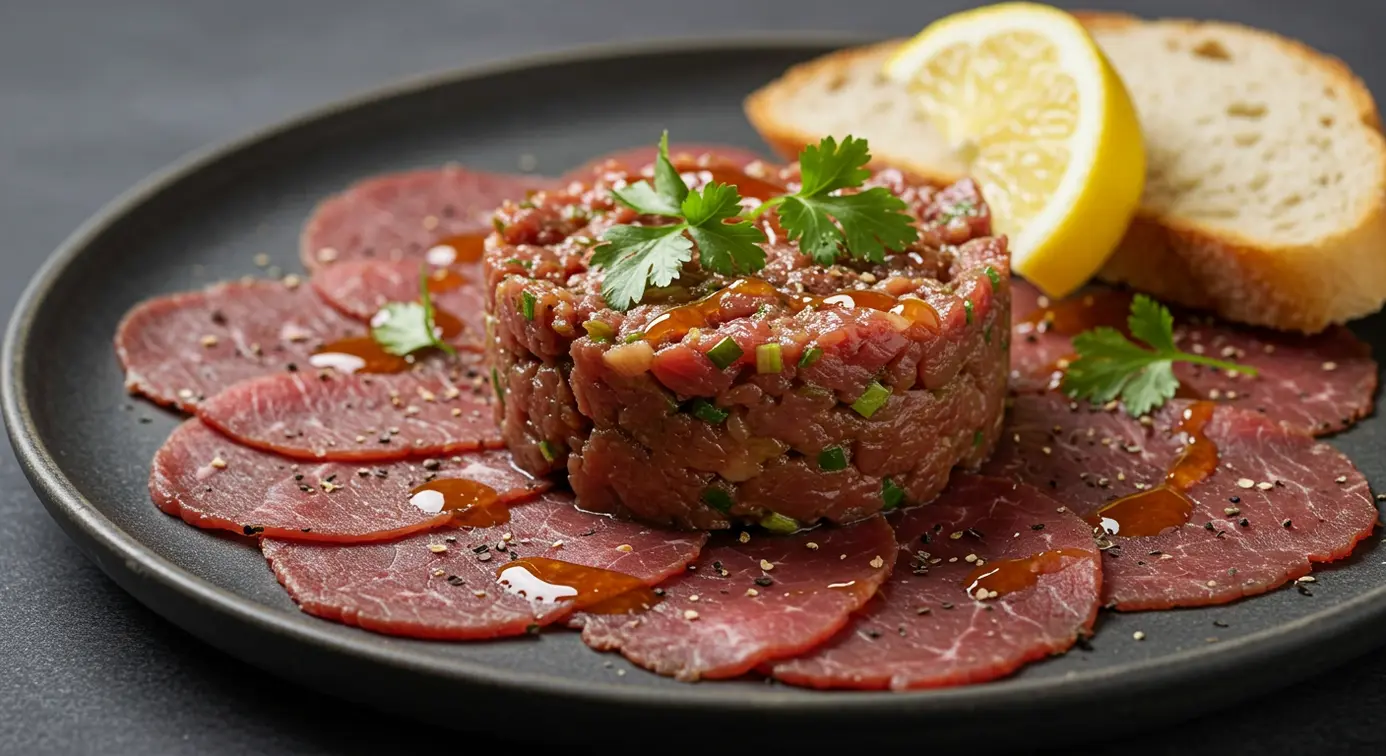
- Accompaniments: Serve carpaccio with thin slices of crusty baguette or artisanal crackers. Tartare can be presented on crostini, small toast points, or even crisp lettuce cups for a gluten-free option.
- Individual Servings: Consider individual portions using ring molds for tartare or arranging crudo artfully on small plates.
- Wine Pairing: Crisp white wines like Sauvignon Blanc or Pinot Grigio, or a light-bodied red like Pinot Noir, often pair beautifully with these dishes.
Common Pitfalls and How to Sidestep Them
- Ingredient Quality: Never compromise on the quality or freshness of the raw ingredients. This is non-negotiable for safety and taste.
- Temperature: Keep all ingredients, bowls, and serving dishes very cold. Warm ingredients can negatively impact texture and safety.
- Over-Seasoning: Taste as you go. The goal is to enhance, not mask, the natural, delicate flavors of the meat or fish.
- Over-Mixing: For tartares, excessive mixing can make the texture mushy and unappealing. Gentle folding is key.
- Improper Cutting: Dull knives lead to shredded meat, which affects texture. Invest in a sharp chef’s knife and practice precise mincing or slicing.
- Ignoring Food Safety: Ensure excellent hygiene throughout the preparation process.
Best Practices for Storing Raw Appetizers
Raw meat and fish appetizers are best prepared just before serving. However, if you must prepare elements in advance:
- Prep Ingredients Separately: Dice vegetables and herbs, and prepare sauces or dressings ahead of time. Store them separately and chilled.
- Chop Meat/Fish Last: The meat or fish should be diced or sliced as close to serving time as possible for optimal texture and safety.
- Refrigerate Immediately: Once assembled, raw appetizers should be refrigerated immediately and consumed within 1-2 hours. Do not store assembled raw meat dishes overnight.
- Never Freeze: Freezing raw meat or fish intended for immediate consumption can alter its texture and quality significantly.
Frequently Asked Questions
***Is it safe to eat raw meat and fish?***
Yes, when sourced from reputable suppliers with strict handling and hygiene standards, and when prepared correctly just before serving, it is safe. “Sushi-grade” or “sashimi-grade” are terms indicating that the fish is of high enough quality and has been handled in a way that makes it suitable for raw consumption. For beef, opt for high-quality cuts from trusted butchers.
***What is the difference between tartare, carpaccio, and crudo?***
Tartare: Finely minced or chopped raw meat (usually beef), mixed with various seasonings and often a binder like egg yolk. Carpaccio: Very thinly sliced raw meat (typically beef), served plain or with simple accompaniments like olive oil, lemon, and Parmesan. Crudo: Italian for “raw,” referring to very thinly sliced raw fish or seafood, usually dressed simply with olive oil, citrus, and herbs.
***Can I use frozen meat for these appetizers?***
It’s generally best to use fresh, never-frozen, high-quality meat/fish for these dishes. Freezing can alter the texture, making it mushy or watery after thawing, which is undesirable for raw preparations.
***How can I ensure my raw meat/fish is safe?***
Always purchase from a trusted source. Follow strict hygiene practices (clean hands, knives, and surfaces). Keep ingredients very cold until the moment of preparation and serve immediately. Avoid cross-contamination with other foods.
***What are the best cuts of beef for tartare or carpaccio?***
For beef tartare and carpaccio, traditionally, tenderloin (filet mignon) is preferred for its extreme tenderness and mild flavor. Well-trimmed sirloin or even ribeye can also be used, but ensure any fat or connective tissue is meticulously removed.
***Do I need to add an egg yolk to my tartare?***
A raw egg yolk is traditional in many beef tartare recipes as it acts as a binder and adds richness. However, due to food safety concerns for some, it’s optional. You can omit it or use a pasteurized egg yolk if concerned. The tartare will still be delicious!
Your Next Entertaining Triumph Awaits
Mastering these gourmet raw meat and fish appetizers is about embracing freshness, respecting pristine ingredients, and applying elegant simplicity. From the robust flavors of beef tartare to the delicate nuances of salmon crudo, these dishes are not just appetizers; they are culinary statements that speak of sophistication and discerning taste. They require minimal cooking time but deliver maximum impact, ensuring your guests are not only satisfied but genuinely amazed. So gather your highest quality ingredients, sharpen your knives, and prepare to impress. These 7 recipes are your gateway to hosting unforgettable occasions. What are you waiting for? Dive into the world of refined raw cuisine and make your next gathering a resounding success!
Print
Raw Meat Appetizers: Exciting Flavors You’ll Crave
Description
Make sure to use fresh, high-quality beef to ensure safety and the best flavor.This dish can be served withcrusty breador paired with a light white wine, such as Sauvignon Blanc.Adjust seasoning to your taste, adding more capers or parmesan if desired.
Ingredients
- 8 oz high-quality beef tenderloin or sirloin, thinly sliced
- 2 tbsp olive oil
- 1 tbsp fresh lemon juice
- 1 tbsp capers
- 1/4 cup fresh arugula
- 1/4 cup shaved parmesan cheese
- Salt and pepper to taste
- Optional: balsamic glaze or truffle oil for drizzling
Instructions
Notes
Make sure to use fresh, high-quality beef to ensure safety and the best flavor.This dish can be served withcrusty breador paired with a light white wine, such as Sauvignon Blanc.Adjust seasoning to your taste, adding more capers or parmesan if desired.
“`