Table of Contents
Painkiller Cocktail Recipe – A Tropical Rum Drink with Fresh Juices and a Nutmeg Finish
I still remember the first time a friend handed me a Painkiller on a sweltering summer afternoon—the bright pineapple and creamy coconut hit my palate like a vacation in a glass. It instantly transported me back to my mother’s kitchen in Morocco, where she’d blend fresh fruit with a whisper of cinnamon and honey. This classic tropical rum drink, often called a Piña Colada variation, became my go‑to for lazy weekends. And after training at Le Cordon Bleu in Paris, I knew exactly how to elevate it: the secret is fresh juices and a generous grating of nutmeg. Trust me, this Painkiller cocktail recipe will become your new favorite easy tiki drink.
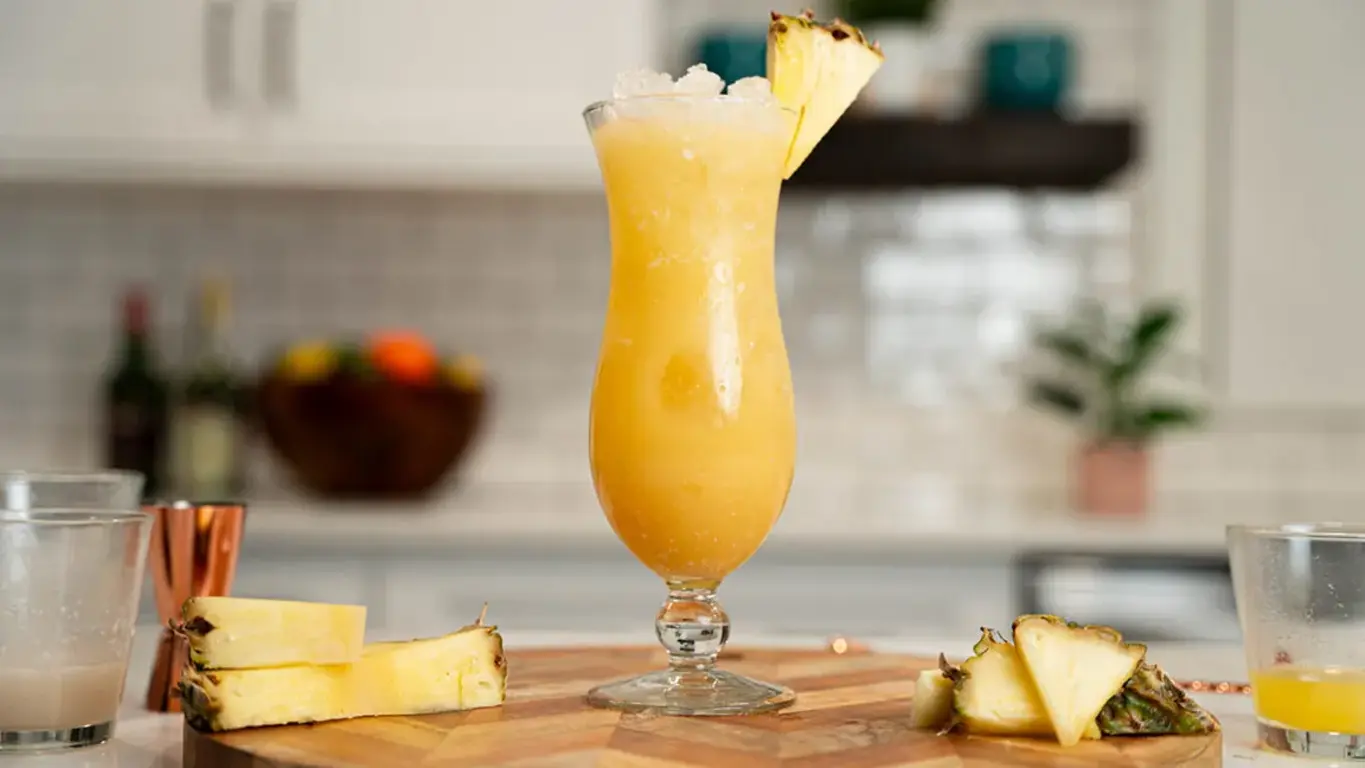
Picture this: the deep, rich aroma of aged rum (I use Pusser’s for its authentic British Naval heritage) mingling with sun‑kissed pineapple juice, tangy orange juice, and velvety cream of coconut. Each sip starts with a sweet, fruity burst, then finishes with a warm, aromatic whisper of freshly grated nutmeg. The crushed ice keeps it frosty, while the shake adds just the right dilution and froth. It’s the perfect balance of sweet, tart, and creamy—no sugar overload, just pure tropical bliss.
As a professional cook living in New York City, I’ve tested this recipe dozens of times—shaking versus blending, different rum proofs, even homemade cream of coconut. My version delivers a silky, well‑integrated cocktail that’s foolproof for beginners. Keep reading for my 💛 pro tip on achieving the perfect froth without a blender, plus a common mistake to avoid that can make your drink watery. If you love easy tiki drinks, you’re in for a treat.
Why This Painkiller Cocktail Recipe Is the Best
The flavor secret lies in using freshly squeezed orange juice and high‑quality cream of coconut like Coco López. I learned in Paris that the smallest details—like the temperature of the juice—affect the final taste. Here, everything is cold and fresh, so the rum shines without being masked by artificial sweeteners. The nutmeg isn’t just a garnish; it’s an essential aromatic layer that makes this drink feel sophisticated.
Texture is everything in a tropical cocktail. Shaking vigorously with ice creates tiny air bubbles that give the drink a luscious, creamy mouthfeel. Avoid the blender—it incorporates too much air and changes the consistency. My technique yields a smooth, frothy top that makes every sip elegant. This is the same precision I apply to my French sauce work, but way more fun.
This recipe is foolproof and fast. No obscure ingredients, no complicated techniques. You can have a bar‑worthy cocktail on the table in five minutes flat. Even if you’ve never shaken a drink before, you’ll succeed. And because I give you clear visual cues (like the frost on the shaker), you’ll know exactly when it’s ready. It’s the kind of reliable recipe I turn to when I need a quick escape from the NYC hustle.
Painkiller Cocktail Ingredients
On Saturday mornings, I love walking to the Union Square Greenmarket for the most vibrant pineapples and oranges. Back in my apartment, I reach for the rum and cream of coconut I always keep stocked. The ingredients here are simple, but each one plays a crucial role. Here’s what you need for the perfect Painkiller.
Ingredients List
- 2 oz rum (preferably Pusser’s)
- 4 oz pineapple juice (fresh or high‑quality bottled)
- 1 oz fresh orange juice (from about 1 orange)
- 1 oz cream of coconut (e.g., Coco López)
- Garnish: pineapple wedge and fresh grated nutmeg
Ingredient Spotlight
Rum (Pusser’s): This dark, blended rum is the traditional choice—it’s rich, slightly sweet, and packed with tropical notes. If you can’t find Pusser’s, use a good aged rum like Mount Gay or Appleton Estate. Avoid spiced rums; their extra flavors can clash. The rum provides the backbone; its quality matters.
Pineapple juice: Fresh juice gives a bright, tangy flavor. In a pinch, use a high‑quality bottled juice like Lakewood Organic. Avoid juice with added sugar – the cream of coconut is sweet enough. The acidity of pineapple balances the creaminess.
Cream of coconut: This is different from coconut milk or coconut cream. It’s sweetened and thick. Coco López is the gold standard. If you substitute with coconut milk, you’ll lose sweetness and thickness; add a tablespoon of sugar or simple syrup to compensate. For a dairy‑free version, use full‑fat coconut milk and increase the sugar slightly.
Fresh orange juice: Squeeze it yourself – the difference is night and day. Bottled OJ often tastes cooked and flat. A navel orange or Valencia works beautifully. The citrus cuts through the richness and adds a layer of complexity.
| Original Ingredient | Best Substitution | Flavor / Texture Impact |
|---|---|---|
| Pusser’s rum | Aged rum (Mount Gay) | Richer, less sweet; still works perfectly |
| Cream of coconut | Coconut milk + 1 tbsp sugar | Thinner, less sweet; add simple syrup to adjust |
| Fresh orange juice | Bottled OJ (not from concentrate) | Less bright, still acceptable; add a squeeze of lemon |
| Pineapple juice | Fresh or frozen pineapple chunks blended and strained | More natural texture, slightly pulpy; delicious |
How to Make a Painkiller Cocktail — Step by Step
Making a Painkiller is almost as relaxing as drinking one. Follow these easy steps, and you’ll have a bar‑quality cocktail in five minutes.
Step 1: Prepare Your Ice and Glass
Fill a cocktail shaker halfway with ice cubes. Also fill a hurricane glass (or highball) with crushed ice—this keeps the drink cold without diluting too fast. For the best texture, use large ice cubes for shaking and crushed ice for serving.
💛 emy’s Pro Tip: If you don’t have crushed ice, put ice cubes in a clean kitchen towel and bash them with a rolling pin. In a pinch, a blender on pulse works too—just don’t overdo it.
Step 2: Add Liquid Ingredients
Pour 2 oz rum, 4 oz pineapple juice, 1 oz fresh orange juice, and 1 oz cream of coconut into the shaker. The cream of coconut is thick, so make sure to scrape it all out. If you’re using Coco López, stir it in the can first if it separated.
⚠️ Common Mistake to Avoid: Adding the cream of coconut on top of the ice – it can stick to the cubes. Always add liquids first, then ice.
Step 3: Shake Vigorously
Seal the shaker tightly and shake hard for about 15 seconds. You’re looking for the shaker to become frosty on the outside—that’s your visual cue that it’s cold enough. Shaking also emulsifies the cream of coconut, giving you that silky froth.
💛 emy’s Pro Tip: Use a two‑handed shake technique: hold the top with one hand, the base with the other, and shake with energy. Your arms should feel it – that’s how you know you’re aerating properly.
Step 4: Strain and Serve
Strain the mixture into your prepared hurricane glass filled with crushed ice. Pour steadily – you want the froth to settle on top. If you’re making a double batch, use a fine‑mesh strainer to catch any ice shards, but for a single cocktail it’s not necessary.
⚠️ Common Mistake to Avoid: Straining too slowly or letting the drink sit – it will separate. Serve immediately for the best texture.
Step 5: Garnish and Finish
Attach a pineapple wedge to the rim of the glass. Then, using a fine microplane, grate fresh nutmeg directly over the top – about 5–6 passes. The nutmeg is non‑negotiable; it adds an aromatic warmth that ties everything together. Serve with a straw and enjoy!
💛 emy’s Pro Tip: Grate the nutmeg at the last second. Pre‑grated nutmeg loses its essential oils and won’t have the same punch. A whole nutmeg keeps forever – I buy mine in bulk at the Spice Corner in Chelsea Market.
| Step | Action | Duration | Key Visual Cue |
|---|---|---|---|
| 1 | Prepare ice and glass | 1 min | Glass filled with crushed ice |
| 2 | Add liquids to shaker | 30 sec | All ingredients combined |
| 3 | Shake vigorously | 15 seconds | Frost on shaker exterior |
| 4 | Strain into glass | 10 sec | Froth rises to top |
| 5 | Garnish and serve | 30 sec | Nutmeg flakes on top |
Serving & Presentation
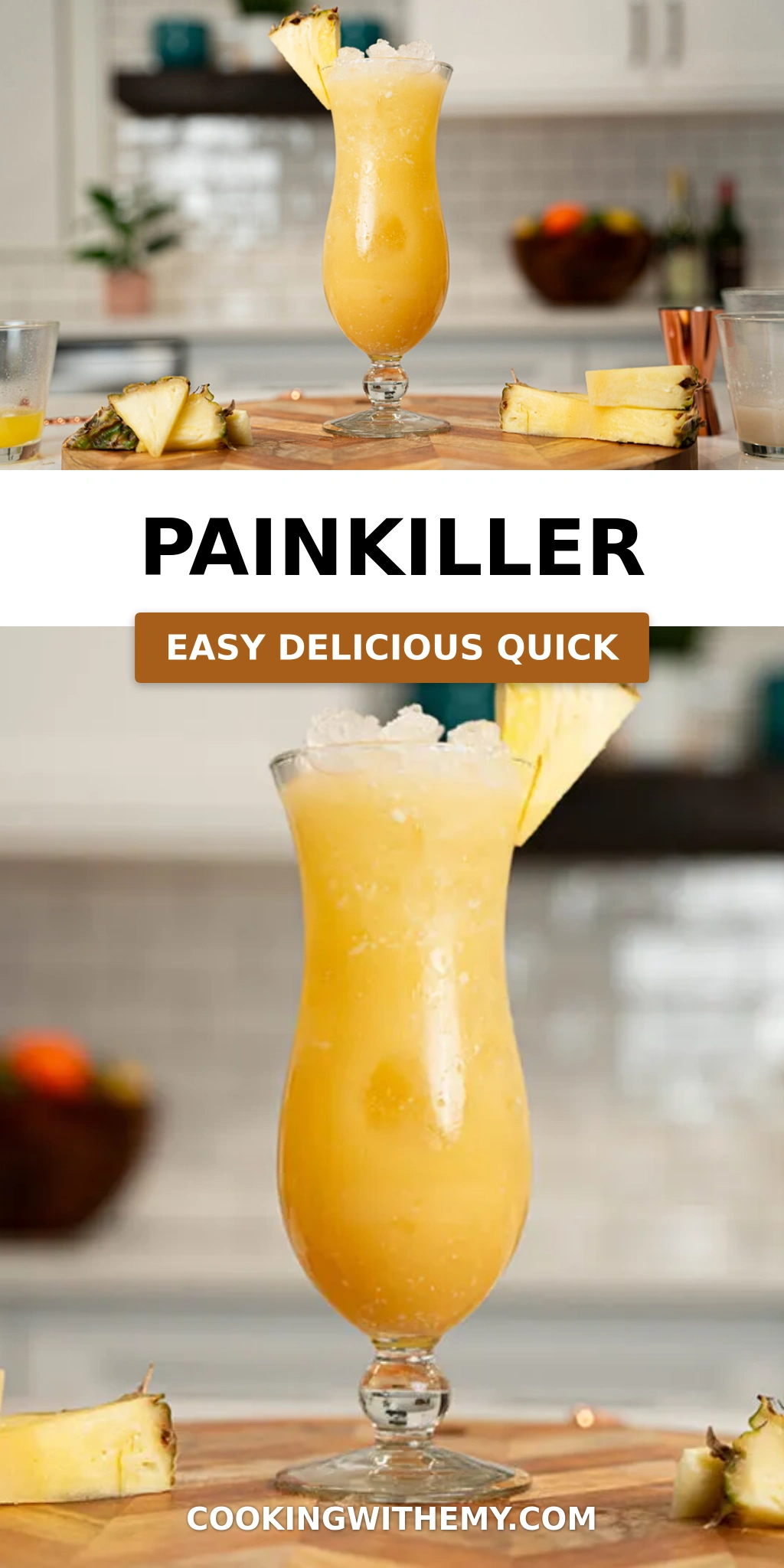
I love serving this cocktail on a sunny afternoon, whether I’m on my fire escape in Brooklyn or hosting friends for a backyard barbecue. The hurricane glass is iconic for a reason: its shape showcases the vibrant layers – the dark golden liquid topped with white froth and snowy nutmeg. For a more casual vibe, a highball works just fine.
Garnishes are your chance to get creative. A fresh pineapple wedge is classic, but you can also add a maraschino cherry or an orange wheel. I often sprinkle a tiny pinch of cinnamon on top alongside the nutmeg for extra warmth – a little nod to the spices I grew up with in Morocco. The cocktail pairs beautifully with grilled fish tacos, coconut shrimp, or even a simple fruit salad. It’s a tiki drink that doesn’t need a full tiki party to shine.
| Pairing Type | Suggestions | Why It Works |
|---|---|---|
| Appetizer | Jerk chicken skewers, mango salsa | Spicy and sweet cuts through the creamy cocktail |
| Main Course | Grilled mahi‑mahi, coconut rice | Subtle fish and rice echo tropical flavors |
| Dessert | Pineapple upside‑down cake, passion fruit sorbet | Fruity desserts complement the drink’s sweetness |
| Non‑alcoholic Pairing | Sparkling water with lime, iced hibiscus tea | Refreshing palate cleansers between sips |
Make-Ahead, Storage & Reheating
Even though this cocktail is best fresh, I often prep the juice blend ahead for busy weeknight entertaining. Living in NYC means I’m always looking for shortcuts without sacrificing quality. Here’s how to store components and the final drink.
| Method | Container | Duration | Reheating Tip |
|---|---|---|---|
| Refrigerator (pre‑mixed juices + rum) | Airtight bottle | Up to 3 days | Shake well before using – no reheating needed |
| Freezer (ice cube trays – cocktail cubes) | Freezer‑safe tray | Up to 2 months | Use as ice cubes in your next Painkiller – dilutes less |
| Make‑Ahead (full batch) | Large pitcher + ice | Best served immediately | Shake individual servings with ice – don’t batch‑shake all at once |
If you prep the juice‑rum blend ahead, keep it cold and shake each serving with fresh ice. The cream of coconut can be stirred in just before serving – it tends to separate if left too long. For a party, I sometimes freeze the mixture into cocktail cubes, then drop them into a glass and top with a splash of fresh juice. It’s not exactly the same, but it’s a fun twist when I’m short on time.
Variations & Easy Swaps
| Variation | Key Change | Best For | Difficulty Impact |
|---|---|---|---|
| Virgin Painkiller | Omit rum, increase pineapple juice by 1 oz | Non‑drinkers, kids, brunch | Very easy |
| Spiced Painkiller | Add 1/4 tsp cinnamon and a pinch of allspice to shaker | Fall evenings, holiday parties | Easy |
| Light Painkiller (Coconut Milk) | Replace cream of coconut with 1 oz full‑fat coconut milk + 1 tsp sugar | Lighter option, dairy‑free | Easy |
Virgin Painkiller
This version is perfect for when you want the tropical flavor without the alcohol. Simply skip the rum and add an extra ounce of pineapple juice. The cream of coconut and citrus still create that creamy, dreamy texture. I sometimes rim the glass with coconut flakes for extra flair. My niece adores this – it’s her go‑to “mocktail” during our family gatherings.
Spiced Painkiller
In Paris, I learned that a pinch of spice can transform a classic. Adding a quarter‑teaspoon of cinnamon and a tiny pinch of allspice to the shaker gives the drink a warm, lingering finish that’s especially cozy in cooler weather. The spices complement the nutmeg beautifully. Try it with a dark rum like Coruba for an even deeper flavor.
Light Painkiller (with Coconut Milk)
If you’re watching sugar or want a lighter texture, swap the cream of coconut for full‑fat coconut milk plus a teaspoon of sugar or agave. The drink will be less sweet and slightly thinner, but still delicious and refreshing. I discovered this variation one summer when I ran out of Coco López and had a can of coconut milk from my Thai curry prep at the Union Square market.
Frequently Asked Questions
What rum is best to use in a Painkiller cocktail?
The traditional and most‑recommended rum for a Painkiller is Pusser’s – a dark, blended rum that was originally used by the British Royal Navy. It has a rich, slightly sweet flavor with notes of dried fruit and spice that perfectly complement the tropical juices. If you can’t find Pusser’s, opt for an aged rum like Mount Gay Eclipse or Appleton Estate Signature. Spiced rums are often too heavily flavored and can mask the delicate coconut and nutmeg balance. A good rule: use a rum with some age to it – at least three years – for depth. For a lighter version, a gold rum works but you’ll miss that robust character.
Can I make a Painkiller without cream of coconut?
Yes, you can substitute cream of coconut with full‑fat coconut milk plus 1 to 2 teaspoons of simple syrup or sugar. The result will be less sweet and thinner in texture, but still very tasty. For a richer non‑dairy alternative, use coconut cream (the unsweetened thick part of canned coconut milk) and add a little sugar. Keep in mind that authentic cream of coconut like Coco López adds both sweetness and body, so you’ll need to adjust the sweetness to your palate. I’ve also tried using a tablespoon of coconut milk powder dissolved in warm water – it works in a pinch but tends to separate more quickly.
How do you make a Painkiller less sweet?
To reduce the sweetness, start by cutting the cream of coconut by half – use 1/2 ounce instead of a full ounce. You can also use unsweetened pineapple juice and freshly squeezed orange juice, which have less added sugar than the canned versions. Another trick: increase the ratio of rum to 2.5 ounces, as the alcohol bitterness balances the sugar. A squeeze of fresh lime juice (about 1/4 ounce) adds acidity that cuts sweetness without affecting the tropical flavor. Finally, top with extra crushed ice – dilution naturally lowers the perceived sweetness.
What is the difference between a Painkiller and a Piña Colada?
The main differences are in the ingredients and texture. A classic Piña Colada uses cream of coconut, pineapple juice, and rum, but also includes heavy cream or coconut cream for extra richness, and is often blended with ice for a slushy consistency. The Painkiller uses strictly cream of coconut (no dairy), fresh orange juice, and is always shaken (never blended), resulting in a lighter, frothier drink. The garnish also sets them apart: a Piña Colada is typically adorned with a cherry and pineapple, while a Painkiller is finished with fresh grated nutmeg, which is its signature aromatic note. The Painkiller has a more balanced, less overwhelmingly sweet profile.
Can I use bottled pineapple juice?
Absolutely, especially if you’re short on time. Look for a brand that contains no added sugar and is not from concentrate – Lakewood Organic and store‑brand organic juices are great choices. The flavor won’t be as bright as freshly squeezed, but it’s still delicious. To amp up the pineapple taste, add a small pineapple chunk to the shaker and muddle it lightly before adding the liquid ingredients. I do this when I’m in a hurry and it works beautifully.
What kind of glass should I use for a Painkiller?
A hurricane glass is traditional – its tall, curved shape not only looks stunning but also helps hold crushed ice and allows the flavors to meld. If you don’t have a hurricane glass, a highball glass or even a wide‑mouthed mason jar works well. Avoid stemware like martini glasses; they’re too shallow and won’t accommodate the crushed ice. The key is to use a glass that holds at least 12 ounces and has a wide enough rim to let the nutmeg aroma reach your nose.
Can I make a Painkiller frozen (blended)?
Technically yes, but it won’t be a traditional Painkiller. If you blend it, you’ll get a slushy consistency similar to a Piña Colada – which many people enjoy. To keep the flavors balanced, reduce the cream of coconut by 1/4 ounce and add a handful of ice cubes. Blend on high until smooth but still thick. Note that the frothy top characteristic of a shaken Painkiller won’t appear; instead, you’ll have a uniform, icy texture. I sometimes make a frozen version in the dead of NYC summer – just serve it with a straw and a dusting of nutmeg on top!
How do I grate nutmeg for a Painkiller?
Use a fine microplane or a nutmeg grater – hold the whole nutmeg and grate directly over the drink, making 5–6 passes. This provides a light, airy dusting that releases essential oils immediately. Pre‑ground nutmeg from a jar is much less potent and can clump. I always keep whole nutmegs in my spice drawer; they last for months and deliver far more flavor. If you don’t have a microplane, the finest side of a box grater works too.
Can I make a Painkiller with fresh coconut cream?
Yes, homemade coconut cream can be a wonderful substitute. Blend the flesh of one young coconut with 2 tablespoons of sugar and a pinch of salt until smooth. Strain through a fine mesh sieve to remove any fibrous bits. This will give you a fresher, less processed cream of coconut. Note that the sugar content may vary, so taste and adjust. It’s a bit more work, but the tropical purity is unbeatable – especially if you’re using coconuts from the farmers market.
What is the origin of the Painkiller cocktail?
The Painkiller was created in the 1970s at the Soggy Dollar Bar on the British Virgin Islands’ Jost Van Dyke. Legend says the name comes from its ability to “kill” the pain of a long day on the water. The original recipe called for Pusser’s rum (the rum ration of the Royal Navy) and was famously served without a straw – you had to “soggy” your dollar to pay for it. It gained international fame and remains one of the most beloved tiki drinks, beloved for its simplicity and restorative power.
Share Your Version!
I absolutely love hearing how you make this Painkiller your own. Did you go classic with Pusser’s? Did you try the spiced variation? Drop a star rating and a comment below – my heart does a little dance every time I see your feedback. And if you snap a picture, tag me on Instagram or Pinterest at @cookingwithemy – I feature my favorites in my stories!
Here’s a question to get you started: What’s your favorite rum to use in a Painkiller, and what’s one twist you’d add? I can’t wait to read your ideas. Until next time, mix up something tropical and enjoy every sip.
From my NYC kitchen to yours — I hope this recipe brings as much warmth to your table as it does to mine. — emy 🧡
Love This Recipe? Save It to Pinterest!
If you enjoyed this Painkiller Cocktail Recipe, don’t let it get lost in your browser tabs! 😄 Pin it now so you can find it again anytime — and explore hundreds more tried-and-tested recipes waiting for you on my Pinterest boards.
👉 Follow emy on Pinterest @cookingwithemy
📌 Pin this recipe · 🔁 Re-pin your favorites · 👉 Tag me when you make it — I love seeing your creations!
⭐ Rate & Review!
Have you tried this Painkiller? Tell me how it went – your feedback helps me create even better recipes for you. 💕
Tag: @cookingwithemy #PainkillerCocktail
Painkiller
Description
A classic tropical cocktail with rum, pineapple, orange, and coconut.
Ingredients
- 2 oz rum (preferably Pussers)
- 4 oz pineapple juice
- 1 oz fresh orange juice
- 1 oz cream of coconut
- Garnish: Pineapple wedge and grated nutmeg
Instructions
- Add rum, pineapple juice, orange juice, and cream of coconut to a cocktail shaker filled with ice.
- Shake well until the mixture is thoroughly chilled.
- Strain into a hurricane glass filled with crushed ice.
- Garnish with a pineapple wedge.
- Grate fresh nutmeg over the top before serving.
Tried This Recipe? Leave a Comment!
Did you make this recipe? I’d love to hear how it turned out! Please leave a comment and a rating below. Your feedback helps other home cooks and supports cheerychop.com!
For more delicious inspiration, follow me on Pinterest!