“`html
Table of Contents
- Introduction: Unleash the Flavors of Mardi Gras
- Ingredients for the Best Jambalaya
- Timing is Everything
- Crafting Your Culinary Masterpiece
- Nutritional Insights
- Healthier Twists on Tradition
- Serving Suggestions for a Festive Feast
- Common Jambalaya Pitfalls to Avoid
- Storing and Reheating Your Jambalaya
- Frequently Asked Questions
Best Jambalaya Recipe for Mardi Gras
Did you know that authentic New Orleans Jambalaya is a true celebration in a pot? On average, homemade jambalaya takes about 1.5 hours to prepare, but this recipe aims to streamline the process while maximizing flavor, ensuring your Mardi Gras festivities are unforgettable. Are you ready to bring the vibrant tastes of the Big Easy to your home?
Introduction: Unleash the Flavors of Mardi Gras
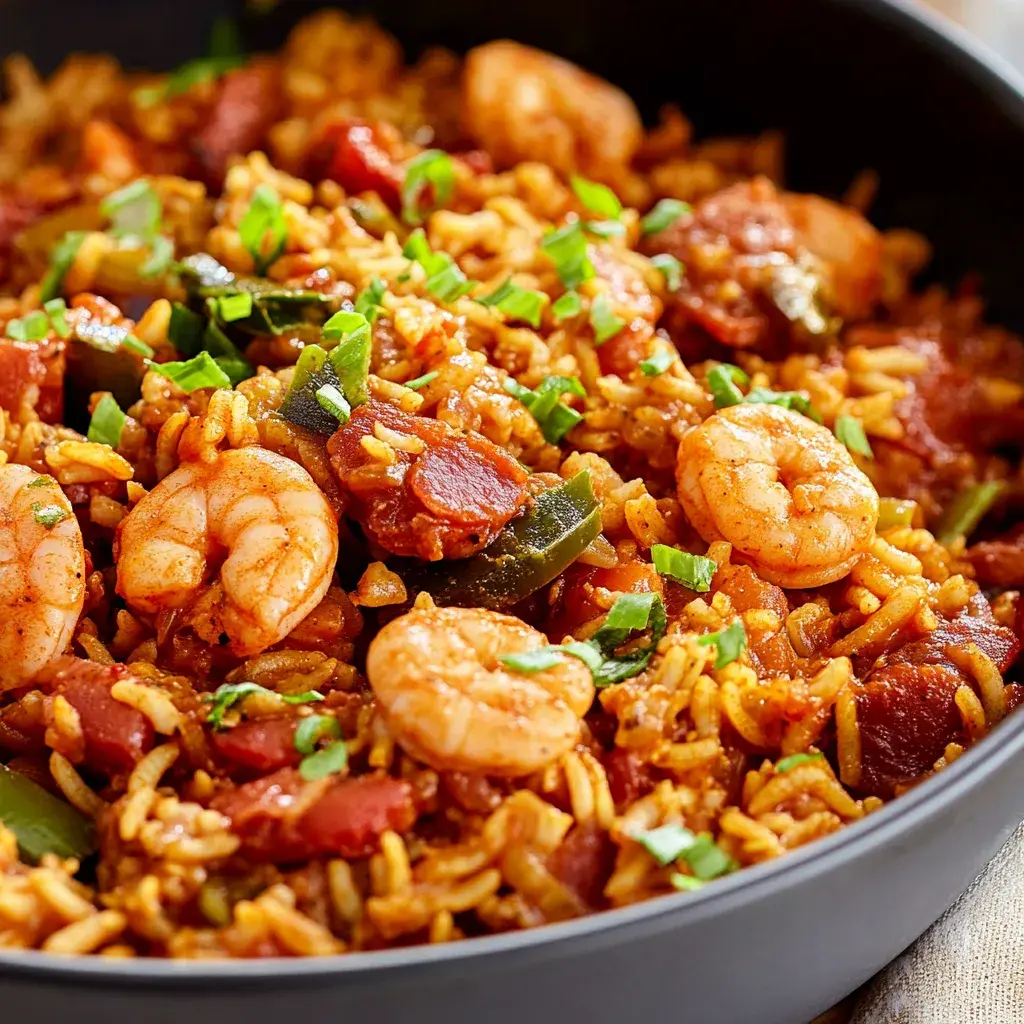
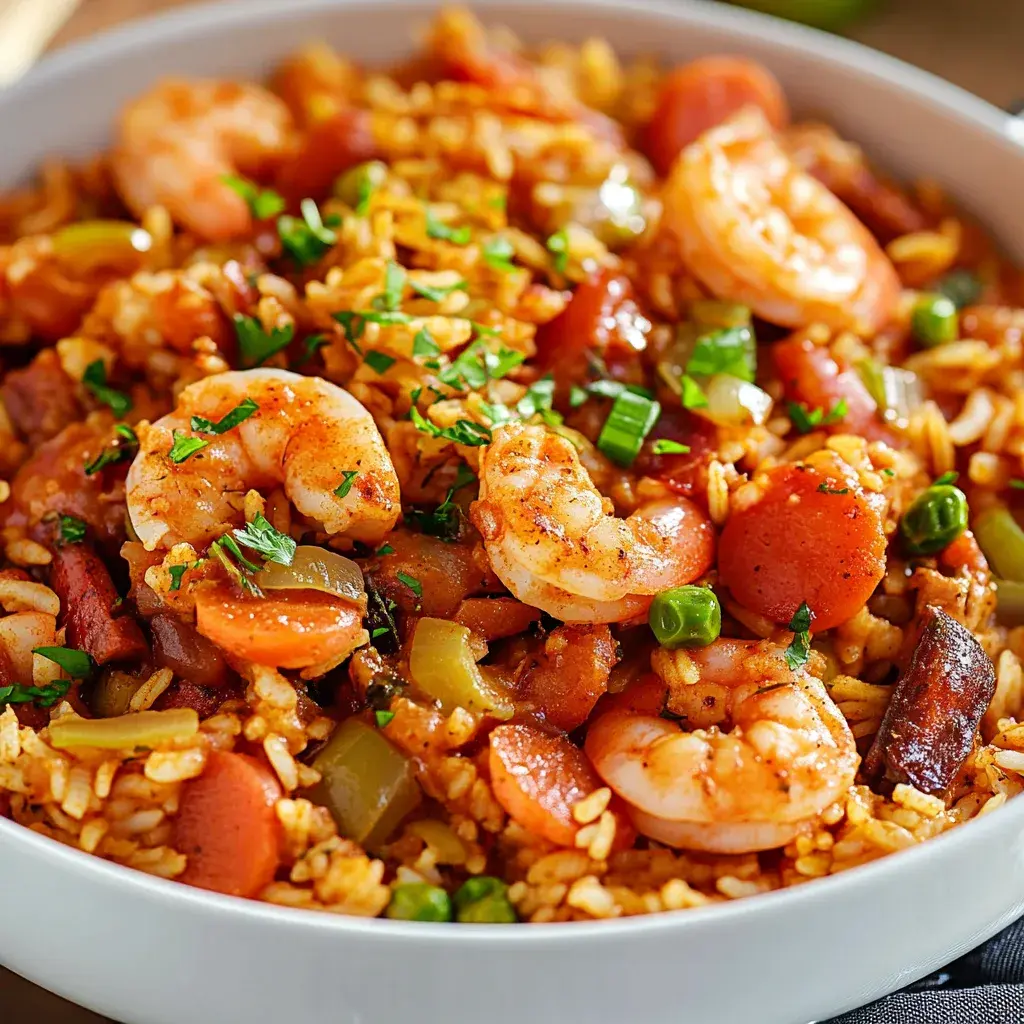
Celebrate the spirit of Mardi Gras with this vibrant jambalaya, a dish that brings the flavors of New Orleans straight to your kitchen. Bursting with bold spices, tender meats, and colorful vegetables, this jambalaya is perfect for gatherings or cozy dinners at home. Each bite offers a delightful combination of succulent chicken, juicy shrimp, and smoky Andouille sausage, all simmered together with aromatic rice for a satisfying meal. Easy to prepare and fully customizable, this recipe captures the essence of Mardi Gras in every mouthwatering bite.
Ingredients for the Best Jambalaya
The secret to an exceptional jambalaya lies in the quality and combination of its ingredients. This recipe balances traditional elements with accessible options to ensure success for every home cook.
The Holy Trinity & Beyond
- 2 tablespoons olive oil: A neutral base for sautéing. (Vegetable or canola oil work too.)
- 1 pound boneless, skinless chicken thighs: Cut into 1-inch pieces. Thighs stay moist and flavorful. (Chicken breast can be used but may dry out more easily; cut into smaller pieces if using.)
- 1 pound Andouille sausage: Sliced into ½-inch rounds. This smoky, spicy sausage is crucial for authentic flavor. (Look for good quality Cajun or spicy smoked sausage if Andouille is unavailable.)
- 1 large yellow onion: Finely chopped. (Sweet onion or red onion can be substituted.)
- 1 green bell pepper: Finely chopped. Adds a subtle sweetness and crunch. (Red or yellow bell pepper can be used for a sweeter flavor profile.)
- 3 celery stalks: Finely chopped. Offers a fresh, slightly peppery note. (Use more or less to your preference.)
- 4 cloves garlic: Minced. The aromatic backbone of Creole cooking. (Use 1-2 teaspoons of pre-minced garlic if needed.)
A Symphony of Proteins
- 1 pound large shrimp: Peeled and deveined. Adds a delicate, sweet seafood element. (Crawfish or even crab meat can be added for a luxurious touch.)
- Optional: 1 cup diced ham: Adds another layer of smoky, salty flavor.
Building the Flavor Base
- 1 (14.5 ounce) can diced tomatoes: Undrained. Provides acidity and liquid. (Fire-roasted tomatoes add an extra layer of flavor.)
- 4 cups chicken broth (low sodium): The primary liquid for cooking the rice. (Vegetable broth or even a mix of broth and water can be used.)
- 1.5 cups long-grain white rice: Uncooked. Standard rice works best for absorbing flavors without becoming mushy. (Brown rice can be used, but will require more liquid and a longer cooking time.)
The Soul of Louisiana
- 1 teaspoon dried thyme: Earthy and fragrant.
- 1 teaspoon dried oregano: Pungent and slightly bitter.
- ½ teaspoon cayenne pepper: To taste, for a kick of heat. (Adjust based on your spice preference.)
- 1 teaspoon salt: Or to taste.
- ½ teaspoon black pepper: Freshly ground for best flavor.
- 1 bay leaf: Adds subtle depth. Remove before serving.
- Fresh parsley and green onions: Chopped, for garnish. Essential for freshness and color.
Timing is Everything
Compared to many traditional jambalaya recipes that can stretch to 2 hours or more, this version is streamlined for busy weeknights or any gathering. The prep time is focused on chopping, and the cook time allows for flavors to meld beautifully.
Crafting Your Culinary Masterpiece
Step 1: Prep the “Mirepoix” of the South
First things first, let’s get organized! Chop your onion, bell pepper, and celery—this trio is often called the “Holy Trinity” in Louisiana cooking and forms the aromatic foundation of so many dishes. Mince your garlic and set aside. Also, cut your chicken into bite-sized pieces and slice the Andouille sausage. Having everything prepped (“mise en place”) makes the cooking process smooth and enjoyable.
Step 2: Brown the Meats for Depth
In a large Dutch oven or heavy-bottomed pot over medium-high heat, add the olive oil. Once shimmering, add the chicken pieces. Cook for about 5-7 minutes, stirring occasionally, until browned on all sides. Don’t worry about cooking them through just yet. Remove the chicken from the pot and set aside. Next, add the Andouille sausage to the pot. Cook for another 3-5 minutes until it releases some of its wonderful smoky oils and is nicely browned. Remove the sausage and set aside with the chicken. If using ham, you can sear it briefly now too.
Step 3: Sauté the Holy Trinity
Reduce the heat to medium. Add the chopped onion, bell pepper, and celery to the pot. Cook, stirring frequently, for about 8-10 minutes, until the vegetables are softened and the onion is translucent. This process should scrape up any browned bits left from the meats, infusing the vegetable base with incredible flavor. Add the minced garlic and cook for another minute until fragrant. Be careful not to burn the garlic!
Step 4: Introduce the Liquids and Rice
Pour in the can of diced tomatoes (undrained). Stir to combine, breaking up any large tomato pieces. Now, add the uncooked rice to the pot. Stir well for about a minute, allowing the rice to toast slightly in the flavorful mixture. This step helps the grains absorb flavor and cook more evenly. Pour in the chicken broth and stir in the dried thyme, oregano, cayenne pepper, salt, and black pepper. Add the bay leaf. Bring the entire mixture to a boil.
Step 5: Simmer to Perfection
Once boiling, reduce the heat to low, cover the pot tightly, and let it simmer for about 15-20 minutes, or until most of the liquid has been absorbed and the rice is nearly tender. Resist the urge to lift the lid too often, as this releases steam and can affect the cooking time and texture.
Step 6: Add Shrimp and Finish
Gently stir the cooked chicken and sausage back into the pot. Arrange the peeled and deveined shrimp on top of the jambalaya. Replace the lid and cook for another 5-7 minutes, or until the shrimp are pink and cooked through and the rice is fully tender. Remove from heat and let it stand, covered, for 5-10 minutes before serving. This resting period allows the flavors to meld beautifully and the rice to steam perfectly. Remove and discard the bay leaf. Garnish generously with fresh chopped parsley and sliced green onions. Serve hot and enjoy the Mardi Gras party in your mouth!
Nutritional Insights
- Calories: Approximately 550-650 per serving (varies based on specific ingredients and portion size).
- Protein: High, primarily from chicken, shrimp, and sausage.
- Carbohydrates: From the rice and vegetables.
- Fat: From the meats and oil used.
(Note: These are estimates. Actual nutritional values can vary.)
Healthier Twists on Tradition
While this recipe is a celebration, you can make it a bit lighter without sacrificing flavor:
- Leaner Proteins: Use chicken breast instead of thighs, or opt for lower-fat smoked sausage. Consider adding more shrimp and less sausage.
- Load up on Veggies: Increase the amount of bell peppers, celery, and onions, or add other vegetables like zucchini or corn.
- Brown Rice: Swap white rice for brown rice for added fiber, but remember to adjust liquid and cooking time accordingly.
- Reduced Sodium Broth: Opt for low-sodium chicken broth to cut down on salt.
Serving Suggestions for a Festive Feast
Jambalaya is a complete meal on its own, but here are a few ideas to elevate your feast:
- Crusty Bread: Essential for sopping up any flavorful sauce at the bottom of the pot.
- Simple Green Salad: A light, crisp salad with a vinaigrette offers a refreshing contrast.
- Cornbread: A Southern classic that pairs wonderfully.
- Hot Sauce: For those who love an extra kick!
Common Jambalaya Pitfalls to Avoid
- Mushy Rice: Resist the urge to stir too much after adding the liquid and rice. Cover and let it steam undisturbed. Overcooking can also lead to mushy rice.
- Lack of Flavor: Properly browning the meats and sautéing the “Holy Trinity” are crucial steps for building deep flavor. Don’t rush these.
- Overcrowding the Pot: Use a large enough pot to ensure even cooking and browning of ingredients. If making a very large batch, consider cooking in batches.
- Using the Wrong Rice: Long-grain white rice is recommended for its ability to absorb liquid and flavor without breaking down.
Storing and Reheating Your Jambalaya
Jambalaya tastes even better the next day! Store any leftovers in an airtight container in the refrigerator for up to 3-4 days. Reheat gently on the stovetop over low heat, adding a splash of broth or water if needed to prevent drying. You can also reheat it in the microwave.
Frequently Asked Questions
***What is the difference between Jambalaya and Gumbo?***
Gumbo is a soup or stew that typically has a darker roux base and often includes okra, while Jambalaya is a rice dish where all the ingredients are cooked together with the rice, similar to a pilaf or paella.
***Can I make Jambalaya vegetarian or vegan?***
Yes! Omit the meats and shrimp. Use vegetable broth, and add extra vegetables like mushrooms, zucchini, corn, peas, and perhaps some plant-based sausage for a hearty vegetarian or vegan version.
***Why is my Jambalaya bland?***
Ensure you’ve used well-seasoned broth, added enough spices (including cayenne for heat and salt/pepper), and most importantly, properly browned your meats and sautéed your aromatic vegetables. These steps build the foundational flavor.
***Can I use different types of rice?***
While long-grain white rice is ideal, you can use brown rice, but it will require more liquid and a significantly longer cooking time (often double). Other types of rice might become too mushy.
Conclusion
This Best Jambalaya Recipe is more than just a meal; it’s an invitation to celebrate life’s vibrant moments, inspired by the spirit of Mardi Gras. With its rich layers of flavor, satisfying textures, and comforting warmth, this dish is sure to become a favorite in your culinary repertoire. So gather your ingredients, put on some festive music, and let the bold tastes of New Orleans transform your kitchen into a party! Don’t forget to share your delicious creations with friends and family.

Best Jambalaya Recipe for Mardi Gras
Description
Celebrate the spirit of Mardi Gras with this vibrant jambalaya, a dish that brings the flavors of New Orleans straight to your kitchen. Bursting with bold spices, tender meats, and colorful vegetables, this jambalaya is perfect for gatherings or cozy dinners at home. Each bite offers a delightful combination of succulent chicken, juicy shrimp, and smoky Andouille sausage, all simmered together with aromatic rice for a satisfying meal. Easy to prepare and fully customizable, this recipe captures the essence of Mardi Gras in every mouthwatering bite.
Ingredients
- 1pound boneless chicken thighs
- 1pound shrimp, peeled and deveined
- 1pound Andouille sausage, sliced
- 1large onion, chopped
- 1green bell pepper, chopped
- 2stalks celery, chopped
- 4cloves garlic, minced
- 6 cupschicken broth
- 3 cupslong-grain rice
- 2 teaspoonsCajun seasoning
Instructions
- 1. Heat olive oil in a large pot over medium heat. Add sausage and chicken; cook until browned (about 5 minutes).
- 2. Stir in onion, bell pepper, celery, and garlic; cook for an additional 5 minutes until vegetables soften.
- 3. Add Cajun seasoning and chicken broth; bring to a gentle boil.
- 4. Stir in rice; reduce heat to low and cover pot. Simmer for about 20 minutes or until rice absorbs most of the liquid.
- 5. In the last few minutes of cooking, mix in the shrimp until pink and cooked through.
Notes
For added spice, increase the amount of Cajun seasoning or add crushed red pepper flakes.
Customize by substituting proteins or adding vegetables like zucchini or mushrooms.
Nutrition
- Calories: 480
- Sugar: 2g
- Fat: 18g
- Carbohydrates: 51g
- Protein: 30g
“`