Cinnamon Roll French Toast Roll-up Recipe

“`html

Cinnamon Roll French Toast Roll-up Recipe

The Ultimate Breakfast Mashup: Cinnamon Roll French Toast Roll-ups!

Are you tired of the same old breakfast routine? Do you crave a morning meal that’s both comforting and exciting, a true celebration of flavors? If you’re anything like me, the allure of a warm, gooey cinnamon roll paired with the crispy, golden goodness of French toast is simply irresistible. But what if you could have the best of both worlds in one delightful package? Enter the Cinnamon Roll French Toast Roll-up Recipe – a culinary creation that promises to revolutionize your breakfast or brunch experience. Imagine the sweet, spicy swirl of cinnamon sugar nestled within tender bread, all bathed in a creamy egg mixture and cooked to a perfect, melt-in-your-mouth texture. This isn’t just breakfast; it’s an event! Get ready to ditch the ordinary and embrace the extraordinary with this decadent, yet surprisingly simple, recipe.

Gather Your Sweet Symphony: Ingredients for Cinnamon Roll French Toast Roll-ups

To craft these exquisite roll-ups, we’ll be bringing together the best of both worlds. Think of it as a sweet collaboration between your favorite cinnamon rolls and your beloved French toast.

Cinnamon Roll Stars

  • 8 slices of Stale Bread: Day-old bread is key here! It soaks up the egg mixture beautifully without becoming mushy. Sourdough or brioche work wonderfully for their slightly tangy or rich flavors.
  • 1/4 cup Granulated Sugar: The base for our sweet cinnamon filling.
  • 1 tablespoon Ground Cinnamon: The soul of the cinnamon roll, providing that warm, spicy aroma and taste.
  • 2 tablespoons Unsalted Butter, melted: This helps the cinnamon sugar mixture adhere to the bread and adds a touch of richness.

French Toast Foundation

  • 2 large Eggs: The binder for our custard, creating that classic French toast texture.
  • 1/2 cup Milk: Whole milk or half-and-half will give you the richest, creamiest custard. Almond or oat milk can be used as dairy-free alternatives.
  • 1 teaspoon Vanilla Extract: Enhances the sweetness and adds a comforting aroma.
  • 1/4 teaspoon Ground Nutmeg (optional): A whisper of nutmeg complements the cinnamon beautifully.
  • Pinch of Salt: Balances the sweetness and brings out all the flavors.

The Luscious Drizzle

  • Maple Syrup or Icing: For serving! Pure maple syrup offers a classic pairing, while a simple powdered sugar glaze adds extra decadence.
  • Extra Cinnamon Sugar (optional): For dusting on top.

Timing is Everything: Prep, Cook, and Enjoy

Prep time
15 minutes
Cook time
10 minutes
Total time
25 minutes

Comparing this to a traditional French toast recipe, which often involves a similar prep time but might take slightly longer to cook per batch, these Cinnamon Roll French Toast Roll-ups are impressively quick. The rolling technique speeds up the cooking process, making it ideal for busy mornings. Most cinnamon roll recipes take a minimum of 2 hours (including rising and baking time), so this offers a delightful shortcut to those beloved flavors!

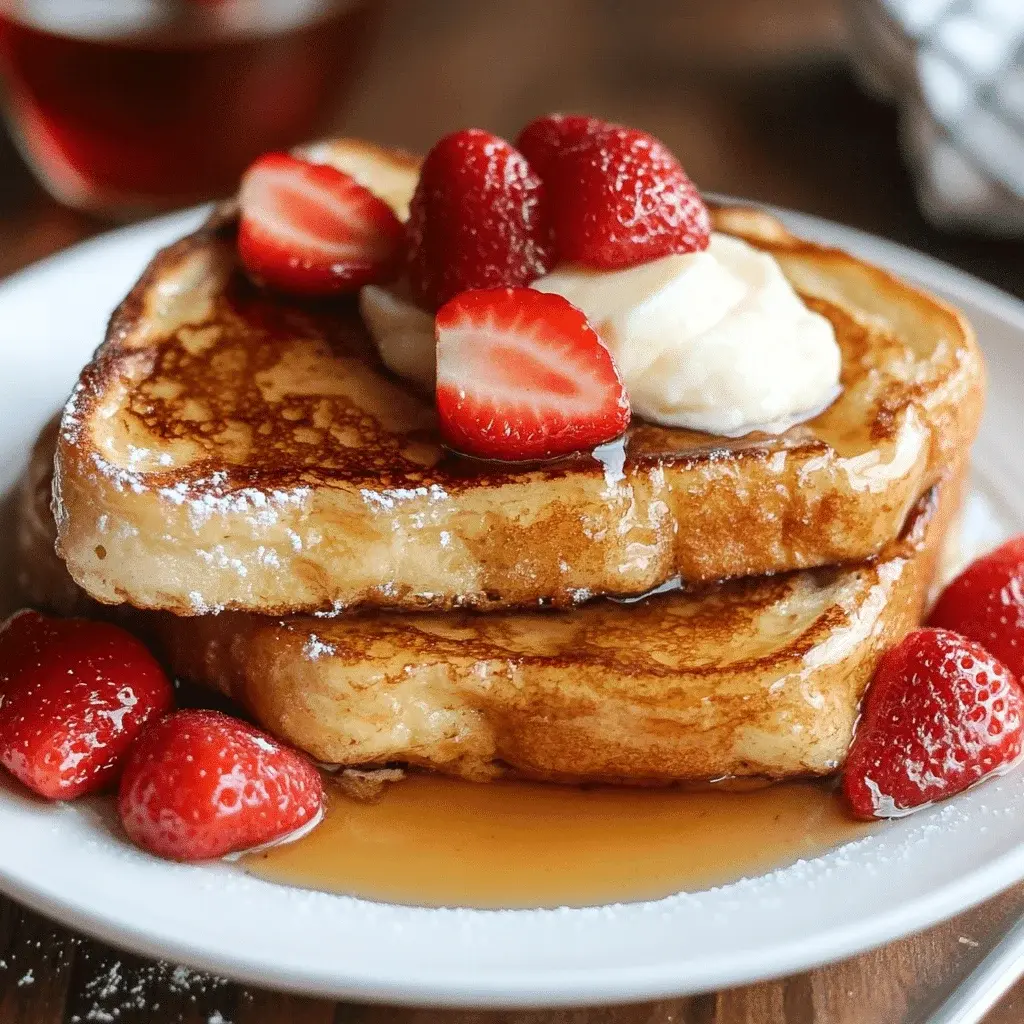
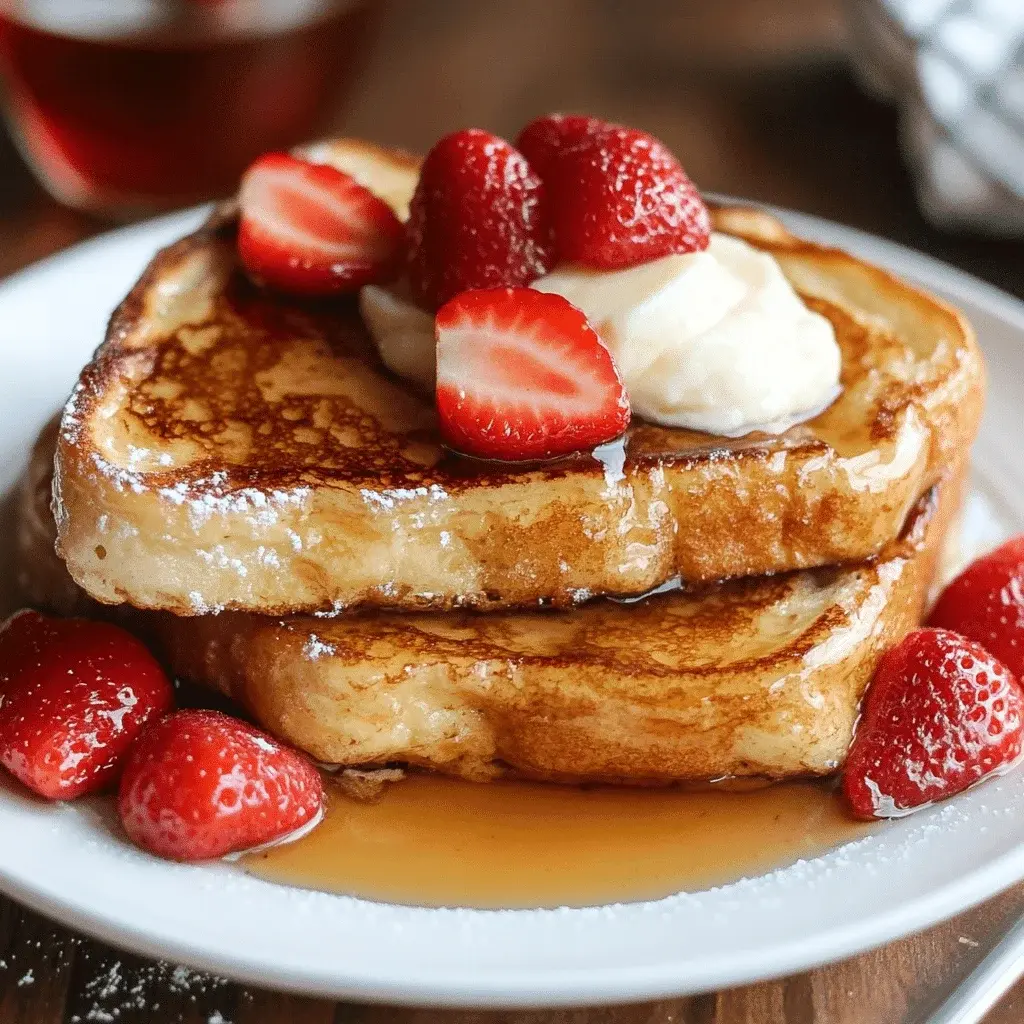
Finished Cinnamon Roll French Toast Roll-ups with syrup

Crafting Your Masterpiece: Step-by-Step Instructions

Let’s get started on creating these little bites of breakfast heaven. The process is fun, engaging, and the results are utterly rewarding!

Step 1: Embrace the Sweet Embrace

In a shallow dish (like a pie plate or a wide bowl), combine the granulated sugar and ground cinnamon. Whisk them together until they’re well blended. This is our glorious, aromatic cinnamon-sugar mixture that will give our roll-ups that quintessential cinnamon roll flair.

Step 2: Lay the Foundation

Take each slice of bread and, using a rolling pin or a clean wine bottle, flatten it out. You want it to be significantly thinner, almost like a thin pancake. This makes it easier to roll and ensures even cooking. Once flattened, brush one side of each bread slice with the melted butter. Then, generously sprinkle the cinnamon-sugar mixture over the buttered side, pressing it down gently so it adheres. Don’t be shy – the more cinnamon sugar, the better!

Step 3: Roll in the Goodness

Starting from one of the shorter ends of the flattened, buttered, and sugared bread, carefully and tightly roll up the bread. Think of it like rolling a miniature Swiss roll or a log. You want it to be compact so it holds its shape during cooking.

Step 4: The Golden Dip

In another shallow dish, whisk together the eggs, milk, vanilla extract, nutmeg (if using), and salt until smooth and well combined. This is your French toast custard. Gently dip each rolled-up bread slice into this egg mixture, turning to coat all sides. Let them soak for about 15-30 seconds per side. You don’t want them to get too soggy, just hydrated enough for that beautiful French toast crust.

Step 5: Sear to Golden Perfection

Heat a lightly buttered griddle or non-stick skillet over medium heat. Carefully place the dipped roll-ups onto the hot surface, seam-side down initially to help them seal. Cook for about 2-3 minutes per side, or until they are beautifully golden brown and the cinnamon-sugar filling is melted and slightly caramelized. Rotate them so all sides get a nice, crisp sear.

Step 6: Serve and Savor the Bliss

Once cooked to perfection, remove the roll-ups from the skillet. Arrange them on a plate and serve immediately. Drizzle generously with warm maple syrup or your favorite icing. A dusting of extra cinnamon sugar or a dollop of whipped cream can elevate this already decadent treat even further!

Nutritional Highlights

  • Calories: Approximately 200-250 per serving (varies based on bread type, milkfat, and amount of sugar/butter used).
  • Carbohydrates: Primarily from the bread and sugar, forming the basis of this energy-boosting breakfast.
  • Protein: Provided by the eggs and milk, essential for satiety and muscle repair.
  • Fat: From butter and milk, contributing to richness and flavor.

(Note: These are approximate values and can vary significantly based on specific ingredients and portion sizes.)

A Healthier Twist on Sweetness

Want to enjoy this delightful treat with a slightly lighter touch? Here are a few swaps:

  • Whole Wheat Bread: Opt for whole wheat or multigrain bread for added fiber.
  • Reduced Sugar: Use a natural sweetener like maple syrup or a touch of stevia in the cinnamon sugar mixture, and be mindful of how much you use.
  • Skim Milk or Plant-Based Milk: Use skim milk or unsweetened almond/oat milk in the egg mixture to reduce fat content.
  • Lighter Toppings: Instead of rich icing, opt for fresh berries, a sprinkle of cinnamon, or a small drizzle of pure maple syrup.

Elevate Your Experience: Serving Suggestions

  • Classic Pairing: Serve warm with a generous pour of pure maple syrup and a dusting of powdered sugar or cinnamon sugar.
  • Fruity Delight: Top with fresh berries like strawberries, blueberries, or raspberries for a burst of freshness and color.
  • Creamy Indulgence: Add a dollop of whipped cream or a side of Greek yogurt for a protein boost and creamy contrast.
  • Coffee Companion: These roll-ups are the perfect accompaniment to a steaming cup of coffee or a rich latte.

Navigating the Sweet Path: Common Mistakes to Avoid

  • Using Fresh Bread: This is the most crucial mistake! Fresh bread will fall apart when soaked and rolled. Always use day-old bread.
  • Over-Soaking: Letting the roll-ups soak in the egg mixture for too long will make them soggy and difficult to handle. A quick dip is all that’s needed.
  • Crowding the Pan: Cook the roll-ups in batches. Overcrowding will steam them instead of searing, resulting in a less crispy exterior.
  • Heat Too High: Cooking over excessive heat will burn the outside before the inside is warmed through and the cinnamon sugar is caramelized. Medium heat is ideal.

Savoring the Sweetness: Storing Your Roll-ups

While best enjoyed fresh and warm, leftovers can be stored. Let them cool completely, then store them in an airtight container in the refrigerator for up to 2-3 days. Reheat them gently in a skillet, toaster oven, or microwave for a few seconds until warmed through. The crispiness may not be fully restored, but they’ll still be delicious!

Close-up of a Cinnamon Roll French Toast Roll-up showing the swirl

Frequently Asked Questions

***What kind of bread is best for this recipe?***

Day-old or slightly stale bread works best. Thicker sliced bread like challah, brioche, or even a good quality white bread are excellent choices. They hold their shape well after flattening and soaking.

***Can I make the cinnamon sugar filling ahead of time?***

Yes, absolutely! You can mix your cinnamon and sugar together and store it in an airtight container at room temperature. This saves you a few minutes when you’re ready to assemble.

***My roll-ups are falling apart. What did I do wrong?***

This usually happens if the bread is too fresh and soft. Ensure you are using stale bread and that you are rolling it tightly. Also, be gentle when dipping and cooking.

***Can I use this with actual cinnamon roll dough?***

While this recipe is designed for bread, you *could* adapt it for unbaked cinnamon roll dough. You might need to adjust cooking times and ensure the dough is fully cooked through. This would be more of a “French toast-ified” cinnamon roll rather than a bread-based roll-up.

***How do I get them extra crispy?***

Ensure your pan is hot enough (medium heat), and don’t overcrowd the pan. Cook each side until desired crispiness is achieved. A little extra butter in the pan can also help with browning and crisping.

Conclusion

There you have it – the Cinnamon Roll French Toast Roll-up Recipe! This delightful fusion offers a wonderfully creative and delicious way to enjoy the flavors you love. It’s perfect for a special weekend brunch, a fun family breakfast, or even a delightful dessert. So gather your ingredients, embrace the fun of rolling, and prepare to wow your taste buds. Give this recipe a try and let us know what you think in the comments below! Happy cooking!

Print
clock clock iconcutlery cutlery iconflag flag iconfolder folder iconinstagram instagram iconpinterest pinterest iconfacebook facebook iconprint print iconsquares squares iconheart heart iconheart solid heart solid icon

Cinnamon Roll French Toast Roll-up Recipe


  • Author: Chef Emy

Description

This Cinnamon Roll French Toast Roll-up Recipe is a delightful fusion of classic cinnamon rolls and crispy French toast. Perfect for breakfast or brunch, these roll-ups are filled with cinnamon sugar, dipped in egg mixture, and cooked to golden perfection. Serve with syrup or icing for a decadent treat.


Ingredients

Scale
  • 8slices white bread
  • 2 tbspunsalted butter, softened
  • ¼ cupbrown sugar
  • 1 tspground cinnamon
  • 2large eggs
  • ¼ cupmilk
  • ½ tspvanilla extract
  • 1 tbspbutter (for cooking)
  • Powdered sugar or maple syrup (optional, for serving)

Instructions

    Notes

    You can prep the cinnamon mixture in advance and refrigerate.
    Great to freeze before cooking for a quick breakfast option.
    Try using whole wheat or brioche bread for variety.

    Nutrition

    • Calories: 220
    • Sugar: 10g

    “`

    Cheesy Hashbrown Breakfast Casserole With Ham Recipe

    “`html

    Cheesy Hashbrown Breakfast Casserole With Ham Recipe

    Breakfast Bliss: Your Go-To Cheesy Hashbrown and Ham Casserole

    Are you searching for a breakfast dish that’s both incredibly comforting and remarkably easy to whip up, especially when feeding a crowd? Look no further than this Cheesy Hashbrown Breakfast Casserole with Ham! In a world where quick mornings often demand quick breakfasts, it can be challenging to find options that satisfy, delight, and still feel like a special occasion. This hearty casserole answers that call, blending the satisfying crunch of hashbrowns with savory ham and a rich, cheesy egg mixture. It’s the perfect answer to those weekend brunch dilemmas or busy weekday mornings when you need a make-ahead marvel.

    Delectable Ingredients for Your Casserole

    The magic of this casserole lies in its simple, yet flavorful, combination of pantry staples. Gather these goodies and get ready to create a breakfast masterpiece:

    • 1 (30 ounce) package frozen hash brown potatoes, thawed: These are the backbone of our casserole, offering a delightful crispy texture when baked. Make sure they are fully thawed to ensure even cooking. Substitution: You can use fresh, shredded potatoes if you have them, but ensure you squeeze out as much moisture as possible.
    • 1 pound cooked ham, diced: Opt for a good quality, fully cooked ham for the best flavor. Diced ham adds savory pockets throughout the casserole. Substitution: Diced fully cooked bacon or sausage would also be delicious. For a vegetarian option, consider sautéed mushrooms and bell peppers.
    • 1 cup shredded cheddar cheese: Sharp cheddar provides a tangy kick, but feel free to use your favorite. The melty, gooey cheese is essential for that comforting factor. Substitution: Monterey Jack, Colby Jack, or a blend of your favorite melting cheeses work wonderfully.
    • 1 cup shredded Monterey Jack cheese: This cheese brings a mild, creamy flavor that pairs beautifully with the cheddar and ham, enhancing the overall creaminess. Substitution: Any good melting cheese will work here, just adjust to your flavor preference.
    • 8 large eggs: The binding agent that holds everything together, creating a fluffy, custardy texture. Substitution: For a slightly lighter casserole, you could use a mix of whole eggs and egg whites.
    • 1/2 cup milk: Adds richness and helps create a smoother egg mixture. Whole milk will yield the creamiest result. Substitution: Half-and-half or even a dairy-free milk alternative like unsweetened almond milk can be used.
    • 1/2 teaspoon salt: Enhances all the flavors. Substitution: Kosher salt or sea salt are good choices. Adjust based on the saltiness of your ham.
    • 1/4 teaspoon black pepper: Freshly ground pepper offers the best aroma and taste.
    • Optional: 1/4 cup chopped fresh chives or green onions: For a burst of fresh, oniony flavor and a pop of color.

    Perfect Timing for Your Casserole Creation

    This casserole is designed for ease, with minimal active time required. Here’s a breakdown:

    Prep time: 15 minutes
    Cook time: 45-55 minutes
    Total time: Up to 1 hour 10 minutes

    Compared to many breakfast casseroles that can take longer to assemble or require pre-cooking multiple components, this recipe is a breeze. The 15-minute prep time is perfect for busy mornings, and knowing it can be prepared ahead adds to its convenience.

    Cheesy hashbrown breakfast casserole with ham in a baking dish.

    Step-by-Step Instructions to Culinary Perfection

    Follow these simple steps to create your delicious Cheesy Hashbrown Breakfast Casserole with Ham:

    Step 1: Prep Your Dish

    Preheat your oven to 375°F (190°C). Generously grease a 9×13 inch baking dish with butter or non-stick cooking spray. This step is crucial to prevent sticking and ensure easy removal of your beautifully baked casserole.

    Step 2: Layer the Hashbrowns

    Spread the thawed hash brown potatoes evenly across the bottom of the prepared baking dish. Try to create a relatively flat, even layer. This forms the perfect base for all the deliciousness to come.

    Step 3: Add the Ham and Cheese

    Sprinkle the diced ham evenly over the hash brown layer. Next, generously scatter both the shredded cheddar and Monterey Jack cheeses over the ham. Don’t be shy with the cheese – it’s what makes this casserole truly irresistible!

    Step 4: Whisk the Eggs

    In a medium bowl, whisk together the 8 large eggs, 1/2 cup milk, 1/2 teaspoon salt, and 1/4 teaspoon black pepper until well combined and slightly frothy. If you’re using optional chives or green onions, stir them into the egg mixture now for an extra layer of flavor and color.

    Step 5: Pour and Bake

    Carefully pour the egg mixture evenly over the hash brown, ham, and cheese layers in the baking dish. Ensure the egg mixture seeps down into the crevices as much as possible. Place the dish in the preheated oven and bake for 45-55 minutes, or until the casserole is set, golden brown on top, and a knife inserted into the center comes out clean.

    Step 6: Rest and Serve

    Once baked to perfection, remove the casserole from the oven and let it rest for about 5-10 minutes before slicing and serving. This allows the casserole to firm up slightly, making it much easier to cut into neat portions.

    Nutritional Snapshot

    While exact nutritional values can vary based on ingredients and portion sizes, a typical serving of this Cheesy Hashbrown Breakfast Casserole with Ham provides approximately:

    • Calories: 350-450 kcal
    • Protein: 20-25g
    • Fat: 20-30g
    • Carbohydrates: 15-20g

    (Note: These are estimates. For precise information, calculate using your specific ingredients.)

    Healthier Alternatives & Flavorful Swaps

    Looking to lighten up this delicious casserole without sacrificing taste? Here are some smart substitutions:

    • Leaner Ham: Opt for low-sodium, lean-cut ham or turkey ham.
    • Reduced-Fat Cheese: Use reduced-fat cheddar and Monterey Jack cheeses. While they may melt slightly differently, they still provide great flavor.
    • More Veggies: Incorporate finely chopped and sautéed vegetables like spinach, bell peppers, onions, or mushrooms into the egg mixture or as a layer. This adds fiber and nutrients.
    • Egg Whites: Replace half of the whole eggs with egg whites for a lower-fat, lower-cholesterol option.
    • Whole Wheat Breadcrumbs (if used): If you ever incorporate breadcrumbs for topping, opt for whole wheat.

    Serving Suggestions to Elevate Your Meal

    This versatile casserole is a star on its own, but here are some ideas to make your meal even more complete:

    • Serve with fresh fruit salad for a refreshing contrast.
    • A side of salsa or hot sauce adds a zesty kick.
    • Offer a dollop of sour cream or Greek yogurt for extra creaminess.
    • Pair with a green salad for a balanced brunch or light dinner.
    • Top with avocado slices for healthy fats and creaminess.

    Common Mistakes to Avoid

    To ensure your casserole turns out perfectly every time, steer clear of these common pitfalls:

    • Not Thawing Hashbrowns Properly: Using frozen hashbrowns can lead to a watery casserole. Ensure they are fully thawed and excess moisture is squeezed out if using fresh.
    • Over-Baking: This can result in a dry, rubbery casserole. Keep an eye on it in the last 10-15 minutes of cooking.
    • Not Greasing the Dish: A well-greased dish is essential for easy serving and clean-up.
    • Uneven Layering: Spreading ingredients evenly helps ensure consistent cooking and flavor distribution.

    Storing Tips for Lasting Deliciousness

    Leftovers are a breakfast dream! Here’s how to store your casserole:

    • Refrigeration: Once cooled, cover the baking dish tightly with plastic wrap or foil, or transfer portions to an airtight container. It will stay fresh in the refrigerator for 3-4 days.
    • Freezing: You can freeze the entire baked casserole or individual portions. Wrap them well in plastic wrap and then in aluminum foil or place in freezer-safe containers. It can be stored in the freezer for up to 2-3 months. Thaw overnight in the refrigerator before reheating.
    • Reheating: Reheat individual portions in the microwave until heated through. For larger portions or to crisp up the hashbrowns, reheat in a 350°F (175°C) oven until warmed through, approximately 15-20 minutes. Cover with foil if it starts to brown too quickly.
    Close-up of a slice of cheesy hashbrown breakfast casserole with ham.

    Frequently Asked Questions

    ***Can I use different types of meat?***

    Absolutely! Cooked sausage, crumbled bacon, or even diced leftover chicken or turkey can be used in place of ham. Just ensure the meat is pre-cooked.

    ***Can I prepare this casserole the night before?***

    Yes! You can assemble the entire casserole (up to pouring the egg mixture) the night before. Cover it tightly and refrigerate. When ready to bake, allow it to sit at room temperature for about 30 minutes or add a few extra minutes to the baking time. For best results, pour the egg mixture over the other ingredients just before baking if possible, or ensure it’s well chilled if combined the night before.

    ***What if I don’t have milk?***

    You can substitute milk with half-and-half for a richer casserole, or even heavy cream for an extra decadent dish. For a dairy-free option, unsweetened plant-based milk like almond or soy milk works well.

    ***How do I know if the casserole is fully cooked?***

    The casserole is done when the center is set and no longer jiggly, and a knife inserted into the center comes out clean. The edges should be bubbling slightly, and the top should be golden brown.

    ***Can I add vegetables to this casserole?***

    Certainly! Finely chopped and sautéed vegetables like onions, bell peppers, spinach, mushrooms, or broccoli can be added. Sauté them first to remove excess moisture and cook them slightly before adding them to the casserole layers or mixing them into the egg batter.

    Print

    clock clock iconcutlery cutlery iconflag flag iconfolder folder iconinstagram instagram iconpinterest pinterest iconfacebook facebook iconprint print iconsquares squares iconheart heart iconheart solid heart solid icon

    Cheesy Hashbrown Breakfast Casserole With Ham Recipe


    • Author: Chef Emy

    Description

    This cheesy hashbrown breakfast casserole with ham is a comforting and delicious dish made with crispy hashbrowns, eggs, ham, and plenty of cheese. Perfect for breakfast or brunch, this easy-to-make casserole is great for feeding a crowd and can be prepared ahead of time!


    Ingredients

    Scale
    • 1(30 oz) bag frozen hashbrowns, thawed
    • 2 cupscooked ham, diced
    • 2 cupsshredded cheddar cheese
    • 8large eggs
    • 1 cupmilk
    • ½ teaspoonsalt
    • ½ teaspoonblack pepper
    • ½ teaspoongarlic powder
    • ½ teaspoononion powder

    Instructions

      Notes

      Use pre-cooked ham or swap with cooked bacon or sausage.
      Can be made ahead—assemble and refrigerate overnight before baking.
      Add veggies like bell peppers or spinach for extra flavor.

      Nutrition

      • Calories: 320
      • Sugar: 2g

      “`

      How To Make The Absolute Best French Toast Casserole Recipe

      “`html

      How To Make The Absolute Best French Toast Casserole Recipe

      Is French Toast Casserole Really a Make-Ahead Breakfast Marvel?

      Looking for a breakfast that’s both incredibly delicious and remarkably easy to prepare ahead of time? You’re not alone! The search for the perfect make-ahead breakfast dish often leads to the inviting world of French toast casserole. Imagine waking up to the aroma of warm spices, rich custard, and sweet, eggy bread, all without slaving over a hot stove first thing in the morning. This French toast casserole recipe delivers exactly that – a comforting, crowd-pleasing dish that makes holidays, weekend brunches, or even busy weekday mornings feel special. It’s the ultimate set-it-and-forget-it breakfast masterpiece, transforming humble bread into a decadent treat.

      Ingredients for Your Decadent French Toast Casserole

      The magic of a great French toast casserole lies in its simple yet impactful ingredients. We’re aiming for a rich, creamy custard that generously soaks into every corner of the bread, topped with a delightful crunch.

      • Bread: 1 loaf (about 1 pound) sturdy, day-old Challah, Brioche, or thick-cut Texas toast. Stale bread is key here as it absorbs the custard beautifully without turning mushy. If you don’t have day-old bread, you can lightly toast fresh slices.
      • Eggs: 6 large eggs. These are the foundation of our rich custard, providing structure and that classic eggy flavor.
      • Milk: 2 cups whole milk. While any milk works, whole milk lends the creamiest texture. For a richer flavor, you can substitute half-and-half.
      • Heavy Cream: 1/2 cup heavy cream. This is our secret weapon for extra richness and a luxurious mouthfeel.
      • Sweetener: 1/2 cup granulated sugar, plus 2 tablespoons for the topping. This balances the richness and brings out the sweet, comforting notes.
      • Flavorings:
        • 2 teaspoons ground cinnamon. This warm, aromatic spice is essential for that classic French toast flavor.
        • 1 teaspoon ground nutmeg. Nutmeg adds a subtle, warm complexity that pairs perfectly with cinnamon. Freshly grated is best if you have it!
        • 1 teaspoon vanilla extract. Vanilla enhances all the other flavors and adds a sweet aroma.
        • 1/4 teaspoon salt. This enhances sweetness and balances the flavors.
      • For the Topping:
        • 1 cup all-purpose flour. This forms the base of our crumbly topping.
        • 1/2 cup packed light brown sugar. Brown sugar adds a caramel-like sweetness and moisture to the topping.
        • 1/2 cup cold unsalted butter, cut into small cubes. Cold butter is crucial for creating flaky, crispy bits.
        • 1/2 cup chopped pecans or walnuts (optional). For an extra layer of crunch and nutty goodness.

      Timing Your French Toast Casserole

      Prep time: 20 minutes
      Chill time: Minimum 4 hours (or overnight)
      Cook time: 45-55 minutes
      Total time: ~5 hours 5 minutes (mostly inactive)

      Compared to traditional French toast that takes about 15-20 minutes from start to finish (including prep and cooking), this casserole is a time-saver in the long run. The initial prep is slightly longer, but the ability to let it soak overnight means your active morning time is minimal, making it ideal for busy schedules or entertaining.

      French Toast Casserole ingredients laid out on a counter before assembly.

      Step-by-Step French Toast Casserole Instructions

      Step 1: Prep the Bread

      Take your loaf of bread and cut it into 1-inch cubes. If your bread is very fresh, spread the cubes on a baking sheet and toast them lightly in a 300°F (150°C) oven for about 10-15 minutes until slightly dried out. This step is crucial for preventing a soggy casserole. Place the bread cubes into a greased 9×13 inch baking dish. Don’t pack them too tightly; you want the custard to be able to flow around them.

      Step 2: Whisk the Custard

      In a large bowl, whisk together the eggs, whole milk, heavy cream, granulated sugar, cinnamon, nutmeg, vanilla extract, and salt. Whisk until everything is thoroughly combined and the mixture is smooth. This is the luscious custard that will transform your bread into soft, flavorful bites.

      Step 3: Soak and Chill

      Evenly pour the custard mixture over the bread cubes in the baking dish. Gently press down on the bread with a spatula or the back of a spoon to ensure all the pieces are coated and begin to absorb the liquid. For the best results, cover the dish tightly with plastic wrap and refrigerate for at least 4 hours, or preferably overnight. This allows the bread to fully soak up the custard, ensuring a moist and tender casserole.

      Step 4: Prepare the Topping

      About 15-20 minutes before you’re ready to bake, prepare the crunchy topping. In a medium bowl, combine the flour and brown sugar. Add the cold, cubed butter. Use your fingertips, a pastry blender, or a fork to cut the butter into the flour mixture until it resembles coarse crumbs with some pea-sized pieces. If you’re using nuts, stir them in now. This crumb topping will bake up to a delightful golden crisp.

      Step 5: Bake to Golden Perfection

      Preheat your oven to 350°F (175°C). Remove the plastic wrap from the casserole. Sprinkle the crumb topping evenly over the soaked bread. Place the baking dish on a baking sheet (to catch any potential drips) and bake for 45-55 minutes, or until the casserole is set, puffed up around the edges, and the topping is golden brown and crispy. A knife inserted into the center should come out mostly clean.

      Nutritional Information

      While exact nutritional values can vary based on specific ingredients used, a typical serving (about 1/8th of the casserole) of this French toast casserole contains approximately:

      • Calories: 450-550 kcal
      • Protein: 15-20g
      • Fat: 20-30g
      • Carbohydrates: 50-65g
      • Sugar: 25-35g
      • Fiber: 3-5g

      Please note: This is an estimated range. For precise nutritional data, you should use a recipe calculator with your specific ingredients.

      Healthier Alternatives

      Want to lighten up this decadent dish without sacrificing too much flavor? Here are some fantastic swaps:

      • Bread: Opt for whole wheat bread or sourdough for added fiber and a slightly less sweet base.
      • Milk/Cream: Use 2% milk or unsweetened almond milk for a lighter custard. You can reduce or omit the heavy cream.
      • Sweetener: Reduce the amount of sugar in both the custard and the topping. You can also use a sugar substitute like erythritol or stevia, adjusting quantities as directed.
      • Topping: Swap some of the flour for almond flour or oat flour. Use a lighter brown sugar or a sugar substitute. Reduce the butter and increase the nuts for crunch.
      • Fruit: Fold in fresh berries, sliced bananas, or chopped apples into the bread cubes before pouring the custard. This adds natural sweetness and nutrients.

      Serving Suggestions

      This French toast casserole is a star on its own, but it truly shines with a few simple accompaniments:

      • Fresh Fruit: A side of mixed berries, sliced strawberries, or a fruit salad adds a refreshing contrast.
      • Syrup: Classic maple syrup is a must for many!
      • Whipped Cream: A dollop of lightly sweetened whipped cream elevates it to dessert-like status.
      • Bacon or Sausage: For a complete brunch feast, serve alongside your favorite breakfast meats.
      • Powdered Sugar: A light dusting of powdered sugar offers a beautiful finishing touch.

      Common Mistakes to Avoid

      To ensure your French toast casserole turns out absolutely perfect every time, be mindful of these common pitfalls:

      • Using Fresh Bread: As mentioned, fresh bread will become soggy. Always use day-old, dried-out, or lightly toasted bread.
      • Not Soaking Long Enough: Skipping the overnight soak (or at least 4 hours) means the bread won’t absorb enough custard, resulting in a dry middle.
      • Over-Mixing the Topping: If you overwork the topping ingredients, especially the butter, it can become greasy and less crumbly.
      • Baking at the Wrong Temperature: Too high, and the topping will burn before the inside is cooked. Too low, and it will take too long and might not set properly.
      • Cutting Pieces Too Small: If bread pieces are too small, they can disintegrate into mush during soaking and baking.

      Storing Your French Toast Casserole

      Thanks to its make-ahead nature, storing this casserole is a breeze:

      • Refrigerating: Once assembled (but before baking), cover the dish tightly with plastic wrap and refrigerate for up to 2 days. When ready to bake, remove from the fridge about 30 minutes before baking and add 5-10 minutes to the baking time.
      • Freezing: You can assemble and freeze the unbaked casserole for up to 1 month. Thaw completely in the refrigerator overnight before baking as directed.
      • Leftovers: Baked leftovers can be stored, covered, in the refrigerator for up to 3 days. Reheat individual portions in the microwave or oven until warmed through.
      A slice of French Toast Casserole being served on a plate with syrup drizzled over it.

      Frequently Asked Questions

      ***What kind of bread is best for French toast casserole?***

      Sturdy, slightly stale bread like Challah, Brioche, or thick-cut Texas toast is ideal. These breads have a good structure that can absorb the custard without becoming overly mushy.

      ***Can I use fresh bread instead of day-old bread?***

      Yes, but you should toast it first! Spread fresh bread cubes on a baking sheet and bake at 300°F (150°C) for about 10-15 minutes until they are slightly dried and firm. This mimics the texture of day-old bread.

      ***How long does the casserole need to soak?***

      For optimal results, you should let it soak for at least 4 hours, but overnight is highly recommended. This ensures the bread fully absorbs the custard for a moist and tender casserole.

      ***Can I make this recipe gluten-free?***

      Yes! Simply substitute your favorite gluten-free bread for the regular bread. You may need to adjust the soaking time slightly as GF breads can absorb liquid differently.

      ***My topping looks too dry/too wet. What went wrong?***

      For the topping, ensure your butter is cold. If it seems too dry, you might have used too much flour; add a tiny bit more butter. If it’s too wet, add a touch more flour. The goal is a crumbly texture.

      Print
      clock clock iconcutlery cutlery iconflag flag iconfolder folder iconinstagram instagram iconpinterest pinterest iconfacebook facebook iconprint print iconsquares squares iconheart heart iconheart solid heart solid icon

      How To Make The Absolute Best French Toast Casserole Recipe


      • Author: Chef Emy

      Description

      This French toast casserole is the perfect make-ahead breakfast dish. Made with rich custard-soaked bread, warm spices, and a crispy golden topping, it’s a crowd-pleasing dish ideal for holidays or weekend brunch.


      Ingredients

      Scale
      • 1loaf of French bread, cubed
      • 6large eggs
      • 2 cupswhole milk
      • ½ cupheavy cream
      • ½ cupgranulated sugar
      • ¼ cupbrown sugar
      • 1 tbspvanilla extract
      • 1 tspcinnamon
      • ½ tspnutmeg
      • ¼ tspsalt
      • Topping:
      • ½ cupbrown sugar
      • ½ cupall-purpose flour
      • ½ cupunsalted butter, cold and cubed
      • 1 tspcinnamon

      Instructions

        Notes

        Use day-old bread for the best texture.
        Substitute milk with dairy-free alternatives if needed.
        Add pecans or raisins for extra flavor.

        Nutrition

        • Calories: 350
        • Sugar: 20g

        “`

        Best Fluffy Pancake Recipe

        “`html

        Best Fluffy Pancake Recipe

        Experience the Best Fluffy Pancakes

        Enjoy the best fluffy pancakes with this simple homemade recipe. These pancakes are light, soft, and perfect for breakfast or brunch. There’s nothing quite like the comforting aroma of pancakes cooking on a weekend morning, promising a delightful start to the day. But not all pancakes are created equal. Many home cooks struggle to achieve that airy, cloud-like texture that defines a truly superior pancake. The secret lies not just in the ingredients, but in how they are treated. This recipe is meticulously crafted to deliver consistently fluffy, golden-brown pancakes every single time. We’ll guide you through the simple steps to transform your breakfast routine and impress your family and friends with the ultimate fluffy pancake experience. Get ready to redefine your pancake expectations!

        Ingredients for Cloud-Like Pancakes

        The magic of fluffy pancakes lies in the balance of simple, high-quality ingredients and a touch of technique. Here’s what you’ll need:

        Dry Ingredients

        • 1 ½ cups All-Purpose Flour: The foundation of our pancakes. All-purpose flour provides the ideal structure for a fluffy bite.
        • 3 ½ teaspoons Baking Powder: This is the powerhouse leavening agent that makes pancakes puff up beautifully and become wonderfully airy. Don’t skimp on this!
        • 1 teaspoon Salt: Crucial for enhancing all the other flavors, salt balances the sweetness and deepens the overall taste.
        • 1 tablespoon Granulated Sugar: Just a touch of sugar adds a hint of sweetness and helps with browning.

        Wet Ingredients

        • 1 ¼ cups Milk: Whole milk yields the richest flavor and texture, but 2% or even unsweetened almond milk works too. Make sure it’s at room temperature for better emulsification.
        • 1 Large Egg: Acts as a binder and adds richness and structure. A room temperature egg incorporates more easily.
        • 3 tablespoons Unsalted Butter, melted and slightly cooled: Adds a lovely richness, tenderness, and a hint of nutty flavor. Using unsalted butter gives you control over the saltiness.
        • ½ teaspoon Vanilla Extract: Optional, but highly recommended for that classic, comforting pancake aroma and taste.

        Optional Add-ins

        • Blueberries, chocolate chips, or sliced bananas: Fold these in gently just before cooking for delightful bursts of flavor.

        Timing: From Mix to Marvel

        Prep time: 10 minutes

        Cook time: 15-20 minutes

        Total time: 25-30 minutes

        Compared to many more complex pancake recipes, this one is incredibly speedy. The average homemade pancake recipe takes around 30-40 minutes from start to finish, making our fluffy version exceptionally efficient for a busy morning.

        Pile of fluffy pancakes on a plate with syrup

        Step-by-Step Instructions for Fluffy Perfection

        Follow these simple steps for pancakes that are impossibly light and delicious!

        Step 1: Whisk the Dry Ingredients

        In a large bowl, whisk together the flour, baking powder, salt, and sugar. Whisking thoroughly ensures that the leavening agent is evenly distributed, which is key to achieving uniform fluffiness. Don’t skip this step; it’s one of the secrets to perfectly puffed pancakes!

        Step 2: Combine the Wet Ingredients

        In a separate medium bowl, whisk together the milk, egg, melted butter, and vanilla extract (if using) until just combined. The butter should be melted but not hot, so it doesn’t cook the egg. A gentle whisk is all you need here.

        Step 3: Gently Combine Wet and Dry

        Pour the wet ingredients into the bowl with the dry ingredients. Using a whisk or a spatula, mix until just combined. It’s crucial *not* to overmix here! A few lumps are perfectly fine and actually desirable. Overmixing develops the gluten in the flour, resulting in tough, flat pancakes instead of fluffy ones. Stop mixing as soon as you no longer see streaks of dry flour.

        Pro Tip: Let the batter rest for 5-10 minutes after combining. This allows the gluten to relax and the baking powder to start activating, leading to an even fluffier result.

        Step 4: Heat Your Griddle

        Heat a lightly oiled griddle or non-stick frying pan over medium heat. You want it hot enough that a drop of water sizzles and evaporates immediately, but not so hot that the pancakes burn before they cook through. A medium heat ensures even cooking and browning.

        Step 5: Cook the Pancakes

        Once the griddle is hot, pour about ¼ cup of batter per pancake onto the griddle. Cook for about 2-3 minutes per side, or until bubbles start to form on the surface and the edges look set. Flip carefully with a spatula and cook the other side for another 1-2 minutes until golden brown and cooked through. Resist the urge to press down on the pancakes with your spatula; this deflates all that precious fluffiness!

        Step 6: Serve Immediately

        Serve your delicious fluffy pancakes immediately with your favorite toppings like maple syrup, fresh berries, whipped cream, or a dusting of powdered sugar. For ultimate fluffiness, serve them hot off the griddle!

        Nutritional Information: A Sweet Look

        While I don’t have precise nutritional data without using a specific calculator, a typical serving of 3 medium pancakes (using this recipe) generally contains:

        • Calories: Approximately 300-400 calories
        • Protein: Around 10-15 grams
        • Carbohydrates: Roughly 40-50 grams
        • Fat: About 10-15 grams (depending on butter and milk used)

        Note: Nutritional values are estimations and can vary based on specific ingredients and portion sizes.

        Healthier Alternatives: Indulge Wisely

        Want to make these fluffy pancakes even healthier without sacrificing taste?

        • Whole Wheat Flour: Substitute half of the all-purpose flour with whole wheat flour for added fiber and nutrients. You might need a splash more milk.
        • Oat Flour: Use oat flour for a gluten-free option and a slightly nutty flavor.
        • Greek Yogurt or Unsweetened Applesauce: Replace some of the butter with plain Greek yogurt or unsweetened applesauce for added moisture and protein while reducing fat.
        • Sugar Substitutes: Use a sugar substitute like stevia or erythritol if you’re watching your sugar intake.
        • Egg Whites: For a lighter texture and less fat, you can use egg whites instead of whole eggs, though this may slightly affect richness.

        Serving Suggestions: Elevate Your Brunch

        Pancakes are a blank canvas! Here are some ideas to make them even more special:

        • Classic: Maple syrup, butter, fresh berries (strawberries, blueberries, raspberries).
        • Decadent: Whipped cream, chocolate chips, sliced bananas, a drizzle of caramel sauce.
        • Fruity Delight: A compote made from peaches, apples, or cherries.
        • Savory Twist: While this recipe leans sweet, consider serving with crispy bacon or a side of scrambled eggs for a balanced breakfast.

        Common Mistakes to Avoid for Ideal Fluffiness

        Steer clear of these pitfalls to guarantee fluffy pancakes:

        • Overmixing the Batter: This is the most common culprit for tough pancakes. Stop mixing as soon as ingredients are just combined.
        • Using Stale Baking Powder: Baking powder loses its potency over time. Test yours by adding a bit to hot water; it should fizz vigorously.
        • Griddle Too Hot or Too Cold: A griddle that’s too hot will burn the outside before the inside cooks. Too cool, and they’ll be pale and flat. Aim for medium heat.
        • Pressing Down on the Pancakes: Avoid the temptation to flatten your pancakes with the spatula – it squeezes out the air!
        • Not Resting the Batter: A brief rest allows the gluten to relax and the leavening to work, maximizing fluffiness.

        Storing Tips: Enjoy Them Later

        While best enjoyed fresh, leftover pancakes can be stored:

        • Refrigeration: Allow pancakes to cool completely, then store them in an airtight container or zip-top bag in the refrigerator for up to 3 days.
        • Freezing: For longer storage, place cooled pancakes in a single layer on a baking sheet and freeze until solid. Then, transfer to a freezer bag or airtight container. They can be stored in the freezer for up to 2 months.
        • Reheating: Reheat in a toaster, toaster oven, microwave, or briefly in a skillet until warmed through.
        Stack of pancakes with berries and syrup being poured

        Frequently Asked Questions About Fluffy Pancakes

        ***Are these pancakes gluten-free?***

        No, this recipe uses all-purpose flour, which contains gluten. For gluten-free fluffy pancakes, you would need to use a gluten-free flour blend or oat flour as mentioned in the healthier alternatives section.

        ***Why are my pancakes flat?***

        The most common reasons are overmixing the batter, using old or inactive baking powder, or having the griddle temperature incorrect. Ensure you follow the “gently combine” and “heat griddle” instructions carefully.

        ***Can I make the batter ahead of time?***

        Yes, you can mix the batter and refrigerate it for up to 24 hours. However, the leavening power of baking powder can decrease over time, so the pancakes might not be quite as fluffy as when made fresh. You may need to add a tiny bit more baking powder if you make it far in advance.

        ***What is the best way to flip pancakes?***

        Use a thin, flexible spatula. Slide it completely under the pancake, lift gently, and flip confidently. It’s best to flip only once for maximum fluffiness.

        ***Can I omit the sugar?***

        You can reduce the sugar, but completely omitting it might slightly affect the browning and texture. The sugar in this recipe is minimal, mostly contributing to color and a hint of flavor rather than making them overtly sweet.

        Conclusion: Your Fluffy Pancake Journey Begins

        You now have the blueprint for creating the best fluffy pancakes imaginable. This simple yet effective recipe, combined with a few key techniques, will elevate your breakfast game. Forget those dense, uninspired pancakes of the past and embrace a new standard of light, airy, and utterly delicious stacks. Perfect for weekend brunches, weekday treats, or whenever you crave comfort on a plate, these pancakes are sure to become a go-to favorite.

        Ready to make the fluffiest pancakes of your life? Gather your ingredients and get cooking! Let us know in the comments how yours turned out, or share your favorite topping combinations. Happy pancake making!

        Print
        clock clock iconcutlery cutlery iconflag flag iconfolder folder iconinstagram instagram iconpinterest pinterest iconfacebook facebook iconprint print iconsquares squares iconheart heart iconheart solid heart solid icon

        Best Fluffy Pancake Recipe


        • Author: Chef Emy

        Description

        Enjoy the best fluffy pancakes with this simple homemade recipe. These pancakes are light, soft, and perfect for breakfast or brunch.


        Ingredients

        Scale
        • 1 ½ cupsall-purpose flour
        • 3 ½ tspbaking powder
        • 1 tbspsugar
        • ¼ tspsalt
        • 1 ¼ cupsmilk
        • 1egg
        • 3 tbspmelted butter
        • 1 tspvanilla extract

        Instructions

          Notes

          For extra fluffiness, let the batter rest for 5 minutes before cooking.
          Do not overmix the batter to keep pancakes light.
          Add chocolate chips or blueberries for variety.

          Nutrition

          • Calories: 140
          • Sugar: 3g

          “`

          Easy Sausage Breakfast Muffins Recipe

          “`html

          Kickstart Your Day the Savory Way

          In the hustle and bustle of modern life, the morning meal often gets sidelined. Many resort to quick, sugary options that lead to a mid-morning energy crash, or skip breakfast altogether, only to face sluggishness later on. If you’re searching for a breakfast solution that’s high in protein, packed with flavor, and remarkably simple to make, look no further. These Easy Sausage Breakfast Muffins are your answer. Imagine a warm, fluffy muffin bursting with savory sausage, gooey cheese, and eggs – it’s a hearty, satisfying start that requires minimal effort, especially ideal for those hectic mornings or for your weekly meal prep routine.

          Ingredients for Easy Sausage Breakfast Muffins

          The magic of these muffins lies in their straightforward yet delicious combination of ingredients. Here’s what you’ll need:

          • 1 pound breakfast sausage: Choose your favorite kind – mild, hot, or even a sage-infused variety for an extra layer of aroma. It should be cooked and crumbled until deliciously browned and slightly crispy. This forms the savory backbone of our muffins.
          • 1 cup all-purpose flour: The foundation of our fluffy batter. For a slightly nuttier flavor and added fiber, you could try substituting half of this with whole wheat flour.
          • 1/4 cup granulated sugar: Just a touch to balance the savory elements and aid in browning. You can reduce this slightly if you prefer less sweetness.
          • 2 teaspoons baking powder: The leavening agent that gives our muffins their delightful lift and airy texture.
          • 1/2 teaspoon salt: Enhances all the other flavors.
          • 1/4 teaspoon black pepper: Freshly ground pepper adds a subtle kick.
          • 1 cup milk: Whole milk will yield the richest texture, but 2% or even almond milk can work.
          • 1 large egg: Acts as a binder and adds richness.
          • 1/4 cup unsalted butter, melted: Contributes to moisture and a tender crumb. For a healthier fat option, melted coconut oil can be used.
          • 1 cup shredded cheese: Cheddar, Monterey Jack, or a blend are fantastic choices for that irresistible cheesy pull.

          Optional additions for extra flavor: a pinch of red pepper flakes for heat, or a tablespoon of finely chopped chives for freshness.

          Timing Your Breakfast Muffin Prep

          Prep time: 15 minutes
          Cook time: 20-25 minutes
          Total time: 35-40 minutes
          Yields: 12 muffins

          Compared to other breakfast recipes, these sausage muffins are remarkably quick. The average breakfast usually takes longer than 35-40 minutes to prepare from scratch. This recipe is designed for efficiency, allowing you to enjoy a homemade, nutritious breakfast even on your busiest mornings.

          Close-up of a golden-brown sausage breakfast muffin with visible cheese and sausage pieces.

          Step-by-Step Instructions

          Step 1: Preheat and Prep Your Muffin Tin

          Before you get too deep into the deliciousness, let’s get your oven ready. Preheat it to 375°F (190°C). Now, grab your trusty 12-cup muffin tin. You’ll want to either generously grease each cup with butter or cooking spray, or better yet, line them with paper muffin liners. This ensures your beautiful muffins won’t stick, making cleanup a breeze and keeping their perfect shape.

          Step 2: Cook the Sausage

          In a skillet over medium heat, cook your breakfast sausage, breaking it up with a spoon as it cooks. You’re aiming for that perfect golden-brown, slightly crispy texture. Once it’s beautifully cooked, drain off any excess grease. You want the savory flavor of the sausage, not a grease slick in your muffins! Let it cool slightly before proceeding.

          Step 3: Whisk Up the Muffin Batter

          In a large bowl, whisk together the dry ingredients: flour, sugar, baking powder, salt, and pepper. Make sure they are thoroughly combined. In a separate bowl, whisk together the wet ingredients: milk, the large egg, and the melted butter. Once your wet ingredients are well-blended, pour them into the dry ingredients. Whisk gently until just combined. A few lumps are perfectly okay! Overmixing is the enemy of tender muffins, leading to a tough texture. We want fluffy clouds of savory goodness, not dense bricks.

          Step 4: Combine and Fill the Muffin Cups

          Now for the fun part! Gently fold the cooked and drained sausage crumbles and the shredded cheese into your muffin batter. Distribute this delicious mixture evenly among the 12 prepared muffin cups, filling each one about two-thirds full. This gives them room to rise beautifully without overflowing.

          Step 5: Bake to Golden Perfection

          Pop the muffin tin into your preheated oven. Bake for 20-25 minutes, or until the tops are golden brown and a toothpick inserted into the center of a muffin comes out clean. The aroma wafting from your oven will be absolutely divine – a true morning treat!

          Step 6: Cool and Enjoy

          Once baked to perfection, carefully remove the muffin tin from the oven. Let the muffins cool in the tin for a few minutes before transferring them to a wire rack to cool completely. This prevents them from getting soggy on the bottom. Enjoy them warm, or at room temperature – either way, they are a delightful start to your day!

          Nutritional Highlights

          These Easy Sausage Breakfast Muffins are designed to be a protein powerhouse, keeping you full and satisfied. While exact nutritional values can vary based on specific ingredients used (like the fat content of your sausage and cheese), a typical muffin generally offers:

          • Calories: Approximately 250-350 kcal per muffin.
          • Protein: A significant source, often ranging from 10-15g per muffin, thanks to the sausage and egg.
          • Fat: Primarily from sausage, cheese, and butter, with good amounts of healthy fats.
          • Carbohydrates: Moderate, mostly from the flour and a touch of sugar.

          They provide a balanced profile that’s excellent for sustained energy.

          Healthier Alternatives

          Looking to lighten things up without sacrificing flavor? Here are a few swaps you can make:

          • Leaner Sausage: Opt for turkey sausage or lean pork sausage to reduce fat content.
          • Whole Wheat Flour: Substitute half or all of the all-purpose flour with whole wheat flour for added fiber and nutrients.
          • Reduced Fat Cheese: Use a reduced-fat cheddar or Monterey Jack.
          • Add Vegetables: Incorporate finely chopped spinach, bell peppers, or onions into the batter for extra vitamins and fiber.
          • Alternative Milk: Unsweetened almond milk or oat milk can be used in place of dairy milk.

          These adjustments can make them even more suited for your health goals while maintaining that delicious savory taste.

          Serving Suggestions

          These sausage breakfast muffins are a complete meal on their own, but they also pair wonderfully with:

          • A simple green salad for a light lunch.
          • A side of fresh fruit, like berries or sliced oranges, for a touch of sweetness.
          • A dollop of sour cream or Greek yogurt for added tang.
          • Other breakfast favorites like crispy bacon or scrambled eggs for a brunch spread.

          Common Mistakes to Avoid

          To ensure your muffins turn out perfectly every time:

          • Overmixing the Batter: This is the most common culprit for tough muffins. Mix until just combined.
          • Not Draining Sausage Fat: Too much grease can make muffins greasy and heavy.
          • Opening Oven Door Too Soon: Resist the urge to peek! Opening the oven too early can cause muffins to collapse.
          • Underbaking: Ensure muffins are fully cooked by testing with a toothpick.

          Storing Your Breakfast Muffins

          These muffins are fantastic for make-ahead breakfasts. Once completely cooled:

          • Room Temperature: Store in an airtight container for up to 2 days.
          • Refrigerator: For longer storage, keep them in an airtight container in the refrigerator for up to 5 days.
          • Freezer: Wrap individual muffins tightly in plastic wrap and then place them in a freezer-safe bag or container. They can be frozen for up to 3 months. Reheat gently in the microwave or oven.
          A muffin tin filled with freshly baked sausage breakfast muffins.

          Frequently Asked Questions

          What kind of sausage works best?

          Any breakfast sausage you love will work! Pork, turkey, chicken, or even plant-based sausage can be used. Consider mild, hot, or flavored varieties based on your preference.

          Can I make these ahead of time?

          Absolutely! These are perfect for meal prepping. Bake them, let them cool completely, and store them as directed in the storing tips section. They reheat beautifully.

          Are there any vegetarian options?

          Yes, you can easily make these vegetarian by using a vegetarian sausage crumble in place of meat sausage. Ensure it’s pre-cooked according to package directions.

          How do I prevent the muffins from sticking?

          Using paper liners or generously greasing your muffin tin with butter or cooking spray are effective ways to prevent sticking. Ensure you cool them in the tin for a few minutes before transferring to a wire rack.

          Can I add other ingredients?

          Definitely! Feel free to add finely chopped onions, bell peppers, jalapeños, or herbs like chives or parsley to the batter along with the sausage and cheese for extra flavor and texture.

          Conclusion

          These Easy Sausage Breakfast Muffins are more than just a recipe; they’re a passport to stress-free, delicious mornings. Packed with savory flavor and high-quality protein, they’re the perfect solution for anyone looking to fuel their day without sacrificing taste or time. Whether you’re a seasoned chef or a kitchen novice, this recipe is foolproof and incredibly rewarding. So, gather your ingredients, whip up a batch, and transform your mornings into something truly special.

          Ready to taste the difference a homemade, savory muffin can make? Give this recipe a try and let us know how much you love it in the comments below! Don’t forget to share this post with fellow breakfast lovers.

          Print
          clock clock iconcutlery cutlery iconflag flag iconfolder folder iconinstagram instagram iconpinterest pinterest iconfacebook facebook iconprint print iconsquares squares iconheart heart iconheart solid heart solid icon

          Easy Sausage Breakfast Muffins Recipe


          • Author: Chef Emy

          Description

          These easy sausage breakfast muffins are a savory, high-protein way to start your day. Made with sausage, eggs, cheese, and fluffy muffin batter, they’re perfect for busy mornings or meal prepping. Enjoy a hearty, satisfying breakfast in just minutes!


          Ingredients

          Scale
          • 1lb breakfast sausage
          • 2 cupsall-purpose flour
          • 1 tbspbaking powder
          • ½ tspsalt
          • ½ tspblack pepper
          • 1 cupshredded cheddar cheese
          • 1 cupmilk
          • 2large eggs
          • ¼ cupmelted butter

          Instructions

            Notes

            Store leftovers in an airtight container in the fridge for up to 4 days.
            Reheat in the microwave for 30 seconds before serving.
            Add veggies like bell peppers or spinach for extra nutrition.

            Nutrition

            • Calories: 210
            • Sugar: 1g

            “`

            Pineapple Blueberry Frappuccino Recipe

            “`html

            Pineapple Blueberry Frappuccino Recipe

            A Sip of Paradise: Why You’ll Love This Frappuccino

            Imagine this: a warm afternoon, you’re craving something cool, slightly sweet, and bursting with fruity goodness. That’s exactly when the Pineapple Blueberry Frappuccino shines! It’s a vibrant concoction that perfectly marries the tangy sweetness of ripe pineapple with the deep, luscious flavor of fresh blueberries, all swirled into a creamy, frosty base. It’s a non-coffee option that’s as visually appealing as it is delicious, making it a hit for all ages. This recipe is designed to be simple, allowing you to whip up a taste of the tropics in minutes, right in your own kitchen. Get ready to experience a flavor explosion that’s both invigorating and utterly satisfying.

            The Stars of Our Tropical Show: Ingredients

            The magic of this frappuccino lies in the quality and simplicity of its ingredients. We’re aiming for a balance of sweet, tart, creamy, and frosty. Here’s what you’ll need:

            • Fresh or Frozen Pineapple Chunks: About 1 cup. Fresh pineapple brings a brighter, more vibrant tang, while frozen pineapple acts as a natural ice and thickener, giving your frappuccino a wonderfully slushy texture. Look for a pineapple that smells sweet and fragrant at the base.
            • Fresh or Frozen Blueberries: About 1/2 cup. Blueberries offer a beautiful purplish hue and a slightly tart, sweet flavor that complements the pineapple beautifully. Frozen berries will also contribute to the frosty consistency.
            • Milk: 1 cup. Whole milk provides the richest, creamiest base. However, feel free to use 2% milk, almond milk, oat milk, or soy milk for a dairy-free or lighter option. The neutral flavor of almond or oat milk works particularly well here.
            • Sweetener: 1-2 tablespoons (honey, maple syrup, agave nectar, or granulated sugar). Adjust to your sweetness preference and the ripeness of your fruit. Start with a little and add more if needed. Maple syrup adds a lovely subtle depth.
            • Ice Cubes: About 1 cup (adjust based on desired thickness). If using all frozen fruit, you might need less ice.
            • Optional Enhancers: A squeeze of lime juice for extra zest, a teaspoon of vanilla extract for warmth, or a dollop of whipped cream and a few extra berries for garnish.

            Timing is Everything: Prep and Blend

            Prep Time: 5 minutes
            Cook Time: 0 minutes
            Total Time: 5 minutes
            Yields: 1 serving

            Compared to many dessert recipes that can take an hour or more, this Pineapple Blueberry Frappuccino is incredibly quick, clocking in at just 5 minutes of active preparation and blending time. This makes it an ideal choice for a spontaneous craving or a quick treat.

            Pineapple Blueberry Frappuccino Ingredients

            Let’s Make Some Magic: Step-by-Step Instructions

            Step 1: Prepare the Fruit

            If you’re using fresh pineapple, cut it into roughly 1-inch chunks. For the best texture, ensure your fruits are cold or partially frozen. If using fresh berries, give them a gentle rinse. If you’re using all fresh fruit and no frozen ingredients, you’ll definitely want to use a full cup of ice.

            Step 2: Blend the Base

            Add the pineapple chunks, blueberries, and milk to your blender. If you’re using any optional liquid enhancers like lime juice or vanilla extract, add them now.

            Step 3: Add Sweetness and Creaminess

            Pour in 1 tablespoon of your chosen sweetener. We’ll blend this briefly before adding the ice, which helps to dissolve the sweetener and ensures it’s evenly distributed without over-blending the ice later.

            Step 4: Pulse for Texture

            Add the ice cubes to the blender. Secure the lid tightly and start blending on a low speed. Gradually increase to a higher speed until the mixture is smooth and thick, with a slushy consistency. You might need to stop and scrape down the sides a couple of times. If it’s too thick, add a splash more milk; if it’s too thin, add a few more ice cubes or a little more frozen fruit.

            Step 5: Serve and Enjoy

            Pour your vibrant Pineapple Blueberry Frappuccino into a tall glass. For an extra special treat, top with a swirl of whipped cream, a sprinkle of granola, or a few fresh blueberries and a small slice of pineapple. Serve immediately with a straw and a smile!

            Nutritional Snapshot

            While nutritional values can vary based on exact ingredient brands and quantities, a typical Pineapple Blueberry Frappuccino (made with whole milk and maple syrup) is approximately:

            • Calories: 250-350 kcal
            • Carbohydrates: 30-45g
            • Sugar: 25-40g (mostly from fruit and added sweetener)
            • Fat: 10-15g (depending on milk choice)
            • Protein: 5-10g (depending on milk choice)

            This drink is a great source of vitamins from the fruits and can be a delightful treat without being overly indulgent.

            Making it Even Healthier: Smart Swaps

            Looking to lighten things up or cater to dietary needs? Here are some simple modifications:

            • Sugar-Free Sweetening: Use a sugar substitute like stevia or erythritol, adjusting to taste.
            • Dairy-Free Creaminess: Swap cow’s milk for unsweetened almond milk, oat milk, or coconut milk (the canned variety, light version, can add richness).
            • Fewer Calories: Use 1% or skim milk, or water if you don’t mind a less creamy texture. Rely more on the natural sweetness of the fruit and less on added sweeteners.
            • Added Fiber/Protein: Blend in a tablespoon of chia seeds or flax seeds for extra fiber and omega-3s, or a scoop of unflavored or vanilla protein powder for a more filling beverage.

            Perfect Pairings: Serving Your Frappuccino

            This Pineapple Blueberry Frappuccino is a star on its own, but here are some ideas to elevate the experience:

            • Garnish Galore: A sprig of mint, a wedge of pineapple on the rim, a dusting of shredded coconut, or a drizzle of raspberry sauce can make it extra special.
            • Dessert Companion: Serve a smaller portion alongside a light cake, like a vanilla pound cake or a coconut macaroon.
            • Brunch Star: It’s a fantastic non-alcoholic option for weekend brunches, especially during warmer months.
            • Kids’ Treat: Kids absolutely adore this! It’s a fun and healthy way to get some fruit into their day.

            Common Mistakes to Avoid

            To ensure your frappuccino turns out perfectly creamy and delicious every time, be mindful of these common pitfalls:

            • Over-Blending Ice Cream: If you add ice cream (not in this recipe, but as an alternative), over-blending can melt it and make the drink too watery. Blend just until smooth.
            • Not Enough Liquid: If your blender is struggling, it usually means it needs a little more liquid. Add milk or juice a tablespoon at a time.
            • Using Only Fresh Fruit and No Ice: This will result in more of a smoothie than a frosty frappuccino. Always use ice or frozen fruit for that signature texture.
            • Not Tasting and Adjusting Sweetness: Fruits vary greatly in sweetness. Always taste before serving and add more sweetener if needed.

            Storing Your Tropical Creation

            Frappuccinos are best enjoyed immediately after blending. The ice will start to melt, and the creamy texture can separate over time. If you must store it, transfer it to an airtight container or a sealed jar and keep it in the freezer. It might need a good stir or a quick re-blend before serving if stored for more than an hour.

            Pineapple Blueberry Frappuccino in a glass

            Frequently Asked Questions

            ***Can I make this ahead of time?***

            Frappuccinos are best consumed fresh. If you leave them for too long, the ice will melt, and the consistency will change. You can prepare the fruit and portion out the ingredients the night before and blend just before serving.

            ***What if I don’t have a powerful blender?***

            If your blender isn’t very powerful, use frozen fruit and significantly less ice. You may need to blend in pulses and scrape down the sides more frequently. Adding a bit more liquid can also help get things moving.

            ***Can I add coffee or caffeine to this?***

            This recipe is designed as a non-coffee, fruity drink. However, if you’d like to add a caffeine kick, you could try adding a shot of chilled espresso or a tablespoon of instant coffee granules along with the other liquids.

            ***My frappuccino is too icy. What did I do wrong?***

            This usually happens when there’s too much ice or not enough creamy liquid. Try adding more milk or a creamy ingredient like yogurt or a touch of heavy cream, and blend again. If using all fresh fruit, ensure you have at least 1 cup of ice.

            ***Can I make this with yogurt instead of milk?***

            Yes, you can! Greek yogurt or regular plain yogurt can add creaminess and a slight tang. You might need to adjust the amount of milk or water to achieve your desired consistency.

            Sip, Sip, Hooray!

            There you have it – your very own Pineapple Blueberry Frappuccino, a delightful escape in a glass! This recipe is incredibly versatile, allowing you to tailor it to your taste and dietary needs. It’s proof that healthy and delicious can go hand-in-hand, especially when dealing with tropical treasures like pineapple and blueberries. So, go ahead, blend up a batch and let the fruity, creamy goodness transport you. Don’t forget to share your creations and let us know how you customize it in the comments below!

            Print

            clock clock iconcutlery cutlery iconflag flag iconfolder folder iconinstagram instagram iconpinterest pinterest iconfacebook facebook iconprint print iconsquares squares iconheart heart iconheart solid heart solid icon

            Pineapple Blueberry Frappuccino Recipe


            • Author: Chef Emy

            Description

            This Pineapple Blueberry Frappuccino is a deliciously refreshing blend of sweet pineapple, juicy blueberries, and creamy milk. A perfect tropical-inspired drink to enjoy any time of the day!


            Ingredients

            Scale
            • 1 cupfrozen pineapple chunks
            • ½ cupfresh or frozen blueberries
            • 1 cupmilk (dairy or non-dairy)
            • ½ cupice cubes
            • 2 tbsphoney or sweetener of choice
            • ½ tspvanilla extract
            • Whipped cream (optional, for topping)

            Instructions

              Notes

              Adjust sweetness by adding more or less honey.
              Use coconut milk for a tropical twist.
              For extra creaminess, add a banana.

              Nutrition

              • Calories: 180
              • Sugar: 30g

              “`

              Easy Eggs Benedict Casserole Recipe

              “`html

              Easy Eggs Benedict Casserole Recipe

              Craving Classic Eggs Benedict Without the Hassle?

              Did you know that while the average person spends at least 15-20 minutes preparing traditional Eggs Benedict (what with poaching eggs perfectly and whisking hollandaise from scratch), a staggering 70% of home cooks wish there was a way to get that decadent flavour with less stress? If you’re nodding along, you’re in the right place! This Easy Eggs Benedict Casserole is your answer to enjoying all the rich, savory, and comforting elements of this beloved brunch dish, but in a simple, make-ahead format. Imagine waking up to a bubbling, golden casserole, infused with the irresistible aroma of Canadian bacon, soft baked eggs, and a creamy, dreamy hollandaise – all achievable with minimal morning effort. This recipe transforms the fussy classic into a weeknight-friendly or crowd-pleasing weekend brunch staple. Get ready to simplify your mornings and elevate your brunch game!

              Delectable Ingredients for Your Casserole

              The magic of this Eggs Benedict Casserole lies in its simple yet impactful ingredients. Each element plays a crucial role in delivering that authentic Eggs Benedict experience:

              • English Muffins: The rustic, nooks-and-crannies texture of toasted English muffins is perfect for soaking up the deliciousness. We’re going to chop them up and layer them in the casserole. You’ll need about 6-8.
              • Canadian Bacon: This lean, savory meat is a classic for a reason! Its mild, smoky flavor is ideal. We’ll need about 8-12 slices.
                • Substitution: If Canadian bacon isn’t your favorite, thinly sliced ham or even crispy cooked bacon can be used, though the flavor profile will shift slightly. Prosciutto can also add a sophisticated salty note.
              • Eggs: The star of the show! We’ll need 8-10 large eggs, depending on how egg-forward you like your casserole. Their rich yolks will create a luscious sauce as they bake.
                • For a richer texture: Use fresh, large eggs. Their yolks are typically more vibrant and flavorful.
              • Milk: Whole milk is recommended for creaminess, but 2% will also work. Roughly 1.5 cups.
                • Dairy-free swap: Unsweetened almond milk or oat milk can be used, though it might impart a subtle flavor.
              • Shredded Cheese: A blend of Gruyère and Mozzarella is fantastic for its nutty depth and meltability. About 1 cup.
                • Alternative cheeses: A sharp cheddar, Monterey Jack, or even a bit of Parmesan can be excellent.
              • Butter: For sautéing and adding richness. About 2 tablespoons, divided.
              • Salt and Black Pepper: To season everything perfectly. Freshly ground black pepper offers the best aroma and bite.
              • For the Quick Hollandaise Sauce (optional, but highly recommended):
                • 3 large egg yolks
                • Juice of half a lemon (about 1-2 tablespoons)
                • 6 tablespoons unsalted butter, melted and warm
                • Pinch of salt
                • Pinch of cayenne pepper (optional)
                • Quick Hollandaise Tip: If you’re short on time, a good quality store-bought hollandaise sauce can be a lifesaver.

              The Timeline: Effortless Prep, Rewarding Bake

              Prep Time:
              20 minutes
              Cook Time:
              30-40 minutes
              Total Time:
              50-60 minutes

              This Eggs Benedict Casserole is a fantastic time-saver. While traditional Eggs Benedict can easily take 15-20 minutes of active cooking time for just one serving, this casserole brings that down to about 20 minutes of prep, and then your oven does the rest. Compared to the average casserole recipe that often requires longer bake times or more intricate steps, this dish is refreshingly straightforward, making it ideal for busy mornings or when entertaining guests.

              A close-up shot of the prepared Eggs Benedict Casserole bubbling in a baking dish, with golden-brown edges and visible layers of muffin, bacon, and egg.

              Step-by-Step Mastery: Crafting Your Casserole

              Let’s break down how to create this delightful breakfast bake. Each step is designed for clarity and ease, ensuring a perfect result every time.

              Step 1: Prep the Muffins

              Preheat your oven to 375°F (190°C). Lightly grease a 9×13 inch baking dish. Tear or cut the English muffins into bite-sized pieces. In a large bowl, toss the muffin pieces with 1 tablespoon of melted butter, salt, and pepper until evenly coated. Spread these seasoned muffin pieces in a single layer at the bottom of your prepared baking dish. This initial layer is crucial for building that wonderful texture and ensuring every bite has that toasty goodness.

              Step 2: Add the Bacon and Hollandaise

              Next, arrange the Canadian bacon slices (torn into pieces if large) over the English muffin layer. In a separate bowl, whisk together the milk, 4-6 of the eggs (or yolks for a richer texture), half of the shredded cheese, salt, and pepper. Whisk until well combined and slightly frothy. Pour this creamy egg mixture evenly over the muffin and bacon layers, ensuring it seeps down into all the nooks and crannies. If you’re feeling adventurous and want that authentic Eggs Benedict tang, prepare your quick hollandaise sauce now and drizzle about half of it over the top. Reserve the remaining hollandaise for serving.

              Step 3: Bake to Perfection

              Sprinkle the remaining shredded cheese evenly over the top of the casserole. Cover the baking dish tightly with aluminum foil. Bake in the preheated oven for 25 minutes. This initial covered bake allows the eggs to set gently without browning too quickly and ensures the inside is cooked through. After 25 minutes, remove the foil and continue baking for another 5-15 minutes, or until the top is golden brown, the eggs are set (a toothpick inserted near the center should come out clean), and the casserole is bubbling around the edges. The aroma filling your kitchen at this stage is simply divine!

              Step 4: The Finishing Touch

              Once baked to golden perfection, let the casserole rest for about 5-10 minutes before serving. This allows it to set up slightly, making it easier to serve. Just before serving, drizzle the remaining warm hollandaise sauce over the top. If you didn’t add hollandaise during the baking process, now is the time to spoon it generously over each portion. Garnish with a sprinkle of fresh chives or parsley for a pop of color and freshness, if desired.

              Nutritional Snapshot

              While individual ingredients and portion sizes can vary, one serving (approximately 1/8th of the casserole) typically offers:

              • Calories: ~350-450 kcal
              • Protein: ~18-25g
              • Fat: ~20-30g
              • Carbohydrates: ~15-25g

              Please note that these are approximate values. For precise nutritional information, it’s recommended to calculate based on your specific ingredients and quantities.

              Lighter Twists, Uncompromised Flavor

              Want to enjoy this decadent dish with a healthier spin? Here are some swaps that keep the flavor profile wonderfully intact:

              • Leaner Protein: Opt for lean turkey Canadian bacon or even fully cooked, crumbled chicken sausage instead of traditional pork Canadian bacon.
              • Whole Wheat English Muffins: Swap standard English muffins for their whole wheat counterparts to boost fiber content.
              • Reduced Fat Cheese: Use a reduced-fat cheddar or Monterey Jack. While it might melt slightly differently, the flavor is still satisfying.
              • Lower Fat Hollandaise: Consider making a lighter hollandaise using Greek yogurt or avocado as a base, or simply use a good quality store-bought lighter version. A squeeze of fresh lemon juice and a dash of Dijon mustard can also mimic some of the brightness.
              • More Veggies: Sautéed spinach, mushrooms, or onions can be layered in with the bacon for added nutrients and texture.

              Perfect Pairings for Your Casserole

              This Eggs Benedict Casserole is a hearty dish on its own, but it truly shines when paired with complementary sides:

              • Fresh Fruit Salad: A bright, refreshing fruit salad offers a lovely contrast to the richness of the casserole. Think berries, melon, and citrus.
              • Crispy Potatoes: Roasted breakfast potatoes, home fries, or even a simple hash are always a welcome addition.
              • Green Salad: A light, zesty green salad with a vinaigrette can balance the meal.
              • Avocado Slices: Creamy slices of avocado add another layer of healthy fats and a delightful texture.
              • A Mimosa or Bloody Mary: For a celebratory brunch, don’t forget a classic brunch beverage!

              Common Mistakes to Avoid

              Even simple recipes have pitfalls. Here’s how to avoid them:

              • Not Toasting Muffins Enough: If you don’t toast or lightly butter your muffin pieces, they can become soggy and lose their texture.
              • Over-Baking the Eggs: This can lead to a rubbery texture. Keep an eye on it during the last 10-15 minutes of baking.
              • Skipping the Rest Time: Allowing the casserole to rest briefly helps it set, preventing it from falling apart when served.
              • Undersalting: Eggs need proper seasoning! Don’t be shy with salt and pepper, especially in the egg mixture.
              • Cold Hollandaise: If making hollandaise from scratch, ensure butter is warm and whisk vigorously to emulsify. Cold hollandaise can break.

              Storing and Reheating

              This casserole is fantastic for make-ahead meals:

              • To Store: Once cooled, cover the baking dish tightly with plastic wrap or transfer to an airtight container. Refrigerate for up to 3 days.
              • To Reheat: For best results, reheat individual portions in the microwave or oven until warmed through. If reheating the whole casserole, cover with foil and bake at 350°F (175°C) for about 20-30 minutes, removing the foil for the last 5-10 minutes to crisp up the top. You may want to add a fresh drizzle of hollandaise after reheating.
              A serving of Easy Eggs Benedict Casserole on a plate, topped with hollandaise sauce and a sprinkle of chives, ready to be enjoyed.

              Embrace the Simplicity, Savor the Flavor

              There you have it! An Easy Eggs Benedict Casserole that’s a true game-changer for any brunch or breakfast occasion. It delivers all the beloved taste and texture of the classic, with a fraction of the fuss. Whether you’re feeding a hungry family on a weekend morning or hosting a relaxed brunch with friends, this make-ahead marvel is sure to impress. So, gather your ingredients, give this simple recipe a try, and rediscover the joy of a stress-free Eggs Benedict experience. Your taste buds (and your schedule) will thank you!

              Frequently Asked Questions

              ***Can I make this casserole the night before?***

              Absolutely! This is a fantastic make-ahead dish. Assemble the casserole completely (up to the point of baking), cover it tightly, and refrigerate overnight. You may need to add an extra 5-10 minutes to the covered baking time if baking directly from the fridge.

              ***What type of baking dish is best?***

              A standard 9×13 inch baking dish is ideal. Ceramic, glass, or metal will all work equally well for this recipe.

              ***How do I ensure my eggs are cooked through but not rubbery?***

              The key is the two-stage baking process: covered first to gently cook, then uncovered to brown. Also, letting it rest for a few minutes after baking helps the eggs set further.

              ***Can I use regular bacon instead of Canadian bacon?***

              Yes, you can! If using regular bacon, cook it until crispy first, then drain it well and crumble it before adding it to the casserole. This will change the flavor profile slightly, making it smokier.

              ***What if I don’t have ingredients for hollandaise?***

              No problem! The casserole is still delicious without the hollandaise. You can also serve it with a drizzle of melted butter, a sprinkle of paprika, or a light béchamel sauce for extra richness.

              Print

              clock clock iconcutlery cutlery iconflag flag iconfolder folder iconinstagram instagram iconpinterest pinterest iconfacebook facebook iconprint print iconsquares squares iconheart heart iconheart solid heart solid icon

              Easy Eggs Benedict Casserole Recipe


              • Author: Chef Emy

              Description

              This Easy Eggs Benedict Casserole is a simple and delicious way to enjoy the classic breakfast favorite without the fuss. Made with English muffins, eggs, Canadian bacon, and a rich hollandaise sauce, it’s the perfect make-ahead dish for brunch or special occasions.


              Ingredients

              Scale
              • 6English muffins, chopped
              • 8 ozCanadian bacon, diced
              • 8large eggs
              • 2 cupsmilk
              • ½ teaspoonsalt
              • ½ teaspoonblack pepper
              • ½ teaspoononion powder
              • ½ teaspoonpaprika
              • ¼ cupunsalted butter
              • 1packet hollandaise sauce mix (or homemade)
              • 1 cupwater (for hollandaise sauce)
              • ½ cupmilk (for hollandaise sauce)
              • 2 tablespoonslemon juice
              • Fresh parsley for garnish

              Instructions

                Notes

                For a homemade hollandaise, whisk 3 egg yolks with ½ cup melted butter and 1 tablespoon lemon juice over low heat.
                Add sautéed spinach or mushrooms for extra flavor.
                Can be made a day ahead and baked fresh in the morning.

                Nutrition

                • Calories: 320
                • Sugar: 4g

                “`

                Baked Cottage Cheese Eggs Recipe

                “`html

                Baked Cottage Cheese Eggs Recipe

                Fuel Your Morning: The Baked Cottage Cheese Eggs Revolution

                Are you tired of the same old breakfast routine, perhaps wondering how to boost your protein intake without sacrificing taste or spending hours in the kitchen? For many of us, breakfast is a critical meal that sets the tone for the entire day, yet finding options that are both nutritious and satisfying can be a challenge. Enter the baked cottage cheese eggs! This innovative dish is not just a recipe; it’s a high-protein, low-carb revelation that feels both indulgent and incredibly healthy. With an average of 20-30 grams of protein per serving, it’s a phenomenal way to kickstart your metabolism and keep you feeling full and energized for hours. Its creamy, fluffy texture, combined with simple yet flavorful ingredients, makes it a perfect addition to your weekly meal prep or a delightful weekend treat. Get ready to transform your mornings with this simple yet spectacular baked cottage cheese eggs recipe.

                Creamy, Dreamy Ingredients for Your Baked Cottage Cheese Eggs

                The beauty of this baked cottage cheese eggs recipe lies in its simplicity and the quality of its core ingredients. Each component plays a vital role in creating that irresistible creamy texture and delightful flavor profile.

                Cottage Cheese: The Creamy Base

                This is the star that makes our eggs so uniquely smooth and rich.

                You’ll need: 1 cup full-fat cottage cheese. Opt for full-fat for the creamiest texture and a more satisfying mouthfeel. The slight tanginess of cottage cheese also beautifully complements the richness of the eggs.

                Substitution: If you’re keeping an eye on fat content, low-fat cottage cheese can be used, though the texture might be slightly less creamy. Ricotta cheese is another excellent creamy alternative, offering a milder flavor. For a dairy-free option, consider a thick, unsweetened coconut yogurt or a cashew-based cream cheese spread, keeping in mind they will alter the flavor profile.

                Eggs: The Protein Powerhouse

                Essential for any egg dish, these provide the structure and boost of protein.

                You’ll need: 4 large eggs. These will be nestled into the cottage cheese base to bake.

                Tip: Ensure your eggs are at room temperature for more even cooking and to prevent them from solidifying too quickly.

                Flavor Boosters

                Simple additions that elevate the dish from good to unforgettable.

                You’ll need:

                • 1 tablespoon chopped fresh chives (for a mild oniony bite)
                • Salt, to taste (enhances all the flavors)
                • Freshly ground black pepper, to taste (adds a pleasant warmth)

                Substitution: Feel free to swap chives for finely chopped green onions, parsley, or dill for a different herby nuance. A pinch of garlic powder or onion powder can also be added for an extra flavor kick.

                Optional Add-ins for Extra Zing

                Customize your baked eggs to your heart’s content!

                • A sprinkle of shredded cheese (cheddar, Gruyere, or Parmesan work wonderfully)
                • A dash of hot sauce for a spicy kick
                • A few pieces of cooked, crumbled bacon or diced ham
                • Sautéed spinach or mushrooms

                Timing Your Masterpiece: Prep, Cook, and Enjoy

                This recipe is designed for efficiency without compromising on deliciousness.

                Prep time: 10 minutes. This includes gathering your ingredients and mixing the base.

                Cook time: 15-20 minutes. Depending on your oven and how runny you like your yolks.

                Total time: 25-30 minutes.

                Comparison: Most baked egg dishes can take around 20-25 minutes to cook, and this recipe is right in line with that, but with the added creaminess of cottage cheese that requires minimal preparation. This is significantly faster than many elaborate breakfast casseroles or omelets.

                Baked cottage cheese eggs in a ramekin with chives

                Step-by-Step Instructions

                Let’s get cooking! Follow these simple steps for a perfect batch of baked cottage cheese eggs.

                Step 1: Preheat and Prepare

                Start by preheating your oven to 375°F (190°C). Lightly grease four individual ramekins or a medium-sized oven-safe dish. This step is crucial to prevent sticking and ensure easy serving.

                Step 2: Mix the Base

                In a medium bowl, combine the cottage cheese, chopped chives, salt, and pepper. Stir everything together until well combined. You should have a thick, creamy mixture. If you’re using any optional add-ins like shredded cheese or herbs, you can mix them in now, reserving a small amount for topping if desired.

                Step 3: Create Wells and Add Eggs

                Spoon the cottage cheese mixture evenly into your prepared ramekins or dish. Use the back of a spoon to create a small well or indentation in the center of each portion. Carefully crack one large egg into each well. Ensure the egg yolk remains intact.

                Step 4: Bake to Perfection

                Place the ramekins or dish in the preheated oven. Bake for 15-20 minutes, or until the egg whites are set and the yolks are cooked to your desired consistency. For runnier yolks, aim for closer to 15 minutes; for firmer yolks, bake for the full 20 minutes. Keep an eye on them to prevent overcooking.

                Step 5: Garnish and Serve

                Once baked, carefully remove the ramekins from the oven. Garnish with a little extra fresh chives, a sprinkle of black pepper, or any reserved toppings. Serve immediately while hot and enjoy your delicious, protein-packed breakfast!

                Nutritional Information: Power Packed & Guilt-Free

                This baked cottage cheese eggs recipe is a nutritional powerhouse, ideal for those following a high-protein, low-carb lifestyle. While exact values can vary based on specific ingredient brands and portion sizes, here’s a general breakdown per serving (assuming 4 servings):

                • Calories: Approximately 150-200 kcal
                • Protein: 15-20g
                • Carbohydrates: 2-4g
                • Fat: 8-12g (primarily healthy fats from cottage cheese and eggs)

                This makes it an excellent choice for weight management, muscle building, and sustained energy.

                Healthier Alternatives and Flavor Swaps

                Catering to different dietary needs or simply wanting to switch things up is easy with this versatile recipe:

                • Dairy-Free Protein Base: For a creamy, dairy-free option, try using a thick, unsweetened plant-based yogurt (like coconut or cashew yogurt) or a silken tofu blended with a touch of nutritional yeast for a cheesy flavor. This will alter the flavor but maintain a similar creamy texture.
                • Lower Fat Option: Use low-fat cottage cheese or Greek yogurt instead of full-fat. If using low-fat cottage cheese, adding a teaspoon of olive oil to the mix can help boost creaminess.
                • Herb Variations: Beyond chives, experiment with fresh parsley, dill, cilantro, or a mix of your favorite herbs. For a more robust flavor, try adding a pinch of dried Italian seasoning or smoked paprika.
                • Spice it Up: Introduce a pinch of red pepper flakes to the cottage cheese mixture or a drizzle of your favorite hot sauce before baking for a spicy kick.

                The goal is to maintain the creamy texture and protein content while adapting to your preferences or dietary requirements.

                Serving Suggestions: Elevate Your Breakfast

                While delicious on its own, baked cottage cheese eggs can be served in various ways to create a complete and satisfying meal:

                • With Avocado Toast: Serve alongside a slice of whole-wheat or gluten-free toast topped with mashed avocado and a sprinkle of red pepper flakes.
                • As a Salad Topper: Let them cool slightly and place one or two on top of a fresh green salad for a hearty protein boost.
                • With Sautéed Greens: Pair with a side of sautéed spinach, kale, or Swiss chard for added fiber and nutrients.
                • As a Brunch Centerpiece: Serve in a larger baking dish and present it as part of a larger brunch spread with fresh fruit, pastries, and other savory options.

                Remember to garnish with fresh herbs, cracked pepper, or a drizzle of olive oil for an extra touch.

                Common Mistakes to Avoid

                Ensure your baked cottage cheese eggs turn out perfectly every time by avoiding these common pitfalls:

                • Overcooking the Eggs: This is the most common mistake. Watch the eggs closely during the last few minutes of baking to ensure the yolks are still slightly runny if you prefer them that way.
                • Not Greasing the Ramekins: This can lead to a frustrating experience where the eggs stick, making them difficult to remove and serve cleanly.
                • Using Low-Quality Cottage Cheese: A watery or bland cottage cheese will significantly impact the final taste and texture. Opt for a good quality, full-fat version for the best results.
                • Skipping the Seasoning: Cottage cheese can be a bit bland on its own. Don’t forget to salt and pepper your mixture adequately to enhance the overall flavor.

                Paying attention to these details will make a significant difference in your final dish.

                Storing Tips for Leftovers

                While best enjoyed fresh, leftovers can be stored for later:

                • Refrigeration: Allow the baked cottage cheese eggs to cool completely. Store them in an airtight container in the refrigerator for up to 2-3 days.
                • Reheating: Reheat gently in a oven-safe dish at 300°F (150°C) until warmed through, or use a microwave on a lower power setting to avoid overcooking the eggs. Cracked yolks may not look as appealing after reheating.
                • Freezing: Freezing is not generally recommended for this dish as the texture of the eggs and cottage cheese can change significantly upon thawing.

                It’s always best to make only what you plan to consume shortly.

                Close up of baked cottage cheese eggs with toppings

                Frequently Asked Questions

                ***Can I make this recipe ahead of time?***

                While you can prepare the cottage cheese mixture and store it in the refrigerator for up to 24 hours, it’s best to crack the eggs into the wells just before baking. The texture of the eggs is optimal when baked fresh.

                ***Is cottage cheese a good source of protein?***

                Yes, cottage cheese is an excellent source of complete protein, containing all nine essential amino acids. It’s also relatively low in calories, making it a fantastic choice for building muscle and promoting satiety.

                ***What if I don’t have ramekins?***

                You can use any small oven-safe dish. A muffin tin, a small cast-iron skillet, or even a larger baking dish partitioned into individual servings will work perfectly.

                ***Can I add vegetables to this recipe?***

                Absolutely! Finely chopped and pre-cooked vegetables like spinach, bell peppers, onions, or mushrooms can be mixed into the cottage cheese base or sprinkled on top before baking. Ensure they are cooked to soften them and remove excess moisture.

                Conclusion: Your New Go-To Breakfast

                The baked cottage cheese eggs recipe is more than just a simple breakfast; it’s a testament to how simple ingredients can create something truly special. It’s high in protein, low in carbs, incredibly customizable, and wonderfully satisfying. Whether you’re meal prepping for the week or looking for a quick, nutritious weekend breakfast, this recipe is sure to become a staple in your kitchen. Give it a try and experience the creamy, fluffy goodness for yourself!

                Print
                clock clock iconcutlery cutlery iconflag flag iconfolder folder iconinstagram instagram iconpinterest pinterest iconfacebook facebook iconprint print iconsquares squares iconheart heart iconheart solid heart solid icon

                Baked Cottage Cheese Eggs Recipe


                • Author: Chef Emy

                Description

                This baked cottage cheese eggs recipe is a high-protein, low-carb breakfast option that’s creamy, fluffy, and packed with flavor. Made with simple ingredients, it’s perfect for a nutritious start to your day.


                Ingredients

                Scale
                • 4large eggs
                • ½ cupcottage cheese
                • ¼ cupshredded cheddar cheese
                • 2 tbspchopped spinach (optional)
                • 1 tbspbutter or olive oil
                • ¼ tspsalt
                • ¼ tspblack pepper
                • ¼ tspgarlic powder (optional)

                Instructions

                  Notes

                  Add your favorite herbs or veggies for extra flavor.
                  Can be made in muffin tins for individual servings.
                  Serve with toast or fresh salad for a complete meal.

                  Nutrition

                  • Calories: 220
                  • Sugar: 2g

                  “`

                  Classic Egg Casserole Recipe for Easy Breakfasts

                  “`html

                  Classic Egg Casserole Recipe for Easy Breakfasts

                  Why This Classic Egg Casserole is a Breakfast Game-Changer

                  Are you tired of the same old breakfast routine, searching for a dish that’s both comforting and incredibly easy to make, especially on busy mornings? If you’re nodding along, then a classic egg casserole is precisely what your breakfast table needs. This hearty and flavorful breakfast casserole, packed with savory beef sausage, fluffy eggs, creamy cheeses, and perfectly soaked bread, is an absolute game-changer for any meal. It’s ideal for a cozy family breakfast, a celebratory brunch gathering, or even a weeknight dinner when you crave something satisfying. The best part? You can prep it the night before, making your morning as stress-free as possible. Let’s dive into creating this effortlessly delicious meal!

                  Classic Egg Casserole ready to be served

                  Ingredients for Your Perfect Egg Casserole

                  The magic of this egg casserole lies in its simple yet robust ingredients that combine to create a symphony of textures and flavors. We’ve also included some delightful substitutions to cater to different tastes and dietary needs.

                  Protein Power

                  • 1 pound ground beef sausage (pork or turkey sausage are excellent alternatives. For a vegetarian option, consider crumbled plant-based sausage or sautéed mushrooms and spinach). The savory, slightly spicy notes of good quality sausage are key to the casserole’s depth.

                  The Bread Base

                  • 6 cups cubed day-old bread (stale bread is ideal as it absorbs the egg mixture beautifully without becoming mushy. Use challah, brioche, sourdough, or even a plain white bread. French bread works wonderfully too for a delightful crunch if slightly fresher.)

                  Dairy & Richness

                  • 8 large eggs (the heart of the casserole, providing a creamy, custardy base. Ensure they are at room temperature for even mixing.)
                  • 2 cups milk (whole milk provides the richest flavor, but 2% or even almond milk can be used. For an extra decadent casserole, try half-and-half or heavy cream).
                  • 1 cup shredded cheddar cheese (sharp cheddar offers a nice tang, but Monterey Jack, Colby Jack, or a Swiss cheese blend are great substitutes. Gruyere adds a nutty sophistication.)
                  • ½ cup shredded mozzarella cheese (melts beautifully and adds a lovely gooey texture, but provolone or a mild Italian blend works too.)

                  Flavor Boosters

                  • ½ teaspoon salt (enhances all the other flavors.)
                  • ¼ teaspoon black pepper (freshly ground pepper offers the best aroma and bite.)
                  • ½ teaspoon garlic powder (adds a subtle, savory depth. Onion powder is also a delicious addition.)
                  • ¼ teaspoon dry mustard (optional, but it really makes the cheesy flavors pop!)

                  Optional Add-ins

                  • Add-ins like sautéed onions, bell peppers, mushrooms, spinach, or chives can elevate this casserole to new heights. Ensure any vegetables are pre-cooked to remove excess moisture.

                  Timing is Everything: Prep, Cook, and Enjoy

                  Prep time: 20 minutes
                  Cook time: 45-55 minutes
                  Total time: 1 hour 5 minutes – 1 hour 15 minutes

                  Compared to other breakfast casseroles that often require more complex steps or longer baking times, this recipe is remarkably efficient. The prep time is minimal, especially if you use pre-cooked sausage. The active cooking time is also quite short, allowing you to enjoy a delicious, home-cooked breakfast without spending hours in the kitchen. The ability to prep it the night before further reduces morning stress, making it an excellent candidate for busy weekdays or relaxed weekend mornings.

                  Step 1: Prepare the Bread Base

                  Begin by cubing your day-old bread into approximately 1-inch pieces. If your bread is not quite stale, you can lightly toast the cubes in a 350°F (175°C) oven for about 10-15 minutes until they are slightly firm. Place the bread cubes into a large mixing bowl. This base is crucial for soaking up the creamy egg mixture, so ensure an even distribution of bread cubes.

                  Step 2: Cook the Sausage

                  In a large skillet over medium-high heat, cook your ground beef sausage, breaking it apart with a spoon. Cook until it’s fully browned and no pink remains. Drain off any excess grease thoroughly. If you’re adding other vegetables like onions or peppers, you can sauté them with the sausage during the last few minutes of cooking until they are tender. Once cooked, add the browned sausage (and any sautéed vegetables) to the bowl with the bread cubes.

                  Step 3: Whisk the Egg Mixture

                  In a separate medium bowl, whisk together the large eggs, milk, salt, black pepper, garlic powder, and dry mustard (if using) until well combined and slightly frothy. This mixture will act as the binder and the custardy element of your casserole. Ensure the spices are evenly distributed for consistent flavor throughout.

                  Step 4: Assemble the Casserole

                  Pour the whisked egg mixture evenly over the bread cubes and sausage in the large bowl. Add the shredded cheddar and mozzarella cheeses to the bowl. Gently toss everything together with a spatula or your hands until the bread cubes are well coated with the egg mixture and the cheese is distributed throughout. Be gentle to avoid mashing the bread cubes too much. If you’re adding any pre-cooked vegetables like spinach or chives, fold them in now.

                  Step 5: Bake to Golden Perfection

                  Pour the entire mixture into a greased 9×13 inch baking dish. Spread it out evenly. Cover the dish with foil (you can lightly grease the underside of the foil to prevent sticking) and refrigerate for at least 30 minutes, or ideally overnight, to allow the bread to soak up the egg mixture. When ready to bake, preheat your oven to 350°F (175°C). Remove the foil and bake for 45-55 minutes, or until the casserole is golden brown, set in the center, and a knife inserted near the center comes out clean. If the top starts to brown too quickly, you can loosely tent it with foil.

                  Close-up of baked egg casserole with cheese

                  Nutritional Breakdown

                  A typical serving (approx. 1/8th of the casserole) offers:

                  • Calories: 350-450 (varies based on sausage fat content and milk type)
                  • Protein: 20-25g
                  • Fat: 20-30g
                  • Carbohydrates: 15-25g
                  • Fiber: 1-2g

                  Please note: These figures are estimates and can vary significantly based on the specific ingredients and brands used.

                  Healthier Alternatives & Flavor Swaps

                  Looking to make this breakfast classic a bit lighter or switch up the flavors? Here are some simple swaps:

                  • Leaner Protein: Opt for turkey sausage, lean ground chicken, or skip the meat altogether and add extra vegetables like sautéed spinach, kale, or mushrooms.
                  • Lower-Fat Dairy: Use 2% milk instead of whole milk. You can also reduce the amount of cheese or use reduced-fat cheese varieties.
                  • Whole Grains: Substitute a portion of the white bread with cubes of whole wheat bread for added fiber.
                  • Vegetable Power: Load up on finely chopped and sautéed vegetables like bell peppers, onions, zucchini, or broccoli for added nutrients and flavor without compromising the casserole’s structure.
                  • Spice it Up: Add a pinch of cayenne pepper or a dash of your favorite hot sauce to the egg mixture for a kick.

                  Serving Suggestions

                  This versatile egg casserole is a meal in itself, but it pairs wonderfully with a variety of breakfast and brunch accompaniments. Serve it warm with a side of fresh fruit salad, crispy bacon or ham, or a dollop of sour cream or salsa. A light green salad can also make for a balanced brunch experience.

                  Common Mistakes to Avoid

                  To ensure your egg casserole turns out perfectly every time, steer clear of these common pitfalls:

                  • Using Fresh Bread: Fresh bread will absorb the liquid too quickly and can lead to a mushy casserole rather than a delightful custardy texture.
                  • Not Draining Grease: Excess grease from the sausage can make the casserole greasy and less appealing.
                  • Overmixing: Gently combine the ingredients. Overworking the mixture can break down the bread too much.
                  • Not Pre-cooking Vegetables: If adding vegetables, sautéing them first is crucial to prevent adding excess moisture that can make the casserole watery.
                  • Underbaking: Ensure the center is set and no longer jiggly. A toothpick inserted should come out clean.

                  Storing Your Casserole

                  Leftover egg casserole can be stored in an airtight container in the refrigerator for up to 3-4 days. Reheat individual portions in the microwave or oven until warmed through. For longer storage, you can freeze the baked casserole in portions or bake it from frozen (adding a few extra minutes to the baking time). It’s also a fantastic candidate for freezing before baking if you prepare it completely the night before.

                  Frequently Asked Questions

                  Can I make this egg casserole gluten-free?

                  Yes! Simply swap out the bread for gluten-free bread or use a mixture of cooked quinoa or roasted sweet potato cubes as your base.

                  Can I make this egg casserole vegetarian?

                  Absolutely. Replace the sausage with sautéed mushrooms, spinach, bell peppers, or a plant-based sausage alternative.

                  How long can I refrigerate the assembled casserole before baking?

                  You can refrigerate the assembled casserole for up to 24 hours. This allows the flavors to meld beautifully and the bread to soak up the egg mixture thoroughly.

                  My casserole is watery. What went wrong?

                  This often happens if you don’t properly drain the sausage grease or if you add un-sautéed, watery vegetables like mushrooms or spinach. Ensure all added ingredients are cooked and their moisture content is reduced.

                  Can I add more cheese?

                  Of course! Feel free to increase the amount of cheese or use a blend of your favorites. Just be mindful that too much cheese can sometimes affect the baking time.

                  Print

                  clock clock iconcutlery cutlery iconflag flag iconfolder folder iconinstagram instagram iconpinterest pinterest iconfacebook facebook iconprint print iconsquares squares iconheart heart iconheart solid heart solid icon

                  Classic Breakfast Beef Sausage and Egg Casserole


                  • Author: Chef Emy

                  Description

                  This hearty and flavorful breakfast casserole is made with savory beef sausage, fluffy eggs, creamy cheeses, and perfectly soaked bread. It’s ideal for a cozy family breakfast or a brunch gathering. Prep it the night before for an easy morning bake!


                  Ingredients

                  Scale
                  • Meat:1 lb beef sausage (mild or spicy).Egg Mixture:8large eggs.2 cupswhole milk.½ cupheavy cream.1 tspsalt.½ tspblack pepper.½ tspgarlic powder.½ tsponion powder.Bread:6 cups cubed bread (day-old or lightly toasted).Cheese:1 cupshredded cheddar cheese.1 cupshredded mozzarella cheese.Optional Garnish:¼ cup chopped green onions.
                  • Egg Mixture:8large eggs.2 cupswhole milk.½ cupheavy cream.1 tspsalt.½ tspblack pepper.½ tspgarlic powder.½ tsponion powder.Bread:6 cups cubed bread (day-old or lightly toasted).Cheese:1 cupshredded cheddar cheese.1 cupshredded mozzarella cheese.Optional Garnish:¼ cup chopped green onions.
                  • 8large eggs.2 cupswhole milk.½ cupheavy cream.1 tspsalt.½ tspblack pepper.½ tspgarlic powder.½ tsponion powder.
                  • 2 cupswhole milk.½ cupheavy cream.1 tspsalt.½ tspblack pepper.½ tspgarlic powder.½ tsponion powder.
                  • ½ cupheavy cream.1 tspsalt.½ tspblack pepper.½ tspgarlic powder.½ tsponion powder.
                  • 1 tspsalt.½ tspblack pepper.½ tspgarlic powder.½ tsponion powder.
                  • ½ tspblack pepper.½ tspgarlic powder.½ tsponion powder.
                  • ½ tspgarlic powder.½ tsponion powder.
                  • ½ tsponion powder.
                  • Bread:6 cups cubed bread (day-old or lightly toasted).Cheese:1 cupshredded cheddar cheese.1 cupshredded mozzarella cheese.Optional Garnish:¼ cup chopped green onions.
                  • Cheese:1 cupshredded cheddar cheese.1 cupshredded mozzarella cheese.Optional Garnish:¼ cup chopped green onions.
                  • 1 cupshredded cheddar cheese.1 cupshredded mozzarella cheese.
                  • 1 cupshredded mozzarella cheese.
                  • Optional Garnish:¼ cup chopped green onions.

                  Instructions

                  1. 1️⃣Preheat and Prepare:Preheat your oven to350°F (175°C). Lightly grease a 9×13-inch baking dish.2️⃣Cook the Beef Sausage:In a large skillet, cook the beef sausage over medium heat until browned and fully cooked. Break it into crumbles as it cooks. Drain any excess grease and set the sausage aside.3️⃣Prepare the Egg Mixture:In a large mixing bowl, whisk together the eggs, milk, cream, salt, pepper, garlic powder, and onion powder until well combined.4️⃣Assemble the Casserole:Spread the cubed bread evenly in the prepared baking dish.Evenly distribute the cooked beef sausage over the bread.Pour the egg mixture over the bread and sausage, ensuring all the bread cubes are soaked.Sprinkle the shredded cheddar and mozzarella cheese over the top.5️⃣Bake:Cover the casserole with aluminum foil and bake in the preheated oven for30 minutes.Remove the foil and bake for an additional15–20 minutes, or until the center is set and the top is golden brown and bubbly.6️⃣Serve:Allow the casserole to cool for5 minutesbefore slicing. Garnish with chopped green onions, if desired, and serve warm.
                  2. 2️⃣Cook the Beef Sausage:In a large skillet, cook the beef sausage over medium heat until browned and fully cooked. Break it into crumbles as it cooks. Drain any excess grease and set the sausage aside.3️⃣Prepare the Egg Mixture:In a large mixing bowl, whisk together the eggs, milk, cream, salt, pepper, garlic powder, and onion powder until well combined.4️⃣Assemble the Casserole:Spread the cubed bread evenly in the prepared baking dish.Evenly distribute the cooked beef sausage over the bread.Pour the egg mixture over the bread and sausage, ensuring all the bread cubes are soaked.Sprinkle the shredded cheddar and mozzarella cheese over the top.5️⃣Bake:Cover the casserole with aluminum foil and bake in the preheated oven for30 minutes.Remove the foil and bake for an additional15–20 minutes, or until the center is set and the top is golden brown and bubbly.6️⃣Serve:Allow the casserole to cool for5 minutesbefore slicing. Garnish with chopped green onions, if desired, and serve warm.
                  3. 3️⃣Prepare the Egg Mixture:In a large mixing bowl, whisk together the eggs, milk, cream, salt, pepper, garlic powder, and onion powder until well combined.
                  4. Spread the cubed bread evenly in the prepared baking dish.Evenly distribute the cooked beef sausage over the bread.Pour the egg mixture over the bread and sausage, ensuring all the bread cubes are soaked.Sprinkle the shredded cheddar and mozzarella cheese over the top.5️⃣Bake:Cover the casserole with aluminum foil and bake in the preheated oven for30 minutes.Remove the foil and bake for an additional15–20 minutes, or until the center is set and the top is golden brown and bubbly.6️⃣Serve:Allow the casserole to cool for5 minutesbefore slicing. Garnish with chopped green onions, if desired, and serve warm.
                  5. Evenly distribute the cooked beef sausage over the bread.
                  6. Pour the egg mixture over the bread and sausage, ensuring all the bread cubes are soaked.Sprinkle the shredded cheddar and mozzarella cheese over the top.5️⃣Bake:Cover the casserole with aluminum foil and bake in the preheated oven for30 minutes.Remove the foil and bake for an additional15–20 minutes, or until the center is set and the top is golden brown and bubbly.6️⃣Serve:Allow the casserole to cool for5 minutesbefore slicing. Garnish with chopped green onions, if desired, and serve warm.
                  7. Sprinkle the shredded cheddar and mozzarella cheese over the top.5️⃣Bake:Cover the casserole with aluminum foil and bake in the preheated oven for30 minutes.Remove the foil and bake for an additional15–20 minutes, or until the center is set and the top is golden brown and bubbly.6️⃣Serve:Allow the casserole to cool for5 minutesbefore slicing. Garnish with chopped green onions, if desired, and serve warm.
                  8. Cover the casserole with aluminum foil and bake in the preheated oven for30 minutes.Remove the foil and bake for an additional15–20 minutes, or until the center is set and the top is golden brown and bubbly.6️⃣Serve:Allow the casserole to cool for5 minutesbefore slicing. Garnish with chopped green onions, if desired, and serve warm.
                  9. Remove the foil and bake for an additional15–20 minutes, or until the center is set and the top is golden brown and bubbly.6️⃣Serve:Allow the casserole to cool for5 minutesbefore slicing. Garnish with chopped green onions, if desired, and serve warm.
                  10. 6️⃣Serve:Allow the casserole to cool for5 minutesbefore slicing. Garnish with chopped green onions, if desired, and serve warm.

                  Notes

                  Make-Ahead Option: Assemble the casserole the night before, cover it with plastic wrap, and refrigerate. Bake it fresh in the morning.Cheese Substitutions: Swap cheddar and mozzarella for Monterey Jack or Gouda for a flavor twist.Bread Tip: French bread or sourdough works best for its texture and flavor.
                  Cheese Substitutions: Swap cheddar and mozzarella for Monterey Jack or Gouda for a flavor twist.Bread Tip: French bread or sourdough works best for its texture and flavor.
                  Bread Tip: French bread or sourdough works best for its texture and flavor.


                  “`

                  Easy Biscuits and Gravy Casserole Recipe

                  “`html

                  Easy Biscuits and Gravy Casserole Recipe

                  The Ultimate Comfort Breakfast Casserole

                  There’s something undeniably magical about the combination of fluffy biscuits and savory gravy. It’s a classic for a reason! But sometimes, we want that comforting flavor without the fuss of making each component separately. Enter the Biscuits and Gravy Casserole! This recipe takes all the beloved elements of your favorite breakfast and bakes them into one harmonious dish. Imagine crispy hash browns forming a delightful base, layered with rich, creamy sausage gravy, fluffy dollops of biscuit dough, and melting cheese. It’s a flavor explosion that will have your family begging for seconds. Perfect for lazy weekend mornings, holiday brunches, or even a casual weeknight dinner when you’re craving something truly comforting, this casserole is a guaranteed crowd-pleaser. We’ve streamlined the process to make it as straightforward as possible, ensuring even beginner cooks can achieve delicious results.

                  Ingredients for Your Biscuits and Gravy Masterpiece

                  The beauty of this casserole lies in its approachable ingredients. You likely have many of them in your pantry already!

                  • Hash Browns: 1 bag (30-32 oz) frozen shredded hash browns, thawed and excess moisture squeezed out.
                    • Sensory Note: These provide a delightful crispy and slightly chewy texture to the base.
                    • Substitution: You can use diced potatoes, par-boiled and slightly cooled, or even pre-made potato hash.
                  • Ground Sausage: 1 lb. breakfast sausage (pork or turkey).
                    • Sensory Note: Look for one with a good balance of savory spice and richness. The rendered fat is crucial for the gravy base.
                    • Substitution: Italian sausage (mild or hot) can offer a different flavor profile. Ensure it’s finely crumbled.
                  • Butter: 4 tablespoons unsalted butter.
                    • Sensory Note: Adds a rich, creamy mouthfeel and helps toast the flour.
                    • Substitution: You can use the reserved sausage drippings if you have enough, or a neutral oil.
                  • All-Purpose Flour: 1/4 cup all-purpose flour.
                    • Sensory Note: Essential for thickening the gravy to a luscious consistency.
                    • Substitution: Cornstarch (use about half the amount, mixed with water to form a slurry) can be used as a gluten-free thickener.
                  • Milk: 3 cups milk (whole or 2%).
                    • Sensory Note: Creates the creamy, velvety texture of the gravy.
                    • Substitution: Half-and-half or even a blend of milk and heavy cream will make it richer. Non-dairy milks can work, but may alter flavor and consistency.
                  • Salt and Black Pepper: To taste.
                    • Sensory Note: Essential for bringing out and balancing all the savory flavors.
                  • Biscuits: 1 can (16.3 oz) refrigerated biscuit dough (like Pillsbury Grands).
                    • Sensory Note: These bake up to be soft, fluffy, and slightly golden, soaking up the gravy beautifully.
                    • Substitution: Homemade biscuit dough is wonderful if you have the time! You could also use crescent roll dough for a different flakey texture.
                  • Shredded Cheese: 1 cup shredded cheddar cheese (or a cheddar-jack blend).
                    • Sensory Note: Melts into gooey, cheesy perfection, adding another layer of indulgence.
                    • Substitution: Monterey Jack, pepper jack, or even a Gruyere would be delicious.
                  • Optional: Eggs: 4 large eggs (for a richer, egg-centric casserole).
                    • Sensory Note: Adds a custardy, protein-rich element.
                    • Substitution: If omitting eggs, you might want to add a bit more cheese or a splash more milk.

                  Timing is Everything

                  Prep time: 20 minutes
                  Cook time: 35-45 minutes
                  Total time: 55-65 minutes

                  Compared to making biscuits and gravy from scratch separately, which can often take over an hour when factoring in making biscuits, this casserole offers a significant time-saving! While the average breakfast casserole might take around 45-60 minutes total, this recipe is efficient, giving you more time to enjoy your meal and less time in the kitchen.

                  Easy Biscuits and Gravy Casserole

                  Step-by-Step Guide to Deliciousness

                  Step 1: Prep the Hash Browns

                  First things first, let’s get those hash browns ready. If you haven’t already, thaw them completely. The key here is to squeeze out as much excess moisture as possible. You can do this by pressing them in a fine-mesh sieve, or by wrapping them in a clean kitchen towel or cheesecloth and wringing them out. This step is crucial for preventing a soggy bottom and ensuring a delightful crispy layer. Grease a 9×13 inch baking dish with butter or cooking spray. Spread the squeezed-out hash browns evenly across the bottom of the dish, pressing them down to form a compact layer. You can even press them up the sides slightly to create a sort of “crust.” Bake the hash browns in a preheated oven at 400°F (200°C) for about 10-15 minutes while you prepare the gravy, just to give them a head start on crisping.

                  Step 2: Make the Sausage Gravy

                  In a large skillet over medium-high heat, add the ground sausage. Break it apart with a spoon and cook until it’s nicely browned and crumbled. Drain off most of the excess grease, leaving about 2-3 tablespoons in the skillet for flavor. If you’re not using a fatty sausage, you can add the butter now. Add the 4 tablespoons of butter to the skillet with the sausage drippings. Once the butter is melted, sprinkle in the flour. Whisk constantly for about 1-2 minutes to cook out the raw flour taste, creating a roux. Gradually whisk in the milk, a cup at a time, ensuring each addition is incorporated before adding more. Bring the mixture to a simmer, whisking continuously. Let it simmer for about 3-5 minutes, or until it thickens to a nice gravy consistency. Season generously with salt and freshly ground black pepper to your taste. Remember, the saltiness can vary depending on your sausage, so taste and adjust as needed!

                  Step 3: Assemble the Casserole

                  Now for the fun part – bringing it all together! Remove the partially baked hash browns from the oven. Pour the hot, creamy sausage gravy evenly over the hash brown base. Make sure to get it into all the nooks and crannies. If you’re adding eggs, this is the time to gently crack them over the gravy layer, spacing them out. You can either leave the yolks whole or gently break them and swirl them slightly into the gravy. Next, take your refrigerated biscuit dough. You can either cut each biscuit into quarters or tear them into smaller pieces and scatter them evenly over the gravy. Don’t worry about perfect placement; a rustic look is part of its charm! Finally, sprinkle the shredded cheese all over the top, covering the biscuits and gravy.

                  Step 4: Bake to Golden Perfection

                  Place the assembled casserole back into the preheated 400°F (200°C) oven. Bake for 20-30 minutes, or until the biscuits are puffed up, golden brown, and cooked through, and the cheese is melted and bubbly. If the biscuits are browning too quickly, you can loosely tent the dish with foil. The eggs (if using) should be set. Once out of the oven, let the casserole rest for about 5-10 minutes before serving. This allows the flavors to meld and makes it easier to portion.

                  Nutritional Information at a Glance

                  While this recipe is all about indulgence, here’s a general idea of the nutritional breakdown per serving (assuming 8 servings). Actual values may vary based on specific ingredients used.

                  • Calories: Approximately 500-650 kcal
                  • Protein: 20-25g
                  • Fat: 35-45g
                  • Carbohydrates: 25-35g
                  • Sodium: Varies significantly based on sausage and added salt.

                  Please note: This is an estimate. For precise nutritional data, use an online recipe calculator with your specific ingredients.

                  Healthier Alternatives for a Lighter Bite

                  Craving comfort without the full caloric load? Here are some swaps that keep the flavor profile intact:

                  • Leaner Sausage: Opt for turkey or chicken breakfast sausage, or a reduced-fat pork sausage.
                  • Reduced-Fat Dairy: Use 2% milk instead of whole milk for the gravy and consider a reduced-fat shredded cheese.
                  • Whole Wheat Biscuits: If making homemade biscuits, incorporate whole wheat flour. For canned, look for whole wheat options or crescent rolls.
                  • Add More Veggies: Sautéed onions, bell peppers, or mushrooms can be mixed into the hash browns or gravy layer for added nutrients and fiber.
                  • Smaller Biscuit Portions: Cut your refrigerated biscuits into smaller pieces.

                  Serving Suggestions to Elevate Your Meal

                  This casserole is a meal in itself, but here are a few ideas to complement it:

                  • Fresh Fruit: A bright fruit salad or a simple bowl of berries cuts through the richness beautifully.
                  • Green Salad: A light, crisp green salad with a vinaigrette adds a refreshing contrast.
                  • Hot Sauce: For those who love a kick, a drizzle of your favorite hot sauce is a must.
                  • Extra Gravy: Some people just can’t get enough! Make a little extra gravy on the side.

                  Common Mistakes to Avoid

                  To ensure your casserole is a triumph, be mindful of these common pitfalls:

                  • Soggy Hash Browns: Forgetting to squeeze out excess moisture from the thawed hash browns is the number one culprit. Pre-baking them also helps immensely.
                  • Lumpy Gravy: Whisking the milk in gradually and continuously is key to a smooth gravy. Ensure your heat isn’t too high when adding the liquid.
                  • Undercooked Biscuits: Make sure the biscuits are fully baked through. If they’re browning too fast, tent with foil.
                  • Not Enough Seasoning: Taste and adjust salt and pepper in the gravy. Sausage can vary in saltiness.

                  Storing and Reheating

                  Leftovers are a brunch lover’s dream!
                  To Store: Let the casserole cool completely. Cover it tightly with plastic wrap or transfer to an airtight container. Refrigerate for up to 3-4 days.
                  To Reheat:

                  • Oven: For the best texture, reheat individual portions or the whole casserole (covered with foil) in a 350°F (175°C) oven until heated through, about 15-20 minutes for portions, 30-40 minutes for a larger piece.
                  • Microwave: For a quicker reheat, microwave individual servings on a plate until hot. The texture may be slightly softer than oven-reheated.

                  You can also freeze portions for longer storage. Thaw overnight in the refrigerator before reheating.

                  Close-up of biscuits and gravy casserole with melted cheese

                  Frequently Asked Questions

                  Can I make this casserole ahead of time?

                  Yes! You can assemble the casserole (without baking) up to the point of adding the biscuits and cheese. Cover and refrigerate. Add the biscuits and cheese just before baking and add a few extra minutes to the baking time since it will be going into the oven cold.

                  Can I use store-bought biscuits for the gravy instead of canned dough?

                  Yes, you can! If you have leftover biscuits or can get some freshly made ones, you can cut them into pieces and scatter them over the gravy. Freshly baked biscuits might soak up more gravy, so adjust the amount if needed.

                  What kind of skillet is best for making the gravy?

                  A cast-iron skillet or a heavy-bottomed stainless steel skillet is ideal for making gravy. They distribute heat evenly and help prevent scorching.

                  Is it okay to use pre-cooked sausage crumbles?

                  While you *can*, it’s not ideal. Cooking the raw sausage allows you to render out the delicious fat which is essential for making a flavorful roux and gravy. If you must use pre-cooked, you’ll need to add more butter.

                  Your New Favorite Breakfast Staple

                  This Easy Biscuits and Gravy Casserole is more than just a recipe; it’s an experience. It’s the perfect blend of comfort, simplicity, and deliciousness, transforming a beloved classic into an effortless, make-ahead-friendly dish. Whether you’re feeding a hungry family on a Sunday morning or charming guests at a brunch, this casserole is guaranteed to be a hit. Don’t wait – gather your ingredients and get ready to bake up some magic! What are you waiting for? Give this comforting casserole a try and let us know what you think in the comments below!

                  Print
                  clock clock iconcutlery cutlery iconflag flag iconfolder folder iconinstagram instagram iconpinterest pinterest iconfacebook facebook iconprint print iconsquares squares iconheart heart iconheart solid heart solid icon

                  Biscuits and Gravy Hashbrown Breakfast Casserole


                  • Author: Chef Emy

                  Description

                  This hearty and comforting breakfast casserole combines the flavors of classic biscuits and gravy with crispy hashbrowns, cheesy goodness, and fluffy eggs. It’s a crowd-pleaser perfect for brunch or family gatherings.


                  Ingredients

                  Scale
                  • 1lb (450 g) breakfast sausage1/4 cup(30 g) all-purpose flour2 cups(480ml) whole milk (for gravy)Salt and black pepper, to taste1(20 oz / 567 g) package frozen hashbrowns, thawed1 cup(100 g) shredded cheddar cheese6large eggs1/2 cup(120ml) milk (for eggs)1(16 oz / 450 g) can of refrigerated biscuit dough, cut into quarters
                  • 1/4 cup(30 g) all-purpose flour2 cups(480ml) whole milk (for gravy)Salt and black pepper, to taste1(20 oz / 567 g) package frozen hashbrowns, thawed1 cup(100 g) shredded cheddar cheese6large eggs1/2 cup(120ml) milk (for eggs)1(16 oz / 450 g) can of refrigerated biscuit dough, cut into quarters
                  • 2 cups(480ml) whole milk (for gravy)Salt and black pepper, to taste1(20 oz / 567 g) package frozen hashbrowns, thawed1 cup(100 g) shredded cheddar cheese6large eggs1/2 cup(120ml) milk (for eggs)1(16 oz / 450 g) can of refrigerated biscuit dough, cut into quarters
                  • Salt and black pepper, to taste1(20 oz / 567 g) package frozen hashbrowns, thawed1 cup(100 g) shredded cheddar cheese6large eggs1/2 cup(120ml) milk (for eggs)1(16 oz / 450 g) can of refrigerated biscuit dough, cut into quarters
                  • 1(20 oz / 567 g) package frozen hashbrowns, thawed1 cup(100 g) shredded cheddar cheese6large eggs1/2 cup(120ml) milk (for eggs)1(16 oz / 450 g) can of refrigerated biscuit dough, cut into quarters
                  • 1 cup(100 g) shredded cheddar cheese6large eggs1/2 cup(120ml) milk (for eggs)1(16 oz / 450 g) can of refrigerated biscuit dough, cut into quarters
                  • 6large eggs1/2 cup(120ml) milk (for eggs)1(16 oz / 450 g) can of refrigerated biscuit dough, cut into quarters
                  • 1/2 cup(120ml) milk (for eggs)1(16 oz / 450 g) can of refrigerated biscuit dough, cut into quarters
                  • 1(16 oz / 450 g) can of refrigerated biscuit dough, cut into quarters

                  Instructions

                  1. 1️⃣Preheat the Oven:Preheat your oven to 375°F (190°C). Grease a 9×13-inch (23×33 cm) baking dish.2️⃣Make the Sausage Gravy:In a large skillet, cook the breakfast sausage over medium heat until browned and fully cooked. Do not drain the fat.Sprinkle the flour over the sausage and stir to coat. Cook for 1-2 minutes.Gradually pour in the milk while stirring constantly. Bring the mixture to a simmer and cook until the gravy thickens, about 3-5 minutes. Season with salt and pepper to taste. Remove from heat.3️⃣Assemble the Casserole:Spread the thawed hashbrowns evenly across the prepared baking dish.Pour the sausage gravy over the hashbrowns and spread it out evenly.Sprinkle the shredded cheddar cheese on top of the gravy layer.4️⃣Prepare the Egg Mixture:In a medium bowl, whisk together the eggs and 1/2 cup of milk. Season with salt and pepper to taste.Pour the egg mixture evenly over the casserole.5️⃣Add the Biscuits:Scatter the quartered biscuit dough pieces evenly across the top of the casserole.6️⃣Bake the Casserole:Bake in the preheated oven for 35-40 minutes, or until the biscuits are golden brown and cooked through, and the eggs are set.7️⃣Serve:Allow the casserole to cool for 5 minutes before serving. Enjoy warm, with additional gravy or hot sauce if desired.
                  2. 2️⃣Make the Sausage Gravy:
                  3. In a large skillet, cook the breakfast sausage over medium heat until browned and fully cooked. Do not drain the fat.Sprinkle the flour over the sausage and stir to coat. Cook for 1-2 minutes.Gradually pour in the milk while stirring constantly. Bring the mixture to a simmer and cook until the gravy thickens, about 3-5 minutes. Season with salt and pepper to taste. Remove from heat.3️⃣Assemble the Casserole:Spread the thawed hashbrowns evenly across the prepared baking dish.Pour the sausage gravy over the hashbrowns and spread it out evenly.Sprinkle the shredded cheddar cheese on top of the gravy layer.4️⃣Prepare the Egg Mixture:In a medium bowl, whisk together the eggs and 1/2 cup of milk. Season with salt and pepper to taste.Pour the egg mixture evenly over the casserole.5️⃣Add the Biscuits:Scatter the quartered biscuit dough pieces evenly across the top of the casserole.6️⃣Bake the Casserole:Bake in the preheated oven for 35-40 minutes, or until the biscuits are golden brown and cooked through, and the eggs are set.7️⃣Serve:Allow the casserole to cool for 5 minutes before serving. Enjoy warm, with additional gravy or hot sauce if desired.
                  4. Sprinkle the flour over the sausage and stir to coat. Cook for 1-2 minutes.Gradually pour in the milk while stirring constantly. Bring the mixture to a simmer and cook until the gravy thickens, about 3-5 minutes. Season with salt and pepper to taste. Remove from heat.3️⃣Assemble the Casserole:Spread the thawed hashbrowns evenly across the prepared baking dish.Pour the sausage gravy over the hashbrowns and spread it out evenly.Sprinkle the shredded cheddar cheese on top of the gravy layer.4️⃣Prepare the Egg Mixture:In a medium bowl, whisk together the eggs and 1/2 cup of milk. Season with salt and pepper to taste.Pour the egg mixture evenly over the casserole.5️⃣Add the Biscuits:Scatter the quartered biscuit dough pieces evenly across the top of the casserole.6️⃣Bake the Casserole:Bake in the preheated oven for 35-40 minutes, or until the biscuits are golden brown and cooked through, and the eggs are set.7️⃣Serve:Allow the casserole to cool for 5 minutes before serving. Enjoy warm, with additional gravy or hot sauce if desired.
                  5. Gradually pour in the milk while stirring constantly. Bring the mixture to a simmer and cook until the gravy thickens, about 3-5 minutes. Season with salt and pepper to taste. Remove from heat.
                  6. 3️⃣Assemble the Casserole:Spread the thawed hashbrowns evenly across the prepared baking dish.Pour the sausage gravy over the hashbrowns and spread it out evenly.Sprinkle the shredded cheddar cheese on top of the gravy layer.4️⃣Prepare the Egg Mixture:In a medium bowl, whisk together the eggs and 1/2 cup of milk. Season with salt and pepper to taste.Pour the egg mixture evenly over the casserole.5️⃣Add the Biscuits:Scatter the quartered biscuit dough pieces evenly across the top of the casserole.6️⃣Bake the Casserole:Bake in the preheated oven for 35-40 minutes, or until the biscuits are golden brown and cooked through, and the eggs are set.7️⃣Serve:Allow the casserole to cool for 5 minutes before serving. Enjoy warm, with additional gravy or hot sauce if desired.
                  7. Spread the thawed hashbrowns evenly across the prepared baking dish.Pour the sausage gravy over the hashbrowns and spread it out evenly.Sprinkle the shredded cheddar cheese on top of the gravy layer.4️⃣Prepare the Egg Mixture:In a medium bowl, whisk together the eggs and 1/2 cup of milk. Season with salt and pepper to taste.Pour the egg mixture evenly over the casserole.5️⃣Add the Biscuits:Scatter the quartered biscuit dough pieces evenly across the top of the casserole.6️⃣Bake the Casserole:Bake in the preheated oven for 35-40 minutes, or until the biscuits are golden brown and cooked through, and the eggs are set.7️⃣Serve:Allow the casserole to cool for 5 minutes before serving. Enjoy warm, with additional gravy or hot sauce if desired.
                  8. Pour the sausage gravy over the hashbrowns and spread it out evenly.
                  9. Sprinkle the shredded cheddar cheese on top of the gravy layer.4️⃣Prepare the Egg Mixture:In a medium bowl, whisk together the eggs and 1/2 cup of milk. Season with salt and pepper to taste.Pour the egg mixture evenly over the casserole.5️⃣Add the Biscuits:Scatter the quartered biscuit dough pieces evenly across the top of the casserole.6️⃣Bake the Casserole:Bake in the preheated oven for 35-40 minutes, or until the biscuits are golden brown and cooked through, and the eggs are set.7️⃣Serve:Allow the casserole to cool for 5 minutes before serving. Enjoy warm, with additional gravy or hot sauce if desired.
                  10. 4️⃣Prepare the Egg Mixture:In a medium bowl, whisk together the eggs and 1/2 cup of milk. Season with salt and pepper to taste.Pour the egg mixture evenly over the casserole.5️⃣Add the Biscuits:Scatter the quartered biscuit dough pieces evenly across the top of the casserole.6️⃣Bake the Casserole:Bake in the preheated oven for 35-40 minutes, or until the biscuits are golden brown and cooked through, and the eggs are set.7️⃣Serve:Allow the casserole to cool for 5 minutes before serving. Enjoy warm, with additional gravy or hot sauce if desired.
                  11. In a medium bowl, whisk together the eggs and 1/2 cup of milk. Season with salt and pepper to taste.
                  12. Pour the egg mixture evenly over the casserole.5️⃣Add the Biscuits:Scatter the quartered biscuit dough pieces evenly across the top of the casserole.6️⃣Bake the Casserole:Bake in the preheated oven for 35-40 minutes, or until the biscuits are golden brown and cooked through, and the eggs are set.7️⃣Serve:Allow the casserole to cool for 5 minutes before serving. Enjoy warm, with additional gravy or hot sauce if desired.
                  13. 5️⃣Add the Biscuits:Scatter the quartered biscuit dough pieces evenly across the top of the casserole.6️⃣Bake the Casserole:Bake in the preheated oven for 35-40 minutes, or until the biscuits are golden brown and cooked through, and the eggs are set.7️⃣Serve:Allow the casserole to cool for 5 minutes before serving. Enjoy warm, with additional gravy or hot sauce if desired.
                  14. Scatter the quartered biscuit dough pieces evenly across the top of the casserole.
                  15. 6️⃣Bake the Casserole:Bake in the preheated oven for 35-40 minutes, or until the biscuits are golden brown and cooked through, and the eggs are set.7️⃣Serve:Allow the casserole to cool for 5 minutes before serving. Enjoy warm, with additional gravy or hot sauce if desired.
                  16. Bake in the preheated oven for 35-40 minutes, or until the biscuits are golden brown and cooked through, and the eggs are set.7️⃣Serve:Allow the casserole to cool for 5 minutes before serving. Enjoy warm, with additional gravy or hot sauce if desired.
                  17. 7️⃣Serve:
                  18. Allow the casserole to cool for 5 minutes before serving. Enjoy warm, with additional gravy or hot sauce if desired.

                  Notes

                  Make-Ahead Tip:Assemble the casserole the night before (except for the biscuits) and refrigerate. Add the biscuit dough right before baking.Cheese Options:Swap cheddar for pepper jack or Colby for a twist in flavor.Leftovers:Store in an airtight container in the refrigerator for up to 3 days. Reheat in the oven at 350°F (175°C) for best results.
                  Cheese Options:Swap cheddar for pepper jack or Colby for a twist in flavor.Leftovers:Store in an airtight container in the refrigerator for up to 3 days. Reheat in the oven at 350°F (175°C) for best results.
                  Leftovers:Store in an airtight container in the refrigerator for up to 3 days. Reheat in the oven at 350°F (175°C) for best results.

                  “`