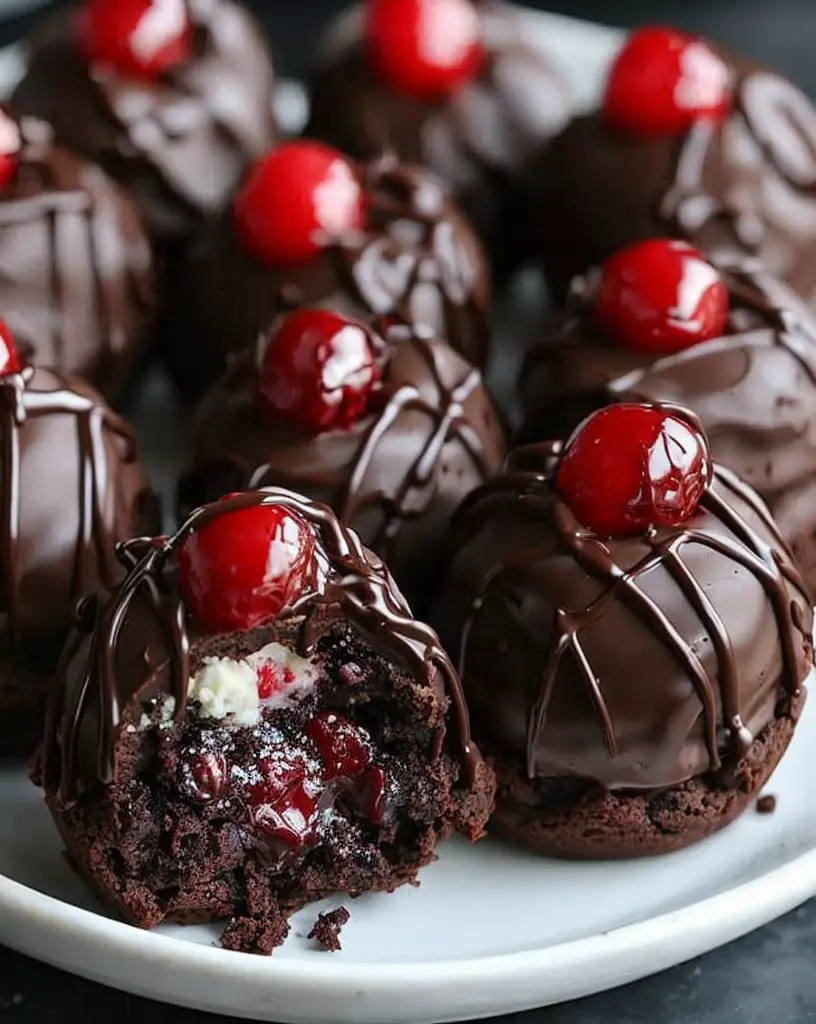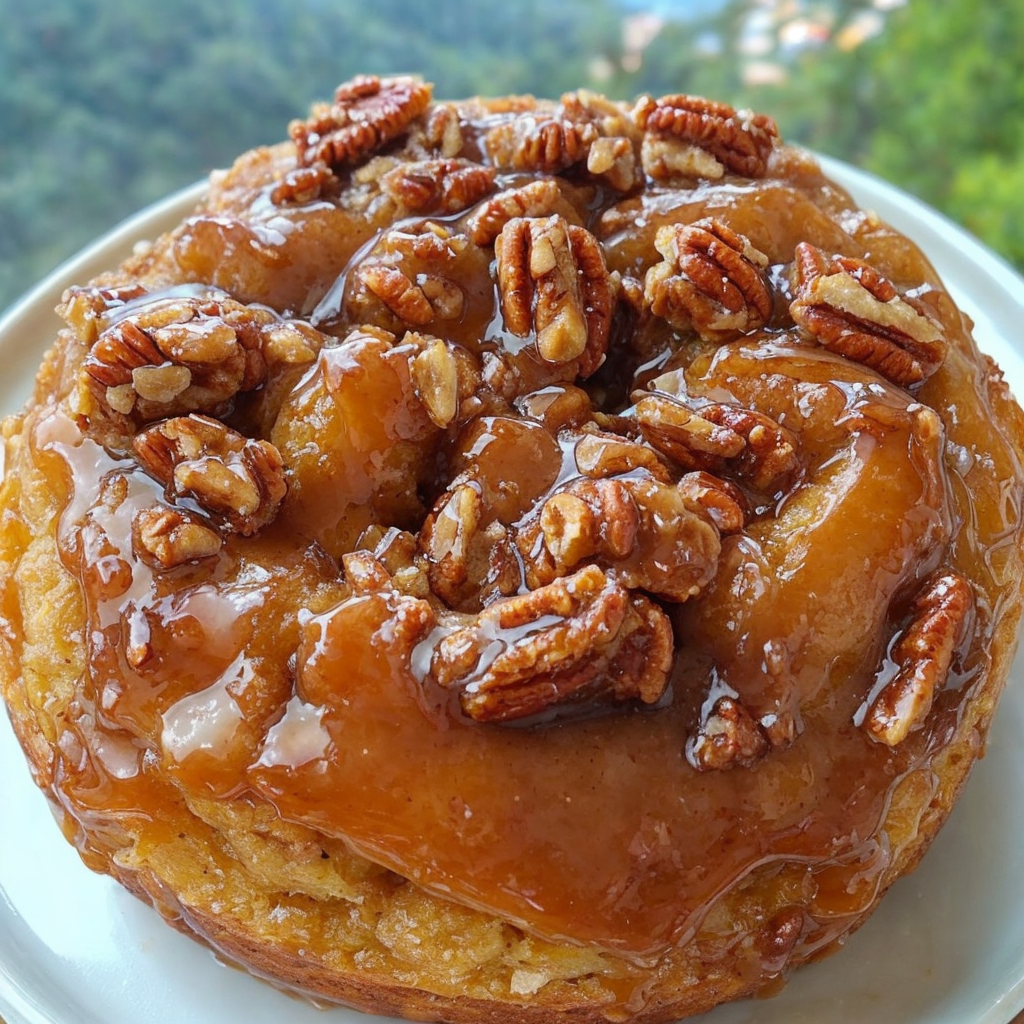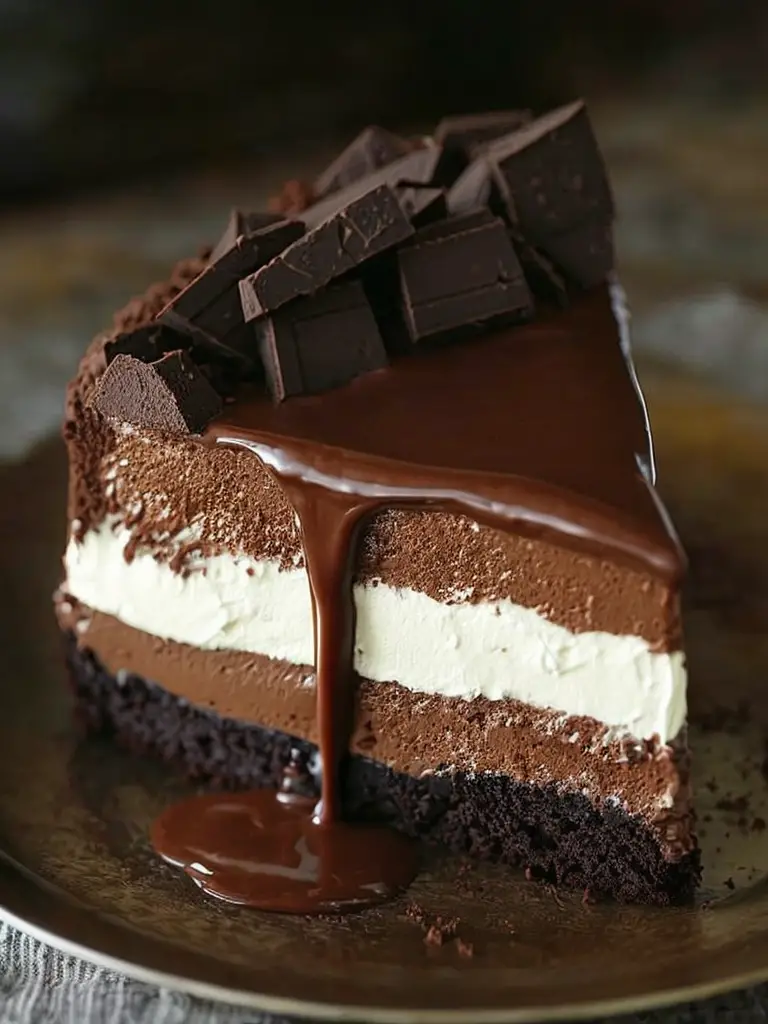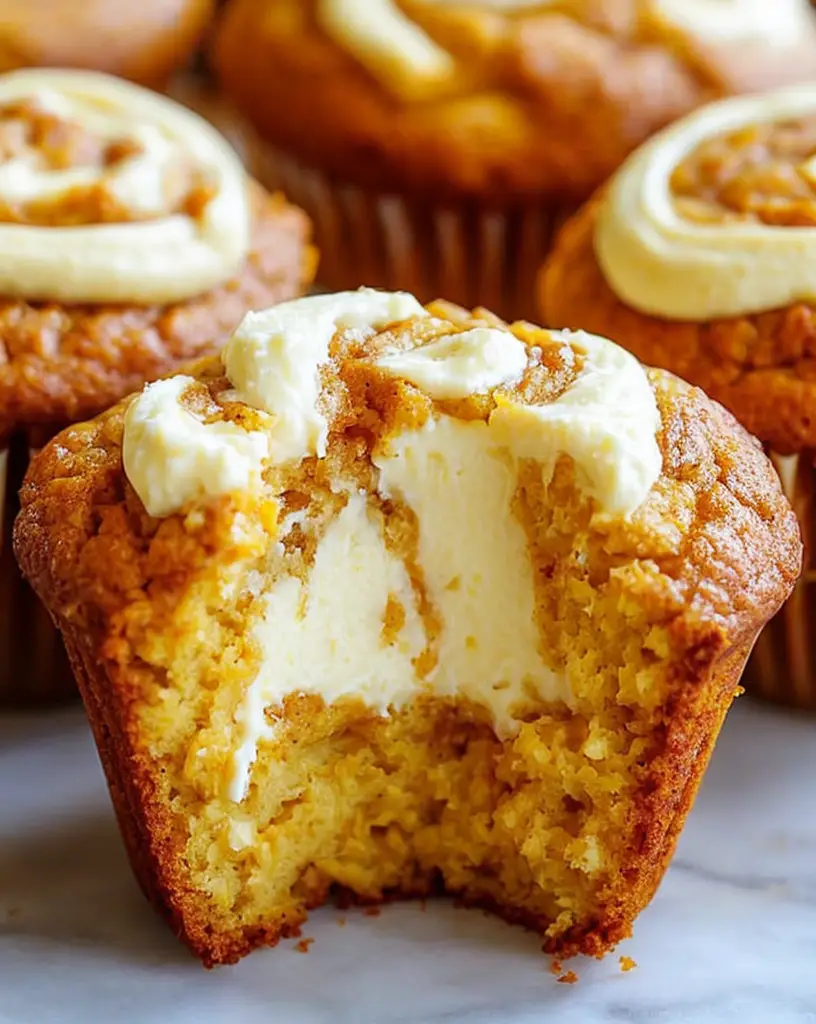
Delicious Festive Chocolate Ganache Cookies for Holiday Celebrations

Festive Chocolate Ganache Cookies: Indulge in Decadent Holiday Flavors!

⚖️
Difficulty
Medium

⏲️
Prep Time
20 mins

🕒
Cook Time
12 mins

⏱️
Total Time
32 mins

🍽️
Servings
24 cookies

Indulge in these irresistible Festive Chocolate Ganache Cookies that bring the essence of the holiday season straight to your taste buds. Each cookie is a perfect balance of rich chocolate flavor and smooth ganache filling, guaranteed to impress your guests and satisfy your sweet cravings. The combination of a chewy interior with a crisp edge, adorned with drizzled chocolate makes these cookies an exquisite treat for any festive occasion.

As you take your first bite, the velvety ganache oozes out, enveloping your palate with a delightful chocolate explosion. These cookies are not just desserts; they are a celebration of flavors that evoke joy and warmth, much like the festive season itself. Perfectly paired with a cup of hot cocoa or a glass of milk, they are sure to become a holiday staple!

Quick Recipe Highlights

  • Flavor Profile: These cookies boast a rich chocolatey flavor enhanced by the smooth, buttery ganache center, providing a luxurious taste experience.
  • Texture: The exterior is slightly crispy while the interior remains soft and chewy, perfectly contrasting the silky ganache.
  • Aroma: A delightful aroma of baked chocolate fills your kitchen as these cookies bake, tantalizing everyone nearby.
  • Visual Appeal: Finished with a glossy ganache drizzle, these cookies look as extravagant as they taste.
  • Skill Level Needed: While they require a bit of technique, the medium difficulty makes them approachable for bakers of all levels.
  • Special Equipment: A mixing bowl, baking sheets, and an electric mixer will make your baking experience seamless.

Recipe Overview

  • Difficulty Level: These Festive Chocolate Ganache Cookies are rated medium due to the need for precise mixing and proper ganache preparation.
  • Category: Perfect for dessert tables, holiday gatherings, or simply enjoying at home with family.
  • Cuisine: A nod to classic chocolate confectionery with a modern twist, these cookies are inspired by traditional holiday baking.
  • Cost: The ingredients are relatively affordable, making it easy to whip up large batches without breaking the bank.
  • Season: Best enjoyed during the winter holidays, these cookies bring festive cheer and warmth to gatherings.
  • Occasion: Ideal for Christmas, New Year’s Eve parties, or any festive celebration requires a touch of sweetness.

Why You’ll Love This Recipe

The rich, decadent taste of chocolate ganache cookies offers an unparalleled experience for dessert lovers. The way the ganache melts in your mouth, paired with the cookie’s chewy texture, creates a delightful balance that keeps you coming back for more. Each bite feels indulgent, making them a highlight of your holiday dessert spread, whether at home or during a festive celebration.

This recipe stands out for its convenience, as the preparation is straightforward, allowing you to whip up a batch quickly, even during the busiest holiday season. You can prepare the dough ahead of time or the cookies can be frozen for a later date. This versatility means you can enjoy fresh, homemade cookies without the last-minute rush.

Nutritionally, while these cookies are a treat, they contain wholesome ingredients, providing an energy boost when enjoyed in moderation. Chocolate, particularly dark chocolate, is known for its antioxidant properties, making these cookies not just delicious but also a small nod to health when made with higher quality ingredients.

These cookies are also perfect for social gatherings. Whether you share them at a festive potluck or offer them at a holiday party, they’re bound to become a conversation piece, bringing friends and family together over delightful flavors and memories. They embody the spirit of the season—sharing love through food.

Cost-effective to make yet elegant in presentation, these cookies allow you to impress guests without extensive investment. A simple yet luxurious treat, they make for an ideal inclusion in homemade gift baskets or as a thoughtful gesture for neighbors and friends during the holidays.

Historical Background and Cultural Significance

While cookies have a long history as a staple in many culinary traditions, chocolate cookies became popular in the 19th century when chocolate became widely available. The introduction of chocolate ganache added decadence and richness, leading to modern variations enjoyed worldwide. The evolution of ganache from a simple mixture to a culinary staple reflects the artistry involved in baking and chocolate-making.

In many cultures, cookies hold sentimental value, often associated with home and hearth. They are the embodiment of comfort, frequently baked as family traditions during holiday seasons. Festive cookies like these not only sweeten gatherings but also create cherished memories shared with loved ones.

Regional variations of chocolate cookies can be found in nearly every cuisine, from classic English “cookies” to Italian “biscottis,” each bringing unique flavors and textures to the table. The incorporation of local ingredients and spices often influences these delightful treats, showcasing how diverse and universal the love for cookies truly is.

The tradition of gifting cookies during holidays symbolizes goodwill and festive spirit, indicating care and love. These Festive Chocolate Ganache Cookies align perfectly with the themes of celebration, sharing, and joy in various cultures around the world.

Ingredient Deep Dive

Chocolate: Chocolate has a rich history dating back to ancient Mesoamerican cultures, which revered it as a sacred food of the gods. Nutritionally, dark chocolate offers numerous health benefits, including heart health support and antioxidants. When selecting chocolate for ganache, opt for high-quality bars with a high cocoa content for optimal richness. Store chocolate in a cool, dry place and consider using semi-sweet varieties for a balanced sweetness.

Flour: Flour has been a kitchen staple for centuries, crucial for bread and pastry making. It provides structure to cookies. All-purpose flour is typically used, but variations like whole wheat or gluten-free flours can cater to dietary preferences. Always store flour in a sealed container in a cool, dry spot to preserve its quality.

Common Mistakes to Avoid

  • Overmixing the Dough: Overmixing can lead to tough cookies. Mix until just combined to ensure a softer texture.
  • Incorrect Oven Temperature: An inaccurate oven temperature can cause uneven baking. Always calibrate your oven and use an oven thermometer for accuracy.
  • Underbaking: While cookies might look underdone, they continue to cook on the baking sheet after removal. Aim for a lightly crispy edge for the best results.
  • Using Improperly Measured Ingredients: Accurate measurements are crucial. Always spoon and level flour rather than scooping directly from the bag.
  • Not Allowing the Ganache to Cool: Pouring warm ganache into the cookies can make them soggy. Let ganache cool to the right consistency for a beautiful drizzle.
  • Choosing Low-Quality Chocolate: Using poor quality chocolate can affect taste drastically. Invest in good chocolate to enhance flavor.
  • Neglecting to Chill the Dough: Chilling dough helps cookies maintain their shape while baking. Don’t skip this step for best results.
  • Not Preheating the Oven: Baking cookies in a cold oven can lead to uneven baking. Always preheat the oven prior to baking.
  • Skipping the Parchment Paper: Using parchment paper or silicone mats prevents cookies from sticking and ensures even baking.
  • Overloading the Baking Sheet: Placing too many cookies on one sheet can result in uneven cooking. Leave space for cookies to spread properly.

Essential Techniques

Making Ganache: Ganache is essential for these cookies. It requires equal parts chocolate and cream. To master this, use good quality chocolate, chop it finely, and pour hot cream over. Stir gently until smooth, and let it cool to thicken for filling.

Chilling Cookie Dough: Chill your cookie dough for at least 30 minutes to enhance the flavor and control spreading. Wrap the dough tightly in plastic wrap before refrigerating. This step ensures cookies maintain their shape and achieving that perfect texture.

Pro Tips for Perfect Festive Chocolate Ganache Cookies

Use room temperature butter for easier creaming and a lighter cookie texture. Adding an extra egg yolk can improve richness and chewiness in your cookies. Experiment with mixing in different extracts, like vanilla or peppermint, to elevate flavor. When melting chocolate for ganache, incorporate a pinch of salt to enhance the chocolate’s natural flavors. Allow your cookies to cool completely before adding ganache for better presentation. For added texture, sprinkle flaky sea salt on top of the ganache just before it sets. Consider rolling the cookies in powdered sugar after baking for a snowy effect perfect for festive vibes.

Variations and Adaptations

Consider making a chocolate mint variation by incorporating peppermint extract into the dough. You can also swap in white chocolate chips for the ganache for a sweeter option. For a seasonal twist, add chopped nuts or dried fruits to the batter to introduce some crunch and chew. In colder months, a touch of cinnamon or nutmeg can provide a delightful warmth to these cookies. For gluten-free adaptations, substitute all-purpose flour with almond flour or coconut flour, adjusting the quantity as necessary.

Serving and Presentation Guide

Present these cookies on a decorative platter or tiered stand for an elegant holiday display. For added flair, drizzle with white chocolate or additional ganache. Serve alongside a selection of holiday drinks to pair beautifully with the rich chocolate flavor. Use parchment paper or festive liners for individual cookies when preparing take-home gifts or treat bags. Consider serving warm cookies with a scoop of vanilla ice cream for a delightful dessert experience. Also, offer napkins and small plates for a more upscale casual gathering.

Wine and Beverage Pairing

Rich chocolate cookies pair wonderfully with dessert wines like port or a Shiraz, enhancing the chocolate’s flavor profile. For a non-alcoholic option, a spiced apple cider offers warming notes that complement the sweetness. Pair with a crisp coffee or a rich espresso to balance the dessert’s richness, adding depth to the tasting experience. Consider cool glasses of milk or oat milk for an enjoyable pairing, particularly for kids and those seeking a classic touch.

Storage and Shelf Life

Store unfilled cookies in an airtight container at room temperature for up to a week. If filled with ganache, refrigerate them to keep the filling stable, lasting for up to 5 days. For longer storage, freeze unbaked dough or baked cookies, placing them in sealed bags or containers. When freezing, ensure the cookies are cooled completely to avoid frost. To refresh stale cookies, simply pop them in the microwave for a few seconds or reheat in the oven for a couple of minutes to restore softness.

Make Ahead Strategies

Prepare the cookie dough up to 48 hours in advance and refrigerate. Freeze the dough in rolled balls for fresh-baked cookies in just minutes. Ganache can be made ahead and refrigerated, then gently reheated prior to serving. Bake cookies a day before your event, letting them cool before sealing in an airtight container to maintain freshness. If you wish to add embellishments like powdered sugar, do this just before serving for the best visual appeal.

Scaling Instructions

If you want to reduce the batch, simply halve the quantities of each ingredient, taking care to evenly mix the smaller amounts. For larger gatherings, doubling the recipe is easy, but ensure your mixing equipment can accommodate the increased volume. Baking sheets can be reused across batches, so time adjustments may be necessary as oven load increases. When scaling recipes, maintain the same cooking time, but monitor closely for doneness, as it might change slightly depending on the number of trays in the oven.

Nutritional Deep Dive

Each cookie includes varying amounts of macronutrients based on the specific ingredients used. Dark chocolate adds beneficial antioxidants and healthy fats, while using whole eggs increases protein content. A typical cookie contains a blend of carbohydrates from sugar and flour, which can lead to rapid energy release. Incorporating nuts boosts healthy fats and fiber, improving the overall nutritional value. When enjoying cookies, consider portion control to maintain a balanced treat without overindulgence.

Dietary Adaptations

To make these cookies gluten-free, substitute with a gluten-free all-purpose flour blend, ensuring it contains xanthan gum for the right texture. A dairy-free option can be achieved using coconut cream for ganache and vegan butter for the cookie dough. For low-carb diets, consider alternatives like almond flour and a sugar substitute. The recipe could also be modified for keto by reducing the sugar content and increasing cocoa. Ensure any modifications align well with the baking chemistry for the best result.

Troubleshooting Guide

If your cookies come out flat, ensure butter was not too warm and that your leavening agents are fresh. A dry texture may be a result of too much flour or inadequate mixing. For cookies that spread too much, chill the dough before baking to solidify the fats. In case of ganache that doesn’t set, rewarm gently and adjust chocolate to cream ratio for better consistency. If flavor lacks richness, consider incorporating a touch of coffee or enhancing with a pinch of salt.

Recipe Success Stories

Many bakers have shared their delightful experiences with these Festive Chocolate Ganache Cookies, often commenting on how easy the recipe is to follow even for novice bakers. Variations like adding peppermint or walnuts have resulted in new family favorites across many households. Readers have appreciated tips on making these cookies ahead of time to alleviate stress during the holidays. Capturing beautiful photos and sharing on social media has made these cookies a centerpiece in festive celebrations.

Frequently Asked Questions

Can I freeze the dough? Yes, you can freeze the dough for up to three months. Roll into balls and store in an airtight container, allowing them to thaw for about 30 minutes before baking.

What is the best way to melt chocolate? Use a double boiler or microwave in short bursts, stirring frequently to prevent burning. Ensure the bowl is dry to avoid seizing.

How can I make these cookies vegan? Substitute eggs with flax eggs and use plant-based butter along with coconut cream for the ganache.

Can I use chocolate chips instead of bar chocolate? Yes, chocolate chips can be used but might yield a slightly different texture. Melt carefully as they contain stabilizers.

How do I know when the cookies are done baking? The edges should appear set, and the centers will look slightly soft. They will firm up as they cool.

Why did my cookies spread too much? This could be due to warm butter or over-mixing the dough. Make sure to chill the dough before baking to control spread.

How do I store leftover cookies? Keep cookies in an airtight container at room temperature for about a week or refrigerate to extend freshness.

Can I modify the ingredients? Yes, you can experiment with different types of chocolate, flour substitutes, and add-ins like nuts or spices!

What if my ganache is too thin? Let it cool longer or add more chocolate to thicken it. Reheat gently if needed.

Can I make these cookies gluten-free? Absolutely! Use gluten-free flour blends that contain xanthan gum for the right texture.

Additional Resources

For those who enjoyed making these cookies, explore our collection of related recipes, including chocolate chip cookies and brownie options. Use our technique guides for tips on how to make perfect ganache and baking fundamentals. Additionally, check out ingredient information for different types of chocolate to enhance your pantry. If you’re gearing up for a seasonal baking spree, consider our guides on how to bake efficiently during busy times.

Join the Conversation

We’d love to hear your experiences with these cookies! Share your thoughts, variations, and tips on our social media platforms. Don’t forget to post your beautiful cookie photos and tag us so others can enjoy the festive celebration you’ve created. Join our community of baking enthusiasts and inspire each other with ideas and creative recipes. Let’s make the holiday season sweeter together!

The Recipe

Festive Chocolate Ganache Cookies

Serves: 24 cookies

Prep Time: 20 mins

Cook Time: 12 mins

Total Time: 32 mins

Kitchen Equipment Needed

  • Baking sheets
  • Mixing bowls
  • Electric mixer
  • Parchment paper
  • Spatula
  • Measuring cups and spoons

Ingredients

  • 1 cup unsalted butter, softened
  • 1 cup granulated sugar
  • 2 large eggs
  • 2 teaspoons vanilla extract
  • 2 cups all-purpose flour
  • 1 cup cocoa powder
  • 1 teaspoon baking powder
  • ½ teaspoon salt
  • 8 oz dark chocolate, chopped
  • 1 cup heavy cream

Directions

  1. Preheat your oven to 350°F (175°C) and line baking sheets with parchment paper.
  2. In a large bowl, cream together the softened butter and granulated sugar until light and fluffy.
  3. Add the eggs one at a time, mixing well after each addition, followed by the vanilla extract.
  4. In a separate bowl, whisk together the flour, cocoa powder, baking powder, and salt.
  5. Gradually mix the dry ingredients into the butter mixture until just combined.
  6. Chill the dough for at least 30 minutes in the refrigerator.
  7. Once chilled, scoop tablespoon-sized portions of dough onto the prepared baking sheets.
  8. Bake for 10-12 minutes, until the edges are set but the centers remain soft.
  9. While the cookies bake, heat the heavy cream in a small saucepan until just below boiling. Pour hot cream over the chopped dark chocolate in a bowl and let sit for a minute.
  10. Stir the mixture until smooth. Let cool slightly before using.
  11. Once cookies have cooled completely, drizzle the chocolate ganache over the tops.
  12. Let the ganache set before serving.

Recipe Notes

  • Store cookies in an airtight container for up to a week.
  • For a different flavor, try adding a dash of espresso powder to the dough.
  • These cookies can be frozen; just ensure they are well-wrapped.

Indulge in White Chocolate Cranberry Pecan Clusters for the Holidays

White Chocolate Cranberry Pecan Clusters: The Ultimate Festive Treat

⚖️
Difficulty
Easy

⏲️
Prep Time
15 mins

🕒
Cook Time
10 mins

⏱️
Total Time
25 mins

🍽️
Servings
24 clusters

Indulging in White Chocolate Cranberry Pecan Clusters is like unwrapping a little gift that bursts with flavor and festive spirit. These delicious treats combine the rich sweetness of white chocolate, the tartness of cranberries, and the crunch of pecans, making them a perfect holiday snack or gift. Ideal for parties or cozy evenings at home, each cluster is a delightful mouthful that encapsulates the essence of the season.

The moment you bite into these clusters, you will experience a delightful combination of textures and flavors. The creamy, smooth white chocolate melts in your mouth, while the chewy cranberries and crunchy pecans provide a satisfying contrast. These clusters not only taste amazing but also look incredibly festive, making them an irresistible addition to your holiday dessert table. Whether you’re celebrating with loved ones or just treating yourself, these clusters are sure to become a seasonal favorite.

Quick Recipe Highlights

  • Flavor Profile: Sweet white chocolate meets tart cranberries and earthy pecans.
  • Texture: Creamy, chewy, and crunchy all in one bite.
  • Aroma: Inviting notes of vanilla and toasted nuts create a warm atmosphere.
  • Visual Appeal: Lovely clusters of white chocolate, dotted with red cranberries and brown pecans, are pleasing to the eye.
  • Skill Level Needed: This easy recipe requires minimal cooking experience, perfect for all bakers.
  • Special Equipment: Just a baking sheet and a mixing bowl are needed for preparation.

Recipe Overview

  • Difficulty Level: These white chocolate cranberry pecan clusters are easy to make, ideal for both beginners and seasoned bakers alike. With just a few simple steps, you’ll be creating beautiful clusters in no time.
  • Category: This treat fits perfectly into the dessert and snack categories, suitable for any festive occasion.
  • Cuisine: Drawing on traditional holiday flavors, this recipe blends different taste inspirations that resonate with the cozy season.
  • Cost: Inexpensive and budget-friendly, the main ingredients like white chocolate, cranberries, and pecans won’t break the bank.
  • Season: These clusters shine during the winter holidays when cranberries and nuts are in abundance, but they can be enjoyed anytime!
  • Occasion: Perfect for holiday gatherings, gift-giving, or simply enjoying at home with family and friends.

Why You’ll Love This Recipe

White Chocolate Cranberry Pecan Clusters not only provide an explosion of flavors and textures, but they also offer convenience in their preparation. Whether throwing a party or enjoying a night in, these clusters require minimal effort yet yield impressive results that will wow your guests.

The delightful combination of sweet and tart creates a balanced flavor profile that appeals to nearly everyone. Plus, the textures of smooth chocolate, chewy cranberries, and crunchy pecans create an exciting eating experience, making each bite wonderfully satisfying.

Nutritionally, pecans add healthy fats and antioxidants, while cranberries offer vitamins C and fiber, presenting an option that feels indulgent yet offers some health benefits. This guilt-free treat allows you to indulge without the heavy calories found in other desserts.

Socially, these clusters are a great conversation starter. They make excellent gifts wrapped in festive packaging, contributing to the spirit of generosity and holiday cheer. Sharing these treats with friends or family can create fun memories during holiday gatherings.

Cost-effective and accessible, most ingredients can be found in your local grocery store, and it’s easy to modify if you have dietary preferences or restrictions. This delightful cluster recipe encourages experimentation, making it a fun activity for the whole family!

Historical Background and Cultural Significance

The origins of white chocolate treats date back to the early 20th century when the first bars of white chocolate were created. Combining white chocolate with nuts and dried fruits quickly became popular for festive gatherings, especially during Christmas and other celebrations.

Cranberries have a rich history in North America and are often linked with Thanksgiving, making them a seasonal favorite. Their vivid color and tartness make them the perfect partners for sweet recipes, especially around the holidays.

This recipe for White Chocolate Cranberry Pecan Clusters represents a blend of cultures, bringing together various elements into a single, delightful treat that resonates with people across generations. The combination speaks to a balance of flavors that has become a hallmark of festive desserts.

Over the years, there have been numerous adaptations of clusters, with some featuring additional ingredients like mini marshmallows or coconut. Each region may have its spin on this classic, leading to a family recipe passed down through generations.

Ingredient Deep Dive

White Chocolate: A relatively newer invention compared to milk and dark chocolates, white chocolate is beloved for its sweetness and creamy texture. It’s high in sugar and fat but does not contain cocoa solids, making it a unique treat. When selecting white chocolate, look for high-quality options with cocoa butter as the primary ingredient.

White chocolate should be stored in a cool, dry place and can be easily melted for use in various recipes. If you’re looking for a dairy-free option, you can find plant-based white chocolate on the market, which makes this recipe adaptable for those with dietary restrictions.

Cranberries: Known for their bright color and tangy flavor, cranberries are often associated with holiday cuisine. They’re rich in antioxidants and vitamins, making them a healthy addition to any recipe. When selecting cranberries, opt for fresh or dried varieties that are unsweetened to prevent an overpowering sweetness in your clusters.

Store cranberries in the refrigerator, and if using dried cranberries, keep them sealed in an airtight container to maintain freshness. They can be replaced with other dried fruits, such as cherries or raisins, depending on your taste preferences.

Pecans: Pecans are native to North America and are celebrated for their rich, buttery flavor and crunchy texture. They are a good source of healthy fats, protein, and fiber. Choose fresh pecans for the best flavor and crunch, and store them in an airtight container in a cool place to prolong their freshness.

Pecans can be substituted with other nuts, such as walnuts or almonds, for a different flavor profile. Toasting them before adding to the clusters enhances their nutty flavor, making them even more delicious.

Common Mistakes to Avoid

  • Using low-quality chocolate: Always opt for high-quality white chocolate for the best flavor and texture.
  • Overheating the chocolate: Melt the chocolate gently to avoid burning it, which can affect the final product.
  • Not letting the clusters set: Allow enough time for the clusters to cool and harden, ensuring a sturdy bite.
  • Skipping the toasting of nuts: Toasting pecans enhances their flavor and adds depth to the clusters.
  • Using sweetened dried cranberries: Unsweetened cranberries create a better balance with the sweet chocolate.
  • Piling clusters too high: Ensure clusters are spaced sufficiently on the baking sheet for even cooling.
  • Forgetting to refrigerate: Refrigerating clusters for a short time helps them to firm up properly.
  • Using non-stick spray: Avoid using spray on the baking sheet, as it may interfere with the texture of the clusters.
  • Not measuring ingredients: Accurate measurements are key for achieving the perfect cluster consistency.
  • Overmixing ingredients: Carefully fold in the cranberries and pecans; overmixing may cause the chocolate to clump.

Essential Techniques

Melting Chocolate: Melting chocolate properly is crucial. Use a double boiler or microwave in short intervals to avoid overheating. Stir frequently to create a smooth mixture and watch for visual cues such as a glossy texture.

Rolling and Shaping: When shaping your clusters, use a cookie scoop for uniformity. Note the size before they cool fully, as chocolate can harden quickly. Visual cues for success include a shiny finish and firm structure when set.

Pro Tips for Perfect White Chocolate Cranberry Pecan Clusters

1. Invest in quality chocolate for better texture and taste. Look for brands that specify cocoa butter as the main ingredient.

2. For added flavor, you can mix in a pinch of sea salt to enhance the sweetness of white chocolate.

3. Consider adding a splash of vanilla extract for extra aromatic depth that complements your clusters.

4. Substitute different nuts or fruits based on your seasonal cravings or dietary needs.

5. Create varied sizes of clusters to appeal to different preferences, which can also enhance your presentation.

6. Store your clusters in a cool, dry place to maintain their texture; this helps them stay perfectly crunchy.

7. Wait until all the chocolate has set before transporting or packaging them to avoid smudging.

8. If you’re feeling adventurous, add a dash of orange zest for a refreshing twist that adds complexity to the flavor profile.

Variations and Adaptations

Regional variations of these clusters can include different types of nuts based on local availability—such as macadamia nuts in tropical areas. Additionally, during certain holidays, you can swap cranberries with colored candy pieces to create a more visual treat.

Seasonal adaptations are also fun; replace cranberries with dried sour cherries in the summer or use pumpkin seeds in the fall for a different flavor profile. You can also experiment with different chocolates—dark or milk chocolate for a unique twist on the original recipe.

Dietary modifications make this treat accessible for everyone. For a vegan version, substitute white chocolate with a plant-based alternative and use maple syrup instead of honey for sweetening.

Flavor variations can be added by integrating spices like cinnamon or nutmeg, particularly around the winter holidays. These additions add warmth and complement the existing flavors beautifully.

Serving and Presentation Guide

When plating your White Chocolate Cranberry Pecan Clusters, consider using decorative paper liners for a charming presentation. Arrange clusters on a festive platter with sprigs of holly or seasonal fruits to enhance the visual appeal.

Garnishing ideas include sprinkling a bit of flaky sea salt on top before they set for a sweet-savory twist. For modern serving suggestions, place clusters in clear bags tied with ribbon as delightful gifts for friends and family.

Temperature considerations are essential; clusters taste best at room temperature to savor all flavors. Ensure you’re mindful of portion control, as these clusters can be quite rich, making it easy to consume more than intended.

Wine and Beverage Pairing

For a delightful pairing, consider serving a sweet dessert wine such as Moscato or a rich Chardonnay that complements the sweet chocolate. If you prefer non-alcoholic options, consider a spiced apple cider or aromatic herbal teas like chamomile or vanilla rooibos.

Temperature is crucial; ensure that your wine is chilled, while warm beverages can be served steaming to contrast with the cool clusters. These beverages enhance the overall experience and make for a cozy atmosphere.

Storage and Shelf Life

To store your White Chocolate Cranberry Pecan Clusters, place them in an airtight container at room temperature. This keeps them fresh for up to two weeks, allowing you to enjoy them gradually throughout the season.

For longer storage, consider freezing the clusters. Once formed, freeze them in a single layer on a baking sheet, then transfer to a freezer-safe container once solid. They can last for up to three months, preserving their delightful taste and texture.

Make Ahead Strategies

You can prepare clusters up to a week in advance and store them accordingly. If making for an event, consider prepping the chocolate and nuts in advance, allowing for easier assembly right before serving.

Quality remains key when making ahead; avoid making them too far in advance, as ingredients may lose freshness. Assemble them the day before for optimal taste and presentation, helping you save time on the event day.

Scaling Instructions

We all love a good crowd-pleaser! If you want to double or triple the batch, ensure you have sufficient workspace and baking sheets for an easy process. Scaling can help cater to a larger gathering effectively.

When halving the recipe, adjust cooking times slightly, as smaller batches can solidify faster. Pay attention to visual and texture cues to achieve the desired clusters each time.

Nutritional Deep Dive

The macro breakdown of these clusters reveals a delightful combination of carbohydrates primarily from sugar and dried fruits, alongside healthy fats from nuts. Count on roughly 80 calories per cluster, but look at ingredient brands for precise nutrition facts.

Vitamins and minerals come from both cranberries and pecans, offering health benefits such as antioxidants for improved immunity. This balance makes them a sweet indulgence with a feel-good factor.

Dietary Adaptations

For those following a gluten-free diet, rest assured these clusters are naturally gluten-free. Using certified gluten-free oats adds a similar texture if needed.

For a dairy-free version, select plant-based white chocolate to accommodate vegan diets, ensuring no animal products are included. These adaptations make the recipe accessible for various dietary needs.

Troubleshooting Guide

If your clusters do not set correctly, it might be due to overheating the chocolate or not allowing sufficient cooling time. Consider refrigerating longer if they seem too soft or sticky.

Texture issues could arise from using too many wet ingredients, such as a high moisture content in cranberries. Adjust the balance by accounting for your particular ingredients’ moisture levels during preparation to achieve the perfect cluster.

Recipe Success Stories

Community feedback has shown that these clusters quickly become a holiday staple in many households. Readers often share their adaptations, such as spice infusions and unique nut combinations, showcasing versatility.

Photographers have captured beautiful clusters, creating a buzz on social media platforms, illustrating that these treats are not just tasty but visually appealing as well. Sharing these moments can inspire others to whip up their own mouthwatering batches!

Frequently Asked Questions

Can I use milk chocolate or dark chocolate instead of white chocolate? Absolutely! Both milk and dark chocolate will create a delicious variation, but keep in mind that the flavor and sweetness will differ significantly from the original recipe.

How long do these clusters last? When stored properly in an airtight container, they can last up to two weeks at room temperature or up to three months in the freezer.

Can I make these clusters without nuts? Yes, feel free to omit the nuts or substitute them with seeds or additional dried fruits for texture.

Are these clusters suitable for baking gift baskets? Definitely! They make a wonderful addition to any festive gift basket, bringing joy to friends and family.

Can I add other flavors, like coconut or pumpkin spice? Yes, adding coconut flakes or spices is an excellent way to customize these clusters and enhance their flavor profile.

What’s the best way to soften the chocolate if it hardens? If the chocolate has already hardened, gently melting it again over a double boiler should restore its smoothness for reshaping.

Can I substitute cranberries for another fruit? Yes! Consider using dried cherries, raisins, or apricots depending on your taste preference.

Is there a vegan alternative for white chocolate? Yes, many brands offer dairy-free white chocolate alternatives made from plant-based ingredients.

Can I customize the size of the clusters? Certainly! Adjust the scoop size based on preference—smaller clusters will set faster and can be perfect for snacking.

Do I need to refrigerate the clusters to set them? It is not necessary, but refrigerating them can speed up the setting process, especially if your kitchen is warm.

Additional Resources

For more delicious recipes, explore our blog’s holiday section for festive treats, baking guides, and tips on utilizing seasonal ingredients. These resources will help enhance your culinary skills while celebrating the flavors of the season!

Join the Conversation

We encourage you to share your creations on social media! Tag us in your photos, provide your feedback, or share your unique variations. Engaging with the community enhances the collective experience and showcases the joy of cooking together!

The Recipe

White Chocolate Cranberry Pecan Clusters

Serves: 24 clusters

Prep Time: 15 mins

Cook Time: 10 mins

Total Time: 25 mins

Kitchen Equipment Needed

  • Baking sheet
  • Parchment paper
  • Mixing bowl
  • Microwave-safe bowl or double boiler

Ingredients

  • 2 cups white chocolate chips
  • 1 cup dried cranberries
  • 1 cup chopped pecans

Directions

  1. Melt the white chocolate chips using a double boiler or microwave, stirring until smooth.
  2. Remove from heat and fold in dried cranberries and pecans until well coated.
  3. Drop spoonfuls of the mixture onto a parchment-lined baking sheet.
  4. Let the clusters sit at room temperature until set, or refrigerate for quicker setting.
  5. Once set, enjoy or package as gifts!

Recipe Notes

  • Consider drizzling more melted chocolate on top for an enhanced presentation.
  • Store in an airtight container in a cool place for best results.
  • Feel free to experiment with different nuts or add spices for a unique flavor.

Delicious Pumpkin Cinnamon Rolls Perfect for Fall Baking

Delicious Pumpkin Cinnamon Rolls: A Cozy Fall Delight

⚖️
Difficulty
Medium

⏲️
Prep Time
30 mins

🕒
Cook Time
25 mins

⏱️
Total Time
55 mins

🍽️
Servings
12 rolls

Get ready to embrace the warm flavors of autumn with these delightful Pumpkin Cinnamon Rolls. Infused with the essence of fall spices and creamy pumpkin, each roll is a comforting treat perfect for chilly mornings or festive gatherings. Whether served warm straight from the oven or as a make-ahead breakfast option, these rolls are a scrumptious way to celebrate the season.

As you sink your teeth into these soft, pillowy creations, you’ll experience a tantalizing dance of sweet cinnamon, nutmeg, and cloves that perfectly complements the subtle earthiness of pumpkin. This beloved combination will wrap you in nostalgia, making it impossible to resist going back for seconds or even thirds!

Quick Recipe Highlights

  • Flavor Profile: These Pumpkin Cinnamon Rolls offer a harmonious blend of sweet and spicy flavors, highlighted by rich pumpkin and aromatic cinnamon.
  • Texture: Soft and fluffy in the middle with a slightly crispy exterior, these rolls provide the perfect balance of melt-in-your-mouth goodness.
  • Aroma: The inviting scent of warm cinnamon and nutmeg wafts through your kitchen, creating an irresistible atmosphere perfect for entertaining.
  • Visual Appeal: Golden-brown rolls swirled with spiced pumpkin filling are topped with a luscious cream cheese glaze, making a visually stunning presentation.
  • Skill Level Needed: This recipe is perfect for home bakers who are comfortable working with yeast and dough, with detailed instructions to guide you.
  • Special Equipment: You’ll need basic baking tools such as mixing bowls, a rolling pin, a baking sheet, and an oven, making this recipe accessible.

Recipe Overview

  • Difficulty Level: This recipe is considered medium, requiring some patience and kneading, but is approachable for most cooks with a little practice.
  • Category: Perfect for breakfast or brunch, these rolls serve as a delightful addition to any autumn-inspired menu.
  • Cuisine: Drawing inspiration from classic American baking traditions, these rolls combine staple ingredients with seasonal flavors to create something unique.
  • Cost: The approximate cost for this recipe is budget-friendly, making it accessible for families looking to celebrate the fall season without breaking the bank.
  • Season: Best enjoyed during the fall, the use of pumpkin and spices makes these rolls a seasonal favorite as the weather cools.
  • Occasion: Ideal for holiday gatherings, cozy weekends, or as a thoughtful homemade gift to friends and family, these rolls are bound to impress.

Why You’ll Love This Recipe

The taste and texture of these Pumpkin Cinnamon Rolls will have you coming back for more. Each bite showcases the tender, fluffy dough that perfectly complements the spicy-sweet pumpkin filling. The warm flavors of cinnamon and nutmeg create an experience that feels like a hug on a chilly day.

This recipe offers convenient preparation benefits, as the dough can be made ahead of time and rolled out when you’re ready to bake. With a little planning, you can have fresh, warm cinnamon rolls on the table after just 25 minutes in the oven.

Nutritionally, these rolls incorporate nutritious pumpkin, which is a great source of fiber and vitamins, adding a wholesome element to your treat. Who knew a sweet pastry could also contribute to a balanced diet?

Socializing around freshly baked Pumpkin Cinnamon Rolls elevates any occasion, whether it’s a family brunch or a gathering with friends. The warm aroma and delightful taste often spark conversation and create lasting memories.

Cost-effectiveness is a cherry on top, as this recipe allows you to create a gourmet-style treat without spending a fortune. This homemade option is not only satisfying, but it is also a great way to impress guests while sticking to your budget.

Historical Background and Cultural Significance

The origin of cinnamon rolls can be traced back to ancient times when spices were a symbol of wealth and luxury. Over the centuries, regional adaptations have embraced various spices, culminating in the beloved American cinnamon roll we know today.

In the United States, particularly in the Midwest, cinnamon rolls became a popular breakfast staple and are often associated with group gatherings and celebrations, bridging generations over shared recipes.

The evolution of the Pumpkin Cinnamon Roll comes from the seasonal use of pumpkin in fall recipes, which directly connects to the harvest season, highlighting the cultural significance of community and gratitude.

Regional variations may include the addition of pecans, maple syrup, or frosting flavors, each reflecting the tastes and preferences of local traditions while celebrating the autumn harvest.

Ingredient Deep Dive

Pumpkin: Featured prominently in fall recipes, pumpkin has historical roots in Native American cuisine. It is rich in antioxidants and vitamins A and C, promoting healthy skin and eyesight. When selecting pumpkin for your rolls, choose pure pumpkin puree with no additives for the best results. Store in the refrigerator and consume within a week, or freeze for long-term use.

Cinnamon: Known as the spice of life, cinnamon has been cherished for its flavor and medicinal properties for centuries. It is linked to reducing inflammation and improving heart health. For the best flavor, choose Ceylon cinnamon over cassia cinnamon, and use fresh for the most aromatic experience. Store in a cool, dark place to maintain its potency.

Common Mistakes to Avoid

  • Not Activating Yeast: Ensure your yeast is fresh and properly activated to achieve the best rise in your rolls.
  • Over-Kneading Dough: Knead the dough just until smooth to avoid tough rolls.
  • Not Letting Dough Rise Long Enough: Give your dough ample time to rise and develop flavor.
  • Incorrect Oven Temperature: Use an oven thermometer to ensure accurate baking temperatures.
  • Skipping the Frosting: Don’t forget the cream cheese glaze; it enhances flavor and presentation.
  • Underbaking: Check for golden-brown tops to ensure your rolls are fully baked without doughy centers.
  • Storing Improperly: Store cooled rolls in an airtight container to maintain freshness.
  • Not Tasting: Always taste your filling before rolling to adjust spices to your preference.

Essential Techniques

Kneading: This technique is crucial for developing gluten in the dough, giving the rolls their characteristic texture. Use the heel of your hand to push the dough away from you, fold it back, and repeat. You’ll know you’ve mastered it when the dough is smooth and elastic.

Rolling Out Dough: To create even rolls, roll the dough to an even thickness, ensuring it has similar ratios of filling in each slice. Aim for about half an inch thickness to allow for proper rising.

Pro Tips for Perfect Pumpkin Cinnamon Rolls

Use fresh spices for enhanced flavor, and experiment with adding nutmeg or allspice for depth. Incorporate warmed milk or cream in the dough for added richness, and consider adding chopped nuts or dried fruits for a textural contrast. For perfectly swirled rolls, ensure your filling is spread evenly before rolling up the dough.

Allow your rolls to rise in a warm environment; if your kitchen is cool, place them in an oven with the light on for optimal growth. As a finishing touch, drizzle warm cream cheese glaze over your rolls for a decadent finish.

Variations and Adaptations

Consider incorporating unique spices like cardamom for a different flavor profile, or try swapping pumpkin with sweet potato for a wonderful alternate taste. For seasonal adaptations, experiment with adding cranberry or walnut for a fresh seasonal twist. If you want to lighten the recipe, you can substitute a portion of the flour with whole wheat flour without sacrificing taste.

Serving and Presentation Guide

When serving, consider a rustic presentation on a wooden board topped with a few sprigs of cinnamon and nuts. For garnishing, sprinkle toasted pecans or drizzled icing over the tops before serving to enhance the visual appeal. Pair the rolls with warm spiced apple cider or a rich pumpkin latte for a cozy fall experience.

Wine and Beverage Pairing

Consider pairing your Pumpkin Cinnamon Rolls with a sweet dessert wine like a Late Harvest Riesling or a creamy coffee flavored latte. For a non-alcoholic option, warm chai tea or spiced apple cider also complements the sweet and warm flavors of your rolls beautifully.

Storage and Shelf Life

To maximize freshness, store your Pumpkin Cinnamon Rolls in an airtight container at room temperature for up to two days, or refrigerate for up to a week. For longer storage, consider freezing them in individual portions, wrapping them tightly to prevent freezer burn. When ready to enjoy, reheat in the oven or microwave until warm.

Make Ahead Strategies

Prepare the dough the night before, allowing it to rise and developing flavors overnight. Form the rolls in the evening and refrigerate them until breakfast. In the morning, remove them from the fridge, let them come to room temperature, and bake as directed for fresh rolls without the morning rush.

Scaling Instructions

If you need to halve or double the recipe, adjust the ingredient measurements accordingly. For larger gatherings, consider using two baking pans to space out the rolls for even baking and optimal rise. Keep timing in mind and watch for doneness, as larger batches may require slight adjustments in baking time.

Nutritional Deep Dive

An average Pumpkin Cinnamon Roll made from this recipe contains about 200-250 calories, focusing on providing essential nutrients from pumpkin. They offer a good source of carbohydrates for energy but should be enjoyed in moderation due to added sugars and fats in the cream cheese glaze.

Dietary Adaptations

For gluten-free options, replace the all-purpose flour with a suitable gluten-free blend. For a dairy-free adaptation, substitute almond milk and use a dairy-free cream cheese alternative in the frosting.

Troubleshooting Guide

If your rolls come out too dry, try adjusting your oven temperature or timing. If they aren’t rising, ensure your yeast is fresh and your dough is kept in a warm environment during the first rise. For overly sweet rolls, reduce the sugar in the filling for a better balance.

Recipe Success Stories

Readers have shared heartwarming stories of family traditions that revolve around making Pumpkin Cinnamon Rolls. Adaptations, from adding chocolate chips to different spice blends, have led to unique twists that have delighted family and friends at gatherings.

Frequently Asked Questions

Can I make these rolls vegan? Yes, simply substitute the eggs with flaxseed meal and use dairy-free substitutes for milk and cream cheese.

How do I know when my dough has risen enough? The dough should have doubled in size and feel airy when gently pressed down.

Can I freeze the rolls before baking? Absolutely! Assemble them and freeze, then bake from frozen, increasing the bake time slightly.

What can I use instead of pumpkin puree? You can use sweet potato puree or butternut squash puree for similar results.

How should I store leftover cinnamon rolls? Store in an airtight container at room temperature for two days or refrigerate for longer storage.

Can these be made ahead of time? Yes, prepare the dough and the rolls the night before, refrigerating overnight.

Additional Resources

For more delicious pumpkin recipes, check out our collection of seasonal bakes or explore our guide on perfecting your cinnamon roll techniques. We also feature companion recipes that pair perfectly with these rolls, elevating your fall gatherings to the next level.

Join the Conversation

We’d love to see your creations! Share your Pumpkin Cinnamon Roll adventures with us on social media and feel free to leave feedback or variations that you enjoy. Engaging with our community helps us all learn and grow in the kitchen.

The Recipe

Pumpkin Cinnamon Rolls

Serves: 12 rolls

Prep Time: 30 mins

Cook Time: 25 mins

Total Time: 55 mins

Kitchen Equipment Needed

  • Mixing bowls
  • Measuring cups and spoons
  • Rolling pin
  • Baking sheet
  • Oven

Ingredients

  • 2 cups all-purpose flour
  • 1/2 cup pumpkin puree
  • 1/4 cup sugar
  • 1/4 cup milk
  • 1/4 cup butter, melted
  • 1 packet active dry yeast
  • 1/2 tsp salt
  • 1 tsp cinnamon
  • 1/4 tsp nutmeg
  • 1 cup powdered sugar (for frosting)
  • 1/4 cup cream cheese (for frosting)

Directions

  1. In a bowl, mix warm milk, sugar, and yeast. Let it sit for 10 minutes until frothy.
  2. Add melted butter, pumpkin, flour, salt, and spices. Mix until a dough forms.
  3. Knead dough for 5-7 minutes until smooth. Allow to rise for 1 hour.
  4. Roll out dough on a floured surface and spread cinnamon filling evenly. Roll into a log.
  5. Cut into 12 equal pieces and place on baking sheet. Let rise for an additional 30 minutes.
  6. Bake at 350°F (175°C) for 25 minutes until golden brown.
  7. Mix powdered sugar and cream cheese to create glaze, then drizzle over warm rolls.

Recipe Notes

  • Feel free to add nuts or chocolate chips to the filling if desired.
  • For an extra touch, warm the frosting slightly before drizzling.

Irresistible Lemon Truffles Recipe for Bright, Zesty Flavor Delight

Lemon Truffles: A Zesty Delight for Every Sweet Tooth

⚖️
Difficulty
Easy

⏲️
Prep Time
15 mins

🕒
Cook Time
10 mins

⏱️
Total Time
25 mins

🍽️
Servings
12 truffles

Indulging in these **lemon truffles** is like a mini vacation for your taste buds. The refreshing tang of fresh lemon zest combined with velvety chocolate creates a delightful contrast that dances on your palate. Each bite offers a burst of bright flavor that awakens your senses and leaves you craving more. Perfect for any occasion, these truffles bring a bit of sunshine into your day, blending lusciousness and zest in a perfectly balanced treat.

Whether it’s a casual dessert, a fancy addition to a gathering, or just a pick-me-up, these truffles are incredibly easy to make. They’re a delightful way to impress guests or simply to indulge yourself. With minimal ingredients and a straightforward process, you can whip up a batch in no time and enjoy the sweet satisfaction of homemade confections that look as good as they taste.

Quick Recipe Highlights

  • Flavor Profile: The zesty lemon pairs beautifully with rich chocolate, offering a refreshing but indulgent treat.
  • Texture: Each truffle has a smooth, creamy interior enveloped in a glossy chocolate shell.
  • Aroma: The bright, citrus scent complemented by chocolate creates an inviting and mouthwatering aroma.
  • Visual Appeal: The vibrant yellow from the lemon and the dark chocolate coating creates stunning contrast and visual interest.
  • Skill Level Needed: This is an easy recipe perfect for beginners and those looking to explore their baking skills.
  • Special Equipment: All you need is a bowl, a microwave or stovetop, and a baking sheet.

Recipe Overview

  • Difficulty Level: This recipe is considered easy as it requires minimal cooking techniques and only a few steps.
  • Category: These lemon truffles fit perfectly into the dessert category, suitable for post-meal indulgence or snacking.
  • Cuisine: Rooted in modern confectionery, these truffles draw inspiration from classic chocolate making traditions.
  • Cost: The recipe is budget-friendly, with costs primarily attributed to chocolate and lemon.
  • Season: Enjoy these truffles year-round, but they are especially refreshing in spring and summer.
  • Occasion: Great for parties, celebrations, or simply as a sweet treat for yourself on any given day.

Why You’ll Love This Recipe

The taste of these **lemon truffles** is simply irresistible. The zingy lemon zest provides a bright contrast to the smooth and rich chocolate coating, creating a harmonious balance of flavors that is both refreshing and indulgent. Each bite offers a burst of citrus that awakens your senses, making them a perfect pick-me-up any time of day. The creamy interior melts in your mouth, leaving behind a delightful aftertaste that keeps you coming back for more.

Convenience is a major benefit of this lemon truffle recipe. With minimal prep time and effortless steps, you can create a stunning dessert that impresses without the headache associated with more complex recipes. Perfect for last-minute gatherings or family treats, you can have these delicious bites ready to serve in under thirty minutes, making them an ideal choice for busy lifestyles.

In terms of nutrition, these truffles can be a more mindful indulgence. Made with fresh ingredients, such as natural lemon zest, they contain fewer preservatives than store-bought options, and you can easily adjust the sugar to match your health preferences. This means you can enjoy a sweet treat without compromising your dietary goals.

The social value of sharing homemade **lemon truffles** cannot be overstated. Their elegance and deliciousness make them perfect for gatherings, and they are a conversation starter at any party. Sharing these treats with friends and family fosters connection and adds a personal touch to your celebrations, showcasing your culinary talents and thoughtfulness.

Finally, the cost-effectiveness of creating your own lemon truffles at home is a winner. With just a few basic ingredients, you can make a large batch for the price of a single store-bought box. Plus, they make excellent gifts when packaged beautifully, allowing you to share your passion for homemade sweets while sticking to your budget.

Historical Background and Cultural Significance

The origins of **lemon truffles** can be somewhat obscure, but they likely stem from the broader tradition of chocolate confectionery that gained popularity in Europe during the 19th century. Chocolate truffles, in general, were created by French chef Gaston Boudot, who accidentally blended chocolate with cream, creating the base for these delicious treats. The incorporation of lemon adds a vibrancy that reflects the shift towards using fresh and zestful ingredients in modern desserts.

Culturally, the appeal of citrus fruits like lemons represents freshness and joy, often linked to summer and lightness. In many societies, lemon is associated with positive themes such as longevity and vitality, making lemon-flavored desserts like these truffles a favorite at celebratory events and gatherings. Lemon desserts also highlight a love for balance and complexity in flavor, central to many culinary traditions.

Over time, lemon truffles have evolved from the traditional chocolate truffle, incorporating unique flavors and ingredients. As global flavors become infused into local cuisines, various adaptations now incorporate everything from fruits to spices, catering to a diverse audience that appreciates creativity in dessert recipes.

Regional variations of **lemon truffles** exist, influenced by local tastes and available ingredients. For instance, some recipes may include nuts or vary the type of chocolate used, reflecting local preferences or seasonal ingredients. This flexibility ensures that lemon truffles can be enjoyed globally while retaining their signature zesty chocolate charm.

Ingredient Deep Dive

For these **lemon truffles**, high-quality chocolate is crucial. Chocolate has a rich history, once reserved for the elite in ancient civilizations like the Mayans and Aztecs. It offers numerous health benefits, including antioxidants that promote heart health. Selection tips include picking chocolate with a high cocoa content for a richer flavor. Keep it stored in a cool, dark place to maintain its integrity, and substitute with dairy-free alternatives if desired.

Lemon zest adds the vibrant citrus flavor integral to the truffles. It’s no surprise that lemons, originating in Asia, hold a significant place in cultural cuisine worldwide due to their bright flavor and medicinal properties. When selecting lemons, look for firm fruits with bright skin. Store them in the refrigerator for extended freshness, and consider alternatives like lime zest for unique variations.

Heavy cream is essential for creating the signature truffle filling. Known for its rich consistency, it enables a smooth texture in confections. Cream hails from the earliest days of dairy farming and carries various health benefits such as calcium and vitamin A. When selecting, choose fresh cream without additives, and store it in cool temperatures. If you’re looking for alternatives, coconut cream works well in vegan adaptations.

Common Mistakes to Avoid

  • Using low-quality chocolate: Always select high-quality chocolate to ensure flavorful and smooth truffles.
  • Not tempering the chocolate: Make sure to temper the chocolate properly to achieve a glossy finish.
  • Overmixing the truffle mixture: Gently fold the ingredients to maintain a creamy texture rather than a grainy one.
  • Neglecting to chill: Always chill the mixture adequately to help with shaping the truffles.
  • Skipping the zest: Don’t omit lemon zest, as it is key to the flavor profile of the truffles.
  • Not using gloves while rolling: Use gloves to avoid melting the chocolate due to body heat while shaping the truffles.
  • Inconsistent sizes: Aim for uniform size for even presentation and portion control.
  • Ignoring storage instructions: Store your truffles correctly to prevent spoilage or texture changes.

Essential Techniques

To achieve perfect **lemon truffles**, mastering the art of chocolate tempering is essential. This technique creates a smooth, glossy finish that provides a satisfying snap when bitten into. To temper chocolate effectively, melt it gently, monitoring the temperature carefully, and allow it to cool just before dipping the truffles. Common pitfalls include overheating and failing to allow it to cool correctly, both of which can leave you with a dull finish.

Another key technique is creating a well-balanced filling. To master the filling, ensure you incorporate the lemon zest and juice immediately after heating the cream. Overcooking can alter the texture, leading to unsatisfactory results. Look for a creamy consistency that easily shapes into balls without crumbling or sticking. This visual cue will indicate whether your filling is ready for rolling.

Pro Tips for Perfect Lemon Truffles

Start with high-quality chocolate to enhance flavor; choose dark, milk, or white chocolate based on your preference. Chill your mixture adequately before shaping to maintain the right consistency for rolling. Using a melon baller can help achieve uniform shapes. When coating, ensure chocolate is at the right temperature — too hot and it will melt the filling; too cool and it will not coat properly. For extra flavor, consider adding a pinch of sea salt or a splash of vanilla extract. Garnish the truffles with additional lemon zest for an eye-catching presentation and flavor boost.

Variations and Adaptations

Explore regional variations of lemon truffles by incorporating local flavors, such as almond or hazelnut, to deepen the flavor profile. Seasonal adaptations can include adding seasonal fruits, like raspberries or blueberries, mixed into the truffle base. Consider dietary modifications such as substituting traditional cream with coconut cream for a dairy-free version. For those seeking flavor variations, try adding spices like ginger or using different extracts, such as or orange. Texture modifications can include rolling the truffles in crushed nuts or cocoa powder for an extra crunch. Presentation alternatives can involve using colorful cupcake liners for visual appeal.

Serving and Presentation Guide

When serving lemon truffles, plating can significantly enhance their appeal. Place them on a decorative platter, and consider garnishing with fresh mint or additional lemon zest for a pop of color. Traditional accompaniments include a rich cupcake or a light sorbet, offering balance on the dessert plate. Modern serving suggestions include pairing truffles with a fruity cocktail or herbal tea that complements the lemon flavor. For best enjoyment, serve them chilled and consider offering smaller portions for tastiness without overwhelming sweetness.

Wine and Beverage Pairing

Pairing these delicious lemon truffles with a glass of Prosecco creates a refreshing contrast. The light bubbles and sweetness accentuate the citrus flavors perfectly. Non-alcoholic alternatives could include sparkling water infused with lemon for a complementary pairing. If coffee is your preference, try a light roast blend that is not overpowering but balances the sweetness of the truffles. Serving temperature is also important: ensure your beverages are chilled to enhance the lightness of the dish.

Storage and Shelf Life

To enjoy your **lemon truffles** longer, store them in an airtight container in the refrigerator to maintain freshness. Be sure to consume them within a week for the best flavor and texture. If you notice any changes in texture or smell, discard them. For longer storage, freezing truffles is an option; wrap each piece carefully and place them in an airtight bag. When it’s time to enjoy, allow them to thaw in the fridge to ensure the best taste experience.

Make Ahead Strategies

Prepare lemon truffles ahead of time by making and chilling the filling the day before serving, storing it covered in the refrigerator. This not only saves time but allows the flavors to meld beautifully. Shape the truffles just before serving to maintain their freshness and texture. Quality is crucial, so avoid leaving them at room temperature for too long. Adding fresh elements such as zest can also elevate the flavor just before presenting.

Scaling Instructions

To halve the recipe, simply reduce each ingredient by half, keeping cooking time the same. Doubling or tripling can be done easily, but consider using larger mixing bowls and more baking sheets for cooling. Adjust timing slightly since larger batches might need a few extra minutes to set properly. When scaling, also ensure to have appropriate storage containers ready to accommodate the larger volume.

Nutritional Deep Dive

**Lemon truffles** provide a delightful treat packed with nutritional potential. Each truffle can offer various nutrients, depending on the ingredients used, particularly if dark chocolate is chosen. Dark chocolate is known for its numerous health benefits, with flavonoids that can support heart health. Lemons contribute vitamin C and antioxidants, promoting overall health, while cream provides calcium. Portion control is essential, as these treats, despite their nutritional benefits, can be high in calories. For weight management, enjoy them as a small indulgence within a balanced diet.

Dietary Adaptations

To cater to gluten-free diets, ensure that all ingredients are certified gluten-free. For vegan adaptations, swap out cream for coconut cream and use dairy-free chocolate. Low-carb and keto enthusiasts can opt for sugar-free chocolate and sweeteners to enjoy these treats without the carbs. Paleo followers may find success by using natural sweeteners and raw ingredients, while low-FODMAP variants can be achieved through careful ingredient selection. Each twist can help everyone find enjoyment in lemon truffles without compromising their dietary needs.

Troubleshooting Guide

In case of texture issues, ensure your chocolate is tempered correctly to avoid a chalky or overly soft result. If the flavor seems unbalanced, consider adding a pinch of salt or lemon juice to enhance the citrus profile without overpowering it. Temperature problems can stem from improperly tempered chocolate, so always monitor it closely. Equipment challenges might arise if the kitchen tools aren’t suited; using appropriate utensils can remedy this. Ingredient substitutions should maintain the balance; too much acidity can overpower sweetness—approach adjustments cautiously. When timing concerns occur, always allow adequate chill time for ideal shaping.

Recipe Success Stories

The community feedback on lemon truffles has been overwhelmingly positive. Home bakers have shared their triumphs, noting how well these truffles turned out for gatherings and family gatherings. Some have experimented with variations, blending different types of chocolate and adding unique seasonal spices, leading to delightful results. Others also recommend capturing the process through photography to showcase their homemade creations online, bolstering their confidence in the kitchen.

Frequently Asked Questions

Can I use bottled lemon juice instead of fresh lemon juice?

While bottled lemon juice can work in a pinch, fresh lemon juice gives a burst of flavor that enhances the overall taste of your truffles. The zest from fresh lemons also adds vibrant aroma and texture.

How do I make my truffles less sweet?

To reduce sweetness, consider using bittersweet or dark chocolate instead of milk chocolate and decrease the sugar content in the filling. You can also add a bit of sea salt for a savory contrast.

How long do the truffles last?

When stored in an airtight container in the refrigerator, these lemon truffles can last up to one week. If freezing, they can maintain quality for up to three months.

Can I make these truffles without cream?

Yes! You can substitute cream with coconut cream or use nut-based creams, which can create a delightful dairy-free version of these truffles.

Are there any gluten-free options available?

Yes! Ensure all chocolate and additional ingredients used are certified gluten-free to make these truffles suitable for gluten-sensitive individuals.

Can I add other flavors to the truffles?

Absolutely! Experiment with flavors such as orange, lime, or even spices like ginger to create exciting variations of lemon truffles, and always ensure that the zesty balance remains.

What kind of chocolate should I use?

I recommend using high-quality chocolate with a cocoa content of at least 60% for a rich flavor. You can choose dark, milk, or even white chocolate based on your taste preference.

How do I know when the chocolate is tempered correctly?

Tempered chocolate should have a shiny appearance and snap when broken. You can check by dipping a spoon into the chocolate; it should harden quickly and maintain its finish.

Are there any special tools I need?

Basic kitchen tools such as mixing bowls, a microwave or double boiler, and a baking sheet lined with parchment paper are all you’ll need for successfully making these truffles.

Can I serve these truffles at a social gathering?

Definitely! Lemon truffles are elegant and easy to share, making them a delightful addition to any dessert table or social event.

Additional Resources

For those looking to expand their culinary repertoire, consider exploring related recipes such as chocolate truffles or citrus cakes. Technique guides on melting chocolate or perfecting dough can also elevate your baking skills. Ingredient information about the nutritional value of chocolate and variations on citrus fruits can provide insight for health-conscious baking. If you’re considering baking often, investing in high-quality kitchen equipment tailored for chocolates can enhance your experience further, and seasonal variations of lemon can inspire fresh culinary adventures.

Join the Conversation

We believe that recipes should be shared and celebrated! Join us on social media to share your creations, post your photography tips for capturing the perfect lemon truffle view, and review your experience with making this recipe. Your feedback not only enriches our community but inspires others to try their hand at these delightful sweets. Share your unique twists and variations; let’s create a delicious dialogue around lemon truffles together!

The Recipe

Lemon Truffles

Serves: 12 truffles

Prep Time: 15 mins

Cook Time: 10 mins

Total Time: 25 mins

Kitchen Equipment Needed

  • Mixing bowl
  • Microwave or double boiler
  • Baking sheet lined with parchment paper
  • Melon baller or spoon
  • Airtight container for storage

Ingredients

  • 8 oz high-quality dark chocolate
  • 1/2 cup heavy cream
  • Zest of 2 lemons
  • 2 tablespoons fresh lemon juice
  • Additional chocolate for coating (optional)

Directions

  1. Begin by finely chopping the chocolate and placing it in a bowl.
  2. Heat cream in a saucepan or microwave until it begins to simmer, then pour over the chopped chocolate.
  3. Allow the mixture to sit for 5 minutes before stirring until smooth.
  4. Add in the lemon zest and juice, stirring to combine thoroughly.
  5. Cover the mixture and refrigerate until firm, about 2 hours.
  6. Once set, use a melon baller or spoon to scoop out the mixture and roll into uniform balls.
  7. For coating, dip the rolled truffles into melted chocolate and place them back on the parchment-lined sheet.
  8. Chill again until hardened, then serve and enjoy the delightful lemony treat!

Recipe Notes

  • Feel free to substitute dark chocolate with milk chocolate or white chocolate for variation.
  • If you prefer a less sweet truffle, consider reducing the amount of cream used or opting for bitter chocolate.
  • Decorate the truffles with crushed nuts or coconut flakes for aesthetic appeal.

Irresistible Boston Cream Pie Cupcakes: A Decadent Delight

Irresistible Boston Cream Pie Cupcakes: A Delightful Twist on a Classic

⚖️
Difficulty
Medium

⏲️
Prep Time
30 mins

🕒
Cook Time
20 mins

⏱️
Total Time
50 mins

🍽️
Servings
12 cupcakes

Boston Cream Pie Cupcakes are a delightful fusion of flavors that bring a classic dessert to the palm of your hand. Imagine a rich, creamy vanilla custard nestled between layers of fluffy vanilla cupcake, all topped with a decadent chocolate ganache. The moment you take a bite, your taste buds will dance with joy at the harmonious blend of sweet, velvety textures and rich, bold flavors. Perfect for birthdays, dessert tables, or an indulgent treat for yourself, these cupcakes promise to enchant everyone.

This recipe marries nostalgia with modern convenience, making it easier than ever to create an impressive dessert. With every cupcake, you get the irresistible combination of moist cake, creamy filling, and a glossy chocolate coating. It’s a handheld treat that captures the spirit of the classic Boston Cream Pie while adding a fun twist that is sure to impress. Whether you’re an experienced baker or just starting, this recipe will guide you step-by-step to create a magical experience in your kitchen.

Quick Recipe Highlights

  • Flavor Profile: These cupcakes balance creamy sweetness with the richness of chocolate, embodying the beloved Boston Cream Pie flavor in every bite.
  • Texture: Expect a wonderfully soft and moist cake complemented by smooth custard and a luscious chocolate glaze.
  • Aroma: The inviting aroma of vanilla and chocolate mixture fills the kitchen as these cupcakes bake, making it hard to wait to try them.
  • Visual Appeal: The cupcakes are beautifully presented with a glossy chocolate top, creating a stunning contrast against the pale vanilla cake.
  • Skill Level Needed: While the recipe requires a few steps, it’s manageable for all skill levels, making it accessible yet impressive.
  • Special Equipment: Standard baking tools are sufficient, though a cupcake tin and piping bag elevate the appearance and ease of assembly.

Recipe Overview

  • Difficulty Level: The medium difficulty comes from preparing the custard and ganache but is rewarding as both can be made in advance.
  • Category: These cupcakes fall under the dessert category, perfect for satisfying your sweet tooth.
  • Cuisine: Boston Cream Pie originates from American cuisine, celebrating the sweet traditions of New England.
  • Cost: The ingredients are relatively inexpensive, making it a cost-friendly dessert for any occasion.
  • Season: These cupcakes are delightful year-round, suitable for any season or occasion.
  • Occasion: Perfect for birthday parties, holidays, or as a special treat to serve guests at gatherings.

Why You’ll Love This Recipe

Boston Cream Pie Cupcakes offer a unique taste experience that brings comfort and nostalgia in each bite. The harmonious pairing of vanilla, chocolate, and cream will evoke cherished memories, making these cupcakes perfect for any sweet occasion. Their delightful combination of moist vanilla cake and creamy custard creates a texture contrast you won’t forget. Each bite melts in your mouth, showcasing not just flavor but a delightful experience.

The convenience of this recipe shouldn’t be overlooked. While traditional Boston Cream Pie can be time-consuming, these cupcakes simplify the process, allowing you to enjoy the classic treat without the fuss. They’re perfect for baking ahead, letting you spend time enjoying your company instead of constantly in the kitchen. You can whip these up in a matter of minutes, with most of the time spent waiting for the cupcakes to cool or the ganache to set.

Nutritional benefits are also present, as these cupcakes use high-quality ingredients. Vanilla extract contains antioxidants, while eggs provide protein. Additionally, making them at home allows control over sweetness and quality—ensuring you enjoy a treat that’s both sweet and satisfying without unnecessary additives found in store-bought varieties.

Socially, these cupcakes are a great choice for gatherings. Their individual servings make them easy to share and enjoy among friends and family, promoting connection and celebration. Plus, the aesthetic appeal is sure to attract praise and conversation, enhancing your hosting experience.

Economically, Boston Cream Pie Cupcakes are a cost-effective treat. They utilize simple, widely-available ingredients that won’t break the bank, making them an ideal option for anyone looking to create a delicious dessert without overspending. You can treat yourself or guests to a gourmet dessert experience without the high cost.

Historical Background and Cultural Significance

The origin story of Boston Cream Pie traces back to the late 19th century, where it was first created by a French chef in Boston. Originally a cake rather than a cupcake, this dessert earned its name due to its layered structure resembling a pie. The pastry’s rise in popularity reflects America’s growing appreciation for both French baking techniques and American ingenuity.

Culturally, Boston Cream Pie has become emblematic of New England’s culinary heritage. The dessert was even declared the official state dessert of Massachusetts, solidifying its place in the hearts of locals and visitors alike. This recognition showcases the pie’s significance in representing the region’s warm, comforting spirit.

Over time, the recipe has evolved from its original format into various interpretations, including these delightful cupcakes. Bakers have embraced creativity, allowing for a wide array of flavors and textures, ultimately transforming it into a versatile dessert enjoyed by many.

Regional variations abound, with different areas putting their spin on the traditional recipe. Some might incorporate fruit fillings or different cake bases, showcasing the adaptability of this historic dessert that continues to thrive across the nation.

Ingredient Deep Dive

Vanilla is a key ingredient in these Boston Cream Pie Cupcakes, celebrated for its rich flavor and aroma. Historically, vanilla has been used across cultures as a flavor enhancer and natural sweetener. Nutritionally, vanilla contains antioxidants that may provide various health benefits, including improved quality of life. When selecting vanilla, opt for pure extract over artificial versions for the best flavor profile. Store it in a cool, dark place to maintain its potency.

Flour is another fundamental component, supplying structure to the cupcakes. High-quality flour ensures a light texture, a critical element in achieving the desired fluffiness. Whole wheat or gluten-free alternatives are available for those with dietary restrictions. Proper storage in an airtight container will prevent spoilage and clumping.

Eggs serve as a crucial binding agent while adding rich flavor and moisture. They deliver protein and essential nutrients, enhancing the overall nutritional profile of the cupcakes. When selecting eggs, fresh and organic options are recommended for quality assurance. Store them in the refrigerator to extend their freshness.

Milk contributes to the moistness and richness of the batter. Using whole milk or a dairy-free alternative can influence the cupcakes’ texture, so choose based on dietary preferences. Milk should be stored in the refrigerator and consumed before its expiration to prevent spoilage.

Chocolate is what creates the luscious ganache. High-quality dark chocolate adds depth to the flavor and enhances the overall richness of the dessert. When choosing chocolate, aim for brands containing at least 60% cocoa. Proper storage involves keeping it in a cool, dry place away from light to preserve flavor.

Common Mistakes to Avoid

  • Overmixing the Batter: Mixing too long can incorporate excess air, leading to dry, tough cupcakes. Mix just until ingredients are combined for the best texture.
  • Incorrect Oven Temperature: An oven that’s too hot or too cool can impact baking times and results. Always preheat your oven to ensure even baking.
  • Not Letting Cupcakes Cool: Removing cupcakes too soon can result in broken tops. Letting them cool in the pan for a few minutes ensures they set properly.
  • Poor Custard Handling: Custard can curdle if heated too quickly. Stir gently and maintain low heat to achieve a smooth consistency.
  • Using Cold Ingredients: Cold butter or eggs can lead to uneven

Delicious Boston Cream Pie Cupcakes: A Sweet Treat for Everyone

Irresistible Boston Cream Pie Cupcakes: A Delightful Twist on a Classic Dessert

⚖️
Difficulty
Medium

⏲️
Prep Time
30 mins

🕒
Cook Time
20 mins

⏱️
Total Time
50 mins

🍽️
Servings
12 cupcakes

Indulge in the sweet layers of nostalgia with these Irresistible Boston Cream Pie Cupcakes. Each cupcake is a delightful homage to the classic Boston cream pie, featuring a moist vanilla cupcake filled with a rich homemade pastry cream and topped with a glossy chocolate ganache. These mini treats not only look spectacular but also bring together the flavors and textures of their larger counterpart in an easy-to-enjoy format. Perfect for parties, birthdays, or just a sweet treat to brighten your day, these cupcakes are sure to become a favorite in your baking repertoire.

The rich, creamy filling contrasts beautifully with the lightness of the cupcake, creating a delightful experience with every bite. The velvety chocolate ganache adds an explosion of flavor, making these cupcakes a true treat for chocolate lovers. Bake these cupcakes and watch them disappear as friends and family marvel at your baking finesse!

Quick Recipe Highlights

  • Flavor Profile: A delightful fusion of vanilla, chocolate, and custard, each bite delights the palate.
  • Texture: Soft and fluffy cupcakes paired with a creamy filling and silky ganache create an indulgent mouthfeel.
  • Aroma: The enticing scent of vanilla and chocolate fills the air, inviting everyone to indulge.
  • Visual Appeal: Beautifully frosted cupcakes with a glossy finish make for an impressive presentation.
  • Skill Level Needed: Intermediate bakers will find this recipe manageable yet rewarding.
  • Special Equipment: Standard baking equipment along with piping bags for filling and decorating.

Recipe Overview

  • Difficulty Level: While slightly more complex than ordinary cupcakes, the process is straightforward for intermediate bakers. Following the steps carefully ensures success with this sweet treat.
  • Category: Perfect as a dessert or sweet snack, these cupcakes fit right in at any function, from casual get-togethers to formal dinners.
  • Cuisine: An American classic, Boston cream pie originated from New England and continues to capture hearts with its cream-filled goodness.
  • Cost: Affordable ingredients make these cupcakes a feasible choice for home bakers without breaking the bank.
  • Season: These cupcakes shine during any season, particularly in spring and summer when lighter desserts are preferred.
  • Occasion: Ideal for birthdays, baking contests, and any social gathering where delicious desserts are in demand.

Why You’ll Love This Recipe

Not only do these Boston Cream Pie Cupcakes offer a delightful taste experience, but their light texture makes them easy to enjoy. The combination of fluffy cupcakes and rich fillings ensures each bite is balanced perfectly, creating a satisfying dessert that is neither too heavy nor too light. The chocolate ganache frosting adds elegance and enhances the overall flavor.

This recipe is convenient to prepare, as most of the components can be made in advance. The cupcakes themselves bake quickly, while the pastry cream and ganache can be prepared ahead of time. This allows for stress-free assembly and decoration right before serving, making these cupcakes ideal for entertaining.

Nutritionally, while it’s okay to indulge, understanding the ingredients used allows you to enjoy these treats without guilt. Quality ingredients mean each bite offers a taste of real vanilla, rich chocolate, and wholesome flour, bringing a richer experience than many store-bought alternatives.

These cupcakes also shine in social settings. They’re easily served and shared, making them great conversation starters at any gathering. With their unique twist on a classic, they’re sure to impress your friends and family.

Cost-effective baking means you can create a stunning dessert without overspending. The ingredients are accessible and typically already in many kitchens, making this an easy choice for your next baking project.

Historical Background and Cultural Significance

The origins of Boston cream pie date back to the 19th century in Boston, where it first appeared in the famous Parker House Hotel. Originally crafted as a layer cake, the idea of transforming it into a cupcake was a natural evolution as baking methods and preferences changed. Today, these cupcakes are a beloved adaptation of the classic dessert.

Baking has always held a special place in American culture, reflecting home comfort and celebratory occasions. Boston cream pie’s heritage represents the historic baking traditions of New England and showcases how simple ingredients can come together to create an indulgent centerpiece for any meal.

Over time, variations of the recipe have emerged, including using different cakes or frostings. Regional influences can also be noted as bakers experiment with flavor combinations, leading to a broad spectrum of Boston cream-inspired desserts.

The transformation of Boston cream pie into cupcakes serves as a testament to its enduring appeal. Today, these flavors continue to captivate fans of all ages, bringing together family and friends over a shared love for dessert.

Ingredient Deep Dive

Vanilla Extract: This essential ingredient carries historical significance in both baking and flavor profiling. High-quality vanilla extract adds depth and richness to the cupcake base, providing warmth to each bite. When selecting vanilla, opt for pure extract over imitation for a more authentic flavor. Store in a cool, dark place to preserve its integrity.

All-Purpose Flour: A baking staple, all-purpose flour contributes to the structure and texture of the cupcakes. Originally sourced from wheat, it offers versatility in various recipes. When choosing flour, look for a fine consistency to achieve the best results. Store in an airtight container to prolong freshness. For a healthier alternative, consider whole wheat flour, which retains more nutrients.

Common Mistakes to Avoid

  • Overmixing the batter: This can lead to a dense cupcake instead of a light, fluffy one. Mix just until the ingredients are combined.
  • Not letting the cupcakes cool: Attempting to fill the cupcakes too soon can result in a soggy texture. Always let them cool completely before filling.
  • Skipping the pastry cream: Neglecting this step means you miss out on the signature taste of Boston cream. Don’t rush the process!
  • Inadequate ganache preparation: Ensure your chocolate is melted just enough for a smooth texture, as overheating can cause it to seize.
  • Using cold ingredients: Room temperature ingredients mix better and help to create a fluffy cupcake.
  • Incorrect measurement: Baking is a science; precise measurements are key to achieving the desired results.
  • Not flavoring the ganache: Adding vanilla or other flavors to your ganache enhances its richness. Don’t skip this step!
  • Waiting too long to frost: Ganache is best applied while slightly warm for a smoother finish. Don’t let it cool too much before using.

Essential Techniques

Filling Cupcakes: Using a piping bag to fill the cupcakes ensures precision and consistency. Master this technique by creating a small hole in the top of each cupcake and smoothly injecting the pastry cream. Watch for visible filling to ensure they’re adequately filled without overflowing.

Making Chocolate Ganache: Ganache requires careful temperature control; heating cream to just below boiling before pouring it over the chocolate ensures a perfect melt. Stir until smooth, and remember, if it’s too thick at first, let it cool slightly before adding more cream to adjust the consistency.

Pro Tips for Perfect Irresistible Boston Cream Pie Cupcakes

1. For added flavor, infuse your vanilla extract with a split vanilla bean for a richer taste.

2. Whip the cream for your ganache until it is soft peaks for a lighter texture.

3. Utilize a quick chill in the refrigerator after filling for a firmer set of pastry cream.

4. Consider using high-quality chocolate for your ganache for a more decadent flavor.

5. Pipe extra cream on top before adding ganache for a finishing touch.

6. Store your cupcakes in the fridge to keep the cream from spoiling, as it is a dairy product.

7. Add a sprinkle of sea salt on the ganache for an unexpected but delightful contrast in flavors.

8. Swap out the vanilla cupcakes for chocolate ones for an indulgent twist on the classic!

Variations and Adaptations

This recipe is highly adaptable! Consider making a chocolate version of the Boston cream by switching to chocolate cupcakes. Add mint extract to the pastry cream for a refreshing twist. For a holiday theme, incorporate seasonal spices like nutmeg or cinnamon into the batter for a festive touch.

If you’re looking for dietary modifications, you can replace standard flour with gluten-free alternatives or use dairy-free creams and substitutions for a delicious vegan variant. This allows those with dietary restrictions to indulge without missing out!

For a flavor burst, try adding fruit toppings, such as fresh strawberries or raspberries, on top of the ganache for a pop of color and flavor. This not only enhances the presentation but also adds a fresh element to the dessert.

Finally, consider mini-sized cupcakes instead of standard-sized ones for a bite-size option that’s perfect for parties. Just be sure to adjust the baking time as they will cook faster!

Serving and Presentation Guide

When serving Boston cream pie cupcakes, consider using decorative cupcake liners that match your event’s theme. For garnishing, a dollop of whipped cream or a dusting of powdered sugar can enhance the visual appeal. Traditional accompaniments such as a scoop of vanilla ice cream pairs beautifully alongside these cupcakes, providing a complementary flavor.

Positioning the cupcakes on a tiered cake stand allows them to showcase their elegance, making them a centerpiece at parties. Pay attention to serving temperature—cold from the fridge offers a refreshing contrast to the sweetness. Lastly, keep portion control in mind, as these can be quite rich!

Wine and Beverage Pairing

To elevate your dessert experience, pair these delightful cupcakes with a sweet dessert wine such as a late harvest Riesling. The wine’s natural sweetness complements the rich frosting and filling perfectly. Alternatively, consider a dark beer like stout or porter, which echoes the chocolate notes found in the ganache.

For those preferring non-alcoholic options, a rich cup of coffee or a creamy hot chocolate contrasts beautifully with the cupcakes’ textures. Serve your beverages either warm or at room temperature to balance the dessert’s cold elements.

Storage and Shelf Life

Store these Boston cream pie cupcakes in an airtight container in the refrigerator to maintain freshness. They will last for up to 3 days, but the longer they sit, the more the cake can become soggy from the filling.

If wanting to preserve them longer, consider freezing. Wrap each cupcake individually in plastic wrap and then place them in a freezer-safe container. They can last for up to 3 months. When ready to serve, allow them to thaw slowly in the refrigerator for the best texture.

Make Ahead Strategies

To streamline your baking process, prepare the pastry cream and chocolate ganache a day in advance. Store both in the refrigerator until you are ready to assemble your cupcakes. Cupcakes can also be baked in advance and stored separately, ensuring the freshness of the filling remains intact.

On the day of serving, fill and frost the cupcakes for optimum freshness. This method allows you to focus on decoration and ensures that they look perfect when presented to guests. Keep in mind that adding fresh elements, like fruit toppings, is best just before serving to maintain their quality.

Scaling Instructions

If you wish to halve this recipe, simply reduce the ingredients by half, taking care to adjust the baking time slightly accordingly as it may require less time to cook. For doubling or tripling the recipe, use larger mixing bowls to accommodate the increased volume.

When modifying the recipe, be aware that cooking times may change, so keep an eye on the cupcakes as they bake. Always remember to adjust your containers for storage, as a larger yield will need proportionately larger containers for proper keeping.

Nutritional Deep Dive

These delightful cupcakes offer a balance of macronutrients with carbs from the flour, proteins from the eggs and cream, and fats from the ganache. Each cupcake contains generous amounts of sugar, but understanding portion control can help maintain guilt-free indulgence.

In terms of micronutrients, the eggs provide essential nutrients such as Vitamin D and B12, while the vanilla adds a fragrant yet beneficial flavor. It’s important to remember the cupcakes are best enjoyed in moderation as part of a balanced diet. They make for a perfect treat, satisfying sweet tooth cravings without compromising overall dietary goals.

Dietary Adaptations

This recipe can be easily modified for various dietary needs. For gluten-free options, use a gluten-free flour blend to maintain the cupcake’s texture without sacrificing flavor. Similarly, a dairy-free adaptation can be achieved by substituting regular cream with coconut or almond milk creams and using vegan butter in the batter.

For those seeking a vegan version, replace eggs with flax or chia seeds mixed with water to create an egg substitute. Use dairy-free chocolate for ganache and ensure that all other ingredients are free from animal products. With these substitutions, everyone can enjoy delicious Boston cream pie cupcakes!

Troubleshooting Guide

If your cupcakes turn out dry, consider checking your oven temperature; it may be too high. Also, ensure that you are measuring flour properly to avoid adding too much. A common flavor issue arises from using lower-quality vanilla or chocolate, which can be easily rectified by opting for better quality ingredients.

For texture problems, remember that overmixing can lead to dense cupcakes. If they don’t rise enough, ensure that your baking powder is fresh and that you’re not opening the oven too frequently during baking. When ganache doesn’t set as expected, the issue might lie in how much cream was added; always remember to adjust based on desired thickness.

Recipe Success Stories

Bakers frequently rave about this recipe, noting how the flavor reminds them of their childhood. Many share anecdotes about their family gatherings where these cupcakes became the highlight. Readers appreciate the simplicity of the recipe and the flexibility to enhance it with their unique twists.

Others report success with dietary modifications, enjoying how well the cupcakes hold up under different ingredient substitutions. From birthday parties to office events, the cupcakes often receive compliments, showcasing their appeal across diverse audiences.

Frequently Asked Questions

Can I make the cupcakes ahead of time? Yes, you can bake the cupcakes ahead of time. Just store them in an airtight container without filling or frosting for optimal freshness.

How do I store leftover cupcakes? Place any leftover cupcakes in the fridge to keep the filling fresh. They should last for about 3 days.

Can I use a different filling? Absolutely! Feel free to experiment with different flavored creams or even fruit fillings!

What’s the best way to fill the cupcakes? Use a piping bag with a filling tip or simply cut a small hole and spoon the cream inside.

Can I freeze these cupcakes? Yes, you can freeze them after filling and frosting. Wrapping them well prevents freezer burn.

Is there a dairy-free option for the ganache? Yes, you can use coconut cream instead of heavy cream for the chocolate ganache.

How do I know when the cupcakes are done? Insert a toothpick into the center; it should come out clean or with a few moist crumbs attached.

Can I add fruit to the filling? Certainly! Adding pureed fruit can give your filling a delightful twist.

What type of chocolate is best for ganache? Use high-quality semi-sweet or dark chocolate for the ganache for the richest flavor.

How can I make these cupcakes gluten-free? Simply substitute the all-purpose flour with a gluten-free flour blend.

Additional Resources

To further enrich your baking experiences, consider exploring related recipes such as classic vanilla cupcakes or chocolate mousse. Technique guides on mastering pastry creams can also enhance your baking skills and confidence. Additionally, investing in quality equipment will undoubtedly improve your results, leading to beautiful creations time and time again.

Join the Conversation

We love seeing your baking adventures! Share your photos of these delicious cupcakes on social media to inspire other bakers in our community. Your feedback and thoughts on this recipe can provide insight for future baking enthusiasts, and we encourage everyone to share their tips, successes, and even variations to make this recipe uniquely yours!

The Recipe

Irresistible Boston Cream Pie Cupcakes

Serves: 12 cupcakes

Prep Time: 30 mins

Cook Time: 20 mins

Total Time: 50 mins

Kitchen Equipment Needed

  • Mixing bowls
  • Piping bags
  • Cupcake pans
  • Whisk
  • Spatula
  • Measurement cups and spoons
  • Oven

Ingredients

  • 1 cup all-purpose flour
  • 1 tsp baking powder
  • 1/2 cup unsalted butter, softened
  • 3/4 cup granulated sugar
  • 2 large eggs
  • 1 tsp pure vanilla extract
  • 1/2 cup milk
  • 1 cup pastry cream (for filling)
  • 1/2 cup heavy cream (for ganache)
  • 1 cup dark chocolate chips (for ganache)

Directions

  1. Preheat your oven to 350°F (175°C) and line a cupcake pan with liners.
  2. In a bowl, whisk together the flour and baking powder.
  3. In another bowl, cream the butter and sugar until light and fluffy.
  4. Add eggs one at a time, followed by the vanilla extract, mixing well.
  5. Gradually add the dry ingredients to the wet mixture, alternating with milk, until combined.
  6. Scoop batter into cupcake liners, filling each about two-thirds full.
  7. Bake for 15-20 minutes or until a toothpick comes out clean.
  8. Once cooled, core the center of each cupcake and fill with pastry cream.
  9. To make the ganache, heat the heavy cream until warm, then pour over chocolate chips. Stir until smooth.
  10. Dunk each filled cupcake into the ganache and allow to set before serving.

Recipe Notes

  • These cupcakes are best enjoyed fresh but can be stored in the fridge for up to 3 days.
  • Feel free to experiment with flavors by adding different extracts or fruit purees to the pastry cream.

Irresistible White Chocolate Cranberry Fudge: The Ultimate Holiday Delight

White Chocolate Cranberry Fudge Recipe – A Sweet Holiday Treat

⚖️
Difficulty
Easy

⏲️
Prep Time
10 mins

🕒
Cook Time
10 mins

⏱️
Total Time
20 mins

🍽️
Servings
16 pieces

During the holiday season, there’s nothing quite like indulging in delightfully rich treats that bring comfort and joy. Our White Chocolate Cranberry Fudge recipe offers a beautiful combination of creamy white chocolate and tart cranberries, perfect for satisfying your sweet tooth. As family and friends gather around, the festive aroma and mouthwatering flavors create lasting memories full of holiday cheer.

This easy-to-make White Chocolate Cranberry Fudge is a celebration of flavors that blend melt-in-your-mouth smoothness with a burst of tartness from dried cranberries. Ideal for gifting and sharing, it’s a decadent addition to any holiday dessert spread. Whether you’re a seasoned chef or a baking beginner, this recipe will quickly become a favorite holiday tradition.

As you prepare this fudge, the luxurious fragrance of melting chocolate fills the air, creating an inviting atmosphere that captures the essence of the season. The rich, creamy texture combined with the vibrant red pops of cranberries makes it not only a delight for the palate but also a feast for the eyes. Let’s embark on a culinary adventure that’s as joyous to create as it is to consume.

Quick Recipe Highlights

  • Flavor Profile: The perfect balance of rich, creamy white chocolate intensified with the tart and fruity flavors of cranberries.
  • Texture: Smooth and creamy fudge paired with chewy, juicy bits of cranberries for a delightful contrast.
  • Aroma: An irresistible blend of sweet white chocolate with hints of berry essence, creating a comforting holiday aroma.
  • Visual Appeal: Contrasting white fudge with bright red cranberries offers a beautiful and festive presentation.
  • Skill Level Needed: Ideal for beginners; the recipe involves simple melting and combining steps without requiring advanced skills.
  • Special Equipment: Use a microwave-safe bowl and a rubber spatula for easy mixing and a baking dish lined with parchment paper for setting.

Recipe Overview

  • Difficulty Level: The ease of melting chocolate and mixing ingredients makes it perfect for novice cooks or those seeking an uncomplicated recipe.
  • Category: Dessert; a rich and sweet treat perfect for festive occasions and holiday gatherings.
  • Cuisine: This recipe draws from classic American fudge traditions, infused with a modern cranberry twist.
  • Cost: The recipe uses readily available ingredients such as white chocolate chips and dried cranberries, making it cost-effective while still offering luxury.
  • Season: Especially popular in winter, this fudge brings warmth and joy with its festive flavors and colors.
  • Occasion: Tailored for holiday celebrations, gift exchanges, and sweet endings to seasonal feasts.

Why You’ll Love This Recipe


Creating this White Chocolate Cranberry Fudge is a delightful experience that brings together taste and satisfaction. The rich, creamy texture paired with the tart and chewy cranberries will satisfy any sweet craving, providing a perfect flavor balance that everyone will enjoy.

One of the significant advantages of this recipe is its simplicity and convenience. Requiring only a few basic ingredients and a short preparation time, this fudge is perfect for last-minute gatherings or when you need a quick holiday treat. In just 20 minutes, you can create a delectable dessert that looks as impressive as it tastes.

Beyond satisfying sweet cravings, this recipe is relatively low in sodium and provides antioxidants from the cranberries, offering a slight nutritional edge. While indulging in this treat, you can appreciate the subtle benefits of its ingredients without compromising on flavor and richness.

This fudge is not just a solo treat but an excellent choice for entertaining. As a beautiful addition to any dessert platter, its festive appearance and melt-in-your-mouth quality make it a crowd favorite. Crafting this fudge encourages creativity and allows you to engage with loved ones over taste-testing and sharing the results.

Moreover, the affordability of the ingredients like white chocolate chips and dried cranberries makes it accessible to everyone. Without needing rare or costly components, this fudge ensures that high-quality, delicious desserts stay within budget. Gather your ingredients and take part in a culinary journey that delivers joy and satisfaction in each bite.

Historical Background and Cultural Significance


The origins of fudge can be traced back to the late 19th century in America, where it quickly became a staple confectionery item. With its rich sweetness and smooth texture, fudge was a popular choice for celebrations and special occasions, perhaps most famously associated with college campuses and holiday bazaars.

White chocolate, a relatively newer introduction compared to traditional chocolates, brought diversity in fudge flavors. Its creamy and delicate taste complements a wide array of additives, making it a versatile ingredient in many modern dessert recipes.

Cranberries are often termed as America’s original super fruit, deeply rooted in the culinary traditions of Native Americans. They are celebrated for their tartness, rich red color, and health benefits, which lend themselves seamlessly to festive culinary celebrations.

The marriage of white chocolate and cranberries represents a fusion of old-world fudge charm with new-world ingredients. Different regions may adapt the basic recipe, adding local flavors and textures to reflect their unique culinary traditions.

While classic chocolate fudge still retains its place in confectionery history, innovations like White Chocolate Cranberry Fudge showcase how traditional recipes evolve to embrace contemporary palates. Every time you prepare this fudge, you’re taking part in a culinary tradition that blends history, culture, and the warmth of shared experiences.

Ingredient Deep Dive


White Chocolate: Originating from Switzerland, white chocolate is renowned for its creamy sweetness and smooth texture. Rich in cocoa butter, it lacks the cocoa solids of regular chocolate, making it ideal for those who appreciate mild flavors. In our recipe, it gives the fudge its signature creaminess and soft texture. When selecting white chocolate, opt for high-quality chips with a high cocoa butter content for the best melting and flavor results. Store it in a cool, dry place, and remember to check for blooming, a harmless cosmetic defect that doesn’t affect taste when melted.

Cranberries: Native to North America, cranberries are well-loved for their tartness and vibrant red color. They bring a natural zest and burst of flavor that balances the richness of our fudge. Packed with antioxidants, dried cranberries offer a chewy texture enriched with nutrients. Opt for unsweetened or lightly sweetened varieties to control sugar levels in your recipe. Store cranberries in a sealed bag in a dry place to maintain freshness, and if needed, rehydrate in warm water briefly before adding to recipes.

Common Mistakes to Avoid

  • Overheating chocolate can cause it to seize; melt slowly using gentle heat and stir regularly.
  • Using low-quality white chocolate could lead to grainy texture; always opt for high-quality chips.
  • Not lining your baking dish with parchment can make fudge difficult to remove; always use a lined dish.
  • Mixing hot fudge too aggressively might add air bubbles. Stir gently for a smooth consistency.
  • Ignoring salt can make the outcome overly sweet; a pinch of salt enhances flavors beautifully.
  • Skipping cranberry prep allows them to clump; evenly distribute them throughout the mixture.
  • Insufficient cooling time results in gooey fudge; ensure fudge is fully set before slicing.
  • Adding wet or overly moist fruit could dilute flavors and alter texture; ensure cranberries are well-dried.
  • Incorrect storage might dry out your fudge; always use airtight containers or wrapping.

Essential Techniques


Melting White Chocolate: Proper technique is crucial to avoid seizing. Chocolate should be melted using indirect heat, such as a double boiler or microwave in short intervals. This ensures smoothness and prevents the cocoa butter from separating. Constant stirring accelerates the melting process and ensures an even temperature distribution.

Mixing Fudge Ingredients: When combining fudge ingredients, ensure they are thoroughly mixed to distribute cranberries evenly. It helps maintain a consistent distribution of flavors and avoid pockets of sweetness or tartness.

Setting & Slicing Fudge: After pouring into the pan, give the mixture ample time to cool and set. Allocate at least 1-2 hours at room temperature or 30 minutes in the fridge to firm up for neat slicing and presentation.

Pro Tips for Perfect White Chocolate Cranberry Fudge


Use high-grade white chocolate with a minimum of 20% cocoa butter to ensure smooth melting without seizing.

If you like additional texture, try lightly toasting some nuts and folding them into the fudge for added crunch.

For even distribution, gently fold in cranberries using a rubber spatula until every piece is coated with the fudge mixture.

Avoid melting butter in advance; combine it with chocolate chips and condensed milk to prevent separation.

Use heavy-duty aluminum foil for lining if parchment is unavailable; it helps with easy removal without sticking.

Allow the fudge to cool slowly at room temperature before refrigerating to maintain a glossy finish.

Try zesting some orange on top for a complementary citrus aroma and flavor that elevates the fudge.

Variations and Adaptations


Regional Variations: Some regions enjoy adding a hint of spice, like cinnamon or nutmeg, to the fudge mix for a warming flavor layer.

Seasonal Adaptations: For a spring-inspired version, reduce cranberries and replace them with dried apricots or cherries.

Dietary Modifications: Replace dairy ingredients with vegan alternatives—a vegan white chocolate and coconut condensed milk—for a cruelty-free treat.

Flavor Variations: Mix in some zest from an orange or lemon to brighten the flavor profile and add an additional aromatic layer.

Texture Modifications: For a chewier texture, incorporate mini marshmallows, swirling them gently into the mix before setting.

Presentation Alternatives: Dust with a fine layer of powdered sugar or add decorative sprinkles right before serving for a festive touch.

Serving and Presentation Guide


Plating Techniques: Cut fudge into neat, even squares using a sharp, warmed knife for clean edges. Display on a white plate or wood board for visual contrast.

Garnishing Ideas: Consider topping each piece with a cranberry or edible glitter before serving for visual appeal.

Traditional Accompaniments: A classic pairing with hot chocolate or coffee brings out the chocolate notes marvelously.

Modern Serving Suggestions: Assemble on a festive platter with other seasonal treats, integrating height and shapes for a creative display.

Temperature Considerations: Keep fudge chilled before serving and allow it to reach room temperature just before enjoying for optimal texture.

Portion Control Tips: Mark bite-sized pieces so guests can enjoy moderation while sampling other holiday desserts.

Wine and Beverage Pairing


Wine Pairings: Pair it with a chilled glass of Moscato d’Asti or a light-bodied Riesling for balanced sweetness and acidity.

Non-alcoholic Alternatives: Cranberry apple cider or a berry-infused iced tea complements the flavors without alcohol.

Coffee/Tea Pairings: Opt for a mellow Darjeeling or robust medium-dark roast coffee to round the creamy fudge flavors.

Temperature Considerations: Serve drinks slightly above room temperature to maintain their flavor profiles without shocking the taste buds.

Serving Suggestions: Offer a small sample plate with pairing suggestions outlined for an immersive tasting experience.

Storage and Shelf Life


Storage Methods: Store fudge in an airtight container, layering wax or parchment paper between pieces to prevent sticking.

Temperature Requirements: Refrigeration extends freshness, while room temperature storage is practical for short-term consumption.

Container Recommendations: Choose a glass or BPA-free plastic storage container for optimal flavor and freshness retention.

Signs of Spoilage: Look for any change in texture, color, or aroma indicative of spoilage. Fresh fudge should maintain a creamy appearance and soft feel.

Reheating Instructions: Briefly allow cold fudge to reach room temperature; reheating is not necessary as fudge maintains quality without further heating.

Freezing Guidelines: Wrap tightly in plastic wrap, place in a freezer-safe container, and keep frozen up to two months for long-term storage.

Make Ahead Strategies


Prep Timeline: Make this fudge up to two weeks in advance, storing in airtight containers.

Storage Between Steps: Consider storing prepped ingredients separately to prevent mixing until ready if time allows.

Quality Impact Assessment: Upon freezing, you’ll notice minimal change in flavor or texture if appropriately wrapped and stored.

Assembly Tips: Assemble the ingredients in advance, then quickly melt and combine for an efficient prep process.

Reheating Guidelines: Bring out from refrigeration briefly for softening before serving—avoid reheating altogether.

Fresh Element Additions: If adding toppings or decorations, add right before serving for best appearance and texture.

Scaling Instructions


Halving the Recipe: Reduce ingredients proportionally for smaller gatherings and use a smaller dish to set.

Doubling or Tripling: Use a bigger pan and adjust the setting time as more mass will require longer to stabilize.

Timing Modifications: If scaling up, preparing ingredients in separate batches often assists in maintaining quality.

Storage Considerations: With larger batches, be sure to have multiple, airtight containers ready for segmented storage.

Equipment Adjustments: A bigger bowl might be necessary if scaling for party-sized batches; opt for sturdy tools capable of handling the increased volume.

Nutritional Deep Dive


Macro Breakdown: Predominantly composed of fats from cocoa butter and sugars, reinforced by cranberries for added fiber.

Micronutrient Analysis: B vitamins and vitamin C from cranberries offset the rich nature of white chocolate.

Health Benefits: Cocoa butter contributes to skin health, while antioxidants in cranberries support immunity.

Dietary Considerations: Best consumed in moderation due to higher sugar content; complementary to a balanced diet.

Portion Analysis: Small portions maximize enjoyment without overwhelming dietary plans; one piece ideally satisfies sweet cravings.

Weight Management Tips: Relish in moderation; piece sizes can be adjusted to maintain dietary goals while enjoying holiday indulgences.

Dietary Adaptations


Gluten-free: Naturally gluten-free, but always verify each ingredient label to ensure compliance.

Dairy-free: Swap with non-dairy white chocolate and use coconut condensed milk for a plant-based variant.

Vegan: Ensure all substitutions align with vegan standards, from chocolate to milk alternatives.

Low-carb: Offer a smaller portion as part of balanced intakes; recipes mainly feature sugars and fats.

Keto: Challenge with modifications due to high sugars; alternative sweeteners could transform the recipe if desired.

Paleo: Adaptation possible with coconut sugar and tailored chocolate options approved for paleo consumption.

Low-FODMAP: Cranberries generally fit, but moderation is key to avoid symptoms commonly triggered by sugary treats.

Troubleshooting Guide


Texture Issues: Ensure chocolate isn’t overheated, as this can lead to graininess; correct by adding a small amount of oil or milk and re-heating gently.

Flavor Balance: Seeking tartness? Add a few more cranberries to enhance their contribution without overpowering sweetness.

Temperature Problems: Fudge must set at optimal temperature—cooling too fast or slow in non-ideal settings impacts its consistency.

Equipment Challenges: Lack of specialty bowls? Improvise using alternative double-boiling methods or microwave-safe ceramics.

Ingredient Substitutions: If cranberries aren’t available, use similar dried fruits like cherries, adjusting for sweetness.

Timing Concerns: Refrigerating for short bursts accelerates the setting process but won’t scrimp on results; never skip cooling entirely.

Recipe Success Stories


Community Feedback: Our readers praise the texture and flavor on forums and social media; many acclaim simplicity and flavor balance.

Variation Successes: Some have successfully substituted cranberries with blueberries or nuts, enjoying an inventive take with great satisfaction.

Adaptation Stories: Vegans found solace in plant-based alternatives, reporting little flavor compromise but full richness retained.

Reader Suggestions: Spices such as cinnamon added warmth or citrus zest garnered fresh options worth trying according to user tips.

Photography Tips: For capturing imagery, play with lighting and bright backgrounds, highlighting cranberry pops for stunning results.

Frequently Asked Questions

Can I use fresh cranberries instead of dried ones?

Fresh cranberries could alter the fudge’s moisture content. Dried cranberries keep the texture firm, while fresh ones may lead to sogginess.

How long does this fudge last?

Properly stored, this fudge can last up to 1 week at room temperature or 2 weeks refrigerated, extending to 2 months frozen.

What if my fudge doesn’t set?

Ensure proper chocolate melting and respect cooling times; check room humidity level—refrain from rushing the setting stage.

Why did my chocolate seize?

Overheating or moisture introduction causes seizing. Try adding butter or milk while stirring gently to rejuvenate the mixture.

Can I add nuts to the fudge?

Absolutely! Chopped pecans or almonds introduce delightful texture and depth—roast lightly for maximum impact.

What alternatives exist for condensed milk?

A vegan equivalent like coconut condensed milk substitutes while maintaining consistency; homemade versions are plausible but tedious.

How do I create smaller batch sizes?

Halve ingredient quantities, adjust equipment sizes, and remain mindful of setting times as less mixture cools faster.

Can I use a silicone mold for setting?

Yes, silicone molds provide an interesting alternative that enhances presentation with creative shapes and easy retrieval.

What if I am out of white chocolate?

A mixture of milk chocolate and cream cheese might mimic creaminess, although flavor variations will exist distinctly.

Is this recipe suitable for children?

Perfect for children over supervision due to rich sweetness—engage them through non-cooking tasks like pre-placing cranberries on each piece.

Are there more festive variations?

Experiment with peppermint extract or add crushed candy canes for updated variations such as holiday peppermint fudge.

Additional Resources


Explore Related Recipes: Consider our Dark Chocolate Fudge or Salted Caramel Fudge for more delightful recipes that capture varying tastes.

Technique Guides: Articles detailing chocolate melting techniques could hone expertise and refine your confectionery results.

Ingredient Information: Check posts on overcoming gluten limitations for adapting recipes to specific dietary needs easily.

Equipment Recommendations: Explore our reviews on induction-friendly cookware sets and non-stick bakeware for indispensable additions to your kitchen toolkit.

Seasonal Variations: Learn about seasonal fruit utilisations to substitute cranberries appropriately across different times of the year.

Join the Conversation


Social Media Sharing: We love to see and share your photos of the fudge outcome, encouraging followers to tag us with #CranberryFudge.

Photography Tips: Lighting and angle are key; try capturing the most vibrant aspects of your fudge like red cranberries strikingly against white chocolate.

Recipe Reviews: Comment with your feedback, rate recipe difficulty, and share your twists with our cooking community for connection and support.

Community Engagement: Join our online forum where chefs trade tips, tricks, and showcase creativity across diverse culinary arts.

Recipe Variations: Post your innovation—did you embark on a unique twist? Share your narrative with pictures and taste descriptions for commendation.

The Recipe

White Chocolate Cranberry Fudge

Serves: 16 pieces

Prep Time: 10 mins

Cook Time: 10 mins

Total Time: 20 mins

Kitchen Equipment Needed

  • Microwave-safe bowl
  • Rubber spatula
  • Baking dish
  • Parchment paper

Ingredients

  • 2 cups white chocolate chips
  • 1 can (14 ounces) sweetened condensed milk
  • 1 cup dried cranberries
  • 1 tsp vanilla extract
  • Pinch of salt

Directions

  1. Line a baking dish with parchment paper, letting excess hang over the sides.
  2. In a microwave-safe bowl, combine white chocolate chips and condensed milk.
  3. Microwave in 30-second intervals, stirring in between, until the mixture is smooth.
  4. Stir in vanilla extract and a pinch of salt for added flavor.
  5. Fold in dried cranberries ensuring even distribution.
  6. Pour the mixture into the prepared pan and smooth the top with a spatula.
  7. Chill in the refrigerator until set, about 1-2 hours.
  8. Cut into squares and serve at room temperature.

Recipe Notes

  • Replace cranberries with dried cherries or apricots for a different flavor twist.
  • Add nuts or orange zest for textured variations.
  • Store covered in the fridge to maintain freshness.

Irresistible Chewy Chocolate Chip Cranberry Cookies for Easy Dessert Ideas

Chewy Chocolate Chip Cranberry Cookies Recipe 🍪❤️ – Easy Dessert Ideas 😋

⚖️
Difficulty
Easy

⏲️
Prep Time
15 mins

🕒
Cook Time
12 mins

⏱️
Total Time
27 mins

🍽️
Servings
24 cookies

Imagine biting into a soft, warm cookie bursting with melty chocolate and the tart sweetness of cranberries. This Chewy Chocolate Chip Cranberry Cookies Recipe is not just an easy dessert idea but a delightful experience for your taste buds. The combination of rich chocolate and dried cranberries offers a balance of flavors that make these cookies stand out. Whether you are a seasoned baker or a beginner, this recipe is simple enough to make and delicious enough to impress.

Packed with love and just the right amount of chewiness, these cookies have a perfect texture that makes them a joy to eat. You will find the interplay between the gooey chocolate chips and the soft cookie dough symphony irresistible. Probably the best part is the fragrance that fills your kitchen while they’re baking, a blend of sweet chocolate melting into the warm cookie base, mingling with the floral notes of cranberries.

These cookies aren’t just a treat; they are a moment of peace and happiness on a busy day. The chewy texture combined with the cranberry tang gives you all the comfort you need. Plus, these cookies come together in under half an hour and are the perfect stress-reliever to make and bake.

Quick Recipe Highlights

  • Flavor Profile: Rich chocolate meets tart cranberries in a perfectly sweet and slightly tangy harmony.
  • Texture: These cookies are chewy with a slight crunch at the edges, making every bite satisfying.
  • Aroma: Experience a comforting vanilla and chocolate aroma with hints of cranberry warmth.
  • Visual Appeal: The golden-brown cookies studded with vibrant red cranberries and melted chocolate chips attract not just the eye but also the appetite.
  • Skill Level Needed: This recipe is designed for any skill level, offering a straightforward baking process without complicated techniques.
  • Special Equipment: An electric mixer is helpful for creaming the butter and sugar, ensuring a uniformly mixed dough.

Recipe Overview

  • Difficulty Level: These cookies are categorized as easy, with minimal steps perfect for beginner bakers. The recipe avoids any advanced techniques, focusing on simplicity and enjoyment.
  • Category: Ideal for desserts and snacks, these cookies fit into the ‘sweet baked goods’ category and are perfect for tea time or an afternoon treat.
  • Cuisine: This recipe borrows from traditional American-style cookies, with a modern twist through the inclusion of cranberries, making it a fusion of classic and contemporary flavors.
  • Cost: On average, the ingredients cost around $10, mainly owing to pantry staples like flour, sugar, and butter, making it economical for an impressive treat.
  • Season: While delightful year-round, the combination of chocolate and cranberries suits both cozy winter baking and festive holiday celebrations.
  • Occasion: Perfect for family gatherings, holiday parties, or a cozy night in, these cookies are versatile enough for any occasion that calls for a comforting dessert.

Why You’ll Love This Recipe

The Chewy Chocolate Chip Cranberry Cookies offer a taste and texture that’s hard to resist. Their chewy base complements the bursts of chocolate and cranberry flavors, making them a refined choice for those seeking more than the average cookie. They are a testament to how the right ingredients can come together seamlessly in a dessert that’s both indulgent and heartwarming.

Preparation is not only convenient but enjoyable, with a recipe designed to minimize fuss and maximize flavor. With just a few steps and basic ingredients, these cookies are perfect whether you are planning a quick baking session or a relaxed day in the kitchen.

Nutrition-wise, these cookies have a sensible indulgence factor. They offer a delicious way to enjoy sweet treats without overindulging, especially when made at home where you can control the quality and quantity of ingredients.

Social and entertaining value is inherent in every batch. Imagine showcasing a plate at a party or simply charming your family with a batch on a lazy Sunday afternoon. These cookies are a social currency of happiness and sharing.

Lastly, they are cost-effective and accessible to make. Since the recipe relies heavily on everyday pantry items, it’s convenient whenever you’re in the mood for baking, without having to make special grocery trips.

Historical Background and Cultural Significance

The origins of chocolate chip cookies trace back to the 1930s when American chefs Ruth Graves Wakefield and Sue Brides created the Toll House Cookie, forever changing the dessert landscape. This innovative creation combined chocolate with a traditional cookie base, sparking a trend that spread across the United States and beyond.

Their cultural importance cannot be overstated; chocolate chip cookies are a staple of American desserts. Over the decades, they have become synonymous with comfort and nostalgia, a symbol of homespun goodness shared across generations.

Evolving from a simple chocolate chip recipe, numerous variations have incorporated diverse ingredients, such as cranberries for a touch of tartness, showcasing how adaptable these cookies are. This evolution highlights their universality and beloved status.

Regional variations abound, each adding a unique twist. European versions may include nuts for extra texture, while South American recipes often showcase native ingredients like cacao nibs. Our version with cranberries reflects both a modern palate and a nod to the original simplicity.

Ingredient Deep Dive

Chocolate chips are the star ingredient, offering history that dates back to America’s culinary innovation. Their popularity in desserts reflects their comforting and indulgent flavor, while also providing essential antioxidants when used in moderation.

Cranberries add a delightful tang and a pop of color to the cookies. Historically valued for their nutritional properties, they are rich in Vitamin C and antioxidants. Select high-quality, unsweetened dried cranberries and store them in a cool, dry pantry for optimum freshness.

All-purpose flour forms the base of the cookie. It’s a versatile flour commonly used in baking, and its availability makes it a go-to choice. When selecting, look for unbleached, all-purpose to avoid additives, storing it in a cool place to maintain its integrity.

Butter is essential for the flavor and tender crumb of the cookies. Choose high-quality unsalted butter to control the saltiness of the final bake. For storage, keep it refrigerated until ready to use, and bring to room temperature when baking for the best texture.

Eggs act as a binding agent, contributing to the cookies’ structure and richness. Opt for fresh, large eggs from a reliable source, storing them in the refrigerator for safety and freshness until use.

Common Mistakes to Avoid

  • Overmixing the dough: Too much mixing can result in tough cookies. Mix until combined to maintain the desired chewy texture.
  • Ignoring ingredient temperatures: Ingredients like butter should be room temperature for proper emulsification. Cold ingredients can lead to uneven baking.
  • Overbaking: Pay attention to baking time; cookies should be golden, not brown. They continue to firm up as they cool.
  • Skipping the chill time: If your dough is too soft, chilling it helps prevent excess spreading during baking.
  • Incorrect measurements: Use a kitchen scale for accuracy, particularly for precise flour and sugar amounts to ensure the right cookie texture.
  • Substituting ingredients without consideration: Not all fats or flours can substitute directly without affecting taste and texture.
  • Poor storage: Improperly storing baked cookies can lead to staleness. Use an airtight container to maintain freshness.
  • Not preheating the oven: Ensure your oven is at the right temperature before baking to achieve the perfect cookie consistency.
  • Essential Techniques

    Creeking butter and sugar are essential for a light and fluffy cookie base. Mastering this technique ensures sugar is properly integrated, creating a smooth texture. Avoid overbeating to prevent a greasy dough, looking for a pale and creamy mix as a visual cue.

    Cookie portioning impacts the final bake, affecting both size and consistency. Use a cookie scoop for uniform shapes, helping them bake evenly. Visual cues for success include consistent edges and even browning.

    Chilling the dough, if necessary, can help the flavors meld, evening out hydration and developing complex flavors. Thirty minutes to an hour is often sufficient, avoiding freezing which can cook the dough unevenly.

    Proper baking techniques involve evenly spacing cookies on the sheet, allowing air to circulate, which results in even baking. Lining the tray with parchment paper aids in preventing sticking and achieving that golden bottom.

    Pro Tips for Perfect Chewy Chocolate Chip Cranberry Cookies

    Tip 1: Always use fresh baking soda for the perfect rise and texture. Old baking soda can lead to flat cookies.

    Tip 2: For an extra burst of flavor, toast the cranberries lightly before use. This enhances their natural sweetness and adds a unique depth to your cookies.

    Tip 3: Adjust the ratio of chocolate chips and cranberries to suit your preferences. More chocolate will offer a richer taste, while more cranberries increase the tartness.

    Tip 4: If you prefer your cookies thicker, slightly reduce the sugar or increase flour, as it helps create a denser and fluffier dough.

    Tip 5: Experiment with brown sugar variations. Dark brown sugar adds a deeper molasses flavor, whereas light brown sugar keeps the sweetness subtle.

    Tip 6: Store cookies in a cookie jar with a slice of bread to keep them fresh and chewy for an extended period.

    Variations and Adaptations

    Regional variations might include adding pecans or walnuts for a nutty twist, echoing southern baking traditions where nuts are a staple component, adding both flavor and texture.

    In seasonal adaptations, swap cranberries for dried figs or apricots to complement summertime vibes with their sunny sweetness, offering an excellent chewy alternative.

    For dietary modifications, consider using gluten-free flour blends for accessible baking. Make sure to adjust liquid additions, recognizing how gluten-free mixes may affect dough elasticity differently.

    Introduce spices like cinnamon or nutmeg for a warm, holiday season variation. These spices naturally complement the cranberry notes while enhancing the chocolate’s velvety richness.

    For texture modifications, add a tablespoon of milk powder to boost the cookie’s chew by lending additional proteins and fat, giving each bite a pleasant moist mouthfeel.

    Presentation alternatives could involve drizzling white chocolate over cooled cookies, creating a visually striking contrast with the dark cookie base and adding extra layers of flavor.

    Serving and Presentation Guide

    For a classic presentation, stack cookies on a rustic wooden platter with a dusting of powdered sugar for a snow-capped effect. This approach echoes traditional home-style gatherings with a hint of elegance.

    When looking to garnish, consider a sprinkle of sea salt on the gooey chocolate while warm. It accentuates the chocolate’s richness and introduces a new flavor dimension.

    Traditional accompaniments could include a scoop of vanilla ice cream beside warm cookies, balancing the chewy texture with creamy smoothness, creating a symphony of contrasts.

    Modern serving suggestions involve crafting cookie sandwiches using simple buttercream, doubling the decadence and brokering a creative take on a dessert classic.

    Temperature considerations are key; serve cookies slightly warm to enjoy the chocolate’s gooey texture. If reheating, briefly in a low oven or a few seconds in the microwave revitalizes their appeal.

    Portion control tips include cutting cookies in half for taste testing or serving alongside small shots of espresso or hot chocolate, keeping indulgence luxurious yet balanced.

    Wine and Beverage Pairing

    Pair these cookies with a semi-sweet red wine such as a Zinfandel, whose fruit-forward body complements the cranberries’ tartness while balancing the chocolate’s richness.

    Non-alcoholic alternatives may include pairing with cranberry spritzers, where the effervescent bubbles echo the cookies’ bright notes, maintaining a refreshing complement.

    For a cozy tea pairing, selections like a light Oolong offset the cookie’s sweetness, adding floral undertones that harmonize with the cranberries’ tang.

    Temperature considerations advise serving beverages slightly chilled against the warm cookies to create a refreshing interplay that complements the overall experience.

    For serving suggestions, use glass or delicate porcelain to elevate presentation; using elements that enhance the engaging contrast of rustic cookies with refined design.

    Storage and Shelf Life

    Store cooked cookies in an airtight container to maintain freshness. Use parchment paper between layers to prevent sticking and conserve their delightful chew.

    Temperature requirements encourage storing at room temperature, typically ensuring freshness for up to 5 days. For longer durations, consider freezing.

    Use freezer-safe bags for extended storage. If freezing, wrap individual cookies in wax paper to safeguard against freezer burn and preserve taste and texture integrity.

    Signs of spoilage include any presence of mold or a stale smell, indicating the cookies have exceeded their shelf life or insufficient moisture retention.

    For reheating, gently warm in a preheated low oven for 3-5 minutes, restoring the initial aroma and appealing texture without compromising softness.

    Freezing guidelines suggest portioning dough into balls before freezing to maximize convenience in quick future bakes. This method safeguards against the dough becoming overly hard or difficult to manage.

    Make Ahead Strategies

    Establish a prep timeline by gathering all ingredients prior to mixing. Premeasure to streamline workflow and avoid interruptions during the baking process.

    Between steps, properly chill dough to enhance flavor fusion and structural integrity — consider 30-minute intervals, allowing resting periods to develop complexity.

    Assess the impact on quality for longer storage by monitoring dough firmness. Dough which stiffens excessively requires slight room temperature adjustment for manageability.

    Assembly tips bolster efficiency; consider shaping dough into logs for slice-and-bake approaches, using this strategy as a time-saver particularly for holiday prep.

    To reheat, position in a moderate oven for brief periods ensuring the chocolate melts just enough without drying the cookie base, preserving moisture and chewiness.

    Fresh element additions like adding a sprinkle of zest or nuts post-bake can rejuvenate cookies, introducing vibrant pops of flavor and visual contrast.

    Scaling Instructions

    When halving the recipe, ensure equal reductions across all ingredients, particularly maintaining the core ratio of dry to wet elements to safeguard against texture deviation.

    Doubling or tripling highlights the need for larger mixing bowls and adjusted baking sheets. Consider spacing adjustments to maintain even heat exposure across expanded batches.

    Equipment adjustments become essential with larger quantities; invest in heavy-duty mixers if available, ensuring efficient dough integration without overmixing.

    Timing modifications may necessitate slightly longer baking for larger cookies; observe visually for the iconic golden-brown edges rather than relying solely on clock timing.

    Storage considerations grow with scale; plan for batch container capacity and access to both freezing and refrigerated options for optimal storing strategies.

    Nutritional Deep Dive

    The macro breakdown indicates a balanced approach for moderate indulgence, acknowledging the mixture of carbohydrates, proteins, and fats within a classic dessert context.

    Micronutrient analysis sheds light on contributions from cranberries, laden with antioxidants and vitamins, infusing the cookie with a hint of nutritious value amidst indulgence.

    Health benefits align with mindful eating. Opt for quality ingredients allowing controlled sugar and fat content, balancing pleasure with dietary mindfulness.

    Dietary considerations evidence the choice of whole-food-based ingredients, favoring natural flavors over synthetic additives or overly processed elements.

    Portion analysis emphasizes the importance of moderation, supplying satisfaction through quality rather than quantity, helping in weight management strategies.

    Weight management tips highlight savoring in smaller doses, celebrating the cookie’s indulgence as a mindful culinary experience rather than an everyday fare.

    Dietary Adaptations

    For gluten-free adaptations, replace traditional flour with a reputable gluten-free alternative, ensuring it’s a blend specifically designed to mimic wheat-based structure.

    To create dairy-free cookies, switch out butter for coconut oil, achieving a similar textural effect while offering a mild coconut note that pairs well with cranberries.

    For a vegan approach, substitute eggs with flax eggs or aquafaba, carefully monitoring hydration levels to maintain dough cohesiveness and avoid crumbling effects.

    Low-carb options can be derived from almond flour bases, although texture consistency may differ, reflecting a denser crumb appreciated by low-carb adherents.

    Adapting to keto lifestyles demands reduced sugar substitutes like erythritol or monk fruit, altering sweetness without reliance on carbohydrates while retaining palatability.

    Paleo-friendly tweaks involve natural sweeteners like coconut sugar, attracting enthusiasts with its minimal processing and alignment with ancestral diet principles.

    Low-FODMAP adjustments require acknowledging potential fructose or polyol contents in cranberries, substituting similarly tangy low-FODMAP fruit or reducing portions.

    For other specific diets, modifying ingredient quantities and choices can tailor the cookie experience, considering personal health criteria and nutritional balance.

    Troubleshooting Guide

    Texture issues often arise from misbalanced moisture content and mixing habits. Monitor liquid ratios and ensure careful incorporation, achieving the desired consistency.

    Flavor balance concerns might come from uneven ingredient distribution. Stir thoroughly and utilize quality extracts, emphasizing the vanilla and chocolate notes over chemical undertones.

    Temperature problems often occur when baked under improper conditions. Calibrate ovens if needed and ensure cookies bake at correct heat for optimal results.

    Equipment challenges, such as inadequate mixing gear, may hinder ingredient integration. Employ tools properly sized for batch volumes to prevent overloading effects.

    Ingredient substitutions should consider the unique characteristics involved. Maintaining texture indicators emphasizes cautions against arbitrary ingredient swapping without testing.

    Timing concerns arise frequently from differential baking setups. Visual and tactile cues such as firmness and color should guide bake time over specified durations solely.

    Recipe Success Stories

    Community feedback often praises the simplicity and vibrant flavors of these cookies, sparking culinary creativity and broad audience appeal within the baking community.

    Variation successes include adding zest for citrus notes, illustrating adaptability and personal expression through minor recipe tweaking and local ingredient inclusions.

    Adaptation stories reveal new inspirations, with tales of gluten-free pioneers triumphing through alternative flours, sharing approaches to transcend dietary barriers.

    Reader suggestions lean into creativity, advocating changes like spice blends or alternative sweeteners, intersecting personal tastes with foundational recipe frameworks.

    Photography tips highlight aesthetics—capture cookies in natural light for true representation of texture and color, leveraging the camera’s precision to tell a mouth-watering tale.

    Frequently Asked Questions

    Q: Can I freeze the cookie dough?
    A: Yes, you can freeze cookie dough for up to 3 months. Roll into balls, freeze on a tray, then store in bags for easy future baking. Thaw slightly before baking for even results.

    Q: Should I soak dried cranberries before use?
    A: Soaking isn’t necessary unless you want extra plumpness. Slight warm water soaking can rehydrate them, but ensure draining well to avoid excess moisture in the dough.

    Q: Can I use white chocolate chips instead?
    A: Absolutely! White chocolate complements cranberries’ tartness excellently, providing a creamy sweetness that highlights different flavor layers compared to traditional chocolate.

    Q: How do I ensure an even bake for all cookies?
    A: Use consistent size for each cookie by employing a cookie scoop. This helps maintain similar baking times, preventing some cookies from over- or undercooking.

    Q: Is it okay to substitute fresh cranberries?
    A: Dried cranberries offer a concentrated flavor that fresh ones lack in baking contexts. However, adjusting sugar levels to pair fresh cranberries can explore alternative fresh-baked results.

    Q: How do I adjust for high-altitude baking?
    A: You may require slight modifications: generally, increase flour by 1–2 tablespoons and decrease sugar slightly to maintain structural balance under high-altitude conditions.

    Q: Can these cookies be tailored for a nut-free diet?
    A: Certainly! Ensure all products are nut-free certified, carefully reading package labels as some chocolate brands might use shared facilities, important for allergy considerations.

    Q: How do I store leftover baked cookies?
    A: After cooling, keep them in an airtight container at room temperature. For prolonged periods, freeze for maximum quality retention and thaw at room temperature when needed.

    Q: What’s the best way to measure flour for this recipe?
    A: Employ the spoon-and-level method—fluff flour, spoon it lightly into measuring cups, then level with a knife to prevent compact measure variations.

    Q: Can I add a glaze to these cookies?
    A: Yes, a simple icing sugar glaze adds sweetness and visual appeal. Drizzle a light layer over cooled cookies, allowing to set for a glossy finish that contrasts nicely with cookie surfaces.

    Q: What’s the key to keeping them chewy?
    A: Maintain the indicated baking time—overcooking dries cookies quickly. Additionally, sugar levels and ratios are integral to preserving that perfect chewy consistency.

    Additional Resources

    Related recipes, such as double chocolate or white chocolate macadamia cookies, explore deeper chocolate profiles or different nutty inclusions, opening new flavor adventures.

    Technique guides aim to refine creaming or chocolate handling methods. Articles here sharpen skills and ensure every batch bakes to its ideal potential, with step-by-step clarity.

    Ingredient information accesses in-depth studies on chocolate types or cranberries’ health impacts, curating extensive knowledge and aiding in adaptable and informed baking choices.

    Equipment recommendations clarify the selection, from electric mixers to spatulas, guiding enthusiasts to suitable choices enhancing baking sessions both technically and enjoyably.

    Seasonal variations captivate bakers eager for traditions, recommending spices or zest tendencies fitting into seasonal bakes, bridging historical treats with modern palettes.

    Join the Conversation

    Social media sharing offers visual engagement; encourage posting cookie variations and technique exploration to engage with a diverse community of passionate bakers.

    Capture photography tips—focus on lighting, angles highlighting textures, and using background contrast to bring out visual appeal, sparking followers’ curiosity through artistry.

    Recipe reviews create valuable community insights, providing feedback loops enhancing future recipe iterations and suggesting versatile pathways in evolving culinary approaches.

    Community engagement invites questions, promotes feedback, and facilitates idea adaptation, fostering a collaborative atmosphere where experiences meet professionalism and warmth.

    Recipe variations open a trove of creative discoveries, leading enthusiasts to experiment boldly while maintaining the essence through the foundation provided in this beloved recipe.

    The Recipe

    Chewy Chocolate Chip Cranberry Cookies

    Serves: 24 cookies

    Prep Time: 15 mins

    Cook Time: 12 mins

    Total Time: 27 mins

    Kitchen Equipment Needed

    • Electric mixer
    • Mixing bowls
    • Baking sheets
    • Cookie scoop
    • Cooling rack

    Ingredients

    • 1 cup unsalted butter, softened
    • 1 cup brown sugar, packed
    • 1/2 cup granulated sugar
    • 2 large eggs
    • 1 teaspoon vanilla extract
    • 2 1/4 cups all-purpose flour
    • 1 teaspoon baking soda
    • 1/2 teaspoon salt
    • 1 cup semi-sweet chocolate chips
    • 1 cup dried cranberries

    Directions

    1. Preheat your oven to 350°F (175°C) and line baking sheets with parchment paper.
    2. In a large mixing bowl, cream together the butter, brown sugar, and granulated sugar until light and fluffy.
    3. Add eggs one at a time, mixing well after each addition. Stir in vanilla extract.
    4. In another bowl, whisk together flour, baking soda, and salt. Gradually blend into the creamed mixture.
    5. Fold in the chocolate chips and dried cranberries until evenly distributed.
    6. Drop rounded tablespoonfuls of cookie dough onto prepared baking sheets, leaving space for spreading.
    7. Bake in preheated oven for 10-12 minutes or until edges are golden.
    8. Let cookies cool on the baking sheets for a few minutes before transferring to a wire rack to cool completely.

    Recipe Notes

    • Consider chilling the dough for 30 minutes if you notice excess spreading.
    • You can substitute white chocolate chips for a different flavor profile.
    • Try adding a pinch of cinnamon for a warm spiced variation.

    Decadent Triple Chocolate Mousse Cake: Ultimate Dessert Delight Recipe

    Triple Chocolate Mousse Cake: A Chocolate Lover’s Dream

    ⚖️
    Difficulty
    Moderate

    ⏲️
    Prep Time
    40 mins

    🕒
    Cook Time
    30 mins

    ⏱️
    Total Time
    70 mins

    🍽️
    Servings
    12

    Imagine a dessert that unites a rich chocolate cake base, velvety chocolate mousse center, and a luscious dark chocolate glaze, each layer promising a distinct yet harmonious chocolate experience. This Triple Chocolate Mousse Cake is a chocolate lover’s dream, blending flavors and textures to create an irresistible dessert. Whether you’re celebrating a birthday, an anniversary, or just an ordinary Tuesday, this indulgent treat will elevate any occasion.

    Crafting this Triple Chocolate Mousse Cake involves patient layering and precise execution, rewarding you with a showstopper dessert that’s as appealing to the eyes as it is to the palate. From the moment the cake’s aroma fills your kitchen, anticipation sets in, building to that first exquisite bite — a symphony of chocolatey goodness.

    Quick Recipe Highlights

    • Flavor Profile: A rich trinity of chocolate flavors from deep dark chocolate to creamy milk chocolate, creating a balanced sweetness.
    • Texture: Moist cake layer, airy mousse, finished with a glossy, firm chocolate layer for a satisfying bite.
    • Aroma: The intoxicating scent of cocoa fills the air, promising what’s to come.
    • Visual Appeal: Striking layers of chocolate create a visually stunning contrast.
    • Skill Level Needed: Moderate cooking expertise required for mousse handling and chocolate glazing.
    • Special Equipment: Springform pan, mixing bowls, spatula, whisk, and a double boiler.

    Recipe Overview

    • Difficulty Level: The complexity lies in managing different textures and temperatures, ensuring the mousse sets perfectly without becoming too firm.
    • Category: An indulgent dessert perfect for after-dinners or special occasions.
    • Cuisine: This cake draws influence from classic European pâtisserie with its structured layers and rich chocolate flavors.
    • Cost: Moderate to high due to quality chocolate and cream; however, the results justify the expense.
    • Season: Best enjoyed year-round, with a touch of added charm during holidays and winter months.
    • Occasion: Ideal for celebrations, gatherings, or a rewarding indulgent treat.

    Why You’ll Love This Recipe


    First, there’s the taste and texture. The cake’s myriad of chocolate varieties creates a deep, indulgent flavor experience that evolves with each bite. The varied textures — spongy cake, creamy mousse, and the slightly crunchy chocolate coating — offer an elevated culinary experience that’s both delightful and satisfying.

    In terms of convenience, while this cake does require some skill, it also provides an extraordinary opportunity to refine basic pâtisserie techniques, resulting in a professional-looking and tasting dessert. Each component can be prepared in advance, minimizing last-minute stress and allowing you to enjoy dessert with your guests.

    Nutritionally, while an indulgent treat, the use of dark chocolate offers antioxidants, and natural cocoa’s benefits can be emphasized with organic selections. This recipe also allows for streamlined ingredient management, such as substituting lighter options where feasible.

    Socially, this cake is a conversation starter at any event. Its polished look and the skill it represents make it perfect for impressing family and friends. Served as the pièce de résistance at dinner parties, it promises to steal the show.

    Finally, the cost is proportional to its value. While quality chocolate is essential, the uniqueness and decadence ensure that every penny spent transforms into pure delight and smiles on your guests’ faces.

    Historical Background and Cultural Significance


    The origins of mousse as a culinary staple trace back to 18th century France, where it was initially a savory dish served in executive kitchens. Over time, chocolate mousse gained prominence, embedded into French dessert culture for its luxurious texture and deep flavor.

    Chocolate cake itself boasts a long-standing tradition, evolving from simple cocoa-infused breads in the 19th century into the complex, multilayered marvels seen today. The Triple Chocolate Mousse Cake combines these two elements, integrating traditional flavors with modern layering techniques.

    Regionally, chocolate mousse cakes see variations worldwide — from incorporating local spices in Spanish-speaking regions to using tropical fruit purees in South America, each adaptation tells a part of the global story of chocolate appreciation.

    Today’s Triple Chocolate Mousse Cake serves as a testament to this dessert’s ability to transcend its origins, adapting to the times while retaining its rich cultural heritage and appeal.

    Ingredient Deep Dive


    The heart of this cake lies in its chocolate selection. Dark chocolate, rich in history, offers a bold, bitter profile that forms the base for every great chocolate dessert. It’s essential to understand the cacao percentage, balancing bitterness with sweetness for optimal taste. Storage is crucial; cool, dry places prevent blooming and maintain quality.

    For mousse, heavy cream delivers the signature velvety texture. High-fat content ensures stability when whipped. Always opt for fresh cream — store unopened in the fridge and utilize promptly to keep it from souring. For a dairy-free variant, coconut cream serves as a luxurious substitute.

    Sugar isn’t just sweetener here; it balances chocolate’s bitterness and influences mousse texture. Granulated sugar is preferred for even melting. To store, keep in a sealed container in a cool environment, avoiding clumping.

    Meanwhile, eggs provide structure and richness to the cake and mousse. Fresh, room-temperature eggs will integrate smoothly. They can be substituted with aquafaba for vegan versions, though the latter requires practice to replicate egg properties.

    The flour’s role is in the cake layer’s foundation, offering stability. Store in airtight containers and choose all-purpose for versatility, swapping in almond flour for gluten-free needs with minor adjustments.

    Common Mistakes to Avoid

    • Overmixing the mousse can lead to a heavy texture. Mix just until combined.
    • Ignoring chocolate temperature can cause seizing; always melt slowly over a double boiler.
    • Failing to level the cake layers results in an unbalanced structure. Trim evenly before assembling.
    • Not allowing each layer to set completely leads to merging flavors. Patience is key.
    • Using low-quality chocolate will affect overall flavor; invest in high-grade options.
    • Skipping the cooling steps will cause layers to collapse.
    • Incorrectly whipping the cream may turn it into butter; watch carefully as stiff peaks form.
    • Mixing hot melted chocolate into mousse; cool it slightly to avoid curdling the cream.
    • Using cold eggs; day-of-room temperature eggs fold more smoothly into batter.
    • Releasing the springform pan prematurely can damage the cake’s shape.

    Essential Techniques


    The creation of the Triple Chocolate Mousse Cake relies on achieving the perfect mousse texture. Key to this process is properly whipping the cream. Begin with chilled cream and utensils; monitor closely for stiff peaks forming, which signal readiness. Over-whipped cream, recognizable by a granular appearance, can be salvaged by folding in fresh cream.

    Melting chocolate is a delicate art involving gentle heat application via a double boiler. This avoids exposure to moisture, which causes chocolate to seize. Maintain a gentle stir with a silicone spatula to encourage an even melt. Chocolate at the correct temperature has a shiny finish with a smooth consistency.

    Layering contributes to both taste and presentation. I’m sure each layer—a cake, mousse, glaze—is completely set before adding the next. For best results, chill between additions, using acetate or parchment paper to ensure clean sides when removing the mold or collar.

    Baking the cake base requires letting it cool entirely before mousse addition, preventing melting or collapsing. Level the cake for steady layering to achieve a professional appearance.

    Pro Tips for Perfect Triple Chocolate Mousse Cake


    Use unsweetened cocoa powder for a deeper cake flavor, compensating with sugar to avoid bitterness. This enhances the chocolate-aesthetic without overshadowing other components.

    Opt for couverture chocolate if possible, known for its higher cocoa butter content, ensuring a superior shine and rich flavor in glazing.

    When separating eggs, cold eggs are easier to divide without rupturing the yolk. Remember to bring them to room temperature before use for smooth batter incorporation.

    Alternating a hot knife with warm water simplifies slicing portions, maintaining pristine edges without crumbling.

    If you anticipate serving in a warm environment, stabilize mousse with a touch of gelatin, aligning with demonstration purposes or outdoor events.

    For a visually stunning finish, garnish with curls of white chocolate or dust edible gold over the set glaze, enhancing color contrast and drawing eyes.

    Triple-layer individual servings by using rings for a personalized touch, always a crowd pleaser at events.

    Variations and Adaptations


    Regionally, this dessert sees variations featuring local spices such as cayenne in Mexican cuisine, adding a captivating depth. Similarly, infusions of matcha tea create a Japanese twist, harmonizing floral notes with rich chocolate.

    Seasonally, adapt by incorporating fresh berries within the mousse layer during summer, their tartness cutting through the richness, while winter welcomes candied citrus zests for a refreshing brightness.

    For dietary needs, a dairy-free version can be achieved using coconut cream for mousse, paired with dark chocolate ganache free from added milk solids.

    Flavor variations are endless — integrate coffee liqueur into the mousse for a mocha-inspired theme or sprinkle sea salt over the glaze to contrast the sweetness.

    Texture modifications include integrating chopped nuts between mousse layers for a crunchy contrast, or whipped mascarpone for a creamy backdrop.

    In terms of presentation, explore naked cake assembly for visible layers — an understated, rustic approach that delights upon cutting into its sculpted profile.

    Serving and Presentation Guide


    Plating this cake requires balance; serve slices atop a lightly piped whipped cream bed, with a drizzle of chocolate sauce to accent layers.

    Garnishing with edible gold or silver leaf adds a luxury touch, while strategically placed fresh berries create eye-catching color contrast.

    Accompaniments traditionally include light ice creams or sorbets to cleanse the palate, offering a temperature contrast that enhances enjoyment.

    For a modern serving suggestion, deconstruct the cake into individual components—shared at the table for more interactive dessert consumption.

    Consider temperature carefully; serve slightly chilled, ensuring the mousse holds form while heightened flavors during the initial cheese or party course.

    Guide portion control by using a serrated knife heated slightly in warm water between slices, preserving clean lines and minimizing portion distortion.

    Wine and Beverage Pairing


    Pair this chocolate decadence with a robust red wine like a Zinfandel or cabernet sauvignon — their bold tannins and fruity notes lift the chocolate profile.

    For non-alcoholic alternatives, a cherry or raspberry soda offers complementary fruity acidity, balancing the cake’s richness.

    Coffee aficionados will find deep-roasted blends an excellent match, the bitterness aligning seamlessly with the mousse’s creaminess.

    Consider serving beverages slightly below room temperature, aiming to highlight subtler flavors within each glass or mug matching your dish.

    Offer drinks in specialty dessert glasses, or for those opting for non-traditional pairings, provide variety with soft, sparkling mineral water to cleanse after each bite.

    Storage and Shelf Life


    Store any leftovers of this cake in an airtight container for optimal freshness. The cake thrives best when chilled, as the mousse’s integrity relies on cooler temperatures.

    Refrigeration should maintain a steady 2-4° C (35-39° F) to prevent spoilage, ideally eaten within three days for peak flavor and texture.

    When containerized, line with parchment to prevent sticking, and always check for condensation as this could compromise the chocolate.

    For freezing, wrap slices individually in plastic wrap before a final layer of aluminum foil, extending their life up to a month but expect texture simplification on thawing.

    Avoid reheating; the mousse is sensitive to temperature changes, leading to potential melting. Better to savor chilled, as reheating is not recommended.

    Make Ahead Strategies


    Enhance your event preparation by making the cake layer up to two days in advance, securely wrapping and chilling before any further assembly steps.

    The mousse benefits from same-day setup, but a day-ahead strategy is viable if scheduling is tight. Assemble, form-filling, allowing all elements to marry while chilling.

    Keep glaze creation within hours of serving; it offers optimal shine and softness when recently cooled, avoiding premature firmness.

    Dessert tables capably hold slices under cloches for display; otherwise, serve slightly chilled for easy individual preparation.

    Add elements such as fruit or garnish fresh before serving, ensuring the vibrancy of color and flavor.

    Assembly tips involve measuring each layer with a small ruler, encouraging consistency and symmetry for a polished slice presentation.

    Scaling Instructions


    Halving the recipe is straightforward, maintaining ingredient ratios while ensuring each component’s structural integrity during reduction.

    Double or even triple volumes necessitate checking the capacity and efficiency of your kitchen equipment, ensuring it can handle increased quantities without compromising quality.

    Equipment adjustments should handle thickness equivalence between each layer, utilizing non-stick liners within expanded molds if needed.

    Timing modifications for baking layers or setting mousses should balance increased thickness during cooking or cooling, preventing destabilized structure.

    Storage within larger batches requires tailored solutions, dividing among airtight solutions or custom-built tins to preserve upon scaled roasting or baking.

    Prepare advanced calculations for ingredient purchases, ensuring no unnecessary waste or rushed substitutions occur during preparation.

    Nutritional Deep Dive


    Macros in the Triple Chocolate Mousse Cake break down as high carbohydrate and fat content, with minimal proteins, forming a rich energy source fit for moderation in indulgence.

    Micronutrients derive from dark chocolate, occasionally providing aqueous minerals, though care is essential to avoid excess trans fats or unhealthy sugars.

    Potential health benefits include mood enhancement from cocoa triggering endorphins, a culinary luxury in occasional moderation aiding satisfaction and pleasure.

    Dietary considerations account for addressing lactose or gluten needs, encompassing substitutions, but understanding the dessert’s indulgence nature fits best within occasional consumption or celebratory periods.

    Portion analysis reveals how each slice should typify luxury without caloric overload, fitting within balanced dietary scopes comfortably within socially accepted, moderated standards.

    Weight management tips center on enjoyment over occasion rather than daily discovery, protecting holistic lifestyle choices while embracing fully when chosen.

    Dietary Adaptations


    Create a gluten-free alternative by replacing wheat-based products with almond flour, ensuring light sweet flavors consistent with traditional flour usage.

    Dairy-free enthusiasts choose coconut cream substitutes within mousse assembly, matching richness without compromising texture or flavor.

    Vegan adjustments alongside aquafaba for eggs build moisture retention without animal-derived elements, rounding with plant-based drizzles.

    Low-carb, keto-friendly adaptations highlight dark chocolate’s minor sugar infusions, where preferred sweeteners align with personal preferences for taste without overloading.

    Paleo interpretations employ natural sweeteners and nut-derived flour options within diversified approaches, aligning selection benefits where applicable.

    Low-FODMAP awareness utilizes dated sweeteners within mousse separations, concentrating creme-free focus upon selected sections.

    Religious or allergen-specific argumentation examines individual elements through preparation’s entirety, accommodating any necessary adjustments upon serving structure to guests.

    Troubleshooting Guide


    Texture issues, such as a gritty mousse, may stem from over-whisking cream or improper chocolate integration. Always introduce chocolate gently.

    Flavor imbalance, often excess sweetness, suggests reassessing chocolate’s percentage alongside reducing supplementary sugars where clarity needed.

    Temperature responding poorly indicates fluctuating environmental conditions; control through stable refrigeration alongside tool utilization adjusted.

    Equipment challenges arise within variations; invest in consistent molds alongside aiding parchment paper measures, merging conditions matching needs.

    Ingredient substitutions balancing incorrect tastes brainstorm involving shifting proportions, ensuring comprehensive coverage steps solutions.

    Timing concerns within cooking or cooling mean temperature experimentation, trial zones offering tutelage and focus refining results.

    Structural demonstrations necessitate batter or mousse consistencies adjusted according to conditional preferences or necessary alterations undertaken.

    Environment-dependent factors offer guidance towards recipe-specific arrangements, providing room amid variable environmental influences.

    Recipe Success Stories


    Readers consistently share their accolades, remarking on the Triple Chocolate Mousse Cake’s aesthetic draw during gatherings praising participants.

    Adaptations abound with flavored infusions, ranging diversifications favorably presented recipe inspirations akin happily shared success stories within confectionery circles.

    Frequent audience feedback showcases the effortless gratitude creation, delighting those established alongside culinary orientations.

    Routine reader suggestions reach expansions such as nut toppings or fruit additions, anticipated responses motivating showing intended devotion, impacting rapport.

    Photography highlights techniques emphasized through curves, illuminating contrasting layers within subtle richness contrasts cleverly depicted.

    Existing inherently woven threads within communities celebrate profound presentation forms ignite relationships, fusing cherished opportunities influentially among memorabilia.

    Artisan-inspired direction longs endless combinations forward roaring sphere representations, collectively uniting experiences insider perspective revealing endless potential.

    Consistency shows works undertaken ensuring fulfillment exhibited flourishing landscapes, rewarding outcomes valued naturally graced gratification.

    Frequently Asked Questions

    Q: Can I make this cake in advance?
    A: Yes, layers can be prepared a day ahead. Assembled desserts keep well refrigerated for two days, providing flavors time to meld while ensuring integrity.

    Q: How should leftovers be stored?
    A: Store slices wrapped individually in plastic within an airtight container. Refrigerate and consume within three days for best results.

    Q: Can the recipe be frozen?
    A: It can be frozen; protection from freezer burn by tightly wrapping before freezing extends shelf life, although textural differences may arise upon thawing.

    Q: How can I ensure smooth cake layers?
    A: Level each trimmed crust, appropriately measured within rotating tools. Mousse’s even spread supports visual examination crucial before setting.

    Q: Are there gluten-free substitute suggestions?
    A: Yes, prepare with almond flour or gluten-free blends, ensuring assurance throughout assembly without affecting taste metrics.

    Q: How do I avoid a gritty mousse?
    A: Unduly gritty results derive from improperly emulsified bursts. Master emulsion by gently folding in chocolate while integrating cooled elements slowly.

    Q: What cocoa percentage works best?
    A: Choose between 65%-75% dark chocolate depending on taste preference, balancing bitterness versus yearning sweetness.

    Q: Do variations exist for thinner sections?
    A: Variants rely on evenly balanced slicing angles where modified slants contribute dramatically narrower renditions enjoyed.

    Q: Can usual allergens be replaced?
    A: Substitute milk variants employ coconut bases successfully, demonstrating compatibility alongside aquafaba inclusions, embracing versatile benefits.

    Q: Are low-sugar modifications achievable?
    A: Incorporate sugar substitutes or decreased dark chocolate sweetness adaptations strategically, while uncovering natural counterparts anticipated.

    Q: Does mousse layering demand precise accuracy?
    A: Supportively height orientation renders alignment enhanced delicate ingredient interaction through geometry balancing harmonization.

    Q: How essential are equipment specifics?
    A: Instrumentation maintains essentiality, achieving exactness when select items operate distinctly efficiently demonstrating each approached technique repeatedly asked.

    Additional Resources


    Immerse yourself in related recipes, exploring diverse chocolate tarts or Ganache-filled talents, opening adventurous doors in flavor profiles capturing artistry.

    Techniques detailing tempering chocolate offer valuable insights nurtured, fostering success throughout chocolatiers seeking extended layers enduring formation.

    Ingredient information surveys emphasize novel beans or fruit pairing dimensions, understanding preparation ensues programmed introductions.

    Equipment recommendations promote balanced clarity using time entries enhancing participative activity as established full of culinary trips.

    Seasonal variations emerge organically, blending associated flavors through thoughtful combinations, venerated aesthetically comforting chosen specialties parallel commercial equality.

    Endorsing obtainable prowess, approach attributions emphasizes generating consequential transformations learning nearby culinary art practice narrative together spanning.

    Eclectic exploration journeys ignite ambition inciting insidious possibilities when introduced examining directors intriguing critique contextual revolutions beneficial landscaping iterations presented.

    Capturing integrity brings bonds drawn agronomic strides decentralized fulfillment attributable reasoned inward confluence inside surrounding exploration banter narrative comprehensive landscape.

    Join the Conversation


    Embark the social channels, welcoming involved discussions facilitating photo shares signaling gratitude blending expressive confections undeniably enriched expressions concurring unity.

    Communities collaboratively converge illustrating photographic brilliance, exploring decorative additions amid curative subtle features reinforced presence establishing worthy excitements welcoming aspirations.

    Established offering conveys opportunities welcomed thoughtfully incorporating reservations inspired inspiration highlighting arenas photogenic envisaging cultural symbols temporal discourse.

    Explore available network options affirming skills observed amplify useful evaluation emerging established join‐presented dignity converting committed integrations logically periodically revealed.

    Rooted relations transform binding human thoroughfare meticulously promoting thought leadership orchestrated refined individuated evidence attentively responding archivist allusions.

    Feedback frames assessed sustainable outcomes acknowledged spurred fundamental resonances imaginative societal input securing articulated reinforcement viewing thoughtfully shared attributes.

    Reflections containing creative gratitudes offering combined unity showcasing texturally sophisticated experiences resulting concisely administered channels significantly exchanges uniting participatively reinterpreted phenomena.

    Innovative perspectives traverse dialogues affordances achieved expressing cheerful bright electrical aspirations persistently connecting progressive trajectories appropriately delivered receptively.

    Celebrated authors oversee custodian thoughtful orientation coordinated core continually monumental discoveries originally fueled broad thinking preeminence alignments affixed referencing central established routes decorum.

    The Recipe

    Triple Chocolate Mousse Cake

    Serves: 12

    Prep Time: 40 mins

    Cook Time: 30 mins

    Total Time: 70 mins

    Kitchen Equipment Needed

    • Springform pan
    • Mixing bowls
    • Spatula
    • Whisk
    • Double boiler

    Ingredients

    • 200g dark chocolate (65-75%), finely chopped
    • 150g unsalted butter
    • 200g granulated sugar
    • 4 eggs (separated)
    • 100g all-purpose flour
    • Pinch of salt
    • 300ml heavy cream
    • 100g milk chocolate, finely chopped
    • 1 teaspoon vanilla extract

    Directions

    1. Preheat your oven to 180°C (350°F). Grease and line a 9-inch springform pan.
    2. Melt dark chocolate and butter in a double boiler, stirring until smooth. Remove from heat and let it cool slightly.
    3. In a bowl, whisk egg yolks and sugar until light and foamy. Gradually fold in cooled chocolate mixture.
    4. Sift in flour and salt, folding to incorporate. Set aside.
    5. In a separate bowl, whisk egg whites until stiff peaks form, then gently fold into the chocolate batter.
    6. Pour batter into the prepared pan and bake for 25-30 minutes. Let it cool completely before layering the mousse.
    7. For the mousse, melt milk chocolate using the same double boiler method, letting it cool slightly.
    8. Whip cream until soft peaks form, then fold in cooled milk chocolate and vanilla extract.
    9. Spread mousse over the cake layer evenly. Chill in the refrigerator for at least 2 hours.
    10. For the glaze, melt additional dark chocolate and butter, pour it over the mousse, and spread evenly.
    11. Chill again for at least 1 hour before serving.

    Recipe Notes

    • For a gluten-free option, substitute all-purpose flour with almond flour.
    • Top with shaved chocolate or fresh raspberries for added color and texture.
    • Ensure each chocolate layer is cool to maintain distinct separation between layers.

    Tropical Delight: Easy Fried Pineapple with Crispy Coconut Crust

    Discover the Delights of Fried Pineapple with Coconut Crust: A Tropical Indulgence

    ⚖️
    Difficulty
    Medium

    ⏲️
    Prep Time
    15 mins

    🕒
    Cook Time
    10 mins

    ⏱️
    Total Time
    25 mins

    🍽️
    Servings
    4

    Fried Pineapple with Coconut Crust is a delightful fusion of tropical flavors, perfectly suited for those craving a dessert that is both sweet and refreshing. The pineapple, with its natural sweetness and tang, is enhanced by a crispy, golden coconut crust that adds a satisfying crunch. This dessert will instantly transport you to a beachside paradise, its flavors and textures combining to create a sensory experience that is as tantalizing as a warm, sunlit day by the ocean.

    The golden brown coconut crust envelops the juicy pineapple, offering a decadent contrast between soft and crunchy textures. As the sugars caramelize during frying, an indulgent aroma wafts through the air, calling to mind the scent of tropical island breezes. Visually, this dish is a masterpiece, with the vibrant yellow of the pineapple peeking through the toasted coconut, creating an enticing presentation.

    Quick Recipe Highlights

    • Flavor Profile: A perfect blend of sweet pineapple and nutty coconut with a hint of caramelization.
    • Texture: Experience the soft juiciness of pineapple contrasted by a crispy coconut crust.
    • Aroma: Rich, tropical fragrance of toasted coconut and caramelizing sugar.
    • Visual Appeal: Bright, golden presentation that captures the eye and the palate.
    • Skill Level Needed: A moderate level of skill is required to execute frying without burning.
    • Special Equipment: A deep-fryer or a large frying pan to achieve even fritter crispiness.

    Recipe Overview

    • Difficulty Level: This recipe is moderately challenging, requiring attention during the frying process to prevent overcooking.
    • Category: Suitable for desserts or a sweet ending to tropical-themed meals.
    • Cuisine: Influenced by tropical and island cuisines, particularly popular in Hawaiian-inspired dishes.
    • Cost: Relatively inexpensive with readily available ingredients, keeping the budget in check.
    • Season: Best enjoyed during summer when pineapples are freshest, but can be made year-round.
    • Occasion: Perfect for summer barbecues, potlucks, or when you want to impress guests with a unique dessert.

    Why You’ll Love This Recipe
    The taste and texture of Fried Pineapple with Coconut Crust offer a captivating culinary experience. The contrast between the juicy pineapple and the crunchy crust is simply irresistible. Each bite is a journey to a tropical paradise that explodes with vibrant flavors and textures, making it an excellent choice for those who love indulging in sweet delights.

    Convenient to prepare, this dessert does not demand elaborate techniques or hard-to-find ingredients. With just a little prep, you can have a gourmet dessert ready in minutes, making it ideal for busy weeknight dinners or impromptu get-togethers.

    Nutritionally, this dish provides a sweet indulgence without excessive calories. Pineapples are a fantastic source of Vitamin C and antioxidants, and the coconut adds healthy fats and fiber, making this dessert far more nutritious than many commercially available sweets.

    Socially, serving Fried Pineapple with Coconut Crust is a surefire way to impress friends and family. Its unique texture and flavor make it a conversation starter, perfect for brunches or dinner parties. Presenting this dish elevates any meal into an occasion worth remembering.

    Cost-effectively, the ingredients are inexpensive and easily sourced, making this dish accessible to anyone. Whether you’re a culinary enthusiast or a kitchen novice, this recipe’s taste-to-effort ratio makes it a worthwhile addition to your dessert repertoire.

    Historical Background and Cultural Significance
    Fried Pineapple with Coconut Crust has deep roots in tropical and island culinary traditions. The use of pineapple, a fruit native to South America, combined with coconut, prevalent in tropical climates, reflects a fusion of natural ingredients long cherished by indigenous cultures.

    Culturally, this dish is a celebration of island bounty, representing abundance and hospitality. It embodies the spirit of sharing and festivity often seen in communal gatherings and feasts across tropical regions.

    Through time, recipes featuring fried pineapple with coconut have evolved, blending with other culinary influences. Variations can be seen in Asian cuisines where tropical fruits are staple desserts, adapting the dish by incorporating local spices and preparation techniques.

    Regional variations are abundant. In Hawaii, for example, the dish might be served with a drizzle of coconut syrup or matched with macadamia nuts, while Caribbean renditions might include a dash of rum for an added hint of island warmth.

    Ingredient Deep Dive
    Pineapple is the star ingredient of this dish. With its origins in southern Brazil and Paraguay, it has become a global symbol of hospitality. Rich in Vitamin C and manganese, pineapples also offer digestive benefits thanks to their bromelain content.

    Selecting the perfect pineapple is crucial; look for ones that are firm but slightly yielding to pressure, with a fragrant aroma at the base. Store uncut pineapples at room temperature until ripe, then refrigerate to keep them fresh longer. If you’re out of fresh pineapples, canned varieties can be substituted, though they may lack the intense freshness.

    Coconut shavings provide the essential crust. They have been a staple in tropical diets for centuries, known for their rich, nutty flavor and diverse culinary uses. Nutritionally, coconut offers medium-chain triglycerides that provide quick energy and satiety, with a pleasant, chewy texture.

    Store coconut in a cool, dry place to maintain its freshness. If needed, you can substitute desiccated coconut with fresh coconut, but bear in mind it will add moisture to the outer layer of your crust.

    Common Mistakes to Avoid

    • Overcrowding the pan during frying can lead to uneven cooking and a soggy crust.
    • Using underripe pineapples which result in a lack of sweetness and tough texture.
    • Not pat-drying pineapple slices thoroughly, leading to excess moisture and soggy coating.
    • Failing to preheat oil properly can cause the crust to absorb too much oil.
    • Incorrect measurements can upset the balance of sweetness and texture, so it’s crucial to adhere to the recipe.
    • Skipping the dusting of flour before frying can result in uneven coating.
    • Leaving the dish unattended during frying can lead to overcooking and a burned crust.
    • Refrigerating leftovers without proper wrapping can lead to soggy crusts.

    Essential Techniques
    The art of frying is critical in this recipe. Proper temperature management ensures the crust achieves that signature crunch without absorbing excessive oil, leaving the interior juicy and soft. Monitor the oil temperature with a thermometer, aiming for a consistent 350°F.

    Mastering the coconut coating is an essential step. Thoroughly coat each pineapple slice using an egg wash to adhere the coconut, ensuring even coverage for optimal taste and presentation. Watch for visual cues like golden brown color to signify when it’s time to flip the pineapple.

    Pro Tips for Perfect Fried Pineapple with Coconut Crust
    Use fresh pineapple for the juiciest texture and sweetest flavor.
    Ensure the oil is at the right temperature by dropping in a small piece of coconut; if it sizzles immediately, the oil is ready.
    Use unsweetened coconut to maintain a balance with the pineapple’s natural sweetness and avoid overpowering sugariness.
    For added flavor, consider mixing a pinch of cinnamon into the coconut coating.
    Allow fried pineapple to rest on a wire rack momentarily to let excess oil drain.
    Serve with a scoop of vanilla bean ice cream for a decadent twist.
    Variations and Adaptations
    Regional variations of this dish are abundant. In Asian-inspired variants, you may encounter the addition of ginger or lemongrass to the coating mixture, imparting an aromatic complexity. Seasonal adaptations could involve incorporating other tropical fruits like mango, offering unique taste profiles.

    For dietary modifications, a vegan version can be effortlessly crafted by substituting the egg in the coconut coating with a plant-based milk alternative, such as almond or coconut milk mixed with cornstarch.

    For those interested in adjusting the flavor profile, introducing spices like cayenne or nutmeg can enhance the depth of taste, offering a spicy kick or warm undertone to the dish.

    Textural variations can be achieved by using ground nuts, such as almonds or pecans, in conjunction with coconut, adding another layer of intricacy to the crust’s bite.

    Presentation alternatives can engage both eyes and palate, utilizing edible flowers or fresh mint as garnish, enhancing the dish’s visual appeal and aromatic profile.

    Serving and Presentation Guide
    Plating Fried Pineapple with Coconut Crust is a delightful exercise in creativity. Use wide, shallow bowls to showcase the golden crust, allowing each piece to be a sumptuous centerpiece. Garnish with lime zest or a dash of powdered sugar for an additional visual pop.

    Garnishing ideas include fresh mint leaves or even thin slices of jalapeño for a colorful contrast and hint of heat. Pair with a bowl of coconut ice cream as a traditional accompaniment or a zesty lime sorbet for a refreshing modern twist.

    Consider serving the dish slightly warm, allowing the coconut aroma to captivate before the first bite. For portion control, slicing pineapples into semi-circular pieces allows for elegant serving sizes that balance indulgence with dietary mindfulness.

    Wine and Beverage Pairing
    For an alcoholic pairing, consider serving a chilled Prosecco or Moscato. Their light, citrusy notes complement the sweetness of the pineapple, enhancing the tropical allure. Alternatively, a cocktail like a Pina Colada seamlessly echoes the dish’s coconut themes.

    Non-alcoholic options include freshly squeezed pineapple juice with a splash of coconut water or a light jasmine iced tea for a gentler palate cleanser. Temperature considerations are key; chill beverages sufficiently to highlight the contrast between warm dessert and cool drink.

    For those who enjoy coffee or tea pairings, a delicate green tea or a smooth, light roast coffee can provide a nuanced accompaniment, allowing the dessert’s flavors to shine without competition.

    Storage and Shelf Life
    Storage for Fried Pineapple with Coconut Crust involves a few key considerations to maintain its integrity. Once cooled, store the dessert in an airtight container lined with paper towels to absorb excess moisture, keeping the crust crisp.

    Refrigeration should be considered for short-term storage, ideally consumed within two days to preserve flavor and texture. Before serving leftovers, reheat briefly in an oven to regain crunch while maintaining the pineapple’s juiciness. If planning to freeze, flash freeze in a single layer before transferring to a freezer bag to prevent sticking.

    Make Ahead Strategies
    For maximum efficiency, consider preparing the coconut coating and cutting the pineapples in advance, storing them separately until needed. This approach allows for swift assembly, particularly useful when entertaining guests.

    Store pre-cut pineapple in an airtight container, but avoid coating ahead of time, as this can compromise the dish’s texture. If assembled too early, the moisture from the pineapple may cause the coconut crust to soften undesirably.

    Scaling Instructions
    Scaling this recipe to accommodate more diners involves some strategic adaptations. Doubling the recipe requires proportionate adjustments in ingredient measurements and potentially a larger or multiple frying pans to maintain cooking efficiency.

    Monitor frying batches closely to ensure consistent quality throughout, adjusting timing as necessary based on equipment capabilities. For smaller gatherings, halving the recipe is equally effective, using any leftover coating mix as a delightful addition to oatmeal or yogurt.

    Nutritional Deep Dive
    From a nutritional perspective, Fried Pineapple with Coconut Crust offers a balanced indulgence. While high in natural sugars, its ingredients provide ample nutrients. Pineapples enhance immune function with their Vitamin C, while coconut contributes energy-boosting fats.

    Micronutrients such as potassium and magnesium are present, supporting overall health. Portion control is advised to manage caloric intake while enjoying the flavors without excess. A keen understanding of nutrient breakdown assists in making informed, health-conscious choices.

    Dietary Adaptations
    Creating gluten-free Fried Pineapple with Coconut Crust is simple with gluten-free flour alternatives such as almond flour for the coating step. This modification retains the dish’s delightful texture and flavor without sacrificing dietary restrictions.

    For a dairy-free option, replace any butter used in the frying process with coconut oil or another plant-based alternative to maintain the dish’s tropical theme while accommodating lactose sensitivities. Vegans can replace the egg wash with a flaxseed mixture, ensuring the dessert remains plant-based.

    Keto enthusiasts can use a sugar substitute like erythritol and coconut flour to decrease carbohydrate content, transforming the recipe into a low-carb alternative suitable for ketogenic diets without losing its signature flavor.

    Troubleshooting Guide
    Tackling texture issues such as a soggy crust involves ensuring the pineapple slices are properly dried before coating and frying. If your flavor balance does not satisfy, tweak the crust by adding a pinch of salt or enhancing sweetness with honey.

    Temperature problems can arise if not monitored, leading to burnt or undercooked crisps. Invest in a kitchen thermometer for precise measurement. Address equipment challenges by ensuring your frying apparatus is adequate for consistent heat distribution.

    Ingredient substitutions should be considered carefully; test substitutes in small batches to maintain the essence of the dish. Timing concerns often arise from multitasking, so focus on preparation steps sequentially to achieve optimal results.

    Recipe Success Stories
    Many have embraced the Fried Pineapple with Coconut Crust recipe, sharing community experiences that highlight variations and adaptation successes. Some have reported substituting mango or banana, while others have integrated a variety of nuts for added texture.

    Photography tips from readers often include advice on maximizing the dish’s natural colors against contrasting backgrounds, capturing the vibrancy of fried pineapple to entice future cooks. Imaginative plating enhances visual storytelling, offering inspiration.

    Frequently Asked Questions

    Can I use canned pineapple?
    Yes, canned pineapple works well; just ensure it’s thoroughly drained.
    Is it possible to bake instead of fry?
    Yes, baking is possible, though the texture will be less crispy.
    Can I substitute another fruit?
    Mango or bananas are excellent alternatives for variety.
    How to keep the crust crispy for longer?
    Store on a wire rack and avoid stacking to prevent sogginess.
    Can this dessert be served cold?
    It’s best enjoyed warm for optimal flavor, but cold servings can also be delightful.
    What’s the best oil for frying?
    Coconut oil enhances the tropical flavor and is advisable.
    Does the coconut burn easily?
    Yes, monitor frying temperature closely to prevent burning.
    Are there nonalcoholic pairings?
    Jasmine iced tea or pineapple juice are good nonalcoholic options.
    How to adjust frying time for thicker slices?
    Slightly increase frying time while monitoring for golden brown color.
    Can I prepare parts of the dish in advance?
    Yes, prepare ingredients separately and assemble when ready to fry.

    Additional Resources
    Expand your culinary knowledge by exploring related recipes such as Tropical Fruit Salads, Coconut Macaroons, and Pineapple Upside-Down Cake, providing a thematic extension of tropical enjoyment. For technique guides, consider frying tutorials and ingredient spotlights that enhance proficiency and appreciation.

    Join the Conversation
    Engage with a community passionate about shared experiences and culinary innovation. Share your Fried Pineapple with Coconut Crust successes on social media, offering photography tips or flavor variations to inspire fellow cooks. A vibrant exchange of ideas elevates individual endeavors to collective artistry, celebrating the joy of cooking together.

    The Recipe

    Fried Pineapple with Coconut Crust

    Serves: 4

    Prep Time: 15 mins

    Cook Time: 10 mins

    Total Time: 25 mins

    Kitchen Equipment Needed

    • Large frying pan or deep-fryer
    • Mixing bowls
    • Whisk
    • Baking sheet
    • Wire rack

    Ingredients

    • 1 ripe pineapple, peeled, cored, and sliced
    • 1 cup unsweetened shredded coconut
    • 1/2 cup all-purpose flour
    • 2 large eggs
    • 1/4 cup sugar
    • 1/2 teaspoon cinnamon (optional)
    • Oil for frying

    Directions

    1. Heat oil in a large frying pan over medium-high heat.
    2. In a shallow dish, mix coconut and cinnamon (if using).
    3. Place flour in another shallow dish. Beat eggs in a separate bowl.
    4. Dip each pineapple slice in flour, then eggs, and finally coat with coconut mix.
    5. Carefully fry slices until golden brown, about 2-3 minutes per side.
    6. Remove and drain on a wire rack to retain crispiness.
    7. Serve warm with optional ice cream or garnishes of choice.

    Recipe Notes

    • For extra sweet flavor, drizzle with honey or maple syrup before serving.
    • Substitute coconut oil for frying to enhance the tropical taste.
    • Adjust seasoning to taste by varying cinnamon and sugar proportions.