Heavenly Banana Cake with Cream Cheese Frosting: A Must-Try Delight
Ready to indulge in a wildly popular Heavenly Banana Cake with Cream Cheese Frosting? This delightful cake brings together the irresistible flavors of ripe bananas with the silky smoothness of cream cheese frosting. With its moist texture and sweet, fruity aroma, this dessert is the perfect centerpiece for any occasion, and it’s bound to win the hearts of your family and friends.
The creamy frosting coupled with the rich banana foundation creates a taste sensation that is both nostalgic and delightful. Whether served as a treat at tea time or the grand finale at a dinner party, this banana cake is guaranteed to impress. Plus, it’s a fantastic way to use up those overripe bananas languishing in your fruit bowl.
Quick Recipe Highlights
- Flavor Profile: A perfect blend of sweet bananas and creamy frosting creates an irresistible taste delight.
- Texture: The cake boasts a moist and tender crumb while the cream cheese frosting adds a creamy, luxurious finish.
- Aroma: The enticing smell of ripe bananas and vanilla fills your kitchen, creating a warm, inviting atmosphere.
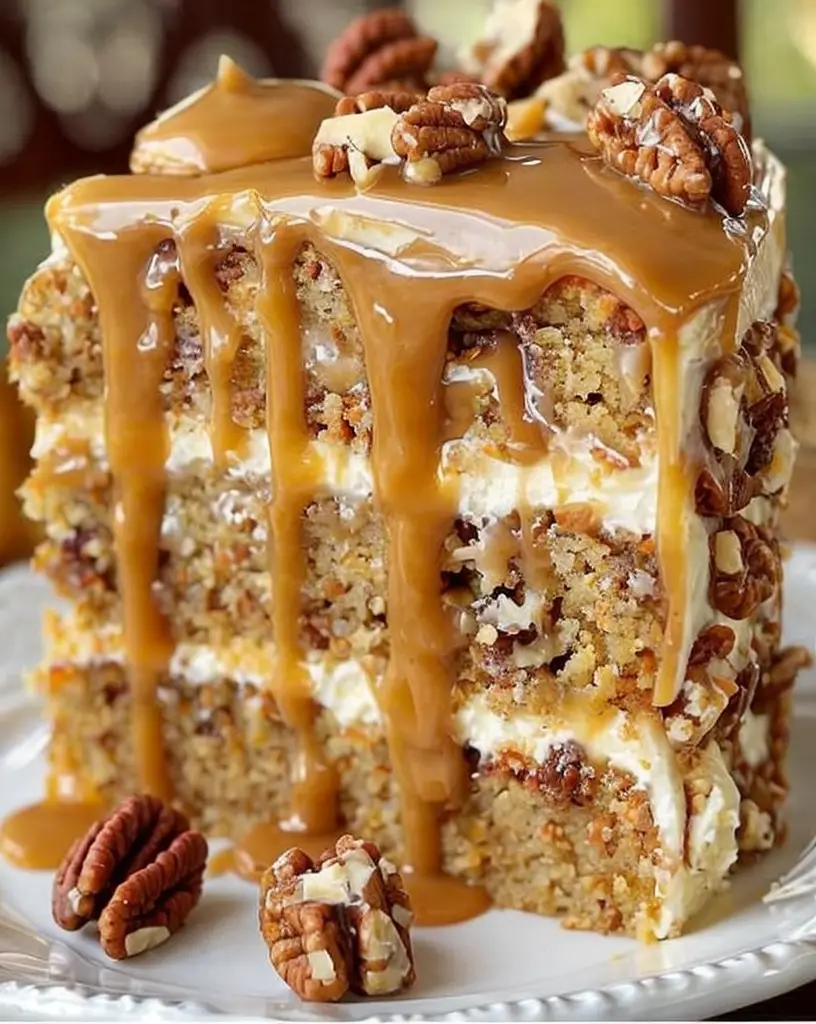
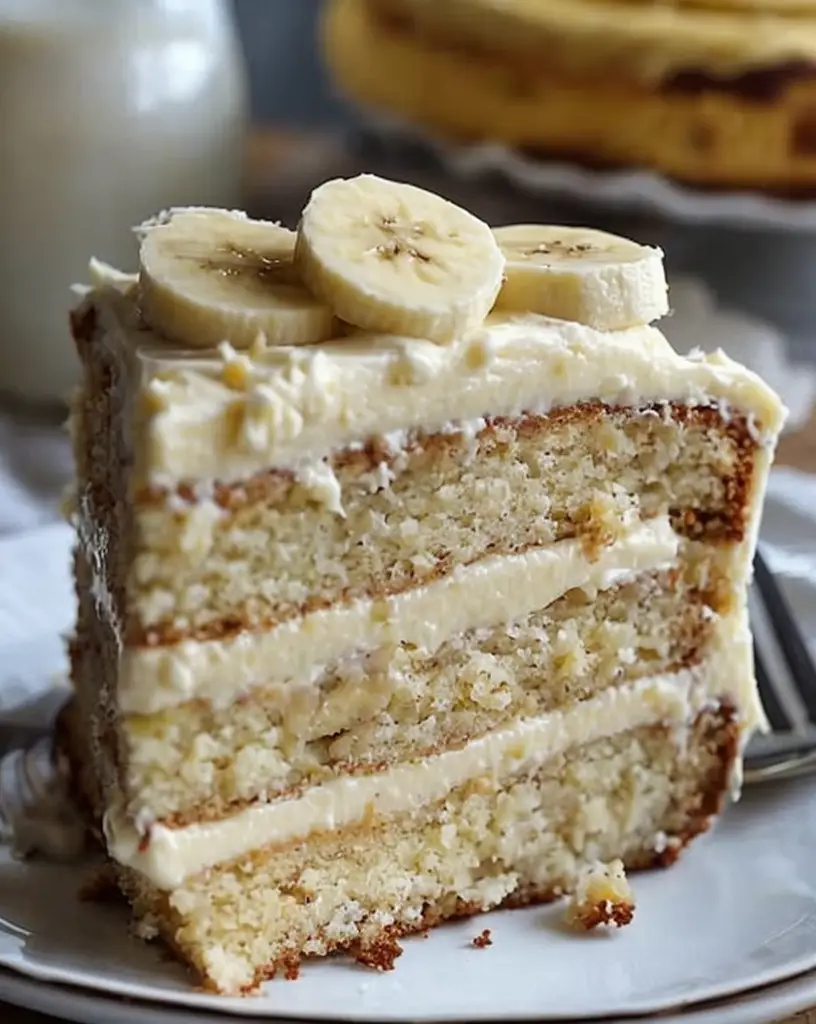
- Visual Appeal: With its golden hue and contrasting white frosting, this cake is as beautiful as it is delicious.
- Skill Level Needed: Suitable for moderate skill levels thanks to simple steps and a clear process.
- Special Equipment: Requires basic kitchen tools, including a mixing bowl, a whisk, and a baking pan.
Recipe Overview
- Difficulty Level: This Heavenly Banana Cake requires moderate skill level, perfect for home bakers who love experimenting with flavors yet are short on time.
- Category: This cake is a dessert category favorite, often enjoyed as a sumptuous end to a meal or a standout feature at celebrations.
- Cuisine: Drawing inspiration from American baking traditions, this cake showcases the beloved combination of bananas and cream cheese.
- Cost: Most ingredients are pantry staples, making the cake affordable and accessible for regular baking.
- Season: Perfect in any season, bananas are readily available year-round, making this dish a perennial favorite.
- Occasion: Best for birthdays, family gatherings, or simply as a mid-week treat to delight your loved ones.
Why You’ll Love This Recipe
The Heavenly Banana Cake with Cream Cheese Frosting offers a divine taste and texture that you’ll crave again and again. Its moist banana base is soft and tender, enriched with the subtle nuttiness of vanilla and sharpness of cream cheese frosting. This combination brings a sense of comfort and nostalgia, while still feeling fresh and modern.
Convenient to prepare, this recipe is ideal for busy bakers who want impressive results without spending hours in the kitchen. Quickly mix the banana cake batter with just a few simple steps, and the cream cheese frosting comes together effortlessly, ready to spread on the cooled cake.
Healthwise, bananas are a rich source of vitamins and minerals like potassium, and this cake offers a sweet treat with a nutritional boost. Cream cheese adds a touch of calcium, and when paired with whole grains and nuts as optional additions, it brings a balanced complement to a healthy diet.
Socially, nothing delights a crowd like homemade cake. Serve this banana cake at your next gathering to surprise and please guests of all ages. Easy to slice and share, it’s the perfect centerpiece for coffee mornings, office celebrations, or family dinner.
Cost-wise, Heavenly Banana Cake is made affordable thanks to its simple, everyday ingredients. Bananas, flour, sugar, and cream cheese are accessible to most home bakers, and with many pantry items already on hand, it’s budget-friendly without sacrificing quality.
Historical Background and Cultural Significance
Banana cake has an intriguing history, evolving as a creative solution to using overripe bananas during periods when waste was discouraged. Its roots lie in the resourcefulness of home bakers during the early 20th century, creating delicious, moist cakes from simple ingredients.
In many cultures, the banana is cherished for its nutritional value and versatility in recipes. This cake showcases how different culinary traditions explore banana use, resulting in different takes like the Caribbean dark rum-infused variation or the spiced cinnamon versions found in Southeast Asia.
Over time, the recipe has seen multiple adaptations, including layer cakes with frosting and shredded nuts. This evolution underlines its importance as a flexible treat shaped by regional and personal preferences, each version a testament to culinary creativity.
Today, the cake sits comfortably within global cuisine, embraced by countries worldwide who have made it their own. With regional variants in flavor and texture, banana cake remains a beloved staple that connects people through shared love for sweet, comforting desserts.
Ingredient Deep Dive
Bananas are the star ingredient, providing natural sweetness, moisture, and flavor depth. Known for their potassium content, bananas are also a good source of vitamin C, fiber, and other essential nutrients. Select ripe bananas with brown spots for optimal sweetness and moisture.
Cream cheese frosting brings its tangy, smooth texture to the cake, balancing the sweet with a hint of tart. Rich in taste, it’s perfect for those seeking indulgence. Store cream cheese in the fridge and bring it to room temperature for easier mixing.
Flour forms the structure of our cake. Opt for all-purpose flour unless seeking a gluten-free alternative. When storing flour, keep it in a cool, dry place sealed to maintain freshness. Use whole wheat flour as a hearty alternative if desired.
Eggs offer a binding role while contributing to the cake’s light texture. For a vegan version, replace eggs with mashed berries or flaxseed water mix. Fresh eggs are best, so check their expiration date and store them in the refrigerator.
Baking powder and soda are essential leavening agents, creating a tender crumb. Make sure they’re fresh, as old agents can lead to dense, flat cakes. Store in a dry place and replace the box every six months.
Common Mistakes to Avoid
- Using underripe bananas: They lack sweetness and moisture. Wait until bananas are brown and spotty.
- Overmixing the batter: This leads to a dense cake. Mix until just combined.
- Incorrect oven temperature: Always preheat your oven, and use an oven thermometer for accuracy.
- Skipping room temperature ingredients: Cold items can lead to an uneven batter. Let everything sit at room temperature first.
- Ignoring pan size recommendations: Using a different pan size affects bake time and cake texture.
- Forgetting to sift dry ingredients: Sifting prevents lumps and ensures even mixing.
- Not cooling cake before frosting: Warm cake melts the frosting, leading to a mess.
- Improper storage: Ensure leftovers are covered to prevent drying out.
Essential Techniques
Ripe bananas play a crucial role in achieving the optimal taste and texture; use a fork or potato masher for quick mashing until smooth. The smoothness of the banana mash dictates how even the cake texture will be, so ensure there are no chunks.
Creaming butter and sugar is essential for texture. Beat until light and fluffy to incorporate enough air into the batter. This leads to a tender cake by trapping air that expands during baking, providing rise and lightness.
Utilize the right baking pan preparation techniques. Line with parchment and grease lightly for easy cake removal. Proper prep ensures the cake doesn’t stick, helps with even baking, and maintains the integrity of the cake structure.
Measuring ingredients accurately is vital, especially with baking powder and soda. Too much yields a bitter taste, while too little results in a dense cake. Use the back of a knife to level measuring cups and spoons for precision.
A key technique in frosting is achieving the right consistency. Beat cream cheese and butter until smooth, then gradually add sugar to avoid lumps. A smooth frosting ensures a buttery mouthfeel, perfect for spreading or piping.
Pro Tips for Perfect Heavenly Banana Cake with Cream Cheese Frosting
Make sure to use overripe bananas; they add extra moisture and natural sweetness to the cake. Check the ripeness by looking for a deep yellow color with several brown spots.
When making cream cheese frosting, beat butter and cream cheese until creamy before adding sugar. This way, you’ll avoid lumps and get smoother results faster.
Add a pinch of salt to your frosting to balance out the sweetness and enhance the banana flavor. A small amount can shift frosting from overly sweet to a taste profile that complements your cake fully.
Experiment with additions like walnuts or chocolate chips to the batter. This adds texture and an extra layer of flavor, taking your cake to a whole new level.
Ensure your baking pans are greased and lined. Using parchment paper helps with easy removal, maintaining the cake’s structure and minimizing breakage.
Do not overmix the batter. Mix till ingredients combine to maintain a tender crumb and ensure optimal texture.
Variations and Adaptations
Try regional variations by adding spices like cinnamon or nutmeg for warmth, inspired by traditional Caribbean flavors. This warm note complements the sweetness of bananas.
Seasonal adaptations can include adding fruits like blueberries or raspberries during summer months, offering a burst of freshness alongside banana’s mild earthiness.
For dietary modifications, use almond or oat flour for a gluten-free option, or swap out regular sugar with coconut sugar for a healthier, lower glycemic alternative.
Explore flavor variations by incorporating dark chocolate chunks or a drizzle of caramel sauce for a decadent twist that turns your cake into a gourmet treat.
Changing texture is as simple as adding crushed nuts or seeds into the batter, creating a delightful crunch that contrasts with the cake’s moist crumb.
Presentation alternatives include layering the cake with frosting for a classic tiered effect, or piping decorative frosting patterns to add a visual flourish to your dessert.
Serving and Presentation Guide
Use a large, flat platter for serving, decorated with fresh bananas or edible flowers for a rustic charm. A clean slice ensures the cake’s moist layers are visible.
For garnishing, top with extra cream cheese frosting rosettes or dust with a light sprinkle of cinnamon powder. This ties together flavor notes and elevates presentation.
Traditional accompaniments are lightly whipped cream or a scoop of vanilla ice cream, providing contrast and refreshing the palate between bites.
Modern serving suggestions include a drizzle of caramel sauce or a sprinkle of sea salt flakes, adding complexity and creating a more nuanced profile.
Temperature considerations are key; serve it slightly chilled or at room temperature, ensuring the cream cheese frosting remains firm yet smooth.
For portion control tips, cut cake slices about an inch wide to perfectly fit small dessert plates, ensuring each guest has a taste without overindulgence.
Wine and Beverage Pairing
Pair with a light, fruity dessert wine like Moscato, which complements the sweetness of the banana and enhances the cream cheese’s tangy richness.
For non-alcoholic alternatives, opt for sparkling water mixed with a hint of lemon to cleanse the palate or a ginger-infused iced tea for a spicy kick.
In terms of coffee or tea, try pairing the cake with an American latte or a classic Earl Grey. These combinations accentuate the cake’s rich flavors while contrasting its sweetness.
Consider temperature thoughtfully; beverages should be mildly warm or chilled to match the cake’s ambient serving temperature.
Avoid overpowering drinks like robust-red wines or intensely bitter coffees which may overshadow the subtleties of the cake.
Storage and Shelf Life
Store leftover cake in an airtight container in the refrigerator to maintain freshness and prevent the cream cheese frosting from spoiling.
For refrigeration, ensure the cake is well covered with wax paper or container lid to limit exposure to moisture or odors. This can last up to five days when stored properly.
Signs of spoilage include a noticeable change in color, texture, or any unpleasant odor. Discard immediately if any of these signs are present.
Reheating instructions suggest letting cake slices rest at room temperature briefly before serving to avoid a cold, firm texture.
For freezing, individually wrap slices in plastic wrap or aluminum foil, then store in airtight containers. This will keep for up to three months.
Make Ahead Strategies
To save time, prepare the cake a day in advance, letting it cool completely before wrapping and refrigerating overnight. This also enhances its flavor as it sits.
Separate components like cake and frosting can be prepared ahead, then stored separately. Assemble the cake with frosting on the day of serving for optimal freshness.
During interim storage, wrap the cooled cake in plastic wrap to prevent drying out, while keeping frosting in an airtight container.
Reheating guidelines include gently warming the cake at room temperature or opting for extra fresh elements like berries for serving.
Scaling Instructions
To halve the recipe, simply reduce all ingredients by half, ensuring measurements are accurate for balanced flavor and texture.
For doubling or tripling, scale ingredients accordingly while maintaining ratios. Adjust baking time slightly, checking with a toothpick to ensure even cooking.
Equipment adjustments like using larger baking pans or multiples necessitate stable oven temperature for consistent results.
Timing modifications are crucial when scaling; larger cakes generally require longer bake times and more thorough checking for doneness.
For sensitive ingredients like leavening agents, maintain proper proportions to ensure no change in cake texture, regardless of size.
Nutritional Deep Dive
Examine the macro-nutrient breakdown: carbohydrates from bananas provide energy, while cream cheese and eggs supply fats and protein for nutrition balance.
Micronutrient analysis highlights potassium and vitamin B6 from bananas, alongside traces of calcium from the frosting, supporting overall health.
Emphasizing health benefits, the cake’s ingredients contribute to dietary fiber, energy supply, and natural sweetness without excess processed sugars.
Consider each portion analysis favorably; reasonable size servings ensure indulgence in a balanced, mindful manner, supporting weight management goals.
Adapt the cake to personal health needs by adjusting sugar levels or incorporating nuts and seeds for added nutrition.
Dietary Adaptations
For gluten-free: Substitute flour for a gluten-free blend or almond flour, ensuring similar moisture properties.
Dairy-free versions can swap cream cheese for coconut cream cheese or cashew frosting alternatives, maintaining richness without lactose.
Vegan adaptations include replacing eggs with flaxseed meal mixed with water or apple sauce, providing the necessary binding quality.
Low-carb seekers can opt for almond or coconut flour and sweeten using stevia or monk fruit sweeteners. These sustain indulgence while managing carbohydrate intake.
Explore keto versions with coconut flour and erythritol for sweetness, allowing for a low-carb, high-fat cake suitable for keto diets.
The paleo approach shifts to natural sweeteners like honey and almond flour, paired with coconut milk frosting providing creamy indulgence.
Low-FODMAP adjustments avoid certain sugars, favoring alternatives like maple syrup and gluten-free flour for a gut-friendly option.
Troubleshooting Guide
Solve texture issues like a dry cake by ensuring precise measurement of wet ingredients and using ripe bananas for added moisture.
For flavor balance, a touch of vanilla extract or lemon zest can elevate the cake’s profile, adding brightness and depth.
Address temperature problems by using an oven thermometer for accuracy, ensuring the cake bakes through without overcooking or burning.
Overcome equipment challenges with parchment paper lining and adjusting to smaller pans if larger ones are unavailable, controlling the bake consistency.
Ingredient substitutions should be carefully ratio calculated. When replacing eggs, ensure sufficient moisture and binding through other foods like applesauce.
Timing concerns are addressed by checking for doneness using a toothpick. If it emerges clean, the cake is ready; otherwise adjust baking time incrementally.
Recipe Success Stories
Community feedback is glowing, with enthusiastic bakers sharing their adaptations like adding chopped walnuts or raving about the cake’s moist texture.
The adaptation stories are numerous, with readers adding personal touches like a dash of rum for holiday bakes or enjoying it in gluten-free form with almond flour.
Reader suggestions include using alternative frostings for variety, like peanut butter or an espresso spread atop certain versions for a unique twist.
Photography tips center on capturing the cake in beautiful natural lighting, highlighting the frosting’s creamy texture alongside a slice displaying the plush interior.
Many have had success substituting ingredients like coconut sugar for lower glycemic impact while maintaining the cake’s signature taste, perfectly demonstrating the recipe’s versatility.
Frequently Asked Questions
Can the banana cake be made gluten-free?
Yes, substitute all-purpose flour with a gluten-free blend or use almond flour while adjusting other ingredients to maintain the right texture.
What’s the best way to store leftover cake?
Store leftovers in an airtight container in the refrigerator for up to five days. This helps maintain moisture and keeps the frosting fresh.
Can I prepare this cake in advance?
Absolutely, prepare the cake ahead and refrigerate. Assemble with frosting before serving for best texture and flavor.
What can I substitute for cream cheese?
Use a dairy-free alternative like vegan cream cheese or coconut cream for a similar texture with different dietary needs.
Is this cake suitable for vegans?
With substitutions like flaxseed egg replacements and dairy-free cream cheese, this recipe can be adapted to suit vegan diets.
How do I ensure the cake is moist?
Use properly ripened bananas for maximum moisture and avoid overmixing the batter to maintain a tender crumb.
What’s the ideal ripeness for bananas?
Look for bananas with brown spots and a slightly blackening peel as these offer perfect sweetness and moisture.
Can this cake be frozen?
Yes, wrap individual slices in plastic and store them in an airtight container in the freezer for up to three months.
What can I add for extra flavor?
Spices like cinnamon or vanilla can enhance flavors, while chocolate chips or nuts add additional texture and taste.
Why did my cake turn out dense?
A dense cake often results from overmixing, insufficient leavening, or stale ingredients. Check freshness and mix until just combined.
Additional Resources
Explore related recipes like banana bread, muffins, or a traditional carrot cake with cream cheese frosting for varied takes on beloved flavors.
Discover technique guides on proper banana mashing and frosting consistency to elevate your baking skills for this and other recipes.
Ingredient information highlights the use of alternative flours and sweeteners, providing healthier options without compromising taste.
Equipment recommendations such as the best baking pans or mixers facilitate smooth preparation and enhance baking success.
Seasonal variations expand your repertoire with festive options like a spiced holiday banana cake or a tropical version featuring coconut.
Join the Conversation
Share your own Heavenly Banana Cake with Cream Cheese Frosting experiences on social media, showcasing your baking prowess and personal twists.
Photography tips include featuring your cake in natural daylight or using a pretty backdrop to highlight its visual appeal for social sharing.
Leave recipe reviews to provide feedback, share your adaptations, or suggest alternative methods to help other bakers succeed.
Engage with the community, exchanging ideas and tips that might inspire new creations or improvements to your baking skills.
Explore recipe variations recommended by fellow bakers or suggest your own, contributing to the vibrant discussion around this beloved cake.
The Recipe
Heavenly Banana Cake with Cream Cheese Frosting
Serves: 8
Prep Time: 20 mins
Cook Time: 40 mins
Total Time: 60 mins
Kitchen Equipment Needed
- Mixing bowls
- Whisk
- Spatula
- Baking pan
- Measuring cups and spoons
- Oven
Ingredients
- 1 1/2 cups all-purpose flour
- 1 teaspoon baking soda
- 1/4 teaspoon salt
- 1/2 cup unsalted butter, softened
- 1 cup granulated sugar
- 2 large eggs
- 3 ripe bananas, mashed
- 1 teaspoon vanilla extract
- 1/2 cup sour cream
- 1/2 cup cream cheese, softened
- 2 cups powdered sugar
- 1 teaspoon vanilla extract (for frosting)
Directions
- Preheat your oven to 350°F (175°C). Grease and flour the baking pan.
- In a bowl, mix flour, baking soda, and salt; set aside.
- Cream together the butter and sugar until light and fluffy. Add eggs one at a time, beating well with each addition.
- Mix in the mashed bananas and vanilla extract.
- Gently stir flour mixture into banana mixture alternating with sour cream until just blended.
- Pour into the prepared pan and bake for 40 minutes or until a toothpick comes out clean.
- While the cake cools, prepare the frosting by beating together cream cheese and powdered sugar until smooth.
- Add vanilla extract and continue to beat until fully combined.
- Once cake is cooled, spread cream cheese frosting evenly on top.
Recipe Notes
- For added crunch, stir in a half-cup of chopped walnuts or pecans into the batter.
- As a flavor twist, add a teaspoon of cinnamon to the dry ingredients.
- The cake can be made as a layer cake by doubling the recipe and dividing batter into two pans.