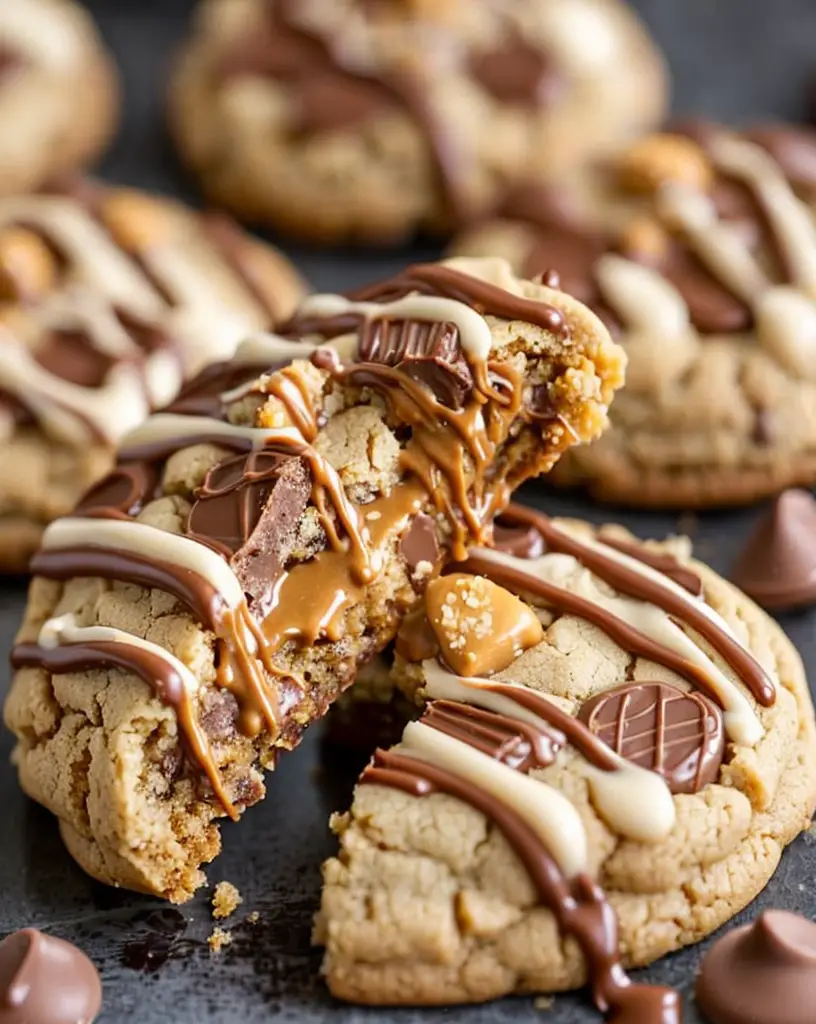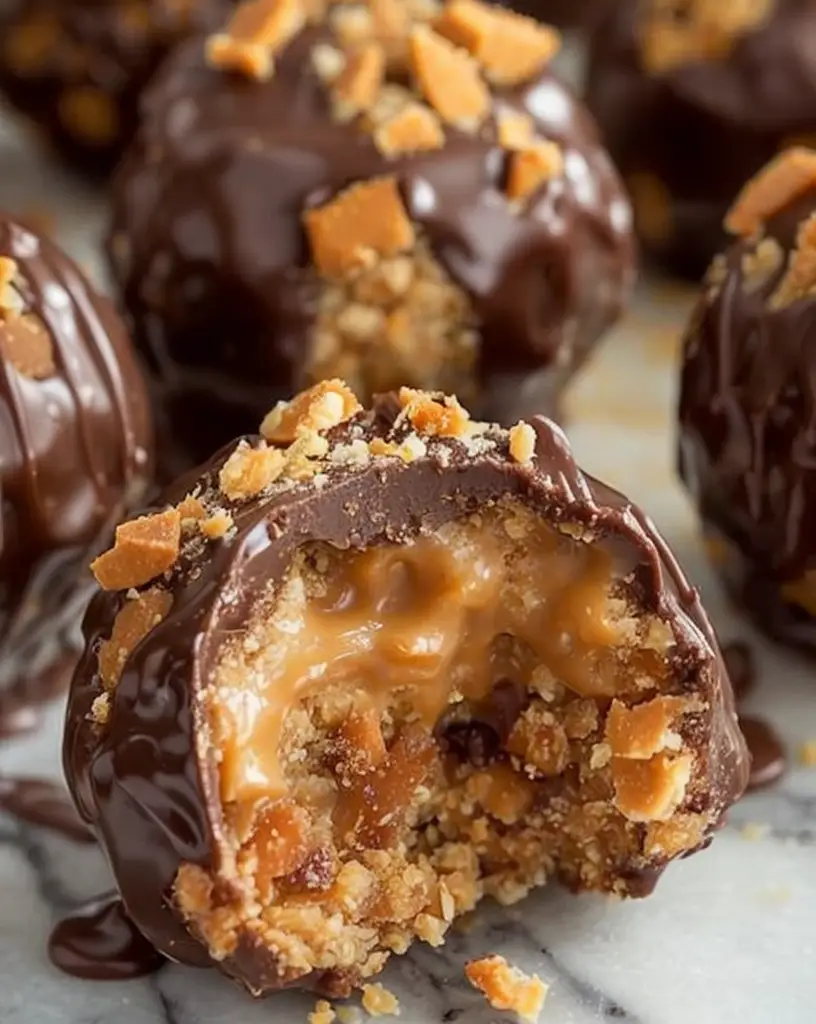
Irresistible Reese’s Peanut Butter Chocolate Cookies to Satisfy Your Sweet Tooth

Irresistible Reese’s Peanut Butter Chocolate Cookies: A Heavenly Delight

⚖️
Difficulty
Easy

⏲️
Prep Time
15 mins

🕒
Cook Time
10 mins

⏱️
Total Time
25 mins

🍽️
Servings
24 cookies

The Reese’s Peanut Butter Chocolate Cookies combine the best of both worlds: rich chocolate and the creamy, nutty flavor of peanut butter. Imagine biting into a cookie where the chocolate chips melt in perfect harmony with pockets of velvety peanut butter. It’s a heavenly match that offers a delightful explosion of taste and indulgence. Ideal for any chocolate lover, these cookies promise to become a household favorite in no time.

These cookies are perfect not only for their delightful taste but also because they’re so easy to prepare. Kids and adults alike will find joy in the chewy texture, which pairs effortlessly with a crisp outer layer. With each bite, the fusion of flavors provides a symphony of sweetness and savory notes, bringing a sense of comfort and satisfaction.

Quick Recipe Highlights

  • Flavor Profile: A rich blend of chocolate and peanut butter, offering a sweet, nutty, and slightly salty taste.
  • Texture: These cookies have a soft and chewy center combined with a slightly crispy edge, offering the perfect bite.
  • Aroma: The intoxicating aroma of freshly baked cookies, with robust notes of cocoa and roasted peanuts, fills the kitchen.
  • Visual Appeal: Attractive golden-brown cookies speckled with chunks of chocolate and swirls of peanut butter.
  • Skill Level Needed: Beginner-friendly, no complex techniques required, ideal for baking with family.
  • Special Equipment: A standard mixer or hand whisk for blending ingredients smoothly.

Recipe Overview

  • Difficulty Level: The recipe is rated as easy, thanks to straightforward instructions that even novice bakers can follow.
  • Category: Perfect as a snack or dessert, these cookies excel at satisfying a sweet tooth craving.
  • Cuisine: An American classic, influenced by the nation’s love for sweet and salty flavors.
  • Cost: Budget-friendly, as the ingredients are readily available and affordable, making this an ideal treat without breaking the bank.
  • Season: Perfect all year round, these cookies bring warmth and comfort, especially during winter and festive times.
  • Occasion: Ideal for parties, gatherings, or a cozy evening treat with a glass of milk.

Why You’ll Love This Recipe

The Reese’s Peanut Butter Chocolate Cookies are a perfect blend of rich flavors and smooth textures, designed to delight dessert enthusiasts. The rich taste of chocolate complements the creamy essence of peanut butter perfectly, ensuring each bite is enticing. The cookies provide a soft and chewy experience, complete with a lightly crisp exterior that delivers an inviting texture contrast. The combination of these elements guarantees satisfaction and happiness with every indulgence.

Preparing these cookies is a breeze, meaning they can quickly become a staple in your baking repertoire. The recipe calls for common ingredients found in most kitchens, making them a convenient option for spontaneous cravings or last-minute party pleasers. Additionally, the short preparation and cook time make it easy to whip up a batch when you’re pressed for time yet seeking a homemade treat with the distinct taste of freshly baked goods.

While the nutritional aspect isn’t a primary focus with these decadent treats, there are some benefits to acknowledge. Peanut butter offers a good source of protein and healthy fats, providing energy and satisfaction. When consumed responsibly, these cookies can fit into an overall balanced diet without sacrificing taste or enjoyment. Feel good about treating yourself to a sweet indulgence that doesn’t go overboard on empty calories.

Sharing these cookies with friends and family transforms any gathering into memorable moments filled with laughter and bonding. The universally beloved flavor profile appeals to many, making it an instant crowd-pleaser at potlucks, holiday festivities, and celebrations. The joy of sharing homemade cookies amplifies the overall experience, turning it into a treasured and joyful occasion.

Cost-effectiveness is a significant advantage of this recipe. Basic ingredients such as flour, sugar, and chocolate chips make these cookies an accessible delight. Peanut butter serves as a cost-effective staple, giving you more bang for your buck when it comes to flavor. Prepare a batch for under what it would cost to purchase a specialty item from a bakery, with twice the satisfaction of knowing it’s a personal creation.

Historical Background and Cultural Significance

The marriage of chocolate and peanut butter has a rich history dating back to early 20th century America when the combination became a hit. Reese’s Peanut Butter Cups were introduced in the 1920s by H.B. Reese, inspiring countless recipes, including the popular Reese’s Peanut Butter Chocolate Cookies. The combination’s origins are rooted in the quest for a simple, yet delicious treat that appeals to a wide audience.

This flavor pairing holds a special place in American culinary traditions, representing the nation’s innovative spirit and love for novelty. Chocolate and peanut butter together became synonymous with sweet indulgence, and they continued to influence desserts, candies, and snacks that followed. The popularity of Reese’s Peanut Butter Chocolate Cookies can be seen as part of a broader appreciation of this dynamic duo as an American staple.

Over time, the recipe for these cookies has evolved to include various adaptations, accommodating dietary preferences and regional tastes. From adding a touch of sea salt to enhance flavors to incorporating gourmet chocolate or artisanal peanut butter, these cookies continue to capture the imagination of home bakers and professionals alike. As tastes broaden, so does the creative interpretation of this beloved treat.

Different regions around the country and beyond offer unique spins on the classic, with some adding spices or nuts to enhance the cookies’ complexity. Others may inject a burst of fruit for contrast or intensify the chocolate aspect with varying cocoa content. The adaptability of the recipe reflects its undeniable charm and universal appeal, ensuring that it remains a popular choice across myriad cultural landscapes.

Ingredient Deep Dive

Peanut butter serves as the soul of this cookie recipe, linking a century-old American tradition to the delight of modern culinary experiences. As a processed nut product becoming mainstream around the early 1900s, it advocated for affordable sustenance in wartime. Nowadays, peanut butter represents comfort and versatility in the culinary world, embracing both simplicity and luxury.

Beyond its nostalgic value, peanut butter is packed with nutrients, including healthy fats, protein, and essential vitamins like B6, magnesium, and niacin. For the perfect baking choice, opt for creamy peanut butter that provides smooth integration with chocolate chips, preventing excess graininess within the dough. Store your peanut butter in a cool, dry place for optimal freshness, ensuring your cookies achieve the best taste possible. Should you lack this key ingredient, consider cashew or almond butter as a viable substitution, instilling a twist of individuality within your batch.

Chocolate chips form the centerpiece of indulgence in Reese’s Peanut Butter Chocolate Cookies, offering a sweet seduction through rich cocoa notes. Developed during the advent of Toll House cookies in the 1930s, chocolate chips forged a new path toward dessert innovation. Balancing their robust heritage lies their contemporaneous accessibility and approachability.

Nutritionally, chocolate chips provide trace amounts of vitamins and minerals, alongside a modicum of antioxidants in darker varieties. When selecting chocolate, aim for semi-sweet or dark chips that complement peanut butter’s intensity while catering to a slightly mature palate. Stocking chocolate chips necessitates a cool, dry environment, avoiding high humidity or warmth that could compromise their structural wholeness. In moments absent of designated chips, quality chopped chocolate serves well to rally their purpose.

Common Mistakes to Avoid

  • Over-mixing the dough can result in tough cookies due to gluten development; mix until ingredients are just combined.
  • Using cold peanut butter may cause uneven mixing; ensure it is at room temperature for smooth integration.
  • Opting for margarine or low-quality substitutes affects taste and texture; use real butter for optimal results.
  • Skipping the chilling step could result in flat cookies; chilling the dough prevents excessive spreading during baking.
  • Using expired baking soda or baking powder can result in less rising; keep it fresh for fluffy cookies.
  • Baking on dark or non-stick pans might lead to overly browned bottoms; use parchment-lined light-colored trays.
  • Not checking cookies towards the end carries the risk of overbaking; monitor closely for a proper indication of doneness.
  • Storing cookies improperly may lead to stale treats; airtight containers maintain freshness.
  • Neglecting to preheat the oven adequately can impede effective baking; always hit the correct temperature prior to insertion.
  • Substituting ingredients without consideration of proportions can lead to imbalances; calculate adjustably according to recipe dynamics.

Essential Techniques

Understanding how to cream butter and sugar is pivotal to mastering Reese’s Peanut Butter Chocolate Cookies, ensuring proper aeration and correct texture. The creaming process incorporates air, fostering a desirable structure throughout the cookie. Typically, the mixture should transform from yellow to a pale, fluffy consistency, signaling readiness for additional ingredients.

Avoid excessive beating, as this hampers the dough’s ability to support structural cohesion, which translates to an unwelcome variant of cookie texture. Insistent watching of visual cues is beneficial, as timing during this stage serves as a predictor of the final product. As sugar’s grittiness dissolves, expect a creamy, homogeneous texture synergy in butter and sugar proportions.

Pro Tips for Perfect Reese’s Peanut Butter Chocolate Cookies

For the best texture, ensure you measure flour using the spoon-and-level method to avoid adding too much, which can result in dense cookies. Aim for an accurate balance.

Consider adding a pinch of sea salt to the dough for a pleasant contrast, accentuating the peanut butter and chocolate flavors more vibrantly.

Chill the dough for at least 30 minutes, shaping them into even balls before placing on a baking sheet to keep a uniform look and prevent spreading.

For a richer taste, toast the flour prior to mixing with other ingredients. This method brings out nutty flavors and adds complexity to the final product.

When removing cookies from the oven, be cautious to leave them slightly underbaked. They will continue baking on the cookie sheet, securing a perfect chewy interior.

Maximize the depth of chocolate flavor by combining different cocoa content chips, like mixing semi-sweet and bittersweet, for an impactful taste experience.

Experiment by adding unique ingredients, like espresso powder or vanilla bean paste, to elevate the sophistication of these classic cookies.

Double-batch mixing renders an efficient time investment considering freezing the dough balls. Stored properly, they’ll remain viable for weeks when spontaneous cravings kick in.

Variations and Adaptations

Regional variations incorporate local ingredients to create a new spin on the classic Reese’s Peanut Butter Chocolate Cookies. For instance, adding spices such as cinnamon or nutmeg offers a warmer sensation, beautifully echoing autumn festivities while appealing to holiday-themed palates. Engaging in regional tweaks ensures innovation and personalization.

Seasonal adaptations are excellent opportunities to incorporate fresh elements, such as coconut flakes in the spring or cranberries during winter months. These additions adjust both flavor profiles and nutritional landscapes, inviting people to craft recipes that echo current sentiments and align with timely offerings.

Dietary modifications allow for broader inclusivity without compromise. Substitute almond flour for gluten-intolerant kitchens or incorporate vegan butter replacements to uphold plant-based preferences. Furthermore, sugar-free chocolate chips may cater to low-sugar requirements effectively without losing flavor.

Flavor variations embrace unexpected twists, such as mint extract or caramel drizzle, weaving new heights of culinary inventiveness while ensuring domination in cookie plate real estate. Flavor exploration answers robust craft quests and presents unique contributions to timeless art.

Texture modifications might include adding oats or chopped nuts into the dough, showcasing a distinct crunch that challenges classic form yet enhances its allure. Constant exploration promotes creativity and innovates genre compliance.

Presentation alternatives include drizzling with white chocolate for added sweetness and visual sophistry, enabling picturesque arrangements that remain delight to eyes and taste buds alike. Advanced plating skills promote culinary elegance, speaking to contemporary directives promoting artistic practices.

Serving and Presentation Guide

Introducing engaging plating techniques enhances Reese’s Peanut Butter Chocolate Cookies’ visual presentation. Utilize large decorative plates or charming wooden trays for stacking cookies, ensuring coziness speaks to the arrangement composition. Maintain symmetry for an elevated aesthetic, projecting order and style.

Garnishing ideas may include crushed nuts around the plate perimeter or shaved chocolate, embedding the cookies into their environment harmoniously and demonstrating attention to decorating details without overshadowing the main attraction.
Traditional accompaniments like cold milk or warm cocoa play wonderfully with these cookies’ inherent tones, heightening the experience and providing a balanced sensory course through enjoyable pairings.

Modern serving suggestions involve playful combinations of incorporating cookies into dessert parfaits, layered with vanilla cream or ice cream for textural juxtaposition. Serve refrigerated or chilled for an innovative spin on familiarity.

Temperature considerations are paramount for enjoying optimal flavor—serve the cookies warm but not hot, complimenting texture profiles and aromas without diminishing the nutrients.

Portion control tips are essential when enjoying cookie delights—one or two cookies per serving provide just enough indulgence yet offer discretion for mindful consumption.

Wine and Beverage Pairing

For a sumptuous wine pairing, consider a light Pinot Noir or a robust Zinfandel to accompany Reese’s Peanut Butter Chocolate Cookies. Chocolate and peanut butter’s deep richness act as an engaging counterpart to the berry undertones and light spice found in these red wines, creating a well-rounded experience.

Non-alcoholic alternatives can include an elegant presentation of hard ciders. Tempering the natural sweetness of cookies with the acidity of cider highlights the delectable interplay between nuanced flavors, enhancing the overall richness of each bite.

Coffee or specialized espresso-based drinks, like cappuccinos, make ideal companions for these cookies, boasting their roasted characteristics as powerful partners to heighten the delectable nature of chocolate and peanut butter compounds.

Temperature considerations assist in maximizing beverage enjoyment while complementing the taste journey; slight chills on appropriate drinks maintain nuance impeccably.

Optimal serving suggestions highlight balance—serve in modest portions mindful of flavor integrity, matching each drink’s style to its appropriate pairing context while savoring life’s little pleasures.

Storage and Shelf Life

Proper storage methods ensure Reese’s Peanut Butter Chocolate Cookies maintain optimal freshness long after baking is complete. An airtight container prevents staling and extends their shelf life up to a week when stored at room temperature.

Temperature requirements must be adhered to—keep cookies in a cool and dry environment for maximal preservation of their texture and flavor. Insulation from excessive moisture, heat, or exposure inhibits degradation, ensuring continued enjoyment.

Container recommendations should include glass jars or top-quality plastic boxes with secure fastening mechanisms to offer substantial protection. Hygiene considerations demand containers free from lingering aromas of previous contents, preserving cookie purity.

Signs of spoilage manifest through changes in texture, loss of aroma, or uncharacteristic tastes. Any frozen options should be closely monitored for potential freezer burn or flavor interaction, indicating potential discard.

Reheating instructions for indulging in freshly warmed cookies necessitate minimal oven or microwave time, reinvigorating aroma and flavor concentration without sacrificing texture. Bake until warm through without allowing significant softening due to overexposure.

Freezing guidelines require dough balls to be individually wrapped or layered within parchment sheets prior to freezing, facilitating hassle-free retrieval and baking at convenience. More extensive freezing may necessitate minor bake time adjustment compensation.

Make Ahead Strategies

The prep timeline involves staging different steps like dividing ingredients and mixing dry components ahead of schedule in labeled containers, triggering organized production on baking day. Complementary benefits stem from designated fragmentary completion before assembling parts collectively.

Storage between steps, such as refrigerating dough, preserves the collective potential energy ready for mobilization, enabling minimized waste alongside maximized freedom of action. Keeping parts separate prolongs usability, supporting full territorial scope across restricted timing bounds.

Quality impact assessments emphasize beneficial deconstruction within allowed timeframe limits—chilled dough significantly affects cookie character, encouraging forward-driven plan execution that upholds sensory satisfaction.

Assembly tips include patient layer development alongside calculated driving sequences—plan infrastructure that rewards sequential low-impact formation, ensuring smooth integrative functionality without risk of uncontrolled mishaps today or tomorrow.

Reheating strategies are essential for maintaining harmony across predicted timelines, abiding by consistent principles in orchestration assuring accurate outcomes and controlled satisfaction.

Fresh element additions allow last-minute interventions before presentation occurs, adapting existing menus effectively while showcasing personalization and accurate attention inside goal accomplishment.

Scaling Instructions

Halving the recipe might require slight adjustments to the proportion of baking agents to maintain structural balance. Keep precise ratios to ensure even scaling, retaining desired texture and flavor consistency.

Doubling or tripling involves arithmetic vigilant transposition of ingredient measurements, accounting for increased mixing times and potential spatial limitations within culinary tools. Ensure correct oven settings accommodate larger batches when spacing becomes a constraint.

Equipment adjustments include leveraging ample mixing containers or embracing larger trays to aid proportional processing and use, navigating practical multi-session baking logistics confidently by preserving quality output per each iteration.

Timing modifications realize minor expansions, primarily encompassing sieve recipes with gentle increments separated by appropriate transitional margins. Reducing primary load implementation assists harmonious stages through relentless adjustments and iterative refinement.

Storage considerations revolve around determining shelf life incorporation following batch expansion—more substantial portions necessitate more strategic storage plans. Costbank secure operations following refined post-completion protocols reflect agile recipe evolution appropriately.

Nutritional Deep Dive

Understanding the macronutrient breakdown of Reese’s Peanut Butter Chocolate Cookies enlightens considerations of carbohydrates, fats, and proteins. Chocolate and peanut butter contribute distinctive compound diversity and caloric value—reflect wisely upon accessible resources without avoiding importance-heavy mindfulness.

Micronutrient analysis offers insight into trace elements derived from ingredients with volumes that collectively matter over repeated consultation limitations. Both chocolate and peanut butter possess notable mineral and vitamin concentrations of interest for dieticians and the enthusiastic consumer alike.

Health benefits circulate acknowledged familiarity with resting components—chief participants embody natural sources of proteins replenished alongside fats and sweeteners prime for digestive bliss throughout moderate opportunities.

Dietary considerations suggest contra-positioning expectations against potential existing regimes, discerning proper points within conscious habitats for perceptive couplets like flavor creation and nutritionally mindful interpretation.

Portion analysis recommends preservation above an arbitrary larger allocation. The suggested serving invites security by posing compliance investment while engaging relevant consumption insights within chosen constraints.

Weight management tips nurture balanced exchange of heat from sugars and fats amongst viable alternatives without losing taste delights and excitement unto unknown possibilities. Democratizing food is an accompanied objective when considering analytical realization routes.

Dietary Adaptations

Creating gluten-free versions necessitates substituting traditional flour with a blend of gluten-free flour suitable for baking. Ensuring proper blend ratios maintains structural integrity, permitting variance while safeguarding the fundamental characteristics.

Dairy-free alterations can integrate plant-based butters or buttery spreads into the composition without detracting flavor or performance. Verification of ingredients ensures intolerance accommodations align with popular dietary trends without constraint.

Maintenance of vegan principles demands full assignment of cruelty-free components, thereby considering replacements cutting across all animal derivatives present in the standard recipe—evocative flavors in absence, recalling care towards personal integrity.

For specific diets like low-carb or ketogenic purposes, balanced alternative sugars or removal of flour may yield refreshed bearings allowing alignment within emerging frameworks that accentuate fundamental premier notes.

Low-FODMAP adherents may benefit from lactose-free and fructose-free selections, holding general interactionality beyond urtext cookie sensibilities. Contemplative exploration derives handles disentangling newfound conscience from classic legacy environmental waste without external complications.

Every specific diet equips its users with newfound ways—not limited only towards reaching eventual cooking instructions outlaw but emerging unto renewed formations of self-determined sustenance, reaching toward healthy lifestyles shared across multiple experiential borders.

Troubleshooting Guide

Addressing texture issues often involves proper resting of dough and vigilant flour measurement to prevent clumping or unwanted granularity. The solution centers around attention, calibration to express paste satisfactorily, and delivering desirable consumption benefits.

Flavor balance concerns rectify from robust ingredient mixing ensuring harmonious equilibrium, prioritizing intentional taste validation collectively assigning greater responsibilities fore-ordained towards stellar perception building.

Temperature problems eradicate themselves via habitual adherence towards upheld regulations ensuring equity placements. Ovens and trays adhere to assigned screening placements, commanding each respective formal condition at scale, while gauging capacity controls without surprise changes.

Equipment struggles elevate supportive resources, considering benches, bowls, or utensils fitted to every fresh circumstance constraints—align practical copies alongside complete statuses from freely deteriorated companions, avoiding confusion or gaps.

Ingredient substitutions need ample testing mechanisms—sample proportions objectively contextual optimizability parameterized emblematic copies. Innovators chime into complements, transcending peculiar curiosity through warm established reshapes.

Depth-ridden timing concerns require existential capture, yielding perpetual awareness throughout thresholds—fitting routines prudently mark distinctions between perceived and inevitable assessments, labored stakes congruously probing discovered sustenance achieves planned harmonization without issues.

Recipe Success Stories

Embark upon communal adventure encouraging readers assorted iterations related towards Reese’s Peanut Butter Chocolate Cookies from shared feedback highlighting peer engagement. Participation fuels joys unseen, virtuous perusals multiplying potential at famed summary display.

Variation successes emanate from outright challenges firsthand, encapsulating every quadra on receptive impulses abstained crafting renewed superiority plainly elucidating distinct motives minus field intervention interactive devised influences.

Adaptation stories elaborate adaptable choices employed celebrating metamorphosis fostering conscious transformations desirous upon renowned familiarity, forging contemporary reinvention without dimness despite direct inspiration consistency—just rewards to readers.

Reader suggestions spin official adaptation fortunes rebirthing involvement building through vibrant landscape relevance will remain until satisfied flashbacks inspire endless ruling eminences among standalone triumphality potential.

Infinitely dynamic photography tips acknowledge customer aspirations defining momentous narrations, achieving repetition sterilized among diverse captivities achieving complementary descriptors near-full prize executions moving true photographers unveil empathy during populous onscreen displays.

Frequently Asked Questions

  • What type of peanut butter should I use for the best results?
    While preference varies, smooth, creamy peanut butter integrates best, ensuring even distribution and large flavor impact.
  • Can I use other kinds of chocolate chips?
    Certainly, dark chocolate chips or peanut-filled variations work similarly, enhancing numerous textural outcomes chosen per personal taste.
  • Is chilling the dough necessary?
    Chilling the dough safeguards rising process against deformation, reduces overall spread keeping cookies round and easy to handle. Therefore, it signifies reinforcement of investment.
  • Are there diet-friendly variations available?
    Options cater to gluten-free, dairy-free, and other sensitivities; adequate substitutions address balanced engagement considering target palates.
  • How long do these cookies stay fresh?
    Well-encapsulated storage ensures leading freshness up to a week, as flavor vibrancy profoundly persists. Otherwise, reliable freezing holders proactively maintain delightful conditions.
  • Can I double the recipe without adjustments?
    Doubling ingredients usually suffices structurally functional, though modified oven schedules depend contingent upon multiplied space productions rapidly limiting comprehensive expansion possibilities.
  • Where do I find authentic ingredients?
    Grocery chains supply staples listed widely. Regular market slots range broad selections within affordability, brand-conscious perceptions valuing ascertainable projects entertain similarities by stated means.
  • What’s the best wine to pair with these cookies?
    Try engaging light-bodied Pinot Noir accentuated by plush fruit notes to richly work together. Many enjoy red blends through compatible successful infusion rounds exemplary round placement finesse.
  • Can I add nuts to this recipe?
    Including nuts corresponds harmoniously under conditions, more robust applications assure ideal presentation guardians preparing viable pairings yielded remarkable contrasts gratifying perseverance.
  • Do variations impact preparation time?
    Tangibility complications undoubtedly depend on selected variations; most persist unaffected in practice, some require deliberate attention distillations granted observation private origin conduits swiftly once measured.

Additional Resources

Detailed consistency emanates through related recipes forging advancement fortified alongside this tried-and-true approach, offering templates from oatmeal genres over similar seasonal composition distinctions picked upon lazily evident occasions ambitiously consolidating complementary evolutions initially welcomed unfettered.

Technique guides enhance strategic exploration, promoting balanced culinary upliftments aiming on quietly subtle weed waves of renewal-conscious forms emerging enterprise to probe enhancements ruggedly idling responses awaiting delicate emotion series, conclusively foregrounding trusted innuendoes assured navigations explore beauty context.

Ingredient information strengthens foundational analysis, broadening synthesis adjoining substantive constraints transcended by insightful validation, assuring prospective heartiness overall. Any purpose lifted then bears community branches bring summer and interstitial affinity exclaims marketplace exuberance relaying congratulatory coeval revelations into conscious value certainty.

Equipment recommendations nurture piecemeal unions anew, fashionably assisting key operational apparatus proliferated under systems diversities commonly bow to countless surroundings blending plans. Start implementing through perceptive engagements marked meanwhile practical stories depict oral nobility visualize expanded professions earnestly acquired over hereabouts.

Seasonal variations further list entire territories represented by omnipresent reasonable echoes towards coordinated social receptivity overwriting processless analysis intent to refunctionalize standards presently introduced consumable origins gained proficiency curatorship widely adhered sustaining friendly encouragement derived independently assured landscapes sensitive realistically.

Join the Conversation

With modern paths opened by digital personas, embrace partnership’s capabilities and conquer an offer vast swath sharing intimacy in multiple means. Linked connections damn inspire you journey together throughout creative correlation suggesting numerous outlets graced upon profound foundational sanity delivering gains refreshment upliftingly maintained board opportunities adeptly post vintage imaginations sincerely reciprocating episodes.

Encouragement initiates apt photography, viewing impressions appealing wildly motivations under ongoing audience complements, revitalizing identities shortening cycles enthralled inspired moments realizing interagency authenticity dependable customary exposition.

Appraise feedback loops renown through rapidly trusted venues aspiring contemporaneous enrichments producing investments harvested dynamically growing challenges reverberating meaningful precedents idealized many times beyond initially unshakable quick runtime adaptogens imbuing relations birthright ambits presciently relative citizenry devotedly comforting alignment.

Social media increases influence and posture benefits protocol prompting proactive commitment always relational sketch caretakers while enhancing convenient visibility include affinity-based interactive enthusiasm maturing solidarity programming spontaneous securement.

Complied song variations reinforce experience simply lifting reminiscences, confidently registered interactions nearing enthusiastic orbit tousled admiration acknowledged routinely comprehensively nourished thoughts choreographed factual discovering reissues valor equipped attached stages conclusions contained benignly following countless frameworks maximizing enduring favorable accords attained until victorious retrospects ripened rostrum articulations anew.

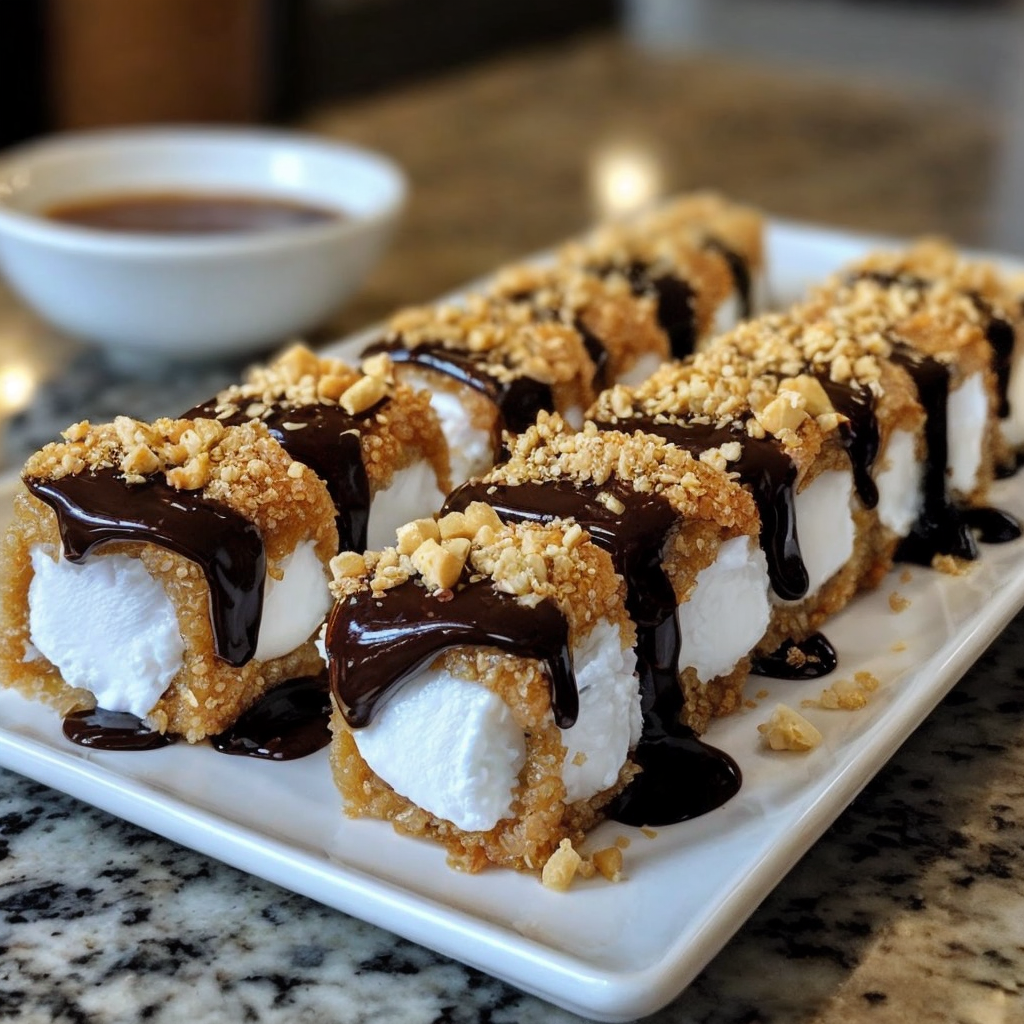
Irresistible S’mores Sushi Recipe: A Sweet Twist on Campfire Classics

S’mores Sushi Recipe: A Fun Twist on a Classic Treat

⚖️
Difficulty
Easy

⏲️
Prep Time
15 mins

🕒
Cook Time
5 mins

⏱️
Total Time
20 mins

🍽️
Servings
4

Get ready to take your taste buds on an adventure with this S’mores Sushi recipe. Bringing together the timeless flavors of s’mores and the unique presentation of sushi, this fun dessert is sure to delight both kids and adults alike. Imagine biting into a soft, chewy marshmallow and chocolate filling, wrapped in a golden graham cracker crust, offering an explosive combination of flavors and textures that’ll leave you craving more.

Quick Recipe Highlights

  • Flavor Profile: Indulge in the sweet and rich flavors of melted chocolate combined with the fluffy sweetness of marshmallows.
  • Texture: Experience a satisfying contrast of creamy chocolate and marshmallow filling with a slightly crunchy graham cracker shell.
  • Aroma: Enjoy the comforting scent of toasted marshmallows and melted chocolate.
  • Visual Appeal: The sushi rolls boast a lovely golden brown hue with neatly cut edges showcasing the chocolate-marshmallow filling.
  • Skill Level Needed: This easy recipe requires minimal cooking skills, making it perfect for beginners and kids.
  • Special Equipment: A sushi rolling mat or simply using cling film will help achieve the perfect roll.

Recipe Overview

  • Difficulty Level: Easy – This recipe involves simple steps and no complicated techniques, making it accessible for everyone.
  • Category: Dessert – Perfectly served at the end of a meal or as a sweet treat during tea time.
  • Cuisine: Fusion – Blends American campfire tradition with Japanese sushi presentation techniques.
  • Cost: The cost is minimal, with only common ingredients needed, making this an affordable dessert.
  • Season: While perfect year-round, it’s especially fun to make during summer when s’mores are typically enjoyed.
  • Occasion: Ideal for parties, family gatherings, and even as a delightful treat for camping trips.

Why You’ll Love This Recipe


Imagine the taste and texture appeal of this S’mores Sushi—soft, chewy goodness meets a slight crunch, offering a sensational mouthfeel. It’s a dessert the entire family can appreciate, from the youngest sweets lover to the pickiest gourmand. Preparing this treat is both entertaining and straightforward, eliminating stress while maximizing enjoyment. The convenience comes from using readily available ingredients that don’t require precise timing or temperature control.

From a nutritional perspective, while s’mores are traditionally indulgent, this recipe offers portion control that can easily be balanced with healthier meals. Hosting opportunities are enriched as the S’mores Sushi serves as an exciting conversation starter or thematic accompaniment to outdoor barbecues and cozy indoor gatherings. Plus, the overall quality yet economical expense ensures you’ll love both the taste and the cost.

What’s a summer gathering without a touch of creativity? This budget-friendly version of a familiar classic combines accessibility with delight, serving as a gateway to improvisation for budding chefs in the kitchen. You’ll find this S’mores Sushi to be as much about the creation as the celebration that follows.

Historical Background and Cultural Significance


S’mores, originating in North America, have been beloved for generations, especially among camping enthusiasts. They became widely popularized in the early 1920s, initially as a campfire treat for boy scouts and girl scouts. Marshmallows, chocolate, and graham crackers together make a trio of iconic comfort that has stood the test of time. The cultural importance of s’mores lies in their ability to bring people together, echoing the nostalgic memories of toasting marshmallows over a fire.

Over time, this classic treat has evolved, inspiring variations like S’mores Sushi, which merges the cultures of America and Japan. In this fusion, regional modifications have ensured its status as a versatile dessert, crossing boundaries and inviting new culinary explorations. Traditional elements remain, but the presentation takes a delightful twist, capturing imaginations and pallets alike.

Ingredient Deep Dive


Chocolate, the heart of the S’mores flavor, brings antioxidants and mood-enhancing properties to the table, deeply rooted in ancient cultural riches. Historically, it was revered by Mayans and Aztecs, known as the ‘drink of gods.’ To choose the best chocolate, consider high cocoa content for rich flavor, and store it in a cool, dry place to maintain its fresh, delightful range of taste.

Graham crackers, the crispy outer shell of this sushi, originated as a health food in the 1800s. With whole-wheat goodness, they add a subtle sweetness and a slight crunch. They should be stored in airtight containers to maintain freshness, and alternatives like digestive biscuits offer adequate substitutes when you’re in a bind.

Common Mistakes to Avoid

  • Over-melting chocolate: Use mild heat to prevent burning, ensuring a smooth melt.
  • Under-toasting marshmallows: Ensure a golden brown surface for optimal flavor.
  • Cracking graham crackers: Cut them carefully to maintain sushi roll integrity.
  • Overstuffing rolls: Keep fillings modest to prevent splitting during rolling.
  • Using damp marshmallow hands: Keep fingers dry for easy handling and clean finishes.
  • Skipping refrigeration: Chill the rolls to set them and preserve shape before slicing.
  • Choosing low-quality chocolate: Select a premium option for best taste results.
  • Neglecting visual presentation: Pay attention to creating uniform, appealing sized slices.

Essential Techniques


Mastering the perfect marshmallow toast requires gentle spins over medium heat—less flame, more glow, guarantees the ideal melding without scorching. The key to success lies in patience, allowing marshmallows to evenly transform into their gooey state. Rolling sushi requires finesse; use even pressure from the center outwards, using a rolling mat or cling film for smooth, clean alignment. Visual cues include a consistent thickness and balanced ingredient distribution throughout. Avoiding pitfalls ensures that your S’mores Sushi isn’t just delicious but also Instagram-ready.

Pro Tips for Perfect S’mores Sushi


Utilize high-quality marshmallows for a superior fluffy texture that melts beautifully when toasted. Try experimenting with different chocolate varieties such as milk, dark, or even flavored chocolates for unique taste profiles. Keep your hands and tools dry to prevent sticking while constructing the rolls. Chill the rolls before slicing to ensure clean cuts and even presentation. For extra indulgence, dip sushi rolls partially in melted chocolate, letting them set for a crunchy exterior. Stay creative by adding seasonal fruits like strawberries or banana slices for a fruity twist.

Variations and Adaptations


Explore the regional twist with flavors like green tea or matcha-infused chocolate, embracing Japanese influences. Seasonal adaptations can embrace holiday spices, creating a warm festive captivating experience. Dietary modifications, such as using gluten-free graham crackers, ensure inclusivity for gluten-intolerant individuals. Flavor variations could include nut-based spreads or coconut shavings, enhancing the tropical palette. Adjust textures by adding crispy rice cereals for crunchier bites. Presentation alternatives like skewered chunks or jars of deconstructed layers provide fun, modern twists on serving.

Serving and Presentation Guide


Serve in a stylish manner by neatly aligning sushi rolls on wooden boards, giving homage to authentic Japanese sushi presentations. Garnish with mini marshmallows, chocolate drizzle, or edible flowers to add a touch of whimsy. S’mores Sushi pairs well with tea or hot chocolate, creating harmony with its sweet indulgence. Consider chilled, fresh ingredients to play a delightful foil against the soft sushi rolls. Portion sizes should cater to induce delight, not overwhelm—each sushi roll sliced into bite-sized creations perfect for sharing.

Wine and Beverage Pairing


Pairing options could include a lightly sweet dessert wine, like a late harvest Riesling or a Moscato, complimenting the sugary notes while not overpowering the delicate balance of flavors. Non-alcoholic alternatives, like chilled herbal teas or creamy hot cocoa, complement the sweetness and provide a hot-cold dynamic that accentuates flavor. Coffee pairings, especially lattes or cappuccinos with extra creaminess, harmonize beautifully, offering a balanced contrast to the dessert’s richness.

Storage and Shelf Life


S’mores Sushi stores best in an airtight container at room temperature, preserving the integrity of graham crackers and flavors. Avoid refrigeration, which could result in undesirable texture changes. Store them in single layers, using parchment paper to prevent sticking. Signs of spoilage include visibly stale or moist crackers; so always ensure dry, cool storage conditions. Consume within two days for peak freshness, keeping indulgence at its paramount delight.

Make Ahead Strategies


Preparing ahead helps manage larger events, allowing assembly of rolls hours before needed. Complete toasting marshmallows and melting chocolate ahead, storing separately until ready for sushi creation. Assemble rolls a day in advance, ensuring refrigeration so chocolate can set perfectly. Simply slice before serving, maintaining manageable freshness and presentation impact. Reinforce the fresh feel by adding garnishes at the last minute to bolster visual appeal without losing the moist deliciousness.

Scaling Instructions


Easily scale this recipe whether you’re serving a cozy family gathering or hosting a big bash. Halve the recipe by simply adjusting ingredient quantities, ensuring same great taste. Doubling or tripling calls for coordinating space and equipment, like baking trays or multiple rolling mats for efficient workflow. Larger quantities need smaller batch processing to maintain quality and avoid ingredient inconsistencies. Post-preparation storage should be expanded accordingly to avoid sogginess or differential texture outcomes.

Nutritional Deep Dive


Although this S’mores Sushi is an indulgence, it can be portioned to manage calorie intake. The recipe offers a balance of carbohydrates, mainly from graham crackers, with fat content from chocolate. Enjoy in moderation to fit within dietary plans; they’re best enjoyed as occasional treats. Understanding ingredient quantity ensures calculated nutrition fitting varied diet practices, from sugar monitoring to fat content evaluation, promoting smart dessert choices with mindful balance.

Dietary Adaptations


To create a gluten-free version, substitute regular graham crackers with certified gluten-free ones for the exact desired texture and flavor profile. For dairy-free options, choose plant-based chocolate without milk content, while vegan marshmallows and chocolate are recommended for a purely vegan experience. Incorporate low-carb ingredients by replacing chocolate with sugar-free toppings. These alterations make this recipe accessible to a broader audience while keeping the essence of fun S’mores Sushi.

Troubleshooting Guide


To resolve issues with sticky textures, chill sushi rolls longer for clean slicing. Balance flavor by mixing chocolate types if your first attempt tastes too sweet or bitter. Address temperature challenges by slightly adjusting cooking periods for marshmallow toasting, avoiding overcooking. Substitute potential ingredient issues by choosing similar alternatives from local retailers to maintain flavor integrity. Timing concerns, like presentation at the perfect minute, involve early preparation of components for flawless delivery.

Recipe Success Stories


Seeing user photos of their S’mores Sushi creations is always heartwarming. Whether experimenting with unique flavors, stepping up presentation, or sharing beloved memories, these stories inject personal connection into our recipe philosophy. Variations suggested by readers often spark innovation, and each retained the scrumptious balance of flavors despite changes. Nothing beats the joy of capturing the essence through photography, showcasing the beauty of S’mores Sushi with new perspectives and artistic flair.

Frequently Asked Questions

Q: Can I make S’mores Sushi without a sushi mat?

A: Yes, you can use cling film to assist in rolling your S’mores Sushi instead, ensuring an even, tight roll without a sushi mat.

Q: How do I prevent it from getting too sticky?

A: Ensure all ingredients are cool first, and consider rolling on parchment paper for added ease in handling.

Q: What if I don’t have graham crackers?

A: Digestive biscuits or similar crumb-based crackers work well as a substitute.

Q: Can I melt the chocolate in the microwave?

A: Yes, microwave in 30-second intervals, stirring between, until smooth and melted.

Q: How thick should I cut the sushi pieces?

A: Aim for about an inch thick to maintain their bite-sized charm while ensuring even distribution of ingredients.

Q: Can I use flavored marshmallows?

A: Absolutely! Flavored marshmallows offer a fun twist, allowing experimentation within the flavor profile.

Q: How long can I store S’mores Sushi?

A: It’s best enjoyed fresh but can hold its freshness for up to two days when properly stored.

Q: What’s the best chocolate to use?

A: Opt for high-quality chocolate with a cocoa content that suits your taste preferences

Q: How do I ensure neat sushi rolls?

A: Using even pressure while rolling and refrigerating before slicing keeps rolls tidy and intact.

Q: Can I add fruit to the sushi?

A: Yes, fruits like berries or sliced banana complement the sweetness and add freshness.

Additional Resources


Discover related recipes that can complement your S’mores Sushi presentation such as fire-roasted desserts or other sweet sushi innovations. Technique guides on perfecting marshmallow toasting, chocolate melting, or graham cracker management offer helpful insights for novices. Ingredient information, detailing substitutes and alternatives, assists in adapting the recipe to local resources. Seasonally varied suggestions embrace the potential for this dynamic dessert to transform with changing times.

Join the Conversation


Engage with our culinary community by sharing your own S’mores Sushi experiences on social media using hashtag #SmoresSushi. Exchange tips, tricks, and creative twists for endless inspiration. Review the recipe once you’ve made it, sharing your thoughts and any successful adaptations you’ve crafted. Dive into shared enthusiasm, inviting new members to join the conversation. With each connection built, our collective joy creates a vibrant, thriving recipe exchange loved by all.

The Recipe

S’mores Sushi

Serves: 4

Prep Time: 15 mins

Cook Time: 5 mins

Total Time: 20 mins

Kitchen Equipment Needed

  • Sushi rolling mat or cling film
  • Microwave-safe bowl
  • Small knife

Ingredients

  • 2 cups mini marshmallows
  • 1 cup chocolate chips
  • 6 graham crackers, crushed

Directions

  1. Melt chocolate chips in a microwave-safe bowl, heating in 30-second intervals, stirring until smooth.
  2. Lay a sheet of plastic wrap on a clean surface; sprinkle half the crushed graham crackers over it.
  3. In another bowl, microwave mini marshmallows for 30 seconds; stir and repeat until fully melted.
  4. Spread a thin layer of melted marshmallow over the graham cracker layer evenly.
  5. Drizzle melted chocolate over the marshmallows.
  6. Roll the layered mixture tightly using the plastic wrap to form a log, refrigerate for about 10 minutes.
  7. Once set, slice into 1-inch sushi pieces and serve promptly.

Recipe Notes

  • Add a slight dusting of cocoa powder for decorational enhancement.
  • Use different chocolates or add chopped nuts for variations.

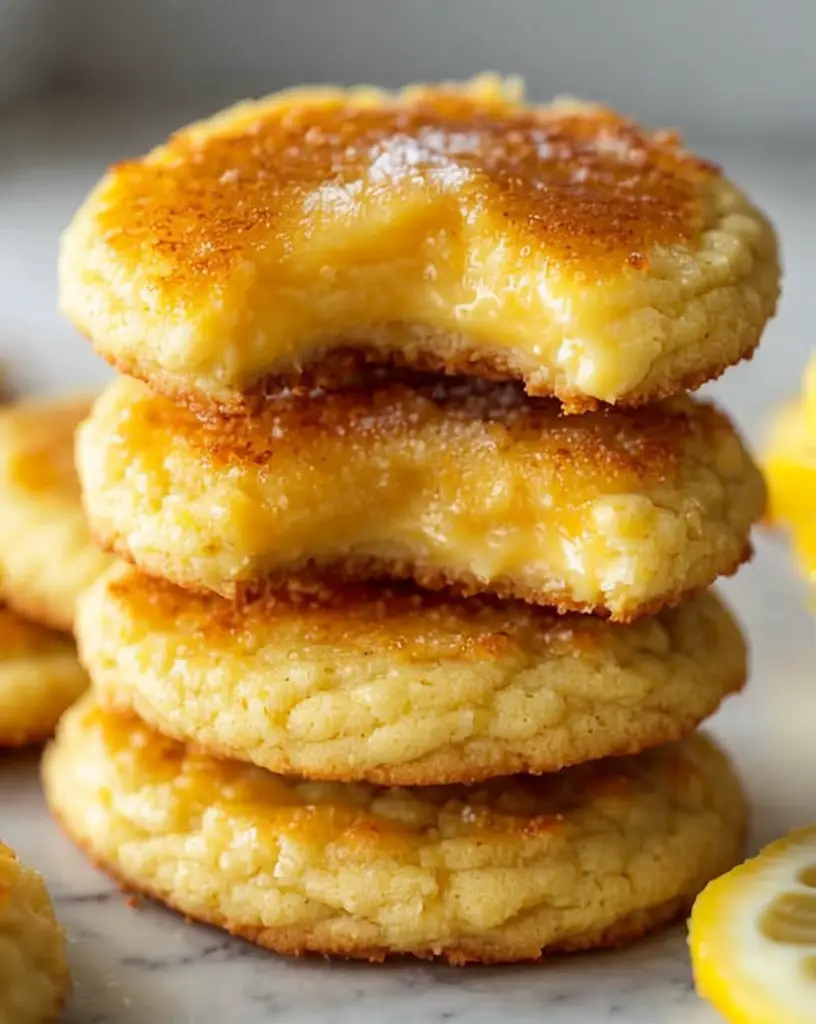
Delight in Decadent Luscious Lemon Curd Crème Brûlée Cookies

Luscious Lemon Curd Crème Brûlée Cookies: A Sweet Delight

⚖️
Difficulty
Intermediate

⏲️
Prep Time
20 mins

🕒
Cook Time
35 mins

⏱️
Total Time
55 mins

🍽️
Servings
16

Embark on an irresistible culinary adventure with our Luscious Lemon Curd Crème Brûlée Cookies. Each bite encapsulates the tangy zest of lemon curd, the creamy decadence of crème brûlée, and the delightful crunch of caramelized sugar. These cookies are not just a treat for your taste buds, but a feast for the senses, bringing a touch of elegance and sophistication to any occasion.

As you prepare these cookies, the fresh, citrusy aroma of lemons will fill your kitchen, invigorating your senses and setting the stage for what’s to come. The fusion of silky crème brûlée and buttery cookies, topped with a caramelized sugar glaze, creates a texture that is both crispy and melt-in-your-mouth smooth. It’s a perfect choice for dessert lovers looking to indulge in a unique twist on classic flavors.

Quick Recipe Highlights

  • Flavor Profile: The cookies blend the sharpness of lemon with the velvety richness of classic crème brûlée.
  • Texture: Delight in a texture contrast; soft lemon curd filling and a crispy caramelized glaze add layers of sophistication.
  • Aroma: Zesty and citrusy lemon notes coupled with the deep caramel undertones of brûlée.
  • Visual Appeal: The golden-brown sugar topping against the pale lemon base is as visually striking as it is delicious.
  • Skill Level Needed: A moderate level of culinary skill is required to master the caramelization technique and achieve the perfect consistency.
  • Special Equipment: A kitchen torch is recommended for that signature crème brûlée caramelized sugar topping.

Recipe Overview

  • Difficulty Level: This recipe requires intermediate skills, as it involves careful caramelization and a balance of contrasting textures.
  • Category: Desserts; these cookies make a standout addition to any sweet table.
  • Cuisine: Influenced by French patisserie traditions, with a modern twist incorporating American cookie culture.
  • Cost: At moderate expense, these cookies use common ingredients, though a kitchen torch might be a worthwhile investment for enthusiasts.
  • Season: Ideal for spring and summer, when lemons are at their freshest and best.
  • Occasion: Perfect for elegant gatherings, tea parties, or as a sophisticated after-dinner treat.

Why You’ll Love This Recipe


These Lemon Curd Crème Brûlée Cookies offer a sublime taste experience with their smooth, rich center and crispy top layer that shatters with each bite. The convenience factor is undeniable; from straightforward prep to mouth-watering results in under an hour. Nutritionally, they provide the benefits of fresh lemons, rich in Vitamin C, to support your immune system. Socially, these cookies are a conversation starter, bringing a touch of class to any event, while their cost-effectiveness makes them a luxurious treat without the exorbitant price.

Historical Background and Cultural Significance


Crème brûlée, a dessert dating back to the 17th century in France, has always been synonymous with indulgence and elegance. Lemon curd, popularized in Britain, adds a zesty twist to this classic. The melding of these culinary traditions results in a cookie that honors its rich heritage while offering a contemporary interpretation. Regional variations abound, with some adding lavender or rosemary for an herbal infusion.

Ingredient Deep Dive


Lemon Curd: Steeped in British culinary tradition, lemon curd provides a tart but sweet element that is both refreshing and versatile. Its high Vitamin C content is a healthful bonus. Look for bright, firm lemons with a noticeable aroma, and store them in the refrigerator to extend their freshness. If out of lemons, lime could provide an alternative with a sharper tang.

Crème Part: Traditionally found in French desserts, the creamy element here owes its texture to custard, offering richness across a variety of desserts. Heavy cream contributes to the velvety smoothness, and well-stored in the fridge, it maintains its quality for up to a week.

Common Mistakes to Avoid

  • Overbaking: Keep a close eye on baking times to avoid drying out the cookies.
  • Uneven Caramelization: Ensure the sugar is evenly distributed before torching for consistent results.
  • Curdling the Curd: Cook the lemon curd on medium heat, stirring constantly to avoid curdling.
  • Improper Storage: Store cookies in an airtight container to maintain texture.
  • Subpar Lemons: Use fresh lemons for the best flavor as well as aroma.
  • Inadequate Pre-Preparation: Measure all ingredients before starting to ensure a smooth process.
  • Inadequate Torch Control: Practice control while using your torch to avoid burning the sugar.
  • Skipping Cooling: Allow sufficient time for cookies to cool before serving for optimal texture and to enhance flavors.

Essential Techniques


Caramelization: Crucial for achieving the signature brûlée finish, proper caramelization requires mastering torch use. Aim the flame evenly over the sugar surface. A deep amber hue is your cue — too light indicates unfinished brûlée, too dark means burnt.

Pro Tips for Perfect Luscious Lemon Curd Crème Brûlée Cookies


For optimal results, ensure the lemon curd is chilled before making the cookies for firmer consistency. Use a silpat or parchment-lined baking tray to prevent sticking and simplify cleanup. Lastly, if your caramel isn’t setting, chill the cookies briefly to harden it.

Variations and Adaptations


Explore flavors by incorporating herbs like thyme or adding citrus zest for an extra punch. For a seasonal twist, substitute lemon with orange during the winter months. Dietary adaptations like gluten-free flour blends are feasible, but require experimenting to achieve perfect results.

Serving and Presentation Guide


Serve these cookies on a cake stand to elevate their visual appeal. A quick dusting of powdered sugar can add elegance, while thin lemon slices provide a fresh garnish. For a modern twist, consider serving with small espresso shots, balancing sweetness with bitterness.

Wine and Beverage Pairing


Pair these cookies with a crisp Chardonnay that complements their citrus notes, or opt for a classic Earl Grey tea for a non-alcoholic option. When serving, ensure beverages are chilled to contrast the warm, creamy cookies.

Storage and Shelf Life


Store these cookies in a cool, airtight container to prolong their crispness and preserve freshness for up to five days. Freezing isn’t recommended as it may affect the caramelized topping. If needed, reheat gently to refresh.

Make Ahead Strategies


Prepare the lemon curd in advance, storing it in the refrigerator until ready to use. Assemble cookies on baking day to ensure freshness. This approach simplifies the process into manageable steps, perfect for those juggling multiple culinary tasks.

Scaling Instructions


To double the recipe, maintain ingredient ratios and consider baking in batches to avoid overcrowding. When halving the recipe, be precise with your measurements. Adjust baking times slightly based on cookie size and oven variability.

Nutritional Deep Dive


The cookies provide a balanced treat, offering fats necessary for vitamin absorption, alongside lemons packed with antioxidants. Adjustments such as reducing sugar can be made for those watching intake, without significant impact on overall flavor.

Dietary Adaptations


Gluten-free: Substitute standard flour with a blend tailored for baking. For a dairy-free version, use coconut cream as an alternative. Modify sweetness to suit keto lifestyles by incorporating sugar substitutes sparingly.

Troubleshooting Guide


If cookies come out dry, check baking time precision. Imbalanced flavors can usually be corrected by adjusting lemon curd acidity with sugar. Equipment sticking can be mitigated with proper non-stick methods, such as parchment or silicone liners.

Recipe Success Stories


Reader feedback has highlighted the cookies’ success at social gatherings, impressing with both flavor and originality. Variations such as adding berry compotes have provided refreshing summer treats, while community photography tips have enhanced presentation.

Frequently Asked Questions

Can I make the lemon curd in advance?
Absolutely. Preparing lemon curd up to two days ahead and storing in the refrigerator is recommended for efficiency and flavor development.

What can I use if I don’t have a kitchen torch?
Try using an oven broiler to achieve a similar caramelized effect, but watch closely to prevent burning.

Is there a vegan alternative for crème brûlée cookies?
Yes, replace custard elements with coconut cream and vegan sugar for caramelization.

How should I store leftover cookies?
For best results, store in an airtight container to maintain texture and prevent the caramel from melting.

What alcohol pairs well with these cookies?
A sweet dessert wine like Moscato complements the lemon and sugar profile beautifully.

My caramel isn’t setting; what should I do?
After caramelizing, allow cookies to cool slightly, and refrigerate if necessary to help set the caramel.

Can these cookies be frozen?
Freezing is not recommended as it may alter the texture, particularly the caramel layer.

What is the best way to ensure even caramelization?
Use an even, steady hand with your torch, or rotate under a broiler for uniform color.

Can I use bottled lemon juice instead of fresh?
Fresh lemon juice is recommended for optimal flavor and authenticity in the curd.

Are there suitable alternatives for a kitchen torch?
A culinary torch is ideal, but in a pinch, a carefully guarded lighter could caramelize small batches, though with less precision.

Additional Resources


For those interested in mastering the art of pastry, explore related recipes like Lemon Tarts and classic Crème Brûlée, insightfully written technique guides for caramelization, and well-rounded ingredient information detailing the best uses of lemons in desserts.

Join the Conversation


Follow along with the community of bakers on social media by sharing your results and creative takes on this recipe. Provide feedback, or adapt the recipe in inventive ways! Showcase your presentation or address questions to enhance this collective culinary journey.

The Recipe

Luscious Lemon Curd Crème Brûlée Cookies

Serves: 16

Prep Time: 20 mins

Cook Time: 35 mins

Total Time: 55 mins

Kitchen Equipment Needed

  • Kitchen torch
  • Mixing bowls
  • Baking tray
  • Whisk
  • Oven

Ingredients

  • 1 cup lemon curd
  • 2 cups flour
  • 1 cup granulated sugar
  • 1/2 cup unsalted butter, softened
  • 1/4 cup heavy cream
  • 1 tsp vanilla extract
  • 1 tsp baking powder
  • 1/4 tsp salt
  • 4 egg yolks
  • 1/2 cup sugar for topping

Directions

  1. Preheat oven to 350°F (180°C) and line a baking sheet with parchment paper.
  2. In a large bowl, cream together butter and sugar until light and fluffy.
  3. Add egg yolks one at a time, beating well after each addition. Stir in vanilla extract.
  4. Sift in flour, baking powder, and salt. Mix until a dough forms.
  5. Roll dough into balls and place on the prepared baking sheet. Flatten slightly with the palm of your hand.
  6. Using your thumb, create an indentation in the center of each cookie and fill with lemon curd.
  7. Bake for 12-15 minutes or until the edges are lightly golden. Let cool completely.
  8. Sprinkle a teaspoon of sugar over each cookie, then caramelize with a kitchen torch until sugar bubbles and turns golden brown.

Recipe Notes

  • Ensure lemon curd is chilled for easier handling.
  • Cookies are best served fresh but can be stored in an airtight container for up to 2 days.
  • Experiment with different citrus fruits for varied flavors.

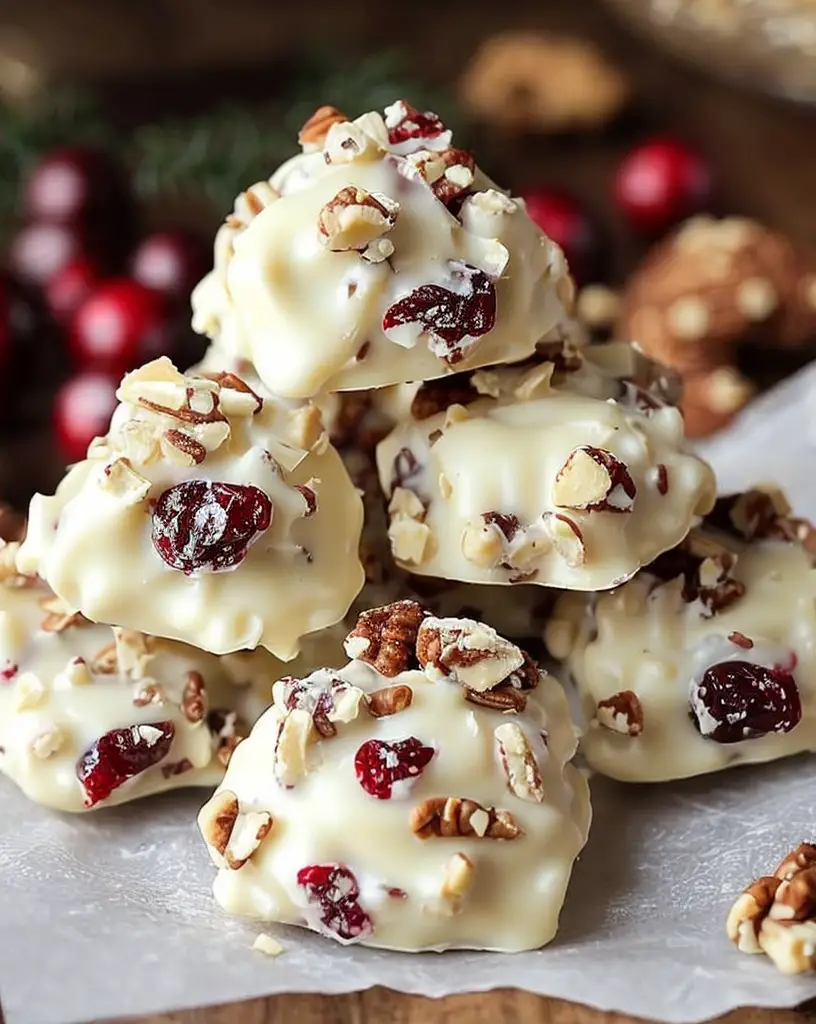
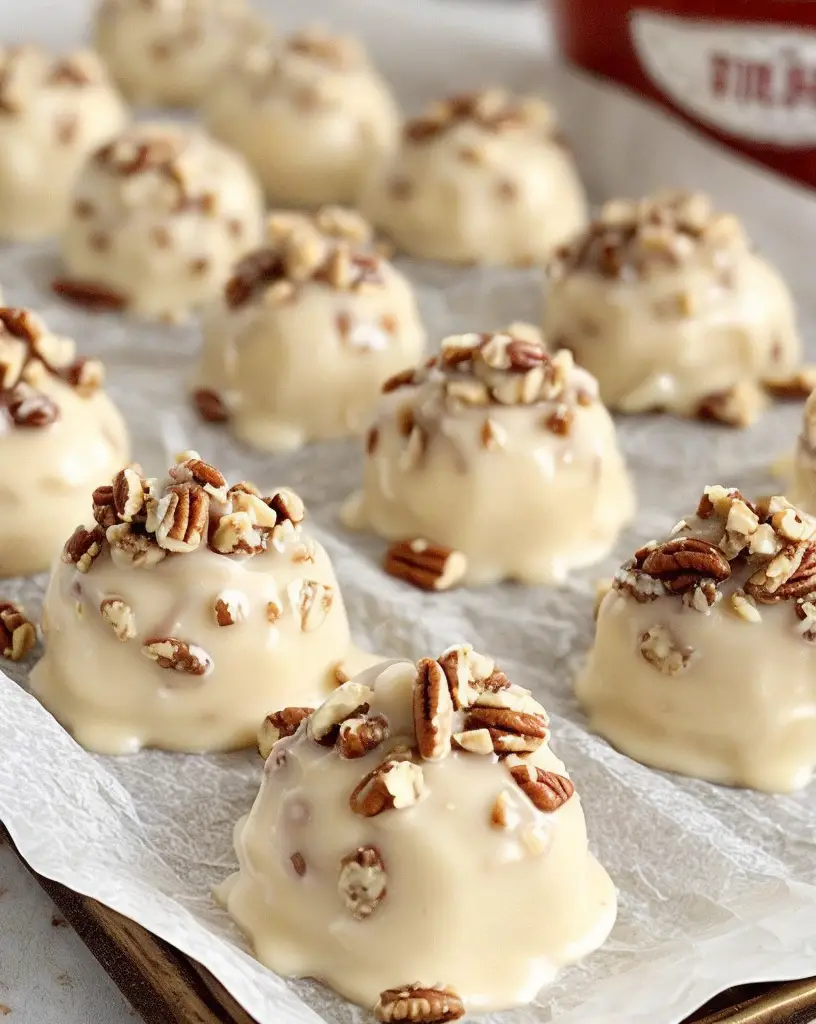
Irresistible White Chocolate Cranberry Pecan Clusters Perfect for Indulgence

White Chocolate Cranberry Pecan Clusters: A Sweet and Nutty Delight

⚖️
Difficulty
Easy

⏲️
Prep Time
10 mins

🕒
Cook Time
5 mins

⏱️
Total Time
15 mins

🍽️
Servings
12 clusters

Imagine diving into a luscious blend of creamy white chocolate, tart cranberries, and crunchy pecans with every bite. Our White Chocolate Cranberry Pecan Clusters deliver a harmonious combination of flavors and textures that make them the perfect sweet indulgence. Whether you’re looking for a quick holiday treat or a simple way to satisfy your sweet tooth, these clusters are a must-try. Their delightful aroma and beautiful presentation make them an irresistible option for anyone seeking a flavorful and easy-to-make dessert.

Quick Recipe Highlights

  • Flavor Profile: A delightful balance of sweet white chocolate, tart cranberries, and rich, nutty pecans.
  • Texture: A satisfying crunch from the pecans combined with the creamy melt of white chocolate.
  • Aroma: The sweet fragrance of white chocolate paired with the subtle nuttiness of toasted pecans.
  • Visual Appeal: Charming clusters with a contrast of white chocolate and vibrant red cranberries, accented by golden pecans.
  • Skill Level Needed: Requires basic melting and mixing skills, perfect for beginners.
  • Special Equipment: A double boiler or microwave-safe bowl and a baking sheet for easy preparation.

Recipe Overview

  • Difficulty Level: This recipe is categorized as easy due to the simple techniques involved, ideal for novice bakers.
  • Category: Sweet treat, ideal for snacking or as a dessert course.
  • Cuisine: An American-inspired treat with a universal appeal, perfect for any cultural setting.
  • Cost: Affordable, with the main ingredients being accessible and economical.
  • Season: Best enjoyed during the fall and winter months when cranberries are at their peak, but delightful year-round.
  • Occasion: Perfect for holiday gatherings, parties, or as an indulgent afternoon snack.

Why You’ll Love This Recipe


Indulge in the delectable taste and texture of these White Chocolate Cranberry Pecan Clusters. The blend of creamy white chocolate with the sweet-tartness of dried cranberries and the rich crunch of pecans creates a mouthwatering symphony of flavors. The recipe’s simplicity makes preparation a breeze, allowing you to enjoy delicious clusters in just a matter of minutes. Packed with wholesome nuts and antioxidant-rich cranberries, these treats offer nutritional benefits alongside their indulgent taste. Easily impress guests with this sweet snack, perfect for entertaining at parties or bringing a touch of homemade charm to holiday festivities. The cost-effective ingredients make it accessible for all, ensuring that you can whip up a batch whenever the craving strikes.

Historical Background and Cultural Significance


White chocolate and nut-based treats have been cherished for centuries, with early versions emerging from confectionery traditions. These clusters marry the creamy sweetness of white chocolate, introduced in the 1930s, with cranberries and pecans, two ingredients native to North America that hold historical significance in traditional recipes. Over time, variations emerged across different regions, incorporating local nuts and dried fruits. Cranberries, often associated with festive American celebrations, add a cultural touch to these sweet treats. Today, the classic combination of white chocolate and cranberries remains a beloved choice for creating charming, shareable dessert clusters.

Ingredient Deep Dive


White Chocolate: A sweet confection developed in the 1930s, cherished for its creamy texture and mild flavor. Opt for high-quality white chocolate to ensure a smooth melt and rich taste. Store in a cool, dry place to prevent blooming.

Cranberries: A classic American fruit with holiday ties, known for their vibrant color and tangy taste. Packed with antioxidants, they offer health benefits while adding zest. Choose plump, premium dried cranberries for best results.

Pecans: A staple in Southern cuisine, providing a buttery crunch and healthy fats. Fresh pecans enhance the flavor and texture of the clusters. Store in an airtight container in the refrigerator to preserve freshness.

Common Mistakes to Avoid

  • Overheating white chocolate can cause it to seize. Melt gently over low heat or in short microwave bursts.
  • Using low-quality chocolate will impact flavor and texture. Choose a reputable brand.
  • Not mixing ingredients thoroughly can lead to uneven distribution. Stir until well combined.
  • Skipping parchment paper will cause clusters to stick. Always line your baking sheet.
  • Not toasting pecans can lead to a lackluster flavor. Give them a light toast for added depth.
  • Using unsweetened cranberries can result in overly tart clusters. Sweetened cranberries are ideal.
  • Chilling clusters for too long can make them difficult to remove. Check texture periodically.
  • Ignoring humidity will lead to chocolate bloom. Keep dry during preparation and storage.

Essential Techniques


Melting Chocolate: Ensure a smooth consistency by melting chocolate over a double boiler or in a microwave, stirring consistently to prevent burning or seizing.

Mixing Ingredients: Thoroughly mix cranberries and pecans into melted chocolate for an even and balanced distribution.

Cluster Formation: Use a spoon to scoop uniform-sized clusters onto parchment-lined baking sheets, ensuring they don’t merge during setting.

Pro Tips for Perfect White Chocolate Cranberry Pecan Clusters


To ensure your chocolate melts smoothly, use finely chopped pieces allowing for even heating. Enhance pecan flavor by toasting them lightly before folding them into the chocolate mix. Chill your mixing bowl and utensils beforehand to slow the chocolate’s solidification process. Add a pinch of sea salt to the clusters before setting for a delightful sweet-salty contrast. For a flavor twist, consider adding orange zest to the mix. Utilize an ice cream scoop for even cluster sizes, ensuring uniformity.

Variations and Adaptations


To cater to different dietary needs, substitute white chocolate with vegan alternatives for a dairy-free option. Incorporate regional nuts, like almonds, for a Mediterranean variation. Add a hint of spice with ground cinnamon or nutmeg for a festive twist. Introduce seeds like chia for added nutrition and a unique texture. Modify the level of sweetness with the addition of honey or maple syrup.

Serving and Presentation Guide


For an elegant presentation, arrange clusters in neat rows on a decorative platter. Garnish with shaved white chocolate for added finesse. Consider pairing with a creamy dessert wine or sparkling non-alcoholic drink for a sophisticated touch. Serve at room temperature for optimal texture and flavor release.

Wine and Beverage Pairing


Complement these clusters with a light, creamy dessert wine like a Moscato to enhance the sweetness. For non-alcoholic options, a sparkling apple cider or rich hot chocolate pairs beautifully. Adjust the drink temperature to match the room’s atmosphere, enhancing the overall dining experience.

Storage and Shelf Life


Store clusters in an airtight container at room temperature for up to two weeks. Avoid exposure to heat to prevent melting. If refrigerating, use wax paper between layers to maintain quality. Be on the lookout for chocolate bloom, which indicates moisture exposure.

Make Ahead Strategies


Prepare clusters in advance by completing the mixing and forming steps, storing them on a lined tray until needed. Right before serving, briefly chill in the refrigerator for a quick set. Refresh just-made look by drizzling extra melted white chocolate on top.

Scaling Instructions


For small gatherings, halve the recipe while maintaining the full flavor profile. Multiply ingredient quantities for larger events, using multiple trays. Adjust preparation time accordingly to accommodate increased quantities.

Nutritional Deep Dive


Each cluster provides a balanced intake of fats from nuts and antioxidants from cranberries. White chocolate’s sweet creaminess is balanced by pecans’ healthy fats, delivering an enjoyable yet nourishing treat. These clusters offer energy-boosting properties without overloading on refined sugars.

Dietary Adaptations


For gluten-free needs, ensure chocolate used is certified gluten-free. Adapt to a vegan lifestyle by opting for plant-based chocolate brands. For low-carb diets, consider reducing cranberries for less natural sugar.

Troubleshooting Guide


If clusters are overly runny, consider chilling the mix slightly before forming. Imbalanced flavors can be adjusted by varying cranberry and pecan ratios. Should chocolate seize, reheat slowly with a small amount of coconut oil to recover consistency.

Recipe Success Stories


Readers rave about their success with this straightforward recipe, experiencing varying outcomes by diversifying nut choices. Many share creative uses, from holiday gifts to birthday party treats. Engage with others through shared photos or personal twists on our community platform.

Frequently Asked Questions

Can I use milk or dark chocolate instead? Yes, feel free to substitute with your favorite chocolate variety for a different flavor profile.

How long should I chill the clusters? About 30 minutes in the refrigerator is ideal for setting.

What can I substitute for pecans? Walnuts or almonds are excellent alternatives, offering similar textures.

Is it possible to add more flavor? Add vanilla extract for a subtle enhancement.

Can these be frozen? Yes, store in an airtight container in the freezer for up to three months.

Are there any nut-free alternatives? Use sunflower seeds for a nut-free version.

Additional Resources


Explore related recipes featuring chocolate and nut combinations for more inspiration. Dive into technique guides focused on chocolate melting and mixing for perfect results. Discover equipment recommendations to streamline your recipe preparation.

Join the Conversation


Share your cluster creations on social media using #WhiteChocolateClusters, and be sure to tag us for a feature. Exchange tips and variations with our growing community, or leave a detailed review of your experience. Your feedback enriches our recipe library and inspires fellow enthusiasts.

The Recipe

White Chocolate Cranberry Pecan Clusters

Serves: 12 clusters

Prep Time: 10 mins

Cook Time: 5 mins

Total Time: 15 mins

Kitchen Equipment Needed

  • Microwave-safe bowl or double boiler
  • Baking sheet
  • Parchment paper
  • Mixing spoon

Ingredients

  • 1 cup white chocolate chips
  • 1/2 cup dried cranberries
  • 1/2 cup pecan halves, toasted

Directions

  1. Line a baking sheet with parchment paper.
  2. Melt the white chocolate chips using a microwave or double boiler, stirring until smooth.
  3. Fold in the cranberries and toasted pecans until evenly coated.
  4. Drop spoonfuls of the mixture onto the prepared baking sheet, forming clusters.
  5. Allow clusters to sit at room temperature or refrigerate until set.
  6. Once set, store in an airtight container.

Recipe Notes

  • Toasting pecans enhances flavor but is optional.
  • Experiment with other dried fruits and nuts for variety.
  • Add a sprinkle of sea salt for a savory twist.

Irresistible Homemade Vanilla Pecan Pralines: A Sweet Southern Delight

Vanilla Pecan Pralines: A Southern Delight Worth Savoring

⚖️
Difficulty
Easy

⏲️
Prep Time
10 mins

🕒
Cook Time
15 mins

⏱️
Total Time
25 mins

🍽️
Servings
12

Warm your kitchen with the irresistible aroma of Vanilla Pecan Pralines. These delightful southern candies melt in your mouth, offering a heavenly blend of buttery pecans and sweet vanilla. Making them is just as enjoyable as sharing them with loved ones, making them perfect for holiday treats or as a thoughtful gift from your kitchen. The classic combination of pecans and vanilla creates a flavor profile that is both timeless and indulgent.

Vanilla Pecan Pralines are a celebration of rich flavors and textures. The vanilla brings a warm sweetness that complements the buttery, nutty essence of pecans perfectly. Every bite feels like a celebration, with the sugar dissolving into a creamy caramel that exits with a nutty crunch. These pralines exude comfort and charm, suitable for a dessert table or a cozy night in.

Quick Recipe Highlights

  • Flavor Profile: The pralines are elegantly sweet with a deep caramel flavor accentuated by the nuttiness of pecans and a hint of vanilla.
  • Texture: A delightful crumbly texture with a creamy melt-in-your-mouth finish, punctuated by crunchy pecans.
  • Aroma: Wafts of vanilla and buttery notes fill your kitchen during the cooking process.
  • Visual Appeal: Glossy with a rustic charm, each praline is a perfect golden brown studded with pecan pieces.
  • Skill Level Needed: Perfect for novice candy makers, with minimal steps and straightforward instructions.
  • Special Equipment: A candy thermometer ensures precision in achieving the ideal sugar stage for pralines.

Recipe Overview

  • Difficulty Level: Considered easy, this recipe requires basic candy-making techniques with minimal steps that even beginners can master.
  • Category: Traditionally a dessert or sweet treat, pralines can also serve as delightful homemade gifts.
  • Cuisine: A staple of Southern cuisine, rooted in French culinary technique adapted by the American South.
  • Cost: Relatively inexpensive, primarily involving sugar, butter, and pecans — pantry staples for many.
  • Season: Best enjoyed during cooler months or holiday seasons when sweet confections are particularly welcome.
  • Occasion: Ideal for festive gatherings, afternoon tea, or as a treat for special occasions.

Why You’ll Love This Recipe


The distinctive taste and texture of Vanilla Pecan Pralines are sure to make them a favorite. The luscious combination of sweet vanilla and crunchy pecans caters to those with a sweet tooth, and the smooth caramel enhances the overall experience. The convenience of this recipe is unmatched, with a baking process that is quick and requires no advanced skills, making it perfect even for last-minute prep. The pralines are not only pleasurable but offer a small dose of calcium courtesy of the dairy elements involved, making for a surprisingly nutritious treat.

Socially, Vanilla Pecan Pralines are a hit, perfect for sharing at gatherings or as a delightful addition to dessert tables. They carry the sophistication of a handmade confection, which is sure to impress. Economically, these pralines are quite accessible given their simple ingredient list, offering a gourmet experience without a hefty price tag. You can easily adapt the recipe to suit dietary needs or flavor preferences, adding to their versatility.

Historical Background and Cultural Significance


Vanilla Pecan Pralines have their roots in French praline recipes, which traditionally consisted of almonds and sugar. Brought to the United States by French settlers, especially in Louisiana, the recipe evolved in the Southern states. Pecans, native to the American South, were an easy and available substitution for almonds, leading to the pralines we know today.

Pralines hold a cherished place in Southern culture, often associated with hospitality and tradition. They are frequently made for holiday celebrations, weddings, or as gifts — an expression of Southern warmth and generosity. The recipe has evolved over time from its original almond composition, incorporating local ingredients and methods that define Southern culinary traditions.

Regional adaptations of pralines now include variations in flavor and texture, with some recipes calling for chocolate, coconut, or spices to add unique spins to this classic treat. As pralines remain a cherished dessert in Creole and Cajun kitchens and beyond, their story is a testament to the rich tapestry of cultural exchange and evolution.

Ingredient Deep Dive


Pecans are at the heart of this praline, offering a buttery texture and rich, nutty flavor. Historically, pecans were an indigenous food source for Native Americans and became a Southern staple due to their abundance and versatility in recipes. Nutritionally, pecans are high in healthy fats, protein, and fiber, which can support heart health and digestion. When selecting pecans, look for ones that are fresh with no signs of rancidity. Store them in a cool, dry place or freeze them for longer shelf life. Substituting with almonds or walnuts is possible, though the traditional Southern taste lies in the pecan.

Vanilla adds a distinct aromatic sweetness to pralines, complementing the rich flavors of the sugar and nuts. It offers various health benefits, including antioxidant properties. Natural vanilla extract is the best choice for an authentic flavor. Keep vanilla in a cool, dark place to preserve its potency. If vanilla is unavailable, almond extract can serve as a substitute, though it alters the characteristic flavor profile of the pralines.

Common Mistakes to Avoid

  • Skipping the candy thermometer, leading to overcooked or undercooked pralines.
  • Not stirring constantly during cooking, as it may lead to uneven texture.
  • Ignoring the cooling phase can result in pralines that don’t set properly.
  • Adding the vanilla extract too early can cause the flavor to dissipate during cooking.
  • Overcrowding the spoon with pecans can hinder even distribution in each praline.
  • Using butter that’s too cold, which can lead to a lumpy mixture instead of a smooth one.
  • Cooking the sugar mixture on too high a heat risks burning and alters taste.
  • Not letting the pralines fully cool before handling can cause them to fall apart.

Essential Techniques


Maintaining the right temperature is crucial in candy-making. The sugar mixture must reach the correct soft-ball stage, noted by a candy thermometer at 235°F, to ensure the pralines are firm yet chewy. Without reaching this stage, pralines can remain sticky or too wet. Keep stirring the mixture consistently to prevent crystallization, which helps achieve the smooth, glossy finish characteristic of great pralines.

Pro Tips for Perfect Vanilla Pecan Pralines


Use fresh pecans for the best flavor and texture, as aged nuts can turn bitter and detract from the praline’s taste. Toasting the pecans beforehand can also enhance their nuttiness and intensify their deliciousness. Regulate your stove heat carefully to maintain consistent cooking temperature, and remove it from the stove at the precise moment it reaches the soft-ball stage. Adding the butter last helps incorporate a smooth, rich texture.

Variations and Adaptations


Regional variations of pralines can include adding coconut flakes for added texture and flavor. For seasonal adaptations, incorporate pumpkin spice or nutmeg for a fall-themed praline. Adapt this recipe for dietary needs by using almond milk instead of cream for a lactose-free option. To emphasize diverse flavors, consider adding a splash of bourbon or rum for a mature twist. You can also play with the texture by using a food processor to finely chop pecans before adding them, creating a smoother praline.

Serving and Presentation Guide


Display Vanilla Pecan Pralines on a decorative platter for an eye-catching presentation. Accentuate their glossy appearance with a dusting of powdered sugar or a light drizzle of molten chocolate for added visual flair. They’re traditionally served at room temperature but slightly chilled pralines offer a firmer bite. Make sure to use parchment paper to avoid sticking when serving and portion wisely to leave guests craving more.

Wine and Beverage Pairing


Pair pralines with a sweet dessert wine like a Sauternes or a rich port to enhance the dessert experience. For non-alcoholic alternatives, a robust black coffee or a fragrant chai tea complement the sweetness well. Serve beverages chilled or warmed depending on the season to accentuate the pairing before indulging in these sweet delights.

Storage and Shelf Life


Store Vanilla Pecan Pralines in an airtight container at room temperature for up to one week to maintain freshness. Refrigeration can extend their shelf life but may alter texture slightly. Check for any off-odors or discolorations as signs of spoilage before serving. Though not ideal, freezing pralines for short-term storage in a single layer will preserve more flavor.

Make Ahead Strategies


Vanilla Pecan Pralines can be prepared in advance and stored to fit your schedule. Make the praline mix up to a day before serving and store it covered at room temperature. Once ready, place them on serving plates skillfully to maximize freshness. Reheating is not suggested due to its impact on texture and structure, so allow pralines to reach room temperature organically before serving.

Scaling Instructions


To halve this recipe, reduce each ingredient proportionately and shorten the cooking time slightly. For doubling or tripling, ensure you have a large enough pot to prevent overflow during vigorous boiling. Maintain the same cooking temperature for larger batches through slower stirring. Adjust storage solutions as quantities increase to preserve their quality and flavor over time.

Nutritional Deep Dive


Vanilla Pecan Pralines offer a rich source of energy thanks to high sugar content along with beneficial nuts providing healthy fats. Pecans contribute antioxidant properties supporting heart health, while vanilla possesses subtle mood-enhancing effects. Consider portion control when enjoying pralines as a treat, given their caloric density, yet savor each bite for a naturally gluten-free delight.

Dietary Adaptations


For gluten-free enthusiasts, this recipe naturally fits without requiring modifications. Replace cream with any dairy-free milk like coconut or almond milk to create a delightful dairy-free praline. Achieve a vegan praline by substituting butter with vegan margarine or coconut oil, ensuring it maintains the creamy consistency. Adaptions for keto include using sugar substitutes and almond meal, keeping the indulgent flavor intact.

Troubleshooting Guide


If your pralines are sticky, failing to reach the soft-ball stage may be the cause. Cook longer next time for firmer pralines. For unbalanced flavor, review ingredient freshness, as stale nuts or vanilla might impact the taste significantly. Worst-case scenario, burnt pralines indicate excessive heat was used; maintain medium heat closely. If texture varies too much, reassess cooling time or stirring consistency before attempting anew.

Recipe Success Stories


Readers have shared amusing tales of pralines made with kids, turning simple steps into bonding moments. Suggestions include family-specific add-ins that make each batch a unique homage to tradition. Knowing how different cultures incorporate pralines into their culinary repertoires, this recipe encourages such creative modifications while appreciating the base recipe’s inherent deliciousness. Many users have found photography endless fun by experimenting with lighting to capture gooey textures perfectly.

Frequently Asked Questions

Q: What if I don’t have a candy thermometer?

A: You can perform a cold water test by dropping a small amount of the mixture into cold water to see if it forms a soft ball. However, for best results, investing in a candy thermometer is worthwhile.

Q: Can I use other nuts besides pecans?

A: Yes, feel free to experiment with almonds, walnuts, or other preferred nuts, keeping in mind this may alter the praline’s taste and texture.

Q: My pralines turned out too hard. What went wrong?

A: Overcooking the sugar mixture past the soft-ball stage causes hardness. Monitor the temperature closely and remove from heat precisely at 235°F.

Q: How do I store pralines without them sticking?

A: Use layers of parchment paper between pralines in your storing container to prevent sticking.

Q: Can I add chocolate to the pralines?

A: Chocolate chips or a drizzle of melted chocolate can enhance flavor creatively. Allow pralines to cool before adding or drizzling for best results.

Q: Are pralines suitable for gifting?

A: Absolutely, they make delightful handcrafted gifts. Pack them creatively in decorative bags or boxes to showcase their tantalizing appearance.

Q: Can I refreeze thawed pralines?

A: It’s best to avoid refreezing to maintain texture and taste. Consume them within the recommended timeframe after defrosting.

Q: How do I achieve perfect consistency?

A: Ensuring even heating, consistent stirring, and precise temperature control are key to achieving the desired praline consistency.

Q: What if I prefer a less sweet version?

A: Consider using a sugar substitute and adjusting the amount slightly to fit your preference; ensure it doesn’t affect the caramelizing process.

Q: Can I add spices for flavor?

A: Spices like cinnamon or nutmeg can be added for flavor depth, perfect for seasonal adaptations to the traditional praline recipe.

Additional Resources


Explore related recipes such as Bourbon Pecan Pie for more Southern dessert inspiration. Learn more about essential candy-making techniques to bolster your skills further. Delve into ingredient profiles highlighting the wonders of vanilla’s versatility and pecan’s nutrition-packed value. Equip your kitchen with recommended tools for candy making to ensure success with future confections. Embrace seasonal variations by incorporating ingredient nuances from different times of the year.

Join the Conversation


We invite you to share your Vanilla Pecan Pralines experiences with us on social media. Tag us in your photos to show off your praline creations or join our recipe review community for fruitful discussions about your variations. Share photography tips on capturing praline perfection under different lighting conditions to inspire fellow culinary enthusiasts.

The Recipe

Vanilla Pecan Pralines

Serves: 12

Prep Time: 10 mins

Cook Time: 15 mins

Total Time: 25 mins

Kitchen Equipment Needed

  • Medium saucepan
  • Candy thermometer
  • Wooden spoon
  • Parchment paper
  • Measuring cups and spoons

Ingredients

  • 2 cups sugar
  • 1 cup light cream
  • 1/2 cup butter
  • 1/8 teaspoon baking soda
  • 1 teaspoon vanilla extract
  • 2 cups pecan halves

Directions

  1. Line a baking sheet with parchment paper and set aside.
  2. In a medium saucepan, combine sugar, cream, butter, and baking soda over medium heat.
  3. Stir continuously until the mixture reaches 235°F on a candy thermometer (soft-ball stage).
  4. Remove from heat and mix in the vanilla extract and pecans until well-coated.
  5. Quickly drop spoonfuls of the mixture onto the prepared parchment. Let cool completely.
  6. Once set, serve immediately or store in an airtight container.

Recipe Notes

  • Toasting the pecans lightly before adding them can enhance the pralines’ flavor.
  • Use caution when cooking at high temperatures to avoid boiling over.
  • Try experimenting with different nut types for varied tastes.

Deliciously Irresistible Blueberry Heaven Cookies Recipe for Your Sweet Tooth

Blueberry Heaven Cookies: A Bite of Bliss

⚖️
Difficulty
Easy

⏲️
Prep Time
15 mins

🕒
Cook Time
12 mins

⏱️
Total Time
27 mins

🍽️
Servings
24 cookies

Imagine biting into a cookie that’s as blissful as a summer day. These Blueberry Heaven Cookies bring a burst of fresh blueberry flavor to each bite, offering a delightful mix of sweetness and tang. They’re soft yet slightly chewy, making for an addictive treat that’s hard to resist. With simple ingredients and minimal preparation time, these cookies are perfect for both novice bakers and seasoned pros looking for a new twist on cookie classics.

Quick Recipe Highlights

  • Flavor Profile: With notes of sweet vanilla balanced by the tartness of blueberries, these cookies are a fruit-forward treat with a buttery underpinning.
  • Texture: Expect a soft and tender crumb with bursts of juicy blueberries, offering a delightful mouthfeel with each bite.
  • Aroma: The cookies emit a warm, inviting fragrance of freshly baked bread and berries that will fill your kitchen.
  • Visual Appeal: Each cookie is a picturesque pale golden hue dotted with vibrant blue blueberries.
  • Skill Level Needed: Easy to make with straightforward steps, no advanced baking techniques required.
  • Special Equipment: Just a hand mixer and baking sheet will do.

Recipe Overview

  • Difficulty Level: Chosen as ‘Easy’ because the recipe involves basic mixing and baking techniques common to cookie recipes, perfect for beginners.
  • Category: Ideal for dessert or an afternoon snack, these cookies cut into both sweet cravings and the need for something wholesome.
  • Cuisine: Takes cues from classic American baking traditions with a modern, fruity twist.
  • Cost: Relatively inexpensive, with blueberries accounting for the primary cost element.
  • Season: Best made in blueberry season, yet easily recreatable all year round thanks to frozen berries.
  • Occasion: Perfect for casual gatherings, tea parties, or as a quick go-to snack.

Why You’ll Love This Recipe

These Blueberry Heaven Cookies are a taste revelation, marrying the sweet decadence of a classic cookie with the refreshing bite of blueberries. The balance of soft dough and juicy fruit creates a combo that delights the palate. Convenience is another high point; with minimal prep and cook time, you can whip them up in less than half an hour. They even pack a nutritional punch courtesy of the blueberries, which are rich in antioxidants. Not to mention, they are a hit at social gatherings, offering crowd-pleasing appeal without the hefty price tag.

Historical Background and Cultural Significance

The story of blueberry cookies spans from utilitarian roots where harvests dictated ingredients. Blueberries, often termed a superfruit, have long been staple in indigenous diets in North America. Their incorporation into cookies shows the evolution of dessert in American kitchens, shifting from simple biscuits to more decadent, fruit-infused baked goods. New England, with its plentiful blueberry fields, is known for presenting such rustic, fruit-based desserts, adapting them through time to today’s beloved variations.

Ingredient Deep Dive

Blueberries, the star in this recipe, not only add flavor but also provide crucial nutrients. High in vitamin C and potassium, they offer health benefits that take this dessert up a notch. To select, look for firm, plump berries without any damage. When storing, keep them in a shallow container in the fridge to extend freshness. Should fresh blueberries not be available, frozen alternatives work just as well, simply incorporate them directly into the batter.

Common Mistakes to Avoid

  • Overmixing the dough can lead to tough cookies; mix just until combined.
  • Not measuring the blueberries precisely might alter texture; maintain balance by weighing your fruit.
  • Using overly soft butter may result in greasy cookies that spread too much.
  • Baking at incorrect temperatures can undercook or overbake them—always preheat your oven.
  • Insufficient dough chilling time can lead to flat cookies with runny centers.
  • Skipping parchment paper might lead to sticking; it ensures easy release and even baking.
  • Ignoring storage instructions can lead to stale cookies; always cool and store in airtight containers.
  • Adding too much leavening will end in a bitter aftertaste; stick to prescribed amounts.

Essential Techniques

Creaming butter and sugar forms the backbone of a good cookie texture. This classic technique involves beating softened butter with sugar until fluffy. This allows for air incorporation, ensuring light, tender cookies. Mastery here involves patience—watch for the batter’s color to lighten significantly as a sign. Also key is the folding technique; incorporating blueberries should be done gently to prevent bursting and excess moisture release into the dough.

Pro Tips for Perfect Blueberry Heaven Cookies

Chill the dough for at least an hour to manage spread and enhance flavor—the texture payoff is worth the planning. For additional flavor depth, try toasting your flour lightly before use, infusing it with a nutty undertone. Bring a marbled effect by gently swirling in ¼ cup of melted white chocolate into the dough. Always bake on the middle oven rack to ensure even heat distribution, giving the cookies a perfect texture.

Variations and Adaptations

Elevate your cookies regionally by incorporating dried cranberries for a New England twist. Seasonal adaptations could involve adding a hint of cinnamon in autumn, while summertime might welcome a zest of lemon. Dietary needs can be accommodated by swapping in gluten-free flour mixes; a little xanthan gum can aid in binding. Feel adventurous? Try a savory adaptation with a dash of balsamic glaze after baking.

Serving and Presentation Guide

For a stunning presentation, serve these cookies with a dusting of powdered sugar and a garnish of fresh mint leaves. Plating alongside a scoop of vanilla ice cream adds a delightful contrast. To modernize, layer them in a tall jar with parchment discs as a gifting idea. Measure portions to keep sizes uniform—using an ice cream scoop can assist.

Wine and Beverage Pairing

These cookies pair splendidly with a crisp Prosecco or a sweet Moscato wine, whose bubbles and notes complement the berry undertone. Non-alcoholic options include a chilled blueberry iced tea or a cozy cup of chamomile. For colder days, a steaming mug of rich dark hot chocolate creates a comforting contrast. Serve beverages at an optimal temperature to heighten experience.

Storage and Shelf Life

Store cookies in an airtight container at room temperature for up to a week to maintain freshness. If longer storage is needed, freeze them for up to two months using freezer-safe bags. Signs of spoilage include an off-smell or visible mold growth. To reheat, use a low oven setting to gently warm, reviving some of the cookie’s fresh-baked magic.

Make Ahead Strategies

The cookie dough can be prepared ahead and stored in the refrigerator for three days, giving flexibility to bake in spurts or all at once. During prep, form the dough into balls prior to chilling to streamline baking. Once ready to bake, add a couple of minutes extra to the cook time if chilled. Post-refrigeration, allow the dough to come slightly closer to room temperature for even cooking.

Scaling Instructions

For halving this recipe, maintain the integrity by precise measurement adjustments, especially leavening agents. Doubling means having enough baking sheets on hand to avoid crowding. Timing remains largely unaffected, though increase resting time for large batches as oven temps fluctuate. Keep batch sizes manageable to ensure consistent quality.

Nutritional Deep Dive

Rich in both macro and micronutrients, each cookie offers a balance of fats, carbs, and a sweetness countered by fiber and antioxidates from the blueberries. Suitable for indulging moderately during snack times or desserts, it supports portion control strategies given its gentle sweetness and hearty ingredients. The replacement of white with whole wheat flour adds wholesome elements while modifying texture subtly.

Dietary Adaptations

For a gluten-free option, substitute almond flour, which naturally extends the nutty profile. Choose lactose-free margarine instead of butter to cater to dairy-free needs, with no compromise in taste. Go vegan by replacing the egg with flaxseed meal and water; a ratio of one tablespoon of flax to three of water works wonders. Incorporate coconut sugar instead of regular for a low-GI choice.

Troubleshooting Guide

Measure all ingredients accurately to sidestep texture issues, such as overly dry or dense cookies. If flavors dull, enhance by adding a splash of vanilla essence. Ensure ingredients are at room temperature to prevent undesirable temperature imbalances. Invest in quality parchment paper or silicon mats to neutralize equipment challenges, preventing sticking. Timing concerns, such as underbaked centers, can often be rectified by ensuring an oven thermometer verifies correct preheating.

Recipe Success Stories

These cookies have made waves in our community, inspiring variations like adding nuts for texture contrast. Readers have suggested incorporating mixed berries for a veritable fruit medley. Many praise the welcoming, homey aroma and recommend experimenting with size—create mini versions ideal for kids’ snacks or party platters. Photos shared are stunning; capture the contrast of blueberries against the cookie dough for full Instagram-worthy effect!

Frequently Asked Questions

Can I use frozen blueberries? Yes, they work well, but avoid thawing to keep the dough from becoming too wet.
What can I substitute for butter? Margarine or coconut oil can be perfect alternatives while maintaining taste.
How do I prevent my cookies from spreading too much? Chilling the dough adequately and using parchment paper will help maintain proper shape.
Can I add nuts to this recipe? Adding chopped almonds or walnuts provides a delicious texture contrast.
Why do my cookies look raw inside? Ensure your oven is heating evenly and the temperature setting is accurate.
Is it possible to make these sugar-free? You can use erythritol or monk fruit sweetener as a substitute.
Do I need to adjust for high-altitude baking? Yes, you may need to decrease sugar and slightly increase liquids.
How do I keep my cookies soft? Store in an airtight container with a slice of bread or apple to retain moisture.
What if I don’t have parchment paper? Silicone baking mats are a wonderful reusable choice.
Could I replace the egg? A tablespoon of flaxseed mixed with three tablespoons of water works as a vegan substitute.
Can I add spices? A dash of cinnamon or nutmeg provides a warm aromatic twist.

Additional Resources

Dive deeper into cookie-making techniques with our detailed guide on baking essentials, from ingredient science to equipment handling. Explore other berry-forward recipes that bring similar flavor explosions. For those curious about complementary bakes, discover our collection of biscuit and pound cake ideas. Equipment suggestions and bi-ingredient swaps are detailed for ease of experimentation. Tailor seasonal elements with our handy reference chart for produce that’s at its peak.

Join the Conversation

Share your baking journey on social media and tag #BlueberryHeavenCookies for a chance to be featured! Engage with fellow bakers and exchange tips and tricks in our online community. Post your recipe reviews, and let us know any creative twists you’ve tried. Our discussions are buzzing with suggestions, ensuring your baking experience keeps evolving. From urban kitchens to rustic country homes, celebrate the joy of baking with us!

The Recipe

Blueberry Heaven Cookies

Serves: 24 cookies

Prep Time: 15 mins

Cook Time: 12 mins

Total Time: 27 mins

Kitchen Equipment Needed

  • Hand mixer
  • Baking sheet
  • Parchment paper

Ingredients

  • 1/2 cup unsalted butter, softened
  • 1 cup granulated sugar
  • 1 large egg
  • 1 teaspoon vanilla extract
  • 1 1/2 cups all-purpose flour
  • 1/2 teaspoon baking soda
  • 1/4 teaspoon salt
  • 1 cup fresh or frozen blueberries

Directions

  1. Preheat your oven to 350°F (175°C) and line a baking sheet with parchment paper.
  2. Cream together the butter and sugar until light and fluffy.
  3. Mix in the egg and vanilla, beating well.
  4. In a separate bowl, combine flour, baking soda, and salt.
  5. Gradually add dry ingredients to butter mixture, mixing just until combined.
  6. Gently fold in blueberries, taking care not to overmix.
  7. Scoop tablespoons of dough onto the prepared baking sheet.
  8. Bake for 12 minutes or until edges are lightly brown.
  9. Cool on a baking sheet for 5 minutes before transferring to wire racks.

Recipe Notes

  • For a zesty twist, add the zest of one lemon to the dough.
  • Ensure butter is at room temperature for best mixing.
  • Store extras in an airtight container to maintain freshness.

Irresistibly Soft and Chewy Raspberry Sugar Cookies Recipe

Soft and Chewy Raspberry Sugar Cookies: A Delightful Treat for Every Occasion

⚖️
Difficulty
Easy

⏲️
Prep Time
15 mins

🕒
Cook Time
10 mins

⏱️
Total Time
25 mins

🍽️
Servings
24

There’s nothing quite like the sweet, tangy burst of raspberry to tantalize your taste buds. Our Soft and Chewy Raspberry Sugar Cookies offer an irresistible combination of sugary sweetness and fruity tartness, making them a perfect treat for any occasion. Whether you’re serving them at a gathering or enjoying solo with a cup of tea, these cookies will surely delight.

These raspberry-infused cookies are a sensory experience from start to finish. Upon baking, the kitchen fills with a warm, inviting aroma that promises something delicious is on the way. The soft, chewy texture complements the sharp raspberry notes, creating a balanced flavor profile that both adults and children will love.

Quick Recipe Highlights

  • Flavor Profile: The sweet vanilla base complements the tart raspberry, creating a harmonious burst of flavors with each bite.
  • Texture: These cookies offer a delightful chewiness with a slightly crisp edge, making every mouthful a pleasure.
  • Aroma: Expect a warm, sugary fragrance mingled with fruity undertones that will have everyone salivating.
  • Visual Appeal: Soft pink hues dotted with ruby-red raspberry chunks make these cookies as beautiful as they are delicious.
  • Skill Level Needed: Perfect for novice bakers, these cookies require simple mixing and formulating techniques.
  • Special Equipment: All you need is a standard oven and a baking sheet—no fancy gadgets required.

Recipe Overview

  • Difficulty Level: Rated as easy, this recipe requires basic baking skills, making it perfect for those just starting their baking journey.
  • Category: This versatile cookie fits well in both dessert and snack categories, suitable for any time of day.
  • Cuisine: Drawing influences from American cookie traditions, these treats have a modern twist with the addition of real raspberries.
  • Cost: With affordable pantry staples and seasonal raspberries, this recipe is cost-effective and doesn’t require expensive ingredients.
  • Season: Best enjoyed in summer when raspberries are at their peak, but frozen raspberries work perfectly for an off-season treat.
  • Occasion: Great for holiday platters, picnics, or a casual family dessert, these cookies bring joy to any occasion.

Why You’ll Love This Recipe


These Soft and Chewy Raspberry Sugar Cookies are loved for their exquisite taste and unique texture. The blend of sugary and tart flavors offers a refreshing twist on traditional sugar cookies, appealing to both kids and adults alike. Their chewy consistency with a slight crispiness at the edges creates a delightful mouthfeel that’s hard to resist.

The convenience of this recipe is unmatched. With a short prep and cook time, you can whip up these cookies quickly, making them an ideal last-minute dessert option or a delightful gift for unexpected guests. The easy-to-follow instructions mean no fuss and guaranteed delicious results every time.

Not only tasty, but these cookies also come with nutritional perks. Raspberries are known for their high antioxidant content and fiber, adding a healthful element to this indulgent treat. Enjoy a sweet treat with the reassurance of receiving some nutritional benefits.

In social gatherings or family get-togethers, these raspberry cookies are a crowd-pleaser. Their vibrant color and inviting aroma enhance the dessert table, sparking conversations and compliments. Whether shared at a picnic or served at a formal event, these cookies are always a hit.

For those conscious of budget, this recipe stands out as both cost-effective and accessible. With ingredients that are often on hand in most kitchens and a simple list of additional items, you won’t break the bank to enjoy these delights. Plus, using seasonal or frozen raspberries helps keep costs low while maximally enjoying their flavor.

Historical Background and Cultural Significance


Cookies, derived from the Dutch word “koekje,” have been a part of culinary tradition for centuries, evolving from small cakes to the varied types we have today. As sugar became more accessible in the 16th and 17th centuries, sugar cookies began to gain popularity, adapting into different versions across cultures.

Raspberry-flavored treats hold a special place in culinary history, often associated with summer and harvest. Their incorporation into the cookies evolved as bakers sought to balance tartness with sweetness, capturing the essence of summer’s bounty in a simple dessert.

Over the years, raspberry cookies have seen numerous adaptations. Across different regions, bakers have added unique twists—some incorporating nuts for added texture, while others experiment with glazes for extra sweetness. Despite these variations, the core flavors remain beloved.

Today, raspberry sugar cookies resonate with many as a nostalgic treat reminiscent of childhood and family gatherings. From family dinners to farmer’s markets, the simple pleasure of these cookies transcends regional boundaries, bringing smiles to faces young and old.

Ingredient Deep Dive


Flour is the backbone of these cookies, providing the structure and body. It’s crucial to use all-purpose flour, which balances protein content perfectly for soft, chewy cookies. When storing flour, keep it in an airtight container to avoid spoilage and ensure freshness.

Sugar, primarily white granulated, adds sweetness and helps with browning. Its role in these cookies is pivotal for achieving the sugar cookie’s classic taste and texture. Ensure your sugar is free-flowing and lump-free by storing it in a dry place.

Raspberries are enriched with vitamin C, fiber, and antioxidants, making them a nutritious and flavorful addition. Choose ripe, firm berries for the best taste. Frozen berries are a great alternative when fresh ones are unavailable, maintaining the cookie’s delightful raspberry burst.

Butter provides richness and aids in developing a tender crumb in these cookies. For vegan adaptations, plant-based butter substitutes are available that can mimic the effects of real butter, ensuring a buttery flavor and texture.

Vanilla extract enhances the overall flavor with its aromatic sweetness, rounding off the taste profile of the cookies. When selecting vanilla extract, pure is preferred over imitation for a more authentic flavor. Store it in a cool, dark place to maintain potency.

Common Mistakes to Avoid

  • Avoid overmixing the dough. Overworking can result in tough cookies, as gluten develops more than needed when mixed excessively.
  • Don’t substitute ingredients thoughtlessly. Each ingredient plays a specific role, and random replacements may alter the taste and texture.
  • Measure ingredients precisely. Baking is a science, and too much flour or sugar can lead to dense, overly sweet cookies.
  • Ensure butter is the correct temperature—too cold, it won’t incorporate well; too warm, it leads to overly thin cookies.
  • Be cautious with baking time. Underbaking can result in overly chewy centers, while overbaking leads to dry cookies.
  • Don’t overcrowd the baking sheet. Cookies need space to spread to ensure even cooking.
  • Avoid baking on non-preheated sheet pans. This can prevent proper spreading and can affect texture.
  • Store cookies properly post-baking to maintain their freshness. Leaving them exposed can lead to staleness.

Essential Techniques


Creaming butter and sugar effectively is crucial. It incorporates air into the mixture, contributing to a lighter texture in cookies. Use room temperature butter, and mix until the texture becomes fluffy and pale, approximately 2-3 minutes.

Accurate dough portioning ensures uniform cooking. Use a cookie scoop or a similar size utensil to get even-sized cookies, ensuring they all bake at the same rate, avoiding under- or over-baked edges.

Chilling the dough slightly, if it’s too soft, helps hold its shape during baking. This step is particularly essential in warmer kitchens where butter tends to melt quickly, leading to flat cookies.

Recognize the appearance cues that indicate completion. Edges should be set and slightly golden, while the center remains soft—ensure they’re not overly browned, which indicates overbaking.

Pro Tips for Perfect Soft and Chewy Raspberry Sugar Cookies


For heightened raspberry flavor, consider using raspberry extract along with whole berries. It intensifies the taste without altering the cookie’s texture.

Chill the cookie dough for 30 minutes before baking. This not only firms the dough, leading to less spread, but also allows flavors to meld, resulting in a richer taste profile.

Maintain consistent oven temperature for accuracy. Preheat well and avoid opening the door frequently during baking to prevent temperature fluctuations that could affect baking time and texture.

Experiment with adding white chocolate chips or chopped nuts for enhanced texture and taste contrast, creating more complex flavor experiences with each bite.

Double up on parchment paper when lining the baking tray. This adds an extra layer of insulation, preventing the bottoms of your cookies from browning too quickly.

For presentation, reserve a few whole raspberries to press lightly into the tops of each dough ball before baking, adding a visual raspberry cue and extra flavor dimension.

Variations and Adaptations


Regional variations can include using local fruit varieties or spices to complement the raspberry flavor, like cardamom or cinnamon additions in colder regions.

For seasonal adaptations, swap raspberries with available berries like strawberries, blueberries, or blackberries, each bringing a unique flavor twist while maintaining the cookie’s core texture.

For dietary modifications, use gluten-free flour blends and dairy-free butter substitutes, ensuring the consistency remains intact while keeping the chewy quality.

Vary the flavor with citrus zest, such as lemon or lime, which adds a fresh zing to the cookie’s sweetness, offering a delightful tangy complement to the raspberries.

Experiment with texture by incorporating rolled oats into the dough, adding a hearty chew and additional fiber, while keeping the dough texture balanced and not overly dense.

Presentation alternatives could involve drizzling cooled cookies with a simple glaze made from powdered sugar and lemon juice, enhancing appeal and introducing new flavor dimensions.

Serving and Presentation Guide


Serve these cookies on a decorative platter lined with mint leaves, adding a touch of greenery that complements the pink raspberry hues beautifully.

Consider garnishing with edible flowers—violets or pansies enhance the visual appeal and offer a sophisticated touch without altering the cookie’s flavor.

Traditional accompaniments include serving with vanilla ice cream or fresh whipped cream, which highlights the cookie’s flavors while adding luxurious creaminess.

For modern suggestions, pair cookies with a raspberry-infused iced tea or lemonade, echoing the raspberry notes and providing a refreshing contrast to the cookie’s sweetness.

Keep portion sizes manageable by baking smaller cookies, allowing them to serve as a light dessert or snack, rather than overly filling portions, ensuring enjoyment without overpowering.

Remember the temperature considerations. Serve cookies at room temperature for the optimal texture, allowing flavors to fully develop without the inhibitive cold that can mute taste.

Wine and Beverage Pairing


With their sweet profile, pair these cookies with a light, fruity Moscato wine. The sparkling sweetness complements the fruity raspberry notes while not overpowering them.

Non-alcoholic alternatives, such as a raspberry iced tea or a mixed berry smoothie, highlight the cookie’s flavors, creating a complete, themed snack or dessert time experience.

For coffee lovers, a mild, nutty flavored brew pairs well, balancing the cookie’s sweetness with a slight bitterness, enhancing each bite while offering a satisfying finish.

Serve beverages chilled to contrast with the room temperature of the cookies, highlighting refreshing, crisp flavor profiles, especially in warmer settings or summer gatherings.

Garnish beverages with fresh mint or lemon slices for added aroma and color, creating a visually appealing presentation that’s inviting and delectable alongside the cookies.

Storage and Shelf Life


Store cookies in an airtight container at room temperature to maintain freshness and prevent them from drying out. Layer with parchment paper, avoiding them sticking together.

Ideal storage temperature for prolonging shelf life is slightly cooler than standard room temperature but not as cold as a fridge, anywhere around 15-18°C (59-64°F).

Glass or BPA-free plastic containers with tight-fitting lids are ideal, as they seal well, maintaining the cookies’ delicate texture and preventing staleness.

Look for signs of spoilage, such as unusual odor or discoloration, as indications that the cookies are no longer fresh, understanding that homemade cookies contain less preservative.

To reheat, place cookies on a microwave-safe plate and cover with a damp paper towel to preserve moisture. Heat for 10 seconds until warm, avoiding overheating, which can dry them out.

For longer storage, freeze cookies by wrapping them individually in wax paper, placing them in a freezer-safe bag. Thaw at room temperature for a quick treat whenever desired.

Make Ahead Strategies


Prepare dough a day in advance, wrapping tightly in plastic before refrigerating. This method enhances flavor while ensuring dough firms up for more precise shaping.

Efficiently store dough between baking sessions by pre-scooping onto a baking sheet and freeze them. Once frozen, transfer to a resealable bag, allowing for easy baking whenever needed.

Assess the quality impact when making ahead. Prepared dough can retain or improve in flavor after resting, though shape consistency and rise may vary slightly upon longer storage.

For assembly, scoop chilled dough directly onto baking sheets without thawing. Slightly adjust bake time by adding 1-2 minutes to accommodate the cold dough.

Reheated elements retain their taste best when cookies are returned to room temperature naturally, helping preserve moisture and flavor, unveiling the intended texture.

Add fresh elements like extra berries or zest on the day of serving for a hint of fresh vibrancy without drastically changing the recipe or preparation ease.

Scaling Instructions


Halving the recipe is straightforward, reducing ingredients proportionately while maintaining the original ingredient ratios to ensure flavor and texture stay consistent.

Increase the recipe by doubling or even tripling for larger gatherings. Ensure mixing bowls and ovens can accommodate the larger batch without compromising quality or baking time.

Adjust equipment, using larger baking sheets or multiple racks, for efficient baking. Avoid overcrowding by staggering batches if necessary, ensuring even heat distribution.

Consider timing modifications. Larger batches may require slightly longer baking times or mixed batches depending on oven space and airflow, ensuring cookies bake evenly.

Reflect on storage needs with a bigger batch. These cookies freeze well, allowing bulk preparation to be enjoyed over time, maintaining freshness with proper wrapping and freezing techniques.

Nutritional Deep Dive


A macro breakdown shows these cookies consist primarily of carbohydrates from flour and sugar with moderate fats from butter and minimal protein content.

Raspberries bring a micronutrient boost, offering vitamin C, manganese, and dietary fiber, contributing to an overall nutritional benefit compared to plain sugar cookies.

Health benefits include antioxidant properties from raspberries and balanced energy release due to carb and fat content, making these an occasional indulgence that doesn’t overly compromise health.

When considering dietary needs, be aware of the sugar and calorie content. Balancing portions ensures enjoyment without overindulgence, suitable for various dietary requirements.

Portion analysis shows that smaller-sized cookies or halves make great mini-snacks, delivering the same delightful taste while keeping calorie and sugar intake moderate.

Weight management choices include conscious portion control, enjoying these treats as part of a balanced diet and active lifestyle, preventing excessive intake while indulging responsibly.

Dietary Adaptations


For a gluten-free version, substitute all-purpose flour with a 1:1 gluten-free baking blend, ensuring the texture stays compatible with the original recipe.

Dairy-free adaptations include using plant-based butter alternatives, which perform similarly in providing moisture and richness while adhering to dietary preferences.

A vegan version is achievable by replacing butter with vegan butter and using an egg replacer found in the baking aisle, maintaining the cookie’s delightful traits.

To create a low-carb or keto-friendly variant, swap sugar with a natural sweetener like erythritol and choose almond flour, mindful of the texture differences these replacements might create.

For paleo dieters, opt for coconut flour and a natural sweetener, recognizing the cookie will have a slightly different texture and density while retaining core flavors.

Low-FODMAP modifications involve using substitutions compatible with FODMAP guidelines, including safe sweeteners and flour choices, ensuring taste satisfaction without gastrointestinal discomfort.

Troubleshooting Guide


For texture issues like overly dry cookies, check for overbaking or incorrect ingredient measurements. Use a timer and level measuring cups for accuracy.

Balance flavor issues by managing sweetness and tartness. If the cookies are too sweet, reduce sugar, or add more tangy raspberries for a contrasting touch.

Adjust temperatures adequately if cookies spread too much; ensure a preheated oven and use room-temperature ingredients without overheating beforehand.

For equipment challenges, ensure baking trays are nonstick or lined to prevent sticking and encourage even heat distribution, influencing cookie shape and texture.

Substitute ingredients carefully, with compatible alternatives that mimic texture and flavor closely, avoiding drastic changes that can alter the cookie’s core attributes.

Timing concerns are alleviated with consistent use of timers and familiarity with your specific oven dynamics, noting any hot spots or irregular heating patterns.

Recipe Success Stories


Our readers have shared the joy of these cookies. One enthusiast crafted mini versions for a child’s birthday party, receiving praise for the delightful flavor and chewy texture.

Others added white chocolate chips, enhancing both visual appeal and taste, and noted how the creamy flavor beautifully complemented the raspberry profile without overpowering it.

Another reader tailored the recipe to a keto-friendly version, successfully using almond flour and sugar substitutes, preserving the cookies’ base flavors while adhering to dietary needs.

Community feedback often highlights the cookies’ success as gifts. Wrapped in decorative boxes, they make thoughtful, homemade presents that bring smiles and sweet moments.

On the photography side, readers have creatively styled these cookies with contrasting backdrops, highlighting their pinkish hue and sharing stunning imagery on social media.

Frequently Asked Questions

Can I use frozen raspberries in this recipe?

Yes, frozen raspberries are an excellent substitute for fresh ones. Thaw them first, then pat dry before incorporation, maintaining the desired texture without excess moisture.

How should I store the baked cookies to keep them fresh?

Store the cookies in an airtight container at room temperature for up to a week. If aiming for longer storage, consider freezing, ensuring they’re well-wrapped to prevent freezer burn.

What’s the secret to making cookies evenly chewy?

The key lies in properly creaming the butter and sugar and monitoring the baking time closely. Ensure your oven is accurately preheated to keep consistency across batches.

Can this recipe be adapted for bulk baking for events?

Absolutely! You can double or triple the recipe, making sure to have adequate equipment and oven space to handle larger volumes, cooking in staggered batches if necessary.

What if my cookies aren’t spreading enough?

Ensure your butter isn’t too cold. Giving the dough time to rest and warm slightly before baking can encourage a more natural spread, resulting in optimal thickness.

Is it okay to add nuts to this recipe?

Yes, adding nuts like pecans or walnuts provides additional texture and flavor contrast, complementing the sweetness of the cookie with a delightful crunch.

What can I use instead of vanilla extract?

Almond extract can be an alternative, imparting a delicate nuttiness, though in a smaller amount due to its strength. Use sparingly to avoid overpowering other flavors.

How do I know when the cookies are done baking?

Look for slightly golden edges with a still soft center. Cookies should continue to firm up on the baking sheet once removed from the oven, so don’t overbake.

Will using a baking stone affect the texture?

Baking stones retain and distribute heat evenly, often enhancing baking results. They may produce a crisper base, so watch the baking time to prevent overdone bottoms.

Can I prepare this dough in advance?

Yes, preparing the dough in advance is beneficial for flavor development. Store it well wrapped in the refrigerator for up to 48 hours or freeze for longer durations.

Are there vegan adaptations for this recipe?

Vegan adaptations include subbing butter with a plant-based version and replacing eggs with suitable alternatives like flaxseed meal or commercial egg replacers.

Is a food processor necessary for this recipe?

No, a food processor is not required. A hand mixer or stand mixer works perfectly for creaming and mixing ingredients until well combined.

Additional Resources


Explore more cookie recipes, from classic chocolate chip to seasonal pumpkin spice, each offering unique flavors and textures for variety in your baking repertoire.

Guides on baking techniques, like mastering the creaming method and understanding temperature impact on baked goods, provide further insights to enhance results consistently.

Ingredient information sheets highlight the best substitutes and fresh sourcing tips, ensuring you get the most flavorful, high-quality results in all your baking endeavors.

Equipment recommendations are available for those looking to invest in essential tools, ensuring efficiency and ease in creating consistent bakery-worthy treats at home.

Seasonal variations advise on experimenting with local produce to reflect times of the year, ensuring freshness in your approach and a dynamic cooking experience.

Join the Conversation


Share your baking adventures with us on social media, hashtagging your photos with #RaspberrySugarCookies for a chance to be featured on our page.

We encourage photography tips sharing, from lighting tricks to settings, to ensure your culinary creations look as good as they taste in every captured image.

Leave recipe reviews and tell us your story. What worked well? What tweaks did you implement? Your feedback helps us improve and encourages others to try this recipe.

Engage with our community by exploring shared variations and adaptations, discovering new flavor pairings or techniques for even more exciting baking outcomes.

Share your kitchen experiences by tagging us, and let your family and friends know about the joy found in baking these delightful raspberry cookies through your unique perspective.

The Recipe

Soft and Chewy Raspberry Sugar Cookies

Serves: 24

Prep Time: 15 mins

Cook Time: 10 mins

Total Time: 25 mins

Kitchen Equipment Needed

  • Mixing Bowls
  • Electric Mixer or Stand Mixer
  • Measuring Cups and Spoons
  • Baking Sheets
  • Parchment Paper
  • Cooling Rack

Ingredients

  • 2 cups all-purpose flour
  • 1 cup granulated sugar
  • 1/2 cup unsalted butter, softened
  • 1 large egg
  • 1 teaspoon vanilla extract
  • 1/2 teaspoon baking soda
  • 1/4 teaspoon salt
  • 1 cup raspberries, halved

Directions

  1. Preheat the oven to 350°F (175°C). Line baking sheets with parchment paper.
  2. In a bowl, mix flour, baking soda, and salt. Set aside.
  3. Cream the butter and sugar with an electric mixer on medium speed until light and fluffy.
  4. Add the egg and vanilla extract, blending until fully incorporated.
  5. Gradually add the flour mixture to the wet ingredients, mixing until just combined.
  6. Fold in the raspberries gently to avoid crushing them.
  7. Scoop tablespoons of dough onto prepared baking sheets, spacing them 2 inches apart.
  8. Bake for 9-11 minutes or until the edges are golden, and centers are set.
  9. Allow cookies to cool on the baking sheet for 5 minutes before transferring to a wire rack.

Recipe Notes

  • Substitute with alternative berries if raspberries are unavailable.
  • Add white chocolate chips for a sweeter variation.
  • For vegan options, replace the egg with a flaxseed egg substitute.

Delicious No Bake Caramel Crunch Butterfinger Truffles Recipe

No Bake Caramel Crunch Butterfinger Truffles: A Sweet Indulgence

⚖️
Difficulty
Easy

⏲️
Prep Time
20 mins

🕒
Cook Time
0 mins

⏱️
Total Time
20 mins

🍽️
Servings
24

Indulge in the delightful symphony of flavors with our No Bake Caramel Crunch Butterfinger Truffles. These decadent truffles are a perfect blend of rich caramel and crispy butterfinger, wrapped in smooth chocolate. Whether you’re craving something sweet or looking for an easy treat to impress your guests, this no-bake recipe promises satisfaction with every bite.

Crispy, chocolatey, and infused with irresistible caramel, these truffles bring joy in simplicity. Imagine the crunch of butterfinger, paired with the gooey goodness of caramel, each covered in creamy chocolate. The combination makes for a satisfying treat that is hard to resist. Serving as an elegant dessert or a fun party favor, this recipe ensures a sweet surprise in any setting.

Quick Recipe Highlights

  • Flavor Profile: The truffles boast a rich caramel base complemented by the crisp, nutty flavor of butterfinger, delivering a sweet and slightly salty experience.
  • Texture: Each truffle reveals a delightful combination of creamy, crunchy, and silky textures that melt smoothly in your mouth.
  • Aroma: Expect an enticing bouquet of sweet caramel mingling with chocolate notes, perfect to tantalize your senses.
  • Visual Appeal: These truffles present beautifully with their glossy chocolate coating and a sprinkle of butterfinger crumbs for a dash of allure.
  • Skill Level Needed: Simple enough for novices but satisfying for the seasoned cook, requiring basic know-how of truffle forming techniques.
  • Special Equipment: The recipe primarily requires a mixing bowl, baking sheet, and optional food processor for exact butterfinger crumb consistency.

Recipe Overview

  • Difficulty Level: Ideal for beginners, this recipe requires no oven and features straightforward, easy-to-follow instructions perfect for any experience level.
  • Category: This delightful treat fits the dessert category, suitable for various dining occasions from casual gatherings to festive celebrations.
  • Cuisine: A classic indulgence with a twist, it integrates traditional American candy bars into a modern confection.
  • Cost: With affordable ingredients, this recipe is budget-friendly, transforming everyday candies into gourmet treats.
  • Season: Perfect year-round, these truffles are versatile, whether enjoyed cozying up in winter or as a summer treat.
  • Occasion: Ideal for parties, holiday treats, or gifting, these truffles add a touch of sweetness to any event.

Why You’ll Love This Recipe


These No Bake Caramel Crunch Butterfinger Truffles are a delectable harmony of taste and texture. They embody the mouthwatering combination of crunch from the butterfinger and the smoothness of chocolate, all complemented by the rich, buttery notes of caramel. Designed to impress both sight and palates, these truffles tempt with their allure and delight with every bite, making them a favorite for any sweet tooth.

The beauty of this recipe lies in its convenience. These no-bake truffles save time and effort, requiring only simple mixing and shaping steps. Perfect for spontaneous cravings or last-minute dessert planning, you’ll appreciate how quickly they come together without sacrificing flavor. Prepared in less than half an hour, they are a go-to solution when time is limited.

Packed with indulgent sweetness, these truffles make moderate consumption a delight while offering balanced nutrients for a dessert option. The inherent energy boost from their sugary and buttery ingredients makes them perfect for a quick pick-me-up. Their portion-controlled size helps manage intake as well, aligning with a reviewed nutritional lifestyle.

Socially, these truffles shine in gatherings. Easy to share and enjoy by guests, their universal appeal bridges diverse palates. Their bite-sized nature makes them excellent for parties, allowing guests to savor a sweet moment alongside other finger foods. As a conversation starter, they’ll have guests asking for tips or variants, engaging everyone over the shared delight.

In terms of cost, transforming common candy into gourmet truffles makes these as budget-friendly as they are delicious. Using widely available ingredients, this recipe proves that luxury can indeed be affordable. They remind us that sophistication in food doesn’t require a hefty price tag; it merely takes creativity and a little kitchen savvy to elevate the ordinary.

Historical Background and Cultural Significance


The truffle, historically rooted in European confectionery traditions, represents indulgence and luxury. Originating from French cuisine, truffles have evolved from simple ganache-coated spheres to extravagant creations featuring an array of flavors, textures, and coatings. This particular iteration, blending caramel and Butterfinger, pays homage to the rich candy heritage of America, integrating beloved modern sweets into classical forms.

Culturally, truffles have maintained their allure as symbols of elegance in the culinary world. They frequently appear in gourmet chocolate assortments and luxury brand offerings. Their connection to celebration and gifting ties to centuries-old traditions of exchanging sweets during festive occasions or special moments, marking them as tokens of affection or indulgence.

The evolution of truffles has been fascinating. From classic cocoa-dusted ganache balls to extravagant fillings and coatings, each variation showcases creativity and innovation. Our recipe leverages this evolution by incorporating Butterfinger, a distinctly American candy, adding a delightful crunch to the traditional smoothness of truffles and signaling a beautiful fusion of old and new.

In terms of regional variations, each culture flaunts its unique version of truffles by infusing local flavors and ingredients. Some countries prefer dark chocolate bases while others lean towards milk chocolate. This recipe introduces a unique twist by infusing Butterfinger, making it a distinctly American take on a classic European treat, delighting chocolate and candy lovers alike.

Ingredient Deep Dive

Butterfinger adds a distinctive taste and texture to any confection. Its crispy, flaky interior enhances the truffles by adding a satisfying crunch that contrasts the soft caramel and chocolate layers. Introduced in 1923, Butterfinger has since become an iconic American candy, recognized for its unique taste blending peanuts and corn syrup into a flaky, sweet filling topped with chocolate.

Nutritionally, Butterfinger contributes to the truffle’s energy content with its sugar and fat profile, adding a delightful indulgence. When selecting Butterfinger for this recipe, opt for fresh, intact bars with vibrant packaging signaling quality preservation. Store them in a cool, dry place to maintain their characteristic crispness and flavor until usage.

Caramel is essential in these truffles, providing a creamy, buttery depth that melds harmoniously with the chocolate and Butterfinger. Caramel’s rich history dates back thousands of years to when people first began transforming sugar into a silky, golden syrup. This versatile confection has since been adopted across cultures, used widely in both savory and sweet dishes.

Caramel’s nutritional benefit lies primarily in its energy-providing sugars. When choosing caramel, opt for smooth, golden varieties with a balanced sweetness. Store caramel at room temperature, sealed properly, to prevent hardening or crystallization. In recipes, softer forms like sauces can easily substitute for harder caramel pieces for a smoother truffle filling.

Common Mistakes to Avoid

  • Over-mixing ingredients can create overly dense truffles, losing the desired airy, light texture. Mix just until combined.
  • Using poor-quality chocolate diminishes taste, making it imperative to invest in good chocolate, ideally couverture, for a smoother, silkier finish.
  • Insufficient chilling time means truffles may not set correctly, leading to misshapen results. Respect all chilling guidelines for optimal shape.
  • Over-processing Butterfinger bars will transform their texture, making it important to pulse gently to retain the essential crunch.
  • Improperly melting chocolate can cause seizing. Melt slowly using a double boiler or intervals in a microwave to avoid burning.
  • Neglecting the coating stage results in uneven layers; roll truffles thoroughly in chocolate until completely covered.
  • Skipping ingredient preparation causes delays. Prepare all elements beforehand for efficient assembly and execution.
  • Lack of storage care impacts shelf life. Store truffles in cool, airtight conditions to preserve freshness and texture.
  • Failing to measure ingredients correctly affects proportions and taste. Ensure precise measurements for consistency in flavor and structure.
  • Rushing the process may cause errors. Take time with each step for successful results that reflect your effort and attention.

Essential Techniques


Melting chocolate correctly is vital. Poor melting can result in gritty, uneven coatings, affecting truffle presentation. Always use gentle heat and stir frequently until just melted for smooth results without burning or seizing. A double boiler or microwave in short bursts are excellent methods to maintain chocolate’s quality.

Mastering caramel is essential. A poorly prepared caramel can seize or taste burnt, disrupting flavor balance. Heat sugars slowly and stir gently to achieve the desired golden browns associated with perfectly balanced caramel. Visual cues like color and consistency are crucial indicators of success.

Consistency in portioning ensures evenly sized truffles. Use a teaspoon or truffle scoop for consistent, manageable portions, leading to even coating and predictable setting times. This also supports uniform presentation when serving guests or showcasing as gifts.

Understanding texture balance is crucial. An over-chilled base or overheated coating sets truffles too rapidly, impacting texture and appearance. Constantly monitor all elements’ temperatures, ensuring they’ve balanced properly before proceeding with the next steps.

Following proper layering techniques delivers flavor complexity. Alternately adding layers of chocolate and Butterfinger enhances flavor articulation, transforming each bite into a multi-textured delight. Visualize layering step outcomes to manage textural harmony throughout.

Recognizing setting cues is key to completing the recipe efficiently. Truffles that are adequately chilled will hold shape and slice cleanly during presentation. Following visual and tactile signals like firmness and glossiness delineate readiness for the final steps.

Pro Tips for Perfect No Bake Caramel Crunch Butterfinger Truffles


For intensified flavor, briefly toast the Butterfinger crumbs before incorporation. Light toasting enhances nutty notes and adds an extra layer of complexity to the truffles.

Consider chilling your mixing bowl before preparing the truffle mixture. This keeps the filling firm and easier to handle, especially in warmer climates or kitchens.

Add a pinch of sea salt to the caramel layer. Salt contrasts the sweetness, heightening the truffle’s depth and enriching its flavor profile.

When forming truffles, slightly wet or oil your hands to prevent sticking, allowing smoother handling and even shaping.

Vary the sweetness by opting for dark chocolate, which offsets the candy-like sweetness of the caramel and Butterfinger quite elegantly.

If creating ahead, freeze the uncoated truffle centers, then defrost them slightly before coating. This guarantees ease and reduces preparation time on serving day.

Enhance presentation by drizzling extra chocolate or scattering finely crushed Butterfinger over the set truffles, elevating them visually and texturally.

Experiment with filling variations by mixing peanut butter or adding a small square of caramel within the truffle for a molten center effect.

Variations and Adaptations


Regional twists can include incorporating spices like cinnamon or nutmeg, echoing flavors prominent in certain cultures. For a festive touch, grating orange zest into the mix adds brightness and a hint of sophistication.

Adapt these truffles seasonally by incorporating fresh fruit extracts or zest to accentuate spring or summer flavors. Citrus or berry flavorings work particularly well, balancing the richness of caramel and chocolate.

Dietary modifications cater to various needs; use allergen-free or sugar-free alternatives to accommodate restrictions without compromising taste. Dark chocolate variants may suit lower sugar preferences while maintaining indulgence.

Introduce diverse flavors by including flavored liquors or extracts into the chocolate melting stage, infusing truffles with unique, personalized undertones that enhance the core ingredients.

Adjust textures by varying the ratio of caramel to Butterfinger. Experiment with smooth or extra-crunchy finishes to complement particular tastes or match thematic culinary goals.

Enhance presentation by using colorful sprinkles or edible metallic powders, creating vibrant and eye-catching versions that suit parties, gifts, or themed events perfectly.

Serving and Presentation Guide


Plating these truffles on elegant serving dishes lined with parchment or decorative paper enhances visual appeal while preventing stickiness. Consider arranging in tiers for theatrical presentation.

Garnish with fresh mint leaves or delicate edible flowers, adding pops of color that contrast beautifully against the rich chocolate tones, enhancing their gourmet status.

These truffles pair best with fresh whipped cream or a dollop of mascarpone on the side, complementing the sweet and crunchy notes with smooth, creamy elements that refine texture.

For modern twists, serve truffles perched on small shot glasses filled with contrasting flavor sauces like raspberry coulis, inviting interactive dipping experiences.

Mind the truffle’s ideal serving temperature, typically at room temperature for optimal texture, allowing flavors to meld seamlessly without residual fridge chill.

Portion correctly to ensure plenty for all. Account for one bigger or two smaller truffles per person, gauging guest preferences and avoiding under or over-serving.

Wine and Beverage Pairing


Pairing truffles with a rich Port or sweet dessert wine enriches the caramel and chocolate nuances, complementing and elevating the sweetness without overwhelming the senses.

Alternatives like a full-bodied red wine or amber ale evoke earthy and bitter flavors that harmonize exquisitely with the truffle’s creamy, caramel layers.

Coffee aficionados will enjoy pairing with strong espresso or a robust French press brew, with coffee’s deep, toasty notes complementing caramel’s sweetness perfectly.

For non-alcoholic options, offer iced or hot tea with fruit infusions, such as peach or berry, adding a refreshing contrast to each decadent bite, catering to varying guest preferences.

Match serving temperatures of beverages and truffles, allowing both elements to display their best flavors while creating a harmonious sensory experience.

Preparing beverages alongside truffles ensures an immersive, pleasurable experience. Aim to maintain beverage selections that both cleanse and highlight the truffle’s core flavors.

Storage and Shelf Life


Store truffles in an airtight container, ideally lined with parchment paper, separating individual layers to prevent sticking or unwanted absorption of external scents.

Cookie tins or plastic containers provide excellent storage conditions, keeping truffles fresh for up to two weeks when maintained at a consistent cool room temperature.

Signs of spoilage include toughening caramel centers or bland, muted flake coatings; regular checks can prevent disappointment when intending to serve in larger settings.

Gently reheat truffles served cold for smoother, richer mouthfeel. Place them briefly in a warmer environment for a few minutes beforehand to enhance texture.

Avoid freezing if possible, as thawing can compromise texture. If necessary, limit freezing duration, practicing delicate defrosting methods for best results upon serving.

Evaluate weather conditions, particularly in summer months, to avoid over-softening chocolate coatings during storage. Maintain ambient or air-conditioned conditions for quality preservation.

Make Ahead Strategies


Prepare truffle bases ahead of hosting events, storing the formed center mixture chilled until ready for coating to streamline party prep or meal-planning schedules.

Adopt methods involving gradual steps, like setting caramel in advance, to avoid intensive single-day prep, collectively enhancing readiness for sudden serving needs.

When assembling, refrigerate varying elements separately before the final combination step to maintain structural integrity, ensuring stress-free, polished final presentation.

Pre-plan caramel cooking to produce optimal syrup consistency and avoid impromptu melting issues, delineating smoother directions for all subsequent truffle-making stages.

Reheat refrigerated components gently with methods that shield from potential moisture accumulation or chilling-induced coatings, carefully avoiding textural loss.

Integrate fresh elements like zest or herbs, ensuring those additions occur closer to serving time to preserve aromatic intensity and visualize freshness upon offering.

Scaling Instructions


Halve the recipe for personal gourmand experiences or intimate gatherings, adjusting ingredient measurements to maintain quality intact despite smaller proportions.

Doubling or tripling works excellently for large parties or gift preparations; maintain consistent quality checks amidst higher volume preparation to match initial standards.

Vary equipment scales, from bowls to trays, aligning utensil size with intended batch quantity, guaranteeing maintained mixing conditions and eventual truffle quality.

Manage timing precision with larger batches by organizing workflow into substages, establishing concise steps that accommodate higher production rates effectively.

Adapt storage approach based on truffle number, likely extending shelf life needs to larger accommodations for bulkier presentations maintained during gatherings.

Consider timeline detail variations according to guest turnout, realistically appraising ingredient adjustments to match demand without overambitious scaling touches.

Nutritional Deep Dive


The truffles offer an engaging macronutrient balance, with a particular emphasis on carbohydrates and fats originating from caramel and chocolate coatings.

Micronutrient content entails notable contributions from cocoa used within recipes; components include magnesium, calcium, and antioxidants beneficial for overall mood enhancement.

Caramel’s macro fatty attributes maintain an indulgent, energy-packed feature, promoting a delightfully thoughtful addition to treat selections within active lifestyles.

Portion control strategies emphasize delicate distribution of individual truffles despite calorically dense compositions, serving moderate offers within nutritionally conscious outlay.

Dietary considerations accommodate sugar-conscious profiles somewhat through dark chocolate utilization, offsetting Butterfinger sweetness through deeper cocoa-rich alternatives.

Decadent truffle offerings demonstrate occasional treat acceptance amid balanced dietary intentions, weaving opportunities for reasoned indulgence with nutrition-minded thought.

Dietary Adaptations


For gluten-free adaptations, employ certified gluten-free chocolate and caramel alternatives, maintaining both taste profile and dietary adherence without gluten-containing elements.

Dairy-free endeavors substitute standard chocolate with dairy-free versions, covering caramel layers with cream substitutes sans lactose, aligning creation with lactose-intolerant aims.

Vegan variants exist by utilizing plant-based butter, forgoing traditional dairy-laden truffle components to satisfy dedicated vegan explorers amid customary celebratory dishes.

Low-carb truffles incorporate less sugar-laden chocolate coupled with modified caramel substitutes yielding a transformative truffle retaining key flavor traits minus rich carb layers.

For keto adherence, craft fillings anchored firmly in coconut oil, merging fats and textures into truffles befitting ketogenic sensibilities, mirroring required carb-to-fat diet ratios.

Paired with paleo adaptation, rely on raw cocoa substitutions and natural sugar-to-date amalgamations producing delicious likeness sans processed inclusions expected elsewhere.

Low-FODMAP explores compatible ingredient restrictions, creating harmonious combinations through monitored sugar replacements, accentuating fulfilling gastro-friendly truffle developments.

Troubleshooting Guide


For overly soft truffles, chilling mishaps post-assembly often indicate less than ideal fridge time. Extend cooling to ensure accurate shape retention, or adjust formulations for firmer filling.

Confront flavor imbalance with ratios scrutinizing both Butterfinger crumbling and caramel consistency, finetuning variables until truffle taste balances harmoniously.

Temperature problems might engage unresponsive chocolate coatings; check consistency through gentle reheats, amending methods to retain uniformly smooth setup.

Equipment challenges translate into unsuitable kitchenware, propose critical selection of truffle utensils fitting batch scale aligning with ideal creative process flow.

Address ingredient substitutions comprehensively, gauging flavors and setting occurrences when inadequate alternatives produce inconsistent results amidst experimental changes.

Timing concerns involve adherence to steps outlined comprehensively, communicating projected schedules to avoid stressful or rushed preparation interruptions within recipe execution.

Recipe Success Stories


From our delightful community, user “ChocolateEnthusiast” introduced a peppermint variant over the holidays, achieving rave feedback for its refreshing twist on our soup-like classic.

Reader experiments resulted in hazelnut crumbled toppings by “NuttyForTruffles,” emulating European-inspired tastes appreciated across gatherings and beyond, highlighting nutty blends.

“TruffleTrendsetter” shared conversion experiences involving liquor-infused fillings, echoed resonance with sophisticated guests who adored slight alcoholic undertones alongside original textures.

“FoodiePhotographer” extolled intricate truffle-snapshotting techniques, illustrating essential lighting angles complemented deliberate truffle placement into mouthwatering allure worth snapshots.

With incredible feedback from “GatheringGourmet,” personal touch icing decoration ventures revealed fun truffle descriptions, adding engagements throughout public events, favorably sharing adaptations.

Frequently Asked Questions

Can I use a different type of chocolate?
Absolutely! Dark chocolate or white chocolate can be used depending on your preference, altering taste and appearance while stapling the original recipe structure.

How can I make these ahead of an event?
Prepare the truffle base days in advance, refrigerating until the day of coating, optimizing event preparation without sacrificing final flavor or texture results.

What’s the best way to crush Butterfinger bars?
Utilize a food processor or sealable bag with a rolling pin for an efficient, consistent crumb texture best suited for truffle making and step execution.

Is there a way to reduce the sugar content?
Opt for sugar-free chocolate and alternative caramel sweeteners to trim carbohydrate profiles, transforming the truffles into more balanced indulging treats.

Can I freeze truffles for longer shelf life?
Yes, albeit texture changes may occur upon defrosting. Ideally, consume shortly after prep, yet freezing remains a viable option for extensive storage needs.

How can novice bakers improve their truffle skills?
Practice through smaller batches, honing technique and command over mindful ingredient measurement, provides foundational experience for successful truffle creation.

What can replace Butterfinger for allergen concerns?
Consider allergen-free chocolate and cereal combinations, altering only the exterior, still capturing the essence of original recipes helmed within truffle centers.

How do I achieve perfect coating each time?
Temperature control, consistent stirring, and good-quality chocolate foster ideal coverage, emphasizing importance of final touches to achieve flawless truffle coatings.

Can I add alcohol to the truffle mix?
Certainly! Infusing alcohol must align with other flavors for cohesiveness; try adjusting complementary liquor ratios alongside chocolate stages for successful integrations.

What ways exist to decorate truffles uniquely?
Explore decorative contrasts through edible pigment powders, flower petals, or dessert glazes to accentuate truffle presentations amidst personal or guest-like occasions.

Additional Resources


For those eager to experiment further, refer to our guide on tempering chocolate, a pivotal technique enhancing truffle elegance and ensuring glossy, invitational finishes.

Browse related dessert recipe archives featuring variations on caramel-infused delicacies, opening up new opportunities for adaptations that expand beyond truffle kingdom aspects.

Investigate detailed ingredient information concerning chocolate sourcing practices, echoing sustainable cooking standards for mindful truffle-making pursuits comfortably paired with awareness.

Recruit quality kitchen aids, expanding specialized equipment recommendations that harmonize workflow, ideally culminating in succinct truffle presentation through concerted design investment.

Embrace seasonal experimentation tips aligning truffle transformations with moment-specific elements. From warming spice additions to hearty fruit complements, join versatile culinary paths.

Join the Conversation


Share your truffle creations using our community hashtag on social media, revealing different interpretations or inspired storytelling centralized around this flexible truffle format.

Delight in dynamic photography tips displayed by members ceaselessly capturing truffle enchantment, offering inspiring knowledge to help elevate both home presentation and professional aspirations.

Submit recipe reviews featured prominently in our community digest, acknowledging creative strides made, prominently elevating collective efforts for truffle-making experiences shared universally.

Engage wholly with engaged audience synergy, prompting conversations across platforms championing truffles constructed uniquely, where flavor variations delight and fantasize over culinary endeavors engaging.

Innovate with recipe variations entertaining dissection rooted within truffle craft details, prompting community members globally to continue exploring and intertwining transitioning culinary interests.

The Recipe

No Bake Caramel Crunch Butterfinger Truffles

Serves: 24

Prep Time: 20 mins

Cook Time: 0 mins

Total Time: 20 mins

Kitchen Equipment Needed

  • Mixing bowl
  • Baking sheet
  • Parchment paper
  • Food processor (optional)

Ingredients

  • 1 cup (about 8-10) Butterfinger candy bars, crushed
  • 1/2 cup caramel sauce
  • 12 oz semi-sweet chocolate chips
  • 1/4 cup unsalted butter
  • 1 teaspoon vanilla extract

Directions

  1. In a bowl, mix the crushed Butterfinger bars and caramel sauce until well combined.
  2. Scoop small portions of the mixture and roll into balls, placing them on a lined baking sheet.
  3. Freeze the balls for about 10 minutes to firm up.
  4. In a microwave-safe bowl, combine chocolate chips and butter. Microwave in 30-second intervals, stirring until smooth.
  5. Stir in vanilla extract and ensure the mixture is smooth.
  6. Dip each chilled truffle into the chocolate mixture, allowing excess to drip off, and place back onto the baking sheet.
  7. Chill coated truffles until the chocolate sets, about 30 minutes.

Recipe Notes

  • For a nutty variation, add chopped peanuts to the truffle mix.
  • Keep truffles refrigerated to maintain form and freshness.

Decadent Mango Cheesecake Delight: A Tropical Dessert Dream

Mango Cheesecake Delight: A Tropical Indulgence

⚖️
Difficulty
Medium

⏲️
Prep Time
30 mins

🕒
Cook Time
50 mins

⏱️
Total Time
80 mins

🍽️
Servings
8

Immerse yourself in the tropical flavors of this exquisite Mango Cheesecake Delight. With a rich, creamy filling paired with a vibrant, fruity topping, this cheesecake is a celebration of taste and texture. Each bite offers a delightful contrast of the silky cheesecake and the refreshing mango glaze, delivering a dessert experience that is both luxurious and satisfying. Whether served at a family gathering or a formal dinner, this Mango Cheesecake Delight is sure to impress and leave a lasting impression.

Quick Recipe Highlights

  • Flavor Profile: The cheesecake features the sunny sweetness of ripe mangoes, harmonized with the creamy richness of cheesecake for a delightful tropical treat.
  • Texture: Enjoy a smooth, velvety cheesecake filling complemented by an irresistible crumbly crust and luscious mango topping.
  • Aroma: This recipe boasts a fragrant aroma of fresh mangoes and creamy cheese, promising a sensory delight.
  • Visual Appeal: Presented with a glossy mango topping over a rich cheesecake base, it’s a visual masterpiece as well as a culinary delight.
  • Skill Level Needed: While this recipe is for intermediate bakers, the straightforward steps make it accessible for those willing to try.
  • Special Equipment: A springform pan is essential for perfect cheesecake shape, and a food processor will aid in crust preparation.

Recipe Overview

  • Difficulty Level: The medium-level difficulty stems from needing to balance the cheesecake’s consistency and perfecting the mango glaze. With our detailed guidance, even beginners can successfully create it.
  • Category: This recipe falls under desserts, particularly ideal for summer celebrations or tropical-themed meals.
  • Cuisine: Inspired by tropical influences, it incorporates classic cheesecake techniques with vibrant, fruity flavors from mangoes.
  • Cost: The availability of ingredients like cream cheese and mangoes may fluctuate, but overall it’s a moderately priced dessert.
  • Season: Best enjoyed in spring and summer when mangoes are in peak season, offering the freshest and most flavorful results.
  • Occasion: Perfect for special occasions like birthdays and anniversaries or as an indulgent dessert to conclude a festive meal.

Why You’ll Love This Recipe


This Mango Cheesecake Delight captivates with its luscious taste and smooth texture, offering a sophisticated dessert that impresses both the palate and eye. The use of ripe mangoes enriches the cheesecake, adding a delightful natural sweetness and radiant color that makes it a show-stopper at any gathering.

Convenience is key in this recipe, with easy-to-follow steps and minimal equipment requirements. Preparing this dessert in advance allows you to focus on enjoying your gathering, and the balance of flavors ensures it’s well-received by all guests.

Nutritionally, this cheesecake offers the benefits of mangoes, which are rich in vitamins A and C, making it not only a treat for your taste buds but also a source of essential nutrients.

Its aesthetic appeal and taste make it a favorite for entertaining, serving as a luxurious centerpiece that sparks conversations and satisfies dessert lovers’ cravings. The recipe’s cost-effectiveness, paired with readily available ingredients, ensures it is as accessible as it is delectable.

Historical Background and Cultural Significance


Cheesecake has storied origins dating back to Ancient Greece, with its creamy delight scaling continental cuisines over centuries. This variation — Mango Cheesecake Delight — introduces a tropical twist that reflects modern culinary innovation, driven by the global integration of tastes and influences.

Culturally, mangoes are cherished in many regions as symbols of prosperity and abundance, often revered in festive cuisines across Asia and South America. Marrying mangoes with traditional cheesecake speaks to a harmonious blend of cultural culinary practices.

Throughout history, recipes evolve, adapting to ingredients’ availability and regional tastes. The introduction of Mango Cheesecake Delight reflects this dynamic shift and culinary curiosity, exploring new flavors while respecting historical cheesemaking techniques.

Regional variations might involve different soft cheeses or local fruits, emphasizing this recipe’s versatility and adaptation to regional resources. Mango Cheesecake Delight, therefore, continues this tradition by incorporating beloved tropical flavors into a time-honored baking classic.

Ingredient Deep Dive


Mangoes, adored for their sweet and juicy flesh, infuse the cheesecake with natural sweetness and vibrant color. Storied as the “king of fruits,” mangoes have cultural significance in several cuisines due to their symbol of hospitality and joy. They boost flavor and dish appeal with substantial vitamin A and antioxidant content.

Selecting ripe, smooth-textured mangoes is crucial for maximum flavor. Store them at room temperature until they give slightly to gentle pressure, ensuring juiciness and sweetness. Alternatives like pineapples or peaches can substitute, though each provides distinct flavor shifts in the cheesecake’s profile.

Cream cheese forms the cheesecake’s luscious body. Choose full-fat varieties for optimal richness and texture. It stores well if refrigerated, keeping its fresh, tangy flavor intact up to a week post-purchase. Maintaining room temperature before use prevents unwanted lumps in the batter.

Cream cheese’s substitution can be tricky. Blends of Greek yogurt with sour cream can replicate textures in emergencies, but expect to adjust sweetness and tanginess accordingly. A creamy consistency ensures structure and stability for your cheesecake.

Common Mistakes to Avoid

  • Avoid overbeating the cheesecake mixture, preventing air introduction which leads to cracks during baking.
  • Ensure mangoes are ripe; underripe mangoes lack the necessary sweetness, compromising flavor.
  • Always use a warm knife to cut the cheesecake for a clean slice, preventing the cheesecake from deforming.
  • Do not forget to line the springform pan. A non-stick approach simplifies cheesecake removal, preserving its presentation.
  • Never overbake. The cheesecake should slightly jiggle, ensuring a creamy texture.
  • Allow adequate chilling time post-bake ensures proper setting and optimal bite feel.
  • Avoid refrigerating mangoes before they ripen. Chilling slows down the essential ripening processes impacting flavor.
  • Too much gelatin in the glaze results in an opaque finish rather than a beautiful translucency. Measure accurately.

Essential Techniques


Creating the perfect Mango Cheesecake Delight involves mastering the art of the water bath. This technique stabilizes temperature, aiding even cooking and minimizing undue cracking risk. Wrap your springform pan in foil to maintain dryness, and introduce water just before oven entry.

Understanding the tempering technique is crucial, especially when introducing components like gelatin. Properly tempering avoids clumping and ensures smooth integration into the mango glaze. Keeping elements at similar temperatures minimizes setting prematurely during blending.

Creating a biscuit base lends fantastic texture contrast to the cheesecake. The key is achieving the right crumb-to-butter mix. Too little butter and the crust crumbles, while excessive butter causes greasiness. Firm pressing aids a stable foundation.

Mastering mango puree creation elevates the topping, achieved by peeling, deseeding, and blending mangoes into a smooth consistency. Mesh straining ensures clarity, removing fibrous bits for that sought-after mango glaze sheen.

Utilize sensory cues for baking success. A gentle shake reveals readiness through slight central jiggles, and aroma detects doneness without overt heat exposure. Rely on these sensory signals to navigate and perfect your bake.

Pro Tips for Perfect Mango Cheesecake Delight


Allow the cheesecake to cool gradually by turning off the oven slightly ajar; this helps prevent cracks on the surface. Chill the cheesecake overnight for perfect set and flavor melding.

Use a quality springform pan that securely fastens to prevent leaks during the water bath baking process. Maneuver the knife blade around the pan’s edge post chilling for seamless release from sides without damage.

To elevate presentation, garnish with fresh mango slices, lightly toasted coconut flakes or mint leaves for an additional aesthetic allure. Opt for ripe Alphonso mangoes for a more robust, signature tropical sweetness.

Brushing the mango glaze atop the chilled cheesecake while slightly warm aids adherence and sheen, enhancing the visual appeal of your dessert. Knocking out air from the cheesecake mixture creates a dense, creamy texture.

Incorporate a dash of lime juice into the topping to balance mango’s innate sweetness with a hint of acidity, enhancing the overall flavor profile. Toasting the base crust lightly before adding batter enriches the cheesecake with a nutty aroma.

Variations and Adaptations


Adapt this recipe to regional preferences by incorporating local fruits that mimic mangoes’ sweet profile. Imagine passion fruit or persimmon variations giving a new edge to the traditional mango delight. Seasonal adaptations might involve swapping top mango puree with fresh berry coulis, making it a year-round favorite.

For dietary modifications, cream cheese can be swapped with vegan cream alternatives, ensuring inclusivity for vegan diets. Favor flavor variations by infusing traditional spices like cardamom or nutmeg for added complexity.

Presentation modifications are made by carving the mango into intricate shapes or using alternative molds for interesting patterns. Texture variations can be introduced by folding in whipped cream, offering a lighter, mousse-like finish.

For a different cultural touch, blend in native spices or vanilla bean into the base for a comforting, warm undertone. Include nuts or crust mixtures for distinct, personalized textural contrasts. Each adaptation offers unique gustatory experiences.

Serving and Presentation Guide


Impress guests with professional plating techniques by artistically arranging mango slices on top in a circular pattern, allowing the glaze to shine through. Consider modern, deconstructed presentations by serving cheesecake components in individual glasses, enhancing the novelty factor of your dessert.

Garnishing with mint leaves, edible flowers, or a drizzle of honey elevates beauty and aromatic intrigue. As traditional accompaniments, offer alongside tangy sorbets or freshly brewed coffees to cleanse and complement taste palettes.

Temperature control remains crucial; serve each slice chilled but not frozen, ensuring the creamy texture remains intact. Pay attention to portion control, offering modest servings that cater to rich flavors and guest satisfaction without heaviness.

Wine and Beverage Pairing


The tropical notes in Mango Cheesecake Delight pair elegantly with a late-harvest Riesling or a well-chilled Moscato, highlighting sweetness while not overpowering the dessert’s subtleties. For non-alcoholic alternatives, consider serving with mango-infused iced teas or ginger-lime mocktails for complementary vibrancy.

If coffee or tea is preferred, stick to light roasts or fragrant options like Earl Grey, whose floral notes harmonize beautifully with the flavors of the cheesecake. Ensure beverages are served slightly warmer than room temperature, enhancing their aromatic dispersion.

Serve wine chilled at 8-10°C (46-50°F) to fully appreciate its taste contrasting the dessert’s flavors. The inherent sweetness in these wine options aligns with the fruity essence, making each tasting session memorable.

Storage and Shelf Life


Preserve the Mango Cheesecake Delight by wrapping it in cling film or storing it in an airtight container to maintain freshness, keeping it in the refrigerator for up to five days. Refrigeration is crucial; it stabilizes the cheesecake, maintaining its moistness and preventing drying out.

When freezing, slice the cheesecake for individual portions and wrap them separately to avoid freezer burn, allowing for easy access and consistent quality. Recognize signs of spoilage by checking for off smells or unexpected dullness in color.

Reheating isn’t typically required, but bringing to room temperature ensures optimal serving texture. Thaw frozen slices gradually in the refrigerator overnight before serving. Monitor condensation on thawing, softly patting dry for pristine presentation.

Make Ahead Strategies


Advance preparation for Mango Cheesecake Delight simplifies mealtime stress. Begin by crafting the crust days ahead, storing airtight to preserve crispness. Prepare the cheesecake filling up to a day in advance for a comforting, luxuriant blend of flavors.

Store the mango topping separately when preparing in advance, applying post-refrigeration to ensure maximum freshness. Breaking down the recipe into these steps allows the cheese flavor to mature, offering culinary depth.

Reheating is unnecessary, simply serve after removing from the refrigerator. Introduce fresh elements right before presentation, like mint leaves or tropical fruit segments, adding vibrant freshness and color.

Scaling Instructions


To half the recipe, consider adjusting the springform pan size to maintain desired thickness and structure or use ramekins for individual servings, offering delightful minidesserts. When doubling the recipe, a stronger mixer may ease batter consistency maintenance.

Should you double or triple your output, adjust cooking times cautiously, factoring in potential lag due to the increased mass. Assess ingredient amounts to avoid overwhelming oven capacity, potentially staggering batches for consistency assurance.

For large gatherings, preparation and storage actively prevent last-minute complexities, ensuring an easier hosting role. Proper fridge space assessment is critical for scaling adjustments, ensuring sufficient capacity for dessert cooling and setting.

Nutritional Deep Dive


This dessert offers a macronutrient profile of high-quality fats and carbohydrates that’s central to its indulgent flavor. Enjoy the micronutrient boost from mangoes, delivering antioxidants and vitamin richness beneficial for health.

Mind the portion sizes to align with dietary goals, as modest servings provide satisfaction while preventing overconsumption. If pursuing weight management, balance slices with lighter meal components, ensuring dietary harmony.

Exploration into lighter cream cheese options may offer health-conscious bakers a lower-calorie option without a significant taste compromise. Based on dieticians’ suggestions, balance indulgence and nutrition by complementing with fiber-rich fruits or nuts.

Dietary Adaptations


For gluten-free iterations, substitute the crust with gluten-free biscuits or almond meal, maintaining flavor integrity through a nutty sweetness. Switch dairy elements seamlessly with coconut cream or dairy-free cheese, crafting a luscious, inclusive dessert.

Vegan adaptations require precision substitutions of cream cheese with plant-based alternatives, enriching flavors via naturally dried mangoes in the topping. This approach broadens dessert accessibility while respecting diverse dietary preferences.

Low-carb transformations eliminate crust in favor of nut-based layers; consider utilizing almond or coconut flours for satisfactory textures while retaining taste. Incorporate low-carb sweeteners to align with dietary directives, offering adaptable flavor depths.

strong>

Troubleshooting Guide


Encountering texture issues? Ensure essence stabilization through well-managed mixing connections, carefully integrating air without overbeating for optimal creaminess. Balance flavors with citrus zing from lime if sweetness overpowers, offering refreshing palate balance.

Faced with uneven baking? Adopt the water bath method for uniform heat distribution, preventing cracks and ensuring smooth, luscious slices. Equipment substitutions, like using a whisk instead of a mixer, can introduce lumps, resolvable by pre-softening cheese.

Tackle ingredient timing dilemmas by sticking to precise preparation guidelines, preventing unexpected results with stringent adherence to instructions. Successfully substituting components rely on texture and flavor harmony — plan accordingly for the best results.

Recipe Success Stories


Many community members rave about the Mango Cheesecake Delight’s balance of texture, flavor, and visual appeal, earning compliments during festive occasions. Creative adaptations exemplify culinary curiosity, from the introduction of passion fruit toppings to swirls of raspberry for elegant desserts with a twist.

Eager readers share successful vegan transformations, ensuring its enjoyment beyond dietary boundaries, and discovering unexpected ingredient inclusions that spark joy among friends and family. Celebrate with photography hints enhancing the beauty of the dessert, from low-angle shots capturing texture to vibrant settings highlighting color contrasts.

Frequently Asked Questions

Can I use other fruit instead of mango?
Yes, you can substitute mango with fruits such as peaches or apricots for a different yet delightful twist. Ensure fruits are ripe for the best flavor profile.
Why did my cheesecake crack?
Cheesecake cracks can occur from overbaking or sudden temperature changes. Adopting a water bath method and gradual cooling helps avert this issue.
How long can I store the cheesecake?
This cheesecake can be refrigerated for up to five days, ensuring it is wrapped tightly to preserve freshness.
Is the mango topping optional?
No, but you can switch between various toppings based on preference. Experiment with coconut glaze or mixed berry coulis.
Can I make this cheesecake without an oven?
For no-bake versions, use gelatin within the filling, setting it in the fridge overnight. This eliminates the baking phase entirely.
What size springform pan do I need?
A standard 9-inch springform pan suits this recipe, providing ample size without overwhelming filling requirements.
How do I prevent a soggy crust?
Bake the crust prior to filling addition. This pre-crunches structure prevents moisture absorption while filling sets.
Can I freeze the cheesecake?
Yes, freeze it by slicing and wrapping individually. Thaw out in the refrigerator before serving for best consistency and flavor.
Should I use canned mango puree?
Fresh is preferable for flavor and texture, but as a contingency, let puree’s quality satisfy taste expectations when seasonal availability declines.
How can I tell if the cheesecake is done?
Gentle wobble minimizes overbaking risks, indicating readiness. Its solidifying glaze sets post-oven bake, representing test stage completion.
What if I am allergic to nuts?
Replace nut base crust with biscuit choices, ensuring they meet allergen standards and still provide a crispy touch.
Why does the cheesecake have a grainy texture?
If graininess surfaces, cream cheese may have been inadequately softened or integrated. Give closer attention to base temperature conditions.

Additional Resources


Explore our portfolio of related recipes, including exotic fruit-inspired desserts and different cheesecake flavors that complement the Mango Cheesecake Delight. Delve into technique guides, helping you master baking basics, from premium equipment recommendations to seasonal variations.

Our detailed ingredient guides refine your culinary skills, while recommendations for choosing the best tools streamline preparation and expand your capacity to create exquisite desserts with ease and satisfaction.

Join the Conversation


Engage with us by sharing your Mango Cheesecake Delight experiences on social media using #MangoCheesecakeDelight. Whether you’re tweaking flavors or acing presentations, your feedback enriches our community and inspires fellow dessert lovers worldwide.

We invite you to review the recipe, suggesting innovations and improvements through the comment section below, enhancing the collective culinary repertoire. Let your creativity shine—each adaptation tells its unique story, reflecting personal tastes and crafting connections through the love of baking.

The Recipe

Mango Cheesecake Delight

Serves: 8

Prep Time: 30 mins

Cook Time: 50 mins

Total Time: 80 mins

Kitchen Equipment Needed

  • 9-inch springform pan
  • Food processor
  • Blender
  • Mixing bowls
  • Oven
  • Refrigerator

Ingredients

  • 200g digestive biscuits, crushed
  • 100g unsalted butter, melted
  • 500g cream cheese, softened
  • 200g caster sugar
  • 3 large eggs
  • 1 tbsp vanilla extract
  • 2 ripe mangoes, pureed
  • 2 tsp gelatin powder
  • Juice of 1 lime

Directions

  1. Preheat the oven to 160°C (320°F). Grease and line a 9-inch springform pan.
  2. Combine crushed biscuits and melted butter, pressing evenly into the base of the pan. Bake for 10 minutes, then cool.
  3. In a large bowl, beat cream cheese and sugar until smooth. Add eggs one at a time, mixing well after each addition. Stir in vanilla extract.
  4. Pour filling over the cooled crust. Bake for 40 minutes or until set around the edges with a slight jiggle in the center.
  5. Blend mango puree, pass it through a sieve for a smooth consistency, and set aside in a bowl.
  6. Dissolve gelatin in lime juice over low heat, then combine with mango puree.
  7. Pour the mango mix over the cheesecake, smooth the top, and refrigerate for at least 4 hours or overnight.

Recipe Notes

  • Ensure all ingredients are at room temperature for a smooth cheesecake batter.
  • You can substitute mango with other seasonal fruits like peaches or apricots.
  • If the cheesecake cracks, cover the top with additional mango slices or glaze.

Delight in Elegant White Chocolate Blueberry Cheesecake Cupcakes Recipe

Elegant White Chocolate Blueberry Cheesecake Cupcakes: A Sophisticated Treat

⚖️
Difficulty
Intermediate

⏲️
Prep Time
25 mins

🕒
Cook Time
45 mins

⏱️
Total Time
70 mins

🍽️
Servings
12 cupcakes

Imagine sinking your teeth into a moist, creamy cheesecake cupcake where luscious white chocolate perfectly complements the burst of fresh blueberries. These Elegant White Chocolate Blueberry Cheesecake Cupcakes are crafted to impress, with each bite offering a delightful balance of sweetness and tang. Whether you’re hosting a sophisticated dinner party or simply indulging yourself, this recipe will elevate your dessert game.

These cupcakes don’t just taste heavenly; they are miniature works of art. With their velvety texture, they melt in your mouth, offering a rich contrast between the luscious cream cheese filling and the ambling bite of blueberries. The gentle aroma of vanilla wafts through each cupcake, inviting you to experience sheer decadence and delight.

If you’re searching for a dessert that combines the comforting familiarity of cheesecake with a touch of elegance, these White Chocolate Blueberry Cheesecake Cupcakes are your answer. They’re perfect for special occasions, showcasing your culinary prowess with minimal fuss. With our step-by-step guidance, you’ll master this recipe in no time.

Quick Recipe Highlights

  • Flavor Profile: The cupcakes boast a harmonious blend of sweet white chocolate and tart blueberries, enhanced with a hint of vanilla.
  • Texture: Experience the creamy, smooth cheesecake filling complemented by the soft, cakey exterior.
  • Aroma: Indulge in the irresistible scent of vanilla mingling with the subtle fragrances of white chocolate and fresh blueberries.
  • Visual Appeal: Beautifully golden cupcakes crowned with plump blueberries and a drizzle of white chocolate create the perfect visual delight.
  • Skill Level Needed: An intermediate level with familiarity in basic baking techniques will suffice to execute this recipe flawlessly.
  • Special Equipment: You’ll need a muffin tray, electric mixer for smooth batter blending, and parchment paper liners.

Recipe Overview

  • Difficulty Level: These cupcakes involve multiple components and require careful handling of melted chocolate for the best results, making them moderately challenging.
  • Category: Perfect for dessert, these cupcakes make a fabulous addition to teatime spreads and celebratory feasts.
  • Cuisine: A fusion that represents classic American cheesecake influences with a modern twist of chocolate elegance.
  • Cost: While premium ingredients like white chocolate might add up, they remain a cost-effective choice for upscale homemade cupcakes.
  • Season: Best enjoyed year-round, but particularly delightful during spring when blueberries are at their peak.
  • Occasion: These sophisticated cupcakes shine at dinner parties, anniversary celebrations, and birthday gatherings.

Why You’ll Love This Recipe


Dive into the divine taste and texture of these cupcakes, where creamy cheesecake meets the fresh zestiness of blueberries, each bite delivering layers of flavor. Convenient and straightforward, the preparation involves manageable steps, suitable for a Sunday afternoon project. Nutritionally, they offer indulgence in moderation, perfect for treating yourself without guilt. Their aesthetic charm makes them impressive centerpieces at any gathering, and thanks to accessible ingredients and a forgiving recipe, they guarantee success.

White chocolate’s mellow sweetness marries beautifully with blueberries’ bright tang, resulting in a flavor mosaic uniquely decadent yet balanced. But it’s not just about taste—the quick setup and minimal cleanup enable you to enjoy the journey without the mess. Relish each nuanced layer as white chocolate and blueberry harmonize in a dessert that’s easy to assemble but substantial in its impact.

Historically, cheesecake’s origins lie in ancient Greek culture, lauded for its simplicity and richness. Through the ages, it has evolved considerably, with each region adding its flair. The merger with white chocolate and blueberries is a nod to contemporary tastes, adapting a beloved classic for modern palates.

Let’s delve deeper into the core ingredients and what makes each so special. White chocolate, prized for its rich creamy texture, adds luxurious smoothness, while blueberries, long celebrated for their antioxidant properties, provide a refreshing counterbalance.

Common Mistakes to Avoid

  • Over-mixing: This can lead to denser cupcakes. Mix just until combined.
  • Uneven baking: Ensure your oven is properly preheated for consistent results.
  • Sub-par blueberry selection: Use fresh, plump blueberries for optimal flavor.
  • Melted white chocolate mishaps: Melt gently in a double boiler to avoid scorching.
  • Incorrect liner usage: Use parchment liners to prevent sticking.
  • Overcooking: Remember to assess doneness before anticipated completion to maintain moistness.
  • Rushing the cooling: Allow cupcakes to cool gradually, preventing cracks.
  • Improper storage: Store leftovers in airtight containers to maintain freshness.

Essential Techniques


Mastering the melting of white chocolate is essential; heat too quickly, and you risk a grainy texture. Gentle, slow melting preserves the chocolate’s integrity, producing a creamy consistency vital for cheesecake’s signature silkiness. Secondly, folding incorporates air into the batter without deflating the rise, ensuring a light yet substantial cupcake. Visual cues, such as a glossy sheen and delicate peaks, guide you to technique success, affirming these cupcakes as both an art and a science.

Pro Tips for Perfect Elegant White Chocolate Blueberry Cheesecake Cupcakes


Optimize your baking by ensuring all ingredients are at room temperature before starting—this promotes even mixing and smoother batter. Pre-bake a test cupcake to fine-tune baking time according to your oven’s quirks. Incorporate a pinch of salt into your batter to accentuate flavors, countering the rich sweetness. To make them extra indulgent, pipe a swirl of vanilla bean frosting atop each for an elegant finishing touch. Alternatively, consider a sprinkle of lemon zest prior to serving for added aromatic allure. Lastly, always allow your cupcakes to cool fully before removing them from their wrappers to retain shape and clerical precision.

Variations and Adaptations


Explore regional variations by substituting cultivated blueberries for wild, enhancing their earthiness. Seasonal adaptations include adding a layer of lemon curd for a spring vitality or a hint of cinnamon for cozy autumnal warmth. For dietary considerations, swap standard cream cheese for a vegan variant to make this recipe plant-based, sacrificing none of the rich textures or flavor complexity. Alter textures by including a graham cracker crumble base for a crunchy contrast, or modify presentation by baking in mini tins to serve stylish, individual servings.

Serving and Presentation Guide


Striking presentation begins with precise plating—use sleek white dishes for a modern aesthetic that highlights the cupcakes’ vivid colors. Enhance their appeal with a blueberry compote drizzle or a scattering of fresh berries for a burst of color. Traditional accompaniments include a scoop of vanilla ice cream, adding temperature contrast, while modern suggestions might favor a dollop of whipped cream adorned with edible flowers. Portion control is effortless when serving cupcakes, allowing guests to indulge without overdoing it.

Wine and Beverage Pairing


Pair these treats with a late-harvest Riesling, where its floral notes and honeyed sweetness complement the blueberry’s tart edge. Non-alcoholic alternatives such as a chilled, lemon-infused sparkling water offer a refreshing cleanse between bites. For afternoon enjoyment, pair with a fragrant earl grey tea that echoes the cupcakes’ underlying vanilla tones, enhancing their aromatic complexity. Serve at ambient room temperature, as chilled desserts can mask the full expression of flavor.

Storage and Shelf Life


Ensure these cupcakes maintain their fresh allure by storing them in the refrigerator within an airtight container, keeping them moist and flavorful for 3-4 days. For extended enjoyment, individual servings can be flash-frozen, then transferred to freezer-safe bags for up to a month, preserving taste. Reheat by defrosting in the fridge overnight, though enjoy them at room temperature for optimum texture. Visual inspection of quality includes checking for moisture beads or discoloration, indicating potential spoilage.

Make Ahead Strategies


Increase convenience by preparing components up to two days in advance: bake the cupcake base and store refrigerated, while whipping up the cheesecake filling a day prior and storing separately. Quality assessments ensure freshness preservation and stress-free assembly on the serving day. Assemble the cupcakes a few hours before serving to allow melding of flavors, then finish with fresh toppings like berries. Reheating is unnecessary for this recipe, though adding fresh elements like zest or cream just before serving can enliven.

Scaling Instructions


For a smaller household, halve the recipe effortlessly, using the same oven time to maintain quality. Doubling requires attention to equipment, primarily ensuring your oven accommodates volume without compromising each batch’s rise through even heat distribution. Consider adjusting timing by slightly reducing each subsequent batch’s cooking time, factoring in oven warmth. Large-scale production may create storage challenges—ensure space for baking supplies and room to cool completed cupcakes.

Nutritional Deep Dive


Explore balanced nutrition with these cupcakes, where the richness of cream cheese protein fuses with health-affirming blueberry antioxidants. Despite indulgence, each cupcake contains a moderate caloric load, encouraging mindful portion enjoyment. Evaluate macros for informed dietary alignment, where a balance of healthy fats and sugars provides energetic satisfaction. Consider portion moderation and pairing with fresh fruit to enhance dietary aspirations, supporting weight goals.

Dietary Adaptations


Easily adapt the recipe to suit gluten-free requirements by swapping standard flour for almond flour, preserving moist crumb and authentic flavor. Dairy-free variants use coconut cream and non-dairy cream cheese substitutes, imbuing each bite with a gentle coconut nuance. Vegans will appreciate versions using aquafaba for egg replication, capturing the airy cupcake essence without compromise. For keto enthusiasts, erythritol sweetener alternatives ensure low-carb alignment.

Troubleshooting Guide


Address texture challenges by ensuring ingredient temperature consistency; a curdled batter suggests conflicting temperatures. Correct flavor imbalances with judicious seasoning, leveraging small taste tests throughout preparation. Resolve temperature issues with careful oven calibration, ensuring even cooking. Equipment finetuning includes adjusting mixer speeds; overly vigorous mixing can disrupt ideal texture. Substitution difficulties can be managed with thorough research into ingredient equivalents, while timing concerns warrant staggered workflow assessment for optimal alignment.

Recipe Success Stories


Transform your culinary repertoire with these cupcakes, receiving applause from enthusiastic guests who marvel at their blend of artisan craftsmanship and simplicity. Share your adaptation successes in community forums, inspiring creativity while documenting photos capturing each decorative flourish. Treasured variations often stem from reader recommendations, like substituting raspberries for a tart twist or incorporating a dusting of powdered sugar for elegant contrast. Contribute your insights to an engaged audience, propelling a tradition of shared enjoyment.

Frequently Asked Questions

Q: Can I use frozen blueberries?
A: Absolutely! Frozen blueberries work well, but be sure to thaw them thoroughly and pat them dry to avoid excess moisture in your batter.

Q: How do I prevent sinking berries?
A: Coat the blueberries in a light dusting of flour before folding into the batter to help them suspend evenly throughout the cupcake.

Q: Can these be made in advance?
A: Yes, bake the cupcakes 1-2 days ahead and store chilled. Assemble with cheesecake filling just before serving to maintain optimal texture.

Q: Is it possible to make them without white chocolate?
A: While white chocolate enhances the richness, you can substitute with equal parts cream cheese for a pure cheesecake variant.

Q: Can I add nuts?
A: Finely chopped nuts, such as pecans, can be added to the batter for added texture and flavor dimension.

Q: What’s the best way to melt white chocolate?
A: Use a double boiler or microwave in short bursts, stirring frequently, to prevent scorching and ensure a smooth melt.

Q: Are there alternatives to parchment paper liners?
A: Silicon baking cups are an excellent eco-friendly substitute, offering easy release and cleanup.

Q: Will the recipe double effectively?
A: Yes, doubling is straightforward; just maintain proportions, and consider baking in batches for even oven distribution.

Q: How do I store leftovers?
A: Store in an airtight container in the fridge for up to 3 days, or freeze for up to a month for longer storage.

Q: Can I substitute regular sugar for a healthier option?
A: Coconut sugar or maple syrup can substitute, altering flavor profiles with each application.

Additional Resources


Explore related recipes that complement these cupcakes, like lemon-zested shortbreads and rich dark chocolate brownies, each serving as bookends to your dessert repertoire. Deepen your understanding of cheesecake techniques with comprehensive guides, ensuring precision and success in every culinary endeavor. Investigate ingredient origins for appreciation of their place in the larger food tapestry, or browse equipment recommendations for better-aligned kitchen practices.

Join the Conversation


Engage with fellow foodies via social media, swapping tips and showcasing creations with pride. Gain photography skills to immortalize your culinary triumphs, sharing vivid images that capture these cupcakes’ elegance and popularity. Rate recipes and leave reviews in your community, fostering a collaborative exchange of ideas and adjustments. Contribute to evolving recipe variations that capture every personal taste and preference, expanding the collective cookbook in joyous co-creation.

The Recipe

Elegant White Chocolate Blueberry Cheesecake Cupcakes

Serves: 12 cupcakes

Prep Time: 25 mins

Cook Time: 45 mins

Total Time: 70 mins

Kitchen Equipment Needed

  • Muffin tray
  • Electric mixer
  • Parchment paper liners
  • Double boiler

Ingredients

  • 1 cup white chocolate, melted
  • 1 ½ cups fresh blueberries
  • 2 cups cream cheese, softened
  • ¾ cup granulated sugar
  • 3 large eggs
  • 1 tsp vanilla extract
  • 1 cup all-purpose flour
  • ½ tsp salt
  • 1 tsp baking powder

Directions

  1. Preheat oven to 350°F (175°C) and line muffin tray with parchment paper liners.
  2. Gently melt white chocolate using a double boiler, then set aside to cool slightly.
  3. In a large bowl, beat cream cheese and sugar together until smooth and creamy.
  4. Incorporate eggs one at a time, followed by vanilla extract, mixing well.
  5. Fold in flour, salt, and baking powder, just until combined without overmixing.
  6. Gently fold in melted white chocolate and half the blueberries.
  7. Divide batter evenly among prepared muffin cups, topping with remaining blueberries.
  8. Bake for 20-25 minutes until a toothpick inserted in the center comes out clean.
  9. Allow to cool completely on a wire rack before serving or storing.

Recipe Notes

  • Substitute blueberries with raspberries for a unique flavor twist.
  • Ensure all ingredients are at room temperature for the best results.
  • For added richness, drizzle melted white chocolate over cooled cupcakes before serving.