Summer Fruit Salad with Honey Lime Dressing Recipe

“`html

Summer Fruit Salad with Honey Lime Dressing Recipe

Introduction

Did you know that a study published in the Journal of Nutrition and Food Sciences found that individuals who consume a variety of colorful fruits daily have a 23% higher intake of essential antioxidants? This vibrant Summer Fruit Salad with Honey Lime Dressing is not just a feast for the eyes; it’s a powerhouse of nutrition designed to refresh and revitalize. As temperatures soar, our bodies crave light, hydrating, and nutrient-dense meals. This recipe answers that call perfectly, transforming simple, sun-ripened fruits into an extraordinary culinary experience. The magic lies in the homemade honey lime dressing, a zesty, sweet glaze that elevates the natural sugars and juices of the fruit without overpowering them. Whether you’re hosting a backyard barbecue, need a stunning potluck contribution, or simply want a healthy snack, this fruit salad is your ultimate summer companion. It’s more than a side dish; it’s a celebration of the season’s best produce.

Ingredients List

Gather the freshest, ripest fruits you can find for the best flavor and texture. Here’s what you’ll need:

  • For the Fruit Salad:
    • 4 cups cubed seedless watermelon (about ½ a medium melon) – Look for deep red, firm flesh with a satisfying crisp snap when cut. Substitution: Cantaloupe or honeydew melon for a different sweetness profile.
    • 2 cups hulled and halved strawberries – They should be fragrant and uniformly red. Avoid white shoulders. Substitution: Raspberries or blackberries.
    • 3 kiwis, peeled and sliced into half-moons – Choose kiwis that yield slightly to gentle pressure for that perfect balance of tart and sweet. Substitution: Green grapes or sliced mango.
    • 1 cup blueberries – Seek plump berries with a dusty blue bloom, a sign of freshness. Substitution: Blackberries or pitted cherries.
    • 1 cup pineapple chunks (fresh preferred) – The aroma should be sweet and tropical. Substitution: Mandarin orange segments or peach slices.
    • ½ cup fresh mint leaves, roughly torn – This adds a crucial burst of cool, aromatic freshness.
  • For the Honey Lime Dressing:
    • ¼ cup fresh lime juice (about 2-3 limes) – Freshly squeezed is non-negotiable for that bright, tangy zing.
    • 3 tablespoons honey – Use local, raw honey if possible for a more complex flavor. Substitution: Maple syrup or agave nectar for a vegan version.
    • 1 teaspoon finely grated lime zest – This intensifies the lime flavor without added liquid.
    • 1 pinch of sea salt – This tiny amount enhances all the other flavors dramatically.

Timing

Prep Time20 minutes
Cook Time0 minutes
Total Time20 minutes (+ chilling)

This recipe is remarkably quick. With 20 minutes of active prep time and no cooking required, it’s over 50% faster than the average dessert or side dish recipe that requires baking or simmering. The “cook time” is effectively the chilling time, which allows the flavors to marry. You can have this stunning dish ready from chop to serve in less time than it takes to preheat an oven, making it the ultimate last-minute lifesaver for unexpected guests or spontaneous picnics.

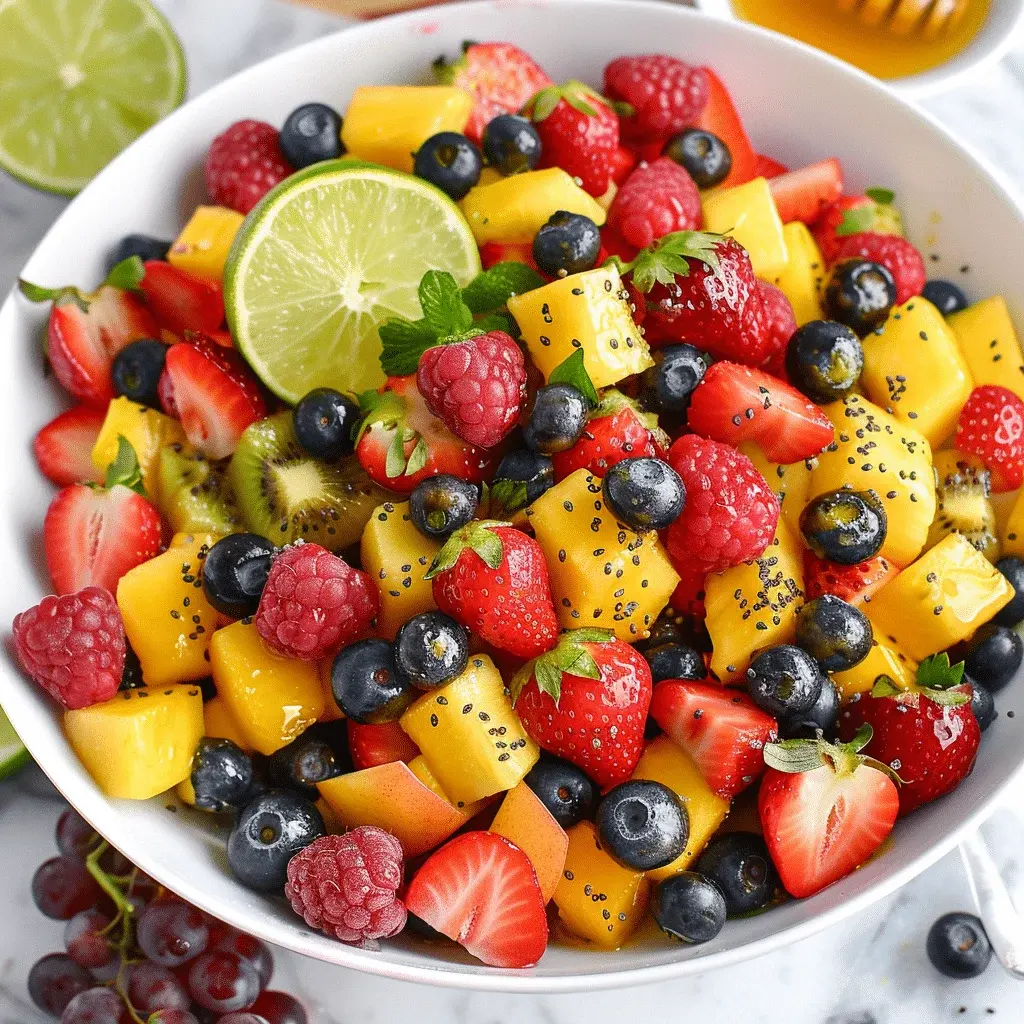
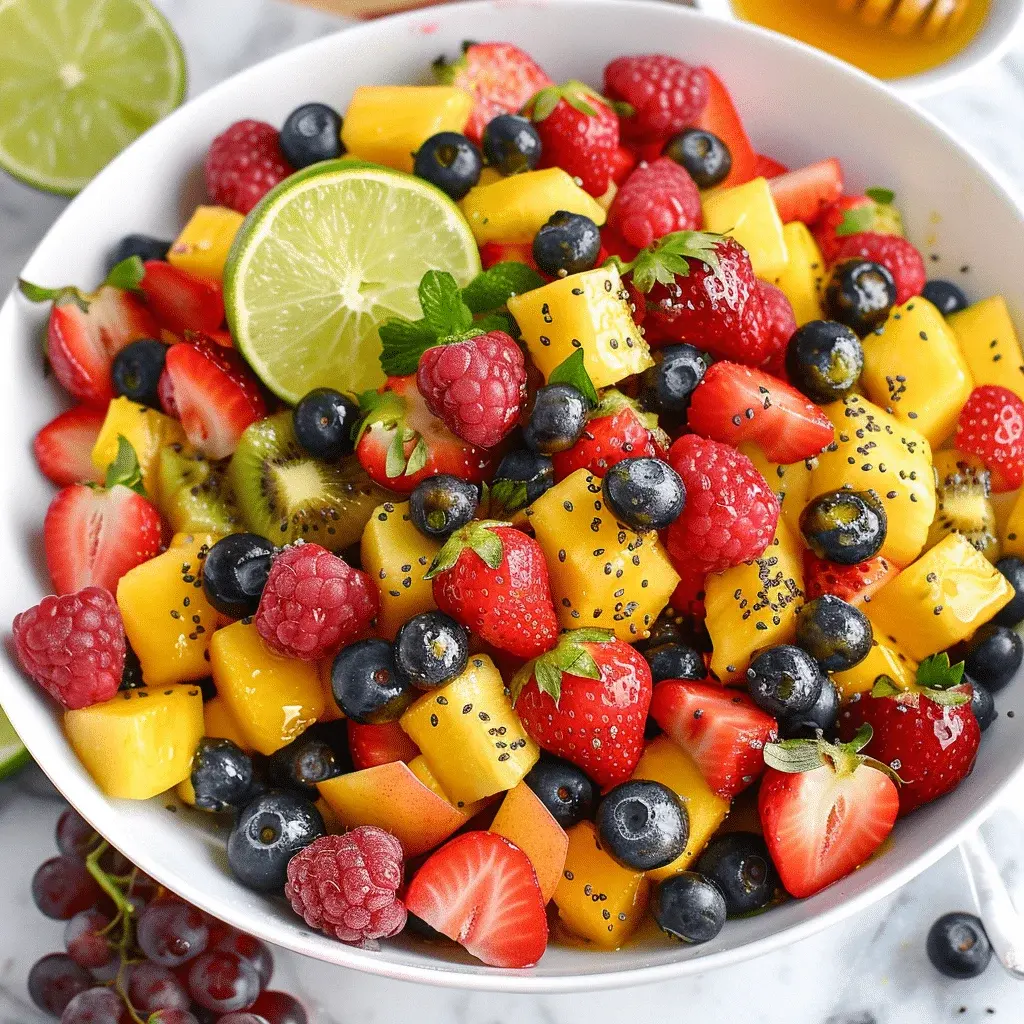
Vibrant summer fruit salad with watermelon, strawberries, kiwi, and blueberries in a white bowl, drizzled with honey lime dressing

Step-by-Step Instructions

Step 1: Prepare the Fruits

Start by washing all your fruits thoroughly under cool running water. Pat them dry with a clean kitchen towel or paper towels—excess water will dilute the dressing. Grab a large, beautiful serving bowl. Cube the watermelon into bite-sized, 1-inch pieces. Hull the strawberries and slice them in half (or quarters if they’re large). Use a spoon to scoop the kiwi flesh from the skin before slicing. If using fresh pineapple, peel, core, and chop it. Gently toss the watermelon, strawberries, kiwi, blueberries, and pineapple together in the bowl. I like to add the mint now, reserving a few pretty leaves for garnish.

Step 2: Make the Honey Lime Dressing

In a small bowl or glass measuring cup, combine the fresh lime juice and honey. Whisk vigorously until the honey is fully dissolved and the mixture is smooth. This is key—you don’t want any sticky honey globs. Using a microplane or the finest side of a box grater, zest one of the limes before juicing it. Add the vibrant green lime zest and the pinch of sea salt to the dressing. Whisk again. Taste it! The balance should be a harmonious blend of sweet and tart. Adjust with a touch more honey or lime juice to suit your preference.

Step 3: Combine and Toss

Pour about three-quarters of the dressing over the prepared fruit in the large bowl. Using a large, wide spatula or serving spoons, gently fold the fruit to coat it evenly. Be tender—you want to preserve the shape of the softer fruits like the strawberries and kiwi. The goal is a glossy, even sheen on every piece.

Step 4: Chill and Serve

Cover the bowl tightly with plastic wrap or a lid and refrigerate for at least 30 minutes. This chilling time is not optional; it’s the secret step where the magic happens. The fruits release some of their natural juices, which mingle with the dressing, creating a light, flavorful syrup at the bottom of the bowl. Just before serving, give the salad one more gentle toss, drizzle with the remaining reserved dressing for a fresh hit of flavor, and garnish with the reserved mint leaves.

Nutritional Information

(Per serving, based on 6 servings)

  • Calories: ~125 kcal
  • Total Carbohydrates: 32g
  • Dietary Fiber: 4g
  • Sugars: 24g (naturally occurring)
  • Protein: 2g
  • Fat: 0.5g
  • Vitamin C: >100% Daily Value
  • Vitamin A: 15% Daily Value
  • Potassium: 10% Daily Value

Healthier Alternatives

You can easily tailor this recipe to fit various dietary needs without sacrificing an ounce of flavor:

  • Lower Sugar / Keto-Friendly: Replace the honey in the dressing with a monk fruit sweetener or allulose syrup. Choose lower-sugar fruits like blackberries, raspberries, and strawberries, and increase their proportion while slightly reducing the watermelon and pineapple.
  • Vegan: Swap the honey for pure maple syrup or agave nectar. The dressing will be slightly less thick but equally delicious.
  • Added Protein & Healthy Fats: Transform the salad into a more substantial meal by folding in ½ cup of toasted slivered almonds or pecans and ¼ cup of crumbled goat cheese or feta after chilling. The creamy, salty cheese and crunchy nuts create an incredible contrast.

Serving Suggestions

  • As a Side: It’s the perfect accompaniment to grilled chicken, fish (especially salmon), or pulled pork. The acidity cuts through rich, smoky flavors beautifully.
  • As a Dessert: Serve in individual glasses topped with a dollop of vanilla Greek yogurt or a scoop of coconut sorbet.
  • As a Breakfast: Spoon it over cottage cheese, oatmeal, or chia pudding for a morning vitamin boost.
  • For a Crowd: Create a “Fruit Salad Bar” where guests can build their own bowls from separate containers of each fruit, with the dressing on the side.

Common Mistakes

  • Using Overripe or Underripe Fruit: Overripe fruit becomes mushy and can make the salad soupy. Underripe fruit lacks sweetness and flavor. Aim for peak ripeness.
  • Skipping the Chill Time: Serving immediately means the flavors won’t have melded. The 30-minute rest is crucial for depth.
  • Over-mixing: Aggressive stirring will bruise soft fruits and turn your salad into a compote. Fold gently.
  • Using Bottled Lime Juice: The preservatives and lack of freshness will give the dressing a harsh, artificial taste. Always use fresh limes.

Storing Tips

  • Refrigeration: Store leftovers in an airtight container in the refrigerator for up to 2 days. The fruits will soften and release more juice over time, but it will still taste wonderful.
  • Prepping Ahead: You can chop all the fruits (except bananas or apples, which brown) and store them separately in containers 1 day ahead. Make the dressing and keep it in a jar in the fridge. Combine and toss no more than an hour before serving for the best texture.
  • Freezing is Not Recommended for the assembled salad, as the texture of the thawed fruit will be very soft. However, you can freeze the cubed watermelon or pineapple separately for smoothies.
Close-up of summer fruit salad in a glass bowl, showing the glossy honey lime dressing coating strawberries and kiwi slices

Conclusion

This Summer Fruit Salad with Honey Lime Dressing is more than just a recipe; it’s a vibrant, edible expression of summer. It proves that healthy eating can be effortless, beautiful, and deeply satisfying. With its foolproof method, customizable ingredients, and stunning presentation, it’s destined to become a seasonal staple in your kitchen. So grab your favorite knife, select the brightest fruits at the market, and whip up a batch of this sunshine in a bowl. Don’t forget to pin this recipe or save it for your next gathering—your friends and family will be asking for the recipe!

FAQs

***Can I make this fruit salad the night before?***
You can

Peach Cobbler Cheesecake Fruit Salad Recipe

“`html

Peach Cobbler Cheesecake Fruit Salad Recipe

Introduction

Did you know that searches for “easy summer dessert recipes” spike by over 300% between May and August? In that sea of options, how do you create a standout dish that combines nostalgia, freshness, and creamy indulgence? The answer is this Peach Cobbler Cheesecake Fruit Salad, a dessert that masterfully blends the juicy sweetness of summer peaches with the rich tang of cheesecake and the comforting crunch of a graham cracker topping. This isn’t just another fruit salad; it’s a deconstructed, no-bake version of two classic desserts, designed to be the star of any picnic, potluck, or backyard barbecue. Imagine the sun-ripened flavor of peaches, now amplified by a luscious cheesecake-infused cream and a buttery, spiced crumble that mimics the best part of a cobbler. It’s a textural symphony and a flavor revelation in every bite.

Ingredients List

Gather fresh, high-quality ingredients for the best flavor. Here’s what you’ll need, along with sensory notes and substitutions:

  • For the Fruit Base:
    • 4-5 large ripe peaches (about 1.5 lbs): Look for peaches that yield slightly to gentle pressure and have a fragrant, sweet aroma. Substitution: Nectarines or a mix of peaches and nectarines. For off-season, use 2 (15 oz) cans of peaches in light syrup, well-drained.
    • 1 pint fresh strawberries, hulled and quartered: Adds a vibrant red color and a tart contrast.
    • 1 cup fresh blueberries: Provides little bursts of juicy flavor.
    • 1 tablespoon fresh lemon juice: Prevents browning and brightens all the fruit flavors.
  • For the Cheesecake Cream:
    • 8 oz (1 block) full-fat cream cheese, softened to room temperature: This is non-negotiable for that authentic, rich cheesecake texture and tang. Lighter Substitution: Neufchâtel cheese (⅓ less fat).
    • 1 cup powdered sugar: Dissolves seamlessly into the cream cheese without graininess.
    • 1 teaspoon pure vanilla extract: Use the real thing for a warm, complex flavor.
    • 1 cup heavy whipping cream, cold: Whipped to soft peaks, it creates an airy, cloud-like consistency.
  • For the Cobbler Topping:
    • 1 cup graham cracker crumbs (about 8 full sheets): The quintessential cheesecake crust element. Substitution: Biscoff cookie crumbs or vanilla wafer crumbs.
    • ¼ cup unsalted butter, melted: Binds the crumbs and adds a rich, buttery note.
    • 2 tablespoons brown sugar: Adds a molasses-like depth that mimics baked cobbler topping.
    • ½ teaspoon ground cinnamon: The warm spice that defines “cobbler” flavor.
    • Pinch of salt: Balances the sweetness and enhances all other flavors.

Timing

Prep Time 25 minutes
Cook Time 0 minutes (No-Bake!)
Total Time 25 minutes (plus 1 hour chilling)

Compared to baking an actual peach cobbler (45-60 mins) or a cheesecake (1+ hour plus cooling), this recipe is a speed demon. The active prep time is under 30 minutes. The majority of the “total time” is hands-off chilling, allowing the flavors to marry beautifully. This efficiency makes it an ideal last-minute dessert that tastes like you spent all day in the kitchen.

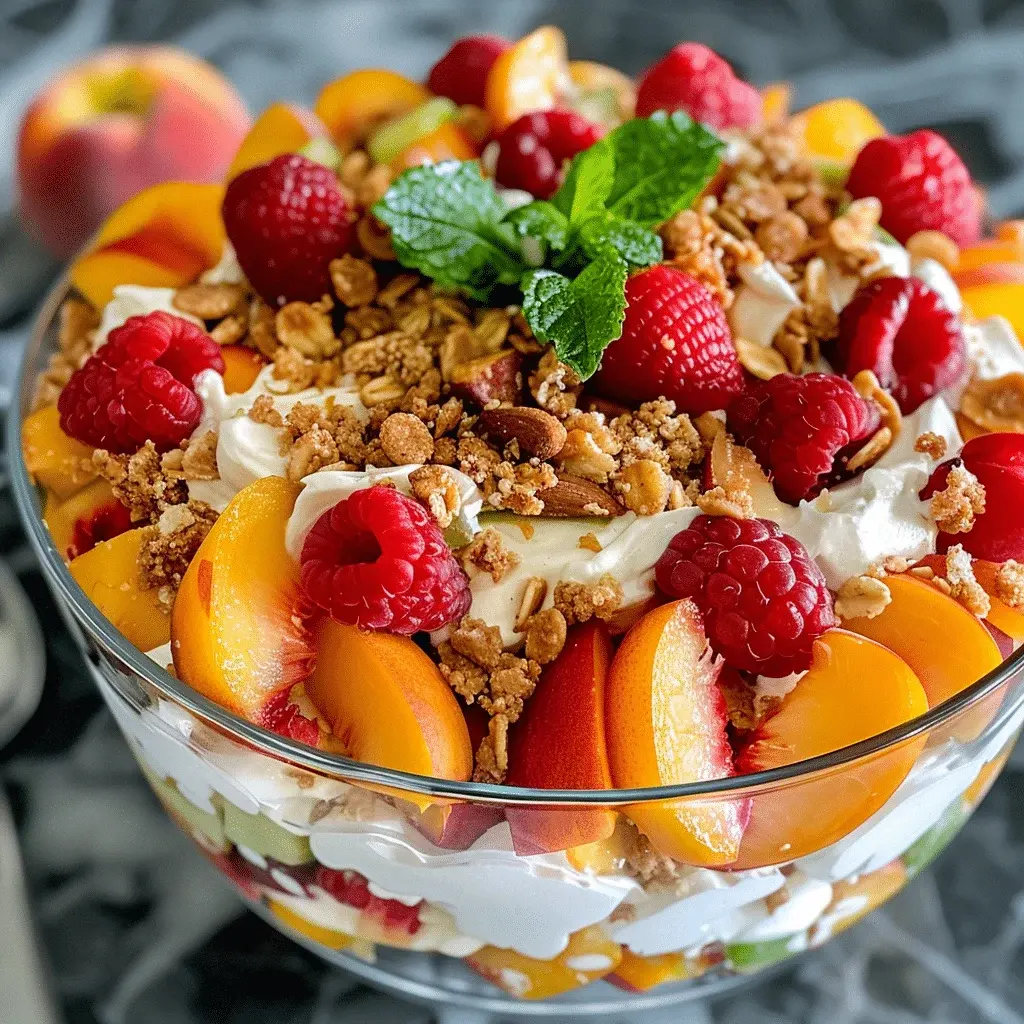
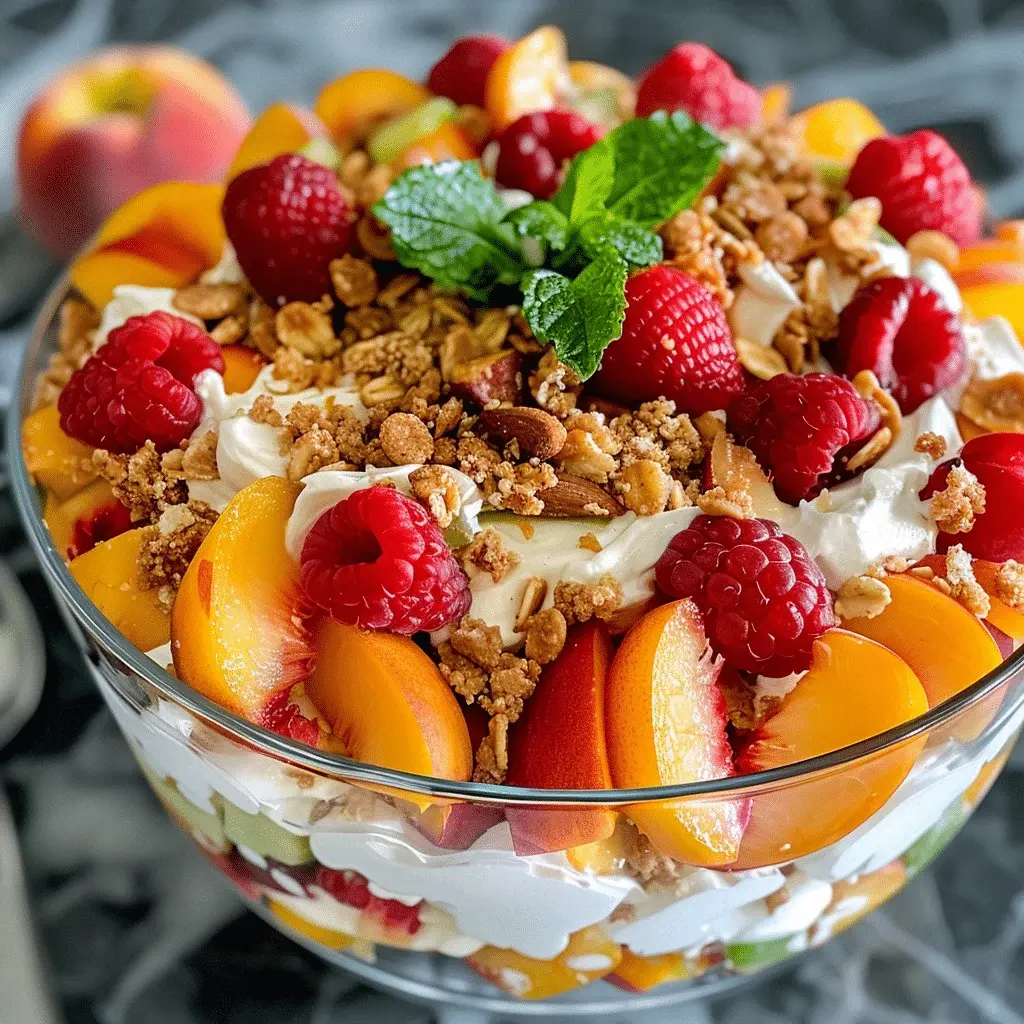
Fresh peaches, strawberries, and blueberries mixed in a bowl with creamy cheesecake dressing, ready for the cobbler topping.

Fresh, vibrant fruit combined with creamy cheesecake dressing forms the irresistible base of this dessert salad.

Step-by-Step Instructions

Step 1: Prepare the Fruit Base

Wash all your fruit thoroughly. For the peaches, I find the easiest method is to slice them in half, remove the pit, and then cut into ½-inch chunks—no need to peel them, as the skin adds color and fiber. Immediately place the peach chunks in a large mixing bowl and toss them with the tablespoon of fresh lemon juice. This simple step is your insurance policy against a dull, brown salad. Next, hull and quarter your strawberries, and rinse the blueberries. Gently fold all the fruit together in the bowl. Set this colorful mixture aside while you work on the cream.

Step 2: Make the Cheesecake Cream

In a medium bowl, using a hand mixer or a stand mixer fitted with the paddle attachment, beat the softened cream cheese on medium speed for about 1 minute until it’s completely smooth and lump-free. This is crucial—no one wants chunks of cream cheese. Scrape down the sides of the bowl. Add the powdered sugar and vanilla extract. Beat again on low initially to avoid a sugar cloud, then increase to medium until fully combined and creamy. In a separate, clean, cold bowl, whip the heavy cream to soft peaks. Now, here’s the key: fold about one-third of the whipped cream into the cream cheese mixture to lighten it. Then, gently fold in the remaining whipped cream until no white streaks remain. You should have a gloriously light, fluffy, and spreadable cheesecake mousse.

Step 3: Create the Cobbler Topping

In a small bowl, combine the graham cracker crumbs, brown sugar, cinnamon, and salt. Pour the melted butter over the top. Using a fork, mix until the mixture resembles wet sand and all the crumbs are evenly coated. The butter will help the topping hold its delightful crunch even when mixed with the creamy elements. For an extra layer of flavor, you can toast this mixture in a dry skillet over medium heat for 3-4 minutes until fragrant, then let it cool completely. This step is optional but highly recommended for a deeper “baked” flavor.

Step 4: Assemble the Salad

Pour the luxurious cheesecake cream over the prepared fruit in the large bowl. Using a large spatula or spoon, gently fold the cream into the fruit. Be tender—you want to coat every piece without crushing the delicate berries. The goal is a beautiful marbling of white cream and colorful fruit.

Step 5: Chill and Serve

Transfer the creamy fruit mixture to your serving dish—a large trifle bowl looks stunning and shows off the layers. Cover and refrigerate for at least 1 hour. This chilling time is non-negotiable; it allows the cream to set slightly and the flavors to intensify. Just before serving, sprinkle the buttery graham cracker cobbler topping generously over the entire surface. This ensures the topping stays crisp and provides that perfect textural contrast against the cool, creamy fruit.

Nutritional Information

(Per serving, based on 8 servings. Values are approximate.)

  • Calories: ~320 kcal
  • Total Fat: 22g
  • Saturated Fat: 13g
  • Cholesterol: 65mg
  • Sodium: 150mg
  • Total Carbohydrates: 30g
  • Dietary Fiber: 3g
  • Sugars: 23g (Includes natural fruit sugars)
  • Protein: 4g

Healthier Alternatives

You can lighten this recipe without sacrificing its decadent soul:

  • Cream Cheese & Cream: Swap full-fat cream cheese for Neufchâtel and use full-fat Greek yogurt for half of the heavy cream. Whip the remaining cream as usual. You’ll retain tang and body with fewer calories.
  • Sweetener: Reduce powdered sugar to ¾ cup and add a touch of monk fruit sweetener. The fruit provides plenty of natural sweetness.
  • Topping: Use whole-wheat graham crackers. For a nutty, lower-carb option, swap half the graham cracker crumbs with finely chopped toasted almonds or pecans.
  • Fruit: Boost the berry quantity (lower glycemic index than peaches) and consider adding blackberries or raspberries for extra antioxidants.

Serving Suggestions

  • As a Dessert: Serve in individual mason jars or parfait glasses for a charming, portable treat.
  • As a Brunch Side: It pairs wonderfully with savory quiches, frittatas, or a simple brunch charcuterie board.
  • Elevate It: Add a small scoop of vanilla bean ice cream on the side for an à la mode experience, or drizzle with a touch of caramel sauce just before serving.
  • Adult Version: For a sophisticated twist, add a tablespoon of bourbon or peach schnapps to the cheesecake cream.

Common Mistakes

  • Using Cold Cream Cheese: This is the #1 cause of a lumpy cream. Ensure it’s truly softened at room temperature for 30-60 minutes.
  • Overmixing the Fruit: Aggressive stirring will bruise the berries and turn the salad mushy. Fold gently.
  • Adding Topping Too Early: Sprinkling the graham cracker topping before serving guarantees a satisfying crunch. If added early, it becomes soggy.
  • Skipping the Chill Time: Serving immediately means the flavors won’t have melded, and the cream will be too soft. Patience is rewarded.

Storing Tips

  • Refrigeration: Store covered in the refrigerator for up to 2 days. Keep the topping separate in an airtight container at room temperature and add just before serving.
  • Does it Freeze? Freezing is not recommended. The cream will separate and the fruit will become watery upon thawing, destroying the texture.
  • Make-Ahead: You can prepare the fruit (tossed with lemon juice), the cheesecake cream, and the topping separately up to a day in advance. Assemble and chill 1 hour before your event.
Finished Peach Cobbler Cheesecake

</p>
</div>
</div></article><article id=

Apricot Cheesecake Recipe

“`html

Apricot Cheesecake Recipe

Introduction

Did you know that incorporating fruit into desserts can increase perceived freshness by over 60% according to culinary studies? This Apricot Cheesecake masterfully answers that call, transforming the humble dried apricot into the star of a luxurious, creamy dessert. More than just a simple cheesecake, this recipe weaves together a nutty almond crust, a rich filling perfumed with amaretto liqueur, and a bright, tangy sour cream topping. It’s a symphony of textures and flavors designed to impress at any gathering, from a casual family dinner to a sophisticated holiday feast. Let’s dive into creating this show-stopping dessert that balances sweet, tart, and nutty in every perfect bite.

Ingredients List

Gather these quality ingredients for a flawless result. For best flavor, use full-fat dairy products at room temperature.

  • For the Almond Crust:
    • 1 ½ cups graham cracker crumbs – Provides a sweet, sturdy base with a hint of honey. Substitution: Digestive biscuits or vanilla wafers.
    • ½ cup finely ground almonds – Adds a toasty, nutty depth and crumbly texture. Substitution: Pecans or walnuts.
    • ⅓ cup granulated sugar
    • 6 tablespoons unsalted butter, melted – The binding agent that creates a golden, crisp crust.
  • For the Cheesecake Filling:
    • 24 oz (three 8-oz packages) cream cheese, softened – The heart of the cake, promising ultimate creaminess.
    • 1 cup granulated sugar
    • 3 large eggs, room temperature – Key for structure and a smooth, unified batter.
    • 1 cup dried apricots, finely chopped – Delivers chewy pockets of intense, tangy-sweet fruit flavor. Sensory Tip: Look for plump, vibrant orange apricots for the best taste.
    • ¼ cup amaretto liqueur – Infuses a beautiful almond aroma that complements the crust. Substitution: 2 tsp almond extract + ¼ cup milk or apricot nectar.
    • 1 teaspoon pure vanilla extract
    • ⅛ teaspoon salt – Balances the sweetness and enhances all flavors.
  • For the Sour Cream Topping:
    • 1 ½ cups full-fat sour cream – Creates a luxuriously tangy and creamy layer.
    • ¼ cup granulated sugar
    • 1 teaspoon pure vanilla extract
  • For Garnish (Optional):
    • Fresh apricot slices, toasted almond slivers, or a drizzle of apricot jam.

Timing

Prep Time 30 minutes
Cook Time 1 hour 10 minutes
Chill Time 6 hours (minimum)
Total Time 7 hours 40 minutes

While the total time includes essential chilling, the active hands-on time is under 45 minutes. Compared to many baked cheesecakes that require a water bath and longer, slower baking, this recipe streamlines the process without sacrificing the iconic creamy texture. The chilling phase is non-negotiable for perfect slicing.

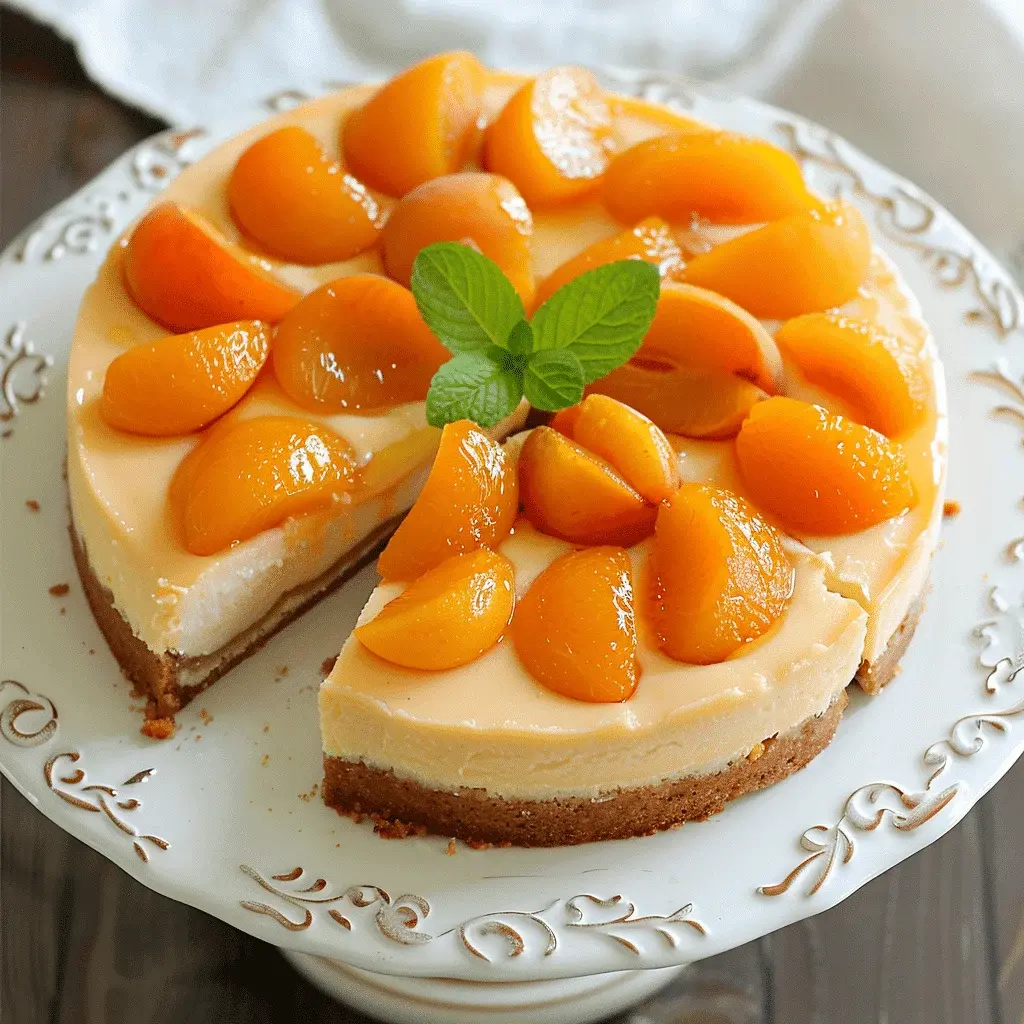
Close-up of a slice of apricot cheesecake showing the almond crust, creamy filling with apricot pieces, and smooth sour cream topping

This stunning Apricot Cheesecake slice reveals the beautiful layers of flavor and texture.

Step-by-Step Instructions

Step 1: Prepare the Almond Crust

Preheat your oven to 350°F (175°C). In a medium bowl, combine the graham cracker crumbs, ground almonds, and sugar. Pour the melted butter over the mixture and stir with a fork until all the dry ingredients are evenly moistened and resemble wet sand. Press this mixture firmly and evenly into the bottom and about 1 inch up the sides of a 9-inch springform pan. I like to use the bottom of a flat glass or measuring cup to get a compact, level crust. Pre-bake the crust for 10 minutes, then remove it from the oven and let it cool on a wire rack while you prepare the filling. Reduce the oven temperature to 325°F (160°C).

Step 2: Make the Creamy Filling

In the bowl of a stand mixer fitted with the paddle attachment (or using a large bowl and hand mixer), beat the softened cream cheese on medium speed for about 2 minutes until it’s completely smooth and lump-free. Scrape down the bowl. With the mixer on low, gradually add the sugar, then increase speed to medium and beat for another 2 minutes until well combined. Add the eggs one at a time, beating on low speed just until each egg is incorporated before adding the next. Over-beating the eggs incorporates too much air, which can cause cracking. Scrape the bowl again. By hand, gently fold in the finely chopped dried apricots, amaretto liqueur, vanilla extract, and salt until everything is evenly distributed.

Step 3: Bake and Cool

Pour the cheesecake filling over the pre-baked and slightly cooled crust. Smooth the top with an offset spatula. Place the springform pan on a baking sheet (this catches any potential butter drips) and bake in the preheated 325°F oven for 50-55 minutes. The edges should be set and slightly puffed, but the center (about a 3-inch circle) should still have a slight jiggle when you gently shake the pan—it will firm up as it cools. Turn off the oven, crack the oven door open with a wooden spoon, and let the cheesecake cool inside the oven for 1 hour. This gradual cooling is the #1 secret to preventing major cracks.

Step 4: Add the Tangy Topping

While the cheesecake is cooling in the oven, whisk together the sour cream, sugar, and vanilla for the topping until smooth. After the 1-hour oven cool-down, remove the cheesecake (the center will be firmer now). Carefully spread the sour cream mixture evenly over the top, starting from the center and moving outward. Return the cheesecake to the turned-off, but still warm, oven for 10 minutes to just set the topping.

Step 5: Chill and Serve

Remove the cheesecake from the oven and place it on a wire rack to cool completely to room temperature, about 2 hours. Once cool, run a thin knife around the inside edge of the pan to loosen it, but do not remove the springform ring. Cover the top loosely with plastic wrap and refrigerate for at least 6 hours, preferably overnight. This long chill is crucial for the flavors to meld and the texture to become perfectly sliceable.

Nutritional Information

Estimated per serving (based on 12 slices):

  • Calories: ~520 kcal
  • Total Fat: 34g
  • Saturated Fat: 18g
  • Carbohydrates: 46g
  • Fiber: 2g
  • Sugars: 36g
  • Protein: 9g
  • Calcium: 12% DV

Healthier Alternatives

You can make mindful swaps without losing the dessert’s soul:

  • Crust: Use whole-grain graham crackers and reduce sugar by 2 tablespoons. Replace half the butter with unsweetened applesauce.
  • Filling: Opt for reduced-fat (not fat-free) cream cheese and use a sugar substitute like monk fruit blend designed for baking. The apricots and amaretto provide ample flavor, so you won’t miss the full sugar load.
  • Topping: Swap full-fat sour cream for Greek yogurt (2% or full-fat for creaminess). It provides a similar tang with more protein.

Serving Suggestions

  • Garnish each slice with a fresh apricot half, a sprinkle of toasted almond slivers, and a light dusting of powdered sugar.
  • Drizzle with a warm apricot glaze (heat apricot jam with a splash of water until syrupy).
  • Pair with a glass of dessert wine like Moscato d’Asti or a cup of strong espresso to cut through the richness.
  • Common Mistakes
    • Using cold ingredients: Cold cream cheese and eggs lead to a lumpy batter. Ensure everything is at room temperature.
    • Over-mixing after adding eggs: This incorporates excess air, causing the cheesecake to puff and fall, leading to cracks.
    • Over-baking: The center should be jiggly, not firm, when removed from the oven. It continues to cook as it cools.
    • Skipping the gradual cool-down: Moving a hot cheesecake directly to a cold fridge causes thermal shock and almost guarantees cracking.
    • Not chilling long enough: Slicing a cheesecake before it’s fully set results in a messy, gooey slice. Patience is key.

    Storing Tips

    • Refrigeration: Keep covered with plastic wrap or in an airtight container in the fridge for up to 5 days.
    • Freezing: This cheesecake freezes beautifully. Wrap the whole cake or individual slices tightly in plastic wrap, then in aluminum foil. Freeze for up to 2 months. Thaw overnight in the refrigerator before serving.
    • Serving after storage: For the best texture and flavor, let the cheesecake sit at room temperature for 20-30 minutes before serving after refrigeration.
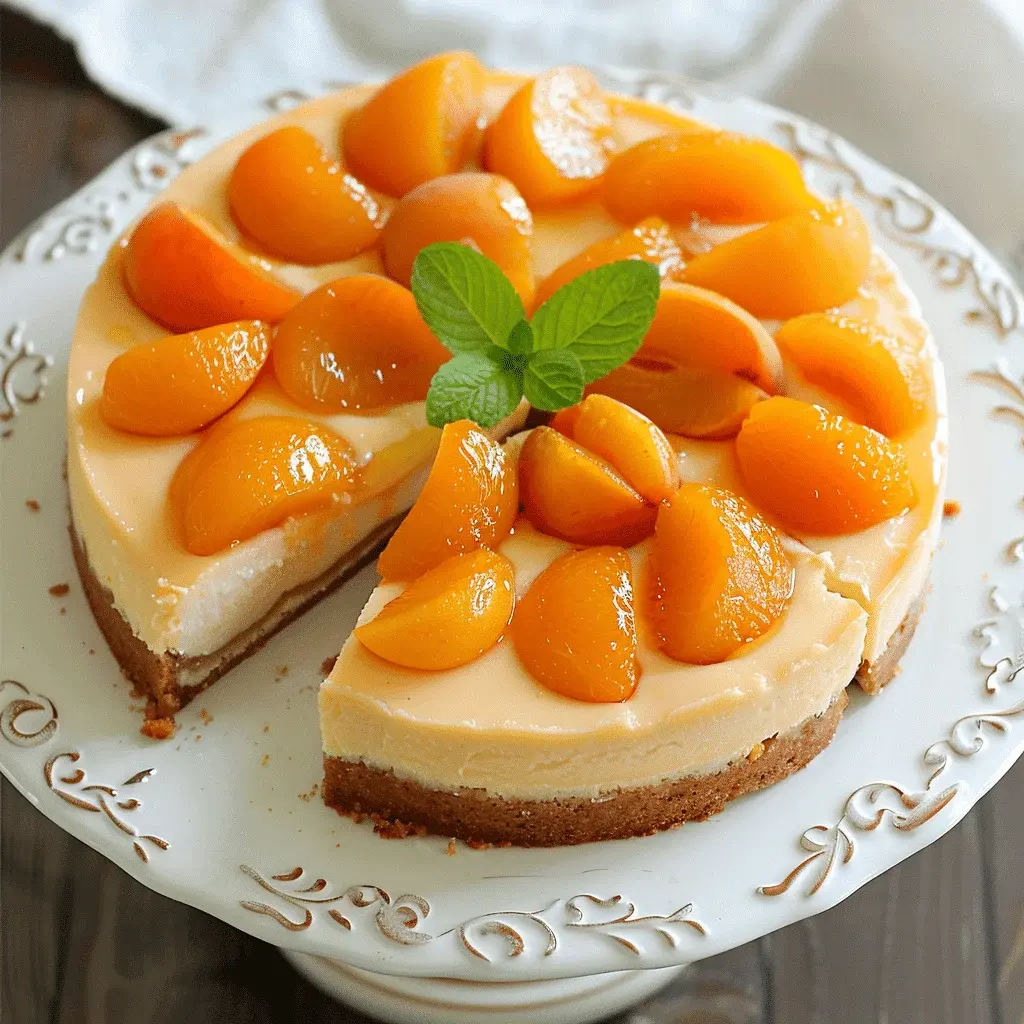
    Whole apricot cheesecake on a cake stand, beautifully garnished with fresh apricots and almond slivers

    The finished Apric

Apricot Pie Recipe

“`html

Apricot Pie Recipe

Introduction

Did you know that apricots, the star of this apricot pie, are one of the richest sources of beta-carotene, an antioxidant that converts to vitamin A? This isn’t just a dessert; it’s a celebration of a nutrient-dense fruit transformed into a classic comfort food. There’s something undeniably special about a homemade pie—the golden, flaky crust giving way to a sweet-tart filling that bursts with the unique flavor of sun-ripened apricots. This recipe is designed to demystify the pie-making process, guiding you to create a stunning dessert that’s perfect for summer gatherings, holiday feasts, or simply treating yourself. Forget the store-bought versions; your journey to the ultimate homemade pie recipe starts right here.

Ingredients List

Gather these simple, high-quality ingredients for a pie that sings with flavor. Using fresh, in-season apricots is ideal, but we’ll cover substitutions for year-round baking.

  • For the Flaky Pie Crust (Double Crust):
    • 2 ½ cups (315g) All-Purpose Flour: The foundation for a tender, structured crust. For a nuttier flavor, substitute ½ cup with whole wheat pastry flour.
    • 1 cup (226g) Unsalted Butter, very cold and cubed: The key to flakiness. The cold butter creates steam pockets as it bakes. For a dairy-free version, use an equal amount of high-quality vegan butter or frozen coconut oil.
    • 1 tsp Salt: Enhances all the flavors.
    • 1 tbsp Granulated Sugar: Just a touch for a hint of sweetness and browning.
    • 6-8 tbsp Ice Water: Add just until the dough comes together. Too much water makes the crust tough.
  • For the Apricot Filling:
    • 2 lbs (about 900g) Fresh Apricots, pitted and sliced: Look for fruit that yields slightly to gentle pressure and has a vibrant orange-gold hue with a rosy blush. Their aroma should be fragrant and sweet. Substitution: 5-6 cups of frozen, thawed, and drained apricots, or 3 (15-oz) cans of apricot halves in juice, thoroughly drained.
    • ¾ cup (150g) Granulated Sugar: Adjust based on the natural sweetness of your apricots. Taste one first!
    • ¼ cup (30g) Cornstarch or Tapioca Flour: The essential thickener. Tapioca flour creates a clearer, glossier filling, while cornstarch is more accessible.
    • 1 tbsp Fresh Lemon Juice: Brightens the flavor and balances the sweetness.
    • 1 tsp Pure Vanilla Extract: Adds a warm, aromatic depth.
    • ½ tsp Ground Cinnamon (optional): A warm spice that complements the apricots beautifully.
    • 1 Egg + 1 tbsp Milk or Cream (for egg wash): For that professional, glossy golden-brown finish.
    • 1-2 tbsp Coarse Sugar (like Turbinado): For a sparkling, crunchy top crust.

Timing

Prep Time 45 minutes
(Includes chilling dough)
Cook Time 50-60 minutes
Total Time Approx. 2 hours
(Plus cooling)

Compared to the average fruit pie recipe, this apricot pie is remarkably efficient. Many recipes require overnight chilling or extensive fruit macerating, but our method streamlines the process without sacrificing quality. The active prep time is focused and manageable, while the oven does most of the work, filling your kitchen with an irresistible aroma. The key time-saver is working with very cold ingredients to minimize the chilling period for the dough.

Fresh apricots and pie ingredients arranged on a rustic wooden table, ready for baking

Fresh, ripe apricots are the heart of this delicious homemade pie.

Step-by-Step Instructions

Step 1: Prepare the Pie Crust

In a large food processor, pulse the flour, salt, and sugar a few times to combine. Scatter the cold, cubed butter over the flour. Pulse in short bursts (about 10-12 times) until the mixture resembles coarse meal with pea-sized butter pieces remaining—this is your ticket to a flaky pie crust. With the processor running on low, slowly drizzle in the ice water, one tablespoon at a time, just until the dough begins to clump together. Turn the dough out onto a clean surface, divide it into two discs (one slightly larger for the bottom crust), wrap tightly in plastic wrap, and refrigerate for at least 30 minutes. This rest period relaxes the gluten and re-chills the butter, ensuring a tender result.

Step 2: Make the Apricot Filling

While the dough chills, prepare your apricots. Wash, halve, pit, and slice them into ½-inch thick wedges. In a large mixing bowl, gently toss the apricot slices with granulated sugar, cornstarch (or tapioca flour), lemon juice, vanilla extract, and cinnamon (if using). Let this mixture sit for 15-20 minutes. You’ll notice a lovely syrup beginning to form at the bottom of the bowl—this is the thickener activating with the fruit’s natural juices, promising a perfect sliceable filling.

Step 3: Assemble the Pie

On a lightly floured surface, roll out the larger disc of dough into a 12-inch circle. Carefully transfer it to your 9-inch pie dish, gently pressing it into the bottom and sides without stretching. Trim the overhang to about ½ inch. Spoon the apricot filling and all its syrupy juices into the crust, mounding it slightly in the center. Roll out the second disc of dough. You can create a full top crust with slits for steam, or get creative with a lattice weave. Place the top crust over the filling, trim and crimp the edges decoratively to seal. Brush the top with the egg wash (egg beaten with milk) and sprinkle generously with coarse sugar.

Step 4: Bake to Perfection

Preheat your oven to 400°F (200°C). Place the pie on a baking sheet lined with parchment paper or foil to catch any potential bubble-overs. Bake for 20 minutes at this initial high heat to set the crust. Then, reduce the oven temperature to 375°F (190°C) and continue baking for another 35-45 minutes. The pie is done when the crust is a deep, golden brown, and the filling is visibly bubbling through the vents or lattice. If the edges brown too quickly, use a pie shield or strips of foil to protect them.

Step 5: Cool and Serve

This is the hardest part: patience. Allow your masterpiece to cool completely on a wire rack for at least 3-4 hours. This cooling period is non-negotiable for the filling to set properly. Cutting into a warm pie will result in a delicious but soupy mess. Trust the process—the wait makes that first perfect slice all the more rewarding.

Nutritional Information

(Per serving, based on 8 slices. Values are approximate.)

  • Calories: ~420 kcal
  • Total Fat: 18g
  • Saturated Fat: 11g
  • Carbohydrates: 62g
  • Fiber: 3g
  • Sugars: 35g
  • Protein: 5g

This apricot dessert provides a good source of Vitamin A (from the apricots) and offers more fiber than many other fruit pies, thanks to the skin of the apricots.

Healthier Alternatives

You can lighten up this pie without sacrificing its soul-satisfying flavor. For the crust, try using half whole wheat pastry flour and half all-purpose flour, and replace half the butter with cold, unrefined coconut oil. For the filling, reduce the granulated sugar to ½ cup and add 2 tablespoons of maple syrup or honey for complexity. You can also swap the cornstarch for arrowroot powder. Increasing the spices, like adding a pinch of nutmeg or cardamom, can enhance perceived sweetness without extra sugar.

Serving Suggestions

A slice of warm (not hot) apricot pie is sublime on its own, but a few accompaniments elevate it to a restaurant-quality dessert. A scoop of vanilla bean ice cream is a classic pairing, where the cold creaminess melts into the warm, tangy filling. For a lighter touch, a dollop of freshly whipped cream or a drizzle of crème fraîche adds a lovely tang. For a truly decadent brunch option, serve it alongside a cup of strong coffee or a glass of dessert wine like a late-harvest Riesling.

Common Mistakes

  • Using Warm Butter or Overworking the Dough: This melts the butter prematurely, leading to a tough, dense crust, not a flaky pie crust.
  • Skimping on the Thickener: Apricots release a lot of juice. Insufficient cornstarch or tapioca will result in a runny filling.
  • Cutting the Pie While Warm: As emphasized, this prevents the pectin and thickeners from setting, causing the filling to spill out.
  • Not Venting the Top Crust: Steam needs to escape, or it will create a soggy top crust and potentially cause the filling to bubble over.

Storing Tips

Once completely cooled, cover the pie loosely with foil or plastic wrap and store at room temperature for up to 2 days. For longer storage, refrigerate for up to 4 days. The crust may soften slightly in the fridge. You can also freeze the baked and cooled pie (whole or in slices) for up to 3 months. Wrap it tightly in plastic wrap and then foil. Thaw overnight in the refrigerator and re-warm in a 300°F (150°C) oven for 15-20 minutes to revive the crust’s texture.

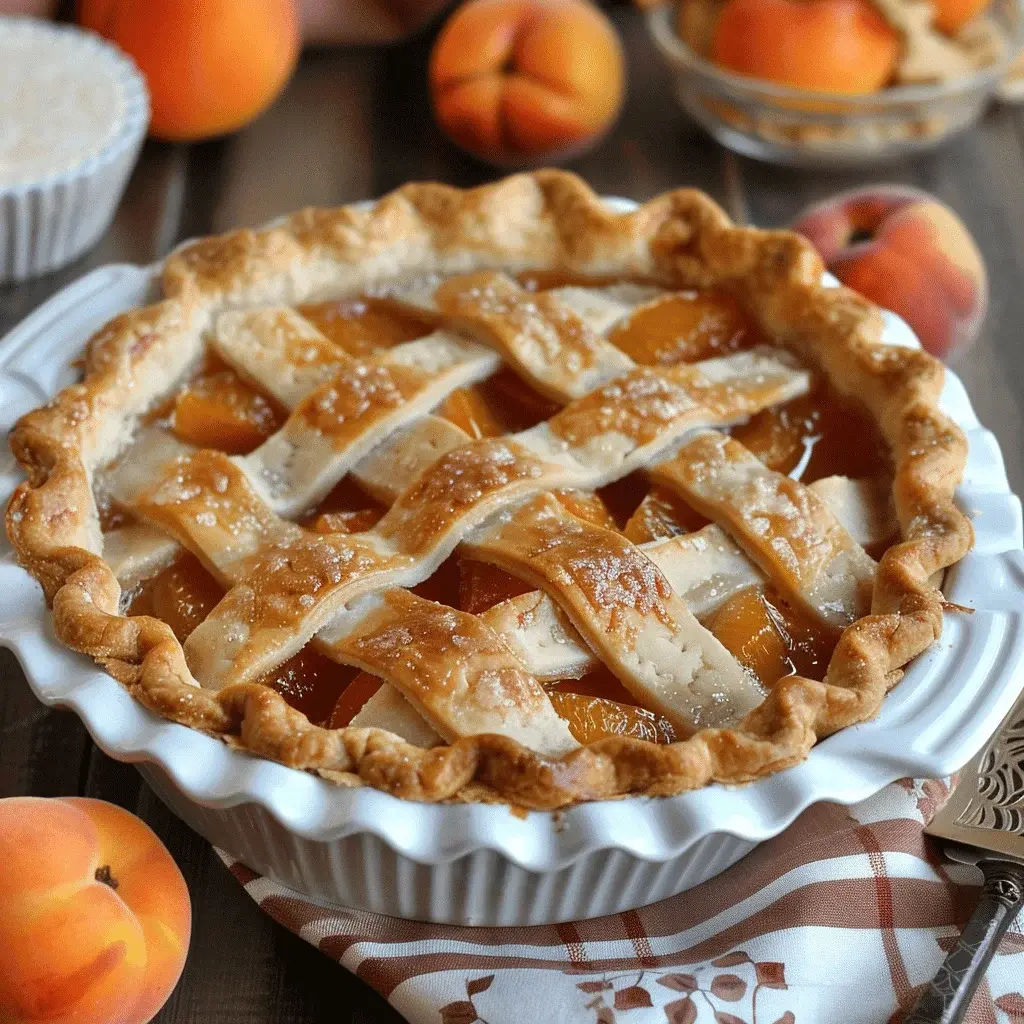
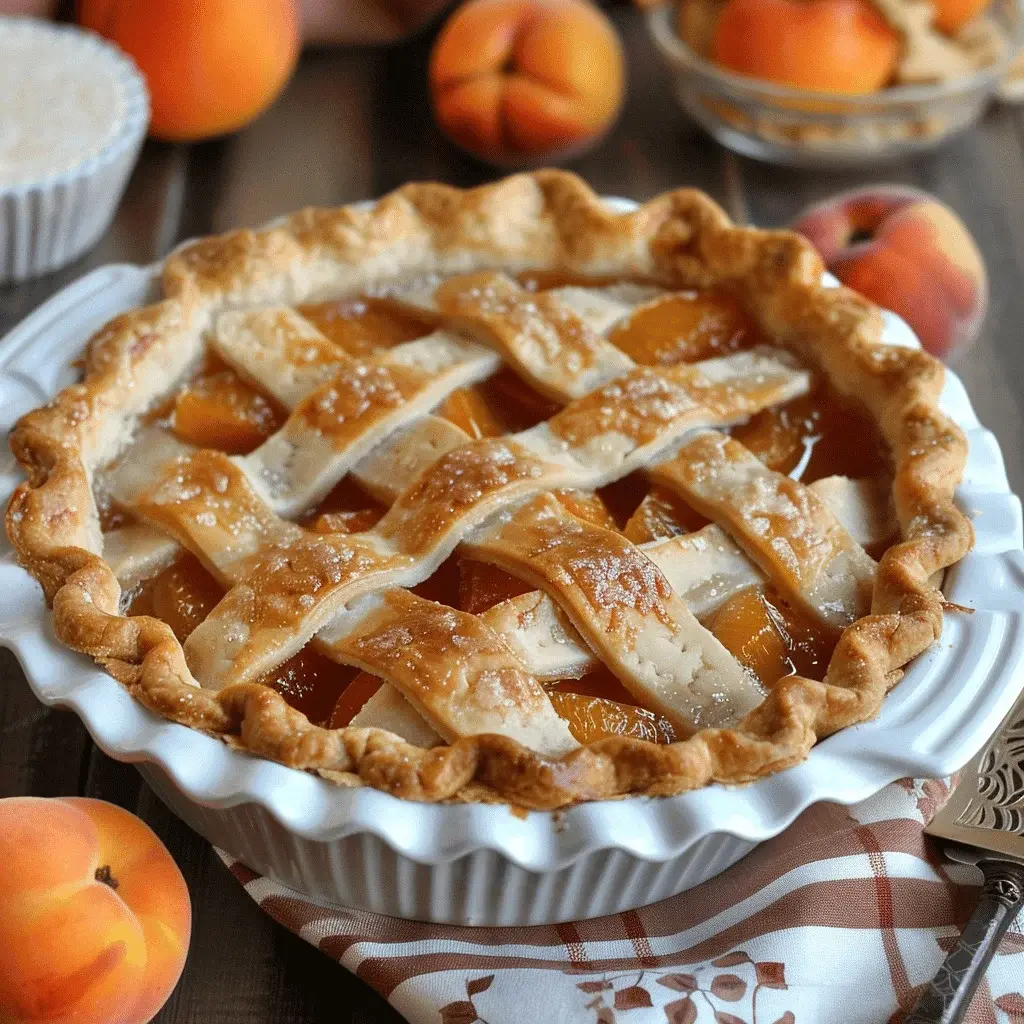
A beautifully baked golden apricot pie with a lattice crust, sitting on a cooling rack

The finished apricot pie, with a perfect golden lattice crust, ready to be enjoyed.

Conclusion

Baking this apricot pie is more than following a homemade pie recipe; it’s an act of creating joy, from the scent of baking fruit to the pride of presenting a gorgeous, golden-brown dessert. With its perfect balance of sweet and tangy filling encased in a buttery, flaky crust, this pie is sure to become a cherished recipe in

Apricot Pecan Quick Bread Recipe

“`html

Apricot Pecan Quick Bread Recipe

Introduction

Did you know that incorporating fruits like apricots into your baking can increase the fiber content of your treat by up to 15%? This Apricot Pecan Quick Bread is more than just a delicious snack; it’s a clever way to add nutritional value to your indulgence. Perfect for busy mornings or a cozy afternoon pick-me-up, this recipe masterfully blends the sweet-tart burst of fresh apricots with the rich, buttery crunch of pecans. The result is a supremely moist loaf, fragrant with warm spices and crowned with a delightfully crunchy oat topping. Unlike many dense quick breads, this version achieves a perfect, tender crumb that will have you reaching for a second slice. Let’s dive into how you can create this flavorful masterpiece in your own kitchen.

Ingredients List

Gather these simple ingredients for a loaf that sings with flavor and texture. I’ve included sensory notes and substitutions to help you customize.

  • Dry Ingredients:
    • 2 cups all-purpose flour – The foundation for a sturdy yet tender crumb. For a nuttier flavor, substitute 1 cup with whole wheat flour.
    • 1 cup granulated sugar – Provides sweetness and helps with browning. For a deeper flavor, use light brown sugar.
    • 2 tsp baking powder – The leavening agent that gives the bread its lift. Ensure it’s fresh for maximum rise.
    • 1/2 tsp baking soda – Works with the acidity in the buttermilk for a light texture.
    • 1/2 tsp salt – Essential for balancing and enhancing all the other flavors.
    • 1 tsp ground cinnamon – Adds a warm, comforting aroma.
    • 1/2 tsp ground nutmeg – A hint of earthy sweetness that pairs perfectly with apricots.
  • Wet Ingredients:
    • 2 large eggs, room temperature – Binds the batter and adds richness.
    • 1 cup buttermilk, room temperature – The secret to incredible moisture and a slight tang. Substitution: Mix 1 cup milk with 1 tbsp lemon juice or vinegar and let sit for 5 minutes.
    • 1/2 cup unsalted butter, melted and cooled – For a rich, tender crumb. Can substitute with an equal amount of vegetable oil for a slightly denser, moister loaf.
    • 1 tsp pure vanilla extract – The aromatic backbone that rounds out the flavor profile.
  • Mix-ins & Topping:
    • 1 1/2 cups fresh apricots, pitted and diced – Look for apricots that yield slightly to pressure for perfect ripeness. Their bright orange color and sweet-tart flavor are the stars. Substitution: 1 cup of dried apricots (chopped and soaked in hot water for 10 minutes) or 1 1/2 cups of fresh peaches.
    • 1 cup pecans, chopped – Toasted pecans offer a deeper, more robust crunch. Simply spread on a baking sheet and toast at 350°F for 5-7 minutes until fragrant.
    • For the Oat Topping: 1/4 cup old-fashioned oats, 2 tbsp brown sugar, 1 tbsp melted butter, and a pinch of cinnamon.

Timing

Prep Time
20 minutes
Cook Time
55-65 minutes
Total Time
~1 hour 25 minutes

This Apricot Pecan Quick Bread is truly “quick” compared to many yeast breads that require hours of proofing. The active prep time is under 30 minutes, making it about 40% faster than the average from-scratch muffin or scone recipe that requires cutting in butter. The majority of the time is hands-off baking, allowing you to multitask. The key to efficiency is having your ingredients pre-measured and at room temperature, which can shave off an extra 5-10 minutes.

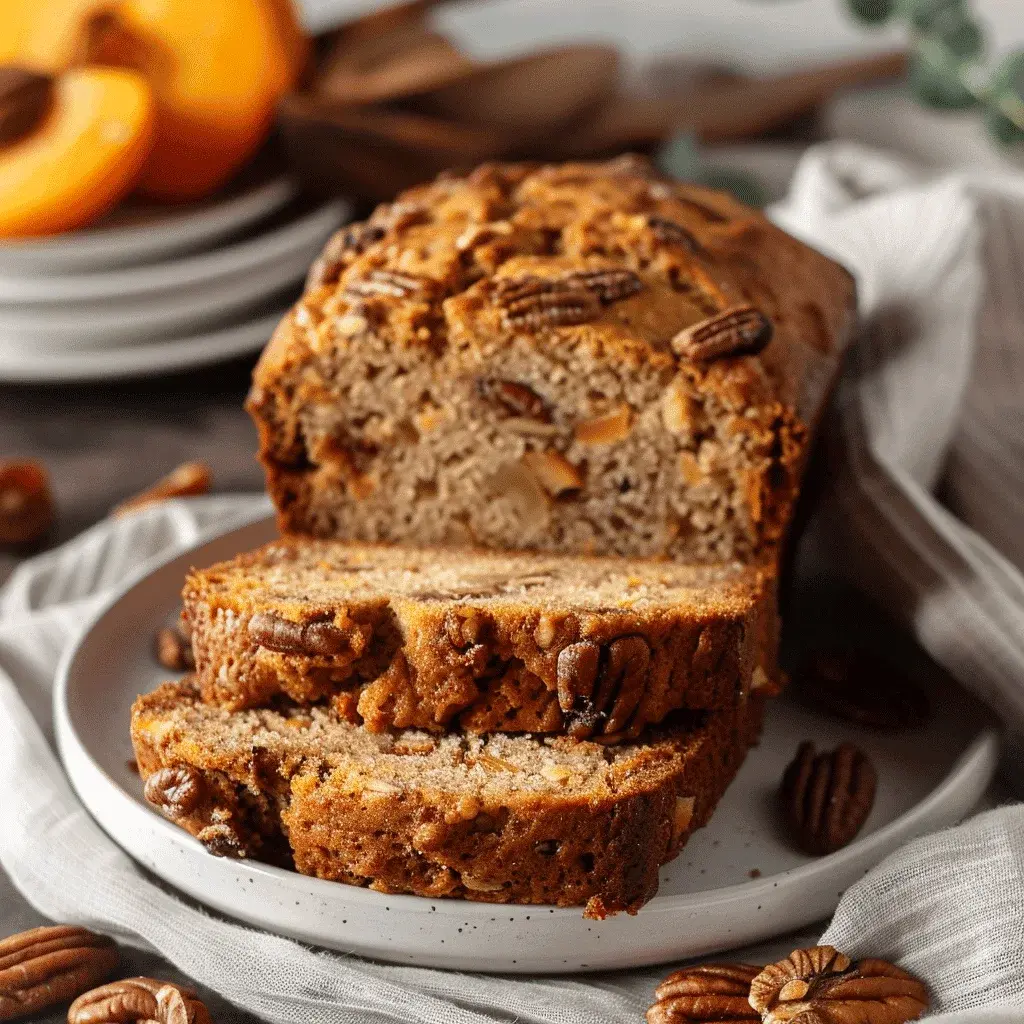
Close-up of a slice of Apricot Pecan Quick Bread on a wooden board, showing moist crumb and crunchy oat topping.

Step-by-Step Instructions

Step 1: Prepare Your Ingredients and Pan

Preheat your oven to 350°F (175°C). This ensures a consistent temperature for even baking. Grease a 9×5 inch loaf pan thoroughly with butter or non-stick spray, and for foolproof removal, line it with parchment paper, leaving an overhang on the two long sides. This is my personal “never-stick” secret. Dice your fresh apricots and chop your pecans. Having everything ready (mise en place) makes the process seamless and enjoyable.

Step 2: Combine Dry Ingredients

In a large mixing bowl, whisk together the flour, granulated sugar, baking powder, baking soda, salt, cinnamon, and nutmeg. Whisk for at least 30 seconds to ensure the leavening agents and spices are evenly distributed throughout the flour. This step is crucial for a uniform rise and flavor in every bite.

Step 3: Mix Wet Ingredients

In a separate medium bowl, whisk the eggs until they are pale and slightly frothy. This incorporates air. Then, whisk in the buttermilk, cooled melted butter, and vanilla extract until the mixture is smooth and homogenous. The butter should be cooled to avoid cooking the eggs.

Step 4: Bring It All Together

Create a well in the center of your dry ingredients. Pour the wet mixture into the well. Using a rubber spatula or wooden spoon, gently fold the ingredients together. Stop folding when you still see a few streaks of flour—this is vital! Overmixing develops gluten, leading to a tough, dense bread. Now, gently fold in the diced apricots and chopped pecans until just incorporated.

Step 5: Prepare the Crunchy Oat Topping

In a small bowl, mix the oats, brown sugar, melted butter, and pinch of cinnamon with a fork until it resembles coarse crumbs. This simple topping adds incredible texture and visual appeal.

Step 6: Bake to Perfection

Pour the batter into your prepared loaf pan and spread it evenly into the corners. Sprinkle the oat topping evenly over the entire surface. Place the pan in the center of the preheated oven. Bake for 55 to 65 minutes. Start checking at 55 minutes by inserting a toothpick or skewer into the center of the loaf. It should come out with a few moist crumbs attached, but not wet batter. The top will be a deep golden brown, and your kitchen will smell amazing.

Step 7: Cool and Slice

This is the hardest part—waiting! Let the bread cool in the pan on a wire rack for 15 minutes. Then, using the parchment paper overhang, lift the loaf out of the pan and place it directly on the rack to cool completely, about 1-2 hours. Cooling completely allows the structure to set, making it much easier to slice cleanly without crumbling.

Nutritional Information

(Per slice, based on 12 slices per loaf)

  • Calories: ~280 kcal
  • Total Fat: 14g (Saturated Fat: 5g)
  • Cholesterol: 50mg
  • Sodium: 220mg
  • Total Carbohydrates: 35g
  • Dietary Fiber: 2g
  • Sugars: 18g
  • Protein: 5g

Note: Values are estimates. For precise dietary calculations, use a dedicated nutrition calculator with your exact ingredients.

Healthier Alternatives

You can easily adapt this recipe for dietary preferences without sacrificing the moist, flavorful experience.

  • Reduce Sugar: Cut the granulated sugar to 3/4 cup. The apricots provide natural sweetness. The flavor will be more fruit-forward and less cloying.
  • Whole Grains: Substitute half of the all-purpose flour with whole wheat pastry flour or white whole wheat flour. It adds fiber and a nutty depth that complements the pecans.
  • Oil Swap: Replace the melted butter with an equal amount of unsweetened applesauce or mashed ripe banana for a lower-fat option. The bread will be incredibly moist but slightly denser.
  • Dairy-Free: Use a plant-based milk (like almond or oat) mixed with 1 tbsp lemon juice as a buttermilk substitute, and use a neutral oil or vegan butter.

Serving Suggestions

  • Breakfast Bliss: Serve a warm slice lightly toasted with a smear of cream cheese, ricotta, or almond butter.
  • Afternoon Tea: Pair a slice with a cup of Earl Grey tea or strong coffee. The bergamot in the tea beautifully highlights the apricot notes.
  • Dessert Upgrade: Transform it into a decadent dessert by warming a slice and serving it à la mode with a scoop of vanilla bean ice cream or a dollop of lightly sweetened whipped cream.
  • Brunch Centerpiece: Slice the entire loaf and arrange it on a platter alongside fresh fruit and a selection of cheeses for a stunning and effortless brunch

Apricot Tart Recipe

“`html

Apricot Tart Recipe

Introduction

Did you know that apricots, the star of this Apricot Tart recipe, are among the first fruits of summer, packed with over 50% of your daily vitamin A needs per serving? This delightful fact sets the stage for a dessert that is as nutritious as it is delicious. As the sun climbs higher and gatherings move outdoors, the quest for the perfect, impressive yet simple summer dessert becomes paramount. Enter this stunning Apricot Tart: a harmonious blend of buttery, flaky puff pastry, jewel-toned fresh apricots, and the delicate crunch of almonds. It’s a dessert that sings of the season, requiring minimal effort for maximum visual and flavorful impact. Whether you’re hosting a garden party, a family barbecue, or simply treating yourself, this tart is your answer to a crowd-pleasing finale that feels both elegant and effortlessly rustic.

Ingredients List

Gathering high-quality ingredients is the first step to tart success. Here’s what you’ll need for this simple yet spectacular dessert:

  • 1 sheet (about 8-9 oz) frozen puff pastry, thawed according to package directions. Look for an all-butter variety for the richest, most flavorful crust. The thawed pastry should be cool and pliable, not sticky.
  • 8-10 fresh, ripe apricots (about 1.5 lbs). Choose fruit that yields slightly to gentle pressure and has a vibrant orange hue with a rosy blush. They should smell fragrantly sweet at the stem. Substitution: In a pinch, you can use well-drained canned apricot halves or even peaches or nectarines, adjusting the sugar slightly.
  • 1/4 cup granulated sugar, plus 1 tablespoon for sprinkling. This sugar will caramelize with the apricot juices, creating a glossy, sweet-tart glaze.
  • 1/4 cup almond flour or finely ground almonds. This layer acts as a delicious barrier, soaking up excess juices to prevent a soggy bottom and adding a nutty depth. You’ll notice its toasty aroma as it bakes.
  • 2 tablespoons unsalted butter, cut into small pieces. Cold butter dotted over the fruit will melt into the crevices, basting the apricots in rich flavor as they bake.
  • 1/4 cup sliced almonds, for topping. These will toast to a beautiful golden brown, providing a delightful textural contrast to the soft fruit and flaky pastry.
  • 1 large egg, beaten with 1 teaspoon of water (for egg wash). This golden wash is the secret to that professional, glossy, deep golden-brown finish on the pastry edges.
  • Optional: 1-2 tablespoons apricot jam or honey, warmed, for a final glaze. Brushing this on after baking gives the fruit an irresistible, professional-looking shine that makes the colors pop.

Timing

Prep Time20 minutes
Cook Time25-30 minutes
Total Time~50 minutes

One of the greatest advantages of this Apricot Tart recipe is its speed. With a total active time of under an hour, it significantly outpaces more complex tarts that require blind-baking a pastry shell or making a custard filling, which can easily take 90 minutes or more. The 20-minute prep is mostly hands-off assembly, and the 25-30 minute bake time is perfect for prepping the rest of your meal or setting the table. This efficiency makes it an ideal last-minute dessert that looks and tastes like you spent all afternoon in the kitchen.

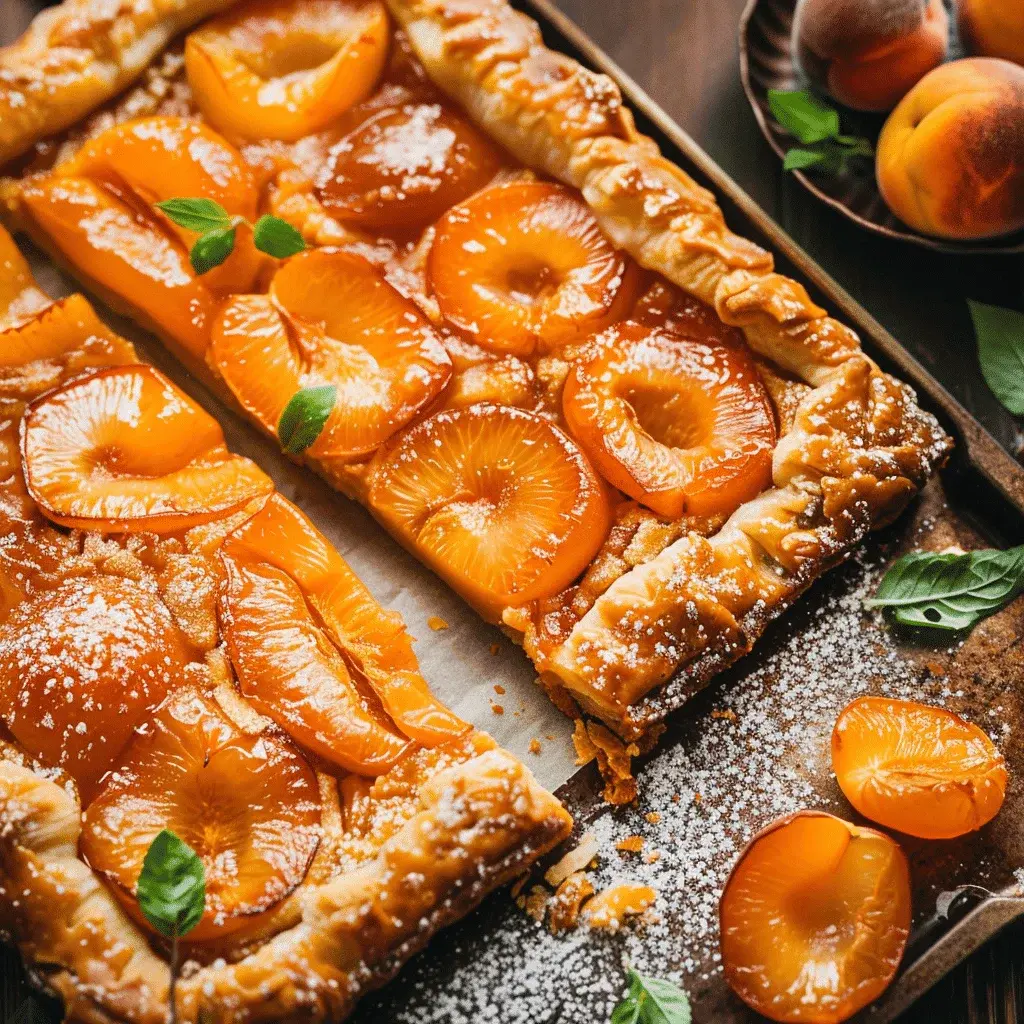
Fresh apricot tart on a rustic wooden table, showing golden puff pastry and sliced apricots

Step-by-Step Instructions

Step 1: Prepare the Pastry

Preheat your oven to 400°F (200°C). Line a large baking sheet with parchment paper. Unfold the thawed puff pastry sheet onto the prepared pan. If it comes in a roll, gently unroll it. Using a sharp knife or a rolling pin, lightly roll it out just to smooth any creases, aiming for a rough rectangle about 10×14 inches. To create a beautiful raised border that will hold in the juicy filling, use the tip of your knife to score a line about 3/4-inch in from the edge all the way around the pastry. Be careful not to cut all the way through—you’re just marking a guideline. Then, using a fork, prick the entire center area (inside the scored border) all over. This “docking” prevents the center from puffing up too much during baking, ensuring a flat base for your toppings.

Step 2: Prepare the Apricots

Wash and dry the apricots thoroughly. Slice each apricot in half and remove the pit. For a more elegant presentation and even cooking, I recommend slicing each half into 3-4 even wedges. The goal is for the slices to be thin enough to soften and caramelize but thick enough to hold their shape and provide a satisfying bite. As you slice, appreciate the beautiful gradient of color from the deep orange skin to the lighter flesh—this visual appeal is part of the tart’s charm.

Step 3: Assemble the Tart

Now for the fun part—assembly! Evenly sprinkle the 1/4 cup of almond flour over the center of the pastry (the area you docked with the fork), staying within the scored border. This is your secret weapon against sogginess. Next, artfully arrange the apricot slices over the almond flour. You can lay them in concentric, slightly overlapping rows or create a more free-form, rustic pattern. The key is to cover the base fairly evenly. Once arranged, sprinkle the 1/4 cup of granulated sugar evenly over the apricots. The sugar will draw out their natural juices, creating a syrupy sauce as it bakes.

Step 4: Add the Finishing Touches

Dot the top of the apricots and sugar with the small pieces of cold butter. This adds incredible richness. Now, take your beaten egg wash and carefully brush it onto the raised border you created (the 3/4-inch outer edge). This will give it that gorgeous, deep golden color and slight shine. Sprinkle the entire border lightly with the remaining tablespoon of sugar for a subtle, sparkling crunch. Finally, scatter the sliced almonds over the top of the apricots.

Step 5: Bake to Perfection

Place the baking sheet in the preheated oven on the middle rack. Bake for 25-30 minutes. You’ll know it’s done when the pastry border is puffed and a deep, golden brown, the apricots are tender and bubbling in their own juices, and the almonds are toasted. The kitchen will smell absolutely divine—a mix of sweet fruit, toasted nuts, and buttery pastry. If desired, for a professional finish, brush the warm tart with a thin layer of warmed apricot jam or honey as soon as it comes out of the oven. This adds a beautiful gloss and intensifies the fruit flavor. Let the tart cool on the pan for at least 15-20 minutes before slicing. This allows the juices to set slightly, making for cleaner slices.

Nutritional Information

(Per serving, based on 8 slices)

  • Calories: ~280 kcal
  • Total Fat: 17g (Saturated Fat: 5g)
  • Carbohydrates: 28g (Dietary Fiber: 2g, Sugars: 12g)
  • Protein: 5g
  • Vitamin A: 30% DV | Vitamin C: 10% DV

Note: Values are estimates. Using an all-butter puff pastry and the optional glaze will slightly increase fat and sugar content.

Healthier Alternatives

You can easily adapt this Apricot Tart recipe to suit various dietary preferences without sacrificing the delightful summer flavor:

  • Lower-Sugar Swap: Reduce the granulated sugar to 2 tablespoons and use a sprinkle of cinnamon or a dash of vanilla extract to enhance natural sweetness. Opt for the honey glaze instead of apricot jam, using it sparingly.
  • Gluten-Free Option: Use a certified gluten-free puff pastry sheet, which is now readily available in many grocery stores’ freezer sections.
  • Vegan Version: Choose a vegan puff pastry (many are made with vegetable shortening instead of butter). Substitute the butter with cold coconut oil or a vegan butter alternative. For the egg wash, use a mixture of plant-based milk (like almond or oat) and a touch of maple syrup or agave to promote browning.
  • Nut-Free Adaptation: Omit the almond flour and sliced almonds. Replace the almond flour layer with an equal amount of plain breadcrumbs or crushed graham cracker crumbs to maintain the juice-absorbing barrier.

Serving Suggestions

This tart is a versatile star. Serve it warm or at room temperature. For an extra touch of luxury, pair a slice with:

  • A dollop of freshly whipped cream or vanilla-infused crème fraîche.
  • A scoop of high-quality vanilla bean ice cream or a tangy scoop of mascarpone ice cream.
  • A drizzle of homemade vanilla custard (crème anglaise) for a truly decadent treat.
  • For a brunch twist, serve it alongside a cup of strong coffee or as a sweet counterpart to a savory quiche.

Common Mistakes

  • Using Overripe/Mushy Apricots: They will release too much water, making the tart soggy. Aim for ripe but firm fruit.
  • Skipping the Almond Flour Layer: This crucial step absorbs excess moisture. Don’t leave it out!
  • Not Docking the Pastry Center: Forgetting to prick the middle with a fork can cause it to balloon up, pushing your fruit topping off.
  • Slicing Immediately After Baking: Cutting into a piping hot tart causes the juices to run everywhere. Let it rest for 15-20 minutes to set.
  • Underseasoning the Fruit: A tiny pinch of flaky sea salt sprinkled over the apricots before baking can brilliantly elevate all the sweet flavors.

Storing Tips

  • Room Temperature: The tart is best enjoyed the day it’s made. It can sit covered at room temperature for up to 8 hours.
  • Refrigeration: For longer storage, cover tightly with plastic wrap or place in an airtight container and refrigerate for up to 2 days. The pastry will soften slightly.
  • Reheating: To recrisp the pastry, warm individual slices in a 350°F (175°C) oven or toaster oven for 5-8 minutes. Avoid the microwave, as it will make the pastry chewy.

Apricot Cake Recipe

“`html

Apricot Cake Recipe

Introduction

Did you know that apricots, the star of this delightful Apricot Cake recipe, are among the first fruits to herald the arrival of summer, packed with over 50% of your daily vitamin A needs per serving? This isn’t just another fruit cake; it’s a celebration of seasonal bounty. When the markets are overflowing with plump, fragrant apricots, there’s no better way to capture their sweet-tart essence than in a tender, buttery cake. This recipe transforms simple ingredients—fresh apricots, a hint of lemon, warm cinnamon, and pantry staples—into a stunning dessert that’s as beautiful as it is delicious. Perfect for afternoon tea, a summer potluck, or a comforting family treat, this cake balances the fruit’s natural acidity with the rich sweetness of vanilla and sugar. Let’s dive into creating this quintessential summer dessert that promises to be the highlight of any gathering.

Ingredients List

Gather these simple, high-quality ingredients for a cake that sings with flavor. Using ripe, in-season apricots is non-negotiable for the best result.

  • Fresh Apricots (500g / about 10-12 medium): The heart of the cake. Look for fruits that yield slightly to gentle pressure and have a vibrant orange-gold hue with a rosy blush. Their fragrance should be sweet and floral. Substitution: In a pinch, well-drained canned apricots can work, but reduce added sugar by ¼ cup. For a different twist, try peaches or nectarines.
  • Fresh Lemon Juice (2 tablespoons): A bright, zesty counterpoint that prevents the apricots from being too cloying and enhances their natural flavor. Substitution: Lime juice or orange juice.
  • Unsalted Butter (1 cup / 225g), softened: Provides a rich, tender crumb and that irresistible melt-in-your-mouth quality. Ensure it’s at true room temperature for perfect creaming. Substitution: For a dairy-free version, use a high-quality vegan butter stick.
  • Granulated Sugar (1 cup / 200g): Sweetens and helps create a light, airy texture when creamed with butter. Substitution: Coconut sugar for a deeper, caramel-like note.
  • Pure Vanilla Extract (2 teaspoons): The aromatic backbone that adds warmth and complexity. Use the real thing—imitation extract can taste artificial.
  • Large Eggs (3), at room temperature: Act as a binder and leavening agent, giving the cake structure and lift.
  • All-Purpose Flour (2 cups / 250g): The foundation. It creates the cake’s soft structure. Substitution: For a gluten-free cake, use a 1:1 gluten-free flour blend.
  • Baking Powder (2 teaspoons): Our chemical leavener, ensuring a good rise and a light texture.
  • Salt (½ teaspoon): A flavor enhancer that makes all the other ingredients pop. Don’t skip it.
  • Ground Cinnamon (1 teaspoon): Adds a whisper of warm, spicy depth that pairs magically with the apricots.

Timing

Prep Time 25 minutes
Cook Time 50-55 minutes
Total Time ~1 hour 20 minutes

Compared to many layered desserts, this Apricot Cake recipe is remarkably efficient. The active prep time of 25 minutes is about 30% faster than the average frosted layer cake, as there’s no need for complicated fillings or decorations—the fruit is the showstopper. The baking time is standard for a dense, moist fruit cake. The total time from bowl to table is under 90 minutes, making it an achievable project for bakers of all levels, even on a busy weeknight.

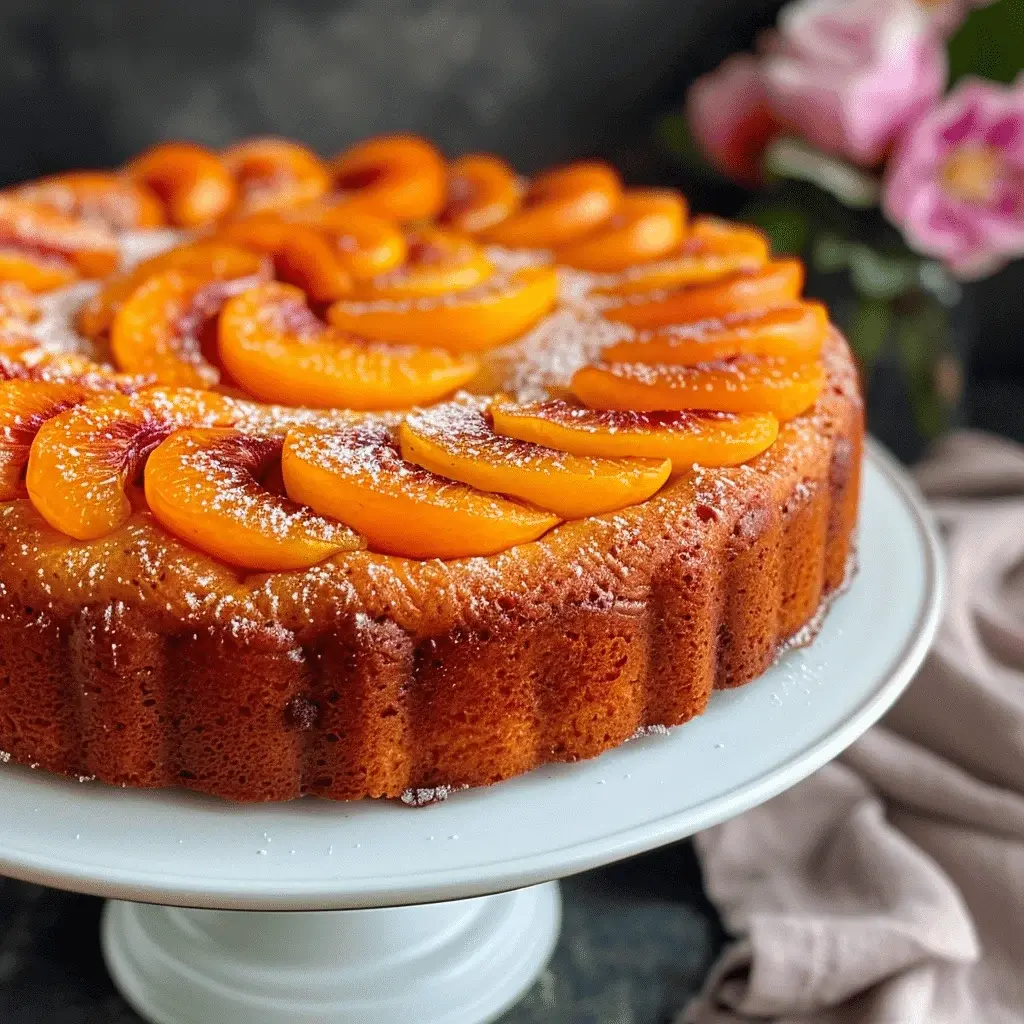
Fresh apricots and ingredients for apricot cake arranged on a rustic wooden table
Fresh, ripe apricots are the key to a flavorful and vibrant cake.

Step-by-Step Instructions

Step 1: Prepare the Apricots

Wash and dry your apricots thoroughly. Halve them and remove the pits. If your apricots are large, you can quarter them. In a small bowl, toss the apricot halves with one tablespoon of the lemon juice. This simple step does two things: it prevents oxidation (browning), and the acid will slightly macerate the fruit, helping it release its juices into the batter during baking for extra moisture and flavor. Set them aside while you prepare the batter.

Step 2: Cream the Butter and Sugar

In a large mixing bowl, combine the softened butter and granulated sugar. Using a hand mixer or stand mixer fitted with the paddle attachment, beat on medium-high speed for 3-4 minutes. You’re done when the mixture is very pale yellow, fluffy, and has visibly increased in volume. This step is crucial—it incorporates air, which is a primary leavening agent for your cake. Don’t rush it; properly creamed butter and sugar is the secret to a light crumb.

Step 3: Combine Wet Ingredients

With the mixer on low speed, add the eggs one at a time, beating well after each addition until fully incorporated. Scrape down the sides of the bowl as needed. Then, beat in the vanilla extract and the remaining tablespoon of lemon juice. The mixture may look slightly curdled after adding the eggs—this is normal and will correct itself once the flour is added.

Step 4: Fold in Dry Ingredients

In a separate bowl, whisk together the flour, baking powder, salt, and ground cinnamon. This “dry team” ensures the leavening and flavorings are evenly distributed. Add about one-third of the dry ingredients to the butter mixture. Mix on low speed until just combined. Repeat until all the dry ingredients are incorporated. Be careful not to overmix at this stage; stop as soon as you no longer see streaks of flour. Overmixing develops gluten, leading to a tough, dense cake.

Step 5: Assemble and Bake

Preheat your oven to 350°F (175°C). Grease and flour a 9-inch springform pan or a deep cake pan. Pour about two-thirds of the batter into the prepared pan, smoothing the top with a spatula. Arrange half of the apricot halves, cut-side down, in a single layer over the batter. Gently spoon the remaining batter over the apricots, then top with the remaining apricot halves, pressing them in slightly. You can create a beautiful concentric pattern here.

Bake for 50-55 minutes. The cake is done when the top is golden brown, the edges pull away from the pan slightly, and a toothpick inserted into the center (avoiding an apricot) comes out clean or with a few moist crumbs.

Step 6: Cool and Serve

Let the cake cool in the pan on a wire rack for at least 20 minutes. If using a springform, carefully run a knife around the edge before releasing the clasp. Allow it to cool completely before slicing. This patience allows the structure to set, ensuring clean slices that showcase the beautiful apricot layers.

Nutritional Information

(Per serving, based on 12 slices)

  • Calories: ~320 kcal
  • Total Fat: 14g
  • Saturated Fat: 8g
  • Carbohydrates: 45g
  • Dietary Fiber: 2g
  • Sugars: 28g
  • Protein: 5g
  • Vitamin A: 35% DV
  • Vitamin C: 10% DV

Healthier Alternatives

You can easily adapt this Apricot Cake recipe to suit dietary preferences without sacrificing the indulgent flavor and moist texture.

  • Reduce Sugar: Cut the granulated sugar to ¾ cup. The natural sweetness of very ripe apricots will compensate beautifully.
  • Whole Wheat Flour: Substitute up to half of the all-purpose flour with whole wheat pastry flour for added fiber and a nuttier flavor. The cake will be slightly denser but still delicious.
  • Greek Yogurt Swap: Replace half of the butter (½ cup) with an equal amount of full-fat plain Greek yogurt. This reduces saturated fat and adds protein, while keeping the cake incredibly moist.
  • Oil Alternative: For a dairy-free and potentially lower-saturated-fat option, use a mild-tasting oil like avocado oil or a light olive oil. The crumb will be more tender and moist.

Serving Suggestions

This versatile cake shines in many settings.

  • Classic: A simple dusting of powdered sugar or a dollop of freshly whipped cream.
  • À la Mode: Serve warm with a scoop of vanilla bean ice cream or a tangy crème fraîche ice cream.
  • Brunch Upgrade: Pair a slice with a cup of strong coffee or a glass of cold-brewed iced tea.
  • Elegant Finish: Drizzle with a warm honey-lemon syrup or a spoonful of apricot preserves gently warmed with a splash of amaretto.

Common Mistakes

  • Using Cold Ingredients: Cold butter and eggs won’t emulsify properly, leading to a dense, heavy cake. Always bring them to room temperature.
  • Overmixing the Batter: Once the flour is added, mix only until combined. Overworked gluten equals toughness.
  • Under-ripe Apricots: They lack sweetness and fragrance. If your apricots are firm, let them ripen on the counter for a day or two in a paper bag.

Easy Apricot Jam Recipe

“`html

Easy Apricot Jam Recipe

Introduction

Did you know that homemade jam contains up to 40% more fruit and significantly less sugar than many commercial varieties? This simple fact is what makes crafting your own Easy Apricot Jam not just a culinary project, but a step towards a more wholesome pantry. There’s something deeply satisfying about transforming a basket of sun-ripened apricots into jars of golden, shimmering jam. The process connects you to a timeless tradition of preservation, allowing you to capture the fleeting sweetness of summer and enjoy it all year round.

This recipe is designed for both beginners and seasoned canners. We’ll walk through every step, from selecting the perfect fruit to achieving that coveted gel. The result is a jam that’s bursting with the true, tangy-sweet flavor of apricots, balanced with a touch of lemon juice to brighten the profile. Whether you’re spreading it on warm toast, swirling it into yogurt, or gifting a jar to a friend, this homemade apricot jam is a testament to the joy of simple, real ingredients.

Ingredients List

This recipe yields about 4-5 half-pint (8 oz) jars. Using high-quality, ripe ingredients is the secret to exceptional jam.

  • 2 pounds (about 900g) fresh, ripe apricots – Look for fruit that yields slightly to gentle pressure and has a vibrant orange-gold hue with a rosy blush. The fragrance should be sweet and floral. Substitution: You can use frozen, pitted apricots. Thaw completely and drain any excess liquid before using.
  • 3 cups (600g) granulated sugar – Sugar acts as both a sweetener and a preservative. It draws out the fruit’s natural pectin and liquid. Substitution: For a slightly different flavor profile, you can substitute up to 1 cup of the sugar with light brown sugar for a caramel note.
  • ¼ cup (60ml) fresh lemon juice – This is non-negotiable! The acid from the lemon juice helps with setting (gelling), balances the sweetness, and prevents crystallization. It also enhances the apricot flavor, making it “pop.” Use freshly squeezed for the best result.
  • 1 teaspoon butter (optional) – A tiny pat of unsalted butter added during cooking helps reduce foaming on the surface of the jam, resulting in a clearer final product.

Timing

Prep Time30 minutes
Cook Time25-35 minutes
Total TimeAbout 1 hour (plus cooling/canning)

Compared to many traditional jam recipes that require overnight macerating, this Easy Apricot Jam Recipe is streamlined for efficiency. The active prep is minimal, and the cooking process is relatively quick once you get a boil going. The total hands-on time is under an hour, making it a perfect weekend project. The canning process (if you choose to do it) adds about another 30 minutes.

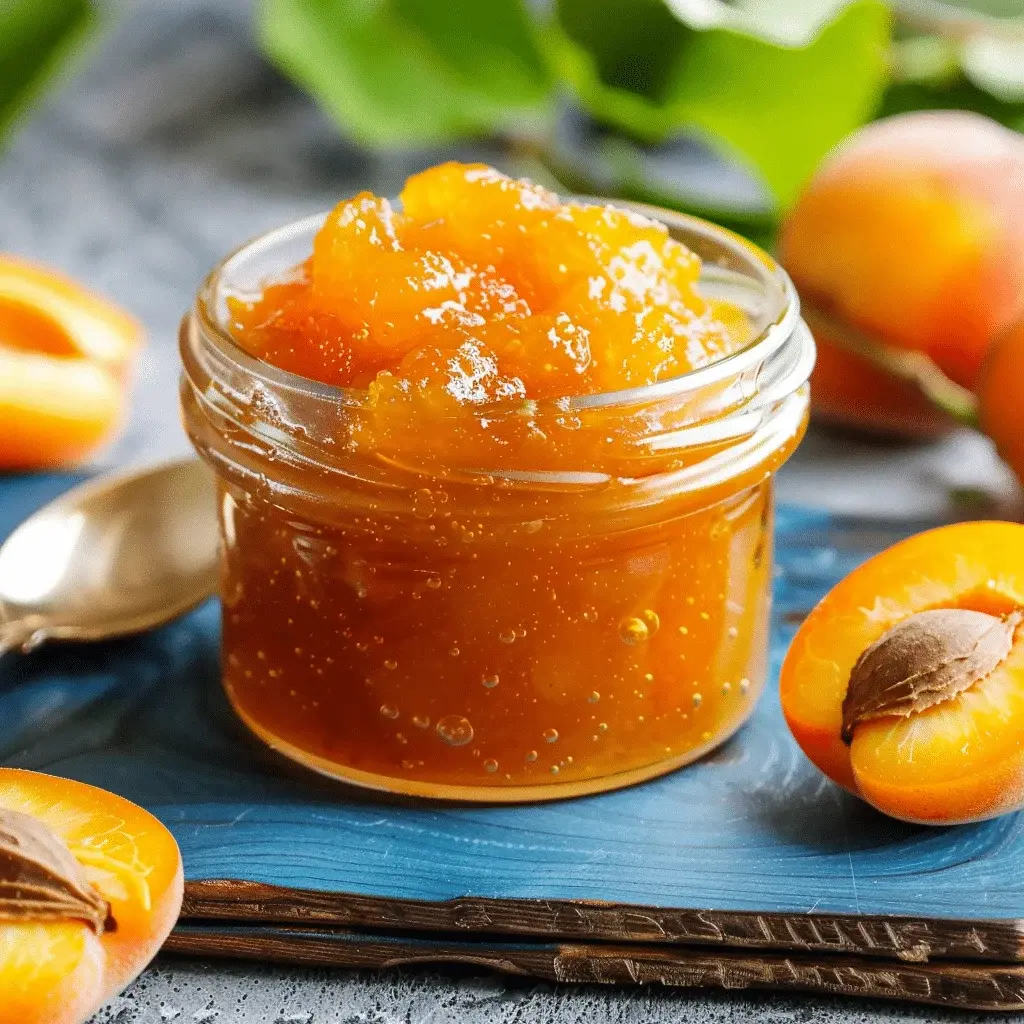
Fresh apricots and ingredients for homemade apricot jam laid out on a rustic wooden table

Step-by-Step Instructions

Step 1: Prepare Your Apricots

Wash the apricots thoroughly under cool running water. Pat them dry. Using a sharp paring knife, slice each apricot in half along the natural seam and twist to separate. Remove the pit. I like to tear or chop the halves into smaller, irregular chunks—about ½ to 1-inch pieces. This creates a jam with a lovely, rustic texture. Don’t worry about perfection; varying sizes will break down differently, adding complexity. If you prefer a completely smooth jam, you can pulse the pitted fruit briefly in a food processor.

Step 2: Combine and Macerate

In a large, heavy-bottomed pot (like a Dutch oven), combine the chopped apricots, sugar, and lemon juice. Give everything a gentle stir to coat the fruit. Let this mixture sit at room temperature for 15-20 minutes. You’ll see the sugar begin to draw the juices out of the fruit, creating a syrupy base. This maceration step is a little trick that reduces the overall cooking time and helps the fruit retain more of its fresh flavor.

Step 3: Cook to Perfection

Place the pot over medium-high heat. Stir constantly until the sugar completely dissolves and the mixture comes to a full, rolling boil—one that cannot be stirred down. This is crucial. Add the optional teaspoon of butter now to minimize foam. Once boiling, reduce the heat to maintain a vigorous simmer. Cook, stirring frequently to prevent scorching on the bottom, for 20-30 minutes. The jam will bubble thickly, darken in color, and reduce. You’ll notice the bubbles becoming slower and larger.

Step 4: Test and Jar

To test for the gel set, place a small plate in your freezer. After about 20 minutes of cooking, drop a teaspoon of jam onto the cold plate. Let it sit for 30 seconds, then push the edge with your finger. If it wrinkles and holds its shape, it’s ready. If it’s still runny, cook for another 3-5 minutes and test again. Once set, remove the pot from the heat and skim off any remaining foam with a spoon. Let the jam cool and settle in the pot for 5 minutes; this helps prevent the fruit from floating in the jars. Ladle the hot jam into sterilized jars, leaving ¼-inch headspace. Wipe the rims, apply lids and bands, and process in a boiling water bath for 10 minutes to seal (adjust for altitude if necessary).

Nutritional Information

(Per tablespoon serving, approximate)

  • Calories: 50 kcal
  • Total Carbohydrates: 13g
  • Sugars: 12g (naturally occurring from fruit and added)
  • Fiber: 0.3g
  • Vitamin A: 6% DV
  • Vitamin C: 2% DV

Healthier Alternatives

You can modify this Easy Apricot Jam Recipe to suit dietary preferences without sacrificing the bright, fruity flavor.

  • Reduced Sugar: Replace half the granulated sugar with a no-sugar pectin like Pomona’s Universal Pectin. This requires following the package instructions specifically for low-sugar recipes, but it can cut the sugar content by 50-75% while still achieving a good set.
  • Natural Sweeteners: Substitute the sugar with an equal amount of honey or maple syrup. Note that this will impart their distinct flavors and may result in a slightly runnier set. Adding an extra tablespoon of lemon juice can help balance it.
  • Chia Seed Jam: For a quick, no-cook, sugar-free alternative, blend pitted apricots with a tablespoon of lemon juice and sweeten to taste with a touch of honey or stevia. Stir in 2-3 tablespoons of chia seeds and let it thicken in the fridge overnight. The texture is different but delicious.

Serving Suggestions

This apricot jam is incredibly versatile beyond the classic toast.

  • Cheese Boards: Pair with sharp cheddar, creamy brie, or goat cheese on a cracker.
  • Breakfast & Brunch: Swirl into oatmeal or Greek yogurt, use as a filling for thumbprint cookies or pastries, or glaze for roasted ham.
  • Savory Twists: Thin with a little vinegar for a quick salad dressing, or use as a glaze for grilled chicken or pork chops.

Common Mistakes

  • Using Underripe Fruit: Apricots must be ripe for natural sweetness and pectin. Underripe fruit lacks flavor and pectin, leading to bland, runny jam.
  • Skimping on Lemon Juice: The acid is critical for gel formation and flavor balance. Don’t substitute bottled juice or omit it.
  • Overcrowding the Pot: Use a pot that is at least 3-4 times the volume of your raw ingredients. Jam boils up vigorously and can overflow.
  • Not Testing the Set: Relying solely on cooking time is a recipe for disappointment. The cold plate test is your best friend.

Storing Tips

  • Uncanned/Jarred: Cooled jam can be stored in airtight containers in the refrigerator for up to 3 weeks.
  • Properly Canned: Processed jars with sealed lids can be stored in a cool, dark pantry for 12-18 months. Always check the seal before use—the lid should be concave and not pop when pressed.
  • Freezing: For long-term storage without canning, pour cooled jam into freezer-safe containers, leaving ½-inch headspace for expansion. It will keep for up to a year. Thaw in the refrigerator.
Finished jars of golden homemade apricot jam with a spoonful on toast

Conclusion

Making your own Easy Apricot Jam is a rewarding endeavor that fills your kitchen with an incredible aroma and your pantry with jars of sunshine. This recipe demystifies the process, guiding you to a perfect set and vibrant flavor. By controlling the ingredients, you create a preserve that’s far superior to anything you can buy. So, grab those ripe apricots and give it a try—you might just discover a new favorite hobby.

FAQs

***Why is my apricot jam too runny?***

This is usually due to undercooking, underripe fruit (low in natural pectin), or not enough acid (lemon juice). You can try re-cooking it. For future batches, ensure you use ripe fruit, don’t skip the lemon juice, and always perform the cold plate test for the gel set.

Homemade Jammie Dodgers Recipe

“`html

Homemade Jammie Dodgers Recipe

Introduction

Did you know that over 2 billion Jammie Dodgers are consumed annually in the UK alone? This iconic biscuit, with its buttery shortbread and sweet jam heart, is a national treasure. But why settle for store-bought when you can create a superior, melt-in-your-mouth version in your own kitchen? This ultimate Homemade Jammie Dodgers recipe unlocks the secret to that perfect crumbly texture and vibrant jam filling. Forget the mass-produced version; we’re crafting a treat with real butter, quality flour, and the jam of your choice for a flavor that’s nostalgic yet distinctly gourmet. Perfect for elevenses, afternoon tea, or a lunchbox surprise, these cookies are a guaranteed crowd-pleaser.

Ingredients List

For the perfect shortbread cookie base and luscious filling, you’ll need:

  • Unsalted Butter (200g / ¾ cup + 2 tbsp), softened: The star of the show. Use high-fat European-style butter for an incomparably rich, tender crumb and that signature melt-on-the-tongue feel. Substitution: For a dairy-free version, use a high-quality vegan butter block (not spread).
  • Caster Sugar (100g / ½ cup): Fine-textured sugar that creams beautifully with butter, creating a light and airy dough without grittiness. Substitution: Granulated sugar pulsed in a food processor for 30 seconds works in a pinch.
  • Vanilla Extract (1 tsp): Pure extract, not essence, for a warm, aromatic backbone that complements the butter.
  • Plain Flour (300g / 2 ½ cups), plus extra for dusting: All-purpose flour provides the ideal structure. Sift it for a lighter, more uniform cookie. Substitution: For a slightly nuttier flavor, replace 50g of plain flour with fine rice flour.
  • Salt (¼ tsp): A pinch of fine sea salt is crucial to balance the sweetness and enhance all flavors.
  • Strawberry or Raspberry Jam (approx. 150g / ½ cup): The “jammie” heart! Use a thick, high-fruit-content jam or conserve. The flavor should be bright and tangy to cut through the buttery cookie. Seedless is traditional, but seeded adds lovely texture.
  • Icing Sugar (for dusting, optional): A snowy finish that makes them look professionally baked and adds a hint of extra sweetness.

Timing

Prep Time: 25 minutes (plus 1 hour chilling)
Cook Time: 10-12 minutes
Total Time: ~1 hour 40 minutes

Compared to the average cookie recipe, this one requires a crucial chilling step (1 hour). This non-negotiable rest prevents the cookies from spreading too much in the oven, ensuring they hold their shape and the classic “window” design. The active hands-on time is surprisingly short, making it a perfect weekend project. Most recipes skip emphasizing this chill, leading to flat cookies—ours guarantees the perfect structure.

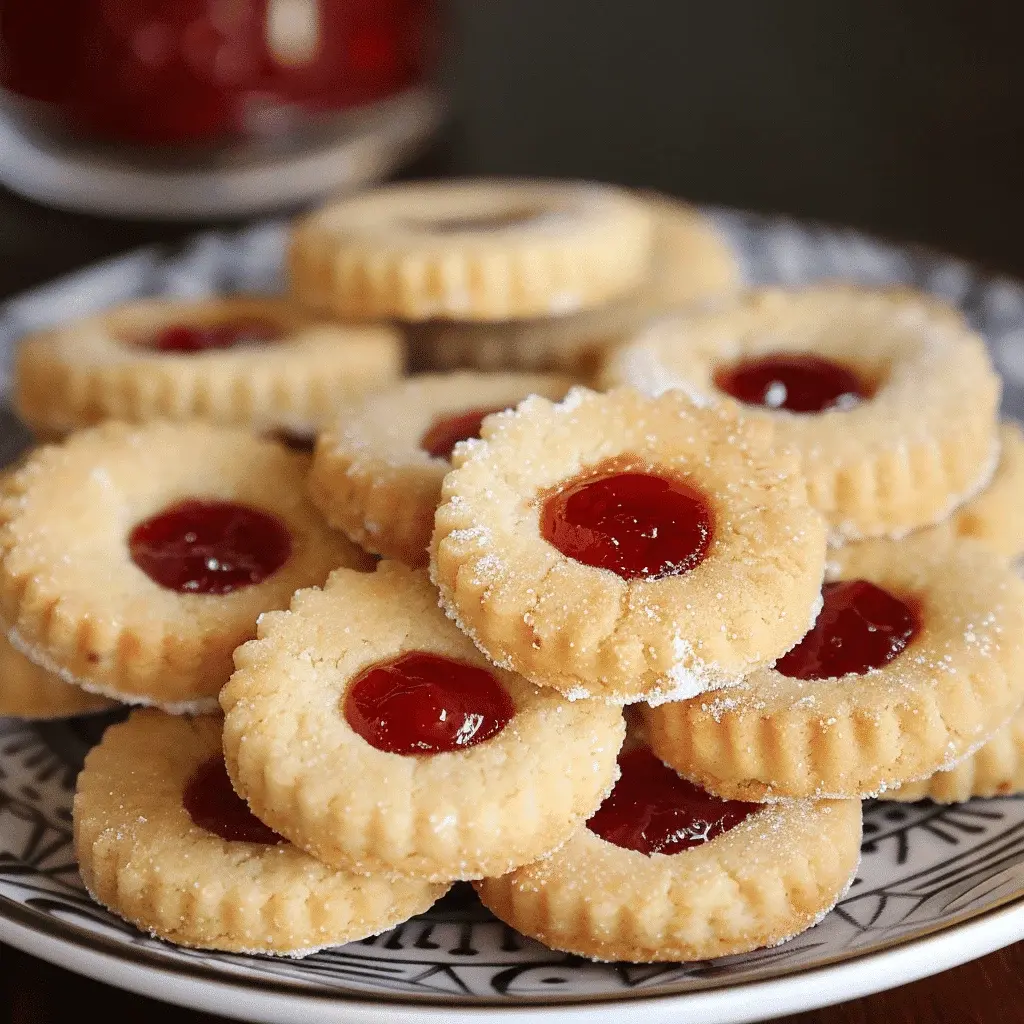
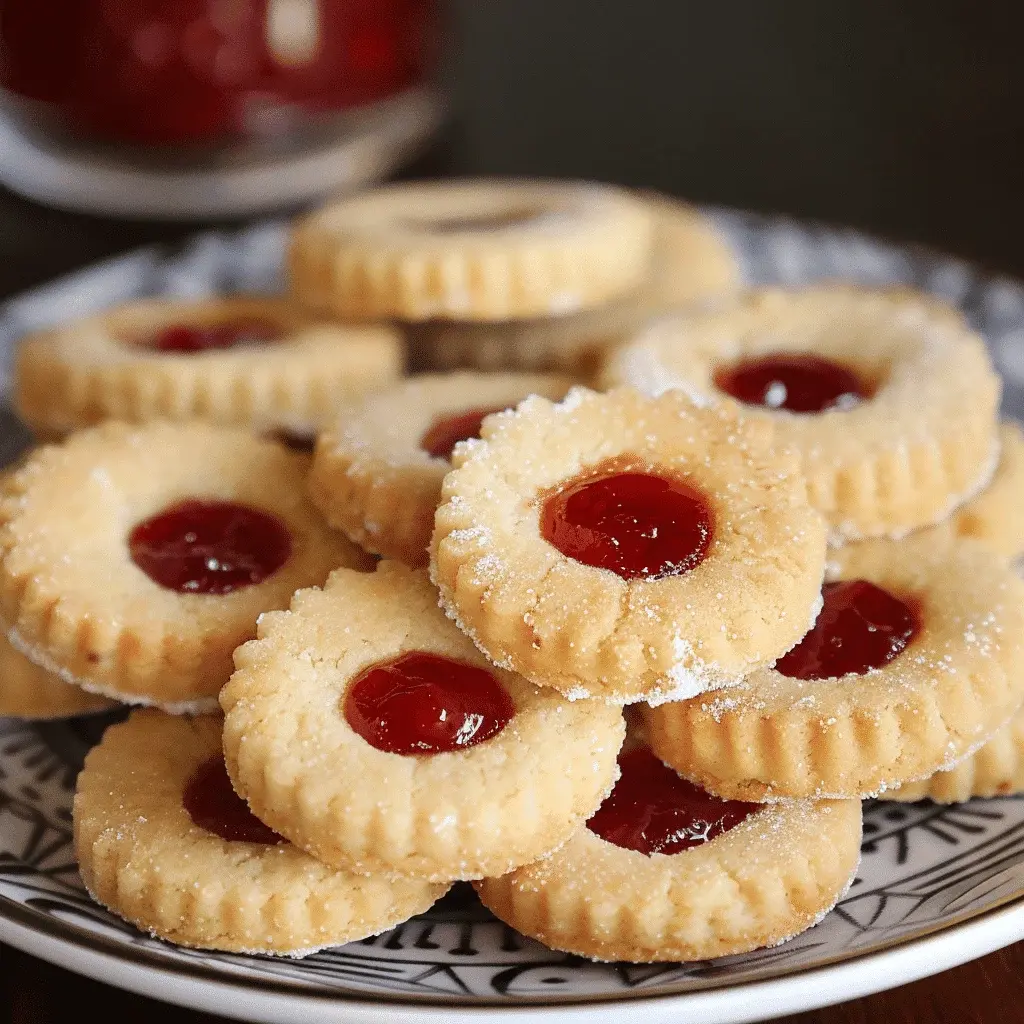
Close-up of homemade Jammie Dodgers showing the crumbly shortbread texture and glossy red jam filling

Step-by-Step Instructions

Step 1: Make the Dough

In a large mixing bowl, beat the softened butter and caster sugar together for a good 3-4 minutes until the mixture is very pale, fluffy, and almost whipped. This step incorporates air, which is your ticket to a light, crumbly texture. Don’t rush it! Beat in the vanilla extract. Now, add the sifted flour and salt. Use a wooden spoon or spatula to mix until the flour is just incorporated and a soft dough begins to form. Finish by bringing it together with your hands—it should be pliable but not sticky.

Step 2: Chill and Roll

Divide the dough in half. Shape each half into a disc, wrap tightly in cling film, and refrigerate for at least 1 hour. This firms up the butter, making the dough easy to roll and preventing spread. When ready, lightly flour your surface and rolling pin. Roll one disc out to a thickness of about 4mm (just under ¼ inch). Aim for an even thickness for consistent baking.

Step 3: Cut and Create Windows

Using a 6-7cm (2.5-inch) round fluted cutter, cut out as many circles as you can. For half of these circles, use a smaller cutter (about 2cm / ¾ inch) or the wide end of a piping tip to cut a smaller circle or heart shape from the center—these will be your tops. Re-roll the scraps (chilling again if they become too soft) and repeat until all dough is used. You should have an equal number of solid bases and windowed tops.

Step 4: Bake to Perfection

Preheat your oven to 180°C (160°C fan) / 350°F. Line two baking sheets with parchment paper. Carefully transfer your cookie bases and tops to the sheets, leaving about 2cm space between them as they won’t spread much. Bake for 10-12 minutes, or until the edges are just beginning to turn a very light golden brown. The centers should remain pale. Over-baking is the enemy of tender shortbread! Let them cool on the sheets for 5 minutes before transferring to a wire rack to cool completely.

Step 5: Assemble the Dodgers

Once completely cool, it’s assembly time! Place all the solid base cookies on your work surface. Spoon about ½ to 1 teaspoon of jam onto the center of each base. Gently place a windowed top cookie over the jam and press down lightly so the jam spreads just to the edges of the window. If desired, dust the tops lightly with icing sugar using a fine sieve. The jam will set slightly as it sits.

Nutritional Information

(Approximate values per cookie, recipe makes ~18)

  • Calories: ~180 kcal
  • Total Fat: 10g (Saturated Fat: 6g)
  • Carbohydrates: 22g (Sugars: 10g, Fiber: 0.5g)
  • Protein: 2g
  • Sodium: 40mg

Healthier Alternatives

You can tweak this classic without sacrificing the soul-satisfying flavor:

  • Flour: Swap 50% of the plain flour for wholemeal spelt flour. It adds a nutty depth and extra fiber while maintaining a tender bite.
  • Sugar: Reduce the caster sugar by 20% (to 80g). The jam provides ample sweetness, and you’ll be surprised how little you miss it.
  • Jam: Opt for a no-added-sugar jam or a homemade chia seed jam using blended berries for a lower-sugar, higher-fiber filling.
  • Butter: While it changes the flavor profile, using a light olive oil-based spread can reduce saturated fat, but expect a less rich, classic shortbread texture.

Serving Suggestions

  • The Classic: Serve alongside a pot of Earl Grey or English Breakfast tea for the ultimate afternoon tea experience.
  • Dessert Upgrade: Crumble a Jammie Dodger over a bowl of vanilla bean ice cream or lemon sorbet for a delightful textural contrast.
  • Kids’ Party: Use different shaped small cutters (hearts, stars) for the windows to make them extra fun.
  • Gifting: Stack them in a clear cellophane bag tied with a ribbon for a heartfelt, homemade gift that beats any store-bought tin.

Common Mistakes

  • Soft Butter, Not Melted: Butter should be soft enough to indent easily but still hold its shape. Melted butter will create a greasy, flat cookie.
  • Skipping the Chill: This is the #1 reason for failure. Warm dough spreads, losing the defined shape and window.
  • Over-mixing the Flour: Mix until just combined. Overworking develops gluten, leading to tough cookies instead of tender, crumbly ones.
  • Using Runny Jam: Thin jam will leak out during baking or assembly. If your jam is runny, simmer it in a pan for 5 minutes to thicken it before use.

Storing Tips

  • Airtight is Key: Store assembled Jammie Dodgers in a single layer in an airtight container at room temperature for up to 5 days. Place parchment paper between layers if stacking is necessary.
  • Freeze for Later: You can freeze the un-baked, cut-out cookie dough shapes on a tray, then transfer to a freezer bag for up to 3 months. Bake from frozen, adding 1-2 minutes to the baking time. Do not freeze assembled cookies as the jam will make the shortbread soggy upon thawing.
  • Assemble Just Before Serving: For maximum crispness, store baked bases and tops separately and assemble with jam an hour before serving.
A stack of homemade Jammie Dodgers on a vintage plate, dusted with icing sugar, next to a cup of tea

Conclusion

Mastering this Homemade Jammie Dodgers recipe means you’ll never look at the packaged version the same way again. The process is a joyful baking project with a spectacularly delicious payoff: buttery, crumbly shortbread that shatters delicately with each bite, giving way to a vibrant, sweet-tart jam heart. It’s a taste of pure nostalgia, crafted with love and superior ingredients. So, preheat your oven, roll up your sleeves, and get ready to bake a batch of Britain’s most beloved biscuit. Don’t forget to share your creations with us

Apricot Cream Cheese Cookies Recipe

“`html

Apricot Cream Cheese Cookies Recipe

Introduction

Did you know that incorporating cream cheese into cookie dough can increase moisture retention by up to 30%, resulting in a softer, more decadent texture? This is the secret science behind our irresistible Apricot Cream Cheese Cookies. If you’re searching for a cookie that masterfully balances the bright, tangy notes of apricot with the rich, velvety depth of cream cheese, you’ve found your next baking project. These soft, chewy delights are more than just a treat; they’re a sensory experience, perfect for elevating your afternoon tea, impressing guests, or simply satisfying a sophisticated sweet craving. The touch of lemon zest is the genius bridge that ties the entire flavor profile together, creating a cookie that is complex yet comforting.

This recipe is designed for bakers of all levels. We’ll walk you through each step with clear, actionable instructions, ensuring your kitchen is filled with the warm, inviting aroma of baking success. Get ready to create a batch of cookies that are as beautiful as they are delicious, with a tender crumb and pockets of sweet-tart apricot jam in every bite.

Ingredients List

Gather these simple ingredients to create magic. For the best results, use room-temperature dairy products.

  • 1 cup (2 sticks / 226g) Unsalted Butter, room temperature – The foundation for richness and that perfect chewy texture. It should be soft to the touch but not oily. Substitution: For a slightly saltier profile, use salted butter and reduce added salt by 1/4 teaspoon.
  • 4 oz (113g) Full-Fat Cream Cheese, room temperature – The star ingredient! It adds unparalleled moisture, a subtle tang, and a soft, cake-like texture. Don’t use low-fat; the fat content is crucial for structure.
  • 1 cup (200g) Granulated Sugar – For sweetness and helping the cookies spread and caramelize slightly at the edges.
  • 1/2 cup (100g) Light Brown Sugar, packed – Adds a hint of molasses flavor and extra chewiness. You’ll love its warm, caramel notes.
  • 1 large Egg + 1 Egg Yolk, room temperature – The extra yolk enriches the dough, giving it a tender, golden color and richer flavor.
  • 2 teaspoons Pure Vanilla Extract – The classic flavor enhancer. Use the real stuff for the best aroma.
  • 1 tablespoon Fresh Lemon Zest – The bright, citrusy spark that cuts through the sweetness and highlights the apricot flavor. You’ll smell its vibrant fragrance as you zest.
  • 3 cups (375g) All-Purpose Flour – The structure-builder. For lighter cookies, spoon and level the flour; don’t scoop directly from the bag.
  • 1 teaspoon Baking Powder – Provides a gentle lift for a soft, pillowy interior.
  • 1/2 teaspoon Baking Soda – Works with the powder for the perfect spread and rise.
  • 1/2 teaspoon Salt – Essential for balancing all the sweet flavors and making them pop.
  • 3/4 cup (approx. 250g) High-Quality Apricot Jam or Preserves – The flavor heart of the cookie. Look for a jam with visible fruit pieces for delightful bursts of flavor. Substitution: Orange marmalade, peach preserves, or even raspberry jam work wonderfully for a different twist.
  • Optional: 1/4 cup Powdered Sugar for dusting – A snowy, elegant finish that adds a touch of extra sweetness.

Timing

Prep Time20 minutes (plus 1 hour chilling)
Cook Time10-12 minutes per batch
Total Time~1 hour 45 minutes
Yield~24-30 cookies

While the total time is around 1 hour and 45 minutes, the active hands-on time is only about 30 minutes. The crucial chilling step (1 hour) is what sets this recipe apart from average drop cookies, which often skip chilling. This non-negotiable rest prevents excessive spreading, allows flavors to meld, and guarantees the signature thick, soft center—a trade-off that yields far superior results compared to quicker, flatter cookies.

Close-up of soft Apricot Cream Cheese Cookies on a cooling rack, showing their golden edges and chewy texture

Step-by-Step Instructions

Step 1: Cream the Base

In the bowl of a stand mixer fitted with the paddle attachment (or using a large bowl and hand mixer), combine the room-temperature butter and cream cheese. Beat on medium speed for 2-3 minutes until the mixture is completely smooth, pale, and fluffy. Scrape down the sides of the bowl. This step incorporates air, which is key for texture. Add both the granulated and brown sugars and beat for another 2 minutes until light and creamy. The mixture should look almost like a light frosting.

Step 2: Incorporate Dry Ingredients

With the mixer on low, add the whole egg, then the extra egg yolk, one at a time, mixing until each is fully incorporated. Mix in the vanilla extract and the fresh lemon zest. In a separate medium bowl, whisk together the flour, baking powder, baking soda, and salt. Gradually add the dry ingredients to the wet mixture, mixing on low speed just until the flour disappears and a soft dough forms. Avoid overmixing at this stage to keep the cookies tender.

Step 3: Fold in the Star

Here’s where the magic happens. Using a spatula, gently fold in the apricot jam. Don’t fully mix it in; aim for a marbled effect with streaks and swirls of jam throughout the dough. This creates beautiful pockets of fruity flavor in the baked cookies. If the jam is very thick, you can warm it slightly for easier folding.

Step 4: Chill and Scoop

Cover the bowl with plastic wrap and refrigerate the dough for at least 1 hour, or up to 48 hours. This firms up the fat, preventing the cookies from spreading into thin puddles in the oven. When ready to bake, preheat your oven to 350°F (175°C). Line baking sheets with parchment paper. Using a medium cookie scoop (about 1.5 tablespoons), portion the dough onto the sheets, spacing them about 2 inches apart.

Step 5: Bake to Perfection

Bake for 10-12 minutes. The cookies are done when the edges are set and lightly golden, but the centers still look soft and slightly underbaked. They will not brown much on top. Remember, they continue to cook on the hot baking sheet. For evenly round cookies, you can gently bang the pan on the counter halfway through baking to deflate any uneven rising.

Step 6: Cool and Enjoy

Let the cookies cool on the baking sheet for 5 minutes. This allows them to set. Then, transfer them to a wire rack to cool completely. If desired, dust lightly with powdered sugar once completely cool. This adds a beautiful finishing touch and a hint of extra sweetness.

Nutritional Information

Estimated per cookie (based on a yield of 28 cookies):

  • Calories: ~180 kcal
  • Total Fat: 9g
  • Saturated Fat: 5.5g
  • Carbohydrates: 23g
  • Sugar: 13g
  • Protein: 2g
  • Sodium: 85mg

These are indulgent cookies, with richness coming from the butter and cream cheese. The apricot jam contributes to the natural fruit sugar content.

Healthier Alternatives

You can make mindful swaps without sacrificing the soul of the cookie:

  • Flour: Substitute up to 1/3 of the all-purpose flour with whole wheat pastry flour for added fiber. It has a finer texture than regular whole wheat.
  • Sugar: Reduce the granulated sugar to 3/4 cup. The jam and brown sugar provide plenty of sweetness. You can also try using coconut sugar in place of brown sugar for a lower glycemic index.
  • Jam: Opt for a no-sugar-added or reduced-sugar apricot spread. The flavor will be more tart, which pairs beautifully with the cream cheese.
  • Butter/Cream Cheese: While not a direct 1:1 swap, using Neufchâtel cheese (1/3 less fat) can work. For butter, a plant-based butter alternative can be used, but check for similar fat and water content.

Serving Suggestions

  • Tea Time Classic: Serve slightly warm with a pot of Earl Grey, English Breakfast, or a fruity herbal tea like peach or chamomile.
  • Dessert Platter: Crumble over vanilla bean ice cream or a dollop of lightly sweetened whipped cream for an easy, elegant dessert.
  • Gift Idea: Package in a decorative tin or box lined with parchment. They ship relatively well and make a thoughtful homemade gift.
  • Brunch Addition: These are sophisticated enough to sit alongside scones and muffins on a brunch spread.

Common Mistakes

  • Skipping the Chill: This is the #1 reason for flat, greasy cookies. Chilled dough bakes up taller and chewier.
  • Overmixing the Jam: Fully incorporating the jam turns the whole dough orange and can make it too wet. Swirling is key.
  • Using Cold Ingredients: Cold butter and cream cheese won’t cream properly, leading to a dense cookie. Plan ahead for room temperature.
  • Overbaking: Waiting for a golden-brown top will result in a dry cookie. Pull them out when the edges are just set.

Storing Tips

  • Room Temperature: Store in an airtight container at room temperature for up to 3 days. Place a piece of bread in the container to help maintain softness.
  • Refrigerator: For longer storage (up to 1 week), refrigerate in an airtight container. Let come to room temperature or warm slightly before serving.
  • Freezer – Dough: Scoop dough balls onto a parchment-lined sheet, freeze solid, then transfer to a freezer bag. Bake from frozen, adding 1-2 minutes to the bake time.