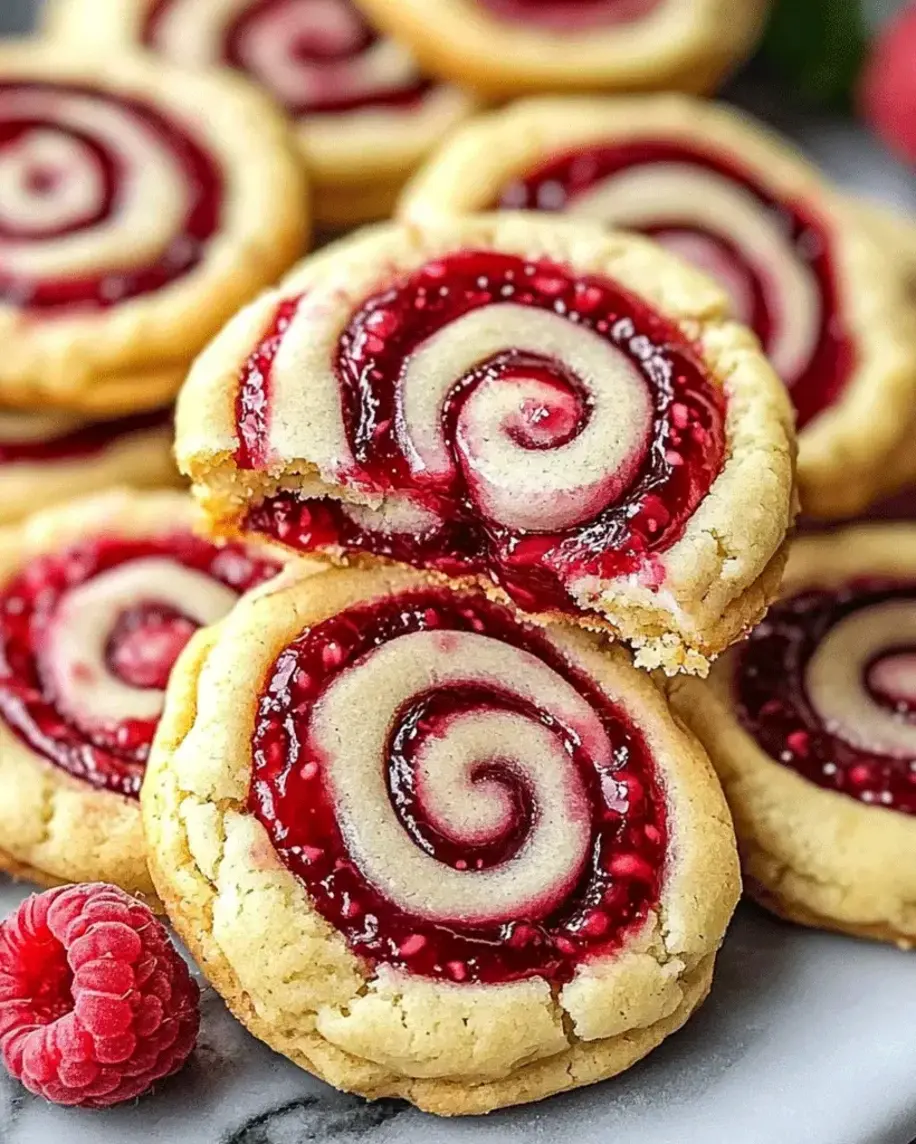
Easter Shortbread Cookie Bites

“`html

Easter Shortbread Cookie Bites

Looking for a delightful addition to your Easter spread that’s both elegant and incredibly easy to make? You’re not alone! With spring holidays just around the corner, many home bakers are searching for foolproof recipes that impress. Easter Shortbread Cookie Bites are delightful, buttery treats that melt in your mouth, making them perfect for spring celebrations with family and friends. These aren’t just cookies; they’re little bites of happiness, crafted with simple ingredients to create a rich, buttery flavor and a delicate crumb that’s simply irresistible. Whether you’re hosting a brunch, a tea party, or just want to add a touch of sweetness to your holiday table, these shortbread bites are sure to be a hit.

Why You’ll Love These Easter Shortbread Cookie Bites

What makes these Easter Shortbread Cookie Bites a stand-out choice for your holiday baking? It’s their incredible simplicity, melt-in-your-mouth texture, and subtle, buttery flavor. Unlike more complex cookies, shortbread requires just a few pantry staples but delivers a sophisticated taste and elegant appearance. They are incredibly versatile – perfect for dipping in chocolate, drizzling with icing, or simply enjoying their pure, unadulterated goodness. Their tender texture and rich flavor make them a welcome treat for guests of all ages. Plus, they’re sturdy enough to be packaged as lovely edible gifts for neighbors or friends. This recipe offers a fantastic base that you can customize with a hint of citrus zest or even finely chopped nuts for added texture. Get ready to discover your new favorite Easter cookie!

Ingredients for the Most Delicious Easter Shortbread

The beauty of shortbread lies in its minimal, high-quality ingredients. For these Easter Shortbread Cookie Bites, you’ll need:

  • Unsalted Butter: 1 cup (2 sticks or 227g), softened to room temperature. This is the heart of shortbread, providing its signature richness and tender texture. Using unsalted allows you to control the salt content better. Substitution: You can use salted butter, but reduce the added salt to ¼ teaspoon. For a dairy-free option, use a high-quality vegan butter alternative that bakes well.
  • Granulated Sugar: ½ cup (100g). This will be creamed with the butter to create a light texture and a subtle sweetness. Substitution: Powdered sugar can be used for a slightly finer crumb, but granulated sugar offers a satisfying crispness.
  • Vanilla Extract: 1 teaspoon. A classic flavor enhancer that complements the rich butter. Substitution: Almond extract or a touch of lemon extract can be used for a different aromatic profile.
  • All-Purpose Flour: 2 cups (250g), plus more for dusting. This provides the structure for our cookies. Substitution: For a gluten-free version, a good quality 1:1 gluten-free flour blend will work.
  • Salt: ¼ teaspoon. Balances the sweetness and enhances the buttery flavor. Substitution: Omit if using salted butter.

Timing is Everything for Perfect Shortbread

Prep time: 15 minutes
Chill time: 30 minutes
Cook time: 12-15 minutes
Total time: approx. 1 hour (including chilling)

Compared to many intricate cookie recipes that require multiple chilling periods and complex decoration, these Easter Shortbread Cookie Bites are refreshingly quick. The substantial chilling time is crucial for preventing spread and achieving that perfect, crumbly texture. The active preparation is minimal, making them ideal for busy holiday schedules. Most cookie recipes have similar prep and cook times, but the chilling step in shortbread is non-negotiable for its signature texture.

Easter Shortbread Cookie Bites on a rustic wooden board, dusted with powdered sugar

Crafting Your Easter Shortbread Cookie Bites: A Step-by-Step Guide

1. Creaming Butter and Sugar

In a medium bowl, or the bowl of your stand mixer fitted with the paddle attachment, cream together the softened unsalted butter and granulated sugar. Beat on medium speed until the mixture is light, fluffy, and pale yellow. This process incorporates air, which is essential for a tender shortbread. Think of it as creating a cloud of buttery sweetness!

2. Adding Vanilla and Flour

Add the vanilla extract and salt to the creamed butter and sugar mixture, and mix until just combined. Gradually add the all-purpose flour, mixing on low speed until the dough just begins to come together. Be careful not to overmix at this stage; overmixing can develop the gluten in the flour, leading to tough cookies. The dough should look slightly crumbly but hold together when squeezed.

3. Shaping the Shortbread

Turn the dough out onto a lightly floured surface. You can either bring it together gently with your hands to form a cohesive ball or divide it into two portions and shape each into a log, about 1.5 to 2 inches in diameter. For cookie bites, it’s easiest to shape the dough into a log, then wrap it tightly in plastic wrap. Chill the log in the refrigerator for at least 30 minutes. This chilling process firms up the butter, making the dough easier to slice and preventing the cookies from spreading too much during baking.

4. Baking to Golden Perfection

Preheat your oven to 325°F (160°C). Once the dough is chilled and firm, unwrap the log and slice it into 1/4 to 1/2-inch thick rounds. Place the rounds onto baking sheets lined with parchment paper, leaving about an inch of space between each cookie. Bake for 12-15 minutes, or until the edges are lightly golden brown and the centers are set. Watch them closely, as shortbread can go from perfectly baked to overdone quickly.

5. Cooling and Decorating

Let the shortbread bites cool on the baking sheets for about 5 minutes before transferring them to a wire rack to cool completely. Once cool, you can enjoy them as is, or get creative with decorating! A light dusting of powdered sugar, a drizzle of melted chocolate (dark, milk, or white), or even some simple pastel-colored icing can make them extra festive for Easter. You can also use Easter-themed cookie cutters to shape the dough before chilling, or sprinkle them with edible glitter or small pastel-colored sprinkles.

Nutritional Snapshot

(Note: Nutritional information is an estimate and will vary based on exact ingredients and serving size.)

One serving (approximately 2-3 cookie bites) typically contains around:

  • Calories: 150-200 kcal
  • Fat: 10-15g
  • Carbohydrates: 15-20g
  • Protein: 1-2g
  • Sugar: 8-12g

Healthier Alternatives & Flavor Twists

While classic shortbread is a treat in itself, you can make it a bit lighter or add exciting new flavors:

  • Whole Wheat Flour: Substitute half of the all-purpose flour with whole wheat flour for added fiber and a slightly nuttier flavor.
  • Reduced Butter: While challenging to maintain the classic texture, you can experiment with reducing the butter slightly (e.g., by ¼ cup) and increasing the flour. You might achieve a slightly less tender cookie but still delicious.
  • Natural Sweeteners: Consider using a small amount of honey or maple syrup (reduce other liquids if any) for a natural sweetness. This will alter the flavor profile and texture.
  • Citrus Zest: Add the zest of one lemon or orange to the dough for a bright, refreshing twist that complements the buttery base beautifully.
  • Herbs: For a savory-sweet option, try adding a teaspoon of finely chopped fresh rosemary or lavender to the dough.

Serving Suggestions

These Easter Shortbread Cookie Bites are incredibly versatile. Serve them alongside:

  • Fresh fruit, especially berries, for a light and refreshing pairing.
  • A cup of tea or coffee for an afternoon treat.
  • As part of a larger dessert platter, offering a simpler, buttery contrast to richer cakes and tarts.
  • Packaged in decorative tins or bags as edible Easter gifts.

Common Mistakes to Avoid

To ensure your shortbread bites are perfect every time:

  • Overmixing the Dough: This develops gluten, making your shortbread tough and hard instead of tender and crumbly. Mix just until the ingredients are incorporated.
  • Not Chilling the Dough: Chilling is crucial. It solidifies the butter, preventing the cookies from spreading too much in the oven and making them easier to slice cleanly.
  • Baking at Too High a Temperature: A lower, moderate oven temperature (325°F/160°C) allows the shortbread to bake through without browning too quickly.
  • Overbaking: Shortbread should be pale with just a hint of golden color on the edges. Overbaking will make them hard and dry.

Storing Your Delicious Shortbread

Once completely cooled, store your Easter Shortbread Cookie Bites in an airtight container at room temperature. They will remain fresh and delicious for up to 5-7 days. If you’ve decorated them with icing or chocolate, it’s best to ensure they are fully set before sealing the container to prevent smudging.

Close-up of Easter Shortbread Cookie Bites decorated with pastel icing and sprinkles on a white plate

Freshly Baked FAQs

***Can I make these shortbread bites ahead of time?***

Absolutely! Shortbread generally tastes even better after a day or two, allowing the flavors to meld. Store them in an airtight container at room temperature.

***Why are my shortbread cookies spreading?***

This is usually due to the butter being too soft when the dough is shaped or the oven not being hot enough. Ensure your butter is softened but not melted, and make sure to chill the dough adequately before baking.

***Can I add other flavors to the dough?***

Yes! Experiment with citrus zest, a pinch of spice like cardamom or cinnamon, or even finely chopped nuts or dried fruit (though these might affect the cookie’s tenderness and spread). Always add these with the flour.

***How do I get perfectly uniform cookie bites?***

Shaping the dough into a log and then slicing it into uniform rounds is the easiest way. For even more uniformity, you can use cookie cutters if you prefer.

These Easter Shortbread Cookie Bites are more than just a cookie; they are a promise of simple, sweet joy during the spring season. Their tender, buttery crumb and delicate flavor make them a classic treat that’s perfect for sharing. Whether you’re a seasoned baker or just starting, this recipe is designed for success. Whip up a batch for your Easter celebrations and watch them disappear!


Print

clock clock iconcutlery cutlery iconflag flag iconfolder folder iconinstagram instagram iconpinterest pinterest iconfacebook facebook iconprint print iconsquares squares iconheart heart iconheart solid heart solid icon

Easter Shortbread Cookie Bites


  • Author: Chef Sara

Description

Easter Shortbread Cookie Bites are delightful, buttery treats that melt in your mouth, making them perfect for spring celebrations with family and friends.


Ingredients

Scale
  • 1 cupunsalted butter (softened at room temperature)
  • 1 cupgranulated sugar
  • 2 tsppure vanilla extract
  • 2 cupsall-purpose flour (sifted)
  • 1/4 tspsalt
  • Colorful sprinkles for decoration

Instructions

  1. Preheat the oven to 350°F (175°C).
  2. In a large bowl, cream together softened butter and sugar until light and fluffy (3-5 minutes).
  3. Mix in the vanilla extract. In another bowl, whisk together flour and salt; gradually add to the butter mixture.
  4. Wrap dough in plastic wrap and chill for 30 minutes.
  5. Scoop tablespoon-sized portions onto a parchment-lined baking sheet. Bake for 12-15 minutes until lightly golden.
  6. Sprinkle with colorful decorations while warm.

Nutrition

  • Calories: 76
  • Sugar: 4g
  • Fat: 5g
  • Carbohydrates: 7g
  • Protein: 1g

“`

Lemon Cheesecake Crescent Rolls

“`html

Lemon Cheesecake Crescent Rolls

What are Lemon Cheesecake Crescent Rolls?

Are you looking for a dessert that’s both impressive and incredibly easy to make? If so, you’re in the right place! Lemon Cheesecake Crescent Rolls are a delectable treat that perfectly marries the bright, tangy zest of lemon with the rich, creamy indulgence of cheesecake, all nestled within the flaky, buttery layers of crescent dough. Imagine biting into a warm, golden-brown roll, where the crisp exterior gives way to a soft, tender interior, revealing a luscious swirl of softened cream cheese and sweet, citrusy lemon. These rolls are a game-changer for any occasion, whether you’re hosting a brunch, a potluck, a holiday gathering, or simply craving a sophisticated yet comforting snack. They offer a delightful flavor profile that’s universally loved and a texture combination that’s simply irresistible. With an average bake time of around 15-20 minutes, this recipe is designed to bring maximum deliciousness with minimum fuss, making it a go-to for busy bakers and dessert enthusiasts alike. Let’s dive into how you can create these delightful treats in your own kitchen!

Lemon Cheesecake Crescent Rolls Ingredients

For the Cheesecake Filling

  • 1 package (8 oz) cream cheese, softened: This forms the velvety base of our cheesecake swirl. Ensure it’s truly soft for smooth mixing. (Substitution: Light cream cheese can be used, though the richness might slightly decrease.)
  • 1/4 cup granulated sugar: Sweetens the filling and balances the tang of the lemon. (Substitution: You can use brown sugar for a slightly caramel note, or a sugar substitute like stevia for a low-calorie option.)
  • 1 large egg yolk: Binds the filling and adds richness. (Substitution: If you don’t have an egg yolk, a tablespoon of heavy cream or a bit more cream cheese can help with consistency.)
  • 1 teaspoon lemon zest: This is where the bright, zesty lemon flavor comes from! Use the outer yellow part of the peel. (Substitution: 1/2 teaspoon lemon extract can be used in a pinch, but zest offers a fresher aroma.)
  • 1 tablespoon fresh lemon juice: Adds an extra layer of tangy citrus goodness. (Substitution: Lime juice can offer a similar tartness, or use a teaspoon of lemon extract if fresh juice is unavailable.)

For the Lemon Glaze

  • 1 cup powdered sugar: The base for a smooth, sweet glaze. Sift it to avoid lumps. (Substitution: You can use granulated sugar if powdered is unavailable, but whisk it thoroughly to break down any clumps.)
  • 2-3 tablespoons fresh lemon juice: Adjust for desired consistency and tang. (Substitution: Milk or water can be used, but won’t provide the lemon flavor.)
  • 1/2 teaspoon lemon zest (optional): For an extra pop of lemon aroma and visual appeal.

For the Rolls

  • 2 cans (8 oz each) refrigerated seamless crescent dough sheets: The “seamless” ones work best for easier rolling and fewer seams. (Substitution: Regular perforated crescent rolls can be used; just press the perforations together firmly.)
  • 1 tablespoon unsalted butter, melted (for brushing): Adds a beautiful golden sheen and extra flavor.

Lemon Cheesecake Crescent Rolls Timing

Prep time: 15 minutes
Cook time: 15-20 minutes
Total time: 30-35 minutes

This recipe is wonderfully quick, with a total time of just over 30 minutes from start to finish. Compared to traditional cheesecake recipes that can take hours to prepare and chill, these crescent rolls are a dream for those with limited time. The average bake time for crescent rolls is typically around 10-15 minutes, but the added cheesecake filling and tendency to bake into a lovely golden brown can extend this slightly to 15-20 minutes. The minimal prep time of 15 minutes comes from using convenient pre-made crescent dough and a simple, no-bake filling.

Lemon Cheesecake Crescent Rolls prepared and ready to bake

Step-by-Step Instructions

Step 1: Prepare the Cheesecake Filling

First things first, let’s get that luscious cheesecake filling ready. In a medium bowl, combine the softened cream cheese and granulated sugar. Using a hand mixer or a whisk, beat them together until they are smooth, creamy, and free of lumps. This is your foundation for a luxurious texture. Next, gently beat in the egg yolk until just combined. You don’t want to overmix at this stage. Finally, stir in the lemon zest and fresh lemon juice. The aroma of fresh lemon should start to fill your kitchen! Taste a tiny bit (if you dare!) and adjust lemon or sugar if needed, but remember it will mellow slightly when baked.

Step 2: Assemble the Rolls

Now for the fun part – rolling them up! Unroll your seamless crescent dough sheets onto a lightly floured surface. If you’re using perforated rolls, gently press the seams together to create a solid rectangle. Spread the prepared cheesecake filling evenly over the surface of the dough, leaving about a 1/2-inch border along one of the longer edges. This border will help seal the rolls. Then, starting from the long edge that’s covered in filling, tightly roll up the dough. Try to keep the roll as even as possible. Once rolled, use a sharp knife to cut the log into 8-10 equal-sized rolls, depending on how large you want them. You can also let the log chill for 10-15 minutes in the fridge at this point if it feels too soft to slice cleanly.

Step 3: Bake the Rolls

Preheat your oven to 375°F (190°C). Line a baking sheet with parchment paper for easy cleanup and to prevent sticking. Arrange the cut crescent rolls on the prepared baking sheet, leaving a little space between each one as they will expand. Once they are on the sheet, lightly brush the tops of the rolls with melted butter. This step is key for achieving that beautiful golden-brown crust and a rich flavor. Place the baking sheet in the preheated oven and bake for 15-20 minutes, or until the rolls are puffed up, golden brown, and the cheesecake filling is set. Keep an eye on them during the last few minutes to prevent burning.

Step 4: Prepare the Lemon Glaze

While the rolls are baking, let’s whip up that tangy lemon glaze. In a small bowl, whisk together the powdered sugar and 2 tablespoons of fresh lemon juice. Start with 2 tablespoons and gradually add more, a teaspoon at a time, if you want a thinner consistency. You’re aiming for a drizzle-able glaze that’s not too runny. If you like, stir in the optional lemon zest for an extra burst of flavor and visual appeal. The glaze should be smooth and glossy.

Step 5: Glaze and Serve

Once the crescent rolls are out of the oven and have cooled slightly on the baking sheet for about 5 minutes, transfer them to a wire rack. While they are still warm (but not piping hot), drizzle the prepared lemon glaze generously over the tops of the rolls. The warmth of the rolls will help the glaze spread and set slightly. Serve these delightful Lemon Cheesecake Crescent Rolls warm for the best texture and flavor. They are perfect on their own or as an accompaniment to your favorite coffee or tea.

Nutritional Information

Please note that nutritional information is an estimate and can vary based on ingredients used.

  • Calories: Approximately 200-250 per roll
  • Fat: Approximately 12-15g
  • Carbohydrates: Approximately 25-30g
  • Sugar: Approximately 15-20g
  • Protein: Approximately 3-5g

Healthier Alternatives

Looking to lighten up this already delightful treat? Here are a few swaps:

  • Reduced-Fat Cream Cheese: Opt for a reduced-fat cream cheese for the filling to cut down on saturated fat.
  • Whole Wheat Crescent Rolls: If available, choose whole wheat crescent dough for added fiber.
  • Natural Sweeteners: Use a natural sweetener like maple syrup (reduce quantity as it’s sweeter) in the filling, though it might slightly alter the texture. For the glaze, you can use a sugar-free powdered sweetener.
  • Portion Control: Simply making smaller rolls or enjoying just one can significantly reduce overall intake.

Serving Suggestions

These Lemon Cheesecake Crescent Rolls are incredibly versatile. They make a wonderful breakfast treat, a delightful afternoon pick-me-up, or a light dessert. Serve them warm with a dusting of powdered sugar, a dollop of whipped cream, or alongside a fresh berry salad. They are also a fantastic addition to a brunch spread alongside quiches and fruit platters.

Common Mistakes to Avoid

  • Using Unsoftened Cream Cheese: This is the most common culprit for lumpy filling. Ensure your cream cheese is at room temperature.
  • Overmixing the Filling: Overmixing can incorporate too much air, potentially causing the filling to puff too much or not set as firmly.
  • Cutting the Rolls Too Soon: If the dough is too cold or too warm, it can be difficult to get clean cuts. Chilling for a few minutes can make slicing much easier.
  • Overbaking: Keep a close eye on the rolls; they can go from golden brown to burnt quickly.

Storing Your Lemon Cheesecake Crescent Rolls

Lemon Cheesecake Crescent Rolls are best enjoyed fresh. However, if you have leftovers, store them in an airtight container at room temperature for up to 2 days. For longer storage, you can refrigerate them for up to 4 days. Reheat them gently in a toaster oven or microwave for a few seconds to revive their flaky texture and warm, creamy center.

Close-up of a glazed Lemon Cheesecake Crescent Roll

Frequently Asked Questions

***Which type of crescent dough is best?***

Seamless crescent dough sheets are ideal as they create a cleaner roll with fewer potential spots for the filling to leak. However, regular perforated crescent rolls will also work; just be sure to press the seams together firmly.

***Can I make the cheesecake filling ahead of time?***

Yes, you can prepare the cheesecake filling up to 24 hours in advance. Store it covered in the refrigerator. Allow it to soften slightly at room temperature before spreading onto the dough.

***How can I make the lemon flavor stronger?***

For a more intense lemon flavor, increase the amount of lemon zest to 2 teaspoons in the filling and add more lemon juice or zest to the glaze. You can also add a few drops of lemon extract to the filling.

***Can I use different types of fruit zest?***

Absolutely! While lemon is classic, orange or lime zest would also be delicious additions or substitutions, creating delightful variations.

***What if I don’t have an egg yolk?***

If you don’t have an egg yolk, you can substitute it with 1 tablespoon of heavy cream or an additional tablespoon of cream cheese to help bind the filling and add richness.

Print
clock clock iconcutlery cutlery iconflag flag iconfolder folder iconinstagram instagram iconpinterest pinterest iconfacebook facebook iconprint print iconsquares squares iconheart heart iconheart solid heart solid icon

Lemon Cheesecake Crescent Rolls


  • Author: Chef Sara

Description

Lemon Cheesecake Crescent Rolls are a delectable treat that combines tangy lemon with creamy cheesecake, all wrapped in flaky crescent dough. Perfect for any gathering or indulgent snack.


Ingredients

Scale
  • 1tube refrigerated crescent roll dough
  • 8 ozsoftened cream cheese
  • 1/3 cupgranulated sugar
  • 2 tbspfreshly squeezed lemon juice
  • 1 tbspfreshly grated lemon zest
  • 1 tspvanilla extract
  • Powdered sugar for dusting

Instructions

  1. Preheat oven to 375°F (190°C) and line a baking sheet with parchment paper.
  2. In a bowl, mix softened cream cheese, granulated sugar, lemon juice, lemon zest, and vanilla until smooth.
  3. Unroll the crescent roll dough and separate it into triangles.
  4. Place a tablespoon of the cream cheese mixture on the wide end of each triangle and roll tightly from wide to narrow.
  5. Place seam-side down on the baking sheet and bake for 12-15 minutes until golden brown.
  6. Allow cooling slightly before dusting with powdered sugar.

Nutrition

  • Calories: 150
  • Sugar: 6g
  • Fat: 8g
  • Carbohydrates: 17g
  • Protein: 2g

“`

Simple Carrot Cake with Cream Cheese Frosting

“`html

Simple Carrot Cake with Cream Cheese Frosting

A Carrot Cake Delight

There’s something incredibly comforting about a well-made carrot cake. The subtle sweetness of the carrots, the warm embrace of cinnamon and nutmeg, and the tender, moist crumb come together in a symphony of flavors that’s hard to resist. And when topped with a tangy, rich cream cheese frosting? It’s pure dessert perfection! This recipe hones in on creating that ideal texture and flavor profile without unnecessary complexity, making it accessible even for novice bakers. We’ll guide you through each step, ensuring a stunning and delicious result every time. Get ready to bake a cake that will have everyone asking for seconds (and the recipe!).

Ingredients for Your Perfect Carrot Cake

The magic of a great carrot cake lies in the quality and balance of its ingredients. We’ve kept this recipe straightforward, focusing on what truly matters for flavor and texture. For the freshest, most vibrant cake, opt for fresh ingredients where possible. Here’s what you’ll need:

For the Carrot Cake:

  • 2 cups (250g) all-purpose flour: This forms the structural base of our cake.
    • Substitution: You can use a 1:1 gluten-free baking blend if needed.
  • 2 teaspoons ground cinnamon: The quintessential spice that gives carrot cake its warm, inviting aroma and flavor.
    • Substitution: You can add a pinch of nutmeg and ginger for extra spice complexity.
  • 1 teaspoon baking soda: This leavening agent helps the cake rise and achieve a tender crumb.
    • Note: Ensure it’s fresh for optimal results.
  • ½ teaspoon salt: Balances the sweetness and enhances the overall flavors.
  • Optional Spices: ¼ teaspoon ground nutmeg, ¼ teaspoon ground ginger. These add more depth to the spice profile.
  • 1 ½ cups (300g) granulated sugar: Provides sweetness and contributes to the cake’s moisture.
    • Substitution: You can use light brown sugar for a slightly chewier texture and caramel notes.
  • ¾ cup (180ml) vegetable oil: Crucial for a wonderfully moist cake.
    • Substitution: Melted coconut oil or a neutral-flavored oil like canola will also work.
  • 4 large eggs: Bind the ingredients together and add richness. At room temperature, they incorporate more smoothly.
  • 1 teaspoon vanilla extract: Enhances the sweet notes and adds a classic aroma.
  • 2 cups (about 3 medium) grated carrots: The star ingredient! Grating them finely ensures they blend seamlessly into the batter for maximum moisture and subtle sweetness.
    • Tip: Use the small holes of a box grater or a food processor with a shredding attachment.
  • ½ cup chopped walnuts or pecans (optional): Adds a delightful crunch and nutty flavor. Toasting them beforehand enhances their taste.

For the Cream Cheese Frosting:

  • 8 ounces (225g) cream cheese, softened: The tangy, creamy base. Ensure it’s at room temperature for smooth blending.
  • ½ cup (113g) unsalted butter, softened: Adds richness and stability to the frosting.
  • 4 cups (480g) powdered sugar, sifted: For sweetness and a smooth, luscious texture. Sifting prevents lumps.
  • 1 teaspoon vanilla extract: Rounds out the flavors.
  • 1-2 tablespoons milk or heavy cream (optional): To achieve desired consistency.

Timing Your Sweet Creation

Prep time: 25 minutes
Cook time: 30-35 minutes
Total time: 55-60 minutes

This recipe is designed for efficiency without compromising on quality. Compared to an average carrot cake recipe that might take 1 hour 15 minutes or more, our streamlined process gets you to deliciousness faster. The prep time allows for careful ingredient combining and grating, while the cook time is optimized for even baking.

A slice of moist carrot cake with cream cheese frosting on a cake stand.

Step-by-Step Instructions

Step 1: Preheat and Prep

First things first, let’s get your oven and pans ready. Preheat your oven to 350°F (175°C). Grease and flour a 9×13 inch baking pan, or two 8 or 9-inch round cake pans. Alternatively, you can line them with parchment paper for easier removal. This step ensures your cake won’t stick and will bake evenly.

Step 2: Combine Dry Ingredients

In a large bowl, whisk together the all-purpose flour, ground cinnamon, baking soda, salt, and any optional spices like nutmeg and ginger. Whisking them together well before adding wet ingredients ensures that the leavening agents and spices are evenly distributed throughout the batter, preventing pockets of flavor or uneven rising.

Step 3: Combine Wet Ingredients

In a separate medium bowl, whisk together the granulated sugar, vegetable oil, eggs, and vanilla extract until well combined. Make sure the eggs are fully incorporated. The oil will help create that signature moist texture.

Step 4: Mix Wet and Dry

Pour the wet ingredients into the bowl with the dry ingredients. Mix them together using a spatula or wooden spoon until just combined. Be careful not to overmix; a few streaks of flour are okay at this stage. Overmixing can develop the gluten too much, leading to a tough cake.

Step 5: Add Carrots and Nuts

Gently fold in the grated carrots and the optional chopped nuts (if using) into the batter. Distribute them evenly throughout the batter. The carrots will add moisture and natural sweetness, while the nuts provide a lovely textural contrast.

Step 6: Bake

Pour the batter evenly into your prepared baking pan(s). If using round pans, divide the batter equally. Bake for 30-35 minutes for a 9×13 pan, or 25-30 minutes for round pans, or until a wooden skewer or toothpick inserted into the center of the cake comes out clean. The cake should be golden brown and spring back slightly when lightly touched.

Step 7: Make Cream Cheese Frosting

While the cake is cooling, prepare the frosting. In a large bowl, beat the softened cream cheese and softened butter together with an electric mixer until smooth and creamy. Gradually add the sifted powdered sugar, mixing on low speed until incorporated. Then, increase the speed and beat until light and fluffy. Stir in the vanilla extract and a tablespoon or two of milk or cream, if needed, to reach your desired spreading consistency.

Step 8: Frost the Cake

Once the cake has completely cooled (this is crucial for frosting to not melt!), spread the cream cheese frosting evenly over the top. If you baked round layers, you can frost between the layers as well as the top and sides.

Nutritional Information

  • Calories: Approximately 400-450 per serving (varies based on frosting and portion size).
  • Carbohydrates: ~50-60g
  • Fat: ~20-25g
  • Protein: ~4-6g
  • Fiber: ~2-3g

*Disclaimer: Nutritional information is an estimate and may vary based on ingredients and portion sizes.

Healthier Alternatives

Looking to make this delightful cake a bit lighter without sacrificing flavor? Here are a few swaps:

  • Sugar Reduction: Reduce the granulated sugar by ¼ cup and increase the grated carrots for natural sweetness. You can also use a sugar substitute suitable for baking.
  • Oil Swap: Substitute half of the vegetable oil with unsweetened applesauce for added moisture and fewer calories.
  • Whole Wheat Flour: Replace up to half of the all-purpose flour with whole wheat flour for added fiber.
  • Lighter Frosting: Use a Greek yogurt-based frosting or a whipped cream frosting with less sugar. For cream cheese frosting, consider using reduced-fat cream cheese and ensuring it’s full-fat butter for structure.

Serving Suggestions

This simple carrot cake is wonderful on its own, but here are a few ideas to elevate your serving:

  • Garnish: Sprinkle extra chopped nuts or a few small, decorative carrot shapes made from fondant on top of the frosting.
  • With Fruit: Serve alongside a fresh fruit salad or a dollop of berry compote for a vibrant contrast.
  • Coffee Pairing: It’s an excellent accompaniment to a warm cup of coffee or tea.

Common Mistakes and How to Avoid Them

Even with simple recipes, a few common pitfalls can arise. Here’s how to sidestep them:

  • Overmixing the Batter: This develops gluten and can result in a tough or dense cake. Mix wet and dry ingredients until *just* combined.
  • Not Grating Carrots Finely: Large chunks of carrot can make the cake uneven in texture. Finely grate them for a cohesive crumb.
  • Frosting a Warm Cake: This will lead to a melted, messy disaster. Always allow the cake to cool completely before frosting.
  • Using Old Baking Soda: Expired baking soda won’t leaven properly, leading to a flat cake. Test its potency by adding a teaspoon to hot water—it should bubble vigorously.

Storing Tips

To keep your carrot cake delicious:

  • Room Temperature: For up to 2 days, store the frosted cake in an airtight container at cool room temperature.
  • Refrigeration: For longer storage (up to 4-5 days), refrigerate the cake in an airtight container. Let it come to room temperature for about 30 minutes before serving for the best texture and flavor.
  • Freezing: Unfrosted cake layers can be wrapped tightly and frozen for up to 3 months. Thaw them at room temperature before frosting.
A whole carrot cake with cream cheese frosting, decorated with chopped nuts.

Conclusion

This Simple Carrot Cake with Cream Cheese Frosting is a testament to how straightforward ingredients can create something truly spectacular. Its moist crumb, warm spice notes, and creamy tang make it a universally loved dessert. Whether you’re baking for a special occasion or simply craving a slice of homemade comfort, this recipe is a reliable winner. Don’t hesitate to try it – your taste buds will thank you! Give it a bake, share it with loved ones, and savor every delicious bite.

Frequently Asked Questions

***What kind of carrots should I use?***

Fresh, medium-sized carrots work best. Avoid pre-shredded carrots as they can be drier. Grate them yourself for the best moisture content and flavor.

***Can I make this cake dairy-free?***

Yes, you can adapt it. Use a dairy-free milk alternative for the frosting and ensure your butter substitute is dairy-free. For a dairy-free cream cheese frosting, look for commercially available vegan cream cheese alternatives.

***Why is my carrot cake dense?***

A dense cake is often a result of overmixing the batter, which develops the gluten in the flour. Mix your wet and dry ingredients only until they are just combined.

***Can I omit the nuts?***

Absolutely! If you have nut allergies or simply don’t like nuts, you can omit them entirely. The cake will still be delicious and moist.

Print

clock clock iconcutlery cutlery iconflag flag iconfolder folder iconinstagram instagram iconpinterest pinterest iconfacebook facebook iconprint print iconsquares squares iconheart heart iconheart solid heart solid icon

Simple Carrot Cake with Cream Cheese Frosting


  • Author: Chef Sara

Description

Savor the delightful flavors of this moist Simple Carrot Cake topped with creamy cream cheese frosting—a perfect treat for any celebration or casual gathering.


Ingredients

  • All-purpose flour
  • Granulated sugar
  • Baking powder
  • Baking soda
  • Ground cinnamon
  • Salt
  • Vegetable oil
  • Eggs
  • Grated carrots
  • Chopped walnuts (optional)
  • Cream cheese
  • Powdered sugar
  • Vanilla extract
  • Milk (optional)

Instructions

  1. Preheat your oven to 350°F (175°C). Grease two 9-inch round cake pans or line them with parchment paper.
  2. In a large bowl, whisk together the flour, sugar, baking powder, baking soda, cinnamon, and salt until well combined.
  3. In another bowl, mix the oil, eggs, grated carrots, and walnuts (if using) until fully blended.
  4. Pour the wet mixture into the dry ingredients and gently fold until just combined; do not overmix.
  5. Divide the batter evenly between the prepared pans and bake for 25-30 minutes or until a toothpick inserted in the center comes out clean.
  6. While cooling, prepare the cream cheese frosting by beating together cream cheese, powdered sugar, and vanilla until smooth; add milk for desired consistency if needed.
  7. Once completely cooled, frost the top of one cake layer before adding the second layer on top; frost sides as desired.

Nutrition

  • Calories: 367
  • Sugar: 31g
  • Fat: 20g
  • Carbohydrates: 48g
  • Protein: 4g

“`

Irresistible Cherry Chocolate Dream Cake

Cherry Chocolate Dream Cake: The Only Recipe You’ll Ever Need

Cherry Chocolate Dream Cake

Prepare yourself for a dessert experience that’s nothing short of magical. If you’ve ever dreamt of a cake that perfectly balances the deep, rich allure of chocolate with the sweet, tangy burst of cherries, your search ends here. This Cherry Chocolate Dream Cake is not just a recipe; it’s an invitation to indulge in pure bliss, a velvety symphony of flavors and textures that will leave everyone begging for another slice. We’re talking about a cake so moist, so decadent, and so incredibly satisfying, it truly lives up to its name.

Imagine sinking your fork into a slice of this chocolate cherry cake, the dark cocoa providing a luscious base, studded with plump, juicy cherries that pop with every bite. Then, the subtle sweetness of the chocolate chips melts into the tender crumb, creating pockets of pure delight. The aroma alone, as it bakes, is enough to turn any ordinary day into a special occasion, a promise of the rich, comforting, and utterly delicious treat that awaits. It’s the kind of cake that makes memories, perfect for birthdays, holidays, or just because you deserve a dream.

At cookingwithemy.com, we’re passionate about bringing you recipes that are not only spectacular but also achievable for home bakers of all levels. This easy Cherry Chocolate Dream Cake recipe has been perfected to ensure maximum flavor and an unbelievably tender crumb, with Chef Sally’s special touch that guarantees a “dreamy” outcome every single time. Get ready to discover the simpler way to achieve extraordinary results, and unlock the secrets to the best cake you’ll ever bake.

Prep Time: 20 minutes
Cook Time: 35 minutes
Total Time: 55 minutes
Servings: 12

Why This Cherry Chocolate Dream Cake Recipe is a Game-Changer

This isn’t just another chocolate cherry cake recipe. What sets this Cherry Chocolate Dream Cake apart is the ingenious inclusion of boiling water directly into the batter. This technique, often called “blooming” the cocoa powder, achieves two critical things: it intensifies the chocolate flavor, creating a deeper, more complex cocoa taste, and it creates an incredibly moist and tender crumb. The hot water activates the cocoa and sugar, leading to a more even distribution and a batter that bakes up remarkably light and fluffy, almost as if it were a steamed pudding, but with the structure of a perfect cake. This easy technique is Chef Sally’s secret weapon for a consistently decadent result.

The result of that boiling water technique is a cake with unparalleled moisture and a tender crumb that melts in your mouth. The reaction of the hot liquid with the cocoa powder and flour creates microscopic air pockets, ensuring that even after cooling, the cake remains incredibly soft and never dry. The cherries, gently folded in along with the chocolate chips, further contribute to the overall moistness, creating little bursts of fruity goodness throughout the rich chocolate landscape. This is the secret to a truly “dreamy” cake texture that stands out from the rest.

We understand that baking can sometimes feel intimidating, but that’s where our commitment to clarity and thorough testing comes in. This easy Cherry Chocolate Dream Cake recipe has been meticulously tested and refined by our team at cookingwithemy.com to ensure it’s foolproof. Every step is designed for success, from the precise measurements to the clear instructions, guaranteeing that even if you’re new to baking, you’ll achieve stunning results. Chef Sally’s approachable style ensures that this impressive cake is within reach for everyone.

Ingredient Spotlight: Quality Makes the Difference

All-Purpose Flour: The foundation of our cake’s structure. For this recipe, all-purpose flour provides the perfect balance of gluten development needed for a tender yet sturdy crumb. While bleached or unbleached will work, unbleached often offers a slightly better texture as it hasn’t undergone chemical processing.
* Substitution: A 1:1 gluten-free all-purpose flour blend can be used, but may alter the texture slightly. Ensure it contains xanthan gum for binding.

Granulated Sugar: Essential for sweetness, tenderness, and moisture. It also aids in the browning process, contributing to that beautiful crust.
* Substitution: You can use caster sugar for a finer texture, which dissolves more easily. Reduce by about 2 tablespoons if using a liquid sweetener like honey or maple syrup, as they add moisture.

Unsweetened Cocoa Powder: The heart of our chocolate flavor. Opt for a good quality unsweetened cocoa powder (natural or Dutch-processed) for the deepest, richest chocolate taste. Dutch-processed cocoa is alkalized, offering a smoother, less acidic flavor and a darker color, which we love in this cherry chocolate cake.
* Substitution: If you only have sweetened cocoa powder, significantly reduce the granulated sugar in the recipe.

Baking Powder & Baking Soda: These are our chemical leaveners, working together to give the cake its lift and airy texture. Baking soda reacts with acidic ingredients (like cocoa powder to some extent) while baking powder provides a double action when wet ingredients are added and again during baking.
* Substitution: If you’re out of one, you can often compensate for the other. Use 3 teaspoons of baking powder for 1 1/2 teaspoons of baking soda, or vice-versa, though the texture might be slightly different.

Salt: Crucial for enhancing all the other flavors, balancing the sweetness, and deepening the chocolate notes. Don’t skip it!
* Substitution: Any fine salt will work. Use a pinch less if using a coarser salt.

Large Eggs: Provide structure, richness, moisture, and act as a binder. Room temperature eggs incorporate better into the batter.
* Substitution: For an egg-free version, try a flax egg (1 tbsp flaxseed meal + 3 tbsp water, let sit for 5 minutes) or a commercial egg replacer for each egg. Texture may vary.

Milk: Adds moisture and richness to the batter. Whole milk provides the best fat content for a tender cake.
* Substitution: Buttermilk (adds a lovely tang and tenderness), lactose-free milk, or unsweetened plant-based milks like almond or oat milk can be used.

Vegetable Oil: Guarantees an incredibly moist and tender cake crumb that stays soft even when chilled. It’s a key component of our “dreamy” texture.
* Substitution: Canola oil, grapeseed oil, or any neutral-flavored liquid oil will work. Melted unsalted butter can be used, but it may result in a slightly less moist cake.

Vanilla Extract: Enhances the chocolate and cherry flavors, adding a warm, aromatic depth. Always use pure vanilla extract for the best taste.
* Substitution: Vanilla bean paste or artificial vanilla extract can be used, though the flavor profile will be slightly different.

Boiling Water: Chef Sally’s secret ingredient for blooming the cocoa and achieving that unbelievably moist cake. It’s essential for the cake’s signature texture.
* Substitution: Hot water or hot coffee can be used. Hot coffee will deepen the chocolate flavor even further.

Pitted Cherries: The star of our fruity addition! Fresh or frozen both work beautifully, offering sweet and tart bursts that cut through the rich chocolate.
* Substitution: Cherries canned in syrup can work, but drain them very well and consider reducing added sugar in the cake slightly. Halved pitted cherries are ideal for distribution.

Semi-Sweet Chocolate Chips: For those delightful pockets of melted chocolate throughout the cake.
* Substitution: Milk chocolate chips for a sweeter cake, dark chocolate chips for more intensity, or even chopped chocolate bar pieces.

Step-by-Step Instructions

Step 1: Preheat Oven & Prepare Pan

Preheat your oven to 350°F (175°C). This consistent temperature is crucial for even baking. While the oven preheats, grease a 9-inch round cake pan thoroughly with butter or baking spray. For extra insurance against sticking, I like to dust the greased pan with a tablespoon of cocoa powder, tapping out any excess. This also avoids any white residue on the finished cake.
Pro Tip: For an even easier release and cleaner edges, line the bottom of your greased pan with a circle of parchment paper before greasing and dusting.

a greased and floured/cocoa-dusted 9-inch round cake pan.
Step 2: Combine Dry Ingredients

In a large mixing bowl, whisk together the all-purpose flour, granulated sugar, unsweetened cocoa powder, baking powder, baking soda, and salt. Whisking ensures all the dry ingredients are evenly distributed, which is critical for consistent leavening and flavor throughout your cherry chocolate cake. Make sure there are no lumps of cocoa powder.
Common Mistake to Avoid: Skipping the whisking step can lead to uneven baking and pockets of concentrated salt or leavening agents, resulting in a less delightful texture.

dry ingredients being whisked together in a large bowl.
Step 3: Add Wet Ingredients (Except Boiling Water)

Add the large eggs, milk, vegetable oil, and vanilla extract to the bowl with the dry ingredients. Mix on medium speed with an electric mixer (or vigorously by hand with a whisk) until just combined and the batter is smooth. Don’t overmix at this stage; we’re just bringing everything together.
Pro Tip: Ensuring your eggs and milk are at room temperature will help them incorporate more smoothly into the batter, creating a more uniform texture.

wet ingredients being added to dry ingredients and beginning to mix.
Step 4: Incorporate Boiling Water for Moisture

Carefully pour the 1 cup of boiling water into the batter. Mix on low speed (or gently whisk) until the batter is smooth. The batter will be quite thin at this point – this is exactly what we want for an incredibly moist Dream Cake. The hot water “blooms” the cocoa, intensifying the chocolate flavor and creating that signature tender crumb.
Common Mistake to Avoid: Adding cold or lukewarm water will not achieve the same flavor-boosting and textural effects as boiling water. Be cautious when adding it to avoid splattering.

boiling water being slowly poured into thin batter, with a whisk gently mixing.
Step 5: Fold in Cherries and Chocolate Chips

Gently fold in the pitted cherries and semi-sweet chocolate chips using a rubber spatula. Be careful not to overmix, as this can break down the cherries and cause the chocolate chips to sink to the bottom. We want those delightful surprises distributed throughout the cake.
Pro Tip: If using fresh cherries, ensure they are well-pitted. If using frozen, do not thaw them first, as this can make the batter too watery. Pressing them lightly with a paper towel before adding can help if they seem excessively wet.

cherries and chocolate chips being gently folded into the thin batter.
Step 6: Bake to Perfection

Pour the thin batter evenly into the prepared 9-inch round cake pan. Bake in the preheated oven for 30-35 minutes. The cake is ready when a toothpick inserted into the center comes out clean, with perhaps a few moist crumbs attached (but no wet batter).
Common Mistake to Avoid: Opening the oven door too early can cause the cake to sink in the middle. Wait until at least 25-30 minutes have passed before checking for doneness.

the cake batter in the pan, ready to go into the oven OR a photo of the baked cake in the pan.
Step 7: Cool the Cake

Once baked, remove the cake from the oven and let it cool in the pan on a wire rack for exactly 10 minutes. This resting period allows the cake to set slightly, preventing it from breaking when you remove it from the pan. After 10 minutes, carefully invert the cake onto the wire rack to cool completely.
Pro Tip: If you plan to frost the cake, ensure it is *completely* cool. Frosting a warm cake will cause the frosting to melt and slide off.

the cake cooling in the pan on a wire rack.
Step 8: Frost and Serve (Optional)

Once the Cherry Chocolate Dream Cake is completely cool, you can serve it as is, dusted with powdered sugar, or frost it with your favorite chocolate frosting. A rich chocolate buttercream or a smooth ganache pairs exquisitely with the cherry and chocolate flavors.
Common Mistake to Avoid: Trying to unmold the cake from the pan before the 10-minute resting period can lead to a cracked or broken cake. Patience is key here!

the fully cooled cake, maybe with a slice cut out, OR the frosted cake.

Serving & Presentation

This Cherry Chocolate Dream Cake is a showstopper on its own, but a few simple touches can elevate its presentation. For a rustic charm, a light dusting of powdered sugar through a stencil (like a heart or a simple swirl) adds a delicate finish. If you’re opting for frosting, a classic chocolate buttercream is always a winner, applied smoothly or with decorative swirls using a piping bag. For an extra decadent touch, drizzle a rich chocolate ganache over the top, allowing it to cascade down the sides, or pipe rosettes around the edge. Fresh cherries, with their stems attached, or a few chocolate shavings make perfect garnishes.

This chocolate cherry cake is incredibly versatile and pairs beautifully with a scoop of vanilla bean ice cream or a dollop of freshly whipped cream. For a more sophisticated dessert, consider a side of raspberry coulis to complement the cherry notes. It’s also a fantastic accompaniment to a rich coffee or a robust red wine, like a Zinfandel, which can echo the deep fruit flavors. Serve it at room temperature for the best texture and flavor.

Make-Ahead & Storage Solutions

Make-Ahead Strategy: You can bake this easy Cherry Chocolate Dream Cake up to two days in advance. Once completely cooled, store it in an airtight container at room temperature. If you’re planning to frost it, it’s best to do so on the day of serving. However, if using a stable buttercream, it can be frosted the day before. The dry cake layers can also be baked, cooled, wrapped tightly in plastic wrap, and frozen for up to 2 weeks. Thaw overnight at room temperature before frosting.

Storing Leftovers: Store any leftover cake in an airtight container at room temperature for up to 3 days. For longer storage, refrigerate the cake (especially if frosted with a dairy-based frosting) for up to 5 days. The texture may firm up slightly in the refrigerator.

The Best Way to Reheat: If your cake has become a bit firm after refrigeration, you can gently reheat individual slices. Place a slice on a microwave-safe plate and microwave on 50% power for 10-15 second intervals until just warmed through. Alternatively, preheat your oven to 300°F (150°C) and warm slices on a baking sheet for a few minutes until slightly softened. This method is especially good for restoring the cake’s original tender crumb.

Frequently Asked Questions (FAQ)

How do I get the most intense cherry flavor in my chocolate cake?

For the most intense cherry flavor, you can soak your pitted cherries in a bit of cherry liqueur (like Kirsch) or even a strong cherry juice for about 30 minutes to an hour before folding them into the batter. Ensure you drain them well afterward to avoid making the batter too wet. Also, using high-quality cherries, whether fresh or frozen, will make a significant difference. Don’t skip the batter blooming step with boiling water—it intensifies the chocolate, allowing the cherry flavor to shine more brightly.

Can I use fresh cherries instead of frozen for this Cherry Chocolate Dream Cake?

Absolutely! Fresh cherries work wonderfully in this Cherry Chocolate Dream Cake. Ensure they are ripe and in season for the best flavor. You’ll need to pit them yourself. If the fresh cherries seem exceptionally juicy, you might want to lightly pat them dry with a paper towel before adding them to the batter to prevent excess moisture from affecting the cake’s structure.

What’s the best frosting for a Cherry Chocolate Dream Cake?

The “best” frosting is subjective, but a rich chocolate frosting is a classic pairing that complements this cake beautifully. Options include a smooth chocolate buttercream, a decadent dark chocolate ganache, a decadent chocolate cream cheese frosting, or even a simple whipped chocolate frosting for a lighter touch. Any frosting that harmonizes with deep chocolate and bright cherry notes will be a winner!

How long does a Cherry Chocolate Dream Cake typically bake for?

This chocolate cherry cake typically bakes for 30-35 minutes. The best way to check for doneness is to insert a toothpick into the center of the cake. If it comes out clean or with a few moist crumbs attached (but no wet batter), the cake is ready. Keep in mind that oven temperatures can vary, so start checking around the 30-minute mark.

Can I make this recipe vegan/gluten-free?

Yes, this recipe can be adapted for vegan and gluten-free diets, though results may vary slightly.
For a vegan version:

  • Replace the large eggs with flax eggs (1 tbsp flaxseed meal + 3 tbsp water per egg, let sit for 5 min) or a commercial vegan egg replacer.
  • Substitute the milk with unsweetened almond, soy, or oat milk.
  • Ensure your chocolate chips are dairy-free.

For a gluten-free version:

  • Use a high-quality 1:1 gluten-free baking flour blend that contains xanthan gum.
  • Be aware that gluten-free cakes can sometimes have a slightly different texture, often denser.

The boiling water technique will still help maintain moisture in both adaptations.

What is the “dreamy” quality Chef Sally refers to?

The “dreamy” quality refers to the unparalleled moistness, tenderness, and rich flavor of this Cherry Chocolate Dream Cake. It’s a result of the unique combination of ingredients and techniques, particularly the use of vegetable oil for extreme moisture and the “blooming” of cocoa powder with boiling water, which intensifies the chocolate flavor and creates an exceptionally soft, melt-in-your-mouth texture. It’s the kind of cake that feels luxurious and utterly satisfying.

Can I add other fruits or flavors to this cake?

While cherries and chocolate are a classic, you can certainly experiment! Raspberries, for instance, would also pair beautifully. You could also add a touch of almond extract along with the vanilla for a complementary nutty flavor, or even a pinch of cinnamon to warm up the chocolate notes. Just be mindful of adding too much extra moisture if you substitute fruits.

.

Print
clock clock iconcutlery cutlery iconflag flag iconfolder folder iconinstagram instagram iconpinterest pinterest iconfacebook facebook iconprint print iconsquares squares iconheart heart iconheart solid heart solid icon

Cherry Chocolate Dream Cake


  • Author: Chef Sally
  • Total Time: 55 minutes
  • Yield: 12 1x

Description

A rich and moist chocolate cake infused with cherries, perfect for dessert lovers.


Ingredients

Scale
  • 1 1/2 cups all-purpose flour
  • 1 cup granulated sugar
  • 3/4 cup unsweetened cocoa powder
  • 1 1/2 teaspoons baking powder
  • 1 1/2 teaspoons baking soda
  • 1 teaspoon salt
  • 2 large eggs
  • 1 cup milk
  • 1/2 cup vegetable oil
  • 2 teaspoons vanilla extract
  • 1 cup boiling water
  • 1 1/2 cups pitted cherries (fresh or frozen)
  • 1 cup semi-sweet chocolate chips

Instructions

  1. Preheat your oven to 350°F (175°C) and grease a 9-inch round cake pan.
  2. In a large bowl, whisk together the flour, sugar, cocoa powder, baking powder, baking soda, and salt.
  3. Add the eggs, milk, oil, and vanilla extract to the dry ingredients and mix until well combined.
  4. Stir in the boiling water until the batter is smooth; it will be thin.
  5. Fold in the pitted cherries and chocolate chips gently.
  6. Pour the batter into the prepared pan and bake for 30-35 minutes, or until a toothpick inserted into the center comes out clean.
  7. Allow the cake to cool in the pan for 10 minutes, then transfer to a wire rack to cool completely.
  8. Frost with your favorite chocolate frosting if desired.

Notes

For a more intense cherry flavor, soak the cherries in cherry liqueur before adding them to the batter. Store in an airtight container for up to 3 days.

  • Prep Time: 20 minutes
  • Cook Time: 35 minutes
  • Method: Dessert
  • Cuisine: American

Nutrition

  • Calories: 320
  • Sugar: 28g
  • Fat: 14g
  • Carbohydrates: 45g
  • Protein: 5g

Irresistible Black Forest Cookie Dough Brownies

Prepare to embark on a culinary adventure that will redefine your dessert expectations. We’re diving deep into the creation of Black Forest cookie dough brownies, a treat so magnificent it’s practically a dessert revolution. Forget ordinary brownies; these are “bombs” of flavor, bursting with layers of rich chocolate, decadent cookie dough, and tart cherries. If you’ve ever yearned for the perfect harmonious blend of textures and tastes, your search ends here. This recipe isn’t just a guide; it’s your ticket to dessert nirvana, meticulously crafted to bring you the most sensational brownie bombs recipe you’ve ever encountered.

Imagine sinking your teeth into a fudgy brownie base, followed by swirls of luscious, safe-to-eat cookie dough, all punctuated by the bright, juicy burst of cherries. This isn’t just a dessert; it’s an experience. The aroma alone, a symphony of warm chocolate and sweet vanilla, will fill your kitchen and draw everyone in. The textures are a masterpiece: the dense, moist brownie, the slightly chewy cookie dough, and the soft bite of the cherries. These chocolate cherry brownies are designed to tantalize every sense, promising pure bliss with every single bite.

At cookingwithemy.com, we believe in making extraordinary desserts accessible. This particular recipe for cookie dough brownie bites has been perfected to ensure unparalleled flavor and texture, even for novice bakers. We’ve unlocked the “Chef’s Secret” to achieving that perfect balance, ensuring your no-bake brownie balls (well, these are baked, but that delightful chewiness is akin to no-bake!) are a guaranteed hit. Get ready to impress, indulge, and possibly develop a delightful new obsession!

Prep Time: 20 minutes
Cook Time: 30 minutes
Total Time: 50 minutes
Servings: 12 servings

The Chef’s Secret: Achieving That Irresistible Chewiness

The secret to these spectacularly chewy yet fudgy Black Forest cookie dough brownies lies in a carefully balanced ingredient ratio and a specific temperature. We’re not just mixing ingredients; we’re creating a perfect alchemy. The key is to avoid overmixing the batter once the flour is added; this develops gluten, which leads to tough brownies. Instead, we gently fold ingredients together at each stage, ensuring a tender crumb. Furthermore, the precise ratio of butter to sugar, coupled with the type of cocoa powder used (a good quality Dutch-process cocoa works wonders here for a deeper flavor), contributes significantly to the signature moistness and chew that makes these more than just brownies.

Unbeatable Texture: The Fudgy-to-Chewy Sweet Spot

Achieving that perfect balance between fudgy and chewy is an art form, and this recipe masterfully combines both. The richness comes from a higher fat content relative to flour, creating that dense, melt-in-your-mouth fudginess. The chewiness, on the other hand, is encouraged by the sugar content and the baking time. Baking at the specified temperature of 350°F (175°C) for the recommended duration ensures the edges set while the center remains slightly underbaked, which is crucial for that desirable gooey texture. This careful choreography of ingredients and baking science results in brownie bombs that are consistently perfect.

Foolproof for a Reason

We understand that not everyone is a seasoned baker, which is why this recipe has been rigorously tested to be as foolproof as possible. Each step is broken down into clear, actionable instructions, and common pitfalls are addressed. From ensuring your butter is perfectly softened (but not melted!) to knowing exactly when to pull these chocolate cherry brownies from the oven, we’ve covered all the bases. You can trust that following these steps will lead you to a stunning batch of cookie dough brownie bites every single time.

Ingredient Spotlight: Quality Makes the Difference

All-Purpose Flour: The backbone of our brownie! Use a good quality all-purpose flour for consistent results. Avoid overmeasuring by spooning it into your cup and leveling it off. If you need a gluten-free option, a 1:1 gluten-free baking blend that contains xanthan gum should work well, though texture may vary slightly.

Cocoa Powder: This is where the deep chocolate flavor truly comes alive. We recommend using Dutch-process cocoa powder for a smoother, richer, and less acidic chocolate taste. Natural cocoa powder can be used, but the flavor might be slightly brighter and the color less intense. Ensure it’s fresh; old cocoa powder can lead to a dull flavor.

Granulated Sugar: Sweetness and moisture are key roles of sugar here. It also contributes to the chewy texture. White granulated sugar is standard. If you want a deeper molasses note, you could experiment with a small percentage of brown sugar, but this will alter the texture slightly.

Unsalted Butter, Softened: Butter is the soul of a good brownie, providing richness and flavor. Ensure it’s genuinely softened to room temperature – it should give slightly when pressed but not be greasy or melted. Using unsalted allows you to control the salt content precisely. European-style butter, with its higher fat percentage, can add an extra layer of richness.

Large Eggs: Eggs bind the ingredients, add richness, and contribute to the structure and lift of the brownies. Make sure they are at room temperature for better emulsification. For safety if using store-bought cookie dough, ensure your eggs are pasteurized if you have concerns about raw egg consumption in the cookie dough portion.

Vanilla Extract: Pure vanilla extract adds a wonderful depth of flavor that complements chocolate beautifully without overpowering it. Imitation vanilla extract can be used in a pinch but will not provide the same aromatic complexity.

Chocolate Chips: For those extra pockets of melted chocolate goodness, high-quality semi-sweet or dark chocolate chips are ideal. You can also chop a good quality chocolate bar for more uneven, melty pockets. If you love cherries, consider using dark chocolate chips, which offer a more robust flavor to stand up to the fruit.

Cookie Dough, Prepared: This is where the magic happens! Use your favorite homemade or store-bought edible cookie dough. Ensuring it’s egg-free is crucial for safety if you plan to eat it uncooked. The dough adds a delightful chewy surprise within the brownie.

Cherries, Pitted and Chopped: Fresh or frozen (thawed and drained) cherries add a burst of fruity tartness that cuts through the richness of the chocolate and brownie. Maraschino cherries can be used, but they are much sweeter and will significantly alter the flavor profile; fresh or frozen dark sweet cherries are best for a true Black Forest experience.

Step-by-Step Instructions

Step 1: Preheat Oven and Prepare Pan

Preheat your oven to 350°F (175°C). Grease and flour a 9×13 inch baking pan, or line it with parchment paper, leaving an overhang on the sides for easy removal. This preparation ensures your Black Forest cookie dough brownies won’t stick and release effortlessly.

Pro Tip: Using parchment paper creates “handles” for lifting the entire baked brownie slab out of the pan. This makes cutting and cooling so much easier and cleaner!

A photo showing a greased and floured/parchment-lined 9x13 inch baking pan.

Step 2: Mix the Dry Ingredients

In a large mixing bowl, whisk together the all-purpose flour, cocoa powder, and granulated sugar. Whisking them together first ensures that the cocoa powder is evenly distributed and there are no clumps, leading to a uniform chocolate flavor in your brownie bombs recipe.

Common Mistake to Avoid: Don’t just dump the dry ingredients in. Thoroughly whisking them ensures consistent flavor and texture throughout the brownies, preventing pockets of unsweetened flour or cocoa.

A photo of flour, cocoa powder, and sugar being whimsically whisked together in a bowl.

Step 3: Incorporate Wet Ingredients

Add the softened unsalted butter, large eggs, and vanilla extract to the dry ingredients. Stir with a spatula or wooden spoon until just combined. Be careful not to overmix at this stage; the batter should be thick and fudgy.

Pro Tip: Ensure your butter is truly softened (room temperature), not melted. Softened butter creams better with sugar, contributing to a tender crumb and better flavor in your chocolate cherry brownies.

A photo showing softened butter, eggs, and vanilla being added to the dry ingredients and just starting to be mixed.

Step 4: Fold in the Goodies

Gently fold in the chocolate chips and the prepared cookie dough. You want to distribute them evenly throughout the batter, but avoid overmixing to maintain that delicious fudgy texture. Some streaks of cookie dough are perfectly fine and add to the visual appeal of these cookie dough brownie bites.

Common Mistake to Avoid: Overmixing after adding the flour and wet ingredients can develop gluten, resulting in tough, cakey brownies instead of fudgy ones. Mix only until just combined.

A photo of chocolate chips and chunks of cookie dough being gently folded into the brownie batter with a spatula.

Step 5: Assemble the Bombs in the Pan

Spread the brownie batter evenly into the prepared baking pan. Use your spatula to push it into every corner. This creates the base for your Black Forest cookie dough brownie bombs.

Pro Tip: Lightly dampen your spatula with water to make spreading the thick batter easier and prevent sticking.

A photo of the brownie batter being spread evenly into the prepared baking pan.

Step 6: Top with Cherries

Distribute the pitted and chopped cherries evenly over the top of the brownie batter. Gently press them down slightly so they are nestled into the batter, ready to bake and release their sweet-tart juices.

Common Mistake to Avoid: Don’t bury the cherries too deeply. They should be visible on the surface so they can caramelize slightly during baking without getting lost.

A photo showing chopped cherries being evenly sprinkled and pressed into the top of the brownie batter.

Step 7: Bake to Perfection

Bake in the preheated oven for 25-30 minutes. The edges should look set, and a toothpick inserted into the center should come out with moist crumbs attached, not wet batter. This is crucial for achieving the perfect balance of fudgy and chewy.

Pro Tip: All ovens vary! Start checking for doneness around the 25-minute mark. Overbaking is the quickest way to dry out your delicious no-bake brownie balls (even though they’re baked!).

A photo of the pan of Black Forest brownies baking in the oven.

Step 8: Cool and Cut into Bombs

Allow the brownies to cool completely in the pan on a wire rack before cutting them into desired “bomb” shapes or squares. Cooling is essential for clean cuts and to allow the fudgy center to set properly.

Common Mistake to Avoid: Cutting the brownies while they are still warm will result in a messy, gooey situation. Patience is key to those perfect, clean sections of deliciousness!

A photo of the perfectly baked brownies cooling in the pan on a wire rack.

Serving & Presentation

Elevate your Black Forest cookie dough brownie bombs from simply delicious to a show-stopping dessert! For a truly authentic Black Forest presentation, dust the tops with a generous amount of cocoa powder or powdered sugar using a fine-mesh sieve. A dollop of freshly whipped cream or a scoop of good quality vanilla or cherry ice cream on the side makes for an irresistible pairing. Garnish with a few extra chocolate chips, a sprinkle of chopped cherries, or even a chocolate curl for an added touch of elegance. These chocolate cherry brownies are also fantastic served slightly warm, allowing the cookie dough and chocolate chips to become delightfully gooey.

If you’re serving these as part of a dessert buffet, consider cutting them into small, bite-sized squares for easy sampling. They pair beautifully with a strong cup of coffee or a glass of rich red wine, which complements the deep chocolate and cherry notes. For a more festive occasion, add a sprig of mint or a single maraschino cherry (if you didn’t use them in the recipe) as a pop of color. The visual contrast of the dark brownie, swirls of cookie dough, and vibrant cherries makes them naturally appealing.

Make-Ahead & Storage Solutions

These Black Forest cookie dough brownie bombs are incredibly versatile, making them perfect for make-ahead magic.

Make-Ahead Strategy: You can bake the brownies up to 2 days in advance. Once completely cooled, store them in an airtight container at room temperature. For longer storage, or if your kitchen is particularly warm, refrigerating them is a great option. The flavors often meld and deepen overnight, making them even more delicious!

Storing Leftovers: If you happen to have any leftovers (which is unlikely!), store them in an airtight container. They will keep well at room temperature for up to 2 days. For optimal freshness and to prevent them from drying out or becoming stale, storing them in the refrigerator is recommended. They can be stored in the refrigerator for up to 3-4 days. For longer preservation, you can freeze them: wrap individual brownie bombs or slices tightly in plastic wrap, then place them in a freezer-safe bag or container for up to 2 months.

The Best Way to Reheat: If you’ve refrigerated or frozen your cookie dough brownie bites, you’ll want to bring them back to their prime. For refrigerated brownies, simply let them sit at room temperature for about 15-20 minutes before serving. For frozen brownies, you can reheat them gently in a low oven (around 250°F or 120°C) for about 5-10 minutes, or until warmed through. You can also microwave them for very short intervals (10-15 seconds), checking frequently, until they reach your desired warmth. Be cautious not to overheat, as this can dry them out.

Frequently Asked Questions (FAQ)

How do you prevent Black Forest cookie dough brownie bombs from getting dry?

The key to preventing dry brownies is careful baking and proper cooling. Ensure you do not overbake them; a toothpick inserted into the center should come out with moist crumbs, not completely clean. Overbaking dries out the moisture. Also, allow them to cool completely in the pan before cutting. Once cooled, store them in an airtight container; refrigeration actually helps maintain moisture for these types of brownies. Using good quality butter and not overmixing the batter also contributes to a moist crumb.

What’s the best way to store leftover Black Forest cookie dough brownie bombs?

The best way to store leftover Black Forest cookie dough brownie bombs is in an airtight container. For short-term storage (up to 3-4 days), an airtight container at room temperature is usually sufficient if your kitchen is cool. For longer storage or if your kitchen is warm, refrigerate them in an airtight container. This helps maintain their freshness and prevents them from drying out. You can also freeze them for up to 2 months by wrapping them tightly and storing them in a freezer-safe bag.

Can I substitute regular chocolate chips for the dark chocolate in these brownie bombs?

Absolutely! You can definitely substitute regular semi-sweet chocolate chips for dark chocolate chips. The flavor profile will be slightly sweeter and less intensely chocolatey, which many people prefer. You could even use milk chocolate chips, though the flavor will be much milder. The key is to use chocolate chips you enjoy eating, as they will significantly impact the overall taste of your Black Forest cookie dough brownie bombs.

How long do Black Forest cookie dough brownie bombs typically bake for?

Black Forest cookie dough brownie bombs typically bake for about 25 to 30 minutes. However, this can vary depending on your oven and the depth of your baking pan. It’s crucial to check for doneness around the 25-minute mark. A toothpick inserted into the center should come out with moist crumbs clinging to it, indicating they are perfectly fudgy and not overbaked. Avoid baking until the toothpick comes out completely clean, as this means they are likely overdone and will be dry.

Can I use fresh cherries instead of frozen?

Yes, you can absolutely use fresh cherries! If using fresh cherries, make sure to pit them thoroughly and chop them into similar-sized pieces as you would frozen cherries. You may want to gently pat them dry with a paper towel before adding them to the batter to reduce excess moisture, although this is less critical than with thawed frozen cherries.

Can I make this recipe vegan/gluten-free?

Making this recipe both vegan and gluten-free requires specific substitutions. For a gluten-free version, use a high-quality 1:1 gluten-free baking flour blend. For a vegan version, you’ll need to substitute the butter with vegan butter, the eggs with flax eggs (2 tbsp flaxseed meal + 6 tbsp water, let sit for 5-10 mins), and ensure your chocolate chips and cookie dough are also vegan. You would also need to use an egg-free preparation for the cookie dough if making it yourself or buy a specifically labeled vegan egg-free edible cookie dough. Some of these substitutions may slightly alter the texture.

.

Print
clock clock iconcutlery cutlery iconflag flag iconfolder folder iconinstagram instagram iconpinterest pinterest iconfacebook facebook iconprint print iconsquares squares iconheart heart iconheart solid heart solid icon

Black Forest Cookie Dough Brownie Bombs


  • Author: Chef Sally
  • Total Time: 50 minutes
  • Yield: 12 servings 1x

Description

A decadent dessert combining brownie, cookie dough, and black forest flavors like chocolate and cherries.


Ingredients

Scale
  • 1 cup all-purpose flour
  • 1/2 cup cocoa powder
  • 1 cup granulated sugar
  • 1/2 cup unsalted butter, softened
  • 2 large eggs
  • 1 teaspoon vanilla extract
  • 1 cup chocolate chips
  • 1 cup cookie dough, prepared
  • 1 cup cherries, pitted and chopped

Instructions

  1. Preheat oven to 350°F (175°C).
  2. In a bowl, mix flour, cocoa powder, and sugar.
  3. Add softened butter, eggs, and vanilla extract; stir until combined.
  4. Fold in chocolate chips and cookie dough.
  5. Press mixture into a greased baking pan.
  6. Top with chopped cherries.
  7. Bake for 25-30 minutes or until set.
  8. Allow to cool before cutting into bombs.

Notes

Ensure cookie dough is egg-free for safety. Store in an airtight container in the refrigerator for up to 3 days.

  • Prep Time: 20 minutes
  • Cook Time: 30 minutes
  • Method: Dessert
  • Cuisine: American

Nutrition

  • Calories: 350
  • Sugar: 25g
  • Fat: 18g
  • Carbohydrates: 45g
  • Protein: 5g

Easy Cherry Chocolate Cake

“`html

Cherry Chocolate Dream Cake: The Only Recipe You’ll Ever Need

Dreaming of a dessert that harmoniously blends the deep, comforting richness of chocolate with the bright, sweet burst of cherries? Look no further! This Cherry Chocolate Cake recipe is your ultimate guide to creating a truly unforgettable treat that will have everyone asking for seconds. Forget dry, crumbly cakes – our unique approach guarantees a moist, tender crumb that perfectly complements the juicy cherries and decadent chocolate chips, making it the best cherry chocolate cake you’ll ever bake.

Imagine sinking your fork into a slice of this magnificent creation. The aroma alone is enough to transport you to chocolate heaven, with fragrant cocoa and sweet vanilla mingling in the air. Each bite is an explosion of flavor: the deep, dark chocolate cake is tender and moist, studded with plump, halved cherries that add a delightful tang and burst of sweetness. Then there are the melting pockets of semi-sweet chocolate chips, creating moments of pure indulgence. It’s a symphony of textures and tastes that will leave you utterly captivated.

At cookingwithemy.com, we believe that baking should be accessible, enjoyable, and most importantly, result in deliciousness. This chocolate cake with cherries has been meticulously tested to ensure it’s as foolproof as it is fabulous. We’re not just giving you a recipe; we’re sharing a technique that elevates the humble chocolate cake into a show-stopping dessert. Get ready to discover our secret to achieving that incredibly moist crumb and balanced flavor profile that defines our signature easy cherry chocolate cake.

Prep Time: 20 minutes
Cook Time: 35 minutes
Total Time: 55 minutes
Servings: 12

Why This Cherry Chocolate Dream Cake Recipe is a Game-Changer

The Chef’s Secret

The magic of this easy cherry chocolate cake lies in a simple yet crucial step: the addition of boiling water. This technique, often called “blooming” the cocoa powder, intensifies the chocolate flavor and, more importantly, contributes to an incredibly moist and tender crumb. The hot liquid hydrates the cocoa, releasing its full aromatic potential, and then creates a thinner batter which bakes into unparalleled moistness. It’s a technique borrowed from professional bakers that makes all the difference.

Unbeatable Texture

The scientifically balanced ratio of dry to wet ingredients, combined with the expert use of vegetable oil (which contributes moisture and tenderness without making the cake heavy), ensures a consistently tender and moist crumb. Unlike butter-based cakes that can sometimes yield a denser texture, the oil here creates an exceptionally light and velvety cake that is simply divine. The correct leavening from baking powder and soda ensures a beautiful rise, preventing any dense spots.

Foolproof for a Reason

We’ve baked this chocolate cherry cake recipe countless times, tweaking every component to ensure it’s as forgiving as it is delicious. From the straightforward ingredient list to the clear, concise instructions, this recipe is designed for bakers of all skill levels. You don’t need to be a pastry chef to achieve bakery-quality results; you just need to follow these simple steps.

Ingredient Spotlight: Quality Makes the Difference

All-Purpose Flour: The backbone of our cake, all-purpose flour provides structure. For the best results, spoon your flour into the measuring cup and level it off with a straight edge. This prevents over-packing the flour, which can lead to a dry cake. While all-purpose flour is perfect here, if you’re exploring gluten-free options, a good quality 1:1 gluten-free baking blend can often be substituted with good results, though you might need to adjust moisture slightly.

Granulated Sugar: This isn’t just for sweetness; sugar also contributes to the cake’s tenderness and helps it brown beautifully. We use granulated sugar for its neutral flavor that lets the chocolate and cherry shine. For a variation, you could try a mix of granulated and brown sugar for added moisture and a hint of caramel notes, but granulated is the classic choice for this cherry chocolate dream cake.

Unsweetened Cocoa Powder: This is where the deep chocolate flavor comes from. Opt for a good quality unsweetened cocoa powder, either natural or Dutch-processed. Dutch-processed cocoa will give a smoother, less acidic chocolate flavor and a darker color. Natural cocoa powder provides a brighter, more intense chocolate flavor. Both work wonderfully in this recipe, contributing to the rich profile of our chocolate cake with cherries.

Baking Powder & Baking Soda: These chemical leaveners work together to give our chocolate cherry cake recipe its lift, ensuring a light and airy texture. Baking powder contains both an acid and a base, while baking soda needs an acidic ingredient (like cocoa powder) to activate. Ensure yours are fresh for the best rise.

Salt: A pinch of salt might seem small, but it’s crucial for enhancing all the other flavors, especially the chocolate and the sweetness of the cherries. It balances the overall taste profile.

Large Eggs: Eggs provide richness, structure, and bind our ingredients together. Using large eggs is standard for most baking recipes. Ensure they are at room temperature for better emulsification with other wet ingredients.

Milk: Milk adds moisture and richness. Whole milk will yield the most decadent result. For a dairy-free option, unsweetened almond milk or soy milk can be used, though the flavor profile might be slightly altered.

Vegetable Oil: As mentioned in the “Unbeatable Texture” section, vegetable oil is key to this cake’s moistness. Its neutral flavor won’t compete with the chocolate and cherry. Canola oil or any neutral-flavored liquid cooking oil can be used interchangeably.

Vanilla Extract: Pure vanilla extract amplifies the chocolate flavor and adds a warm, aromatic depth. Avoid imitation vanilla if possible, as the real deal makes a noticeable difference.

Boiling Water: The “secret ingredient” for incredible moisture and intense chocolate flavor. Don’t skip this! It activates the cocoa powder and creates the signature tender crumb of this best cherry chocolate cake.

Fresh Cherries: For this cherry chocolate dream cake, fresh, ripe cherries are ideal. Their natural sweetness and slight tartness are perfectly balanced with the chocolate. Ensure they are pitted and halved for even distribution and easier eating.

Semi-Sweet Chocolate Chips: These little bursts of joy add extra chocolatey richness and a delightful texture contrast. Feel free to use milk chocolate chips for a sweeter cake or dark chocolate chips for a more intense, less sweet experience.

Step-by-Step Instructions

Step 1: Preparing Your Dry Ingredients

In a large mixing bowl, whisk together the all-purpose flour, granulated sugar, unsweetened cocoa powder, baking powder, baking soda, and salt. Whisking thoroughly ensures that all the leavening agents and cocoa powder are evenly distributed, preventing pockets of unsweetened batter or uneven rising.

Pro Tip: Sifting your dry ingredients, especially the cocoa powder, can help prevent lumps and ensure a smoother batter.

A photo showing flour, sugar, cocoa powder, baking powder, baking soda, and salt being whisked together in a large bowl.

Step 2: Mixing the Wet Ingredients

Add the large eggs, milk, vegetable oil, and vanilla extract to the bowl with the dry ingredients. Beat with an electric mixer on medium speed for approximately 2 minutes. The batter will be thick at this stage, but don’t worry; the next step will change that.

Common Mistake to Avoid: Over-mixing once the wet ingredients are added to the dry can develop the gluten too much, leading to a tougher cake. Mix just until combined and smooth after the initial 2-minute beat.

A photo showing eggs, milk, oil, and vanilla being added to the dry ingredients.

Step 3: Blooming the Cocoa and Thinning the Batter

Carefully stir in the boiling water. The batter will become very thin – this is exactly what you want! This step is crucial for activating the cocoa and creating that signature moist, tender crumb that makes this the best cherry chocolate cake.

A photo showing boiling water being carefully stirred into the chocolate cake batter, which is now thin.

Step 4: Folding in the Goodies

Gently fold in the halved fresh cherries and the semi-sweet chocolate chips. Be careful not to overmix at this stage; you want to distribute them evenly throughout the thin batter without crushing the cherries.

Pro Tip: If you’re concerned about the cherries sinking to the bottom, you can toss them with a tablespoon of the dry flour mixture before folding them in.

A photo showing halved cherries and chocolate chips being gently folded into the thin cake batter.

Step 5: Baking Your Dream Cake

Divide the batter evenly between two greased and floured 9-inch round cake pans. Bake in a preheated oven at 350°F (175°C) for 30-35 minutes, or until a toothpick inserted into the center of the cakes comes out clean.

Common Mistake to Avoid: Opening the oven door too early can cause the cakes to sink. Wait until the last 10 minutes of baking time to check for doneness.

A photo of two cake pans filled with batter, ready to go into the oven.

Step 6: Cooling to Perfection

Let the cakes cool in their pans on wire racks for about 10 minutes. This allows them to set slightly before you attempt to remove them.

A photo of the baked cakes cooling in their pans on wire racks.

Step 7: Complete Cooling and Frosting

After 10 minutes, carefully invert the cakes onto the wire racks to cool completely. Ensure they are fully cooled before frosting to prevent the frosting from melting.

Pro Tip: Placing a clean kitchen towel over the cakes while they cool can help retain some moisture.

A photo of the two cake layers cooling completely on wire racks.

Serving & Presentation

This exquisite Cherry Chocolate Dream Cake is a showstopper on its own, but a luscious chocolate frosting is the perfect complement. Consider a classic chocolate buttercream, a rich ganache, or even a cream cheese frosting for a delightful tang that cuts through the sweetness. For a truly elegant presentation, frost the cooled cake generously, then garnish with a scattering of fresh cherries and a few extra chocolate chips or shavings. A dusting of cocoa powder or powdered sugar can also add a professional touch. For a more decadent dessert experience, serve slices with a dollop of whipped cream or a scoop of vanilla bean ice cream. This chocolate cake with cherries pairs wonderfully with a strong coffee or a glass of red wine.

Make-Ahead & Storage Solutions

Make-Ahead Strategy: The cake layers themselves can be baked up to 2 days in advance. Once completely cooled, wrap them tightly in plastic wrap and store them at room temperature. On the day of serving, you can frost the cake. If you plan to make the frosting ahead of time, store it in an airtight container in the refrigerator and bring it to room temperature before frosting.

Storing Leftovers: Store any leftover frosted cake in an airtight container at room temperature for up to 2 days, or in the refrigerator for up to 4 days. If refrigerating, allow the cake to come to room temperature for about 30 minutes before serving to regain its best texture and flavor. Unfrosted cake layers can be stored in an airtight container at room temperature for up to 2 days, or well-wrapped and frozen for up to 2 months.

The Best Way to Reheat: If your cake has been refrigerated and you want to serve it at its best, let it sit at room temperature for at least 30 minutes before slicing. For a slightly warmed, extra-indulgent treat, you can gently microwave individual slices for about 10-15 seconds, but be careful not to overheat, as this can dry out the cake.

Frequently Asked Questions (FAQ)

How do I make the cherry chocolate dream cake moist?

The key to this incredibly moist cherry chocolate dream cake is the addition of boiling water. This step “blooms” the cocoa powder, intensifies the chocolate flavor, and creates a thinner batter that bakes into a wonderfully tender and moist crumb. Using oil instead of butter also contributes significantly to moisture, as it remains liquid at room temperature, keeping the cake soft.

What are the best cherries to use for a cherry chocolate cake?

For the best flavor and texture in this chocolate cherry cake recipe, fresh, ripe cherries are ideal. Sweet cherries like Bing or Rainier offer a lovely balance of sweetness and slight tartness that complements the chocolate beautifully. If fresh cherries are out of season, good quality frozen cherries (thawed and drained) can also work, though fresh will always give the brightest flavor.

Can I use frozen cherries instead of fresh for this chocolate cake?

Yes, you can absolutely use frozen cherries. Make sure to thaw them completely and drain off any excess liquid before adding them to the batter. You might even want to gently pat them dry with a paper towel. Using frozen cherries directly can add too much moisture to the batter, potentially affecting the final texture of your easy cherry chocolate cake.

What frosting pairs best with a cherry chocolate dream cake?

A classic chocolate buttercream or a rich chocolate ganache are perennial favorites and pair exceptionally well with this cherry chocolate dream cake. For a slightly different flavor profile, a cream cheese frosting provides a lovely tang that balances the sweetness. You could also try a cherry-flavored frosting or a simple whipped cream for a lighter option.

Can I make this recipe vegan/gluten-free?

To make this recipe vegan, swap the dairy milk for unsweetened plant-based milk (like almond or soy), use a flax egg (1 tbsp flaxseed meal + 3 tbsp water, let sit for 5 minutes) or a commercial egg replacer for a the eggs, and ensure your chocolate chips are dairy-free. For a gluten-free version, use a reputable 1:1 gluten-free baking flour blend in place of all-purpose flour. You may need to slightly adjust the liquid if the batter seems too thick or too thin, as gluten-free flours can absorb moisture differently.

“`

.

Print
clock clock iconcutlery cutlery iconflag flag iconfolder folder iconinstagram instagram iconpinterest pinterest iconfacebook facebook iconprint print iconsquares squares iconheart heart iconheart solid heart solid icon

Cherry Chocolate Dream Cake


  • Author: Chef Sally
  • Total Time: 55 minutes
  • Yield: 12 1x

Description

A decadent cake combining rich chocolate and sweet cherries for a dreamy dessert.


Ingredients

Scale
  • 2 cups all-purpose flour
  • 1 1/2 cups granulated sugar
  • 3/4 cup unsweetened cocoa powder
  • 1 1/2 teaspoons baking powder
  • 1 1/2 teaspoons baking soda
  • 1 teaspoon salt
  • 2 large eggs
  • 1 cup milk
  • 1/2 cup vegetable oil
  • 2 teaspoons vanilla extract
  • 1 cup boiling water
  • 2 cups fresh cherries, pitted and halved
  • 1 cup semi-sweet chocolate chips

Instructions

  1. Preheat oven to 350°F (175°C). Grease and flour two 9-inch round cake pans.
  2. In a large bowl, stir together flour, sugar, cocoa, baking powder, baking soda, and salt.
  3. Add eggs, milk, oil, and vanilla; beat on medium speed for 2 minutes.
  4. Stir in boiling water (batter will be thin). Fold in cherries and chocolate chips.
  5. Pour batter into prepared pans. Bake for 30-35 minutes or until a toothpick inserted comes out clean.
  6. Cool in pans for 10 minutes, then remove to wire racks to cool completely.
  7. Frost with your favorite chocolate frosting and garnish with additional cherries.

Notes

For a richer flavor, use dark chocolate chips. Store in an airtight container for up to 3 days.

  • Prep Time: 20 minutes
  • Cook Time: 35 minutes
  • Method: Dessert
  • Cuisine: American

Nutrition

  • Calories: 320
  • Sugar: 28g
  • Fat: 14g
  • Carbohydrates: 45g
  • Protein: 5g

Christmas Cranberry Cheesecake Cupcakes Recipe

“`html

Christmas Cranberry Cheesecake Cupcakes: The Only Recipe You’ll Ever Need

The holiday season is a time for joy, family, and of course, delicious food. If you’re looking for a festive treat that combines the creamy indulgence of cheesecake with the tart, bright flavor of cranberries, look no further than these exquisite Christmas Cranberry Cheesecake Cupcakes. This recipe offers an incredibly smooth and luscious cheesecake filling nestled in a buttery graham cracker crust, all crowned with a vibrant, homemade cranberry topping. Perfect for holiday parties, cookie exchanges, or simply as a delightful dessert, these little delights are sure to become a seasonal favorite. Forget the stress of a full-sized cheesecake; these mini masterpieces deliver all the flavor with half the fuss, making them an ideal addition to your Christmas baking repertoire.

Imagine the perfect bite: a crisp, slightly sweet graham cracker base giving way to a rich, velvety cheesecake that melts in your mouth. Then, bursts of bright, tangy cranberries cut through the creaminess, creating a sophisticated flavor profile that’s both comforting and exhilarating. The aroma as they bake, a sweet symphony of cream cheese, sugar, and warm spices, will fill your home with the unmistakable scent of the holidays. These cranberry cheesecake bites are not just a dessert; they are an experience, a moment of pure festive indulgence that everyone will rave about, especially when they learn you made the wonderfully tart cranberry topping from scratch.

At cookingwithemy.com, we believe that everyone can be a confident home cook, and this recipe is designed to be your foolproof guide to creating stunning mini cheesecake Christmas treats. We’ve perfected the art of achieving that signature creamy texture and beautiful presentation, even for beginners. Inside, you’ll discover not just the ingredients and steps, but also the “Chef’s Secret” – a simple technique that guarantees an exceptionally smooth and luscious cheesecake filling, every single time. Prepare to impress your guests and yourself with these delightful holiday cheesecake cupcakes.

Prep Time: 20 minutes
Cook Time: 25 minutes
Total Time: 45 minutes
Servings: 12 cupcakes

Why This Christmas Cranberry Cheesecake Cupcakes Recipe is a Game-Changer

The Chef’s Secret: Achieving an Extra Creamy Filling

The key to an exceptionally smooth and rich cheesecake filling lies in two crucial elements: room temperature ingredients and the gradual addition of eggs. By ensuring your cream cheese and eggs are truly at room temperature (not just slightly cool), they emulsify far more effectively, preventing lumps and creating a lusciously uniform texture. Furthermore, adding eggs one at a time and mixing just until incorporated prevents over-beating, which can develop gluten in the cream cheese and lead to a tougher, less creamy texture. This gentle, deliberate approach is what ensures our cranberry cheesecake bites are unbelievably decadent.

Unbeatable Texture: The Science of Creamy Bliss

The magic behind the perfect cheesecake texture, including these cupcakes, is balancing fat content with just the right amount of aeration. Cream cheese, with its high fat content, is the foundation of that signature richness. Sugar not only sweetens but also helps to retain moisture, contributing to a tender crumb. The eggs bind everything together and provide structure, but over-mixing can introduce too much air, causing the cheesecake to puff up during baking and then crack as it cools. Our method, focusing on gentle mixing and proper baking temperatures, ensures a dense, yet impossibly creamy and smooth fillin for your mini cheesecake Christmas creations.

Foolproof for a Reason

We understand that cheesecake can sometimes feel intimidating, which is why we’ve spent countless hours testing and refining this recipe. From the perfectly crumbly crust to the silky-smooth filling and the vibrant cranberry topping, every step has been designed for success. Whether you’re a seasoned baker or just starting out, you can trust that cookingwithemy.com has provided you with the most straightforward and reliable instructions to achieve stunning Christmas Cranberry Cheesecake Cupcakes that will impress everyone.

Ingredient Spotlight: Quality Makes the Difference

Graham Cracker Crumbs

These form the delightful base of our cupcakes, providing a sturdy yet tender foundation. For the best flavor and texture, use genuine graham crackers pulsed into fine crumbs. Avoid pre-made crumbs if possible, as they can sometimes be too coarse or contain unwanted additives. If you can’t find graham crackers, digestive biscuits or even a plain shortbread cookie can serve as a substitute, though the classic graham cracker flavor is hard to beat for these cranberry dessert recipes.

Melted Butter

The butter is the binder for our graham cracker crust, holding it together and adding richness. Unsalted butter is generally preferred in baking so you can control the salt content precisely. Ensure your butter is fully melted but not hot before mixing it with the crumbs; hot butter can “cook” the crumbs slightly, affecting the final texture. There’s no real substitute for butter here; it’s essential for that classic, satisfying crust crunch and flavor.

Cream Cheese

The star of our show! Full-fat, block-style cream cheese is non-negotiable for achieving that signature rich, creamy, and dense cheesecake texture. Avoid “whipped” or “spreadable” cream cheese from a tub, as it contains more air and stabilizers, which will result in a less desirable consistency and flavor for your Christmas Cranberry Cheesecake Cupcakes. Ensure it’s softened to room temperature for the smoothest possible filling. If you need to reduce fat, a 1/3 reduction in fat with block-style cream cheese can work, but full-fat yields the best results.

Sugar

Regular granulated sugar provides sweetness and helps create that desirable creamy texture by binding moisture within the filling. Make sure it’s fully dissolved during mixing to avoid a grainy texture. While superfine or caster sugar dissolves more easily, standard granulated sugar is perfectly fine if mixed thoroughly. Other sweeteners can alter the texture and flavor profile significantly, so it’s best to stick with granulated sugar for this recipe.

Eggs

Eggs are crucial for binding the cheesecake filling, providing structure, and contributing to its richness. As mentioned in “The Chef’s Secret,” they should be at room temperature and added one at a time, mixing just until combined. Over-mixing can incorporate too much air, leading to cracks. If you have an egg allergy, unfortunately, there isn’t a simple 1:1 substitute that will yield the same cheesecake texture.

Fresh Cranberries

These vibrant berries are responsible for the festive color and the delightful tartness that balances the sweetness of the cheesecake. Using fresh cranberries ensures the brightest flavor and best texture for your topping. Frozen cranberries can also be used; simply add them frozen to the saucepan with the sugar and proceed as directed. Avoid canned cranberry sauce, as it’s too sweet and lacks the fresh zing needed to complement the rich cheesecake for your cranberry cheesecake bites.

Sugar for Cranberries

A small amount of sugar is used to sweeten the tart cranberries and help create a slightly syrupy consistency for the topping. Adjust the sweetness to your preference, but remember that the tartness is part of what makes this topping so appealing against the rich cheesecake.

Step-by-Step Instructions

Step 1: Preparing the Graham Cracker Crust

In a medium bowl, combine the graham cracker crumbs with the melted butter. Stir until the crumbs are evenly moistened, resembling wet sand.

Pro Tip: For an extra flavorful crust, you can add a pinch of cinnamon or a tablespoon of granulated sugar to the crumb mixture before adding the butter.

A photo showing graham cracker crumbs mixed with melted butter in a bowl

Next, prepare your muffin tin by lining it with 12 cupcake liners. Distribute the graham cracker mixture evenly among the liners, pressing it firmly into the bottom of each liner to create a compact crust. You can use the bottom of a small glass or a tamper to ensure a tightly packed base.

A photo showing the graham cracker mixture being pressed into cupcake liners in a muffin tin

Step 2: Creating the Silky Cheesecake Filling

In a large bowl, beat the softened cream cheese with the sugar using an electric mixer on medium speed until the mixture is smooth and creamy, with no lumps. This is a crucial step for achieving an extra smooth filling.

Common Mistake to Avoid: Don’t try to rush this step by using cold cream cheese; it will lead to a lumpy filling. Ensure your cream cheese is fully softened.

A photo showing smooth, creamy cheesecake filling in a bowl

Add the eggs one at a time, beating on low speed until just combined after each addition. Be careful not to over-mix. Scrape down the sides of the bowl as needed to ensure everything is incorporated evenly.

A photo showing eggs being added one at a time to the cheesecake filling

Step 3: Assembling and Baking the Cupcakes

Carefully spoon or pour the cheesecake filling over the graham cracker crusts in each liner, filling them about two-thirds to three-quarters full.

A photo showing cheesecake filling being spooned into cupcake liners over the crust

Preheat your oven to 325°F (160°C). Bake the cupcakes for 20-25 minutes, or until the edges are set and the centers are just slightly wobbly when gently shaken. Overbaking can lead to cracks and a dry texture. Pro Tip: Avoid opening the oven door frequently during baking, as drastic temperature changes can cause the cheesecakes to crack.

A photo of Christmas Cranberry Cheesecake Cupcakes baking in the oven

Step 4: Preparing the Festive Cranberry Topping

While the cupcakes are baking or cooling, prepare the cranberry topping. In a small saucepan, combine the fresh cranberries and 1/4 cup of sugar. Cook over medium heat, stirring occasionally, until the cranberries begin to burst and the sugar dissolves, creating a thickened sauce. This usually takes about 5-10 minutes.

A photo of fresh cranberries cooking with sugar in a saucepan

Remove the topping from the heat and let it cool completely. The sauce will thicken further as it cools.

Common Mistake to Avoid: Don’t cook the cranberries for too long, or they can become mushy and overly sweet. You want some berries to remain whole for texture.

A photo of the cooled cranberry topping in a small bowl

Step 5: Finishing and Serving Your Creamy Delights

Once the cheesecake cupcakes have finished baking, carefully remove them from the oven. Let them cool in the muffin tin for about 10-15 minutes before transferring them to a wire rack to cool completely. This gradual cooling helps prevent cracking.

A photo showing cooled cheesecake cupcakes

Once the cupcakes are completely cooled, spoon a generous dollop of the prepared cranberry topping over each one. Serve immediately, or chill them in the refrigerator before serving.

Pro Tip: For an extra festive touch, garnish with a tiny sprig of rosemary or a dusting of powdered sugar.

A photo of finished Christmas Cranberry Cheesecake Cupcakes topped with cranberry sauce

Serving & Presentation

These Christmas Cranberry Cheesecake Cupcakes are miniature works of art on their own, but you can elevate their presentation even further. For a truly elegant display, arrange them on a tiered dessert stand, interspersed with sprigs of fresh rosemary or small holly leaves (non-edible, for decoration). A light dusting of powdered sugar can mimic fresh snowfall, adding a touch of winter magic. For an extra special touch, consider adding a dollop of freshly whipped cream just before serving. These cupcakes pair beautifully with a warm cup of spiced apple cider, mulled wine, or a rich hot chocolate. They also make a stunning addition to any holiday dessert buffet, complementing richer chocolate desserts or lighter fruit tarts.

Make-Ahead & Storage Solutions

Make-Ahead Strategy:

You can prepare the components of these delicious cranberry cheesecake bites in advance to make holiday baking a breeze. The graham cracker crust can be pressed into the liners up to a day ahead and stored at room temperature. The cranberry topping can be made up to 3 days in advance and stored in an airtight container in the refrigerator. The cheesecake filling is best made just before baking to ensure optimal texture.

Storing Leftovers:

Leftover Christmas Cranberry Cheesecake Cupcakes should be stored in an airtight container in the refrigerator. They will stay fresh and delicious for up to 3 days. Due to the cream cheese and egg content, they must be kept chilled once baked.

The Best Way to Reheat:

These cupcakes are best served chilled or at room temperature. If they have been refrigerated for an extended period, allow them to sit at room temperature for about 15-30 minutes before serving to take the chill off and allow the flavors to meld. There’s no need to reheat them, as they are a cold dessert.

Frequently Asked Questions (FAQ)

How do I get a smooth, crack-free cheesecake topping for my cupcakes?

Achieving a smooth, crack-free topping on cheesecake, even in cupcake form, relies on a few key factors: ensure your cream cheese and eggs are at room temperature for seamless blending, avoid over-mixing the batter (especially after adding eggs), and bake at the correct temperature (325°F is ideal for preventing rapid rising and cracking). Also, letting cupcakes cool gradually – first in the oven with the door ajar, then on a wire rack – helps prevent sudden temperature changes that can cause cracks.

Can I use fresh cranberries instead of frozen for these cheesecake cupcakes?

Absolutely! This recipe specifically calls for fresh cranberries for the topping, which provides the best bright, tart flavor and texture. If you happen to only have frozen cranberries, they will work perfectly fine for the topping. You can add them directly from the freezer to the saucepan with the sugar; they may just take a minute or two longer to cook down.

What’s the best way to prevent cheesecake cupcakes from sticking to the liners?

Using good quality, sturdy paper liners is the first step. For extra insurance, you can lightly grease the inside of the liners with non-stick cooking spray or a tiny bit of butter before adding the crust mixture. Ensure the cupcakes are completely cooled before attempting to remove them from the liners, as they are most fragile when warm. The graham cracker crust also helps create a slight barrier.

How long should the Christmas cranberry cheesecake cupcakes bake for the perfect texture?

For these Christmas Cranberry Cheesecake Cupcakes, aim for approximately 20-25 minutes at 325°F (160°C). The perfect texture is achieved when the edges of the cheesecake are set, but the center still has a slight jiggle – it should look almost like a set custard. Overbaking will result in a dry, crumbly texture and increased risk of cracking. The centers will continue to set as they cool.

Can I make this recipe vegan/gluten-free?

Making these Christmas Cranberry Cheesecake Cupcakes vegan would require significant substitutions. For the crust, you’d need gluten-free graham crackers or a nut-based crust and vegan butter. For the filling, you’d substitute dairy cream cheese with a high-quality vegan cream cheese alternative and use a flax egg or commercial egg replacer. The topping could be made vegan by ensuring your sugar is plant-based. For gluten-free, simply ensure your graham crackers are certified gluten-free. The texture and flavor may differ slightly from the original recipe.

Can I use different fruit for the topping?

Yes, absolutely! While cranberries offer a wonderful tartness that perfectly complements the cheesecake, feel free to experiment with other fruits. Raspberries, blueberries, or even a mixed berry blend would make delicious toppings. You might need to adjust the sugar slightly depending on the sweetness of the fruit. For a more festive touch, consider adding orange zest to the berry topping.

Nutritional Information (per cupcake, approximate):

Calories: 250

Carbohydrates: 22g

Fat: 16g

Protein: 4g

Sugar: 14g

Note: Nutritional values are estimates and can vary based on ingredients used.

“`

.

Print
clock clock iconcutlery cutlery iconflag flag iconfolder folder iconinstagram instagram iconpinterest pinterest iconfacebook facebook iconprint print iconsquares squares iconheart heart iconheart solid heart solid icon

Christmas Cranberry Cheesecake Cupcakes


  • Author: Chef Sally
  • Total Time: 45 minutes
  • Yield: 12

Description

Festive cupcakes featuring a creamy cheesecake filling topped with tart cranberries, perfect for holiday celebrations.


Ingredients

  • Crust: 1 1/2 cups graham cracker crumbs
  • Crust: 1/4 cup melted butter
  • Filling: 16 oz cream cheese, softened
  • Filling: 1/2 cup sugar
  • Filling: 2 eggs
  • Topping: 1 cup fresh cranberries
  • Topping: 1/4 cup sugar for cranberries

Instructions

  1. Preheat oven to 325°F and line a muffin tin with liners.
  2. Mix graham cracker crumbs and melted butter; press into liners.
  3. Beat cream cheese and sugar until smooth; add eggs one at a time.
  4. Pour filling over crust and bake for 20 minutes.
  5. Cook cranberries with sugar until thickened; top cupcakes after cooling.

Notes

Store in refrigerator for up to 3 days. Use fresh cranberries for the best flavor.

  • Prep Time: 20 minutes
  • Cook Time: 25 minutes
  • Method: Dessert
  • Cuisine: American

Nutrition

  • Calories: 250
  • Sugar: 14g
  • Fat: 16g
  • Carbohydrates: 22g
  • Protein: 4g

Caramelized Butternut Squash Delight

“`html

Caramelized Butternut Squash with Gorgonzola and Cranberry-Balsamic Glaze: The Ultimate Fall Side Dish

Autumn is a season of rich flavors, cozy evenings, and the irresistible urge to create comforting dishes. If you’re searching for the perfect caramelized butternut squash recipe to grace your holiday table or elevate a weeknight meal, look no further! This butternut squash with gorgonzola creates a symphony of sweet, savory, and tangy notes that will have everyone asking for seconds. Forget dry, bland squash; this recipe focuses on achieving that coveted deep, rich caramelization, making it an absolute showstopper. Our unique angle? The masterful balance of textures and flavors, enhanced by a vibrant cranberry-balsamic glaze that cuts through the richness.

Imagine tender cubes of butternut squash, roasted to perfection until their natural sugars deepen into a sweet, almost candy-like crust. This caramelized magic is then adorned with crumbles of creamy, pungent gorgonzola cheese, its sharp notes a perfect counterpoint to the squash’s sweetness. And to tie it all together? A glistening, ruby-red cranberry-balsamic glaze, offering a delightful tang and a hint of festive cheer. The aroma alone, a blend of roasted sweetness and zesty fruit, is enough to make your mouth water and signal that fall has truly arrived.

At cookingwithemy.com, we’re dedicated to bringing you recipes that are not only delicious but also achievable for every home cook. This roasted butternut squash isn’t just another side dish; it’s an experience. We’ve refined this recipe to ensure maximum flavor and minimal fuss, revealing a few “chef’s secrets” along the way to guarantee your success. Get ready to transform simple ingredients into an unforgettable culinary creation.

Prep Time:
15 minutes
Cook Time:
30 minutes
Total Time:
45 minutes
Servings:
4

Why This Caramelized Butternut Squash with Gorgonzola and Cranberry-Balsamic Glaze Recipe is a Game-Changer

The Chef’s Secret: Our secret to achieving superior caramelized butternut squash lies in two key elements: the initial roasting temperature of 400°F (200°C) and giving the squash ample space on the baking sheet. High heat without overcrowding allows the squash’s natural sugars to caramelize beautifully, creating a slightly crispy exterior and a tender, melt-in-your-mouth interior. This focused caramelization transforms the humble squash into a star.

Unbeatable Texture: The magic happens during the roasting process. The dry heat encourages moisture to evaporate from the surface of the squash, concentrating its natural sugars. As these sugars heat up, they undergo the Maillard reaction and caramelization, developing complex sweet and nutty flavors while forming that irresistible slightly charred, tender texture. The contrast between the soft, sweet squash and the creamy tang of gorgonzola is pure harmony.

Foolproof for a Reason: This recipe has been tested numerous times to ensure perfect results every time. We’ve meticulously balanced the ingredients and timings so you can focus on enjoying the cooking process. Whether you’re a beginner or an experienced cook, this fall side dish is designed for success, promising applause with every serving.

Ingredient Spotlight: Quality Makes the Difference

Butternut Squash: The star of our dish! Choose a firm, heavy butternut squash with smooth, uniform skin. The flesh should be a deep orange. Using squash that is past its prime can result in a less sweet flavor and a mushy texture. For this recipe, a well-formed squash is crucial for even cubing and roasting. When peeling, be cautious as the skin can be tough.

  • Substitutions: Acorn squash or kabocha squash can be used, though they have slightly different flesh textures and sweetness levels. Ensure you adjust roasting time accordingly.

Olive Oil: A good quality extra virgin olive oil is essential for roasting. It helps the squash brown evenly and adds a subtle fruity note. A higher smoke point oil like avocado or grapeseed oil can also be used if you’re concerned about smoking at high temperatures, though a good quality EVOO is preferred for its flavor.

  • Substitutions: Avocado oil, grapeseed oil, or melted unsalted butter (for a nuttier flavor, though this shifts the unique caramelization profile slightly).

Gorgonzola Cheese: This Italian blue cheese brings a delightful creamy texture and a pungent, savory kick that beautifully contrasts the sweetness of the squash. Its bold flavor profile makes it a standout element.

  • Substitutions: Feta cheese (for a saltier, crumbly cheese), goat cheese (for a tangy, creamy alternative), or another mild blue cheese like Roquefort (though be aware of its stronger flavor). For a non-dairy option, a sharp vegan cheddar or cashew-based cheese could work.

Cranberry Sauce: We’re using good quality cranberry sauce here to provide the base sweetness and tartness for our glaze. Homemade or a good store-bought version will work wonderfully. The amount can be adjusted to taste, making the glaze sweeter or tarter.

  • Substitutions: For a less sweet glaze, use half cranberry sauce and half fresh cranberries simmered down with the balsamic. You can also use spiced cranberry sauce for an extra layer of flavor.

Balsamic Vinegar: A good quality balsamic vinegar is key for the glaze. It adds depth, acidity, and a slight sweetness that complements the cranberries and balances the dish. The longer it simmers, the richer and more syrupy it becomes.

  • Substitutions: Red wine vinegar or apple cider vinegar can be used in a pinch, but they will result in a distinctly different flavor profile. Consider simmering with a touch of honey or maple syrup if using a sharper vinegar.

Step-by-Step Instructions

Step 1: Preparing the Butternut Squash for Roasting

Preheat your oven to a robust 400°F (200°C). Lay out a large baking sheet and line it with parchment paper for easier cleanup, though it’s not strictly necessary for great caramelization. Peel the butternut squash, remove the seeds, and cut it into uniform 1-inch cubes. Uniformity is key for even cooking!

Pro Tip: If you find peeling and cubing butternut squash challenging, look for pre-cut squash in your grocery store’s produce section, or carefully use a sharp Y-peeler. For uniform cubes, cut the squash in half lengthwise, scoop out seeds, then slice into planks before cubing.

A photo showing 1-inch cubes of butternut squash tossed with olive oil, salt, and pepper on a parchment-lined baking sheet.

Step 2: Roasting to Golden Perfection

In a large bowl, toss the butternut squash cubes with 2 tablespoons of olive oil. Season generously with salt and freshly ground black pepper. Spread the seasoned squash in a single layer on the prepared baking sheet. Crucially, do not overcrowd the pan; give each cube some breathing room. This allows the edges to crisp up and caramelize, rather than steam. Roast for 25-30 minutes, or until the squash is tender when pierced with a fork and the edges are beautifully browned and slightly caramelized. Give the pan a gentle shake halfway through for even browning.

Common Mistake to Avoid: Overcrowding the baking sheet. This leads to steamed squash instead of caramelized squash. If your baking sheet is too full, use two pans.

A photo showing the butternut squash caramelized and tender on the baking sheet after roasting.

Step 3: Crafting the Cranberry-Balsamic Glaze

While the squash is roasting, prepare your vibrant glaze. In a small saucepan, combine 1/2 cup of cranberry sauce with 2 tablespoons of balsamic vinegar. Stir well to combine. Place the saucepan over low heat and let it simmer gently for about 5 minutes, stirring occasionally. The glaze should thicken slightly, becoming glossy and rich. This step infuses the tangy balsamic into the sweet cranberries, creating a perfect counterpoint to the squash.

Pro Tip: Taste the glaze as it simmers and adjust the balsamic vinegar or cranberry sauce to your preference. If you like it tarter, add a splash more balsamic; if you prefer sweeter, add a little more cranberry sauce.

A photo of the cranberry-balsamic glaze simmering in a small saucepan.

Step 4: Assembly and Finishing Touches

Once the butternut squash is perfectly roasted and caramelized, remove it from the oven. Immediately scatter the crumbled gorgonzola cheese over the hot squash. The residual heat will begin to soften the cheese, making it creamy and mingling its flavors with the squash.

Common Mistake to Avoid: Adding the gorgonzola too early or too late. Adding it too early can cause it to melt completely and lose its distinct crumbled texture. Adding it too late means it won’t soften nicely. Striking the balance right after removing from the oven does the trick.

A photo showing crumbled gorgonzola cheese being sprinkled over the hot, roasted butternut squash.

Step 5: The Grand Finale: Glazing and Serving

Drizzle the warm cranberry-balsamic glaze generously over the squash and gorgonzola. The beautiful ruby glaze cascading over the golden squash and white cheese is a visual treat before it even touches your lips. Serve immediately and watch your guests marvel at this incredible fall side dish.

A photo of the finished dish, with the cranberry-balsamic glaze drizzled over the caramelized butternut squash and gorgonzola, ready to serve.

Serving & Presentation

This caramelized butternut squash with gorgonzola and cranberry-balsamic glaze is a showstopper on its own, but it also pairs beautifully with a variety of main courses. Imagine it alongside a roasted turkey or chicken for your Thanksgiving feast, or as a vibrant accompaniment to pan-seared pork chops or a hearty lentil loaf. For an elegant presentation, serve it directly from a rustic serving dish or arrange individual portions on plates. Garnish with a sprinkle of fresh parsley or a few toasted walnuts for added texture and visual appeal. The contrasting colors and textures make this dish incredibly photogenic and a joy to behold.

Make-Ahead & Storage Solutions

Make-Ahead Strategy: You can peel and cube the butternut squash up to 2 days in advance and store it in an airtight container in the refrigerator. The cranberry-balsamic glaze can also be made up to 3 days ahead and stored in an individual container in the fridge; gently reheat it on the stovetop or in the microwave before serving. The gorgonzola can be crumbled and ready to go. On the day of serving, roast the squash and assemble.

Storing Leftovers: Leftovers (if any!) can be stored in an airtight container in the refrigerator for up to 3 days. The texture of the squash might soften slightly upon refrigeration.

The Best Way to Reheat: For the best results, gently reheat the leftovers in a baking dish in a 350°F (175°C) oven for about 10-15 minutes, or until warmed through. Alternatively, you can reheat it in a skillet over medium-low heat, adding a tiny splash of water or olive oil if needed, stirring until heated through. Avoid microwaving if you want to preserve the caramelized texture as much as possible.

Frequently Asked Questions (FAQ)

How long does it take to caramelize butternut squash?

The time it takes to caramelize butternut squash can vary slightly based on your oven and the size of your cubes. For this recipe, roasting at 400°F (200°C) for 25-30 minutes is typically enough to achieve a beautiful caramelization and tender interior. You’ll know it’s ready when the edges are nicely browned and the squash is easily pierced with a fork.

What are good cheese substitutions for gorgonzola in this recipe?

If gorgonzola isn’t your favorite or you can’t find it, try crumbled feta cheese for a salty kick, creamy goat cheese for a tangy alternative, or a milder blue cheese like Danish Blue. For a completely different flavor profile, sharp cheddar or even Gruyère could be interesting, though they won’t offer the same pungent creaminess.

Can I use dried cranberries instead of fresh for the glaze?

Yes, you can! If using dried cranberries, you’ll need to rehydrate them first. Simmer about 1/2 cup of dried cranberries in 1/2 cup of water or orange juice until plump (about 10-15 minutes). Then, drain any excess liquid and proceed with the recipe, combining them with the balsamic vinegar and simmering as directed. You might need to adjust the sweetness.

What can I serve caramelized butternut squash with?

This versatile dish is a perfect fall side dish for a variety of main courses. It pairs exceptionally well with roasted poultry (turkey, chicken, duck), pork roast, simple baked fish, or even hearty vegetarian mains like mushroom Wellington or lentil shepherd’s pie. It’s also delicious served alongside other roasted vegetables for a complete autumnal meal.

Can I make this recipe ahead of time?

Yes, absolutely! You can prepare most components in advance. The butternut squash can be peeled and cubed up to 2 days ahead and stored in the refrigerator. The cranberry-balsamic glaze can also be made up to 3 days ahead and reheated before serving. Roast the squash fresh on the day you plan to serve it for the best texture and caramelization, then add the cheese and glaze just before serving.

How do I get the butternut squash to caramelize properly?

The key to proper caramelization is high heat and not overcrowding the pan. Roasting at 400°F (200°C) is crucial. Ensure the squash cubes have plenty of space on the baking sheet so that the edges can crisp up and brown, rather than steam. A good coating of olive oil also helps in this process.

“`

.

Print
clock clock iconcutlery cutlery iconflag flag iconfolder folder iconinstagram instagram iconpinterest pinterest iconfacebook facebook iconprint print iconsquares squares iconheart heart iconheart solid heart solid icon

Caramelized Butternut Squash with Gorgonzola and Cranberry-Balsamic Glaze


  • Author: Chef Sally
  • Total Time: 45 minutes
  • Yield: 4 1x

Description

A delightful fall recipe featuring caramelized butternut squash topped with creamy gorgonzola and a tangy cranberry-balsamic glaze.


Ingredients

Scale
  • 2 pounds butternut squash, peeled and cubed
  • 2 tablespoons olive oil
  • Salt and pepper to taste
  • 1/2 cup gorgonzola cheese, crumbled
  • 1/2 cup cranberry sauce
  • 2 tablespoons balsamic vinegar

Instructions

  1. Preheat the oven to 400°F (200°C).
  2. Toss the cubed butternut squash with olive oil, salt, and pepper on a baking sheet.
  3. Roast in the oven for 25-30 minutes, or until caramelized and tender.
  4. In a small saucepan, combine cranberry sauce and balsamic vinegar; simmer over low heat for 5 minutes to create the glaze.
  5. Remove squash from oven, top with crumbled gorgonzola, and drizzle with the cranberry-balsamic glaze before serving.

Notes

This dish pairs well with poultry or as a standalone vegetarian option. Adjust sweetness by varying the cranberry sauce amount.

  • Prep Time: 15 minutes
  • Cook Time: 30 minutes
  • Method: Side Dish
  • Cuisine: American

Nutrition

  • Calories: 280
  • Sugar: 15g
  • Fat: 14g
  • Carbohydrates: 35g
  • Protein: 6g

Moist Carrot Apple Zucchini Bread

“`html

Carrot Apple Zucchini Bread: The Only Zucchini Bread Recipe You’ll Ever Need

Are you craving a treat that’s both comforting and incredibly wholesome? Look no further! This Carrot Apple Zucchini Bread is about to become your new go-to for a healthy quick bread that bursts with flavor and moisture. Forget dry, bland loaves; this recipe delivers a moist, tender crumb packed with the goodness of fresh vegetables and fruit, making it a guilt-free indulgence for breakfast, a snack, or dessert. It’s the perfect way to sneak in extra nutrients without compromising on taste, and it’s surprisingly simple to whip up. Get ready to discover your new favorite zucchini bread recipe!

Imagine the exquisite aroma filling your kitchen as this bread bakes: warm spices mingling with the natural sweetness of apples and carrots, all bound together by the tender texture that zucchini so expertly provides. Each slice boasts vibrant flecks of orange and green, promising a delightful bite that’s neither too dense nor too airy. The interplay of crisp grated carrots, juicy apple chunks, and mellow zucchini creates a symphony of textures and flavors that dance on your palate. This isn’t just bread; it’s a comforting embrace in every slice.

At cookingwithemy.com, we believe that healthy eating should never be boring. That’s why we’ve perfected this Carrot Apple Zucchini Bread recipe, stripping away fuss and focusing on pure, delicious flavor. Our secret ingredient (revealed below!) ensures an unbelievably tender crumb and depth of flavor that will have everyone asking for seconds. We’ve tested this recipe countless times to guarantee a foolproof outcome, so you can bake with confidence. Get ready for the ultimate apple carrot bread that will redefine your expectations of zucchini bread with apple.

Prep Time: 20 minutes
Cook Time: 60 minutes
Total Time: 80 minutes
Servings: 10 slices

Why This Carrot Apple Zucchini Bread Recipe is a Game-Changer

The Chef’s Secret

The secret to this exceptionally moist and flavorful Carrot Apple Zucchini Bread lies in the combination of finely grated vegetables and fruit, specifically how they are incorporated. Unlike many recipes that simply dump everything in, we create a separate, moist mixture of the carrots, zucchini, and apple. This allows the fruit and vegetables to release their natural moisture and sugars beforehand, which then tenderizes the flour and creates an incredibly moist and flavorful crumb. This pre-mixing step is crucial for achieving that sought-after tender texture and deep, complex flavor profile.

Unbeatable Texture

The magic of this zucchini bread recipe lies in its perfectly balanced texture – moist, tender, and wonderfully wholesome. The grated zucchini and apples provide natural moisture, preventing the bread from becoming dry, while the grated carrots add a subtle sweetness and a delightful chew. The oil contributes to a tender crumb by coating the flour particles, inhibiting gluten development, ensuring a soft bite. This careful combination of wet and dry ingredients, along with the precise leavening from baking soda and baking powder, guarantees a consistently delicious loaf every time.

Foolproof for a Reason

We understand that baking can sometimes feel intimidating, which is why we’ve dedicated ourselves to creating a zucchini bread with apple recipe that is as reliable as it is delicious. Each step has been meticulously tested and refined to ensure maximum success. From the precise ingredient measurements to the straightforward instructions, this recipe is designed for home bakers of all skill levels. You can trust that following these steps will lead you to a beautifully baked, incredibly flavorful loaf of apple carrot bread, making it a true kitchen staple.

Ingredient Spotlight: Quality Makes the Difference

All-Purpose Flour: The versatile foundation of our bread. While all-purpose flour provides structure, for a healthier twist and a nuttier flavor, consider substituting half of it with whole wheat flour. This swap adds fiber and a more robust taste profile to your Carrot Apple Zucchini Bread.

Baking Soda & Baking Powder: These are our dynamic duo for lift and tenderness. Baking soda reacts with acidic ingredients (though none are dominant here, it aids in browning and tenderness), while baking powder provides a double-acting lift. Using fresh leaveners is crucial for a light and airy crumb in your zucchini bread recipe.

Salt: A flavor enhancer that balances the sweetness and brings out the best in all the other ingredients. Don’t skip it!

Ground Cinnamon & Nutmeg: The warm, comforting spice blend that defines a classic quick bread. Their aromatic qualities are essential for that cozy, inviting scent and taste in your apple carrot bread.

Grated Carrots, Zucchini, & Apple: These are the stars! For the best texture and moisture in your zucchini bread with apple, grate them using the medium holes of a box grater. Squeeze the grated zucchini gently to remove excess water, but retain the moisture in the carrots and apples. Use good quality, firm apples like Fuji, Gala, or Honeycrisp for a balance of sweetness and tartness.

Vegetable Oil: This liquid fat is key to a moist and tender crumb. For a healthier option, feel free to substitute with melted coconut oil or a light olive oil, though note that olive oil might impart a slight flavor. The fat helps to tenderize the flour, ensuring a soft texture in your bread.

Granulated Sugar: Provides sweetness and contributes to the moistness and tender texture of the bread. Brown sugar can be used for a deeper, caramel-like flavor note.

Large Eggs: Act as a binder and contribute to the richness and structure of the loaf. Ensure they are at room temperature for better incorporation.

Vanilla Extract: A touch of pure vanilla extract enhances all the other flavors, adding depth and a classic bakery aroma to your Carrot Apple Zucchini Bread.

Chopped Walnuts: For a delightful crunch and nutty flavor! Pecans are a wonderful substitute if walnuts aren’t your preference for this healthy quick bread.

Step-by-Step Instructions

Step 1: Preparing the Dry Ingredients

In a large mixing bowl, whisk together 2 cups of all-purpose flour, 1 teaspoon of baking soda, 1/2 teaspoon of baking powder, 1/2 teaspoon of salt, 1 teaspoon of ground cinnamon, and 1/4 teaspoon of ground nutmeg. Whisking ensures all the leavening agents and spices are evenly distributed, which is crucial for a uniform rise and flavor throughout your Carrot Apple Zucchini Bread.

Pro Tip: Sift your dry ingredients if you want an even lighter crumb. This also helps to break up any clumps of baking soda or powder.

A photo showing flour, spices, and leaveners being whisked together in a bowl.

Step 2: Creating the Moist Vegetable & Fruit Mixture

In a separate medium bowl, combine 1 cup of grated carrots, 1 cup of grated zucchini (lightly squeezed to remove excess moisture), and 1 cup of grated apple. Stir them together until well combined. This step is essential for ensuring your apple carrot bread is incredibly moist.

Common Mistake to Avoid: Over-squeezing the zucchini! You want to remove excess water, but not all of it, as some moisture is desirable for the bread’s texture.

A photo showing grated carrots, zucchini, and apple mixed together in a bowl.

Step 3: Whisking the Wet Ingredients

In another separate bowl, beat together 1/2 cup of vegetable oil, 1 cup of granulated sugar, 2 large eggs, and 1 teaspoon of vanilla extract until the mixture is smooth and well combined. Ensuring the eggs and oil are fully incorporated will create a stable base for the batter.

A photo showing oil, sugar, eggs, and vanilla being whisked until smooth.

Step 4: Combining Wet and Dry Ingredients

Gradually add the dry ingredients from Step 1 into the wet ingredients from Step 3. Stir with a spatula or wooden spoon until *just* combined. Be careful not to overmix; a few streaks of flour are perfectly fine at this stage. Overmixing develops gluten, which can lead to a tough zucchini bread recipe.

Pro Tip: Gently fold the ingredients together rather than vigorously stirring to maintain a tender crumb.

A photo showing dry ingredients being folded into wet ingredients.

Step 5: Folding in the Fruit/Veggie Mixture and Nuts

Gently fold the carrot, zucchini, and apple mixture from Step 2 into the batter. Then, fold in 1/2 cup of chopped walnuts. Ensure everything is evenly distributed without overmixing the batter. This is where your Carrot Apple Zucchini Bread starts to take on its signature look and flavor!

A photo showing the carrot/apple/zucchini mixture and walnuts being folded into the batter.

Step 6: Baking Your Healthy Quick Bread

Preheat your oven to 350°F (175°C). Grease and flour a standard loaf pan. Pour the batter evenly into the prepared loaf pan.

Common Mistake to Avoid: Not properly greasing and flouring the pan. This can lead to the bread sticking, making removal difficult. You can also use parchment paper for easy lifting.

A photo of the batter poured into a greased and floured loaf pan.

Step 7: The Test of Doneness

Bake for 50-60 minutes, or until a toothpick inserted into the center of the zucchini bread with apple comes out clean with only a few moist crumbs attached (no wet batter). If the top starts to brown too quickly, you can loosely tent it with aluminum foil during the last 15-20 minutes of baking.

A photo showing a toothpick being inserted into the center of the baked bread.

Step 8: Cooling to Perfection

Allow the Carrot Apple Zucchini Bread to cool in the pan on a wire rack for about 10 minutes. Then, carefully invert the loaf onto the wire rack to cool completely. This allows steam to escape, preventing a soggy bottom and ensuring perfect texture.

Pro Tip: Resist the urge to slice into it while it’s piping hot! Letting it cool fully allows the flavors to meld and the structure to set.

A photo of the loaf cooling on a wire rack.

Serving & Presentation

This delightful Carrot Apple Zucchini Bread is a star all on its own, beautiful in its rustic charm. For a simple yet elegant presentation, dust the top with a light veil of powdered sugar or a sprinkle of cinnamon sugar just before serving. It’s perfect on its own for a quick breakfast or satisfying snack. For a more decadent treat, slice it and serve warm with a dollop of cream cheese frosting or a generous smear of butter. It also pairs beautifully with a cup of coffee, a glass of milk, or a warm bowl of oatmeal. For a delightful brunch spread, consider serving alongside a fresh fruit salad or a light yogurt parfait.

Make-Ahead & Storage Solutions

Make-Ahead Strategy: You can grate your vegetables and fruit up to a day in advance. Store them in separate airtight containers in the refrigerator. For even longer prep, you can pre-mix the dry ingredients and store them in an airtight container at room temperature. The batter itself should ideally be baked immediately after mixing for the best rise and texture.

Storing Leftovers: Once completely cooled, wrap the Carrot Apple Zucchini Bread tightly in plastic wrap or aluminum foil, or store it in an airtight container. It will stay fresh at room temperature for up to 3 days. For longer storage, refrigerate the bread for up to a week.

The Best Way to Reheat: To enjoy a slice as fresh as the day it was baked, gently reheat it. A short stint in the toaster oven or a conventional oven at 300°F (150°C) for 5-10 minutes is perfect. Microwaving can make it a bit too soft, but it’s an option if you’re in a hurry. Reheating helps to revive its moist texture and warm the spices beautifully.

Frequently Asked Questions (FAQ)

How do you keep carrot apple zucchini bread moist?

The key to a moist Carrot Apple Zucchini Bread is the moisture content from the fresh ingredients (zucchini and apple) and the use of oil and sugar in the batter. Properly squeezing excess water from the zucchini, but not all of it, is vital. Additionally, not overmixing the batter and ensuring the bread is not overbaked are crucial. Following the cooling instructions also helps retain moisture.

Can I use applesauce instead of oil in zucchini bread?

Yes, you can substitute applesauce for oil in your zucchini bread recipe to make it healthier and lower in fat. However, be aware that applesauce is a puree and lacks the fat of oil. This can result in a slightly different texture – potentially a bit more cake-like and less tender. You might need to adjust the baking time as well. A 1:1 ratio is a good starting point, but you may find the bread needs less liquid overall.

What is the best way to grate zucchini for bread?

The best way to grate zucchini for apple carrot bread is to use the medium holes of a box grater. This creates shreds that are fine enough to meld into the batter but still provide tender pockets of moisture. After grating, it’s important to wrap the grated zucchini in a clean kitchen towel or paper towels and gently squeeze out excess water. This prevents the bread from becoming too soggy.

How long does carrot apple zucchini bread last?

When stored properly at room temperature in an airtight container, Carrot Apple Zucchini Bread will typically last for 2-3 days. If refrigerated, it can last up to a week. For longer storage, wrap the cooled loaf tightly in plastic wrap, then in foil, and freeze it. Frozen bread will last for up to 3 months, and can be thawed at room temperature or in the refrigerator.

Can I make this carrot apple zucchini bread recipe without nuts?

Absolutely! If you have a nut allergy or simply don’t like nuts, you can omit the walnuts entirely from this zucchini bread with apple recipe. The bread will still be incredibly moist and flavorful. Alternatively, you could substitute them with an equal amount of seeds, like sunflower or pumpkin seeds, for a different kind of crunch.

Is this a healthy quick bread?

This Carrot Apple Zucchini Bread is considered a healthier option due to the inclusion of fresh vegetables and fruit, providing natural sweetness, fiber, and nutrients. While it does contain sugar and oil, you can further enhance its health profile by using whole wheat flour instead of all-purpose flour, as suggested in the notes, and reducing the overall sugar slightly.

What is the best pan for baking zucchini bread?

A standard 9×5 inch loaf pan is ideal for baking this Carrot Apple Zucchini Bread. Ensure it’s well-greased and floured, or lined with parchment paper, to prevent sticking and make for easy removal of the finished loaf. A dark metal pan will generally bake faster and result in a crispier crust compared to a lighter, reflective pan.

Can I make muffins with this carrot apple zucchini bread batter?

Yes, absolutely! This batter is also perfect for making muffins. Simply fill greased or lined muffin tins about two-thirds full. The baking time will be significantly shorter, typically around 20-25 minutes at 350°F (175°C). Check for doneness with a toothpick.

Can I make this recipe vegan/gluten-free?

To make this recipe vegan, you would need to replace the two large eggs with a suitable vegan binder, such as two “flax eggs” (2 tablespoons ground flaxseed mixed with 6 tablespoons water, let to sit for 5 minutes) or a commercial egg replacer. For a gluten-free version, you would need to substitute the all-purpose flour with a high-quality gluten-free all-purpose flour blend that contains xanthan gum. You might need to experiment slightly with liquid amounts in both cases for optimal texture.

“`

.

Print
clock clock iconcutlery cutlery iconflag flag iconfolder folder iconinstagram instagram iconpinterest pinterest iconfacebook facebook iconprint print iconsquares squares iconheart heart iconheart solid heart solid icon

Carrot Apple Zucchini Bread


  • Author: Chef Sally
  • Total Time: 80 minutes
  • Yield: 10 slices 1x

Description

A moist and nutritious bread combining carrots, apples, and zucchini for a healthy twist on a classic recipe.


Ingredients

Scale
  • 2 cups all-purpose flour
  • 1 teaspoon baking soda
  • 1/2 teaspoon baking powder
  • 1/2 teaspoon salt
  • 1 teaspoon ground cinnamon
  • 1/4 teaspoon ground nutmeg
  • 1 cup grated carrots
  • 1 cup grated zucchini
  • 1 cup grated apple
  • 1/2 cup vegetable oil
  • 1 cup granulated sugar
  • 2 large eggs
  • 1 teaspoon vanilla extract
  • 1/2 cup chopped walnuts

Instructions

  1. Preheat your oven to 350°F (175°C) and grease a loaf pan.
  2. In a large bowl, whisk together the flour, baking soda, baking powder, salt, cinnamon, and nutmeg.
  3. In another bowl, mix the grated carrots, zucchini, and apple.
  4. In a separate bowl, beat the oil, sugar, eggs, and vanilla extract until well combined.
  5. Gradually add the dry ingredients to the wet ingredients, stirring until just mixed.
  6. Fold in the carrot mixture and walnuts.
  7. Pour the batter into the prepared loaf pan and bake for 50-60 minutes, or until a toothpick inserted comes out clean.
  8. Allow to cool in the pan for 10 minutes, then transfer to a wire rack to cool completely.

Notes

For a healthier option, substitute half the flour with whole wheat flour and use coconut oil instead of vegetable oil.

  • Prep Time: 20 minutes
  • Cook Time: 60 minutes
  • Method: Breakfast
  • Cuisine: American

Nutrition

  • Calories: 250
  • Sugar: 18g
  • Fat: 10g
  • Carbohydrates: 35g
  • Protein: 4g

Baked Pears with Berries and Blue Cheese

“`html

Baked Pears with Berries, Honey, Walnuts Blue Cheese: The Ultimate Stuffed Pear Dessert

Elevate your dessert game with our foolproof guide to making the most exquisite baked pears with berries, honey, walnuts, and blue cheese. Forget dry, bland fruit – this recipe transforms simple pears into a warm, fragrant masterpiece. We’re talking about a dessert that’s both sophisticated enough for guests and comforting enough for a cozy night in. This is not just another pear dessert recipe; it’s a culinary adventure that balances sweet, savory, and tangy notes in every single bite, making it the perfect end to any meal and a recipe you’ll return to again and again.

Imagine sinking your fork into a perfectly tender pear half, its natural sweetness intensified by the warm embrace of the oven. Nestled within its yielding flesh are bursts of juicy mixed berries, their tartness a delightful counterpoint to the rich honey drizzled generously over the top. As you take a bite, you’re met with the satisfying crunch of toasted walnuts, followed by the wonderfully unexpected, creamy tang of crumbled blue cheese. The aroma alone, a symphony of warm spices and sweet fruit, is enough to make anyone’s mouth water. This delightful combination creates a flavor profile that is both complex and utterly harmonious.

At cookingwithemy.com, we’re dedicated to making gourmet desserts accessible to everyone. This particular baked pear creation is our pride and joy, perfected through countless trials to ensure that not only the flavors are balanced but the textures are utterly divine. We’ve unlocked the secrets to achieving that perfect pear tenderness and a topping that melts just so into the warm fruit. Get ready to discover the chef’s secret that elevates these stuffed pears from great to absolutely unforgettable, and learn how to create a truly sensational dessert with minimal fuss.

Prep Time: 15 minutes
Cook Time: 25 minutes
Total Time: 40 minutes
Servings: 4 servings

Why This Baked Pears with Berries, Honey, Walnuts Blue Cheese Recipe is a Game-Changer

What truly sets this stuffed pear recipe apart is the ingenious combination of high-quality ingredients and a simple, yet transformative, technique that we consider our chef’s secret: the interplay of sweet honey and tangy blue cheese. While many baked pear recipes stick to sweet toppings, we embrace the bold contrast of savory blue cheese. This isn’t just for shock value; redolent blue cheese, particularly a good quality Gorgonzola dolce or a mild Roquefort, melts slightly as it warms, creating a creamy, piquant drizzle that cuts through the sweetness of the pears and berries beautifully. It transforms the dessert from merely sweet to a sophisticated dance of flavors, making each bite exciting and memorable. This thoughtful pairing ensures your baked pears are anything but ordinary.

Unbeatable Texture: The Perfect Pear Perfection

Achieving the ideal texture in your baked pears—tender but not mushy—is an art form we’ve mastered. It starts with selecting the right pears (more on that below!). We then bake them just long enough for them to soften beautifully, allowing them to absorb the honey and berry juices without disintegrating. The walnuts provide that crucial, delightful crunch, preventing the dessert from becoming too soft. The blue cheese, by its nature, adds a creamy element that melts slightly, providing a luscious binding agent without making the dish heavy. This meticulous attention to textural diversity makes every mouthful a delightful experience, a true testament to a perfectly executed pear dessert recipe.

Foolproof for a Reason: Your Guarnatee of Success

We understand that baking can sometimes feel intimidating, but this baked pears with berries recipe is designed for absolute ease and guaranteed success. Each step is clearly outlined, and the ingredient list is straightforward. We’ve tested this recipe multiple times using different varieties of pears and berries to ensure consistent, outstanding results. Whether you’re a seasoned baker or a complete novice, you can trust that following these instructions will lead you to a stunning and delicious dessert that will impress everyone. This recipe is crafted to build your confidence in the kitchen and deliver a truly rewarding experience.

Ingredient Spotlight: Quality Makes the Difference

Ripe Pears

The foundation of this delightful dessert is, of course, the pear. For this stuffed pears recipe, you want pears that are ripe but still firm to the touch. Varieties like Bosc, Anjou, or Bartlett are excellent choices. A ripe pear will yield slightly to gentle pressure at the stem, but shouldn’t be soft or bruised. Overripe pears will become mushy when baked, losing their structure and appealing texture. Underripe pears will remain too firm and may not absorb the flavors as readily. Selecting the perfect pear is your first step towards a truly sensational dessert.

Fresh Mixed Berries

A cup of fresh mixed berries – think vibrant strawberries, plump blueberries, and tart raspberries – adds a burst of color, freshness, and a lovely tanginess to our baked pears. They complement the sweetness of the pears and honey, offering bright, acidic notes that cut through the richness. If fresh berries aren’t in season, don’t hesitate to use good-quality frozen berries. They will release their juices as they bake, creating a delicious sauce. Ensure they are fully thawed before adding them to the dish to prevent excessive moisture.

Honey

Honey is essential for its natural sweetness and its ability to caramelize slightly in the oven, adding depth of flavor to the pears. For the best results in this honey walnut pears recipe, use a good quality, liquid honey. Wildflower, clover, or even a more robust varietal like buckwheat can work, depending on your preference. The flavor of honey can vary, so choose one you enjoy. It acts as both a sweetener and a glaze, binding the other flavors together beautifully.

Walnuts

Crisp, toasted walnuts provide a delightful nutty crunch and a slightly earthy flavor that balances the sweetness of the dessert. Chop them roughly for a pleasant texture contrast. Toasting the walnuts beforehand (a quick toast in a dry skillet or a few minutes in a low oven) intensifies their flavor and makes them even more satisfyingly crunchy. This simple step makes a significant difference in the overall deliciousness of your blue cheese pears.

Blue Cheese

This is where our unique twist truly shines! The crumbled blue cheese adds a creamy, tangy, slightly salty counterpoint to the sweet baked pears. Opt for a blue cheese that has a flavor you enjoy – a mild Gorgonzola dolce is perfect for those new to blue cheese, while a sharper Roquefort or Stilton will offer a more pronounced kick. As it bakes, it softens and mellows, creating pockets of irresistible flavor throughout the dish. For those who prefer, a sharp white cheddar or a vegan cheese alternative can be used.

Cinnamon

A whisper of cinnamon adds warmth and that classic comforting aroma that pairs so perfectly with baked fruit. It’s a simple spice, but it plays a crucial role in enhancing the natural sweetness of the pears and creating a fragrant dessert experience. A little goes a long way, making sure it complements rather than overpowers the other flavors.

Step-by-Step Instructions

Step 1: Preparing the Pears

Begin by preheating your oven to 375°F (190°C). This consistent temperature is key for perfectly tender baked pears. Next, carefully halve the ripe pears lengthwise. Use a spoon or a melon baller to scoop out the core and seeds from each half, creating a small cavity for the delicious filling. This preparation ensures the pears hold their shape and are ready to be filled with flavor.

Pro Tip: If you plan to bake your pears immediately, you can do so in the baking dish. If you need to prep them a bit ahead of time, toss the cut pear halves in a little lemon juice to prevent browning before you’re ready to assemble and bake.

A photo showing 4 halved and cored pears ready for baking

Step 2: Flavoring and Assembling

Arrange the prepared pear halves cut-side up in your chosen baking dish. Now, it’s time to layer on the flavor! Sprinkle each pear half evenly with the cinnamon, then drizzle generously with honey. This step infuses the pears with warmth and sweetness directly into their core, contributing to their overall tender texture and delicious final taste.

Common Mistake to Avoid: Don’t over-stuff the pears just yet. Ensure the cinnamon and honey are distributed evenly, leaving the cavity relatively open for the berries and other toppings later.

A photo showing pear halves sprinkled with cinnamon and drizzled with honey in a baking dish

Step 3: Adding the Berries

Carefully scatter the fresh mixed berries around the pear halves in the baking dish. The berries will nestle into the crevices and bake alongside the pears, releasing their juices and creating a beautiful, fruity sauce that complements the baked fruit. This addition brings a vibrant color and a delightful tartness to balance the sweetness.

Pro Tip: If using larger berries like strawberries, you might want to halve or quarter them for more even distribution and quicker cooking.

A photo showing mixed berries scattered around the honey-drizzled pears

Step 4: Baking the Pears

Place the baking dish into your preheated oven. Bake for 20 to 25 minutes, or until the pears are tender when pierced with a fork. The exact baking time will depend on the ripeness and variety of your pears. You’re looking for them to be soft enough to easily yield to gentle pressure, but not so soft that they lose their shape. The berries should be softened and slightly burst.

Common Mistake to Avoid: Overbaking! Keep an eye on your pears. You can test for tenderness by gently poking the flesh with the tip of a sharp knife or a skewer.

A photo of the pears and berries baking in the oven

Step 5: Adding the Toppings

Once the pears are tender and fragrant, carefully remove the baking dish from the oven. This is the moment to add the crowning glory! Sprinkle the chopped walnuts generously over the warm pears, followed by the crumbled blue cheese. The residual heat from the baked pears will gently soften the blue cheese, allowing its delicious, tangy creaminess to meld with the other flavors.

Pro Tip: For an extra nutty flavor, lightly toast your walnuts in a dry skillet over medium heat for 3-5 minutes until fragrant before chopping.

A close-up photo showing walnuts and blue cheese being sprinkled over the baked pears

Step 6: Cooling and Serving

Allow the baked pears to cool slightly in the baking dish for about 5-10 minutes before serving. This allows the juices to settle and the toppings to meld. If desired, garnish with fresh mint leaves for a pop of color and freshness before serving warm. This final touch adds an elegant presentation to this rustic dessert.

Chef’s Secret: Let the blue cheese have a moment to slightly melt into the warm pears and berries. This creates the most irresistible pockets of creamy, tangy goodness that make this recipe so special.

A photo of the finished baked pears with berries, honey, walnuts, and blue cheese, garnished with mint

Serving & Presentation

These baked pears with berries, honey, walnuts, and blue cheese are a showstopper on their own, but a little extra flair can elevate them even further. Serve them warm directly from the baking dish, or carefully transfer each pear half to an individual dessert plate. A dollop of crème fraîche or a swirl of thick Greek yogurt can add an extra layer of creamy coolness to contrast with the warm fruit, though the softened blue cheese often suffices. For an added visual appeal, a light dusting of powdered sugar or a drizzle of extra honey can be artfully applied. Garnish with a sprig of fresh mint, a few extra toasted walnuts, or a tiny crumble of blue cheese for an Instagram-worthy finish.

When considering pairings, these stuffed pears are incredibly versatile. They make a magnificent standalone dessert, perfect for ending a rich meal. However, they also serve beautifully alongside a simple scoop of vanilla bean ice cream or a delicate pound cake. If serving as part of a larger spread, they complement a variety of main courses, acting as a sweet yet balanced finale to poultry, pork, or even a sophisticated vegetarian main. Their complex flavor profile means they hold their own, making them a memorable conclusion to any dining experience.

Make-Ahead & Storage Solutions

Make-Ahead Strategy

To get a head start on this delightful dessert, you can prepare the pears ahead of time. Halve and core the pears up to 24 hours in advance. Toss them gently with a tablespoon of lemon juice to prevent browning, then store them in an airtight container in the refrigerator. When you’re ready to bake, simply place them cut-side up in the baking dish, add the cinnamon, honey, and berries, and proceed with the baking instructions. The walnuts and blue cheese should be added just before serving to maintain their best texture.

Storing Leftovers

Leftover baked pears can be stored in an airtight container in the refrigerator for up to 2-3 days. While they are best enjoyed fresh, proper storage will help maintain their flavor and texture. Be aware that the texture of the pears may soften slightly as they sit, and the walnuts might lose a bit of their crispness.

The Best Way to Reheat

To reheat your baked pears, the oven is your best friend for restoring that warm, comforting sensation and nearly-fresh texture. Place the leftover pear halves on a baking sheet and warm them in a preheated oven at 300°F (150°C) for about 10-15 minutes, or until heated through. Avoid reheating in the microwave, as this can make the pears mushy and the walnuts soft. If the blue cheese has fully melted, you can sprinkle on a few fresh crumbles of blue cheese and a few extra toasted walnuts before serving to refresh the topping.

Frequently Asked Questions (FAQ)

What temperature should I bake pears for this recipe?

For this recipe, preheat your oven to 375°F (190°C). This moderate temperature allows the pears to become tender and yield their sweetness without becoming overly mushy, ensuring a delightful texture.

Can I substitute other nuts for walnuts in baked pears?

Absolutely! While walnuts offer a fantastic flavor and crunch, you can easily substitute them with other nuts like pecans, almonds, or even pistachios. For an extra layer of flavor, toast your chosen nuts lightly before chopping and adding them to the baked pears.

How long do baked pears typically take to cook?

The cooking time for baked pears can vary depending on the ripeness and variety of the pear, but typically they take between 20 to 30 minutes at 375°F (190°C). You’ll know they’re ready when they are tender when pierced with a fork but still hold their shape.

What are good serving suggestions for baked pears with berries?

These baked pears are wonderfully versatile. Serve them warm on their own as a delightful dessert, alongside a scoop of vanilla ice cream or a dollop of crème fraîche. They also pair nicely with a simple cake or as a sweet accompaniment to certain savory dishes. Don’t forget the optional fresh mint garnish for a touch of elegance!

What kind of pears are best for baking?

For this recipe, pears that are ripe but still firm are ideal. Varieties like Bosc, Anjou, or Bartlett are excellent choices. They hold their shape well during baking and absorb the flavors beautifully. Avoid overripe pears, as they can become too soft and mushy.

Can I use frozen berries instead of fresh?

Yes, you can definitely use frozen mixed berries! Thaw them slightly before adding them to the baking dish, or bake for a few extra minutes to ensure they cook through and release their juices. Frozen berries can be a convenient and delicious option, especially when fresh berries are out of season.

Can I make this recipe vegan/gluten-free?

Yes, this recipe can be adapted! For a vegan version, substitute the blue cheese with a 1-to-1 plant-based blue cheese alternative or a dollop of vegan cream cheese. Ensure your honey is swapped for maple syrup or agave nectar. The recipe is naturally gluten-free as long as you don’t serve it with gluten-containing accompaniments like cake or cookies.

“`

.

Print
clock clock iconcutlery cutlery iconflag flag iconfolder folder iconinstagram instagram iconpinterest pinterest iconfacebook facebook iconprint print iconsquares squares iconheart heart iconheart solid heart solid icon

Baked Pears with Berries, Honey, Walnuts and Blue Cheese


  • Author: Chef Sally
  • Total Time: 40 minutes
  • Yield: 4 servings 1x

Description

A delightful dessert featuring ripe pears baked with fresh berries, drizzled with honey, topped with crunchy walnuts and tangy blue cheese.


Ingredients

Scale
  • 4 ripe pears, halved and cored
  • 1 cup fresh mixed berries (such as strawberries, blueberries, and raspberries)
  • 2 tablespoons honey
  • 1/2 cup walnuts, chopped
  • 1/2 cup blue cheese, crumbled
  • 1 teaspoon cinnamon
  • Optional: Fresh mint leaves for garnish

Instructions

  1. Preheat the oven to 375°F (190°C).
  2. Place the pear halves cut side up in a baking dish.
  3. Sprinkle the pears with cinnamon and drizzle with honey.
  4. Add the mixed berries around the pears in the dish.
  5. Bake for 20-25 minutes, or until the pears are tender.
  6. Remove from the oven and top with chopped walnuts and blue cheese.
  7. Let cool slightly before serving, garnished with fresh mint if desired.

Notes

For a vegan version, substitute blue cheese with a plant-based alternative. Ensure pears are ripe for the best flavor.

  • Prep Time: 15 minutes
  • Cook Time: 25 minutes
  • Method: Dessert
  • Cuisine: American

Nutrition

  • Calories: 250
  • Sugar: 25g
  • Fat: 10g
  • Carbohydrates: 35g
  • Protein: 5g